Shula Keshet “For the glory of the State of Israel”| “שולה קשת “לתפארת מדינת ישראל

Please scroll down for English

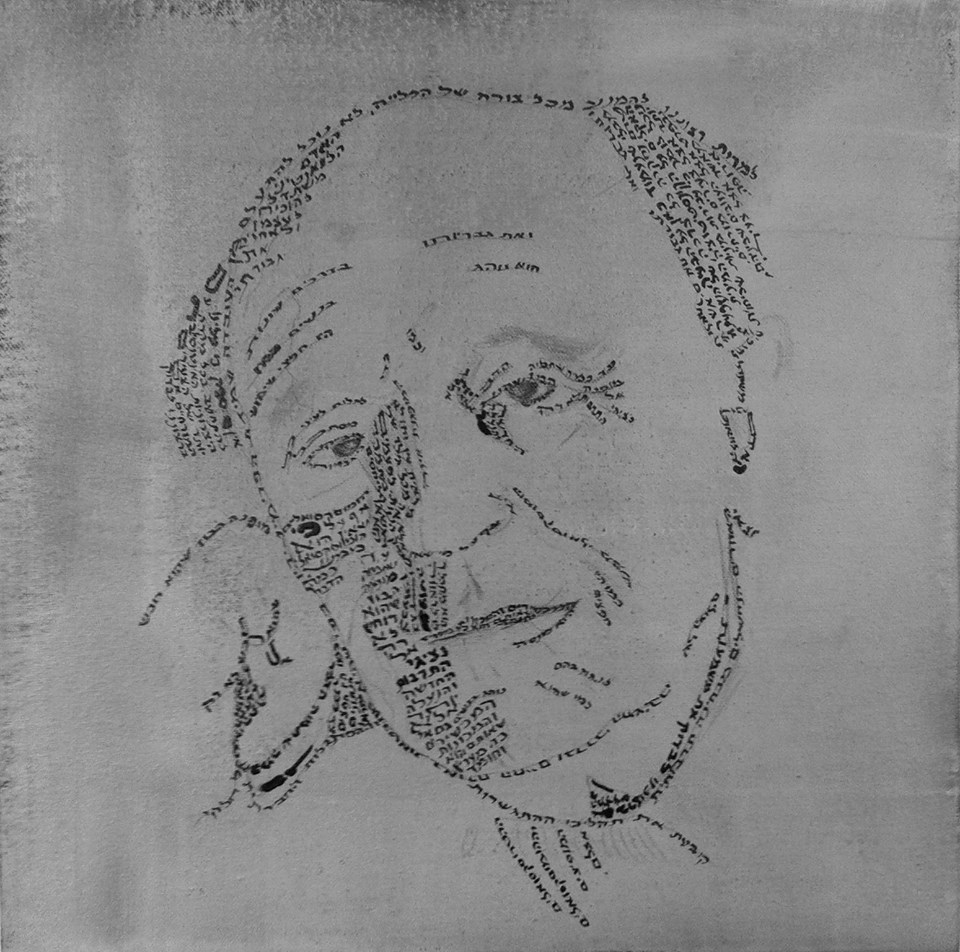
לתפארת מדינת ישראל תערוכתה של שולה קשת היא אמירה מושחזת, אמנות המגויסת לזעקה בריש גלי. קשת יצרה דיוקנאות של שורת אנשי ציבור ואמנים מימי טרום המדינה ועד היום. הדיוקנאות עשויים אותיות זעירות במסורת של מיקרוגרפיה, צורת אמנות יהודית.
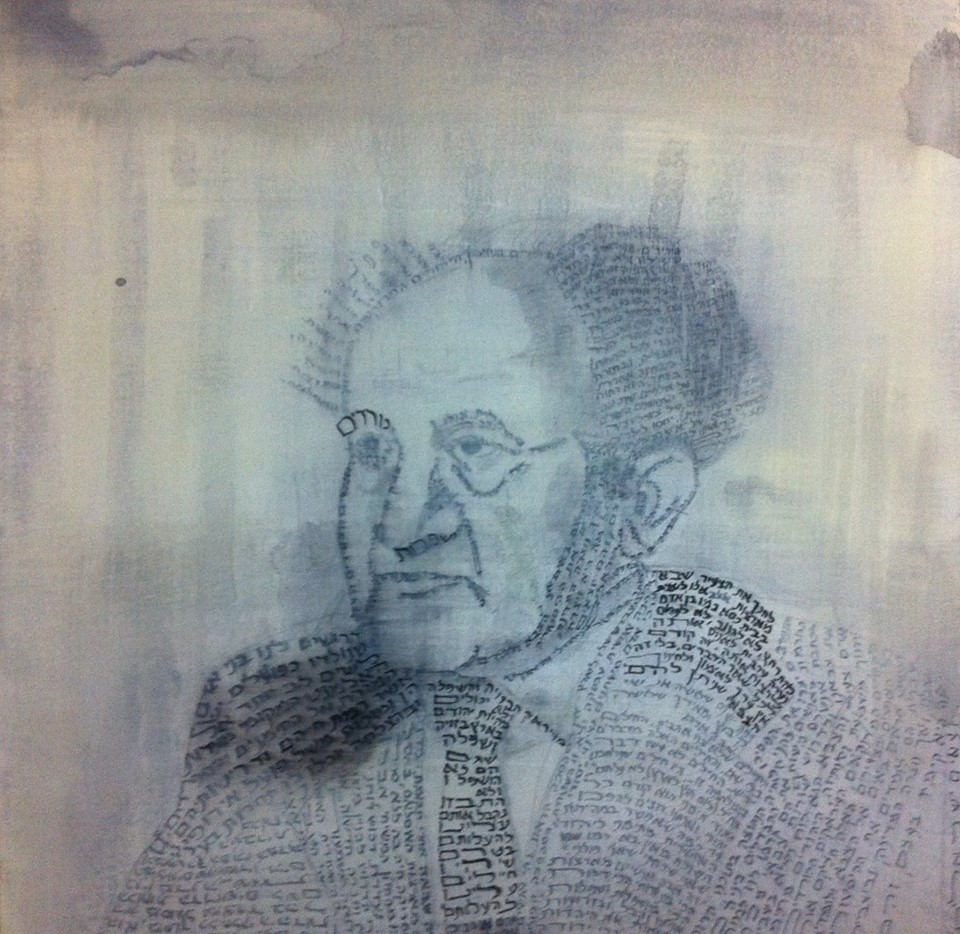
David Ben-Gurion

David Ben-Gurion

הטקסט ממנו כתובות פניהם הם ציטוטים של אמירות גזעניות מובהקות לגבי אנשים שמוצאת בארצות דוברות ערבית . קשת משרטטת קו גזענות העובר מארתור רופין מראשי הציונות בארץ ישראל בשנות העשרים והשלושים, דרך דוד בן גוריון ועד לאמירות עכשוויות של נתן זך, מתי כספי ואפרים שמיר. פניהם הם אפוא פני האמירות הגזענות שאמרו. ליד כל דיוקן מובאת האמירה והמקום בו נאמרה. הסדרה עומדת בצומת תרבותית מרתקת: המיקרוגפיה היא צורת אמנות עתיקה ומצויה כבר בפאר כתבי היד העבריים הקדומים ביותר ששרדו בידינו. בין הדוגמאות המוכרות ביותר תנ”ך לנינגרד שנכתב בקהיר ב 1008-1010, כתר דמשק מ 1260, ומחזור תפילות קטלוניה הנהדר מהמאה ה 14.
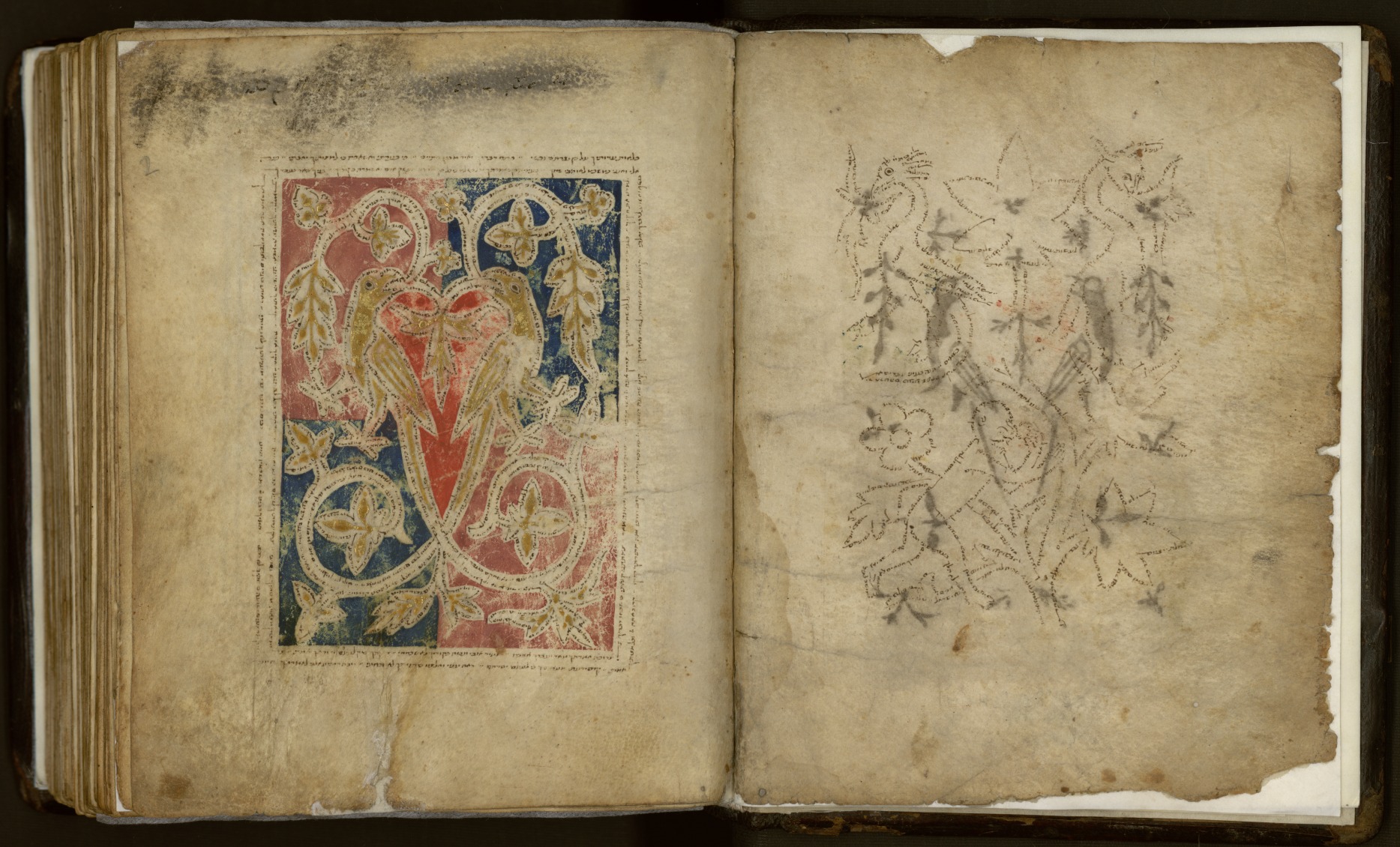
 Catalonian Prayerbookת14th century

Catalonian Prayerbookת14th century

בעת המודרנית מיקרוגרפיה שימשה גם בדיוקנאות אישים, בדיוק המסורת שממשיכה קשת. דוגמאות בולטות הן דיוקן וילהלם השני קיסר גרמניה ומלך פרוסיה,(שנחרט בהיסטוריה היהודית כמי שפגש את הרצל בא”י ב 1998, אף כי סופו של דבר לא סייע למטרות ציוניות),
Portrait of Wilhelm II, the German Kaiser and King of Prussia

Portrait of Wilhelm II, the German Kaiser and King of Prussia

דיוקן הרצל ודיוקן ביאליק שנכתב כולו מטקסט מגילת האש (1905).

המסורת השנייה שקשת מתייחסת אליה היא מסורת ציורי אישי המופת, בדרך כלל על ספריות ומבני אוניברסיטאות. העניין המחודש במסורת אירופאית ארוכה זו התעורר באמנות עכשווית בעקבות עבודת המפתח של גרהרד ריכטר 48 דיוקנאות שנוצרה לביתן הגרמני בביאנאלה בוונציה ב 1972. ריכטר צייר בפורמט אחיד סופרים,מדענים, מלחינים ופילוסופים, (לא אמנים חזותיים או פוליטיקאים) לפי צילומים. כולם גברים לבנים ממרכז אירופה וארה”ב וביניהם קפקא, אינשטיין, תומס מאן ואוסקר ווילד.
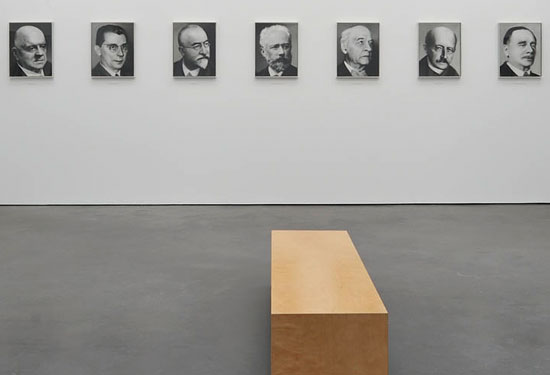
48 portraits by Gerhard Richter 1972

48 portraits by Gerhard Richter 1972

העבודה שנעדרו ממנה נשים ואנשים ממוצא לא אירופאי (אף כי יש בה כאמור יהודים, עדות נוספת לקשר הגורדי היהודי אירופאי) הציתה גל תגובות ועבודות שהתייחסו אליה. קשת, כמו ריכטר יצרה מיכלול שאין בו ולו אישה אחת, בגודל אחיד, פרקטיס מקובל בהצגה של שורות דיוקנאות גם מחוץ לעולם התרבות (בבנקים, מחלקות בתי חולים וכדומה). האירוניה בשם התערוכה אינה דורשת הסבר. דיוקן בן גוריון מורכב מציטוטים מזעזעים, רובם מוכרים, בהם ” דרושים לנו בני אדם שנולדו כפועלים… התימנים והספרדים, אשר רמת חייהם ודרישותיהם הן נמוכות משל פועל אירופי ובהצלחה יוכלו להתחרות בערבים.”מתוך דוד בן גוריון, תולדות תנועת הפועלים בארץ ישראל, צבי אבן שושן, ספר ראשון, עמוד 123 ו” היהודים מתימן, היהודים המרוקאים, העיראקים, הכורדים, כל האנשים הצעירים האלה, חלקם אולי כמעט פראים, באים אל הצבא ולומדים” מתוך ראיון למגזין “לייף”, 1957.
קשת מביאה גם מבחר ציטוטים של קרל פרנקנשטיין , חתן פרס ישראל לחינוך ב 1965 שנחשב לאחד ממייסדי החינוך והעבודה סוציאלית בארץ ועמד בראש החוג לחינוך באוניברסיטה העברית.
Karl Frankenstein

Karl Frankenstein

“האדם הלוואנטיני משתדל להוכיח לעצמו ולאחרים את גבורתו ואת גבריותו בדרכים שונות: הוא נוהג בנשים כמו היו חפצי-שימוש, וכמו כדי לגלות לעיני כל מסתכל אובייקטיבי כי גבריותו המופגנת אינה אלא מראית עין ותו לא, הוא מתהלך לו לראווה…
עד כמה שתמוה הדבר, מופנה הבוז שהוא רוחש לא רק אל נציגי התרבות החדשה והנעלה יותר, אלא גם אל המכשירים והמכונות, שאותם הוא כה מעריץ וחומד”. מתוך: “החיצון, בעיה חברתית”, עם עובד, 1983, עמ’ 181-183.
אם על ציטוטי בן- גוריון ופרקנשטיין עוד אפשר לחשוב כגילוי מכוער, של רוח תקופה, לפני ניצחון התנועות לזכויות האדם והאזרח, הרי הציטוטים מהעת האחרונה מדאיגים: נתן זך, מתי כספי ואפרים שמיר .
” … יש כאן שני עמים שאין ביניהם שום דבר במשותף; אלה באים מהתרבות הגבוהה ביותר שישנה, התרבות המערב־אירופאית, ואלה באים מהמערות.” זך בראיון לתוכנית “המקור”, ערוץ 10, 21 ביולי 2010.
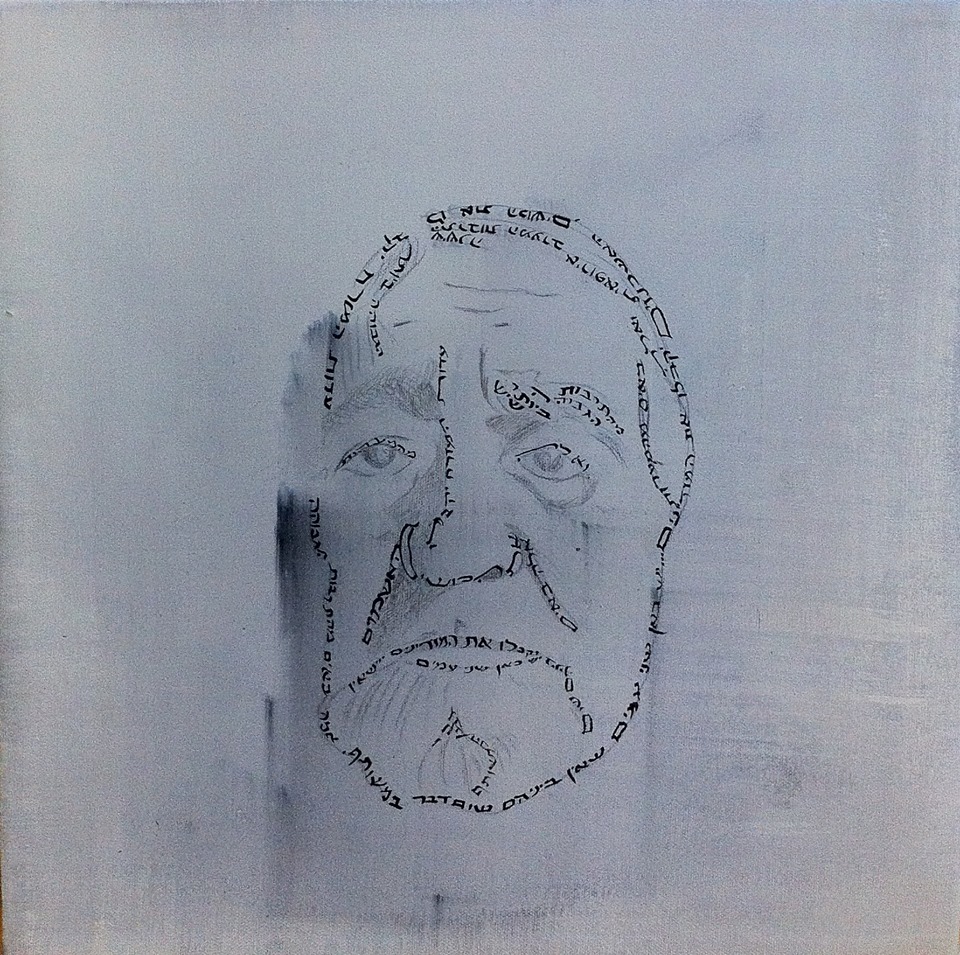
Natan Zach

Natan Zach

ושמיר “אני לא מתייחס למזרחית… זו מוזיקה שנועדה ללוות שמחות כך שאני לא מתייחס אליה כצורת אמנות בכלל…” שמיר, 8/12/2011 , וואלה תרבות.
כספי מלין על רמת הטקסטים : השירה הזאת פועלת בתוך נוסחה שאין בה שום עומק. לצערי, הזמרים האלה, ומי שבוחר עבורם את החומר, לא שומרים על רמה ספרותית נאותה. תמיד אותו טקסט על שיברון לב ואיזו מסכנות מהולה בבדידות. זו לא רמה.” כספי, ישראל היום 31/1/2014
לתפארת מדינת ישראל מוצגת בבית אחותי ברחוב מטלון בדרום תל-אביב, אזור שטרם נעשה אופנתי והוא המוקד הרותח של קהילה מוחלשת ומהגרים מאפריקה. האמנות תלויה על הקירות של החנות/בית קפה/ספריה/גלריה הפתוחה לרחוב. לעומת הדיונים הרבים על אמנות וקהילה שנערכו מאז קיץ 2011 בין כותלי מוזיאונים ואקדמיות לאמנות, התחושה כאן
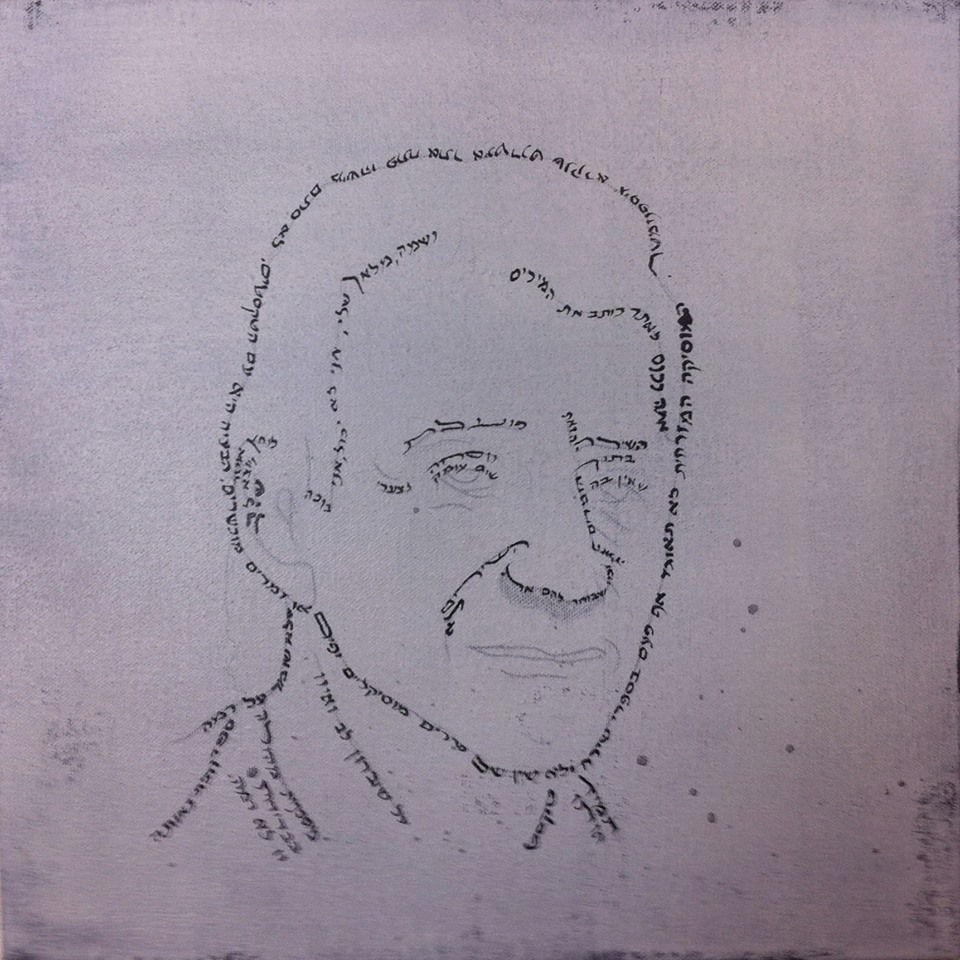
Mati Caspi

Mati Caspi

היא של עשייה וקשר אמיתיים ולא חיפוש אחר חומר לעבודת אמנות או מחקר בפורמט זה או אחר.
קשת מדברת על פצע שלא העלה ארוכה. האמירות שהיא מצטטת חיות בנתוני הלמ”ס, שנכללים בדו”ח מרכז אדוה שפורסם השנה והוכיח שפער חברתי על בסיס עדתי עדיין קיים: שכיר עירוני, שנולד להורים ילידי אירופה או אמריקה, מרוויח 42% אחוזים יותר מההכנסה הממוצעת במשק. שכיר שנולד להורים ילידי אפריקה או אסיה מרוויח רק 9% מעל ההכנסה הממוצעת.
העבודות של קשת מותירות את הצופים במבוכה מסוימת בגלל הגזענות הנחשפת אך גם בגלל השימוש החשוף של קשת המדיום האמנות . ללא התנצלות ותוך חיפוש אחר עוצמת ובהירות האמירה היא משתמשת במדיום הדיוקן. זו לא תערוכה שנוגעת בנימי הנפש אבל היא נחרטת בזיכרון ומדגישה את הצורך להביע את שעט הנפש מהגזענות שעוד קיימת .

לתפארת מדינת ישראל , בית אחותי, רחוב מטלון 70 ,תל-אביב

לקבלת הניוזלטר השבועי של אירועים, תערוכות חדשות ונושאים כללים של אמנות אנא הירשמו בלינק הבא . הרישום נפרד מהרישום לקבלת בלוג החלון

http://old.smadarsheffi.com/?p=925

For the glory of the State of Israel
Shula Keshet’s exhibition, For the glory of the State of Israel (the phrase used in the official torchlighting ceremony on Independence Day), makes a sharp statement of public protest. Keshet created micrography portraits of leading Israeli political and cultural figures from the pre-state period to contemporary times. Using a traditional Jewish art form, micrography, Keshet uses the minute letters to create portraits. In this case the words are quotations from the subjects’ writings and statements of racist sentiments about Jews from Moslem countries. Keshet traces the line of racism from Arthur Ruppin, one of the early Zionist leaders in Mandatory Palestine-Eretz Israel in the 1920s and ‘30s through pivotal statesman David Ben-Gurion and contemporary culture figures Natan Zach, Mati Caspi and Efraim Shamir.
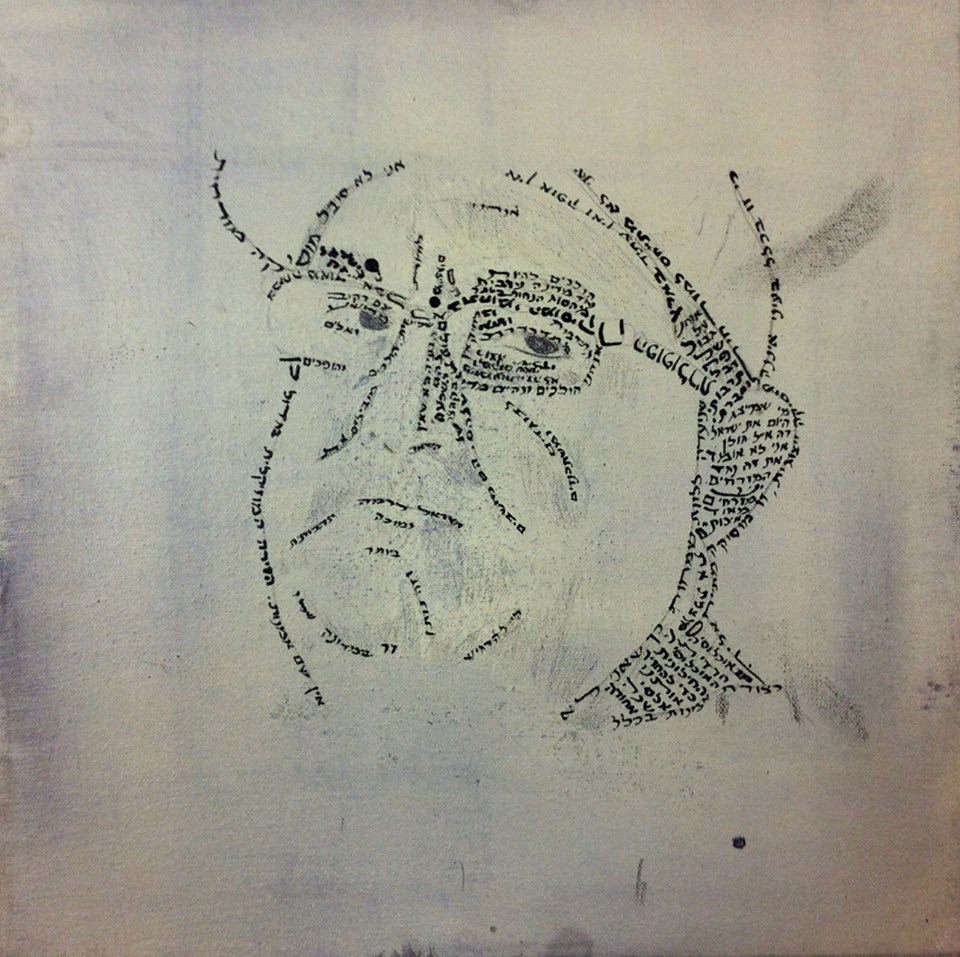
Efraim Shamir

Efraim Shamir

Their portraits are the face of racism, as the labels show the statements and where and when they were made.
Keshet’s series of portraits stands at a fascinating cultural juncture: micrography is found in the earliest most splendid ancient surviving 10th century Hebrew manuscripts. Among the most well-known examples are the Leningrad Bible, written in Cairo (1008-1010), the Damascus Torah Codex (1260), and the outstanding 14th century Catalonian Prayerbook.The tradition of micrography has also been manifested in portraits made in modern times, a tradition Keshet continues. Examples are the portrait of the King of Prussia, Kaiser Wilhelm II,portraits of Herzl and a picture of Bialik, the National Hebrew Poet, entirely formed from his text of the Scroll of Fire (1905).
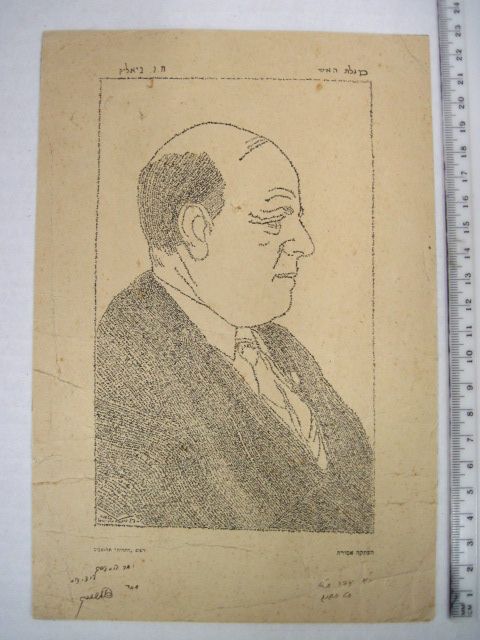
H. N. Bialik

H. N. Bialik

The second tradition Keshet refers to is the genre of “portraits of great men” often found in libraries and university buildings. This is a long European tradition, and interest in it was revived by Gerhard Richter’s key work, 48 Portraits, painted for the German pavilion of the 1972 Venice Biennale. He created 48 individual portraits of historical figures for the exhibition space of the pavilion: writers, scientists, composers and philosophers can be found, whereas politicians and visual artists are not represented. Franz Kafka, Thomas Mann, Albert Einstein and Oscar Wilde are among the most famous, alongside some less-known individuals.The 48 Portraits depict solely white central European and American males, born between 1824 and 1904. Missing are women and non-Europeans (although there are Jewish figures, further evidence of the Gordian knot of the Jewish-European connection). The work generated a wave of reactions and artworks.

48 portraits by Gerhard Richter 1972

48 portraits by Gerhard Richter 1972

Keshet followed Richter’s tradition: her series features not a single woman. All of the portraits are of uniform size, a representation one can find outside of dedicated cultural spaces (e.g., banks and hospital wards). The irony needs no explanation. Ben-Gurion’s portrait is composed of mostly well-known but nevertheless shocking statements, such as “We need people who were born to be laborers…Yemenites and Sefardim [Mizrahim], whose standard of living and requirements are lower than European laborers, and can compete successfully with the Arabs” (Zvi Even-Shoshan, David Ben-Gurion: History of the Workers’ Movement in Eretz Israel, Vol. I, p. 123). Or, “The Jews from Yemen, the Moroccan, Iraqi, Kurdish Jews, all these young people, some are perhaps nearly savages, they come to the army and learn” (from a 1957 interview in Life Magazine).

David Ben-Gurion

David Ben-Gurion

Keshet also quotes from Karl Frankenstein, 1965 Israel Prize laureate in education, considered one of founders of Israel’s education and social work system, former head of the Hebrew University of Jerusalem’s Department of Education: “Levantine man attempts to prove his courage and virility to himself and others in various ways: he treats women as if they were objects to use, and to show every objective observer that his demonstrable manliness is nothing but surface, he struts around like a peacock…It is very surprising that his scorn is directed not only to the highest representative of the new culture, but also to the new tools and machines that he so admires and desires” (From A social problem (Tel Aviv: Am Oved, 1983), pp. 181-183.While we can consider the quotations by Ben-Gurion and Frankenstein as overt ugly reflections of the spirit of their time, before the triumph of human and civil rights movements, what is especially worrisome are very recent opinions stated by poet Natan Zach and musicians Mati Caspi and Efraim Shamir: “…we’re talking about two peoples who have nothing in common; one comes from the highest culture there is – western European culture – and the others are cavemen.”( Zach in a television interview for HaMakor, Channel 10, July 21, 2010).As for Shamir, “I don’t relate to Mizrahi [music]…it’sparty music, so I don’t refer to it at all as an art form…” ( Shamir, Walla culture (online), August 12, 2011). Mati Caspi had some complaints about the level of the lyrics: “The text of these songs have no depth. To my regret, these singers, and the ones choosing their material, do not maintain a proper literary level. There’s always the same text about heartbreak and misery mixed with loneliness. This is not what you would call being on a good standard.” (Yisrael Hayom newspaper [“Israel Today”], January 31, 2014)

Mati Caspi

Mati Caspi

.For the Glory of the State of Israel is on exhibit at Achoti (“sister”) House on the pre-gentrified Matalon Street in south Tel Aviv, the simmeringepicenter of the low socioeconomic population and work immigrants from Africa. The artworks hang on the walls of the shop/café/library/gallery open to the street. In contrast to the numerous discussions on art and community held since the “summer of protest” of 2011 in museums and academic art institutions, the feeling in Beit Achoti is one of grassroots action and genuine connection – and not as a search for raw content to make art in some format or another. Keshet is referring to an unhealed wound. Her statements are alive and well, reflected in Israel’s Central Bureau of Statistics data appearing in the Adva Center report published this year, proving that the social gaps based on ethnicity still exist: a municipal salaried worker of European or American descent earns 42% more than the average Israeli wage earner. An employee of North African or Asian descent earns only 9% more than the average national income. Keshet’s works leave viewers somewhat embarrassed due to the exposed racism, but also because of her medium. She utilizes the portrait without apology, looking in a different direction for power and clarity of statement. This is not an exhibit touching the deep chords of the soul, but stamps itself in the memory, and motivates at least an internal act of recoiling and excluding the racism that still persists.

Translation by Judith Appleton

 For the Glory of the State of Israel ת Achoti (“sister”) House -70  Matalon Street Tel Aviv,
Posted in Uncategorized, ציור | Comments Off on Shula Keshet “For the glory of the State of Israel”| “שולה קשת “לתפארת מדינת ישראל

אבי סבח צאלים |Avi Sabah Tse’elim

Please scroll down for English

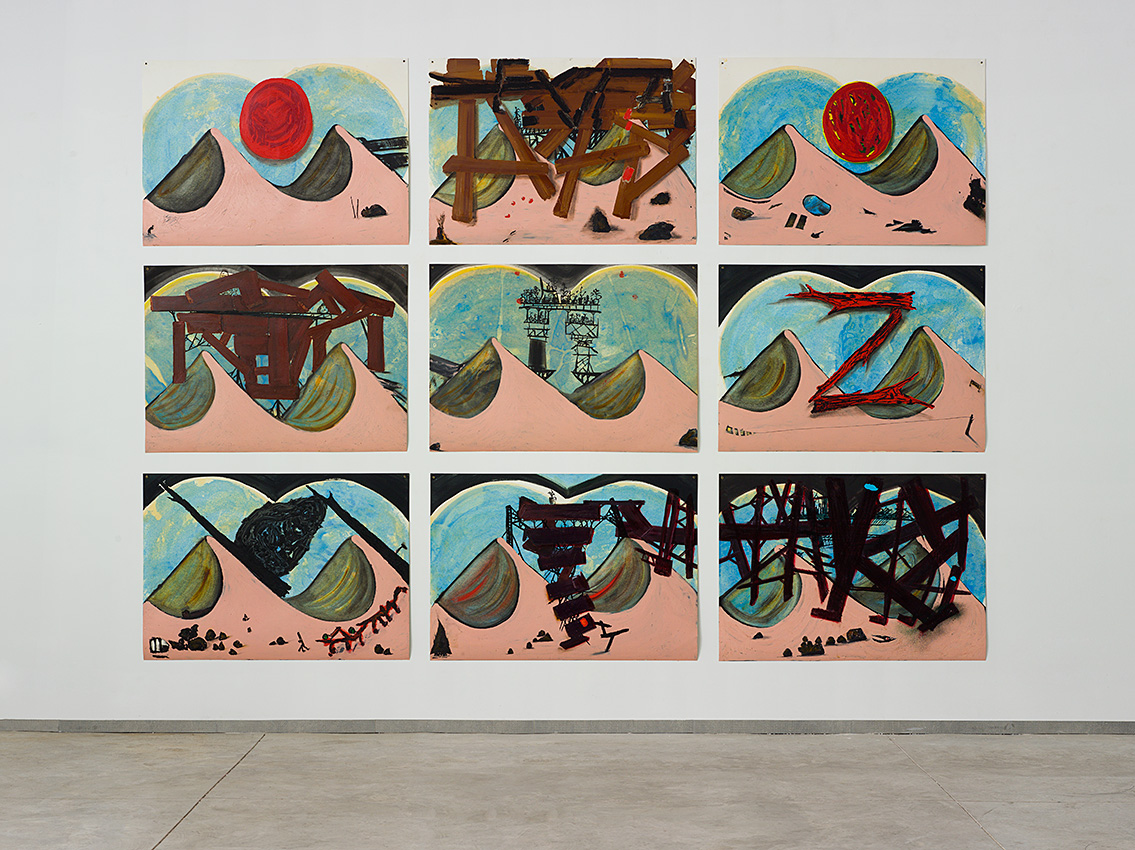
צאלים תערוכתו של אבי סבח בסדנאות האמנים בתל- אביב אינה מקבילה חזותית ל”צייד הצבאים” סרטו של מייקל צ’מינו מ 1978. סבח אינו מדבר באופן הצהרתי על האימה והקושי שהפכו למצב הוויתי בעת שרותו הצבאי בצאלים שנים אחדות אחרי אסונות צאלים א ו ב 1990ו 1992 .כמו בסרט הוא כורך אמנות ומימד סימבולי מיסטי בדיבור על חווית האלימות של צבא גם אם אינו מוחה כנגד ישות זו או אחרת. צאלים היא דיבור על מה שמחלחל ומצטרף לאקויפר תת קרקעי של כאב , שמצטבר קרוב מאד לפני השטח. דווקא משום שאין בתערוכה של סבח טרטורים,מחסומים או מראות מעוררי חלחלה של המפגש בין צבא לאוכלוסיה אזרחית תחת כיבוש היא מסמנת, את האופן בו חל שיבוש עמוק במה שאנו מתייחסים אליו כנורמטיבי. הטקסט הנלווה לתערוכה , של האוצרת ד”ר ורד זפרן גני מבטא גם הוא את הקושי להתמודד עם השיבוש הזה, וכך אחרי טקסט אבסטרקטי למדי, שכמו מגונן על אוטונומית האמנות , מוזכר בסופו שירותו הצבאי של סבח בצאלים, אופציה נוספת לקריאה של העבודות . שאלת הסדר היא עקרונית : האתיקה והאסטטיקה פועלות יחד. שני ציורים שתלוים כמעט זו מול זו הם צירי התערוכה .

Tse’elim 2014

Tse’elim 2014

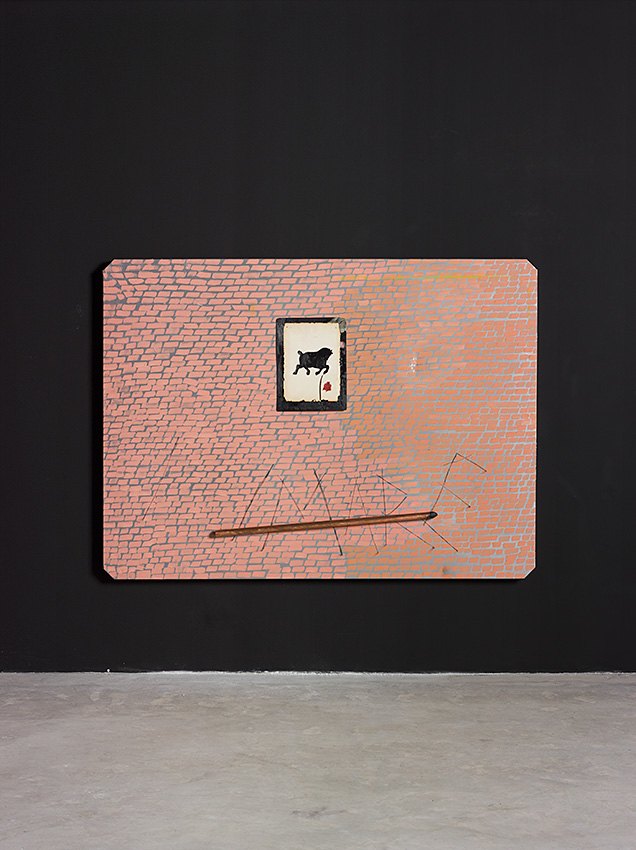
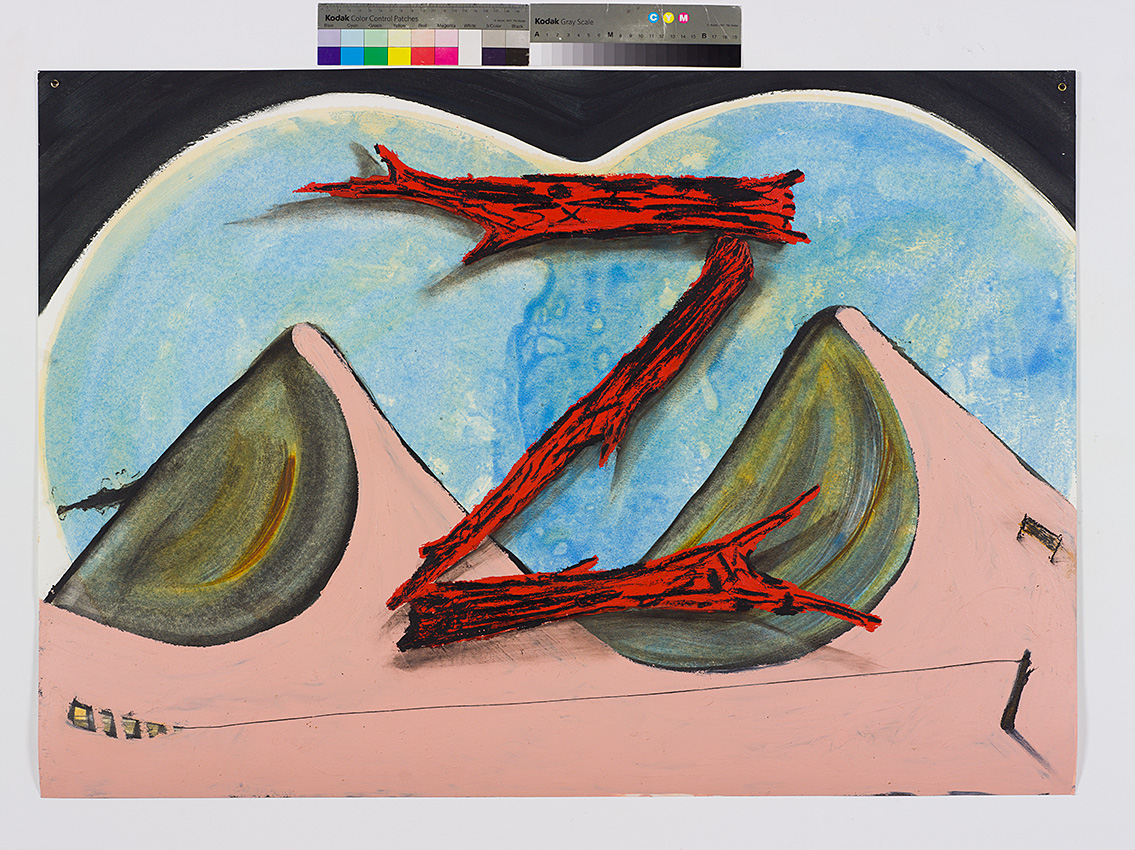
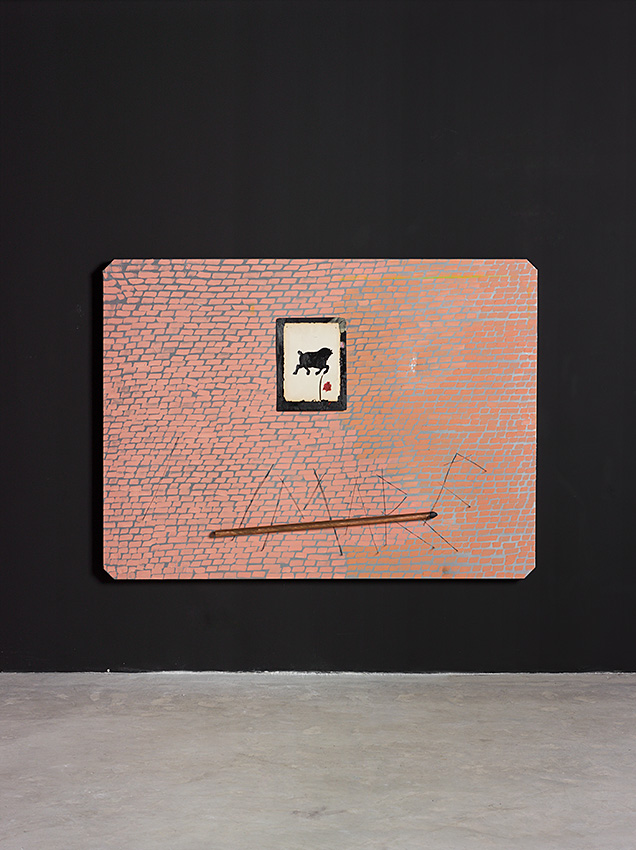
הפוליפטיך בן תשעה החלקים צאלים וממול , במפלס הנמוך יותר של הגלריה , MARE , עבודה מצוירת על גב מיטה . ב”צאלים” חוזרים צבעי ורוד ותכלת כמעט ילדותיים והנוף מצויר כמו מבעד לעדשות משקפת : לצופים ניתנת אפוא נקודת מילוט –אנחנו רחוקים וזיכרונות מתקופות מוגנות נוכחים בתוך המראה הרגוע כביכול מתרחשת הדרמה. בנוף שנדמה כנוף ירח בצבעים מתקתקים מהלכות דמויות קטנות (שמזכירות באופן כלשהו את הדמויות הקוויות של מימו פלדינו Mimmo Paladino או כהן גן ) ומבנים כהים, מורכבים ולא ברורים . על ציור אחד מצויר Z גדול כמו בדיחה על דמות גיבור העל זורו הספרדי שהומצא בארה”ב בתחילת המאה הקודמת כמגן החלשים , באחרים שמש אדומה גדולה תלויה מעל להרים ,גרסה סכמטית של אין סוף דימויי שקיעה . חלקי הפוליפטיך יוצרים מה שנדמה כמעקב אחר נוף ספק מזריחה עד שקיעה ספק דמדומים זמן , מאין לא יום ולא לילה, תלוי MARE.במרכז על נייר דימוי של מה שנראה כחיה דוהרת, ספק שור, ספק סוס. הדף מודבק לרקע שמצויר כמו קיר לבנים ורודות ועליו חנית והכיתוב MARE

MARE 2014

MARE 2014

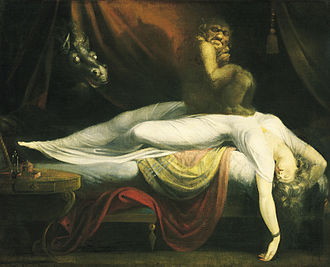
. המילה שפירושה באנגלית עכשווית סוסה מיתי הייתה כינוי של שד שהציק לאנשים בחלומות רעים (כמו בציור של פוסלי מ 1781 ) וכך סבח מתייחס לסיוטים ,לביטויים של אימה המתגנבים לחיי היום יום.

Fuseli The Nightmare

Fuseli The Nightmare

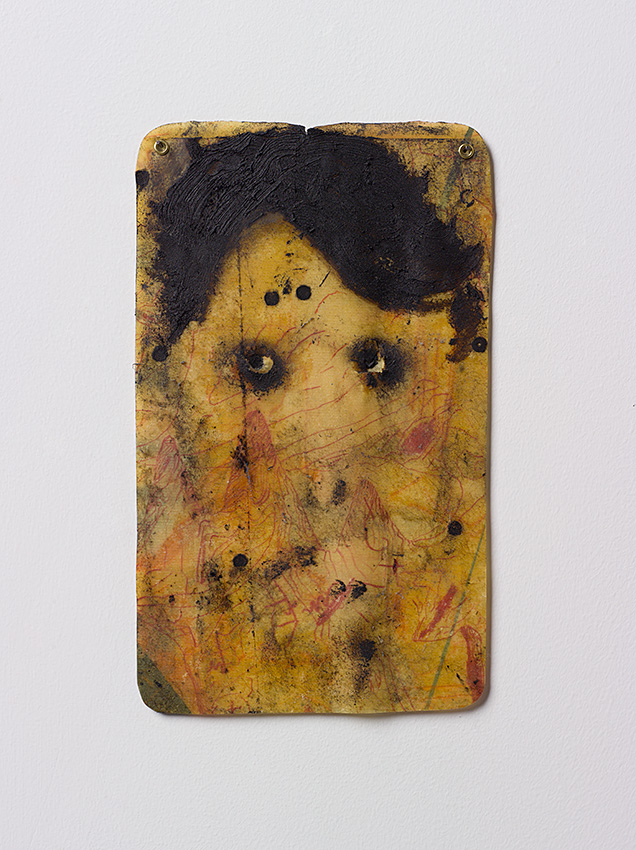
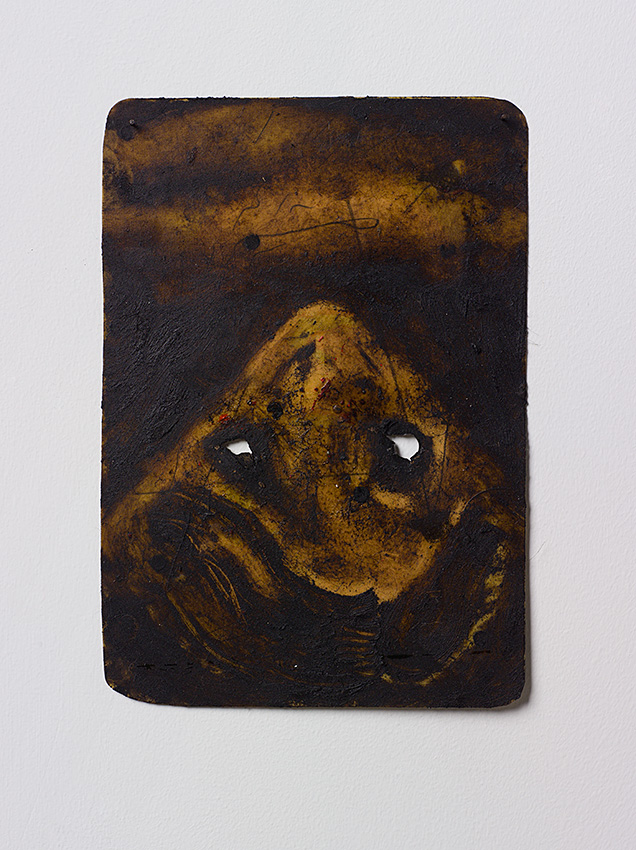
בשני הציורים משיחות הצבע של סבח סמיכות וחיות ,הוא חוגג את החומריות פעולת הציור כישות בעלת נוכחות. תחושה ברורה של פציעה,קריעה וחרדה עולות מעבודות הנייר של סבח. אלו עבודות קטנות העשויות על נייר המיועד להדפס ,נייר חזק במיוחד שעובר תהליך של הספגה בשמן עד שהוא מקבל צבעוניות צהבהבה מוכתמת ,שקופה למחצה כמו עור פצוע או חולה . סבח צייר על הניירות בעט טוש ודיו, באדום ושחור. הדימויים נראים כצלילה לעולם של חרדות ופחדים שמתקשרים לשרשרת הסימבוליסטית של גויה, מקס קלינגר הגרמני, גימס אנסור הבלגי או אלפרד קובין האוסטרי, כולם אמני מאה 19 וראשית המאה הקודמת.

Untitled 2014

Untitled 2014

האסוציאציות לסימבוליזם נכרכות בעיסוק של סבח בהיבטים המיתיים – מיסטיים שהיו נוכחים בסביבה בה גדל במעלות בתוך משפחה מורחבת ששורשיה מצפון אפריקה, מרוקו וטוניס. זווית ההתבוננות הרב ממדית על העולם, זו הקוראת אותו גם כסמלים ורמזים (ומהדהד את רבדי הקריאה הפרשנית היהודית פשט, רמז, דרש, סוד) עלתה כבר בתערוכה קודמת של סבח בה עסק בדמויות שתי סבותיו וכאן היא נוכחת דרך אשכול, מטולטלת, סכיני נחושת התלויה מהתקרה. האשכול שמזכיר פירות אבל בעיקר משדר סכנה ופוטנציאל פציעה הוא אובייקט מאיים. הסכינים מתקשרות ללוחמה, לטקסי “שחור” .כמוהם מאיימים גם צינורות נחושת ארוכים התלויים , כמו אשכול הסכינים, מהתקרה או מונחים במפתח חלון פנימי. הצינורות שקצותיהם חרוכים שחורים מזכירים חניתות או עפרונות ענק ויוצרים מה מאין קווי מתאר של גדר, משוכה, או הפרדה,דיפוזיית מאד אך שרירה, כמו בינינו לבין זיכרונותינו. בפינה של הגלריה , ליד הפוליפטיך צאלים העמיד סבח פסל נוגה שיש בו הומור מסוים.

U

Untitled 2014

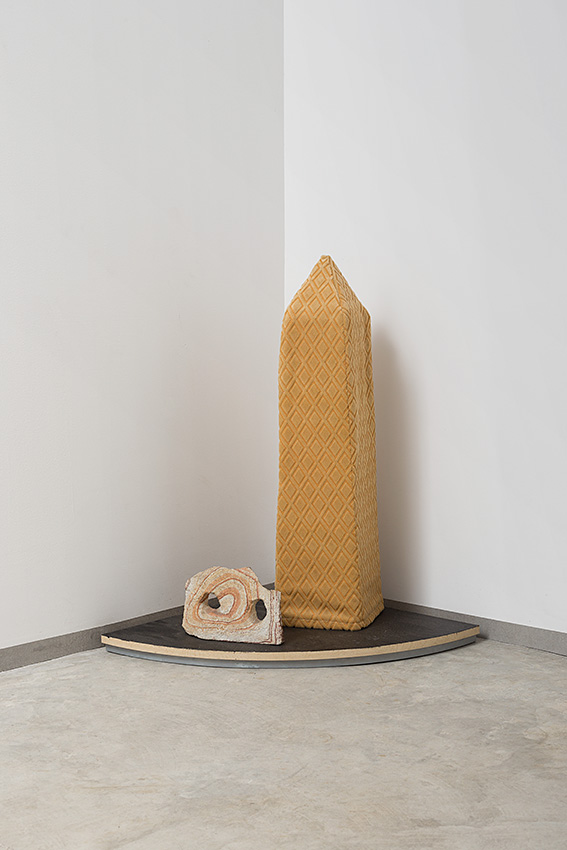
על אובליסק מוקטן מכוסה בד ריפוד העמיד אבן במיועדת לאקווריום , כזו שדגם יכולים לשחות דרך חלונות-חורים שבתוכה והכל עומד על שיש שנצבע שחור ונחרטו בו קווים כמו שדה חרוש . האובליסקים סימלו במצרים אל ונתפסן כקרן שמש שהתאבנה.כובשים שונים שדדו אובליסקים והציבו אותם כסמלי ניצחון (כך בפריז וושינגטון ורומא ועוד). יש משהו אבסורדי ומגוחך במתכוון באובליסק המוקטן, המכוסה, קצת כמו חיקוי טבע באקווריום ,כמו המודעות של האמנות למגבלות כוחה . סבח בולט כבר כעשור כאמן שיוצר שפה פיגורטיבית סימבוליסטית עשירה והבנה מרתקת של שימוש בחומר מנחושת ועד שמיכות שעירות . בתערוכה הזו הוא מרחיב את היריעה מחבר צללים וחששות ונוגע בעצבים חשופים.

צלם אלעד שריד

 אוצרת ד”ר ורד זפרן גני

סדנאות האמנים, קלישר 5 תל-אביב ג – ה 15:00- 19:00 ו ושבת 11:00- 14:00

http://old.smadarsheffi.com/?p=925 לקבלת הניוזלטר השבועי  רישום נפרד מקבלת בלוג החלון

Avi Sabah  Tse’elim

Avi Sabah’s exhibition, Tse’elim, at the Tel Aviv Artists’ Studios, is not the visual equivalent of Michael Cimino’s film The Deer Hunter (1978). It makes no clear statement about the angst and difficulties of Sabah’s military service at the base where fatal training accidents had taken place a few years before. Like Cimino, Sabah combines art and a mystical symbolic dimension with the experience of military violence, in Sabah’s case without an explicit protest against a specific body.

Tse’elim 2014

Tse’elim 2014

Tse’elim speaks about what filters down to the subterranean level of pain very close to the surface. Yet it is precisely because Sabah’s exhibition depicts no vicious hazing, checkpoints or scenes of IDF soldiers encountering Palestinian civilians that it marks the deep disruption in what we refer to as “normative.” Curator Dr. Vered Zafran Gani addresses the works in an abstract text, in the tradition of reading art in a formalistic manner. She is, perhaps, protective of the autonomy of art, and only at the end of the text does she mention Sabah’s army service at Tse’elim as an additional option for reading the works. The order in the text is an important issue: ethics and aesthetics work together.Two paintings nearly opposite each other form the axis on which the exhibition is arranged: the nine-part polyptychTse’elim faces Mare, painted on a wooden bedboard.

Tse’elim (detail)

Tse’elim (detail)

In the work Tse’elim, pink and azure appear repeatedly, almost childlike in coloring, and the landscape is drawn as if through binoculars: viewers are thus provided with an escape route; we are allowed to be distant, with memories from periods of being protected present in the scene. The landscape is calm on the surface but is the arena for drama. Small figures walk through a moon-like landscape in candy colors (reminiscent somehow of linear figures by MimmoPaladino or Pinchas Cohen Gan), with complex, unclear dark structures. On one picture, a large “Z” is drawn like a joke referring to Spanish superhero Zorro, invented in the US in the early 20th century as a protector of the weak. In others, a large red sun hangs over the mountains, a schematic version of an infinite number of sunset images. Some of the nine parts create what looks like tracking through a landscape from what may be a sunrise to sunset, perhaps twilight,evoking an apocalyptic situation of “neither day nor night,” and facing it hangs the workAvi S_015 Mare.In the center of the bedboard, on paper glued to the wood, is an imageof what looks like a galloping ox-like or horse-like animal, against a background of pink bricks painted directly on the board. On it is a spear-like element and the word “Mare.” in contemporary English it is a female horse. In early English, it was the name of a nighttime demon causing bad dreams (as in Fuseli’s 1781 painting). Sabah refers to nightmares and expressions of anxietiesinfiltrating waking life. Both paintings have thick, lively brushstrokes, as Sabah celebrates the materiality of the act of painting as an entity with presence.
A clear sensation of wounding and tearing arises from Sabah’s works on paper. These small works are on heavy paper meant for printmaking, which has undergone a process of absorbing oil to become stained yellowish like wounded or diseased skin. Sabah used pen and red and black ink, producing images diving down into a world of fears associated with the imagery of artists of Symbolism such as Goya, German artist Max Klinger, Belgian painter James Ensor, or Austrian artist Alfred Kubin, all of the late 19th-early 20th century.

Untitled 2014

Untitled 2014

Associations to Symbolism are inherent to Sabah’s engagement in the mythical-mystical aspects present in the community in Ma’alot where he grew up, and his family’s roots in North Africa. His multifaceted viewpoint on the world, reading the world as symbols and hints (resonating with the fourfold approach to Scripture on the ascending levelsof literal, allegorical, metaphorical and mystical) was visible in Sabah’s previous exhibition which showed images of his two grandmothers. In the current exhibition, it is present in the images of the cluster of copper knives hanging from the ceiling like a pendulum. It is reminiscent of fruit, but conveys danger and potential injury as a threatening object. The knives are associated with battle and the “sh’chur” magic rituals. Long copper pipes hanging from the ceiling or placed on the ledge of an interior window, are also threatening. Their blackened edges are similar to javelins or huge sharpened pencils, creating the contours of a fence, a barrier or separation, diffuse yet very powerful, like the partition between us and our memories.

U

Untitled 2014

The corner piece near the polyptych is a mournful but humorous sculpture.Next to a small obelisk, covered in upholstery material, Sabah placed an aquarium stone, of the type that fish can swim through, placed on marble painted black carved with furrow-like lines. Obelisks symbolized the gods in Egypt, and were considered stone versions of a sunbeam. Various conquerors looted the obelisks and used them as a symbol of victory (e.g., Paris, Washington, Rome and others). There is something intentionally absurd and ridiculous about the reduced size of the covered obelisk, a bit like the imitation of nature intended for the aquarium, or art’s consciousness of its limited power.
Sabah has stood out over the last decade as a creative artist with a rich, symbolist figurative language and fascinating understanding of how to use various materials, from copper to hairy blankets. In the exhibition Tse’elim he broadens the canvas as he connects shadows and fears to touch exposed nerves.

Phtographer : Elad Sarig

Curator:Vered Zafran Gani
Tel Aviv Artists’ Studios, Kalischer 5, Tel Aviv, Tues.-Thurs., 3-7 p.m.
Fri – Saturday 11:00- 14:00

Posted in פיסול ומיצב, ציור | Comments Off on אבי סבח צאלים |Avi Sabah Tse’elim

David Perlov: Drawings, Photographs, Film |דוד פרלוב רישומים, תצלומים, סרטים

Please scroll down for English

הבן של הקוסם
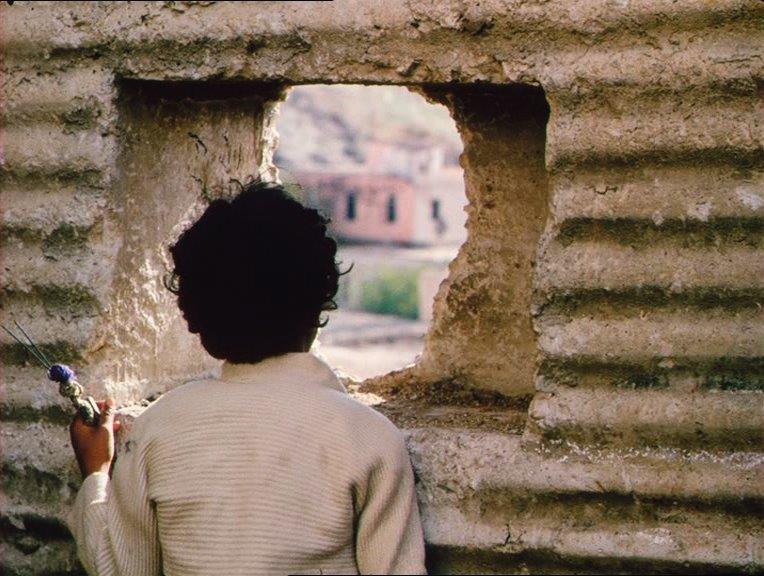
דוד פרלוב רישומים, תצלומים, סרטים היא תערוכה אינטלקטואלית, תערוכה הפורשת זווית ראיה של העולם , ועם זאת,במובנים מסוימים אינטימית. פרלוב ,שהלך לעולמו ב 2003 , מוכר בעיקר כאיש קולנוע ומזוהה עם “היומן”, הסרט שעשה בין 1973-83. הוא תיעד בו את משפחתו וחיי המדינה מנקודות מבט רבות ומצטלבות: כאיש משפחה, כאמן, כישראלי וכעולה , מעורה ומרוחק מהוויית היום יום. ארבעים שנה מאז החל את הפרויקט ואחרי מהפכות התיעוד שיצרו מצלמות הוידיאו הקטנות והסמארטפון אפשר לומר שפרלוב הקדים את זמנו מבחינת הגישה המידית, הבלתי אמצעית .למרות זאת האיכות הפרלובית היא מעבר לכך וצפונה באופן זיקק התרחשויות לידי סיפור. עבורי, כשעולה מושג “הזיכרון המושאל” אני חושבת על צילום שעותיה הראשונות של מלחמת יום כיפור אותן הסריט פרלוב מדירתו בתל-אביב שהפך להיות “זיכרון” שלי. לא ראיתי את הרגעים הללו או דומים להם אך השוט הארוך של פרלוב של המכוניות השועטות ברחובות הריקים ושל התכונה סביב בתי הכנסת, החרדה וההפתעה הפך עבורי לפרטי. התערוכה רישומים, תצלומים, סרטים מראה את אפיקי היצירה המוכרים פחות של פרלוב, בדו מימד וללא מימד זמן, תחילה כצייר ואחר כך ובמקביל כצלם. אוצרת התערוכה גליה בר-אור, יצרה מיכלול מרהיב שקווי התנועה המשתרגים שלו הם נביעה פנימית של רעיונות , היסטוריה משפחתית שנשמעת כלקוחה ישירות מספריו של גבריאל גארסיה מרקס, וההיסטוריה היהודית ישראלית הכאוטית של המאה הקודמת. צילומים ורישומים, כרזות, קטלוגים וסרטים קצרים משרטטים דמות של יוצר שהתתבוננות שלו על העולם רוויה אמפטיה אבל לא פחות

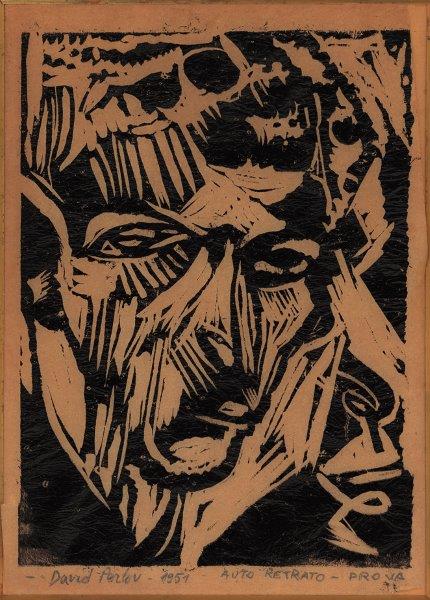
1951 Self portrait

1951 Self portrait

מכך ביקורתיות .
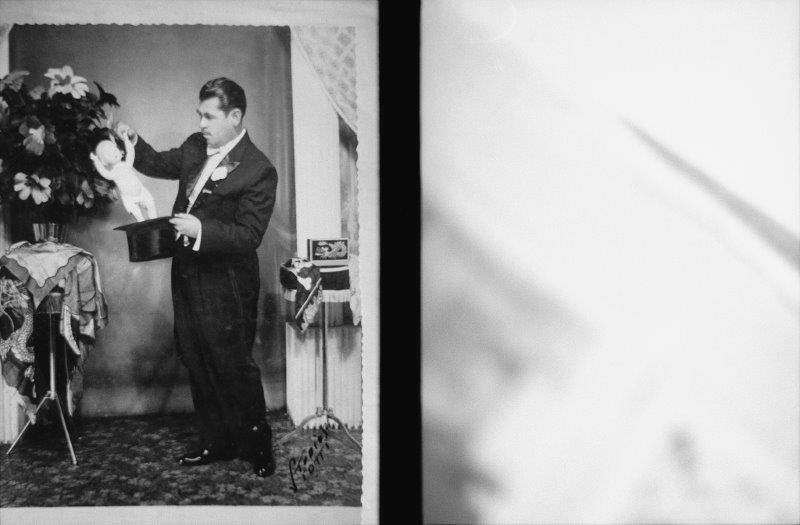
סדר התערוכה אינו כרונולוגי וגם לא נושאי. היא נפתחת באולמות רחבי הידיים של המוזיאון כסוג של ספירלה . אולם אחד מוקדש לסרטיו המוקדמים, בהם בירושליםהפיוטי על ירושלים המחולקת שלפני ששת הימים ו”ביבה ” על אלמנת מלחמה מבית יהושוע שנועז, אפילו כיום, במבט המפוכח על שכול. הצפייה בסרטים היא חלק חשוב מההכרות עם פרלוב אך בתערוכה זו העשייה הקולנועית אינה מאפילה על שאר יצירתו של פרלוב , על לבטיו. פרלוב נולד בברזיל 1930 צאצא למשפחה חסידית שהתיישבה בצפת במחצית השניה של המאה ה 19 . אביו,משה, נולד שם. בעת מלחמת העולם הראשונה כאשר סבו של פרלוב נמלט לרוסיה מאימת הגיוס לצבא הטורקי נשאר משה עם אימו בצפת . הוא סיפר שנים מאוחר יותר שפירנס את עצמו ואת אמו, אשה פשוטה וקשת יום ,בכייסות ומעשי זריזות ידיים,מיומנויות שאולי בזכותן הפך בבגרותו לקוסם .כששב האב מרוסיה כבר היה נשוי לאישה אחרת . הוא לקח את משה בן התשע או העשר מאימו בצפת והיגר איתו לברזיל. ההיסטוריה המשפחתית חזרה שוב כטרגדיה או פארסה. משה שהיה נער הכיר בברזיל צעירה יהודיה שהרתה לו ועד מהרה נטש אותה ואת בנו דוד פרלוב ואחיו אהרון. האם והבנים התגוררו בעיר בלו הוריזונטה בתנאי עוני מחפיר. כשהיה דוד בן 10 לקח אותו סבו ,אותו סב שנטש אישה בצפת ולקח ממנה את בנה, לסאו פאולו. עם אביו הקוסם התראה דוד פעמים ספורות בחייו ועם אימו, נשמר קשר

 משה פרלוב ,הקוסם  1959  Moshe Perlov , The Magician

משה פרלוב ,הקוסם
1959
Moshe Perlov , The Magician

רופף.

המפנה הדרמטי שחל בחייו עם המעבר לבית הסב המבוסס יחסית בסאו פאולו כלל גם הכרות עם האמן לזר סגל ,שכן של סבו, ואמן מרתק אמנותית וכמקרה של הגירה והשפעה בין –תרבותית. סגל, יליד וילנה שלמד בברלין ודרזדן, היה ממקימי הססציון של דרזדן ב 1919 יחד עם אוטו דיקס וקנרד פליקסמולר . לברזיל היגר בשנות העשרים ויצר בסגנון אקספרסיוניסטי בהשפעה ניכרת של אמנות דרום אמריקאית . עד למלחמת העולם השניה הרבה בנסיעות לאירופה והציג שם בהצלחה ניכרת במקביל להיותו ממקדמי המודרניזם בברזיל.פרלוב הכיר אפוא, כבר כנער את היצירה העכשווית של זמנו לצד הכרות עם הקלאסיקה. בעבודתו של סגל ניתן ביטוי נרחב לרגישויות החברתיות שלו (כולל סדרות על חיי יהודי במזרח אירופה) ורגשיויות אלו עלו בקנה אחד עם הרגישויות של פרלוב שנבעו מההיסטוריה האישית שלו. בזכות סבו, ובשל הפעילות בתנועת נוער ציונית וראשית ההבנה של היקף השואה היה לפרלוב הצעיר גם עניין בתרבות יהודית. במקביל התוודא לעולם האמנות הנוצרית , במוסיקה דתית ששמע ברדיו וכנראה גם בדימויים מסביבתו השטופה אדיקות עממית .
בתערוכה מוצגים רישומים של פרלוב, (הציורים לא נותרו ומכל מקום אינם בעיזבון). קשה להעריך

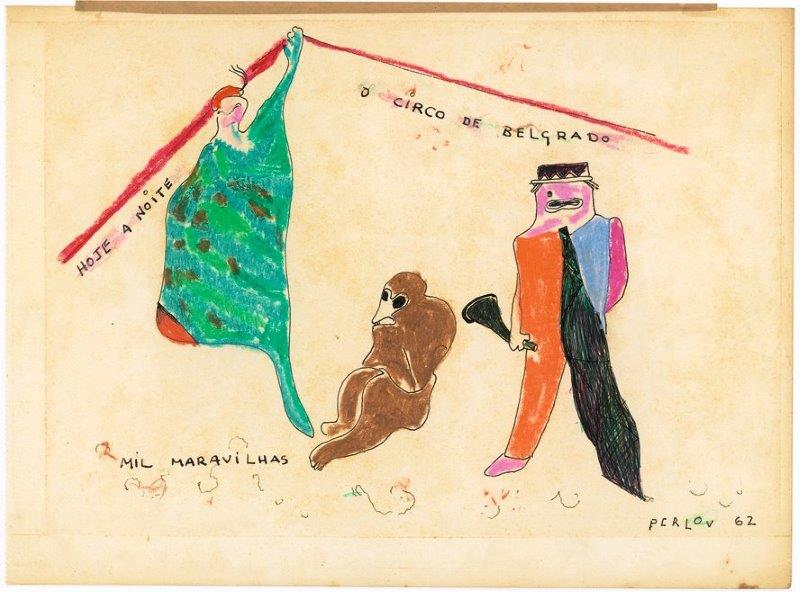
The Belgrade circus 1962

The Belgrade circus 1962

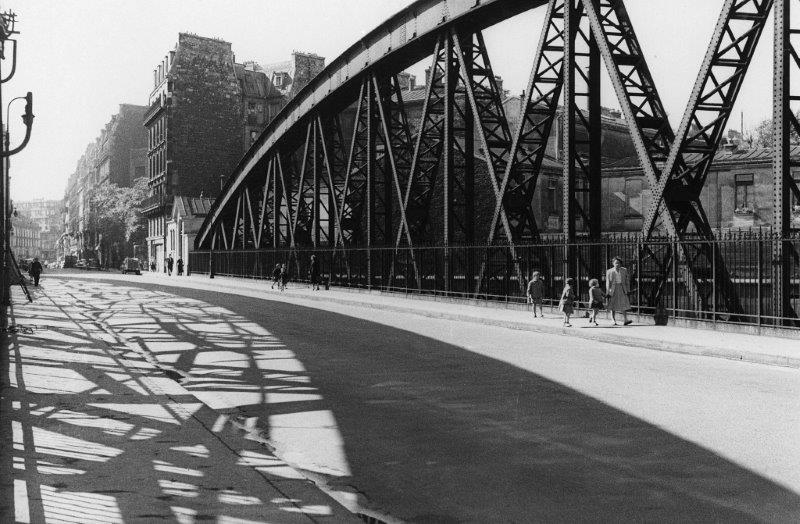
כיצד היה מתפתח הציור של פרלוב לו דבק בו כאפיק יצירה מרכזי. הרישומים משנות הארבעים ותחילת שנות ה 50 מברזיל אינם יוצאי דופן באיכותם אך רגישות וסוג של סקרנות . פרלוב צייר דיוקנאות ומה שניתן להגדיר כסצנות קטנות , רגעים, וזכה להכרה מסוימת כבר בברזיל. הוא היה פעיל ציוני נלהב אך כתחנה לפני העלייה לארץ ביקש מקבוצת ההתיישבות לה השתייך לנסוע ללמוד ציור בפריז. שם,בפריז, החל לפקפק ביכולתו להיות צייר מצוין, אולי בצדק, אך שכלל את יכולות ההתבוננות שלו. בפריז החל לצלם ולגבש את השפההצילומית

Black and white photo, circa 1955

Black and white photo, circa 1955

ששימשה בסיס לשפתו הקלנועית.

 הבחירה בפריז מענינת: בשנות ה 50 פריז כבר לא הייתה מרכז , זה כבר נדד לניו יורק יחד עם האמנים שברחו במלחמת העולם השניה , אלא בגלל שגם בעינים ישראליות עדיין נחשבה מרכז וכך נוצר גשר מורכב של זיקות בין פרלוב,שבא עם מורשת אקספרסיוניזם גרמני מברזיל, לרוחות שנשבו בזרם המרכזי הישראלי .פרלוב לא חדל לצייר ויש קסם רב בעבודות שעשה כרישומי סטוריבורדס (לוחות סיפור) לסרטים , ברישומים מברור חיל, הקיבוץ בו התיישב אחרי שהגיע לארץ אחרי שש שנים בפריז. בקיבוץ יצר הכנה לסרט אנימציה על הקיבוץ (שלא התממש) וצייר סידרת רישומים סאטיריים, אירונים ואפילו מרירים על חיי הקיבוץ בהם אנשיו לבושים כליצנים בקרקס. הסרט לא יצא לפועל ופרלוב ומשפחתו עזבו את הקיבוץ בתחילת שנות ה 60 .

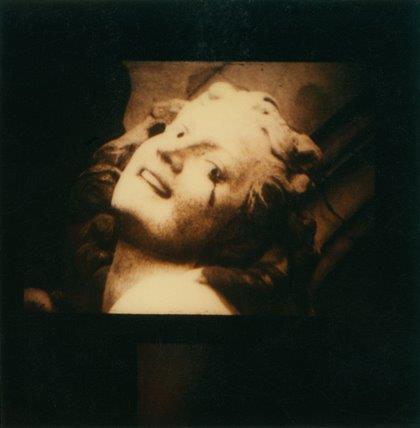
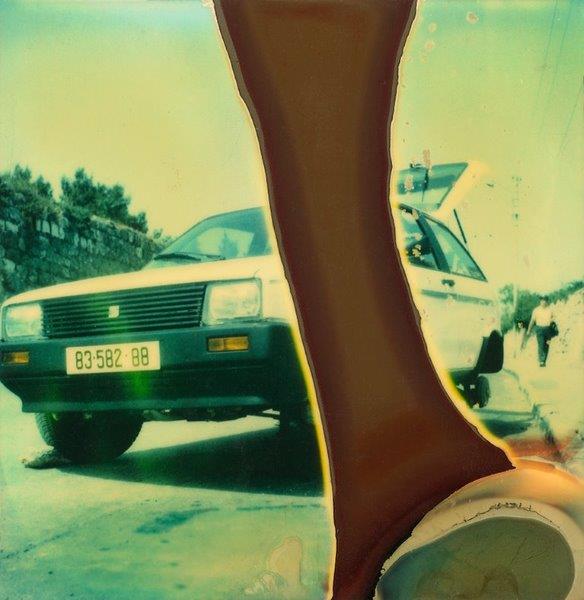
Polaroid photograph , 1980's

Polaroid photograph , 1980’s

בתערוכה הרישומים, כולל רישומי מכות מצריים בקו קשה וסוראליבטי ודיוקנאות מעודנים ,ציורי גיר ציבעוני ועטי לבד משנות ה 70 וה 80 תלויים לצד צילומי שחור לבן וצילומי של פולאוריד,חיספוס לצד בחינה מתמדת של זוויות ונקןדות ראות חדשות. פרלוב אינו חדל להפתיע באופן בו הוא נע בין צילום באסטטיקת הגל החדש הצרפתי La Nouvelle Vagueלרישום בהשפעת אימפרסיוניזם ומודרנה מוקדמת (בין מודליאני לפיקסו) . הצל המרחף על עבודות הצילום והרישום , וחוזר בסרטיו הוא בספק על עצם התוקף של המציאות . פרלוב, בן של קוסם , מודע היטב לכוחה של המניפולציה שיוצרת האמנות, כל אמנות.
בצילומים ורישומים עסק בבובות, מניקנים (בובות חלון ראווה) וליצנים , דמויות שנשלטות בידי אחרים . הוא צילם ציורים , ספרי אמנות וספקות יפה והיסטוריה , פסלים ואדריכלות כמי שמחפש סוד , מנסה לפצח חידה.

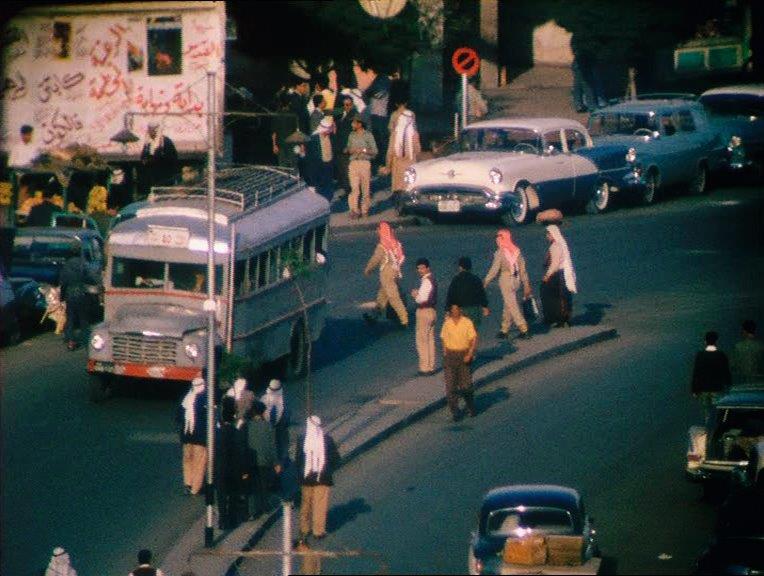
Still from "In Jerusalem" 1963

Still from “In Jerusalem” 1963

חוסר שקט גדול עולה מהתערוכה של פרלוב וגם חוסר סיפוק תמידי, החומר ממנה נובעת יצירתיות.ההצלחה של התערוכה היא בכך שברגע מסוים נדמה שהצופים מצטרפים לפרלוב במסע שלו והמסע כולו גדול מהיצירות שמסמנות ומרכיבות אותו. על פתק הקטן משנות ה 80 רשם פרלוב “מה נעשה עם החלל הזה?” מעל מה שנראה כיד נכה עם שלוש אצבעות. איאפשר להניח לחלל להיות ריק (שמא יכנסו בו רוחות העבר) והחלל יכול להיות גם המוות .פרלוב שביקש ב”יומן” להמציא קולנוע חדש, וברישומיו וצילומיו ניסה לבחון את המציאות שוב ושוב, נותר כך נדמה אם השאלה הזו לה הציע תשובות רבות כל כך, שבילים שהתפצלו מכאב גדול .

אוצרת: ד”ר גלריה בר-אור
משכן לאמנות ע”ש חיים אתר,עין חרוד

פרטים על סיור לסטודיו של מיכל רובנר בעמודת הסיורים .
http://old.smadarsheffi.com/?p=925 לקבלת הניולטר השבועי (רישום נפרד מקבלת בלוג החלון)

The Magician’s Son
David Perlov: Drawings, Photographs, Film is an intellectual voyage exploring reality from different viewpoints, while remaining intimate.Perlov, who passed away in 2003, known mainly as a filmmaker, is identified with Diary (1973-83), in which he documented his personal life and the life of the country from multiple, interlocking directions: as a family man, artist, Israeli and new immigrant, deeply familiar with and distant from the everyday Israeli experience. Now, 40 years after he began the project and the revolution in documentation which came with the mini-camcorders and smartphones one can say that Perlov was ahead of his time from the aspect of his immediate, unmediated approach. And yet, the “Perlovian quality” is beyond the immediacy, and lies in the way he distilled events into a narrative. For me, the concept of “borrowed memory” evokes the film clip of the first minutes of the Yom Kippur War which Perlov filmed from his Tel Aviv apartment which became “my memory.” I did not witness those moments, nor anything similar, but Perlov’s long shot of the cars speeding through the empty streets, the crowds around the synagogues, the fear and the surprise became my own.

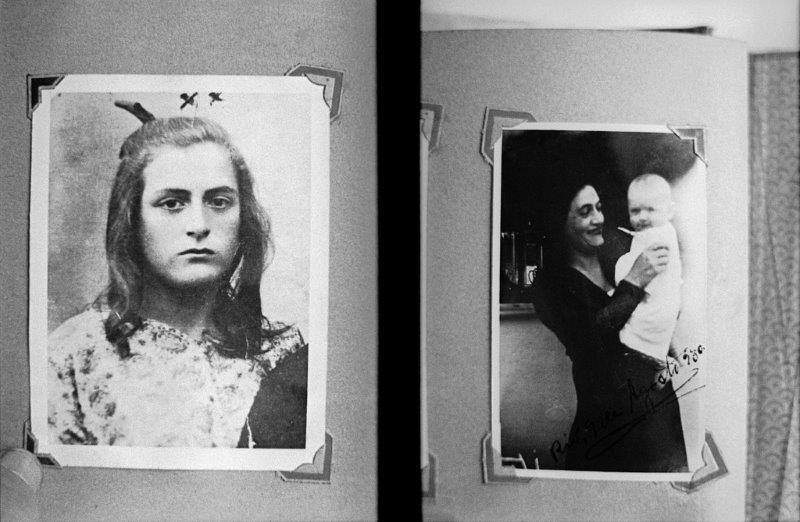
Ana, Perlov's mother 1930's (??)

Ana, Perlov’s mother 1930’s (??)

Drawings, Photographs,Film exhibits Perlov’s lesser known two-dimensional works without the dimension of time, at first as a painter and later as a still photographer, as well. Galia Bar-Or, the curator, has created a moving exhibit of works whose interlocking junctions arise from an internal flow of ideas, a family history which seems to be taken directly from Gabriel Garcia Marquez, and the chaotic Jewish Israeli history of the 20th century. Photographs, drawings, posters, catalogs and short films depict a creative artist who observes the world with empathy but no less critically.

Still from "In Jerusalem" 1963

Still from “In Jerusalem” 1963

The exhibit is not arranged chronologically or thematically: it opens in a spacious hall of the Ein Harod Museum of Israeli Art like a spiral. Another room is devoted to his early films, including the poetic film Jerusalem on the divided city before the Six-Day War and Biba, on a war widow from Beit Yehoshua which was daring for its day and remains so, a sober look at bereavement. It is important to see the films to get to know Perlov’s work but in this exhibition his cinematic oeuvre does not overshadow his other works, with all their soul-searching.Perlov was born in Brazil in 1930 to a Hasidic family who had settled in Tzfat in the late 19th century. His father, Moshe, was born in Tzfat, and remained there with his mother when Perlov’s grandfather fled to Russia during World War I, fearing that he would be conscripted into the Turkish army. Years later, Moshe told how he supported himself and his mother, a simple woman, by pickpocketing and sleight of hand, skills that perhaps were what made him a magician as an adult. When the grandfather returned from Russia with another wife, he took Moshe, then nine or ten years old, from his mother in Tzfat and immigrated to Brazil.The family history repeated itself as tragedy or farce: As a young man, Moshe met a young Jewish woman but deserted her and their sons David and his brother Aaron. Mother and sons lived in dire poverty in Belo Horizonte. When David was 10, his grandfather took him to live with him in São Paulo.– the same grandfather who had abandoned his wife in Tzfat and took her son from her. David saw his father the magician only a few times in his life, and kept only intermittent contact with his mother.

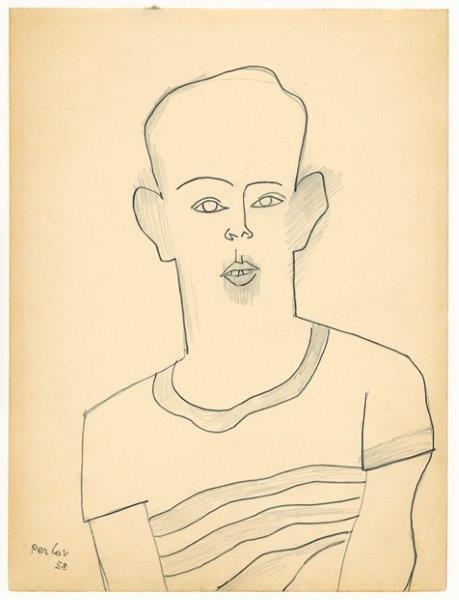
Portrait of Arieh , 1958

Portrait of Arieh , 1958

The dramatic turn his life took when he moved to his relatively wealthy grandfather’s house in São Paulo included meeting Lasar Segall, his grandfather’s neighbor, a fascinating artist, an immigrant impacted by several cultures. The Vilna-born Segall who studied in Berlin and Dresden was one of the founders of the Dresden Secession in 1919 together with Otto Dix and Conrad Felixmüller. Segall had immigrated to Brazil in the 1920s where he created an Expressionist style visibly influenced by South American art. Until World War II began, he traveled frequently to Europe, where he had successful exhibitions, while promoting Modernism in Brazil.As early as his teenage years, Perlov was familiar with contemporary art of his time along with classical art. Segall expressed his social sensitivities (including a series on Jewish life in Eastern Europe), which were similar to Perlov’s sensitivities arising from his personal history. Perlov became interested in Jewish culture through his grandfather, activities in a Zionist youth movement, and early understanding of the extent of the Holocaust. At the same time, he was very aware of the world of Christian art, religious music he heard on the radio, and apparently, the devout folk imagery all around him.Perlov’s drawings are on display. The paintings are not extant, and in any case are not in the estate. It is difficult to assess how his painting would have developed had he pursued it as his main career. The drawings from the ‘40s and ‘50s made in Brazil are not outstanding in quality but are sensitive and show curiosity. Perlov drew portraits and what may be defined as small scenes, or moments, which received some recognition in Brazil. He was an active, enthusiastic Zionist but before immigrating to Israel he asked the group he intended to settle with in Israel if he could study in Paris before joining them in Israel. In Paris he began to doubt his ability to excel at painting (perhaps justly) and questioned and explored his own observational skills. His work in photography rapidly developed as a new way of expression for Perlov  , un time the foundation of his cinematic language.

Polaroid photograph, late 1970's

Polaroid photograph, late 1970’s

It is interesting that he chose Paris; by the ‘50s, the center of the art world had migrated to New York City, where so many artists had fled during the war. Israeli artists still considered Paris the center, thus a complex bridge of links between Perlov, who arrived with the legacy of German Expressionism from Brazil, and the influences of the Israeli mainstream.Perlov never ceased drawing, and there is great charm in his storyboards for films and the drawings from Kibbutz Bror Hayil, where he settled after six years in Paris. On the kibbutz he prepared drawings for an animated film on the kibbutz (which was never made) and drew a series of satirical, ironic and even bitter drawings on kibbutz life depicting people as circus clowns. The Perlovs left the kibbutz in the early 1960s.

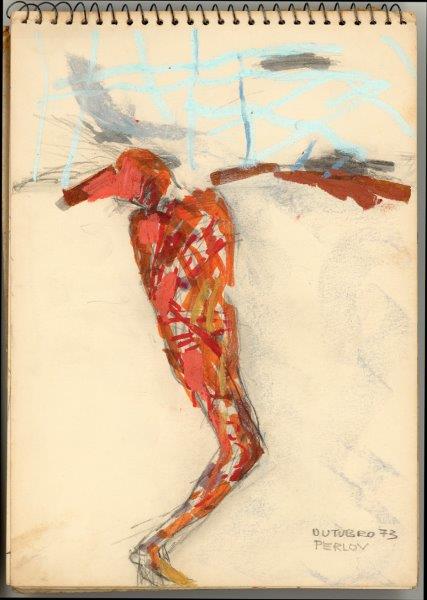
October 1973

October 1973

The exhibit comprises Surrealist drawings, including pictures of the Ten Plagues, in hard lines, as well as delicate portraits, colored chalk drawings and felt-tip pen drawings from the ‘70s and ‘80s hanging alongside black and white photographs and Polaroid color photographs, rough images along with a constant exploration of new angles and viewpoints.The exhibition is constantly surprising as it reveals the way Perlov moved between filming using La Nouvelle Vague aesthetics – the French New Wave – to drawings inspired by the mpressionists and early Modernism (between Modigliani and Picasso). The shadow hovering over his photographs and drawings as well as in his films is the very validity of reality. Perlov, as the son of a magician, is well aware of art’s power of manipulation. He photographed and drew dolls, mannequins and clowns, figures controlled by others. He photographed paintings, art books, literature and history books, sculptures and architecture as if seeking to decode a secret or solve a puzzle. Perlov’s exhibition evokes restlessness and constant dissatisfaction as the raw material of his creativity.This exhibition succeeds in having viewers seem to join Perlov on his journey. The journey is greater than the sum of its parts – the works that mark and compose it. A small piece of paper from the 1980s shows the words, “What shall we do with this space?” over a drawing of what looks like a disabled hand with three fingers. The space must not be allowed to remain empty (lest the spirit of the past enter it), and the space can also be Death (in a Hebrew pun on khalal, space/the fallen). Perlov, who sought to create a new cinema in his Diary, and examined reality time and again in his drawings and photographs, seems to have been left with the question to which he proposed so many answers and pathways that stemmed from great pain.
Curator: Dr. Galia Bar Or
Museum of Art, Ein Harod

Details about the tour to Michal Rovner’s studio on the Tours page. .
Register separately to receive the weekly newsletter of new events and exhibitions
http://old.smadarsheffi.com/?p=925

Translation: Judith Appleton

Posted in Uncategorized, ציור, צילום | Comments Off on David Perlov: Drawings, Photographs, Film |דוד פרלוב רישומים, תצלומים, סרטים

סמדר שפי, החלון, אומנות ישראלית, אמנות ישראלית, Smadar Sheffi, The Window, Israeli Art