No Preservation No Nothing -LIZ HAGAG – ליז חג’ג’ לא שימור ולא נעליים

Please scroll down for English

לא שימור ולא נעליים תערוכת היחיד של ליז חג’ג’ מצוינת, מרגשת, מאלו שבשביל לראות כמותה מוצדק לצלוח כל כך הרבה אמנות בינונית. היא תערוכה שמשאירה ציפייה לראות לאן תמשיך חג’ג’ מכאן ותקוות גדולות. האמנות של חג’ג’מקולפת, ללא עור, ללא הגנות. בלי צלופן וסרטים מרשרשים היא מציעה תמצית של חוויה, חיתוך מדויק, כואב, של פאסדת המציאות.
כוחה מונח בכך שהתחושה היא ששום דבר לא יכול להיות שונה ממה שהוא, שיש סדר פנימי, בהחלט אינדיוסינקרטי, בעולם שיצרה. דמיון, אירוניה, תבונה ובעיקר סוג של פיכחון מאפיינים
No Preservation No Nothing

No Preservation No Nothing

את לא שימור ולא נעליים.

שדה הפעולה הצורני אינטלקטואלי של חג’ג’ מתרחש בצומת בין המורשת של יוזף בויס הגרמני לדלות החומר הישראלית, מינימליזם אמריקאי ומה שאכנה כפיסול עם הומור של פישלי וויס השוויצרים (וייס הלך לעולמו לפני שנתיים) ואורס פישר השוויצרי הפועל בארה”ב. מהצומת הזו היא עושה שירה.

ב”ללא כותרת”,הציבה מעל זוג מגפי לבד שמצאה בחנות יד שנייה בבאר שבע (
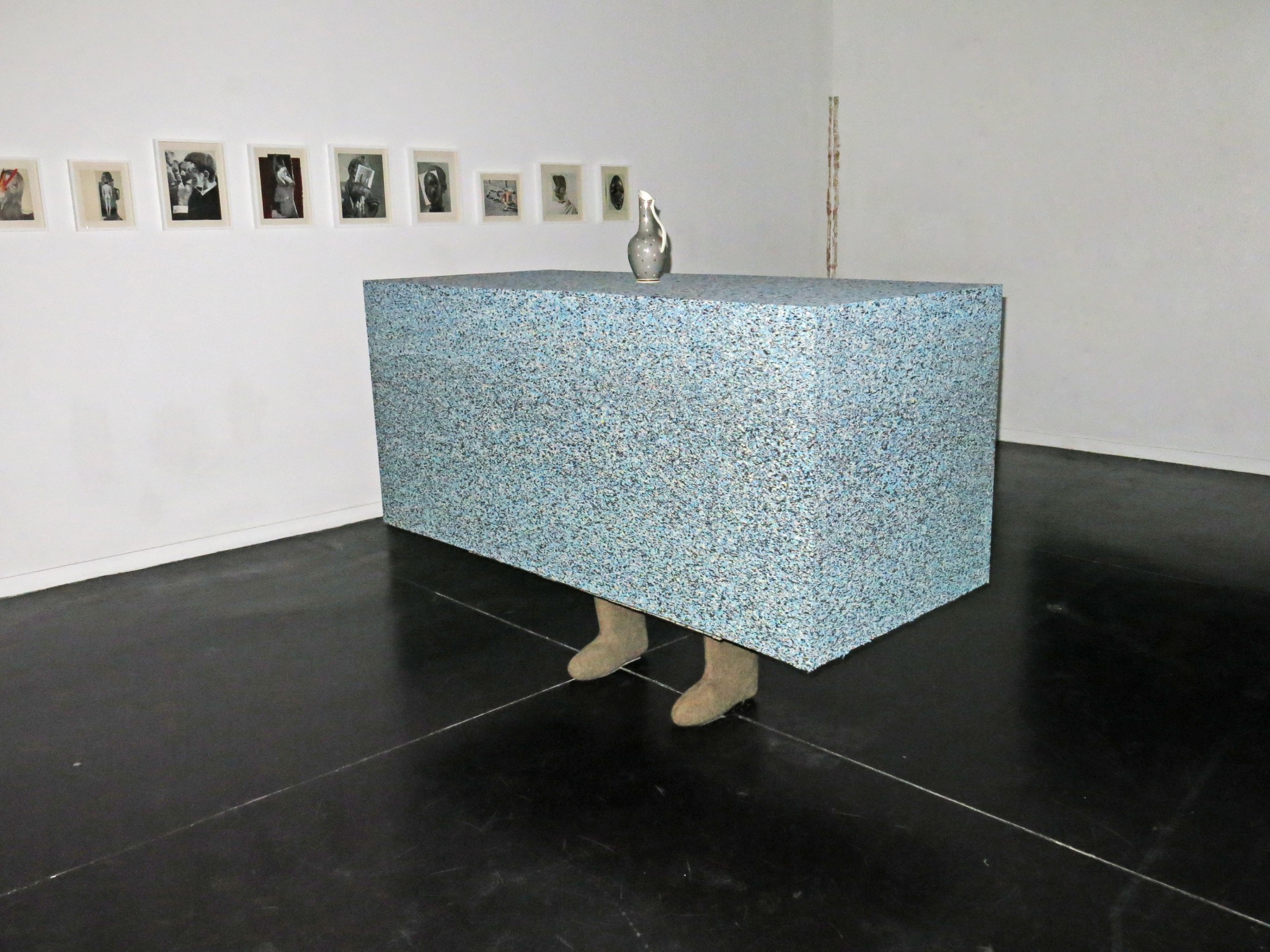
Untitled, modified readymade,150x170x75 cm, 2014

Untitled, modified readymade,150x170x75 cm, 2014

אבסורד שנשמע כמו שם לסרט דוקומנטרי, המקפל את כל קשיי ההגירה ממזרח אירופה ללבנט),  תיבה של החומר ממנו עושים מזרונים למיטות (גומאויר) שנראה כמו גוש שיש גדול. עליו, במרכזו, הציבה כד מעודן באפור בוהק מעוטר כוכבים. שרשרת האסוציאציות המופעלת היא כמעט אין סופית – מכדי קבורה יוונים ורומים ועד תועפות השיש בקבר מדיצ’י שתכנן מיכאלאנג’לו וכמובן מיתוס הגאולה העצמי של בויס. לחג’ג’ יש את היכולת ליצור כמעט אנימציה בחומרים כך שנדמה שהגוף כבד המשקל עד יתחיל לזוז באותו חן של דברים עצומים (או כמו הפילים בחצאיות בפנטזיה של דיסני). הדיבור על המוות, על הקץ כל כך גלוי, שיש בו מידה של יובש, של עובדתיות, שמאפשרת לדלג על רגשנות ולעסוק ברגשות.העבודות ניבנו בחלל הגלריה בשבועות שקדמו לתערוכה כך שהשיח ביניהן צמח והשתנה ואולי לפעמים התגלה. חג’ג’ עושה שימוש נרחב ב ready made אבל יוצרת קומפוזיציות שאינן נובעות ממנו, אינן מקדשות את החפץ או אפילו משתעשעות בו אלא מתיחסת לחפצים כמין התרחבות של הפעולה היצירתית. טקסט התערוכה לקוח מההמנון ההומרי לאפרודיטה (בתרגום אהרון שבתאי) בו מסופר על אלת השחר שלקחה בן תמותה בו חשקה וביקשה עבורו חיי נצח מזאוס, אבי האלים. זאוס אכן נענה לבקשתה, אך היות ולא ביקשה נעורי נצח למאהבה , האהוב הזקין ונזנח, הודר לחדר צדדי ושם המשיך לחיות לנצח בזקנה. הסיפור הטרגי, משמש מפתח לקריאת התערוכה כולה כסיפור על התכלות וזמניות,שני נושאים שהאמנות, שבבסיסה מבקשת תמיד להתחכך עם הנצח ,עוסקת בהם מקדמת דנא .
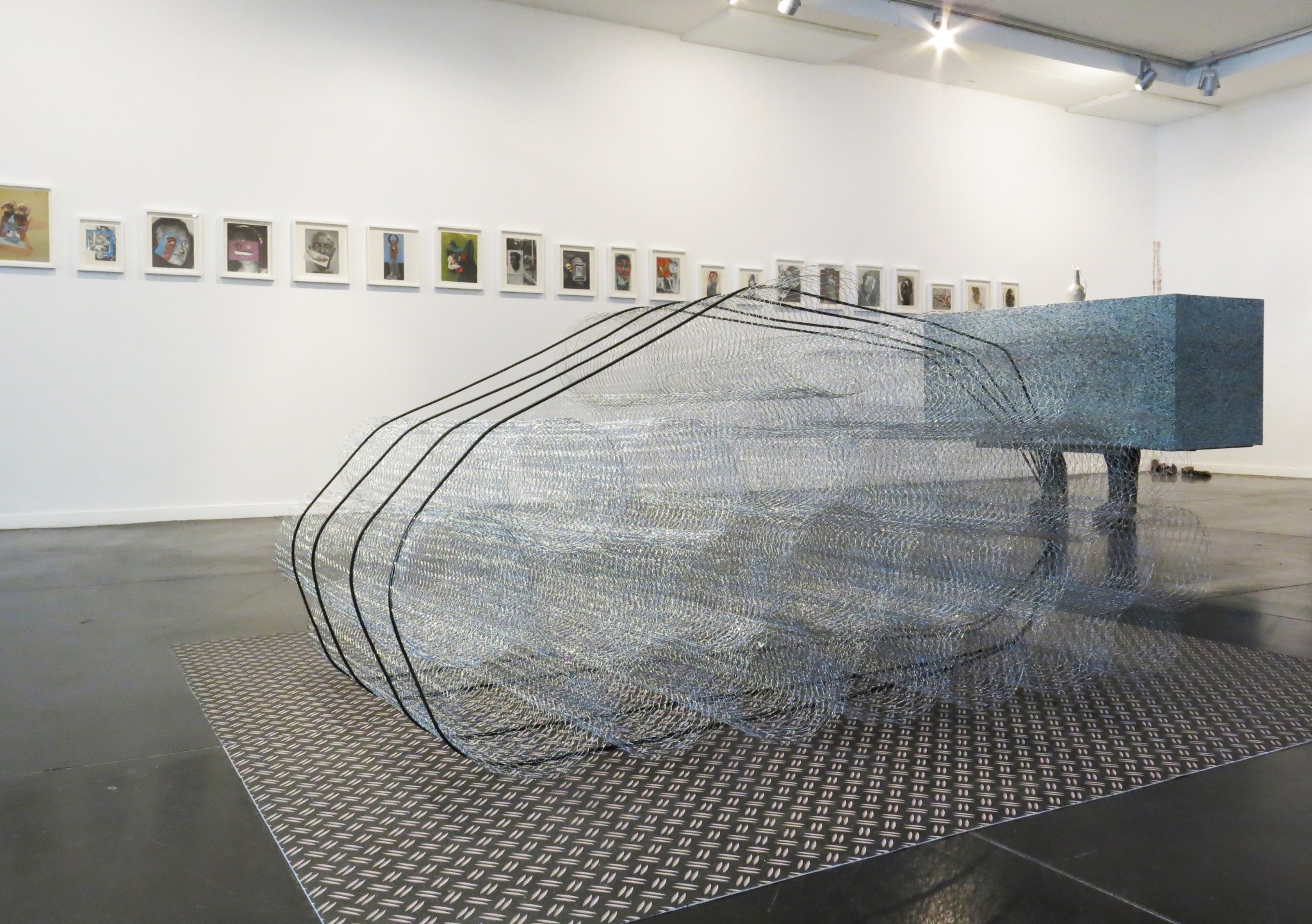
ערמה של סלילי רשת לולים על שטיח לינוליאום, שמחקה רצפת אלומיניום, קשורים בחבל שחור. העבודה מחייכת כך נדמה למינימליזם של אמנים כמו דונאלד ג’אד או סול לויט. היא מאמצת את בהירות המבנה המינליסטי, את הקונקרטיות כערך, ובמידה רבה גם את העדר חיקוי המציאות ואז קושרת הכול בחבל, כמו צרור נדודים של פליט שחפציו נעלמו וזיכרונותיו התפוגגו, ורשתות ריקות, מסננות עם חורים גדולים מידי, נותרו במשבצת הקטנה שניתנה לו בעולם.
כאב חשוף יש גם בעבודת פינה בה חימר נמרח משני צידי פינת הקיר, כאילו ניסו
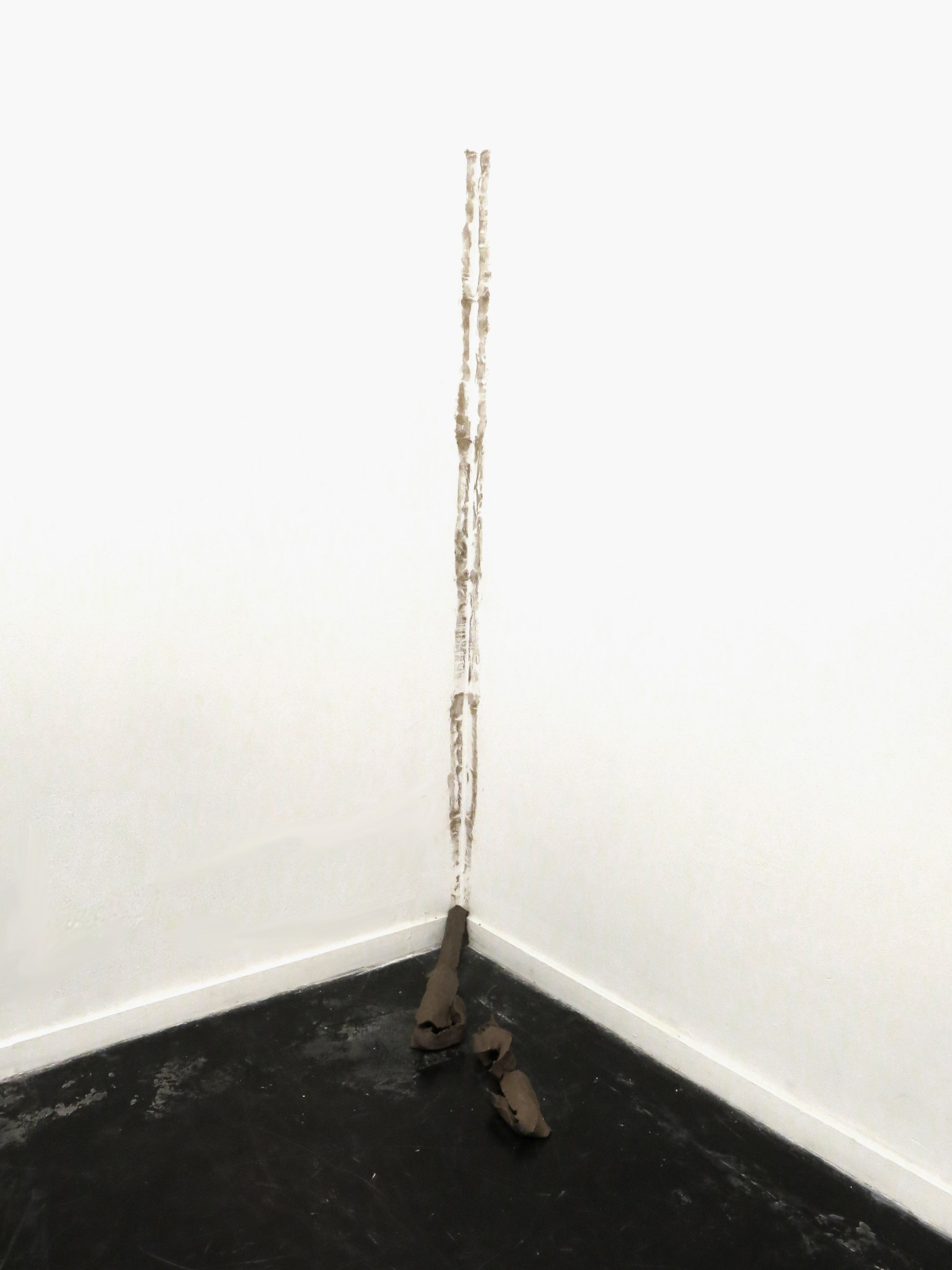
Untitled, black clay, 210x90x20cm, 2014

Untitled, black clay, 210x90x20cm, 2014

ידיים לגרד את הקיר, לפתוח פתח ולברוח. בגושי החמר שמונחים על הארץ , ובוודאי מתייבשים משך התערוכה, יש את רמיזה לדמות האנושית, בגלל הקישור הבסיסי של אדם וחמר שמצוי במיתוסים ודתות רבות, לרבות ביהדות .

עבודה ללא כותרת נראית כחיה, אולי חמור מורכבת מקרשים ארוכים, חמר, לבני מדרכות בשקיות, בד אפור, ומתכת. אפשר לחשוב על העבודה בהקשר לעבודות המצוינות שיצרה יהודית לוין בשנות ה 80 המאוחרות, העבודות של גיטלין (ראו צילומים בביקורת על תערוכתו בפתח תקווה http://old.smadarsheffi.com/?p=1136 ) ולא מעט חפצים שנקרים שדרכו של מי שהולך ברחוב בחלקים היותר מחוספסים של תל –אביב , כמו בדיוק מחוץ לגלריה. יש משהו מצחיק ומכמיר לב בחמור שמוצב ליד פסל מתכת חלודה שחבל אדום קשור סביבו וכותרתו הנזיר. האסוציאציות המיתיות-דתיות
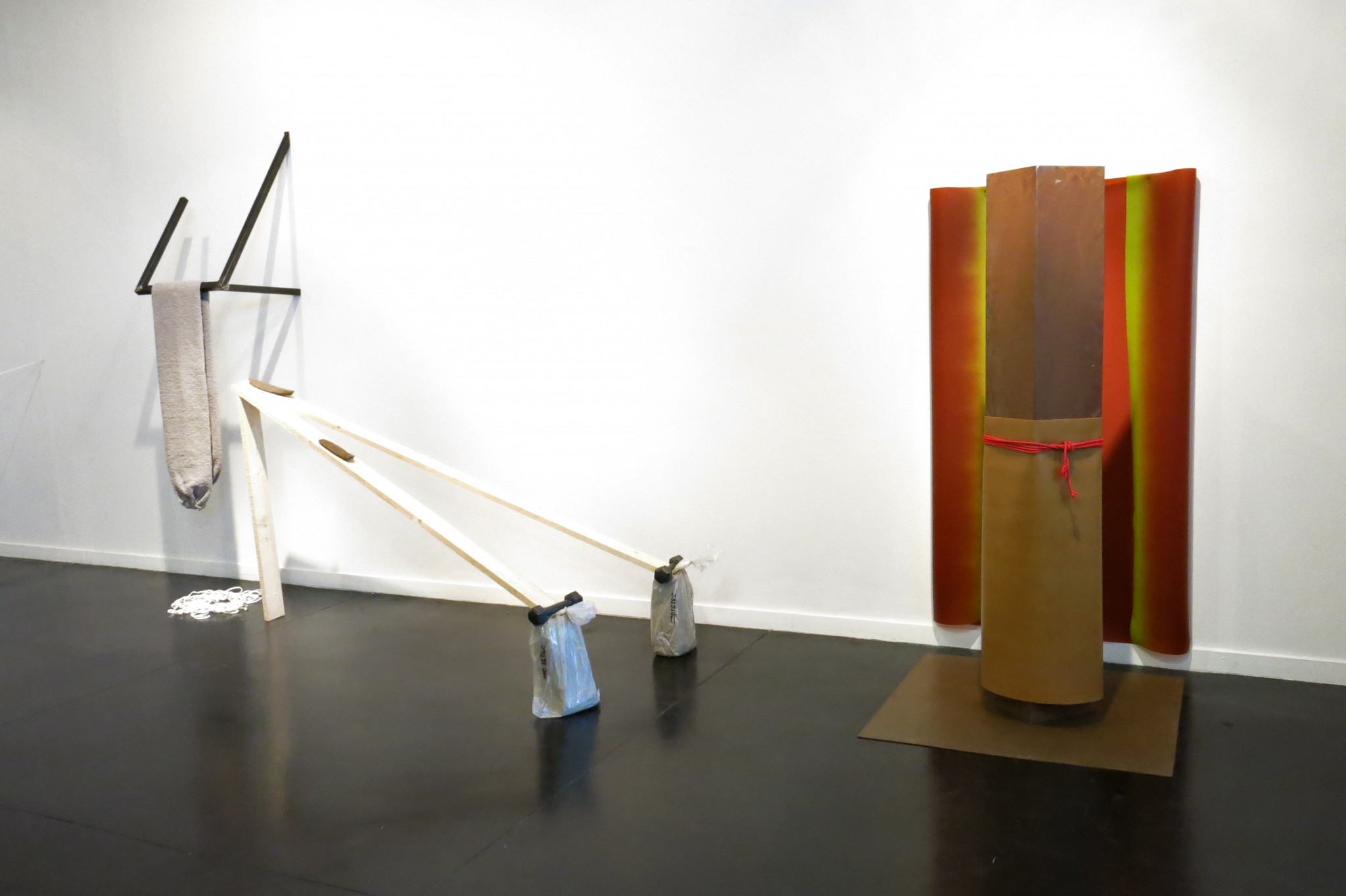
Untitled and The Monk

Untitled and The Monk

משתברות מול הפיסוליות של חג’ג’ שחוגגת את המבנה העדין, השברירי.

סידרת קולאזים קטנים ומקסימה, בדמיון וזיקה חזקות כל כך לתנועות אמנותיות מוקדמות של המאה העשרים שנדמה שיש בכך ברור פנימי של תולדות אמנות או סוג של התחפשות (למרות שיש הכך המשכיות לעבודות הציור שיצרה כבר במדרשה אותה בגרה ב 2006 ). היא דביקה צילומי צבע על שחור לבן,יוצרת קלסתרי פנים כמו מסכות ויוצרת עבודות שנמצאות דיאלוג אם שורת אמנים בהם
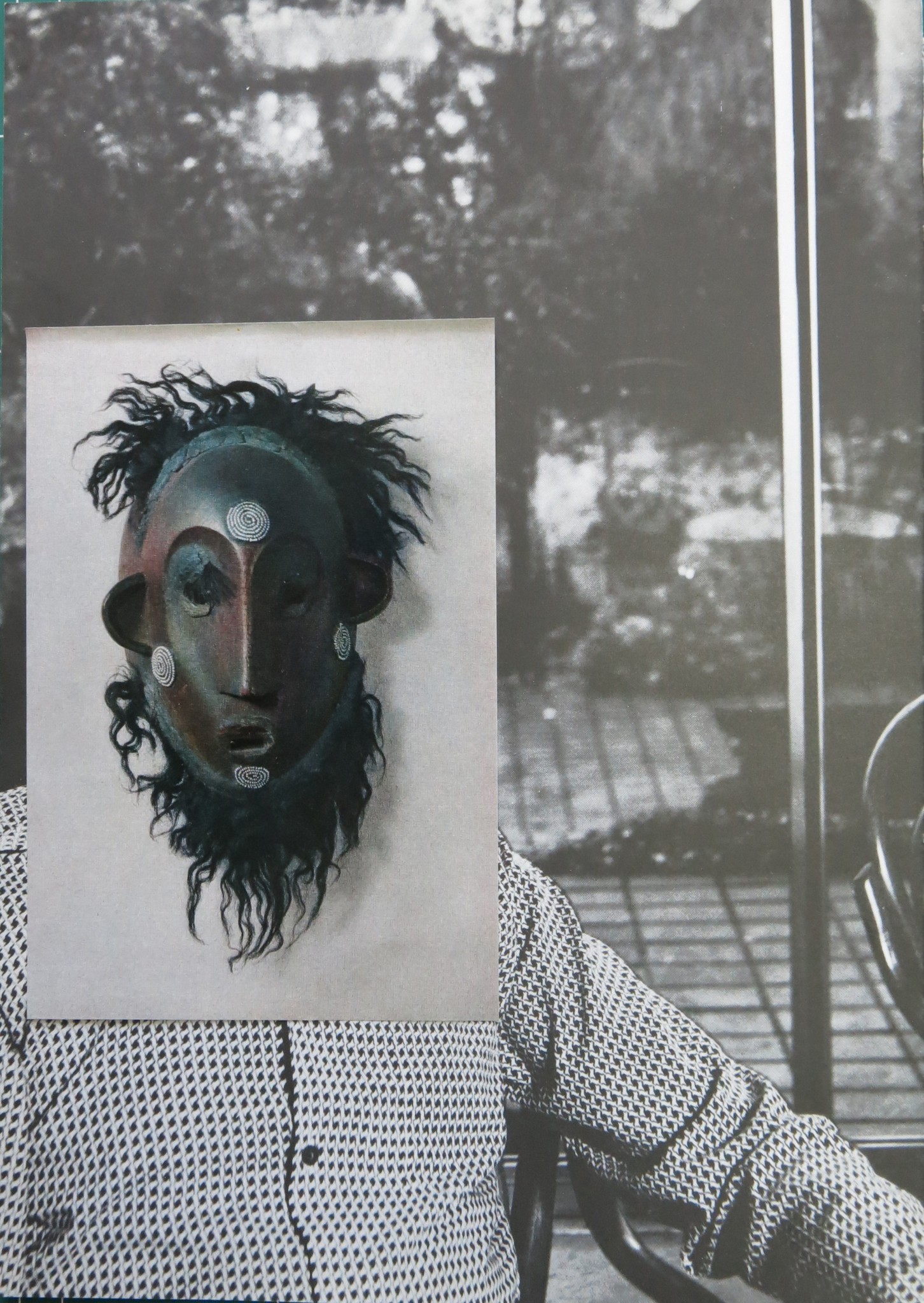
Untitled, collage, 21x29cm

Untitled, collage, 21x29cm

מקס ארנסט, מאן קיי,פיקבייה ועוד.

הקסם בתערוכה הוא האופן בו היא אומרת שירה – כדורי ביליארד תחת יריעת לבד מתוחה כאוהל (שזוכר את אברהם מכניס האורחים ואת בויס), סולם שלא ניתן לטפס עליו, וידיעה שהחומרים מתכלים – שבירים ומשתנים כל העת,מזדקנים כמו המאהב, ההופך למאהב לשעבר של אלת השחר. הזמן אינו עוצר לאיש, לא שימור ולא נעליים.

גלריה רו ארט אוצרת: נוגה דוידסון
שביל המרץ 3 בניין 8 קומה 4 תל אביב

פרטים על סיור לסטודיו של מיכל רובנר בעמודת הסיורים .
http://old.smadarsheffi.com/?p=925 לקבלת הניולטר השבועי (רישום נפרד מקבלת בלוג החלון)

 No Preservation No Nothing

No Preservation No Nothing, Liz Hagag’s solo exhibition is excellent and moving, one of those shows worth waiting for after slogging through quite a bit of mediocre art. The exhibition leaves the viewer with expectation, waiting to see how she will continue from here. Hagag’s art is exposed, flayed and defenseless. Without gift wrapping she offers the essence of an experience, a precise, painful slice into the façade of reality. Its power lies in the resultant feeing that nothing can be otherwise, that there is an inner order in the world she created, which is definitely idiosyncratic. Imagination, irony, insight but mainly a type of sobriety characterize No Preservation No Nothing.

Untitled, modified readymade,150x170x75 cm, 2014

Untitled, modified readymade,150x170x75 cm, 2014

Hagag’s intellectual formal field of action takes place at the juncture of the legacies of the German Joseph Beuys, the Israeli “Want of Matter,” American Minimalism and what I call humorous sculpture, such as by the Swiss duo of Fischli& Weiss (David Weiss passed away two years ago) and the Swiss Urs Fischer (active in the USA). She distils poetry out of this interface. In Untitled,Hagag placed a large block of foam rubber resembling marbleover a pair of felt boots she purchased in a secondhand shop in Beersheva (one of those absurdities that sounds like the name of a documentary film representing the difficulties of immigrating from Eastern Europe to the Levant). In the center of the table-like element, she placed a glistening grey star-studded grey vase. The chain of associations she created is nearly infinite, from Greek and Roman burial urns to Michelangelo’s tombs of the Medici and, of course, Beuys’s myth of self-redemption. Hagag has the ability to produce what is almost animation using materials suggesting that the heavyweight element might begin moving around with the charm that huge objects have (or like the dancing hippos in tutus in Disney’s Fantasia).Her dry, factual way of speaking about Death, the end which is so obvious, enables her to skip over emotionality and engage in feelings.

No Preservation No Nothing

No Preservation No Nothing

The works were constructed in the gallery space during the weeks before the opening, so that the discourse between the pieces developed and perhaps revealed itself at times. Hagag makes extensive use of readymades, creating compositions that do not arise from the readymade, do not make the object sacred or even amusing, but refer to the objects as a kind of expansion of the creative act. The gallery text is taken from the Homeric hymn to Aphrodite (translated by Aharon Shabtai) which tells about Eos, Goddess of Dawn, who fell in love with a mortal. She begged eternal life for her lover from Zeus, king of the gods. Zeus assented, but since the goddess did not ask for eternal youth, her loveraged and was excluded to a side room where he continued to live eternally as an old man. The tragic myth became the key to reading the entire exhibition as a story of disposability and availability, two issues art has been addressing since time immemorial. An untitled piece in the installation, piled up rolls of chickenwire tied together with a black rope stand over a linoleum floor of ersatz aluminum, seeming to give a nod to the Minimalism of artists such as Donald Judd or Sol Lewitt. The work adopts the clarity of the Minimalist structure, of concreteness as a value, and, to a great extent, the absence of the attempt to imitate reality. She then ties everything up in a rope, like the bundle of a refugee who has lost everything and whose memories have faded; only empty netting, sieves with holes that are too large, remain on the little square assigned to him in the world.

Untitled, black clay, 210x90x20cm, 2014

Untitled, black clay, 210x90x20cm, 2014

Exposed pain echoes through the corner piece in which clay is smeared on both sides of the corner, as if someone tried to scrape through the wall with bare hands for an escape route. The chunks of clay hint at the human figure, referring to the basic link between the human being and clay recurring in so many myths and religions, including Judaism.

Untitled and The Monk

Untitled and The Monk

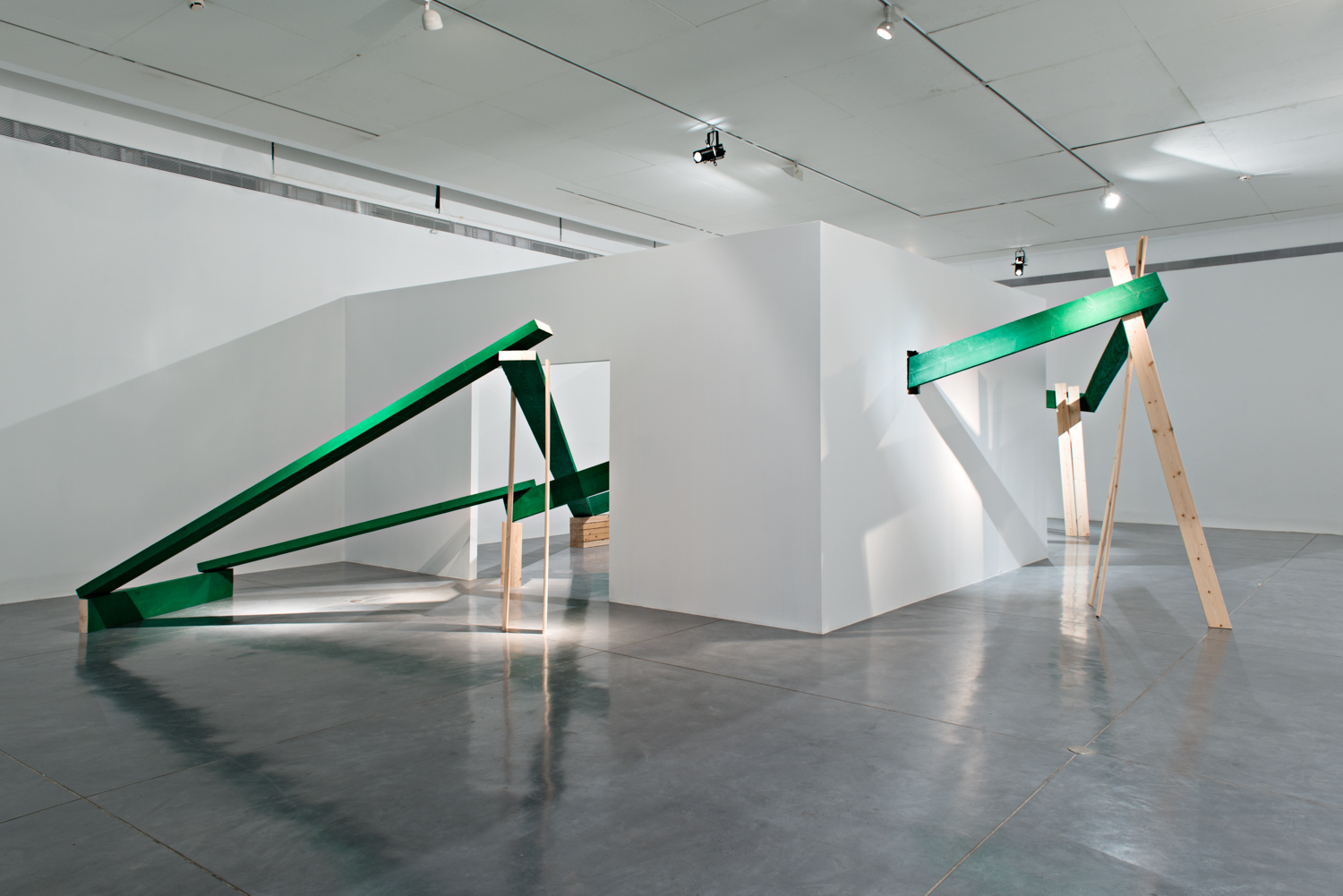
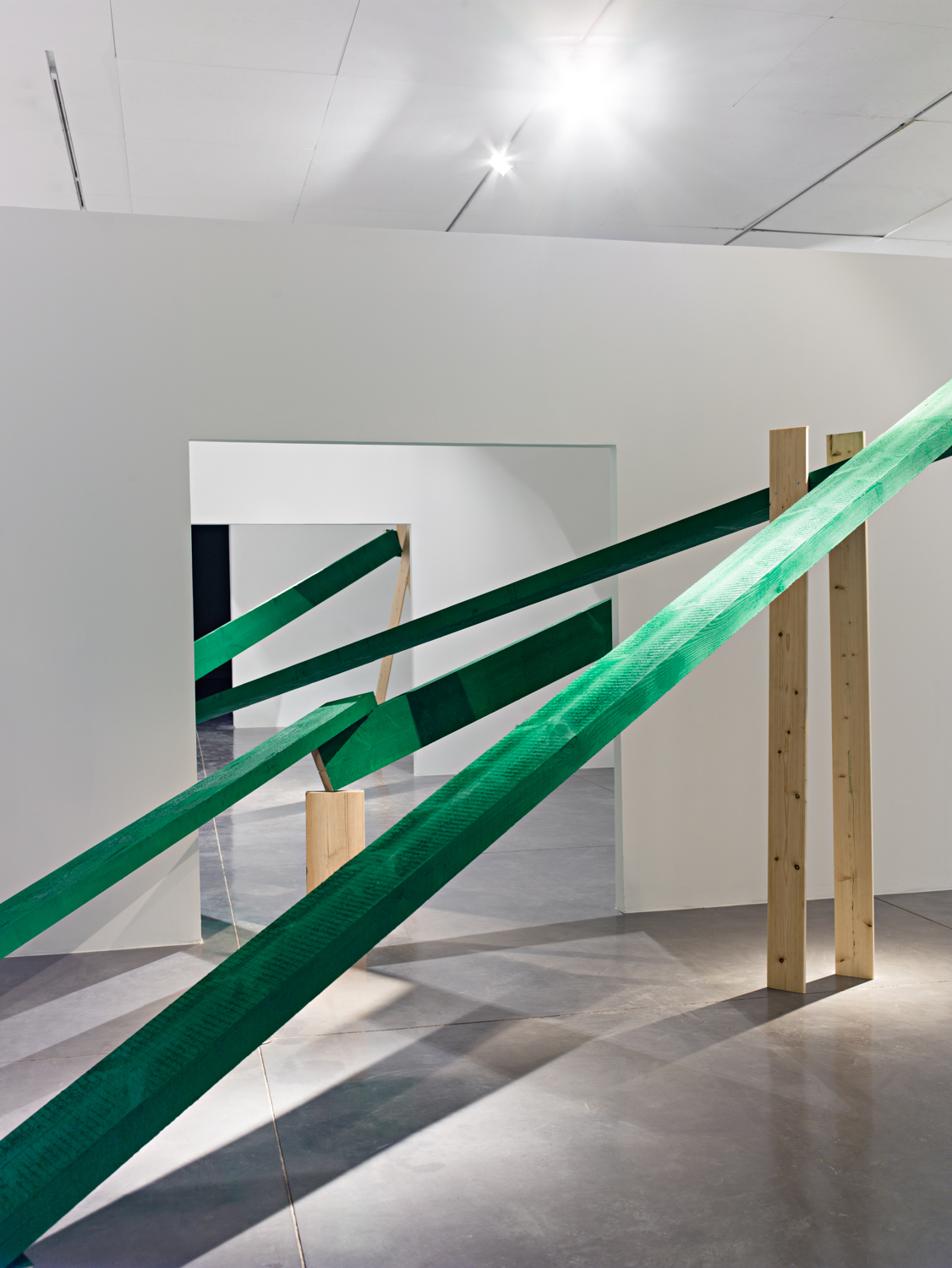
Another Untitled Modified Readymade looks like an animal, perhaps a donkey, made of long planks, clay, sidewalk bricks in bags, grey fabric and metal. It brings to mind the excellent works by Yehudit Levin from the late 80s, Gitlin’s works (see the photographs in my critique of his exhibition at the PetachTikva Museum of Art
(http://old.smadarsheffi.com/?p=1136), and objects a pedestrian might come across in the seedier of Tel Aviv, such as right outside the gallery. There is something both funny and heartbreaking in the “donkey” placed near The Monk, a rusted metal sculpture with a red rope tied around its middle. The mythical-religious associations break down when faced with Hagag’s sculptural qualities celebrating the fragile, delicate structure.
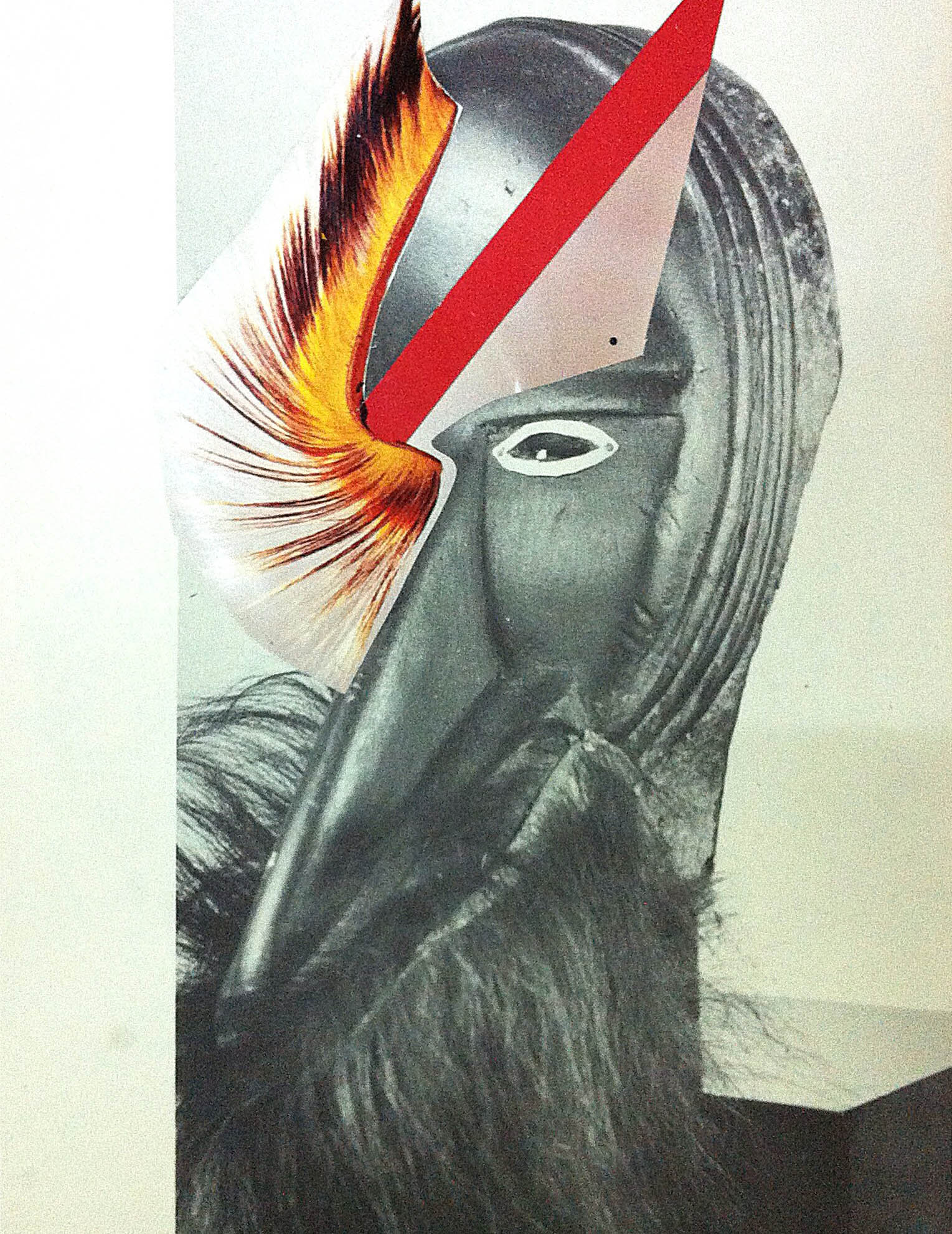
Untitled, collage, 18.5X14.5cm, 2013

Untitled, collage, 18.5X14.5cm, 2013

A series of small, charming collages hanging in the gallery space have strong links to early 20th century art “isms.” They form an internal investigation of art history, and are in a way a continuity of the paintings Hagag made in the Midrasha, where she graduated in 2006. She pastes photographs together creating mask-like “identikit” portraits, works in a dialogue with a long list of artists including Max Ernst, Man Ray, Picabia and others. The exhibition is poetic – billiard balls under a felt curtain stretched like a tent (the hospitality of Abraham’s tent and Beuys), a ladder impossible to climb, and the knowledge that all the materials disintegrate, are fragile, change with time, grow old like the lover who becomes Eos’s past lover. Time waits for no one, No Preservation No Shoes.

Curator: Noga Davidson
Raw Art Gallery
3 Shvil Hameretz, Building 8, 4th Floor, Tel Aviv

Details about the upcoming tour to Michal Rovner’s studio on the Tours page. 

Register separately to receive the weekly newsletter of new events and exhibitions
הרשמה לניוזלטר


Posted in פיסול ומיצב | Comments Off on No Preservation No Nothing -LIZ HAGAG – ליז חג’ג’ לא שימור ולא נעליים

כמה מחשבות על גוף היצירות של מיכל נאמן לרגל קבלתה את פרס ישראל Some thoughts on Michal Na’aman’s art on the occasion of her being awarded the Israel Prize


Please scroll down for English

בחירה במיכל נאמן לכלת פרס ישראל לא הייתה בבחינת הפתעה. נדמה שעם בחירתה הייתה אנחת רווחה בעולם

Michal Na’aman 2012

Michal Na’aman 2012

האמנות הישראלי על כך שהדברים מתנהלים באופן מסודר ואפילו צפוי.

נאמן משתייכת אליטה הישראלית החברתית תרבותית הוותיקה. היא נולדה בקבוצת כנרת, בת לשלמה נאמן וללאה צמח שהיו אז שניהם מורים. הוריה עזבו את הקיבוץ בשנות ה 60 ואביה פיתח קרירה מרשימה כהיסטוריון. כבר בגיל שמונה עשרה החלה ללמוד במדרשה, אז בתל-אביב, והייתה לחלק מהקבוצה שמנהיגה הבלתי מעורער (“גורו”) היה רפי לביא. הקבוצה כונתה אחרי 1986 אמני דלות החומר בעקבות ב”כי קרוב אליך הדבר מאוד: דלות החומר כאיכות באמנות הישראלית”, התערוכה שאצרה שרה בריטברג –סמל ושחוללה את הקאנוניזציה במיוחד של מי שהוצגו בה בהקבץ התל –אביבים(בהם לביא, גרבוז,הנרי שלזניאק,יהודית לוין, מיכל נאמן,ציבי גבע ותמר גטר). נאמן הייתה לאמנית האישה הבולטת בקבוצה שהיום, בעידן ביזור המרכזים קשה להעלות על הדעת את מרכזיותה, בעיני עצמה ובעיני חלק משוחרי התרבות בארץ. נאמן נשארה במדרשה לאורך השנים, והייתה ממעצבות תרבות ההוראה וביקורת העבודות ששלטו שם עד שנות האלפיים) על הפטריאכליות שאפיינה את המעגלים סביב לביא כבר נכתב ודומני שייכתב עוד בעתיד. לביא היה מי שמשח את נאמן בתואר אמנית חכמה, אמנית שעבודותיה אינטליגנטיות. לפעמים נדמה שהכינוי והדגש על ההיבט האינטלקטואלי החזק ממילא היה לעושר השמור לה לרעתה.

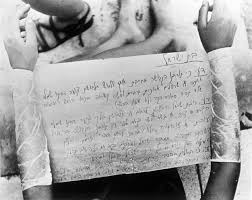
בת ישראל

בת ישראל

מרתק לעקוב כיצד עסקה נאמן בראשית דרכה בנושאים פמיניסטיים ובחומרים יהודיים שנשארו בזמנו כמעט שקופים או נקראו בערכים פורמליסטים. עבודותיה המעניינות ביותר המטילות ספק, המערערות דפוסי חשיבה והנוגעות בעינות הפחדים, התקוות והתשוקות נעשו בשנות ה 70. החל בשנות ה 80 העבודות שלה הופכות יותר ויותר לדיון אינטלקטואלי שנוגע במידי, בהיסטורי, משתדל להרחיק עשות ונהיה ולא פעם מרוחק.

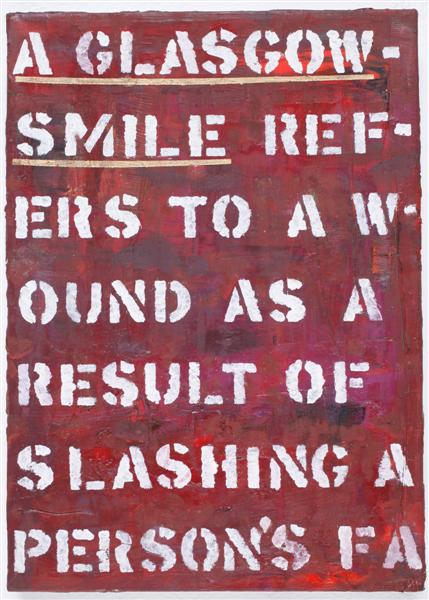
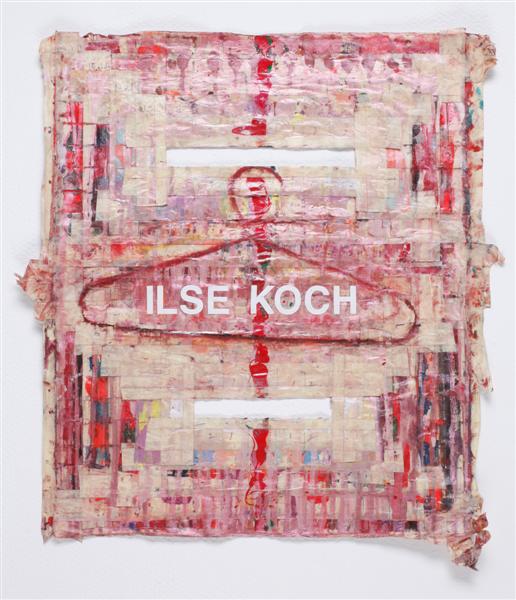
השימוש ב”אשליית ג’סטרו”, שאלת הזיהוי של דימוי כברווז או ארנב, חוזר ברבות מעבודותיה. שאלות אפיסטימולגיות הפכו לסימן ההיכר של יצירתה, לא פחות מאשר לתוכנן. הדימוי, שמי שפירסם אותו היה לוודיג ויטגשטיין ב”חקירות פילוסופיות”, שימש לבניית מערך ציורי עמוס במסומנים שלעיתים, אחרי פענוחו, התברר שבכך,בתחושה שדומה לפתירת חידה, מסתכמת החוויה. מאז אמצע שנות ה-90 נאמן מכסה בנייר דבק (חומר שבדרך כלל משמש בציור לסימון קווים, שמוסרים בשלבים הסופיים)ציורי שמן על בד. נייר הדבק נהפך לקליפה-מסיכה על הציור וגם לדגם, לביטוי לספירת זמן ולבסיס לטקסט. הוא מתקשר לטכניקות של אריגה, לאמנות עממית, ומסמן צורך תמידי לחזק ולאחות. בשנים האחרונות, נאמן ממשיכה לעסוק ביחס בין יצוג ותוכן והאופן בו אנו קוראים דימויים.בתערוכות “חיוך, חתול, חיתוך” 2010, ו WITZ ויץ WIT ב 2013 עבודותיה דנות בשאלות צרכנות וקפיטליזם (לעיתים הוסיפה בעבודות מדבקות בר-קוד) ובכאב דרך קישור אכזרי בין ייצוג של שמחה, חיוך, לחיתוך אלים, מ”האיש הצוחק”, של ויקטור הוגו עד ג’וקר מבאטמן דמויות שפניהן הושחתו במה שמכונה “חיוך גלזגו” וכלה להתייחסויות לשואה ותרבות גרמנית, כמו העבודה “אלזה קוך” בהכתבה את שמה של פושעת מלחמה סדיסטית, אשתו של קארל קוך, מפקד מחנה

Michal Naaman,Glasgow smile,2012

Michal Naaman,Glasgow smile,2012

הריכוז בוכנוואלד שבגרמניה ומחנה השמדה מיידנק בפולין.

Michal Naaman, ILSE KPCH,-oil and letterset-onmaskintape

Michal Naaman, ILSE KPCH,-oil and letterset-onmaskintape

בעבודות משנות ה 70 הייתה לביקורתיות ולדיכוטומיות התחושת דחיפות וחריפות שפחתה לאורך השנים.

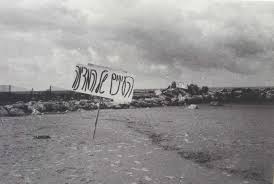
העיניים של המדינה, מהעבודות המעטות שהתואר איקוניות אינו מגזים בחשיבותן לתרבות הישראלית נעשתה בעקב טלטלת מלחמת יום כיפור.

בחוף הים בתל-אביב הציבה נאמן ב 1974 שני שלטים עליהם נכתב “העיניים של המדינה” הם שרדו שלושה ימים. צילום המיצב הוצג תדיר, ושם העבודה היה לכותרת תערוכה שדנה בשנות ה 70 באמנות הישראלית ונערכה במוזיאון תל-אביב ב 1998. נאמן התייחסה לאחד הציטוטים ההירואים המעטים הזכורים מהמלחמה, דבריו של בני מסס שסיפר בטלוויזיה שנלחם בחירוף נפש לכיבוש החרמון משום שנאמר לחיילים, טרם הקרב שהחרמון הוא ” העיניים של המדינה”. נאמן הגחיכה את הפאתוס כשכתבה את הביטוי על שלטי נייר שפנו לים התיכון הנתפס ספק מקור ישראליות (” אליק נולד מן הים” של

Michal Na’aman,The eyes of the nation. 1974

Michal Na’aman,The eyes of the nation. 1974

משה שמיר) ספק שביל מילוט. על מה לההרג שאלה העבודה בתקופה בה ההלם ממימדי קטל במלחמה טרם שכח. הנגיעה במקורות יהודיים, בכתב עברי, (לעומת הנטייה, בעיקר משנות ה 90 לשימוש גובר בלועזית), מרתק. היא השתמשה בתנ”ך הספר שנתפס בקרב החילוניים כיהודי ביותר (בניגוד למקומו המרכזי של התלמוד בעולם היהודי המסורתי) לצורך דיון נוקב עם המציאות. בכך הנכיחה געגוע,גם אם סמוי למורשת, ובוודאי שונה מהותית מהחילוניות המוצהרת של מרבית אמני “דלות החומר”. על נייר שורות כתבה ב 1974 “ארץ אוכלת יושביה ” ו”גדי בחלב אימו”, ויצרה עבודה מושגית דומה בצורתה לעבודות המושגיות של גרשוני שנעשו שנים אחדות קודם. מעניין לחשוב על עבודתה בקשר לתכנים יהודיים, השונים מאד, שהופיעו אחר כך בעבודות של גרשוני. נאמן מתייחסת למצבים של אכזריות, מאתרת אותם במקורות וכך התייחסה לזמנה, לתחושה שהארץ הטובה הפכה לאוכלת יושביה.

Michal Na’aman,A land that consumes its inhabitants,” , “A kid in its mother’s milk

Michal Na’aman,A land that consumes its inhabitants,”, “A kid in its mother’s milk


ב 1972, לפני מלחמת יום הכיפורים, כתבה פרק מקהלת על מזוניט בעבודה  אני קהלת הייתי מלך כשבחלק העליון מצוירים ראשים שהם כאין כרובים מציור אירופאי רומנטי (כשל פיליפ אוטו רונגה) . העבודה נוגעת בפמיניזם ומגדר – בכך שאימצה קול גברי. ב “בת ישראל” העתיקה טקסט של מודעה הקוראת לצניעות על נייר ההופך מאין כותנת משוגעים כשהוא עוטף את זרועותיה. זעקה עולה גם מסדרת העבודות שכותרתן ריטוש כחול מאמצע שנות ה 70 . השם כתוב למשל תחת ראש אישה שעבר התעללות מחרידה, פרופיל נשי קטוע (אולי פניה שלה) וזלמן שושי קרוס דרסר שעורר דיון ציבורי בסוגיות להט”ב ופדופיליה. האלימות המופנית לדמויות נשים, לא הייתה באותן שנים חלק מהשיח הציבורי משום שההכרה הממלכתית באלימות נגד נשים כבעיה החלה רק אחרי מלחמת יום הכיפורים ויסוד התנועות הפמיניסטיות הראשונות בארץ בהקשר לתנועה לזכויות האזרח והאדם.

Michal Na’aman, Vanya(Vajezatha)

Michal Na’aman,
Vanya(Vajezatha)

בעבודת כמו (וניה )ויזתא, מ 1975 או הִ, מ 1976, חוזר דימוי קשה של חלק גוף תחתון של אישה פסוקת רגליים בגרביונים מופשלים מטה. התחושה של עליבות ופגיעות,שמחוזקת מאופן העשייה בקולאז’ (תצלומים, נייר, לטראסט, עיפרון, עט לבד וצבע תעשייתי על עץ לבוד). נאמן דיברה על מה שהיה מושתק אז וכיום הוא כמו פצע מוגלתי שנפתח. העיסוק שלה בזהות שבא לביטוי במשחק השמות וניה-ויזתה, שמות זרים, שמות שנשמעים בעברית כנשיים, אך הם שמות גברים (ויזתה מוזכר כבן המן) הוא דיבור מורכב על הפנים השונות של אופי אנושי . עיסוק כזה בשאלת זהות יש גם בעבודה עעעראאאאפאאאת את, מ 1974, תקופה בה מי שהפך כעבור פחות מעשרים שנה פרטנר לשלום עוד נחשב למוקצה בעיני חלקים בציבור הישראלי. נאמן שמה ללעג את הדמוניזציה ומכניסה טון משחקי אירוני למה שנתפס כמאיים.במאיים ובזר היא עסקה גם בשורת עבודות, בעיקר מסוף שנות ה70 בהן יצרה היברידים כמו דג-ציפור, קולאז’ים מתצלומים לטרסט וצבע, כשהיא הותירה תמיד את ההפרדה, את חוסר הנוחות בין חלקי ההיברידים גלויים לעין.

Michal Na’aman, Lord of Colors -Jehovah Tzebaim

Michal Na’aman,
Lord of Colors -Jehovah Tzebaim

ה’ צבעים, כיתוב ושם שחזר לעבודות של נאמן לאורך השנים, והיה גם כותרת תערוכתה במוזיאון תל אביב ב 1999, מכיל בתוכו את הפרדוקס שנאמן פועלת במודעות כואבת אליו. את המונח ה’ צבאות, החוזר פעמים רבות ככינוי לאלוהים ומתייחס לשליטתו בצבאות השמים ולצבאות כל היצורים שברא נאמן מקשרת לאמנות, לצבעים . המורכבות של המושג שיצרה כמעט אין סופית –מהאימוץ שלמונחים מיליטריסטים לתחומי התרבות והרוח, בהקשר זה אפשר לחשוב על “טנק המצוות” של חב”ד כמקבילה מעניינת למושג של נאמן, ועד לאופן בו הרליגיוזי עומד, גם היום בבסיס היצירה.


פרטים על הסיור לסטודיו של מיכל רובנר בעמודת הסיורים .

http://old.smadarsheffi.com/?p=925    לקבלת הניולטר השבועי (רישום נפרד מקבלת בלוג החלון)

Some thoughts on Michal Na’aman’s art on the occasion of her being awarded the Israel Prize

Few were  surprised at the announcement that this year’s Israel Prize laureate for art is Michal Na’aman, and it seems that there was a collective sigh of relief from the Israeli art world at the idea that things are being conducted in an orderly and even an expected manner.

Michal Naaman,Glasgow smile,2012

Michal Naaman,Glasgow smile,2012

Na’aman(b. 1951) grew up as part of the old Israeli sociocultural elite. Born in Kvutzat Kinneret, her parents Shlomo and Leah were both teachers at the time. They left the kibbutz in the ‘60s, and her father developed an impressive career as an historian. By the age of 18, Na’aman was a student at the MidrashaArt Teachers Training College then located in Tel Aviv, and became part of the clique centering aroundRaffiLavie as its “guru.”Named for the exhibition curated by Sara Breitberg-Semel in 1986 at the Tel Aviv Museum of Art, they became known as the “Want of Matter” artists. Na’aman stood out in this group whose centrality as seen by herself and culture lovers is difficult to imagine today with the contemporary decentralization of centers of art. Much has been written about the patriarchy characterizing the circles around Lavie, and it seems to me that much will yet be written. Lavie “anointed” Na’aman as “the wise woman artist” with intelligent works. It sometimes seems that the title, with its emphasis on the strong intellectual aspect of her art, was to her detriment.

Michal Na’aman Daughter of Israel

Michal Na’aman
Daughter of Israel

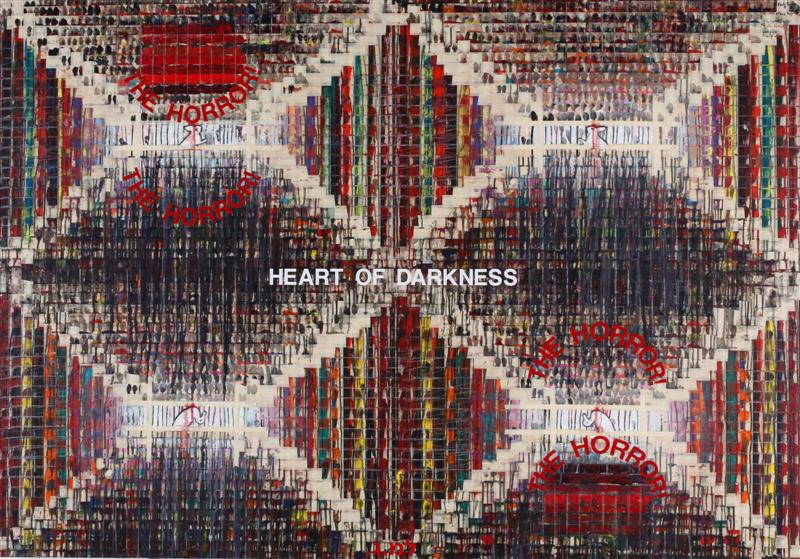
It is fascinating to follow Na’aman’s development from the early stages, when she engaged in feminist issues and Jewish sources, which at the time still remained transparent or were read as formalistic values. Her most interesting works are the ones made in the 1970s which cast doubt, shake up fixed thought patterns, and touch upon fears, hopes and desires. From the ‘80s onward, her works became more and more intellectual and often distant. She repeatedly used the Jastrow illusion of the ambiguous duck-rabbit image. Epistemological questions began to characterize her work, no less than their content. The image, originally published by Ludwig Wittgenstein in his “Philosophical Investigations,” served to construct a pictorial system overburdened with signs that when decoded, provided the feeling of having solved a puzzle – but the experienced ends there. Since the mid-90s, Na’aman has been covering oil-painted canvas with masking tape (usually used in painting to mark lines, and removed in the final stage). The masking tape becomes an outer shell or mask over the painting as well as a model, an expression of counting time and a foundation for a text, associated with techniques of weaving, popular art, and signifies a constant need for reinforcement and healing a rift.

Michal Naaman,HEART OF DARKNESS , oil, masking tape and letterset on canvas,2012

Michal Naaman,HEART OF DARKNESS, oil, masking tape and letterset on canvas,2012

In recent years, in her exhibition “A smile, a cat, a cut”  and Wit\ ויץ\ Witz (2013), the works discussed issues of consumerism and capitalism (she added barcode labels to some of the paintings), and pain, through a cruel association between representations of joy, a smile, to a vicious cut from Hugo’s “Man Who Laughed” to the Joker from “Batman” ending with references to the Holocaust and German culture. Thus Na’aman continues to engage in the relationship between representation and content, and the way in which we read images.

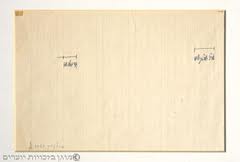
                  The ambivalence of the ‘70s works became a feeling of urgency and sharpness that lessened in subsequent decades. It would not be an exaggeration to call The Eyes of the Nation(1974) an important icon of Israeli culture .In November 1974, Na’aman placed two signboards on the Tel Aviv shore, on which she wrote (in Hebrew) “The eyes of the nation.” They survived for three days. The photograph of the installation was frequently exhibited, and the title was used for a 1998 exhibition held at the Tel Aviv Museum of Art on Israeli art of the ‘70s. The phrase is one of the few heroic quotes about the 1973 war from a television interview with a soldier who described how he and his fellow soldiers were told before the extremely fierce battle for the Hermon that the mountain was “the eyes of the nation.”Na’aman ridiculed the pathos when she wrote this expression on cardboard signs facing the Mediterranean Sea, perhaps perceived as a source of “Israeli-ness” (“Elik was born from the Sea,” by Moshe Shamir), perhaps an escape route. The installation asked what is worth dying for during a period in which Israel was still reeling from the war’s death toll.

Michal Na’aman,The eyes of the nation. 1974

Michal Na’aman,The eyes of the nation. 1974

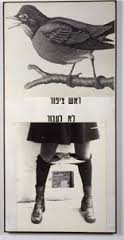
Referring to Jewish source texts and using Hebrew letters (in contrast to the increasing tendency mainly in the mid-‘90s to use Latin letters) is fascinating. She used quotations from the Bible – the book perceived by most secularists as the most Jewish book (as opposed to the central place of the Talmud among traditionalists) for a penetrating debate with current reality, making present the (covert) longing for the Jewish heritage. This was essentially different from the avowed secularism of most of the other “Want of Matter” artists. In 1974 Na’aman wrote by hand on a sheet of lined notebook paper the two biblical phrases, “A land that consumes its inhabitants,” and “A kid in its mother’s milk” (in Hebrew), creating a conceptual work very similar to Gershuni’s conceptual works made a few years previously. It is interesting to think of her work in the context of Jewish contents, so very different, that later appeared in Gershuni’s works. Na’aman refers to states of cruelty, locates them in the Jewish texts, and thus refers to an historical moment, the feeling that the “goodly land” has begun to consume its inhabitants. In 1972, before the Yom Kippur War, she copied in handwriting a chapter from Ecclesiastes onto a masonite board in the work, “I Koheleth have been king over Israel in Jerusalem.” In the upper section she drew heads looking like cherubs from European Romantic painting (such as by Philip Otto Runge). The work touches on feminism and gender, by adopting a male voice. In “Daughter of Israel,” she copied the text of a wall poster calling for modest dress onto a sheet of paper which became a kind of strait jacket as it wrapped around her arms. A cry arises as well from the work Blue Retouch. The title appears under the photograph of the head of an horrifically abused woman, flanked by photographs of a partial profile of a woman, which may be her profile, and a picture of cross-dresser Zalman Shoshi, who aroused a public discussion on issues of LGBT and pedophilia. Violence against images of women was not part of the public discourse during those years, because the government’s official recognition of violence against women being a problem began only after the Yom Kippur War and founding of the first feminist movements in Israel in the context of the movement for human and civil rights.In Vanya(Vajezatha) (1975) or Hee (1976), the harsh image of a woman’s lower body with legs akimbo and stockings pulled down reappears. The feeling of humiliation and vulnerability reinforced by the collage (photographs, paper, Letraset, pencil, felt-tipped pen and industrial paint on plywood). Na’aman spoke about what had been silenced then, now like an infected wound opened.

Her engagement with identity expressed in the play on names Vanya-Vajezatha, foreign names, names that sound in Hebrew like women’s names but which are men’s names (Vaizata is mentioned as Haman’s youngest) is a complicated statement on the various facets of human character. The work Aaaaraaafaaat You (1974) also deals with identity, at a time in which the person who would become the peace partner less than 20 years later was still “taboo” for most of the Israeli public. Na’aman mocked the demonization of Arafat and brought in an ironic, playful tone to the image of a person perceived as threatening. She addressed the threatening and strange in a series of works in which she created hybrids such as a fish-bird, always leaving the separation and discomfort between the parts visible.

Michal Na’aman, Fish Bird

Michal Na’aman, Fish Bird

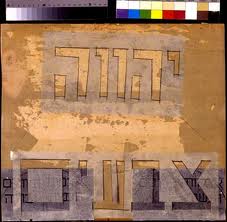
Lord of Colors -Jehovah Tzebaim instead of Jehovah Tzebaoth(a pun on Lord of Hosts), a caption and title that is repeated in several of Na’aman’s works over the years, was also the title of her one-person show in the Tel Aviv Museum of Art in 1999. It comprised the paradox that Na’aman operates with painful awareness to it. Na’aman links the concept “Lord of Hosts” one of the Creator’s appellations referring to control of the stars and the multitudes of living creatures God brought into being, Na’aman associates with art, with colors.The complexity of the concept

Michal Na’aman, Lord of Colors -Jehovah Tzebaim

Michal Na’aman,
Lord of Colors -Jehovah Tzebaim

she created is almost infinite, from the adoption of militaristic terms to spheres of culture and spirit. In this context, we can also think about Chabad’s “mitzvah tanks” as an interesting parallel to Na’aman’s associations as well as the way in which the religious is at the foundation of creation even now.

Translation: Judith Appleton

Details about a studio visit tp Michal Rovner please see under Tours and Lectures.

To receive the weekly newsletter  of art events please join mailing list (separate mailing list from “the Window” )   http://old.smadarsheffi.com/?p=925

Posted in פיסול ומיצב, ציור | Comments Off on כמה מחשבות על גוף היצירות של מיכל נאמן לרגל קבלתה את פרס ישראל Some thoughts on Michal Na’aman’s art on the occasion of her being awarded the Israel Prize

Michael Gitlin 16 Works , Measure for Measure

Please scroll down for English

כשעומדים ליד, או בתוך, העבודה אינסוף שבור ומביטים באולם רחב הידיים של מוזיאון פתח תקווה יש תחושה ברורה של חדות, בהירות ודיוק, תחושה של קושי ואולי של קיצוניות. התערוכה של מיכאל גיטלין  16 עבודות  היא שירה ולא פרוזה: בניסוחים קצרים ומהוקצעים הוא מדבר על שסעים ומאבק, על אשליות וצעיפי המציאות.

מיכאל גיטלין אינסוף שבור

מיכאל גיטלין אינסוף שבור
Broken Infinity Gitlin 2014

יש משהו מרענן באמנות העשויה ברובה קוים חדים שחוזרים בקרטון קרוע, עץ מנוסר או משיחות מכחול. במינימליזם החמור אין מסכי דימויים אינסופיים או התחכמויות מילוליות, אין חנופה ואין גם נחמה. האמנות של גיטלין לא מנסה למצוא חן או לשעשע .מה שהיה יכול בזמנו להיחשב סוג של מרד, הפך מזמן לחלק ממסורת האמנות המודרנית כך שההתבוננות בעבודות יכולה להיערך ללא רעשי הרקע של שאלות הקבלה או אי הקבלה שלה על ידי הזרם המרכזי. מיכאל גיטלין (1943) חי בניו יורק מאז שנות ה 70 אך מציג בארץ לעיתים קרובות למדי (לצד השתתפות בתערוכות קבוצתיות במוזיאונים הוא הציג מספר תערוכות יחיד בגלריה גלריה נ & נ אמן. הוא שייך לקבוצת האמנים הישראלים המינימליסטים שפעלו בשנות ה 70 בניו יורק לצד יהושע נוישטיין, בוקי שוורץ ואמנים נוספים ולמשך תקופה המקבילה לפריחה של המינימליזם יצרו נוכחות מרשימה על מפת האמנות הבינלאומית. בשנים שחלפו מאז המינימליזם הפך לאחת האופציות הסגנוניות של אמנות עכשווית. בפתח – תקווה גיטלין  מוצג במיטבו בתערוכה של  עבודות משנות ה70 וה 80 לצד עבודות חדשות.העבודה  אינסוף שבור ניצבת במרכז התערוכה פיזית ורעיונית. זו גרסה חדשה שנבנתה עבור המוזיאון של עבודה שגרסה ראשונה שלה הוצגה בבון ב 1988, כלומר שנה לפני נפילת החומה, שנה לפני השינויים הגדולים שחלו ביחסי מזרח-מערב והמנדנדים עד היום. העבודה

גיטלין אינסוף שבור

גיטלין אינסוף שבור
Gitlin Broken Infinity

הנוכחית תוכננה למרחב המוזיאון והיא מגדירה ומאתגרת אותו, מתערסלת ודוקרת.
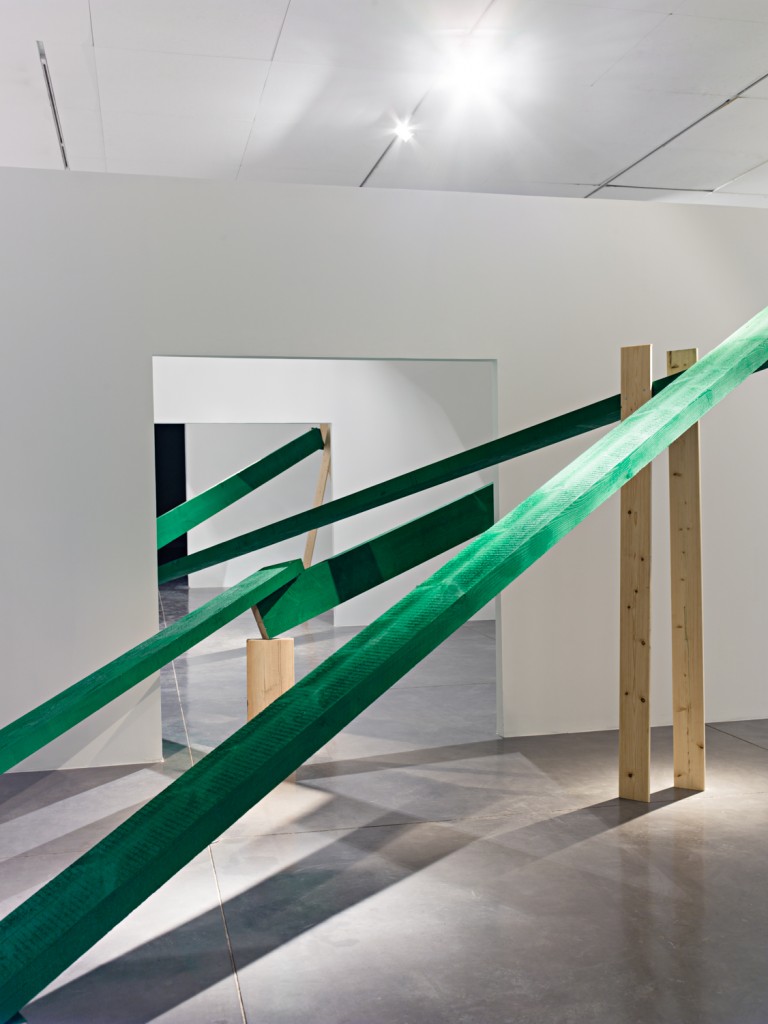
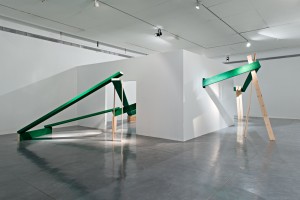
האיפיון הראשון שבולט לעין הוא הירוק הרענן, התמים, המבטיח בהם צבועות חלק מקורות העץ . הירוק הציורי כל כך אינו מתיישב עם החומרה המינימליסטית שמאופיינת בשימוש בעיקר בלבן או שחור והיא כמו רמיזה והכוונה לסוג של נרטיביות דקיקה , כמעט שקופה שנוכחת בעבודות הלכאורה ללא סיפור של גיטלין . חלקים של עץ לא צבוע תומכים בקורות הצבועות במערך של תמיכה שהוא כאין פיגומים . הטבעת חוצה קירות באופן שיותר תחושה של זרימה .
שם העבודה מתייחס ישירות ל Vertical Earth Kilometer (1977),גליל מתכת שמצוי מתחת לאדמה בקאסל, גרמניה  ו   The Broken Kilometer, 1979 (שמוצבת DIA בניו יורק) שתי עבודות מפתח של וולטר דה מריה  שממחישות מרחק שהוא מדיד אך בדרך כלל אבסטרקטי בתפיסתנו.

De Maria Broken Kilometer

De Maria Broken Kilometer

דה מריה ממחיש סופיות ,מגמד את הדרמות האנושיות שנקשרות סביבו באופן בו הוא מציג אותו כחומר מושלם. האינסוף שגיטלין יצר הוא  אינסוף שיכול להישבר, שזרימתו אינה חלקה אך יחד עם יש בה מידה של אנושיות , של מאבק , אם נרצה אפילו של חוסר אלגנטיות

.
בקטלוג כותבת האוצרת דרורית גור -אריה על העבודה כטבעת מוביוס (צורה דו-ממדית שיש לה צד אחד בלבד) שבורה,כסימן אינסוף שהשתבש “ניסיון כושל של האינסוף לרדת אל הארץ”. מענין לחשוב על העבודה , במידה רבה על התערוכה כולה שהרהור לא אורתודוכסי בזמן.לא מדובר ברטרוספקטיבה ובכל זאת שורטט בתערוכה היקף זמן נרחב , משנות ה 70 המאוחרות ועד היום, ובכל זאת מבחינה סגנונית ומחשבתית דומה שאין כאן מוקדם ומאוחר . גיטלין בוודאי השתנה ובכל זאת מעניין לחשוב על האמנות שלו לא  כליניארית אלא כסוג של ספיראלה שהולכת וחוזרת מנושאים דומים .מבחינה זו הדימוי של טבעת מוביוס והאינסוף מובילים למבט אחר בזמן שיש בו גמישות .

White on White for Kazimir 2000 . לבן על לבן לקזימיר

White on White for Kazimir 2000
. לבן על לבן לקזימיר

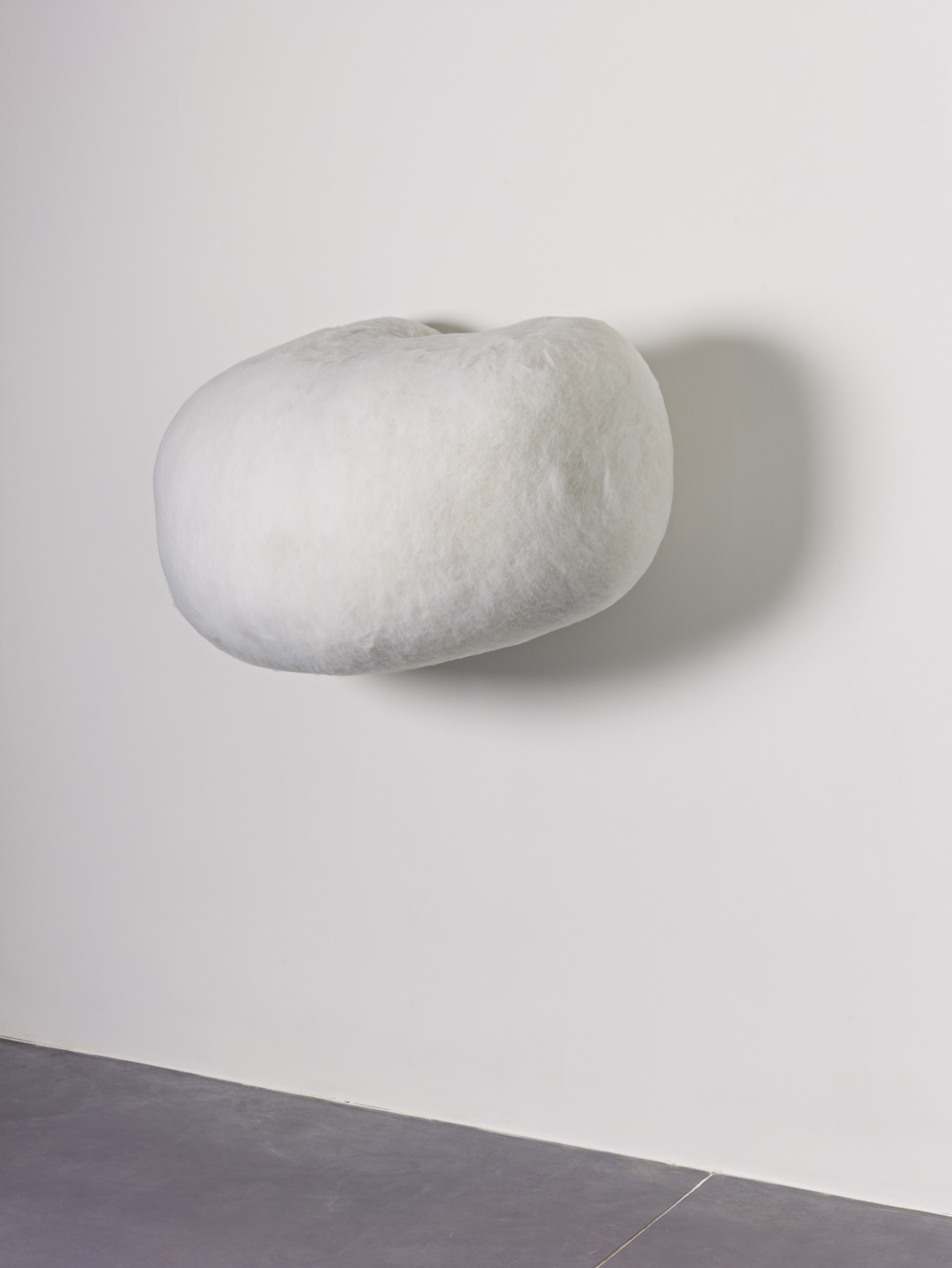
לבן על לבן לקזימיר , עבודה מ 2000, ענן מחר גפן סינטטי וספוג על שלד נחושת, צומח הקיר וכאילו מרחף לידו כמו בועת מחשבה עצבה-משעשעת ל מודרניזם . קזימיר, מלביץ כמובן, יצר ציור בשם לבן על לבן ב 1918 המצוי במומ”א בניו יורק. בציור ריבוע לבן המרחף בשדה צבע לבן , התגלמות השאיפה והאמונה של מלביץ שהמהפכה תוביל  לרוחניות . גיטלין ממרחק שמונים שנה וידיעת הכישלון של המהפכה (וההיסטוריה המחרידה של המאה הקודמת) הופך ריבוע לענן שנראה כמו גידול , רך, על קיר המוזיאון , המקום שמבקש להיות אי של התכוונות לרוחניות. עניינים שבחומר קרא גיטלין לעבודה החדשה ביותר בתערוכה ,מוט פלדה שמתמשך בין ברזל יצוק לגוש עץ מהוקצע , שנראה כפרח שבראשו תפרחת שעלולה להכריע את גבעולו הדק. גיטלין משחק עם החומר , מודע היטב לכל התקדימים הפיסולים , וגם העיצובים, מברנקוזי ועד למנורהARCO של אקילה קסטליוני מ 1962 , ויוצר מערכת שמגששת למציאת איזון פנימי, חותרת נגד כוח המשיכה.

                                 ***
לצד התערוכה של גיטלין מוצגת התערוכה מידה כנגד מידה שאצרו דרורית גור אריה והילה כהן-שניידרמן. זו תערוכה של צלמים עכשוויים, אף שכמעט לא מוצגים בה תצלומים, אלא בעיקר אובייקטים פיסוליים. זו שיכולה להוות גרעין לתערוכה עתידית , והיא כאקספוזיציה לדיון בתרגום של צילום לחומריות בדיוק בנקודת הזמן בה הדימוי מתרחק מהחומרי. ב דבר ושום דבר בו זמנ

אסף שחם, בו זמנית בו במקום, 2013, Same Time, Same Place Assaf Shaham

אסף שחם, בו זמנית בו במקום, 2013,
Same Time, Same Place Assaf Shaham

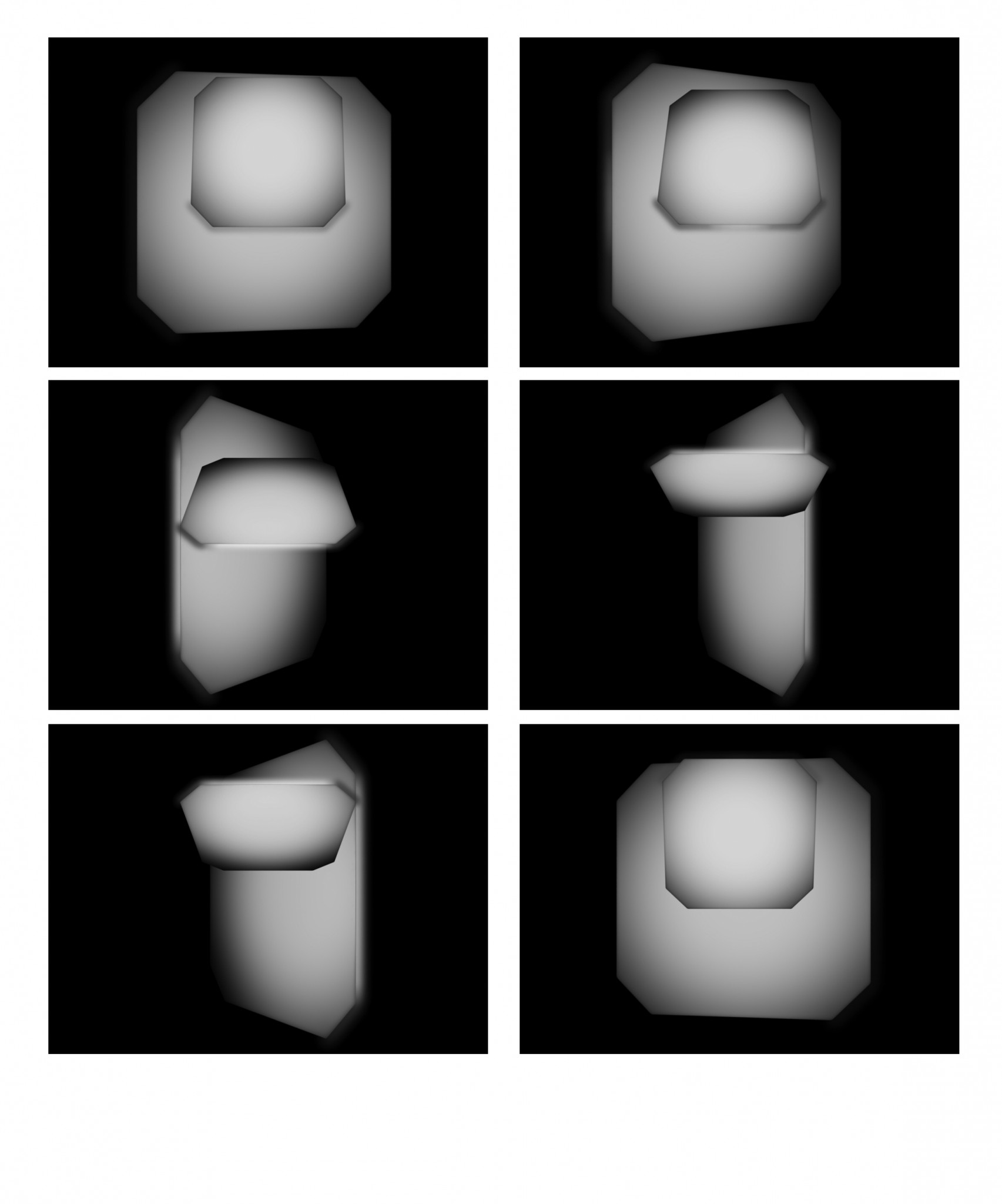
ית (2014) אסף שחם משתמש בשני מקרני שקופיות המקרינים שקופיות ריקות ברצף הקטוע והרועש לה משכשירים אלו כך שנוצרת חפיפה בין המה שניתן לכנות דימויי ריק בשקופית ה-40 במספר נוצר צלב אור המתפרק בשקופית הבאה. שחם בונה צלב, סמל רוחני מאור מכני ומנסח אמירה מושחזת על מודרניזם ואמונה, על רוחניות כתולדה של מנגנון מכני.
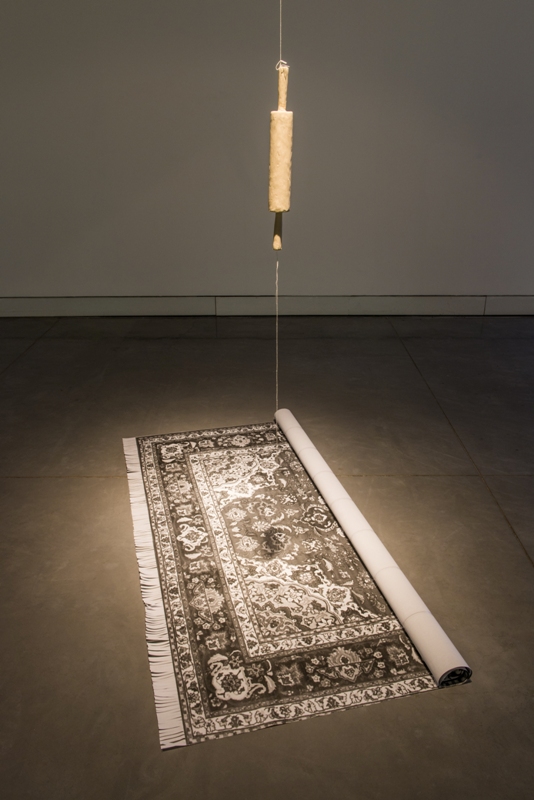
צירים  של נעמה ערד הוא  שטיח העשוי מניירות המוצמדים זה לזה בנייר דבק. השטיח מגולגל כתצלום, ומעליו תלוי מערוך מצופה חימר דמוי-בצק. מהשטיח הפרסי נשאבה הצבעוניות והחומריות לטובת צבעי השחור והלבן המאפיינים את עבודותיה ובמקום להיות אובייקט

נעמה ערד, צירים, 2013, Naama Arad

נעמה ערד, צירים, 2013,
Naama Arad

מרכך – מנחם הוא חלק מזירה  טעונת אלימות.
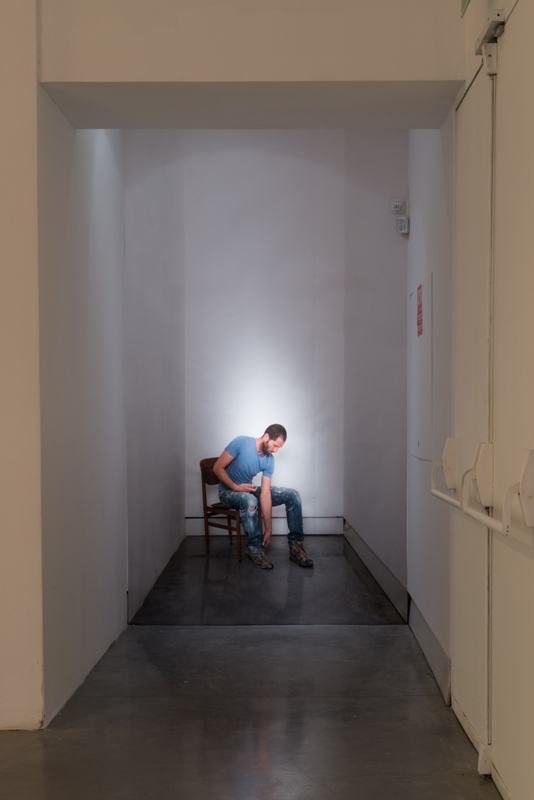
עוד בולטות העבודות של מתן מיטווך היוצר מנגנון מורכב של אשליה והקרנה ; פלאוסול 80 דרום עבודות וידיאו אמיר יציב ויהונתן דובק על הר כרכום המזוהה כהר סיני המקראי; ועומרי (2014), של מארק יאשאייב של שומר מוזיאון המוצג על הקיר בחלל שבו צולם, וכך יצר מעין מנהרה בצרוף של מקום מושגי

מארק יאשאייב, עמרי, 2014, Mark Yashaev

מארק יאשאייב, עמרי, 2014,
Mark Yashaev

וקונקרטי.

מיכאל גיטלין  16 עבודות  אוצרת דרורית גור -אריה
מידה כנגד מידה אוצרות דרורית גור אריה והילה כהן-שניידרמן
צילום: מידד סוכובולסקי


Michael Gitlin 16 Works , Measure for Measure


When standing near, or rather inside the installation Broken Infinity, looking into the spacious exhibition hall of the Petach Tikva Museum of Art, one senses a feeling of sharpness, clarity and precision, difficulty and perhaps extremism.

Broken Infinity Gitlin גיטלין אינסוף שבור 1988/2014

Broken Infinity Gitlin
גיטלין אינסוף שבור 1988/2014

Michael Gitlin’s exhibition 16 Works is poetry, not prose: in short, well-crafted formulations, he speaks of jagged tears and struggles, illusions and veils of reality.There is something refreshing about Gitlin’s art, made mostly with sharp lines recurring in torn cardboard, sawn wood, or brushstrokes. The severe minimalism of the works needs no screens of infinite images or verbal pyrotechnics, no flattery and no consolation. What could have been seen as a rebellion at the time it was first exhibited has long ago become part of the tradition of modern art, so that these works can be observed without the background noise of the issue of acceptance or non-acceptance by the mainstream. Michael Gitlin (b. Israel, 1943) has been living in New York City since the 1970s, but exhibits in Israel quite often. (In addition to participating in group shows in museums, he has exhibited solo at the  N & N Aman Gallery, Tel Aviv). Gitlin may be grouped with the Israeli Minimalists active in New York during the 70s, along with Joshua Neustein, Buky Schwartz and others, creating an impressive presence on the international art scene during the years when Minimalism flourished. Minimalism has since become just one of the stylistic options of contemporary art. The current exhibit features some of Gitlin’s best works from the 70s and 80s along with new works. Broken Infinity lies at the physical and philosophical center of the exhibition. מיכאל גיטלין אינסוף שבורThis is a new version of a work whose first version was exhibited in Bonn in 1988 – one year before the Berlin Wall came down and one year before the great changes in East-West relations still see-sawing today. The present version (2014), redesigned for the Petach Tikva Museum of Art, defines and challenges the space  as it cradles and pierces it.The first striking  visual quality meeting the eye is the fresh green paint on part of the wooden beams, such an innocent and promising color. The very painterly green is incompatible with the severity of Minimalism which  celebrates mainly white or black, but is like a hint directing viewers to a thin, delicate narrative almost transparently present in Gitlin’s works but untold by him. Unpainted sections of the wood support painted beams in a scaffold-like system. The infinity ring passes through walls feels as if it is flowing.The title Broken Infinity is a direct reference to two key works by Walter de Maria, Vertical Earth Kilometer (1977), a metal cylinder underground in Kassel, Germany, and Broken Kilometer (1979), installed in New York City’s DIA Gallery.

broken kilometer

broken kilometer

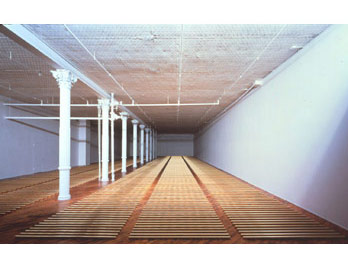
They concretize a measurable distance which is usually an abstract perception. De Maria illustrates finality, dwarfing human dramas as he exhibits the concept as perfect matter. Gitlin creates an infinity which can be disrupted, with uneven flow, but which has humanity, struggle and even a lack of elegance. Curator Drorit Gur Arie wrote in the catalog that the work is like a broken Moebius strip (a two-dimensional surface with only one side), a ruptured infinity symbol, “a failed attempt by infinity to come down to earth.” It is interesting to think about this particular work and the entire exhibition as an unorthodox contemplation of time. This is not a retrospective, but it nevertheless limns a considerable amount of time from the late 70s to the present, with stylistic and thematic similarities and no sense of what is early or what is late. Gitlin has surely changed, yet one may think of his work as non-linear, a kind of spiral leaving and returning to similar themes. The image of the Moebius strip and infinity lead us to a possible view of time as flexible.White on White for Kazimir (2000)

לבן על לבן לקזימיר

לבן על לבן לקזימיר

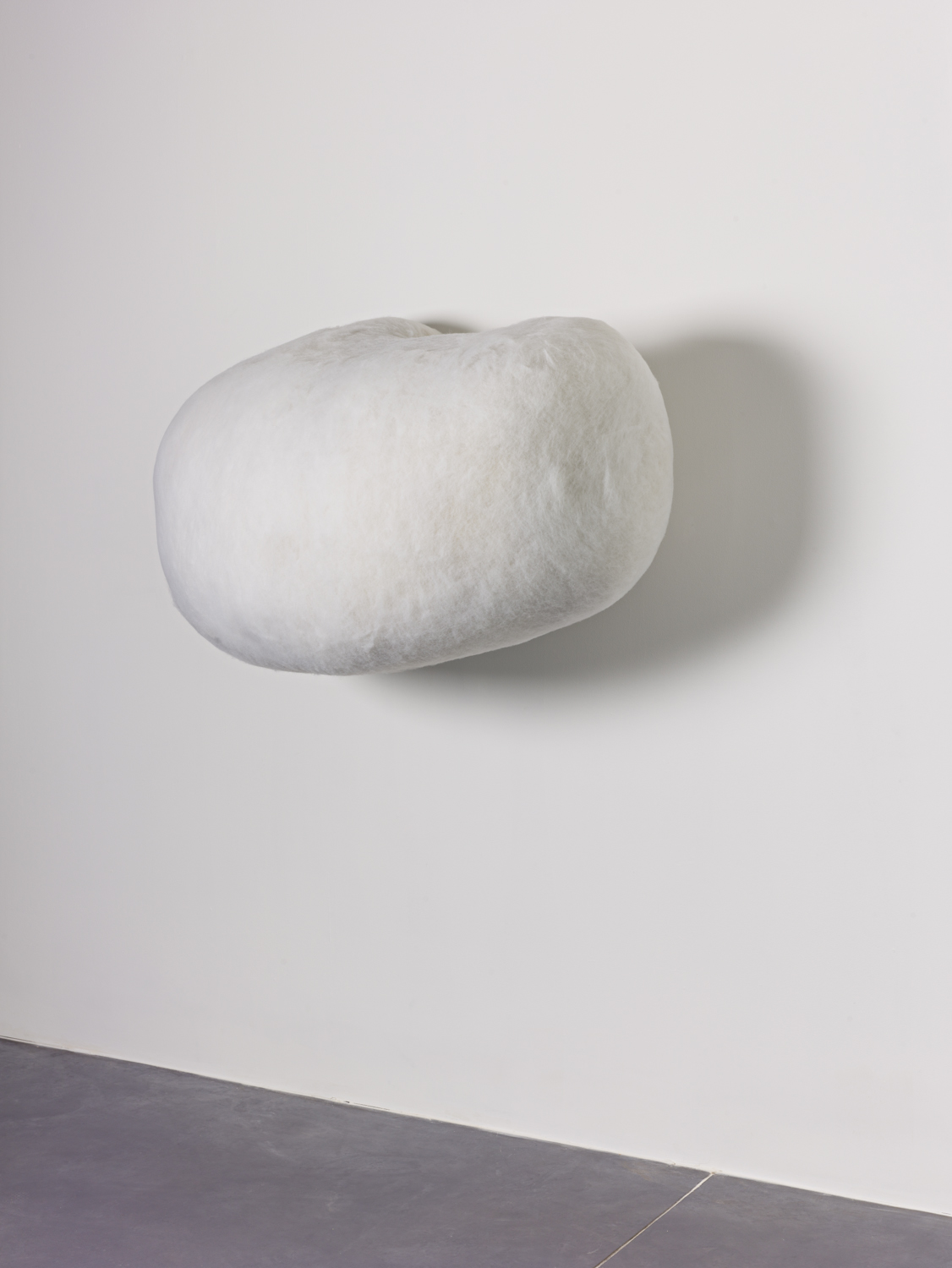
is a “cloud” of synthetic cotton wool and ethafoam on a copper armature growing out of the wall, seeming to hover near it like a sad/amusing “thought bubble” ( as in comics) on modernism. Kazimir (Malevich, of course), made his White on White in 1918, now at the MOMA in New York City: a white square hovers over a white paint field, the incarnation of his ambition and faith that the Revolution would lead to spirituality. From a distance of 80 years and with the knowledge of the failure of Communism (and, on the whole, the horrific history of the 20th century) turns the square into a soft growth on the Museum wall, on a site seeking to be an island of intention to spirituality. Material Matters (2013) the most recent work in the exhibition. A steel rod leads from cast iron into a block of planed wood, seeming to be a flowering top likely to topple its thin stalk. Gitlin plays with his material while fully aware of all of the sculptural and design antecedents, from Brancusi through Achille Castigliano’s1962 Arco lamp, as he creates a system engaged in finding an internal balance and undermining gravity
***.
Measure for Measure, curated by Drorit Gur Arie and Hila Cohen-Schneiderman, is an exhibition of contemporary photographers, although there are hardly any photographs on display. The sculptural objects being shown could constitute the nucleus of a future show as an exposition on a discussion of the translation of photographs into materiality, precisely at the point in time at which the image is becoming more and more distant from the material. In Same Time, Same Place (2014), Assaf Shaham

אסף שחם, בו זמנית בו במקום, 2013, Same Time, Same Place Assaf Shaham

אסף שחם, בו זמנית בו במקום, 2013,
Same Time, Same Place Assaf Shaham

uses two slide projectors – projecting blanks. In the broken, noisy continuity from these appliances, an overlap is crated between what may be called an empty image. In the 40th slide, a cross of light is formed, only to break up in the next slide. Shaham makes the spiritual symbol of a cross out of mechanical light, formulating a sharp statement on modernism and faith, as an outcome of a mechanical mechanism.Axis  by Naama Arad is a carpet made of papers stuck together with sticky paper. The carpet is rolled up as a photograph, above which hangs a rolling pin coated with batter-like clay. She draws all of the coloration out of the Persian carpet as well as removing its materiality, leaving the black and white which characterizes her works; instead of being a consoling object, it becomes part of an arena charged with violence.Other outstanding works are by Matan Mittwoch, who creates a complex system of illusion and projection; the video art by Amir Yatziv & Jonathan Doweck referring to Mt. Karkom, identified as the biblical Mt. Sinai; and Mark Yashaev’s Omri (2014),

מארק יאשאייב, עמרי, 2014, Mark Yashaev

מארק יאשאייב, עמרי, 2014,
Mark Yashaev

the museum guard. His photograph is hung on the wall in the space where he was photographed to create a tunnel with its combination of a conceptual with a concrete space.

Michael Gitlin 16 Works curated by Drorit Gur Arie
Measure for Measure, curated by Drorit Gur Arie and Hila Cohen-Schneiderman
Meidad Suchowolski photography

Posted in וידיאו, פיסול ומיצב, צילום | Comments Off on Michael Gitlin 16 Works , Measure for Measure

סמדר שפי, החלון, אומנות ישראלית, אמנות ישראלית, Smadar Sheffi, The Window, Israeli Art