Tal Amitai-Lavi | Light Construction |טל אמיתי-לביא

                                                                   Please scroll down for  English                              

  Light Construction תערוכת היחיד של טל אמיתי-לביא היא תערוכה מרשימה, בחלקה מקסימה, שמוצגת בקומה 

             הראשונה של גלריה “שלוש”. בשמה מקופל כפל משמעות של “בנייה קלה ואור כאמצעי בעבודות. לצידה ,אצרה אמיתי-לביא את שותפים ובה עבודות של שנים עשר אמנים וגם עוד מעבודותיה שלה, כשלכולם משותף העיסוק במצבי סף של קריסה והרס . אמיתי לביא יצרה באמצעות “שותפים” הקשר לעבודתה והתערוכות מחזקות זו את זו.

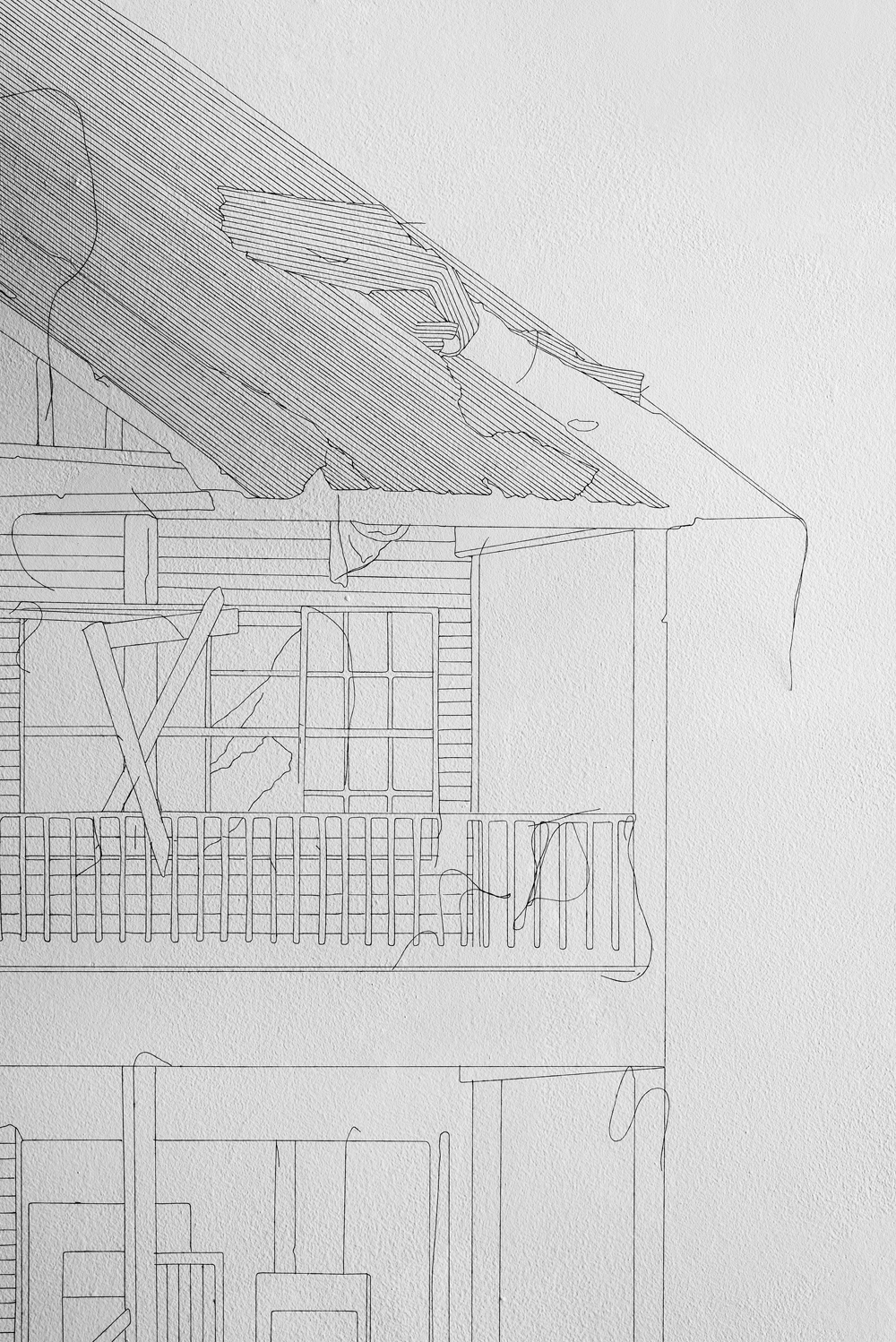
בתערוכת היחיד מוצגים עבודת רישום גדולה בחוטי תפירה על פרספקס המתארת בית שנפגע בסופת ההוריקן “קתרינה”,
Tal Amitai-Lavi-Untitled-2013-2014-.Photo Youval Hai.

Tal Amitai-Lavi-Untitled-2013-2014-.Photo Youval Hai.

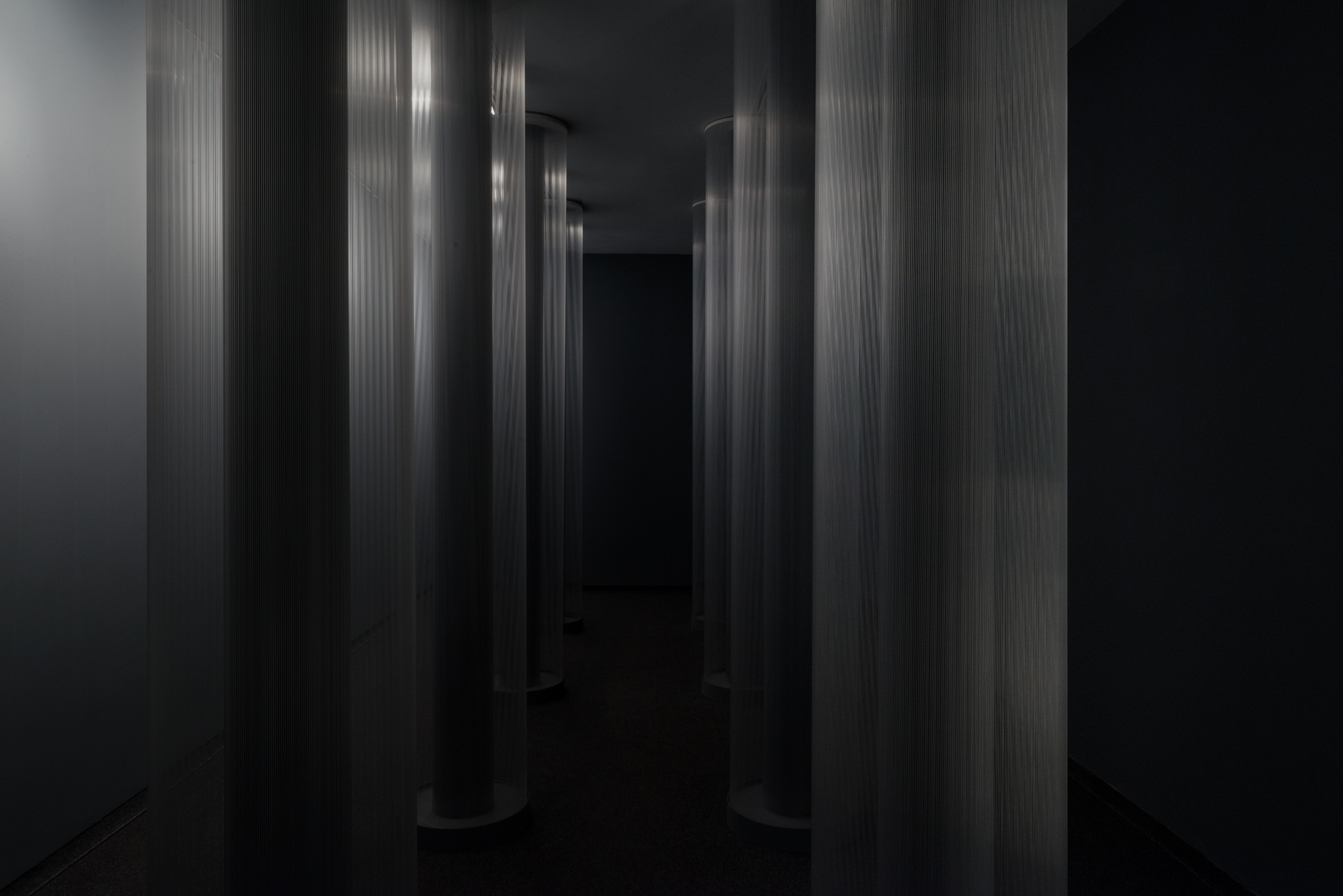
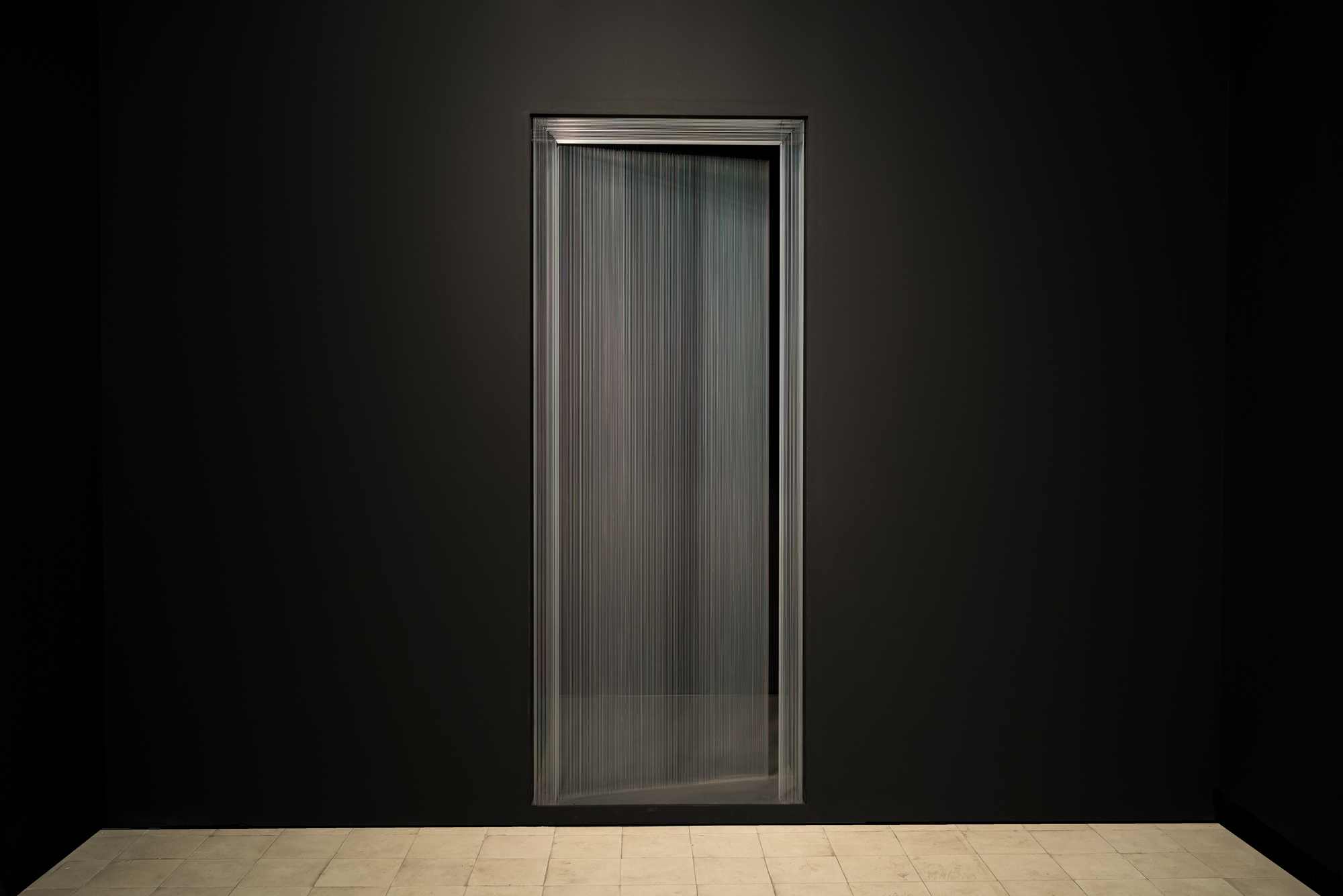
הטכניקה שאיתה אמיתי – לביא מזוהה במיוחד, ושני מיצבים העשויים במתיחה של חוטי ניילון שקופים. באחד נראית דלת הנפתחת מעט לתוך חלל שנותר מסתורי ובשני “קולונדה”, נמתחו החוטים ליצור שמונה עמודים שהם כאין שיכפול של העמודים החיצוניים של בניין הגלריה.
שני המיצבים מרשימים אבל בעוד “קולונדה” נותרת כהפגנת וירטואוזיות (הכנסת קטע מחוץ של בניין לתוך המבנה נשאר כאן תלוש למדי) הרי בדלת הנפתחת מתוך הקיר השחור מתרחש מה שהופך עבודה למקסימה. במבט ראשון נדמה שהדלת היא ספק הולוגרמה, ספק הקרנה , היא כמעט נעלמת מזוויות מסוימות ובאחרות היא נדמת מוצקה. הטקטיליות שלה יוצרת רצון לגעת ,לתפוס את הבלתי נתפס. הדלת מהחוטים מורכבת בתוך קונסטרוקציה שמחופה ב”קיר” שחור ו”נפתחת” לחלל שנותר עלום, מבטיח ומעורר אימה במידה שווה. החוטים מתוחים אחד אחד לתוך חורים קטנים ונדמה שבחוטים – מיתרים מסתתר צליל או לפחות היה נוצר כזה לו
Tal Amitai-Lavi, Colonnade, 2013-2014,  installation view. Photo- Youval Hai

Tal Amitai-Lavi, Colonnade, 2013-2014, installation view. Photo- Youval Hai

חלף בחלל משב רוח .
ההקשר של אמנות וקסם או תעתוע הוא עמוק ומתקשר לשורשיה האנתרופולוגיים של האמנות הקשורים לדת. אמיתי –לביא מצטרפת לאמנים כמו מוניקה סוסנובסקה מפולין , צדוק בן- דוד ובשנים האחרונות תמר הרפז , שיוצרים אמנות שהאשליה והחמקנות של הדימוי הופכים בהם ממשעשעים לטורדים, לאמירה על חוסר היכולת לאחוז במציאות ,על פוטנציאל הערעור הבלתי פוסק של מה שנדמה יציב , אותו כוח או גורל חסר אבחנה שמקבל מניפסטציה איומה במאורעות כמו הוריקן , צונאמי או מלחמה, שלושת הנושאים של העבודות בחוט של אמיתי – לביא.
בטקסט התערוכה נכתב שהיא ממשיכה את העיסוק של אמיתי-לביא במושג הבית אך ההרגשה היא שהרבה יותר מאשר
Tal Amiati-Lavi, Untitled, 2012-2014, installation view. Photo- Youval Hai

Tal Amiati-Lavi, Untitled, 2012-2014, installation view. Photo- Youval Hai

במושג הבית התערוכה עוסקת בהכלה של חרדה, בהתקיימות על פי תהום .
עבודות החוט של אמיתי –לביא, חוטי תפירה מודבקים לפרספקס יפות. ב”שותפים” היא מציגה את עבודתה “פגיעה ישירה/הבית ברחוב נהלל, חיפה”, 2010-2009 שנעשתה לפי צילום ממלחמת לבנון ועבודה לפי דימויים מהצונאמי .העבודה לפי דימויים מהוריקן קטרינה , שמוצגת כאמור במסגרת תערוכת היחיד היא פיתוח של הטכניקה הן מבחינת גודל העבודה אבל בעיקר מבחינת חיזוק האיכות שניתן לכנותה ה”כמעט לא כאן” – נדמה שמשיכה באחד החוטים התלויים בחופשיות מאחורי הפרספקס תגרום לעבודה כולה להעלם כהרף עין.
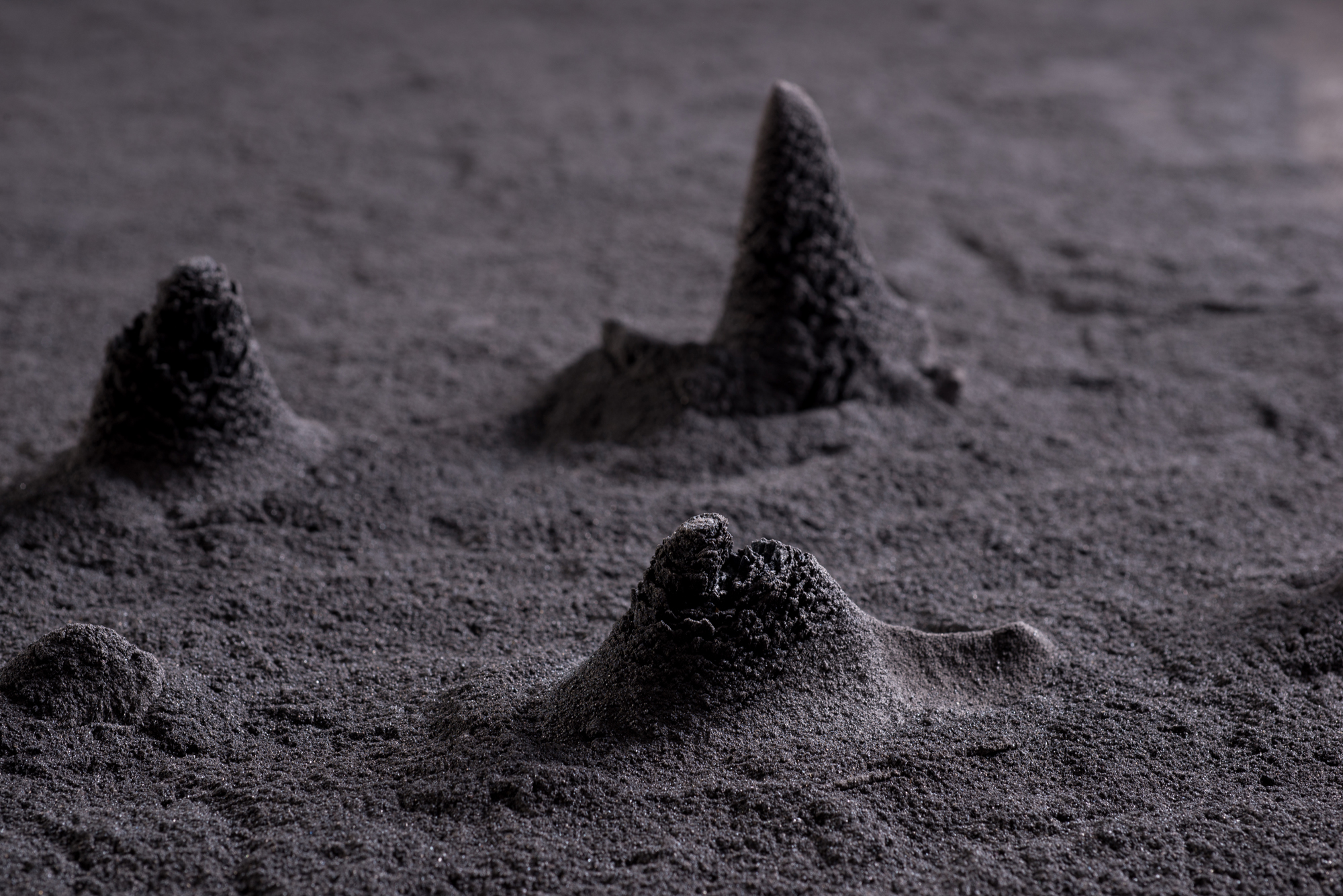
עבודות האמנים שאמיתי –לביא הזמינה ל”שותפים” יוצרות ברוב המקרים דו שיח ממשי עם עבודותיה וחלקן הגדול מצוינות . מעניין לראות גם זיקות וקרבה כמו בין האונייה ב”ספירלה”, 2007 של טל פרנק על פס מתכת שהוא כעין גל ואוניה יצוקה , דומה מאד לאוניה של אמיתי לביא בעבודה “עכשיו יקרה משהו”, 1999-1998 שגם היא יצוקה אך נראית כקיפול מדף מחברת משובץ. פרנק לא הכירה בעת שיצרה את עבודתה . מעניין גם לראות את ויטרינת המתכת הכבדה של חיימי פניכל “ללא כותרת”, 2014, ובה ספק תלים ספק מבנים מאבקת ברזל, שמזכירים מאד את שולחנות החול הנהדרים שמיכה אולמן יצר, בעיקר לאורך שנות ה 90 .פניכל, אמן מעניין מציג כאן גם עבודה העשויה שתי פיסות עץ העשויות חול ,עובדה שמתגלה בהתבוננות מקרוב . סוג המשחק של צורה/חומריות מעלה על הדעת את העבודות של
חיימי-פניכל-ללא-כותרת-2014

חיימי-פניכל-ללא-כותרת-2014

גדעון גכטמן .
עבודת הוידיאו של עזיז+קוצ’ר ,צמד האמנים האמריקאים הפופולאריים, Time of the Empress #6 2012, אנימציית וידאו המתארת בניין נבנה וקורס לכדי ענן אבק והיא מהעבודות החלשות בתערוכה. לא נוצר בה מתח או קרשנדו אלא סוג סתמיות שאינה מנוכרת מספיק כידי להיות טורדת.
העבודות המרתקות הן אלו בהן ההרגשה היא שאנו אחרי התרחשות דרמטית , שהאמנות מעידה או אוספת שברים. ליאת לבני מציגה עבודה שהיא התפתחות בגוף העבודות המצוין שלה ,”עיר מיקרו”, 2014 , עבודה העשויה מערמת צלחות נייר שנראות ככלי קרמי . לבני שרפה את מרכז הצלחות ויצרה בפנים מה שנראה כתפאורת עיר מיניאטורית הקבורה בתל הצלחות , ארכיאולוגיה פואטית של עולם לא קיים. לצד עבודות של סשה סרבר, מסדרת רהיט שרוף”, 2005, ו
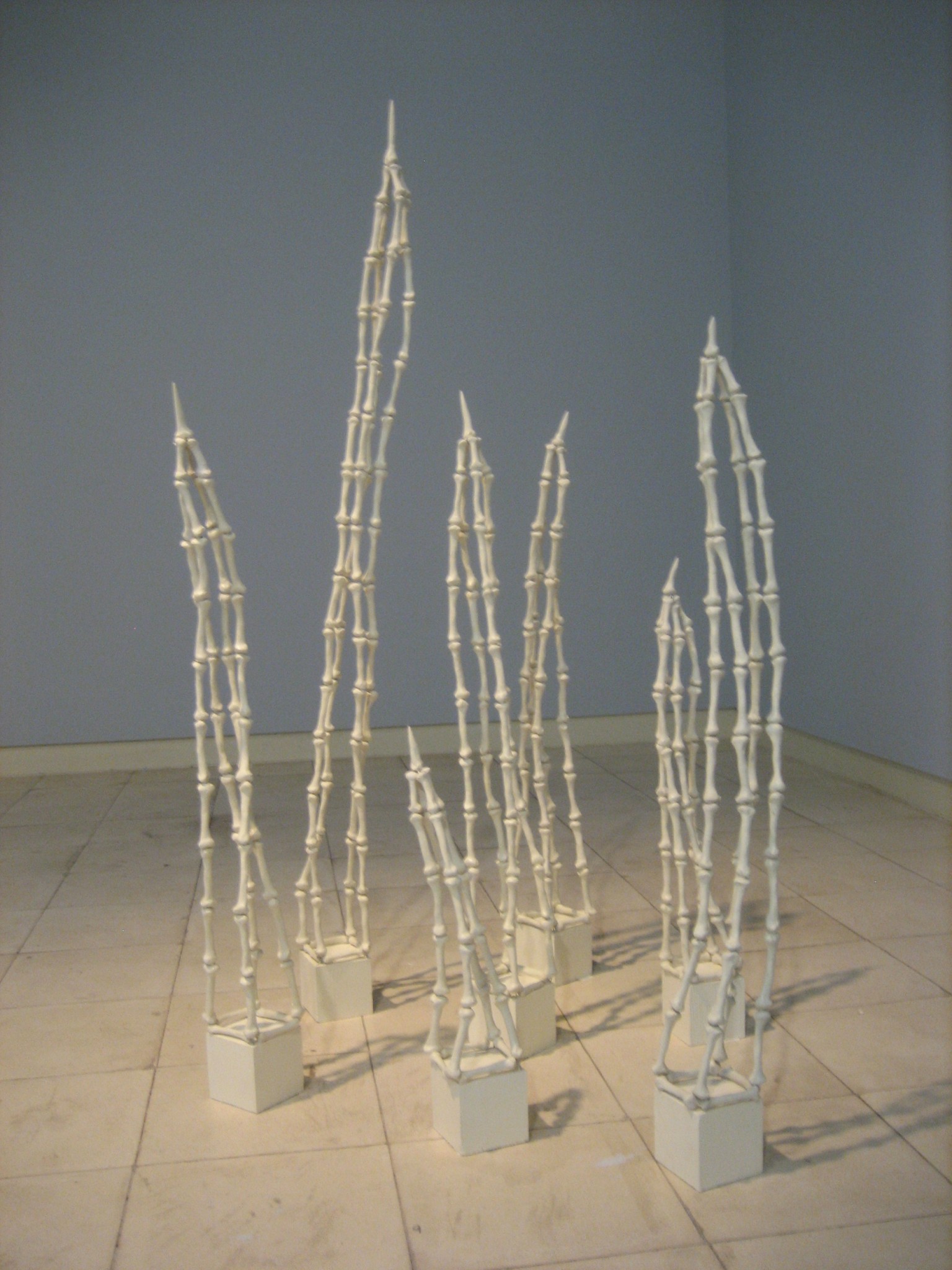
 Nadav Weissman, Late Excavations (3), 2011,

Nadav Weissman, Late Excavations (3), 2011,

חפירות מאוחרות”, 2011 של נדב ויסמן העשויה מגדלי “עצמות “תחושה של אפוקליפסה עכשיו, או ממש מעבר

לפינה. זו עוברת היטב גם בחלל הבהיר והאוורירי של הגלריה

גלריה שלוש, מזא”ה 7 תל-אביב


Light Construction/ Tal Amitai-Lavi
Light Construction, Tal Amitai-Lavi’s one-person exhibition, on the first floor of the Chelouche Gallery, is impressive, and in part magical, exhibited on the first floor of the Chelouche Gallery. Its title reflects the ambiguity of lightweight construction and using light as a material for the artworks. Alongside her work, Amitai-Lavi curated Partners, featuring the work of 12 artists as well as additional works by her, with the common denominator being an engagement in threshold conditions of collapse and destruction. By inviting the “partners,” Amitai-Lavi created a context for her own work, and the two exhibitions enhance each other.
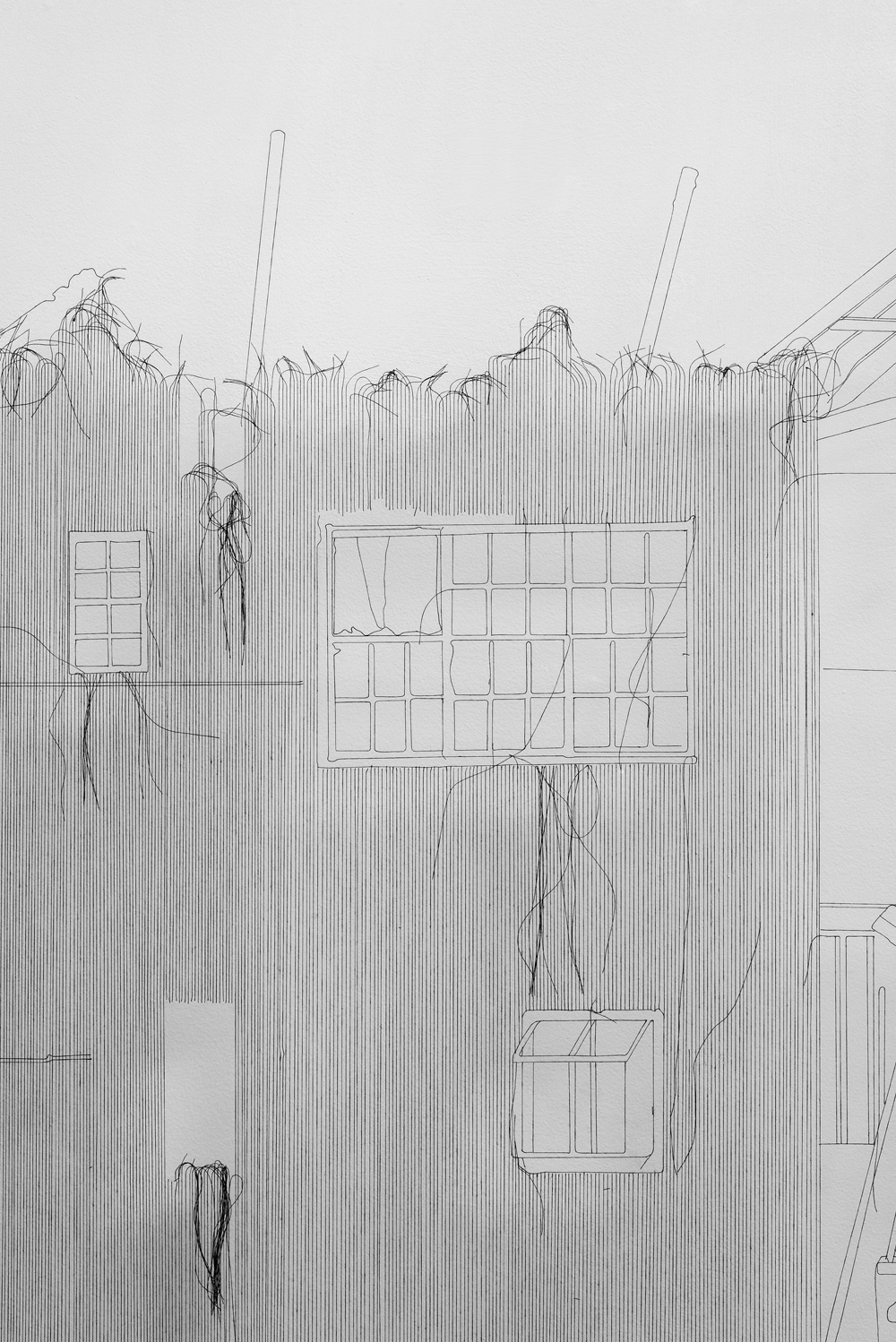
Ta -Amitai-Lavi-Untitled-2013-2014 Detail Photo-Youval-Hai

Ta -Amitai-Lavi-Untitled-2013-2014 Detail Photo-Youval-Hai

Light Construction presents a large drawing made of black thread on plexiglas depicting a house hit by Hurricane Katrina, using stretched transparent fishing line, the technique with which Amitai-Lavi is most identified. There are two installations in the exhibition:

Tal Amiati-Lavi, Untitled, 2012-2014, installation view. Photo- Youval Hai

Tal Amiati-Lavi, Untitled, 2012-2014, installation view. Photo- Youval Hai

one (Untitled) shows a door slightly opened into a mysterious space, while in the other, Colonnade, the transparent threads createcolumns which replicate the columns outside the gallery.The two installations are impressive, but while Colonnade remains a demonstration of virtuosity (bringing a section of the outside into the inside remains e too disconnected), it is the door opening out from the black wall that becomes magic. At first glance, the door seems like a hologram or a projection, since when viewed from certain angles, it seems to almost disappear, while from other viewpoints it seems to be solid. The tactility creates the desire to reach out and touch it, to grasp the intangible. The door made out of transparent thread is assembled inside a construction covered by a black “wall” and “opens up” into a space that remains equally enigmatic, promising and full of angst. The cords arethreadedone by one into tiny holes, like strings that could play music if a breeze blew through the space. There is a deep connection between art and magic or illusion, that goes back to the anthropological roots of art and early religion. Amitai-Lavi joins artists such as Monika Sosnowska from Poland, Tzadok Ben-David, and more recently Tamar Harpaz, who create art in which the illusion and elusiveness of the image transforms them from amusing to troubling, to a statement of the impossibility of grasping reality, speaking of the potential of unceasing undermining of what seems stable, the very same undiscerning power or fate so horrifically manifested in events such as a hurricane, tsunami or war – the three themes of Amitai-Lavi’s thread works.The text accompanying the exhibit states that Amitai-Lavi is continuing her engagement with the concept of home, but I feel that more than the concept of home, the exhibition deals with containing anxiety and deals with living on the brink.Tal-Amitai’s thread works – sewing thread glued on plexiglas – are beautiful pieces. In Partners, she is exhibiting an earlier piece made after a photograph from the Lebanon War (Direct Hit, 2009-2010) and another with images from the tsunami in Japan (Japan, 2013). The work after images from Hurricane Katrina, presented as part of the one-person exhibition, is a further development of the technique from both the aspect of size but mainly from reinforcing the quality of “almost not there.” It seems that pulling one of the threads hanging freely behind the plexiglas plate would cause the entire work to disintegrate in a heartbeat. In most cases, the works by the artists Amitai-Lavi invited to be her Partners create a concrete dialogue with her oeuvre, and the majority are excellent. It is interesting to see the links and closeness between works such Tal Frank’s Spiral (2007), with its wave-like metal strip and cast ship, very similar to Amitai-Lavi’s ship in the 1998-99 work, Something is Going to Happen, which is also cast but looks like a folded piece of graph paper. Frank did not know Amitai-Lavi when she created her work. Also interesting, is HaimiFenichel’s heavy metal glass fronted cabinet,Untitled (2014), in which the iron powder seems at first to be mounds or maybe buildings. It is very reminiscent of the wonderful sand tables created by Micha Ullman especially during the 90s.

חיימי-פניכל-ללא-כותרת-2014

חיימי-פניכל-ללא-כותרת-2014

Fenichel, an interesting artist, also exhibits a work made of two pieces of “wood,” revealed as sand from up close. This type of play between form and material brings to mind Gideon Gechtman’s works.Popular American duo Aziz + Cucher, are showing Time of the Empress #6 (2012), one of the weaker works in the exhibition. A video animation depicting a building being constructed then collapsing into a cloud of dust does not create a tension or a crescendo but is banal, and insufficiently disturbing. The works which are fascinating are the ones which emanate the feeling that we have survived a catastrophe which the art witnesses or gathers up the remnants. Liat Livni’s Micro-City (2014) is made of a stack of paper plates which look like a ceramic vessel. She burned a circle inside the center of the plates and created what looks like the backdrop of a miniature city inside the recess, buried under the mound of plates, a poetic archaeology of a non-existent world

 Nadav Weissman, Late Excavations (3), 2011,

Nadav Weissman, Late Excavations (3), 2011,

. Sasha Serber’s pieces from his Burnt Furniture series (2005) and Nadav Weissman’s Late Excavations(2011) made of towers of “bones” give viewers a feeling of apocalypse now or just around the corner. This sensation is very well conveyed throughout the light, spacious gallery.

7 Mazeh street Tel -Aviv

 Translation from Hebrew: Judith Appleton

Posted in Uncategorized, פיסול ומיצב, ציור | Comments Off on Tal Amitai-Lavi | Light Construction |טל אמיתי-לביא

Alina Szapocznikow ,Yasmeen Godder, “The Eliahou Haggadah”

Please scroll down for English

אלינה שפוצ’ניקוב עקבות גוף

ב 1966, בספרו דיאלקטיקה שלילית חזר בו, או לפחות סייג, תאודור אדורנו את אמירתו המפורסמת “לכתוב שירה אחרי אושוויץ זו ברבריות”,אמירה שנאמרה ב 1949, כשתבערת המלחמה עוד העלתה עשן באירופה. שבע עשרה שנה אחרי, כתב שלסבל זכות להבעה כשם שאדם מעונה זועק .

“Perennial suffering has as much right to expression as a tortured man has to scream”

בתערוכה עקבות גוף של אלינה שפוצ’ניקוב נדמה שהיה צריך להפוך את האמירה מ 49 לחלוטין: לא ליצור שירה, מטאפורה לאמנות כולה, אחרי אוושוויץ היא- היא ברבריות.

שפוצ’ניקוב לוקחת את הצופים למסע לחדרי הכאב, למקומות בהם פרגמנטציה ועיוות, קמילה והשפלה מאיימים על הצלם

Hand.Monument to thק_Heroesof_theWarsawGhetto II,_1957_

Hand.Monument to thק_Heroesof_theWarsawGhetto II,_1957_

האנושי, לשים אותו לכדי גוש בלבד. מעבר לחוויה, הקשה, שהתערוכה יוצרת היא מעלה שורת שאלות לגבי אופן קריאת האמנות של המחצית השנייה של המאה הקודמת.

שפוצ’ניקוב נולדה ב- 1926 בעיר קאליש שבפולין ומתה ב-1973 בפריז. היא שרדה עם אמה, תחילה בגטאות ובמחנות ההשמדה ברגן בלזן ואושוויץ ולבסוף שוחררה בצ’כוסלובקיה . בריאותה הייתה רופפת כל חיה והיא נפטרה מסרטן. בפראג, למדה אמנות ומשם עברה לפריז.היא חזרה לפולין שהיתה גרורה של ברה”מ וב-1963 שבה לפריז שמקומה בעולם האמנות לא היה מרכזי (הבכורה עברה במלחמת העולם השנייה לניו יורק ומעניין לחשוב מה היה קורה לו היגרה לשם). היא הציגה לא מעט , בין היתר עם חוג הריאליזם החדש שבמרכזו עמד אך פייר רסטאני אך הקרירה שלה לא נסקה.

התערוכה פורשת מניפה רחבה מעשרים שנות הפעילות שלה כאמנית מרישומים כמו “מתווה לאישה יושבת”, 1954-1948 ופיסול מוקדם כמו “יד. אנדרטה לגיבורי גטו ורשה ,II” מ 1957

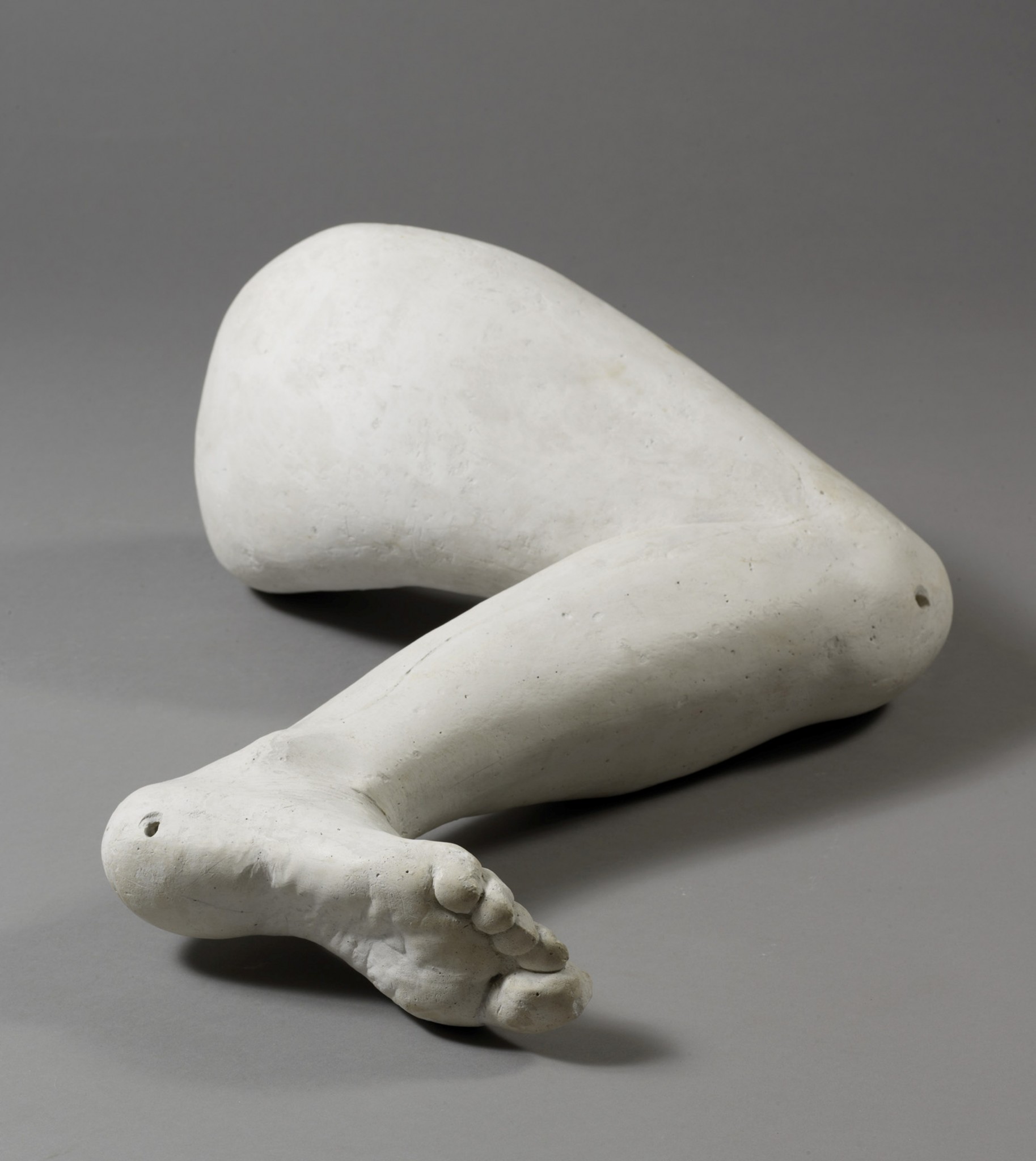
כשעיקר התערוכה מוקדש לעבודות אחרי שהשתקעה בפריז ב 1963. המעבר היה שנה אחרי שיצרה את רגל מ-1962 יציקה בגבס של רגלה הימנית, מהמפשעה עד קצה כף הרגל.המחריד בעבודה היא האופן בו הרגל נראית כשארית שולית

leg 1962

leg 1962

,סתמית .

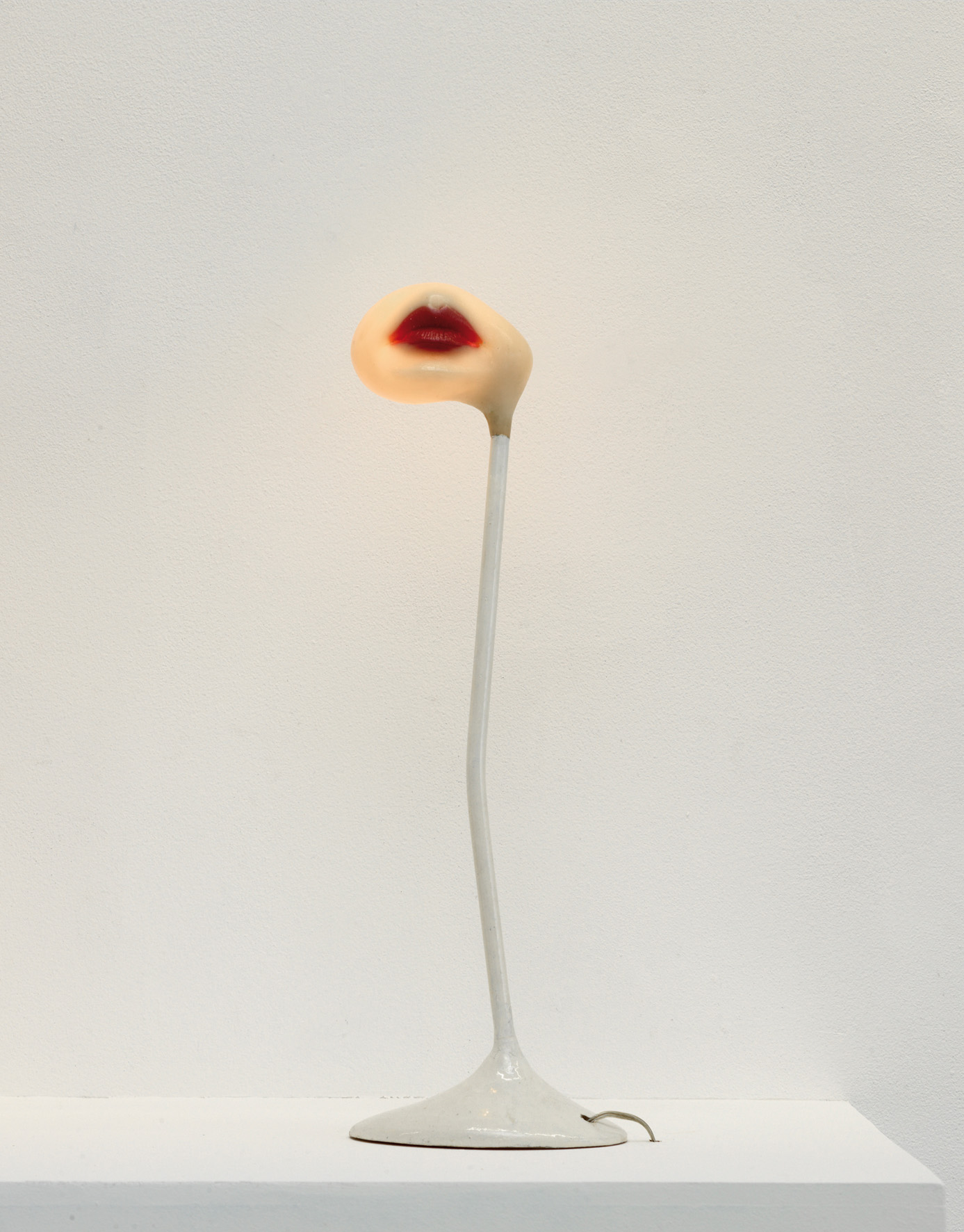
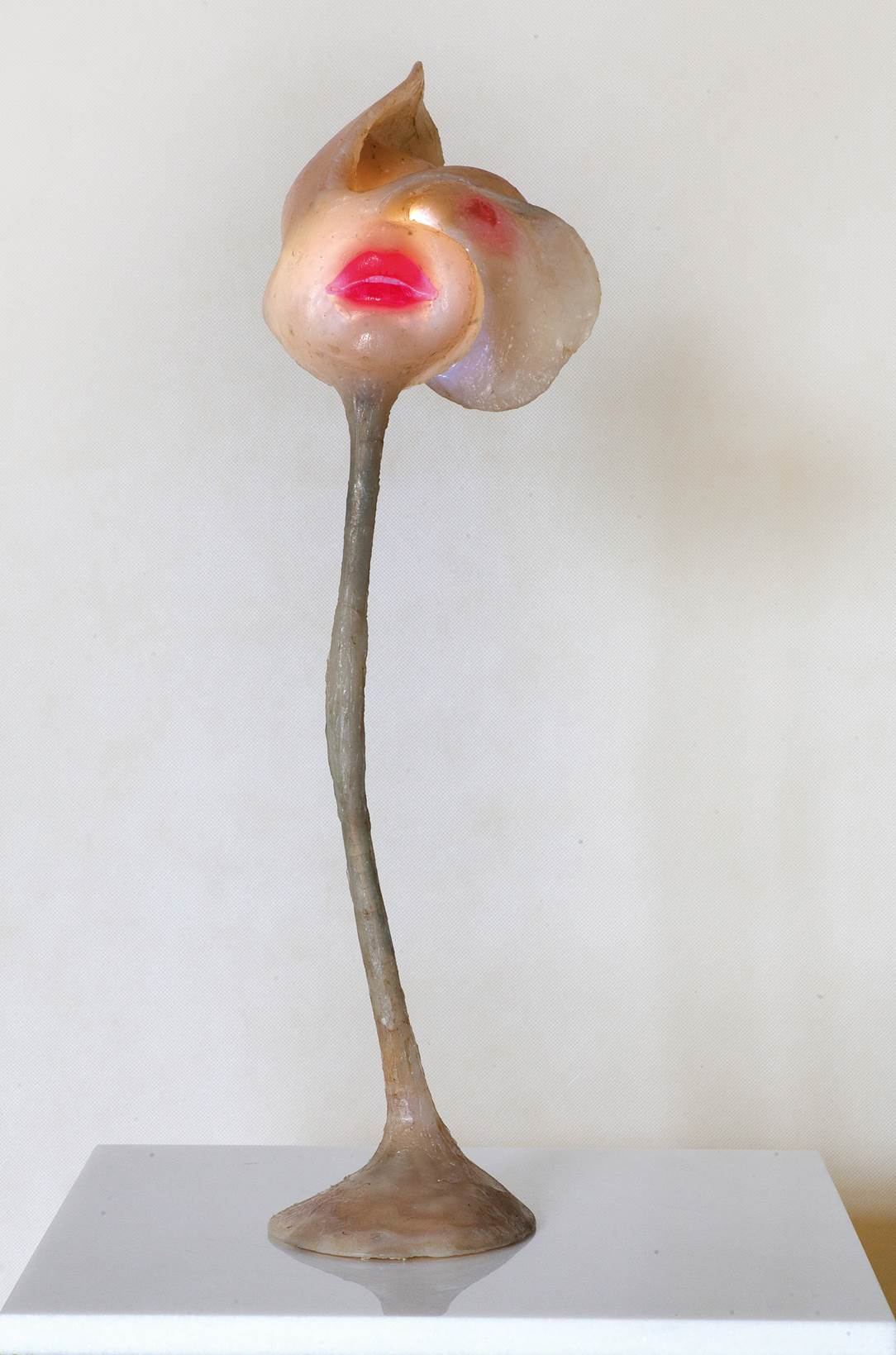
מרבית מקטעי הגוף שיצרה בשנים אח”כ ,כמו שורת “מנורות” שפתיים מוארות, 1966

Illuminated Lips

Illuminated Lips

או חזה קורן 1967 ,I העשויים שרף פוליאסטר צבוע, וחוטי חשמל או “קינוחים”, קעריות עם יציקות חלקי גוף , מתייחסים לתקדימים הסוראליסטים , חלקם מעודנים כמו זמן תצפית − הנאהבים, 1934-1932, השפתיים המרחפות של מאן ריי ואחרים כמו ונוס עם מגירות פומפונים מ 1936 Venus with Drawers and Pompoms שמציגים פנטזיה קיצונית של טיפול בגוף.

הקשר השואה של העבודות שלה מכריח באופן טורד ביותר לחשוב על העבודות שנעשו בעשורים לפניה באופן בו האכזריות שלהם מתבלטת . מעניין לחשוב של גוף העבודות שלה גם בהקשר לעבודות אמנים אחרים שהשואה השפיעה על חייהם באופנים שונים .הדוגמא המתבקשת ביותר היא של אווה הסה ׁׁׁ(1936- 1970 ) שנשלחה על ידי הוריה כפעוטה בקינדרטרנספורט מגרמניה להולנד וכמו שפוצ’ניקוב עבדה בחומרים רעילים כמו לטקס ופולימרים למיניהם והלכה לעולמה בגיל צעיר מאד . הסה שהקרירה שלה נמשכה כעשור בלבד פעלה בשנים מקבילות ל שפוצ’ניקוב

אך זכתה בהכרה רבה לאין שיעור. אפשר באופן מסוים לחשוב גם על יהושע נוישטיין שנולד אחרי פרוץ המלחמה ושנותיו הראשונות עברו עם משפחתו במנוסה והסתתרות. עם נחשוב על העבודות של שפוצ’ניקוב בהקשר פרוק הגוף וזוועות המחנות אפשר לחשוב על עבודות כמו “הארגז” של נוישטיין , עבודה קונצפטואלית בה צילם עצמו יוצא ונכנס ונסגר מארגזי קרטון גם בהקשרים ביוגראפיים .הקשרי שואה שונים עלו לגבי העבודות של נוישטיין לאורך השנים אך בדרך כלל יותר כהתייחסות לנושא עצמו ולא כרעל רוחש תחת עיסוק קונספטואלי.

השאלות העולות מהמחשבות וההשוואות הן בוודאי סביב שאלת המשקל של קריאה בהקשר ביוגראפי של אמנות עכשווית וגם סביב המידה בה דימויים שאינם מובהקים (כמו רכבות, הילד עם ידיו מורמות מגטו ורשה) חלחלו לתוך האמנות מגלגלים את נבטי הסיוטים, העיוות והכאב למחוזות היצירה.

***

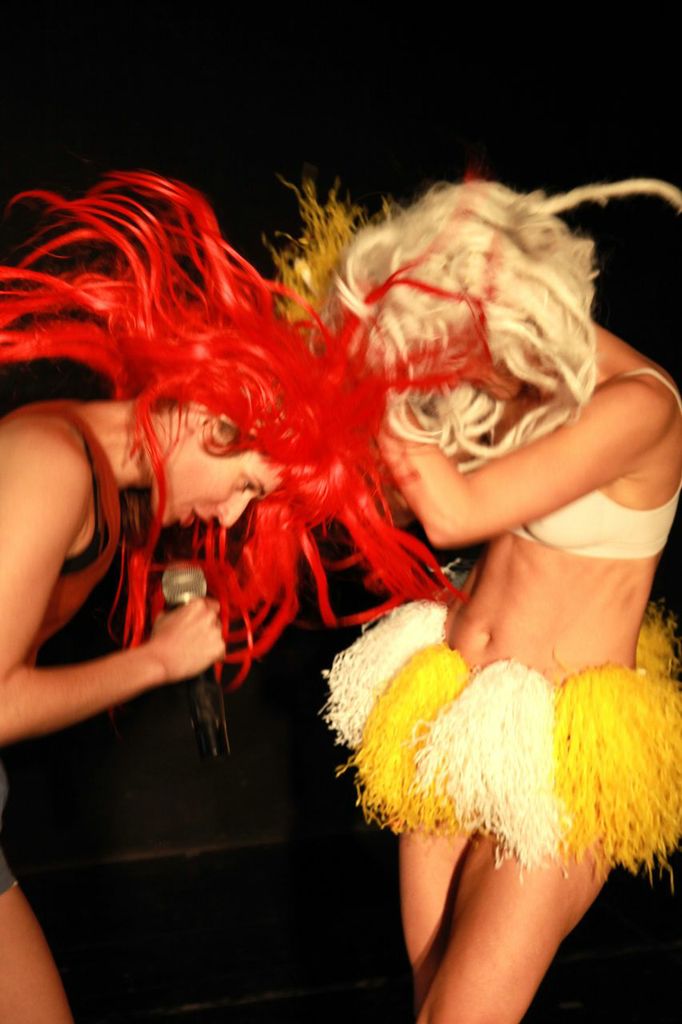
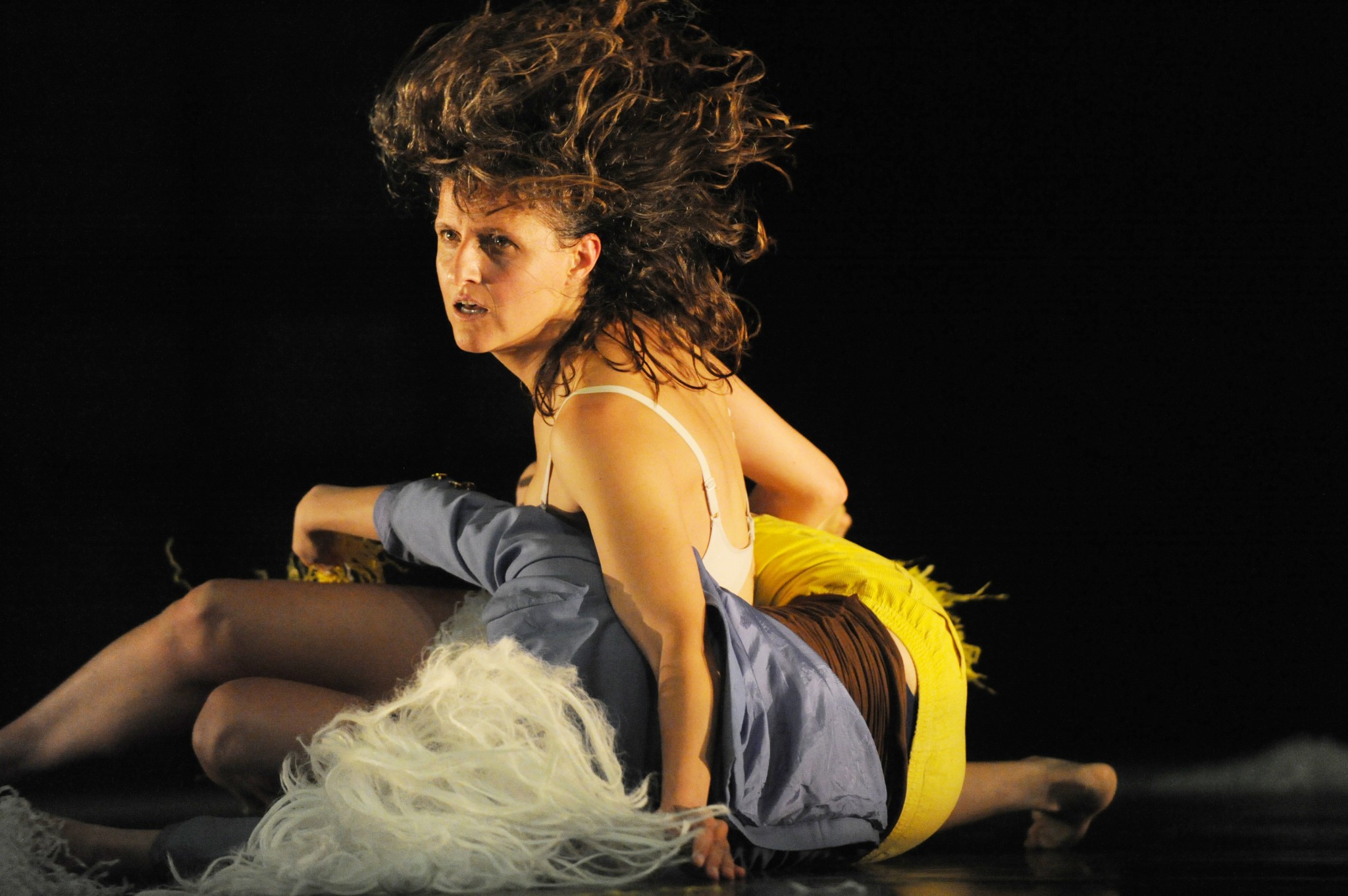
SEE HER CHANGE יצירה של יסמין גודר הוצגה באופן חד פעמי לצד התערוכה של שפוצ’ניקוב במסגרת אירוע בשם קונטרפונקט (ביום שבת ה-15 במרץ)

SEE HER CHANGE

SEE HER CHANGE
(photograph by Tamar Lamm)).

שם המופע לקוח ממסורת ירידים אמריקאית בה אישה הופכת בתהליך מהיר מיפיפייה לגורילה

מאיימת The Girl to Gorilla Illusion. המופע לשלוש נשים, גודר דליה חיימסקי ושולי אנוש היא דיון מתמשך בשינוי וביופי . בגרסה שהועלתה במוזיאון היה החלק השני שעסק בכאב חיפוש ואכזבה מרשים במיוחד. גודר הלכה עד קצווי העצב , ההלקאה העצמית והבוז הפנימי .במקומות האלו נוצר חיבור אמיתי לעבודות של שפוצ’ניקוב, חיכוך של היצירה החזותית והיצירה המוגדרת בזמן של המחול. במובן הרחב גודר נגעה באופן בו מטמורפוזות , במקרה זה לנגד עיני הקהל ממש,אפשריות מערערות וקוראות תיגר על מה שנראה לנו כמציאות. לצאת מדברים אלו

למחשבה על ההיסטוריה האומללה של המאה העשרים כמעט מתבקש.

“הגדת אליהו”

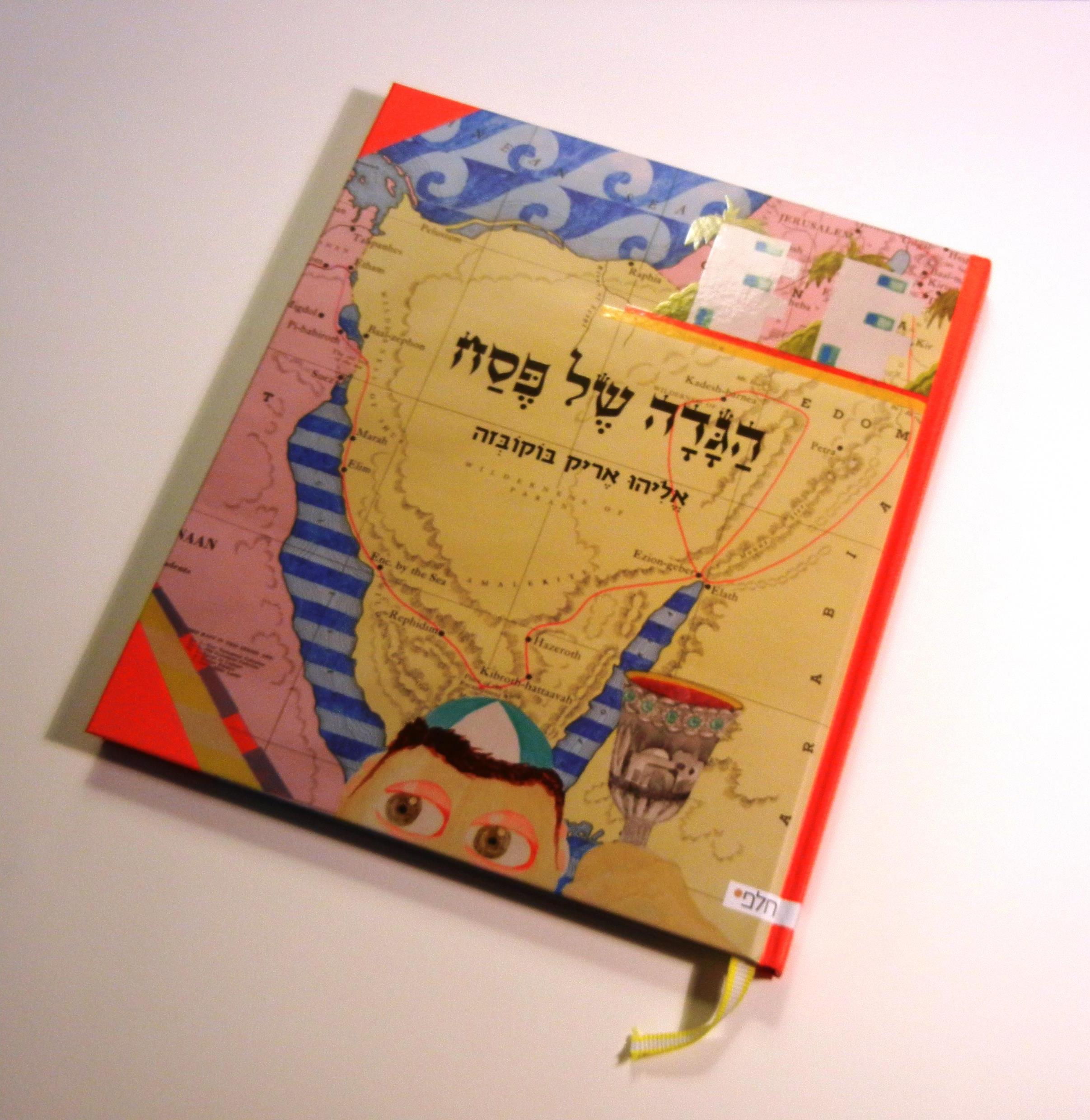
אליהו אריק בוקובזה מצטרף למסורת המפוארת של אמנים מאיירי הגדות. בהגדה שנקראת על שמו, ועל שם אליהו נביא, האורח הנעדר של ליל הסדר, הוא מפרש מחדש את סיפור הגאולה באמפטיה הומור ולא מעט אירוניה.

הגדת אליהו

הגדת אליהו

כמו במרבית עבודותיו בעבר גם כאן האלטר אגו של האמן, לעולם סקרני,ערני, פגיע ודרוך, מופיע בכל העבודות. הוא ע והוא המצרי, הוא ארבעת הבנים וגם הגדי מחד

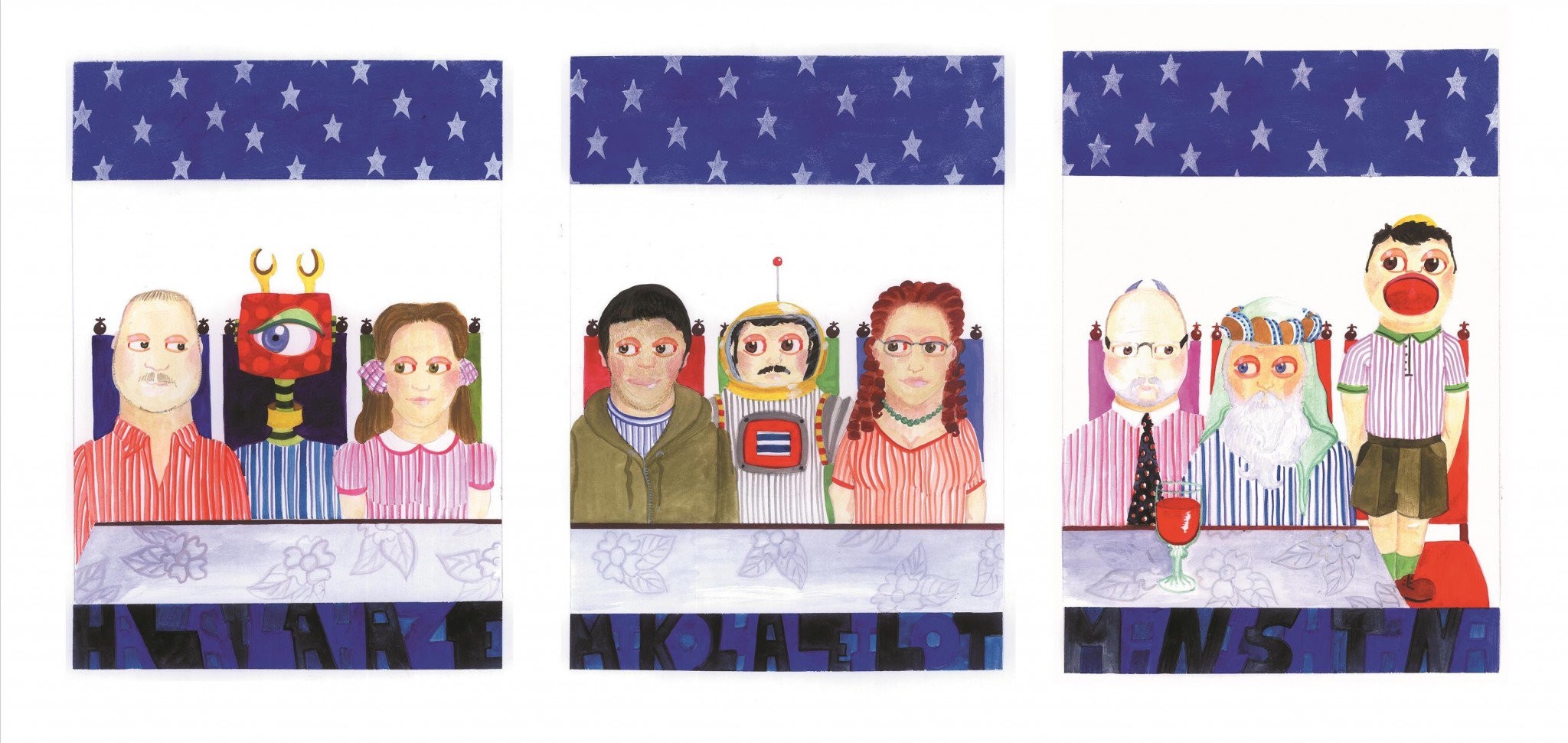
מה נשתנה?

מה נשתנה?

גדיא, הוא רואה עצמו כמי שיצא ממצרים.

ההגדה מופיע גם האספן ארני דרוק המזמין של ההגדה ובני משפחתו שעבורו צוירה ההגדה במשך שנתיים. (הוצאה  לאור ביוזמת מוזיאון בר אמנות דוד לאמנות ויודאיקה בשיתוף הוצאת חלפי

שפוך חמתך

שפוך חמתך


הניוזלטר החדש של “החלון” התחיל להופיע ובו פירסומים על תערוכות ואירועי אמנות . אם  טרם  נרשמתם לקבלתו ליחצו כאן

 Alina Szapocznikow – Body Traces

In 1966, Theodor Ador, in his book Negative Dialectics, refuted – or at least moderated – his famous dictum of 1949, “To write poetry after Auschwitz is barbaric,” while the ruins of World War II were still smoking. Seventeen years later, he stated, “Perennial suffering has as much right to expression as a tortured man has to scream.”

We can easily transpose Adorno’s statement to refer to Alina Szapocznikow’s exhibition: not to write poetry – a metaphor for making art – after Auschwitz is barbaric. Szapocznikow’s art takes viewers on a journey into the rooms of pain, into places of fragmentation and distortion, withering and humiliation, threatening what is human and making it into only a mass of flesh. Beyond the painful experience the exhibition creates, it raises a series of questions of how to read art of the second half of the 20th century.

Hand.Monument to thק_Heroesof_theWarsawGhetto II,_1957_

Hand.Monument to thק Heroesof the Warsaw Ghetto II, 1957

Born in Kalisz, Poland in 1926, Szapocznikow died in Paris in 1973. She survived the war with her mother, at first in ghettos then in the death camps of Bergen-Belsen and Auschwitz; the two were finally liberated in Czechoslovakia. She suffered poor health her entire life and passed away from cancer. She studied art in Prague, then moved to Paris, returning to Poland under the Soviets, then returning to Paris in 1963, when Paris was no longer the art capital of the world: New York City took the title of “art capital” during the war, and it is a curious exercise of the imagination to think what would have happened to Alina Szapocznikow had she emigrated to the US). She exhibited frequently, including with the New Realism group, invited by Pierre Restany, but her career did not take off.

leg 1962

leg 1962

The current exhibition at the Tel Aviv Museum of Art in collaboration with the Museum of Modern Art in Warsaw, displays a range of works from Szapocznikow’s two decades of work as an artist, from drawings such as “Study of a Seated Woman” (1948-1954) and early sculptural works, such as Hand. Monument to the Heroes of the Warsaw Ghetto II (1957) with the main portion of the exhibition devoted to works made after Szapocznikow moved to Paris in 1963. The move was one year after she made the plaster cast Leg (1962) in which the leg seems like a mere marginal leftover.

Most of the body sections she made in the following years, such as the series of “lamps” among them Illuminated Lips (1966) or Glowing Bust I, 1967 of colored polyester resin and electrical wiring, or the “Desserts” series featuring saucers with casts of various body parts, refer to Surrealist precedents. Some of these precedents are refined, like Man Ray’s floating lips in Observatory Time-The Lovers, 1932-1934, while others such as Venus with Drawers and Pompoms (1936), present an extreme fantasy of intervening in and mutilating the body.

Illuminated Breast, 1966

Illuminated Breast, 1966

The context of the Holocaust clearly stated in her works forces us in an extremely troubling way to think about the works made in the decades previous in the way their cruelty stands out. It is interesting to think about her oeuvre in the context of works by other artists whom the Holocaust impacted in different ways. The example that comes to mind first is Eva Hesse (1936-1970), whose parents sent her on the Kindertransport from Germany to Holland, and, like Szapocznikow, worked with toxic materials such as latex and various polymers, and died very young. Hesse, whose career lasted but one decade only, worked at the same time as Szapocznikow in the USA and received immediate and wide recognition. In a certain sense we can also think of Joshua Neustein, born in Germany after the war began, and whose early childhood was in hiding and fleeing with his parents. If we consider Szapocznikow’s works in the context of dismantling the body and the horrors of the death camps, we can refer, too, to Neustein’s works such as his Me and My Box, considered a conceptual work in which he photographed himself entering, leaving and closing himself up in cardboard boxes in biographical contexts. Various Shoah contexts arose referring to Neustein’s works over the years, but usually more as referring to the issue itself rather than a toxic underpinning of his conceptual engagement. The issues arising from these thoughts and comparisons challenge contemporary reading of artist’s work in a biographical context and the extent to which images that are not obvious (e.g. trains, the boy with upraised arms from the Warsaw Ghetto) have filtered into art. Distortion and pain from historical memory, not nightmares or surrealist images dwell in the realms of creativity retaining their venom.

 ***

 Yasmeen Godder “See Her Change”

Yasmeen Godder’s dance piece, “See Her Change,” was presented in a special one-time version alongside of Szapocznikow’s exhibition as part of the Kontrapunkt! Series bringing together Museum exhibitions with contemporary dance. The evening title, “Smashing the Stereotypes: Deforming and Feminism” (Saturday, March 15, 2014). The performance was inspired by the American tradition of the “girl to gorilla illusion” at country fairs in which a beautiful woman changes rapidly into a threatening gorilla. The performance for three SEE HER CHANGE by Yasmeen Godder Photo by Gadi Dagon 3women, Godder, Dalia Chaimsky and ShuliEnosh, is a continued discussion on change and beauty. In the version performed at the Museum the second section, engaged in pain quest and disappointment, was especially impressive. Godder probed the outer edges of sadness, self-flagellation and scorn of self. In these places, a genuine link was established to Szapocznikow’s work, remarkably bridging the friction between the visual art and the creation defined by the duration of the dance. In its broadest sense, Godder touched upon the manner in which metamorphosis, in this case right in front of the audience, undermines what seems to us as reality. Juxtaposed with Szapocznikow’s work the dance piece incites a close examination of stereotypes and ambiguities and the horrific history of the 20th century.

(photograph Gadi Dagon)

The Eliahou Haggadah

Eliahou Eric Bokobza joins the distinguished tradition of artists who created an illustrated Haggadah – the Passover seder service. The Haggadah bearing his name, and the name of the evening’s honored but absent guest – the Prophet Elijah (Eliahou) – reinterprets the story of the Exodus with empathy, humor and more than a bit of irony.

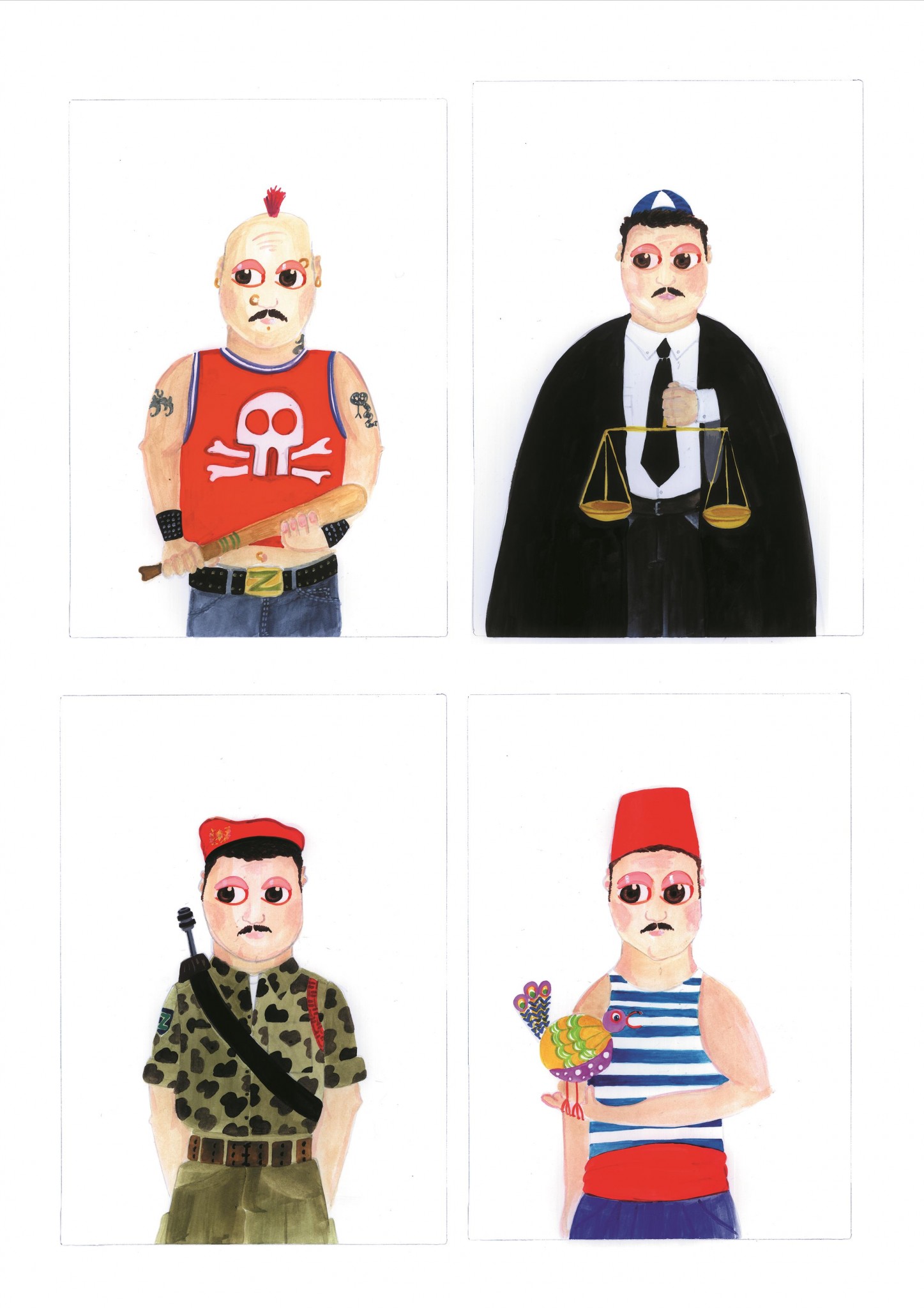
As in most of his past works, the artist’s alter ego here, too, is forever curious, alert, vulnerable and tense, and appears in all of the paintings. He is the Hebrew slave as well as the Egyptian taskmaster, each of the Four Sons, and the Kid from the Had Gadya song, considering himself as having taken part in the Exodus from Egypt.

ארבעה בנים

The four sons

Also featured are portraits of collector Arnie Druck, who commissioned the Haggadah, and his family. Published through the initiative of the Bar David Museum for Jewish Art and Judaica in association with Halfi Art Books Publishers.

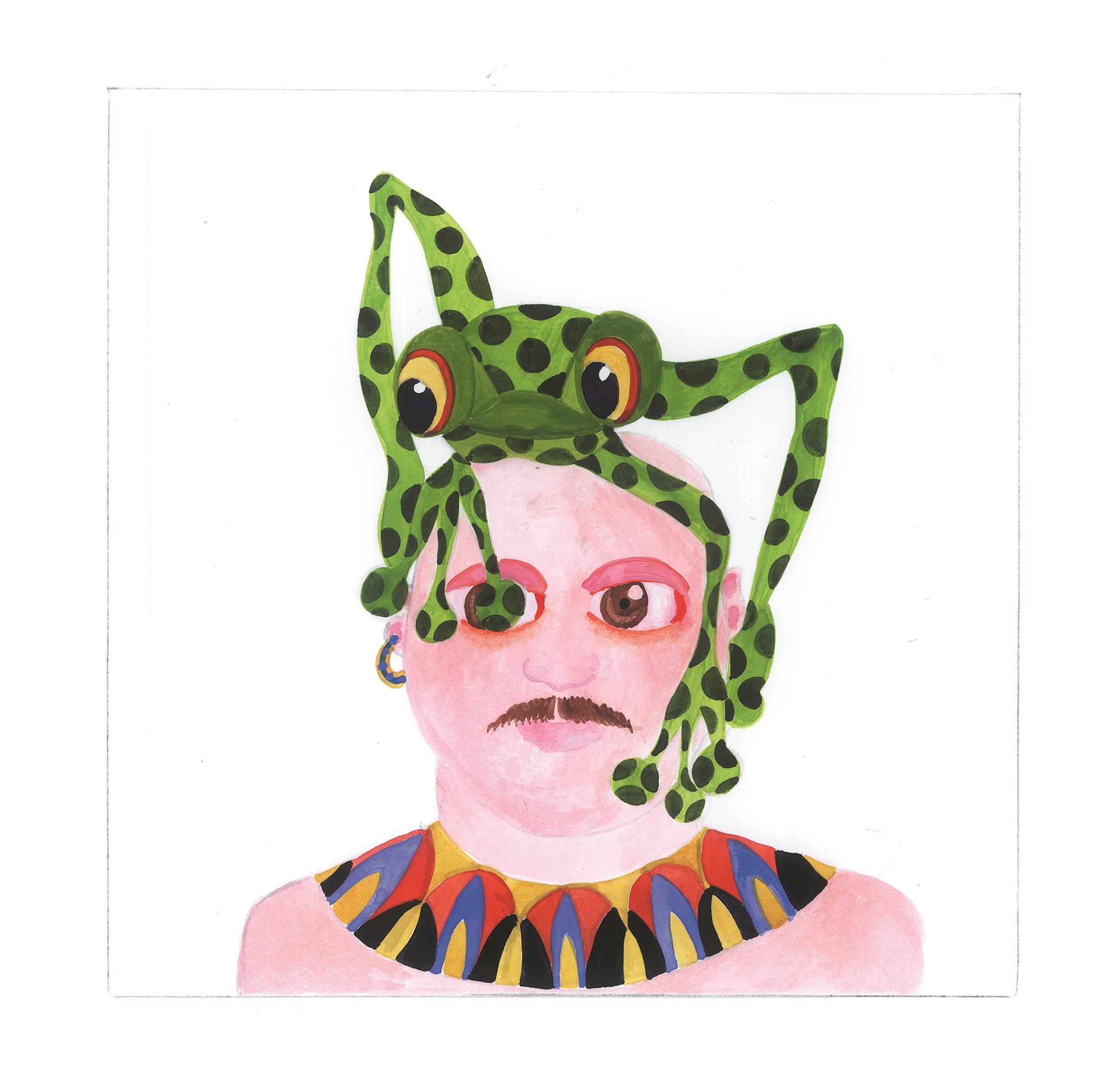
The plague of frogs

The plague of frogs

Posted in מחול, ספרי אמן Artist's Books, פיסול ומיצב, ציור | Comments Off on Alina Szapocznikow ,Yasmeen Godder, “The Eliahou Haggadah”

Pendant Letters – Dor Guez | Michal Rovner -Current

Please scroll down for English

זהות, הגירה, מזרח ומערב, היחס לקהילות ארצות ערב בשנות המדינה המוקדמות – כל אלו הם הנושאים שסביבם נסבה “אותיות תלויות”, תערוכתו של דור גז. נושאים אלו מצויים היום בלב הדיון בתחומי התרבות העולמית בכלל וענין הקהילות מארצות ערב במוקד השיח הציבורי-ישראלי בפרט. כוחה של התערוכה בכך שלצד היותה תיעודית,

 פרט מעבודת הוידיאו אותיות תלויות

פרט מעבודת הוידיאו אותיות תלויות

מסמך היסטורי של מה שנחשב בעבר כשוליים, יש בה אותו שאר רוח ההופך אותה ליותר מכך, למעשה אמנות.

גז מציג את סיפורם של סבתו, זינה, וסבו, שאהדני, שהיגרו לארץ מתוניס בשנת 1951 עם ארבעת ילדיהם, ובהם אביו, במסגרת גל ההגירה של יהדות צפון אפריקה. הם יושבו, או התיישבו, בלוד וחיו בבית ערבי “נטוש”. בתוניס בשנות ה-30 וה-40 הייתה זינה שחקנית בתיאטרון היהודי ושאהדני כתב, הלחין וביים מחזות בערבית-יהודית, “מעאלק”, שפה ששימשה יהודים בארצות ערב (בדומה ליידיש ששימשה את היהודים במזרח-אירופה).

זמן קצר אחרי הגעתם לארץ הקימו בני הזוג קבוצת תיאטרון יהודי-ערבי בת שלושים שחקנים בלוד. המחזות

 פרט מעבודת הוידיאו אותיות תלויות

פרט מעבודת הוידיאו אותיות תלויות

שהעלו התבססו על סיפורים מקראיים, בהם יוסף וכתונת הפסים ומלכת אסתר. התיאטרון פעל עד 1959, אז נקלע לקשיים כלכליים ונסגר. במהלך פעילותו זינה שיחקה בו תפקידים ראשיים ותפרה ועיצבה תלבושות ותפאורות. עיסוקה בתפירת בגדים פרנס את המשפחה ומוזכר ששמה כתופרת יצא למרחוק ובין קהל לקוחותיה היו גם אשכנזים ופלשתינים.

הסיפור הפרטי הנוגע ללב הופך לדיון בהגדרת זהות. טקסט העבודות אמנם לא מתייחס לכך ישירות, אך ברור שהתיאטרון לא תאם את רוח כור ההיתוך הממלכתית של שנות ה-50, ובוודאי שלא את ההדחקה המכוונת של השפעות התרבות הערבית על זו היהודית.

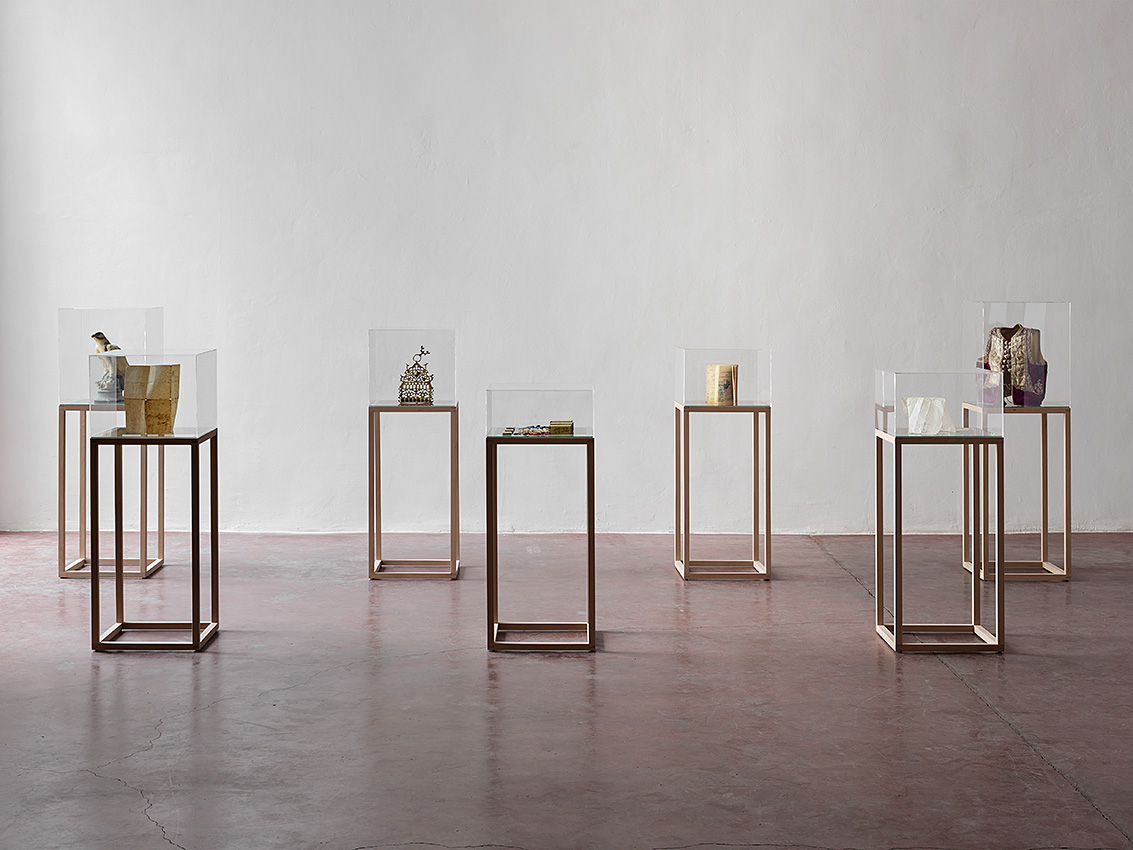
בתערוכה מערך אובייקטים המוצבים כמו בתצוגה במוזיאון אתנוגרפי, כלומר ממבט מערבי מקטלג, מעקר ומרוחק.

אותיות תלויות- מערך אוביקטים

אותיות תלויות- מערך אוביקטים

תור הזהב של מוזיאונים אתנוגרפיים היה במאה ה-19, אז נוסדו רבים בערים גדולות של מעצמות קולוניאליות ומטרתם הייתה להציג את העמים הנשלטים כשונים מהותית מהעמים השולטים, ובכך גם להצדיק את השליטה והניצול.

אותיות תלויות - כפתורים ממוינים

אותיות תלויות – כפתורים ממוינים

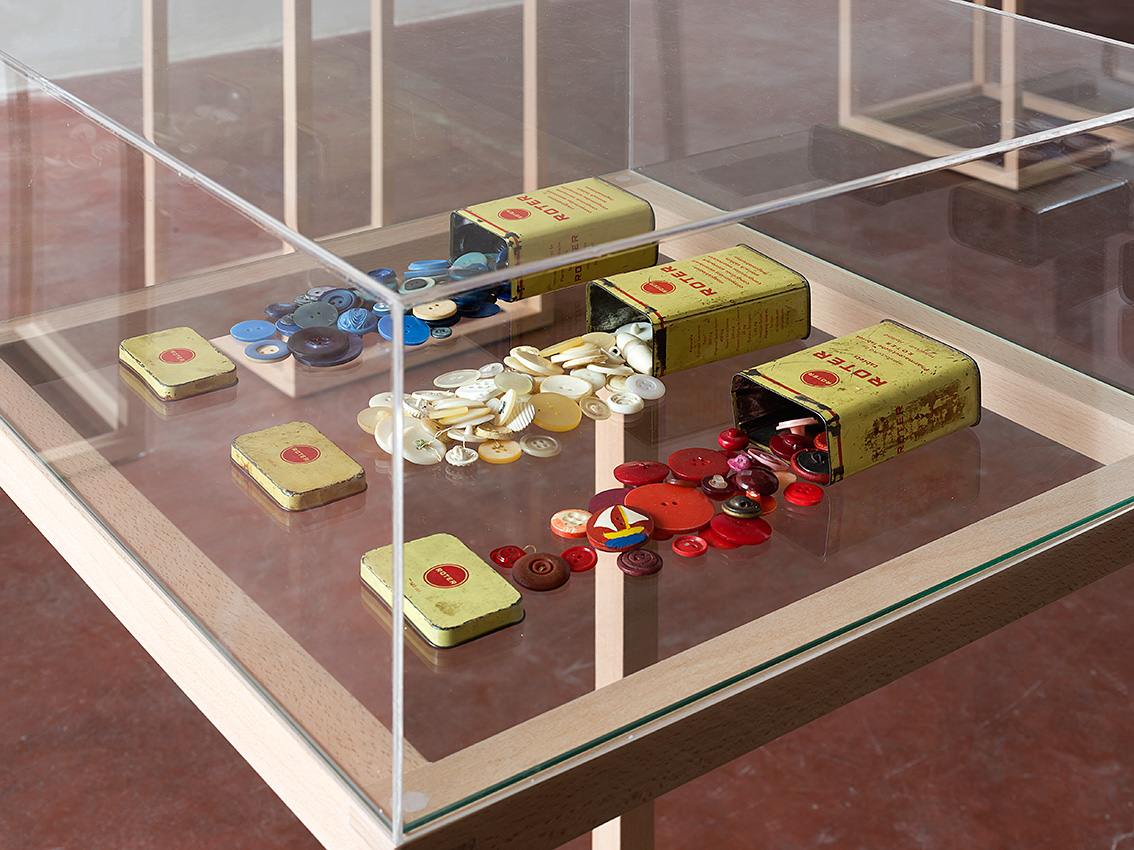
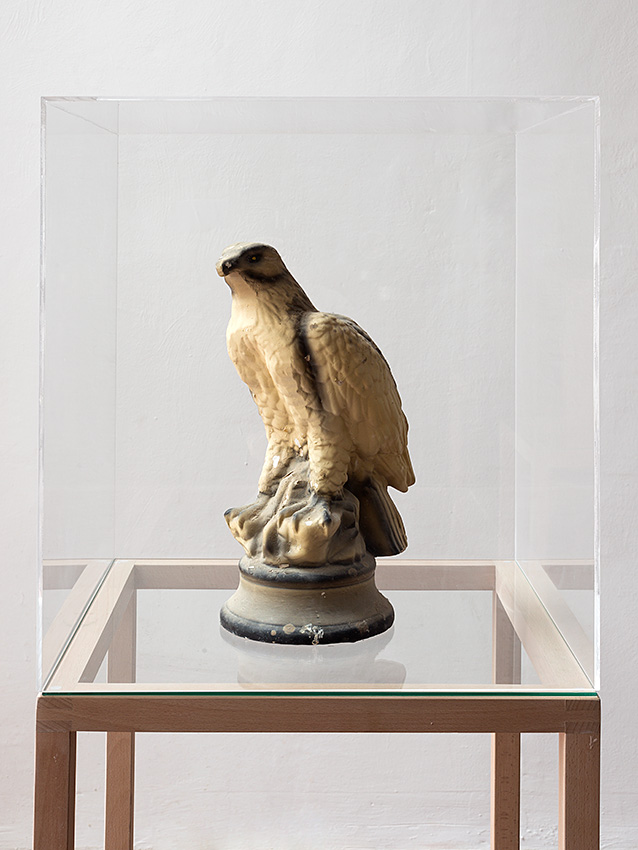
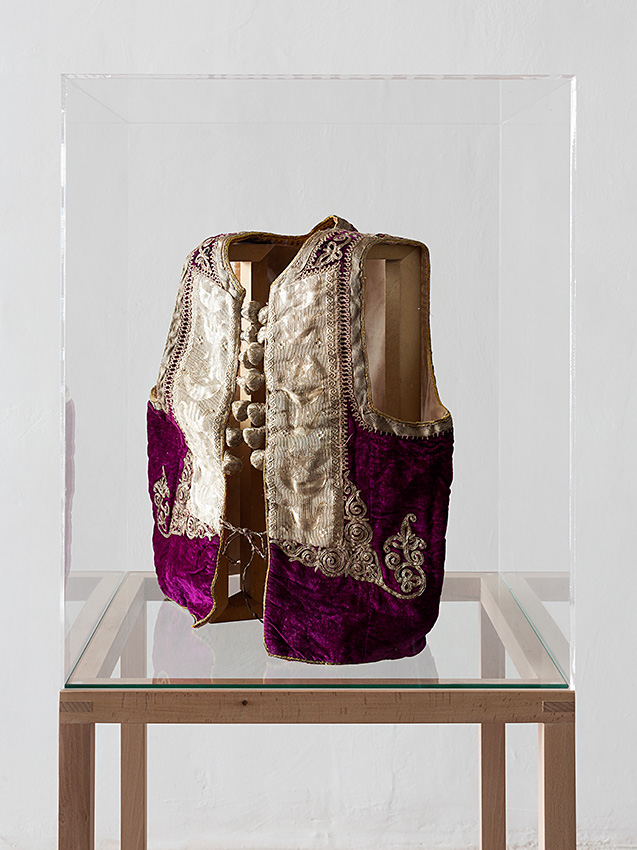
בדומה לאופני התצוגה במוזיאונים אלו, על מעמדים מבודדים תחת קוביות פרספקס משורטט עולם התרבות הבורגנית-עירונית-יהודית בתוניס ולאחר ההגירה לארץ: כתובה, קופסאות כפתורים ממוינים לפי צבעי ה”טריקולור” (דגל צרפת), מגזרת נייר לתפירה, מחוך מתחפושת ופסל נשר שנעשה בטכניקת ייצור המוני. הנשר יכול להיות בבחינת אזכור לרדיפת יהודי תוניס בשואה, נושא מודחק שמחקרו החל בשנים האחרונות.

יחד מהווים האובייקטים דיוקן של תרבות היברידית אחת שעברה הליך שינוי של היטמעות בתרבות ההיברידית הישראלית החדשה. מיהודים-תוניסאיים פרנקופילים ליהודים מזרחים-ישראלים. את מקום תרבות צרפת כתרבות אירופאית בנוסחה מזרח/מערב של יהודים-ערבים תופס בתרבות הישראלית הקשר הגורדי לתרבות הגרמנית והמרכז-אירופית ובעשורים האחרונים בעיקר לתרבות האמריקנית.

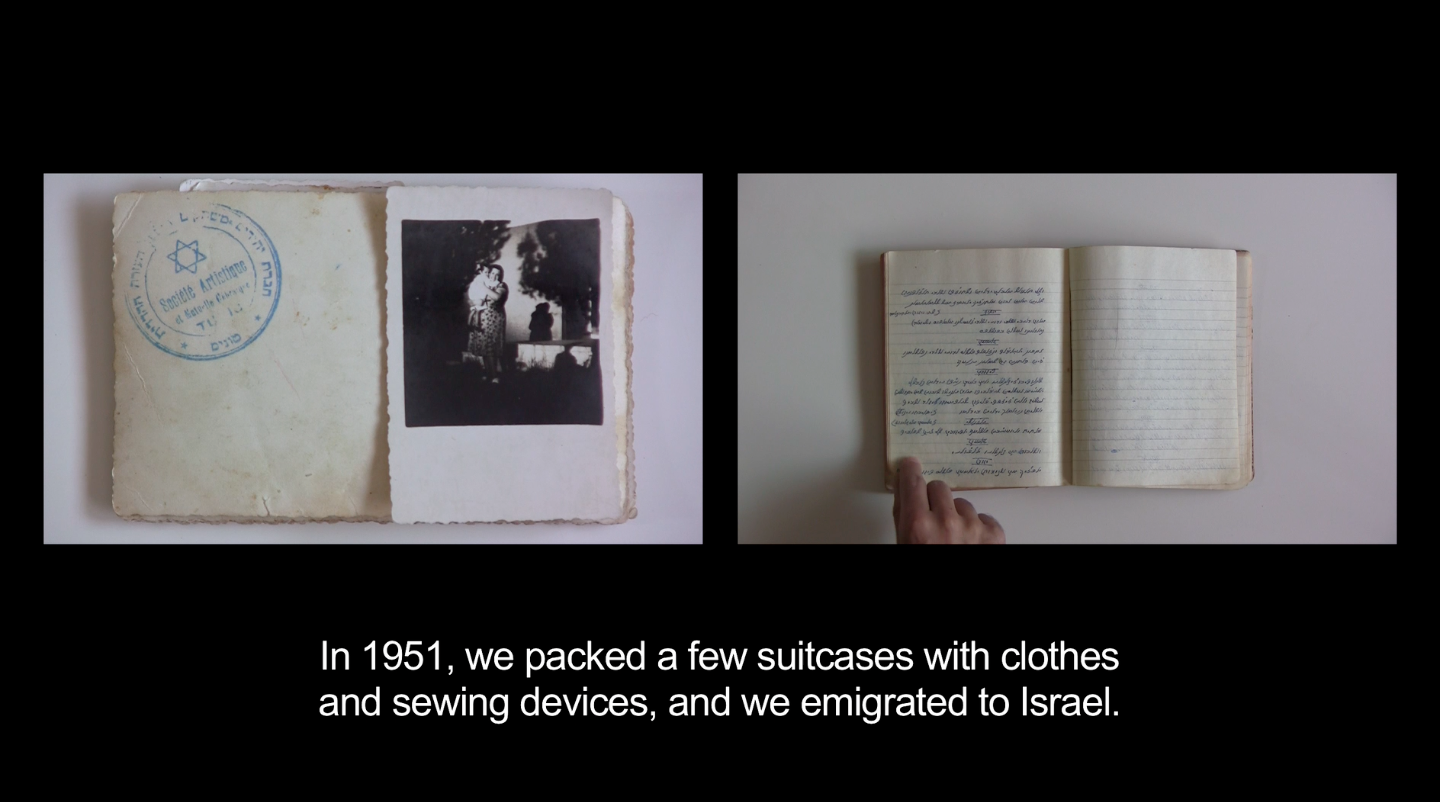
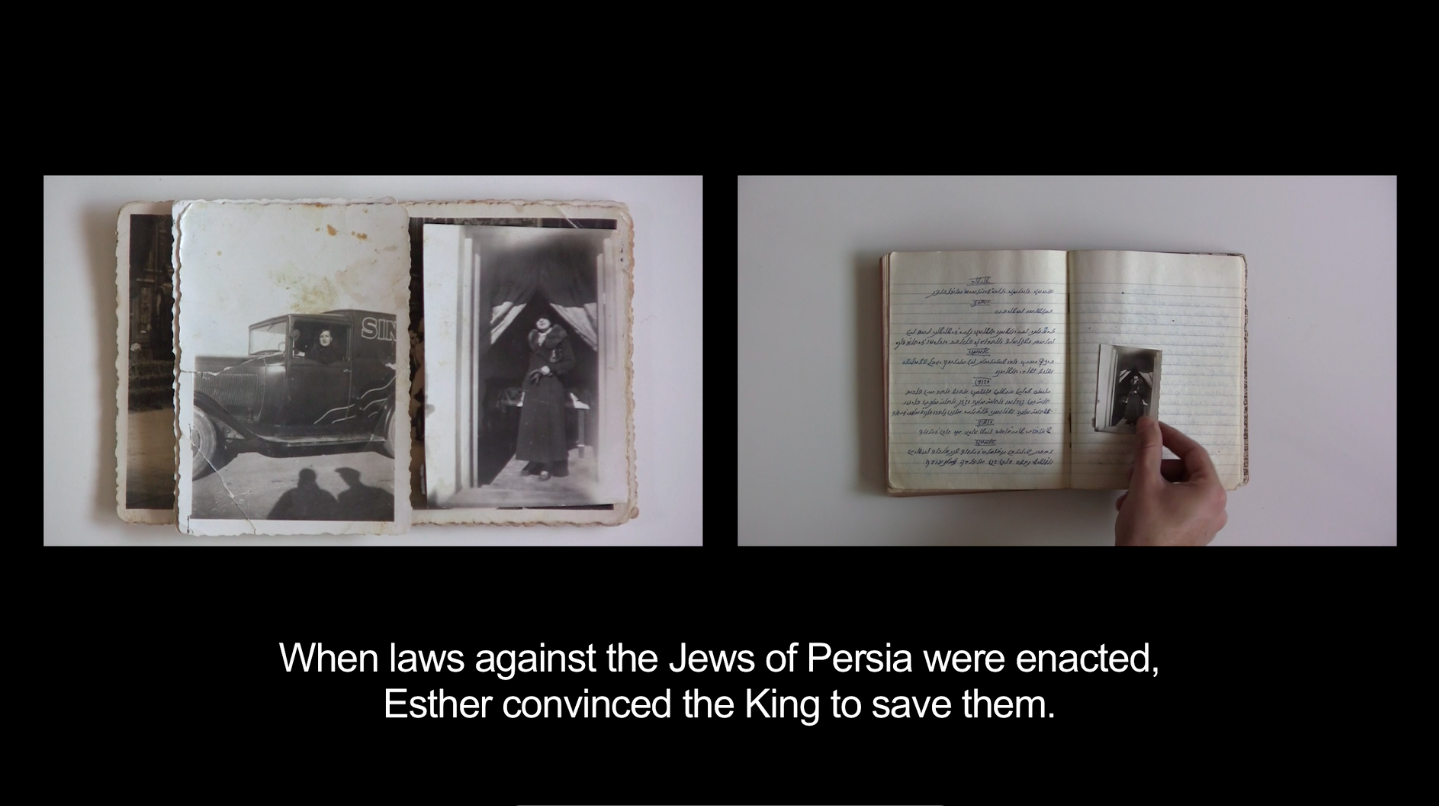
עבודת הווידיאו המרכזית בתערוכה “אותיות תלויות” עשויה מסך מחולק, כלומר דימוי שיש בו שניות אינהרנטית: מימין מחברת שבה כתוב מחזה משנות ה-50 שנכתב בערבית-יהודית ומשמאל תצלומים הנערמים זה על זהלאורך הסרט נראית יד מדפדפת במחברת שבין דפיה מתגלים מדי פעם פתקים וצילומים, ספק דברים שנשתכחו בה ספק מראי מקום מכוונים . בצד שמאל של המסך הולכת ומתגבהת ערֵמת תצלומים. אחדים מהתצלומים משפחתיים, אחדים של זינה ורבים של מחזות התיאטרון: גברים עם זקנים מודבקים, נשים עם שמלות ארוכות בדגמים מסתלסלים, ושלל רקוויזיטים דוגמת חרבות וכיסאות מלכות. את הגעגוע להוד ולהדר, את הפיצוי על מציאות עגמומית ואפורה, אפשר לחוש היטב. האמנות, האשליה החושפת אמת, מרימה את המסך.

סיפורו של התיאטרון מצטרף לסיפורים רבים כל כך על האופן שבו נעשה מאמץ עצום בשנות היישוב וראשית המדינה לשמר ולקיים תרבות בתנאים שנעו בין לא נוחים לכמעט בלתי אפשריים.

בהקשר זה אפשר לחשוב על הקמת תיאטרון הבובות למבוגרים של גרטה וולף קרקואר בראשית שנות השלושים, ועל תזמורות מוסיקה ערבית (או יהודית-ערבית) קלאסית שפעלו בארץ עד שנות ה-80 וראשית שנות ה-90 של המאה הקודמת. התמיכה בפעולות ומוסדות שקשורים, ולו באופן מוגבל, לתרבות ערבית (כמו התזמורת האנדולוסית) – נותרה במקרה הטוב זעירה גם בשנים שבהן מונח הרב תרבותיות הפך לשגור.

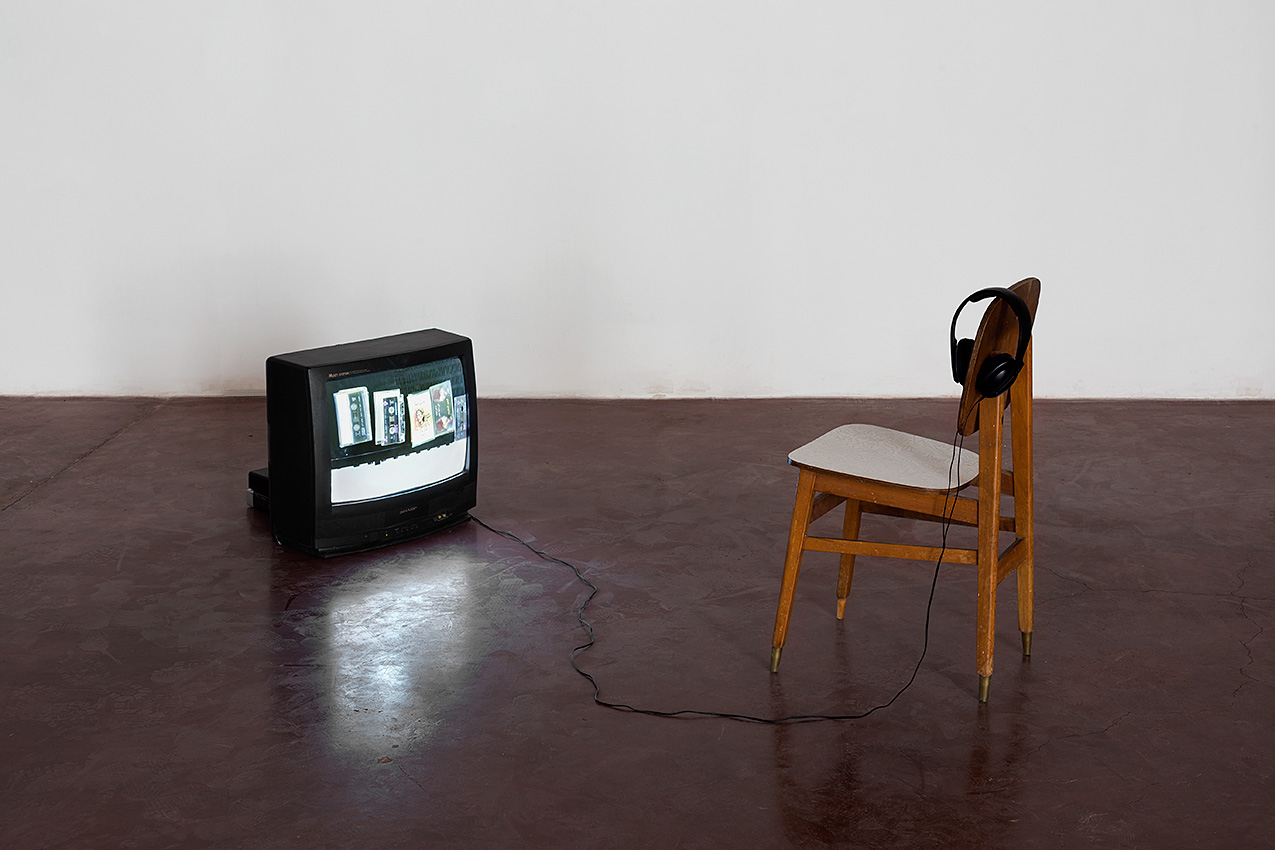
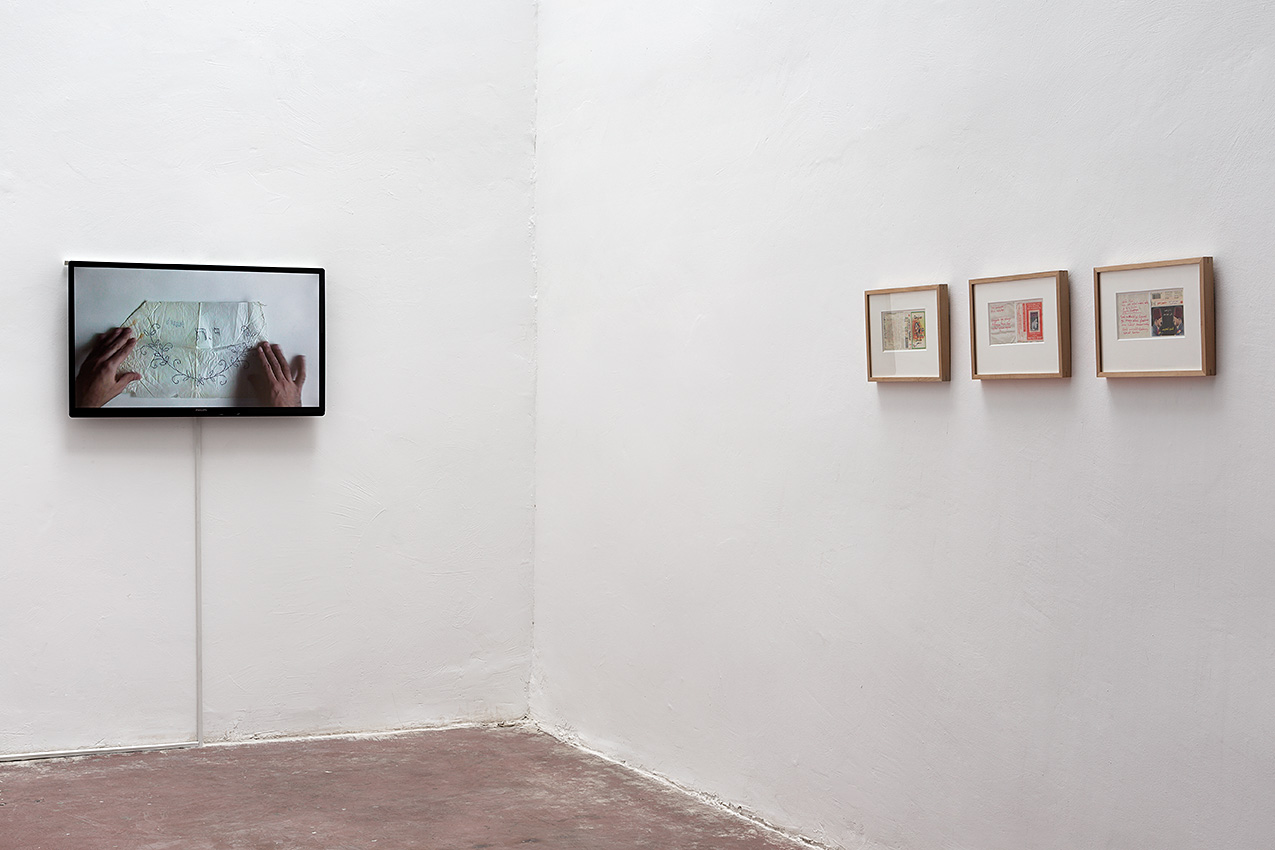
בעבודת וידיאו נוספת עוקב גז אחר גזרות נייר לתפירה שמקופלות ונפרשות. בעבודה המדידטיבית הזו האסוציאציות נעות מכנפי מלאכים אל עבודות הלבן על לבן של רוברט ריימן המינימליסט האמריקני. בעבודה שבה נראה טייפ קסטות הצופים מוזמנים לשבת ולהאזין באוזניות למוסיקה. האסוציאציה הבלתי נמנעת היא לשיח 0הציבורי על מה שמכונה זמר מזרחי, ים תיכוני, שהפך במה נוספת לרוחות של התנשאות ואפליה שעדיין לא שככו.

התערוכה צרכה להיקרא במסגרת אפוס משפחתי שגז עוסק בו מאז תערוכתו “גיאורגופוליס”, במוזיאון פתח תקווה ב-2009. ב”גיאורגופוליס” עסק דרך סיפור משפחתו מצד אמו בשאלות הקיום של המיעוט הנוצרי בארץ, מיעוט בתוך המיעוט הערבי שנתקל שוב ושוב בגזענות. המהלך של גז נמשך בעבודות כמו סדרת “מטעי האומה” שהוצגה במוזיאון תל-אביב, שבהן עסק בהיסטוריה של העיבוד המשותף של שטחים חקלאיים בידי פלשתינים ועולים במסגרת עבודה מאורגנת מטעם המדינה. ב”אותיות תלויות” ההתייחסות של גז לשאלות של התנשאות וגזענות מינורית; לא מוזכר בטקסט זלזול בתיאטרון, וגם פעולה כמו החלפת שמות מוזכרת כסוג של אופציה (זינה, סבתו, החליטה לשמור על שמה).

גוף העבודות שיצר גז מעלה את האבסורדים והשדים מהעבר, נוגע במורכבויות ומצליח לספר אותן כסיפור חזותי-אנושי בהקשרים התרבותיים הרחבים של קולוניאליזם, אוריינטליזם וגזענות.

צילום: אלעד שריג גלריה דביר, ראשית החכמה 14, תל-אביב


“Current” של מיכל רובנר (זו לא ביקורת אמנות.)

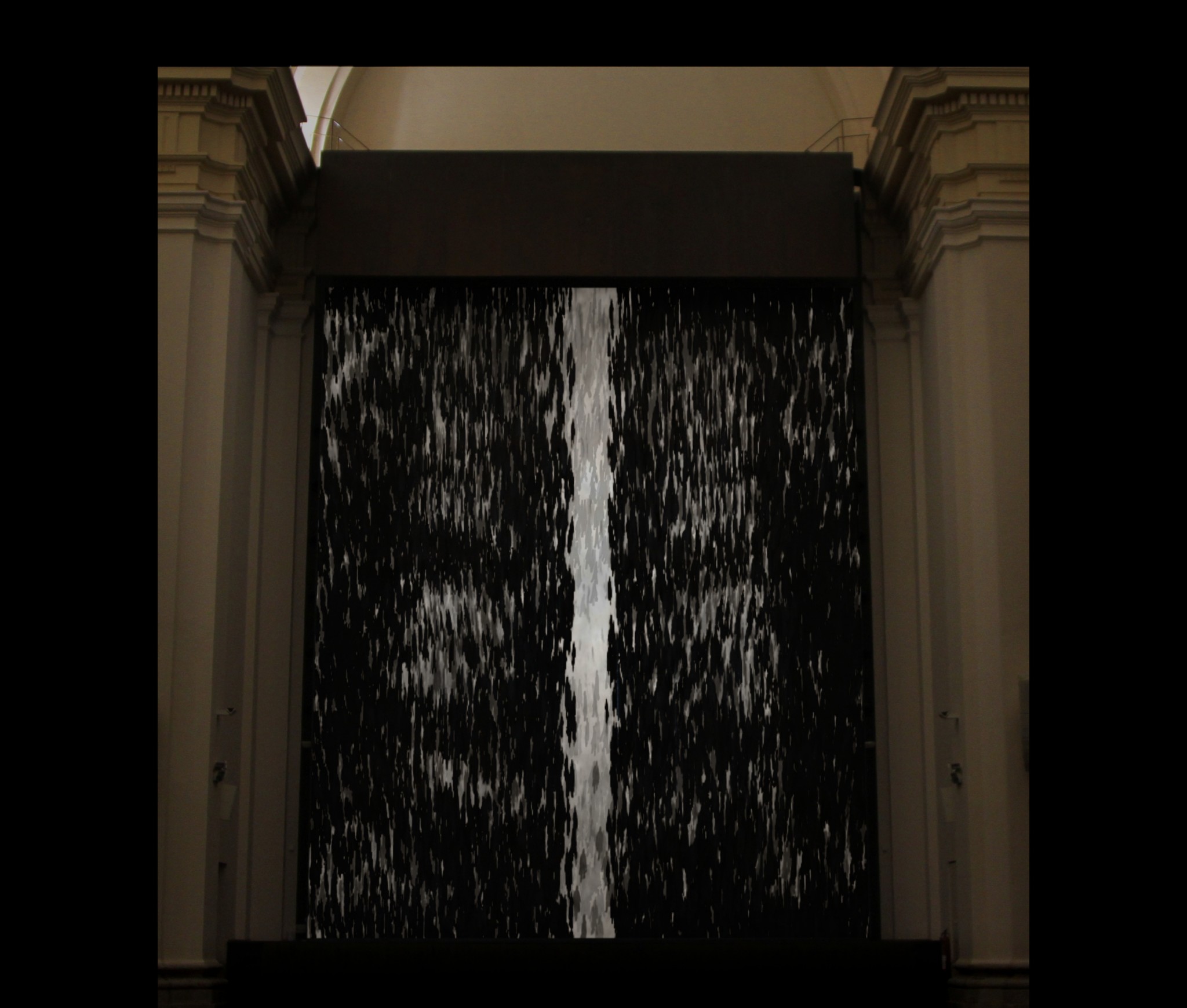
קיבלתי את הלינק למיצב הוידיאו היפיפיה “Current” של מיכל רובנר המוצג כעת במסגרת התערוכה – ToledoContemporánea המציינת 400 שנה למותו של אל-גרקו .

התערוכה מוצגת בכנסיית סאן מרקו בטולדו ובין המציגים שירין נישאט, וויק מוניס (שתערוכה שלו נפתחת בסוף החודש במוזיאון תל-אביב) .

העבודה של רובנר, מאות דמויות בזרימה,עולות ויורדות (המלאכים על סולם יעקב?) מוקרנת על קיר בכנסיה להנאתכם! עושה, לפחות על פי הלינק, רושם מרהיב.

לצפייה בסרטון, לחצו כאן.

Current -detail

Current -detail

הניוזלטר החדש של “החלון” יתחיל להופיע בשבועות הקרובים ובו פירסומים על תערוכות ואירועי אמנות . אם  טרם  נרשמתם לקבלתו ליחצו כאן

  פרטים לגבי סיור המתארגן לסטידיו של מיכל רובנר בעמודת הסיורים  

Dor Guez – Pendant Letters

Identity, emigration, East/West, the attitude to ethnic communities originating in Arab countries in the early years of the state – all of the above are issues which Dor Guez addresses in his exhibition, Pendant Letters. These themes are currently at the very core of the discourse in world culture in general, and as the focal point of interest in communities with Arab culture in the Israeli public discourse in particular. The power of the current exhibition at the Dvir Gallery’s new premises lies in it being an historical document of phenomena previously thought of as marginal, and with a quality that transcends it into a work of art.

Pendant Letters - video

Pendant Letters – video

Guez exhibits the story of his grandparents, Zina and Shahadani, who immigrated to Israel from Tunis in 1951, with their four children (including Dor’s father), as part of the wave of immigration of North African Jewry. They settled, or rather, were settled at the time in Lod, and lived in an “abandoned” Arab house. Zina had been a famous actress in the Jewish theatre in Tunis during the 1930s and 40s, and Shahadani wrote, composed music, and directed plays in Judeo-Arabic – Maalek – the language Jews used in Arab countries (parallel to Yiddish as the Jewish lingua franca of Eastern Europe).

Pendant Letters - video

Pendant Letters – video

A short time after arriving in Israel, the couple established a Jewish-Arab Theatre in Lod with 30 actors. They performed plays based on Bible stories, such as Joseph and the Coat of Many Colors, or the story of Queen Esther. The theatre operated until 1959, when it was closed due to dire financial difficulties. While it lasted, Zina played the leading roles, designed and sewed costumes, and created the sets. A master seamstress, she supported the family and her reputation spread far and wide to a clientele which included Ashkenazim and Palestinians.

objects

objects

The moving family story becomes a discourse on identity. Although the gallery text does not refer to this directly, it is clear that their theatre was incompatible with the official “melting pot” policy of immigrant absorption in the 1950s, and definitely not in the spirit of deliberate repression of the influences of Arab culture on Jewish culture.

The exhibition presents an array of objects placed in glass cases as in an ethnographic museum, in a western, sterile, and distanced mode of cataloguing. The 19th century was the “golden age” of ethnography, a time when many large cities of the colonial powers established ethnographic museums. Their hidden agenda was to represent the peoples of their colonies as essentially “other” than the colonizers, thus justifying their dominance and exploitation.

The exhibition displays artefacts from the world of bourgeois-urban-Jewish Tunisian culture and of new immigrants in Israel on isolated pedestals under plexiglas cubes: a ketubah (Jewish marriage contract); boxes of buttons sorted into the red-white-and blue colors of the Tricoleur, the French flag; paper dress patterns, a corset from a theatre costume, and a mass-produced eagle statuette. The eagle raises associations to the persecution of the Jews of Tunis during the Holocaust, a repressed topic which has only begun to be studied in recent years.

object

object

Together, these objects constitute a portrait of one hybrid culture that underwent a change process of assimilation into the new hybrid Israeli culture. From francophile Jewish Tunisians they became Mizrahi Israeli Jews. In the East/West dichotomy of Jewish-Arabs, being francophiles was seen as being “European”; in the early years of the state, the culture of “Mitteleuropa” and Eastern Europe was what was considered “western,” while today “western culture” means mainly American culture.

OBJECT

OBJECT

The main videoart in this exhibition, Pendant Letters, is screened on a split screen, creating an image with inherent duality: on the right is a notebook in which a play from the 1950s is written in Judeo-Arabic script, while on the left screen, photographs are heaped up one on top of the other. Throughout the film, a hand can be seen leafing through the notebook, between whose pages we see from time to time slips of paper and photographs. We, the viewers, cannot tell if these have been forgotten or are deliberate placemarkers; on the left screen, the pile of photographs grows higher and higher. Some of the pictures are family photographs, while others are of Zina, and many are of the theatre productions: men with false beards, women with long dresses in swirling patterned fabrics, and masses of props such as swords and thrones. The longing for pomp and glory, as compensation for the grey, gloomy reality of the daily life, is palpable. Art, the illusion which exposes the truth, rings up the curtain.

The story of the Jewish-Arab thatre of Lod joins so many stories on the heroic efforts made during the years of state-building and formation of its culture under conditions which moved from “uncomfortable” to “nearly impossible.” In this context, we can also mention the marionette theatre for adults established by Grete Wolf-Krakauer in the early 1930s, and the classical Arab (or Jewish-Arab) orchestras which operated in Israel until the 1980s and early ‘90s. Support of activities and institutions, associated if only in a limited way to Arab culture (such as the Andalusian Orchestra), remained miniscule, in the best case, even since the “multiculturalism” has become a buzzword.

In another video work, Guez’s camera follows folded paper dress patterns as they

Video   -paper dress pattern

Video -paper dress pattern

unfold. In this meditative work, associations flow from angels wings to American Minimalist Robert Ryman’s white on white paintings. In a videoart in which a cassette recorder is seen, viewers are invited to sit down and listen to the music through earphones. The inevitable associations are to the public discourse on “Mediterranean music,” or “Mizrahi music,” which has become an additional arena of arrogance and discrimination that have not yet subsided.

This exhibition should be read as part of a family epic in which Guez has been engaged since his exhibition, Georgiopolis (2009) at the Petach Tikva Museum of Art. Through the story of his mother’s family, he discusses the existence of the Palestinian Christian minority within the Muslim Arab minority, suffering double racism. Guez takes us step by step through history, through works such as his series “Groves of the Nation,” shown at the Tel Aviv Museum of Art, in which he engaged in the history of the joint cultivation of agricultural land by Palestinians and new Jewish immigrants as part of labor programs by the young state. In Pendant Letters, Guez refers to issues of arrogance and racism towards minorities; although nothing in the text mentions any negativity towards the Arab-Jewish theatre, actions such as changing one’s name are mentioned as optional (his grandmother Zina decided to keep her original name).

Guez’s oeuvre raises absurdities and prejudices of the past as he touches upon the complexities, and succeeds in narrating them as a humanistic-visual story in broad cultural contexts of colonialism, Orientalism and racism.

Dvir Gallery, 14 Reishit Hochma Street, Tel Aviv. Photography: Elad Sarig


Michal Rovner “Current”(This is not art criticism)

I received this link to “Current”, a beautiful video installation by Michal Rovner now exhibited in ToledoContemporánea, an exhibition marking the fourth centennial of El Greco.The venue is The church of San Marcos and Shirin Neshat and Vik Muniz are are among the participating artists .

In Rovner’s video hundreds of small human figures move creating a constant current ( the angels going up and down Jacobs ladder?) forming a spectacular image.Enjoy!

To watch the video, click here.

Current -detail

Current -detail

Posted in וידיאו, פיסול ומיצב | Comments Off on Pendant Letters – Dor Guez | Michal Rovner -Current

סמדר שפי, החלון, אומנות ישראלית, אמנות ישראלית, Smadar Sheffi, The Window, Israeli Art