תערוכת בוגרי התואר השני בבצלאל|Bezalel Academy of Art and Design’s MFA Graduate Exhibition 2014

Please scroll down for English

תערוכת בוגרי התואר השני בבצלאל משמחת: זו תערוכה מעניינת,טובה שאופפת אותה אווירה של עשייה וסקרנות, מחויבות ולא מעט רעננות. לעומת החשיבות העצמית והספקטקולאריות שאפיינה רבות מתערוכות הבוגרים בשנים האחרונות, תערוכות שניתן היה לחוש בניסיון לכוון במדויק לטעם גלריות וקהל מסוים, הפעם יש איזו נינוחות וחיפוש. אין זה מקרה שלא מוצמד לתערוכה שם פואטי וגם לא טקסט המנסה לעשות מהלך אינטלקטואלי מהסוג שרק לעיתים נדירות ביותר מוצדק לגבי תערוכות בוגרים.

התערוכה מוצגת בבניין בית הספר ברחוב סלמה 60 בתל-אביב ובמרחק קצרצר בקומה השניה של בנין שהיה מפעל קוסמטיקה ברחוב אבולעפיה 16.

ליהי תורגמן, אריאל רייכמן ואייל אסולין הם אחדים מהבוגרים שכבר קיבלו הכרה
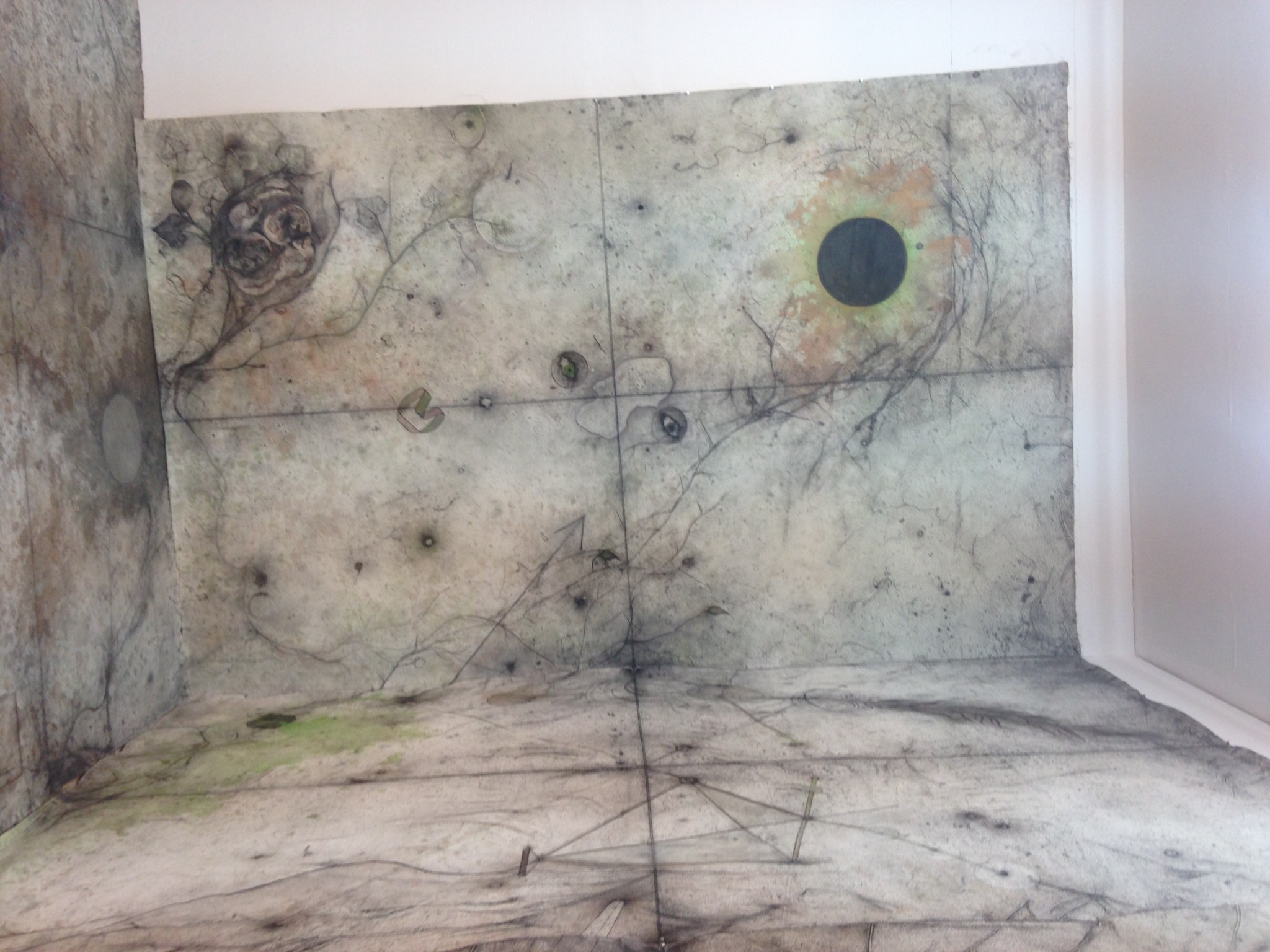
Lihi Turjeman  tikun olam 2014 detail

Lihi Turjeman tikun olam 2014 detail

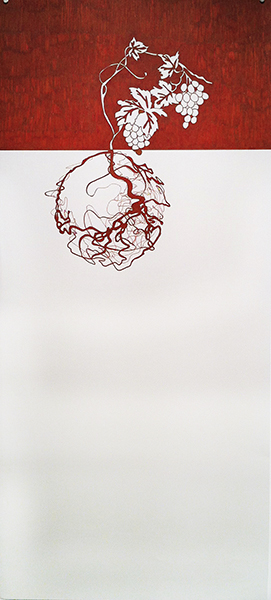
נרחבת בסצנת האמנות. שלושתם מציגים עבודות טובות שממשיכות את הקו המאפיין אותם. “תיקון עולם” של תורגמן היא מיצב ציורי , עבודת רצפה קיר שמבטאת שוב את התעוזה שלה לעסוק בשאלות מהות אוניברסאלית ללא ציניות וגם ללא מתקתקות של ניו אייג.
המוכנות הזו לגרד את קירות הנפש בולטת גם בעבודה המצוינת של ארקדיוש טומלקה Golem’s Butterfly , מיצב של חדר העשוי נייר התלוי בין רצפה לתקרה, חומר פריך ופגיע עם נגיעות של שחור אפל שמדגישות פינות מזגן או דלת מנייר. שם העבודה מתיחס לגולם – שלב התפתחות של פרפר אבל גם לגולם המפורסם מפראג, אותה דמות אגדית מחומר שהגנה על יהודים ונוצרה בידי המהר”ל ששמו המלא רבי יהודה ליווא בן בצלאל יוצר קישור מרתק (דיון נרחב בהזדמנות אחרת) לאמנות.
Arkadiusz Tomolka, Golem’s Butterfly

Arkadiusz Tomolka, Golem’s Butterfly

טומלקה מציג גם שורת רישומים , זרם תודעה חזותי.
רייכמן מציג עבודות שמהלכות בתפר בין חומריות מחוספסת לקונצפטואליים באופן מוצלח מאד. אהבתי את המרצפת עם הגובלן והחלון הישראלי כל כך עם תריס הפלסטיק המכוער שאור מאיר דרכו ויוצר רגע חסד.
אלון אנדורן מפתח את העיסוק שלו      how you tried to set them free במיצב ששמו    –  באופן הצגת העמים ילידים שחיו באמריקה הצפונית לפני הכיבוש הלבן, ושכונו “אינדיאנים”. אנדורן יצר מיצב מורכב בחלל שהיה מעבדה לקוסמטיקה בו משטחים וכיורים. הציורים על אריחי הקרמיקה הלבנים מעל הכיורים ובין הברזים מתכתבים עם האופן בו התרבות האסטטית הזו הפכה לדקורציה ו”סגנון” של אופנה או עיצוב .
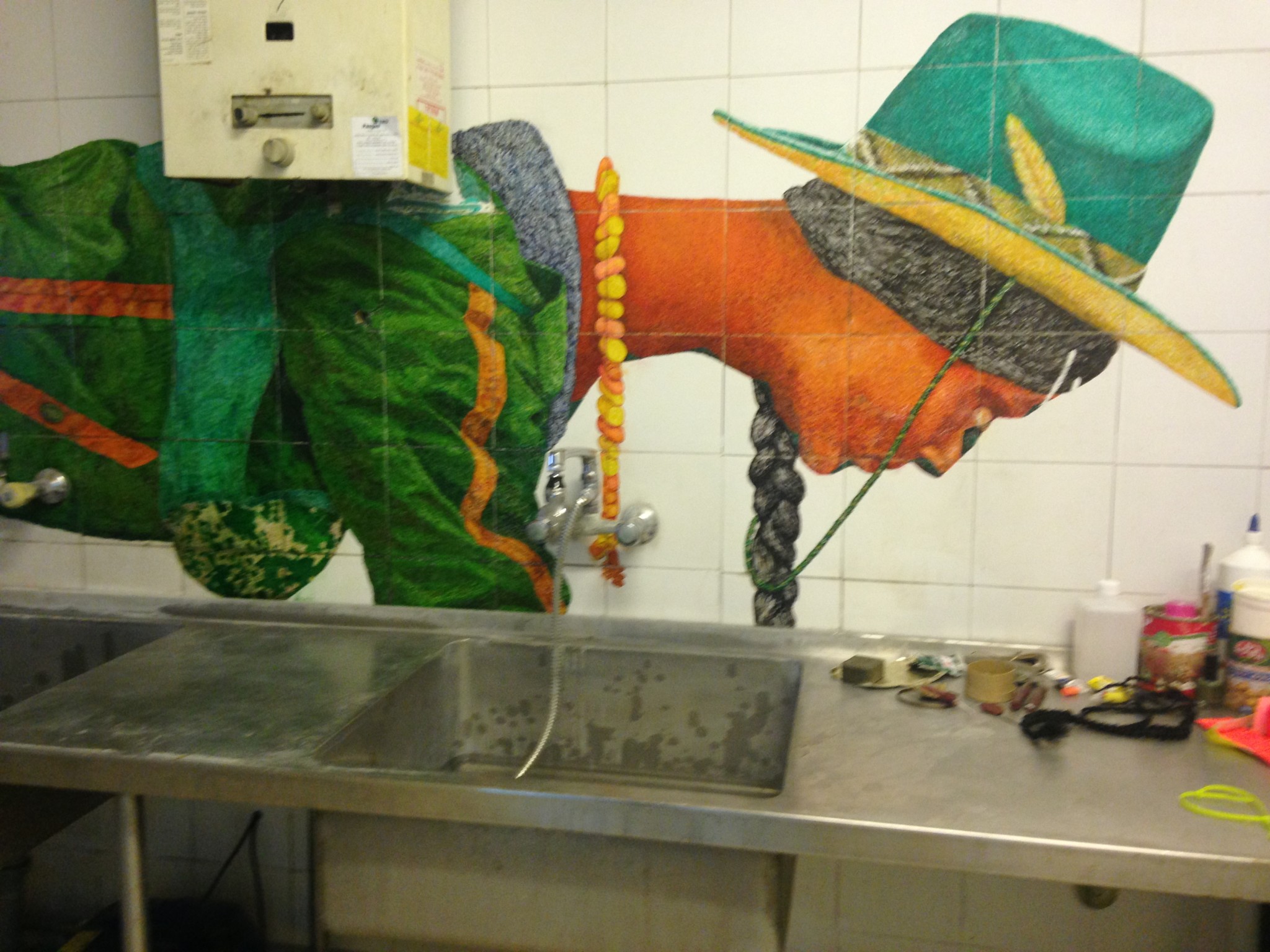
Alon Andorn How you tried to set them free detail

Alon Andorn How you tried to set them free
detail

לצד הציורים האלו אוביקטים שנראים ספק צבאיים, אלונקה , רצועות שניראות של אוהלים ציוד אחר וגם שיקוף המוקרן על הקיר של גב גבר במכנסים צבאיים מופשלים וציור עץ הנראה כסמל יחידה צבאית על ישבנו יוצרות אסוציאציות לקישורים התרבותיים הישראלים ל”אינדיאנים”- בסדרת העבודות של גרשוני “אריק שרון והאינדיאנים” (1979), “אינדיאני בשמש” סרט של רם לוי מ 1981 .בשניהם אינדיאינם הם מי ששונה ומאיים על ההגמוניה. שם העבודה לקוח משיר של דון מקלין על ואן גוך (1976) , אמן שגם דמותו , כמו דמות “אינדיאני” רודדה לסטריאוטיפ , במקרה זה האמן הסובל .
Alon Kedem

Alon Kedem

העבודות החלשות יותר בתערוכה היו אלו בתחומי הוידיאו וחלק מהציור והמיצבים.
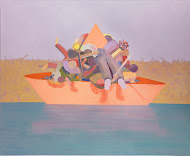
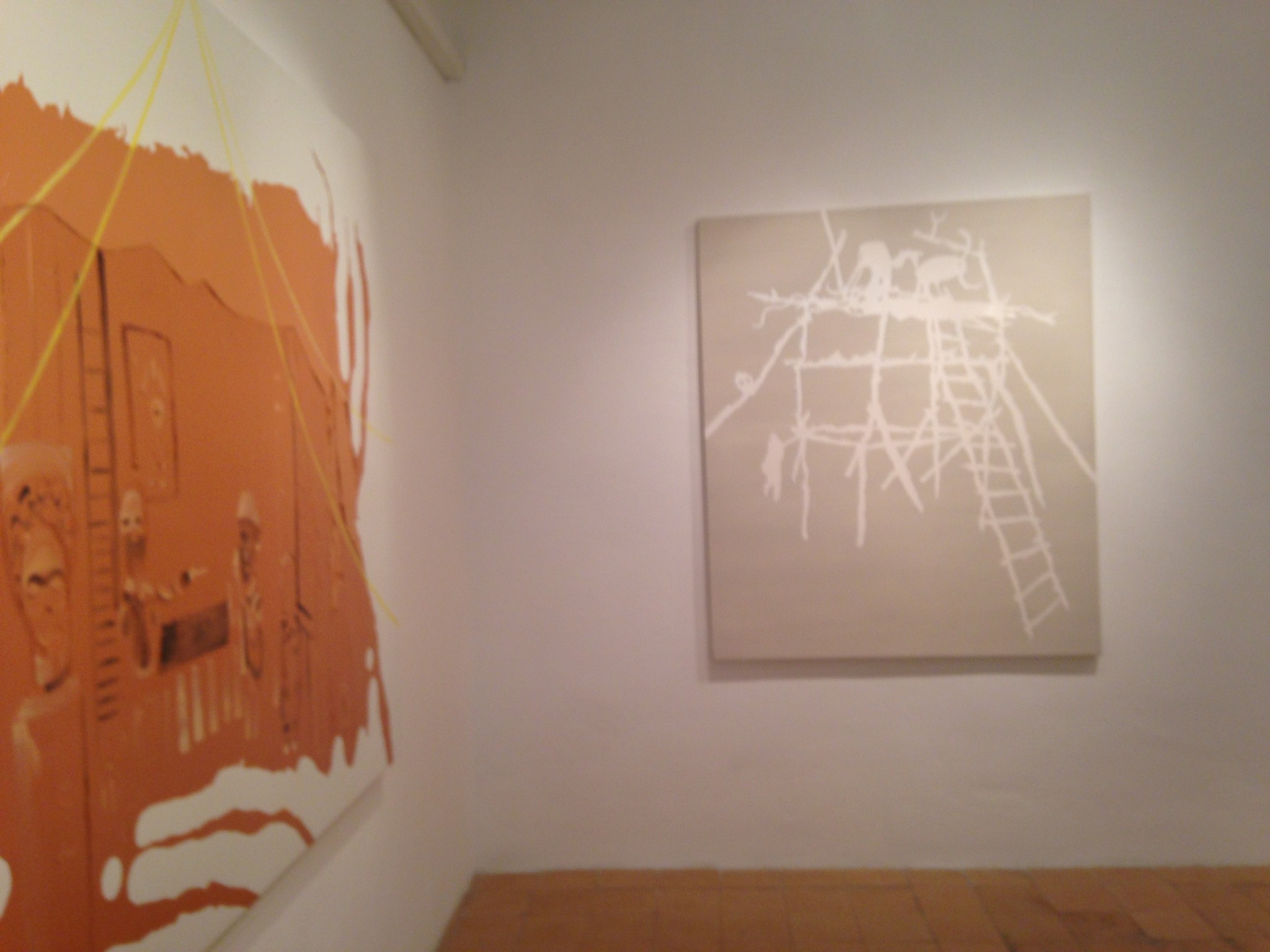
ציור מצוין הציגו שגיא אזולאי ואלון קדם. אפשר לדבר על מכנים משותפים בציוריות שלהם : הכוונה לתנועה עם ובתוך הצבע, לבהירות של קו וגם למידה של משחקיות. קדם מציג מכלול שאפשר לקשור לו נרטיב על המצב האנושי, צברים של דמויות במאבק קיומי. אזולאי בוחן רגעים מבודדים של התפרקות קונסטרוקציות שנדמות מוכרות ברגע הראשון והופכות
Sagie Azoulay

Sagie Azoulay

אניגמאטיות ככל שהמבט מתעכב.
עוד בולטות העבודות רובא סלאמה- בהם צילומים והשיר ציור קיר של מחמוד דרוויש הכתוב כספירלת מילים ומתיחס למסורת הארוכה של קליגרפיה .יפות הן העבודות המינימליסטיות שעשתה אתל גוטמן (שמזכירות את מונה חאטום ).היא עשתה שימוש ושינוי בעגלת מיטענים ממתכת שצבעה בירוק מנטה בהיר ובוו תעשיתי ענק היורד מהתקרה אותו צבעה בוורוד חלומי.
בערב הפתיחה ההומה היתה גם ההתרחשות בחלל של כרמל מיכאלי ,בכניסה לחלל באבולעפיה, שילוב של מיצגי ריקוד, וידיאו והפעלה של בר משקאות מרשימה. ב SHAKTI SUGER (כשם אחת מחברות יצור הסוכר הגדולות בהודו) מיכאלי עוסקת ברב תרבותיות בראי האופן בו תפיסת מערבית משטחת ומרודדת של תרבות הודית .

אוצרים:מיכל הלפמן, רפאל זגורי-אורלי, גלעד רטמן

סלמה 60, ת”א, קומה שנייה,אבולעפיה 16, ת”א, קומה שנייה
עד ה-21 ביוני בשעה 22:00

שעות פתיחה:ב’-ה’: 16:00-22:00 שישי: 10:00-14:00 שבת: 10:00-16:00

סיור לביתו של ניסים כחלון בחוף סידני עלי בהרצליה . מדובר בבית שמהווה יצירה ובחוויה מיוחדת מאד. פרטים בעמודת הסיורים .

הרשמה לניוזלטר הפירסומי השבועי של “החלון” בנושאי אמנות, אירועים ותערוכות חדשות – www.smadarsheffi.com/?p=925
(הרישום נפרד מהרישום לבלוג )

Bezalel Academy of Art and Design’s MFA Graduate Exhibition 2014

The Bezalel Academy of Art and Design’s MFA Graduate Exhibition 2014 is a very positive outcome: interesting, good, with an overall atmosphere of lots of activity and inquiry, commitment, and quite a bit of freshness. In contrast to the self-importance and spectacular “show” which characterized many of the graduates’ exhibitions in recent years, which obviously pandered to the tastes of galleries and a specific audience, this time there is a certain sense of ease and exploration. It is no accident that the exhibition has neither a “poetic” title nor an “intellectual” text of the type so seldom justified for degree exhibitions.
The venue is the second floor of the school building at 60 Salameh Street, Tel Aviv, and, just a short distance away, at a former cosmetics plant at 16 Abulafia Street.

Lihi Turjeman, Ariel Reichman and Eyal Assulin are a few of the graduates who have already made a name for themselves on the local art scene. All three are showing good works which continue in the same spirit they have already exhibited. Tikkun Olam [repairing the world] by Turjeman is a painterly installation, a floor-wall piece expressing her boldness in addressing universal questions without cynicism and without any New Age cloying sweetness.

The willingness to bare the soul stands out as well in the excellent work by Arkadiusz Tomolka, Golem’s Butterfly, an installation featuring a room made of paper hanging between the floor and the ceiling, crispy and vulnerable, with touches of dark black emphasizing the corners of the paper air-conditioner or paper door. The title is a pun on a chrysalis as well as the Golem of Prague, the legendary clay man formed by the Maharal, Rabbi Judah Loew ben Bezalel, which came to life to protect the Jews of Prague. The name of the piece forms a fascinating link with art (the subject of a future essay). Alongside of the paper room, Tomolka is exhibiting a series of drawings, a visual stream of consciousness.
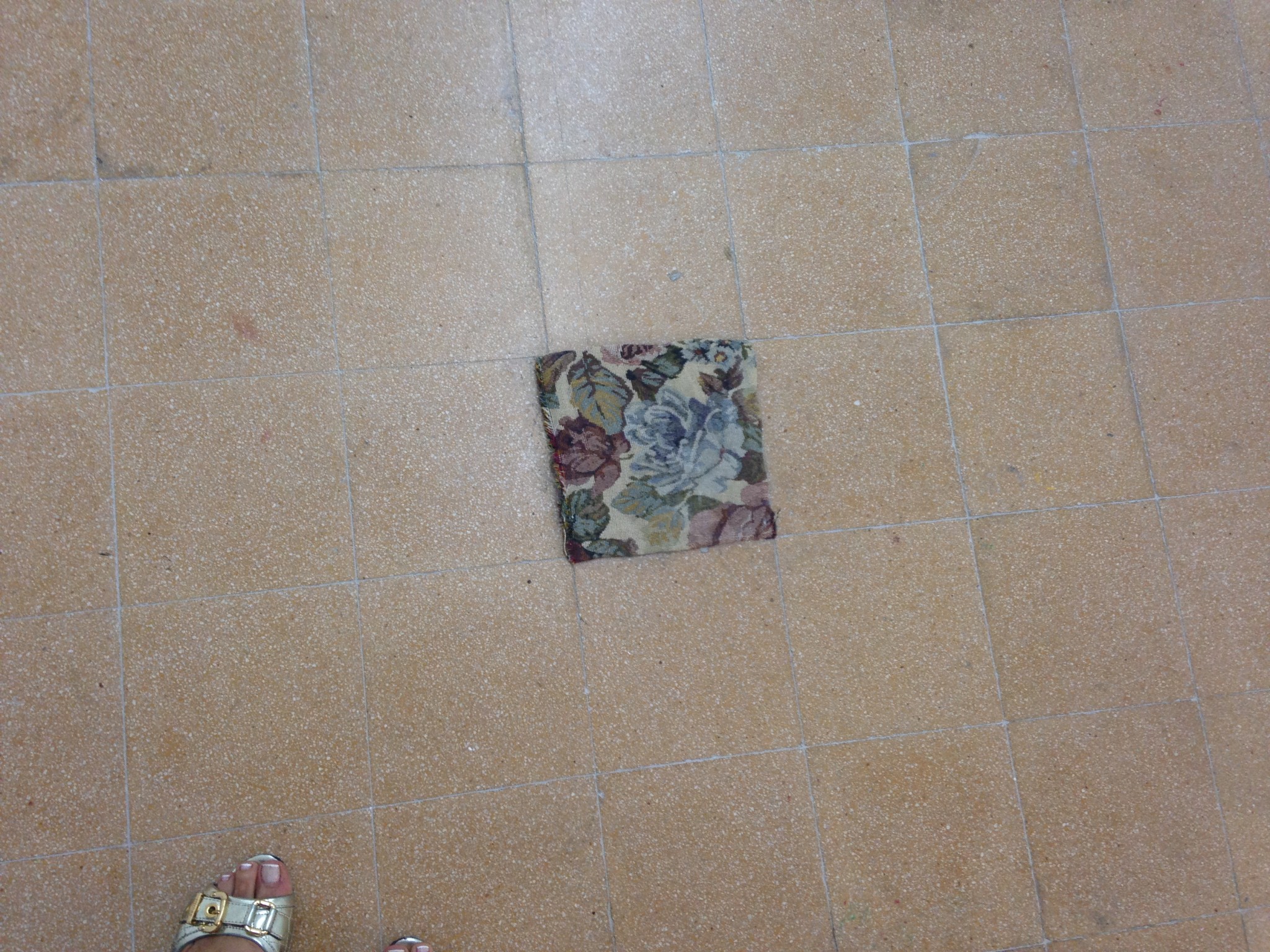
Ariel ReichmanReichman is exhibiting works standing very successfully on the seamline between rough materiality and conceptualism. I liked the tiled floor with the tapestry and the window, which is so Israeli with its ugly plastic shutters with the light streaming through it to createa moment of grace.

Alon Andorn How you tried to set them free detail

Alon Andorn How you tried to set them free
detail

Alon Andorn develops his engagement with language associated with Native Americans, who used to be called “Indians,” in the installation How you tried to set them free.Andorn created a complex installation in a space whichwas the former cosmetics laboratory complete with counters and sinks. The paintings on the white ceramic tiles above the sinks and between faucets correspond with the way in which the Native Americans’ aesthetic culture became decorative style in fashion and design. On display are objects which seem to be of military origin, such as stretchers with straps that look like they are part of tents or similar equipment. A wall projection shows a rear view of a man in a khaki uniform bottom pulled down to bare his buttocks with the picture of a tree centered on this body, similar to the symbol of an army unit. This leads to Israeli cultural associations to “Indians,” such as Moshe Gershuni’s
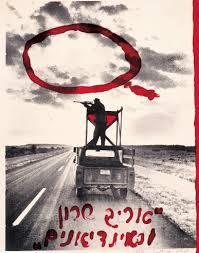
Moshe Gershuni .Arik Sharon and the Indians , 1979

Moshe Gershuni .Arik Sharon and the Indians ,
1979

Arik Sharon and the Indians (1979) or Ram Levy’s film Indian in the Sun(1981). In both works, Indians are the “other” who threaten the hegemony. The name of the installation is from a Don MacLean song about Van Gogh (1976), whose image, like the image of the “Indian,” was made into a shallow stereotype; in Van Gogh’s case, that of the “suffering artist.”
Video art was the weaker link in this exhibition, as were some of the paintings and installations. The exceptions were excellent painting by Sagie Azoulay and Alon Kedem, with the common denominators of movement with and in color, clarity of line, and to some extent, playfulness. Kedem exhibited a cluster of works which may be associated with a narrative of the human condition, figures in an existential struggle. Azoulay examines isolated moments of structures self-destructing which at first seem familiar but which become more enigmatic as the gaze lingers on them. RubaSalameh’s works are also outstanding, comprising photographs and the poem “Mural” by Mahmoud Darwish, written in a spiral, referring to the long calligraphic tradition.
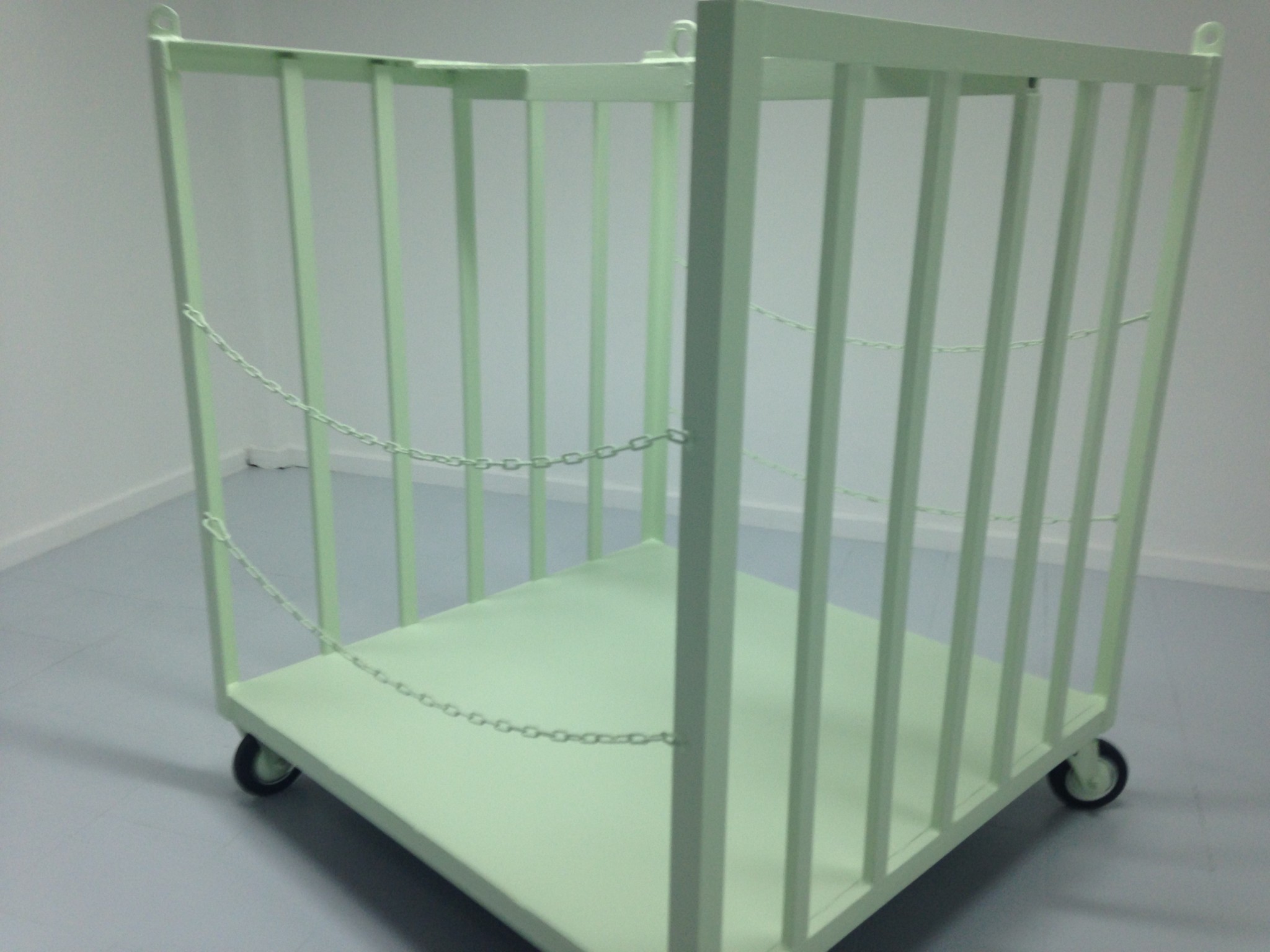
Ethel Gutmann

Ethel Gutmann

Ethel Gutmann’s beautiful works are minimalistic, reminiscent of Mona Hatoum’s work. She manipulated a metal loading wagon, making it pale mint green, and made the huge hook descending from the ceiling a dreamy light pink.

At the crowded opening event Carmi Michaeli staged an impressive happening, Shakti Sugar, at the entrance to the Abulafia space combining dance, video and an alcohol bar (the name of one of the largest sugar manufacturers in India). Michaeli addresses multiculturalism through the prism of western understanding which is superficial and shallow as to the culture of the subcontinent.

60 Salameh Street, Tel Aviv

Closing 21/6/2014
Open Monday – Thursday 10:00-22:00
Friday 10:00 – 14:00
Satuday 10:00- 16:00

A tour of Nissim Kahalon’s house on the Sidni Ali beach in Herzliya. This is a house which is a work of art in itself, and the visit a unique experience. Please see getails in the Art Tour column.

To sign up (separately) for the Window’s weekly informational advertising newsletter on art, special events, and openings: www.smadarsheffi.com/?p=925

.
 

Posted in Uncategorized | Comments Off on תערוכת בוגרי התואר השני בבצלאל|Bezalel Academy of Art and Design’s MFA Graduate Exhibition 2014

Tamar Harpaz: Kitchen Sink Drama|A comment on Woven Consciousness


Please scroll down for English

תמר הרפז – Kitchen Sink Drama

תמר הרפז היא אמנית מצוינת שדווקא, Kitchen Sink Drama המיצב הגדול ביותר שלה עד היום, טוב פחות ממה שהציגה בעבר.

Tamar Harpaz: Kitchen Sink Drama 2014 (detail)

Tamar Harpaz: Kitchen Sink Drama 2014 (detail)

הרפז בולטת מ 2009 אז הציגה בתערוכת בוגרי התואר השני בבצלאל מיצב אינטליגנטי בו יצרה עם עדשות דימוי מכני לליקוי חמה ולצידו עשתה שימוש במקרני שקופיות שבאחד הפוקוס נע בין דמויות מסצנה בסרט “היו זמנים במערב” של סרג’יו ליאונה (1968 ) והשני ניסה להתמקד שוב ושוב מבעד לזכוכית סדוקה. מאז סיום לימודיה הציגה באינטנסיביות וזכתה בשורת פרסים בהם פרס גיבעון של מוזיאון תל-אביב ב2010  ו פרס אנסלם קיפר של קרן וולף 2013.

בתערוכה המשובחת WYSIWYG: What You See Is What You Get שאצרה ענת דנון–סיון במוזיאון תל אביב לפני שנה הציגה הרפז עבודה פיוטית מורכבת בשם Pear in a Bottle (טכניקה צרפתית בה מגדלים ניצן אגס בבקבוק המחובר לעץ ומכבים אח”כ במשקה אלכוהולי בדרך כלל ברנדי) . היה זה מערך של מראות קעורות ואובייקטים שיצרו רשת מורכבת של שבירות והתחברויות אופטיות מקסימות אך גם מרתיעות . הרפז, בעזרת יופי רב, סדקה קלות את קליפת השלווה של מה שנדמים לנו כחוקי הפיזיקה המכתיבים את פעולת העולם.

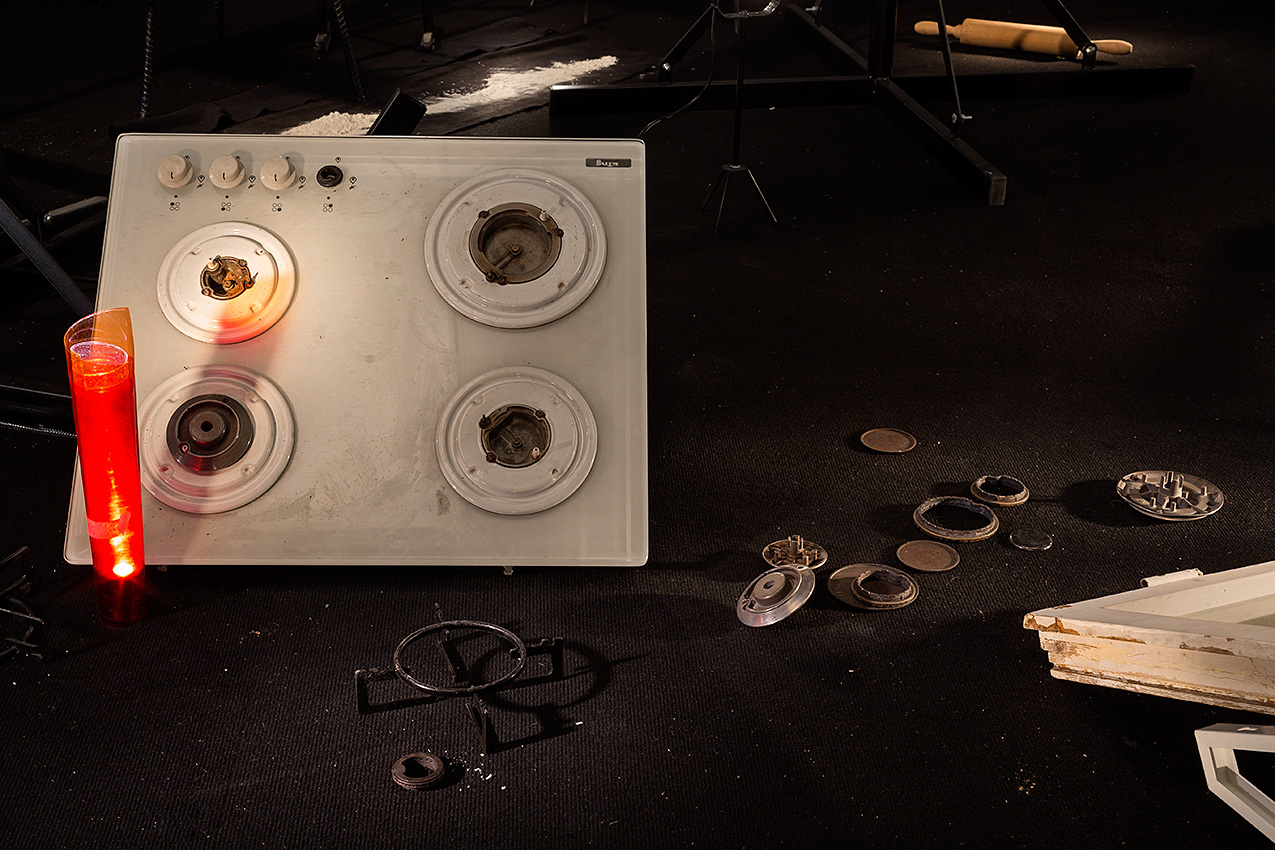
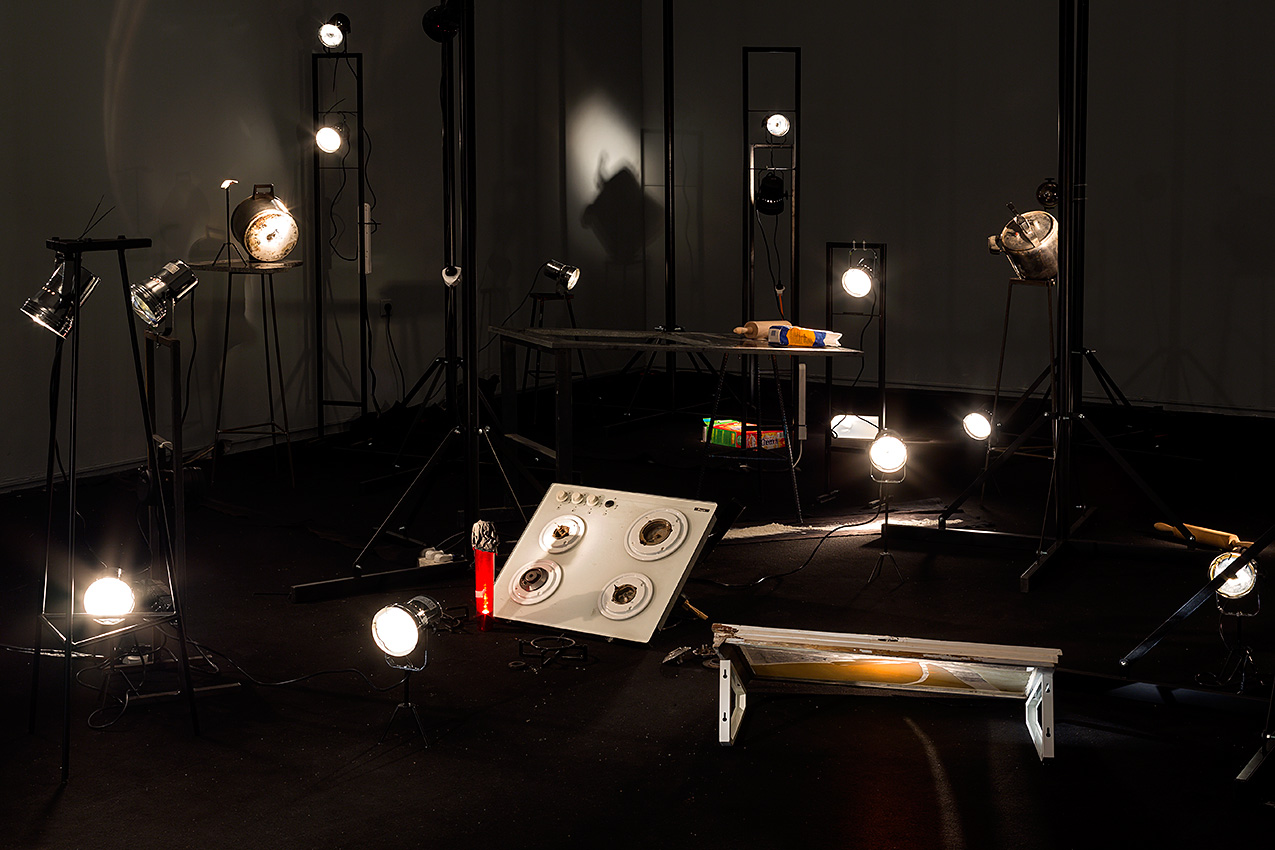
ב- Kitchen Sink Drama הקסם לא עובד. הדרמה ברורה מידי – חלב שפוך וכיור שנפל, כיריים מפורקים, כסא הפוך וקמח מפוזר – כל מה

Tamar Harpaz: Kitchen Sink Drama 2014 (detail)

Tamar Harpaz: Kitchen Sink Drama 2014 (detail)

שצריך בחלל ביתי שהפך לזירת קרב .
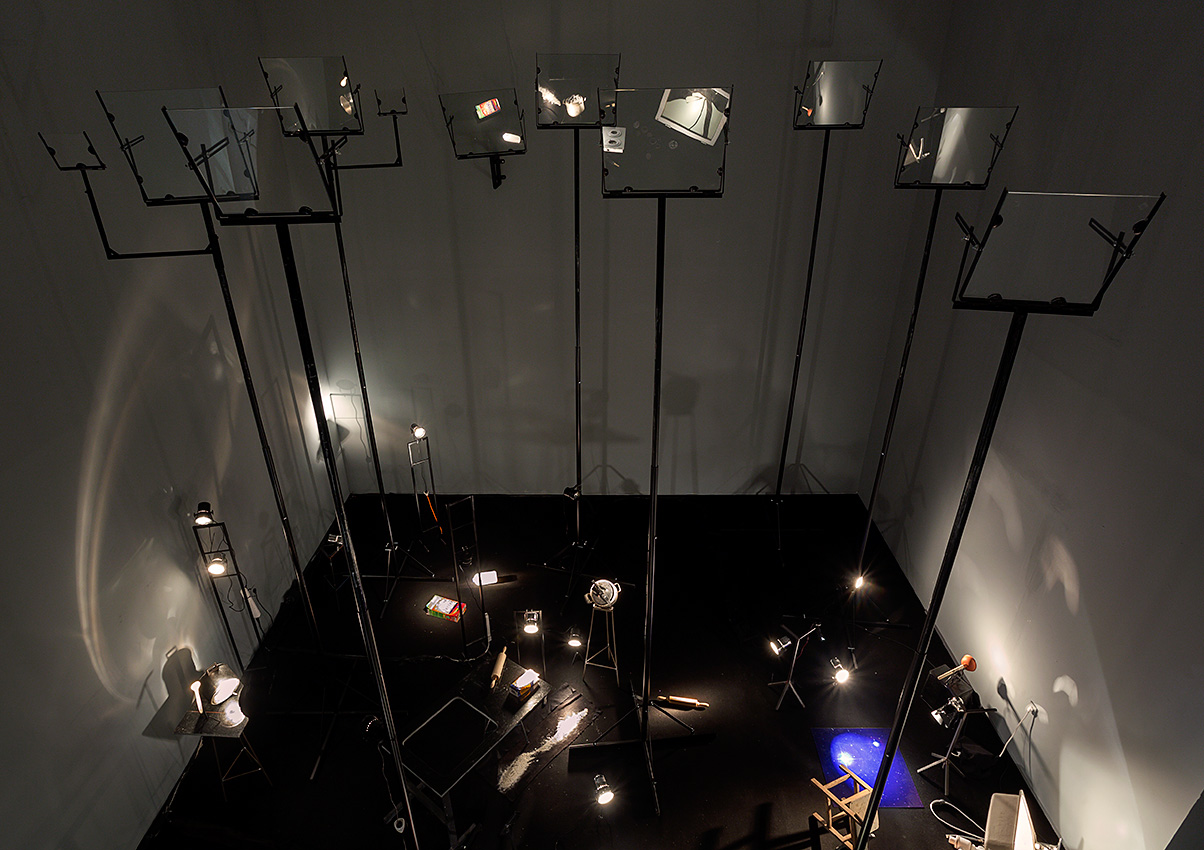
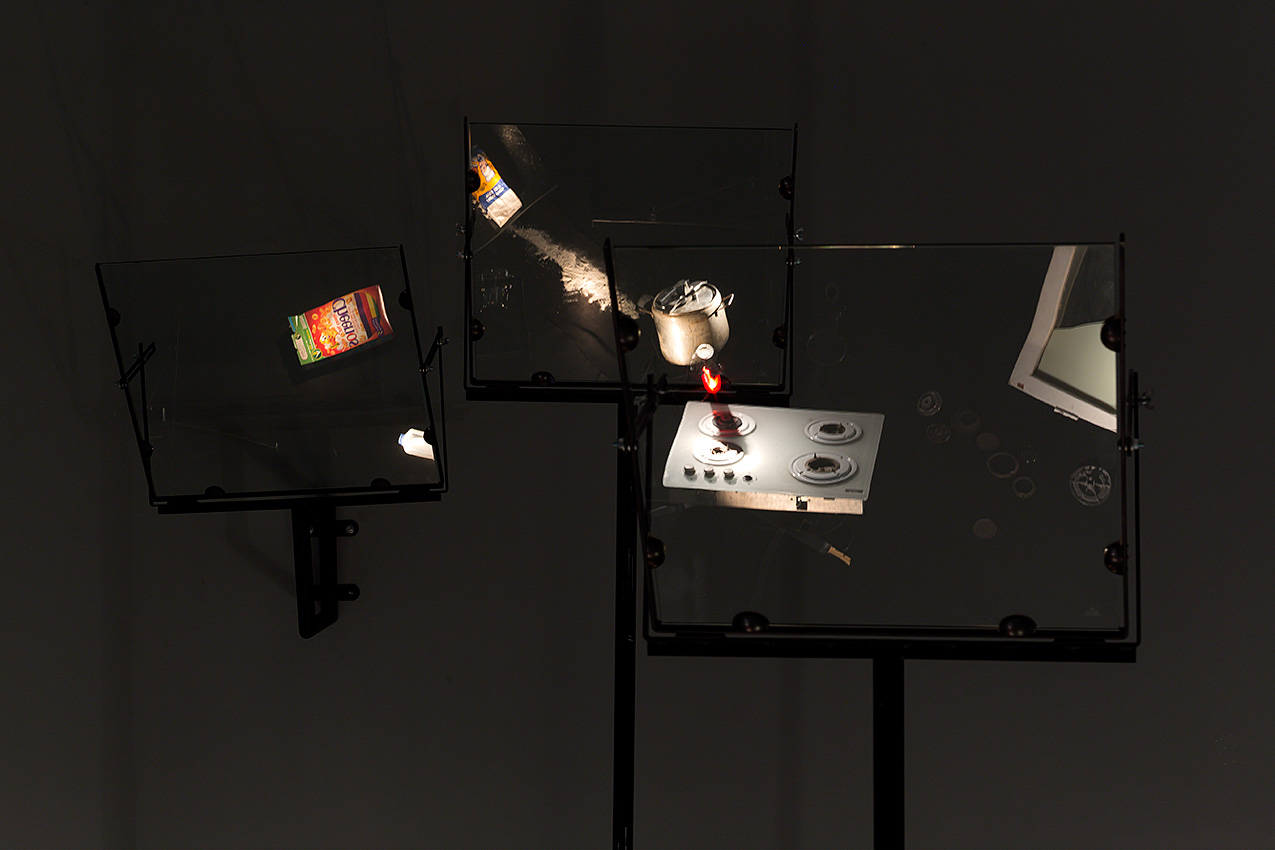
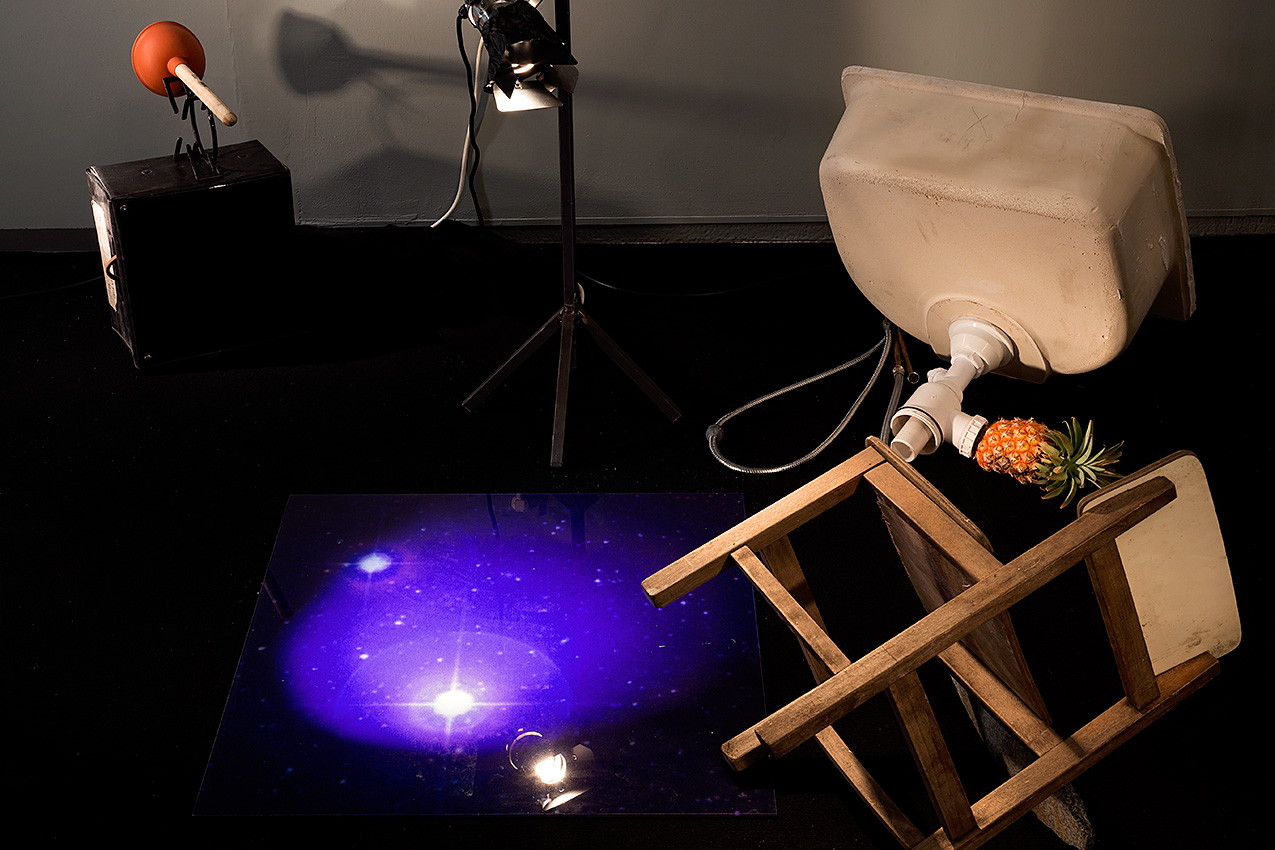
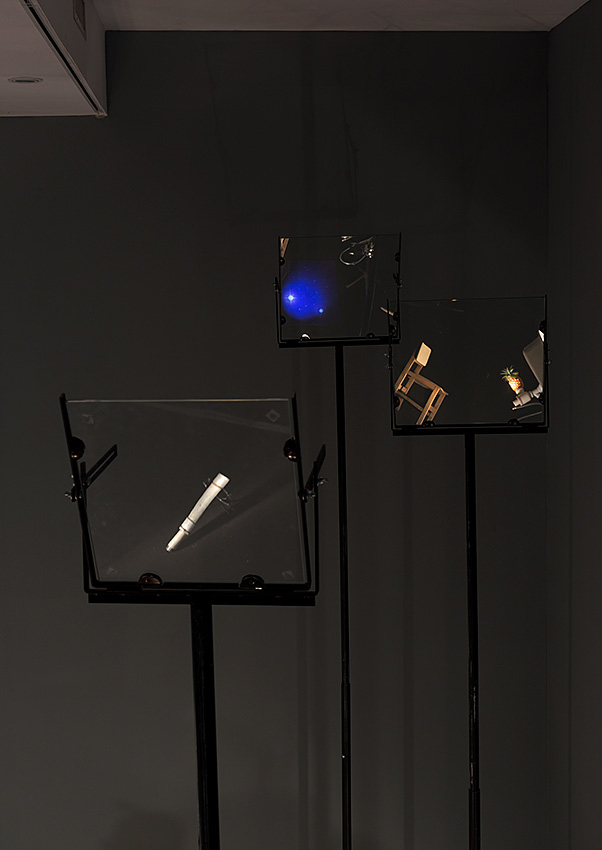
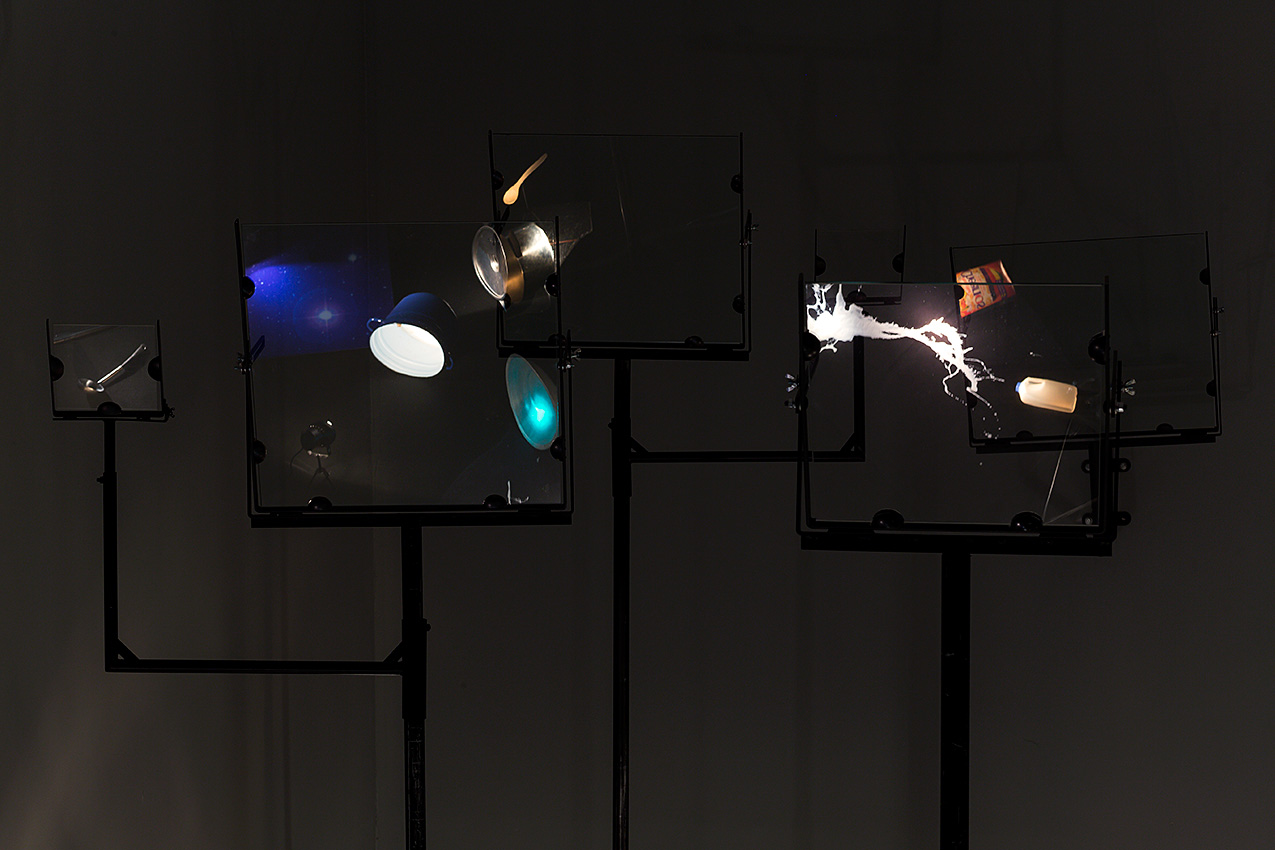
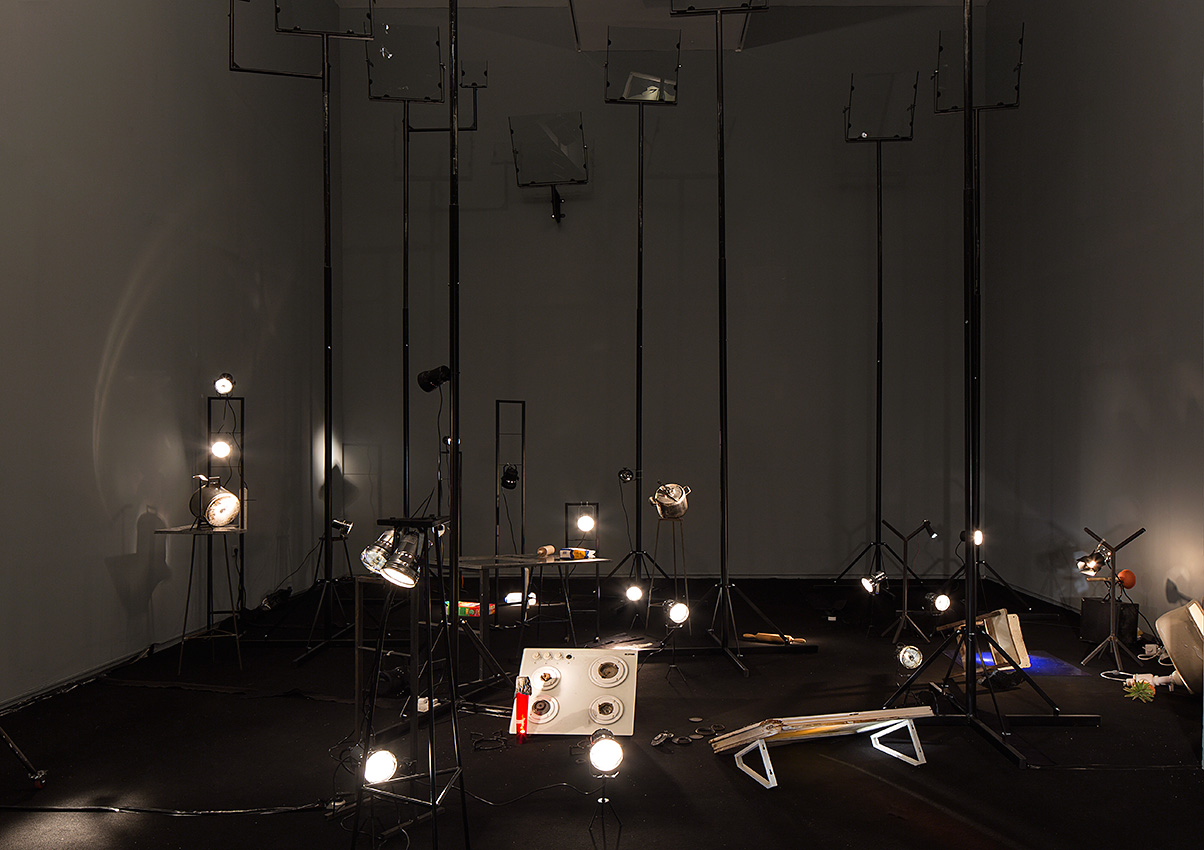
Kitchen Sink Drama הוא כאן ועכשיו, דיון על אלימות ופמיניזם. העשייה של הרפז שנעה עבר בין משחקי אופטיקה, ומהצילום ועד הקולנוע (ואפשר לחשוב על קאמרה אובסקורה ) תוך נגיעה בחבל הדק שבין קסם לגוון של חיפוש רוחני, הצטמצמה הפעם לתרגיל מרשים למדי.בקומת הכניסה עומדים הצופים מול סצנת המטבח המפורק. למעט פרטים בודדים כמו אננס מחובר לצנרת כיור מפורק ,מחווה מחויך לסוריאליזם, הסצנה נדמת מיד מוכרת מסדרות בלשים וסרטי מתח. היא מוארת כסט קולנועי בתאורה נמוכה וממוקדת ועמודי תאורה גבוהים כך שנוצרת תחושה חזקה של פירוק ותזזית. הדימויים מתאחדים במראות ועדשות אותם רואים כשעולם למרפסת הנמצאת בקומה השנייה

Tamar Harpaz: Kitchen Sink Drama 2014 (detail)

Tamar Harpaz: Kitchen Sink Drama 2014 (detail)

ומשקיפה לאולם התחתון.

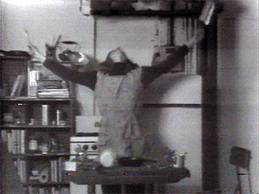
הרפז משתמשת, בוודאי באופן מודע ,בדימויים שנשענים על עבודה קאנונית כמו הווידיאו Semiotics of the Kitchen החשוב והמצוטט תדיר של מרתה רוסלר האמריקאית מ 1975. רוסלר יצרה פרודיה על תוכנית בישול בה המנחה עוברת אסקלציה רגשית והמטבח הופך לסיוט כאוטי. פרוק המטבח הופך לניפוץ מטפורי של שורת התפקידים, והמגבלות בהן נאלצו נשים לפעול .

Semiotics of the Kitchen (1975), Martha Rosler,

Semiotics of the Kitchen (1975), Martha Rosler,

יש בעבודה של הרפז גם מידה של התייחסות ל WS (ראשי התיבות של שלגייה הכתובים בסיכול אותיות) וידיאו מונומנטאלי של פול מקארתי מ 2013 שהוצג בארמורי בניו יורק ובו הוא חזר ויצר, כמו ברבות מעבודותיו הקודמות,סצנות של סביאה והרס במטבח . ההקשר נוסף של העבודה הוא לעבודות של Michael Elmgreen מדנמרק ו Ingar Dragset מנורבגיה הפועלים כצמד מברלין . הם עוסקים ביחסי אדריכלות אמנות ויוצרים מייצבים שאפשר להגדיר כאתרי שיבוש .ב 2009 יצגו את נורבגיה ודנמרק בעבודות ענק בשם האספנים וב 2013 הציגו בויקטוריה ואלברט בלונדון את מחר מיצב של ביתו של אדריכל . האלימות בעבודות נעה ביו גלויה כמו “גופת” האספן שצפה בברכה או חדר ובו סימני דם בביאנאלה וונציה למרומזת במיצב בלונדון. העבודה של הרפז לוחצת על כל הכפתורים-

Tamar Harpaz: Kitchen Sink Drama 2014(detail)

Tamar Harpaz: Kitchen Sink Drama 2014(detail)

המטבח , טריטוריה שעדיין מתקשרת בעיקר לנשי מוצגת בכאוס כלאחר התרחשות אלימה. החיבור- איחוי – הבנה של הסצנה נעשית באמצעות העדשות והמראות כלומר היא תלויה בעמידה של הצופה בנקודה מסוימת , מטאפורה מצוינת לכך המציאות היא מציאויות רבות המוכתבות מזווית ההתבוננות. חסרה בעבודה המסתורין והאמביוולנטיות שהפכו את העבודות הקודמות של הרפז להרבה יותר מקסם, יופי ומסתורין. בתערוכה . Girl to Gorilla, בגלריה זומר (שם לקוח ממופע בירידים אמריקאים בהם אישה הופכת בתהליך מהיר מיפיפייה לגורילה) הייתה מיטה שמזווית מסוימת נראתה ריקה ולידה כסא וקופסת טישו, (מיטה לפסיכואנליזה?) ומזווית אחרת, נראה על המיטה מוט ברזל, פוטנציאל או זיכרון אלימות. Kitchen Sink Drama הווליום של האלימות, של החד משמעיות, הוגבר ומשתיק את הקורים המעודנים, והמעניינים, יותר.

צדוק הכהן 2א’ (ליד קלישר 5) ת”א
שעות פתיחה: שני – חמישי 14:00-19:00 | שישי – שבת 10:00-14:00

הערה על ארוגים בתודעה – טקסטיל עכשווי בישראל 
אופן התקבלות התערוכה ארוגים בתודעה שנסגרה במוזיאון ארץ ישראל הוא סיפור התחום בו היא עוסקת: תערוכה עם 59 משתתפים שעברה כמעט ללא התייחסות של כלי התקשורת המסורתיים. טקסטיל נתפס עדיין כשולי.

התערוכה המענינת הזו נגעה בשאלות אופן מבע ומיון מדיומלי ,אתגרה את ההפרדה הרעועה של מעצבים/אמנים והכילה התבוננות על מסורת המודרניזם הישראלי. החתך כלל אמנים מזרם המרכזי שעובדים תדיר בטקסטיל: אלה אמיתי סדובסקי, גילי אבישר ואסתר שניידר, לצד אמנים שהטקסטיל משמש אותם בעבודות ספציפיות בהן טלי נבון, עינת אמיר או טובה

Tali Navon ,Towards 1, Towards 2, 2013,

Tali Navon ,Towards 1, Towards 2, 2013,

לוטן
אוצרת אירנה גורדון

סיור לביתו של ניסיםכחלון בחוף סידני עלי בהרצליה . מדובר בבית שמהווה יצירה ובחוויה מיוחדת מאד. פרטים בעמודת הסיורים .

הרשמה לניוזלטר הפירסומי השבועי של “החלון” בנושאי אמנות, אירועים ותערוכות חדשות – http://old.smadarsheffi.com/?p=925
(הרישום נפרד מהרישום לבלוג )

Tamar Harpaz: Kitchen Sink Drama

Tamar Harpaz is an excellent artist, however, her current installation Kitchen Sink Drama, her largest to date, now on exhibition at the Center for Contemporary Art, Tel Aviv, is of lesser quality than what she has shown in the past.

Tamar Harpaz: Kitchen Sink Drama 2014  (detail)

Tamar Harpaz: Kitchen Sink Drama 2014
(detail)

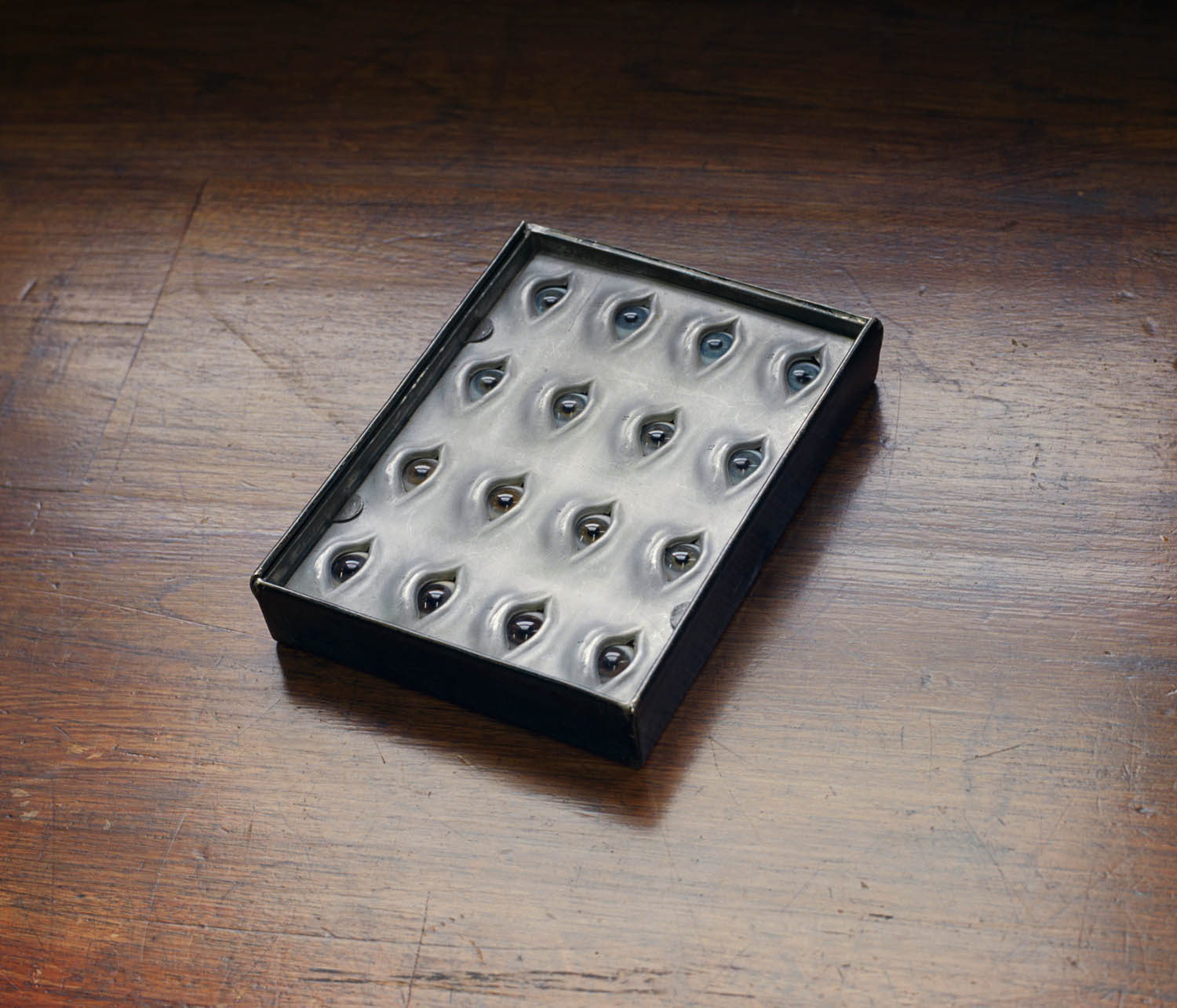
Harpaz has been an artist to watch since the Bezalel MFA exhibition in 2009. She exhibited an  intelligent installation which used mechanical image of a solar eclipse alongside of a slide projector whose focus moved between two figures in one slide of a scene from Sergio Leone’s 1968 film, Once Upon a Time in the West, while the second tried to focus behind a cracked lens. Since graduation, Harpaz has an impressive record with a long list of prizes, including the Givon Prize from the Tel Aviv Museum of Art in 2010 and the Anselm Kiefer Prize from the Wolf Foundation in 2013. Last year’s notable exhibition at the Tel Aviv Museum of Art, WYSIWYG: What You See Is What You Get, curated by Anat Danon-Sivan, included a poetic, complex work by Harpaz, Pear in a Bottle, based on a French technique of growing a pear bud inside a bottle connected to the tree, later used to make an alcoholic drink, usually brandy. A network of curved mirrors and objects created a complex chain of charming yet frightening optical breakages and connections. Harpaz, using elements of great beauty, has slightly cracked the calm surface of what seem to be the laws of physics dictating how the world works.

Tamar Harpaz: Kitchen Sink Drama 2014  (detail)

Tamar Harpaz: Kitchen Sink Drama 2014
(detail)

The magic is not working in Kitchen Sink Drama: the drama is explicit – spilt milk and a fallen sink, a dismantled burner, an overturned chair and flour powdering the floor – evidence of a domestic space turned into battle zone. Kitchen Sink Drama is here and now, a discussion of violence and feminism. Harpaz’s past works, moving between optics, still photography and cinema (including camera obscura), touch upon places in which art takes on a shade of a spiritual quest and have here been reduced to a very impressive exercise.

On the entrance level, viewers encounter the scene of the dismantled kitchen. Except for very few details such as a pineapple connected to the fallen sink piping, an amusing homage to Surrealism, the scene seems immediately familiar from film noir and detective series. The lighting looks like a film set, low focused lighting and high light stands create a strong feeling of deconstruction and movement. The images come together in mirrors and lenses visible when walking up to the balcony on the second floor, overlooking the lower hall.

Tamar Harpaz: Kitchen Sink Drama 2014  (detail)

Tamar Harpaz: Kitchen Sink Drama 2014
(detail)

Harpaz most probably consciously uses images based on canonical works such as the important video art Semiotics of the Kitchen (1975), by American artist Martha Rosler, which has been frequently quoted. Rosler created a parody of cooking programs in which the presenter’s emotions escalate, turning the program into a chaotic nightmare. The deconstruction of the kitchen becomes a metaphorical explosion of roles, assumptions and limitations which coerced women’s actions.

Harpaz’s installation has, to some extent, references to WS (the initials of “Snow White” in reverse), a monumental video by Paul McCarthy from 2013, exhibited at the New York Armory Show, in which he created scenes of riotous drunkenness and destruction in a kitchen.

 Paul McCarthy, WS, 2013.  Photo: Joshua White

Paul McCarthy, WS, 2013.
Photo: Joshua White

An additional context for the work is the duo of Michael Elmgreen (Denmark) and Ingar Dragset (Norway), working in Berlin. They engage in the relations between architecture and art, making installations which may be described as sites of disruption. The two represented Norway and Denmark at the 2009 Venice Bienniale with their installation The Collector, and in 2013, Tomorrow was installed at the Victoria and Albert Museum, London, depicting an architect’s home. The violence in the works shift between the overt, such as the “corpse” of the collector floating in a pool, or a room with bloodstains in the Venice Biennale, to the covert violence in Tomorrow.

Harpaz has pulled out all the stops: the kitchen, a territory mainly associated with the feminine, is featured in chaos following a violent event. The disruption and connection, the understanding of the scene, is accomplished through lenses and mirrors; this means it depends on the viewer standing at a specific point. This is an excellent metaphor for multiple realities, depending on one’s viewpoint.

The work lacks the mystery and ambivalence which transformed her earlier works to something more than charming. In Girl to Gorilla (the name taken from a sideshow in American fairs in which a beautiful woman turns into a gorilla), her exhibition at the Sommer Contemporary Art, Tel Aviv, there was, for example, a bed which from a certain angle seemed empty, with a chair and box of tissues near it (a couch for psychoanalysis?) and from a different angle it seemed to have an iron bar on it, the potential or the memory of violence. In Kitchen Sink Drama, the “volume” of the violence, the clarity, has been turned up, and silences the more delicate and more interesting strands.

Tamar Harpaz: Kitchen Sink Drama 2014  (detail)

Tamar Harpaz: Kitchen Sink Drama 2014
(detail)

CCA The Center for Contemporary Art, 2 Tsadok HaCohen, Tel Aviv-Yafo, Israel, Mon.-Thurs. 2-7 p.m., Fri.-Sat., 10 am-2 pm

Comment about Woven Consciousness: Contemporary Textile in Israel. 
The reception the traditional media gave this exhibition at the Eretz Israel Museum (exhibition closing this week) reflects the field: despite the 59 participants, “Woven Consciousness” received little treatment by any of the media, as textile art and design is still perceived as marginal in Israel.This interesting exhibition touched on issues of the way this medium is expressed and classified, challenged the shaky separation of designers

Ester Schneider Vilna Shas, 2012,

Ester Schneider Vilna Shas, 2012,

from artists, and examined the tradition of Israeli Modernism.The cross-section of participants included mainstream artists who frequently work with textiles, such as Ella Amitay Sadovsky, Gili Avissar and Esther Schneider, along with visual artists who use textiles in specific works, such as Tali Navon, Einat Amir or Tova Lotan.

Curator: Irena Gordon

A tour of Nissim Kahalon’s house on the Sidni Ali beach in Herzliya. This is a house which is a work of art in itself, and the visit a unique experience. Please see getails in the Art Tour column.

To sign up (separately) for the Window’s weekly informational advertising newsletter on art, special events, and openings: http://old.smadarsheffi.com/?p=925

Posted in Uncategorized | Comments Off on Tamar Harpaz: Kitchen Sink Drama|A comment on Woven Consciousness

צבע טרי Special Edition Fresh Paint


Please scroll down for English

אירוע צבע טרי שנערך במגדל מאייר השדרות רוטשילד אתמול והיום (יום שישי עד אחה”צ ) היה אירוע כנה : תערוכת מכירה שכוונה מראש ללקוחות חברת ברגרואין, חברת בניה של מגורים יקרים במיוחד ולקהל הרוכשים בעלי האמצעים של יריד צבע טרי. האמנות הוצגה בקומות הגבוהות של הבניין ובלובי העתידי, בחללים שהם כרגע עדיין בבנייה אך קל מאד לדמיין כיצד יראו לאחר הגמר. זהו ניסיון מזוכך לפצח את הנוסחה של מה שיימכר, אלו בדיוק החללים שמנגנון מורכב של אמנים, גלריסטים יועצים ומעצבים מכוונים אליהם כתחנה סופית, או כמעט סופית לאמנות. מנקודת ראות של היסטורית וביקורת אמנות מעניין לראות מה בנוסחה הזו חופף לאיכות גבוהה, מה לאופנה.

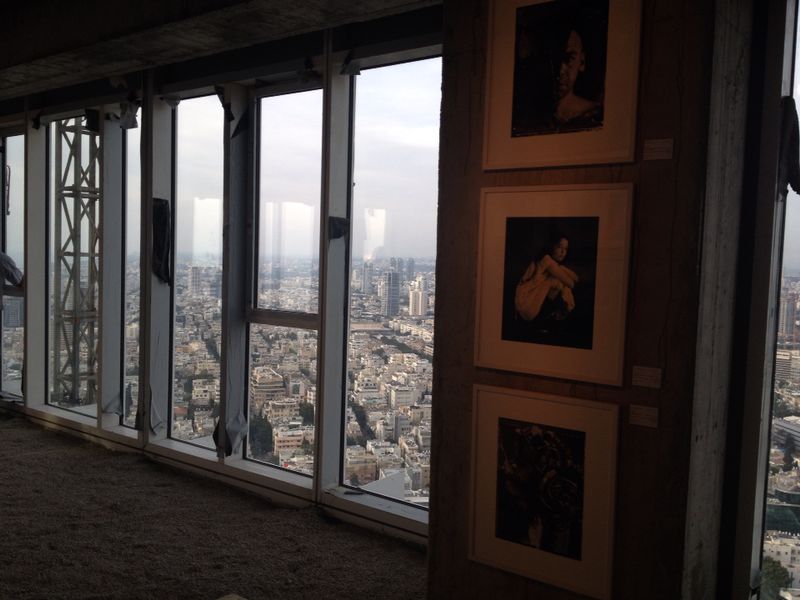
View from the 38th floor of Meier on Rothschild . (a glimpse on photographs by Anna Hayat and Slava Pirsky

View from the 38th floor of Meier on Rothschild .
(a glimpse on photographs by Anna Hayat and Slava Pirsky Photo: Sarit Gana-Melmad

המשתתפים הוצגו ב”חממות האמנים” של ירידי צבע טרי במהלך שבע השנים האחרונות (כלומר לא יוצגו בזמנו על ידי גלריות) ומאז התבססו בעולם האמנות. היה מאכזב לגלות אמנים מצוינים שהוצגו הפעם בעבודות חלשות כמו סדרת צילומים שרחוקה מהמיטב של אוהד מטלון, או אורלי הומל שמיוצגת בפסלים לבנים שכמעט אפשר לשמוע את המילה “משתלבים” נאמרת לידם על ידי מעצבי פנים או רונן שהרבני שהציג בלובי שתי עבודות וידיאו מצוינות וחבל מאד שלא הוחלט לוותר על הצגת פסלוני הברונזה שלו בקומות העליונות. העבודות המביכות שעדיף היה לוותר עליהן כמו, למשל, דיוקן ארז טל של אורלי דביר מעטות יחסית.

Works by Orly Sever

Works by Orly Sever

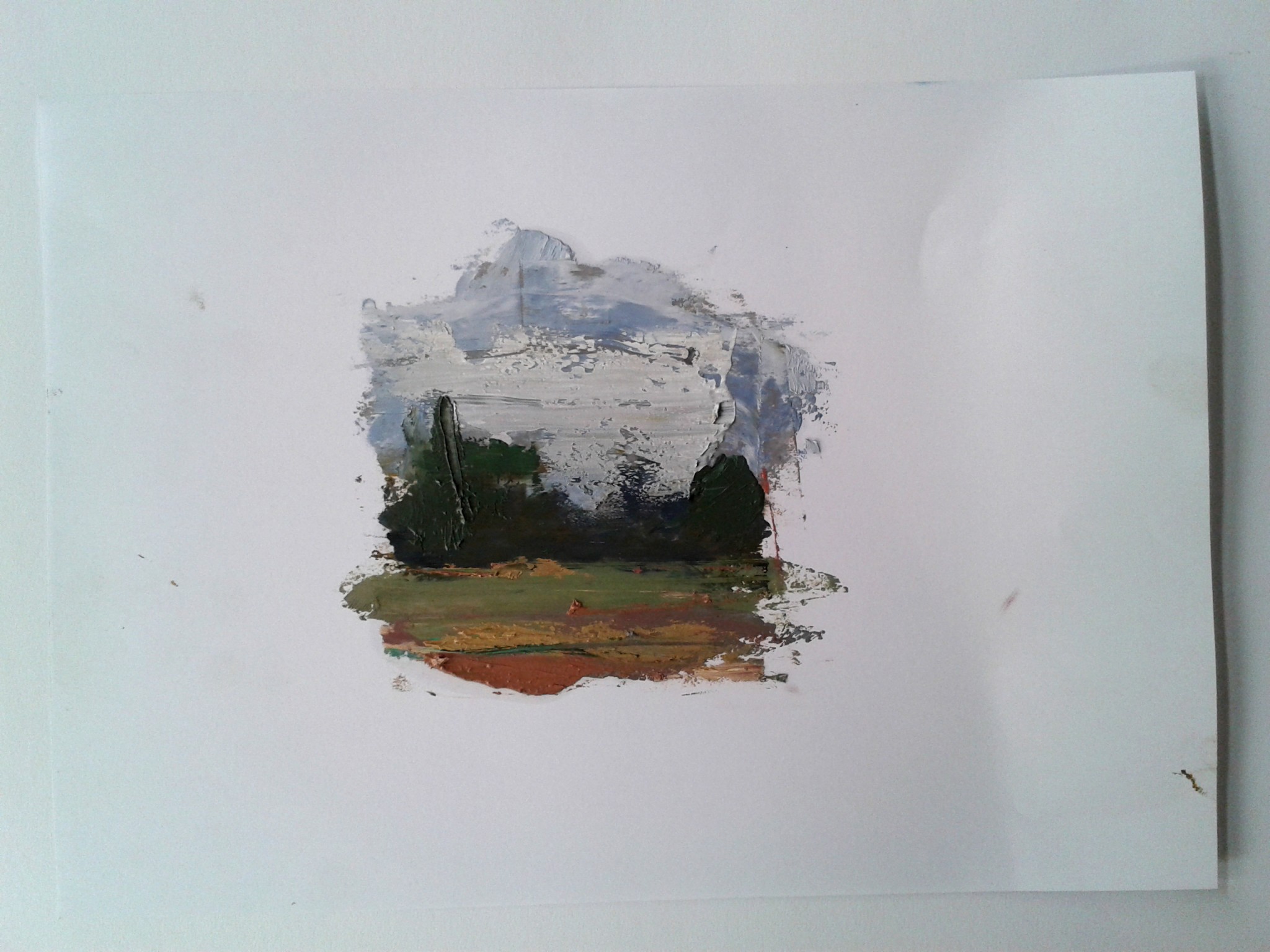
חלק ניכר מהציור שהוצג היה בלתי מזיק: לא גרוע במיוחד אך רחוק מלהיות מסעיר. בלט המיעוט היחסי בעבודות גדולות כנראה משום שבמגדלים החדשים הקירות הגדולים ביותר הם קירות הזכוכית הפונים לנוף שמהווה תחרות קשה לאמנות. כך גם אלה אמיתי סדובסקי שמאופיינת דווקא בעבודות גדולות הוצגה עם עבודות קטנות. בין אם מתוך אמונה בטעמו האמנותי המעודן ועניין אינטלקטואלי של הקהל או מגבלות של גודל קיר בלטו רישומים משובחים: העבודות של אורלי סבר (שהדרך כלל אני חושבת עליה בהקשר לעבודות המיצב והאובייקטים שלה) מעולות, כך הרישומים המרתקים של אלה ליטביץ, שבלטה לטובה

small landscape by Ido Marcus.

small landscape by Ido Marcus.

ב”צבע טרי ” לפני שנה, ליאב מזרחי, וגם הקבץ ציורי הנוף הקטנים של עדו מרקוס.
צילומים דיגיטליים קטניים של אמיר יציב יפים מאד (אבל חסרו עבודות הוידיאו שלו). מיכל בר אור הציגה שורת צילומים מסקרנים בהכלאה של השפעות מאן ריי ומה שהייתי מכנה מסורת הצילום הישראלית של אחרי קום המדינה,

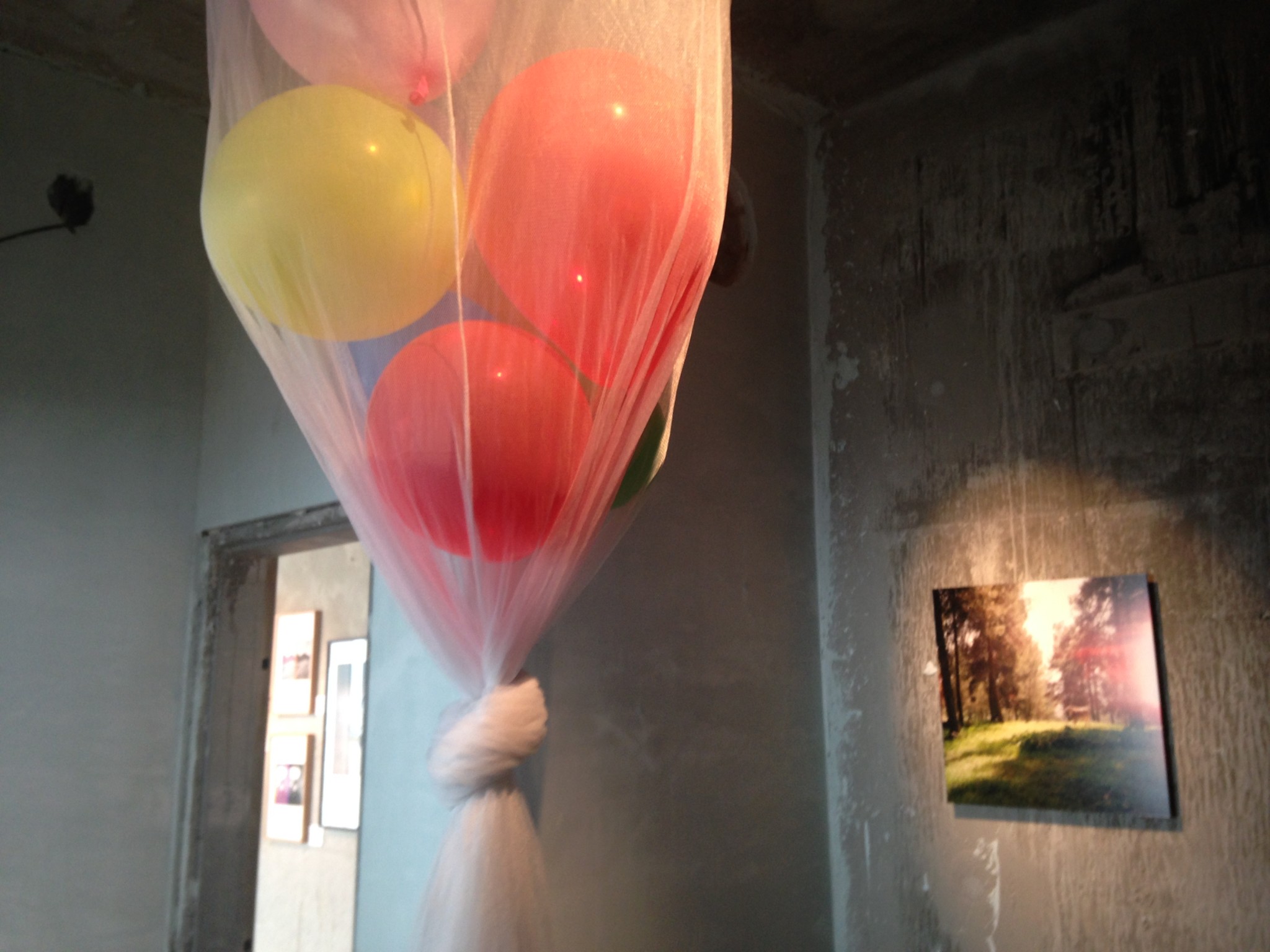
ובולטים גם הצילומים הדשנים של אנה חייט וסלבה פרסקי . תמר לטמן פירקה את הצמח יהודי נודד ויצרה קבוצה יפה מאד של מה שנראות כפיקטוגרמות ומסקרן לראות עוד מהן.הפרויקטים המיוחדים אינם הצד החזק של התערוכה : סיגלית לנדאו יחד עם יותם פרום מציגים את המיצב “מרחב מוגן דירתי (במ”מד) ” שמנוסח כאמירה חד ממדית : בלונים כלואים בכילה נגד יתושים, צילום של פרה באחו. הדיבור על חופש לעומת כליאה נשאר ריק.

Sigalit Landau,  Yotam Fromm, Reinforced Home Space (Mamad)

Sigalit Landau, Yotam Fromm, Reinforced Home Space (Mamad)

אורי לוין מוצגת בחלל של Start במה שנראה כניסיון מוקדם מידי למקסם רווחים. , חזרה גנרלית, עבודה המוצלחת של לוין,המוצגת בימים אלו במוזיאון הרצליה מורכבת מעבודות וידיאו קצרצרות שהן הקרנה לאחור של מציאת אם האמנית לאחר שמתה מוות אלים מאד(כך שהיא קמה לתחיה). ההומור סלפסטיק, יחד עם הנגיעה בפחדים קמאיים מצוין. העבודה עברה פרוק לתצלומי סטילס, בעיקר של רקוויזיטים של אלימות כמו אמבטיה מרוחה בדם וכידי להחיות אותם אפשר להביט בהם דרך אפליקציה באייפד שפועלת בטכניקה של מציאות רבודה AUGMENTED REALITY. בניסיון לאמץ סוג כזה של חדשנות לצפייה בעבודות אמנות יש משהו פתטי כמו סרט מדע בדיוני ישן, בעיקר כשעבודת הוידיאו עצמה התייחסות לסוג של הומור קולנועי בעל מסורת ארוכה. מיצב מצוין הוא ניסוי כלים SOUND CHECK של נבט יצחק. הצליל והמראה הקלידוסקופי יוצרים חוויה על אובייקט קטן בחלל שנשארת כמנגינה בצופים.

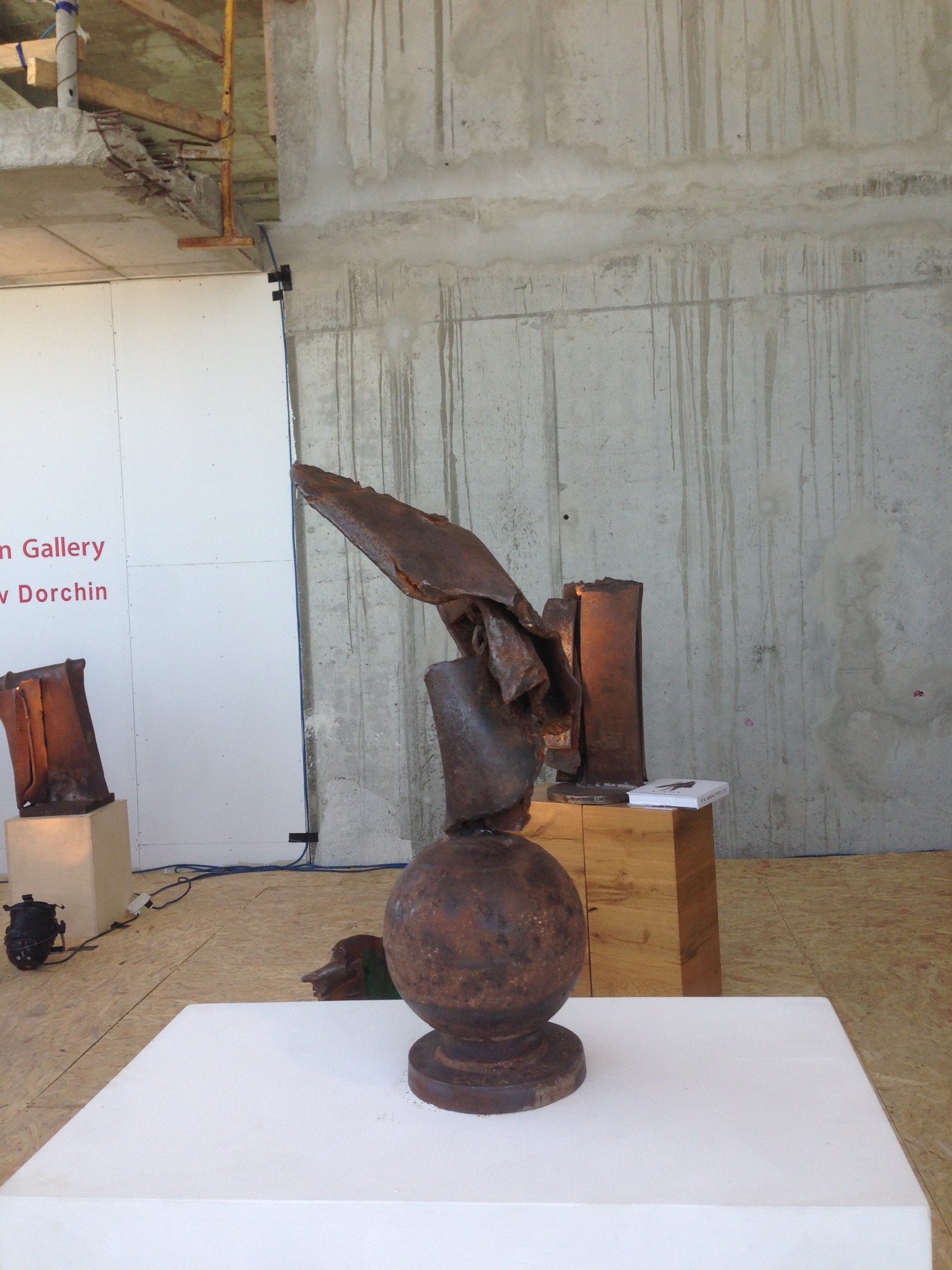
Yaakov Dorchin Small Angel

Yaakov Dorchin Small Angel

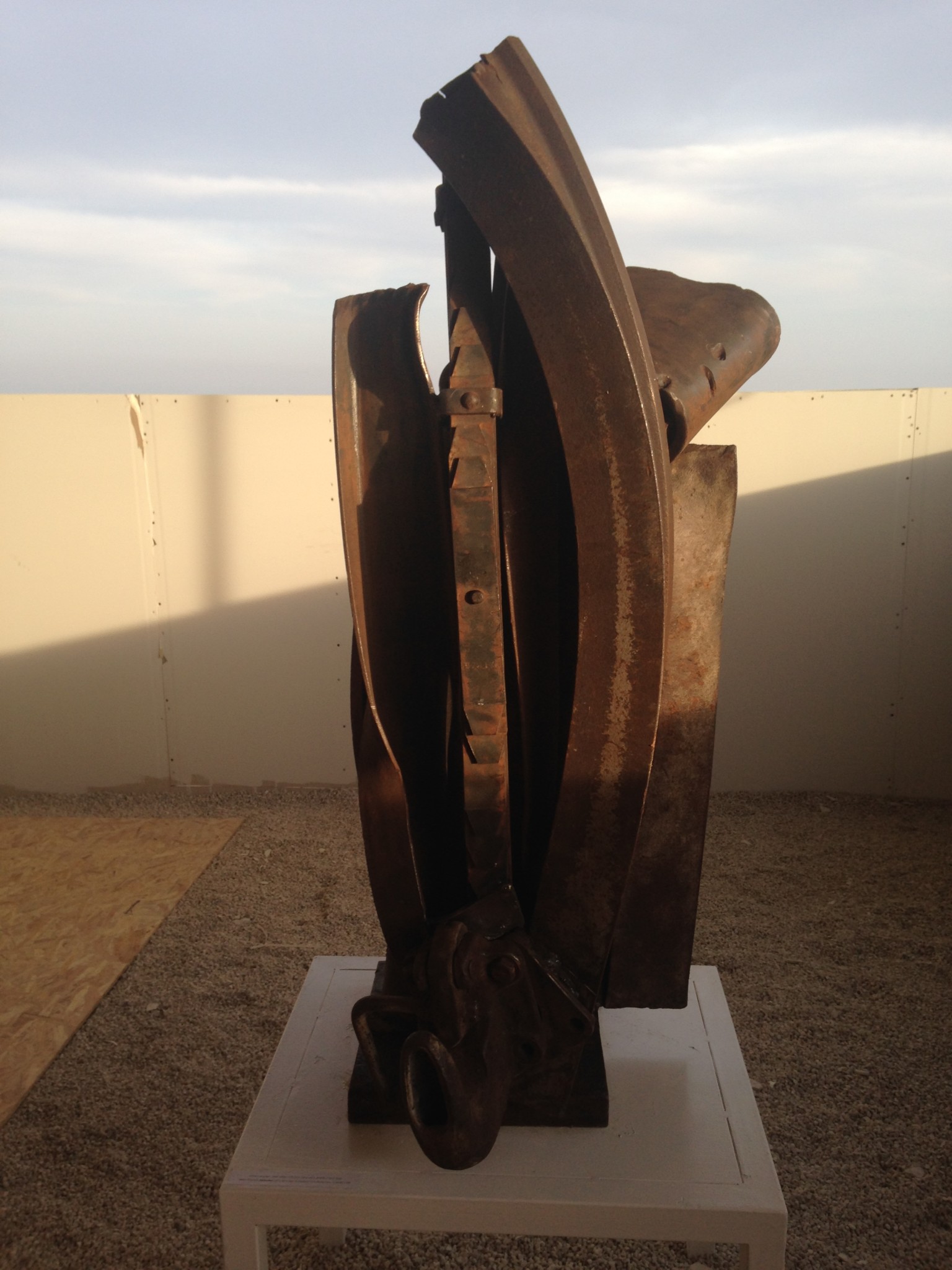
גלריה גורדון מציגה במרפסות הפתוחות של הקומה ה 40 עבודות של יעקב דורצ’ין, פסלים העומדים בחלל ולא עבודות קיר ( ושוב מצוקת הקירות לאמנות ). העבודות יפות ביותר, חלקן מפעימות ממש. מחווה לאנתוני קארו נפלא ופסל של מלאך קטן, מתכת קרועה על כדור מתכת מושלם וחלוד יוצר אסוציאציה כמעט בלתי נמנעת ללב ליבה של מסורת האמנות המערבית, ניקי מסמותרקי (200 לפנה”ס)  שמצויה בלובר.  .

הקלישאה כל כך מתבקשת – מלאכים בשמי תל-אביב


הרשמה לניוזלטר הפירסומי   של החלוןwww.smadarsheffi.com/?p=925
(הרישום נפרד מהרישום לבלוג )

סיור בביתו של ניסים כחלון בחוף סידניעלי –  בית שהוא יצירת אמנות. פרטים על הסיור המיוחד בעמודת הסיורים  

Special Edition of Fresh Paint

Last night’s special Edition of Fresh Paint at the Meier on Rothschild Tower (also on today, Friday, until the afternoon), was very direct in its intent: it was a sales event for clients of the Berggruen construction company, builders of luxury housing, and especially for the more affluent purchasers who attend the Fresh Paint Fair.

The art was displayed on the top floors of the Tower and the future lobby, spaces under construction, but very easy to visualize the prestigious finished outcome. This is a distilled attempt to crack the formula of what sells, in precisely the spaces that a complex mechanism of artists, gallery owners, consultants and designers strive to reach as the destination (or nearly final destination) for works of art. From an art historical and critical viewpoint, it is interesting to see where the formula converges with high quality, and what tends to be trendy.

View from the 38th floor of Meier on Rothschild . (a glimpse on photographs by Anna Hayat and Slava Pirsky

View from the 38th floor of Meier on Rothschild .
(a glimpse on photographs by Anna Hayat and Slava Pirsky

The artists being exhibited here have been presented over the past seven years in the “Incubator” section, and since then have made their way in the art world. It was disappointing to discover excellent artists whose weaker works are exhibited here, such as a photography series by Ohad Matalon, which is far from his best, or Orly Homel, represented here by white sculptures. (We can almost imagine hearing an interior decorator exclaiming, “They integrate well”). Ronen Shaharabani is showing two very good video works in the lobby, but too bad that his bronze statues, of much lesser quality than his videos, are on displayas well.

The most that can be said of much of the painting is that they are harmless; not very bad, but far from exciting. The many small-scale works on exhibit may apparently be attributed to the relative lack of walls suitable for hanging art, apparently because the largest portion of walls in the new residential towers are glass walls facing the view, stiff competition for the artwork. Even an artist identified with large-scale paintings, such as Ella AmitaySadovsky, was represented by small works.

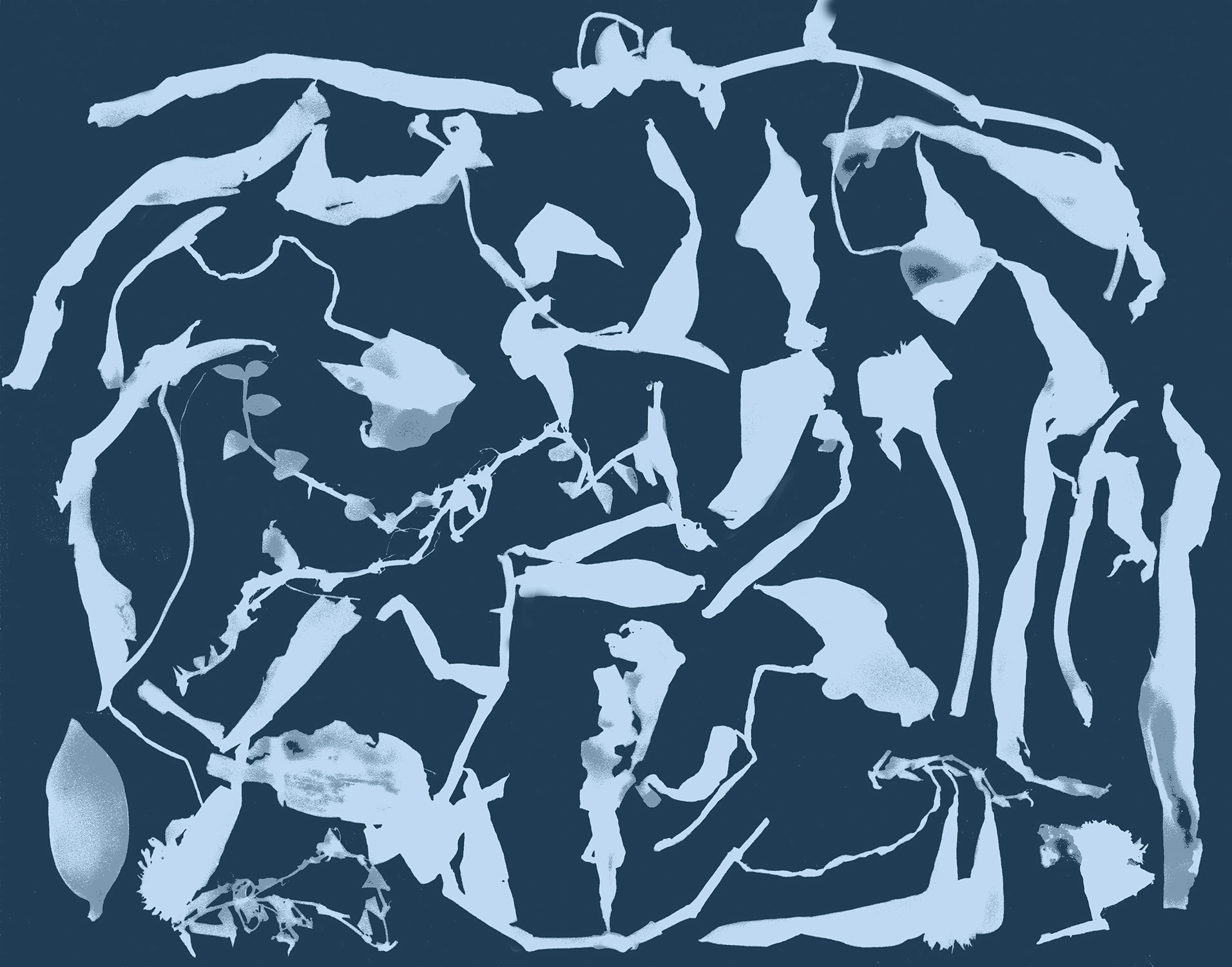
No matter whether based on a faith in refined artistic taste and intellectual interest by the audience, or limitations of the size of a wall, many excellent drawings were in evidence. Works by Orly Sever (whom I usually associate with her installations and objects) are superb, as are the delicate/ refined drawings by Ella Littwitz, who was one of the noticeable artist’s in last year’s Fresh Paint, works by Liav Mizrahi, and the group of small landscapes by Ido Marcus.

Ella Littwitz,

Ella Littwitz,

Small-scale digital photographs by Amir Yatziv catch the eye (but I miss his video art). Michal Bar Or exhibited a series of intriguing photographs, a hybridization of Man Ray’s influence and what I would callpost-1948 Israeli photography. Also outstanding are Anna Hayat and SlavaPirsky’salmost Baroque photographs. Tamar Latzman dismantled the Wandering Jew plant to create a very beautiful group of what look like pictograms, which make me want to see more._¬___¿ _£_____ƒ 1

The special projects are not the Fair’s forte: Sigalit Landau, together with Yotam Fromm, has installed a Reinforced Home Space (Mamad) in an actual reinforced shelter within the house, is a one-dimensional statement of freedom vs. imprisonment: balloons trapped in a mosquito net, next to a photograph of a cow in a meadow.

Ori Levin is showing in the “Start” space, a platform which seems to be commercial too early, in an attempt to maximize profit.Dress Rehearsal, Levin’switty piece now on exhibit in theHerzliya Museum of Contemporary Art, is composed of short videos forming a history screened in reverse, the story of the artist’s mother ‘s resurrection after her violent death. The slapstick humor, with its touches of existential fears, is excellent. Here, the work was deconstructed into still photograph, with the requisite scenes of violence, such as a bathtub with bloodstains. The photographs may be animated using the Augmented Reality app on one’s i-pad. This attempt to use a contemporary innovation to view the artwork is pathetic, like viewing an old science fiction film which seems sadly absurd, especially since the video art itself refers to a longstanding tradition of cinematic humor.

Michal Bar Or

Michal Bar Or

Sound Check, is a well-done installation by Nevet Yitzhak. The sound and the kaleidoscopic look create an experience on a small object in space, which lingersin viewers as a melody in viewers.

 Yaakov Dorchin homage to Anthony Caro

Yaakov Dorchin
homage to Anthony Caro

High on the 40th floor, the Gordon Gallery is exhibiting works by Yaakov Dorchin on the open balconies. They stand in space and are not wall pieces (the same issue of walls for art.). These are extremely beautiful, and some are quite moving. There is a wonderful piece in hommage to Anthony Caro. A statue of a small angel, with ragged metal on a perfect sphere of rusted metal, creates the nearly inevitable association to the very core of western art: the Nike of Samothrace (200 BCE).

The cliché is inevitable: Angels over Tel Aviv.

***

a tour of Nissim Kahalon’s house on the Sidni Ali beach in Herzliya. This is a house which is a work of art in itself, and the visit a unique experience. Please see details in the Art Tour column.

To sign up (separately) for the Window’s weekly informational advertising newsletter on art, special events, and openings:www.smadarsheffi.com/?p=925


Posted in וידיאו, פיסול ומיצב, ציור, צילום | Comments Off on צבע טרי Special Edition Fresh Paint

סמדר שפי, החלון, אומנות ישראלית, אמנות ישראלית, Smadar Sheffi, The Window, Israeli Art