60 RPM/ Merav Svirsky |שישה סיבובים לדקה- מרב סבירסקי

Please scroll down for English

שישה סיבובים לדקה- מרב סבירסקי

באופן המתומצת ביותר אפשר להגדיר “חיים” כנושא תערוכתה של מרב סבירסקי – שישה סיבובים לדקה.
חיים במובן הבסיסי של תנועה והשתנות תמידית כניגוד לדומם ולמת. בנזילות, בפתיחות, בקצביות במחזוריות ובחזרתיות וגם בחשש ובמלנכוליה ובעיקר באי הוודאות לגבי מסגרת זמן הפעולה שנותר, שאפשרי , סבירסקי מצליחה לנגוע בליבה של הדרמה בחיפוש אחר הזמן האבוד, כשם היצירה של פרוסט שהביעה, ולא פחות מכך עיצבה את חווית הקיום המודרני, לפחות בעולם המערבי.
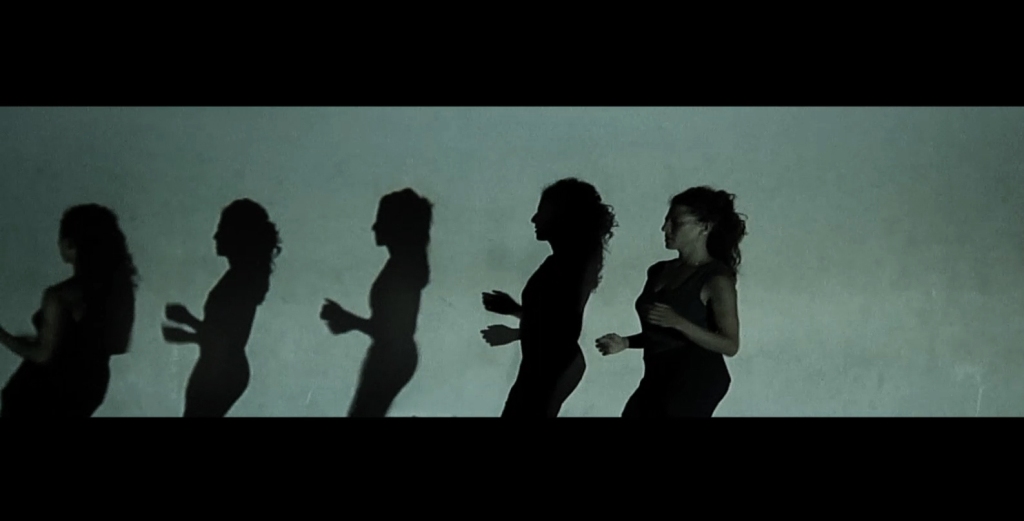
Triple Duet for One

Triple Duet for One

ניסיון לתאר את התחושה בתערוכה מעלה על הדעת את מלאכת המחשבת המילולית של תיאור האזנה לפראזה (משפט) מוסיקלי שכתב פרוסט
...אבל ברגע מסויים, מבלי שיוכל להבחין בבירור בקו מיתאר חד, לתת שם למה שמשך את לבו, לכוד בחבלי קסם, ניסה ללקוט את הפראזה או ההרמוניה – לא ידע מה – שחלפה ופתחה את נפשו לרוחה כריחות ורדים מוכרים החגים באויר הערב הלח וטיבם שהם מרחיבים את הנחיריים….
בקצב איטי הוליכה אותו הפראזה תחילה לכאן, אחר לשם, ואז למקום אחר, אלי אושר נאצל, מפוענח ומדויק. ופתאום, לאחר שהגיע לנקודה מסוימת שממנה התכוון לעקוב אחרי הפראזה, כעבור שהות של כלום, שינתה כיוון במפתיע, ובמפעם חדש, מהיר יותר, שברירי, מלנכולי, מתמשך ורך… אחר כך נעלמה.,….
בעקבות הזמן האבוד בצד של סוואן חלק שני, אהבה אחת של סוואן מרסל פרוסט עמוד 24-5,(תרגום הלית ישורון)
התיאור של החומק,של העובר, אך המוחשי קורא לזיכרון את פרוסט, אך בעוד הוא כתב ,כנראה, על המוסיקה בתקופתו, ברוח ה בל אפוק הצרפתי, הרי בעבודות של סבירסקי מקופלות גם שכבות אפלות של זיכרון, רוויות בהתבוננות על ההווה.
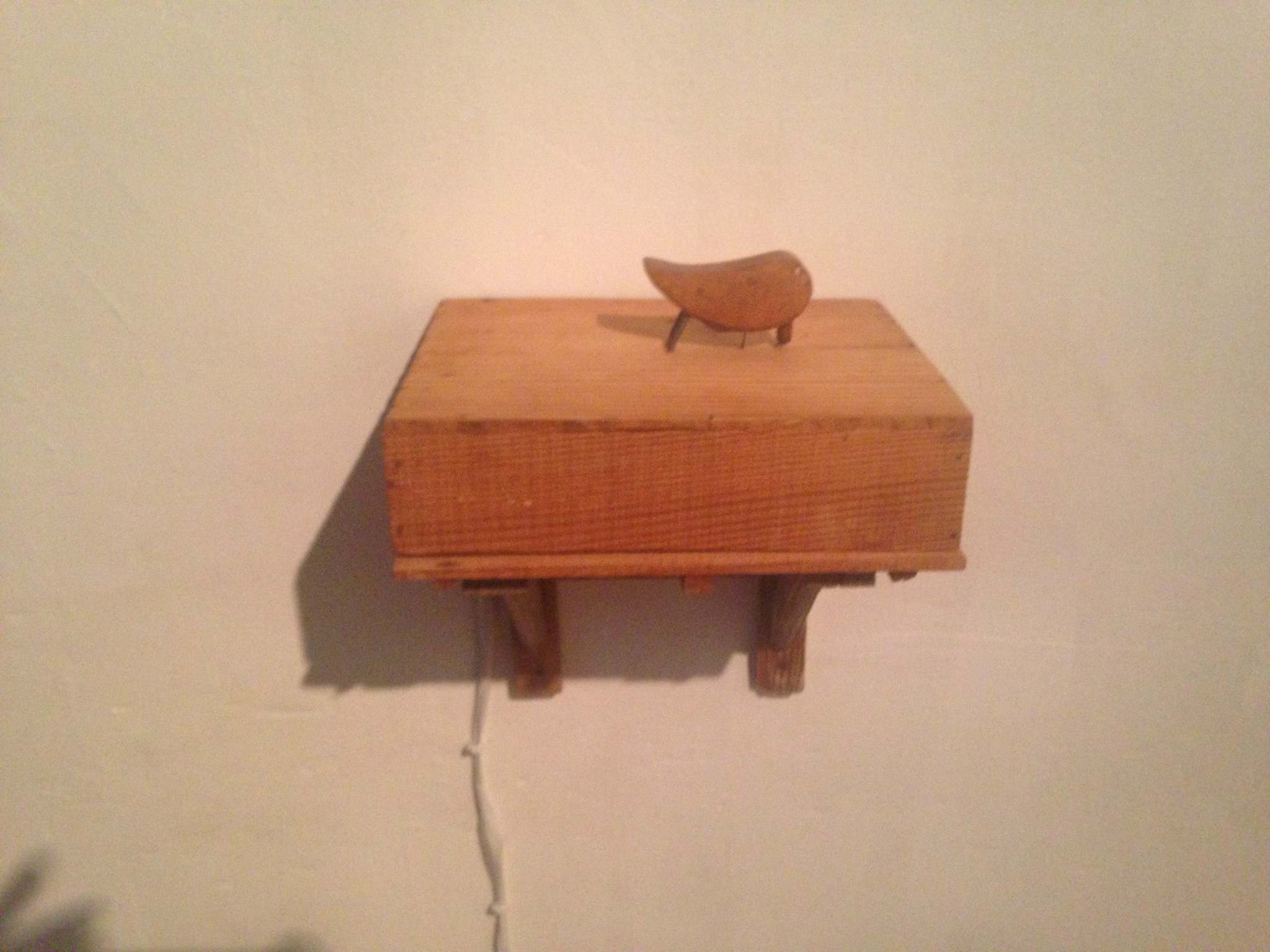
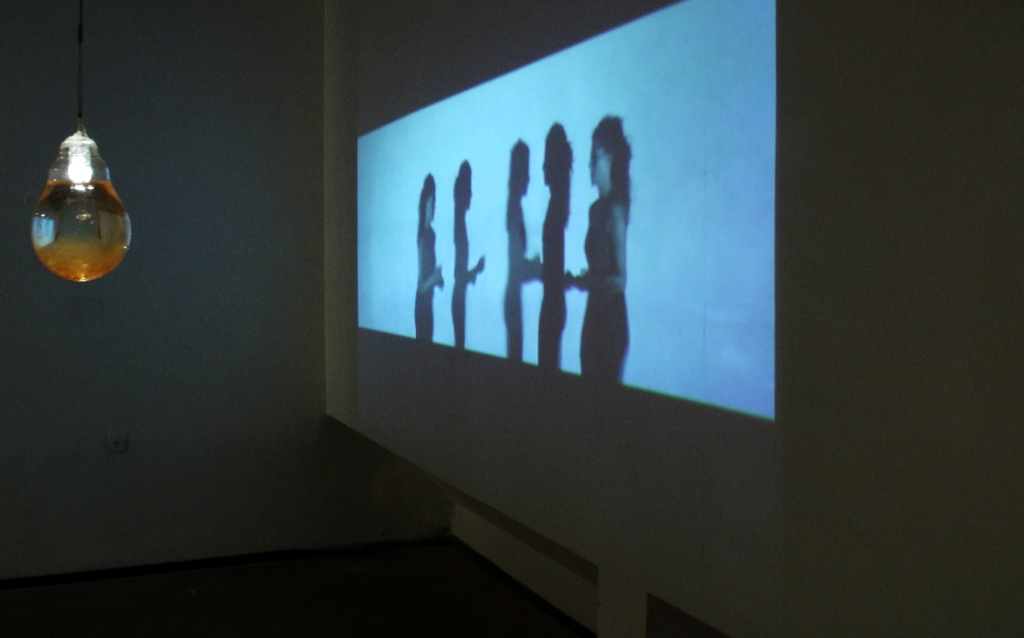
IMG_4908הרושם הראשון בכניסה לחלל הקטן והנמוך של גלריה קו 16 הוא צליל הנקישה החוזר והקצבי בעץ שנוצר בעבודה נקר, קופסת עץ שעליה נוקש שוב ושוב מה שנראה כסילואטת דמות ציפור מסרט אנימציה. אחרי זמן קצר מתברר הקשר של הקצב לעבודת הוידיאו (האילמת) דואט משולש ליחיד. הרקדנית שני בן-חיים , רוקדת צעדי סלסה בסיסים, הוסרטה ושוב כאשר בכל פעם רקדה עם עוד הקרנות של צלליותיה שלה, במה שהפך מריקוד זוגי לריקוד של שש דמויות. העבודה מראה פיצול של האני ומהדהדת את אחת הקואן הבודהיסטי מה הצליל של מחיאת כף יד אחת?. סבירסקי (רקדנית בעברה) יוצרת בעבודה שוויון בין הנוכחת,הרקדנית , לצל , לאין ,ולעוד ועוד הכפלות שלה כדיבור על הריק כמצב של יש.
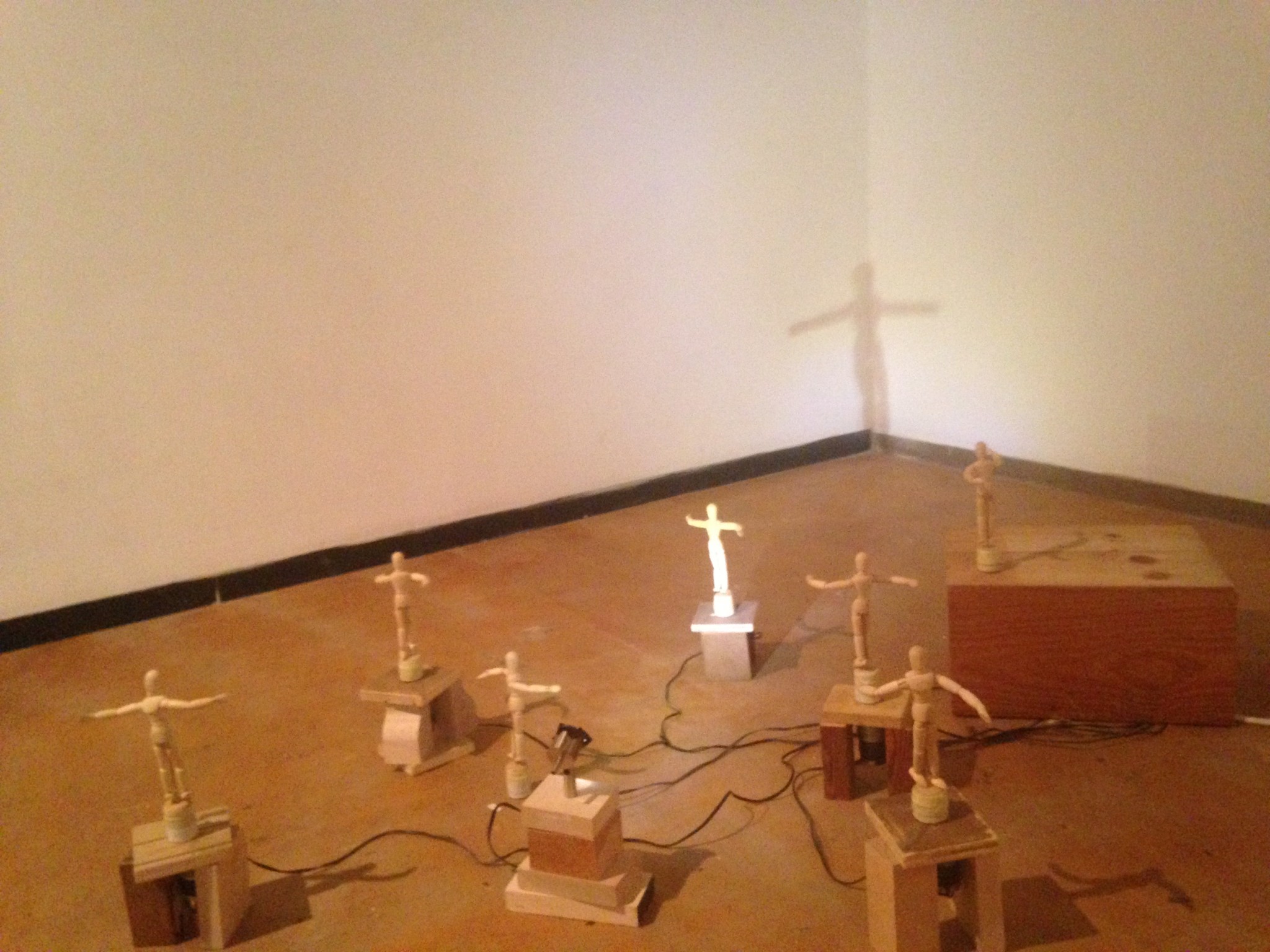
IMG_4911דיון דומה , בעל גוון טרגי יותר חוזר בעבודה ללא כותרת המורכבת מבובות קטנות לציור שמסתובבות על צירן על פדסטלים זעירים. הן מוצבות כך שמשבע בובות, רק צילה של אחת מוטל על פינת החדר. הבובות מעלות על הדעת את בובות הבלרינה המסתובבות בתיבות נגינה אך האסוציאציה המרכזית היא לעבודות הצלליות של כריסטיאן בולטנסקי Les ombres bougies, TOT, 2008 (צלליות הנרות, מוות – שם העבודה מורכב מצרפתית וגרמנית) עבודה מבובות נחושת ותאורת נרות שמקופל בה הדימוי האירופאי של ה Danse Macabre, ריקוד המוות, דימוי מימי הביניים בו שלדים של דמויות מכל המעמדות מרקדים יחד, ביטוי לניצחון המוות והאוניברסאליות שלו. קריאת העבודה של בולטנסקי, שהשואה היא ציר מרכזי ביצירתו, כרוכה באסוציאציות לזוועות ההשמדה והמלחמה.
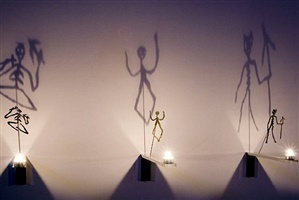
Christian Boltanski, Les ombres bougies, TOT (2008)

Christian Boltanski, Les ombres bougies, TOT (2008)

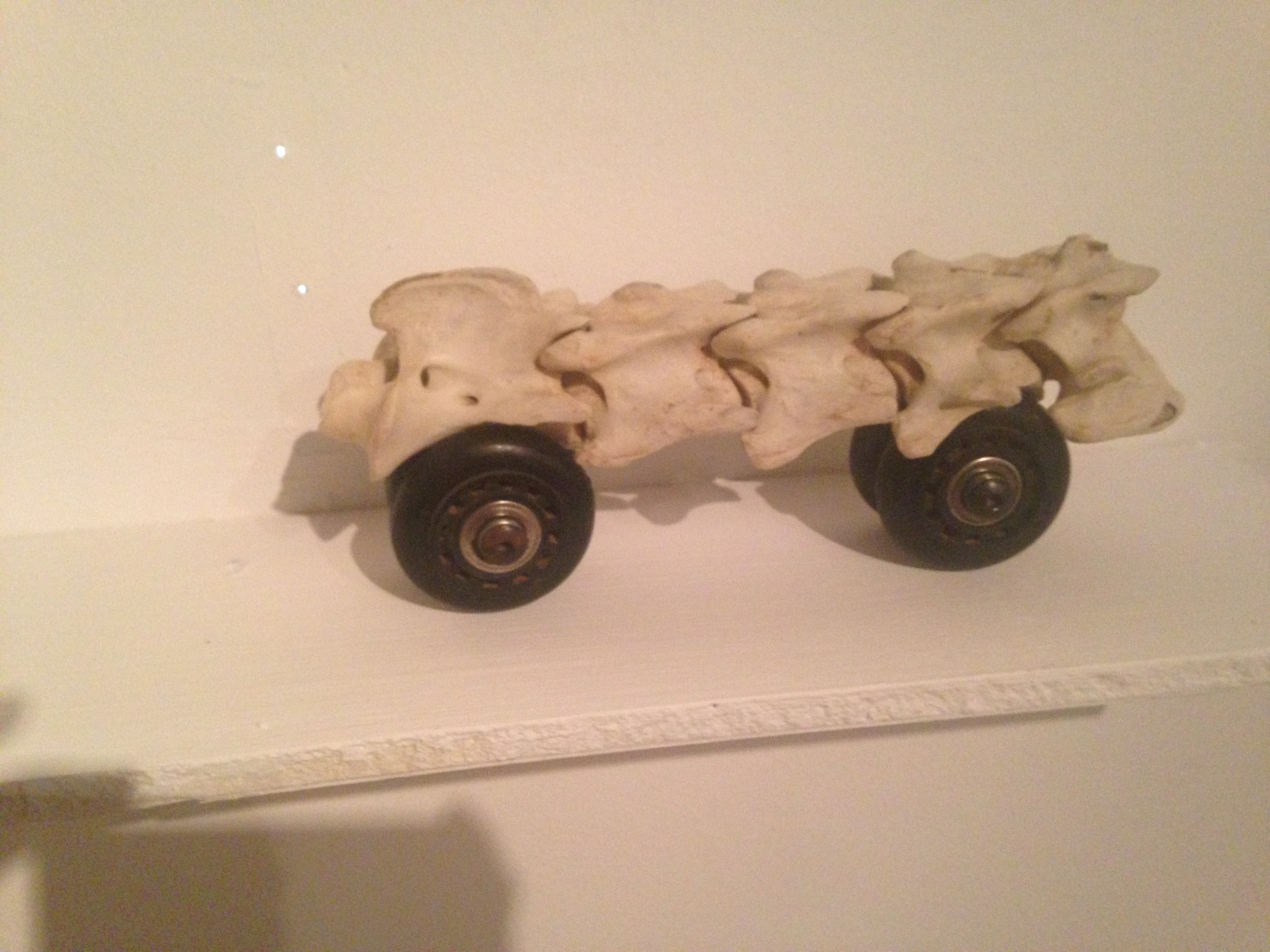
        מעגל האסוציאציות הזה מתחדד למול עבודה נוספת של סבירסקי ללא כותרת של חוליות שלד מעמוד שידרה של חיה,אותה מצאה, והרכיבה על גלגלי פלסטיק ,יחידה שאינה נעה למרות פוטנציאל התנועה והקשריה לקרונות ורכבות ברורים.
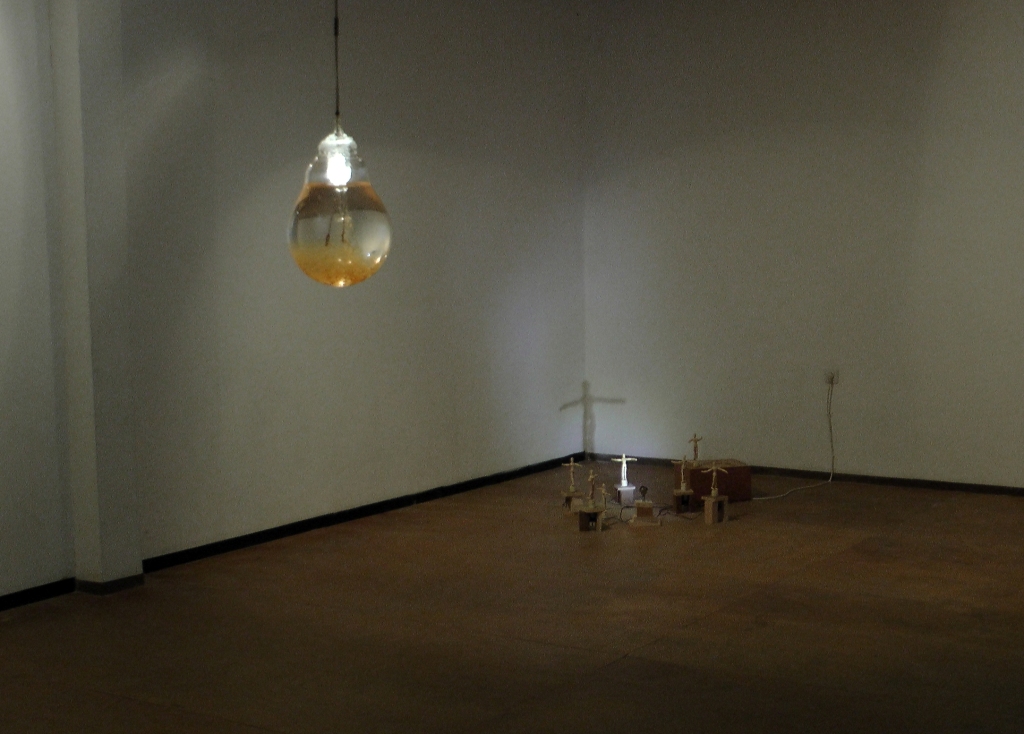
           יפה מאד היא נורה, נורת ליבון התלויה מהתקרה , מלאה במים ומאירה וחלודה מצטברת בקרקעיתה. החלודה הולכת ומתפתחת במהלך התערוכה ,הופכת את תחתית המנורה לכתמתמה יותר, למסתורית יותר .
Bu

Bu

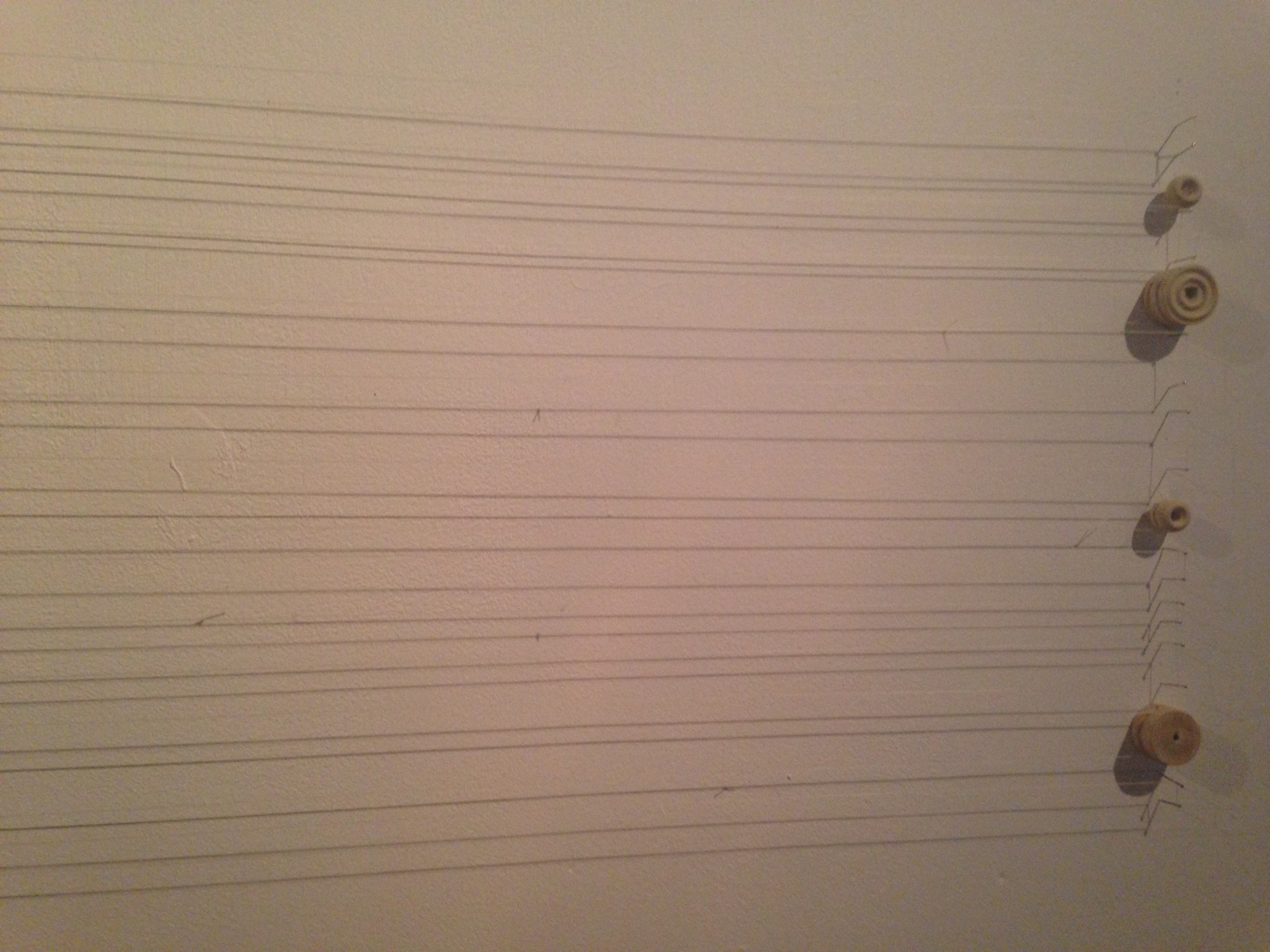
עבודה ללא כותרת שבה חוטים מתוחים שקשורים במקומות שונים נעים על גלגלי גומי היא אמנם ללא צליל אך נדמה שהוא עולה ממנה. יש משהו מחויך בעבודה שמעלה על הדעת חמשה (שורות לכתיבת תווים) , או חוטי חשמל עליהן יושבות ציפורים משום שהקשרים הקטנים יוצרים על הקיר צל נע הנראה כרישום סכמטי של ציפור .
שם התערוכה נשמע כמושג מעולם האלקטרוניקה או המכניקה . הוא מומצא, כך שהמילים, כמו העבודות מדברות על מה שנשמע כתכליתי אך הופך לשירה, למעגל של משמעויות שנובעות זו מתוך זו, של מחשבות והתבוננות, נבונה ויפה להלל.
אוצרת: רווית הררי

גלריה קו 16, במרכז הקהילתי בנווה אליעזר ג’ 13:00-10:00, ד’-ה’ 20:00-17:00.
הרשמה לניוזלטר הפירסומי השבועי של “החלון” בנושאי אמנות, אירועים ותערוכות חדשות – www.smadarsheffi.com/?p=925
(הרישום נפרד מהרישום לבלוג )

60 RPM/ Merav Svirsky

The theme of Merav Svirsky’s exhibition, 60 RPM, can be encapsulated as “life,” in its most basic sense of movement and perpetual motion, in contrast to still lifeand death.
With liquidity, openness, rhythm, cyclicality and repetition as well as with fear and melancholy but mainly with uncertainty as to how much time and possibilities remaining in life, Svirsky touches upon the core of the drama in her search for lost time. Her work brings to mind the title of Proust’s masterpiece which expressed and shaped the experience of modern existence, at least in the West.
Triple Duet for One and Bulb

Triple Duet for One and Bulb

The attempt to describe the overall feeling of the exhibition brings to mind Proust’s carefully-crafted verbal description of hearing a musical phrase:
….But at a given moment, without being able to distinguish any clear outline, or to give a name to what was pleasing him, suddenly enraptured, he had tried to collect, to treasure in his memory the phrase or harmony – he knew not which – that had just been played, and had opened and expanded his soul, just as the fragrance of certain roses, wafted upon the moist air of the evening, has the power of dilating our nostrils…
With a slow and rhythmical movement it led him here, there, everywhere,towards a state of happiness noble, unintelligible, yet clearly indicated. And then, suddenly having reached a certain point from whichhe was prepared to follow it, after pausing for a moment, abruptly itchanged its direction, and in a fresh movement, more rapid, multiform, melancholy, incessant, sweet, it bore him off with it towards a vistaof joys unknown. Then it vanished…
(Swann’s Way, volume one of Remembrance of Things Past)

The description of the elusiveness, of what passes by but is concrete, brings Proust to mind; he wrote about music in his era, the French Belle Epoque, but Svirksy enfolds darker layers of memory in her works, saturated with observation of the present.
At the entrance to the small and low space of the Kav 16 Gallery, the most striking feature is the repetitive, rhythmical knocking on wood coming from the workIMG_4908 Woodpecker, a wooden box on which what seems like the silhouette of a cartoon bird. After a short time, it is associated to the rhythm of the silent video Triple Duet for One. Dancer Shani Ben-Haim was filmed dancing basic salsa steps, and once again dancing with her silhouette projected next to her again and again, transforming the solo into six figures. The work shows a split ego, resonating with the Buddhist koan, “What is the sound of one hand clapping?” Svirsky, who used to dance, equates presence, shadow and absence, speaking about the void as a situation of being.

Untitled

Untitled

A similar discussion with a more tragic aspect may be found in her complex installation of small painting mannequins, turning on their axes, each on a tiny pedestal. They are installed so that out of the seven mannequins only one casts a shadow onto the corner.
The mannequins are reminiscent of a revolving music-box ballerina, but the main association is to the silhouette work by Christian Boltanski, Les ombres bougies, TOT (2008), a title composed of French – silhouettes of the candles – and German – Death. This is a piece made of copper dolls illuminated by

Christian Boltanski, Les ombres bougies, TOT (2008)

Christian Boltanski, Les ombres bougies, TOT (2008)

candles, embodying the medieval European image of the danse macabre – the dance of death, in which skeletons from all classes of society dance together, expressing Death’s triumph and universality. Reading Boltanski’s oeuvre, in which the Holocaust is a major axis, involves associations to the horrors of genocide and war.
This circle of associations becomes sharper when confronted with another of Svirsky’s piece, made of animal vertebrae which she found and placed on plastic wheels. The unit does not move despite its potential, making a clear association to trains.IMG_4910
Another excellent piece is Bulb, hanging from the ceiling but full of water; it illuminates, but rust has accumulated in its bottom, developing during the exhibition and staining the lower part of the bulb more and more, making it more mysterious.
The untitled piece with strings stretched and tied in various places and which moves on rubber wheels is soundless but a sound seems to arises from it. It elicits a smile, suggesting a musical score, or perhaps electrical wires on which birds are sitting, since the small knots create a moving shadow on the wall, which looks like a schematic drawing of a bird.
IMG_4922
The title of the exhibition sounds like something from the field of electronics or mechanics. The words, like the works, speak about what seems decisive but which turn into poetry, into a cycle of meanings arising from one another, of thoughts and contemplation, intelligent and beautiful works.

Curator: Ravit Harari
Kav 16 Gallery, Neveh Eliezer Community Center

To join the mailing list (separately) for the Window’s weekly informational advertising newsletter on art, special events, and openings: www.smadarsheffi.com/?p=925
 

Posted in וידיאו, מחול, פיסול ומיצב | Comments Off on 60 RPM/ Merav Svirsky |שישה סיבובים לדקה- מרב סבירסקי

Apparition|Some thoughts on painting following a visit to Alon Porat’s studio

Please scroll down for English

Apparition

תאריכי הצגתה, עד סוף אוגוסט, מגדירים את Apparition כתערוכת קיץ. במהותה מדובר בתערוכה שעוסקת, אולי במעורפל או בגמגום מסוים, בטבעם החמקמק של דימויים וזיכרון והיא רחוקה מלהיות קלילה. יש בה כמה עבודות מצוינות ,אחרות מענינות והחיבורים ביניהם נעשים במספר מישורים.

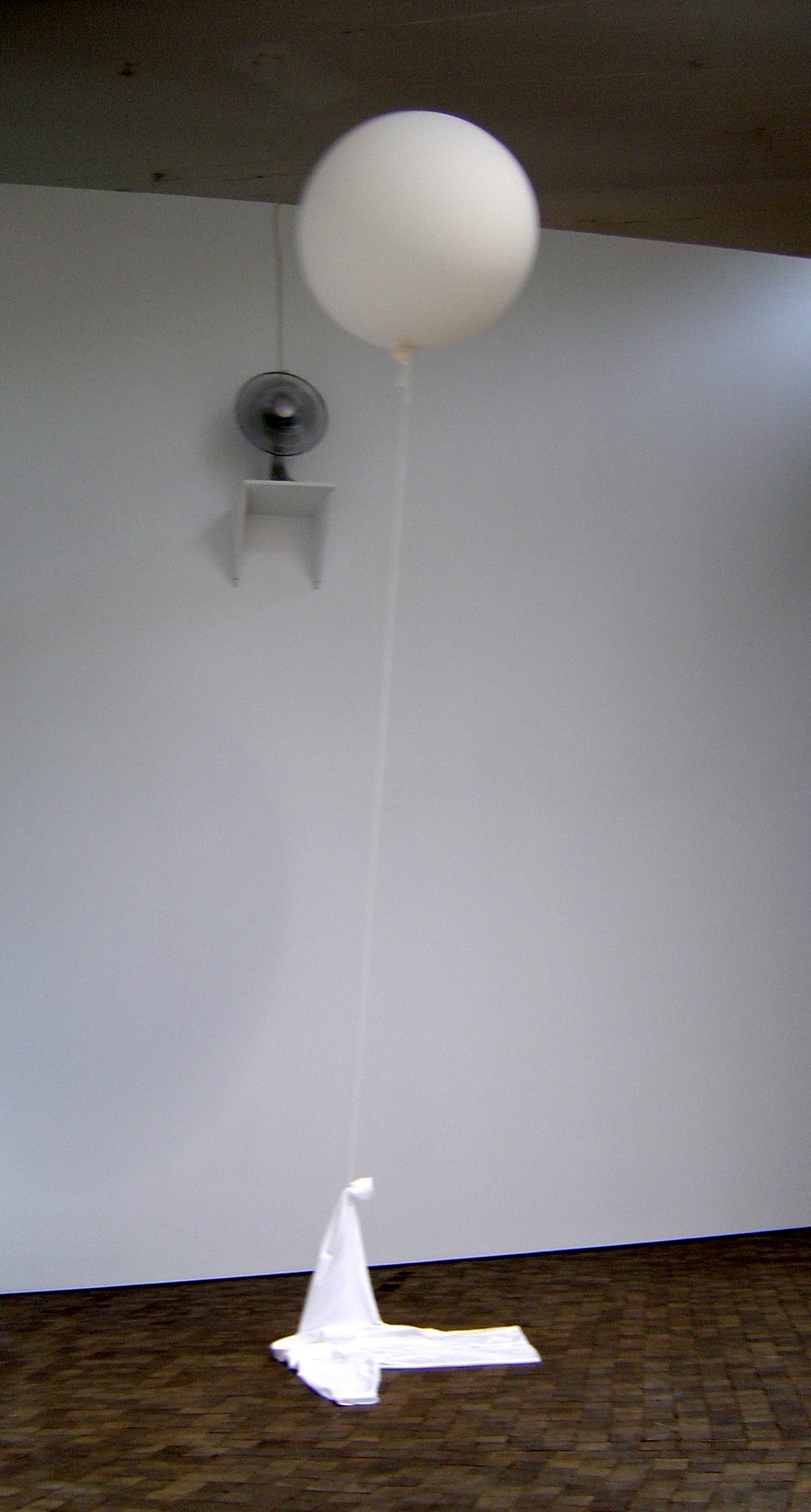
Roman Signer Hemd (Shirt), 1995

Roman Signer
Hemd (Shirt), 1995

המונח Apparition,כפי שכתוב בטקסט התערוכה הקצרצר, עשוי להתייחס להופעה על טבעית של אדם או דבר, במיוחד רוח רפאים או -פנטום; באסטרונומיה, המשמעות היא של מראה או זמן שבו כוכב שביט מתגלה.
בעבודה של רומן זינגר השוויצרי Hemd (Shirt), 1995 יש צרוף של הומור גרוטסק ותחושת שיבוש. חולצה לבנה פרושה על רצפת בגלריה כשבלון הליום לבן גורם לאחד השרוולים להתרומם. למרות שמנגנון העשייה חשוף זו עבודה מפתיעה, כאילו מת התעורר והטשטושו גבולות הדומם והחי . חולצת הגבר האוחזת בלון שמתקשר לילדות, הלבן והטוהר והמוות, הריקנות והמלאות, דבר אינו נותן מנוח.
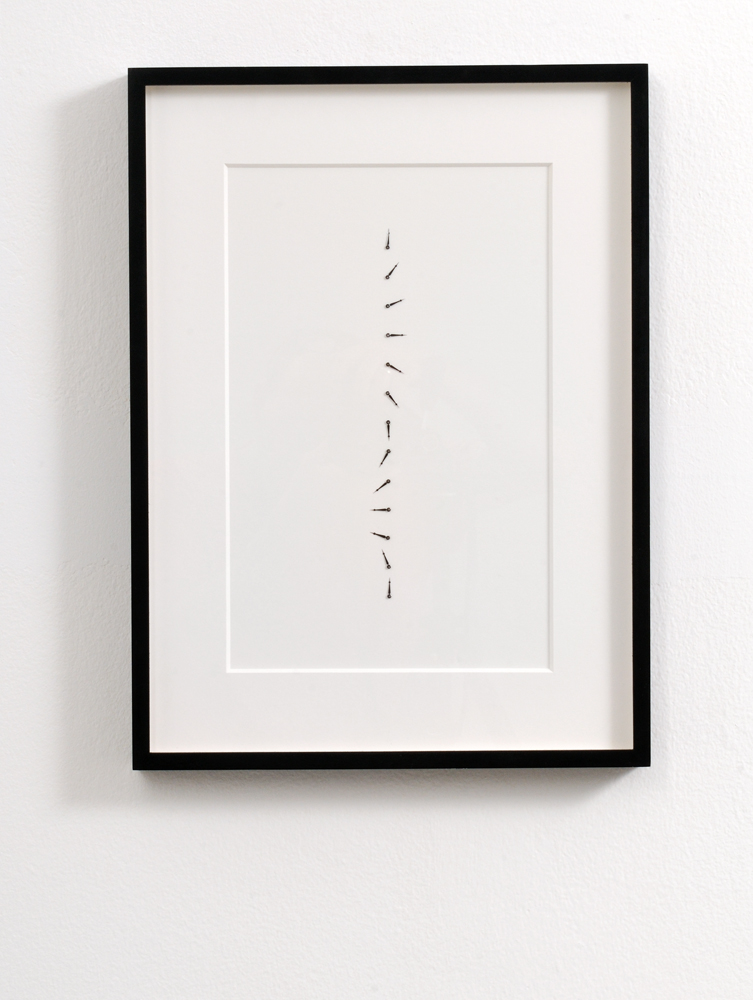
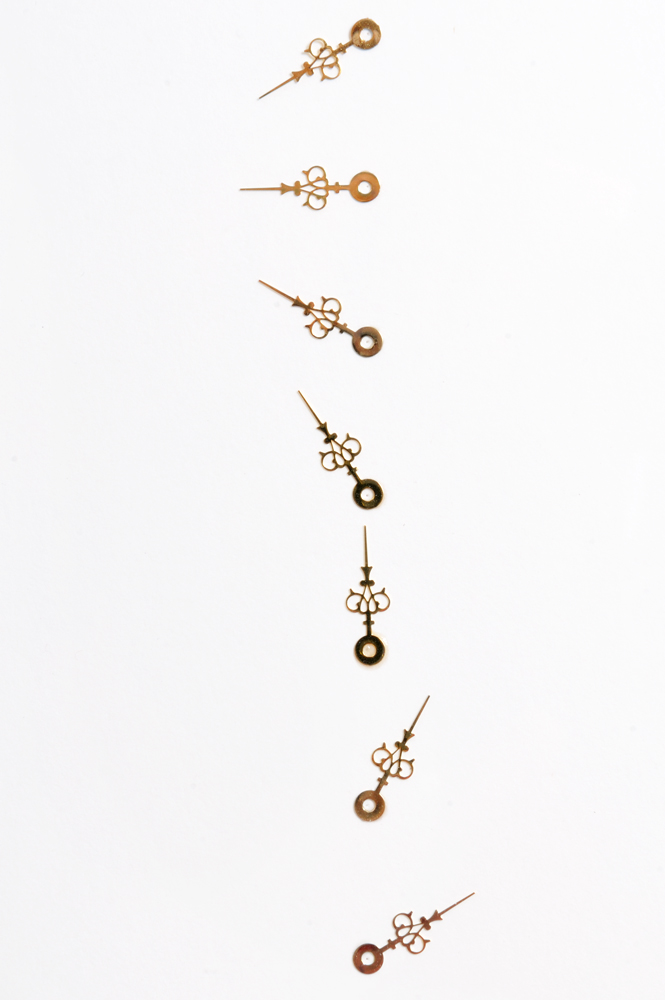
העבודות של האמנית הפולניה Alicja Kwade מקסימות. ממחוגי שעונים היא יצרה את העבודות 24 שעות ,48 שעות ו 72 שעות שלוש עבודות הנבדלות זו מזו בגודלן . הזמן נפרש כמו מגילה שמתארכת , עם יותר מחוגים שניראים כתווים, כאטיוד לחולף, לזמני. המוות, שצפון בזמן החולף נראה כמעט חביב , המחוגים הנכים -מתוקים.

Alicja Kwade 24 hours (detail)

Alicja Kwade 24 hours (detail)

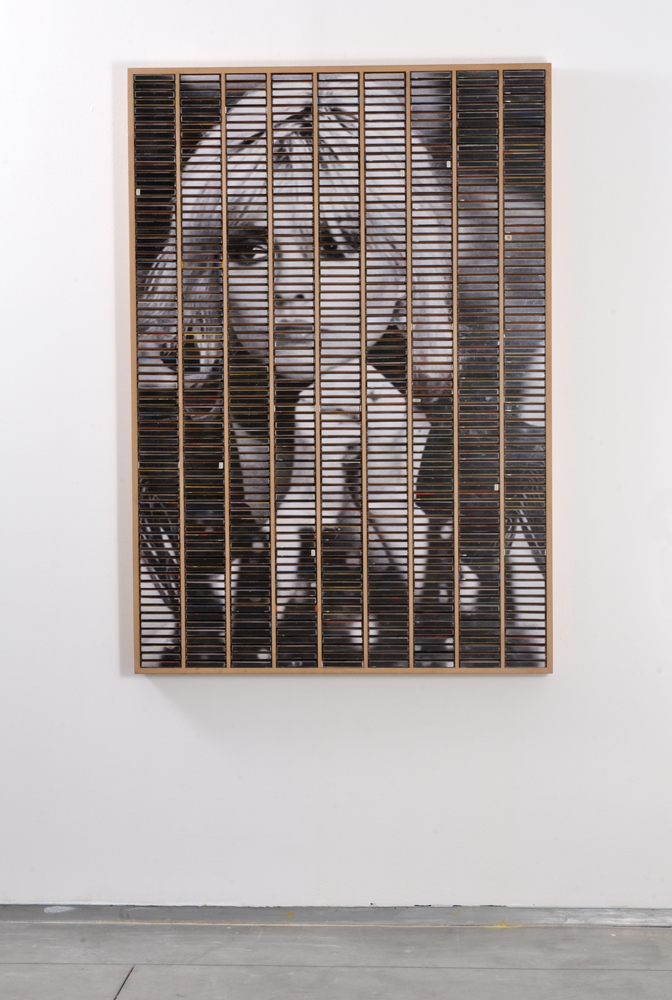
אם בעבודות של Kwade הצליל ניטל מהזמן ,מחוגי השעון לא יוכלו לתקתק, הרי שתיקה דומה באופן מסוים יש גם בעבודה KSK Blondie, 2014 של Gregor Hildebrandt, אמן שכבר הציג בגלריה זומר מספר פעמים עבודות שהמשותף להן הוא מאין פוטנציה של צליל וחלק ניכר מהן עשויות מסלילי הקלטות במכשירים שונים שכמעט חלפו מהעולם. העבודה הנוכחית עשויה מה שנראה כערמות סדורות של קסטות המרכיבות יחד את דיוקנה המפורסם של דבי הארי, הסולנית של להקת בלונדי. דיוקן האשה היפה כמין דימוי שעולה מהאוב , והוא חסר קול, מתקשר לריבוי הסיפורים הדתיים של מופעים של מריה וקדושים נוספים. בקריאה רחבה יותר מדובר על מצב השתקה, במיוחד של נשים.

Sharon Ya'ari Yeruham, 2008

Sharon Ya’ari
Yeruham, 2008

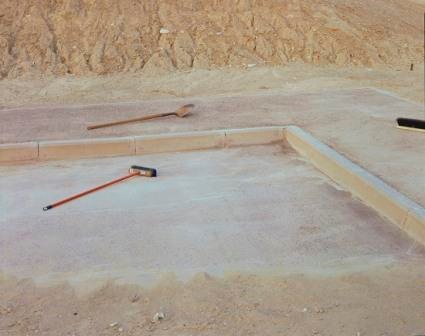
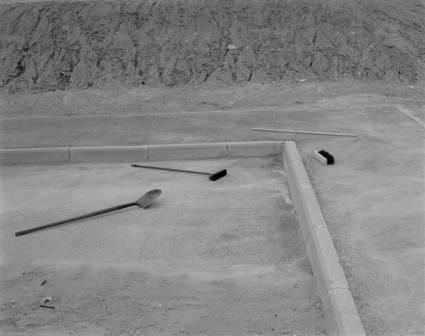
שתי עבודות קטנות של שרון יערי , ירוחם שחור/לבן וירוחם בצבע נוגעות ללב ובאופן כלשהו גם משמחות. לא כתבתי על התערוכה “זנק אל עצמך” של שרון יערי שהוצגה בתחילת השנה במוזיאון תל-אביב(אצר: אורס שטאהל ) והיוותה את אחת תערוכות אמצע הקרירה המוחמצות והמזיקות שראיתי. ליצירה של יערי, בעיני גוף עבודות יוצא מן הכלל, נגרם עוול מכל בחינה החל מהתליה שהצליחה להיות צפופה ומלאת חשיבות עצמית באותה עת ועד להקשרים התרבותיים שניתנו לה בקטלוג. שתי העבודות התערוכה הנוכחית ,הקטנות, המונוכרומטיות הן יערי במיטבו: ההתבוננות, הפואטיות, הנרטיב שמצומצם להחלפת מיקום של מטאטא וטוריה, האופציה שאולי היו הדברים ואולי לא אבל צליל החול שהוזז ונערם כמו עולה משתי העבודות .
עוד בולטות העבודות היפיפיות של האמן הצרפתי Saâdane Afif, ועבודות וידיאו של אורי ערן.

גלריה זומר, רוטשילד 13 תל אביב
שעות פעילות: שני- חמישי 10:00-18:00, שישי – 10:00-14:00, שבת- 11:00-13:00
באוגוסט סגור בשבת

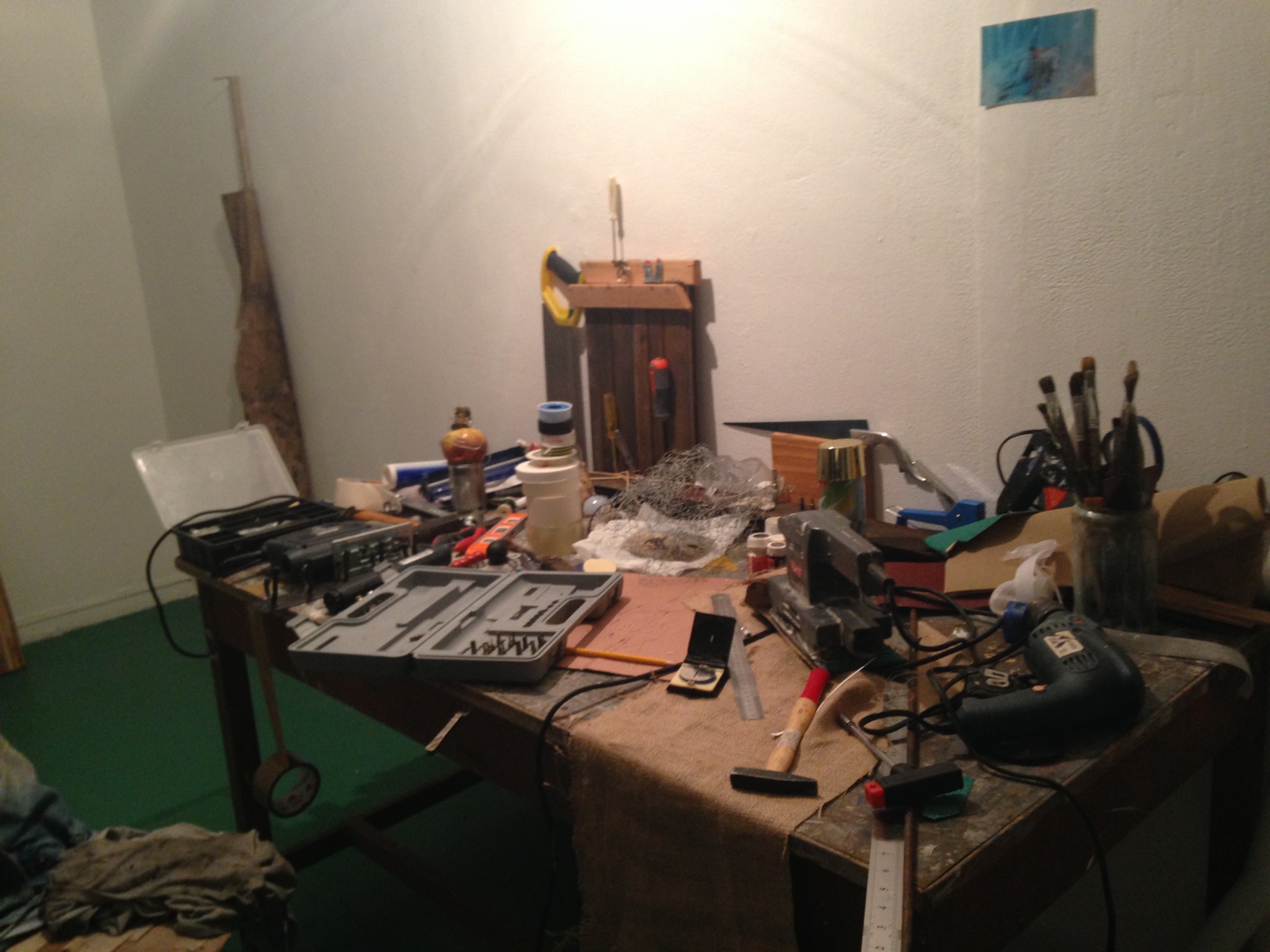
כמה מחשבות על ציור בעקבות ביקור בסטודיו של אלון פורת בכליל

אחת הקלישאות- אמיתות השחוקות והאהובות ביותר היא הדיבור על ציור כחלון על העולם.
התפיסה הזו התנסחה ברנסנס, יחד עם הפרספקטיבה של פיליפו ברונלסקי, כשהציור נתפס כחלון למציאות כפי שראה האמן.
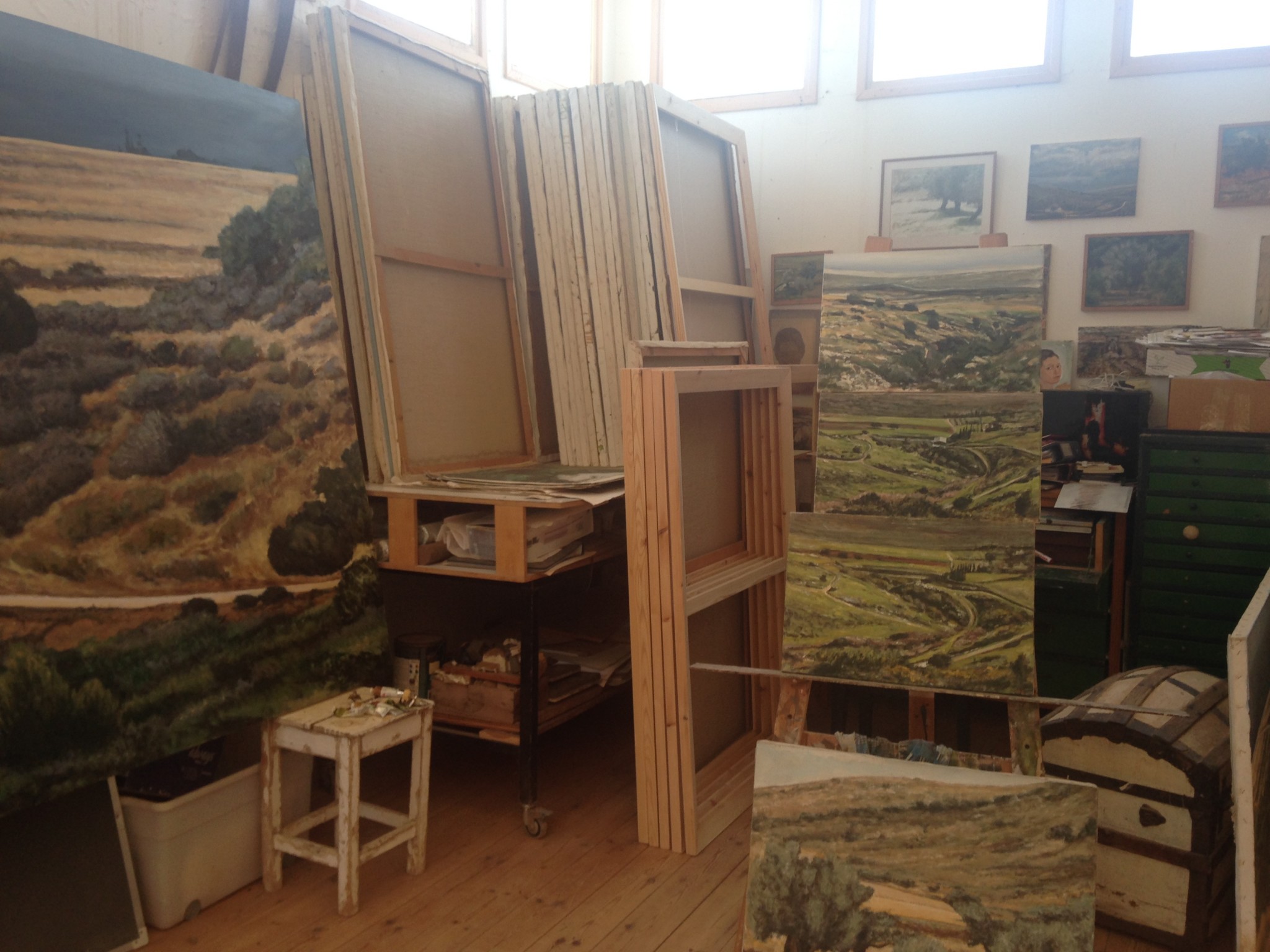
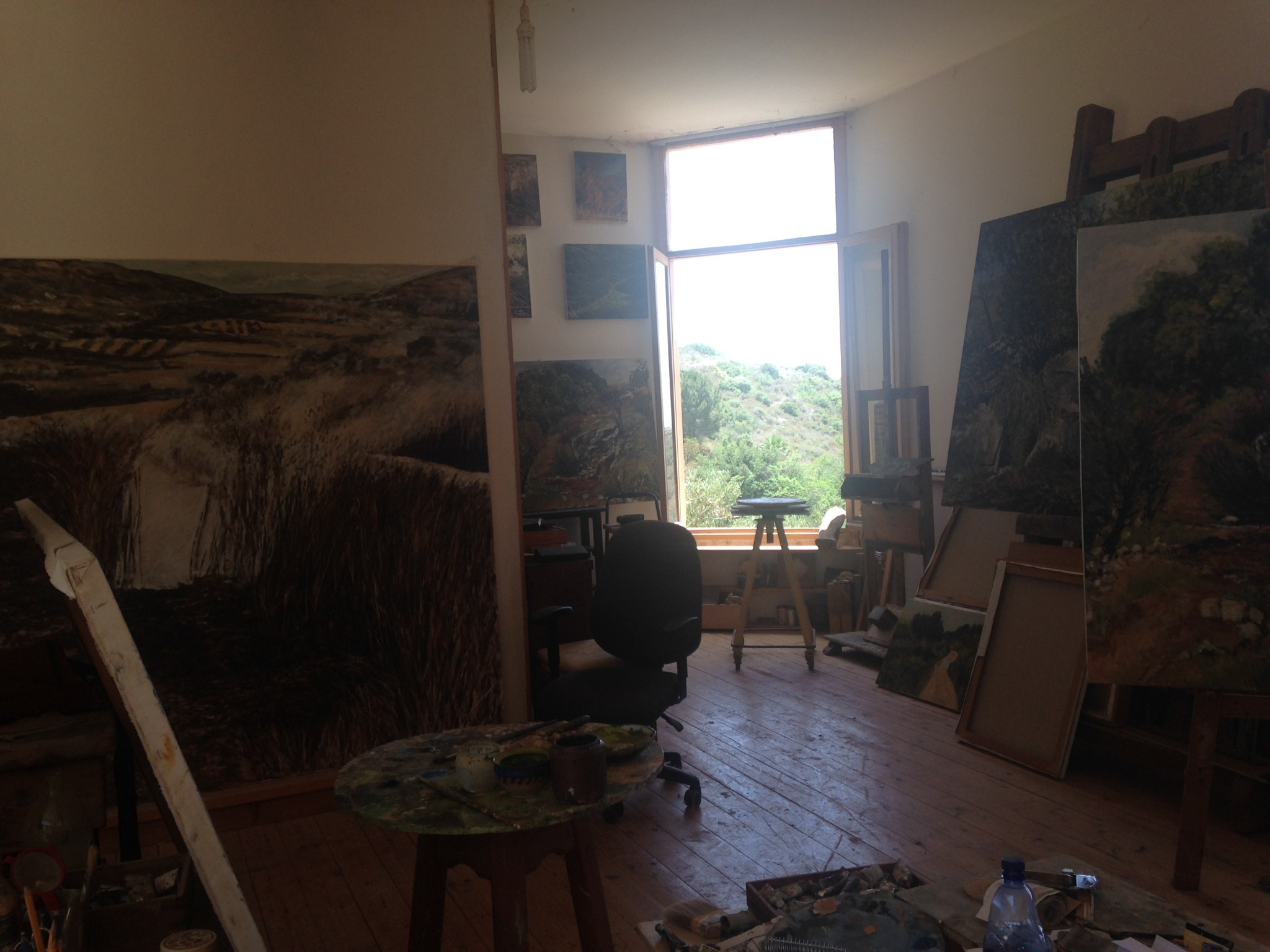
הסיטואציה של ציור נוף מהחלון שכיחה, לגבי נוף מרחבים וגם נופים עירוניים (הדוגמא הבולטת בארץ היא ציורי הנוף העירונים הגדולים של ערן רשף). פורת הוא חלק מהמסורת הזו: ציורי הנוף תלויים מונחים בסטודיו שמואר בחלונות גדולים שצופים לאותו נוף המצויר בהם. זו הזדמנות מחדדת את האפשרות להבחין בין הדבר – הנוף בחוץ ; לייצוג – הציורים.IMG_4882
אם היה הציור העתקה בלבד הרי במקום, בסטודיו הספציפי בכליל הוא היה מיותר. זה לא רק בגלל שצילום ברמה סבירה שיש בכל מכשיר סלולרי מראה אותו אלא מכיוון שהנוף נמצא, נוכח (בדיוק כמו נוף עירוני ביחס לסטודיו בעיר). השימור של הרגע ,של השתנות הנוף בזמן היא אולי מניע להראות אותו בשכפול מציאות אבל גם אז עדיף היה להסתפק בצילום.
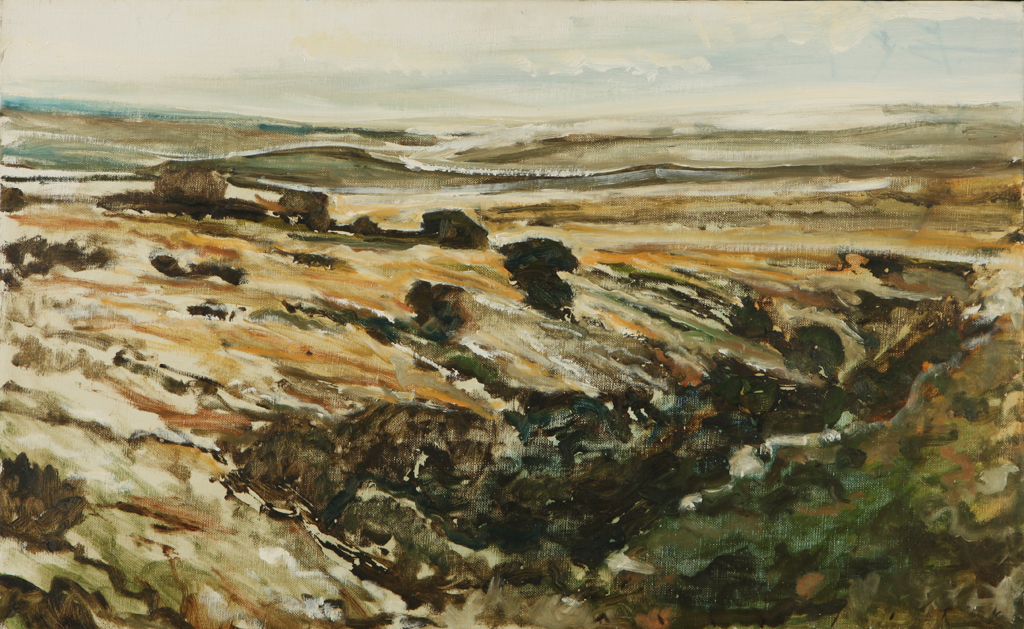
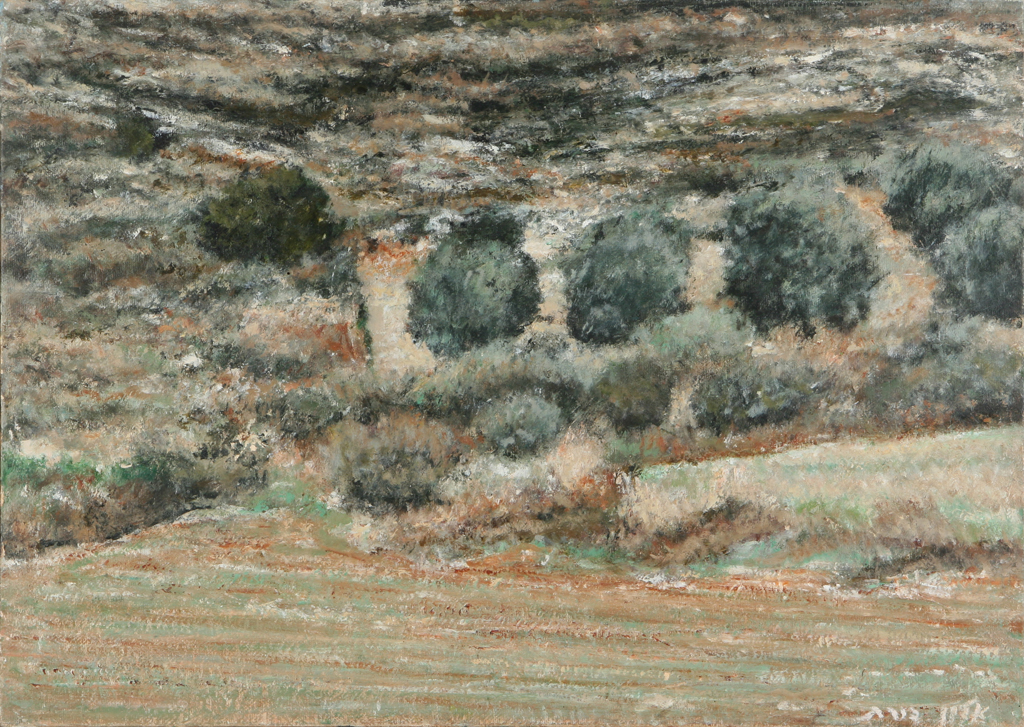
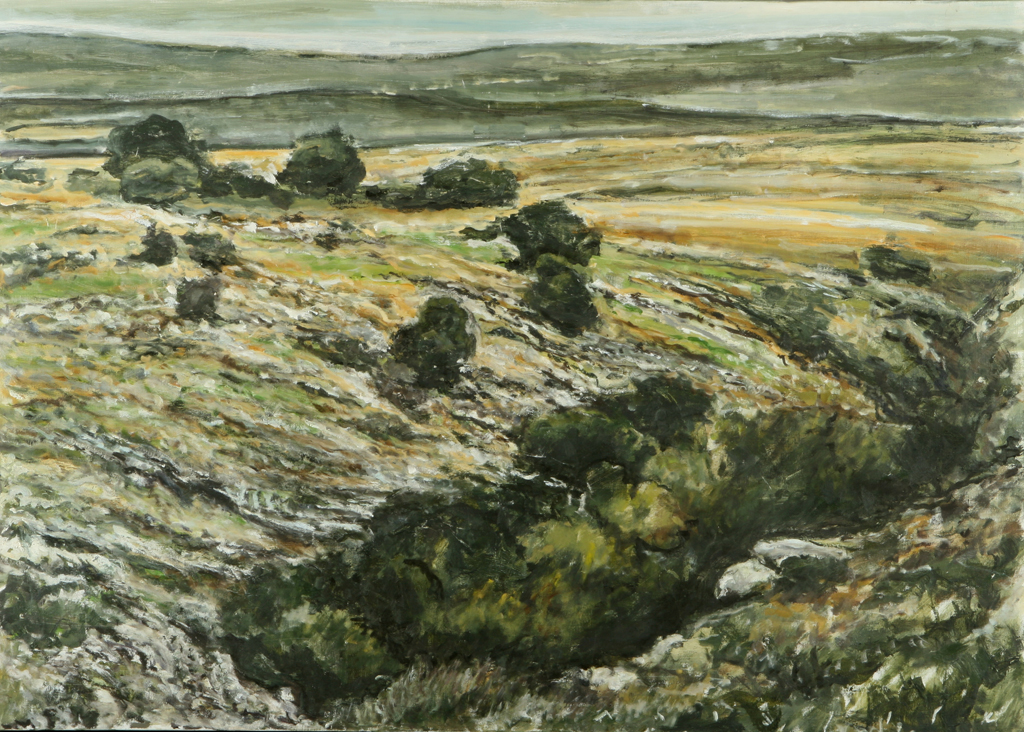
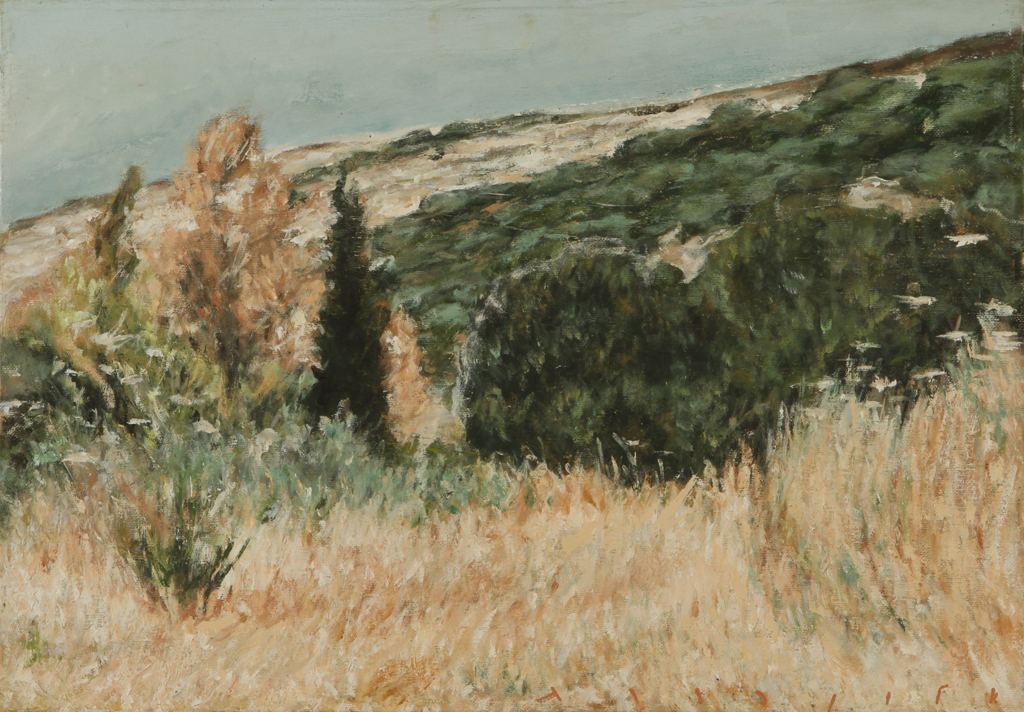
נוכחות הציורים של פורת כמעט אגרסיבית. הציור לא דשן כשל אלי שמיר, שמצייר לא רחוק משם, ומיתולוגיות אינן מנקדות אותו. החיפוש הוא אחר קווים הצטלבויות, צמתים ושבירות, אחר הסוד שמסתתר בשבילים מתפצלים. אם להשוות בין השני אמנים הרי הכיוון של שמיר הוא לעבר אופק , אם נרצה נשגב , ופורת יורד מעמקים, הופך במבט רגבים.

Alon Porat

Alon Porat

הציור של פורת הוא במידה רבה הכלאה של שתי נקודות מבט שנחשבו בזמנו לקוטביות: קלמנט גרינברג , המבקר שקידם את האבסטרקט האקספרסיוניסטי, הבחין שבציור פיגורטיבי אנחנו מתבוננים ראשית בנושא הציור ואז בציור ובציור מודרני , לדידו לעולם אבסטרקטי, אנחנו מתבוננים כציור.
הציורים של פורת עומדים מול הצופה- הם אינם מזמינים להיכנס לנוף אלא מכוננים ישות. הניתוח שלהם , אותה פעולה של התבוננות בנושא היא בהתבוננות מנגד, מרוחקת. הנופים המרכיבים אותם עצי זית וגבעות עירומות) הם כאלו שאפשר היה פעם להתרפק עליהם והקריאות הנרטיביות היסטוריות , פוליטיות (על כל שאלות העיוורון בתיאורי נוף ישראלים) כמעט עקרו מהם את הניקיון והטריות של מבט ראשון .

Alon Porat

Alon Porat

המודעות לכל זה כמו מתקבלת כאן כדבר ידוע שלאמנות יש את החופש להניח בצד. הבירור הפנימי , החיפוש התהייה שהציורים מבטאים נעשה ליד הנוף הממשי, במקביל עליו . הם הבעת עמדה על הערך של הדימוי בכלל, של יצירת חלל למחשבה.
הנוף,זה שמחוץ לחלון הסטודיו הוא סוג של READY MADE ופורת משתמש בו כחומר לחציבה של שביל לרפלקציה פנימית שיכולה אולי, ברגעי חסד, להיות גם של הצופים.

הרשמה לניוזלטר הפירסומי השבועי של “החלון” בנושאי אמנות, אירועים ותערוכות חדשות – www.smadarsheffi.com/?p=925
(הרישום נפרד מהרישום לבלוג )

Apparition

Its dates define Apparition as a “summer exhibition.” Its fundamental subject, whether vaguely or with certain hesitation, is the elusive nature of images and memory, but it is definitely not a lightweight show. There are several excellent pieces, others are interesting, and they associate with each other on several levels.
The word “apparition,” as the short exhibition text explains, refers to the supernatural appearance of a person or thing, especially a ghost or phantom; in astronomy, it means the appearance or time during which a comet is revealed.

Roman Signer Hemd (Shirt), 1995

Roman Signer
Hemd (Shirt), 1995

Hemd (Shirt)(1995) by Swiss artist Roman Signer, combines grotesque humor and a feeling of hybridization. A white shirt is spread out on the gallery floor with a white helium balloon raising one sleeve. Although the mechanism is exposed, it is nevertheless surprising, as if a dead body is coming to life, the boundaries between still life and life blurred. The man’s white shirt “holding” a balloon which associates to childhood, the pure white of death, emptiness and fullness, lingers in the mind.
The works by Polish Alicja Kwade are captivating. Using pocket watch hands, she created 24 Hours, 48 Hours and 72 Hours, three works differing in size. Time unrolls like a long scroll, with the watch hands seeming like musical notes, an etude to the transient, ephemeral and temporary. Death, embodied in passing time, seems almost pleasant, and the disabled watch hands seem sweet.

Alicja Kwade 12 hours

Alicja Kwade 12 hours

Kwade removes sound from Time, since her watch hands are unable to tick, with an affinity to the silence pervading Gregor Hildebrandt’s KSK Blondie (2014). Hildebrandt has shown several times previously at Sommer Contemporary Art, works which have in common potential sound; many are made from recording tapes from various almost obsolete machines. The work on view is made of what seems to be orderly piles of tape cassettes composing a portrait of Debbie Harry, soloist of the band “Blondie.” The image of the beautiful woman as an image conjured up by a spell is mute and alludes to the many religious narratives of Mary’s and other saints’ appearances by Mary and other saints. A wider reading brings to mind silencing, especially silencing women.

Gregor Hildebrandt KSK Blondie, 2014

Gregor Hildebrandt
KSK Blondie, 2014

Two small works by Sharon Ya’ari, Yeruham (b/w) (2008) and Yeruham (color) (2008), are touching.

Sharon Yaari Yeruham-color 2008

Sharon Yaari Yeruham-color 2008

I did not write about Ya’ari’s exhibition earlier this year at the Tel Aviv Museum of Art (Curator: Urs Stahl), Leap Toward Yourself, one of the most damaging mid-career exhibitions I have seen, which did a great injustice to this artist’s body of work, from all aspects – from the overcrowded representation of the work through the cultural contexts attributed to the work. The two prints in the current exhibition, small and monochromatic, present Ya’ari’s capacities: keen poetic observation, conveying a concise narrative, in this case by a mere changing of the place of the broom and hoe. Perhaps things were like this or maybe not, but the sound of the sand seems to resonate through both works.
Other outstanding pieces are by French artist Saâdane Afif, and video work by Uri Aran.

Sommer Gallery 13 Rothschild Blvd.Tel Aviv,
Monday – Thursday, 10:00 – 18:00 Friday, 10:00 – 14:00 Saturday, 11:00 – 13:00
During August the gallery will be closed on Saturdays

Some thoughts on painting following a visit to Alon Porat’s studio in Clil

One of the favorite clichés and truisms is that painting is a window onto the world. This perception was formulated during the Renaissance, along with Filippo Brunelleschi’s perspective, when painting was indeed perceived as the window on to the reality as seen by the artist.
The situation of painting landscape from the window is a familiar one, distant vistas as well as urban views (the outstanding example in Israel is EranReshef’s corpus of cityscapes). Porat is working in this tradition: his landscape paintings are hung and stand in his studio illuminated by large windows giving onto the same landscape featured in the paintings. This is an opportunity to sharpen the distinction between the thing itself – the landscape outside, and its representation – the paintings.

Alon Porat's Studio

Alon Porat’s Studio

If painting were merely copying, the paintings would be superfluous as we stand in the specific studio in Clil. Not only because every cellular phone has the capacity to make reasonably high quality photographs which show the place, but because the landscape is present (exactly the way the cityscape has presence through the city studio window). Preserving the moment of the changing landscape as it happens is perhaps the motivation to show it as a replication of reality, but in this case, a photograph would suffice, too.
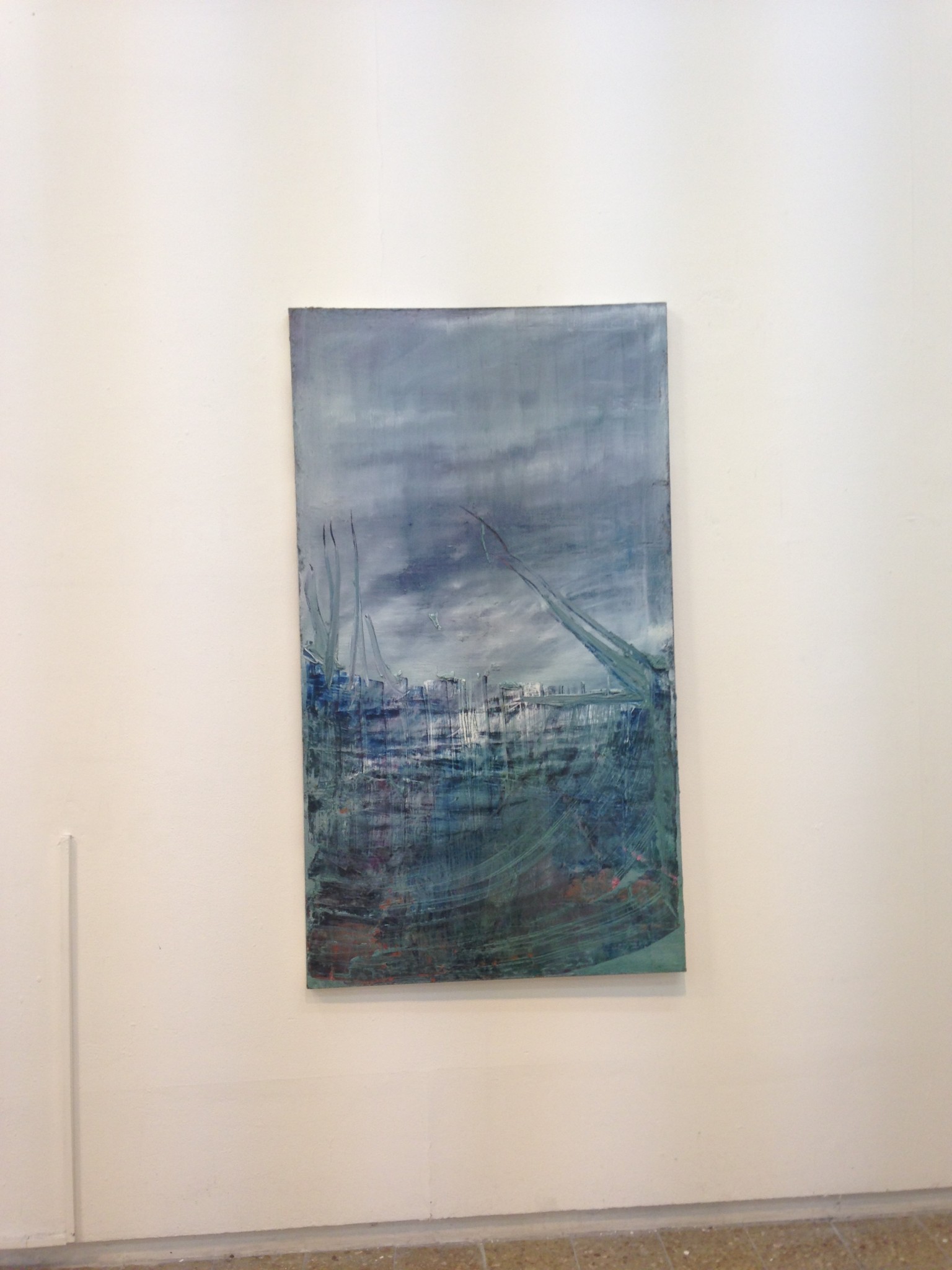
Porat’s paintings have an almost aggressive presence. They are not lushly layered as are works byElie Shamir, who paints not far from Clil, nor are they peppered with mythology. He seeks vectors, crossroads and breakages, in search of the secret concealed in the forking paths. If we compare the two artists, Shamir’s direction is beyond the horizon, sublime if you will, while Porat descends into the depths, turning up the clods of earth with his gaze.

Alon Porat

Alon Porat

Porat’s paintings are, to a great extent, a hybridization of two viewpoints, which used to be considered as polar opposites: according to Clement Greenberg, the critic who promoted Abstract Expressionism, made the distinction that in figurative painting we first observe the subject and then the painting, while in modern painting, i.e., abstraction, we first look at the canvas as painting.
As the viewer faces the paintings, instead of being invited into the landscape, the paintings establish an entity. The act of analysisis accomplished through observing the landscape, facing it from a distance. The landscapes composed of olive trees and bare hills used to be easily read, through historical and political narratives (including the issue of blindness to these narratives), which seemnearly to have stripped them of the freshness of the first look.Alon Porat
The awareness of all of the above seems to be obviously something that art can freely set aside. The internal search and examination, the trial and error that these paintings reflect, is accomplished alongside of the actual landscape, parallel to it. They express Porat’s stance on the value of the image in general, and of creating a space for thought. The landscape lying outside the studio window is a type of readymade, and Porat uses it as material through which to quarry a path to reflection, which perhaps, in moments of grace, may also be shared by viewers.

To sign up (separately) for the Window’s weekly informational advertising newsletter on art, special events, and openings:
www.smadarsheffi.com/?p=925
Posted in וידיאו, פיסול ומיצב, ציור, צילום | Comments Off on Apparition|Some thoughts on painting following a visit to Alon Porat’s studio

Tamir Zadok: Forefathers| Beit Berl’s Open Studio|Leonid Balaklav awarded the Haim Shiff Prize

Please scroll down for English

תמיר צדוק – ניווט בדרכי אבות

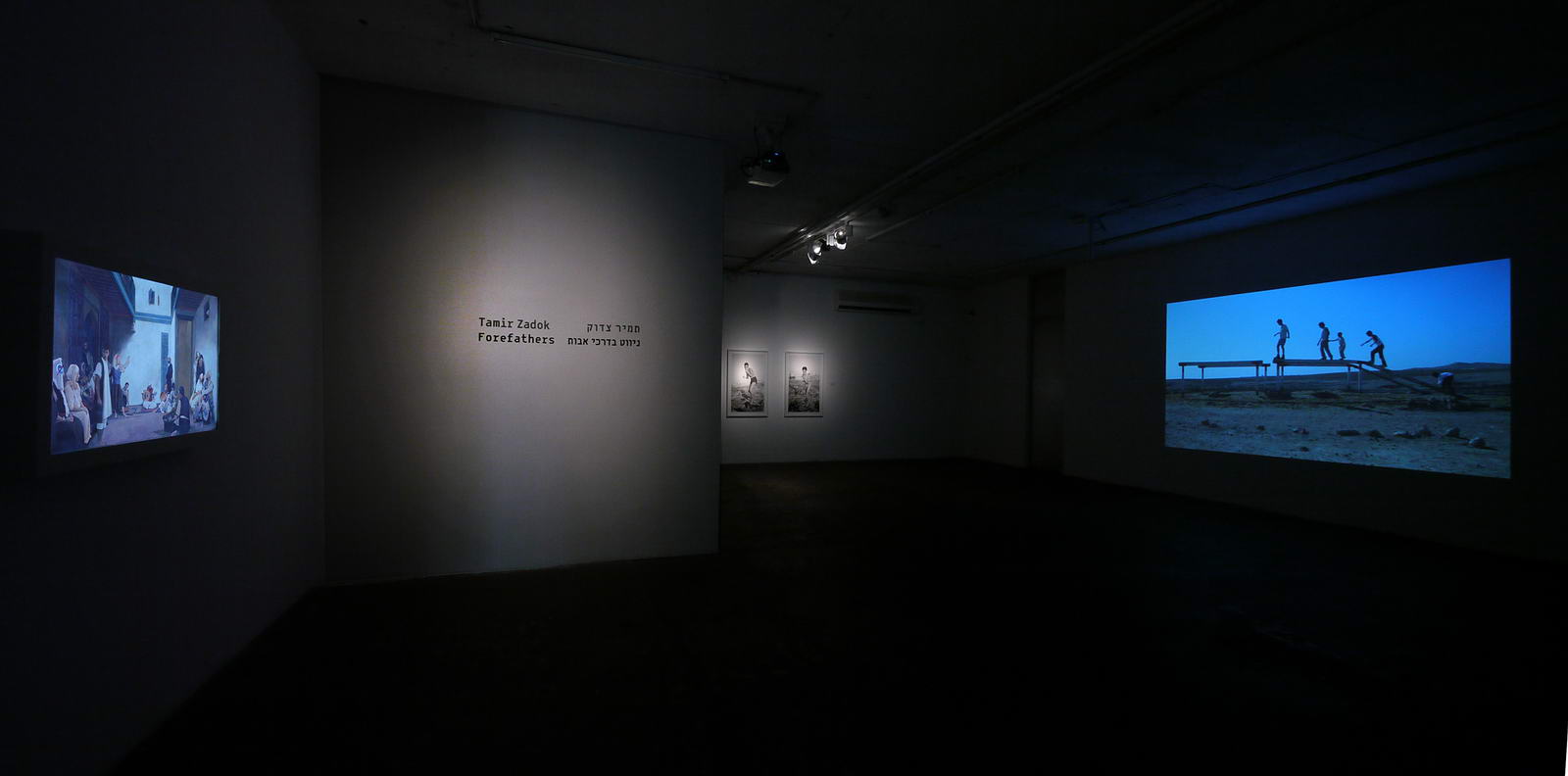
ניווט בדרכי אבות תערוכתו של תמיר צדוק מבריקה ואין שמץ הגזמה בדף הטקסט המסתיים בכך שתמיר כבר סומן “כאחד היוצרים המבריקים בשדה האמנות המקומי”. ההכרה הנרחבת בעבודתו היתה בעקבות תעלת עזה, מ 2010 , פרויקט מוקומנטרי בו שרטט תמונה אוטופית-דיסטופית של הפרדת עזה מישראל ומצרים על ידי הפיכתה לאי בים. המשפט “לזרוק את היהודים לים” הדהד והתהפך בה, לצד תפישות מיתיות של לידה מהים וביקורת על מפעלות הענק ששינו את הגיאוגרפיה של אזורינו מתעלת סואץ ועד סכר אסואן.
ניווט בדרכי אבות הוא שמו של משחק מחשב שהוזמן על ידי וועד מתיישבי השומרון ומשמש לאינדוקטרינציה של הזכות היהודית על השטחים הכבושים .על המשחקים להגיע ליעדים כמו המקדש בשילה או קבר יוסף.
בתערוכה צדוק ממשיך בהתבוננות והערות בחברה ופוליטיקה ישראלית שאפינו את עבודתו בעבר ונוגע בכל הנקודות הרגישות של אוריינטליזם , מיליטריזם והמבט הקולוניאלי ונגזרותיו באופן שמעורר אהדה והזדהות והסכמה.
השפה שהוא משתמש בה היא שפתם של המוזיאונים להיסטוריה ,של סרטי ההדרכה בגנים הלאומיים, מקומות המבקשים לשבות את לב הקהל ולהציג את העבר דרך חידושים טכנולוגיים.

Tamir Zadok, Forefather exhibition view

Tamir Zadok, Forefather exhibition view

הבעיתיות של התערוכה נעוצה בכך שהיא גם כאין קטלוג של פרקטיקת אמנותיות ולפעמים אפילו של אסטטיקה מסוימת של אמנים העוסקים בשאלות שצדוק עוסק בהן. השפעות והשאלות וציטוטים הם חלק מהעשייה של אמנות וחלק מהותי מעצם העשייה, בניגוד למעמד המיתי שהיה ויש עדיין ל”מקוריות”, אך דומה שכאן יש הרחקת לכת, כמעט יצירת לקסיקון.
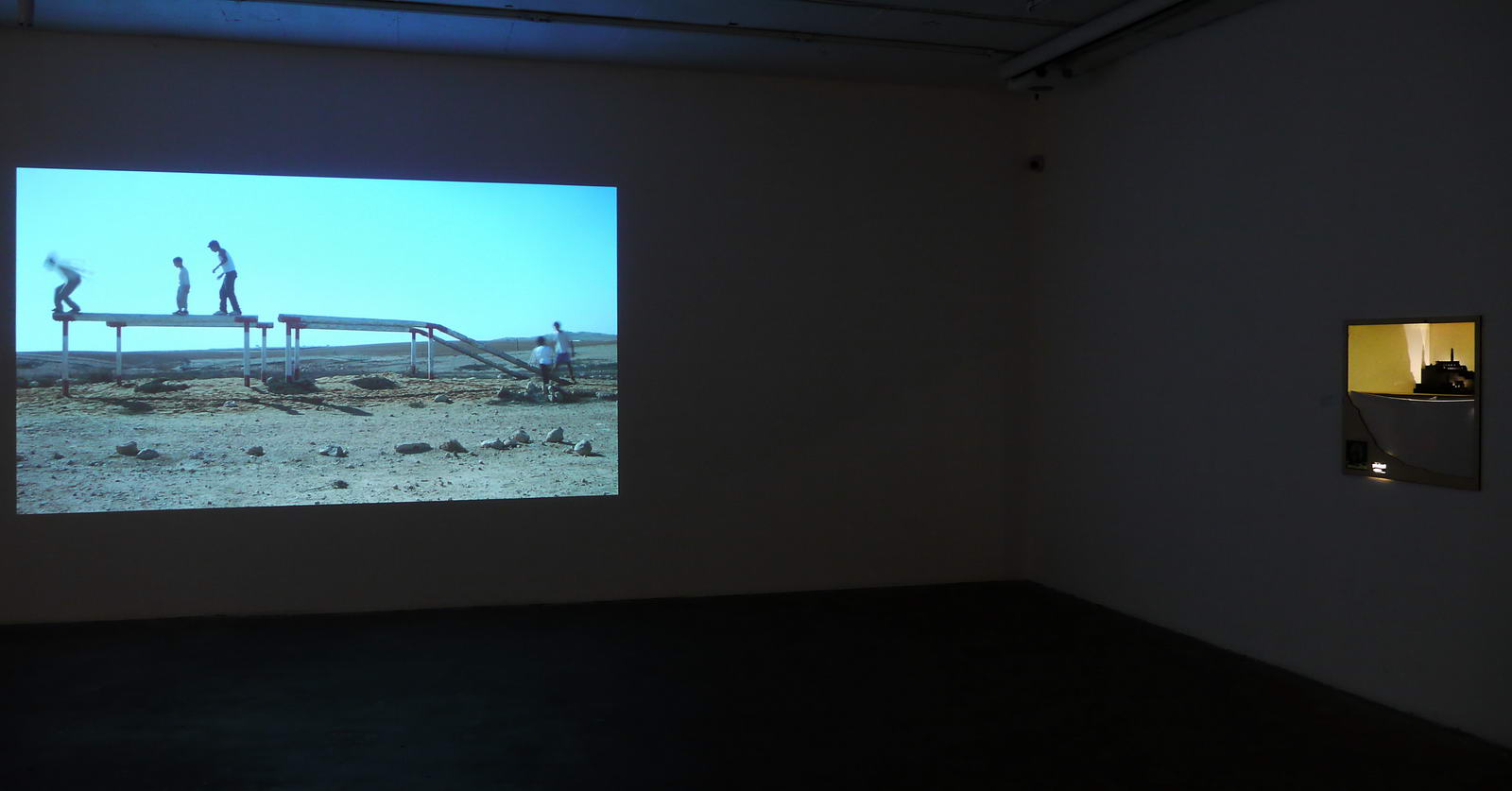
ב ללא כותרת עבודת וידיאו בה אחייניו צועדים על מאין גשר ברזל בפאתי בסיס צבאי בפארודיה חמוצה על מיליטריזם בחברה האזרחית ניכר דמיון לעבודות כמו אופקים של יוסף-ז’וזף דדון.

Tamir Zadok Untitled. video work

Tamir Zadok Untitled. video work

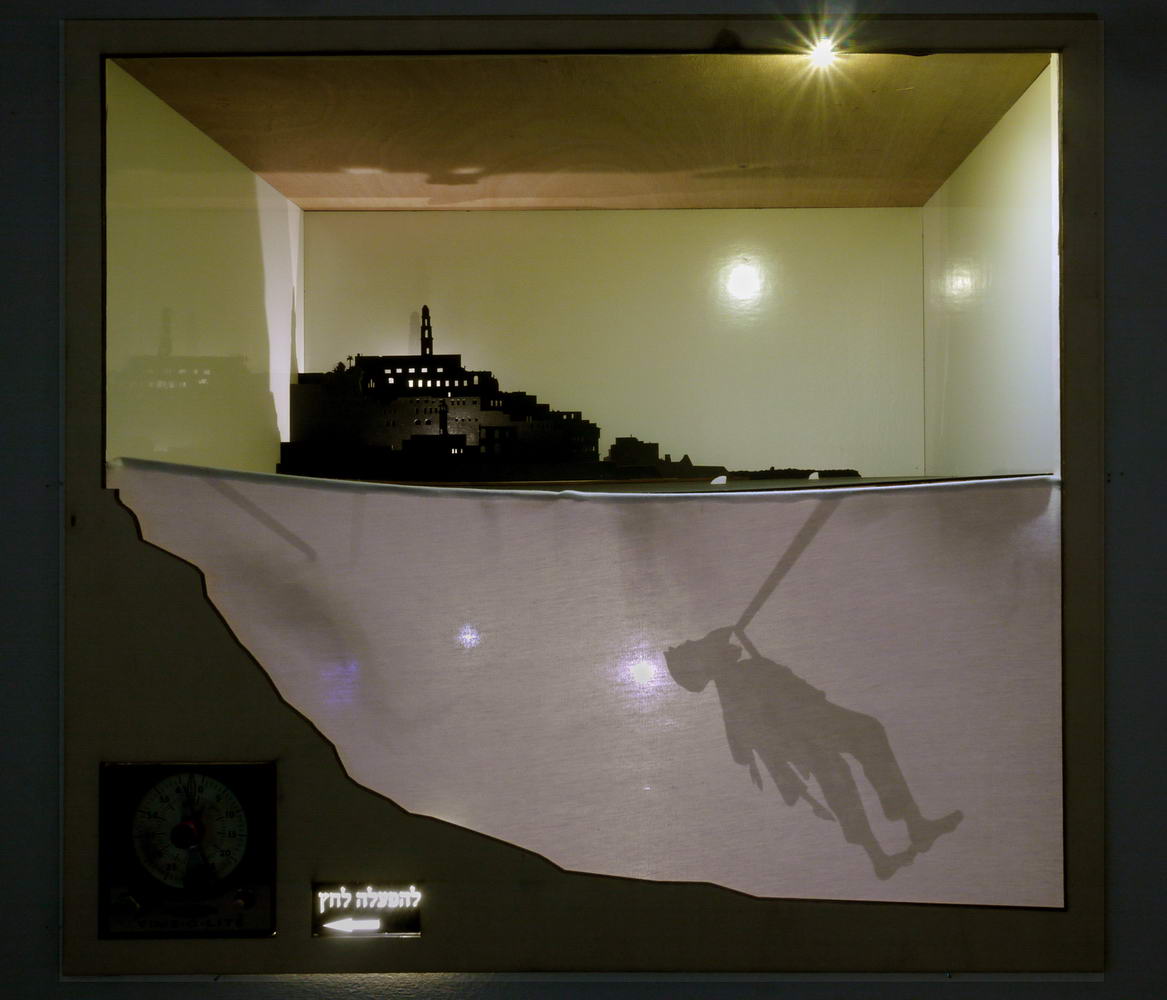
במעפילים, קופסה המזכירה דיורמה מתוחכמת במוזיאון לטבע צדוק יצר צללית של יפו המעלה על הדעת את צלליות האדריכלות של ניר אדוני ולפניה מאין ים . כאשר מפעלים את העבודה בלחיצת כפתור נראות צלליות דמויות עם אף נשרי עצום ומתוך פני הים עולים סנפירים כשל כרישים. הדיבור על התנפצות תקוות ועל סטראוטיפים אנטישמיים ואורינטליסטים היא בשפה של קארה ווקר האמריקאית שידועה בסילואטות הנייר השחורות שלה ווליאם קנטרידג’ הדרום אפריקאי שיצר אנימציות צלליות, אמנים מרכזיים שמטפלים בגזענות, זהות ואלימות.

Tamir Zadok Illegal Immigrants/ Ma’apilim

Tamir Zadok Illegal Immigrants/ Ma’apilim

בעבודת הוידיאו כרטיס משולב צדוק ואביו, מופיעים במוזיאונים היסטוריים וצבאיים כשלל דמויותת ממדריך ועד גיבור היסטורי כך שהם פורמים את מראית האמת והאובייקטיביות שיש במקומות אלו. הפרקטיקה היא זו ששימשה אמנים כמו יאוסמוסה מורימורה היפני, גיליאן וורינג הבריטית ולורנה סימפסון האמריקאית. השימוש של צדוק בפרקטיקות השונות מלוטש אבל מעיב שהתערוכה כל כך שטופת השפעות, בלי שניכרת מודעות עצמית לכך.

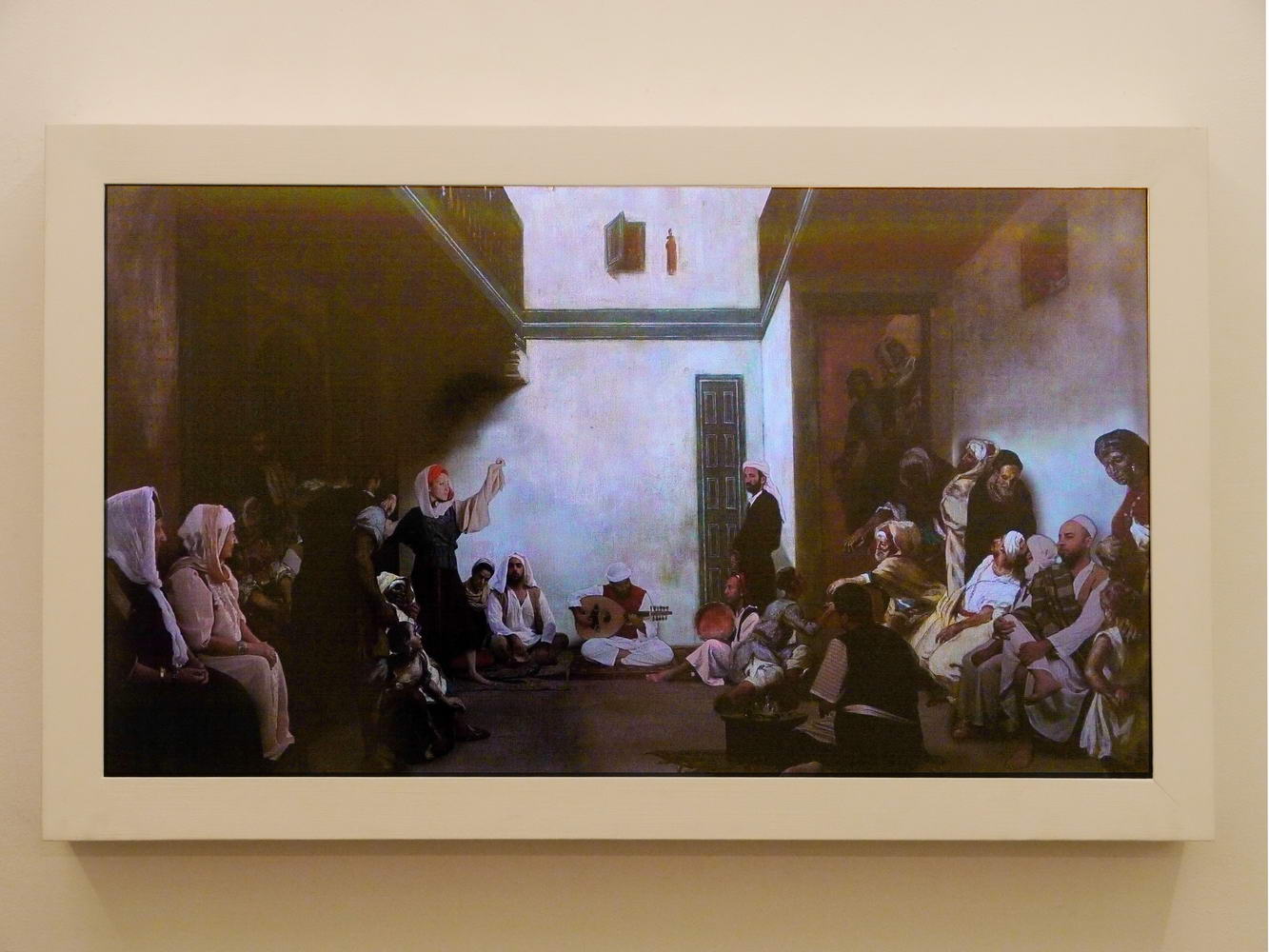
Tamir Zadok. Jewish Wedding in Morocco

Tamir Zadok. Jewish Wedding in Morocco

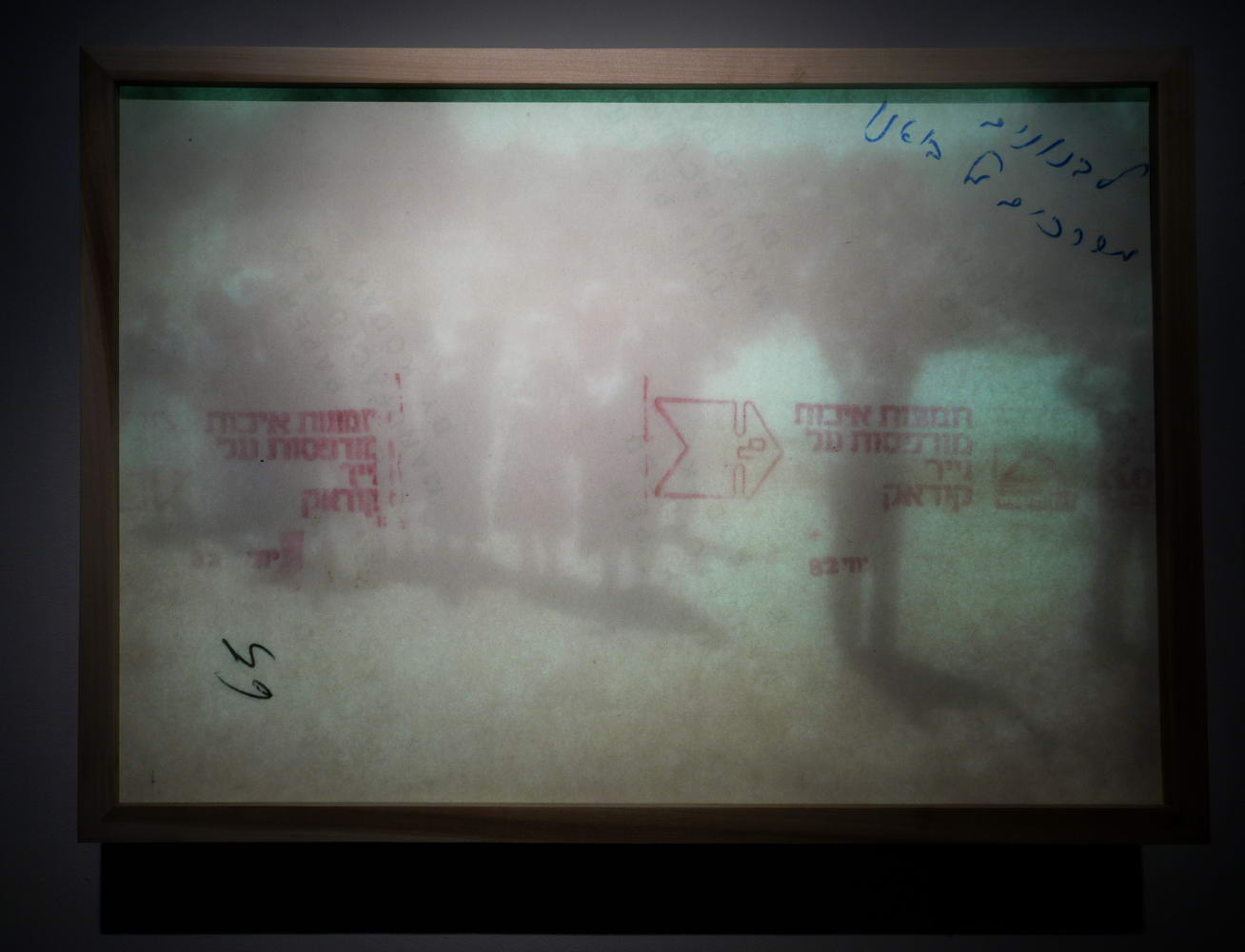
מוצלחות במיוחד הן חתונה יהודית במרוקו המבוססת על ציור מ 1841 של אז’ן דלקרואה. צדוק הופך אותו ל Tableau vivant תמונה חיה (טכניקה נפוצה במיוחד בהמחשות של מוזיאונים היסטורים) שבה כמו בכרטיס משולב גם הוא מופיע. כאן נוספת לזה לקיחת בעלות על הדימוי של צדוק שמשפחתו מלוב כלומר חלק מאותו אזור שהיה נתון למבט האורינטליסטי. גם ברוכים הבאים הדפסה דיגיטלית דו צדדית של צילום מתחילת מלחמת לבנון ב 1982 יפה. היטב נראה הצד האחרוי של הצילום עם התאריך והפרסומת של קודאק וגם הכיתוב בכתב יד “לבנונים מברכים על בואנו” . הלבנונים הם ישות אחת והישראלים הם יחיד ורבים, אנחנו. קוי המיתאר של הצד הקדמי של הצילום ניתנים להבחנה אבל קבוצת האזרחים נראית כרוחות רפאים של העבר, מטושטשים ומעורפלים, זיכרון רחוק.

תערוכת האמצע של התכנית ללימודי המשך של המדרשה המדרשה לאמנות בית ברל
בסוף השבוע שעבר הציגו תריסר הסטודנטים בתכנית ללימודי המשך של המדרשה ‘סטודיו פתוח’. הבדלי איכות ניכרים ביניהם אולי ידליקו נורה אדומה.

Lika Pilcer. The Room

Lika Pilcer. The Room

המיצב של ליקה פילצר החדר מצוין. היא התייחסה לחדרו של דדלוס, האדריכל המיתולגי המוכר כמי שתיכנן כנפים לו ולבנו איקרוס. פילצר יצרה חלל סוער,גדוש התרחשויות והתייחסויות. מסקרן לראות כיצד תמשיך.
הציור של אילת אבני , על החומריות השופעת והנופים שהם כל ושום מקום יפים בולט גם הוא .
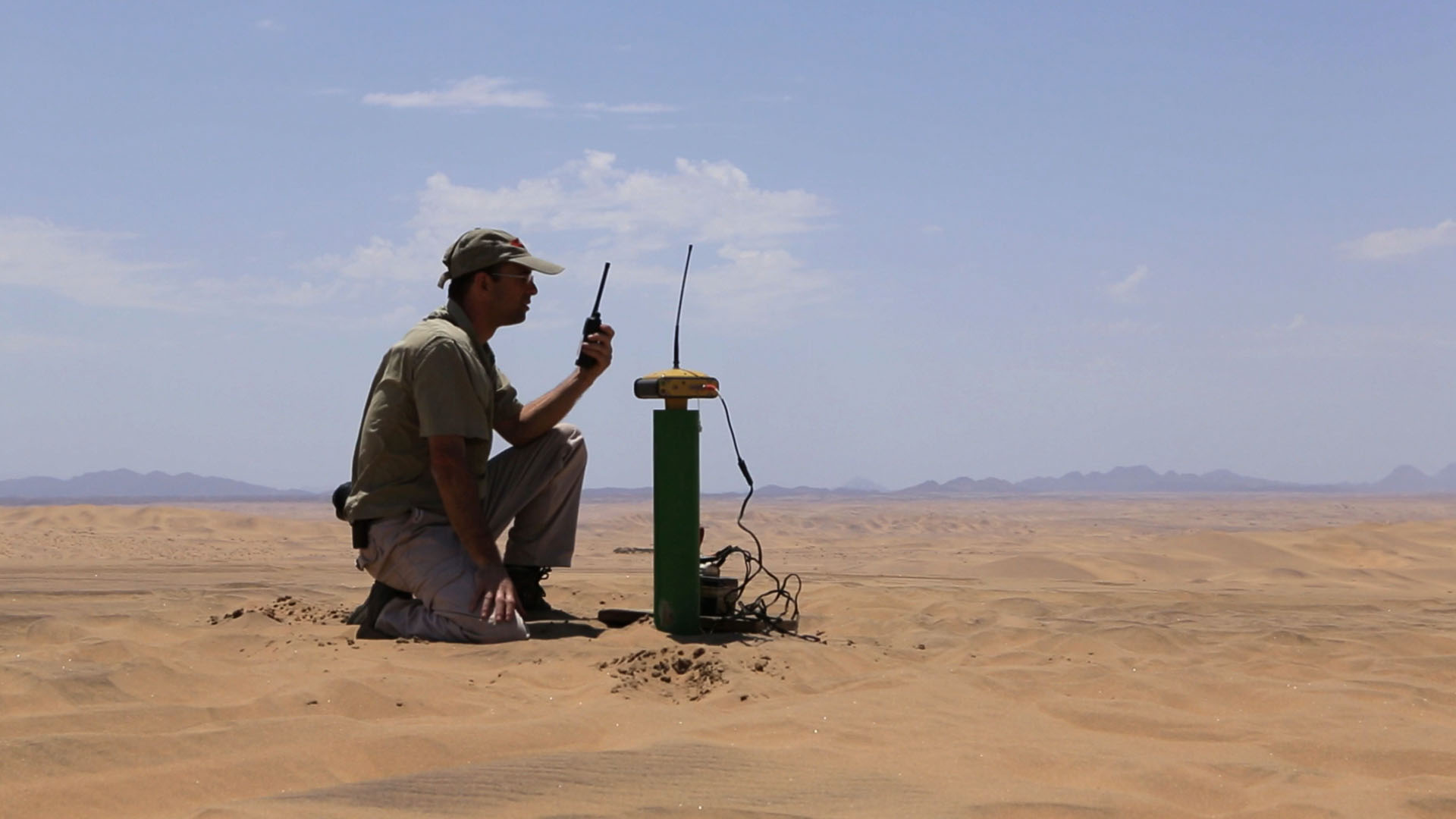
״מודדים״ [Surveying] סרטו איתי מרום מיקצועי, מלוטש ומרגש. הוא מלווה קבוצת מודדים במדבר באנגולה כשעבודתם הופכת למטאפורה למסע חיפוש והישרדות כמעט אבסטרקטי.

Itai Marom Surveying,

Itai Marom Surveying,

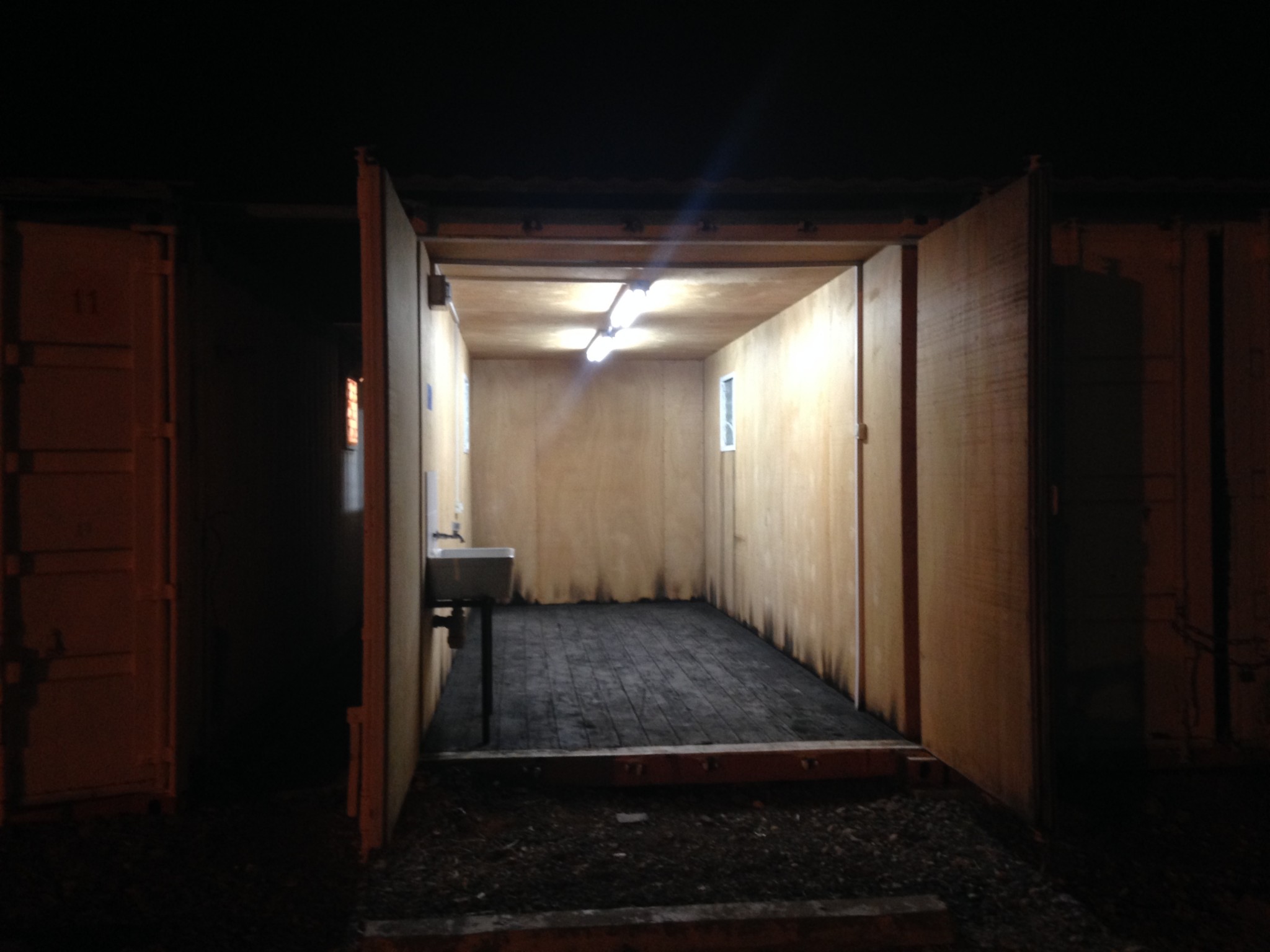
המיצב של תכלת רם מוצלח וממוקם עמוק במסורת המקומית: במכולה העומדת בשורת מכולות יצרה חדר ריק עם כיור וסימני שרפה ומתוכה חלון הניבט מבעד לסורג ברזל למכולה שכנה בה נראית צמחיה ירוקה מבעד לחלון מואר. עולה על הדעת Resident Alien של סיגלית לנדאו מ 1996 , אסוציאציה חופשיות מובילה לסורגים של ציבי גבע והצמחיה לחממות של אביטל גבע. למרות שנרטיב מחוספס והדיכוטומיה טוב/רע ברורה מידי העבודה עשויה היטב.

Techelet Ram. Inside a container .installation

Techelet Ram. Inside a container .installation

אוצרת: סאלי הפטל נווה

על הזכייה של ליאוניד בלקלב בפרס שיף לאמנות פיגורטיבית- ריאליסטית לשנת 2014

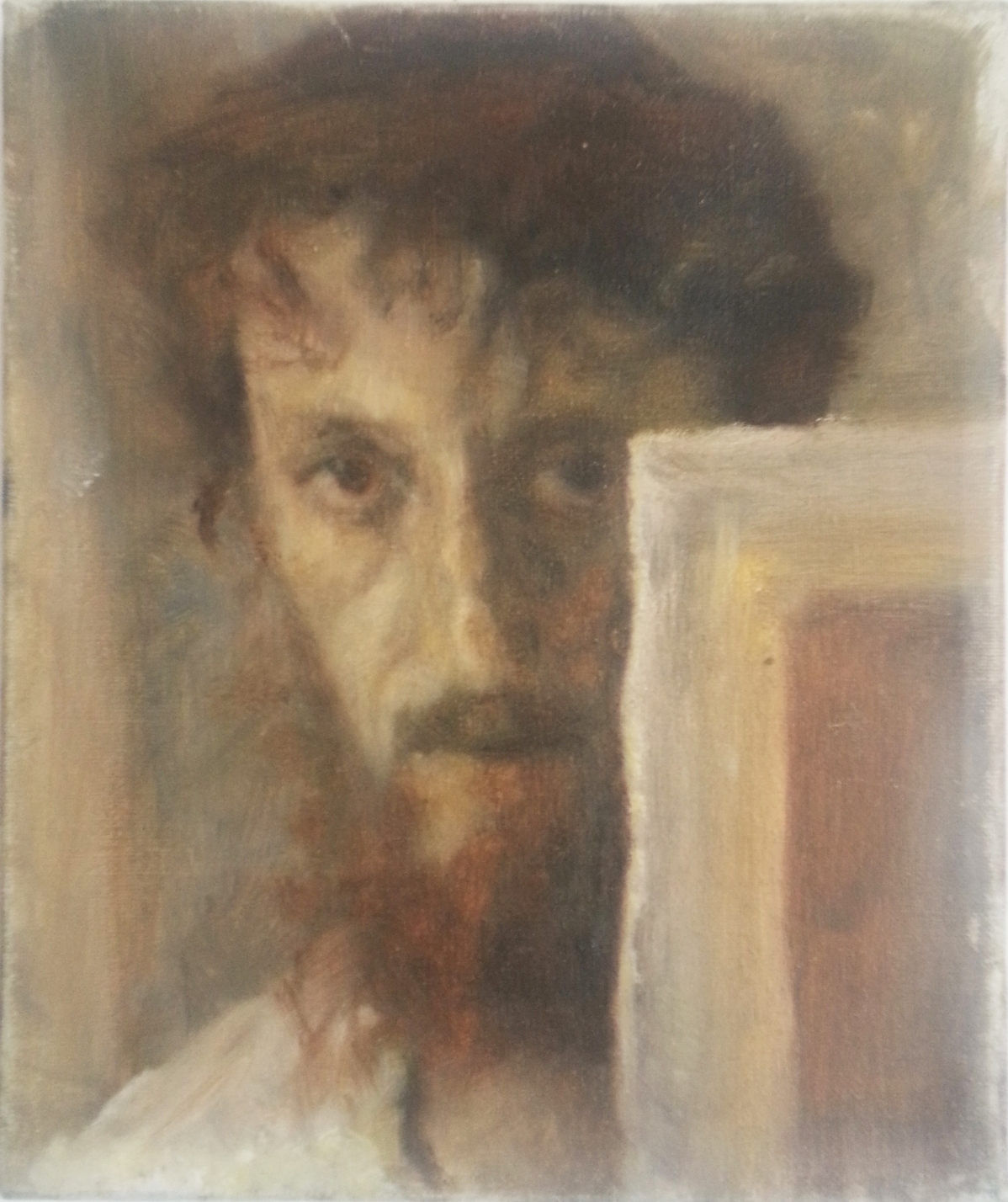
הבחירה בבלקלב משמחת. האמנות שלו היא התבוננות כנה ועם זאת מתפעלת ומתפעמת מהעולם. נימוקי ועדת הפרס התמקדו בדיוקנאות העצמיים שהם אכן גוף עבודת משובח, אבל חשובים גם התפנימים והנופים הסיפוריים, השירים,הפואטיים והרחומים שהוא יוצר.

Leonid Balaklav

Leonid Balaklav

סיור לביתו של ניסים כחלון בחוף סידנא עלי בהרצליה  ביום שישי הקרוב 27.6.2014 .מדובר בבית שמהווה יצירה ובחוויה מיוחדת מאד. פרטים בעמודת הסיורים .

הרשמה לניוזלטר הפירסומי השבועי של “החלון” בנושאי אמנות, אירועים ותערוכות חדשות – www.smadarsheffi.com/?p=925
(הרישום נפרד מהרישום לבלוג )

Tamir Zadok: Forefathers
Tamir Zadok’s exhibit is indeed brilliant,and the gallery text does not exaggerate by stating that Tamir has been noted “as one of the most brilliant artists on the Israeli art scene.” He garnered recognition with his project The Gaza Canal (2010), a utopian-dystopian mockumentary of Gaza being separated form Israel and Egypt by making it into an island. The call to “throw the Jews into the sea” echoes through the work, here in its reversed form along with associations from myths of birth from the sea, along with a critique of the huge projects that changed the geography of the Middle East, from the Suez Canal to the Aswan Dam.

Forefathers is the name of a computer game commissioned by the Shomron Settlers Council, as a means to indoctrinate the Jewish right to the occupied territories. Players must reach destinations such as the Tabernacle at Shiloh or Joseph’s Tomb. In this exhibit, Zadok continues his contemplation and commentary on Israeli society and politics which have characterized his previous works, pushing all the sensitive buttons of Orientalism, militarism, the colonial gaze and all their ramifications in a way arousing empathy, identification and agreement.

Zadok uses the language of historical museums, instructional films for national parks, sites wishing to engage audiences by presenting the past through technological innovations. However, there is a certain problem in the exhibition, as it is a sort of catalog of art practices and sometimes even of a certain aesthetics of other artists addressing these issues. Influences and quotations are a fundamental part of art-making, in contrast to the former mythical status of art, which the concept of “originality” still maintains, but it seems to me that he has gone a bit to far here and has nearly created a lexicon.

Tamir Zadok Untitled. video work

Tamir Zadok Untitled. video work

Untitled is a video work in which Zadok’s nephews march along an iron bar at the edge of an army base, in a wry parody on militarism in a civil society; it bears a resemblance to other works such as Yosef-Joseph Dadoune’s Ofakim.

Tamir Zadok Illegal Immigrants/ Ma’apilim

Tamir Zadok Illegal Immigrants/ Ma’apilim

Illegal Immigrants/ Ma’apilim, is reminiscent of a clever diorama in a nature museum, Zadok formed a silhouette of Old Jaffa, bringing to mind Nir Adoni’s architectural cutouts of Nir Adoni, with a sea-like area in front of it. When pushing a button, silhouettes of figures with noses like huge beaks are seen, while shark-like fins rise up from the water. The discourse on shattering hopes and antisemitic and orientalist stereotypes employs a language extremely similar to that of African American artist Kara Walker, known for her black paper silhouettes, and South African artist William Kentridge’s silhouette animation shorts – major artists who treat themes of racism, identity and violence.

In video works such as Combined Ticket,Zadok and his father appear in historical and military museums in a variety of roles, from docents to historical heroes, unraveling surface truth and objectivity. This practice has been used by artists such as YasumasaMorimura (Japan), Gillian Wearing (UK) and Lorna Simpson (USA). Zadok’suse of these techniques is polished, but the exhibition lacks a necessary and obvious self-awareness of acknowledging its sources.

Tamir Zadok. Jewish Wedding in Morocco

Tamir Zadok. Jewish Wedding in Morocco

Noteworthy is the piece Jewish Wedding in Morocco, based on an 1841 painting by Eugène Delacroix. Zadok transforms it into a tableau vivant (a technique in widespread use in historical museums), in which he, too, appears, as in Combined Ticket. Here he takes ownership of the image, as his family is from Libya, i.e., part of the same region whichwas the focus of the Orientalist gaze.

Tamir Zadok. Welcome

Tamir Zadok. Welcome

Welcome, a two-sided digital print of a snapshot from the beginning of the Lebanon War of 1982 is also beautiful. The back of the photois clearly seen, with its date and Kodak logo, as well as the handwritten inscription, “The Lebanese welcome us.” Lebanese are a single entity and the Israelis are the “we.” The contours on the front of the photograph may be distinguished, but the group of civilians seem like ghosts from the past, blurred and vague, a distant memory.
.

Midpoint exhibition by students of the School of Art-Hamidrasha, Beit Berl
Last weekend, a dozen graduate students in Beit Berl’s Open Studio exhibited their work, but the obvious differences in quality should perhaps raise some alarms.

Lika Pilcer. The Room Detail

Lika Pilcer. The Room Detail

The Room, an installation by Lika Pilcer, is excellent, referring to Daedalus’s chamber, the mythological architect who designed wings for himself and his son Icarus. Pilcer created a tempestuous space, overflowing with events and references. It will be interesting to see what she does next.

IMG_4701Ayelet Avni’s painting, with its plenteous material and landscapes which are everywhere and nowhere, are lovely and stand out. Surveying, a film by ItaiMarom, is professional and moving.It accompanies a group of surveyors in an Angolan desert; what they do becomes a metaphor for a quest and survivor, and is almost abstract. Techelet Ram’s good installation is deeply rooted in local tradition. Inside a container in a row of containers, she created an empty room with a sink and signs of a fire. Beyond a barred window, we can see green plants. This brings up the image of Sigalit Landau’s 1996 work, Resident Alien, and free associations lead to Tzibi Geva’s bars, and Avital Geva’s greenhouses. Despite its crude narrative and clear good/bad dichotomy, it is immediately clear that the piece is well done.
Curator: Sally Haftel Naveh

10Leonid Balaklav awarded the Haim Shiff Prize for Figurative-Realistic Art, 2014

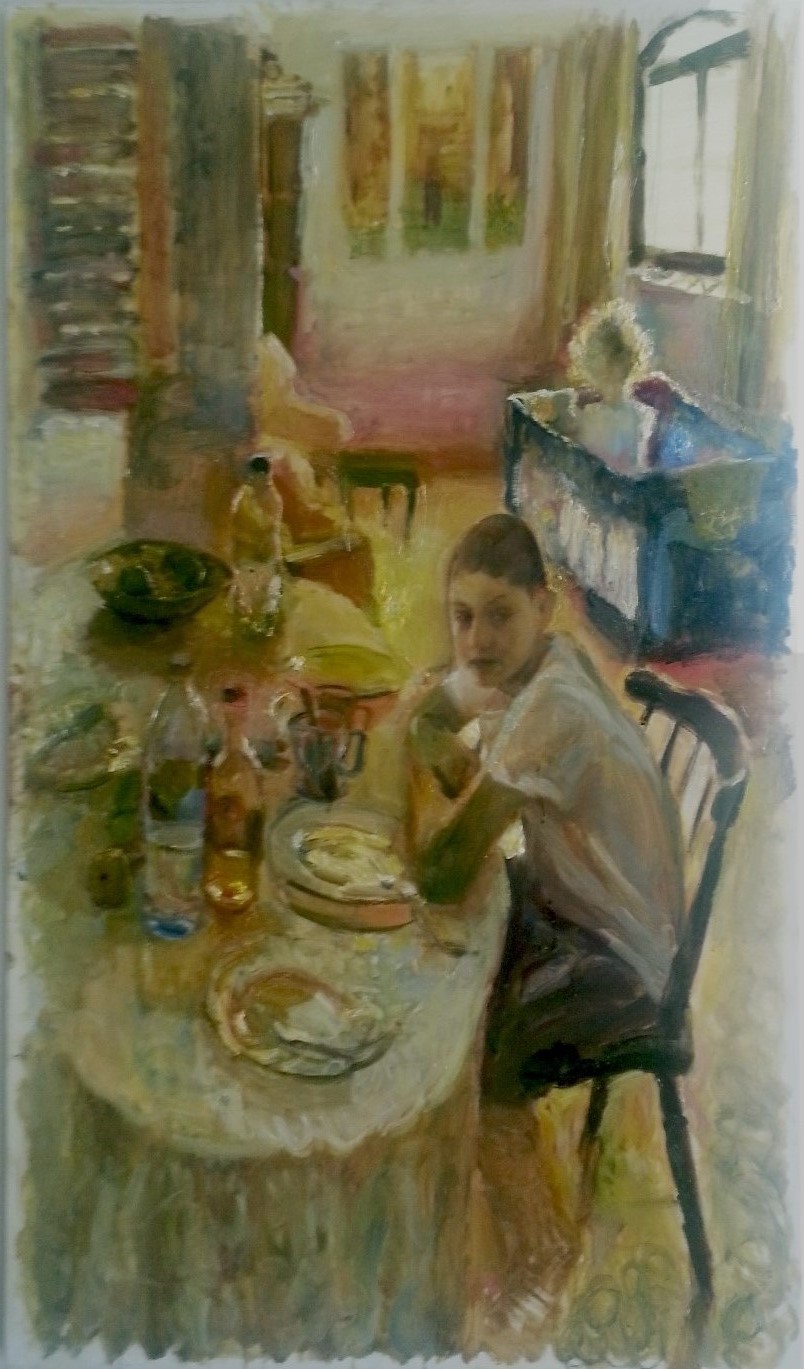
This is a fortunate choice. Balaklav is an artist who is a sincere observer while showing his astonishment and excitement at the world. The jury specifically mentioned Balaklav’s self-portraits, which are indeed a superb corpus, but no less important are his interiors and narrative landscapes, so poetic and compassionate.

A tour of Nissim Kahalon’s house on the Sidni Ali beach in Herzliya on Friday 27/6/2014. This is a house which is a work of art in itself, and the visit a unique experience. Please see details in the Art Tour column.

To sign up (separately) for the Window’s weekly informational advertising newsletter on art, special events, and openings: www.smadarsheffi.com/?p=925
Posted in Uncategorized, וידיאו, פיסול ומיצב, ציור, צילום | Comments Off on Tamir Zadok: Forefathers| Beit Berl’s Open Studio|Leonid Balaklav awarded the Haim Shiff Prize

סמדר שפי, החלון, אומנות ישראלית, אמנות ישראלית, Smadar Sheffi, The Window, Israeli Art