ללקק את הלשון של עצמך: אריאל רייכמן, דוויל כהן, לוסיאנה קפלון| To lick your own tongue: Ariel Reichman, Deville Cohen, Luciana Kaplun

Please scroll down for English

ללקק את הלשון של עצמך במרכז לאמנות עכשווית

ללקק את הלשון של עצמך במרכז לאמנות עכשווית מאכזבת. בטקסט התערוכה נכתב כי לכל אחד מהפרויקטים מקורות השראה ותחומי עניין שונים, אך הם חולקים גישה משעשעת ומלאת דמיון. שעשוע הוא עניין של טעם – אותי הן לא שעשעו. לגבי דמיון הרי עם כמות הפעמים בהם עלתה המילה “כמו” תוך כידי התבוננות קשה לי מאד להסכים לקביעה זו.
העבודה של אריאל רייכמן בולטת לטובה אבל לא מצליחה להטות את הכף של התערוכה כולה.
Deville Cohen, 2014

Deville Cohen, 2014

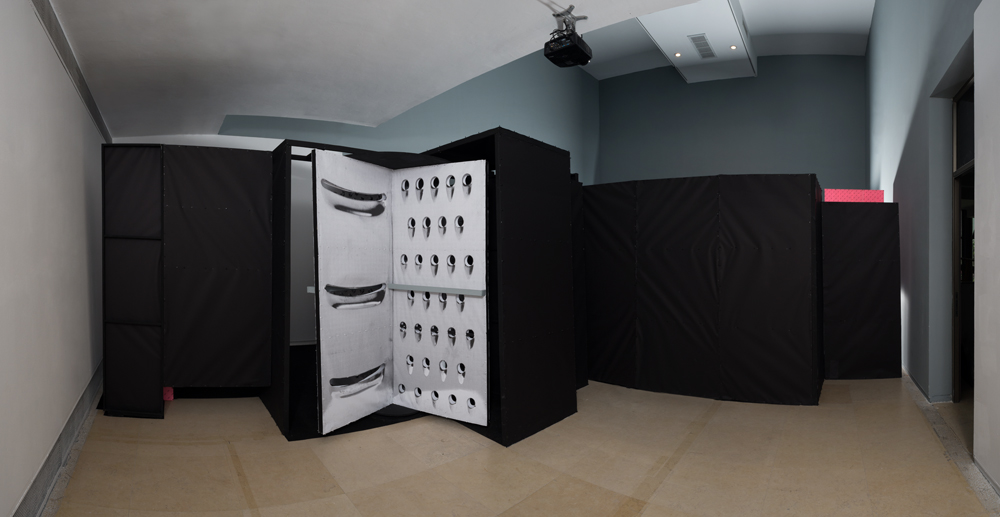
אחה”צ בו ביקרתי הווידיאו Zero של דוויל כהן לא פעל. הכניסה לחלל דרך המבוך הייתה חביבה – עם דלת מסתובבת שכנפיה מעוצבות כפומפיות שונות (וזיכרון פומפיות ענק של מונה חאטום מרחף מעל), דוגמאות של משבכות (סורגים) ממהדקים משרדיים וקירות שחורים. לרגע אין תחושת דיסאורינטציה או מועקה שאמנות יכולה ליצור(כמו במיצבים של מייק נלסון) .
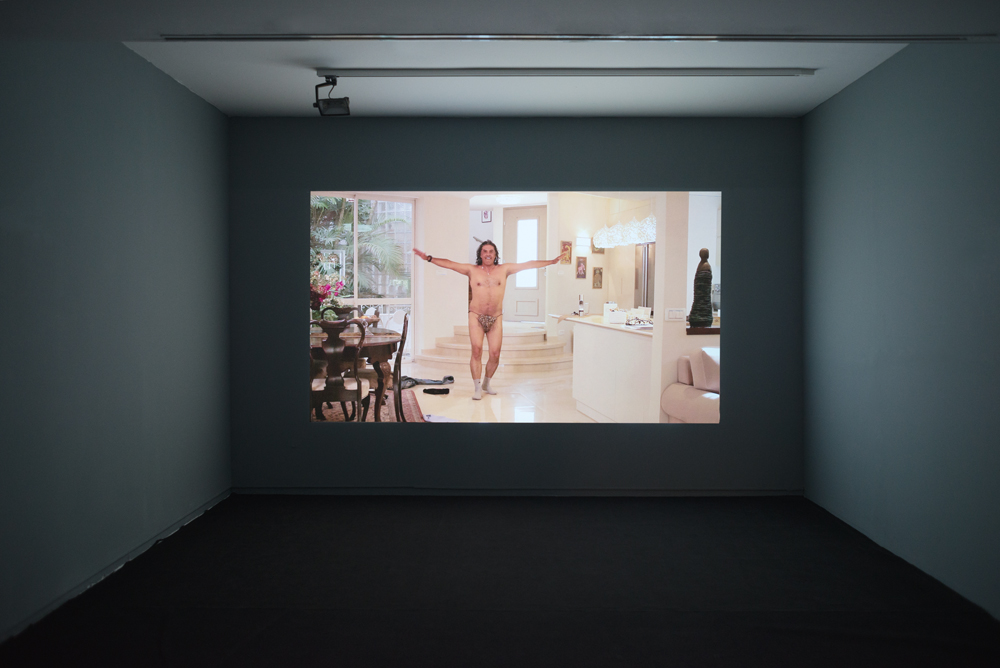
גילדה, סרט הוידיאו של לוסיאנה קפלון מתאמץ להיות משעשע. העיקרון לפיו הוא עשוי ששימש באינספור סרטים פופולרים: מה קורה בבית/משרד שלא בשעות העבודה/פעילות/שהות של הבעלים או המשתמשים הרגילים? בז’אנר כבר היו משרתים שמתחפשים לאדונים ודינוזאורים שמתעוררים במוזיאונים לטבע שלא לדבר על צעצועים שקמים לתחייה באינספור גרסאות.בסרט מנקים, כולם מהגרי עבודה מדרום אמריקה, משחקים במימוש פנטזיות לעין המצלמה בבתים שנראים כרקע לטלנובלה או במשרדים . יש ריקוד בכמעט עירום לצלילי שיר פופ מתורגם לספרדית, צחצוח שיניים במברשת של בעלי הבית הנעדרים ועוד. בטקס בו מבצעת מעריצה את השיר קוּמבּיָה של זמרת הפופ הארגנטינאית ג’ילדה נמתח הקו בין הערצה לרליגיוזית באופן ברור ביותר.אפיון זה שייך לתרבות הערצה בכללה תהיה זו מכוונת לזמרים, שחקני כדורגל או פוליטיקאים.
Luciana Kaplun, 2014  (photo youval hai)

Luciana Kaplun, 2014
(photo youval hai)

מקומם לראות עבודה שמתהדרת ב”רגישות” ששוב מראה את מהגרי העבודה כ”מוזרים” (המילה מצוטטת מטקסט הקיר) והקישור בין שם הזמרת למילה גילדה כפי שנעשה בטקסט אינו הופך אותו למתוחכם היחס למהגרים, וההגחכה מהדהדות באופן מוחלש את העבודות של סנטיאגו סיירה בהן שילם למהגרים לצבוע שיער ,לאונן או לשבת בקופסאות קרטון. במקרה של קפלון, בוגרת התוכנית ללימודי המשך של המדרשה לאמנות מכללת בית ברל אפשר לחשוב גם המספרה לעובדים זרים שפתח דורון רבינא כעבודה ב ART TLV ב 2008 שאיאפשר היה להימנע מלראות בה מחווה לסיירה.
youval hai, יובל חיאריאל רייכמן בלט לטובה בתערוכת בוגרי התואר השני בבצלאל בעבודות שהילכו בתפר בין חומריות מחוספסת לקונצפטואליים באופן מוצלח מאד הוא הציג מרצפת עם הגובלן וחלון עם תריס הפלסטיק המכוער, הישראלי כל כך שדרכו האיר אור ויצר רגע חסד. כעת במיצב AND NIGHT THEY SLEEP, THEY DO רייכמן בונה היגד קוהרנטי, מעניין ובהחלט מבטיח.כותרת המיצב לקוחה כותרת מסיפור קצר של וולפגנג ברוכרטNachts schlafen die Ratten doch” (בלילה הרי העכברושים ישנים, 1947). ברוכרט שהתנגד לנאציזם, חווה את כל מוראות מלחמת העולם השניה כשגויס בכפייה לוורמאכט וגם כשנעצר בשל הצהרות ביקורתיות (כתביו תורגמו לעברית ב 1989 וב 2008).
Ariel Reichman,AND NIGHT THEY SLEEP, THEY DO,2014 (photo youval hai)

Ariel Reichman,AND NIGHT THEY SLEEP, THEY DO,2014 (photo youval hai)

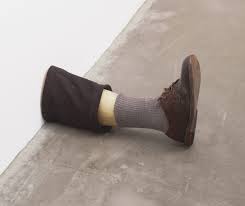
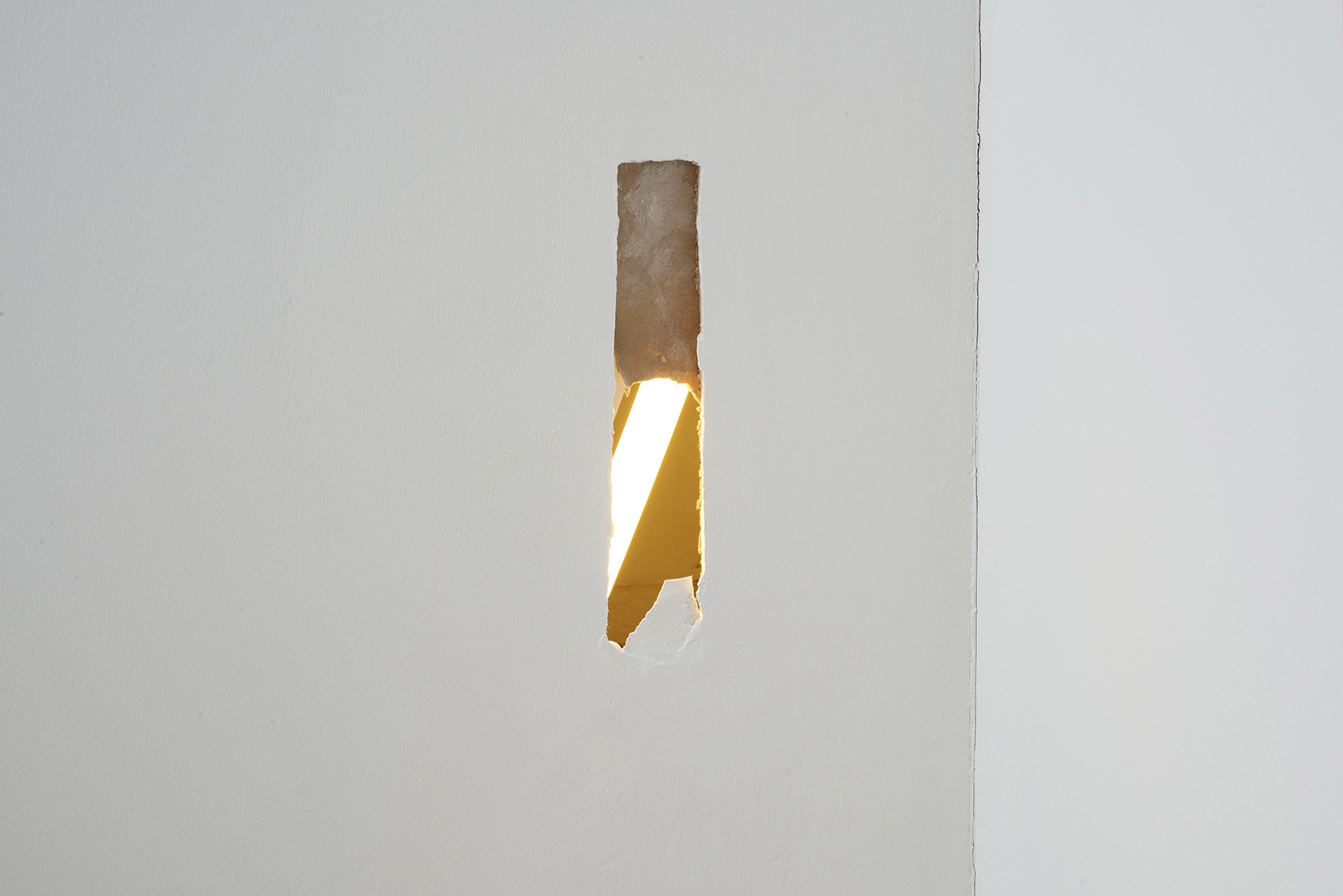
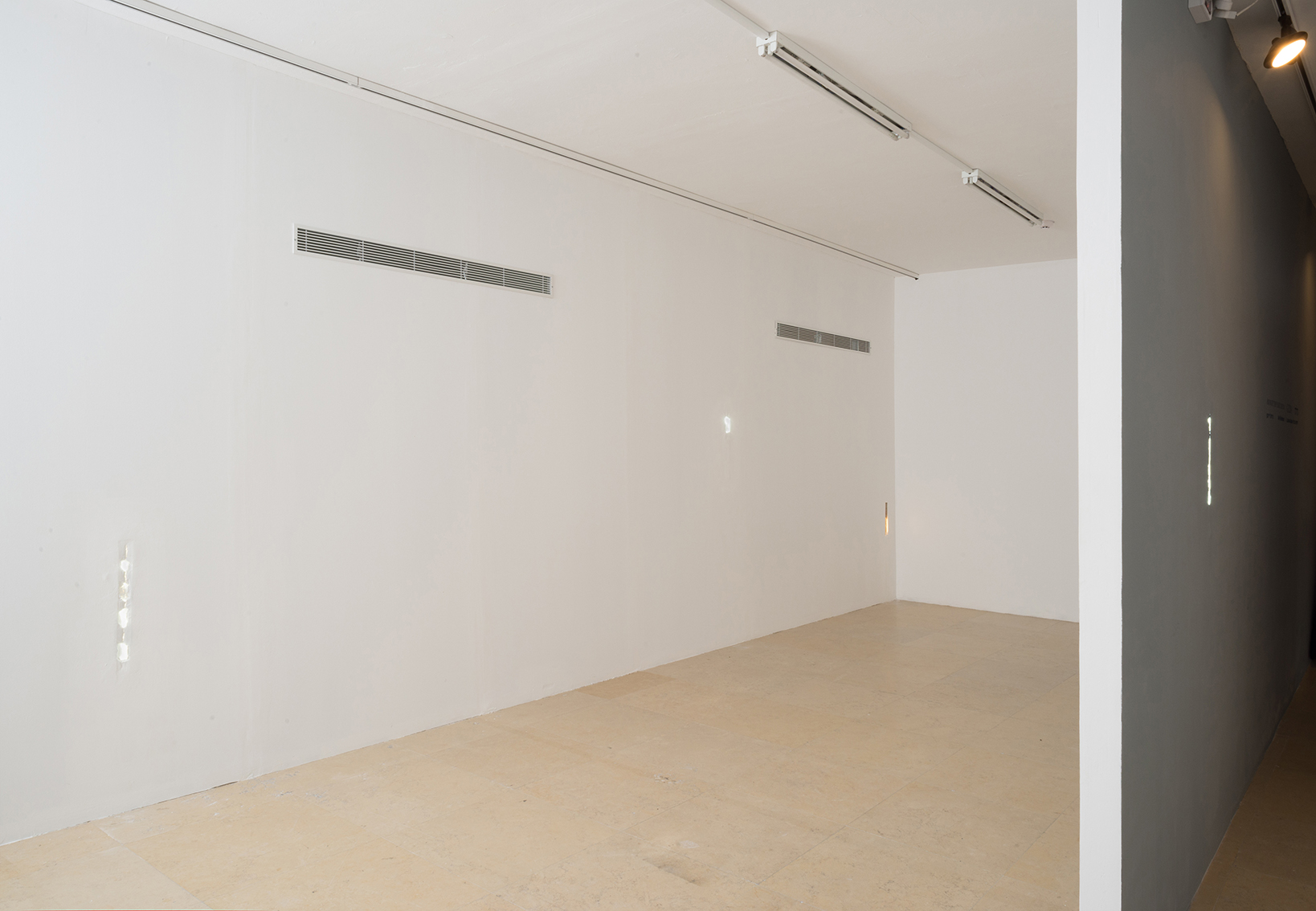
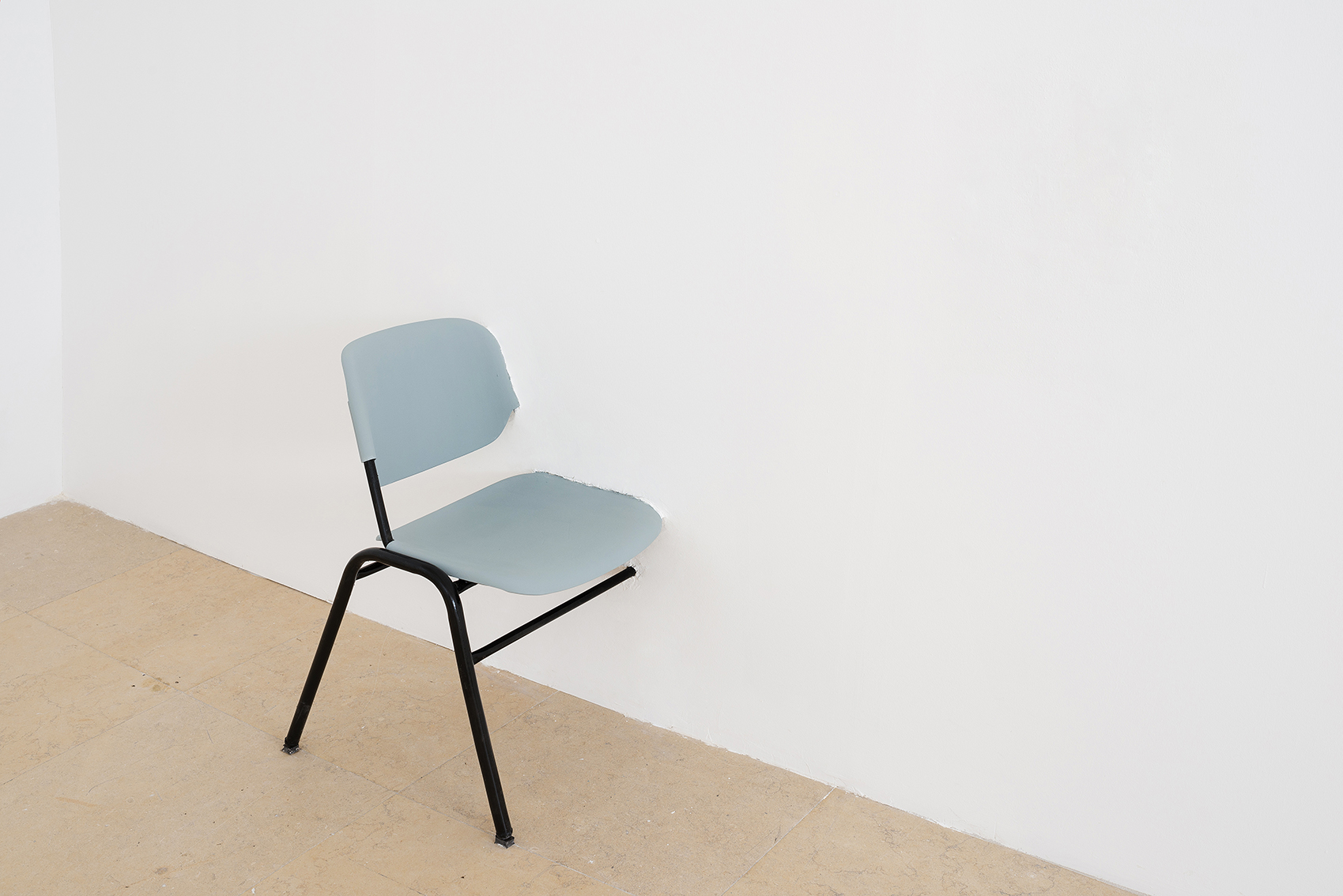
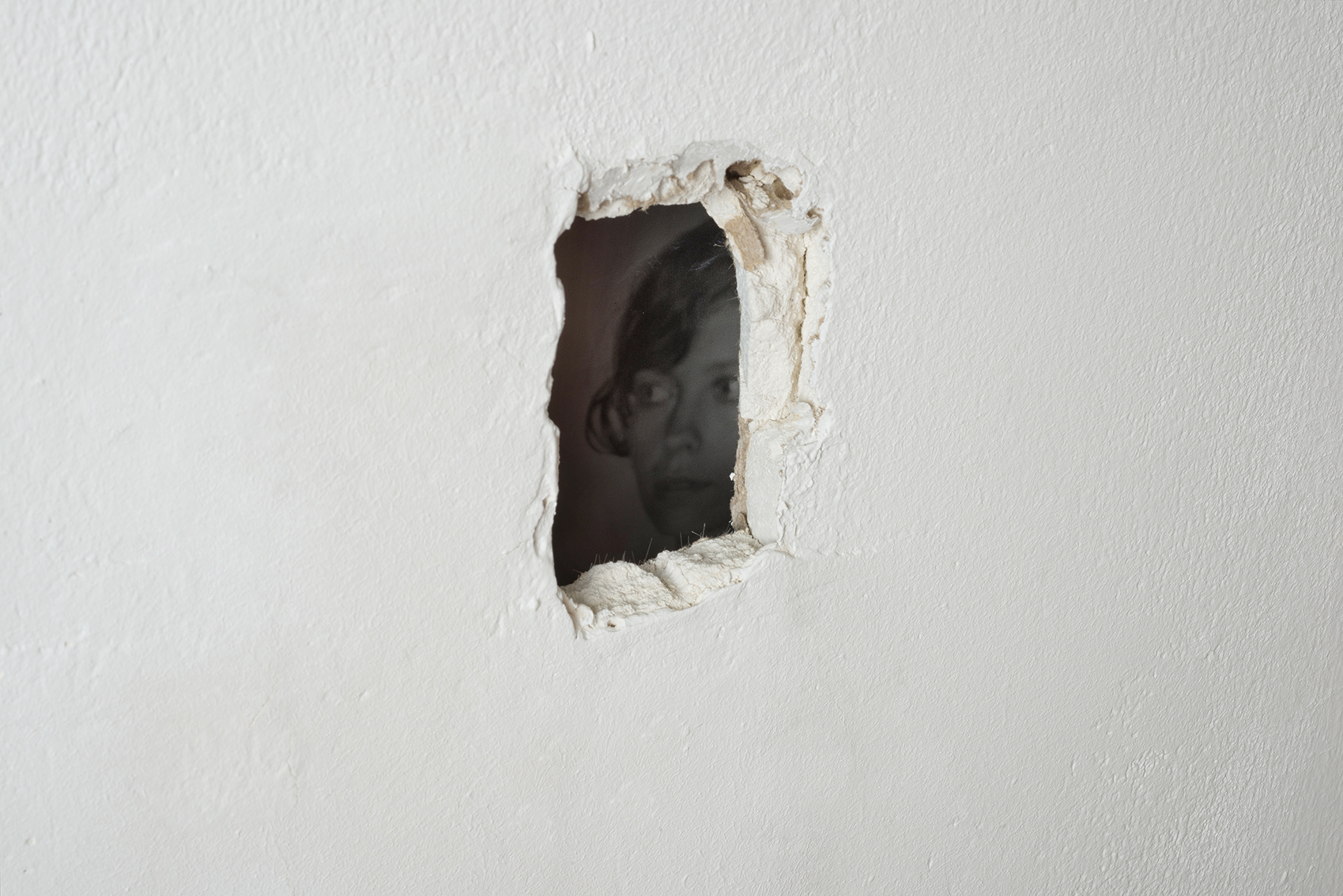
הסיפור הוא על ילד השומר על גופת אחיו המת פן תאכל על ידי עכברושים, ומשתכנע לעזוב את הגופה רק בהבטחה שהם ישנים בלילה. במיצב מרכיבים שמתייחסים לסיפור כמו כיסא מחופר ובולט מהקיר שמדבר על ציפייה ומזכיר את הרגל היוצאת מהקיר, מחרידה בממשותה, של רוברט גובר מתחילת שנות ה 90. במקומות שונים רייכמן פצע את הקיר, חושף את הפנים שלו דרך חרכים קטנים דרכם אפשר לראות מנורת פלורוצנט או שאריות בניה. מקומות מסוימים מזכירים את הדלתות החבולות שיצרה סיגלית לנדאו בתחילת דרכה, באחרים הוא מתקשר לאמנים כמו ריאן גנדר הבריטי Ryan Gander או כריסטוף בוכל השוויצרי Christoph Büchel. המגע של רייכמן בקירות נדמה כמגשש, מגלה וחושף פציעות .
הסאונד שיצר בניה רכס מקניט-מפחיד וגורם למודעות מתמדת של הצופה לכך שאינו לבד, שחיים נוספים מתקיימים בחלל .youval hai, יובל חי
Robert Gober

Robert Gober

את ההצבה של ונטילטור שממחזר את האוויר בגלריה עצמה אפשר לקרוא כסימן מוחלט לחוסר תוחלת. התוקפנות האורבת שנוכחותה מלווה את הצופה הופכת למוחשית בשקופיות המוקרנות סמוך לרצפה ,בגודל קטן , מתוך מקרן מיושן ומרעיש . השקופיות עוקבות אחר את יד המצמיחה ציפורניים, נשק טבעי ,מושחז אך חלש.
Ariel Reichman,AND NIGHT THEY SLEEP, THEY DO,2014 (photo youval hai)

Ariel Reichman,AND NIGHT THEY SLEEP, THEY DO,2014 (photo youval hai)

רייכמן מדבר על התפוררות האוטופיה המודרניסטית, והבחירה בסיפור שנכתב בגרמניה של טרום הנס בכלכלי מדגישה זאת . בחלל הלבן עם מאוורר שחור נשמרת אלגנטיות כבר מתפוררים הקירות , כבר צומח צייד, כבר מאיימים עכברושים לצאת .

צדוק הכהן 2א’ (ליד קלישר 5) ת”א | 03-5106111
שעות פתיחה: שני – חמישי 14:00-19:00 | שישי – שבת 10:00-14:00

To lick your own tongue: Ariel Reichman, Deville Cohen, LucianaKaplun

To lick your own tongue, now at the Center for Contemporary Art, Tel Aviv, is disappointing. The exhibition text states that “while each installation differs in scope and inspiration, they share a playful and imaginative approach.” Playfulness is a matter of taste, and I didn’t find them playful. As for imaginativeness, considering the many times the word “similarity” arose while looking at the pieces, it is very difficult to agree with this statement.Ariel Reichman’s work is good, but still does not manage to tilt the balance in favor of the entire exhibit.

Deville Cohen, 2014

Deville Cohen, 2014

During my visit, Deville Cohen’s video art Zero, did not work. I liked the entrance to the space through a maze, with a revolving door whose panels were shaped like various graters (bringing up the memory of Mona Hatoum’s huge graters), window bars made of paperclips and black walls. There was no sense of any the disorientation or distress which art is capable of creating (as in Mike Nelson’s installations).
Luciana Kaplun’s videoGilda tries hard to be amusing. She used the much-used theme of many popular films of depicting what happens in the home or office when the owner or the boss is absent. Films in this genre have featured servants dressing up in their masters’ clothing and dinosaurs coming to life in museums of natural history, not to mention toys which come alive.

Luciana Kaplun, 2014  (photo youval hai)

Luciana Kaplun, 2014
(photo youval hai)

In Kaplun’s film, cleaners who are foreign workers from South America act out fantasies for the camera in homes or offices which look like settings for telenovellas.A nearly nude worker dances to the sounds of a pop song translated into Spanish; someone else brushes his teeth using the absent owner’s toothbrush; and more.When a fan of Argentinian op idol Gilda sings “Kumbaya,”Kaplun stresses the thin line between admiration and religious adoration. This characteristic of fandom in general is directed to singers, football players and politicians.
It is disturbingto see a work boasting of its own “sensitivity” which depicts work immigrants as “strange” (a quote from the wall text), and the connection between the singer’s name, Gilda, as in the text (“guild” in Hebrew), does not make it sophisticated. The attitude to foreign workers and ridicule in Kaplun’s work echoes works by Santiago Sierra. He paid foreign workers to dye their hair, masturbate, or sit in cardboard boxes. In the case of Kaplun, a graduate of Hamidrasha’s postgraduate art program at the Beit Berl Academic College, we can also think ofDoronRabina’sbarbershop for foreign workers, which he opened at ART TLV in 2008, which was an inescapable reference to Sierra.

Ariel Reichman,AND NIGHT THEY SLEEP, THEY DO,2014 (photo youval hai)

Ariel Reichman,AND NIGHT THEY SLEEP, THEY DO,2014 (photo youval hai)

Ariel Reichman stood out for his excellent work in the Bezalel Academy’s MFA graduates show. The pieces very successfully straddled crude materiality and the conceptual. His tile, with a fine carpet and a window with its ugly, typical Israeli plastic shutter, through which light penetrated, created a moment of grace. In his current installation, “And night they sleep, they do,” Reichman structures a coherent, interesting statement. The title is taken from Wolfgang Borchert’s short story (“Nachtsschlafen die Rattendoch”) (The rats do sleep at night, 1947). Borchert, who was an anti-Nazi, experienced the horrors of World War II as a soldier in the Wehrmacht and under arrest for his criticism of Nazism (his works were translated into Hebrew in 1989 and 2008). The story is about a boy watching over his brother’s corpse to protect it from rats, convinced to leave the body only when he was assured that rats sleep at night. youval hai, יובל חי

Robert Gober

Robert Gober

The installation contains components referring to the story, such as a chair protruding from the wall,eliciting expectation and reminding us of Robert Guber’s horrifyingly realistic foot emerging from a wall from the early ‘90s. In various places, Reichman cut into the wall to reveal its innards through small slits and holes through one can see a fluorescent lamp or construction scrap. Certain places are reminiscent of the “wounded” doors in Sigalit Landau’s early works; in others, he alludes to artists such as British Ryan Gander or Swiss ChristophBüchel. Reichman’s handling of the wall seems to be feeling out, revealing and exposing the “wounds.”
Binya Reches’s original sound is frightening, making the viewer constantly aware of not being alone, of other life in the space. The placement of the fan recycling the gallery air may be read a sign of absolute uselessness. The aggression waiting in ambush, whose presence accompanies the viewer, becomes concrete through the slides projected by an old-fashioned noisy projector onto a space near the floor, in a small frame. The slides follow the artist’s hand growing fingernails – a natural weapon, sharp but weak.

Ariel Reichman,AND NIGHT THEY SLEEP, THEY DO,2014 (photo youval hai)

Ariel Reichman,AND NIGHT THEY SLEEP, THEY DO,2014 (photo youval hai)

Reichman addresses the crumbling of the modernist utopia and his choice of the narrative written in Germany about the era before the economic miracle, emphasizes it. The white space with a black fan maintains its elegance, but the walls have begun to crumble, and the hunt has begun: the rats are threatening to emerge.

CCA, 2A Tzadok Cohen Street (nr.Kalisher), Tel Aviv | Tel. 03-510-6111
Open Mon.-Thurs., 2-7 p.m. | Fri.-Sat. 10 a.m.-2 p.m.

oin the mailing list for Window’s wJeekly informational advertising newsletter on art, special events, and openings: www.smadarsheffi.com/?p=925
Posted in וידיאו, פיסול ומיצב | Comments Off on ללקק את הלשון של עצמך: אריאל רייכמן, דוויל כהן, לוסיאנה קפלון| To lick your own tongue: Ariel Reichman, Deville Cohen, Luciana Kaplun

רוית מישלי במזל וברכה מיתוסים ואמונות טפלות באמנות ישראלית עכשווית |Ravit Mishli’s installation in the exhibition MazalU’Bracha: Myths and superstitions in contemporary Israeli art

Please scroll down for English

מזל וברכה נפתחה בצהרי שישי בסוף יולי, כשעה אחרי שתי אזעקות באזור תל-אביב, קונטקסט בהחלט דרמטי לתערוכה שעניינה ההשפעה של ייצוגי אמונות טפלות ומתיסוים באמנות ישראלית עכשווית. על התערוכה אפשר לחשוב באופן נרחב יותר כהתבוננות בפיצול, החלקי בלבד, שחל בין אמונה לאמנות מאז היו כמעט אחד בחברות אנושיות מוקדמות או ראשוניות. האמנות,מבחינה אנתרופולוגית, צמחה כחלק מטקסים רליגיוזים.כיום היא דיספלינה נפרדת אך יש בה היבטים רוחניים,חיפוש רוחני (גם כיום כשהגוון הצרכני מקבל משקל יתר).
מזל וברכה מוצגת בקומה השניה בבית התפוצות בחלל ששמו שער האמונה ובעבר הוצגו בו דגמי בתי כנסת. משתתפים בה ארבע עשר אמנים ואיכות העבודות מגוונת. בין הבולטות לטובה העבודות של אבי סבח ואסי משולם,רפעת חטאב, נורית ירדן וגרי גולדשטיין. לצד האמנות העכשווית גם מוצג הקבץ יפה מאוסף היודאיקה המצוין של ויליאם גרוס.

Untitled Ravit Mishli 2014

Untitled Ravit Mishli 2014

העבודה של רווית מישלי מרתקת ויוצאת דופן ביחס שהיא מכוננת בין תולדות האמנות היהודית לאמנות העכשווית. הקישור שלה לנושא התערוכה בכללותו עקיף, אך היות ומדובר בעבודה מבריקה היבט זה הוא חסר חשיבות.
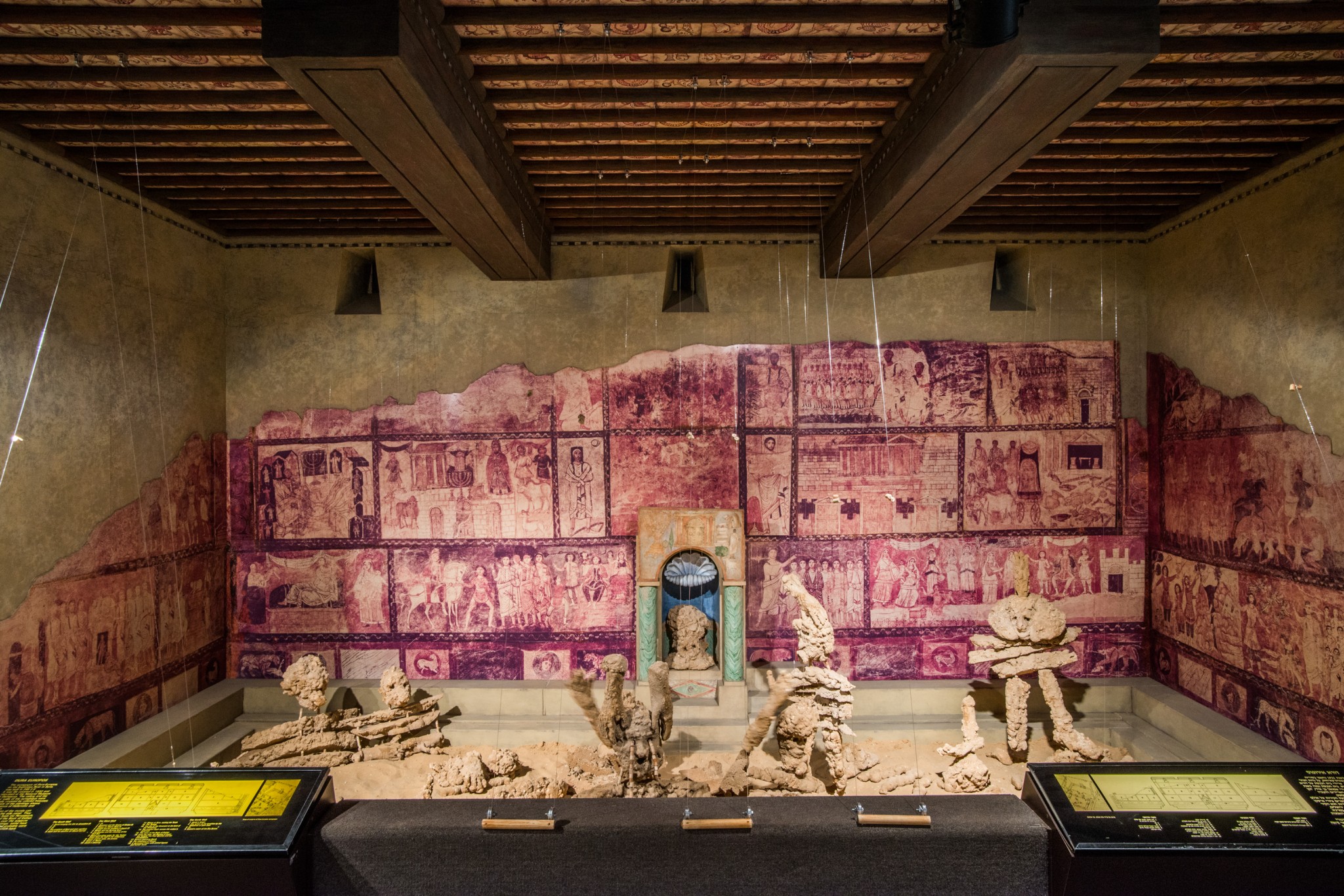
מישלי יצרה את עבודתה,ללא כותרת, בתוך הדגם המוקטן של בית הכנסת בדורא ארופוס, אתר שהחשיבות הארכיאולוגית שלו רבה וחשיבותו לפרשנות אמנות יהודית עצומה. ההכרה המועטה יחסית של גוף היצירה הזה בארץ מעידה על הקושי בחשיבה על יחסי אמנות יהודית ישראלית באופן שאינו דוגמטי. ההצבה שמישלי בחרה בה מהותית לעבודה מעבר לשיקולים אסטטים.
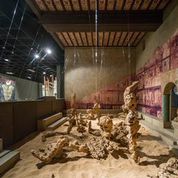
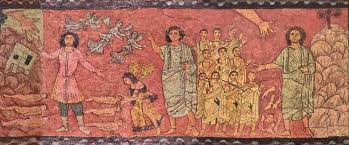
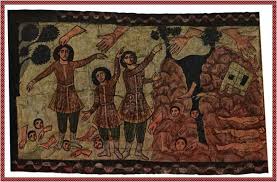
בית הכנסת התגלה בחפירות ארכיאולוגיות בסוריה,בשרידי העיר דורא ארופוס ב 1932. הוא מכיל עשרות ציורים פיגורטיביים המתארים סיפורים מהתנ”ך בהם סיפור עקדת יצחק, משה מקבל את לוחות הברית ומוציא את בני ישראל ממצרים,סצנות ממגילת אסתר וגם חלקים מחזון יחזקאל. בית הכנסת תוארך ל 244 לספירה לפי כתובת ארמית שהשתמרה בו. השתמרות בית הכנסת נובעת, כנראה, מכך שבעת המלחמה בין הרומים לפרסים (שלבסוף כבשו והחריבו את העיר) נפסק השימוש בו והוא מולא בעפר כחלק מביצורי העיר. כך הוא הפך לדוגמא נדירה ביותר של ציורי קיר יהודיים מתקופה זו והוא מאתגר את התפיסות הדוגמטיות בעניין ההשפעה של הציווי של הדיבר הראשון. הפרסום המדעי הראשון לגביו ראה אור ממש ערב מלחמת העולם השנייה, ב 1939 וחלקי בית הכנסת המקוריים נשמרו במוזיאון הסורי הלאומי בדמשק.

the visions of Ezekiel Dura-Europos synagogue,244 CE

the visions of Ezekiel Dura-Europos synagogue,244 CE

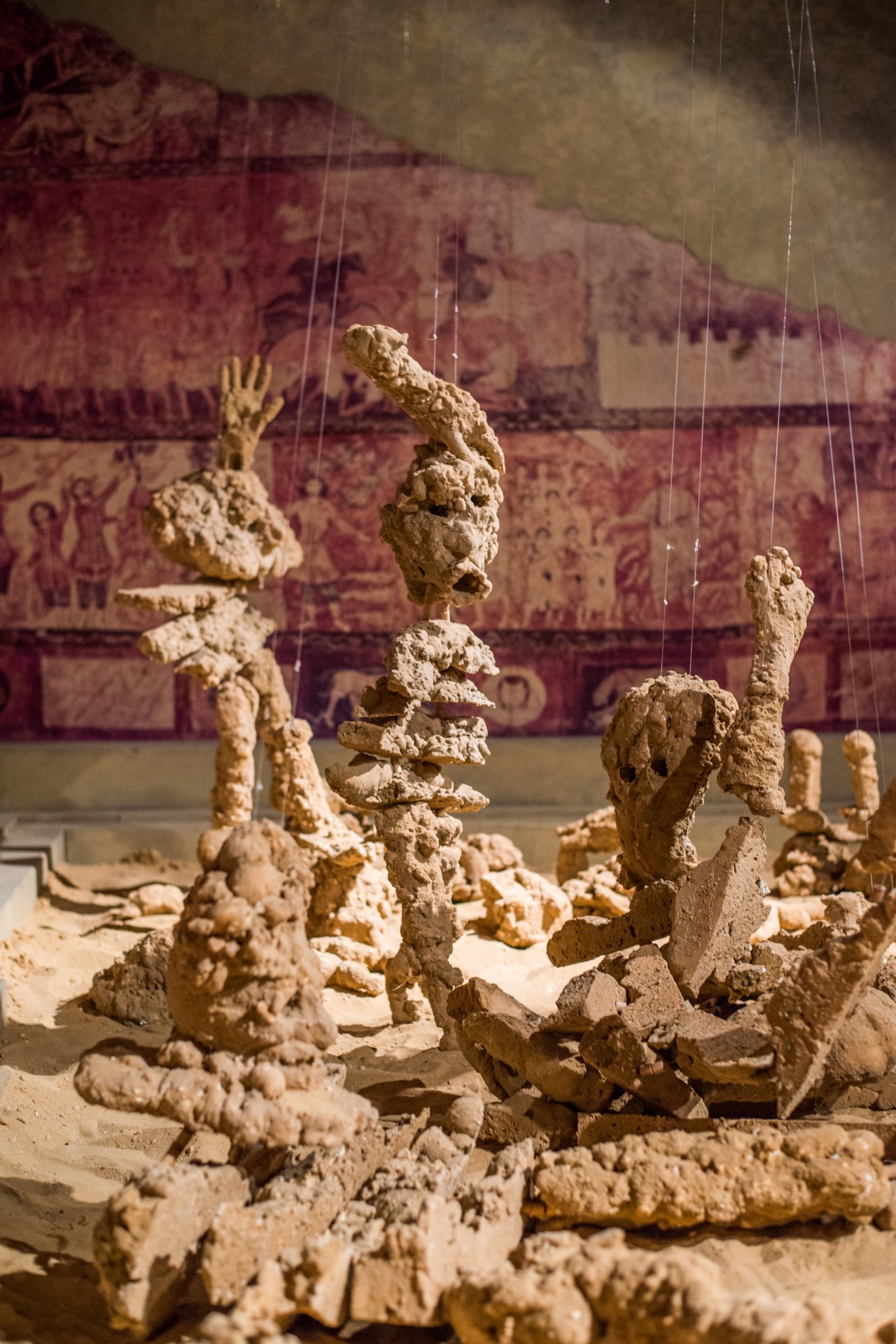
מישלי מתבלטת כבר כמה שנים במיצבים מרשימים (הפי ניישן שהוצג בתערוכת בוגרי התואר השני בבצלאל ב 2010, ווריאציה שלה הוצגה בביאנלה בהרצליה) ועבודות קטנות יותר כמו סידרת רבידים עם מוטיבים של ישראלינה של שנות ה 50 וה 60. ההצבה במזל וברכה היא כאמור בתוך דגם הקיר המערבי של בית הכנסת בדורא ארופוס, (שחזור קנה מידה 2:1 )יצרה. היא רחבה קטנה של חול ובה דמויות סכמטיות עשויות פולאוריטן ומצופות חול או עפר שנראה כטפטופי בוץ. אלו הן מריונטות, חוטיהן גלויים והצופים יכולים להקימן לתחייה ולשמוט אותן כרצונם. מערך המריונטות ופרטים כמו ידיים אוחזות גולגולת או ספק מסכה ספק גוף בתוך מקום ארון הקודש יוצרים תחושה שהן גילמו טקס כלשהו, שיש לו פוטנציאל לחזור שוב ושוב.
הקשר לחזון העצמות, שהוא הנושא המצויר הגדול ביותר בבית הכנסת, ברור בשל עיצוב המריונטות והדגשת היותן מעפר. אם מתאמצים למצוא צד אופטימי בעבודה הקודרת אפשר לחשוב על המריונטות בהקשר לסוף החזון : בְּפִתְחִי אֶת-קִבְרוֹתֵיכֶם, וּבְהַעֲלוֹתִי אֶתְכֶם מִקִּבְרוֹתֵיכֶם–עַמִּי. וְנָתַתִּי רוּחִי בָכֶם וִחְיִיתֶם, וְהִנַּחְתִּי אֶתְכֶם עַל-אַדְמַתְכֶם; וִידַעְתֶּם כִּי-אֲנִי יְהוָה, דִּבַּרְתִּי וְעָשִׂיתִי–נְאֻם-ה` (יחזקאל ל”ז 14-10)

the visions of Ezekiel Dura-Europos synagogue,244 CE

the visions of Ezekiel Dura-Europos synagogue,244 CE

בשורת עבודות מהשנים האחרונות טיפלה מישלי בגוף באופן המגחיך אותו, מצמצם את איבריו לכדי שלד ומעלים סימני זיהוי. הכוונה לדימויים גרוטסקיים כמו פוף,2009, ניילון בצורה של כורסת פוף שמולאה בפופקורן ועליו שלד עשוי מפופקורן מודבק או התערוכה המרכז להרחקת יונים, הפחות מוצלחת, בגלריה טבי בה יצרה מישלי,מבצק, שורת דמויות דומות מאד לאלו שמוצגות במזל וברכה. _TNB4716
במגרש החול שיצרה מישלי בדגם דורא ארופוס הבובות במשמעות שלא היתה להם בעבר. הקישור הרעיוני לחזון יחזקאל, והחזותי לדימויי איברי הגוף הקטועים (המחרידים) ששימשו אמן במאה השלישית לספירה מצוינים.
הדימוי של המוות כשלד מרקד,מוטיב ה Danse Macabre מתקשר לאמנות נוצרית של ימי הביניים המאוחרים וגם לגלגולים העכשוויים של הדימוי בעבודות של כריסטיאן בולטנסקי (שזיקה לעבודתו ניכרה גם בעבודות של מירב סבירסקי שהציגה לא מזמן בקו 16 ). המריונטות של מישלי, שנראות כגלי עצמות שהתאבנו ומתמלאות חיים,בעזרת הצופים, יוצרות באופן סימבולי תאטרון שכחוצה זמנים ומצבי חיים בחצר בית כנסת שחרב ושב והתגלה.

אוצרת: כרמית בלומנזון

בית התפוצות, אוניברסיטת תל אביב (שער 1).

הרשמה לניוזלטר הפירסומי השבועי של “החלון” בנושאי אמנות, אירועים ותערוכות חדשות – www.smadarsheffi.com/?p=925
(הרישום נפרד מהרישום לבלוג )

נפתחה ההרשמה לקבוצת סיורי האמנות 2014-2015 מידע בעמודת הרצאות וסיורים 

Ravit Mishli’s installation in the exhibition Mazal U’Bracha: Myths and superstitions in contemporary Israeli art

The opening of the exhibition Mazal U’Bracha took place at the Beit Hatfutsot-Museum of the Jewish People on a Friday afternoon in late July, about one hour following two red alerts – definitely a dramatic context for an exhibition on the impact of the representations of myths and superstitions in contemporary Israeli art. In a broader sense, the exhibition may be seen as contemplating the partial split between emunah and omanut- two words spelled almost the same in Hebrew, meaning faith and art, two words which used to comprise a single entity in early human society. From an anthropological aspect, art was partly an outgrowth of religious ceremonies; it is currently a separate discipline yet still retains aspects of a spiritual search (even now, when the commercial aspect has considerable weight).

Untitled Ravit Mishli 2014

Untitled Ravit Mishli 2014

Mazal U’Bracha is installed in the Museum’s “Gate of Faith” area, formerly the space for exhibiting models of old synagogues. There are 14 artists participating in the exhibition, with varying quality of works. Outstanding are works by Avi Sabah, Raafat Hatab, Nurit Yarden and Gary Goldstein. The William Gross Judaica Collection is also on exhibit along with the contemporary art.
Ravit Mishli’s installation fascinates with the unusual relationship it establishes between the history of Jewish art and contemporary Israeli art. The brilliance of the work makes it unimportant that it is not explicitly linked to the them of the exhibition.
Mishli created the untitled work inside the miniature model of the Dura Europos synagogue (244 CE). The original site was of great archaeological importance, and tremendously vital to the interpretation of Jewish art. The relatively low level of familiarity among Israelis with the Dura Europos art demonstrates the difficulty in thinking about the relationship between Jewish and Israeli art in a non-dogmatic way. Mishli’s choice of installation is essential to the work, beyond its aesthetic considerations.The synagogue was discovered in 1932 during excavations in Syria among the ruins of the city. It contains dozens of figurative paintings describing Bible stories, such as the Binding of Isaac, Moses receiving the Tablets of the Law, and taking the Israelites out of Egypt, scenes from the Scroll of Esther and portions of Ezekiel’s Vision of the Dry Bones. Dating was according to a well-preserved Aramaic inscription; the walls survived because during the war between the Romans and Persians (who finally destroyed the city) it was filled with earth as fortifications. The wall paintings became the rarest example of Jewish art of the 3rd century, challenging the accepted explanation of the Second Commandment not to make “graven images.” The first scholarly article on the finds was published on the eve of World War II in 1939, and the original sections of the synagogue were stored in the National Museum of Syria, Damascus.

the visions of Ezekiel Dura-Europos synagogue,244 CE

the visions of Ezekiel Dura-Europos synagogue,244 CE

Mishli has been noticeable for her impressive installations over recent years, such as “Happy Nation” shown in the Bezalel MFA exhibition in 2010, with a variation exhibited in the Biennale at the Herzliya Museum of Contemporary Art, and smaller works such as her “Revidim” series with its motifs of Israeliana of the 50s and 60s.

Untitled Ravit Mishli 2014

Untitled Ravit Mishli 2014

The installation is placed inside the western section of the half-size scaled model of the Dura Europos Synagogue. Mishli created a small square of sand with schematic figures made of polyurethane covered with sand or dirt which looks like dripped mud. These are marionettes with visible strings which visitors were able to pull up, thus “resuscitating” the figures, or allowing them to drop down.(The strings were very soon pulled so harshly the “interactive” aspect of the exhibition was cancelled). The array of figures, with various details such as hands holding skulls or perhaps masks, clumps looking like bodies inside the Holy Ark, create a feeling that they are embodying a sacred text with the potential of being repeated ad infinitum.
There is a clear association to Ezekiel’s Vision of the Dry Bones, which is the largest painting in the synagogue, due to the design of the marionettes and the emphasis on their being made from dust. If we seek the optimistic side of this dark work, we can think of the marionettes in the context of the end of the Vision: “You shall know, O my people, that I am the LORD, when I have opened your graves and lifted you out of your graves. I will put My breath into you and you shall live again, and I will set you upon your own soil. Then you shall know that I the LORD have spoken and have acted- declares the LORD.”(Ezekiel 37:10-14).
In her series of works over recent years, Mishli addressed the body but ridiculed it, minimizing the limbs to make it into a skeleton and concealing any identifying signs. The intention to make grotesque images, such as in her piece Pouf (2009), which featured a plastic armchair stuffed with popcorn onto which a skeleton of popcorn was pasted, or her less successful Center for Exterminating Pigeons in the Tavi Gallery, Tel Aviv, with rows of figures similar to the ones in MazalU’Bracha, but made of dough.
Placed in the field of sand which Mishli created inside the model of the Dura Europos Synagogue, the marionettes take on a meaning that they lacked in the past. The associative philosophical and visual link to the (horrific) images of severed limbs, which served a 3rd century artist,are excellent.

Untitled Ravit Mishli 2014

Untitled Ravit Mishli 2014

The motif of the danse macabre, Death as a dancing skeleton, is associated with Late Medieval Christian art as well as with contemporary transformations of the image bu artists such as Christian Boltanski (whose impact is recognizable in works by MeravSvirsky recently shown at Kav 16). Mishli’s marionettes, looking like heaps of fossilized bones which have life breathed into them with the help of viewers (before the strings became tangled and ruined) symbolically create a timeless theatre and life situations in the ruins of a rediscovered synagogue courtyard.

Curator: Carmit Blumensohn
Beit Hatfutsot-Museum of the Jewish People, Tel Aviv University (Gate 1).

Join the mailing list for Window’s weekly informational advertising newsletter on art, special events, and openings: www.smadarsheffi.com/?p=925
Posted in פיסול ומיצב | Comments Off on רוית מישלי במזל וברכה מיתוסים ואמונות טפלות באמנות ישראלית עכשווית |Ravit Mishli’s installation in the exhibition MazalU’Bracha: Myths and superstitions in contemporary Israeli art

Doug + Mike Starn installation at the Israel Museum- Big Bambu – מיצב של האחים סטארן במוזיאון ישראל

Please scroll down for English

Big Bambu מיצב של האחים סטארן במוזיאון ישראל

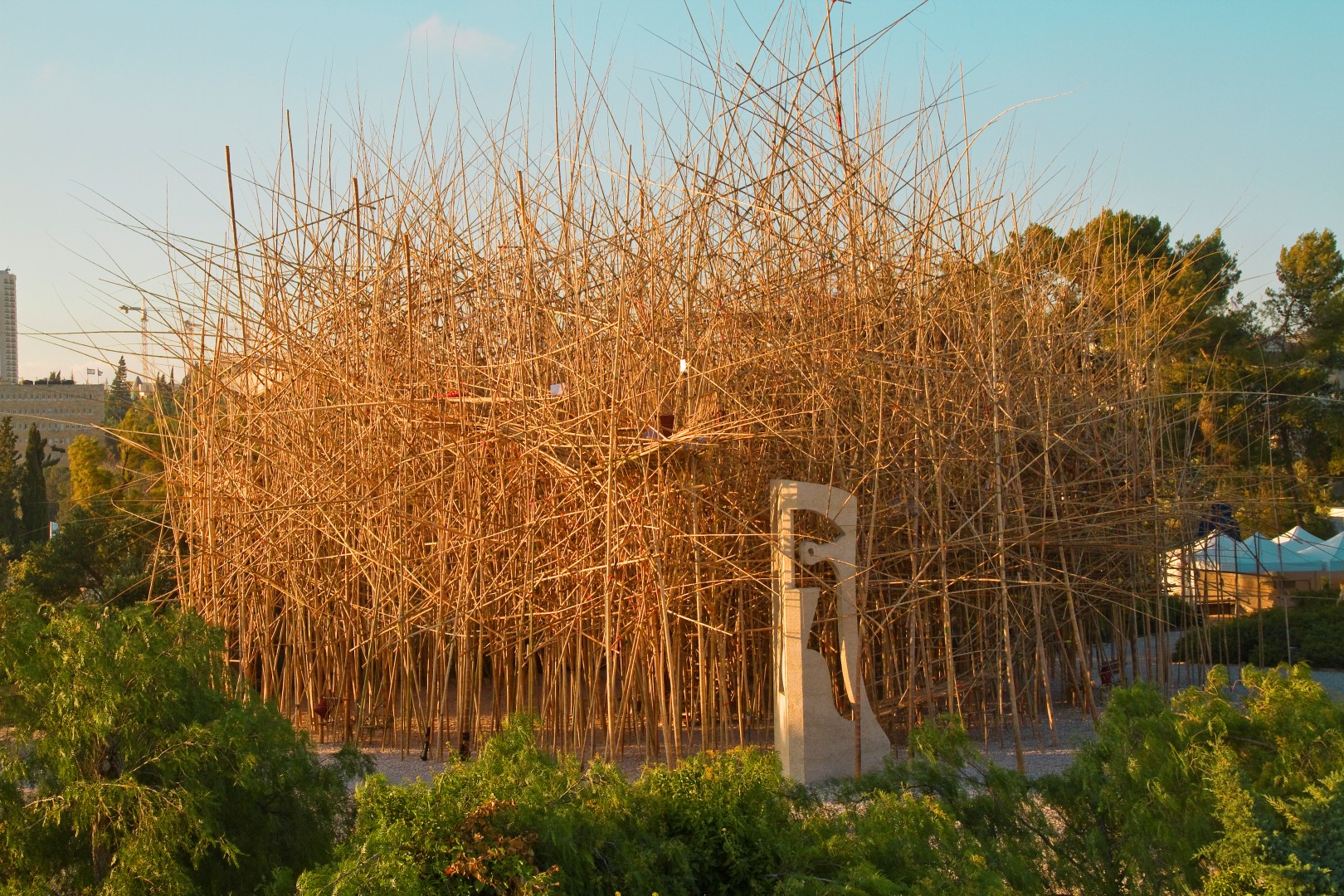
קבוצת אמנים או קרקס שהגיעו העירה – זו אולי האסוציאציה הראשונה ואולי גם הגדרה הטובה ביותר למיצב Big Bambu העומד בגן הפסלים מוזיאון ישראל . זהו מיצב נודד שהוצג תחילה בסטודיו של האמנים דאג ומייק סטארן ומייד לאחר מכן, ב 2010 על גג מוזיאון המטרופוליטן בניו-יורק, בהצלחה רבה. מאז כלל סיבוב ההופעות של המיצב את ביאנאלה בוונציה ב 2011, המוזיאון לאמנות מודרנית ברומא, ו 2013 במוזיאון נאושימה ביפן.

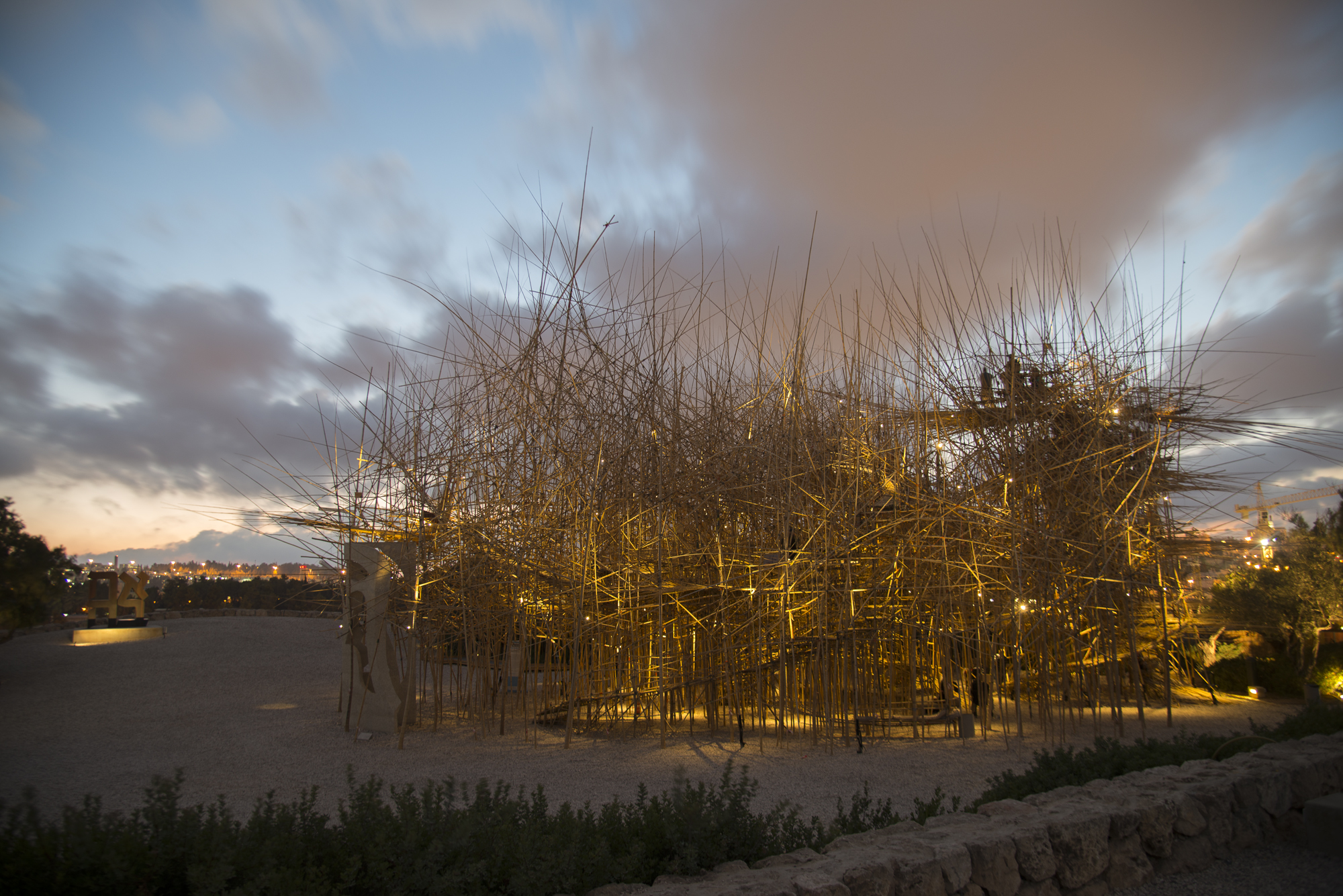
Big Bambu at Night

Big Bambu at Night

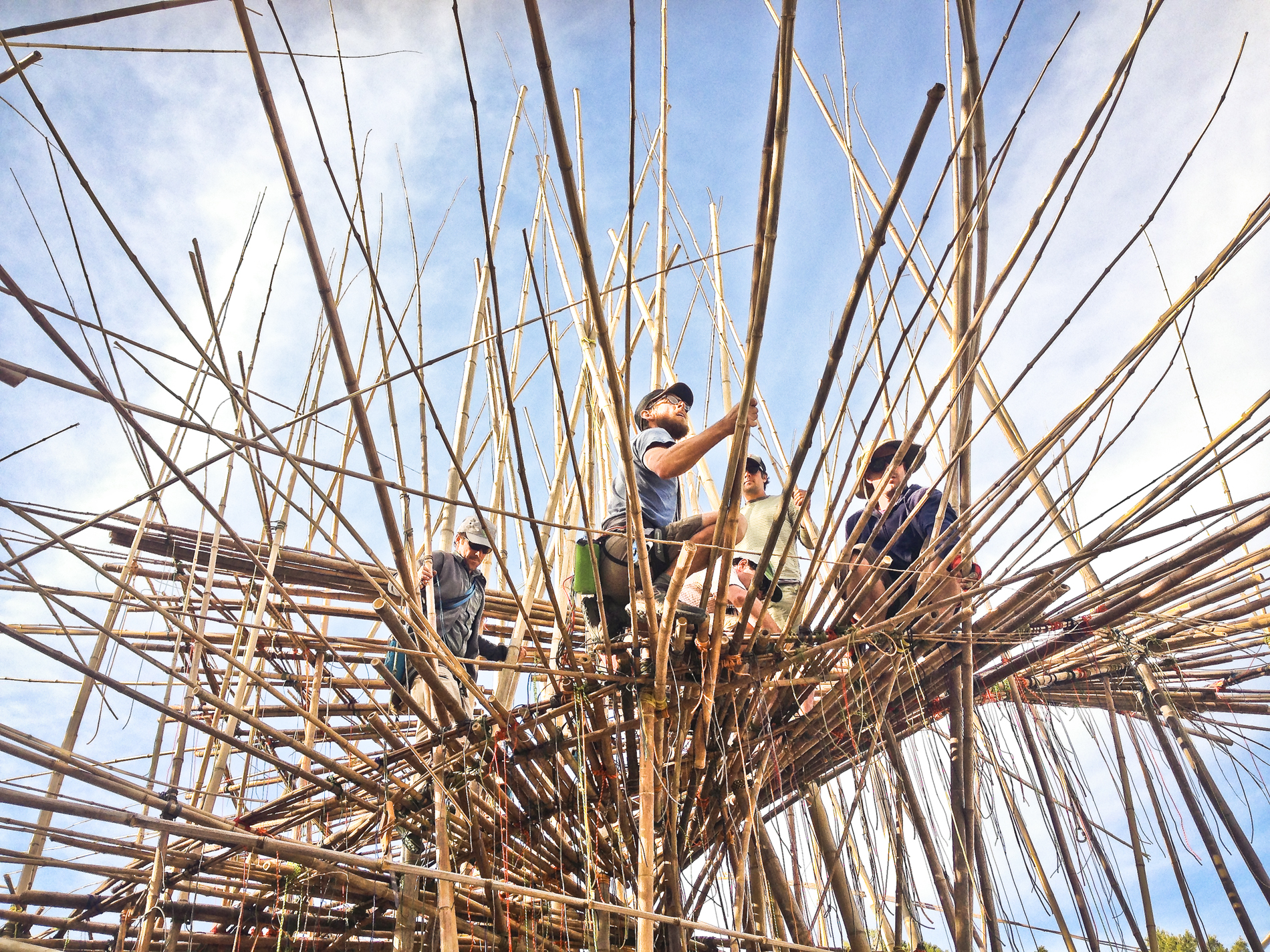
ההשוואה לקרקס או ללהקת אמנים נודדת נובעת מהאופי המובהק של המיצב כעבודת יד, מהיות החוויה שהיא יוצרת חושית, ישירה ומובנת באופן כמעט אינסטינקטיבי , כל מה שממקם אותה במה שמוגדר היום כ LOW TEC .המיצב הוקם על ידי צוות של עשרים וחמישה אנשים שחלקו נדד עם העבודה ברחבי העולם ואחרים הם מטפסי הרים מהארץ (יהודים ולא יהודים, נשים וגברים , הדגיש המוזיאון בתשובה לשאלה בעניין). ה Big Bambu הוא כאמור עבודה של האחים סטארן, אמנים אמריקאים ,תאומים זהים, שמאז סוף שנות ה 80 של המאה הקודמת קיבלו הכרה נרחבת בעיקר על עבודתם התלת מימדית עם צילומים. מאז עסקו בפיסול ווידיאו וגם צילום וטכניקות שונות של סריקה כשנושאים של זמן וכיליון , הטמיר ביומיומי ויחס מורכב לטבע חוזרים כנושאים מרכזים. המבנה עשוי 7,000 מוטות במבוק,ו 80 ק”מ של חבלי טיפוס , צורתו הסופית התגבשה תוך כידי עבודת ההקמה שארכה כמה שבועות .

Big Bambu - in the making

Big Bambu – in the making

במידה מסוימת התהליך מזכיר עבודות של קבוצות אמנים , פסלים או ציירי פרסקאות שנדדו ברחבי אירופה במהלך ימי הביניים והרנסנס המוקדם כשהם יוצרים במקומות שונים וכך משמשים סוכנים להעברת רעיונות נוסף לסגנונות אמנותיים. באסוציאציה חופשית אפשר להרחיק ולחשוב על ה Big Bambu כמאין קתדרלות זמניות , ניסיון, באמצעים בסיסים, להתקרב לשמים , לנשגב . האסוציאציה לאמנות ימי הביניים קשורה גם לאופי של המיצב כמתקיים בין אמנות גבוהה לשדות של בידור ושעשוע או מכל מקום כמענה לצורך או כמיהה , גם אם לא מוגדרת של קהל רחב .הושטת יד כזו לקהל הפכה למקובלת ביותר במוזיאונים גדולים. המטרופוליטן מציג כבר למעלה מעשור מידי קיץ עבודה מיוחדת, בדרך כלל מיצב בו הציבור יכול להתהלך וטייל ולשחק (השנה מציג דן גראהם ). מאז שנת 2000 מוקם מידי קיץ בפארק ליד גלריה סרפנטיין בלונדון ביתן המוקם בידי אמנים או אדריכלים והשנה עיצב ביתן האדריכל הציליאני Smiljan Radić.
מוזיאון ישראל החל בפרויקט דומה לפני כשנה עם 720 מעלות ביתן מאכזב של רון ארד בו הוקרנו עבודות וודיאו.
את המבנה הכללי של Big Bambu בירושלים אפשר לתאר כשתי ספירלות גדולות שיש מקומות בהם הן נפגשות-מתחברות , וקו המיתאר החיצוני המזכיר קן ציפור(בעיניים של מי שאינה צפרית מקצועית).

Big Bambu Completed with Picasso

Big Bambu Completed with Picasso

הקן מיתמר לשמונה עשר מטרים ושבילי הטיפוס (הנוח מאד) מובילים בגבהים שונים למרפסות עם ספסלי ישיבה שמשקיפות על הנוף היפה , השלו באופן מטעה, של ירושלים . השהיה בהן, בעיקר בשעות השקטות יותר, מקסימה.
האסוציאציות ליצירות אמנות קולקטיביות כמו קתדרלות אינן מהדהדות בשיווק של המיצב כמגרש משחקים לכל המשפחה אך גם לא עומדות בניגוד לו . Big Bambu משמח לבב גדולים וקטנים, בילוי קיצי מומלץ (במיוחד בשעות אחה”צ) שברגעי חסד הופך להרבה יותר.

כרטיסים ניתן להזמין באתר המוזיאון,הכניסה מגיל 6 ומעלה. הכניסה בנעליים סגורות .שעות הביקור עד סוף אוגוסט –

ימים א, ב 17.00-10.00   ימים ג, ד, ה, 21.00-10.00  יום ו 14.00-10.00 שבת 17.00-10.00

                                             –  הרשמה לניוזלטר הפירסומי השבועי של “החלון” בנושאי אמנות, אירועים ותערוכות חדשות -נפרד מבלוג ביקורת האמנות    www.smadarsheffi.com/?p=925

Doug + Mike Starn installation at the Israel Museum: Big Bambú
A group of traveling artists or a circus coming to town is the first association and perhaps a helpful definition of the installation Big Bambú in the sculpture garden of the Israel Museum, Jerusalem. The piece began in the Starn Brothers’ studio, followed immediately by installation on the roof of New York’s Metropolitan Museum of Art in 2010, which met with great success. Since then, it was installed in slightly different versions at the Venice Biennale (2011), the Macro Museum of Contemporary Art in Rome (2012), and at the Naoshima Museum, Japan (2013).The comparison to a circus or a group of traveling artists from its clear artisanal nature, creating a direct, structured almost instinctively as a sensory experience, conforming to the definition of “low-tech.”

Big Bambu - in the making

Big Bambu – in the making

Constructed by a team of 25 rock climbers, some of whom have traveled with the piece throughout the world and others are mountain climbers from Israel (Jews and non-Jews, women and men, as the Museum emphasized in response to a question about the team). Big Bambú is by the identical twin Starn Brothers, American artists who have earned wide recognition since the late ‘80s for their 3-D work with photographs. Since then, they have been engaged in sculpture and video as well as photography, using different scanning techniques, centering on the ever-present issues of time and decay, with a complex attitude to Nature.The final form of the structure, made of 7,000 bamboo rods and 80km. of climbing rope, solidified over the several weeks of construction. To a certain extent, the process is reminiscent of works by groups of itinerant artisans, such as groups of sculptors or fresco-painters during the Middle Ages and Early Renaissance, who created works of art in certain locations and traveled on, serving as culture agents transmitting ideas as well as artistic styles.We can freely associate to Big Bambú as some sort of temporary cathedral, an attempt to reach the heavens and the sublime using basic means.The association to medieval art may be also linked to the nature of the installation as existing between high art and the entertainment and amusement field, or in response to the need or longing of a broad audience, even if undefined.

Big Bambu at Night

Big Bambu at Night

Extending a hand has become popular among the large museums of the world. For over a decade, the Metropolitan has been awarding a commission for a summer work for its Roof Garden, usually an installation in which the public can walk around and play in (this year by Dan Graham). Since 2000, the Serpentine Gallery, London, has a pavilion in the park for exhibitions by artists or architects. This year’s pavilion is by Chilean architect Smiljan Radić.The Israel Museum began a similar project about one year ago, with a disappointing pavilion 720 degrees installed by Ron Arad in which video works were screened.

Big Bambu Completed with Picasso

Big Bambu Completed with Picasso

The overall structure of the Big Bambú in Jerusalem can be described as two large spirals, meeting and connecting at various places, with an external contour reminiscent of a bird’s nest (this from someone who is not at all a professional birdwatcher). The “nest” rises to a height of 18m., with convenient climbing paths leading up at different heights to “porches” with benches overlooking the beautiful, deceivingly calm landscape. Sitting in the seating areas, especially during quiet hours of the day, is charming.
No association to collective works of art such as cathedrals resonates through the Museum’s marketing of the installation as a playground for the entire family, but it does not contradict the fact that Big Bambú brings joy to young and old. Warmly recommended as summer fun (especially in the late afternoon), and at certain moments, it transcends that.

Join the mailing list for Window’s weekly informational advertising newsletter on art, special events, and openings: www.smadarsheffi.com/?p=925
Posted in Uncategorized | Comments Off on Doug + Mike Starn installation at the Israel Museum- Big Bambu – מיצב של האחים סטארן במוזיאון ישראל

סמדר שפי, החלון, אומנות ישראלית, אמנות ישראלית, Smadar Sheffi, The Window, Israeli Art