תערוכת הבוגרים של הסטודנטים מהתכנית ללימודי המשך במדרשה/ ארכיון / archive / أرشيف ארקדי זיידס

Please scroll down for English
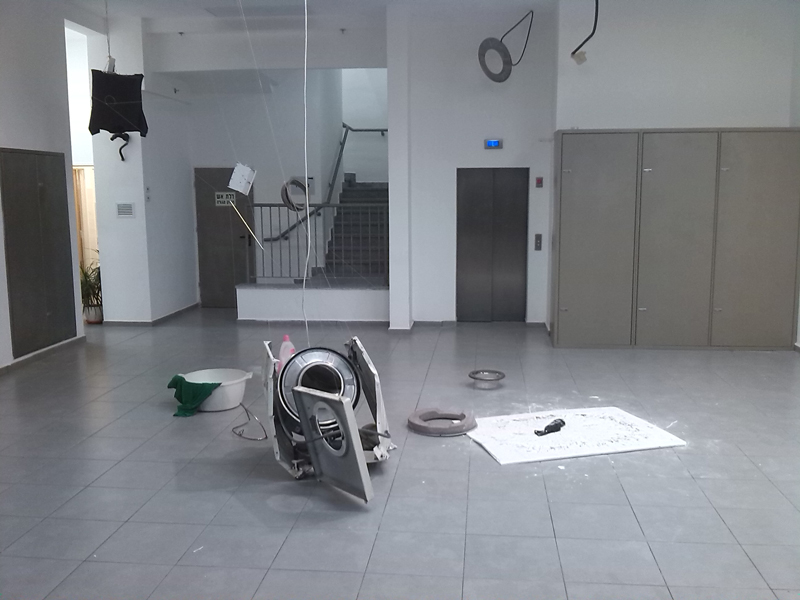
Vaskemaskine,  by Adar Goldfarb

Vaskemaskine, by Adar Goldfarb

Vaskemaskine מכונת הכביסה המפורקת שיצר אדר גולדפרב ניצבת במרכז קומת הכניסה של גלריה המדרשה בירקון 19 בתל-אביב. עבודה עשויה היטב שמשתלטת על החלל בגלל פריסת החלקים הרחבה על הרצפה, התקרה והקירות ובגלל הרעש בעז שיוצר תוף המכונה המסתובב מידי פעם בחוקיות לא ברורה. מבחינת השראה Vaskemaskine(מכונת כביסה בשבדית) היא מפגש מוצלח בין Cosmic Thing  2002 , מכונית הפולקסואגן המפורקת לגורמים ותלויה באוויר של דימיאן אורטגה המקסיקאי, לעבודות הקינטיות של אורס פישר ושל הצמד פישלי וויס.
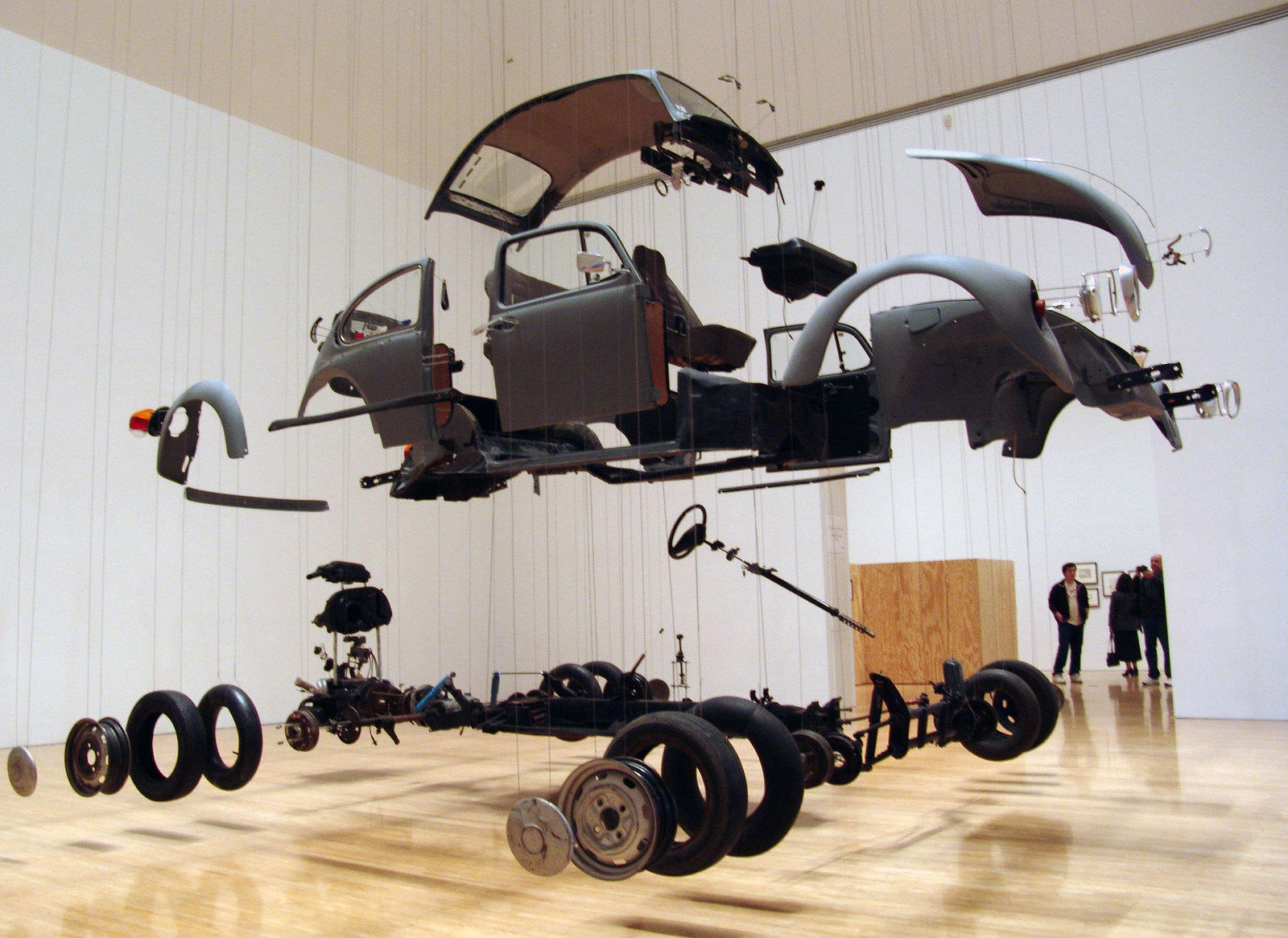
Damian Ortega Cosmic-Thing 2002

Damian Ortega Cosmic-Thing 2002

זו עבודה מחרידה, משעשעת, שמדברת על שבר המודרניות אבל בטון שמזכיר את “זמנים מודרניים ” של צרלי צפלין יותר מאשר תיאוריות עכשוויות .מכונת הכביסה שמסמנת את הבית המודרני התפרקה ופסקה לתפקד אך הגוויעה שלה , עם הרעש הרב וקרביה החשופים גרוטסקית ממש.
שנים עשר בוגרים משתתפים בתערוכה שאצר אבי לובין ולרוב העבודות, חלקן הגדול מייצבים, משותפת התחושה המקצועית, מוגמרת, לפעמים אפילו מלוטשת. עם סיכון מסוים אוסיף שגם רצינות, וסוג של אחריות נמצאות בלא מעט. התחושה הזו אינה שכיחה. היא אינה מבטיחה איכות אך היא בהחלט יוצרת רף ציפיות גבוה מהבוגרים ולא פחות מכך מהתוכנית.

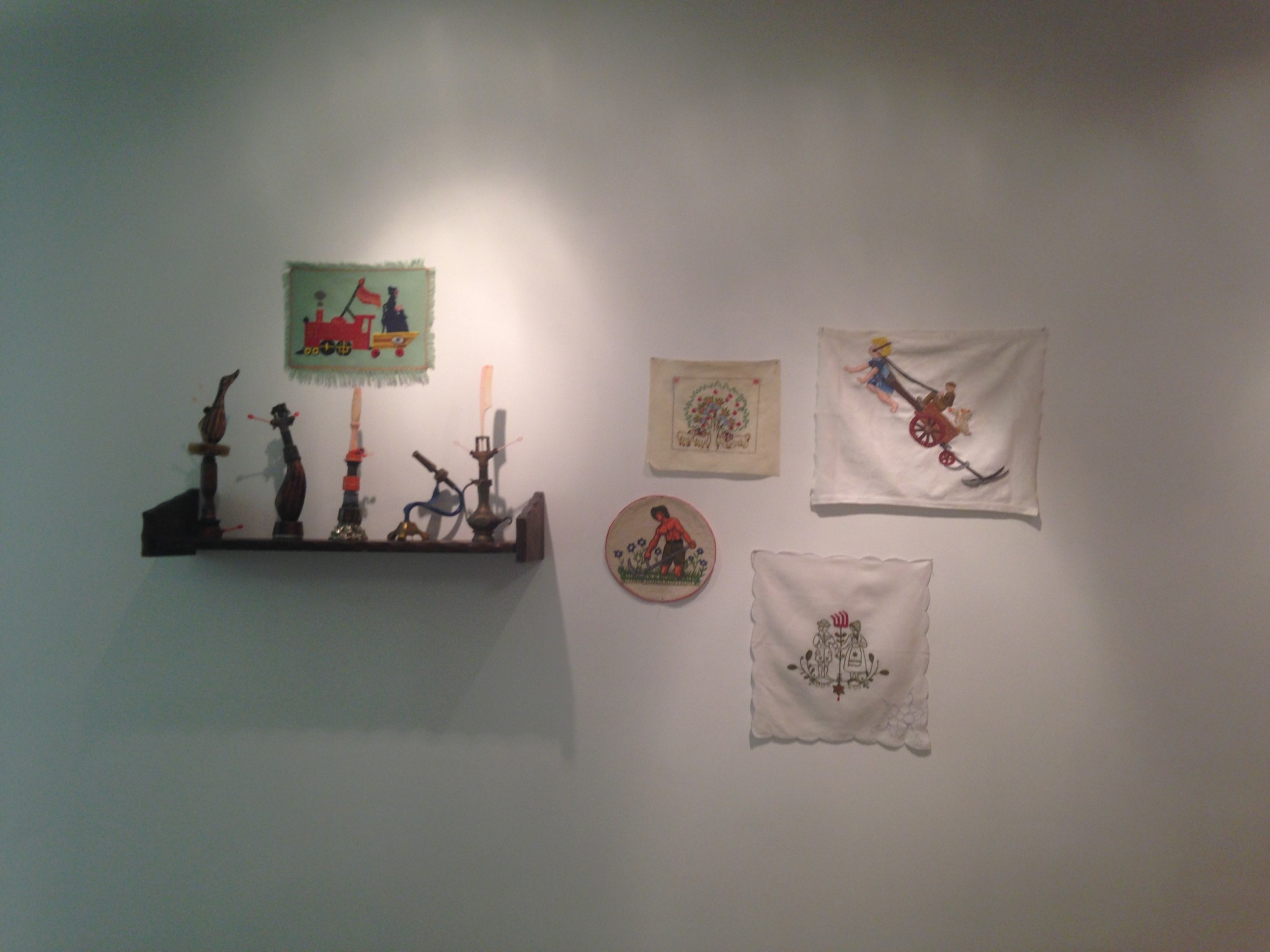
המיצב של ערן ענבר עש העוסק בסמלי היהודי החדש והחקלאות העברית המתחדשת ונראה כאילו הוכן מראש לתערוכה בנושאים אלו שחוזרים ומעסיקים את עולם התרבות הישראלי , ממאיר שלו, אסף ענברי ועד עודד ידעיה וגל וינשטיין , לרבות בהיבטים מגדריים כמו אלו שיש בעבודות של ענבר והופיעו בעבר בעבודות של דורון רבינא ,ב”הכפר” של עדי נס או הרקמות המצוירות של סימה מאיר.ערן ענבר 1
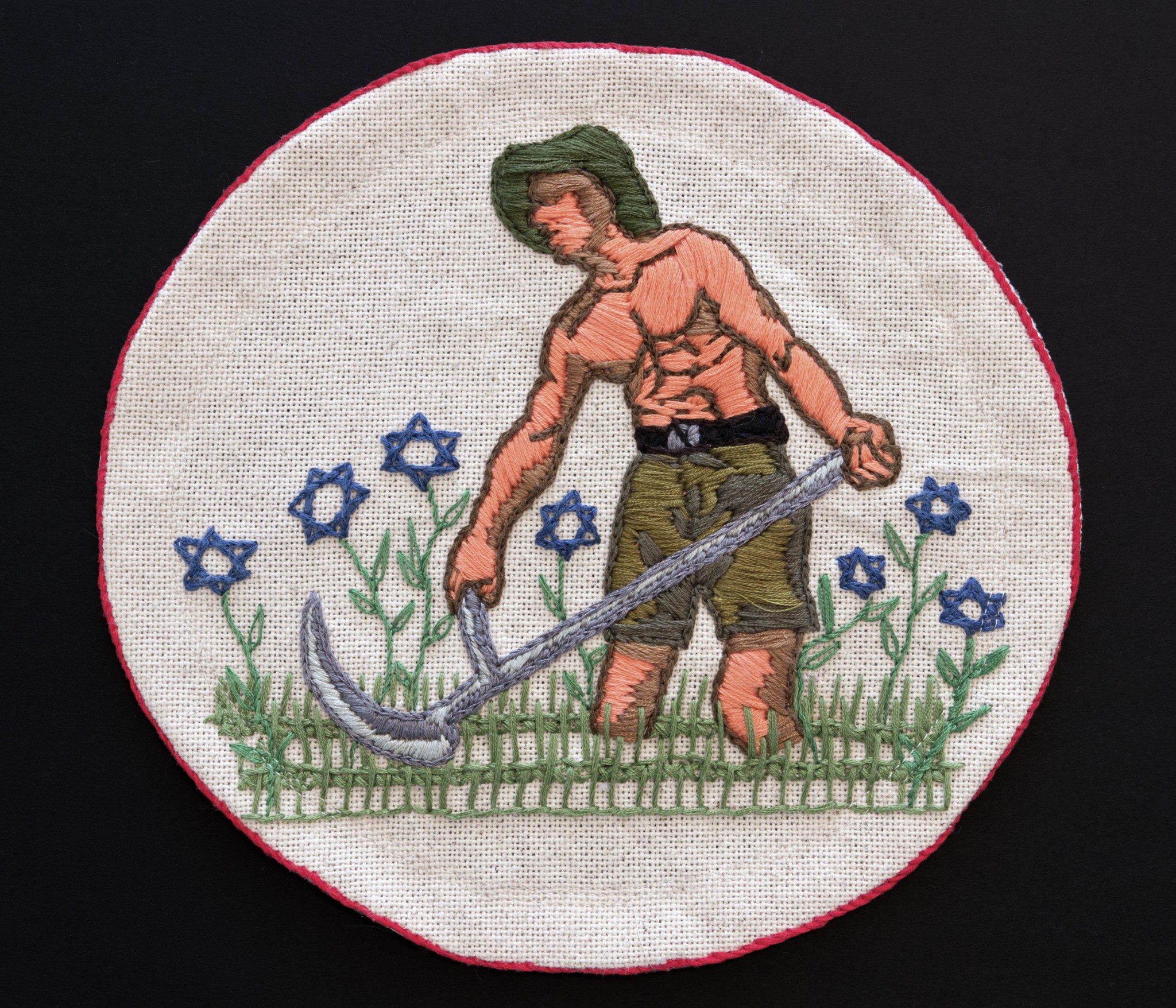
Eran Inbar  Moth (detail)

Eran Inbar Moth (detail)

ענבר יצר פינות המשחזרות את האסטטיקה האירופאית אורינטליסטית המסוימת מאד שהתפתחה כאן ,עם ריקמות שנראות ספק לקוחות משיעורי מלאכה בבתי ספר בהשפעה מרכז אירופאית ,ספק פארודיה עליהן ומדף עם נרגילות ששובשו . ברקמות ענבר ממשיך את הפריחה החדשה של שימוש בטקסטיל ורקמה באמנות של אמנים- גברים ישראלים כמו למשל גיא גולדשטיין.
עוד עבודה בולטת היא הוידאו קומופלאז של אריאלה פדן. הסרט עוקב אחרי הפרוק הפיסי של דירת אמה שנפטרה לאור זיכרון עמום של האמנית ואחותה שאמן טמנה דברים בקירות. הזיכרון מסתבר כאמין: האם ניצולת השואה הסתירה זהב ,גם עיתונים וחפצים פעוטים, כמתכוננת לבדה לקטסטרופה. עם פטישים ואמצעי חיפוש מתוחכמים הן מאתרות עוד ועוד קופסאות מוסתרות , שוברות קירות וארונות, עוקרות רצפות וברזים עד לתמונה של עיי חורבות
שחושפות וממחישות תעתוע וכאב שרחש תחת המעטה הבורגני . כל העת יש גם את הצל הטורד של סטראטיפים אנטישמים על כך שיהודים מסתירים זהב, בדיוק כפי שמתגלה בסרט.

Ariela Padan Camouflage

Ariela Padan Camouflage

המיצב שוב לקראת הכוכב הזה של לירון שוע מרתק והוא הנועז בתערוכה מבחינת ההצעה
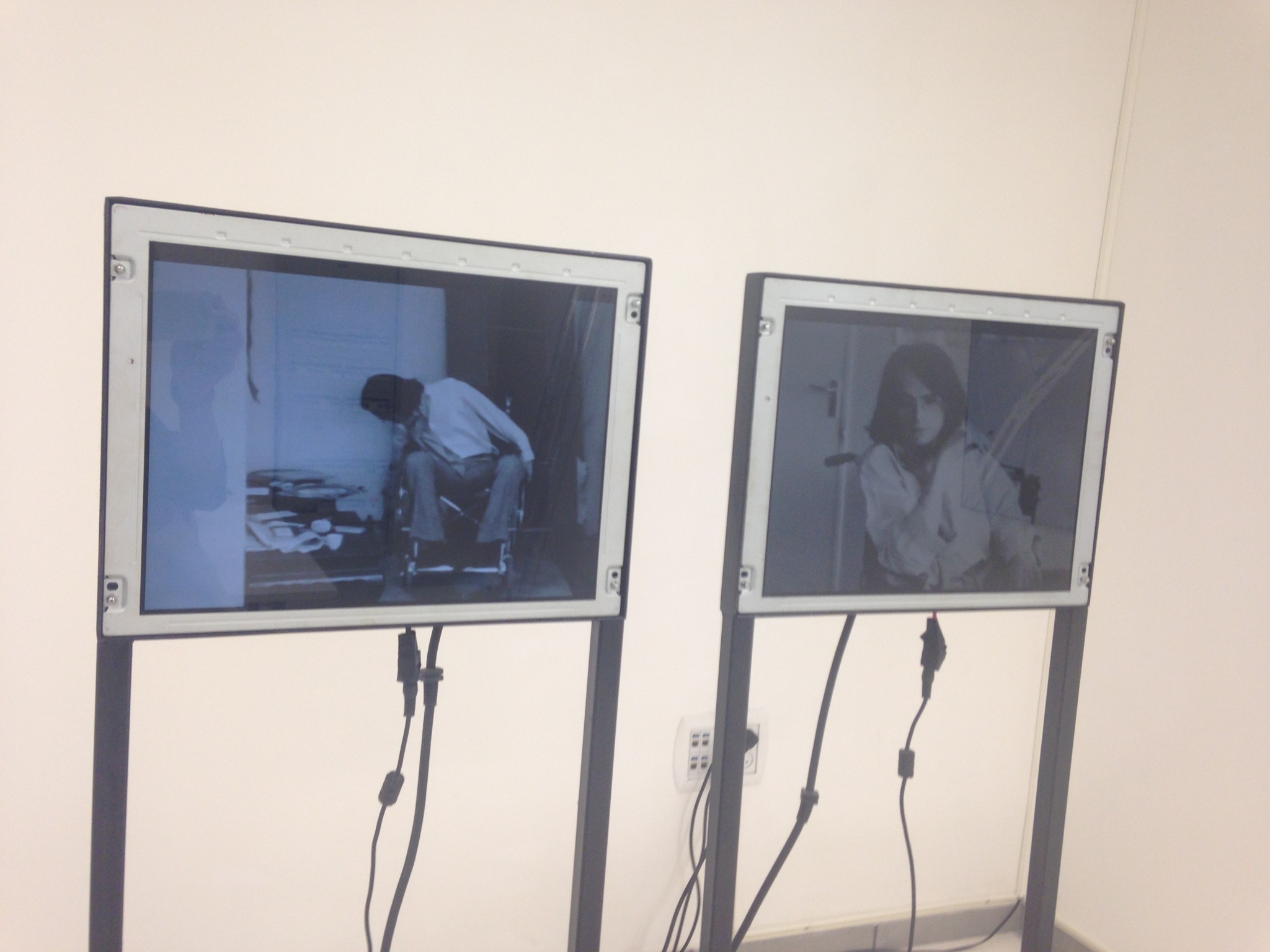
Liron Shua Encoreà cetastre (Once more to this star)

Liron Shua Encoreà cetastre (Once more to this star)

הקונצפטואלית שגלומה בו. שוע עוסקת בכפילויות ובזרימה של זמן , בוחנת קריאה גמישה של מציאות מבלי לגלוש לכיוונים של פנטזיה בגילוייה המיסטיים המרהיבים (בהקשר הישראלי אפשר להיזכר בעבודות של קרן רוסו ).שוע מקרינה סרט בשני מסכים שאחד הולך קדימה בזמן ואחר לאחור, משמיעה מתוך עמודים חלולים קולות לא ברורים, של שפה שהמציאו תאומות שאובחנו בטעות כבעלות פיגור שכלי והוזנחו ומציגה על שולחן מה שנראה כמכשיר אופטי לצד קערה מלאה במים שרכשה באינטרנט ומקורם אמור להיות בנהר מקודש באיראן. האובייקטים מוצבים על קוביות שחורות רכות רופסות שזיכרון הריבוע השחור של מלביץ והכעבה המקודשת למוסלמים במכה נמצא בהן במידה שווה. שוע ממששת בעבודה חששות,חולי מנכיחה את מה שנעדיף לשכוח .
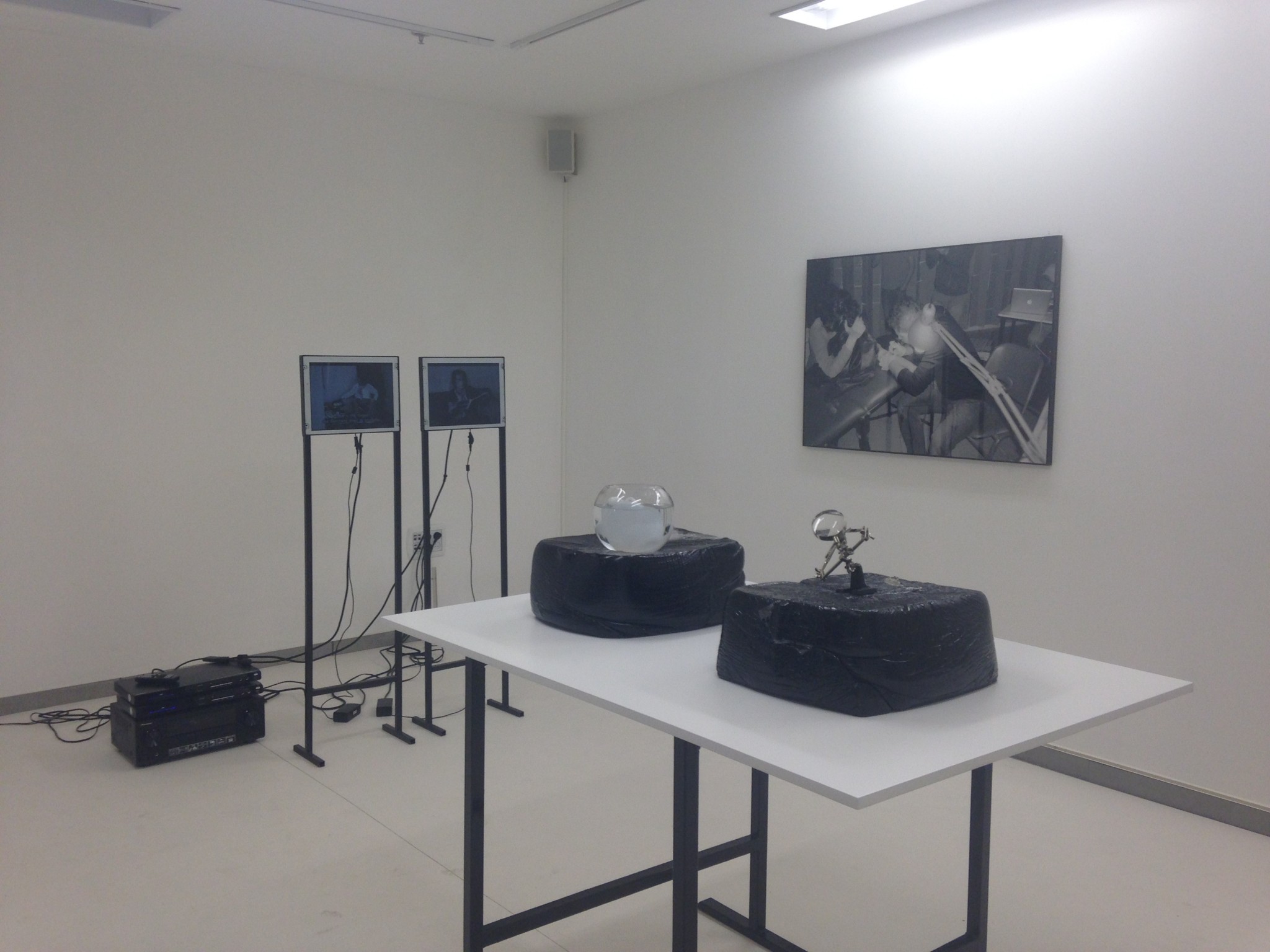
Liron Shua  Encoreà cetastre (Once more to this star)

Liron Shua Encoreà cetastre (Once more to this star)

המדרשה בתל-אביב | הירקון 19, ת”א
שעות פתיחה: ב’-ה’ 13:00- 20:00 | ו’ 14:00-10:00 | שבת 14:00-11:00


***

ארכיון / archive / أرشيف פרמיירה של ארקדי זיידס במסגרת פסטיבל צוללן

המופע ׳ארכיון׳ מאת ארקדי זיידס הועלה במסגרת פסטיבל צוללן בתאטרון תמונע. זיידס פועל כבר כעשור ביצירת מחול שמתייחס לווידיאו שמשתלב אתו ומנסח אמירה על המתח בין ייצוג ונוכחות ישירה. מבחינת האמצעים האמנותיים זיידס ממשיך אתמה שהחל כבר ב “Solo Siento, יצירה משותפת שלו ואמנית הוידאו שירה מיאסניק שהועלתה ב 2005 וקיבלה הכרה ישראלית ובינלאומית . השוני הוא למקום הפניית המבט הפנימי .ב2005 זיידס הביט פנימה להתרת פקעת רגשית לאורך השנים ההתבוננות שלו התרחבה למבט על המורסות הפוליטיות קולקטיביות .
ארכיון הוא הקבץ קטעי וידאו מחומר שהוסרט על ידי פלסטינים בשטחים הכבושים וקיבלו מצלמות בפרויקט של ארגון בצלם.
זיידס מציג רק מתנחלים חיילים ופעילי שלום אחדים. הוא רוקד תנוחות גוף אלימות הנראות על המסך וחוזר על קולות וקריאות ,ממוסס את אלפי החומות הבלתי נראות שבין קהל המשוכנעים לפניו הוא מופיע לבין המציאות. המועקה הולכת וגוברת ובקולאז סאונד שהוא מדבר- זועק בסוף (עוף מכאן/ להרוג אותו/ אתה לא נוגע בה נכון? ) אפשר כמעט לחוש את הקהל מתחנן לשקט.

הרשמה לניוזלטר הפרסומי השבועי של “החלון” בנושאי אמנות, אירועים ותערוכות חדשות – www.smadarsheffi.com/?p=925
(הרישום נפרד מהרישום לבלוג )

Graduates Hamidrasha Gallery

Vaskemaskine, the dismantled washing machine by Adar Goldfarb, stands at the center of the entrance level to Hamidrasha Gallery, 19 Hayarkon Street, Tel Aviv.
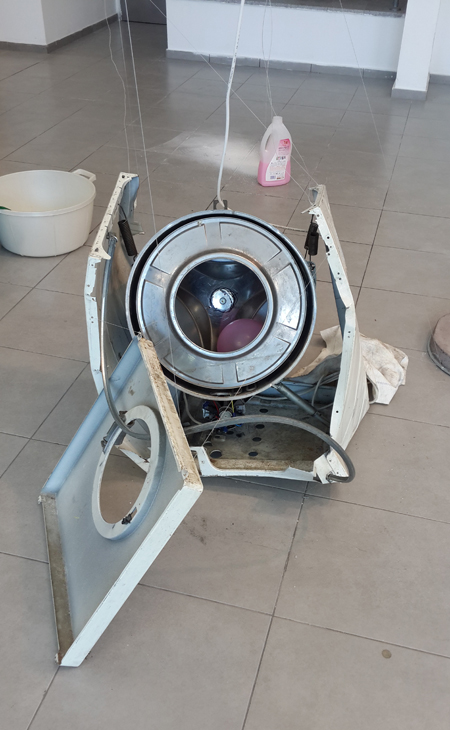
Vaskemaskine,  by Adar Goldfarb

Vaskemaskine, by Adar Goldfarb

A well-made piece, it dominates the space with its widespread distribution of parts across the floor, ceiling and walls, and the loud noise made by the drum revolving occasionally according to an unclear schedule. In terms of inspiration, Vaskemaskine(‘washing machine’ in Swedish) is Cosmic Thing (2002) the Volkswagen which Mexican artist Damián Ortega dismantled and hung in space meetingUrs Fisher’s kinetic works and works by Fischli&Weiss. It is at once terrifying and amusing, addressing the crisis of modernity in a tone more reminiscent of Chaplin’s Modern Times than contemporary theory. This symbol of the modern home has broken down and ceased to function, but its death, with such loud noise and exposed innards, is truly grotesque.

A dozen graduates are participating in this exhibition. The works, a majority of them installations, share a professionalism, finish, and sometimes evenpolish. Let me risk saying that there is seriousness of purpose and a sort of responsibility visible in quite a few works. This is not a frequent sensation. While not ensuring quality, it definitely creates a high bar of expectation from the graduates, and consequently demands no less from the postgraduate program itself.

Eran Inbar’s installation Moth, engaged in the symbols of the “New Jew” and renewed Hebrew agriculture, seems as if it was prepared for an exhibition on these issues, issues which repeatedly engage Israeli culture from Meir Shalev through Assaf Inbari,Oded Yedaya and Gal Weinstein. Gender aspects are also addressed by Inbar, and have appeared in the past in works by Doron Rabina, Adi Nes’sThe Village, or Sima Meir’s embroidery paintings.

Inbar has recreated a very specific European Orientalist aesthetic manifested in embroideries similar to school arts and crafts lessons influenced by a Central European curriculum, or are perhaps a parody on them, along with a shelf of disrupted narguilas. Inbar is part of the new flourishing trend of male Israeli artists’ use of textiles and embroidery, as for example by Guy Goldstein.
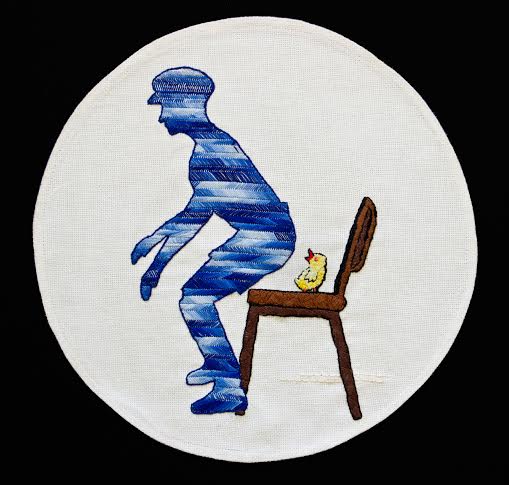
Eran Inbar  Moth (detail)

Eran Inbar Moth (detail)

Another outstanding work is Ariela Padan’s video Camouflage. The film follows the physical destruction of her late mother’s apartment, following a vague memory shared with her sister that their mother had concealed something in the walls. The memory turned out to be true: their Holocaust survivor mother had hidden gold, newspapers and small objects, as if planning alone for the next catastrophe. Using jackhammers and sophisticated search equipment, they located more and more hidden boxes, broke down walls and cupboards, pulled up floors and faucets to create a picture of ruins revealing and concretizing illusion and pain just underneath the bourgeois skin. A troubling shadow of the antisemitic stereotypical belief that Jews hide their gold riches hovers over the work, exactly as depicted in the film.

Liron Shua Encoreà cetastre (Once more to this star)

Liron Shua Encoreà cetastre (Once more to this star)

Liron Shua’s fascinating Encoreà cetastre (Once more to this star) is the boldest piece in the exhibition in terms of what is offers conceptually. Shua engages in Time’s dualism and flow, examining a flexible reading of reality without diverting into fantasy in its breathtaking mystical manifestations (in the Israeli context, see Karen Russo’s works).Here Shua shows a two-screen video, one advancing in time while the other recedes. In another work, a sound track is made upof unclear sounds emanating from two hollow pillars, with words in an unintelligible language invented by neglected twin girls incorrectly diagnosed with mental retardation. On a table stands what looks like an optical instrument, near a bowl full of water purchased online, supposedly water from a sacred river in Iran. The objects are placed on soft black cubes reminding us equally of Malevich’s Black Cube and the Ka’aba stone in Mecca holy to Islam. Shua concretizes fears and illness in her work, making present what we prefer to forget.

***

ארכיון / archive / أرشيف

Archive, a dance/video by choreographer Arkadi Zaides swas performed at the Divers Festival, at the Tmuna Theatre, Tel Aviv. For the past decade, Zaides has been creating dance integrated with video, making a statement on the tension between representation and direct presence. Zaides’s early use of these artistic means was in 2005, in Solo Siento in collaboration with video artist Shira Miasnik, which garnered international and Israeli recognition. In 2005, his gaze was directed within, but he has gradually expanded its scope into a look at the collective festering political wounds.

Archive is a cluster of video clips from material filmed by Palestinians in the West Bank who received cameras in a project by the B’Tselem organization. He depicts only settlers, soldiers and a few peace activists. Zaides mimics in dance the physical violence seen on the screen and he repeats noises and shouts, melting down thousands of invisible barriers between the audience, already sharing his politics, and the reality outside. The feeling of distress increases in a sound collage towards the end of the piece, in which he half speaks, half yells (“Get out of here/ Kill him / Don’t touch her, y’hear?”), during which we can almost sense the audience begging for quiet.
Join the mailing list for Window’s weekly informational advertising newsletter on art, special events, and openings: www.smadarsheffi.com/?p=925
Posted in וידיאו, מחול, מייצג | Comments Off on תערוכת הבוגרים של הסטודנטים מהתכנית ללימודי המשך במדרשה/ ארכיון / archive / أرشيف ארקדי זיידס

מחשבות על הצטלבויות אמנות מיצג ומחול בעקבות נקודת מגע במוזיאון לישראל |Contact Point and Counterpoint

Please scroll down for English

מחשבות על הצטלבויות אמנות מיצג ומחול בעקבות נקודת מגע במוזיאון לישראל

רשימה זו היא הרהור, לא עמדה קטגורית על הגל החדש של הכנסת מיצגים ומחול למוזיאונים. היא נכתבת בעקבות נקודת מגע במוזיאון ישראל שהיה, בפרמטרים רבים אירוע מוצלח : אווירה מצוינת ומספר מבקרים גדול.

 שמיקי אוחנה, המכונה "חייט פרא",בלט לטובה בנקודת מגע

שמיקי אוחנה, המכונה “חייט פרא”,בלט לטובה בנקודת מגע

המטרה ,להביא קהל למוזיאון, בוודאי חשובה. השימוש באמנות תלוית זמן מקובל ויכול להיות מצוין. בנקודת מגע המיצגים לא היו מצוינים – חלק ניכר היו מיותרים, חביבים במקרה הטוב. הדבר עצמו לא היה טורד לולא ההרגשה שלפנינו גל בו השימוש במיצגים ומחול עלול להיות פשוט העתקת תרבות המידיות, הקצר והקל, לזירת המוזיאונים.
גל השימוש באמנות בביצוע חי, בתוך מוזיאונים חוזר כמעט ארבעים שנה אחרי תור הזהב שלהן באמנות הישראלית ( גבי קלזמר ושרון קרן, משה גרשוני ורבים אחרים). השנה חנך מוזיאון תל-אביב סדרת אירועים סביב נקודות השקה בין מחול לאמנות חזותית, הנקראת קונטרפונקט. ובשני האירועים במסגרתה השתתפו וארקדי זיידס ויסמין גודר. שני האמנים השתתפו, לצד רבים נוספים, גם בתערוכה ‘צעדים בוני אמון’ במוזיאון פתח תקוה שבחנה את יחסי הגומלין בין מחול לאמנות חזותית. מופע המחול CLIMAX מאת יסמין גודר (שנמשך כשלוש שעות) הוצג במסגרת התערוכה. במוזיאון תל אביב יש גם מופעים של קבוצת מחול דנה רוטנברג לילדים ומבוגרים בתוך אולמות האוסף הישראלי הקבוע.

יסמין גודר צילום איציק ג'ולי CLIMAX

יסמין גודר צילום איציק ג’ולי CLIMAX

ב 2015 , מוזיאון תל אביב שיציג תערוכה/פעולה של תנועה ציבורית. מיצג ומחול יהוו חלק מתערוכות בעין חרוד, במרכז לאמנות דיגיטלית בחולון , ובמרכז לאמנות עכשווית בתל אביב. (מעניין שפעילות מייצגים עצמאית ולא פעם מצוינת של גופים כמו במת מיצג נותרו לאורך שנים בשולי הזרם המרכזי).
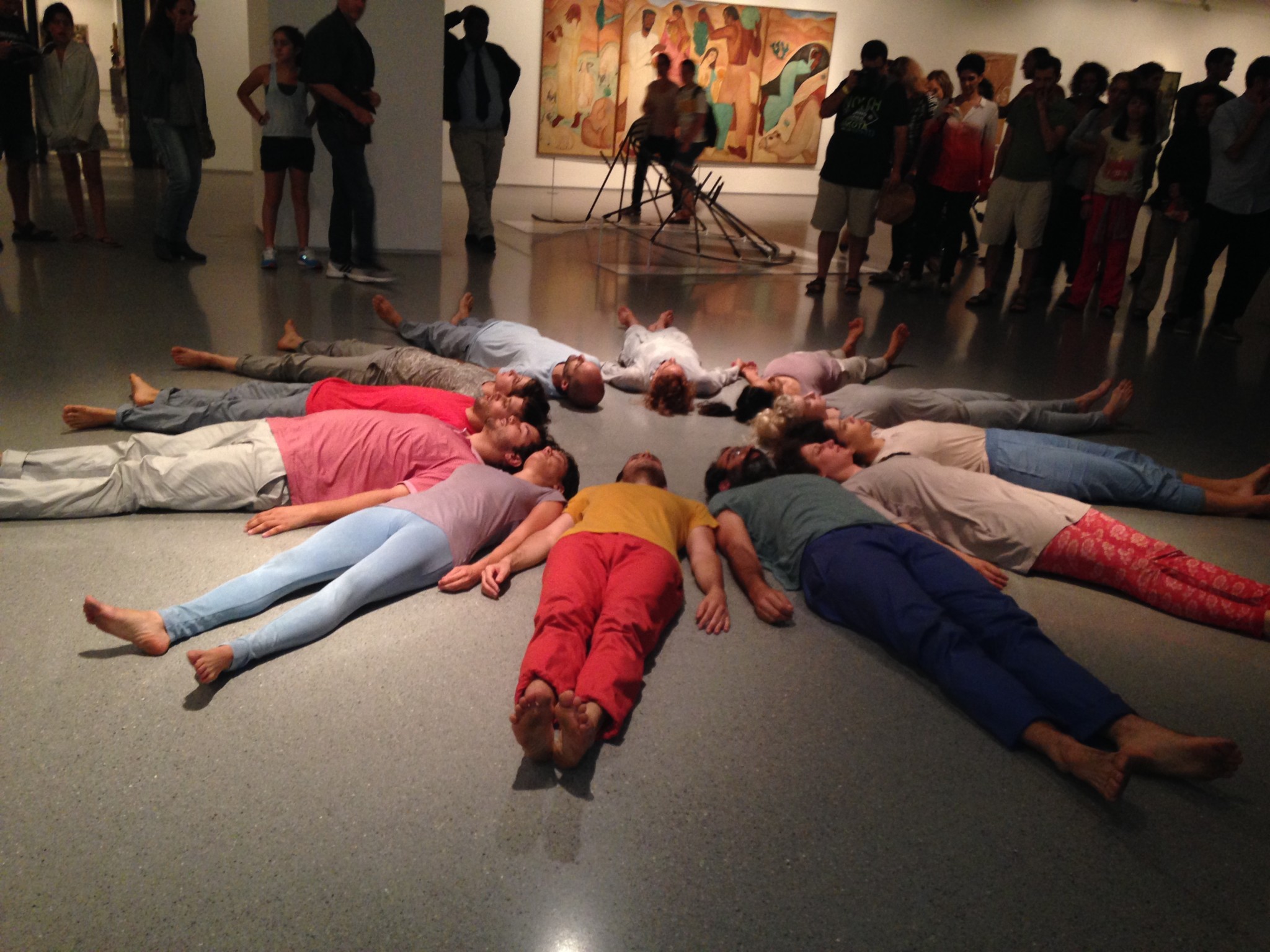
בעשורים האחרונים נודעת בתחומי התרבות החיבה היתרה למונחים “שילוב” ו”בינתחומי “. לגבי אמנות התוצאה היא לא פעם שהאמנות הפלסטית הופכת ללא יותר מתפאורה. הקשב שהיא תובעת נותרת ללא מענה. בנקודת מגע לא היה דיאלוג, וודאי שלא הארה הדדית בין אמנות למיצגים. כך הרקדנים בקבוצת המחול של שרון צוקרמן יצרו מחווה לרצפה כסוג תיקון לכך ש”קירות המוזיאון זוכים לרוב תשומת הלב…אנחנו מבקשים להסיט את המבט עם כוח המשיכה מטה אל הרצפה, הקרקע, השביל המוביל, הדרך הנדרכת, המעבר” . מטרה אבסורדית למדי בתוך מוזיאון.

IMG_5858
מתמיהה היה שבמקומות שונים בשנה החולפת דובר על השילוב של מחול ומיצג לאמנות כחדשני.
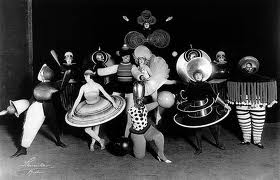
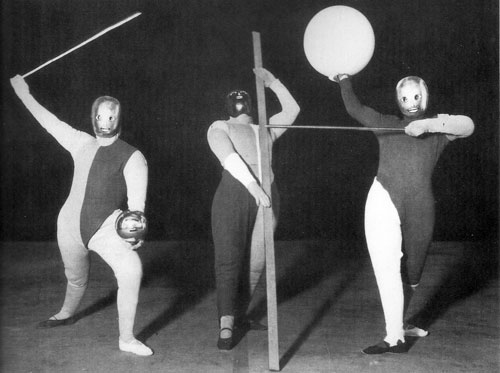
לא צריך להרחיק עד לפיקסו ואוסקר שלמר בתחילת המאה העשרים .

The-Triadic-Ballet.-Dance-of-forms-Oskar-Schlemmer-Werner-Siedhoff-Walter-Kaminsky.Costumes-Kazimir-Malevich

The-Triadic-Ballet.-Dance-of-forms-Oskar-Schlemmer-Werner-Siedhoff-Walter-Kaminsky.Costumes-Kazimir-Malevich

דוגמא בולטת, קרובה מאד, של שילוב מהותי בין מחול ואמנות מהווה גוף העבודות של הכוריאוגרף האמריקאי מרס קניגהאם (Merce Cunningham ( 1919- 2009  ואמנים פלסטיים כמו רוברט ראושנברג ,ברוס נאומן או ארנסטו נטו . עבודות הוצגו במוזיאונים רבים, בהם MOMA בניו יורק וב Walker Art Center במיניאפוליס , מיניסוטה החל משנות ה50 המאוחרות.

Merce Cunningham-Background Robert-Rauschenberg Tantric-Geography-1977

Merce Cunningham-Background Robert-Rauschenberg Tantric-Geography-1977

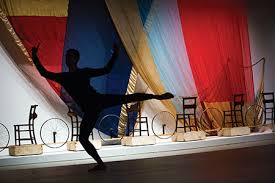
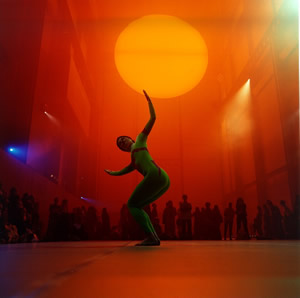
ב 2003 הציג קניגהאם סידרה של מופעי מחול באולם הכניסה של הטייט מודרן בלונדון ,במקביל למיצב מזג האוויר המרשים של אולאפור אליאסון. קניגהאם התייחס לעבודה של אליאסון, המראה על התקרה, האור, הצבעים והמחול העמיק את התבוננות בפרטי העבודה.
שימוש בפרפורמנס, או נגזרת של מסורת זו נהפכה לשכיחה יותר בשנים האחרונות בזכות ההצלחה של טינו שגאל Tino Sehgal הבריטי – גרמני שזכה בפרס אריה הזהב בביאנאלה האחרונה וונציה. הצלחתו נמדדת בין היתר, או אולי נכון יותר בעיקר, בכך שהוא מוכר עבודות,כלומר ניסוח של משפטים ותנועה (ללא אובייקט כלשהו) במחירים של למעלה מ 100 אלף דולר בארבעה עד ששה “עותקים”.
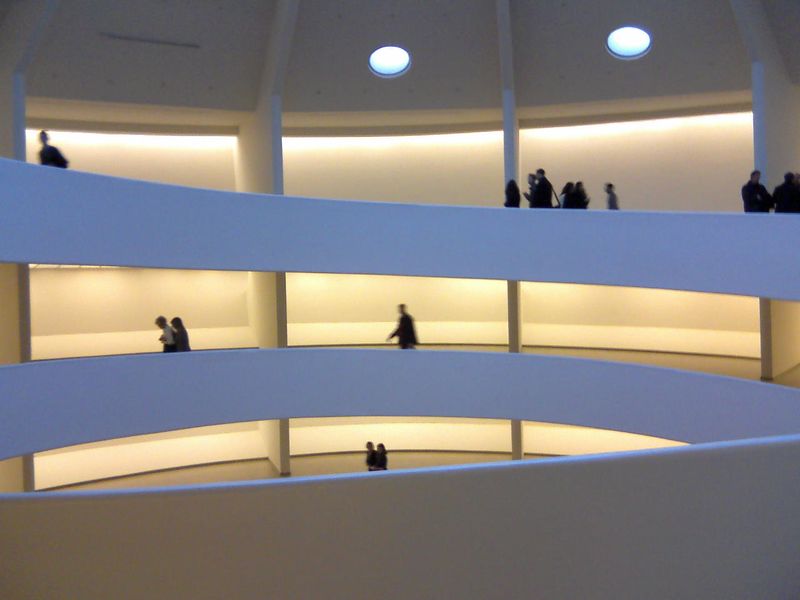
ב 2010 יצר שאגל בגוגנהיים בניו יורק את  This Progress, שבה לאורך הרמפה העגולה של פרנק לויד רייט (שרוקנה מכל חפץ) פגשו הצופים מיצגנים (שאגל מכנה אותם “פרשנים”) ששאלו אותם שאלות על קידמה. נראה שפורמט שהתערוכה שנמשכה ששה שבועות מהווה השראה לאוסף לאומי תערוכה המתוכננת של תנועה ציבורית  במוזיאון תל-אביב באביב 2015 בה “מדריכים” ינחו את הקהל דרך שש תחנות.

This Progress by Tino Sehgal, 2010

This Progress by Tino Sehgal, 2010

השאלה היא מה המשמעות של ההסמכה של אמנות / מיצג /מחול באינטנסיביות כזו? בכמה מקרים יש אמירה ובכמה הסחת דעת מהצורך בהתבוננות הישירה והמעמיקה באמנות לטובת צפייה המאפשרת לצופים לטפוח לעצמם על השכם בלי מאמץ גדול. קשה גם לצפות אם הדבר יוביל לפריחה שלא התרחשה כבר שנים בפעולות מיצג מחוץ למוזיאונים וגלריות.

הרשמה לניוזלטר הפירסומי השבועי של “החלון” בנושאי אמנות,אירועים ותערוכות חדשות
www.smadarsheffi.com/?p=925 (הרישום נפרד מהרישום לבלוג )

Contact Point and Counterpoint
The following comments present some thoughts rather than constituting a categorical stand on the “new wave” of integrating performances and dance into museum exhibitions following last week’s Contact Point evening at the Israel Museum, Jerusalem. It was indeed a success, with a festive atmosphere and a large crowd, but I doubt this was due to the content of the special projects.

Sharon Zuckerman’s Dance Group  Tribute to the Floor

Sharon Zuckerman’s Dance Group Tribute to the Floor

The goal of increasing museum visitor traffic is surely important, and using time-dependent art is common, withthe potential for excellence. However, this was not the case: some of the performances did not seem to add anything, while others were merely cute. Perhaps it would not have troubled me had the trend of using performance and dance become, in many cases, simply the act of bringing a lightweight, instant feel of culture into the arena of the museum.
Over recent decades, we have been witnessing a preference for the concepts of “integration” and “interdisciplinary” in the fields of art and culture, quite frequently with the outcome of visual art becoming no more than a backdrop.
The wave of live performance art in museums is back – nearly 40 years after its heyday in Israeli Art (Gabi [Klasmer] & Sharon [Keren], Moshe Gershuni, and many others).
This year, the Tel Aviv Museum of Art launched Kontrapunkt, bringing together dance and the visual arts,beginning with Arkadi Zeides and the second, Yasmeen Godder. These artists, among others, participated in Confidence-Building Measures at the Petach Tikva Museum of Art, an exhibition that explored the interrelationship between dance and the visual arts. Climax by Godder (a piece about three hours long), was performed in the exhibition. In Tel Aviv, the Dana Ruttenberg Dance Group performs for children and adults amidst the permanent collection of Israeli art.
However, there was no dialogue at the Contact Point event, and certainly no mutual illumination between art and the performances. Sharon Zuckerman’s Dance Group created Tribute to the Floor as a gesture of compensation, “since the museum walls receive most of the attention…we are seeking to divert the gaze with gravity downwards to the floor, the ground, the path that leads, the road that is trodden, the passage” – a somewhat absurd and fruitless goal for a museum.
Other venues to feature performance and dance in 2015 are the Museum of Art Ein Harod, the Holon Center for Digital Art, and the Center for Contemporary Art, Tel Aviv. Interesting that the independent and often excellent performance work by groups such as Bimat Meitzag have remained on the margins of the mainstream for so long.

Triadic-Ballet.-Dance-of-forms-Oskar-Schlemmer-Werner-Siedhoff-Walter-Kaminsky.Costumes-Kazimir-Malevich

Triadic-Ballet.-Dance-of-forms-Oskar-Schlemmer-Werner-Siedhoff-Walter-Kaminsky.Costumes-Kazimir-Malevich

The combination of dance and the visual artsis no novelty. Picasso and Oskar Schlemmer, working in the early 20th century, come to mind immediately, and a more recent outstanding example is Merce Cunningham’s oeuvre (1919-2009). He collaborated with visual artists such as Robert Rauschenberg, Bruce Nauman and Ernesto Neto. These collaborations were exhibited in museums, especially in the MOMA, New York, and the Walker Art Center, Minneapolis, Minnesota, since the late 1950s. In 2003, Cunningham presented a series of dance performances in the

Cunninghamdance performance in the Turbine Hall of the Tate Modern in London, during Olafur Eliassons The Weather

Cunninghamdance performance in the Turbine Hall of the Tate Modern in London, during Olafur Eliassons
The Weather

Turbine Hall of the Tate Modern in London, during Olafur Eliasson’s impressive Weather installation. Cunningham reacted to the reflections of light and color in the mirror on the ceiling with the dance intensifying the experience.
The use of performative elements has become more frequent, especially in recent years,due to the success of British-German artist Tino Sehgal who won the Golden Lion at the last Venice Biennale. His success is measured mainly by his sales of object-free limited edition “constructed situations” in 4 to 6 “copies,” at over $100,000 each.
In 2010, Seghal created This Progress for the Guggenheim Museum in New York along the spiral ramp designed by Frank Lloyd Wright. The ramp was entirely cleared of objects, while viewers moving along it encountered “interpreters” who asked them questions about progress. It seems that the format of holding this exhibit for six weeks inspired the Public Movement exhibition National Collection scheduled for Spring 2015 at the Tel Aviv Museum of Art in which “guides” will lead viewers to six stations.

This Progress by Tino Sehgal, 2010

This Progress by Tino Sehgal, 2010

The question is what is the meaning of the juxtaposition of art/performance/dance so intensively. In some cases there is a real statement; in others, a distraction from the need for direct and deep contemplation of art in favor of viewing enabling visitors to pat themselves on the back without making too much of an effort. It is also difficult to predict whether this will lead to a flourishing of performance art after years of being marginalized.

Join the mailing list for Window’s weekly informational advertising newsletter on art, special events, and openings: www.smadarsheffi.com/?p=925
 

Posted in מחול, מייצג | Comments Off on מחשבות על הצטלבויות אמנות מיצג ומחול בעקבות נקודת מגע במוזיאון לישראל |Contact Point and Counterpoint

דוד ריב 48—60—300 ציורים ועבודות וידאו 2014 – 1994|David Reeb: 300 60 48 – works 1994- 2014

Please scroll down for English

דוד ריב 48—60—300 ציורים ועבודות וידאו 2014 – 1994

הענקת פרס רפפורט לאמן ישראלי בכיר לדוד ריב היא מההחלטות המוצלחות שנעשו מאז יסוד הפרס  ב 2006 וזאת אף שאינני מהמחשיבים את ריב לאמן מצוין.
האמביוולנטיות ליוותה את הצפייה שלי בתערוכה 48—60—300 ציורים ועבודות וידאו 2014 – 1994 ואת הקריאה בקטלוג. האמנות של ריב שוכנת בלב הזרם המרכזי הישראלי והוא מאומץ לחיק הממסד שוב ושוב – רשימת הפרסים שקיבל כוללת כמעט כל פרס ממלכתי או סמי ממלכתי המוענק בארץ. באוספים ישראלים רכישת עבודה של ריב היא בבחינת צעד הכרחי לבניית התדמית הפתוחה,ליברלית,סבלנית הרצויה.

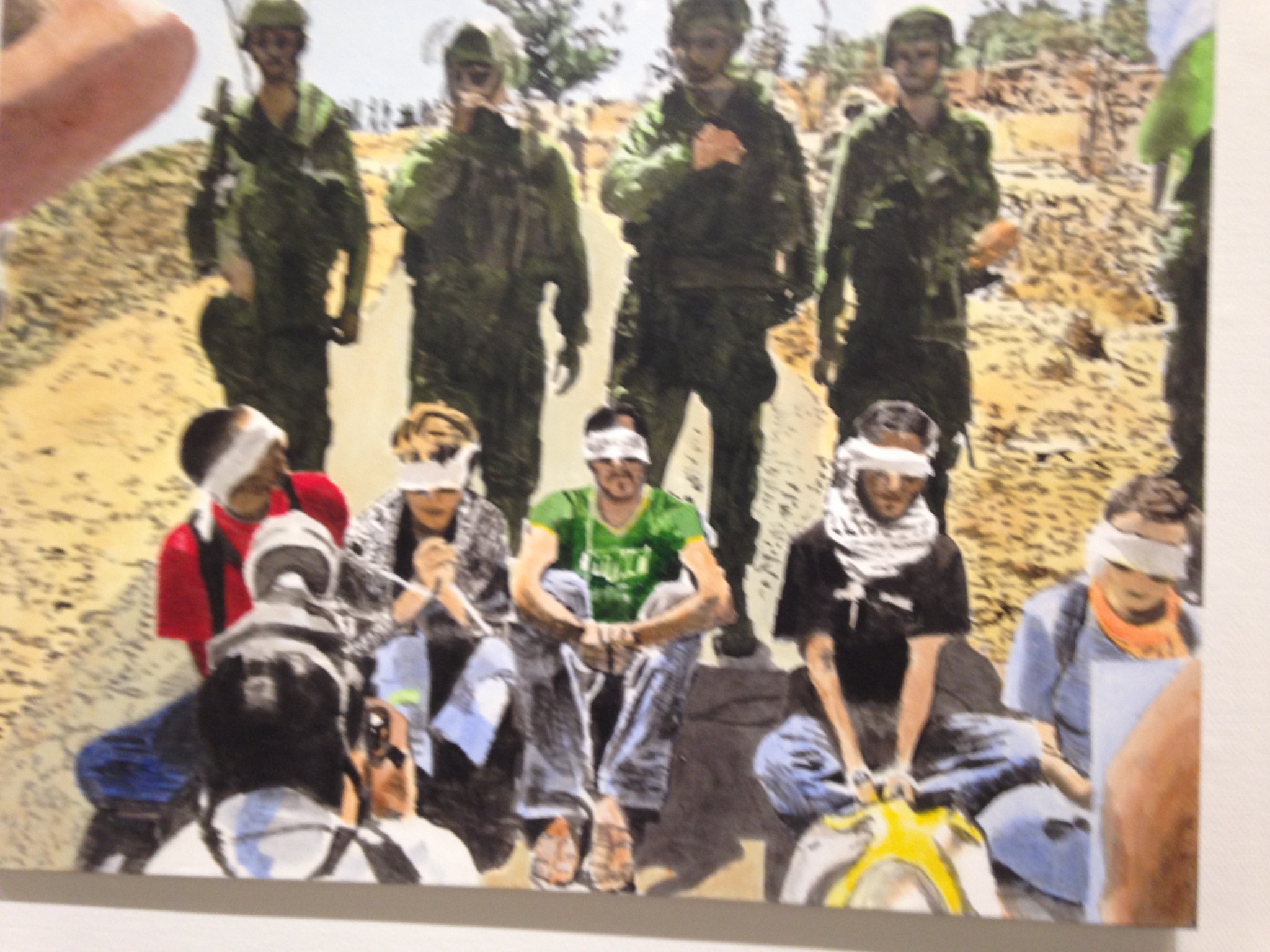
ציור פייסבוק, אקריליק על בד Facebook Painting, acrylic on canvas - 100x133 ,2010

ציור פייסבוק, אקריליק על בד
Facebook Painting, acrylic on canvas

100×133 ,2010

הפרויקט הרעיוני אמנותי של ריב נגד הכיבוש הישראלי בשטחים מרשים בהיקפו ותחושת הלהט שמתלווה לו. הוא מגלם את התפיסה האינסטרומנטלית של אמנות, ניסוח פחות מעודן לדיבור הרב על אתיקה שיש בקטלוג.
דורית לויטה הרטן משרטטת היפותזה ובה אפולוגטיקה עתידית של האמנות הישראלית בעוד מאה שנה , “ישראל כפי שהיא היום תחדל להתקיים” כותבת הרטן ” ואם בכל זאת עדיין תתקיים, לא יהיה עוד כל דמיון בינה לבין דמותה החברתית והפוליטית בהווה…. אלא שהאפולוגטיקה העתידית שנחזתה לעיל לא תחול על דוד ריב, המקפיד – הן באמנותו והן בפעולותיו הציבוריות – להציג אמירה החלטית ואמיצה כנגד המצב הפוליטי בישראל“.
המאמר של איתמר לוי המתמקד בסרטי הוידיאו התיעודיים המוצגים בתערוכה מסתיים בקרשנדו שמקריאתו לא ניתן לנחש שנכתב לתערוכה שנערכת במעוז ממסדי “צריך לשאול “האם זו אמנות?”, והתשובה אינה רק: כן, זו אמנות, הרחבה של מושג האמנות, או מחאה נגדו. זו גם מעין טענת נגד שאומרת: איך אפשר ליצור במקום הזה אמנות שאיננה כזאת? איך אפשר ליצור בארץ אמנות “נורמלית”, כאילו אנחנו עוד מקום נורמלי, שאמנים יוצרים בו אמנות? סרטי הווידיאו הם “חזית הסירוב”: הסירוב לשגרה המנרמלת, לאמנות הנורמלית, לתודעה המרגישה בבית בתל אביב, עם אבטיח ביד מול החדשות בטלוויזיה“.

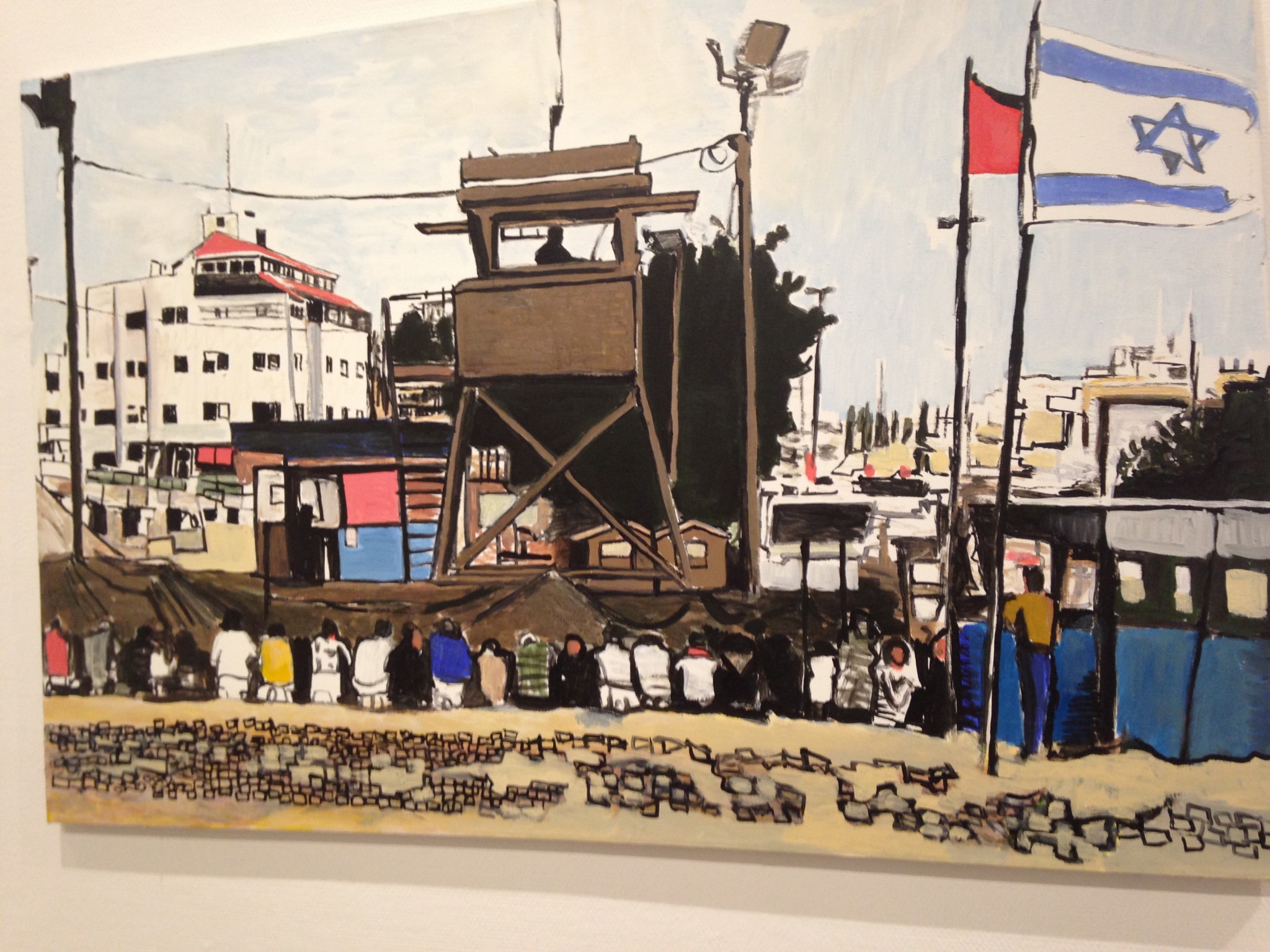
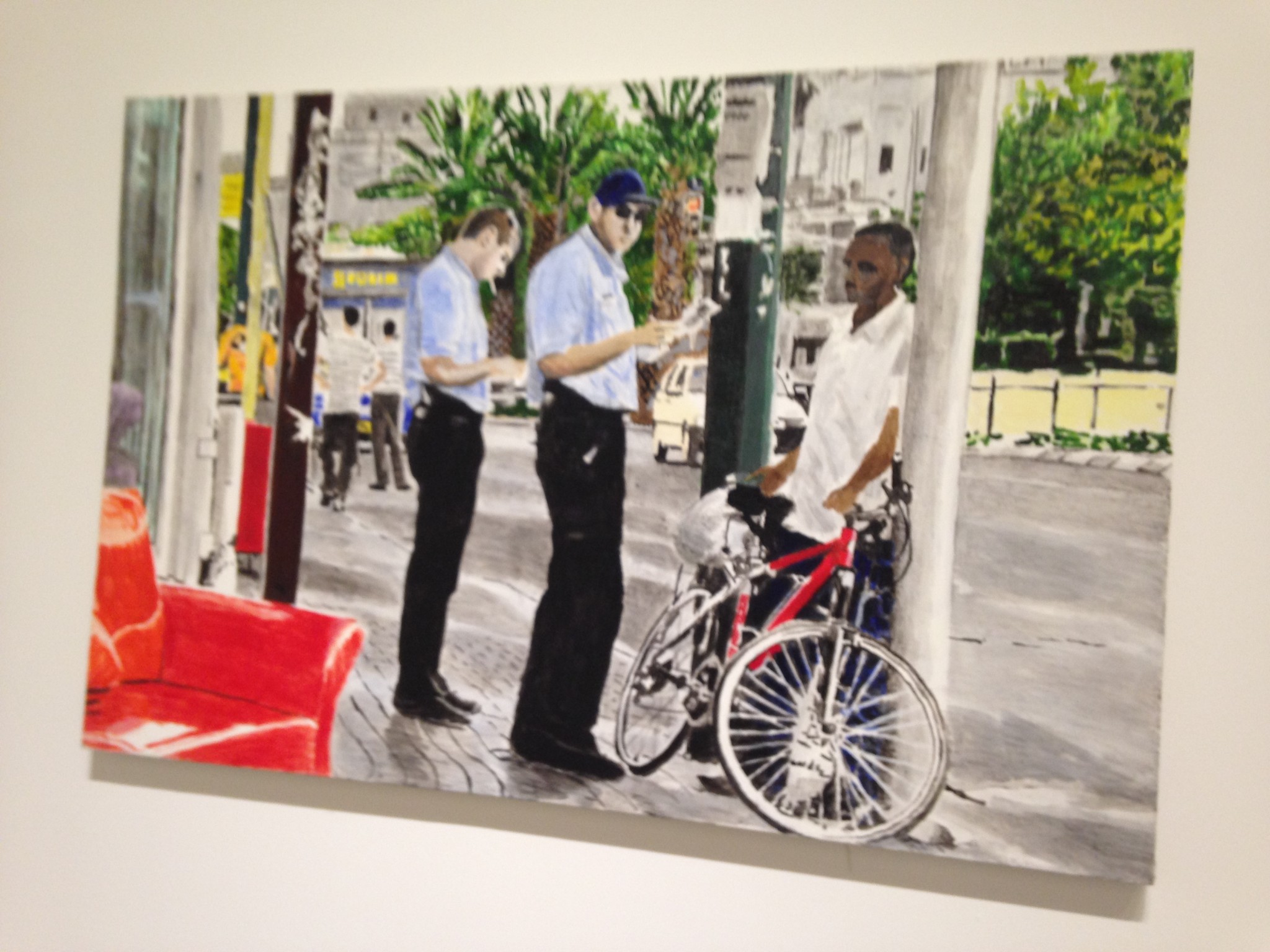
A-Ram,  checkpoint

A-Ram, checkpoint

הטענה שהעמדה הפוליטית החד משמעית של ריב ייחודית בשדה הישראלי נשמעת טוב אך ספק גדול אם תעמוד בבחינה מקפת של היצירה הישראלית.התביעה החד משמעית מאמנות להיות פוליטית מסוכנת. היא מסוכנת משום שהיא מניחה שהדובר יודע מה נכון לאמנות והוא גם בעל מונופול על עמדה נכונה. בקטלוג משווים בין ריב לאמנים פוליטיים בינלאומיים בולטים מהאנס האקה הגרמני ועד לאון גלוב האמריקאי. לשני האמנים האלו גוף יצירות שמרגש בהרבה מהעבודות של ריב ובעיקר מושחז יותר .
ריב משתמש באמנות ככלי להעברת המסר שלו בספציפיות ועיקשות, כאשר חישני הרגישות מופנים למי שהוא רואה בהם את הצד החלש. אין כאן טענה לריב על כך שאינו מייצג תמונה מורכבת של המציאות (סופו של דבר ריב הוא אמן ולא משרד החוץ האמריקאי). בכל זאת בצפייה בתערוכה, בעת הזו של מלחמה, בולט שחמש עשרה שנות ירי על הדרום שגבו מחיר כבד מאזרחים ישראלים לא תורגמו לאמפטיה חזותית וכך גם שלוש שנות הטבח באזרחים בסוריה.
כמו הרוב המכריע של האמנים הישראלים גם הפרשנות של ריב לפוליטי היא כמעט לחלוטין על טהרת הסכסוך הישראלי פלסטיני עם נגיעות תקינות פוליטית בעובדים זרים. ריב, מביע בשפת האמנות את עמדת השמאל הישראלי המסורתי שתמציתה “די לכיבוש” איתה אני מזדהה בכל ליבי אך מצרה על כך שהאשליה שהתגשמותה תביא שלום התנפצה .בהנכחה חזותית של עובדי קבלן, עניים או נשים מוכות ,ריב, ואמנים אחרים פשוט עוד לא התפנו לטפל.

בוגנוויליה, אקריליק על בד Bougainvillea, acrylic on canvas - 100x150 ,2009

בוגנוויליה, אקריליק על בד
Bougainvillea, acrylic on canvas

100×150 ,2009

התערוכה אינה רטרוספקטיבה אלא למעשה תערוכת היחיד החד עשורית שלו במוזיאון תל-אביב: ב 1983, ב 1994 וכעת . בעשור האחד בו לא הציג תערוכת יחיד הוא הוצג בהרחבה במוזיאון ישראל בתערוכה זוגית עם מיקי קרצמן במקביל לעשרות תערוכות נוספות בארץ ובעולם.
ריב מצייר עוולות ועיוותים בעבודות כמו ציור פייסבוק, בו עומדים ארבעה חיילים מעל בחורים עצורים שעיניהם מכוסות פלנליות, או מחסום א – רם עם תור האנשים המחכים מתחת למגדל לארץ מובטחת שלא יבואו בה. הוא מצייר רגעים דרמטיים לצד התנהלות שגרתית כביכול וגורם לצופים המכירים את נרטיב הסכסוך לחוש את הלבה המאיימת להתפרץ. כמה מהציורים הם לפי קונטקים לפי צילומים של מיקי קרצמן ,שיתוף פעולה זה הוצג ב קונטרול : מיקי קרצמן ודוד ריב – צילום וציור שנערכה במוזיאון ישראל ב 2003.
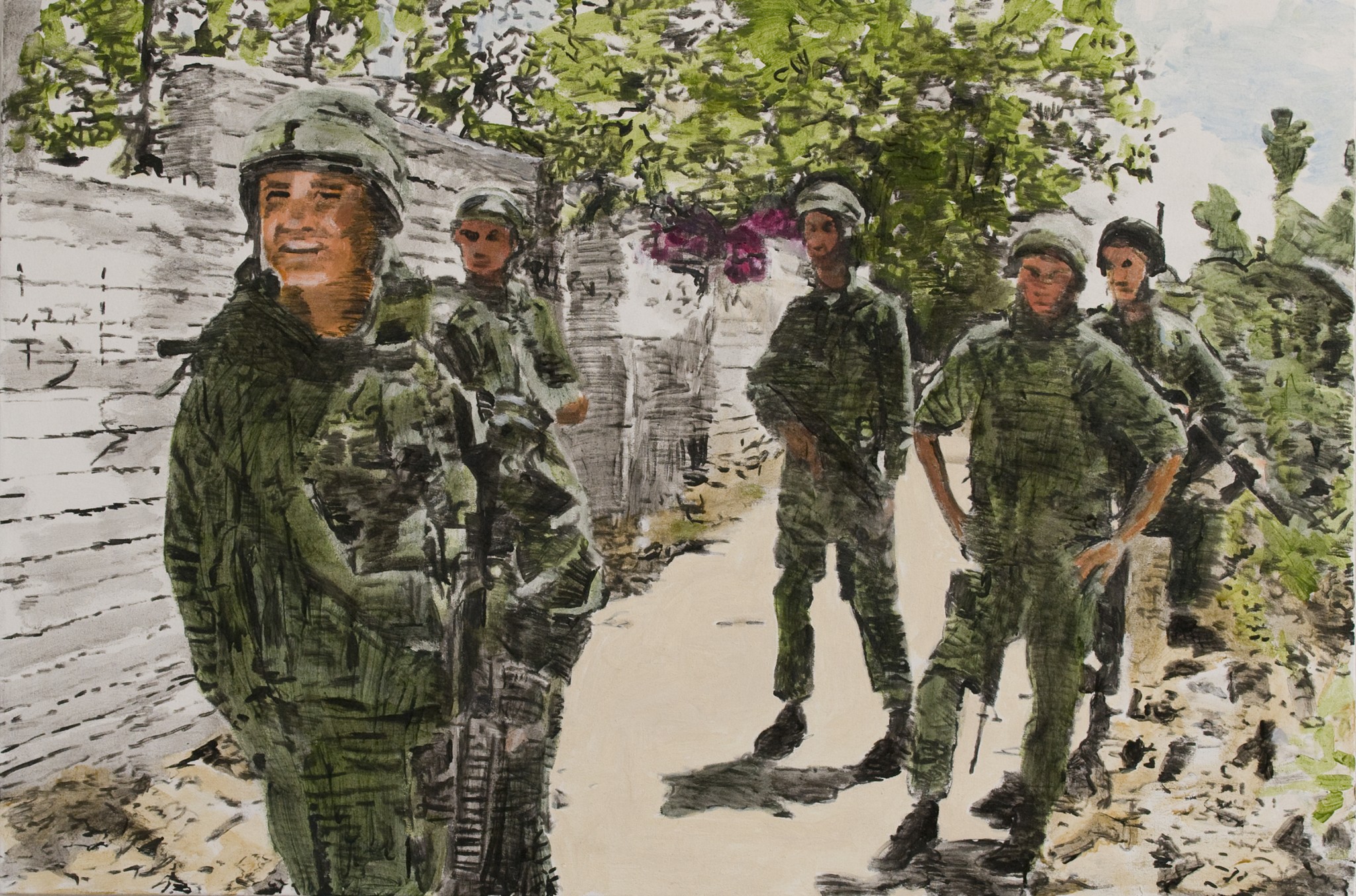
הציור של ריב הוא בן זמנו – התקופה של אחרי החזרה לציור שאפיינה את מחצית שנות ה 70 . וההשפעות כוללות את גרהרד ריכטר (עם המסעות לתוך המופשט ) ולוק טימנס ,גני הולצר וקית הרינג, און קווארה ורבים נוספים. הצמחים בעציצים מתכתבים עם עסאם אבו שקרה. בולט גם הקשר הרעיוני למשה גרשוני כמו בסידרת הכלניות שבשמן מהדהדות הרקפות של גרשוני משנות ה 80 או הטיפול בדיוקנאות מנהיגים.
היבט נוסף  שעולה מהתערוכה הוא עד כמה צמחה באמנות הישראלית “אסכולת ריב” מדוראר בכרי ועד טליה ישראלי.

נוסטלגיה, אקריליק על בד Nostalgia, acrylic on canvas - 100x150 ,2012

נוסטלגיה, אקריליק על בד
Nostalgia, acrylic on canvas

100×150 ,2012

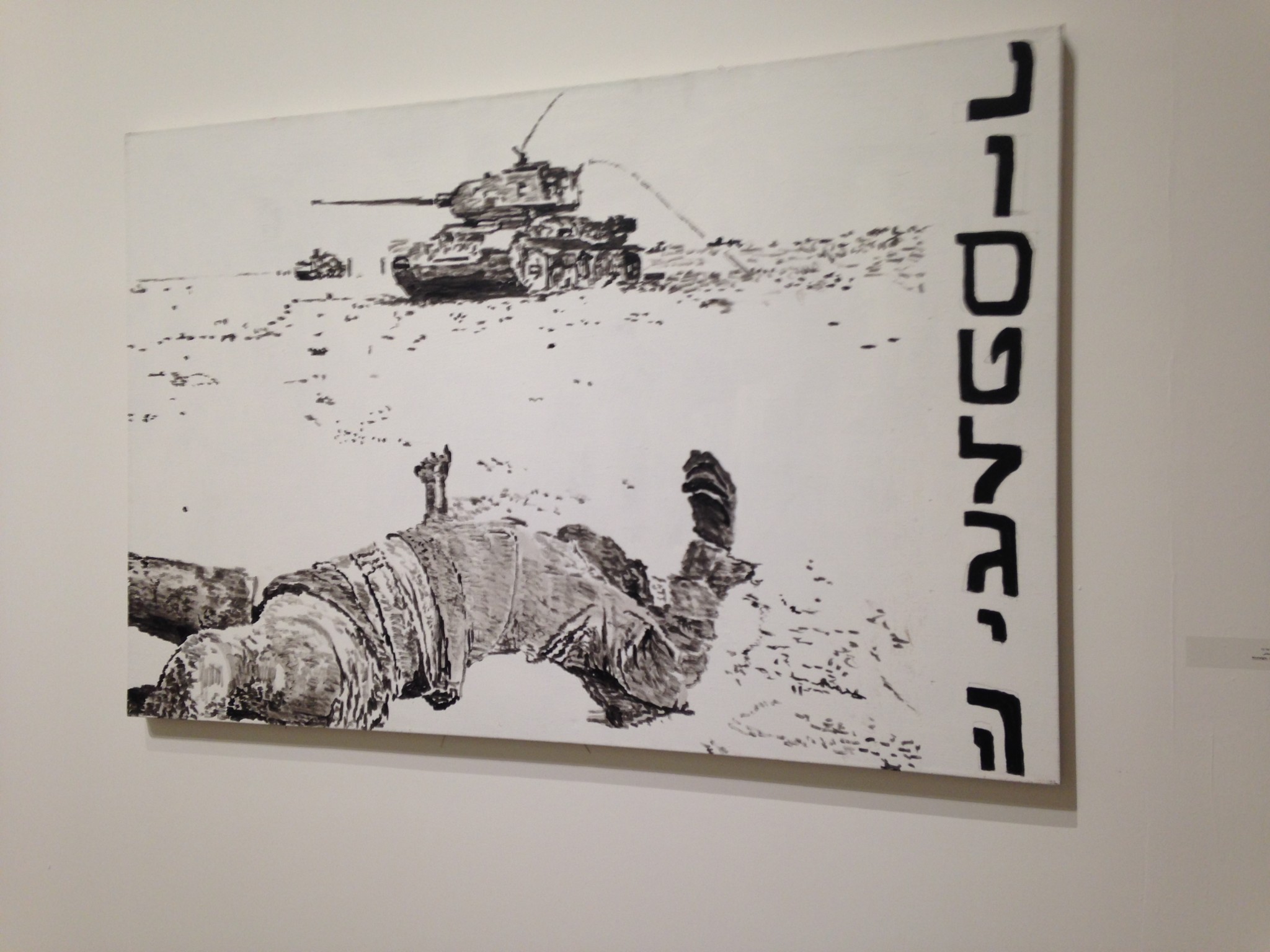
עבודות הטקסט, ציורים עם טקסט משולב ודיוקנאות מנהיגים מתקופת מלחמת יום כיפור, התקופה טראומטית והמעצבת של ריב מעמתים עם יגון ומרירות וזעם וחלקם כמו נוסטלגיה הן מהעבודות החזקות בתערוכה.
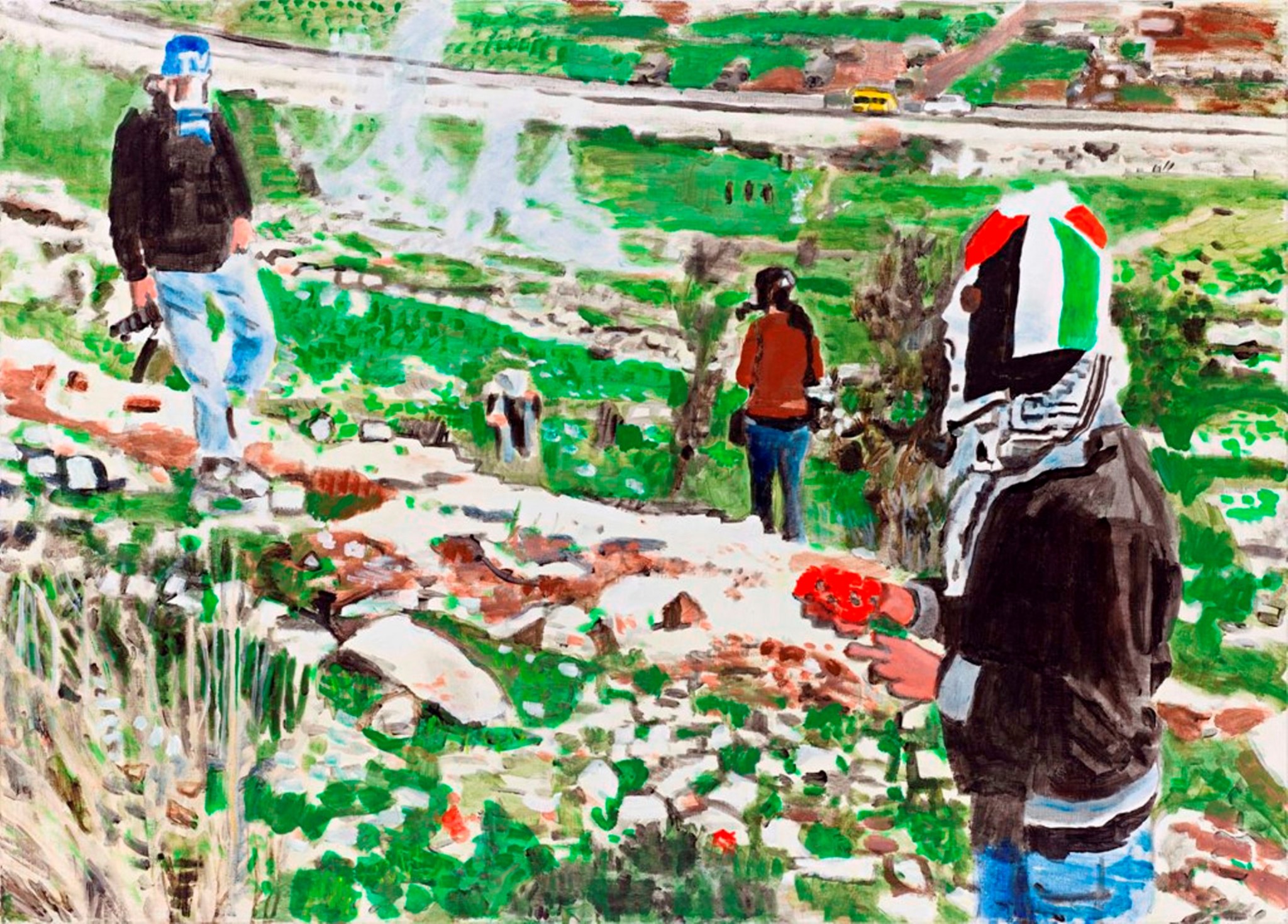
סרטי הוידיאו מוקרנים בחדרים שנבנו בלב האולם התחתון. ריב מתעד ההפגנות הנערכות מידי יום שישי בבילעין, בנעלין ובנבי סלאח בשטחים. היותן חוזרות ונשנות לא מגינה על משתתפיהן ופלשתינים כבר נהרגו במהלכן. המקרים שריב תיעד מוקרנים בתערוכה. הצפייה נעה בין השתוממות על האופן בו כל צד ממלא מה שנראה כתפקיד שבמאי שמבקש להדגיש אבסורד נתן לו ,לבין התקוממות על והאיוולת וחוסר התוחלת. חולפת גם מחשבה על כך שבחלקים מאזורינו כבר לא יתכנו הפגנות שנשים גלויות פנים יובילו בסיסמאות קצובות.
החומרים האלו , ודומים להם מוכרים למי שמעורב פוליטית, ולו במעט,– לריב יש אתר ובו סרטי. וסרטים דומים להם מועברים ברשתות חברתיות ומיילים לעיתים תכופות. השינוי שחווים הוא באופן הצפייה: לא מול המחשב אלא על מסך גדול בחדרון שחור. זו פעולה אמנותית מובהקת של עיסוק באופן ייצוג .
עבודות בהן הכיתוב אריק אוכל ילדים שהתייחסו לרה”מ שרון הוסרו מתערוכה במוזיאון תל-אביב ב 2002 וכעת מוצגות, אולי כסוג של תיקון, אבל בוודאי אינם פאר עבודות של ריב .
למרות שהם מוקדמים למסגרת זמן התערוכה, חבל שהדגלונים שעשה ריב יחד עם גבי קלזמר בתערוכתם המשותפת ב 1983 לא שוחזרו. הם נעשו פסים צבעונים של כחול לבן ירוק שחור ואדום ותלו כמו דגלי קישוט במסיבת יום הולדת. הפשטות חשפה את האיוולת בניסיון שהופעל בשטחים הכבושים לצנזר שימוש של אמנים בצבעי דגל פלשתין; הניסיון להסירם מתערוכה בביתן הלנה רובינשטיין ביטאה חשש מכוחה של האמנות .
התערוכה הנוכחית מצביעה על כך שמשקלה של האמנות בשיח הציבורי פחת ( אם לא התפוגג). ואלו אינן חדשות טובות .

מוזיאון תל-אביב לאמנות
אוצרת : אלן גינתון .

הרשמה לניוזלטר הפירסומי השבועי של “החלון” בנושאי אמנות, אירועים ותערוכות חדשות – www.smadarsheffi.com/?p=925
(הרישום נפרד מהרישום לבלוג )
פרטים על קבוצת הסיורים בעברית ל 2014- 2015 ראו בעמודת סיורים והרצאות

David Reeb: 300 60 48

Awarding David Reeb the Rappaport Prize for an Established Israeli Artist, 2013, is one of the best decisions made since the Prize was established in 2006, despite the fact that I am not among those who consider Reeb an outstanding artist.

Anemones

Anemones

I remained ambivalent throughout the exhibition and reading of the catalog. Reeb’s art is in the heart of the Israeli mainstream, with his list of prizes and awards comprising nearly every governmental or semi-governmental prize awarded in Israel. Acquisition of a Reeb is almost a “must” for any Israeli collection cultivating an image of liberalism and tolerance. As an art project ideologically opposed to the Israeli occupation of the West Bank, it is impressive in its scope and lasting enthusiasm. It embodies an instrumental perception of art, a less refined definition than the catalog’s multiple mentions of Reeb as an ethical artist.
Doreet LeVitte Harten suggests that there will be future apologetics by Israeli art a century hence: “…Israel as such no longer exists, or, if still alive and kicking, it will certainly have mutated beyond recognition, bearing very little resemblance to its present political and social configuration…The future apologetics I am anticipating here will not refer to David Reeb, who has integrated, in his art as well as his public actions, a strong statement against the political situation in Israel.
Itamar Levy’s article focusing on Reeb’s documentary video films screened in the exhibition, ends in a crescendo: “Once again we have to ask: Is this art? and the answer is: Yes, this is art, an extension of the notion of art or a protest against it.Concurrently, it is also a counter-argument inquiring: How can one create anyother kind of art here in this place? How can “normal” art be created in this country, as if we were just another normal place where artists make art? The videos are the “refusal front”: the refusal of a normalizing routine, of normalart, of a consciousness that feels at home in Tel Aviv, with watermelon in hand watching the news on television.IMG_5811
The argument is repeated, that Reeb’s clear and persistent political stance is almost singular on the Israeli art scene, a claim I doubt will withstand a comprehensive survey.
It is dangerous to demand that art be political because such a position assumes that the speaker knows what is correct art and has a monopoly on the truth.The catalog essays contain many comparisons between Reeb and outstanding international political artists such as Hans Hacke (Germany) to Leon Golub (USA). Each of these artists has a body of work much more exciting and caustic than Reeb’s oeuvre.
Reeb uses art as a tool to convey his message; his sensors are consciously internalized, extremely sensitive to those he considers the underdog. This is not a criticism that Reeb fails to depict reality in all its complexity; after all, Reeb is an artist and not the US Department of State. However, walking through the exhibition, during this time of war, it is noticeable that 15 years of rocket attacks on Israel’s south have not been translated into any visual empathy, nor have the past three years of the massacre of Syrian civilians received any representation.
Like the vast majority of Israeli artists, Reeb’s interpretation of politics is narrowly focused on the Israeli-Palestinian conflict, with some politically-correct touches on the situation of foreign workers. Reeb makes direct use of the language of art to express the traditional position of the Israeli Left, best summed up as “End the Occupation,” with which I identify wholeheartedly, although the illusion that ending the Occupation will bring peace has been shattered (it seems that political artists have not yet found the time to address contract workers, poverty and battered women).
The present exhibition is not a Reeb retrospective. It represents his work since 1994, when he had a one-person exhibition at the Tel Aviv Museum of Art, as he did in 1983 (with Gabi Klasmer). In 2003, he participated in a large two-person exhibition at the Israel Museum, Jerusalem(Control: Miki Kratsman and David Reeb, Photographs and Paintings, 2003) and dozens of exhibitions in Israel and abroad.

ציור פייסבוק, אקריליק על בד Facebook Painting, acrylic on canvas - 100x133 ,2010

ציור פייסבוק, אקריליק על בד
Facebook Painting, acrylic on canvas

100×133 ,2010

Reeb paints injustices in works such as Facebook Painting,in which four soldiers stand over blindfolded detainees, or A-Ram, a checkpoint with a long line of people waiting under a watchtower for the Promised Land they cannot enter. He paints dramatic moments along with seemingly routine scenes which cause the sensation that the situation is about to burst into flames. Some of his paintings are based on Miki Kratsman’s contact sheets, their collaborative effort exhibited in the aforementioned Control.
Reeb is an artist of his time, the period following “back to painting” characterizing the late 1970s. Noted influences on his work are Gerhard Richter (including forays into abstraction), Luc Tuymans, Jenny Holzer, Keith Haring, On Kawara and many others. Reeb’s houseplants correspond with Assam Abu Shakra’s sabras, and the exhibition brings out the association of his works to Moshe Gershuni’s oeuvre. Reeb’s Anemones resonate with Gershuni’s Cyclamen, as does his handling of political and military leaders.
Another visible aspect is the extent to which the “Reeb School” has grown in Israeli art, from Durar Bacri through Talia Israeli.
Reeb’s works with text, paintings with integrated text, and portraits of leaders from the 1973 War (a traumatic, formative period for him) juxtapose grief, bitterness and rage; some of these works, such as Nostalgia, are among the strongest pieces in the exhibition.
The video films show Reeb’s documentation of the routine Friday demonstrations in the West Bank villages of Bil’in, Na’alin and Nabi Saleh. Although they are routine, that does not protect Palestinian demonstrators, and some were killed during theprotests. The cases Reeb documented are screened as part of the exhibition. Viewing the films createdwonder at the way each side seems to fulfill a role assigned by a director with a taste for the absurd, and between a strong sense of the uselessness of this protest. The thought also crossed my mind that in this region it will soon be impossible for unveiled women to lead demonstrations.

בוגנוויליה, אקריליק על בד Bougainvillea, acrylic on canvas - 100x150 ,2009

בוגנוויליה, אקריליק על בד
Bougainvillea, acrylic on canvas

100×150 ,2009

The films are familiar material to people who are even slightly involved in politics. They can be seen on Reeb’s website, and similar films are frequently transmitted through the social media and e-mails. The shift is in the viewing: it is not on one’s home computer but on a large screen in a darkened room. This is a clear art action of engagement in the mode of representation.
Paintings containing the text Arik Eats Children, which referred to then Prime Minister Arik Sharon, were removed from the Tel Aviv Museum in 2002, and are now hanging in the current show, perhaps to make up for the past, but they are surely not Reeb’s best.
Although they precede the time frame of this exhibition, it is too bad that the small flags that Reeb made with Klasmer for their joint exhibition in 1983 were not recreated. They made flags striped in blue, white, green, black and red, and hung them like party decorations. The simplicity exposed the ridiculous attempt to censor artists in the West Bank from using the colors of the Palestinian flag; the attempt to take them down from the exhibit in the Helena Rubinstein Pavilion expressed fear of the power of art.
Reeb’s exhibition shows that art has lost some of this power – which is not good news at all.

Tel Aviv Museum of Art
Curator: Ellen Ginton

Translated by: Judith Appleton
Join the mailing list for Window’s weekly informational advertising newsletter on art, special events, and openings: www.smadarsheffi.com/?p=925
Posted in וידיאו, ציור | Comments Off on דוד ריב 48—60—300 ציורים ועבודות וידאו 2014 – 1994|David Reeb: 300 60 48 – works 1994- 2014

סמדר שפי, החלון, אומנות ישראלית, אמנות ישראלית, Smadar Sheffi, The Window, Israeli Art