מחשב מסלול מחדש|Recalculating Route

Please scroll down for English

“מחשב מסלול מחדש” היא מבוך של משמעויות בתואם מושלם לעולם שמשתנה במהירות.
התערוכה מציינת עשור לפתיחה מחדש של מוזיאון פתח-תקווה והיא חלק Mediations (“ערוצי תקשורת”),ביאנאלה בינלאומית שמרכזה בפוזנן, פולין הנערכת במקביל בארבע עשרה ערים (בהן הירושימה, ניו-יורק ומפוטו שבמוזמביק). כותרתה “פוסט-גלובליזם כששום-מקום נעשה כאן” פורסמה לפני שהוקמה מדינה איסלאמית ודאעש הפך לארגון ששמו מוכר היטב, ולפני “צוק איתן”,התרחשויות שגרמו לטלטלה במחשבה על היחס בין גלובלי למקומי והכרה שמשהו נסדק בהבטחה העצומה שהייתה גלומה ברב-תרבותיות. ביטול השתתפות של כמה אמנים בינלאומיים בתערוכה הזו מסמן חלק מהאבסורדים שנוצרים בתוך עולם האמנות שראה עצמו כחלוץ ומחולל שינוי תרבותי-גלובלי.
מחשב מסלול מחדש” שם התערוכה הישראלית בביאנאלה מהדהד אפליקציות ניווט המשמשת אותנו והיא תאור של הרגע.
האוצרת דרורית גור –אריה מתבוננת במשוואה מקומיות/גלובליזציה מנקודת המוצא של המסע כמכונן המודעות לכך שהמוכר אינו האופציה היחידה לקיום. המסעות שהיא מציגה הם גיאוגרפיים, תודעתיים ובין זמנים. כמו במרבית התערוכות מאז הפתיחה מחדש המוזיאון מתפקד כתא משמעות בו מתרחשת אוסמוזה – המוזיאון מתמצת ומנכיח שאלות, מבקש לא את אישור הצופים אלא מאתגר בסוג של מבוכה.
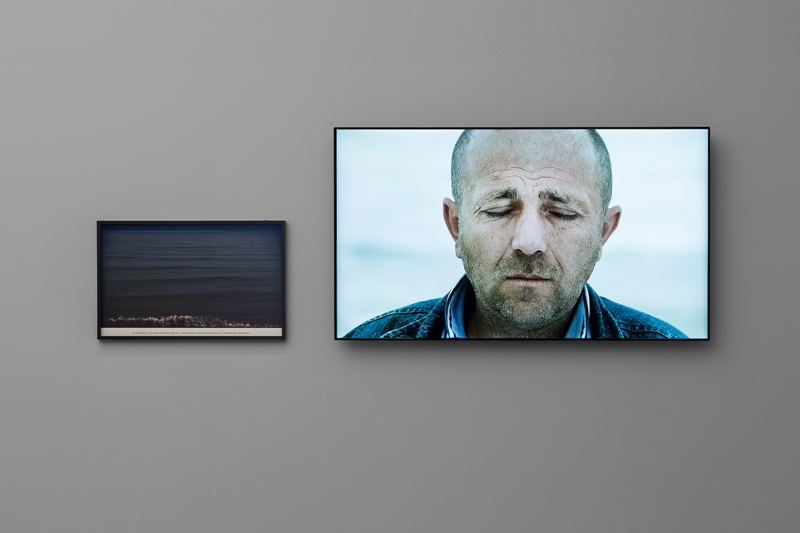
Sophie Calle’ See the Sea: The Deep Man (2011)  photo Elad Sarig

Sophie Calle Voir la Mer: The Deep Man, 2011 Courtesy of the artist and Galerie Perrotin, Paris

לראות את הים: האיש העמוק של סופי קאל ( 2011) ו Could Be Me של טלי נבון (2014) מוצגות בחלל הכניסה למוזיאון ומסמנות רבים מקווי האמביוולנטיות שחוזרים בעבודות שונות.
העבודה של קאל חריגה בגוף העבודות המצוין שיצרה לאורך השנים והתאפיין באריגה של פנטזיה ומציאות כשחייה משמשים ציר מרכזי. כך היה בשיתוף פעולה שיזמה ב 1992 עם הסופר פול אוסטר כאשר ביקשה ממנו ליצר דמות פיקטיבית (מריה ב”לוויתן”) שהיא תנסה לדמות לה, או Take Care of Yourself מ 2007 ובה ביקשה כמאה נשים לפרש דואר אלקטרוני בו הודיע לה בן זוגה שהוא נפרד ממנה.
לראות את הים: האיש העמוק נוצרה בעקבות שהות של קאל באיסטנבול בה התוודעה לכך שבעיר חיים מהגרים עניים שאינם יכולים להרשות לעצמם נסיעה לחוף הים הסמוך כל כך. קאל בחרה עניים משכונת קדיקיי (Kadiköy) המכוּנה “עיר העיוורים” (מייסדיה היוונים העדיפו אותה על אזורים המשקיפים למצרי הבוספורוס ול”קרן הזהב”). המשתתפים הוסעו לים וצעדו לקראתו כשעיניהם מכוסות. לאחר שהביטו בים צילמה אותם קאל. העבודה בה נראה אחד המשתתפים מעוררת אי נוחות. לראות את הים: האיש העמוק מתקשרת לפרויקט “העיוורים” שקאל יצרה ב 1986 ובה ראיינה עיוורים לגבי מושג היופי והנכיחה אותו בצילומים. הפעם, לדיון באופי ועוצמת המבט נלוות תחושה של התנשאות, דומה לזו של תורמים המצלמים את הנתרמים המאושרים שלהם.
המבט בעיניו הכחולות של הגבר שנראה כמי שזקן בטרם עת מרוגש ממפגש ראשוני מהים. פוקדי מוזיאונים, בדרך כלל מי ששפר עליהם גורלם, שכחו רגע זה. יותר מיצירת אמפטיה כלפי מי שלא זכו לראות ים (וודאי עוד שורת דברים בסיסים והנאות פשוטות) יש מבט על אקסמפלר שאמנית ממרכז דשן יכלה לתת לו חוויה תמורת פלישה לרגע פרטי.
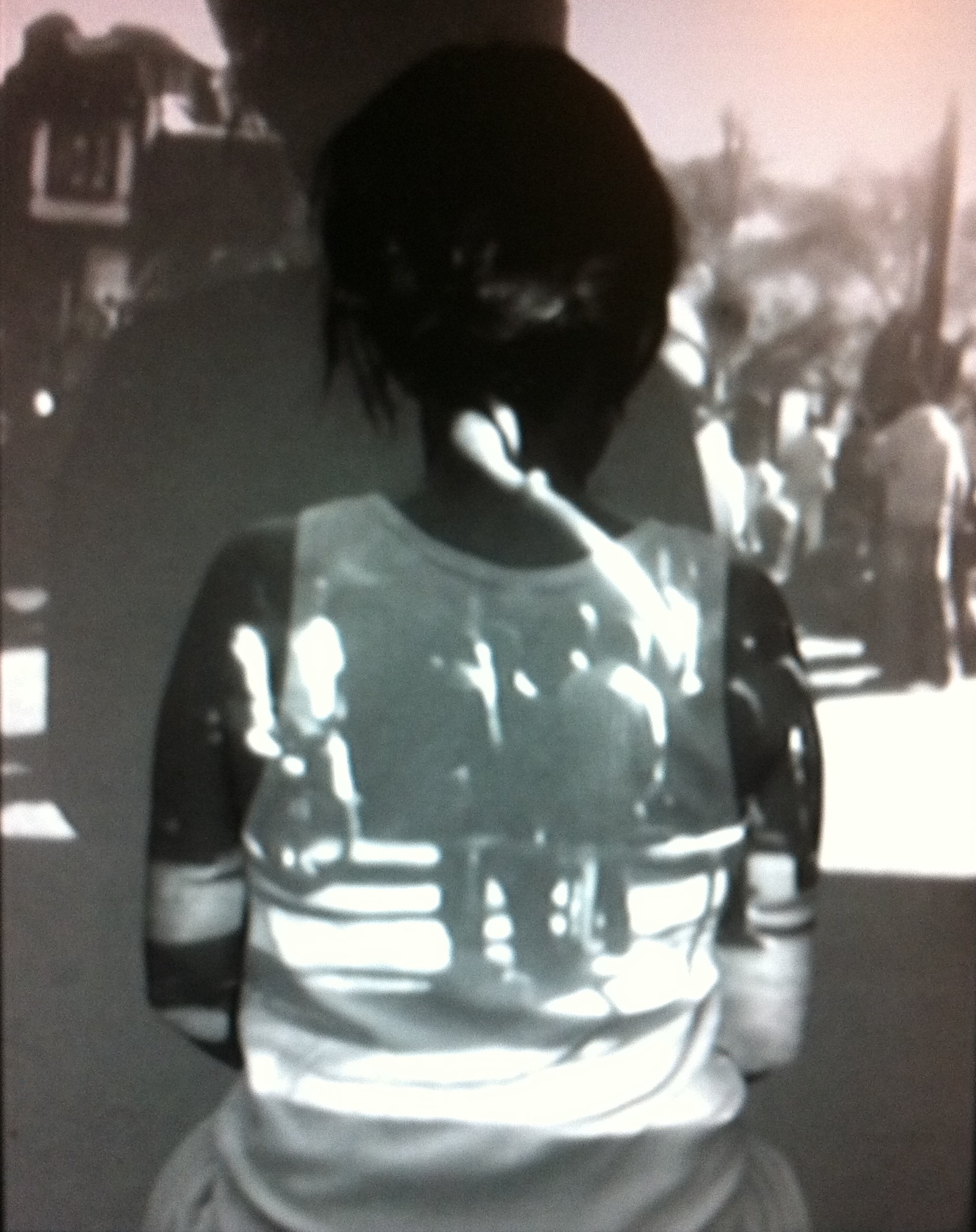
Tali Navon’ Could Be Me (2014)

Tali Navon’ Could Be Me (2014)

נבון מתבוננת בספריות המשרתות את קהילת העובדים הזרים בתל-אביב בבית הספר ביאליק-רוגוזין ובגינת לוינסקי. היא נוגעת בפצע המבעבע בדרום תל-אביב, שדומים לו יש היום ברחבי אירופה. באזור שהוא מהמוחלשים בארץ חיה אוכלוסיה זרה שהטיפול השערורייתי בה מגביר את קיפוח האוכלוסייה הוותיקה ואינו עושה חסד עם הזרים. הספריות הן אקס –טריטוריות, כניסה לעולם של דמיון או לפחות ריחוק מהמציאות. נבון בונה דימוים שנעים בין התיעודי לאבסטרקטי בלי להפוך את המתועדים לאקזוטיקה. פס הקול מורכב מרחשי רחוב וקטעי קריאה, בעברית ובטיגרינאית (שפה מדוברת באתיופיה ואריתריאה).ההתבוננות על אי של תרבות, אתר למסע סובלימטיבי הופך את העבודה להרהור על כוחה אמנות.
אמיר יציב, מזוהה בדרך כלל בעיקר עם וידיאו מציג את We are attempting to survive our time so we may live into yours המתייחסת לתקליט זהב שנשלח לחלל ב 1977 ובו מסר מהאנושות. המכונה הגדולה, המסורבלת שבנה נראית כאילו נלקחה מספרי זול ורן, מדע בדיוני שהתיישן והפך למגוחך או לחילופין מכמיר לב. הניסיון לסכם את הניסיון האנושי נראה כהיבריס וההתנאות בטכנולוגיה חדשנית נידונה לכישלון בידי הזמן.
Orb,  של גיא גולדשטיין, לוקאס ויקרס, ואריאל עפרון מגרסה, 2014 של אייל אסולין שתיהן עשויות בטכנולוגיות מתקדמות של יצור, במקרה של Orb בתכנות אך מתייחסות למכונות מהעבר – גלגל שינים וצפלין, ספינות אוויר ששימשו כבר לפני מלחמת העולם הראשונה לטיסות אזרחיות וצבאיות.
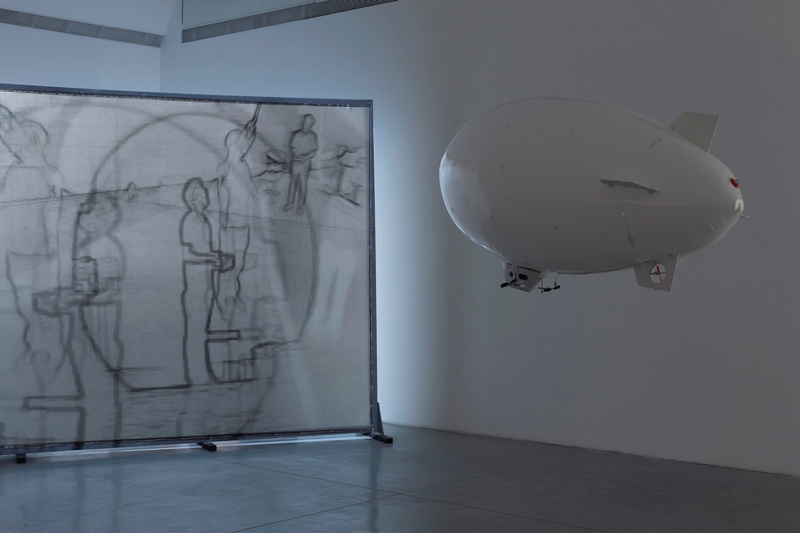
Orb (2014) Guy Goldstein, Lucas Vickers and Ariel Efron

Orb (2014) Guy Goldstein, Lucas Vickers and Ariel Efron

Orb (גרם שמים) מרשימה אף שזוהרה מועם לאחר זמן. היא עשויה עם צפלין המרחף בחלל ומצלמה בתוכו מצלמת את הצופים. הנתונים מתורגמים לרישום המוקרן על מסך דו-כיווני בכניסה לחלל בהשהיה. פנסים ומצלמות מהרצפה עוקבים אחר הצפלין, וכל התיעוד מועבר כרישום למדפסות המדפיסות על לולאת נייר שמסתובבת ביניהן כך במהלך התערוכה יצרו שכבות רישום עד שהנייר ישחיר – עודף המידע משתק.
קונצפטואלית העבודה היא במסורת עבודות מפתח בוידיאו כמו«Time Delay Room» של דן גראהם מ 1974 או “קובייה מעגל סגור” של פיליפ אנגלהארדט הגרמני מ 2012 העוסקות בשאלות של התיעוד
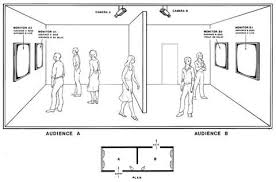
Dan Graham Time Delay .1974

Dan Graham Time Delay .1974

המתמיד של חיינו ואובדן הפרטיות כחלק ממחיר תהליכים גלובליים (האסוציאציה לפרשת סנודון מתבקשת) . הצופים הופכים למשתתפים במאין “האח הגדול” אלא שכאן התיעוד סופו של דבר יקרוס לתוך עצמו.
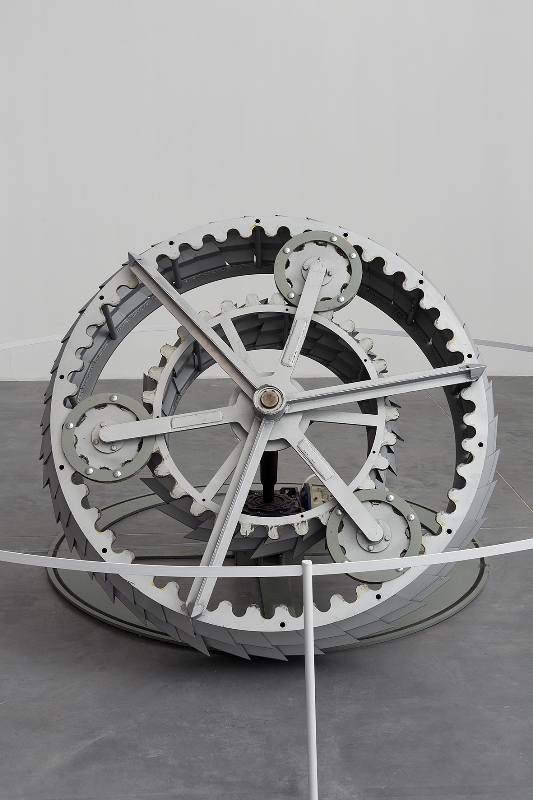
Eyal Assulin Shredder (2014)

Eyal Assulin Shredder (2014)

מגרסה,הגלגל הגדול של אסולין נע על צירו, נעצר בהפסקות שנדמות שרירותיות ועם כל כוחו הרב נותר עקר. העבודה מצטרפת למסורת שמדושאן למונה חאטום, נעה מהאבסורדי למאיים.
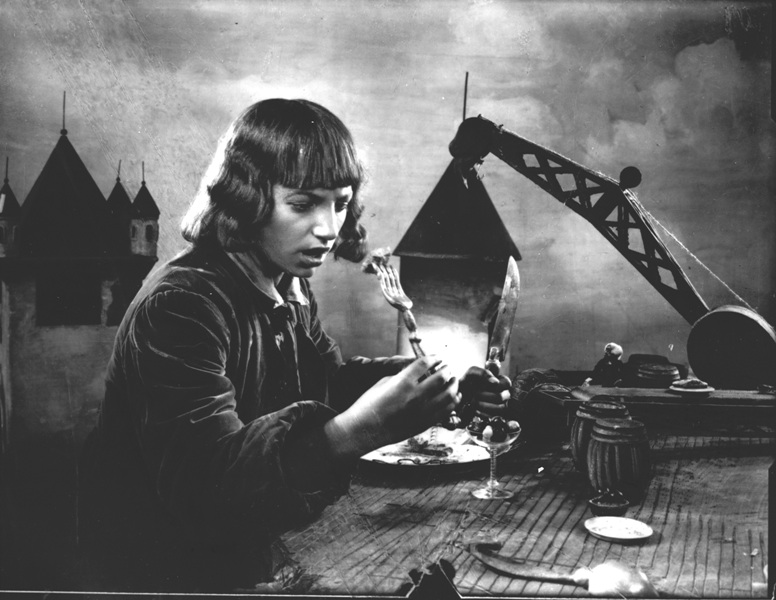
Aleksandr Ptushko  , The New Gulliver  1935

Aleksandr Ptushko , The New Gulliver 1935

עוד בולטות יריד התענוגות הארציים של ליאב מזרחי שבנה קוליסות כשל קרקס בהן מוזמן הצופה להכניס את ראשו ולהפוך למשתתף.הסצנות שיצר מורכבות ולעיתים מחרידות כמו אונית פליטים במצוקה. גוליבר החדש, סרט מ 1935 של אלכסנדר פטושקו הרוסי היא העבודה התמימה היחידה בתערוכה המפוכחת. סיפורו הוא על נער מתנועת נוער קומוניסטית החולם שהוא גוליבר פועל נגד הבורגנות בממלכה אגדית.
                                   

מלחמות האתמול אבודות וגוליבר לא הושיע. לחשב מסלול מחדש .

אוצרת: דרורית גור אריה
ב’, ד’, ו’, שבת 14:00-10:00| ג’, ה’ 20:00-16:00
קריית המוזיאונים, בית יד לבנים רחוב ארלוזורוב 30 פתח–תקוה

הרשמה לניוזלטר הפירסומי השבועי של “החלון” בנושאי אמנות, אירועים ותערוכות חדשות – www.smadarsheffi.com/?p=925 (הרישום נפרד מהרישום לבלוג )
הערות/הארות אנא כיתבו ל thewindowartsite@gmail.com

Recalculating Route

Recalculating Route is a labyrinth of meanings, appropriate for a rapidly changing world. The exhibition celebrates a decade of the reopened Petach Tikva Museum of Art, and is part of Mediations, an international biennale with Poznan, Poland, at its center, held simultaneously in 14 cities (including Hiroshima, New York, and Maputo, Mozambique). The title of the Biennale, Post-Globalism When Nowhere Becomes Here, was publicized before ISIS made the news, before the war in Gaza, events that shook up prevalent thinking on the relationship between the global and local, showing the cracks in the tremendous promise of multiculturalism. Cancellation of participation by a few international artists is only one of the absurdities in the art world, which considers itself to be change agent of global culture.
The Israeli contribution to the 4th Mediation Biennale, Recalculating Route, echoes in its title the way GPS applications dictate and serve us, describing the moment. The curator, Drorit Gur-Arie, observes the local/globalization of journeys as points of origin for establishing awareness that the familiar is not the only option. She presents journeys of geography, consciousness and Time. As in most of the exhibitions since the Museum re-opened, it functions as a cell of meaning in which osmosis is taking place: the Museum as the center distils and makes present questions that do not seek viewers’ affirmation but rather create a kind of confusion.

Sophie Calle’ See the Sea: The Deep Man (2011)  photo Elad Sarig

Sophie Calle Voir la Mer: The Deep Man, 2011 Courtesy of the artist and Galerie Perrotin, Paris

Sophie Calle’s See the Sea: The Deep Man (2011) and Tali Navon’s Could Be Me (2014) are exhibited in the entrance hall. and to some extent mark the ambivalences appearing in various works in the exhibition. Calle’s work is an exception to her excellent oeuvre over the years, characterized by weaving fantasy and reality based on her life, such as was evident in her collaboration with writer Paul Auster which she initiated in 1992. Calle asked Auster to “invent a fictive character which I would attempt to resemble” (Maria in Leviathan), or Take Care of Yourself (2007) in which she asked over 100 women to interpret an e-mail her partner sent her informing that he was breaking up with her.
See the Sea: The Deep Man was created after a residence in Istanbul. Calle chose some people from the Kadiköy neighborhood who, lacking the means, had never traveled to the sea, although it was part of the city in which they live. Participants were bused to the shore and walked towards the sea, blindfolded. After they looked at the sea, Calle filmed them. This project links to her 1986 series, The Blind, in which she interviewed blind people about the concept of beauty and made it present in her photography. This time, the discussion of character and intensity of gaze are accompanied by a feeling of superiority, similar to philanthropists filming the happy recipients of their donations, which made me uncomfortable.The blue-eyed, prematurely old man is obviously moved by his first encounter with the sea, which most museumgoers, usually belonging to the more fortunate socioeconomic strata, have already forgotten the first time they saw it. I doubt the work arouses viewers’ empathy as much as it embodies the gaze of an artist from a well-off center that can provide an experience in exchange for intrusion into a private moment.

Tali Navon’ Could Be Me (2014)

Tali Navon’ Could Be Me (2014)

Tali Navon observes at the libraries serving the foreign worker community of Tel Aviv located in the Bialik-Rogozin School and the Levinsky Park. She touches upon South Tel Aviv’s open sore, similar to locations all over Europe. The shameful handling of the foreigners living in the weakest neighborhood of Tel Aviv intensifies the disadvantaged state of the veteran local population and does not benefit them. The libraries are ex-territorial, a portal into a world of imagination far from reality. Navon’s images move between the documentary and the abstract without making those she documents exotic. The soundtrack is composed of street sounds and readings in Hebrew and Tigre (spoken in Eritrea and Ethiopia). Her gaze at an island of culture and the search for sublimation, stimulates thinking about the power of art.Amir Yatziv, usually identified with video works, is showing an installation, We are attempting to survive our time so we may live into yours, referring to the gold record sent into space in 1977 on the Voyager, bearing a message from humankind. The large and bulky record player he built seems to be from an old Jules Verne science fiction book, which now seems comical or pitiful. The attempt to sum up human experience seems to be hubris, while Time will eventually put an end to the enjoyment of the latest technology.

Orb (2014) Guy Goldstein, Lucas Vickers and Ariel Efron

Orb (2014) Guy Goldstein, Lucas Vickers and Ariel Efron

Orb (2014) by Guy Goldstein, Lucas Vickers and Ariel Efron, and Shredder (2014) by Eyal Assulin both use innovative manufacturing technologies. Orb uses programming and electronics, but refers to machinery of the past – gear wheels and the Zeppelin, the airships which operated even before WWI in civilian and military flights. Orb is an impressive work, although its splendor fades after a while. It comprises a “Zeppelin” floating in the space, carrying a camera filming viewers. The data is translated into a drawing projected onto a two-way screen at the entrance to the space, which also has a back-projection. Smart spots and cameras from the floor track the blimp, with the data fed as drawings into printers with a continuous paper feed. Layers of drawings continue until the papers turn black, paralyzed by the data overload.The work’s concept is in the tradition of key video works such as

Dan Graham Time Delay .1974

Dan Graham Time Delay .1974

Dan Graham’s Time Delay Room (1974) or German artist Philipp Engelhardt’s 2012 White Cube Closed Circuit video engaged in issues of constant documentation of our lives and loss of privacy as part of the price paid for global processes (with the inescapable association to the Snowden affair). During the time spent in the piece, viewers participate in a kind of “Big Brother” reality show but in this case the documentation will collapse in on itself.

Eyal Assulin Shredder (2014)

Eyal Assulin Shredder (2014)

Assulin’s large Shredder moves on its axis, stopping at seemingly arbitrary intervals, powerful yet sterile. The work joins the tradition stretching from Duchamp to Mona Hatoum, moving from the absurd to the threatening.
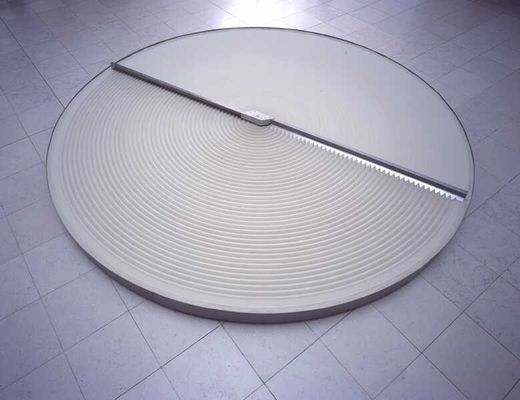
Mona HatoumSelf-Erasing Drawing”   1979

Mona HatoumSelf-Erasing Drawing” 1979

Another work which stands out is The Fair of Earthly Delights (2014) by Liav Mizrahi, who constructed circus-like scenery flats in which the viewer is invited to insert his head and participate. However, the scenes are complex, and sometimes frightening, such as a refugee ship in distress.

Russian Aleksandr Ptushko’s 1935 film, The New Gulliver is the only innocent work in this exhibition of sober meditations. A lad from a Communist youth movement dreams that he is a “new Gulliver” active against the bourgeoisie in a fairy-tale kingdom.

The wars of the past are lost, and Gulliver was no savior.Recalculating Route.

Curator: Drorit Gur Arie
Open Mon., Wed., Fri., Sat. 10 a.m.-2 p.m.; Tues., Thurs. 4-8 p.m.
Museum Complex, Yad Labanim, 30 Arlosoroff, Petach Tikva

Join the mailing list for Window’s weekly informational advertising newsletter: www.smadarsheffi.com/?p=925
Comments – please write to thewindowartsite@gmail.com
Posted in וידיאו, פיסול ומיצב, צילום | Comments Off on מחשב מסלול מחדש|Recalculating Route

Francesca Woodman • Zigzag| Orit Ishay: Terribly Pretty | Yael Balaban: Awfully Beautiful

Please scroll down for English

Francesca Woodman • Zigzag

Francesca Woodman,1975-1978

Francesca Woodman,1975-1978

המפגש עם גוף עבודה מוגדר, שלם וסופי של אמנים שנפטרו או התאבדו בגיל צעיר מאד מספק הזדמנות למבט מרוכז במסלול קצר מאד בו התחלה אמצע וסוף הופכים כמעט לאחד. בתערוכה Zigzag של פרנצסקה וודמןFrancesca Woodman, צלמת אמריקאית שהתאבדה 1981 בגיל 22 התחושה הזו חריפה במיוחד. וודמן הותירה גוף של כ 800 עבודות שנעשו מאז הייתה בת 13. היא גדלה בסביבה עתירת אמנות עם שני ההורים אמנים ומרצים לאמנות ובילתה חלק ניכר מילדותה איתם באיטליה. כאמנית צעירה זכתה בהכרה, כולל בפרס שהיה של שנה ברומא. ההכרה בעבודתה גברה אחר מותה ובאה לביטוי בשורת תערוכות יחיד בחללים כמו Fondation Cartier בפריז ו The Photographers’ Gallery בלונדון. ב 2011 הוצגה עבודתה במוזיאון לאמנות מודרנית בסן פרנסיסקו ובגוגנהיים בניו יורק. עבורי היה זה מפגש ראשון עם העבודות.

Francesca Woodman, 1975-1978

Francesca Woodman,
1975-1978

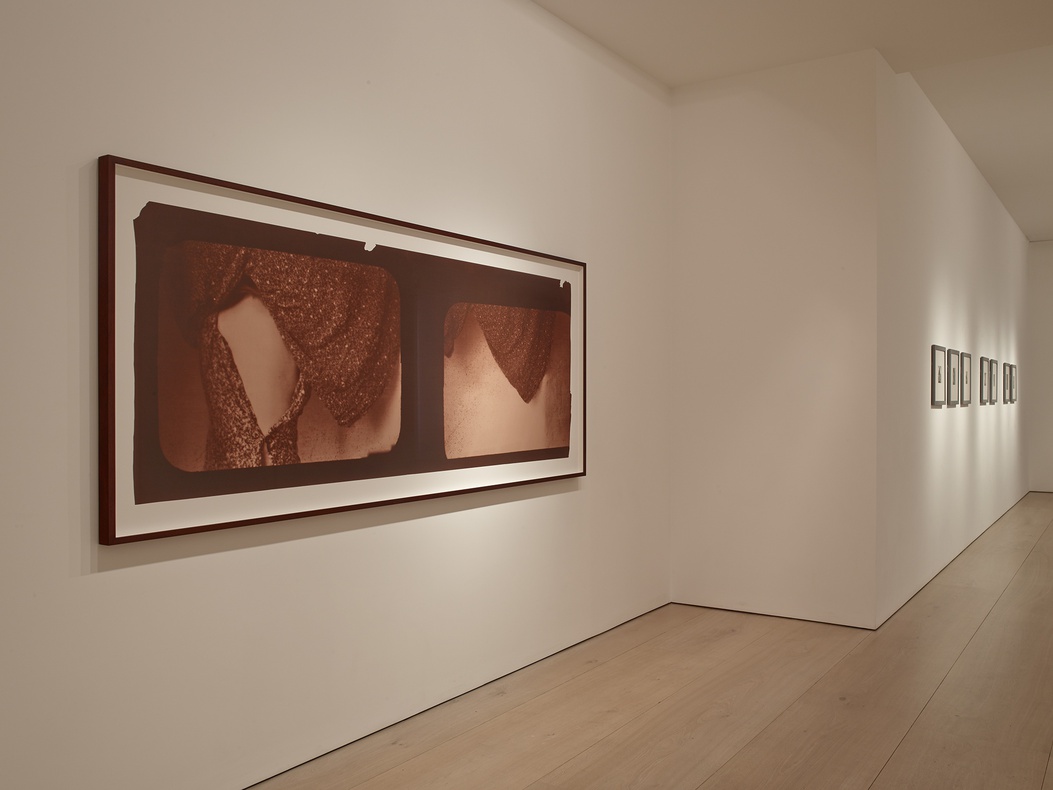
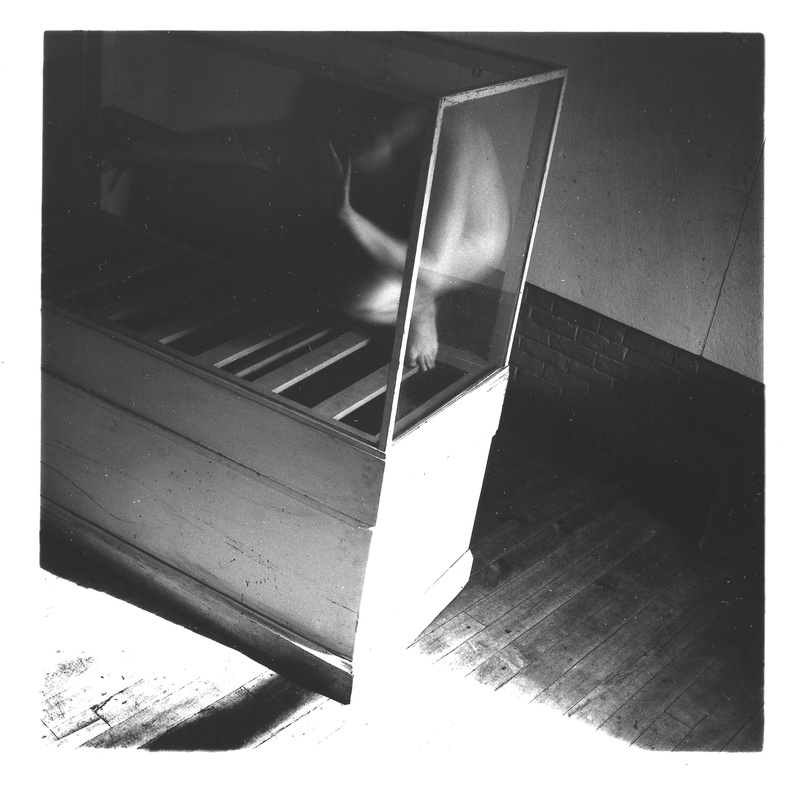
בחלל של גלריה ויקטוריה מירו בלונדון (ב Mayfair) מוצגים דימויים קטנים בשחור לבן ושני דימויים גדולים בספיה, בסך הכל עשרים וחמישה צילומים שמשאירים את הצופים בין מועקה לסקרנות גדולה. בצילומים בולט חוסר שקט, חוסר איזון ודחיפות. בעבודות הספיה הגדולות התחושה היא של חקירה, גישוש שאינו מעמעם יד מקצועית בוטחת.

הנושאים כמעט בנאליים: הרבה צילומי שכוללים קטעי גוף נשי, אובייקטים (טבע דומם), מעט צילומים של נוף. אפשר לחוש באפיונים של תקופה, אסטטיקה של שנות ה70 אבל החריפות, היופי הגדול של העבודות הופך את העניין בהן להרבה יותר מהיסטורי.קו שבור , זיג זג, הוא חוט השני המקשר את העבודות. זו צורה שאינה נוחה כמו המלבן והריבוע הקלאסים. בקומפוזיציות של וודמן נדמה שתמצתה למינימום הכרחי את מה שחייב להיות בכל פריים ופריים.

Francesca Woodman,1975-1978

Francesca Woodman,1975-1978

היא מצולמת במרבית הצילומים ובכל זאת הם אינם דיוקנאות עצמיים. השימוש בעירום שלה עצמה נעשה במסורת המובהקת של צילום גברי. היבט זה בעיתי -מהלך הזמן משנות ה80 ועד היום לימד שאימוץ אסטרטגיות שליטה כמו גבריות על ידי נשים (כך למשל נשים תומכות בפורנוגרפיה) לא הוביל למקומות טובים יותר. החיפצון נותר חיפצון גם עם הוא נעשה על ידי אישה.
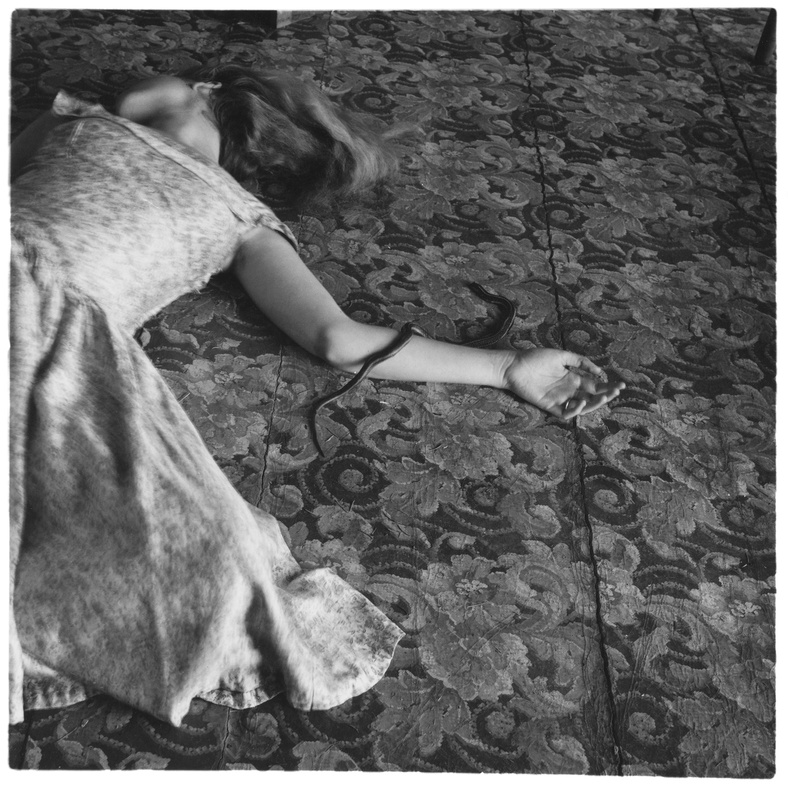
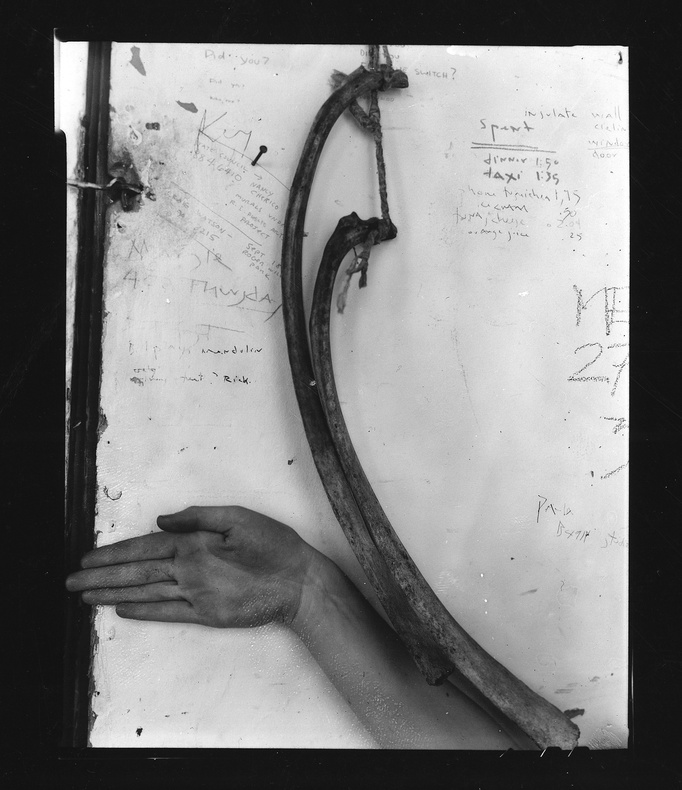
עבודה בה אשה בשמלה מבד ברוקד שרועה על שטיח פרחוני ונחש על זרועה נחרט בזיכרון. עם הבגדים שנראים מ”מד מן” והנחש מסיפור פיתוי חווה מתנסח הרהור מלא על נשיות, תאווה ומשאלת מוות. יד שמצולמת ליד פיסות עץ מעוגלות, וילון עם נוצות,קווי אור שבורים ויד האמנית מרגשים ממש. עבודות הספיה גדולות, בנויות כדיפטיך שהוא חלונות קונטאקט של סרט צילום מרמזות על כיוונים שלא פותחו, של עושר שמופיע כבר בצילום האישה על השטיח.

Victoria Miro Mayfair • 14 St George Street, London W1S 1FE
Closing 4 October 2014

אורית ישי – נוֹרָא יָפֶה | יעל בלבן – יָפֶה נוֹרָא

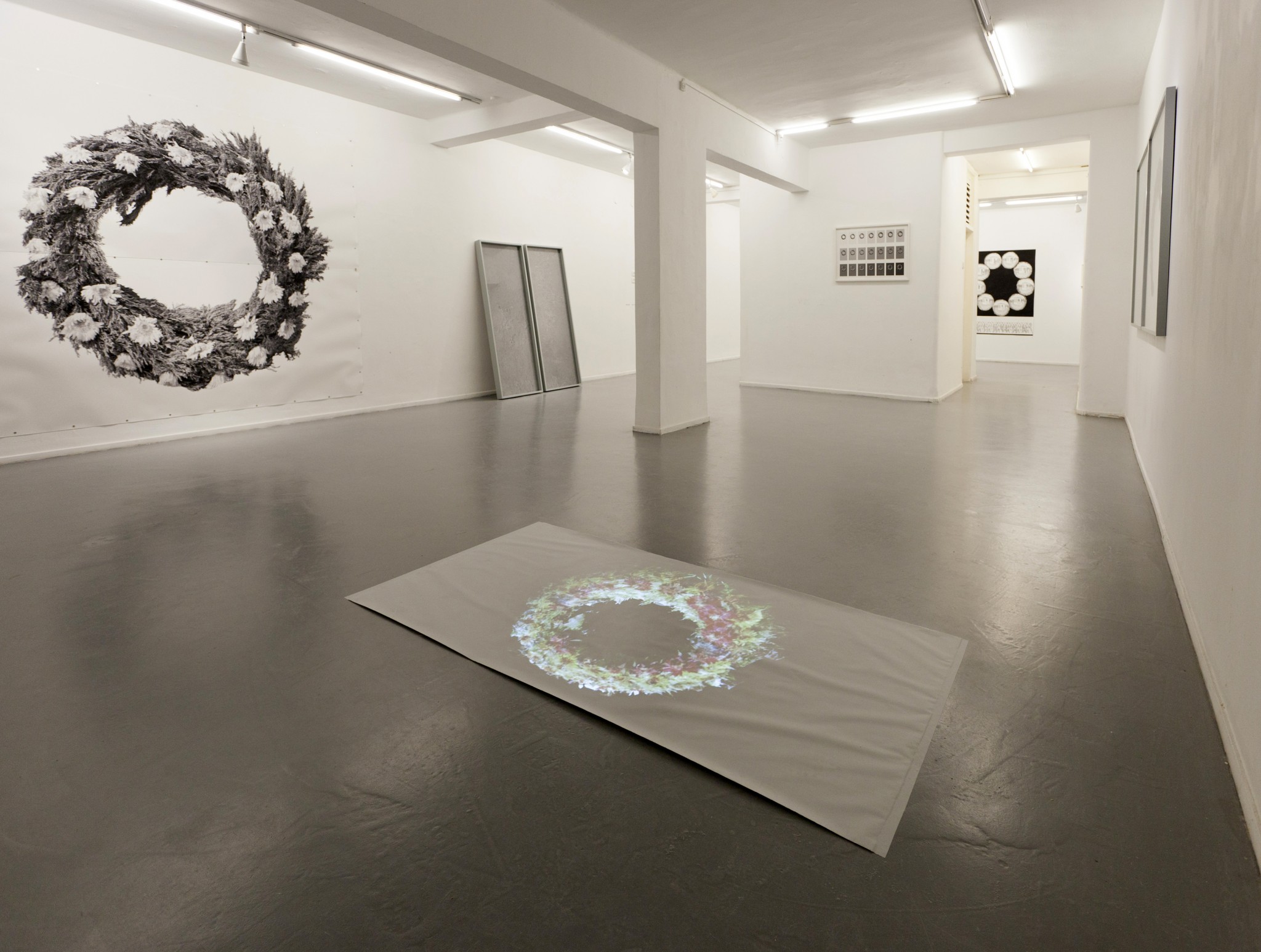
שתי תערוכות היחיד, של אורית ישי ויעל בלבן נסבות סביב מקום בו יופי ואימה משיקים. הן נוגעות בדימוי מובהק בו האפל מובלע ביפה, בדימוי זרי פרחים ומוטיב המעגל-הזר.

Orit Ishay :Terribly Pretty

Orit Ishay :Terribly Pretty

התקדימי בתולדות האמנות הם כבר מהעת העתיקה דרך הרנסנס האיטלקי ורנסנס הצפוני. אינספור זרי הפרחים והמוות בציורי טבע דומם ובמיוחד ואניטס מתקשרים ישירות לזרים המוצגים. באמנות עכשווית יש גם כן דוגמאות רבות כמו הפרחים הנובלים של אניה גאלצ’יו הבריטית , והתקדימים הישראלים ביניהם שוש קורמוש, משה גרשוני, ארז ישראלי ועדי ברנדה.
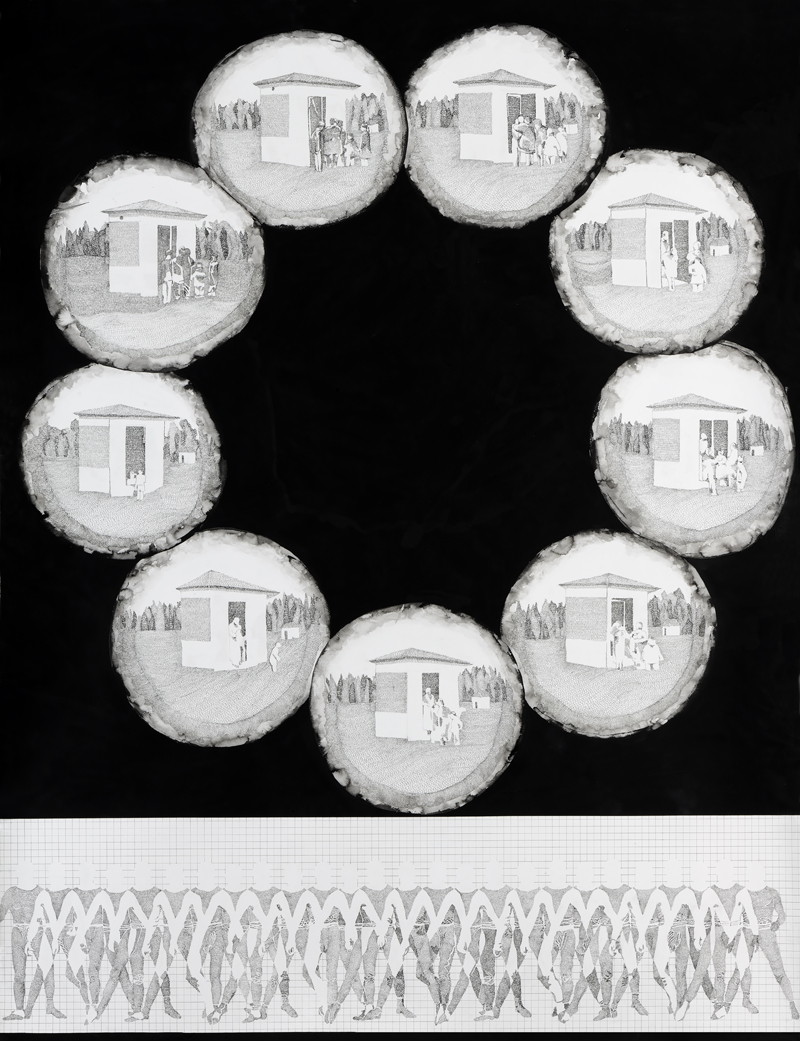
מטען האסוציאציות מעשיר, מוסיף שכבות של אירוניה.יעל בלבן רשמה ברפידוגרף זרים מורכבים מגברים ונשים במה שיכול להעלות על הדעת סצנות זוועה אך גם מחול.

Yael Balaban 9 lense Rapidographand-Ink on Paper-after-Marey

Yael Balaban 9 lense Rapidographand-Ink on Paper-after-Marey

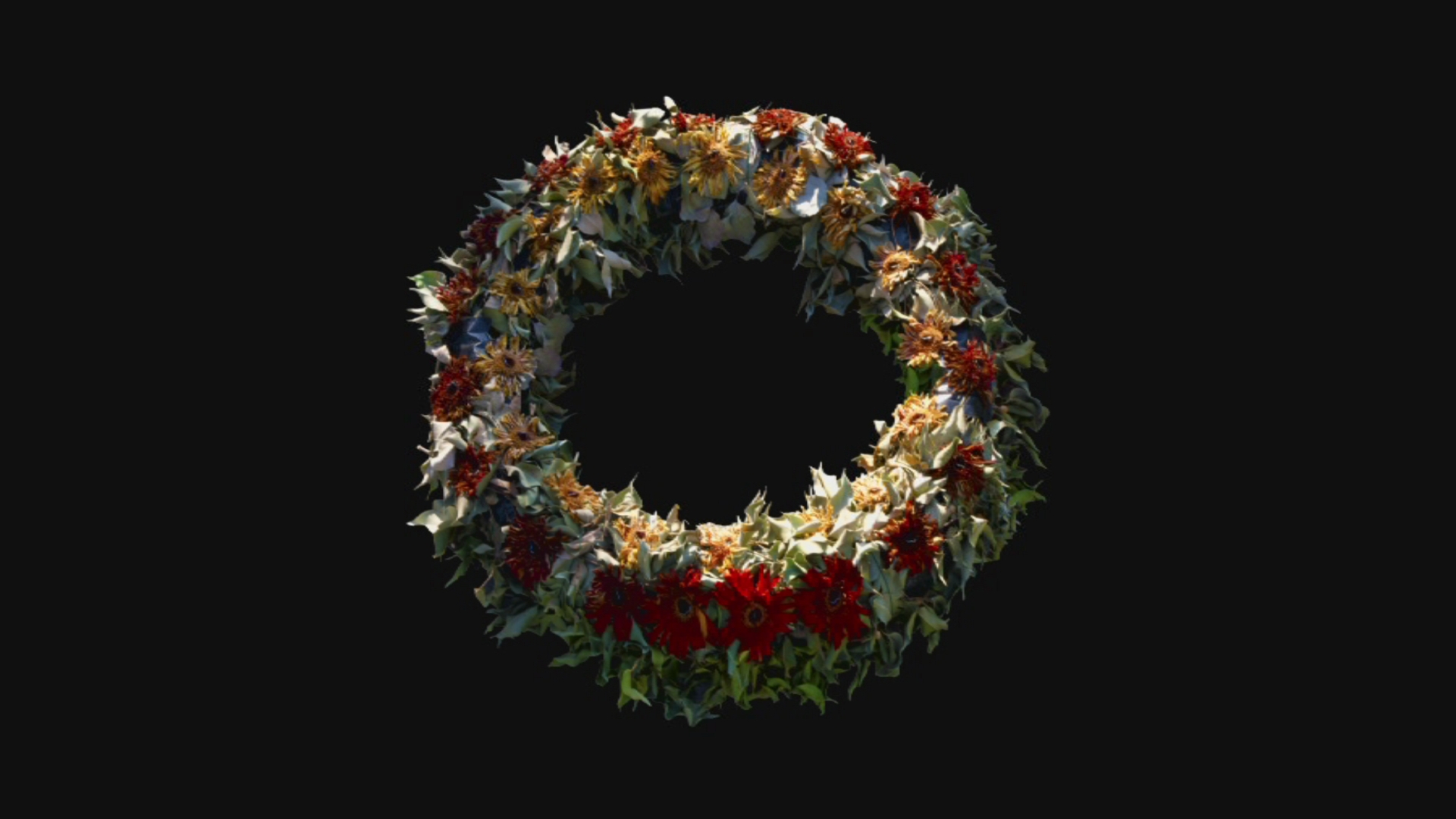
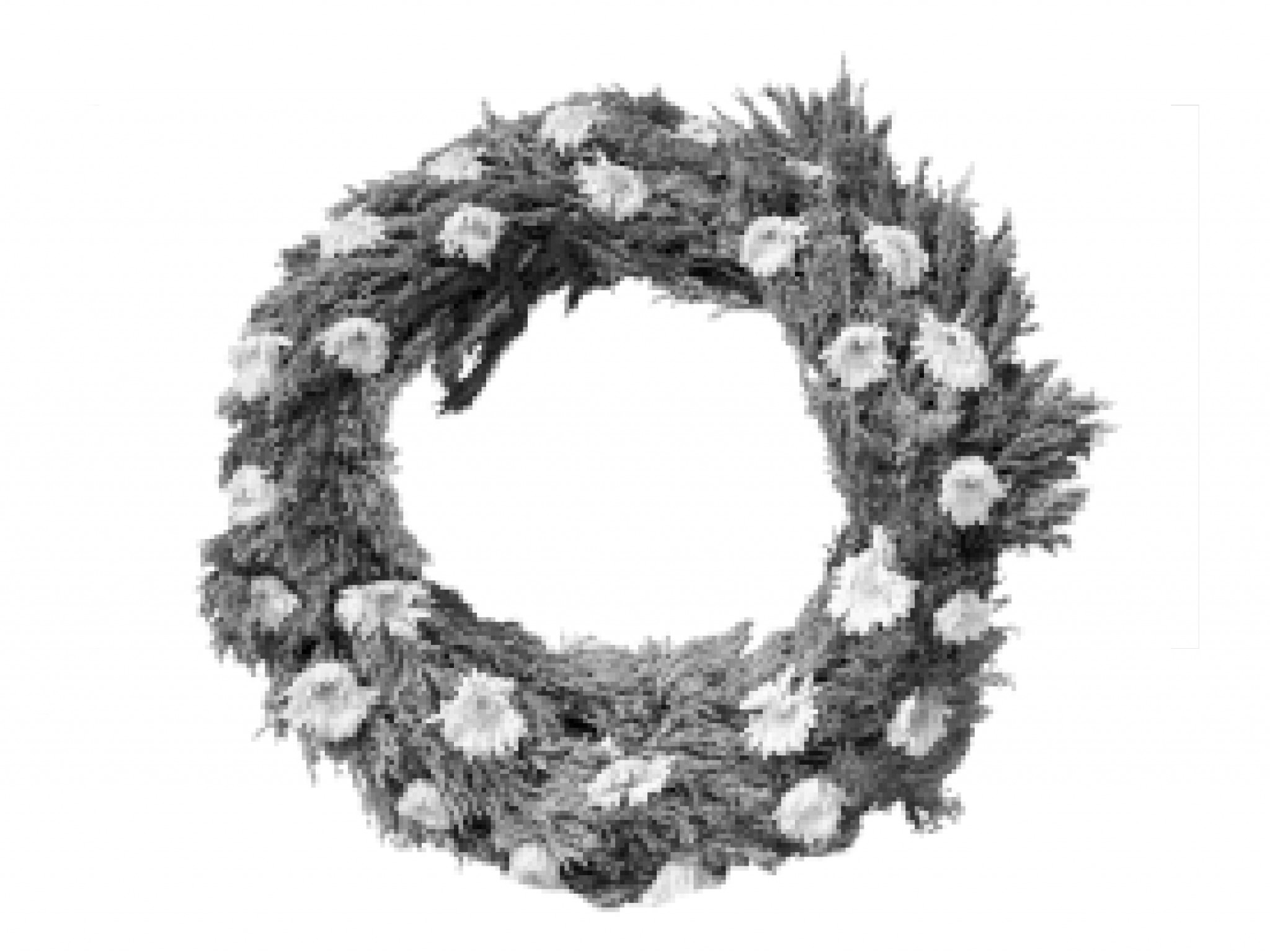
ב “תשע עדשות” הזר הוא מה כחיבור מבטים מבעד לעדשה. בכל עיגול יש מעקב אחר סצנה של ילד עם מבוגרים ליד בקתה והתחושה היא כשל מבט מבעד לכוונת כך שהצופים הופכים שותפים למעשה שצפונה בו אלימות.זרי אבלות הם הדימוי החוזר בעבודות של אורית ישי, זרים שהמציאות הישראלית הופכת שוב ושוב למוטיב חוזר בתיעוד החיים הלאומיים. ברבות מהעבודות ישי ממירה את הצבעוניות לסקלת הצבעים שבין שחור ולבן. מרשים במיוחד הוא “בצילום כמו בצילום, האפור הוא אפור” (2014) הינה הדפס זר שהוגדל עד שהדימוי מתחיל להתפרק לפיקסלים כמו הקלישאות המתלוות לזרים באשר לזיכרון הנצח הניתן לנופלים.נצח הזיכרון מתפרק והנופלים, אחרי חייהם בלב יקיריהם, נשכחים כמו כל הנופלים שקדמו להם. ישי נוגעת בפריכות של מונחי זמן גם בעבודה שהיא צילום של הצטברות אבק על לוח מחוץ לסטודיו.

Orit Ishay, 2014  (still from video)

Orit Ishay, 2014
(still from video)

עבודת הוידיאו “מונחים” מתייחסת בשמה לסדרה של שוש קורמוש. היא מורכבת מצילומי סטילס של זרי אבלות שעולים-מתמזגים זה על זה, מתמוססים ליצירת זר חדש והסרטים השחורים שעליהם מתאחדים.העבודה מוקרנת בלופ, יופי ואבל אינסופי, עמוק וחסר טעם באותה עת.
זו תערוכה יפה שאיאפשר שלא לקרוא בצל הקיץ האחרון.

אוצרת: יעל קיני
גלריה הקיבוץ דב הוז 25, תל-אביב

הרשמה לניוזלטר הפירסומי השבועי של “החלון” בנושאי אמנות, אירועים ותערוכות חדשות – www.smadarsheffi.com/?p=925 (הרישום נפרד מהרישום לבלוג )
הערות/הארות אנא כיתבו ל thewindowartsite@gmail.com

Francesca Woodman • Zigzag

The encounter with a defined, complete and finite oeuvre of an artist who passed away or committed suicide at a very young age provides the opportunity for a quintessential look at a very short trajectory in which beginning, mid- and end-career become almost one.

Francesca Woodman,1975-1978

Francesca Woodman,1975-1978

This sensation is especially acute when viewing the exhibition Zigzag by the late American photographer Francesca Woodman (who committed suicide in 1981 at the age of 22). Woodman left a body of work of 800 photographs made since she was 13. Raised by parents who were both active artists and lecturers on art, Woodman spent a great deal of her childhood in Italy. Recognition came at an early age, and she was awarded a one-year art residency in Rome. Woodman had many posthumous shows of her work, such as at Fondation Cartier, Paris; the Photographers’ Gallery, London; the San Francisco Museum of Modern Art and the Guggenheim in New York City in 2011. This was my first encounter with Woodman’s artworks.
The Victoria Miro Gallery space in Mayfair hosted 23 small black and white photographs and two large sepia

Francesca Woodman,1979-1980

Francesca Woodman,1979-1980

photographs, leaving viewers caught between distress and intrigue. A lack of tranquility pervades all of the photographs, with imbalance and urgency. In the large sepia works the feeling is one of exploration, with a sure professional touch. The subjects are almost banal: female nudes, still life, and landscape. The aesthetics of the 1970s are visible, but the keenness and great beauty of the works make them much more than of mere historical interest.
A broken zigzag line is the theme linking the compositions. It is an uncomfortable form, unlike the classical rectangle and square. Woodman seems to have placed the essence of the absolute minimum necessary in each frame.
She appears in nearly all of the photographs, yet they are not self-portraits. The nude female body as a repeated image follows the tradition of photographs by male artists. This does not make it feminist. Since the ‘80s, we have learned that females adopting male strategies (such as women supporting pornography) have not improved matters. Extroversion remains extroversion even when exhibited by a woman.

Francesca Woodman,1975-1978

Francesca Woodman,1975-1978

The photograph in which a woman in a brocade dress sprawls on a flowery carpet with a snake on her arm is excellent. The clothing could be taken from “Mad Men,” and the snake is right out of the Garden of Eden; together they formulate a meditation on femininity, desire and a death wish. A hand photographed near a curved piece of wood, a feathery curtain with broken lines of light and the artist’s hand are truly moving images. The large sepia photographs forming a diptych of contact sheets hint at undeveloped directions, of the richness which may already be seen in the photograph of the woman on the carpet.

Victoria Miro Mayfair • 14 St George Street, London W1S 1FE
Closing 4 October 2014

Orit Ishay: Terribly Pretty | Yael Balaban: Awfully Beautiful

Two one-person exhibitions by Orit Ishay and Yael Balaban, both address beauty and terror. Their interface makes them darker and more compelling, as both use the motif of the circular wreath.Precedents in art history from ancient times through the Italian and Northern Renaissance paintings, feature innumerable wreaths of flowers, in memento mori paintings and especially “Vanitas” paintings. Direct associations may be to wreaths by contemporary artists such as British artist Anya Gallaccio to Israelis such as Shosh Kormosh, Moshe Gershuni, Erez Israeli and Adi Brande.

Orit Ishay "In photography as in the photograph, gray is gray” (2014)

Orit Ishay “In photography as in the photograph, gray is gray” (2014)

Yael Balaban

Yael Balaban

These associations enrich and add a layer of irony to the works.
Yael Balaban uses a Rapidograph to make ink drawings of wreaths composed of men and women in scenes of horror or dance. In Nine Lenses, the various gazes through a lens form a wreath shape. Each circle tracks a scene of a boy with adults near a hut, as if seen through the sights of a gun, making viewers part of the potential violence.

Orit Ishay "In photography as in the photograph, gray is gray” (2014)

Orit Ishay “In photography as in the photograph, gray is gray” (2014)

Orit Ishay uses imagery of funeral wreaths, which frequently appear in documentation of current life in Israel, especially soldiers’ funerals. Ishay’s treats the photographs to leach out the color and use a black to white scale. Her piece, “In photography as in the photograph, gray is gray” (2014), is especially impressive. It is a print of an enlarged wreath on a scale so big that the image breaks down into pixels, like the clichés of eternal remembrance accompanying wreaths. The eternity of memory breaks down as the fallen are forgotten when their loved ones pass away along with the memories, just as in previous generations. Ishay’s photograph of accumulated dust evokes the fragility of concepts referring to time.

Orit Ishay, 2014  (still from video)

Orit Ishay, 2014
(still from video)

The title of the video Terms refers to Shosh Kormosh’s series of stills of the same name. Ishay’s video is composed of stills of funeral wreaths overlapping each other, melding into a new wreath, with their black ribbons coming together. The work is screened in a loop of beauty and infinite mourning, simultaneously contemplative and pointless.
This beautiful exhibition cannot escape being read in the shadow of the events of this past summer.
Curator: Yael Kainy
The Kibbutz Gallery, 25 Dov Hoz, Tel Aviv

Join the mailing list for Window’s weekly informational advertising newsletter: www.smadarsheffi.com/?p=925

Comments – please write to thewindowartsite@gmail.com
Posted in Uncategorized, ציור, צילום | Comments Off on Francesca Woodman • Zigzag| Orit Ishay: Terribly Pretty | Yael Balaban: Awfully Beautiful

שתי ערים :ירושלים ולונדון |Two Cities: London and Jerusalem

Please scroll down for English

שתי ערים :ירושלים ולונדון

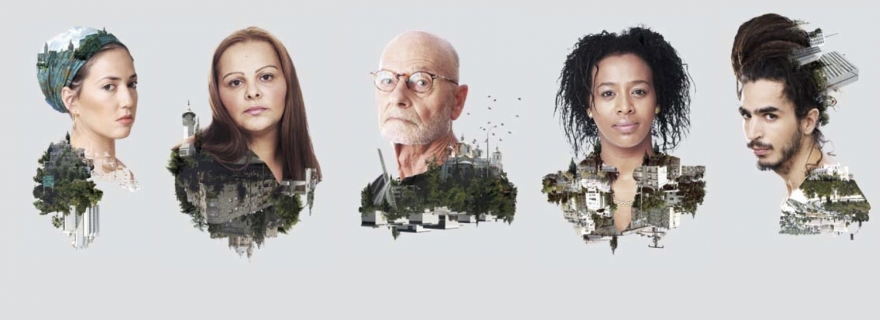
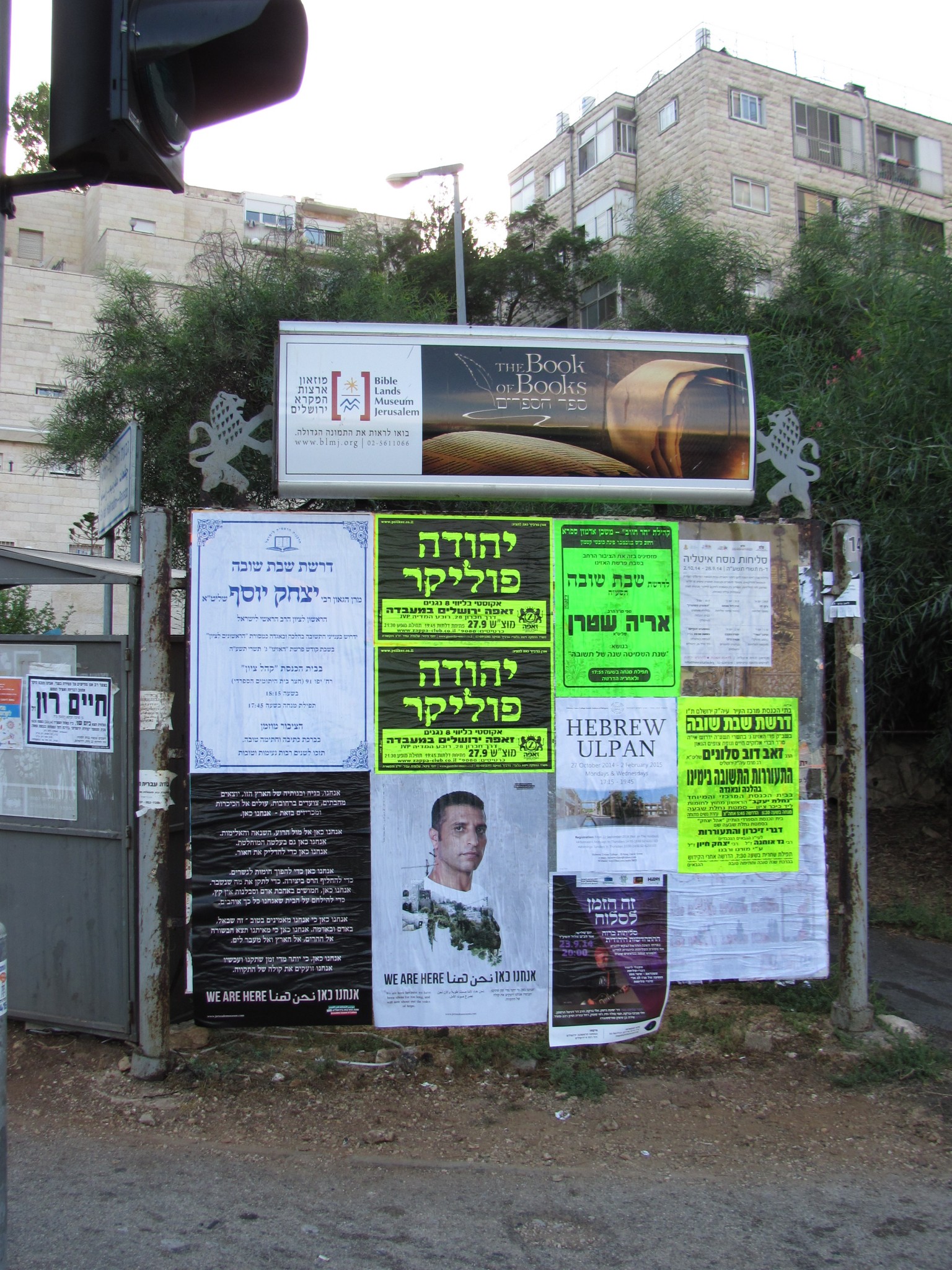
עבודת האמנות /קמפיין השלום החדש של עונת התרבות הירושלמית שיצרו יאיר מוס וירון שטיינברג חוטא בחוסר מודעות ורגישות היסטורית, או אולי מידה גדושה של ציניות לצד הכישרון לומר את מה שינעם לאוזניים רבות. על עמודים שלמים במוספי סוף השבוע ועל לוחות המודעות ברחבי ירושלים פורסמו דיוקנאות יפים, דרמטיים, של ירושלמים שמייצגים קהילות שונות בעיר המגוונת תחת הסיסמה “אנחנו כאן” ותחתיו הפניה לסרטון באתר עונת התרבות. ההנחה המובלעת בהפניה היא שלנמעני העבודה/קמפיין יש גישה לאינטרנט כלומר הוא אינו מיועד לקהילות חרדים ועניים יהודים מוסלמים ונוצרים באחת הערים העניות בישראל.

cover website we are here 1

cover website we are here 1

בסרטון הקצרצר, מובאים הדיוקנאות ולצידם פס קול שהוא טקסט משיחי והכרזת אמונה. הטון דרמטי כשל חזות הדימויים, אמור כנראה להלהיב המונים ולהיחקק בתודעה
“…אנחנו כאן אל מול הרוע, השנאה והאלימות. אנחנו כאן גם בעלטה המוחלטת. אנחנו כאן כדי להדליק את האור…. אנחנו כאן כי אנחנו מאמינים בטוב – זה שבאל, באדם ובאדמה. אנחנו כאן כי מאיתנו תצא הבשורה אל ההרים, אל הארץ ואל מעבר לים. אנחנו כאן, כי יותר מדי זמן שתקנו ועכשיו אנחנו זועקים את קולה של התקווה “.
העבודה נקראת כקליפה ריקה, הכלאה לא מוצלחת בין ניו אייג עכשווי, למחזמר “שיער“, בין אסטטיקה של בנטון לעבודות אמנים מריינקה דקסטרה עד תוס רוף, תפיסות משיחיות ונרקיסיסזם: בני אור מול בני חושך. הוא מהווה תחרות לא רעה לטקסט שקרא להפגנת האמנים בצוק איתן והתחיל במילים המתיילדות “מלחמה זה רע”.
הכותרת” אנחנו כאן ” מהדהדת את שיר הפרטיזנים היהודים שנכתב ביידיש ב 1943 והפך להמנון של לוחמים יהודיים ברחבי אירופה הכבושה. כיום הוא מושר בטקסים בארץ ובטקסי יום השואה הבינלאומי ברחבי העולם.
אברהם שלונסקי תירגם מיידיש לעברית את שירו של הירש גליק (שנרצח בשואה) ואתהשורה מיר זײַנען דאָ! תרגם ל”אנחנו פה” . באנגלית התרגום הוא We are Here.

Billboard with "We are here"  poster  (photo J.Appleton)

Billboard with “We are here” poster
(photo J.Appleton)

גוגל של שלושת המילים האלו באנגלית מביאות לאתר סרט דוקומנטרי על יהדות פולין של פרנסין צוקרמן הקנדית שיצא למסכים בקיץ החולף . זוהי גם הכותרת של ספרה של אלן קסידי We Are Here – Memories of the Lithuanian Holocaust שראה אור בארה”ב ה 2012 וזכה בכמה מהפרסים הספרותיים החשובים של 2013 .
מוס ושטיינברג כותבים שהעבודה ” מגיבה למציאות המורכבת שהקיץ הזה הביא לפתחנו והיא מבקשת להשמיע את קולו של הרוב השפוי, זה שאינו מוכן לוותר על העיר שאנחנו כל כך אוהבים ומבקש לזעוק ממנה את קולה של התקווה“. הם מגדירים את עבודתם משום מה כ”סוראליסטית”, הגדרה שמביסה את הכוונה שלהם שמנוסחת מיד אחר כך ” ניסינו ליצור דימויים ..שבעיקר יפעלו יחד בתור סידרה, כמעין קהילה של דמויות שנוקטות עמדה של סולידריות, אותה קהילה שממנה ייצא התיקון והאחווה“.
אין פח שהעבודה המהוקצעת, המרופדת במסע פרסום נרחב לא נופלת בו: מהמוסיקה בסרטון ועד אוקסימורונים שחוקים במיוחד (“חמושים באהבת אדם”) בטקסט.
כל כך הרבה כאב יש בירושלים ובארץ כולה, כל כך הרבה שאפשר לעשות ולא נעשה שלא נותר אלא להשתומם על הבזבוז מול עבודה ריקה כזו.

לונדון – THE SPACE WHERE I AM ב BLAIN|SOUTHERN

שתי תערוכות מצוינות בגלריות סמוכות ,ליד Hanover Square בלונדון: THE SPACE WHERE I AM ב BLAIN|SOUTHERN ובגלריה ויקטוריה מירו מוצג גוף עבודות משובח של Francesca Woodman, צלמת אמריקאית שלא הכרתי ושפעלה פחות מעשור עד תחילת שנות ה 80 .(ועל כך בהחלון הבא)
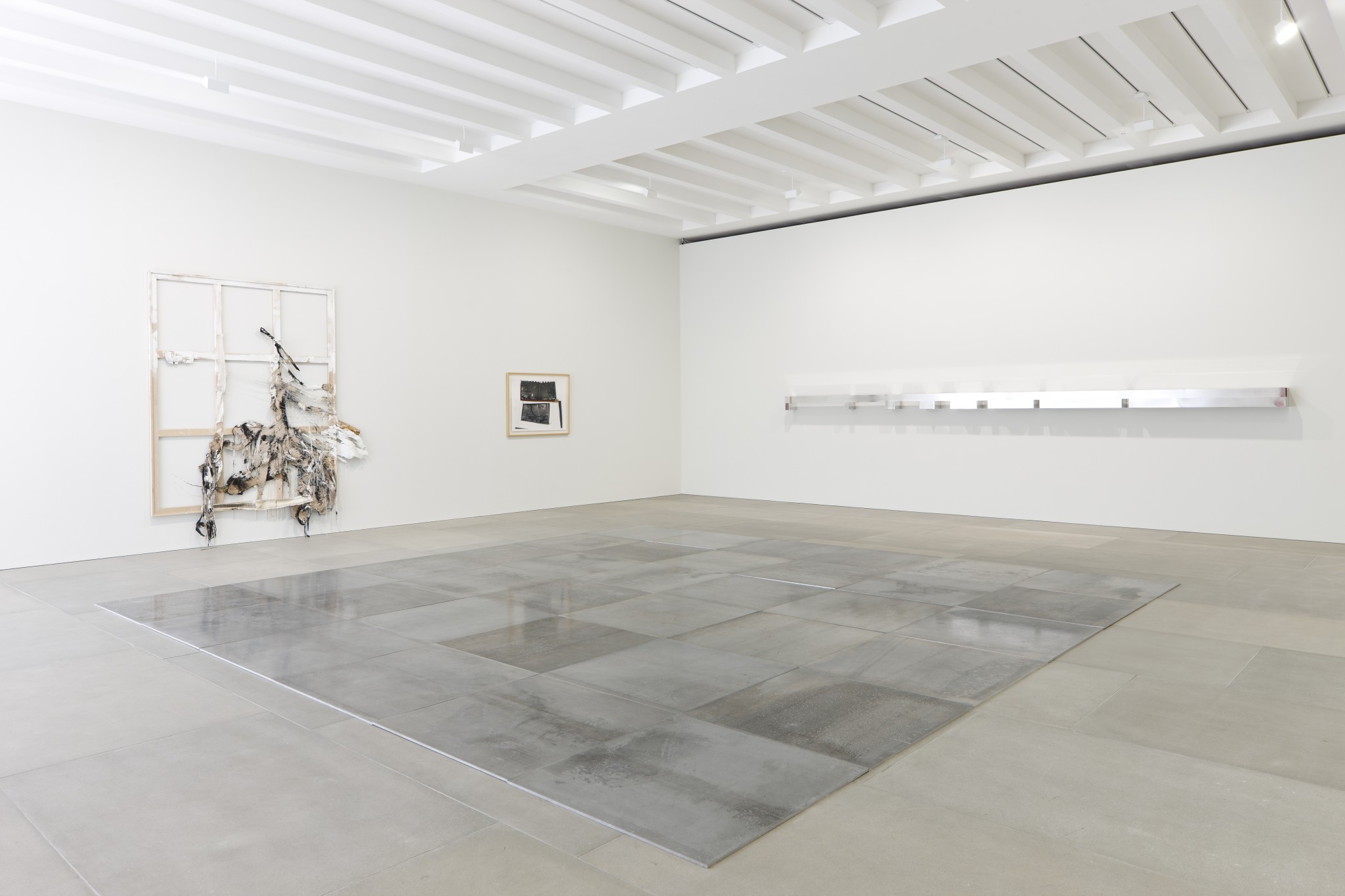
ב BLAIN|SOUTHERN מוצגת THE SPACE WHERE I AM תערוכה שעוסקת בריק, בחלל ומאירה את האופן בו אמנות בונה מקום לקונטמפלציה הדרושה להתבוננות בסטרוקטורות של מציאות. אם תחילה נדמה שהתערוכה עוסקת בשאלות צורניות מופשטות הרי ככל ששוהים בחלל מתברר שהיא גם אמירה מחודדת על ההווה.Installation Shot 1
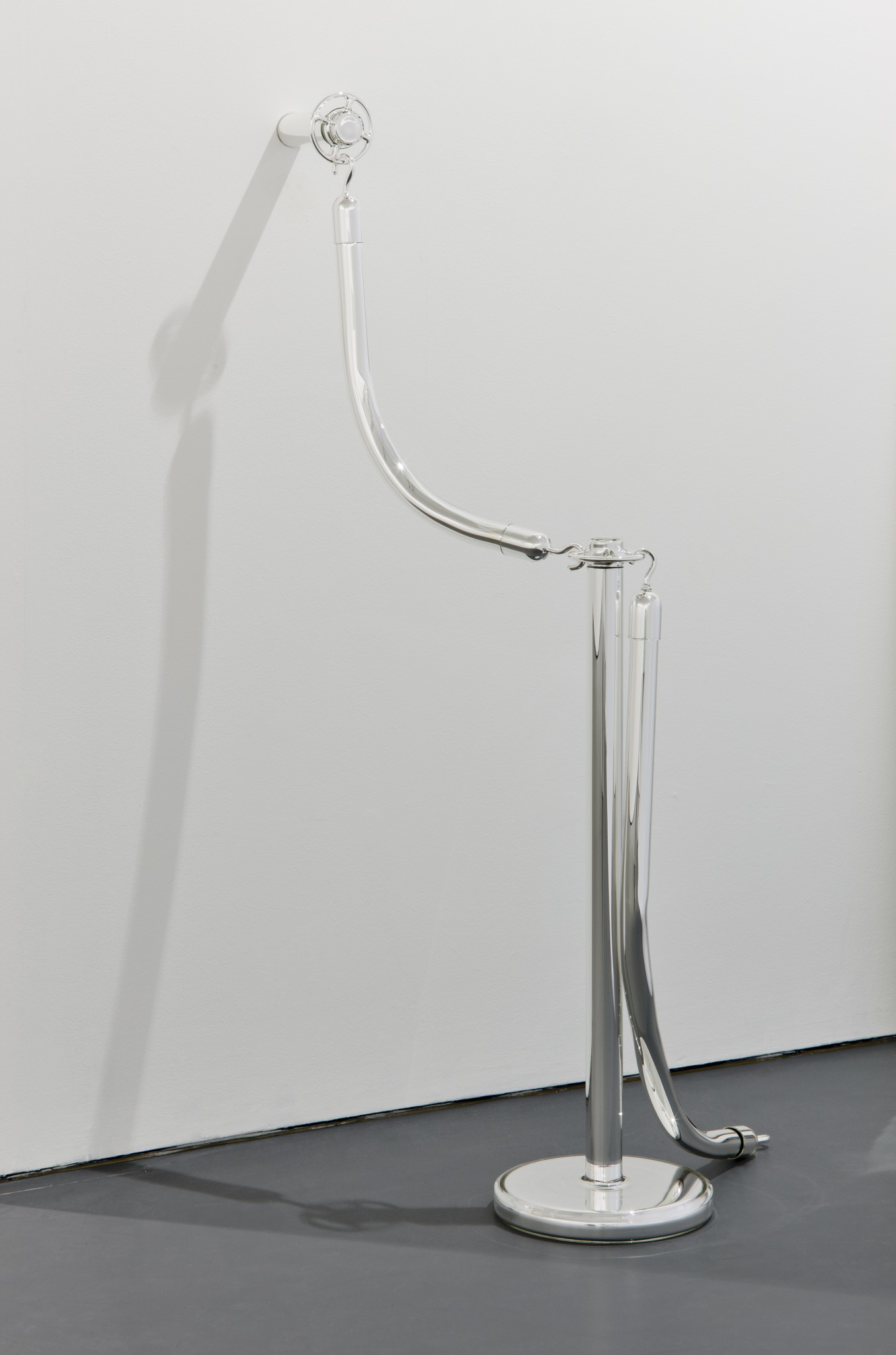
העבודהEmigrant   של  Michael Joo מ 2012 נראית כעמוד המשמש להסדרת תורים שנקרע ונדחק לקרן זווית . ג’ו, אמן אמריקאי ממוצא קוריאני עוסק באופן בו חלל משמש להגדרת זהויות. העבודה היא מתוך הסדרה Expanded Access שהתבוננה במבנים שונים של חלל שיוצרים עמודים וחבלים שכאלו, משורות ישרות ועד למבוכים (נוסח אלו המצויים לעיתים באולמות שדות תעופה לפני עמדות החתמת דרכונים). העמודים והחבלים עשויים זכוכית מבריקה ומשקפת כמו מראה כך שהצופים מוצאים עצמם בתוך העבודה, בתוך מערך של אישור ודחייה. העמודים והחבלול שקובעים אם אנשים הם חלק ממערך או מחוצה לו משמשים סמלים של סמכות, ממחישים מערכות עוצמה.

Michael Joo, Emigrant, 2012

Michael Joo, Emigrant, 2012

עבודה פוליטית נוספת בתערוכה היא של JOHN GERRARD גון ג’גרארד, אמן אירי המציג את SUN SPOT DRAWING (GUANTANAMO CITY) 2012
בה נראת יד האמן האוחזת זכוכית מגדלת ומרכזת את האור לנקודה אחת. העבודה נראית תחילה כקופסת אור כחלחלה עשויה בעזרת גרפיקה ממוחשבת משתנה לאורך היממה ורק בהתבוננות ממושכת היא מתבהרת .הדיבור על נקודת העיוורון המובנית ,מחנה המעצר גואנטאמנו שסמוך לעיר גואנטמנו ברורה . הריכוז של קרני האור שיוצר את הצבע הלבן בו כל הצבעים נבלעים וחום קיצוני מקבל בעקבות שם העבודה משמעות של דיבור על העינויים המתרחשים במקום.
עבודות של לוציו פונטנה , LUCIO FONTANA מ 1964 עם חתכי הסכין בקנווס שהפכו לסימן ההיכר שלו נקראת כאלימה במיוחד ואלימות יש כך גם במתח הקר של ריק ומלאות בעבודה של דונלד גאד מ 1969.
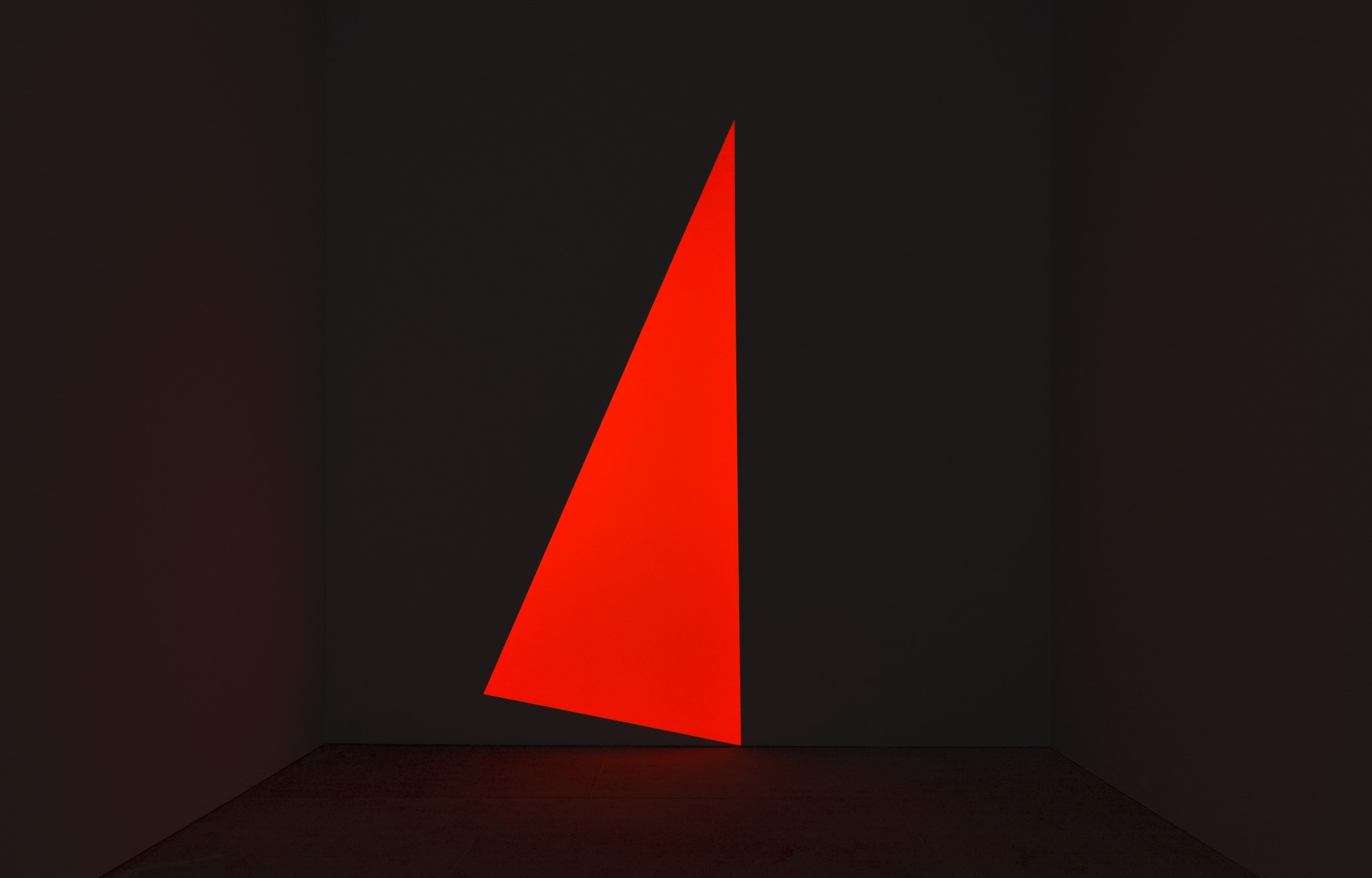
PULLEN (RED)עבודה של גיימס טוראל ,( תערוכה יפה שלו מוצגת במוזיאון ישראל) , עשויה באמצעות הקרנת קרן אור מפינת חדר כך שנוצרת אשליה של גוף תלת מימדי בצבע המזכיר מאד את העבודה של פונטנה.
דיון אחר בחלל יוצרת העבודה היפה של טים נובל וסו וובסטר הבריטים SPINNING HEADS IN REVERSE. העבודה מ 2006 נראית במבט ראשון ככלי הגשה או אמפורה מסוגגנת במיוחד אך מסתברת כסימון המרחב שבין שני פרופילים של ראשים, משחק על מהו הריק ומהו המלא ומודעות כואבת למתח בין החולף והקבוע כשהנסיון להאחז בדימוי יוצר מאמץ מתמשך לצופים.

Pullen (Red) (1968),  James Turrell

Pullen (Red) (1968), James Turrell

החולף והחומק הם של עבודת סאונד של ביל וויולה PRESENCE מ 1995 . קיטעי שיחות מעורפלים נשמעים במקהלת קולות של גילאים שונים כמו ניסיון מתמיד להידבר שחוזר ונכשל שוב ושוב.

הרשמה לניוזלטר הפירסומי השבועי של “החלון” בנושאי אמנות, אירועים ותערוכות חדשות – www.smadarsheffi.com/?p=925 (הרישום נפרד מהרישום לבלוג )
הערות/הארות אנא כיתבו ל thewindowartsite@gmail.com

***
Two Cities: London and Jerusalem

The Jerusalem Season of Culture’s new artwork/publicity campaign for peace, “We Are Here,” created by Yair Moss and Yaron Steinberg, misses the point: it lacks awareness and historical sensitivity, or perhaps it is too full of cynicism and the skill to cater to average public taste. On full pages and on street billboards are striking portraits of Jerusalemites representing the city’s diverse communities.Above is the slogan, “We are here” with the Season of Culture website address underneath. The covert assumption is that the audience to whom the art/PR posters are directed have access to the internet, meaning is not directed to ultraorthodox or underprivileged Jews, Muslims and Christians, in one of Israel’s poorest cities.

Billboard with "We are here"  poster  (photo J.Appleton)

Billboard with “We are here” poster
(photo J.Appleton)

The short clip features portraits and soundtrack in a messianic text, with declarations of faith in a tone which is supposed to enthuse the masses and become engraved in memory: “We are here to oppose evil, hatred and violence. We are here to turn the light on…We are here because we believe in the good that is in God, in humanity, and in the earth. We are here because the message will emanate from us to the surrounding hills, throughout this land, and far beyond. We are here because we have been silent for too long, and will now shout out the voice of hope.”
The work is  an empty shell – an unsuccessful hybrid between the New Age ethos of the musical “Hair” , a Benetton aesthetic, crossed with artists from Rineke Dijkstra to Thomas Ruff, with a sprinkling of messianic and narcissistic perceptions, such as the “Sons of Light” vs. the “Sons of Darkness.” This provides fair competition to the text from the artists’ protest during Operation Protective Edge, which opened with the embarrassingly banal statement, “War is bad.”
“We are here” resonates with the Yiddish song of the Jewish partisans written in 1943, which became the anthem of the Jewish resistance fighters. It is currently sung at official memorial ceremonies in Israel and those marking International Holocaust Remembrance Day abroad. Abraham Shlonsky translated the lyrics by Hirsch Glick (murdered in the Shoah) Mirzeinen do,into Hebrew as(  אנחנו פה)anahnu po; in English it has been translated as, “We are here.”

cover website we are here 1

cover website we are here 1

A simple Google search of the phrase leads to a documentary film by Francine Zuckerman (Canada) on the Jews of Poland which premiered last summer. This is also the title of Ellen Cassedy’s book, We Are Here: Memories of the Lithuanian Holocaust (University of Nebraska Press, 2012), winner of several important literary awards in 2013.
Moss and Steinberg wrote that “the work, which was created in response to the complex reality that this summer brought to our door, provides a platform for the voice of a sane majority, a voice that is not willing to give up on the city that we love so much, and a voice that is trying to shout the sound of hope.”For some reason or another, they define it as “surrealistic,” a definition that defeats their purpose. Immediately following, they state, “We tried to create images that would not only work alone but, more importantly, would work together as a series—a collection of images that would promote solidarity, a community from which tikun and unity could emanate.”
There is no doubt that the work is professionally honed, and backed up by a PR campaign no less professional, from the dramatic music to the especially clichéd, oxymora (such as “armed with a love of humanity”).
There is so much pain in Jerusalem and the entire country, so much that can but is not being done, that one is left bewildered when looking at such an empty campaign/project.

London – Space Where I Am, at Blain|Southern

Two excellent exhibitions in adjacent galleries near Hanover Square in London The Space Where I Am, at Blain|Southern, and Francesca Woodman’s outstanding oeuvre at Victoria Miro Gallery. It was the first time I encountered a full display of photographs by the late American photographer who was active for less than a decade until her untimely death in 1981 at age 22. (More on Francesca Woodman in the next Window).
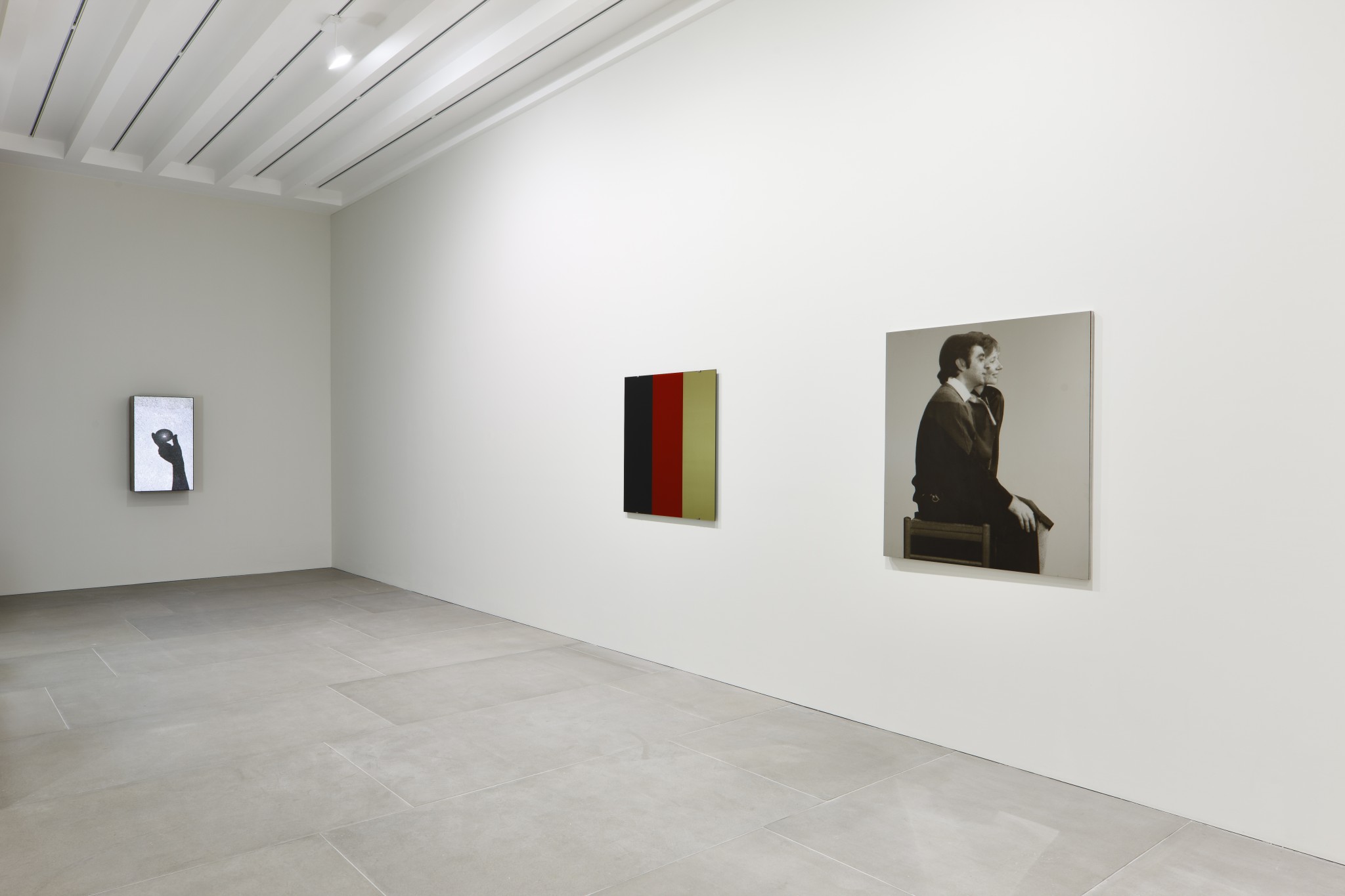
The Space Where I Am at Blain|Southern is a group show engaged in the void and emptiness from the 1960s to the present, illuminating the ways in which art sets the stage for a new way of looking at the structures of reality. If at first it seems that the show addresses formal abstract issues, the longer one contemplates the works, the clearer becomes its sharp statement about the present.

The Space Where I Am at Blain|Southern

The Space Where I Am at Blain|Southern

         Michael Joo’s 2012 sculpture, Emigrant, looks like abroken stanchion pushed aside. Joo, a Korean-American artist, explores how space defines identities in his series Expanded Access He addresses diverse spatial structures created by pillars and cables, from straight lines to mazes (such as the spaces created in passport control lines).Joo’s stands and ropes are made of mirrored glass, thus viewers find themselves inside of the work, within a system of acceptance and rejection, as the stanchions decide whether people are “in” or “out,” as symbols of authority, the concrete manifestation of power systems.

Another political piece in the show is by John Gerrard, an Irish artist exhibiting his Sun Spot Drawing (Guantanamo City) (2012). The artist’s hand holds a magnifying lens concentrating the sun’s rays into a single spot. An extended look makes it clear that what at first seems to be a bluish lightboxchanges over time. The piece refers to built-in blindness, applied to the Guantanamo Bay detention camp near Guantanamo City. The concentrated light rays which create white, the point at which all the colors are swallowed up, the point of extreme heat, imbues the title of the work with a reference to the torture taking place in the camp.

Michael Joo, Emigrant, 2012

Michael Joo, Emigrant, 2012

Lucio Fontana’s Concetto Spaziale (1964) featuring his signature knife slashes in a stretched canvas, may be read as overt violence,with further violence in the exhibition space in the cold tension of the void and fullness of Donald Judd’s Untitled work from 1969.
Pullen (Red) (1968), a work by James Turrell (whose beautiful exhibition is now at the Israel Museum) is created by projecting a single red light beam from the corner of the room to create the illusion of a 3-D object in a color reminiscent of Fontana’s canvas.
Another discourse on space resulted in the successful piece by Tim Noble & Sue Webster (both from the UK), Spinning Heads in Reverse (2006). What looks like a stylized amphora is the negative space between two profiles of heads, a play on presence and absence, with painful awareness of the tension between impermanence and finality, with the attempt to grasp the image creating continuous effort for viewers.
Bill Viola’s sound piece, Presence (1995), stands on the interface of the elusive and the transient. Parts of vague conversations are heard in a chorus of different age voices, striving continuously for a dialogue, and failing repeatedly.

Translation: J. Appleton

Join the mailing list for Window’s weekly informational advertising newsletter on art, special events, and openings: www.smadarsheffi.com/?p=925

Comments – please write to thewindowartsite@gmail.com
 

Posted in וידיאו, פיסול ומיצב, צילום | Comments Off on שתי ערים :ירושלים ולונדון |Two Cities: London and Jerusalem

סמדר שפי, החלון, אומנות ישראלית, אמנות ישראלית, Smadar Sheffi, The Window, Israeli Art