טל פרנק: שובר שוויון : Tie-breaker Tal Frank

Please scroll down for English

טל פרנק: שובר שוויון : Tie-breaker Tal Frank

הקבץ התערוכות החדש במוזיאון הרצליה לאמנות מרשים: מספר רב של עבודות טובות והפחות טובות אינן מביכות. (ועל כך בפוסט נוסף).
תערוכת היחיד של טל פרנק שובר שוויון שמהווה חלק ממנו, מעניינת ביותר. היא עשויה היטב ,מורכבת רעיונית , ומציבה את פרנק, שהיא בבחינת הבטחה כבר לפחות עשור כמי שממשת את התקווה שיצרה.
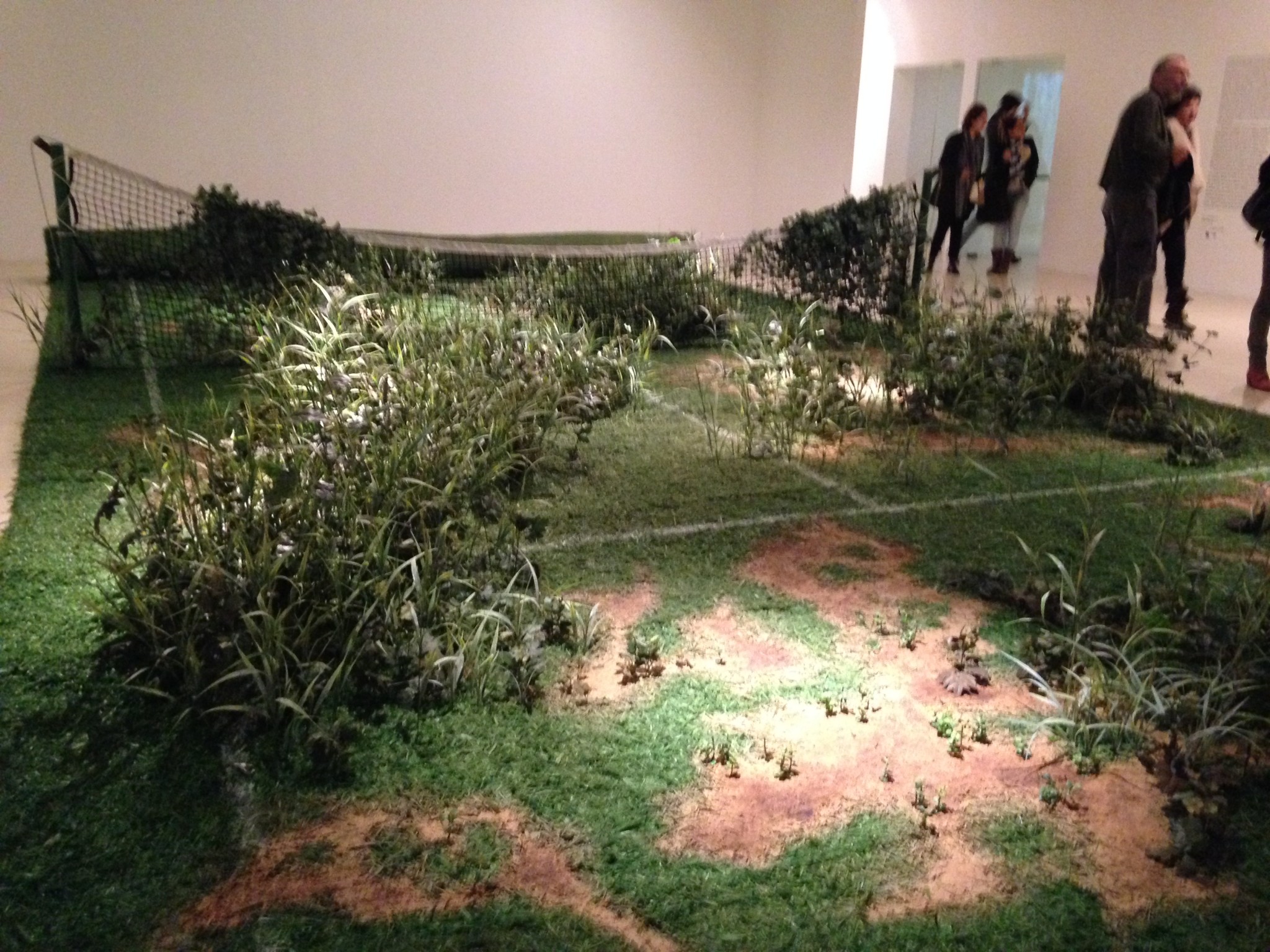
Tal Frank.Tiebreaker , 2015

Tal Frank.Tiebreaker , 2015

המיצב בנוי משלושה חלקים,שפרנק קראה להם מערכות, המתייחסים לפינג פונג, בייסבול, וטניס, . בעוד הטניס התאזרח בישראל הרי פינג פונג ובייסבול הם בשולי עולם הספורט הישראלי. הבחירה בהם, לצד הטניס הנחשב לאליטיסטי, כנושאי המיצבים, יוצר נקודת מוצא למהלך המסויט – סוריאליסטי שפרנק יוצרת. הם שייכים לסוגי ספורט שמתקשרים לתרבות של מקום אחר, זר- מוכר לחלק גדול מהצופים.
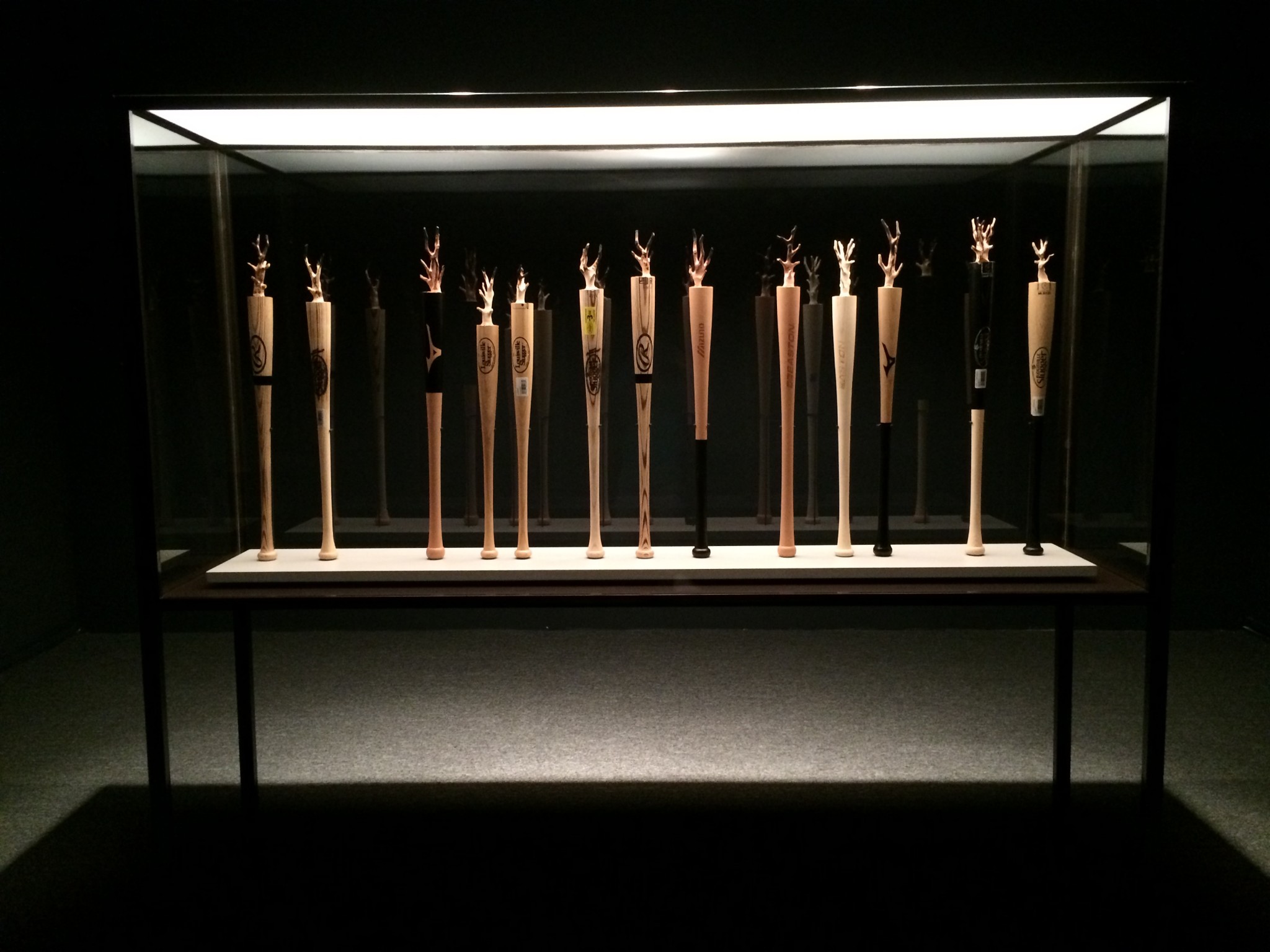
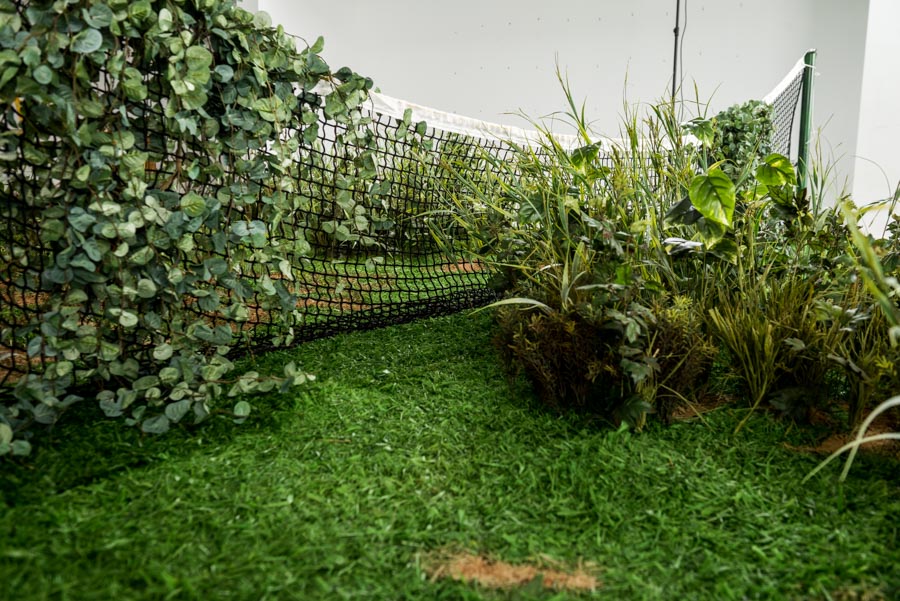
מחבטי פינג פונג, מגרש טניס ואלות בייסבול אטריבוטים של תרבות הפנאי המערבית, מוצגים כמי שעברו מטמורפוזה בעולם ששקוע בכאוס. במגרש הטניס שכותרתו “מערכה ראשונה” גדלה צמחיית פרא, ב”מערכה שנייה” מחבטים שהתעוותו כאילו מחום, וב”מערכה שלישית” מחבטי הבייסבול הפכו לספק כלי נשק ספק כלי פולחן במוזיאון לתרבות שנכחדה.
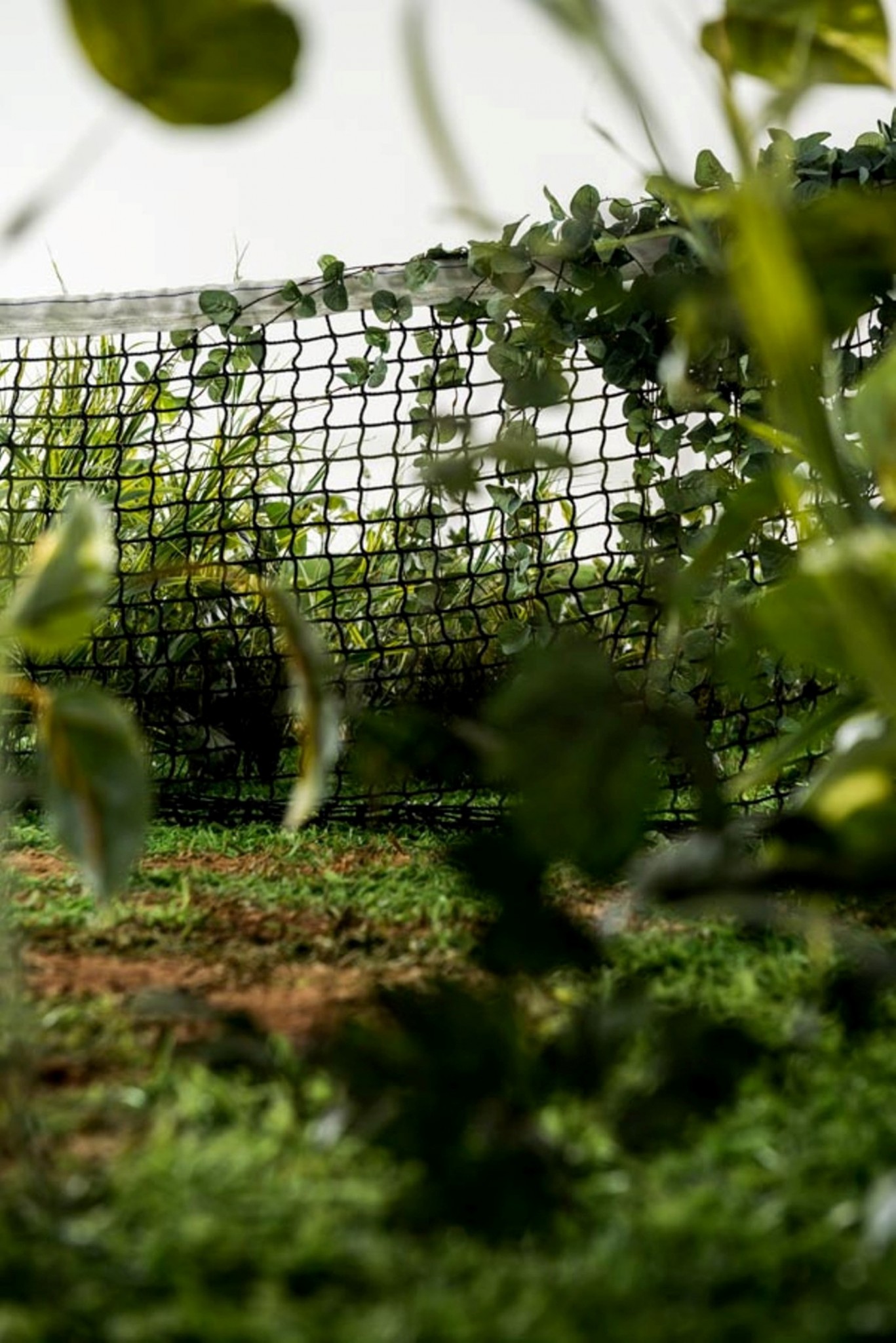
Tal Frank,Tiebreaker,2015

Tal Frank,Tiebreaker,2015

ספרו של קורמאק מקארתי “הדרך” מ 2006 מההד בעבודות וכך גם אין ספור סרטי מדע בדיוני ואירועים קטסטרופליים כמו אסון צרנוביל שהתרחש לפני קרוב ל 30 שנה.שם התערוכה, שובר-שוויון , לקוח ממצב בטניס בו נדרשת הכרעה לאחר מצב של שוויון בניקוד. בהקשר של אחר אפוקליפסה אפשר לחשוב על כך כנקודת איפוס.
ההדרגה של מימדי האסון בין שלוש המערכות המהוות את העבודה ברורה אך חבל שסדר העמדת המיצבים אינו עוקב למספרם . ההחלטה להעמיד את “מערכה ראשונה” מגרש הטניס, בתווך בין המערכה השנייה לשלישית מחלישה את המבנה הרעיוני וחבל. המגרש עשוי דשא מלאכותי בקנה מידה של 1:2ממגרש טניס אמיתי. יריעת הדשא מגולגלת,מצד אחד, כמו שטיח. הנכחת הדימוי הופכת אותו למאין תמונת מראה מצמררת לשטיחים של תרבויות אסלאמיות ופרסיות בהן שטיחים היו לעיתים קרובות דימויים של גן העדן, אופציה לפרוש עולם אלטרנטיבי באתרי נדודים או בהיכלות גשמיים.
ב”מערכה ראשונה” הטבע מנכס מחדש שטחים שהופקעו לטובת התרבות והשאלה עם זו בבחינת הפיכת עקוב למישור או אסון הם בעיני המתבונן. המלאכותי, המוגן והמוסדר, שבו שולטים חוקי משחק כמו בטניס, נוצח על ידי צמחייה.
המורכבות של יחסי טבע/תרבות בא לביטוי בפליטת קולמוס בטקסט הנלווה “מראה דו-משמעי של גינה אקולוגית מהונדסת ושלווה מצד אחד, אך גם של שטח הפקר שנזנח לטובת עשבים שוטים” כותבת האוצרת סאלי הפטל כאילו “אקולוגית” ו”מהונדסת” יכולים לשכון יחדיו.
תחושת האסון שמרחפת כעב מעל למגרש המגודל מתחזקת מאסוציאציה, קלושה אולי, למגרשי הטניס בגן של פינצי קונטיני, ספרו של ג’ורג’ו באסאני מ- 1962 (וסרט מ-1970 של ויטוריו דה סיקה) על יחסי יהודים ולא יהודים באיטליה הפשיסטית .
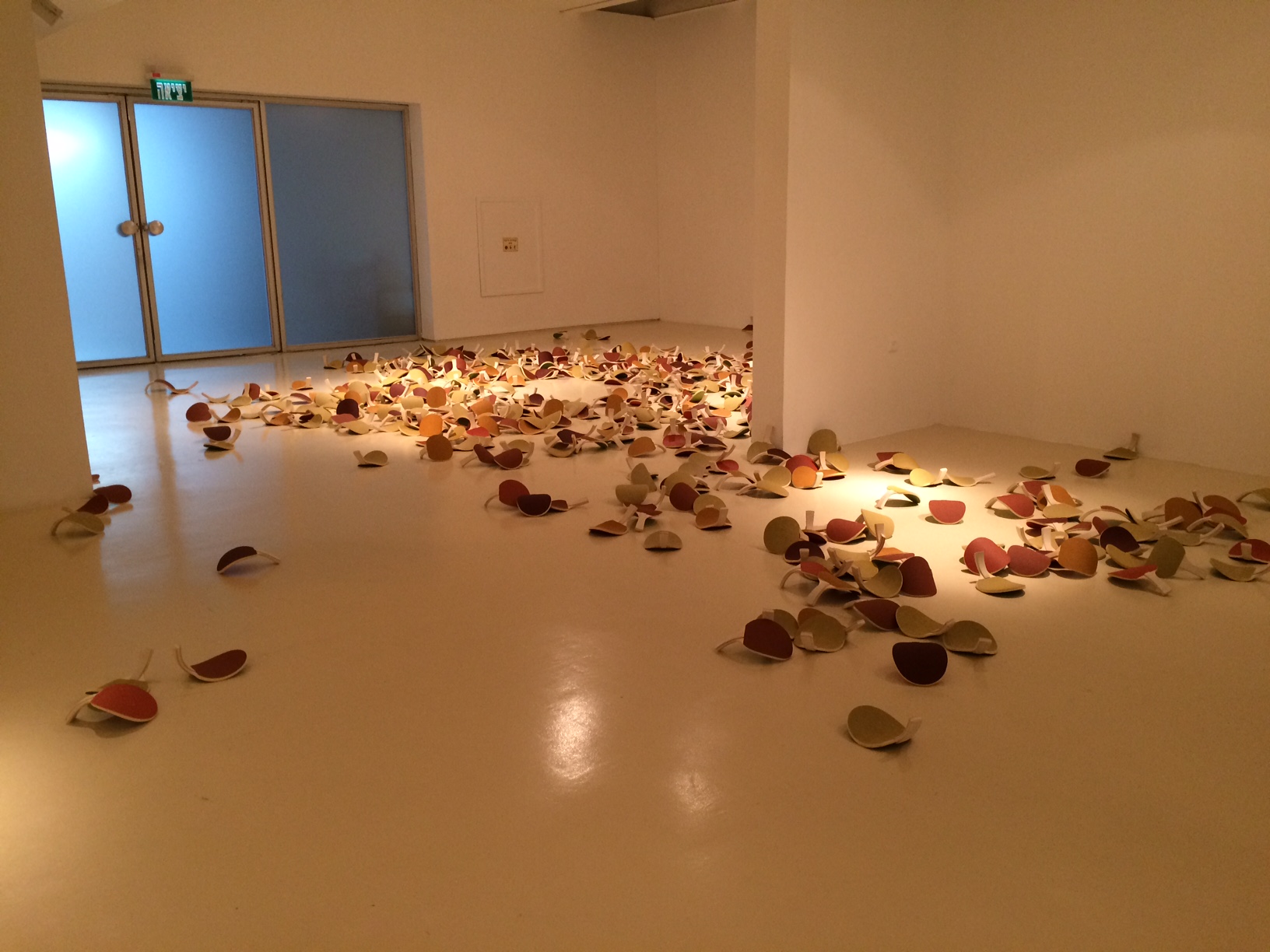
Tal Frank, Tiebreaker, 2015

Tal Frank, Tiebreaker, 2015

מחבטי פינג פונג המעוותים במערכה שנייה נראים כמו שורת מוטציות של אחרי התפרצות חום או קרינה. אובייקטים שזהותם נשמרה אבל הם איבדו את הפונקציונאליות, את יכולתם לחולל תנועה והם כקליפות ריקות. הדימוי בטקסט התערוכה פואטי בהרבה: הפטל כותבת על דמיון לעלי שלכת, דימוי רומנטי מידי לאובייקטים הכאובים שנראה שכל מה שהיה סביבם הותך והתאייד בגל החום או הקרינה שעיוות אותם.
אלות בייסבול המגולפות בוויטרינה ב מערכה שלישית יפות. בראש כל אלה עץ קטן, או ספק קרניים של איילים או חיות דומות. פרנק יוצרת מאלת בייסבול, אובייקט טעון בהקשר ספורט אמריקאי ואלימות, יצור היברידי שמסרב לכל הגדרה. היא מתקרבת לסוריאליזם נוסח דאלי עם מפרשים שהם פרפרים או בת הים ההפוכה של מגריט, ובאובייקטים מפעם גם זיכרון דימויים מיתולוגיים קדומים כמו הנימפה דפנה שהפכה לעץ הדפנה כשברחה מהאל אפולו .
הוויטרינה , ששומרת ומפקיעה אובייקטים מהמציאות ומשמשת לאובייקטים נדירים היא גם כסוג של חניטה. העצים – קרניים הקטנים הללו נראים כחפצי פולחן שחלקם התחתון מגלה סוד שביקשו להסתיר. לצד הוויטרינה הסברים לגבי סוג העצים מהם עשויות האלות . בהסברים החומריים כביכול יש שכבות של שירה וסיפור היחס בין המגלף לעץ . כך למשל על עץ המייפל נכתב שהוא “עץ מייפל נמנה על העצים הקשים… משמש בתחום בניית כלי הנגינה”, על האלון שהוא “נוח לעבודה”.
Tal Frank, Tiebreaker, 2015

Tal Frank, Tiebreaker, 2015

המיצב של פרנק הוא חלק משימוש של אמנות עכשווית בכלל (מדגאלס גורדון ועד פיפי לוטי ריסט) וגם ישראלית בדימויים ששאולים מעולם הספורט. בהקשר הישראלי משקל לבניית דימוי יהדות השרירים (“היהודי החדש” )שבלט בעיקר בעבודות צלמים במחצית הראשונה של המאה הקודמת בהם וולטר צדק , ליזלוטה גרז’בינה’,זולטן קלוגר ואלפונס הימלרייך .בשנות ה 90 היה הספורט נושא פופולארי למדי בקרב אמנים צעירים משיבץ כהן שהתייחס לגלישה וסקייט בורדס, עדי נס וגיא רז עם מתאגרפים, אורי צייג עם משחקים כמו משחק כדורגל משובש וסיגלית לנדאו עם שחיינית קטנה.
פרנק מתבוננת באמצעים של הספורט – בחלל ובאביזרים. הגוף נשאר בחוץ, נדחק מהדיון, נאלם ונעלם, נוכח רק כצופים בעתיד שיביטו באלות הבייסבול שהפכו לצלמים.

אוצרת: סאלי הפטל נוה
מוזיאון הרצליה לאמנות עכשווית, רח’ הבנים 4, הרצליה
צילום שני של “מערכה ראשונה” : שחר תמיר

הרשמה לניוזלטר הפירסומי השבועי של “החלון” בנושאי אמנות, אירועים ותערוכות חדשות – www.smadarsheffi.com/?p=925 (הרישום נפרד מהרישום לבלוג )
הערות/הארות אנא כיתבו ל thewindowartsite@gmail.com

Tal Frank: Tie-breaker

The current exhibitions at the Herzliya Museum of Contemporary Art are impressive. There are quite a few good pieces, and those which are less are not embarrassing (to be discussed in a later post).
Tal Frank’s one-person exhibition Tie-breaker is intriguing and well executed. Tal, a promising artist for at least a decade, justifies the hope.

Tal Frank,Tie-breaker,2015

Tal Frank,Tie-breaker,2015

Three sections referring to competitive sports – ping pong, baseball and tennis – comprise the solo show. While tennis has become a part of Israeli athletics, ping pong and baseball remain marginal on the local sports scene. Frank’s choice of them alongside tennis, considered an elitist sport, creates a point of origin for a diverted surrealistic process she creates, since the games aren’t part of the lives of most Israelis.
Attributes of the culture of leisure and plenty, ping pong paddles, a tennis court and baseball bats are exhibited as if metamorphosized in a world of utter chaos. The “first act” presents wild vegetation sprouting the court; in the “second act,” ping pong paddles have become deformed, as if by heat; and in the “third act,” the baseball bats look like weapons cum ritual objects in a museum of an extinct culture.
Cormac McCarthy’s apocalyptic novel, The Road (2006) echoes through the work, as well as numerous science fiction films and real life catastrophes such as Chernobyl, which took place nearly 30 years ago.
Tal Frank,Tie-breaker,2015

Tal Frank,Tie-breaker,2015

The graduation of disaster between the three “acts” which make up the work are clear, but it is regretful that the physical order does not follow the numerical order. The decision to place the tennis court amidst the second and third “acts” deconstructs the narrative. The tennis court is made of artificial grass on a scale of 1:2 of standard court dimensions. The grass is rolled up like a carpet, turning it into a chilling mirror image of Persian and Islamic carpets with images of paradise, presenting the option to offer an alternative world during wandering or in earthly abodes.
The issue is whether this is a transformation of the natural order or a disaster. What is artificial, protected, and structured, regulated as in tennis, has been overcome by disorderly vegetation.
The complex relations of nature/culture are reflected in the accompanying text: “An ambiguous look at an engineered ecological garden, which is both engineered and calm, but also a view of a ‘no-man’s land’ neglected in favor of rampant weeds,” writes Curator Sally Haftel Naveh, as if “ecological” and “engineered” can dwell together. The sensation of impending disaster hovering over the overgrown court is reinforced by the association no matter how slight, to the tennis courts in the Garden of the Finzi-Contini (the 1962 book by Giorgio Bassani made into a film in 1970 by Vittorio de Sica) on Jewish-non-Jewish relations in Fascist Italy.

Tal Frank, Tiebreaker, 2015

Tal Frank, Tiebreaker, 2015

The distorted ping pong paddles in the Second Set look like a row of mutations after a severe heat wave or deadly radiation. Objects whose identity has been preserved but have lost their functionality, unable to create movement, and are just empty shells. The metaphor in the exhibition text is very poetic: Haftel writes about their similarity to autumn leaves, an image too romantic for the pain-filled objects which seem to be in the center of a melted landscape which evaporated in the heatwave or the radiation that distorted them.
The carved baseball bats in the glass display case in the third act are beautiful. The top of each bat looks like a small treetop or rack of antlers. Frank uses the associations of American baseball and violence to create a hybrid unable to be categorized. She almost becomes Surrealistic à la Dali with sails that are butterflies or Magritte’s “reverse” mermaid. Through the objects resonate with the memory of early mythological creatures such as the nymph Daphne who became a laurel tree when fleeing from Apollo.

Tal Frank, Tiebreaker, 2015

Tal Frank, Tiebreaker, 2015

The glass display case which both preserves and appropriates objects from reality, serving to store rare objects, also mummifies the objects. The trees/small antlers look like ritual objects whose lower sections reveal a secret which sought to remain concealed. Alongside of the glass cabinet are explanations of the different types of wood from which the bats were made. For example, “Maple is a hardwood…and is used for building musical instruments,” or, “Oak is easy to work with.”
Frank’s installation is part of contemporary art’s references to sports internationallly (Douglas Gordon through Pipilotti Rist) and in Israel. In Israel the issue of the “muscle Jew,” was pronounced especially in the workd of Eretz Israel photographers in the 1940s, such as Walter Zadek, Liselotte Grschebina, Zoltan Kluger and Alphons Himmelreich. In the 90s, the subject was very popular among young artists, from Shibetz Cohen, who referred to surfing and skateboarding, Adi Nes and Guy Raz references to boxing, Uri Tzaig with game interventions, and Sigalit Landau with her little swimmer.
Frank takes a close look at the sports in space (the court) and its paraphernalia (the paddles and bats). The body remains outside, excluded from the discussion, mute and invisible, present only as future spectators looking at baseball bats transformed into votive statues.

Curator: Sally Haftel Naveh
Herzliya Museum for contemporary art, 4 Ha’banim St., Herzliya

Join the mailing list for Window’s weekly informational advertising newsletter: www.smadarsheffi.com/?p=925

Comments – please write to thewindowartsite@gmail.com

Posted in פיסול ומיצב | Comments Off on טל פרנק: שובר שוויון : Tie-breaker Tal Frank

טבע דומם וגעגוע > פרק א’ פרק ב’

Shlomo Lee Abrahmov The Coffee Cup1992

Shlomo Lee Abrahmov
The Coffee Cup1992

שלמה לי אברהמוב היה צלם של צלמים. אחרי שנים שהכרתי את שמו כמורה וראיתי מעט מאד עבודות הגיע לידי הספר היפה (בעיצוב מגן חלוץ) של עבודותיו שעורר את השאלה מדוע לא הוצג יותר. כמה שבועות אחרי צאת הספר הלך אברהמוב לעולמו. ב מקום לאמנות מוצגת תערוכה לזכרו, מחווה שמקפל בתוכו קודים תרבותיים שלא תמיד נשמרים כאן.

Shlomo Lee Abrahmov, Pears , 1993

Shlomo Lee Abrahmov, Pears , 1993

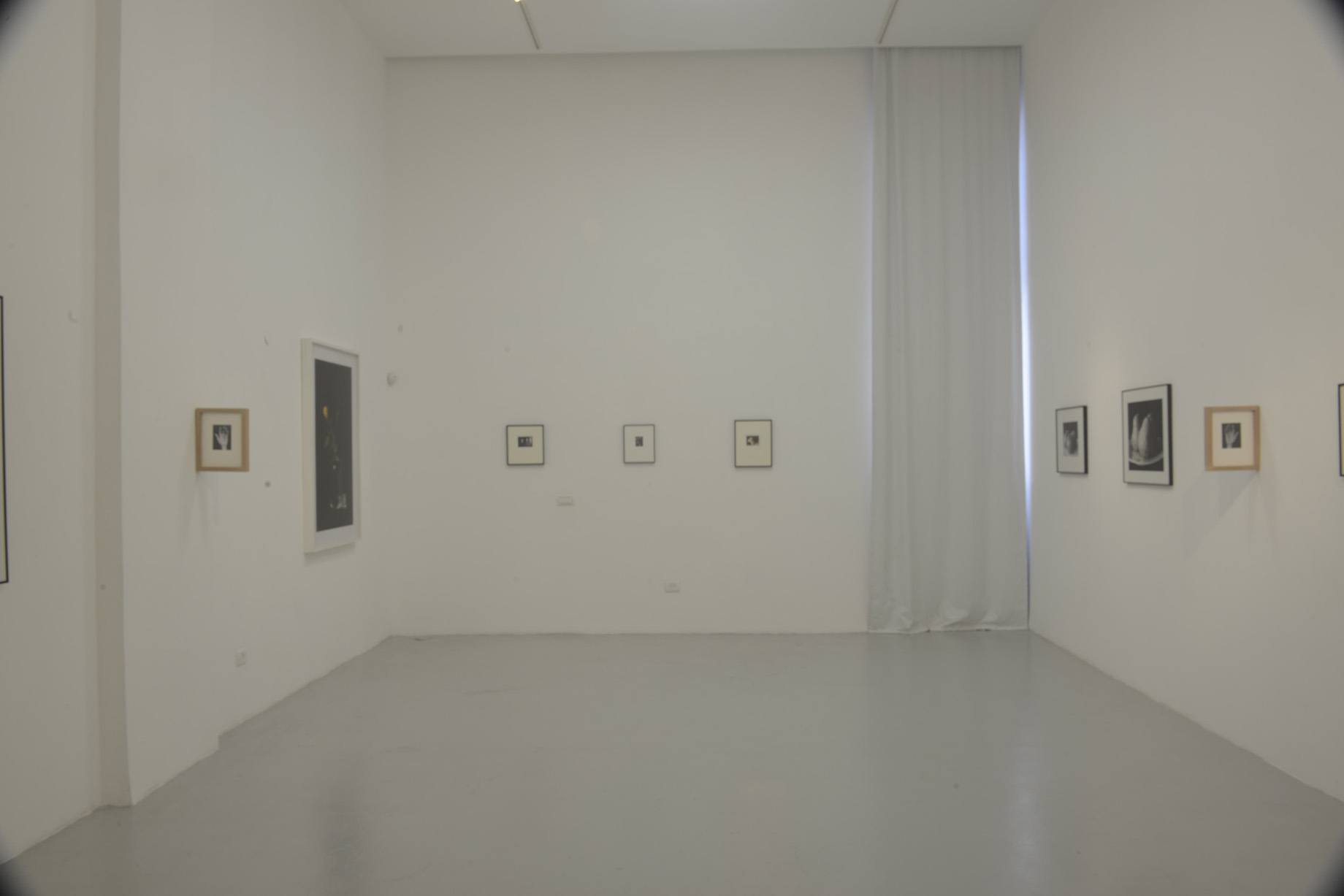
התערוכה שאצרו פסי גירש וניר הרמט מחולקת לשני חללים שהפער ביניהם ניכר: “פרק א” הוא החלל בו מוצגות העבודות של אברהמוב ו”פרק ב” הוא תערוכה קבוצתית שבטקסט הנלווה נכתב שהייתה אמורה להתכתב “עם מושאיו ומבטו של אברהמוב דרך ייצוגים ומדיומים שונים”. הניסיון צלח באופן חלקי בלבד. האלגנטיות של אברהמוב, התמצות והדיוק אינם מקבלים מענה בקיבוץ אקלקטי של עבודות שחלקן בינוניות ביותר.
אברהמוב הוא קלאסיקן. את העבודות שלו ניתן היה לתארך על סמך התבוננות בלבד לתקופה שבין ראשית המאה העשרים לרבע האחרון שלה, עם זיקות לעבודה של עמודי תווך בצילום החל באלפרד שטיגליץ (1864-1946) דרך גוזף סודק (Josef Sudek (1896- 1976  וכלה באנדרה קֶרְטֵס  (Andre Kertesz (1894-1985.
הצילומים של אברהמוב נעשו במבט חודר, ישירים, ללא אפקטים או התחכמות רעיונית וניחנים במידה שלאומץ אסטתי. העבודות המוצגות נמצאו מפותחות בעיזבון, חלקן כשהן ממוסגרות. הן הודפסו ידנית על ידי אברהמוב ובאיכות משובחת.

Shlomo Lee Abrahmov Alexander , the Getty museum, 1995

Shlomo Lee Abrahmov
Alexander , the Getty museum, 1995

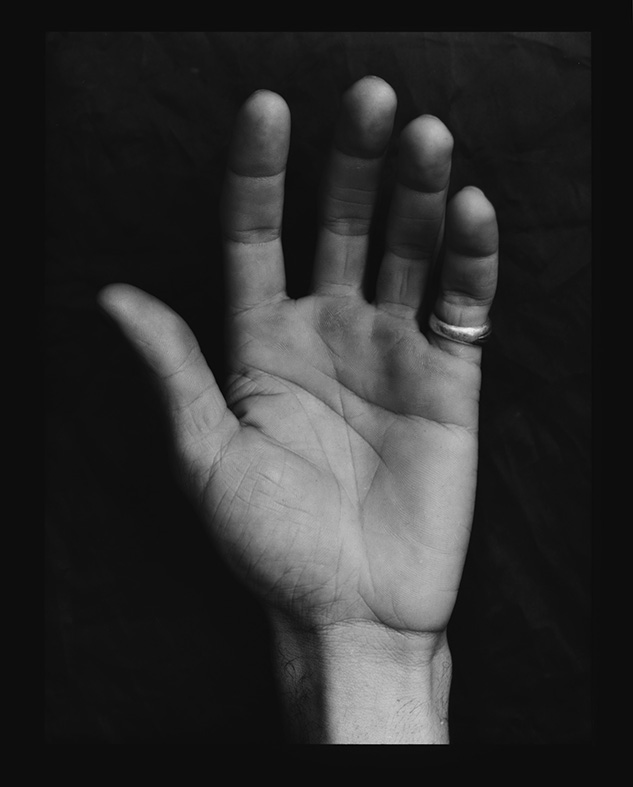
הגדלים הקטנים, לפעמים זעירים של מרבית העבודות מחייבים התבוננות מקרוב. אובייקט ועוד אובייקט יוצרים הרגשה של צלילה פנימה: “כוס קפה, לוס אנ’גלס” מ 1994 “אגסים” 1993, פסל שמצולם בתקריב אינטימי “אלכסנדר מוזיאון גטי” 1995 הם שירה. אברהמוב, שלמד בקליפורניה את התואר הראשון והשני (תואר שלישי עשה באנגליה ) לא צילם תמונות אופייניות של ערים ונופים אלא התמקד בביתי, באישי, במה שיכל להיות בכל מקום או לפחות אפשר לחפש אותו. מה שנדמה לרגעים כשלווה – צלחת עם פירות, פרחים כאגרטל מקבל גוון מלנכולי, אולי טרגי ליד צילומי הידיים שחוזרים בפורמטים שונים.
הידיים של אברהמוב עירומות כמו שמעט מאד גופים עירומים, לרבות צילום העירום מאחור שתלוי בתערוכה. האצבעות בהן פתוחות כמו חזר התהפך המשפט של עמיחי ” גם האגרוף היה פעם יד פתוחה ואצבעות” (מהשיר “חוליקת – השיר השלישי על דיקי”) והאגרוף , שהתעייף ,חזר להיות יד פשוטה.

Exhbition view

Exhbition view

Shlomo Lee Abrahmov Hand

Shlomo Lee Abrahmov
Hand

משני צידי החדר תולים שקפים של ידיים. גירש והרמט מצאו את השקפים בעיזבון כאשר לא לגמרי ברור כיצד רצה אברהמוב לפתח אותם . הידיים מבודדות תלויות בניצב לקיר ונדמה שיכולה הייתה להיות בהן פצע כמו בידיו של ישו הצלוב או סטיגמטה , פצע שלפי האגדה נוצר בידיו של הקדוש פרנציסקוס בשל הזדהותו המוחלטת על סבלו של ישו.
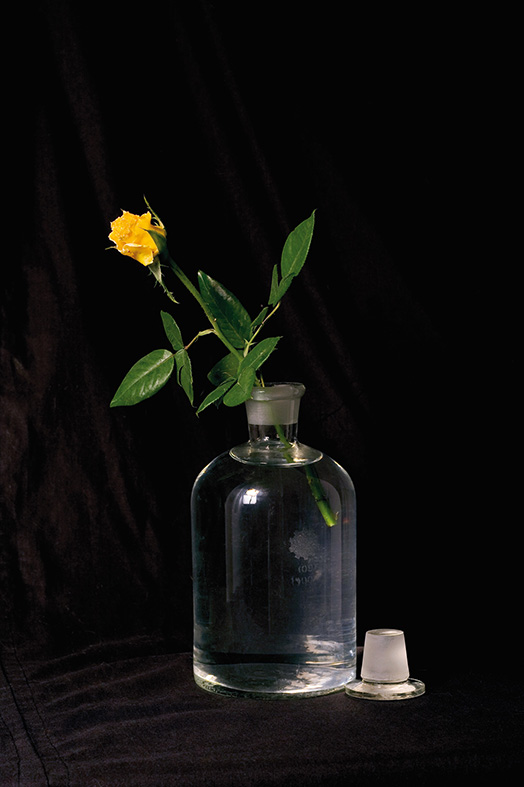
אחת העבודות הבודדות שהוצגה בחייו של אברהמוב היא Science Silence Yellow Rose מ 2009 , ורד צהוב, מעט כמוש אך עם עלים בירוק עז, בבקבוק שנראה כבקבוק רפואה מבית מרקחת ישן. הורד הצהוב, פרח שנחשב למסמן ידידות (ולא אהבה כמו ורד אדום) חנוט בבקבוק שהפקק המונח על ידו נראה כמרמז על סופיות ואולי געגוע למצב אחר.

Shlomo Lee Abrahmov Science Silence Yellow Rose2009

Shlomo Lee Abrahmov
Science Silence Yellow Rose2009

יותר משהתערוכה היפה הזו דומם וגעגוע > פרק א’ מקבלת מענה ב דומם וגעגוע > פרק ב’ היא מקבלת מאין תמונת נגטיב. במקום השקט שנפרש כמו שטיח סמיך בחלל של אברהמוב בפרק ב יש תחושה של מערבולת שחסרה ניואנסים מהסוג המצוי בשפע בעבודות של אברהמוב. יותר מאשר העבודות בינוניות הבעה היא שאין לנוכחותן את אותה תחושה של הכרח, ישי לכל עבודה בחלל של אברהמוב.
חבל שדי בנושא משותף, כמו צילום נעלים של אברהמוב לעומת צילום נעליים של יובל אצילי כידי לראותם כ”מתכתבים” . אברהמוב מצלם נעלים שהופכות כל כך מואנשות שיותר מאשר אסוציאציה כמעט פבלובית לציור הנעלים של ואן גוך הן מעלות על הדעת את “שותק ונכרי בחדרך השליו / אחכה לך כמו נעלייך (אלתרמן “את שומעת”).

Shchar Kornblitt, Hands, 2014

Shchar Kornblitt,
Hands, 2014

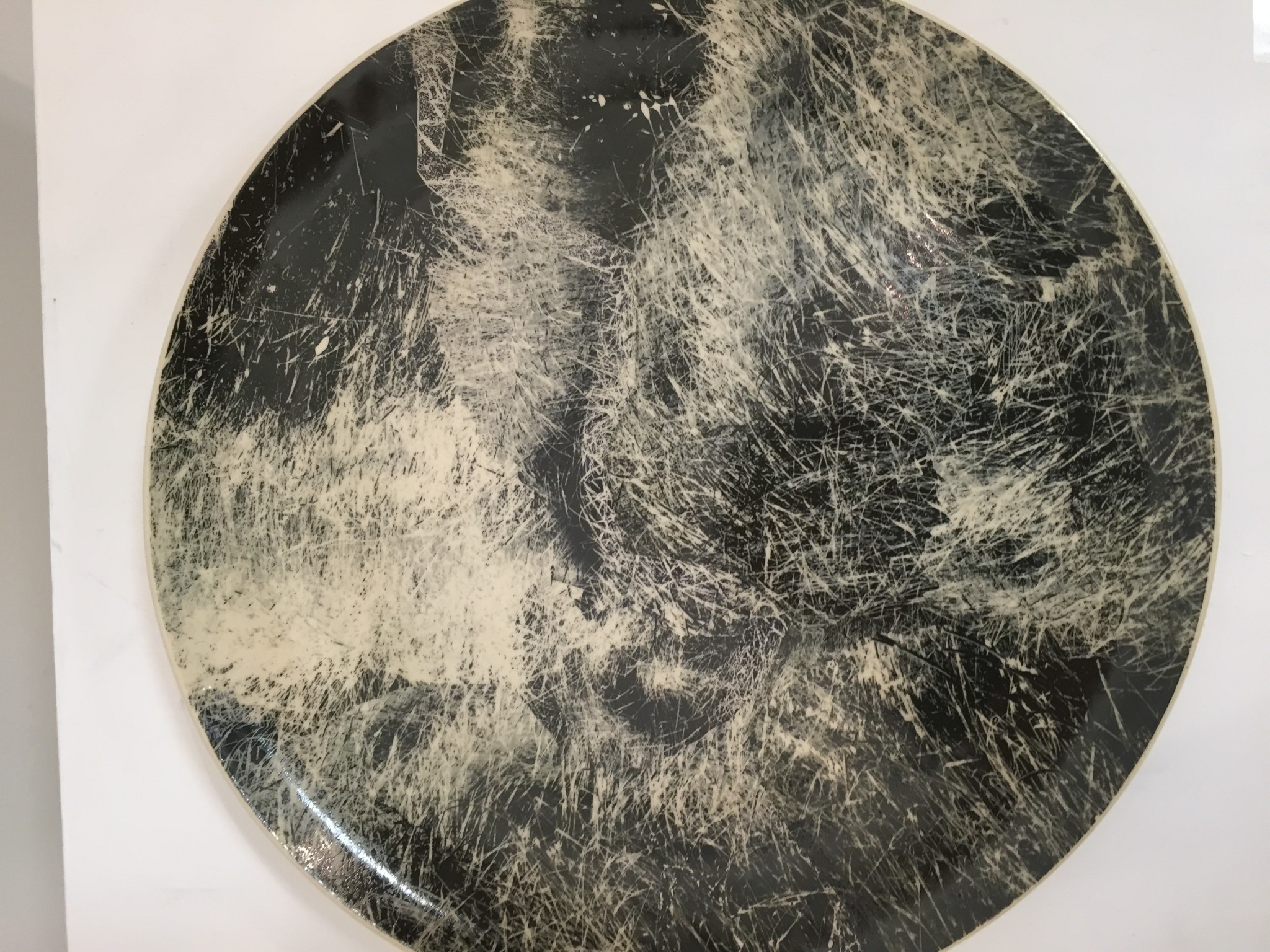
בחלק זה של התערוכה בולטות העבודות של תמרין מקרוב בצילום שחור לבן של שדה שהוקרנה על צלחת ובצילום של נוף עצים שצילמה במצלמה דיגיטלית השתקפות שנוצרה בקאמרה אובסקורה גדולה שבנתה לצורך זה. יפות הן העבודות של שחר קורנבליט שצייר בקו מהסס ידיים על נייר משבצות כשמתוכם צומחים או דומעים מה שנראה כגפרורים או פרחים אדומים, צרוף שהוא על היפה והזהיר והפצע אכן מתכתב עם הדומם והגעגוע של אברהמוב.


Tamarin Makarov, Field Plate, 2014

טבע דומם וגעגוע / פרק א’ פרק ב’
אוצרים: פסי גירש וניר הרמט
שלמה לי אברהמוב ז”ל / איילת השחר כהן / ברקת בן יעקב / גדעון לוין / יובל אצילי / ניר דבוראי / ניר מצליח / נחמה גולן / עמית רונן / שולי בר נבון / שחר קורנבליט / תמרין מקרוב

מקום לאמנות בקרית המלאכה’, רח’ שביל המרץ 6 תל אביב, 03-6725124
שעות פתיחה: ב’ – ה’  18:00-11:00; ו’- ש’ 14:00-10:30

הרשמה לניוזלטר הפירסומי השבועי של “החלון” בנושאי אמנות, אירועים ותערוכות חדשות – www.smadarsheffi.com/?p=925 (הרישום נפרד מהרישום לבלוג )
הערות/הארות אנא כיתבו ל thewindowartsite@gmail.com

Posted in צילום | Comments Off on טבע דומם וגעגוע > פרק א’ פרק ב’

מחשבות על אינסטרומנטליזציה של אמנות|הערה (ולא ביקורת) על אנרי סאלה: בלי שמות, בלי כותרת|Some thoughts on the instrumentalization of art|A comment (not a review) on Anri Sala: No names, no title

מחשבות על אינסטרומנטליזציה של אמנות

יהיה זה מיתמם להתעלם מכך שאמנות הייתה מאז היווצרותה כלי לקידום מטרות, בעיקר דתיות ופוליטיות. אין חדש באמנים שיוצרים אמנות לטעמם של מצנטים פרטים או ציבוריים.
הססמה הרומנטית, “אמנות למען האמנות” ” l’art pour l’art” נטבעה במאה ה 19. היא מיוחסת למשורר ומבקר האמנות הצרפתי תאופיל גוטייה (Théophile Gautier 1811–1872) אבל היטיב לתמצת את משמעותה הצייר גיימס וויסטלר( 1834-1903 James Whistler) שכתב שאמנות צרכה לפנות לחושים ולא לרגשות חיצוניים לה כמו “דבקות, חמלה, אהבה פטריוטיזם וכדומה”. הססמה כמעט מעולם לא היתרגמה למציאות.
מנעד הקיום של תרבות ואמנות רחב למדי: מאמנות כפופה לתכתיבים לאמנות חופשית (אגב,ההיסטוריה מלמדת שאמנות נפלאה יכולה להיווצר בכל המנעד).
ההכרה שאמנות, צרכה להתקיים כ”נשמה יתרה” צומחת במקומות בהם יש חברה אזרחית שמודעת לערכם של חיים רוחניים.
אירועים בשנים האחרונות, ולאחרונה ממש, מעידים על כרסום בהסכמה הבסיסית הזו.
מדובר בתופעה נרחבת, שילוש לא קדוש של לאומנות,קפיטליזם וצרות אופקים. אלו דוחקים קריטריונים של איכות הצידה, לא פעם תוך שימוש בשפה מכובסת.
ָ                                                                                                    ***

ההחלטה של עיריית תל-אביב לסגור את מרכז מאירהוף לחינוך לאמנות של מוזיאון תל אביב, היא דוגמא למבט אינסטרומנטלי על אמנות (ואמנים).IMG_1816
ההודעה ניחתה על המוזיאון והמורים בתחילת ינואר כשתאריך הסגירה המיועד הוא במרץ, כלומר באמצע שנת הלימודים. הסדנאות פועלות מ 1986 במבנה בית ספר לשעבר, ולומדים בהן למעלה מ 2200 תלמידים ומלמדים עשרות אמנים. כעת, בגלל גידול במספר הילדים בסביבה נדרש מבנה לגן ילדים וכך, מבלי שהוצע חלל חליפי אמורה להפסק פעילות הסדנאות .
הסיפור פשוט: האמנות מילאה מבנה ריק והפכה פינה שוממת למשגשגת (עם בית קפה ואולם אירועים פופולרי וכעת מתבקשת להיעלם מהזירה – ומהר. זכותה של העירייה להחזיר את הבניין לשימוש שנראה לה,אבל הפסקת פעילות באמצע שנת לימודים וללא מציאת תחליף הולם היא בריונות לשמה .
המסר לתלמידים למורים ולקהילת האמנות ברור: לימוד אמנות חשוב פחות מגני ילדים.

                                                                                                                 ***
“אוהבים אמנות” פרויקט דגל של תל-אביב שנערך בסוף דצמבר 2014 עורר בעיקר מחשבות נוגות.
imagesביקור באתרים המרכזים העלה חללים יפים שהאמנות בהם הייתה תפאורה. ב”מלטשה” בנווה שאנן, שכונה שעירית תל-אביב רוצה לשפר את תדמיתה, נפתחו סטודיות אמנים שרובם באיכות מביכה להחריד, והמצב לא השתפר בהרבה במבנה בזק באבן גבירול בו הוקצו הסטודיות לאמנים עד להריסת המבנה לטובת פרויקט מגורים. בשני המקרים מדובר בשימוש באמנות לקידום נדל”ן (תהליך שקורה שוב ושוב גם ללא התערבות ממוסדת מכוונת) .
אין פלא שכבר שנים אחדות הגלריות המרכזיות בעיר משכו ידיהן מהאירוע שבינוניות הייתה הרף הגבוה שלו.

                                                                                                                  ***
“פרס הציונות”,אינסטרומטליזציה של אמנות מסוג אחר, מדאיג.
downloadהפרס מוענק מאז 2012 מוגדר כפרס אשר נועד “לעודד ולקדם יצירות אמנות ותרבות בתחום הציונות, בתולדותיה במטרותיה בדמויות המרכזיות בה או בעשייה ציונית עכשווית”יסוד הפרס, שמובלעת בו הדרה של כחמישית מאזרחי ישראל הייתה צעד לאומני במובהק. המהירות בה עולם האמנות הסתגל אליו ורואה בו מקור מימון נוסף מדהים. מבט ברשימת זוכי הפרס ב2014, מעורר השתוממות מאחר שחלקם יוצרים שהביעו בעבר התנגדות נחרצת לרוח הפרס.
קונספטואלית, אם מחלקי הפרס מכירים במדינת ישראל הרי הוא מיותר לחלוטין – הפרסים מטעם משרד התרבות והספורט ניתנים ליוצרים היוצרים בארץ והעשייה שלהם היא תרומה משמעותית לקידום המדינה (שהייתה המטרה המרכזית של התנועה הציונית). שאלת ההכרה במדינה מתחזקת למקרא ההודעה שהוציאה לימור לבנת לרגל ההכרזה על הזוכים :” המסר של הפרס הזה הוא ברור: את היצירה שלנו כאן בארץ ישראל אי אפשר להפסיק. היצירה הציונית מתחדשת כל הזמן וגם בשנת 2014 ערכי הציונות נותרים רלבנטיים יותר מאי פעם”.
לבנת, אז שרה בממשלת ישראל עדיין דיברה על ארץ ישראל במקום מדינת ישראל.
ההכרזה על הפרס נעשתה ב 2011 בעת שתערוכה מצוינת של ווליאם קנטרידג (שהיה ממתנגדי האפרטהייד בדרום אפריקה) הוצגה במוזיאון ישראל .לביקורת שכתבתי ל”הארץ” על תערוכתו הקדמתי קטע על הפרס (שעורכי גלריה החליטו לא לפרסם משום שאינו ביקורת אמנות ) . “אמנים” כתבתי אז, “כמו האזרחים כולם, פועלים בחברה הישראלית ..עושים מעשה שאפשר גם היום לראות אותו כציוני באחד הגוונים של המושג. גם מי שמתנגד לצדדים רבים בנעשה כאן הוא חלק ממנו. אין כל צורך בפרס שמייסדיו עצמם חשים צורך להזכיר שיש קשר בינו לבין איכות . ל300 אלף ₪ שחולקו ולשלל ההוצאות על הועדה והישיבות והכיבודים יכולים למצוא שימוש טוב בהרבה בתחומי התרבות המשוועים לתקצוב”.

                                                                                                             ***
האינסטרומטליזציה של התרבות שהכרנו עד עתה עלולה להחוויר אם אחרי הבחירות יהיה תיק התרבות בידי נציגי הבית היהודי ואלו יבחרו לפעול לפי המתווה שמקדמת “השדולה לקידום התרבות היהודית”. זו קמה במטרה “לסייע ככל יכולתנו ליוצרים של תרבות יהודית במאבקם לקבלת הכרה ראויה מהממסד התרבותי בישראל” ופועלת, כפי שנראה בהצלחה ליצור מחויבות של “הבית היהודי ” לדרוש את תיק התרבות .
הטענה לקיפוח תרבות יהודית מגוחכת. נתוני תקצוב החינוך הדתי בישראל ובשטחים, לעומת תקצוב החינוך הכללי (וכן חינוך ותרבות קשורים),שלא לדבר על תקציבים מוניציפליים  (בעיקר בשטחים) מדברים בעד עצמם.
השדולה פנתה לראשי מפלגת הבית היהודי בפניה שכוללת אמירות שנעות בין הלא נכון כמו קבילה על “הניכור של יוצרי התרבות הישראלית לעולם הערכים והתוכן היהודי”, שאולי היה נכון לפני שני עשורים, לדרישות שמעוררות אסוציאציות לא סימפתיות כמו דרישה “לביצור תרבות מקור יהודית… בחקיקה”.
יוצרים יהודיים דתיים מצוינים זכו וזוכים להכרה נרחבת ללא צורך בקביים. אין סיבה לנקוט בשמות משום שיש בכך היגררות לסיווג של אמנים לפי השתייכות דתית במקום סיווג לפי איכות.
בשנים האחרונות יש עליה תמידית במספר הסטודנטים הדתיים באקדמיות לאמנות ושגשוג של מוסדות אמנות מוערכים שמזדהים כדתיים יהודים כמו בית הספר לקולנוע שמגדיר עצמו “מעודד ..לגבש אמירה אמנותית אישית עכשווית הספוגה בכל שורשי התרבות והחברה היהודית-ישראלית”.
שאלות של חופש האמנות והתרבות, כמו זכויות אדם ואזרח, חייבות להיות מוסכמות ללא קשר לשמאל או ימין . כרגע אפשר רק לקוות שיתעוררו קולות בימין שיבינו את הנזק האדיר שטמון ברעיון עוועים כמו עיגון תכנים של תרבות יהודית או אחרת בחקיקה.

הערה (ולא ביקורת) על אנרי סאלה: בלי שמות, בלי כותרת

Anri Sala, Ravel Ravel Unravel (2013)

Anri Sala, Ravel Ravel Unravel (2013)

סאלה הוא מהאמנים הבינלאומיים החשובים והמעניינים היום .מצוין שתערוכה שלו מוצגת בביתן הלנה רובינשטיין וחבל שהיא מוצגת כאילו היה הביתן סלון בית פרטי.
סאלה אמן שיוצר בעיקר בווידאו עושה מהלך של התרחקות ממילים לטובת מוסיקה, מהלך קונספטואלי מרתק .
התערוכה מוצגת ללא מפתחות לקהל. למעט דף שהוא מפה מצידו האחד ורשימת שמות בצד השני אין דבר שעוזר להתבונן בעבודות. אין סיבה לדרוש מקהל לנחש את הרקע המורכב של העבודה Ravel Ravel Unravelשמתחיל מהבנת הזיקות בין מקום הצגתו הראשון – הביתן הגרמני שהפך לצרפתי בביאנלה האחרונה בונציה להסכם בין דה-גול ואדנאואר ב 1963 ועד לפאול ויטגנשטין הפסנתרן היהודי והפטריוט האוסטרי האיטר והמלחין הצרפתי ראוול. אין לצפות שהקהל יזהה את השיר של ה CLASH הבריטים מ 1982 Should I Stay or Should I Go או שידע ש doldrums הוא אזור באוקיינוס האטלנטי בו אוניות נתקעו בעבר משום שלא היו די רוחות למלא את מפרשיהן.
סאלה אמן מצוין. התערוכה מחמיצה את ההזדמנות לשתף ברגישויות שלו את הקהל.

אוצרת :  נועם סגל
ביתן הלנה רובינשטיין  לאמנות בת זמננו, בתל אביב.

הרשמה לניוזלטר הפרסומי השבועי של “החלון” בנושאי אמנות, אירועים ותערוכות חדשות – www.smadarsheffi.com/?p=925 (הרישום נפרד מהרישום לבלוג )
הערות/הארות אנא כיתבו ל thewindowartsite@gmail.com

Some thoughts on the instrumentalization of art

It would be naïve to ignore the fact that art has always been a means to promote goals, (especially religious and political), and that there is nothing new in artists who please a private or public patron.
The Romantics’ slogan, “l’art pour l’art” – art for art’s sake –coined in the 19th century, attributed to French poet and art critic Théophile Gautier (1811–1872), was articulated by painter James Whistler (1834-1903) as, “Art should… stand alone… without confounding this with emotions entirely foreign to it, as devotion, pity, love, patriotism, and the like.” But this was never realized.
Culture and art range over a broad spectrum, from art subject to specific directives to free art. History has demonstrated that great art can arise at any point along this range. Art’s freedom is valued in a civil society which acknowledges the value of spiritual life. However, recent events show that this basic consensus is being eroded. I am referring to “unholy trinity” of nationalism, capitalism and narrowmindedness, which has pushed aside criteria of quality, often by using laundered language.
***
IMG_1816The recent decision by the Tel Aviv-Yafo Municipality to close the Meyerhoff Center for Art Education of the Tel Aviv Museum of Art, is a perfect example of an instrumental view of art (and artists). The surprise announcement gave only a three month notice without offering an alternative site – in the middle of the school year. The studios have been operating in a former school building since 1986, and host more than 2,200 students, taught by dozens of artists. The Municipality wants to take back the structure to use for kindergartens.
It’s a simple case of art having filled an empty space and transformed a vacant area into a flourishing center (with a popular events hall and café), and now it is being asked to leave and to leave fast. The Municipality has the right to use the building as it sees fit, but to terminate activities in the middle of the year without an alternative space smacks of pure bullying.
The message to students, teachers and the art community is quite clear: an art education center is not as important as kindergarten.
***
The “We Love Art” project, the Municipality’s annual flagship project held in late December, has aroused melancholic thoughts. A visit toimages the major sites revealed lovely locations in which art was merely a stage set. In the Maltesha in Neve Shaanan, a neighborhood whose image the Municipality wants to upgrade, art studios were opened – but most featured embarassingly bad art. The situation was not much better in the Bezeq building on Ibn Gabirol, in which studios have been allocated to artists until the building is demolished to make way for an upscale residential construction project. In both cases, art is being used to promote real estate initiatives (a process happening time and again, even without deliberate government intervention). No wonder that the city’s major galleries have withdrawn from this event, whose best is only mediocre.
***
downloadThe Zionism Prize in art is another type of instrumentalization of art which is of concern. Awarded since 2012, its aim is “to encourage and promote creations of art and culture on Zionism, its history, goals and major figures or in current Zionist action.” Founding this prize, which excludes about one fifth of Israeli citizens, was clearly a nationalistic act. The rapidity with which the art world became accustomed to it and considers it just another source of funding is amazing. The list of winners for 2014 includes some artists who have in the past, expressed their violent opposition to the spirit of the prize.
On a conceptual level, if those awarding the prize recognized the State of Israel, it is entirely extraneous: prizes awarded by the Ministry of Culture and Sport are given to artists making art in Israel and their artwork contributes to promoting the country (which was the primary goal of the Zionist Movement). The issue of recognizing the state becomes more acute when reading the notification posted by Minister of Culture and Sport Limor Livnat announcing the winners: “The message of the Prize is clear: our creative artwork here in Eretz Israel cannot be stopped. Zionist creativity is constantly renewing itself, and in the year 2014, as well, the values of Zionism remain relevant more than ever.” Livnat, an Israeli government minister, was still using terminology of Eretz Israel – the Land of Israel – instead of the State of Israel.
The prize was first announced in 2011 during the excellent exhibition at the Israel Museum by South African artist William Kentridge, who had opposed his country’s apartheid regime. In my review of the exhibition for the Haaretz daily at the time, I added a few comments on the prize, which the editors of the Gallery column cut because “it was not art criticism.”) I wrote: “Artists, like all citizens, act within Israeli society…and are committing actions which today can be also be considered Zionism…Even someone opposing much of what is going on here is part of it. There is no need of a prize whose very founders feel the need to mention the association between the prize and quality. The NIS 300,000 awarded and the many expenses for the committee, meetings and refreshments, would be better used in many spheres of culture crying out for budgetary allocations from the government.”
***
The instrumentalization of culture that we have been familiar with up to now is likely to pale in the near future if, after the forthcoming elections, the Bayit Hayehudi holds the culture portfolio, and if they chose to operate according to the platform laid down by the Lobby for the Promotion of Jewish Culture. The latter was founded “to assist to the best of our abilities, creators of Jewish culture in their struggle to obtain proper recognition from Israel’s cultural establishment.” Apparently it is succeeding in creating a commitment from the Bayit Hayehudi to demand the portfolio of the Ministry of Culture.
Their argument that Jewish culture is being underfunded is ridiculous. The budget for religious education in Israel and the occupied territories as compared to general education (since education and culture are linked) speaks for itself, without even mentioning municipal budgets (especially in the occupied territories).
The Lobby appealed to the heads of the Bayit Hayehudi with statements ranging from the incorrect (e.g., complaining about “the alienation of Israeli cultural creators from the world of Jewish values and content,” which may have been correct two decades ago) to demands arousing negative reactions such as the demand “to fortify the culture originating in Judaism…through legislation.”
Outstanding religious Jewish artists have gained and continue to gain broad recognition without the need for crutches. No need to name names, since that would classify artists by religiosity instead of quality. We have witnessed a steady climb in the number of religious students in the art academies and a flourishing of respected art institutions identifying as Jewishly religious, such as the film school defining itself as “encouraging students…to formulate a contemporary, personal artistic statement suffused with all of the roots of the Jewish-Israeli culture and society.”
Issues of freedom of art and culture, like human and civil rights, must remain free of categorization by the political Left and Right. Now we can only hope that voices arise on the Right who will realize the tremendous damage embodied in twisted ideas such as anchoring contents of Jewish or other culture in legislation.
***

A comment (not a review) on Anri Sala: No names, no title

No Window No CrySala is one of the most important and interesting international artists today. More the pity that his excellent exhibition in the Helena Rubinstein Pavilion is presented as if in a private living room. Sala, working mainly in video, is employing music as a major vehicle for his ideas in a fascinating conceptual step. However, the exhibition does give the viewer any key to its reading it beyond a page with a map on one side and a list of names on the obverse. There is nothing to help viewers observe the works. It is impossible to guess the complicated background of Ravel Ravel Unravel, which begins with an understanding of the links between its first exhibition site – the German Pavilion which became the French Pavilion in the most recent Venice Biennale, through the DeGaulle-Adenauer agreement of 1963 to Paul Wittgenstein, one-armed, left-handed Jewish pianist and Austrian patriot, and the French composer Maurice Ravel. Neither can one expect the audience to identify British band The Clash’s 1982 song, Should I Stay or Should I Go, or know that the “Doldrums” is an area in the Atlantic Ocean in which ships used to find themselves without enough wind to fill their sails.
Sala is an outstanding artist, but the current exhibition misses the opportunity to share his sensitivities with viewers.

Join the mailing list for Window’s weekly informational advertising newsletter: www.smadarsheffi.com/?p=925

Comments – please write to thewindowartsite@gmail.com
 

Posted in אירועים, וידיאו | Comments Off on מחשבות על אינסטרומנטליזציה של אמנות|הערה (ולא ביקורת) על אנרי סאלה: בלי שמות, בלי כותרת|Some thoughts on the instrumentalization of art|A comment (not a review) on Anri Sala: No names, no title

סמדר שפי, החלון, אומנות ישראלית, אמנות ישראלית, Smadar Sheffi, The Window, Israeli Art