גיא ברילר /ירושלים יקירתי עבודות 1998-2014|Guy Briller/Dear Jerusalem Works 1998-2014

v-logo@2x

Please scroll down for English

גיא ברילר /ירושלים יקירתי עבודות 1998-2014

“ירושלים יקירתי”, תערוכתו של גיא ברילר, מוצגת בבית הגפן בחיפה, מאותם איים בהם ישראל משתקפת כפי שהייתי רוצה לראות אותה: רב תרבותית, סובלנית, נבונה. התערוכה שאצרה יעלה חזות מציגה מחולקת לשתי קומות החלל המאתגר. הקומה התחתונה מוקדשת לעבודות של ברילר בירושלים שחלקן הגדול נערכו כמסעות בעיר, במרכזי השלטון המרוכזים בה ותוך התייחסות ללוח השנה היהודי ולאירועים היסטוריים קרובים ובמיוחד כיבוש/אחוד העיר ב 1967.
בקומה העליונה מוצג “כמה עדויות לחייו הקצרים ומותו של אלטרJ בג’רולין”, פרויקט שהחל 2012 וביקורת זו מתרכזת בו.
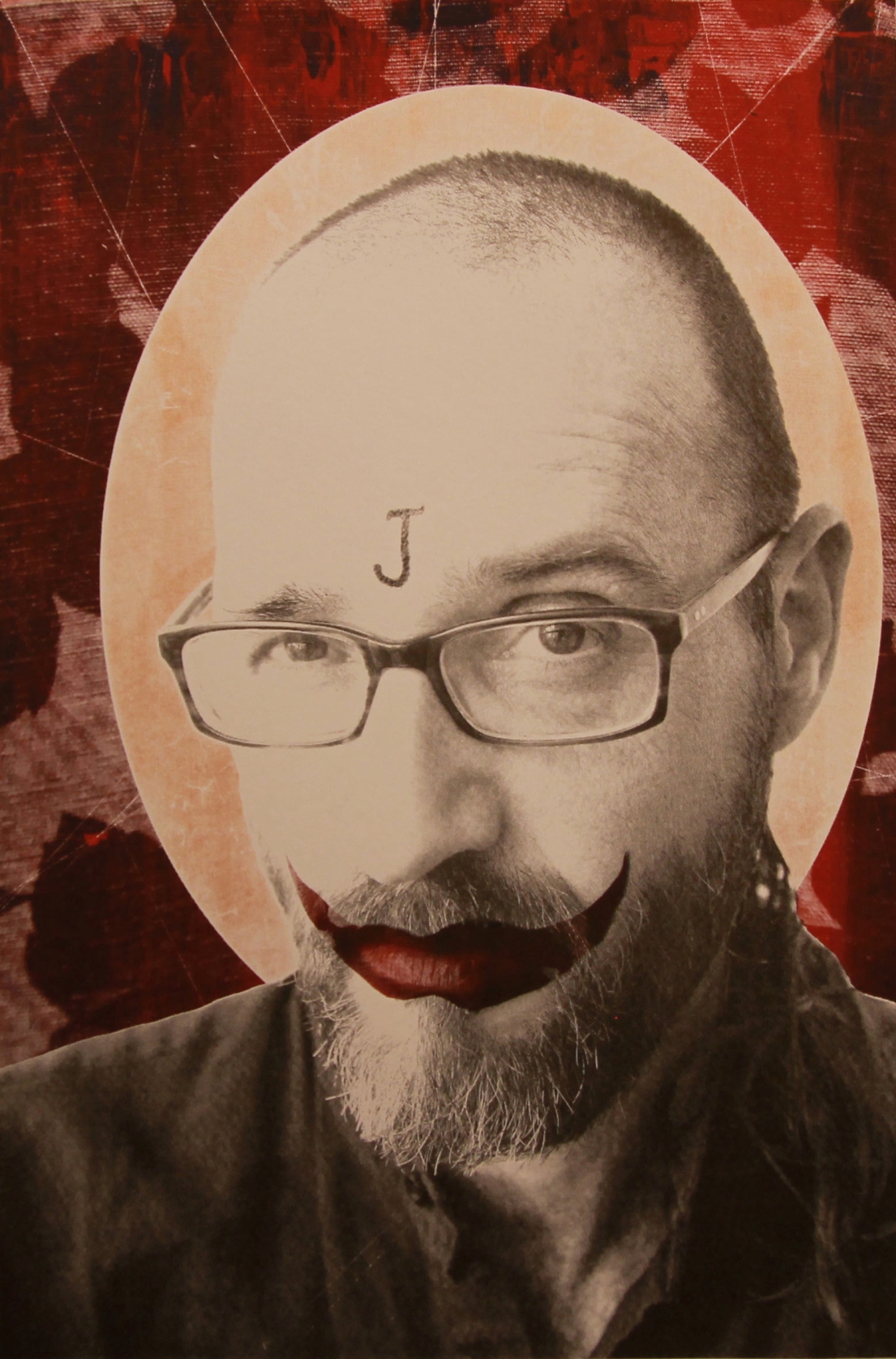
Guy Briller Alter Joker, 2014, silkscreen print and ink on paper, 70x50 cm

Guy Briller
Alter Joker, 2014, silkscreen print and ink on paper, 70×50 cm

דרך הדפסים, עבודות וידיאו וצילומים ברילר מתבונן בקשר הגורדי היהודי- גרמני והישראלי-גרמני. הוא עושה זאת באופן שונה ממה שנעשה כאן בעבר למשל  מעבודות שהוצגו באסופת התערוכות “בחזרה לברלין” במוזיאון הרצליה בסוף 2014. אם האמנים שם עסקו ביחס לעבר הנאצי של ברלין מהיבט של אבסורד והכרה בזמן שחלף ובשינוי הגרמני הרי ברילר מדבר על טווח היסטורי ועל מקום רעיוני רחב ועמוק יותר מזה שהחל ב 1933. הוא נוגע בהיבטים אפלים של עבר והווה, מעלה באוב את פרויקט הארכאדות של וולטר בנימין (שנכתב על פריז אך דיבר על עירוניות ועל שיטוט בכלל), את האלטרנטיבות הקומוניסטיות שלא צלחו בגרמניה של שנות ה 20,  לצד יצירת ישות אוטופית- דיסטופית “ג’רולין” שמאחדת את ירושלים וברלין.
הקשר בין הערים, בין יהודים וגרמניה, נע בין מישורים דתיים מיסטיים למישורים קונקרטיים. ירושלים כרעיון, ירושלים השמימית, נכחה בנוף הברלינאי כבר מאז המאה ה16 עם כנסיה שנקראה “כנסיית ירושלים” שהתפרסמה בזכות העתק מוקטן של כנסיית הקבר שהוחזק בה. במה ה 18 נקרא הרחוב לידה רחוב ירושלים. בסדרת צילומים ברליר מציג את כנסיית הקבר ליד בור ברחוב פרידריכשטראסה בברלין, ואפשר לחשוב על הקבר והבור כשני צידי של מעמקים – הבור עם הרמיזה לשרשרת האסוציאציות שמבורות מים- מקוואות- היטהרות וגם כקבר, המקבר הקדוש ועד לאין ספור אתרי הקבורה, הרצח, שמנקדים את ברלין.
שוב ושוב עולה על הדעת המונח chronotope שטבע הפילוסוף הרוסי מיכאל בחטין בהקשר של ספרות. המונח המורכב מהמילים זמן וחלל, יחסים מדבר על האופן בו חלל נטען במימד של היסטוריה עד שהם נטמעים.
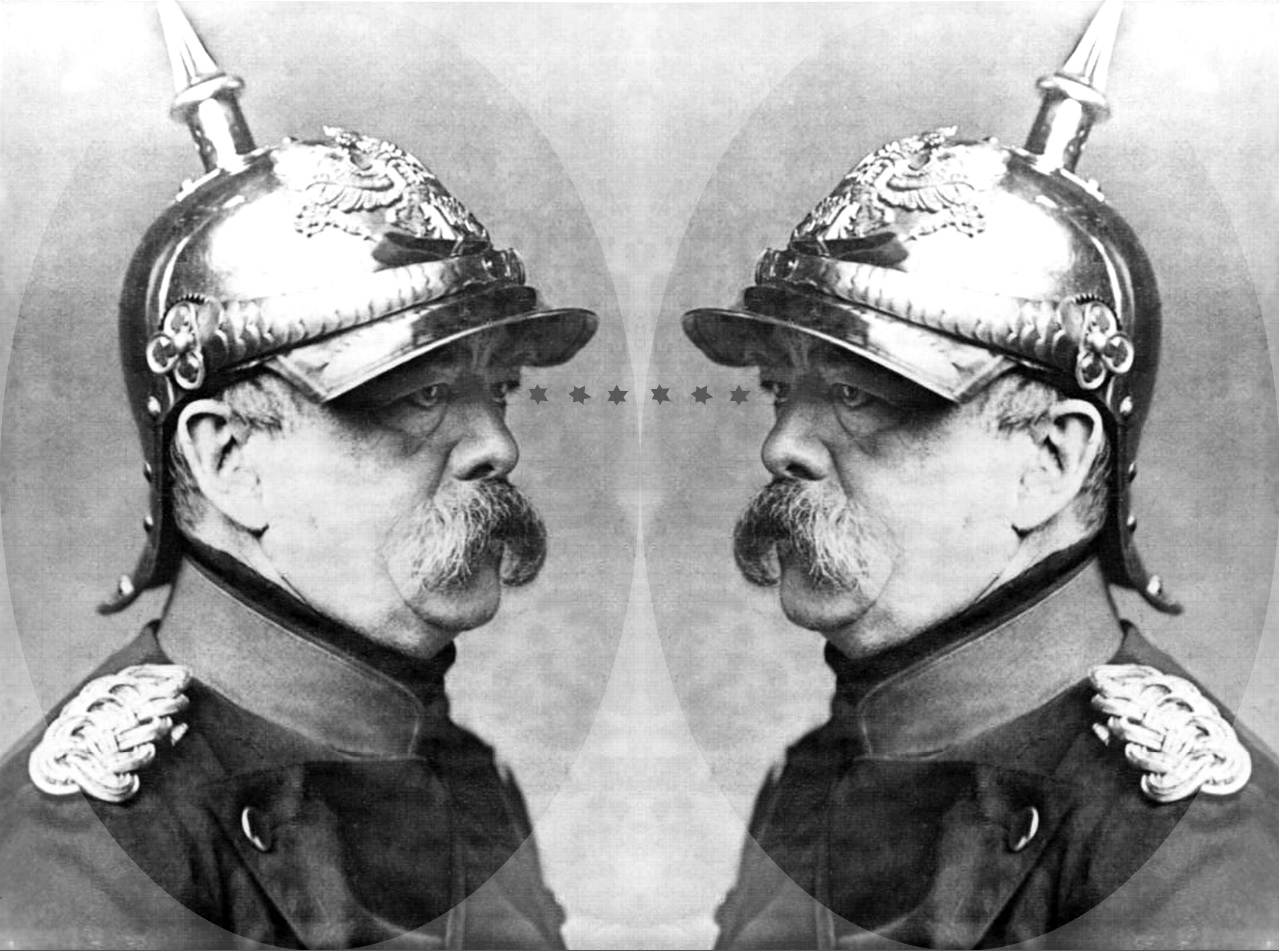
Guy Briller Two Bismarcks six stars, 2014, silkscreen print and ink on canvas, 107x150 cm

Guy Briller
Two Bismarcks six stars, 2014, silkscreen print and ink on canvas, 107×150 cm

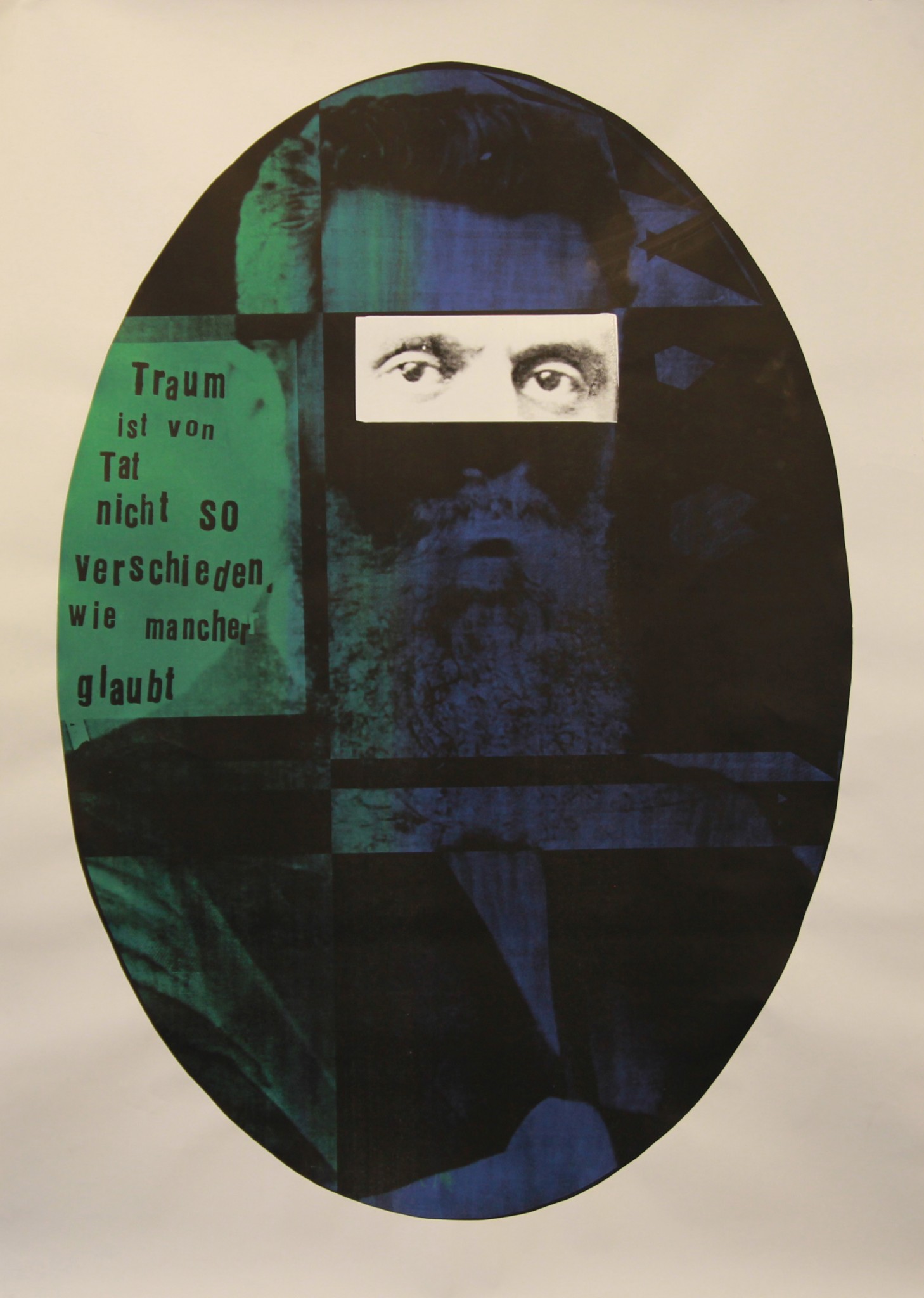
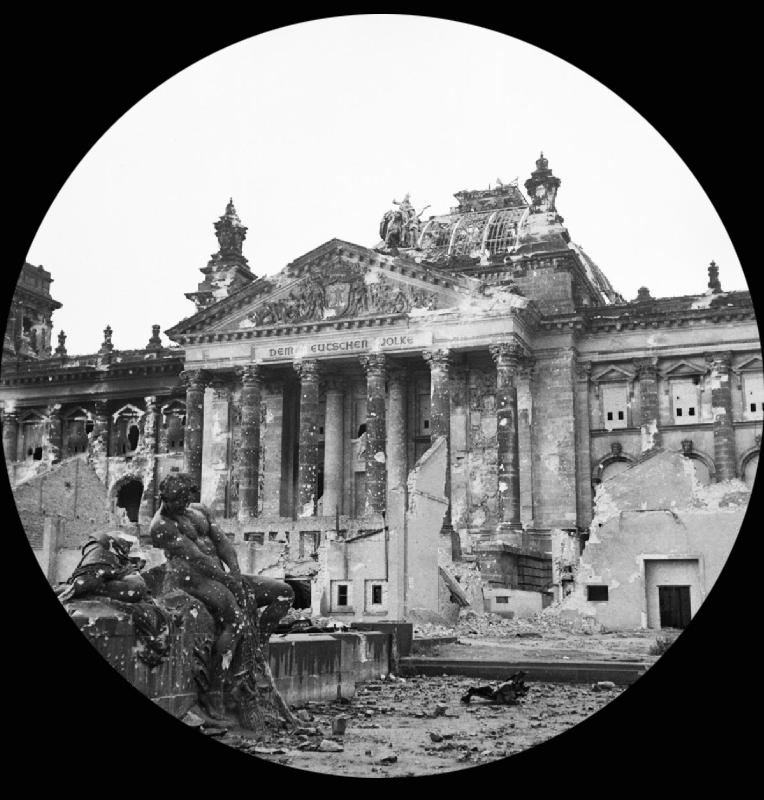
הדמות של אלטר ג’וקר, היא דיוקנו של ברילר כג’וקר שקיבל אפיונים של האויב המושבע של באטמן שהומצא ב 1940, כלומר בראשית מלחמת העולם השנייה. על מצחו J כמו האות הראשונה של המילה “יהודי” בגרמנית שהוטבעה על כל מסמך של יהודים אחרי עליית הנאצים לשלטון. הדמות הזו מוצגת בחלל צדדי בתערוכה, אחרי שהצופה רואה את החלל המרכזי ובו דיוקן כפולי של ביסמרק ליד דיוקן הרצל בו מופיע הכיתוב “החלום אינו כה שונה מהמציאות כפי שאנשים מאמינים”. הקשר בין האישים שחיו במקביל היה חד צדדי: הרצל העריץ את ביסמרק שהוביל את איחוד גרמניה (וכפי הנראה גם כתב לו אודות הציונות). המערבולת ההיסטורית הופכת לסחרחורת: ברילר יצר היסט של ההדפס המפורסם של וורהול בו נראה אלביס פרסלי מוכפל ׁ(כנראה מפרסומת הסרט Flaming Star 1960) . על פניו של הזמר וסמל הסקס היא מרכיב מסכה שעליה הכיתוב אלטרJ .המסכה הנראית ספק מסכת מגן, ספק מצנפת אינקויזטור מימי הביניים או גלגול כיסוי ראש של קולקלס- קלאן מורכבת גם על פניהן של שתי דמויות זהות על גג כאשר אחד עומד לערוף את ראש הדמות השניה. ההתייחסות לתמונות הזוועה של עריפות הראשים של דאעש, מה שהפך לאיום על הסדר כפי שאנו מכירים כיום ברור. הכפילויות של דיוקנאות ודימויים: ביסמרק, אלויס- אלטרJ , הרייכסטאג או דימוי בשם “צבי” מסמנים כולם אמביוולנטיות שהופכת מעיקה יותר ויותר.
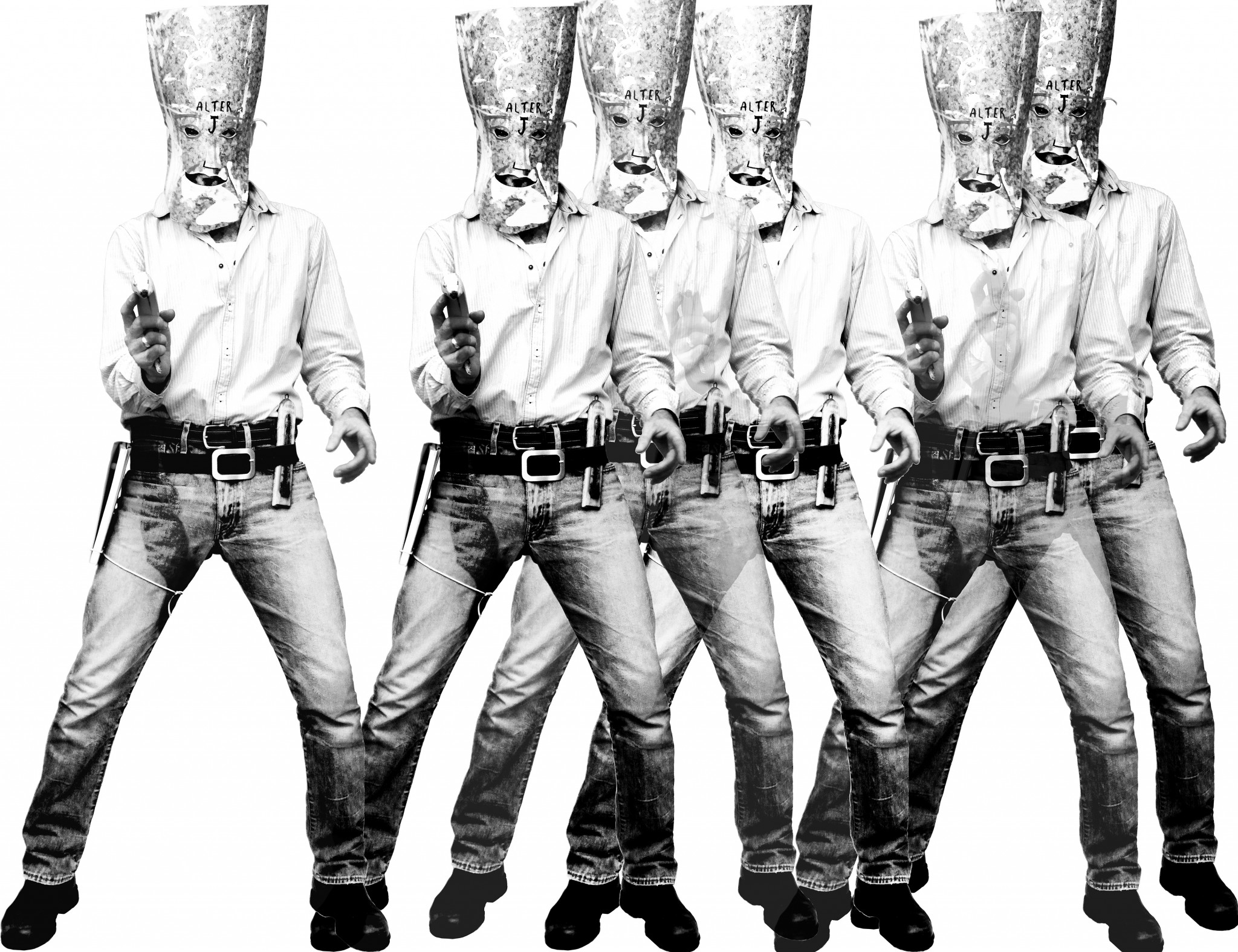
Guy Briller Six Alter, 2014, silkscreen print and ink on canvas, 107x150 cm

Guy Briller
Six Alter, 2014, silkscreen print and ink on canvas, 107×150 cm

במרכז החלל מבנה מתכת שנבנה כ“ארון ברית” ושימש בפרויקטים של הליכה שעשה ברילר בירושלים . הארון הסימבולי, שמתייחס לארון הברית שאיתו נדדו בני ישראל במדבר,והושם לבסוף במקדש מונח בחלל כאילו נדד שוב והפעם הוא ב”ג’רולין” , שוב ללא מקדש.
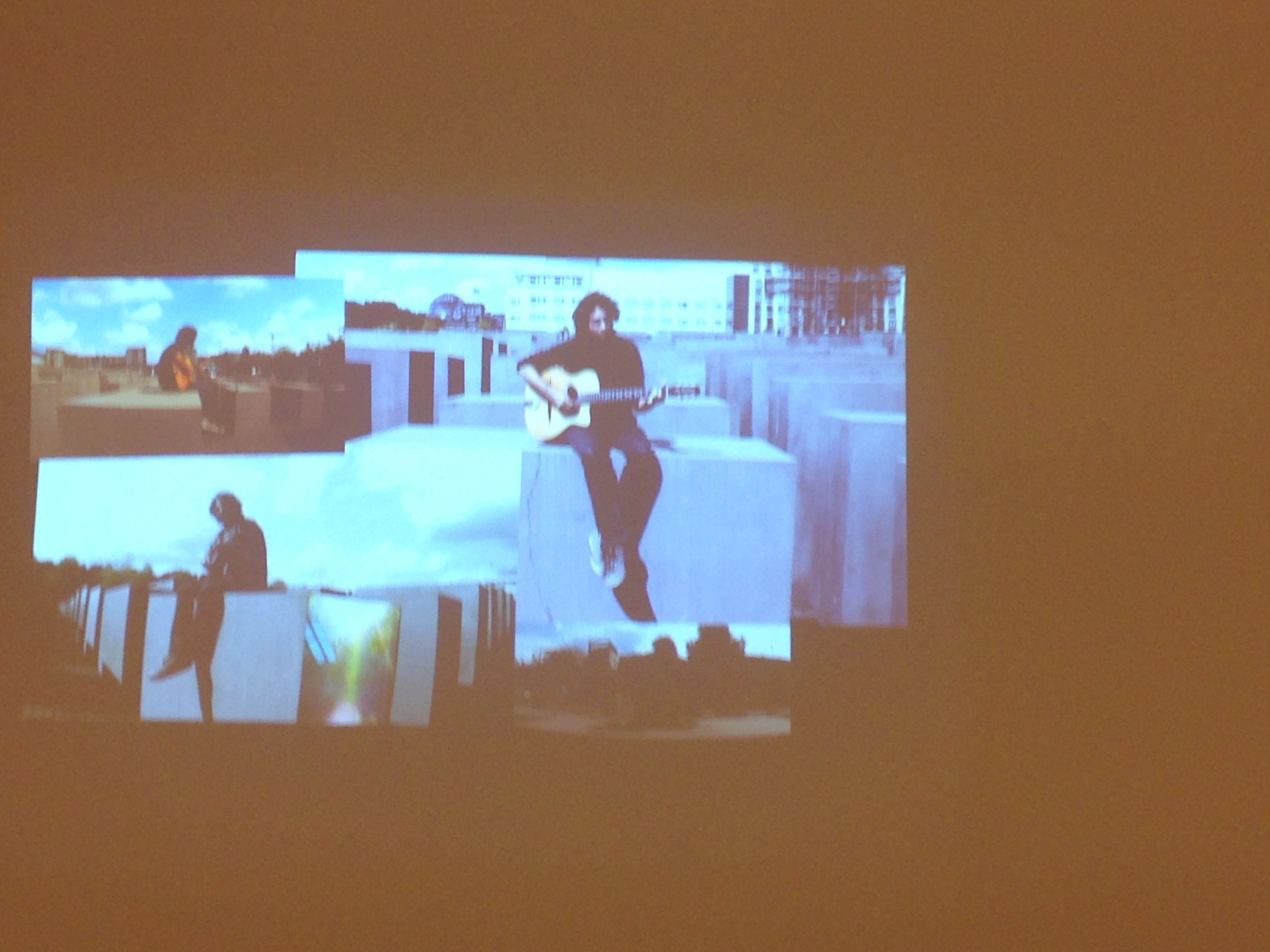
שתי עבודות הוידיאו בחלק זה בתערוכה צולמו באנדרטה לשואה של פיטר אייזנמן. ברילר הקרין עליה דימויים של ירושלים בעבודה בשם Kleiner Krug, 2013 (כד קטן) ובעבודה חדשה המוסיקאי גדי רונן שר שיר על אחריות לזיכרון ישוב על אחד ממלבני הבטון. בעשור מאז נחנכה האנדרטה הפכה לנקודת ציון מרכזית בברלין, אתר תיירות וגם מגרש משחקים מועדף על ילדי העיר. היא כמעט מגלמת את האופן הבלתי צפוי בו זיכרון פועל.
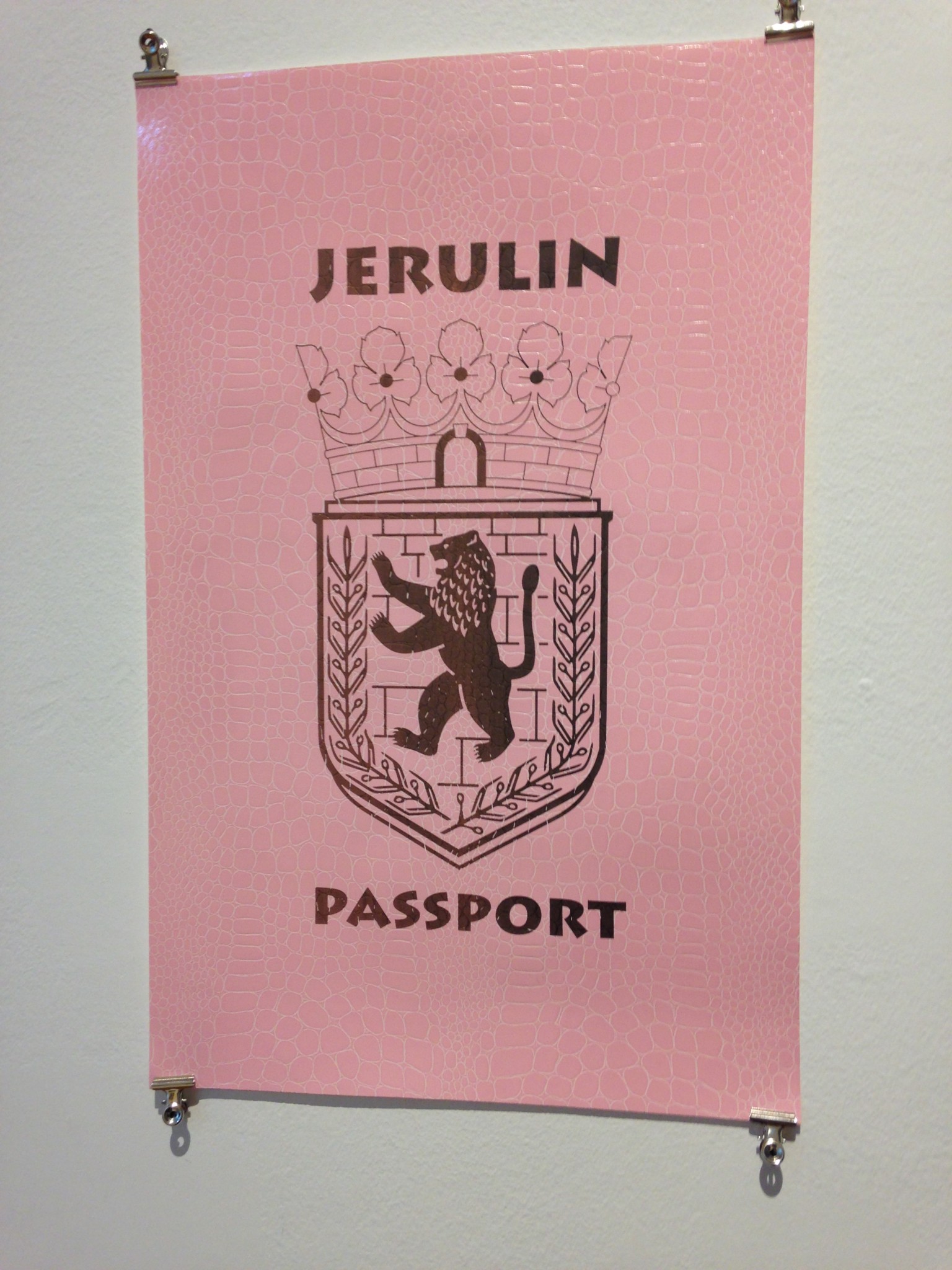
הדרכון של “ג’רולין” משלב את סמל האריה של ירושלים והדוב של ברלין, ורוד כמו הטלאי של הומוסקסואלים בגרמניה הנאצית. ברילר הזמין אמנים לתוכנית שהיה בשגרירות הבדויה של גרולין ועבודות שיצרו או שיצר איתם כמו (שניים) רפרם מחכה ללנין – אנדרטת ליבקנכט, פוסטדאמר-פלאץ, 2014, שיצר עם רפרם חדד מרחיבות את היריעה.
Guy Briller

Guy Briller

במזרח ברלין לשעבר,באתר שהוא חגיגה של צרכנות ומותגים מחכה אמן ישראלי (שהיה עצור כמרגל בכלא בלוב) למנהיג קומוניסטי, נשען על מצבתו המפויחת של מרטיר הקומוניזם הגרמני שנרצח ב 1919 בידי לאומניים גרמנים: שוב הכפלה ואמביוולנטיות,קשה לחשוב על מערך טרוף יותר של עבר והווה.

אוצרת: יעלה חזות
בית הגפן מרכז תרבות ערבי יהודי, רחוב הגפן 2, חיפה טל’ 04-8525252
ראשון עד חמישי: 10:00-15:00 שישי, שבת: 10:00-14:00
הרשמה לניוזלטר הפירסומי השבועי של “החלון” בנושאי אמנות, אירועים ותערוכות חדשות – www.smadarsheffi.com/?p=925 (הרישום נפרד מהרישום לבלוג )
הערות/הארות אנא כיתבו ל thewindowartsite@gmail.com

Guy Briller/Dear Jerusalem Works 1998-2014

Dear Jerusalem, Guy Briller’s solo exhibition at Beit Hagefen, Haifa, is one of those “islands” in which Israel is reflected as I would have loved to see it: multicultural, tolerant, and wise. The exhibition, curated by Yeala Hazut, is presented on two floors of the challenging space. The lower floor is devoted to Briller’s works from Jerusalem, the majority of which are journeys through the city and its centers of government, while referring to the Hebrew calendar and recent historical events, especially to the unification of Jerusalem/conquest of Jerusalem in 1967.
The upper floor is the site of Several testimonies on the short life and death of Alter J in Jerulin, a project Briller began in 2012, on which this critique concentrates.
Guy Briller Herzel Black, 2014, silkscreen print and ink on paper, 150x107 cm

Guy Briller
Herzel Black, 2014, silkscreen print and ink on paper, 150×107 cm

Briller observes the inextricably connected Jewish-German and Israeli-German relationship through silkscreen prints, videos and photographs, in a way that is entirely different from what has been done here in the past, and which stands out from works exhibited in the group of exhibitions in the International Back to Berlin Project at the Herzliya Museum of Contemporary Art in late 2014. If the artists engaged in Berlin’s Nazi past from an absurdist point of view, recognizing that time has past and change has occurred in Germany, Briller speaks of the historical range and a philosophical place which is broader and deeper than the one that began in 1933. He touches upon dark places of past and present, calling up Walter Benjamin’s Arcades Project (written about Paris, but which discussed urbanism and the flaneur in general), the Communist alternatives of 1920s Germany, while inserting images made up of symbols from Jerusalem along with the creation of “Jerulin,” a utopian-dystopia unifying Jerusalem and Berlin.
The combination of the two cities and two peoples moves between mystical religious planes and concrete levels – Jerusalem as an idea, Heavenly Jerusalem, was present in the Berlin landscape since the 16th century with the Jerusalem Church with its reduced copy of the Holy Sepulcher. In the 18th century, the street nearby was named Jerusalemstrasse. Briler made a series of photographs in which the Church of the Holy Sepulcher is adjacent to a pit on Friedrichstrasse in Berlin, as if the Holy Sepulchre and the hole are two sides of the depths. The juxtaposition hints at associations with water cisterns, ritual baths (mikvehs), purification and burial sites, from the Holy Sepulcher to countless graves marking Berlin, and the memory of genocide.
Guy Briller Reichstag 1945, 2014, silkscreen print and ink on paper, 100x70 cm

Guy Briller
Reichstag 1945, 2014, silkscreen print and ink on paper, 100×70 cm

The word “chronotype” is the unavoidable association, a concept coined by Russian philosopher Mikhail Bakhtin in the context of literature, referring to the way in which a space is charged with history and assimilates it.
Alter J (2014) is Briller’s portrait as a Joker, merging with Batman’s arch-enemy the Joker created in 1940, at the beginning of World War II. The Joker’s forehead is stamped with a J, as were Jews’ documents when the Nazis took power. This piece is exhibited in a side hall, after the viewer sees the main hall in which a portrait of Two Bismarcks is hung near a portrait of Theodor Herzl with the caption, “The dream is not as different from reality as people believe.” Herzl admired Bismarck, the chancellor who unified Germany (and apparently wrote him about Zionism). Briller’s use of historical images becomes dizzying: he seems to have based his print Alter J on Warhol’s print of Elvis doubled (apparently from a poster advertising the film “Flaming Star” (1960). The mask over the face inscribed Alter J could be a gas mask, inquisitor’s hood or a KKK hood, also appears on two identical figures on the roof, with one ready to behead the second, reminding us of horrific ISIS images. The doubled images give a feeling of ambivalence, which becomes increasingly oppressive.
Guy Briller-Gedy Ronen

Guy Briller-Gedy Ronen

At the center of the space stands the metal “Holy Ark,” used in Briller’s journeys to and within Jerusalem. The symbolic Ark, referring to the biblical Holy Ark the Israelites carried through the desert and finally placed in the Temple, is also carried on wandering journeys in “Jerulin,” without a Temple to rest in.
The two video works in this section of the exhibition were filmed at the Berlin Holocaust Memorial designed by Peter Eisenman. Briller projected images of Jerusalem in Kleiner Krug (2013) [Little Jug], while in his newer work, musician Gedy Ronen sings a song on the responsibility to memory while sitting on one of the concrete slabs making up the monument. Over the past decade, the monument has become a major landmark in Berlin, a tourist site and favorite children’s playground. It is a nearly perfect illustration of the unexpected workings of memory.
The “Jerulin passport” combines the lion symbol of Jerusalem with Berlin’s bear, and is pink like the patch homosexuals were forced to wear in Nazi Germany. Briller invited artists to join a residency program at the fictional Embassy of Jerulin, which generated (collaborative) works such as Double Rafram is Waiting for Lenin – Liebknecht Monument, Postdamer Platz (2014), a digital print on paper created with Rafram Hadad, and which broaden the scope.
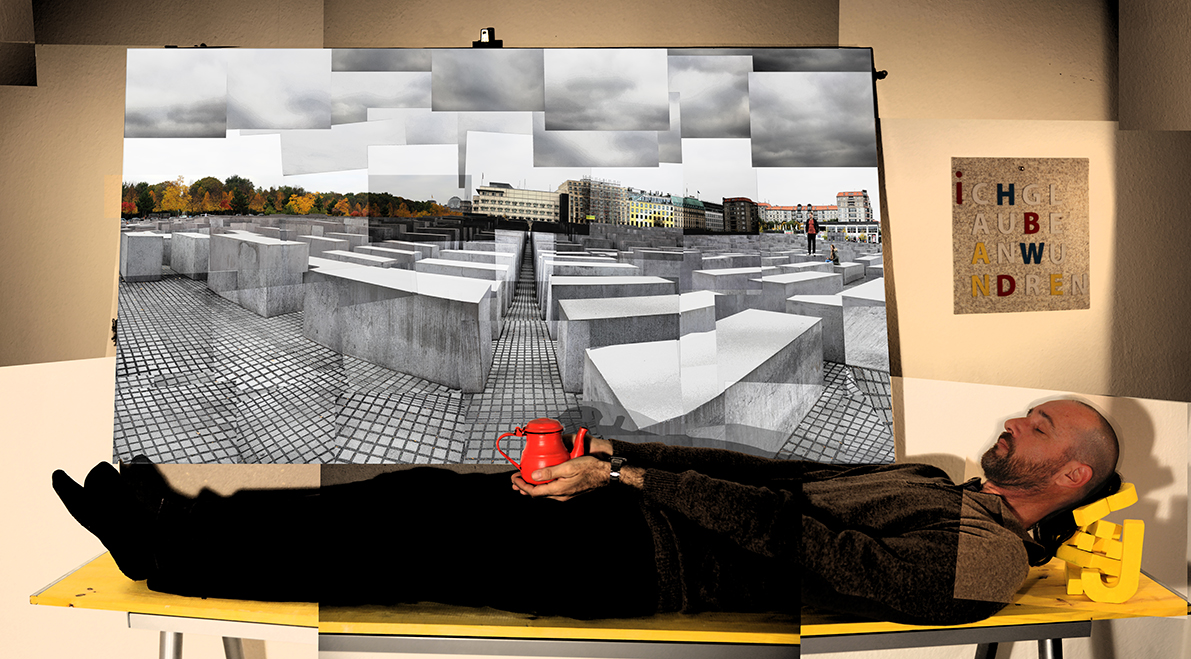
Guy Briller kliner-krug-180-100-cm

Guy Briller
kliner-krug-180-100-cm

In the former East Berlin, at a site of rampant consumerism and brand names, an Israeli artist (who was imprisoned as a spy in a Libyan jail) awaits a Communist leader, leaning on the sooty gravestone of a martyr of German Communism murdered in 1919 by German nationalists: once again, Briller depicts doubling and ambivalence. It is difficult to imagine a more intricate mixture of past and present.

Join the mailing list for Window’s weekly informational advertising newsletter: www.smadarsheffi.com/?p=925

Comments – please write to thewindowartsite@gmail.com
Posted in וידיאו, פיסול ומיצב, צילום | Comments Off on גיא ברילר /ירושלים יקירתי עבודות 1998-2014|Guy Briller/Dear Jerusalem Works 1998-2014

האמנות שהיטלר שנא – פסטיבל אפוס

 אפוס, הפסטיבל הבינלאומי לסרטי תרבות ואמנות יפתח מחר במוזיאון תל אביב ובמסגרתו יקרנו בהקרנות בכורה בישראל כחמישים סרטים ישראלים והבינלאומיים חדשים.

                                                                                     ***

האמנות שהיטלר שנא, הוא אחד הסרטים הבולטים בפסטיבל. הסרט שאורכו קרוב לשעתיים וחצי (בשני חלקים) עוסק בפרשת מצבור האמנות העצום, קרוב ל 1500 יצירות, שנמצא ב 2012 בדירתו של קורניליוס גורליט, במינכן. שווין הכולל של היצירות, ביניהן של מאטיס, מונה, שאגאל, ופיקאסו נאמד כבמיליארד יורו. הסרט שהופק שנתיים אחרי שהאוסף התגלה לרשויות החוק הגרמניות, ורק כשנה אחרי שהדבר פורסם בעיתונות בכל רחבי העולם. הוא מעביר היטב את התחושה שרב הנסתר על הגלוי בטיפול באמנות שנבזזה ידי הנאצים – לא רק בהיסטוריה אלא גם בהווה.

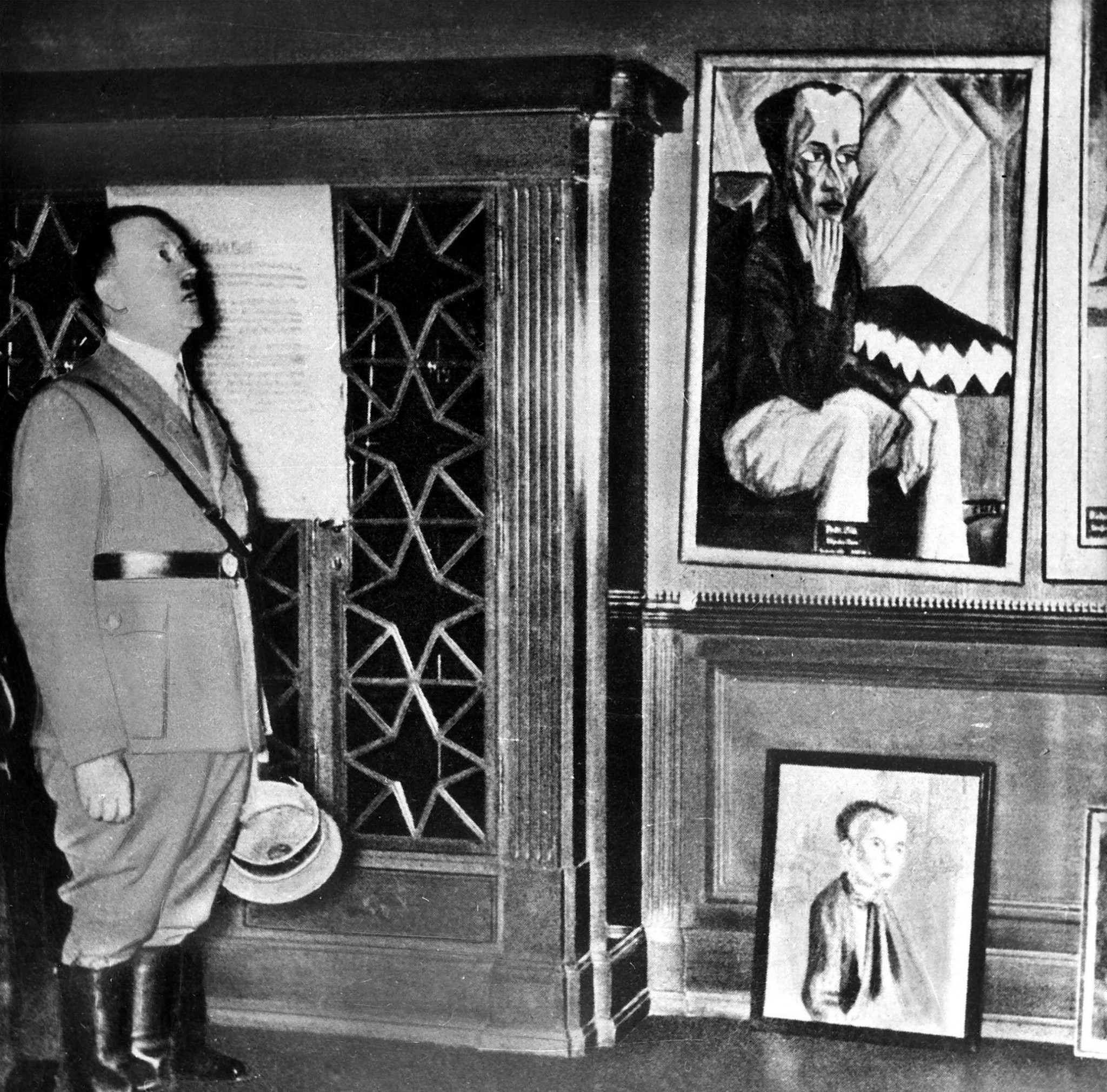
היטלר בתערוכת האמנות המנוונת 1937

היטלר בתערוכת האמנות המנוונת 1937

קורניליוס גורליט, שמת ב 2014, היה בנו של הילדברנד גורליט סוחר והיסטוריון אמנות שעבד בשרות הנאצים. מצבור האמנות אותו הסתיר מעל חמישים שנה בדירה צנועה למדי הורכב מעבודות שבמקרה הטוב נרכשו במכירה כפויה ובמרבית המקרים הוחרם או נבזז מאספנים שהיו קורבנות הנאצים, רובם המכריע יהודים.
השאלה המרכזית מדוע משרד התובע הגרמני באוגסבורג, בבוואריה לא פרסם את גילוי האוסף במשך החודשים שחלפו מפברואר 2012 ועד נובמבר 2013 נשארת ללא מענה. הגילוי נודע רק לאחר  הדלפה של עובד ממשרד התובע למגזין “פוקוס ” בגרמניה.
שאלת זמן הפרסום קריטית: בעלי האמנות ששרדו, שהיו ילדים בזמן המלחמה, וגם יורשיהם המיידים, מבוגרים מאד והדור הולך ופוחת במהירות. אי הפרסום הוא המשך למדיניות המחפירה של מדינות אירופה להימנע מלהשיב אמנות. וזאת למרות שכבר שני עשורים פועלים ארגונים שונים להשבת אמנות (רבים גם בזירה האינטרנטית כמו למשל האתר http://www.lootedart.com/) . נראה שממשלות אירופאיות, מוזיאונים ומוסדות תרבות משלמים מס שפתיים בדבר הצורך למצוא את היורשים החוקיים לבעלים אך בפועל מעדיפים לקבע את המצב הנוכחי.
חלקו הראשון של הסרט עוקב אחרי הטיוח. סדר העדיפויות של הממסד הגרמני אחרי המלחמה היה ברור – לשמר את אוצרות התרבות בידיים גרמניות. שאלת הצדק לא נידונה כלל, וודאי לא מוסר. בשנות ה 50 וה 60, באופן לא רשמי, היו רבים בגרמניה שסברו שיש עזות מצח בתביעה לקבל חזרה אמנות במקום שהאספנים ויורשיהם יהיו אסירי תודה  על כך שנותרו בחיים. שוד האמנות היה ממוסד, בגרמניה של אחרי המלחמה, גרמניה האחרת, לא פחות מבגרמניה הנאצית. התמונות מהקוקטילים האלגנטיים במוזיאונים ובתי המכירות הגרמנים בשנות ה 50, כשעל הקירות תלויות עבודות שבעליהן החוקיים תבעו באותן שנים מצמררות. המרחק בין אהבת אמנות למוסר מודגש שוב ושוב ,ממאיר ומורכב.
סיפורם של גורליט האב והבן מסופר בחלק השני של הסרט. שוב עולה תחושת מיאוס למול האהבה היוקדת לאמנות (גורליט הבן טען שכל רצונו בחיים היה לחיות לצד העבודות הנערצות אליו) ולאופורטוניזם,לאספנות תוך שוויון נפש לסבלם של אחרים.
קורנליוס גורליט,שהסתיר את העבודות, היה קרוי ע”ש סבו שהיה היסטוריון אמנות (נפטר ב 1938) . אביו, הילדברנט גורליט, היסטוריון וסוחר האמנות ופוטר במהלך שנות השלטון הראשונות הנאצים משתי משרות במוזיאונים. הפיטורים היו משום שהציג אמנות שלא תאמה את הרוח הנאצית וגם משום שהיה רבע יהודי (גילוי שלא גרם לגירוש מידי). למרות זאת גבלס בחר בו למשימה של מכירת אמנות מוחרמת מחוץ לגבולות גרמניה לשם גיוס מטבע זר וגם למשימות רכישה מיוחדות לבכירי המפלגה. הילדברנד גורליט עסק בכך לאורך שנות המלחמה בהצלחה רבה תוך שהוא מעשיר את שולחיו הנאציים ואת עצמו. בסוף המלחמה מילט את משפחתו וחלק מאוספו הפרטי. הוא נתפס בידי האמריקאים אבל לחוקרים של בעלות הברית שיקר וטען שאוספו האישי הושמד בהפצצות בעלות הברית על דרזדן. עיקר החקירה שלו התמקדה בעבודות שרכש בפריז עבור המוזיאון העתידי שהיטלר התכוון להקים בלינץ. תיעוד חקירתו מובא בסרט ונקרא, לאור כל הידוע היום כמסמך מופרך מיסודו. הוא נהרג בתאונת דרכים ב 1953 לאחר שהספיק להתבסס היטב בשוק מסחר האמנות הער של גרמניה המערבית.
בנו, קורנליוס גורליט, חי כאמור עם האוסף לאורך כל חייו. קשריו האישים היו מועטים ביותר, הוא לא עבד וכפי הנראה מכר מידי פעם עבודה כידי להתקיים. וודאי שלא חש שיש להשיב את האמנות הגנובה.

ראיון עם דיויד תורן יורש העבודה של מקס ליברמן  מתוך הסרט האמנות שהיטלר שנא

ראיון עם דיויד תורן יורש העבודה של מקס ליברמן
מתוך הסרט האמנות שהיטלר שנא

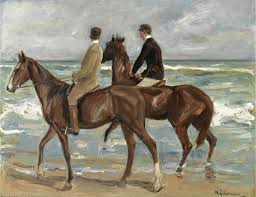
הסרט עוקב אחר סיפורן של כמה עבודות שהיו ברשותו ושייכותן לקורבנות הנאציזם מתועדת היטב (אך למרות זאת טרם הושבו). יש בסרט שיחות מרגשות עם דיוויד תורן, בן 89,  שלמשפחתו היה שייך הציור “שני רוכבים על החוף” של מקס ליברמן. תורן מולט מגרמניה ב”קינדרטרנספורט” ומעולם לא ראה שוב את הוריו. כשהסתבר שהעבודה נמצאה, קיבל טורו שתעוור בשנים האחרונות, גרסה תלת ממדית של העבודה מאדם התומך במאבקו. תמונות האיש המבוגר, ממשש את הגרסה של מה שאינו מצליח לקבל חזרה מצמררות. הוא זוכר את התמונה היטב, לפרטי פרטים, כי הייתה אהובה עליו ותלויה בבית דודו.הפעם האחרונה שראה אותה היה בליל הבדולח.

Max Liebermann "Two Riders on the Beach"' 1901

Max Liebermann “Two Riders on the Beach”‘ 1901

יוצרי הסרט ביקרו גם את יורשותיה של סופי ליסצקי- קופרס, היסטוריונית ואספנית גרמנית, לא יהודיה, שנישואיה השניים היו לאמן היהודי רוסי אל ליסצקי. היא חיה איתו בברה”מ עד מותו ב 1941 ואז גורשה לסיביר . גורליט מכר חלקים מאוסף האמנות שלה עבור הנאצים אבל מסתבר שגם שמר ממנו פריטים גם לאוספו הפרטי. העבודות מאוסף זה , כמו עבודות רבות באוסף של גורליט היו חלק ממה שהנאצים כינו אמנות מנוונת , כלומר אמנות של אמנים מודרניים מזרמים שונים. אם להוסיף מורכבות למורכבויות שהסרט מעלה הרי חשוב לזכור שאמנים כמו אמיל נולדה ,ארנס לוודיג קירשנר ואמנים לא יהודים אחרים לא הוציאו מכלל חשבון עבודה עם המנגנון הנאצי לאחר עלייתו לשלטון והבינו שהם מוקעים רק לאחר שנכללו ברשימת “האמנות המנוונת” אמנות שהוצאה מאוספים פומביים והצגה באופן מבזה בתערוכת ענק נודדת תחת שנפתחה לראשונה במינכן ב1937. למרות קו המפלגה הרשמי היו אספנים נאצים שבאופן חשאי אספו אמנות מודרנית, וכך עשה גם הילדברנד גורליט.
הסרט מוכיח עד כמה לא תמה פרשית השבת העבודות ועד כמה לא נחקר כלל המנגנון שהרוויח, רווח של הנאה מאמנות ורווח כספי עצום, מההתעלמות מתביעות להחזרה ומההתעמרות במשפחות .
גורליט הוריש את כל האוסף שהיה שייך לו למוזיאון בברן בשוויץ (שלא היסס לקבל את התרומה). השאלה היא כעת אם חלק מהאוסף היה אכן שלו, מה היה שדוד ,והאם ההתעללות הביורוקרטית הממושכת בבעלים החוקיים תימשך כפי שמסמנת העובדה שהפרשה הוסתרה במכוון מידיעת הציבור כשנתיים אחר גילויי עבודות האמנות.
הסרט אינו אופטימי.

“האמנות שהיטלר שנא” 2014, בריטניה. במאי ג’יל ניקולס: צילום דניאל מאיירס, ריצ’רד נומרוף:עריכה אלן צ’רלטון

הרשמה לניוזלטר הפירסומי השבועי של “החלון” בנושאי אמנות, אירועים ותערוכות חדשות – www.smadarsheffi.com/?p=925 (הרישום נפרד מהרישום לבלוג )
הערות/הארות אנא כיתבו ל thewindowartsite@gmail.com

The Art Hitler Hated featured at the 6th EPOS Film Festival

EPOS, the International Art Film Festival opens tomorrow at the Tel Aviv Museum of Art, featuring the first screening of about 50 new Israeli and international films.
****
The Art that Hitler Hated is one of the most outstanding films showing at the Festival. Almost 2.5 hours long (in two parts), the film is about the huge cache of nearly 1,500 artworks found in 2012 in Munich in Cornelius Gurlitt’s apartment. The estimated worth of the collection, which included works by Matisse, Monet, Chagall and Picasso, is about one billion euros. The film was made two years after the cache was revealed to German authorities, and only about a year after the world press covered the story. The feeling is that more is unknown than known about the handling of Nazi-looted art.

 Hitler  at the exhibition of “degenerate art,” 1937

Hitler at the exhibition of “degenerate art,” 1937

Cornelius Gurlitt, who passed away in 2014, was the son of Hildebrand Gurlitt, a Nazi-era art dealer and historian. Cornelius Gurlitt hid the works for over 50 years in his modest apartment, works purchased at forced sales or looted from victims of the Nazis, the majority of whom were Jews. The main unanswered question is why the German authorities in Bavaria failed to publish the discovery of the looted art from February 2012 to November 2013, when the information was “leaked” to the German magazine Focus.
Time is the critical factor, since the heirs, who were children during the war, and their immediate heirs, are now old and dying off. Failure to publicize the artworks which were found continues the shameful handling of the issue of restitution of looted art, and their avoidance of restoring the art to the rightful heirs. Although various organizations have been working for over two decades to locate and return looted art (e.g., http://www.lootedart.com) its seems that European museums and cultural institutions prefer the status quo.
Part I of the film deals with the cover-up. After the war, the German establishment strove to keep cultural treasures in German hands, and did not engage in issues of justice or morality. During the 1950s and 60s, many Germans thought that anyone suing to repossess their paintings had outrageous nerve, and should be grateful to be alive. Looting art was a regular practice in the “new” postwar Germany as much as in Nazi Germany. Photographs from elegant museum openings and leading auction houses from the 1950s often featured works which were even then the subject of lawsuits. The short distance and complex relations between love of art and morality are emphasized repeatedly throughout the film.
Part II: The Sins of the Fathers relates the story of the Gurlitts, father and son, arousing feelings of disgust, depicting a burning love of art, opportunism, and apathy to the sufferings of others. Cornelius Gurlitt was named for his grandfather, an art historian (d. 1938). Cornelius’s father, Hildebrand Gurlitt was at first fired by the Nazis from two museum posts for exhibiting works the Nazis disliked, and for being one-quarter Jewish. Nevertheless, Goebbels appointed him to be in charge of selling confiscated art abroad to raise foreign currency and charged him to make special purchases for party higher-ups. The elder Gurlitt did so very successfully throughout the war, enriching his Nazi masters and himself. At the end of the war, he fled with his family and part of his collection. Captured by the Americans, he lied to his Allied interrogators, stating that his personal collection had been destroyed in the bombing of Dresden. The documentation of the interrogation (shown in the film) reveals that the interrogators concentrated on the works he purchased in Paris for the museum Hitler planned for Linz. He was killed in a car accident in 1953 after a very successful career in the lively art market of West Germany.

Max Liebermann "Two Riders on the Beach"' 1901

Max Liebermann “Two Riders on the Beach”‘ 1901

His son Cornelius lived with the paintings his entire life. He was a loner who did not hold down a job, and apparently sold works piece by piece to live on, with no thought of restitution of the stolen art.
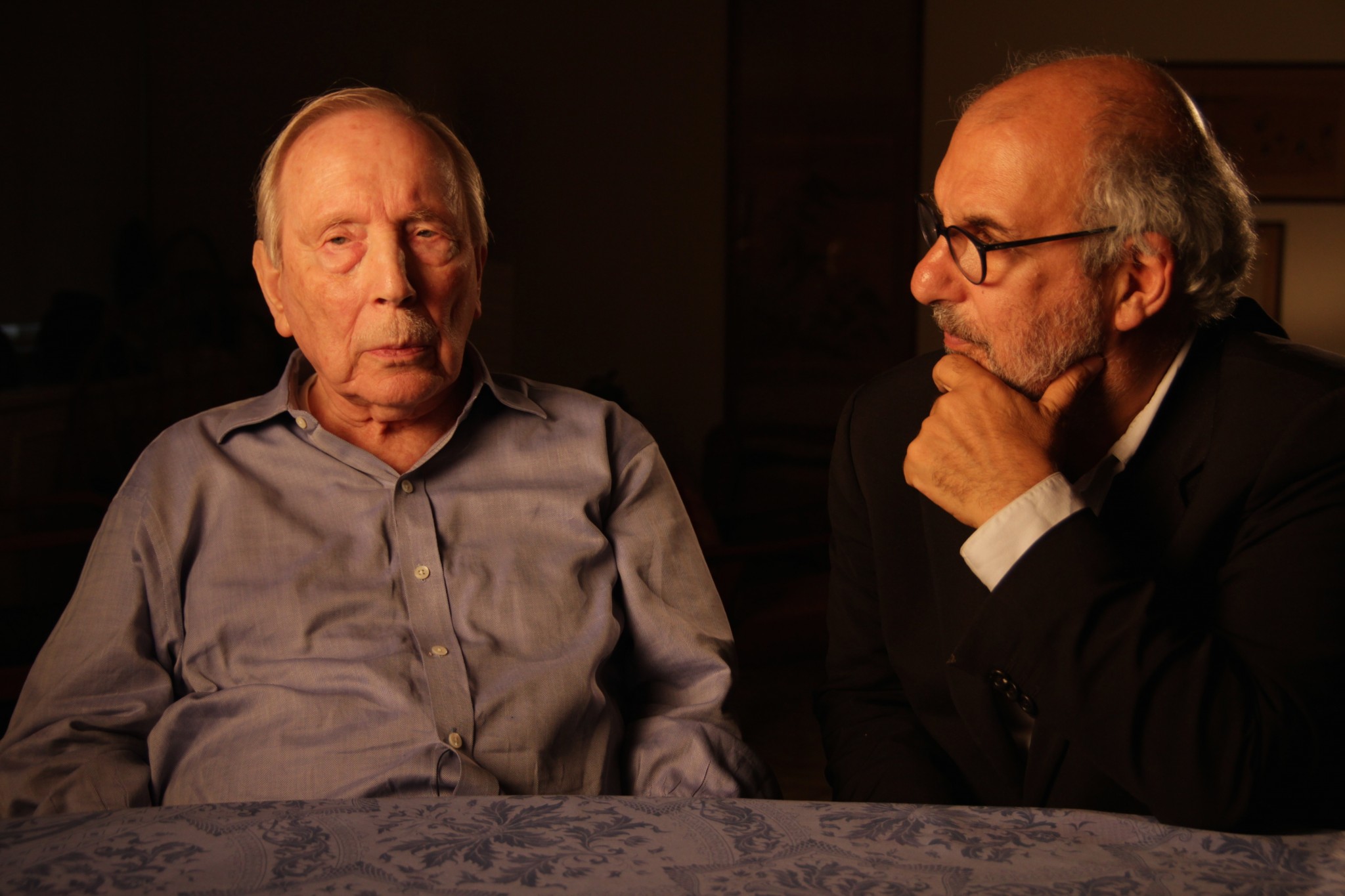
The film follows the story of several works in Cornelius’s possession which belong to victims of Nazism who have full documentation of their claims, which have not yet been honored. In a very moving interview, David Toren, now 89 and blind, describes his memory of “Two Riders on the Beach” by Max Liebermann hanging in his uncle’s home. Toren survived by being sent out of Germany on the Kindertransport, never to see his parents again. When Toren heard that the painting was found, he received a 3-dimensional version of the artwork from a person who supports his claim for restitution. The clip of the elderly man touching and feeling the version of the painting he has not yet succeeded in obtaining is chilling. The last time he saw it was on Kristallnacht.

Interview with David Toren, heir of the painting by Max Liebermann. From the film,  The Art that Hitler Hated (2014)

Interview with David Toren, heir of the painting by Max Liebermann. From the film,
The Art that Hitler Hated (2014)

The filmmakers also visited the heirs of Sophie Lissitzky-Küppers, a German art historian and collector whose second marriage was to Russian-Jewish artist El Lissitzky. She lived with him in the Soviet Union until he died in 1941, whereupon she was exiled to Siberia. Gurlitt sold part of her art collection for the Nazis, but it turned out he also kept some items for his own private hoard. Many of the works found in his home were by modern artists from different movements, which the Nazis called “degenerate art.” The film shows many very complex facets of the issues: we must remember that artists such as Nolde, Kirschner and other non-Jewish artists did not balk at working with the Nazis at first, and only later realized they were classified as “degenerates,” included in an exhibition first opened in Munich in 1937. And yet, despite the official party line, many Nazi collectors secretly collected modern art, as did Hildebrand Gurlitt.
The film proves that the issue of restitution of Nazi-looted art in no way is over, with much research not yet conducted on who benefited from the art and from ignoring and emotionally abusing the families involved in lawsuits for their property.
Gurlitt bequeathed his entire collection to the Bern Museum, Switzerland (which eagerly accepted the gift). The question now is which pieces actually belonged to Gurlitt, which were stolen, and whether the bureaucratic “games” will continue, in similar manner to the deliberate concealing of the find for two years.

The Art that Hitler Hated (2014, UK). Director: Jill Nicholls. Cinematography: Daniel Meyers, Richard Numeroff. Editor: Allen Charlton

Posted in Evants | Comments Off on האמנות שהיטלר שנא – פסטיבל אפוס

The Tractor – Oded Hirsch.Agro-Art: Contemporary Agriculture in Israeli|טרקטור – עודד הירש – התערוכה החקלאית

Please scroll down for English

עודד הירש טרקטור, 2014 ב “התערוכה החקלאית” מוזיאון פתח תקווה לאמנות.

התערוכה החקלאית במוזיאון פתח תקווה היא תערוכה חשובה. לא כל תערוכה טובה היא בהכרח חשובה. בעיני תערוכה חשובה היא כזו שמצליחה להוות צומת בין עבודות טובות לשאלות אינטלקטואליות רחבות. התערוכה אמנם מוגדרת כמאירה את האתוס החקלאי הישראלי-ציוני מנקודת מבט של ההווה, נושא מורכב דיו,אך מעבר לכך: היא דיון במקומו של האדם ביחס לעולם, באיזון שהופר מבחינה אקולוגית ולמעשה משליך על כל קיומינו.

Oded Hirsch/The Tractor (2014) Single channel video, 13:05 min.

Oded Hirsch/The Tractor (2014)
Single channel video, 13:05 min.

סוגיית העל בדיון על החקלאות הישראלית , זו שחרטה על דגלה מודרניזם מראשיתה ומהווה, שלא בטובתה, קרדום פוליטי היא סוגיית האדנות האנושית ביחס לטבע והאופן בו נורמות אלו מחלחלות ליחסים בין אנושיים .
הדיון הנדרש בתערוכה רחב : עבודות מצוינות, בהן של זוהר גוטסמן, תומר ספיר ,דב אור-נר הן נקודות מוצא מעולות למסע מחשבתי.
עבודתו של עודד הירש, The Tractor (הקרנת וידיאו חד-ערוצית, 13:05 דקות) היא עבודה מרשימה. אפשר למקם את של הירש כחלק מקבוצה ( מוקדם לדבר על גל) של יוצרי וידיאו בהם יעל ברתנא וגילי לביא המשתמשים- בוחנים את סגנון סרטי התעמולה של המחצית הראשונה של המאה הקודמת (בטווח הרחב שבין קולנוע קומוניסטי, נאצי , אמריקאי וגם סרטים שהופקו בארץ). הבחינה הזו מתקשרת לאסטטיקה שמשמשת בעולם הפרסום בשיווק מוצרים שזקוקים ל Green-Wash כ”בריאים” או “טבעיים” ממים מינרלים עד יוגורט ונעלי ספורט. הפרקטיס הזה קשור באופן עמוק לתערוכה שהרי ככל שהחקלאות פחות קשורה לטבע, לאופן פעולה בלתי מופרע של העולם הרי הצורך להשכיח את המלאכותיות של תוצריה עולה.

Oded Hirsch-The Tractor (2014) still from the making of

Oded Hirsch-The Tractor (2014)
still from the making of

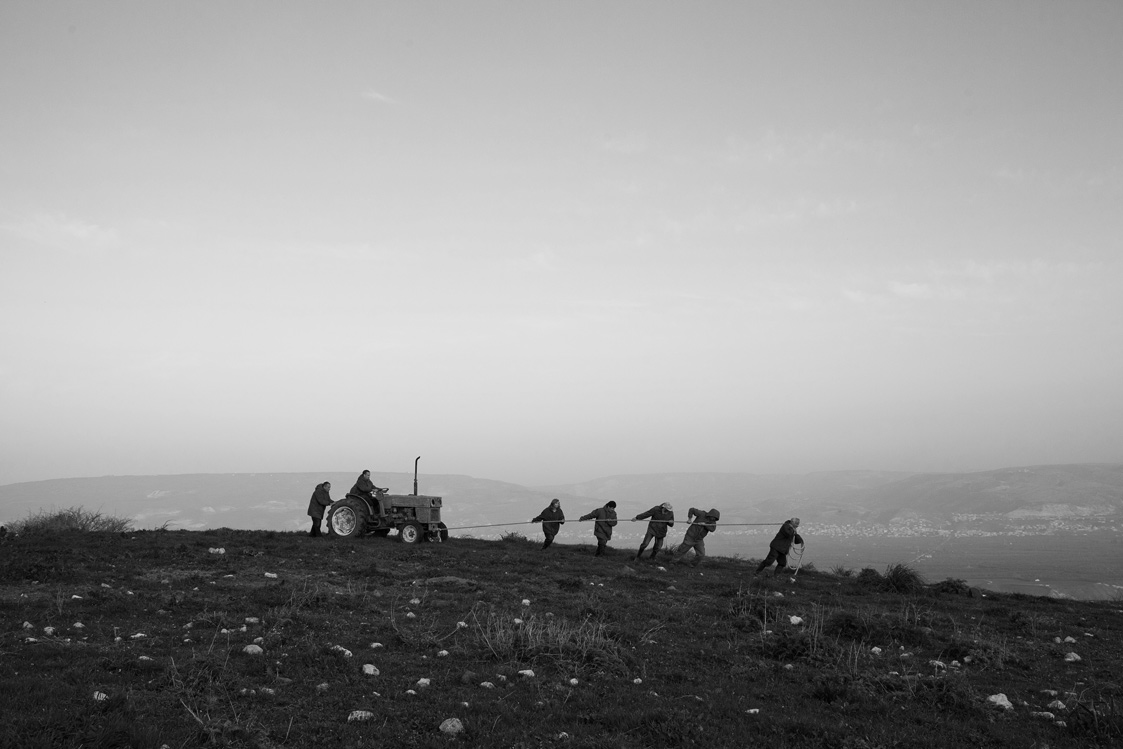
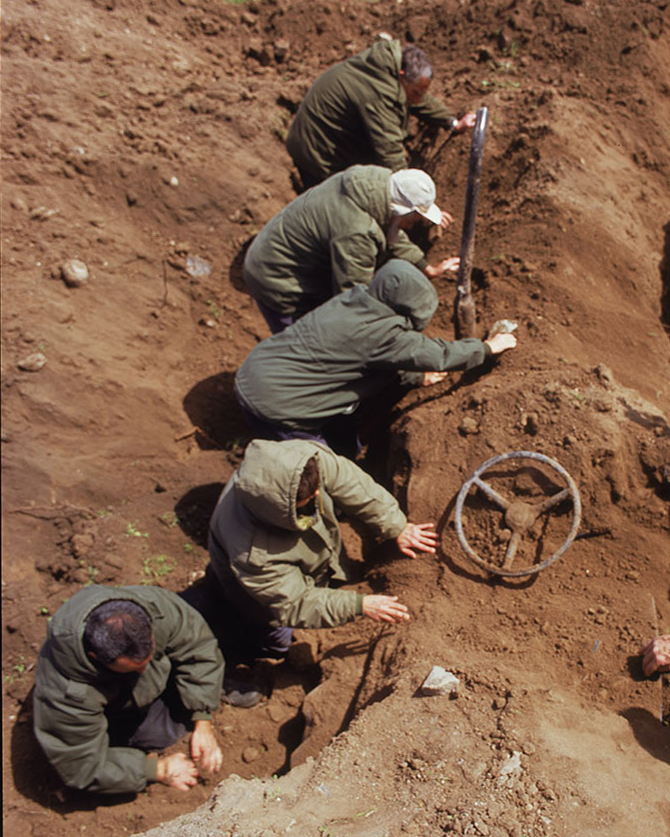
הירש בניגוד לברתנא ולביא ( או סרטי פרסומת כמו של הבמאי יריב גבר ל 2007 למים מינראליים (חפשו “מי עדן השיירה” מ 2007 ) אינו משרטט עולם של אנשים צעירים,יפים ,חסונים צודקים ומשוללי ספקות. הירש מצלם בסרטים קודמים, וגם כאן, קבוצת מבוגרים שפניהם מסותתים, סחופי רוח. הוא מצלם אותם בסגנון המזכיר את הצילום של הלמר לרסקי ,את הסרטים הסובייטים תיעודיים או מגויסים כמו אלו של סרגיי איזנשטיין או וסולד פודובקין ומתכתב מבחינת הדימוי המרכזי עם “אדמה” (1930) של הבמאי האוקראיני אלכסנדר דובז’נקו (Dovzhenko). ב”אדמה” הטרקטור שמובא לכפר הוא סוכן המודרניזם והקומוניזם שנועד לשכנע ביתרונות הקדמה והפיכה לקולקטיב (קולחוז) על פני מערך איכרים עצמאיים . הירש הופך אותו לסמל מיתולוגי , מנותק מכוחו כגורר מכשור לזריעה, קציר, עיבוד קרקע . הטרקטור הגדול, הכבד והחזק הופך לסמל חלול של מודרניות ומיכון העבודה החקלאית .

Oded Hirsch-The Tractor (2014) still from the making of

Oded Hirsch-The Tractor (2014)
still from the making of

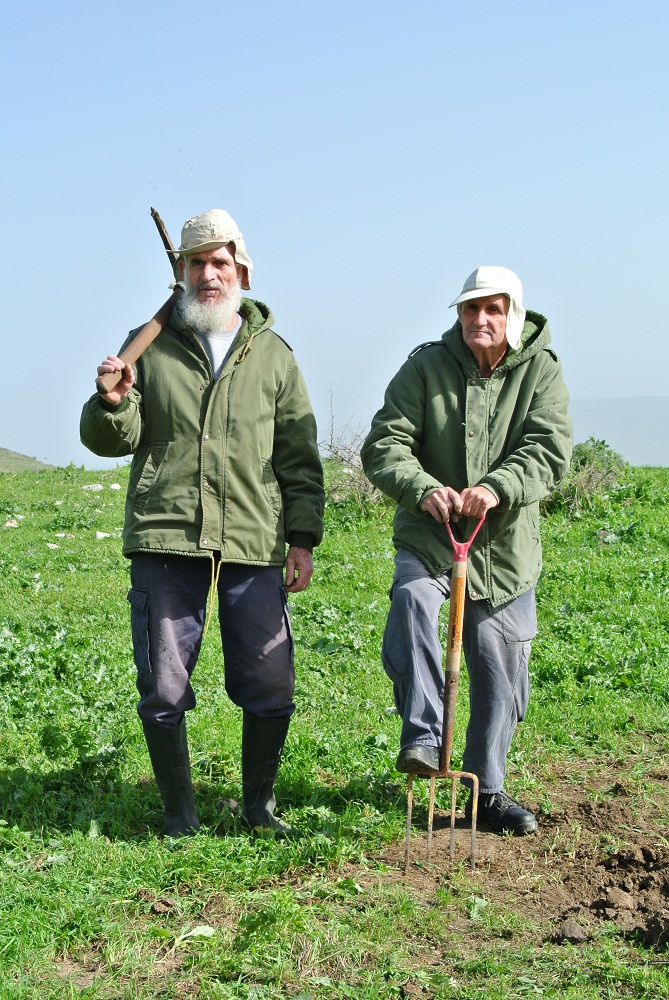
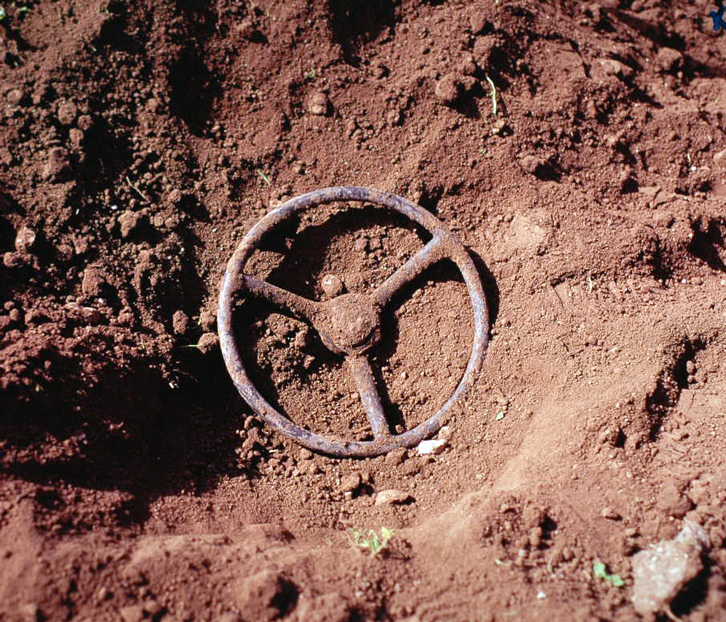
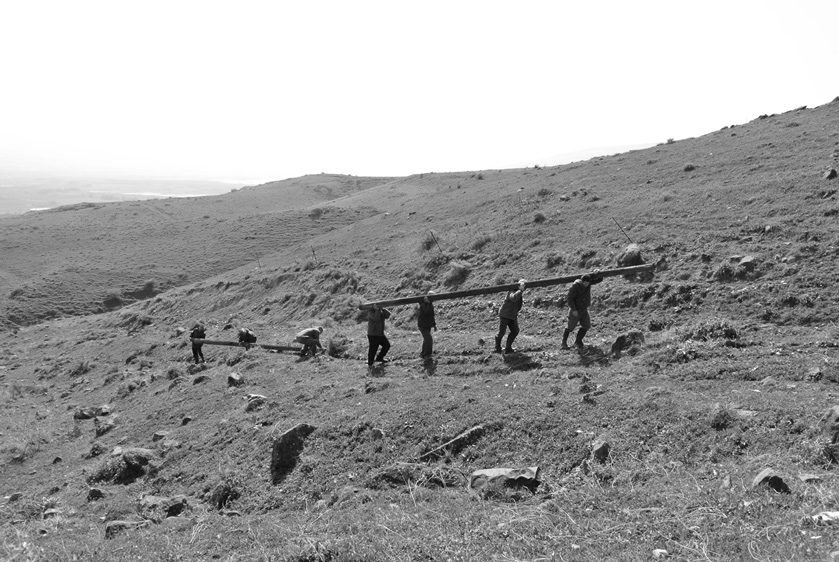
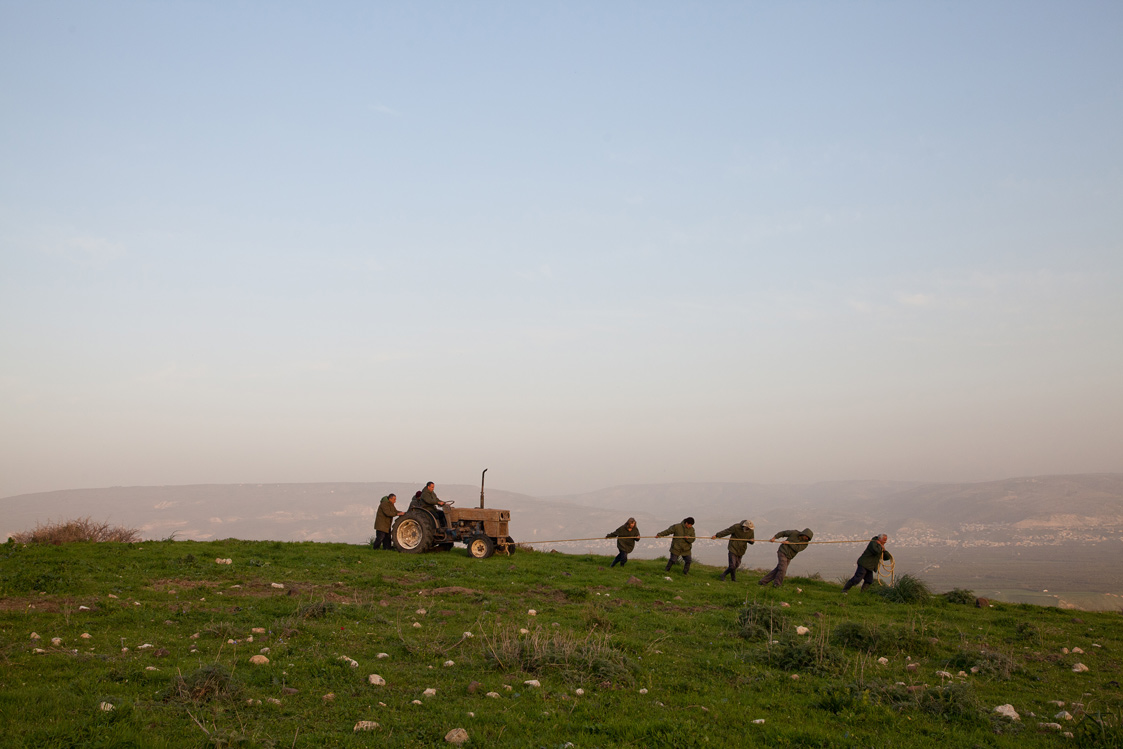
עלילת הסרט מצומצמת כרישום: באתר הררי קבוצת קשישים חופרת בקרקע, כבחפירה ארכאולוגית, וחושפת טרקטור שהיא מעלה  לקרקע וגוררת, בעזרת חבל לעבר הבלתי נודע , מחוץ לפריים הסרט. הסרט מוקרן בלופ והתחושה של אובדן הולכת ומחריפה כל ששוהים בחלל .
פעולת הגרירה- משיכה בחבל חזרה כבר בכמה מסרטיו של הירש כך ב “50 כחול” ,וכך גם הסיטואציה בה עמל אנושי מניע את מה שאמור להיות מכני Tochka” ” . משיכת החבל, עבודה קבוצתית בסיסית שתיאורים שלה יש כבר ממצרים העתיקה, בתיאורי עבדים , מסמנת את מה שמתואר כנסיגה למשאב כוח האנושי במובן הפיזי הבסיסי.

Oded Hirsch-The Tractor (2014) still from the making of

Oded Hirsch-The Tractor (2014)
still from the making of

הירש עוסק בחוסר התוחלת וחוסר הרציונאליות האנושית באופן שונה מהותית מהדטרמיניזם של ברתנא . גישתו מעלה על הדעת את המבט של פרנסיס אליס Francis Alÿs הבלגי – מקסיקאי בעבודות כמו When faith moves mountains 2002 בו חמש מאות מתנדבים הזיזו דיונת חול בכמה סנטימטרים.

Francis Alÿs, When Faith Moves Mountains (2002)

Francis Alÿs, When Faith Moves Mountains (2002)

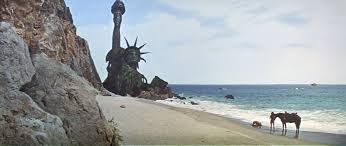
התחושה של אחרי האפוקליפסה ב The Tractor , אחרי שסימני המודרניזם נקברו והפכו לעוד שכבה ארכאולוגית יוצרים זיקה לסרטי מדע בדיוני, התחום שעסק , בדומה לאמנות דתית על היבטיה השונים, בתיאור של העולם שאחרי יום הדין. הטרקטור של הירש הוא פסל החרות הקבור ב Planet of the Apes 1968 או הקפוא ב The Day After Tomorrow (2004), הוא האיקונה של שינוי של קידמה שליטה וכוח .

planet of the apes (1968)

planet of the apes (1968)

הטרקטור מייצג סדר עולם שחלף.החושפים והמעלים אותו לפני השטח, אלו המוציאים את הטרקטור מקברו בניסיון החייאה כושל, כאילו מאמינם שהאיקונה הטרקטור יכול להניע התרחשות שמימית, לשנות גורלות .
טון העבודה של הירש,למרות הדיוקנאות הדרמטיים של המשתתפים והצילום בשחור לבן נותר כמעט יבש ובכך כוחו. הצילום במה שנראה כארץ גזרה מנכיח את התחושה שהעולם החדש של המודרניזם, של הטרקטור, נחרב עד היסוד, האתמול נראה הכול ותקוות השגב האנושי נגוזה*.

*פראפרזה חופשית על השורות הסוגרות את האינטרנציונל

Oded Hirsch/The Tractor (2014) Single channel video, 13:05 min.

Oded Hirsch/The Tractor (2014)
Single channel video, 13:05 min.

התערוכה החקלאית חקלאות מקומית באמנות עכשווית. אוצרת: טלי תמיר
מוזיאון פתח תקווה לאמנות קריית המוזיאונים,בית יד לבנים, רחוב ארלוזורוב 30, פתח תקווה

הרשמה לניוזלטר הפירסומי השבועי של “החלון” בנושאי אמנות, אירועים ותערוכות חדשות – www.smadarsheffi.com/?p=925 (הרישום נפרד מהרישום לבלוג )
הערות/הארות אנא כיתבו ל thewindowartsite@gmail.com

Oded Hirsch/ The Tractor (2014)

Agro-Art: Contemporary Agriculture in Israeli Art at the Petach Tikva Museum of Art is an important exhibition. Not every good exhibition is necessarily an important one, which I define as a juncture between high quality art and broad intellectual issues. Although the current exhibition is defined as a discussion the contemporary Zionist-Israeli agricultural ethos – a sufficiently complex theme – it goes beyond. Its scope encompasses humanity’s place in the world and the ecological balance, which is upset and impacts our existence.The meta-issue in any discussion concerning Israeli agriculture, which strove to adhere to modernism since its inception, and which has become a tool of politics (which is not to its credit), is the issue of humankind’s subordinating Nature and the way in which such norms filter into human relationships.

Oded Hirsch-The Tractor (2014) still from the making of

Oded Hirsch-The Tractor (2014)
still from the making of

The exhibition deserves a broad discourse, featuring excellent works by Zohar Gottesman, Tomer Sapir and Dov Or-Ner, among others, which stimulate a philosophical journey. Hirsch’s film, The Tractor, Single channel video, 13:05 min is an excellent piece. We can place it alongside of Yael Bartana and Gili Lavy, who both use and analyze the style of mid-20th century propaganda films (on the broad spectrum between Communist, Nazi, American and Israeli-produced cinema). This examination is associated with the aesthetics used in advertising to market products in need of “green-washing,” portraying items as “healthy” or “natural,” from mineral water through yogurt and running shoes. This practice has deep links to the exhibition, since the less agriculture is involved with Nature, the need to make people forget the artificiality of its products increases.

Oded Hirsch-The Tractor (2014) still from the making of

Oded Hirsch-The Tractor (2014)
still from the making of

In contrast to Bartana and Lavy (and advertising clips, such Mey Eden’s “The Caravan” (2007) television commercial by Yariv Gever) Hirsch does not depict a world of handsome young people, strong and righteous, without doubts. Here as well as in his previous films, Hirsch’s protagonists are elderly, people whose faces are chiseled by the wind. He films them in a style reminiscent of Helmar Lerski, Soviet documentaries and propaganda films, such as by Eisenstein or Pudovkin. Its main image corresponds with Earth (1930) by Ukrainian director Aleksander Dovzhenko. In Earth, the tractor is brought to the village as the agent of modernism and Communism to convince the peasants of the advantages of progress, urging them to become a kolkhoz instead of remaining independent farmers. Hirsch’s tractor is a mythological symbol, severed from its function of pulling a seeder, harvester or cultivator. The large, heavy tractor becomes a hollow symbol of modernism and the mechanization of agricultural work.

Oded Hirsch-The Tractor (2014) still from the making of

Oded Hirsch-The Tractor (2014)
still from the making of

The plot of the film is as concise as a drawing: on a hilly site, a group of elderly are digging in the earth, like an archaeological excavation, to reveal a tractor which they resurrect, pulling it upwards with a rope towards the unknown, outside the frame. The film is screened as a loop, producing a feeling of increasing loss which becomes more acute the longer the viewer remains in the space. The act of pulling a rope reoccurs in earlier films by Hirsch, such as 50 Blue and Tochka, in which human physical power takes the place of mechanized power. Depictions of the basic group labor of pulling on a rope have been preserved from ancient Egypt, with pictures of slaves signifying that what is portrayed here is a regression to the basic physical meaning of human resources.
Hirsch engages in humanity uselessness and irrationality in a way which is fundamentally different from Bartana’s determinism. His approach brings to mind Francis Alÿs’s viewpoint in works such as When Faith Moves Mountains (2002) in which 500 volunteers moved a sand dune several centimeters.

Francis Alÿs, When Faith Moves Mountains (2002)

Francis Alÿs, When Faith Moves Mountains (2002)

The feeling that The Tractor is post-apocalyptic, after modernism has been buried and became an archaeological layer, refers to end-of-days science films. Hirsch’s tractor is the Statue of Liberty buried in the earth in Planet of the Apes (1968) or frozen by the freak weather in The Day After Tomorrow (2004). It is an icon of change and progress, control and power. The tractor represents a world order which has passed out of the world. Those who reveal the tractor and raise it to the surface, delivering it from its grave, are engaging in a failed attempt to resuscitate it, as if the icon of the tractor could motivate a Higher Power to act, to change fates.
The tone of Hirsch’s work, despite the dramatic portraits of the participants and the black and white photography, is almost dry – but therein lies its strength. Filming in a wasteland creates the feeling that the brave new world of modernism – the world of the tractor – has been destroyed. The future is not a return to innocence, but a bleak prospect. The “struggle of tomorrow,” the hope of the human race, has been put aside for the time being.

Oded Hirsch-The Tractor (2014) still from the making of

Oded Hirsch-The Tractor (2014)
still from the making of

Agro-Art: Contemporary Agriculture in Israeli Art.Curator: Tali Tamir
Petach Tikva Museum of Art, 30 Arlosoroff, Petach Tikva
Opening hours: M, W, F, Sat, 10-14; Tu, Th 16-20

Join the mailing list for Window’s weekly informational advertising newsletter: www.smadarsheffi.com/?p=925

Comments – please write to thewindowartsite@gmail.com
Posted in וידיאו | Comments Off on The Tractor – Oded Hirsch.Agro-Art: Contemporary Agriculture in Israeli|טרקטור – עודד הירש – התערוכה החקלאית

סמדר שפי, החלון, אומנות ישראלית, אמנות ישראלית, Smadar Sheffi, The Window, Israeli Art