גדרות, חומות וקירות הפרדה חוזרים שוב ושוב בנוף ובשיח הישראלי. התפתחה סביבם שפה שלמה של מושגים המתחדשים חדשות לבקרים: כתר, גדר אינדוקטיבית וסגר נושם הם רק אחדים מהם.כל אלה הם שמות למה שנועד לצמצם חיכוך, למנוע התלקחות ותבערת אלימות.
הסיפור “מאחורי הגדר” פורסם על ידי ח”נ ביאליק ב 1909,זמן קצר לפני ביקורו הראשון בארץ ישראל. הקריאה בו מרתקת ושוטפת גם היום.הסיפורמתרחשבפרברכפרי ש”נהפך עתה כולו לישוב גדול של יהודים יושבים צפופים וסוחרים בקנים ובקנקנים של החורשות הקצוצות ובפירות וירקות תלושים.הכלנתיהד שם: הבתים, החצרות, הגדרות העקומות של החצרות….“
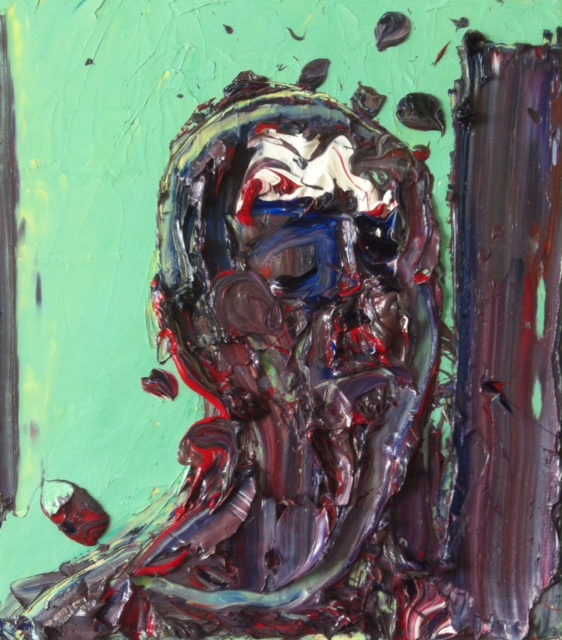
Haimi Fenichel (Detail) צילום: דין אהרוני
זהו סיפור כישלונן של גדרות פיזיות וניצחונן של הגדרות הגבוהות יותר: גדרות הדת, התרבות,האתניות.גיבורו נֹח מנהל רומן אסור עם מארינקאנערה החיה אצל שקוּריפינשטשיכא, גויות שביתן גובל בבית הוריו:”מחיצות חצרה במצור של בִּניָנים מכל צד, הקיפו עליהן רפתים, אשפתות, תִלי זבלים, נדבכי אבנים; לסוף התחילו מזחילין לתוך חצרה את המים הרעים, סִקלו מרשותם לרשותה, פרצו גדרותיה לקיסמין ולהסקה, “מעשים אשר לא יֵעָשו” עשו עמה”.
נח ומארינקא, מתגברים על הגדר,נפגשים, מממשים את אהבתם,אך בסופו של הסיפור הגדרות הרעיוניותבעינן עומדות. “אין אתם יודעים את נפש האדם מפרבר העצים. בשבת חנוכה נשא נֹח בתולה כשרה בת מוכסן אחד, על-ידי שדכן וּבחוּפה וקידושין, כדת משה וישׂראל. לחג השבועות בא עם אשתו החדשה לבית הוריו בפרבר העצים והשמחה היתה מרובה. וּלאחר סעודת החלב, כשנתיחדו בני הזוג הצעירים על קורה מוטלת מאחורי הבית – עמדה באותה שעה מארינקא והתינוק בזרועה מאחורי הגדר והציצה דרך סדק”.
גדרות והפרדות, מופיעות בעבודות של רוני (ליז) חג’ג’, יאן טיכי, טלי נבון, אבי סבח, חיימי פניכל ומיקי קרצמן ומאתגרות את המתבוננים. בתערוכה מוצגות עבודות שנעשו בשנים האחרונות כמו “הלוך וחזור” (2012) – ציורושל אבי סבח המזכיר סימוני דרך בכבישים, עבודת וידיאו “רחלי” של טלי נבון, ולצדן עבודות חדשות שטרם הוצגו. לקראת התערוכה קראו האמנים את סיפורו של ביאליק ששימש קטליזטור ליצירה וחידוד התייחסות לרגישויות מסוימות.התערוכה היא מפגש בין עבודות האמנים, הבית ו“מאחורי הגדר”של ביאליק, מעגל התבוננות שנוצר בין כתלי הבית שבסיסו הרעיוני הסרת גדרות תרבותיות הן בתוך הציבור היהודי והן בין עמים.
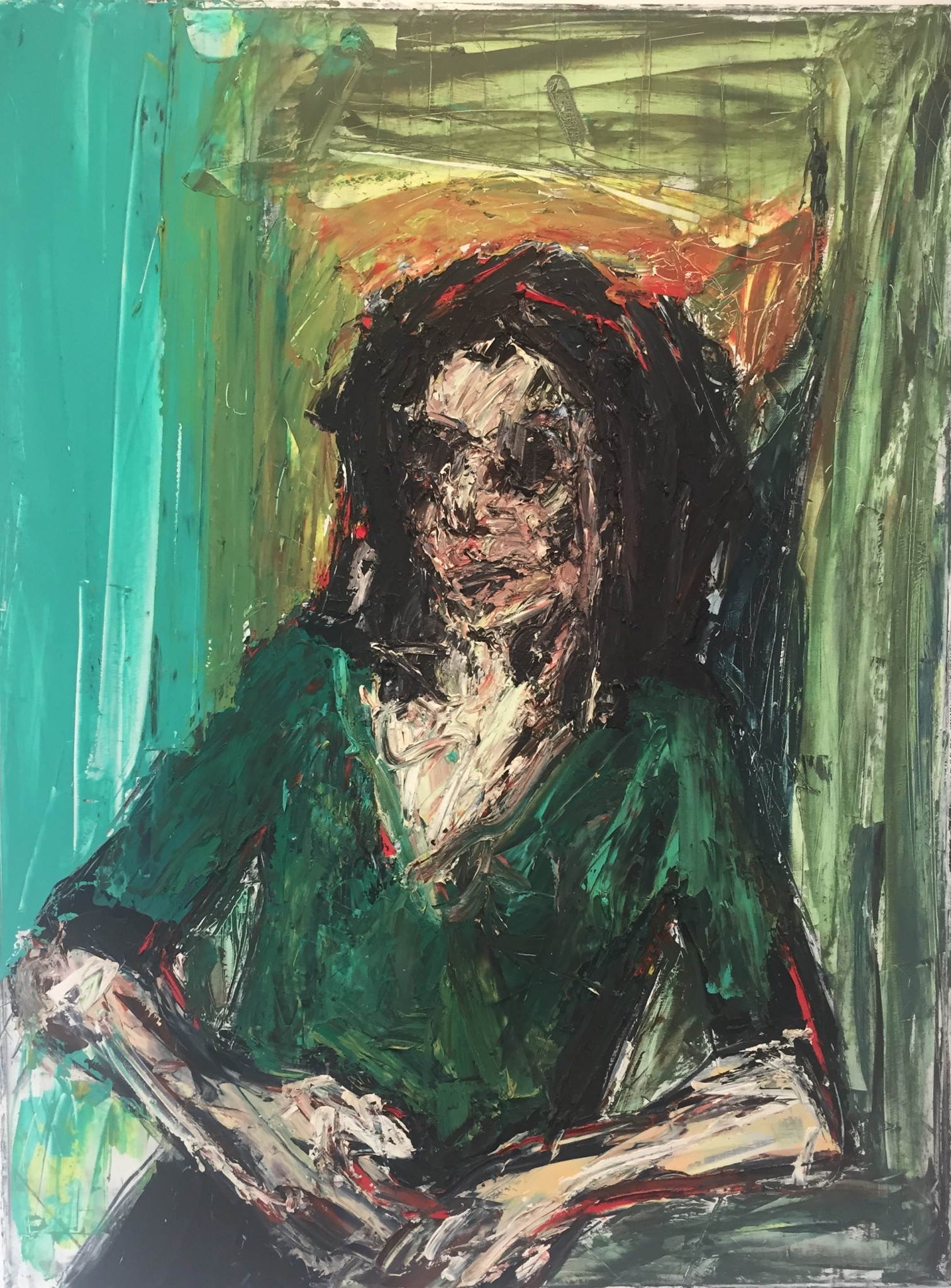
Roni (Liz) Hagag
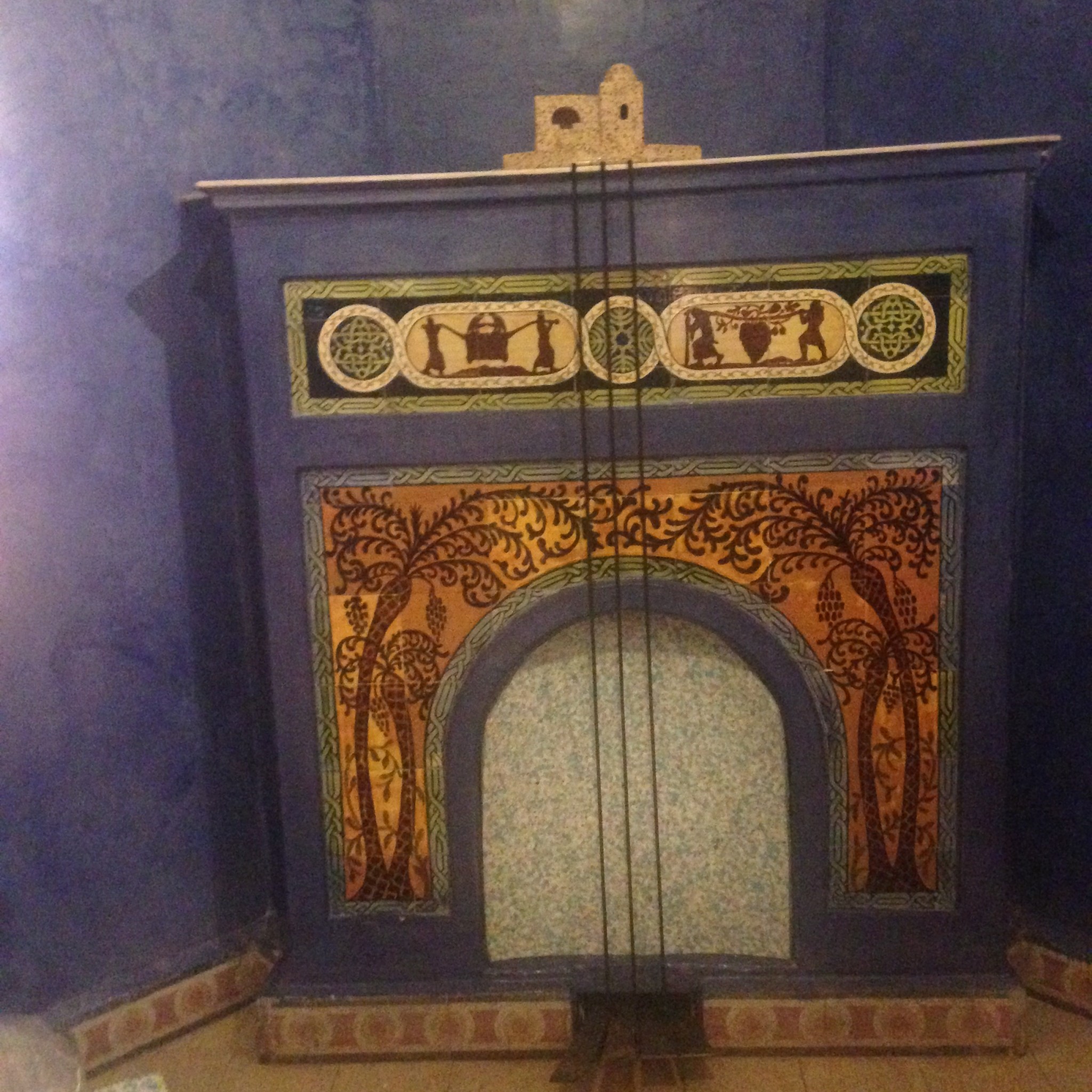
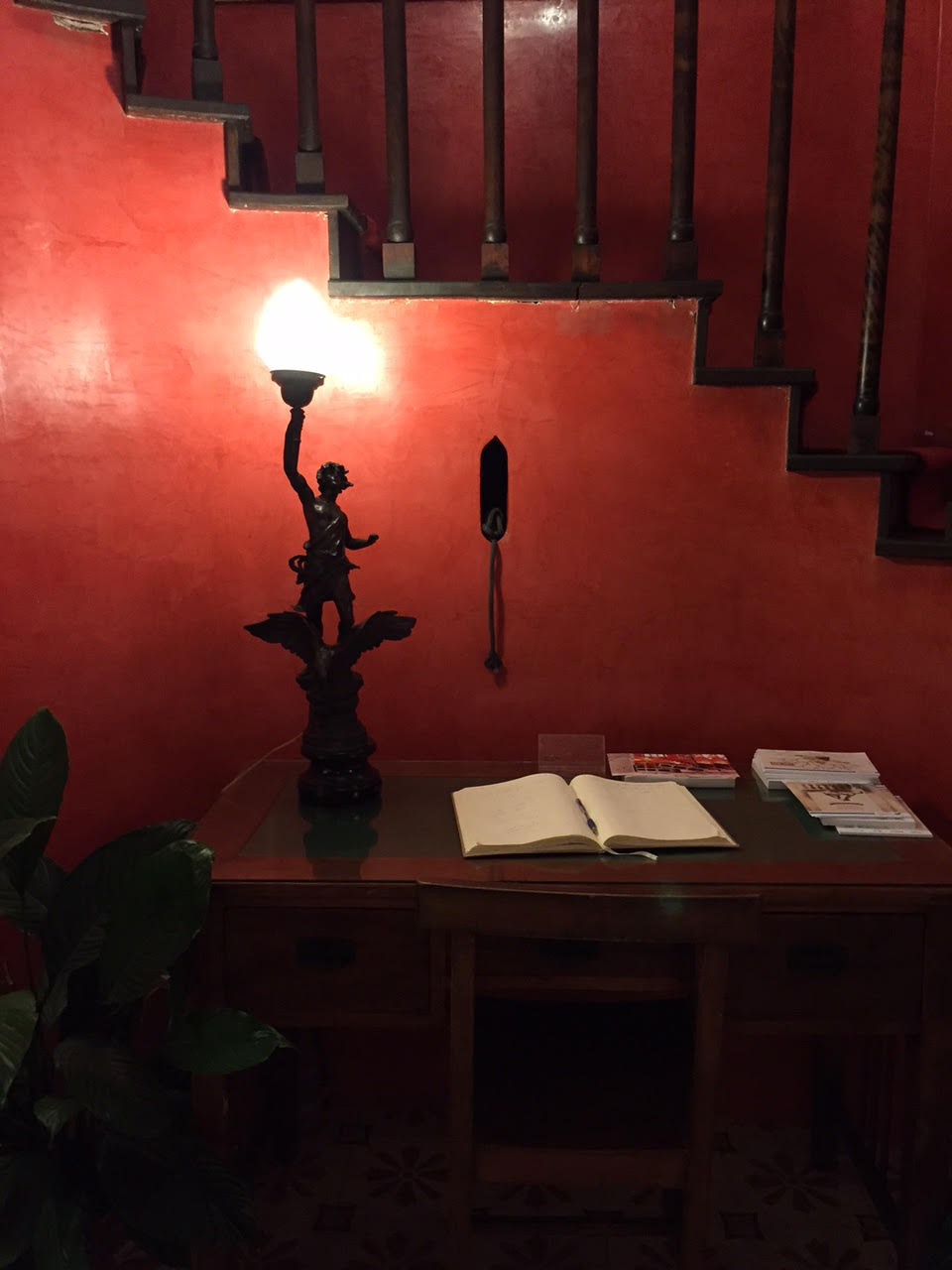
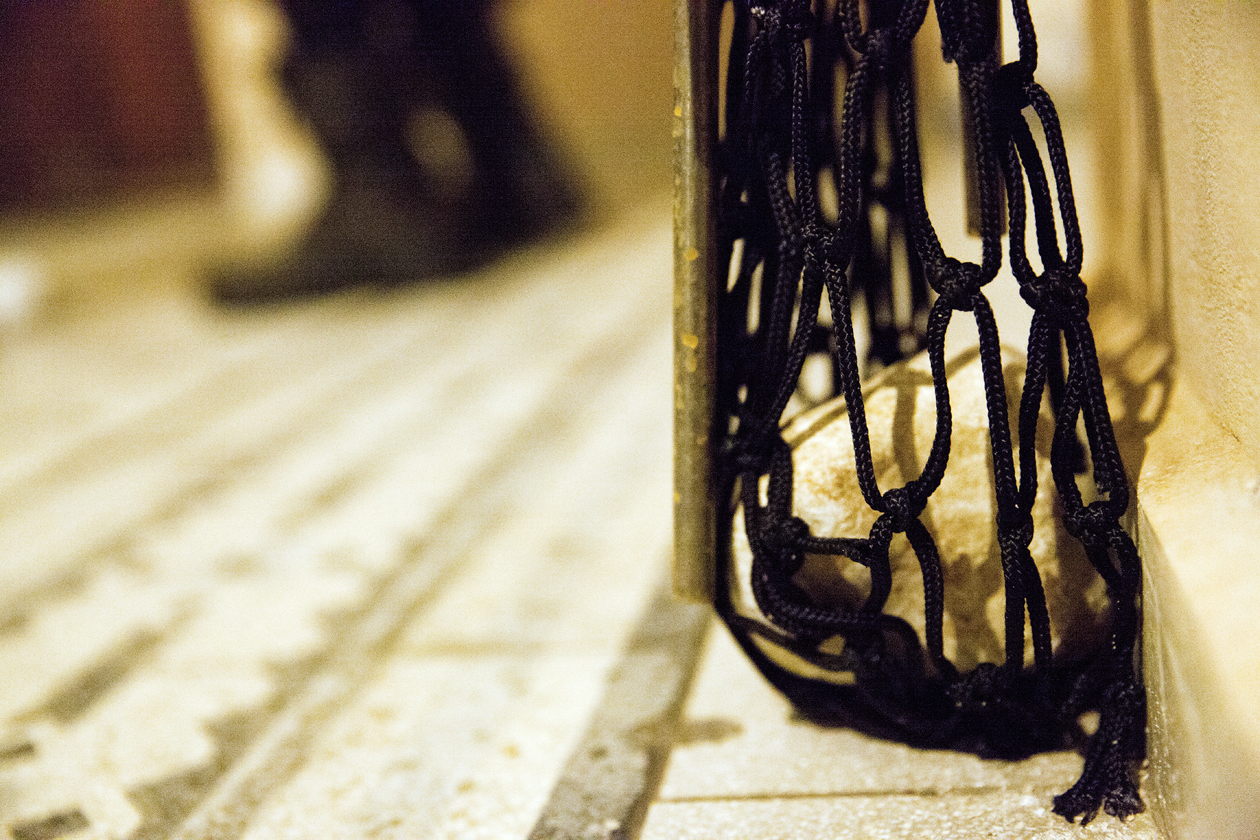
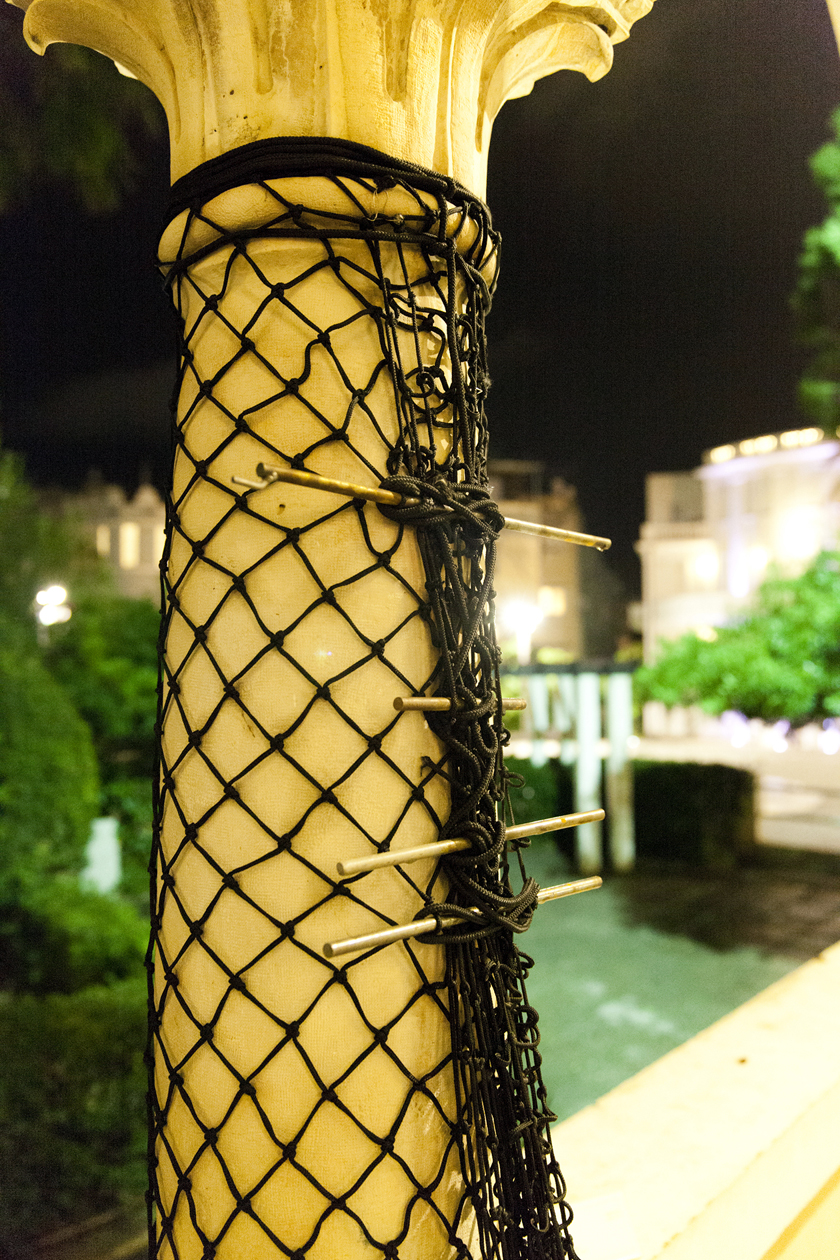
האמנות של רוני (ליז) חג’ג’מקולפת ללא עור וללא הגנות. במרפסת בית ביאליק הפונה לגן היא מציגה עבודה מרשתות ומתכת העוטפתאת אחד מעמודי הבית, עקרה. כניסיון כליאה חסר תוחלת, דגם רשת שהוא כהפגנת כוח . הרשת תופסת מתכתבות עם אמנות מינימליסטית, בעיקר אמריקאית (דונאלדג’אד או סול לויט) של המחצית השנייה של המאה הקודמתאך גם עם אמנים עכשווים כמו ארנסטו נטו . את האח העשוי אריחי בצלאל היא חסמה במזרון גומאוויר שמרקמו מהדהד את פסלון הטרצו העומד עליו ,כנראה קבר רחל, והיא כורכת את הפסל והאח החסום בחבל והופכת אותו לספק כלי מוסיקלי ספק תיבת תהודה לזיכרונות של שינוי נוף ממרחבים פתוחים למתחמים סגורים, ושוב קבר רחל הוא דוגמא בולטת.”סימניה”, עבודה קטנה ופואטית בה חוט משתלשל מחריך בקיר אדום מדברת על סימוני גבול והימלטות, על חבלי הצלה וכבלים , על מה שנכלא ומתפרץ.
Roni (Liz) Hagag,
“Mark”
Jan Tichy ,domes, (detail)
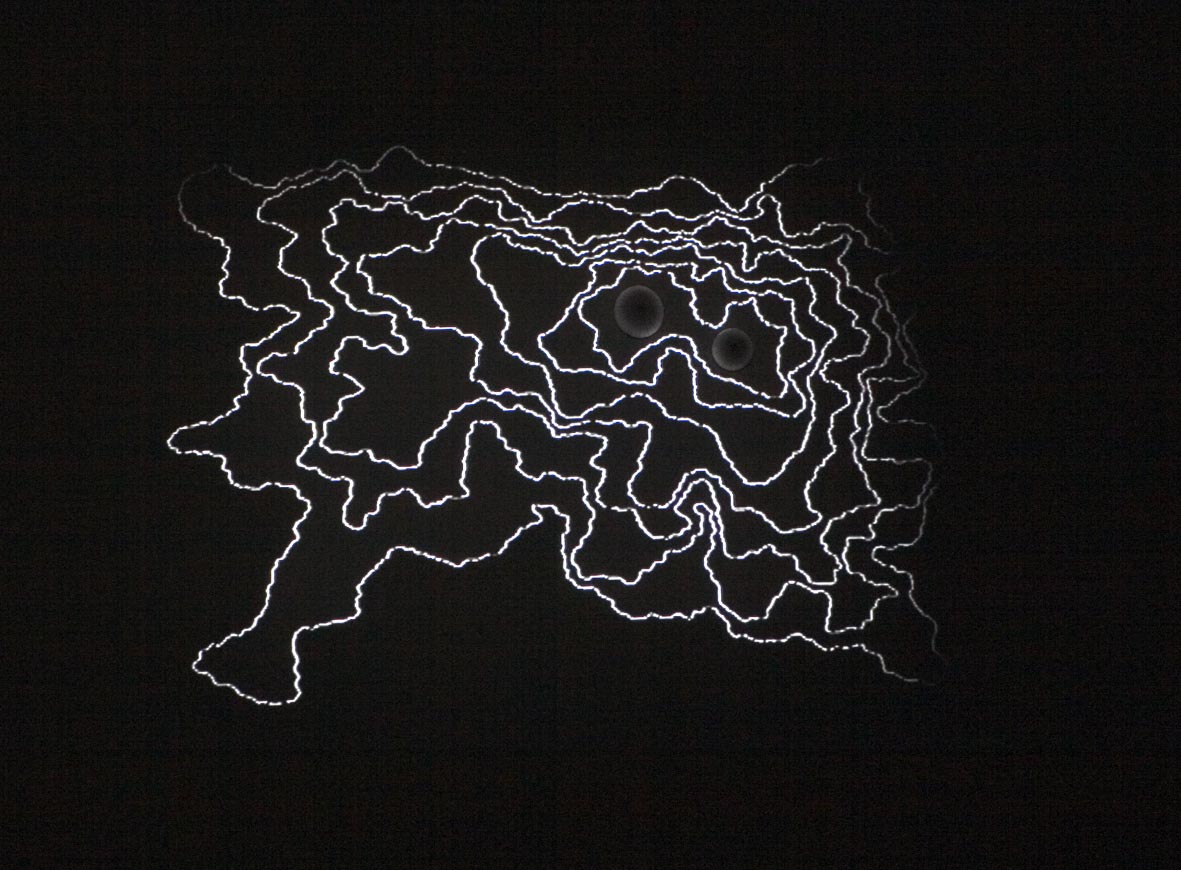
“כיפות – Domes” , מיצב וידאו, של יאן טיכי הוא חלל בומשעולי גדרות ומבני כיפות מובלטים על ידי תאורה ונוצרת תחושה שדבר מה אורב בחושך. האסוציאציה לכורים גרעיניים, למאזן האימה שהוא גדר בלתי נראית אך קונקרטית ברור להפליא. העבודה ממשיכה עיסוק של טיכי בגדרות שהחל כבר ב 2006 בעבודה שהתייחסה לשדה התעופה ע”ש יאסר ערפאת בדהנייה, שדה שהיה אמור להיות שער בינלאומי לעזה ונהרס בראשית שנות האלפיים, כשלוש שנים אחרי שנחנך.
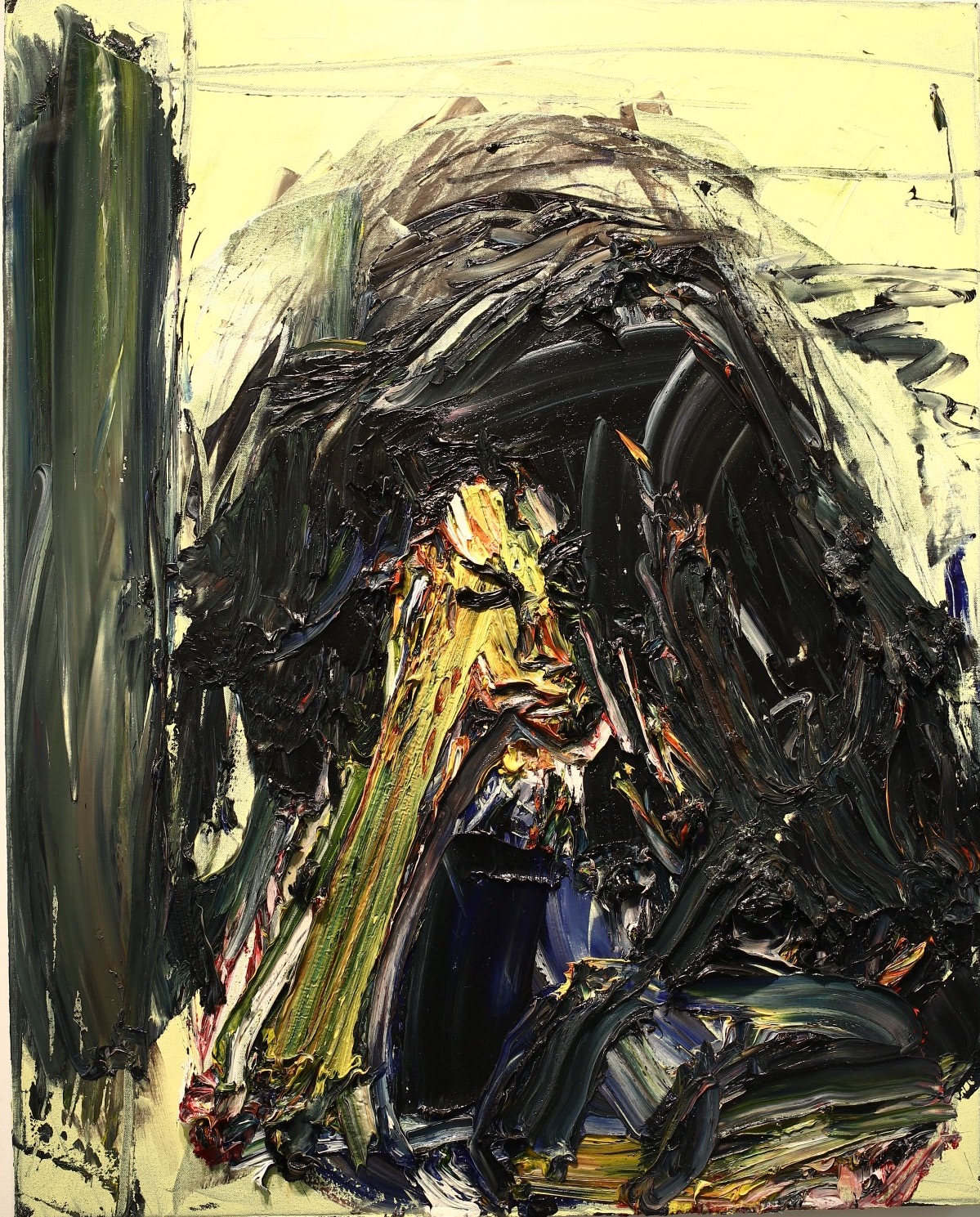
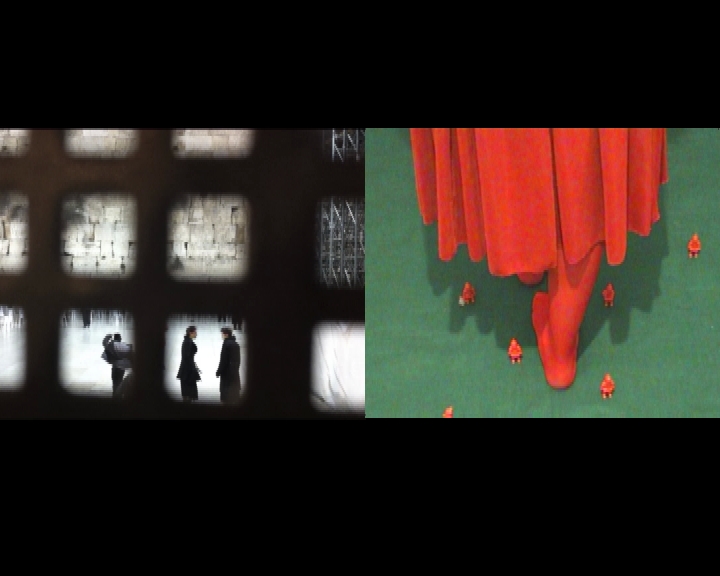
דמויות נערות מבעד לרשתות וסורגים, ודמות נערה מרקדת לבדה הם הדימויים בדיפטיך בוידאו “רחלי” של טלי נבון (2011). שם העבודה ממקד את המחשבה על דמות ספציפית אך זו נשארת בלתי מזוהה, חלקית, מרוחקת וכלואה. רישומים של נבון של ספק גדרות, ספק מקבצי ענפים יבשים, ממוקמים בתוך ארון מגירות ובו טקסטים של ביאליק, כטקסט נוסף. הרישומים מציגים גדר כחסרת תוחלת ותועלת, זיכרון של כשלון.
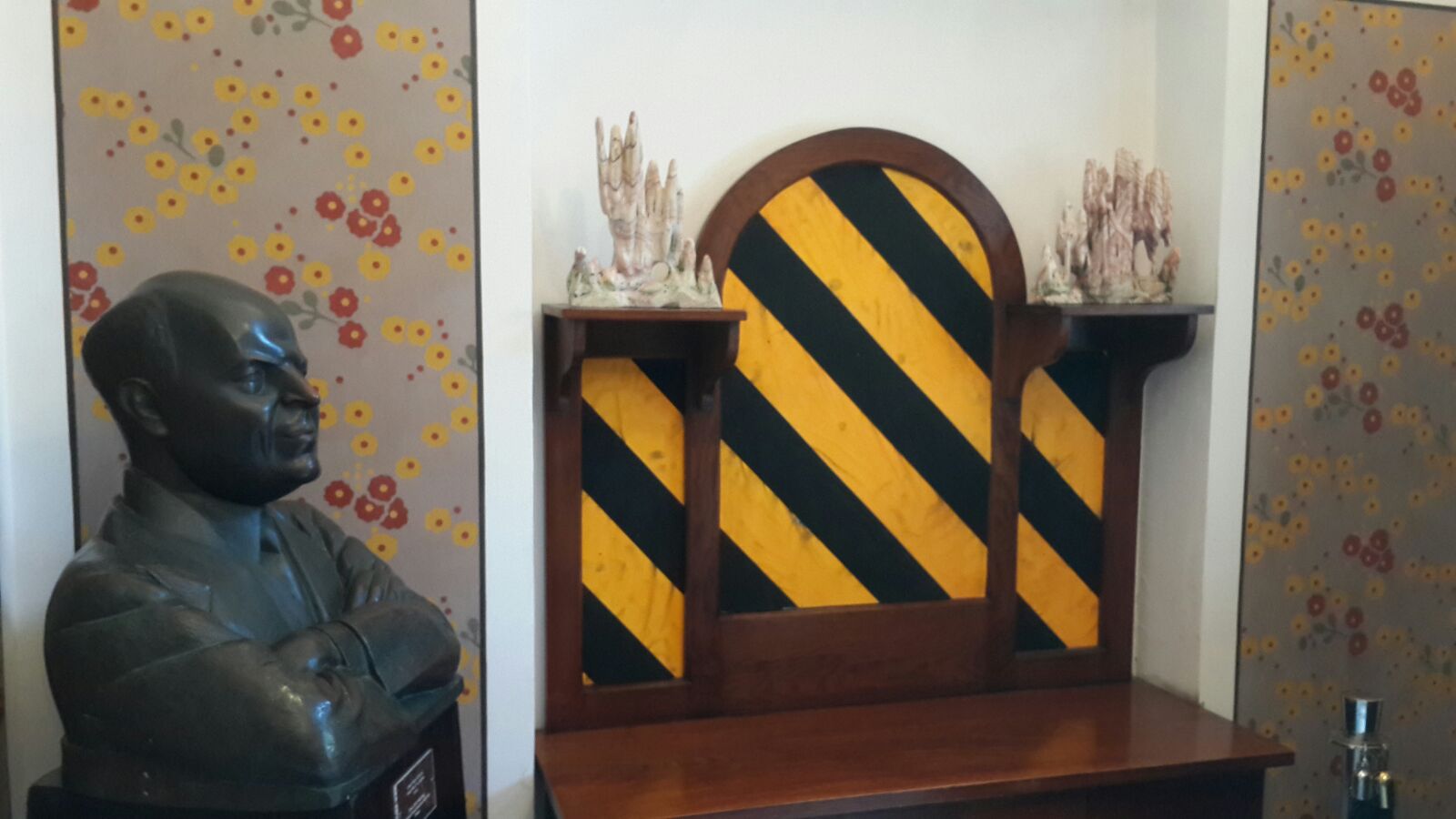
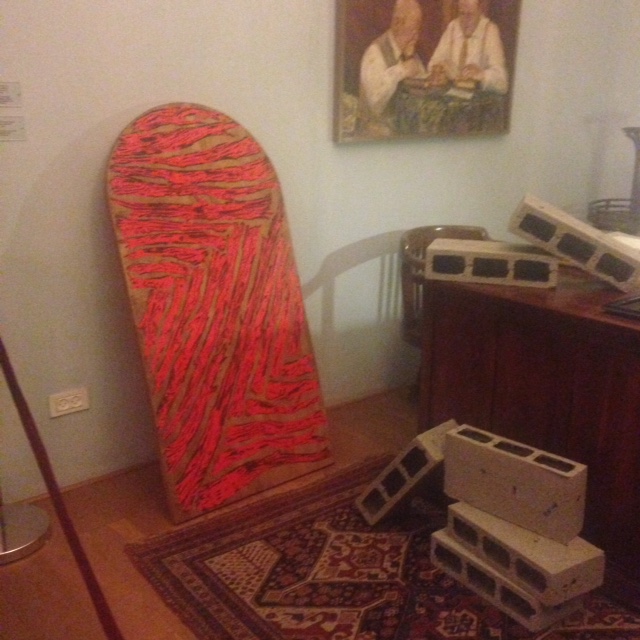
ציור של אבי סבח המזכיר סימוני מעקפים בכבישים, סימוני פיקוח והסדרת תנועה,ניצב בכניסה לבית ביאליק. הציור חוסם חלק מהמראה, כלומר מציע דימוי קבוע במקום השתקפות משתנה ואגב כך מדבר על קיבוע נקודת הראות. העבודה כניסה – נראיתדלת שעליה מצוירים ענפים באדום תבערה יפה, מכילה את סיפור התכלותה שלה: העץ המעובד שיכול לחזור למצב ראשוני ולהתכלות בשרפה.
Avi Sabah
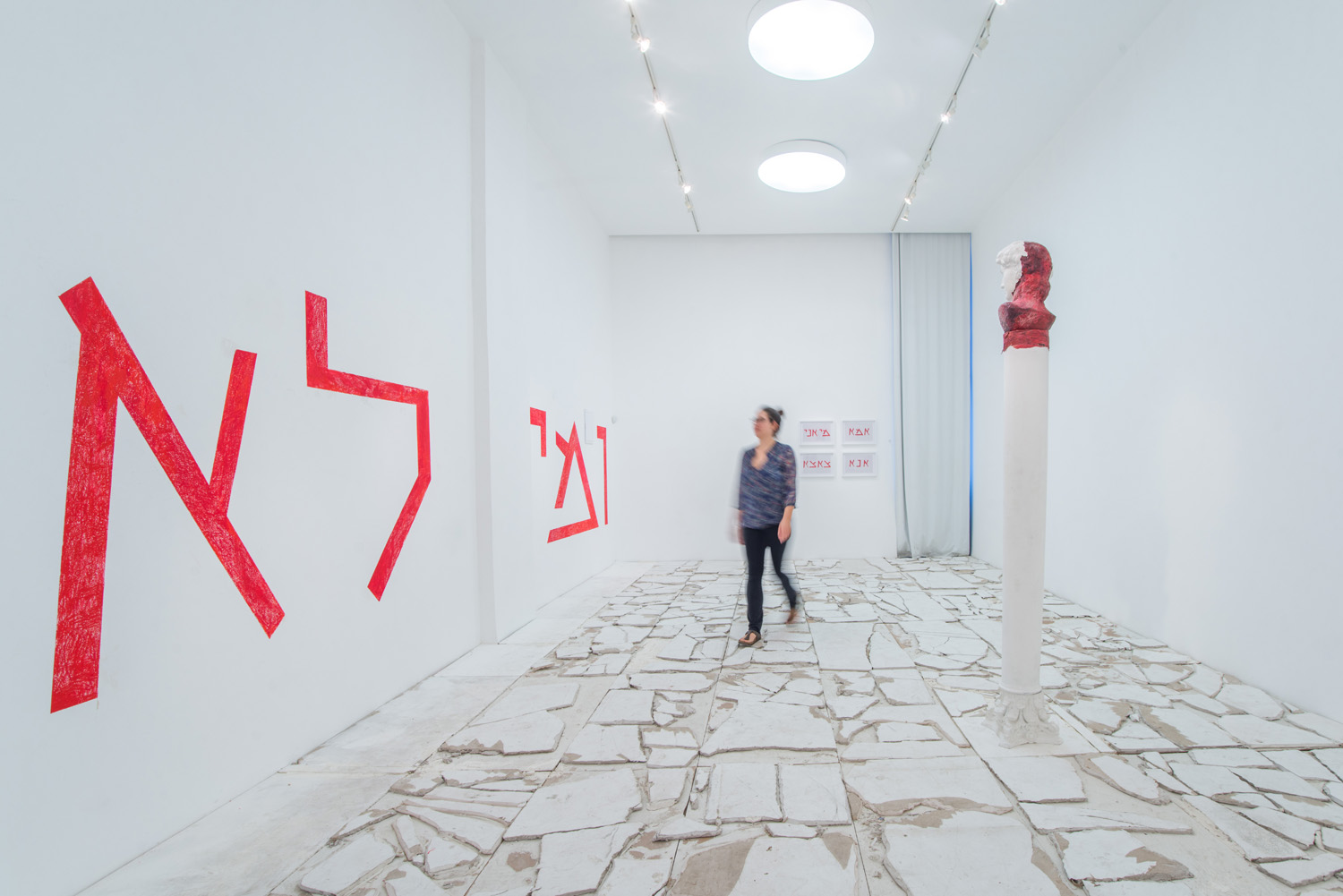
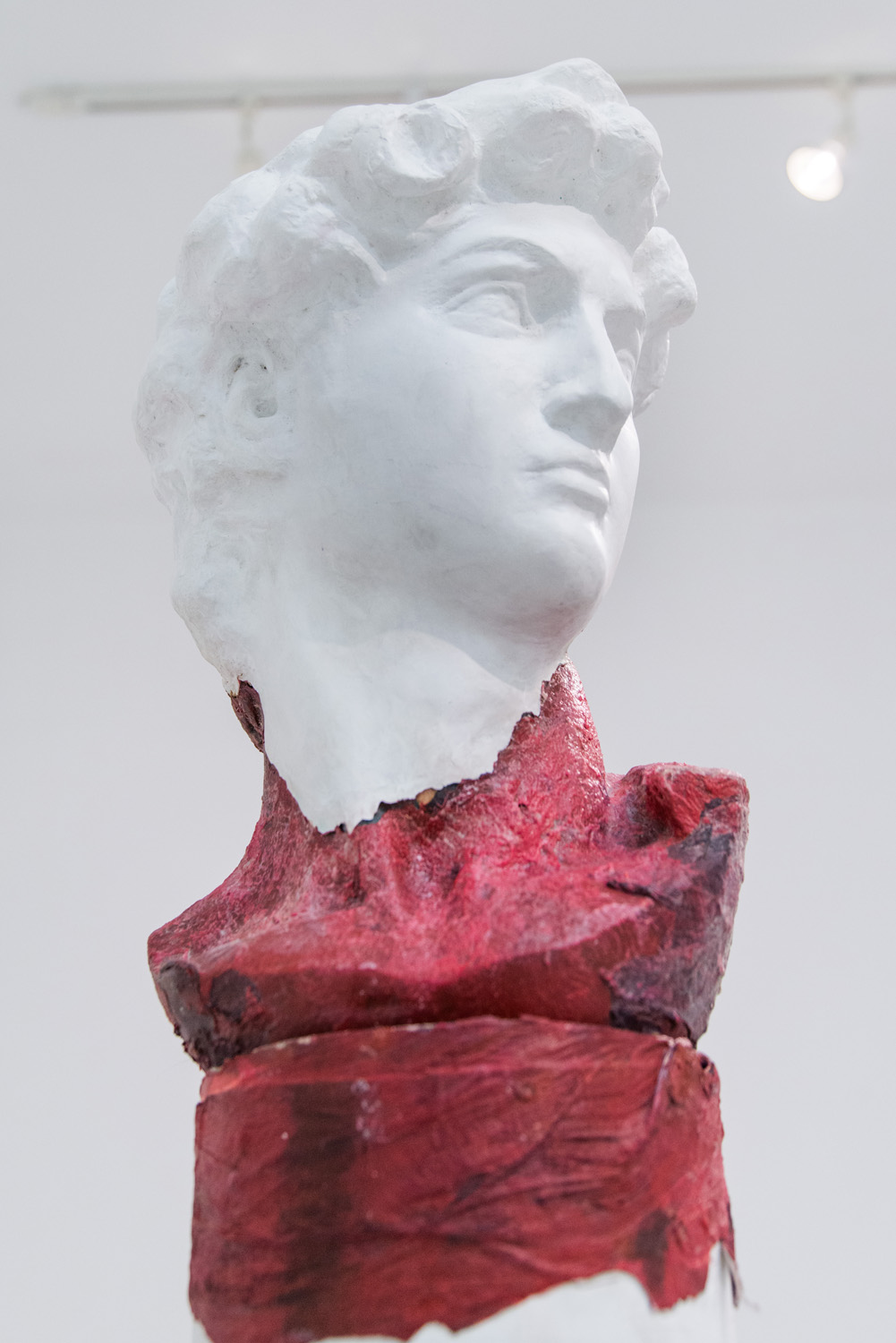
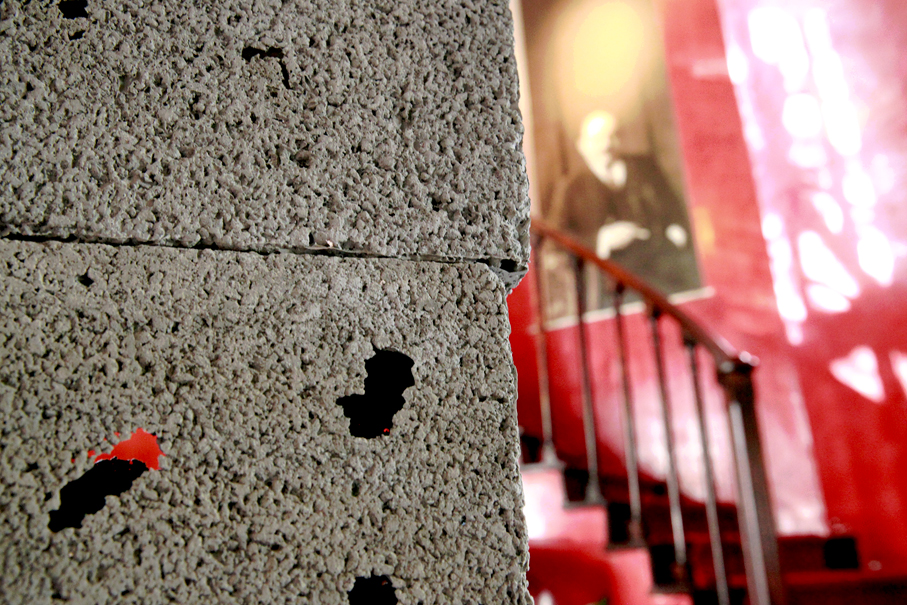
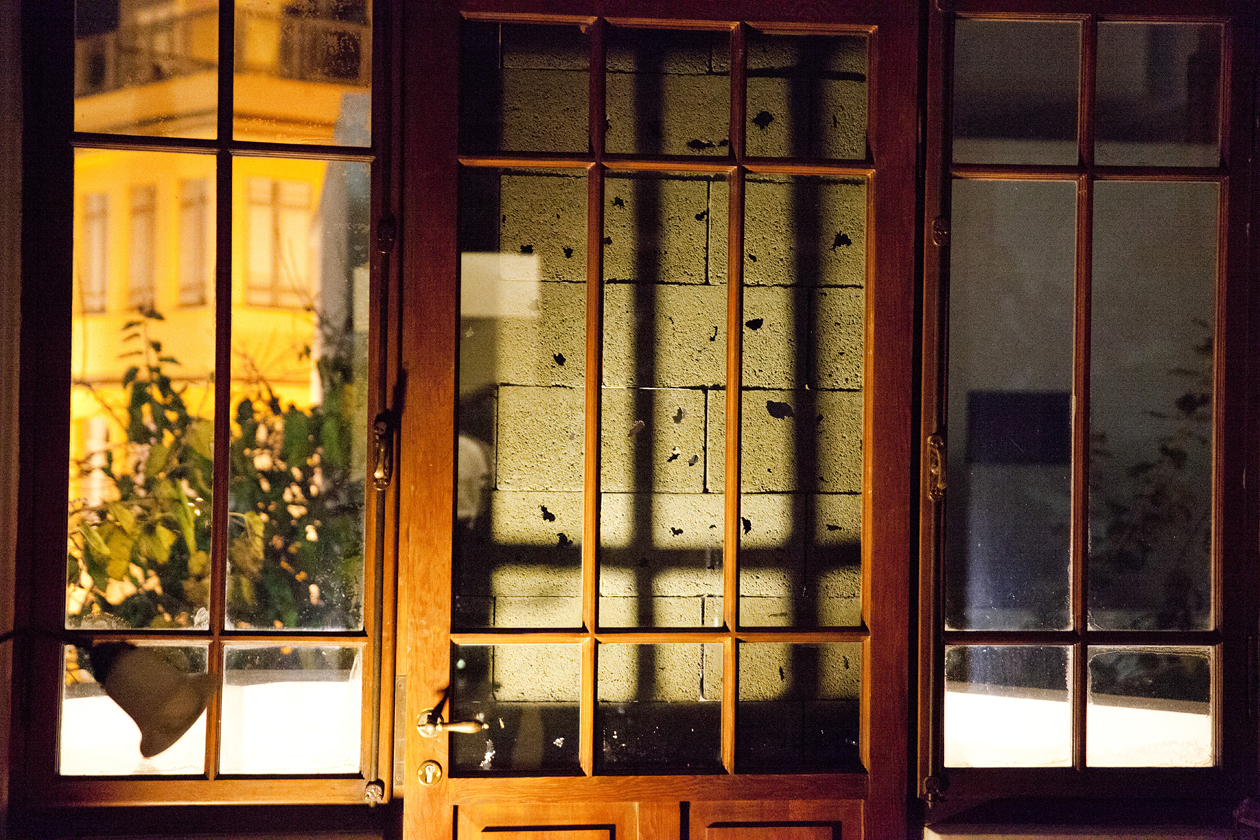
חיימי פניכל חוסם דלת שקופה בבית ביאליק ויוצר מחסום פיזי בפיסול דמוי לבני בטון. מה שנראה במבט ראשון כדבר האמיתי מתגלה עד מהרה כאוביקט שניכר שהוא מעודן, כמעט ללא מסה, חזית של כוחנות, קליפה בלבד. בתוך הלבנים של פניכל סימני משיחות אצבעות ביציקת הבטון האפור, כמו סימני התלבטות מאחורי הנחרצות הראשונית שיש ללבנים. הספק שיש בלבנים של פניכל, בכוח שלהן ובכוחם של מחסומים, מחלחל להכרה ביתר בהירות בשל ההצבה בבית ביאליק הבנוי לתלפיות.
Haimi Fenichel (photo. Din Aharoni)
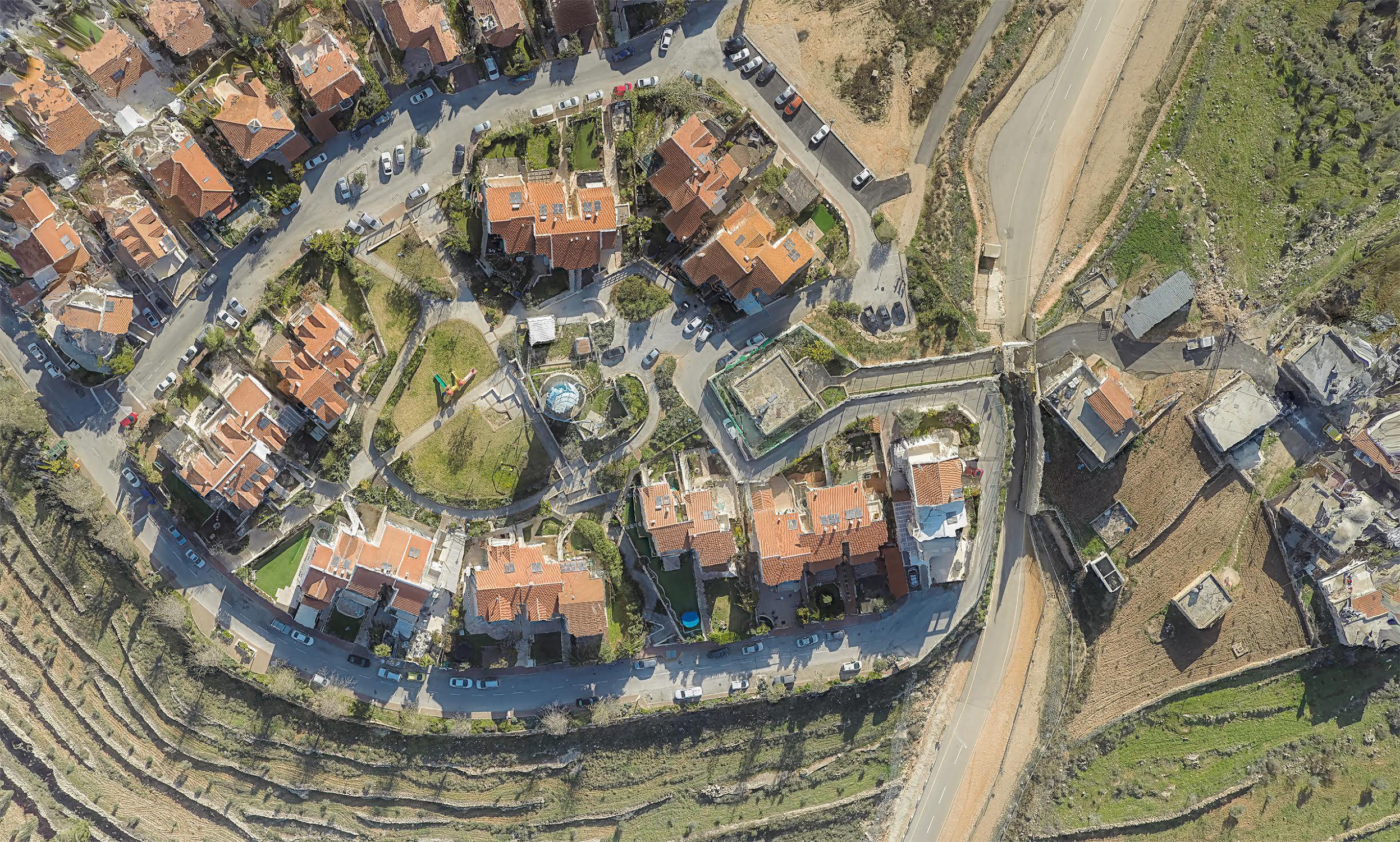
צילום גבעון החדשה של מיקי קרצמן מונח מתחת לזכוכית שולחן האוכל בחדר ההסבה כמו תמונות ומזכרות שרוצים לראות תדיר. הסיפור “מאחורי הגדר” כמו קרם עור וגידים בגבעון החדשה, התנחלות שנבנתה כך שהיא מקיפה בית פלשתיני. פסיקת בג”ץ מ 2006(השופטים אהרון ברק ודורית בייניש) ובה תיאור הסיטואציה כאילו נלקחה מהסיפור על הכאב, המרירות והאבסורד שבו. “ביתו של העותר ימשיך להיות מוקף בגדר הקיימת משלושת עבריו, אך זו תהפוך לגדר אינדיקטיבית (יוצבו עליה חיישנים לאיתור נסיונות חדירה לכיוון גבעון החדשה). בין ביתו של העותר(צברי אגרייב) לבין בית בניו והכפר בית איג’זא יוצב שער בגדר הביטחון. נוסף על כך, תוצב על-ידי המשיבים מצלמה, אשר תאפשר להם לצפות על העוברים בשער, אולם המעבר בשער יהיה חופשי ולא יחייב אישור מטעם רשויות הצבא. לצורך כך, יוענק לעותר מפתח לשער “.
בצילום של קרצמן נראה היטב הבית הפלשתיני מרובע ושטוח גג מוקף גדרות ושביל אחד יוצא ממנו,והוא מונח על השולחן, הצעה לדיון ולמחשבה.
***
גדרות וחומות הן נושא בלתי נדלה, מהחומה הסינית, המבנה הבולט ביותר במבט מהחלל, ועד לחומות הנבנות היום לחסום בפני פליטים את הכניסה לאירופה, מהחומה הבין דתית המתגבהת ועד לחומות הניידות החברתית. התערוכה מציעה מספר זוויות מבט ובהם גם הפניה לעיון מחדש ביצירתו ובמשנתו של ביאליק, שלא יוותרו מאחורי גדר הזמן.
הרשמה לניוזלטר הפירסומי השבועי של “החלון” בנושאי אמנות, אירועים ותערוכות חדשות – www.smadarsheffi.com/?p=925 (הרישום נפרד מהרישום לבלוג )
Behind the Fence
Fences, walls and separation barriers recur in the Israeli landscape and the local discourse. An entire new vocabulary is readily coined, with new concepts such as breathing closure or indicative fence, to name a few. All refer to steps taken to limit friction and prevent violence from igniting.
Miki Kratsman
“Behind the Fence” was published by Chaim Nachman Bialik in 1909, shortly before his first visit to Palestine-Eretz Israel. It remains fascinating reading. The story is set in a village, “entirely transformed into a large community of Jews living in crowded conditions, trading in reeds and containers of harvested grains and plucked fruits and vegetables. Everything in it was ‘Judaized’: the houses, courtyards, crooked fences of the courtyards…”
The story tells of the failure of physical fences and the victory of the invisible fences of religion, culture and ethnicity. Noach, the protagonist, falls in love with Marinka, the orphan brought up by Shkurifinshtschicha, the Gentile woman whose house abutted Noach’s parents’ house. “Her neighbors…besieged her courtyard with construction on every side, surrounding it with cow barns, garbage dumps, heaps of trash, piles of stone… broke down her fences into slats of wood which they took for heating, committing reprehensible acts to her house.”
Noach and Marinka overcome the fence, meet and consummate their love, but the barriers formed by ideas remain intact: “On the Sabbath of Hannuka, Noach married a pious and proper virgin…by a matchmaker and brought under the marriage canopy according to the Law of Moses and the Jewish People. For the Holiday of Shavuot he visited his parents with his new wife, to great joy and celebration After the dairy meal, when the young couple were able to retire on a plank in the back of the house – at that moment, Marinka, holding her infant, stood behind the fence and watched through a crack.”
Tali Navon
Fences and separation walls challenge viewers in artworks by Roni Liz Hagag, Jan Tichy, Tali Navon, Avi Sabah, Haimi Fenchel and Miki Kratsman. The current exhibition features works made recently along with new works exhibited for the first time. The artists read Bialik’s short story, which was a catalyst for their creative work and references to specific sensitivities. The exhibition is an encounter between the artworks, the author’s house – now Beit Bialik Museum – and the story “Behind the Fence.” A circle of observation forms between the walls of the Museum, which was founded on the idea of overcoming differences among Jews and between peoples.
Roni Liz Hagag’s art is exposed and defenseless. Installed on the balcony facing the garden,. The crude material embodies potential cruelty, and corresponds with Minimalism, especially mid-20th century American minimalists such as Donald Judd or Sol Lewitt and contemporary artists as Ernesto Neto.
Roni (Liz) Hagag, detail
(photo. Din Aharoni)
Roni (Liz) Hagag,
(photo. Din Aharoni)
Domes, a video installation by Jan Tichy, is a space in which pathways and domed structures are outlined by light, creating the feeling of a threatening presence. The association to nuclear reactors and alluding to the balance of terror, an invisible yet concrete fence, is clear. This work continues Tichy’s engagement in fences begun in 2006 in a piece referring to the Yasser Arafat Airport in Dahaniya, meant to be the international gateway to the Gaza Strip, destroyed in 2001, just three years after it was inaugurated.
Figures of adolescent girls behind mesh and bars, and the figure of a young girl dancing alone, are images in the video diptych by Tali Navon, Raheli (2011). The title implies a specific figure, but it remains unidentified, fragmented, distant and imprisoned. Navon’s sketches of what might be fences, or perhaps bunches of dry branches, are located in a cabinet of drawers holding Bialik’s written texts, as an additional text. The drawings portray fences as ineffectual, a memory of failure.
Avi Sabah’s painting, reminiscent of road signs warning of bypass roads or traffic control, is placed at the entrance to Beit Bialik, blocking the mirror. It thus proposes a fixed image in place of changing reflections, alluding to fixed viewpoints. In Sabah’s artwork Entrance, a door with branches painted on it in beautiful fiery red contains the door’s entire biography: the processed wood can return to its initial state and be destroyed in a fire.
Avi Sabah, Haimi Fenichel
Haimi Fenichel blocks a transparent door in the Bialik House, installing a sculpture that looks as if it were made of cement blocks. A closer look reveals it as a refined object almost without mass, a façade of power which is only a shell. The insides of Fenichel’s “blocks” are marked with depressions made by fingers like signs of soul-searching behind their initial decisiveness. The doubt in Fenichel’s “concrete,” its suspect strength and force of barricades is conspicuous due to its installation in the meticulously constructed and renovated Bialik House.
Miki Kratsman’s photograph of the settlement of Giv’on Hahadasha is placed underneath the glass tabletop of Bialik’s dining table, like photographs and souvenirs kept close at hand. The story “Behind the Fence” seems to have come to life in a settlement constructed around a house belonging to the adjacent Palestinian village. The description of the situation in a High Court decision from 2006 (Justices Aharon Barak and Dorit Beinish) sounds as if taken from Bialik’s story, with its pain, bitterness and absurdity: “The Appellant’s house will remain surrounded by the existing fence on three of its sides, but said fence will become an indicative fence (sensors will be placed on it to identify infiltration attempts in the direction of Giv’on Hahadasha). Between the house of the Appellant (Zebari Aghraib) and the house of his sons and the village of Beit Idjza a gate shall be made in the security fence. Furthermore, the Respondents shall install a camera enabling them to view those passing through the gate…will not require a pass from the military authorities.” The flat-roofed Palestinian house surrounded by fences, one path leading out of it, stands out in Kratsman’s photograph, invites discussion and thought.
***
Fences and walls are an inexhaustible visual subject, from the Great Wall of China, the most visible structure from space, to the barriers currently built to block refugees from entering Europe, from the interfaith walls becoming higher to barriers blocking social mobility. The exhibition proposes new viewpoints, implying that we should revisit Bialik’s works so that they do not remain behind the barrier of time.
Curator Smadar Sheffi
Translation: Judith Appleton
Join the mailing list for Window’s weekly informational advertising newsletter –
www.smadarsheffi.com/?p=925
Comments – please write to thewindowartsite@gmail.com