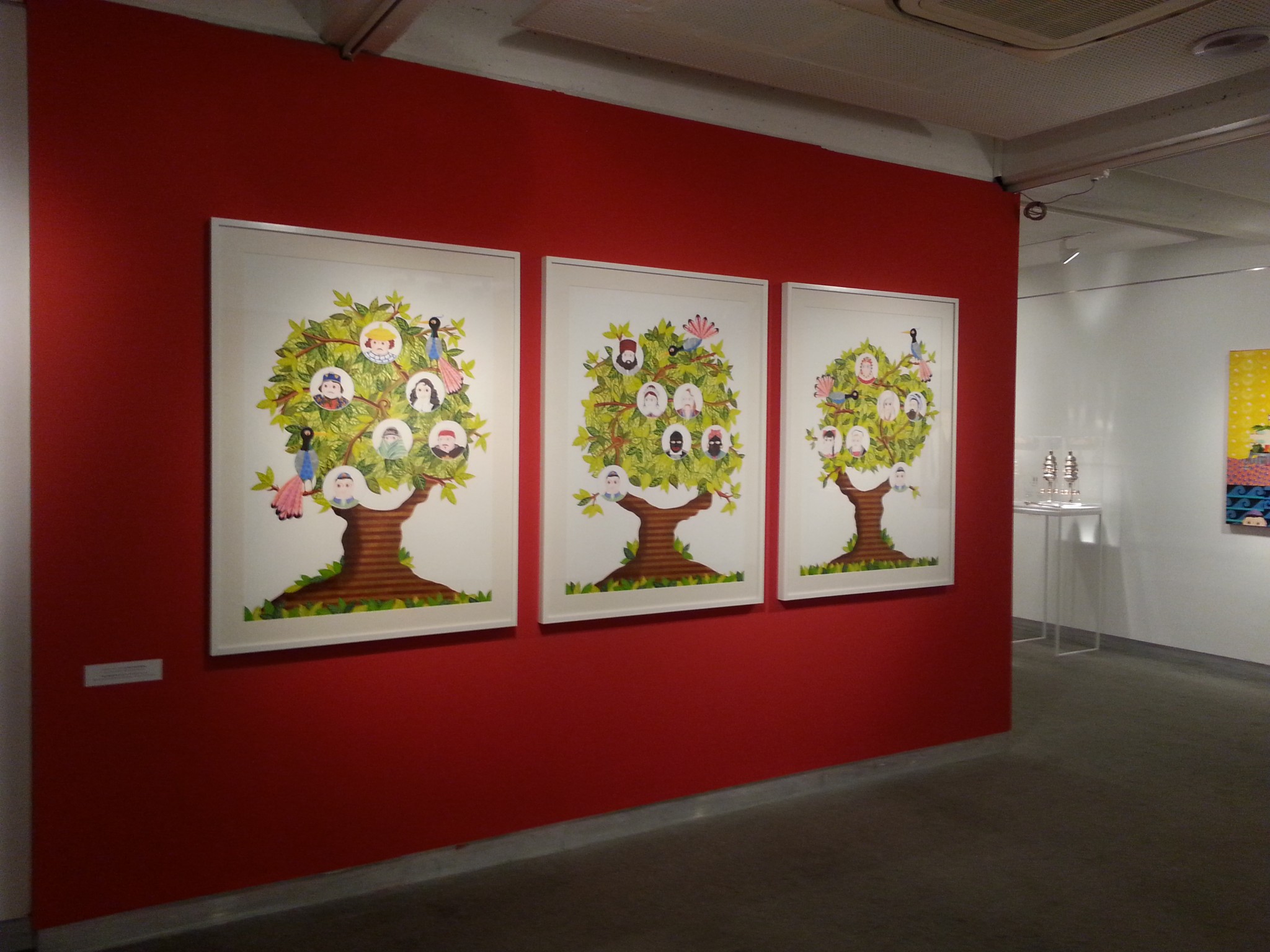
United Colors of Judaica אליהו אריק בוקובזה – מבט על זהות יהודית מפוצלת , נסגרת ביום שישי הקרוב . שבעה חודשים חלפו מאז נפתחה ובזמן הזה שאלות של תרבות יהודית ויהדות כתרבות, של פלורליזם וסובלנות, לא חדלו לעלות על סדר היום הציבורי. הרלבנטיות איננה ערך מרכזי בעיני בקריאת אמנות אך במקרה זה נדמה היה לי לעיתים, כמי שחיה את התערוכה שהחדשות רודפות אותה: מארגון לה פמיליה , אירגון האוהדים הידוע לשימצה של בית”ר ירושלים ששמו כרוך בשם המיצב המרכזי בתערוכה “פמיליה” , דרך שאלת נישואין חד מיניים ועד לפעולות המחרידות של נוער הגבעות. לאחרונה זכה בוקובזה בפרס הציונות, אחרי שניגש עליו במהלך מבריק שנועד והצליח לפתוח דיון באופן בו ציונות מופקעת על ידי גורמים קיצוניים כאילו אי אפשר לאהוב את הארץ ולהבין ששליטה במיליוני פלשתינים יוצרת רוע ממאיר.
לרגל סגירת התערוכה מפורסם כאן מאמר הקטלוג שכתבתי. הוא מתמצת מחשבות והתחלות שחלקן כבר מתפתחות. העבודה נעשתה תוך שיחות רבות וארוכות ומרתקות של אריק ושלי והייתה תענוג גדול.
ביום שישי 29 ינואר 2016, התערוכה תהיה פתוחה מ 11:00- 13:00 חינם – ונשמח לראות את כולם!
***
כל ישראל חברים –
על זהויות מפוצלות בעבודתו של אריק בוקובזה/ ד”ר סמדר שפי
בשנת 1962 הגיעו לביקור בארץ בני הזוג בוקובזה – סילבי, שחקנית וזמרת אופרה, וג’ילברט משפטן, חבר המפלגה הקומוניסטית.
הם הגיעו מטוניס במטרה לפקוד קברי צדיקים בתקווה שלאחר חמש שנות נישואין יולד להם, סוף כל סוף, ילד. במערת אליהו בכרמל הכירו רב בא בימים שהציע להתלוות אליהם לנסיעה להר מירון וטבריה. בתום המסע בין האתרים הקדושים, בערבו של יום, אמר הרב, חכם שמחון הלל שמו, שכעבור שנה יולד להם בן ושמו יהיה אליהו. סילבי הסבירה שהילד, אם יולד, יקרא משה, על שם אביה שנפטר, אך חכם שמחון התעקש – אליהו. כששאלו בני הזוג היכן הוא מתגורר, היכן יוכלו למצוא אותו לבשר לו בשורות טובות, ענה “כל ישראל חברים ” ולא יסף.
שנה לאחר הביקור נולד אריק אליהו בוקובזה. הוא נולד בפריז לשם היגרו הוריו ובה המשיך ג’ילברט ללימודי הדוקטורט במשפטים בסורבון.
כשביקרו בני הזוג בארץ, עם הרך הנולד, ניסו לאתר את חכם שמחון הלל, ללא הצלחה. שני צילומים, אחד בהם הוא נראה עם סילבי, בשני עם ג’ילברט, היו ההוכחה היחידה למפגש הרה הגורל, עליו התייחסו כאל נס.
***
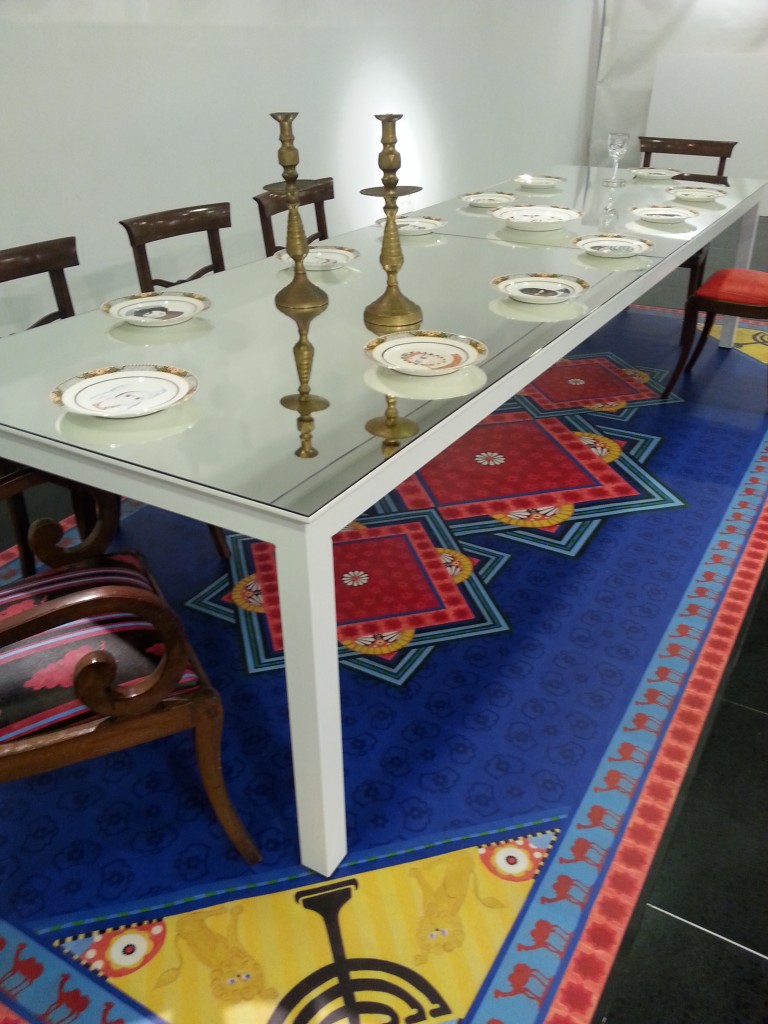
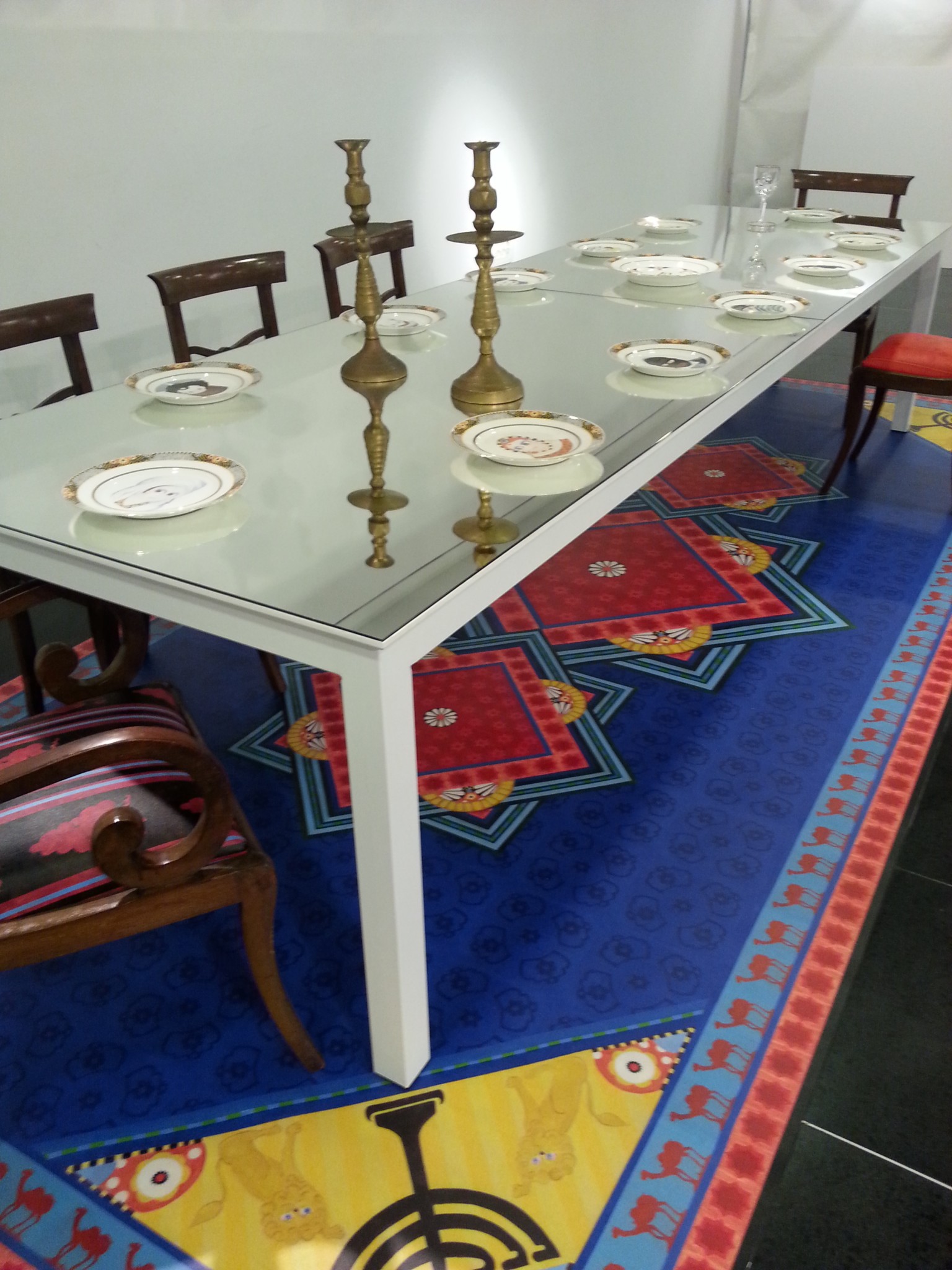
Famiglia 2013-2015�print and painting on 13 porcelain plates, 6 chairs upholstered with acrylic on canvas paintings, print on linoleum carpet, metal table, mirror 450×200
קווי המתאר הפרומים והמורכבים של הקיום היהודי בעשור השני של המילניום עולים מהתערוכה UNITED COLORS OF JUDAICA. מבנה התערוכה עוקב אחר תבנית נושאית שכיחה בתערוכות יודאיקה: ייצוג של חגי ישראל ומה שמכונה מעגל החיים היהודי, שהוא על פי רוב, אירועים מחיי גבר יהודי מהברית עד ערש דווי. בוקובזה משתמש בבן דמותו, אלטר אגו המלווה את יצירתו, ובבני משפחה פיקטיביים כדי להתבונן על מארג הזהות היהודית, על הניסיונות ליישב מזרח ומערב, חילוני ודתי, מסורתי ומודרני. המוטו האוטופיסטי של אחדות יהודית, “כל ישראל חברים” או “כל ישראל ערבים זה לזה” מתגלה כשביר, אם לא ככלי ריק.
“הדובר” בעבודות הוא, כאמור, האלטר אגו של בוקובזה, יהודי חילוני ששורשיו בטוניס. השאלות המועלות נוגעות לכל אדם שיש לו רבדים תרבותיים ממקורות שונים, כלומר כמעט לכל יהודי בתקופתנו. הרגישויות, הקריאות התרבותיות, מושפעות ומתעצבות בנוסף על ידי הדיון הבינלאומי על הגירה ופוסט קולוניאליזם שנמשך מאמצע המאה הקודמת, ומהווה ציר מרכזי בחשיבה של תרבות וחברה.
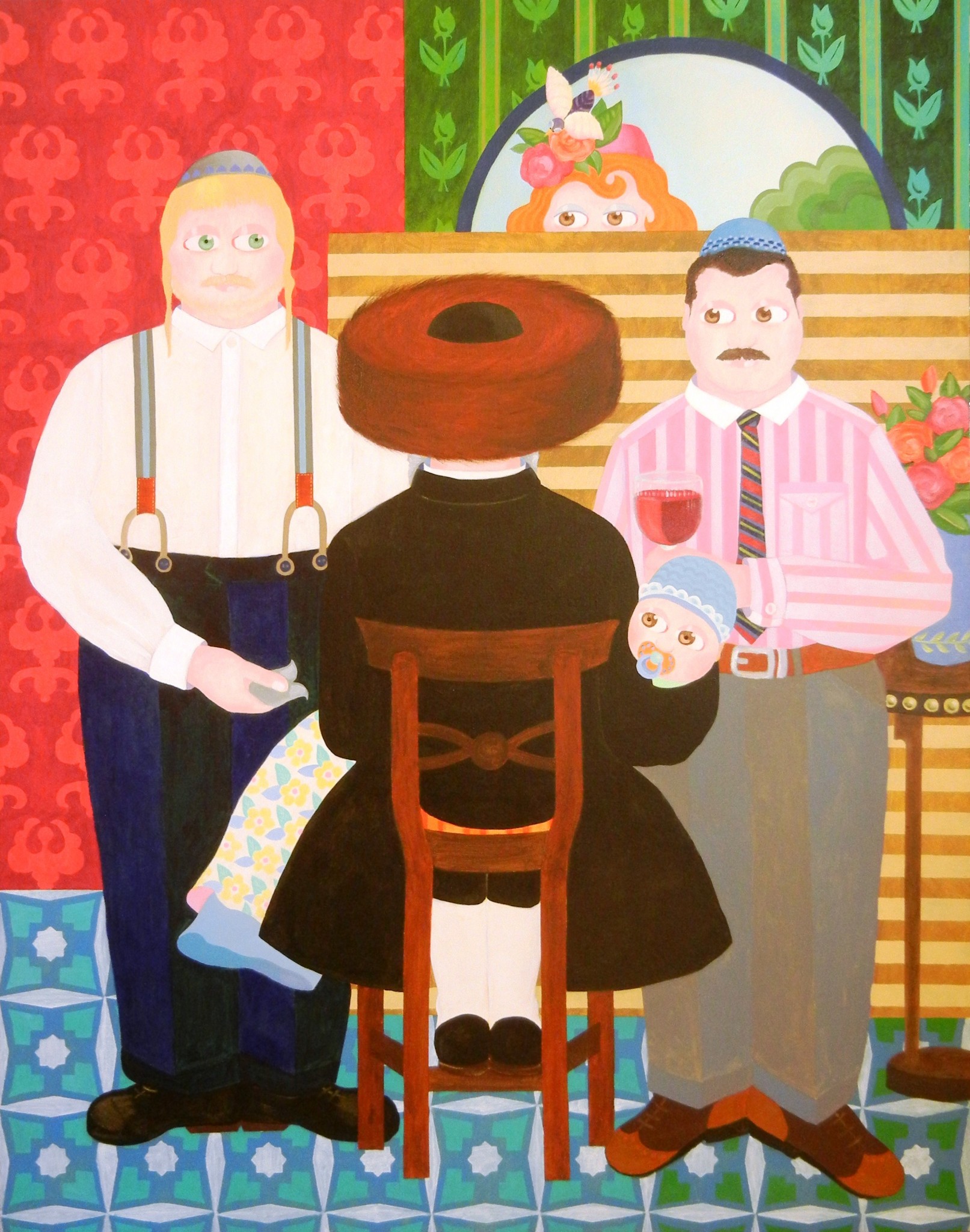
כהיגד, כיחידת משמעות, התערוכה היא מיצב אחד. צירי הזמן; האירועים האישים והזמן הלאומי, החגים: מצטלבים רעיונית ב “פמיליה”, שולחן המאחד סדר ושבת, הניצב במרכז התערוכה. בוקובזה מזקק מרכיבי זהות ויוצר חדר אוכל למשפחה מדומיינת. שולחן סדר הפסח והשבת, מוקף כיסאות בסגנון בריטי קולוניאלי מבית תרז טייב, סבתו של האמן מצד אימו. צלחות פורצלן מסוג לימוז, איתן ערוך השולחן והן כלי הטקס, היו שייכות לאליז בוקובזה, סבתו מצד אביו. אובייקטים מערביים אלו מספרים סיפור של פתיחות, אימוץ ומיזוג תרבותי. טוניס היתה ספוגה בתרבות המזוהה עם המערב ונוצרה בה תרבות סינקרטית, דומה במידה מסוימת לתרבות הלבנטינית שנוצרה במצרים ובחלקים אחרים באגן הים התיכון במחצית הראשונה של המאה העשרים[1] .
בשולחן,לב ליבה של התערוכה, גלום זיכרון המעבר הדרמטי של היהדות מדת המקריבה קורבנות לדת של תפילה. מדת שקיומה תלוי מקום לדת שקיומה נסמך על זמן, זמני התפילה וזמני המועדים.
על השולחן נאמר “פתח במזבח וסיים בשולחן. ר’ יוחנן ור’ אלעזר דאמרי תרוייהו: בזמן שבית המקדש קיים, מזבח מכפר על אדם, ועכשיו שאין בית המקדש קיים – שולחנו של אדם מכפר עליו (מנחות צז ע”א). המעבר הקונספטואלי העמוק ממזבח לשולחן אפשר את המשך היהדות כדת “ניידת” אותה אפשר לקיים גם בגלויות.
בוקובזה יצר אפוא צומת פיזי בין זמן ומקום זיכרון וזהות. ה”משתתפים” בפמיליה, מוצגים בדיוקנאות שמוטבעים בצלחות כך שהם התכה של פרסונות וכלי טקס. הדמויות הן מכל הספקטרום היהודי הגיאוגרפי והכרונולוגי – מיהדות ספרד לפני הגרוש ועד יהדות ארה”ב במאה הקודמת. קיבוץ אנושי שמקושרים במסורת דתית ומופרדים על ידי תפיסות והשקפות עולם.
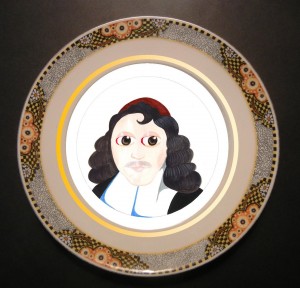
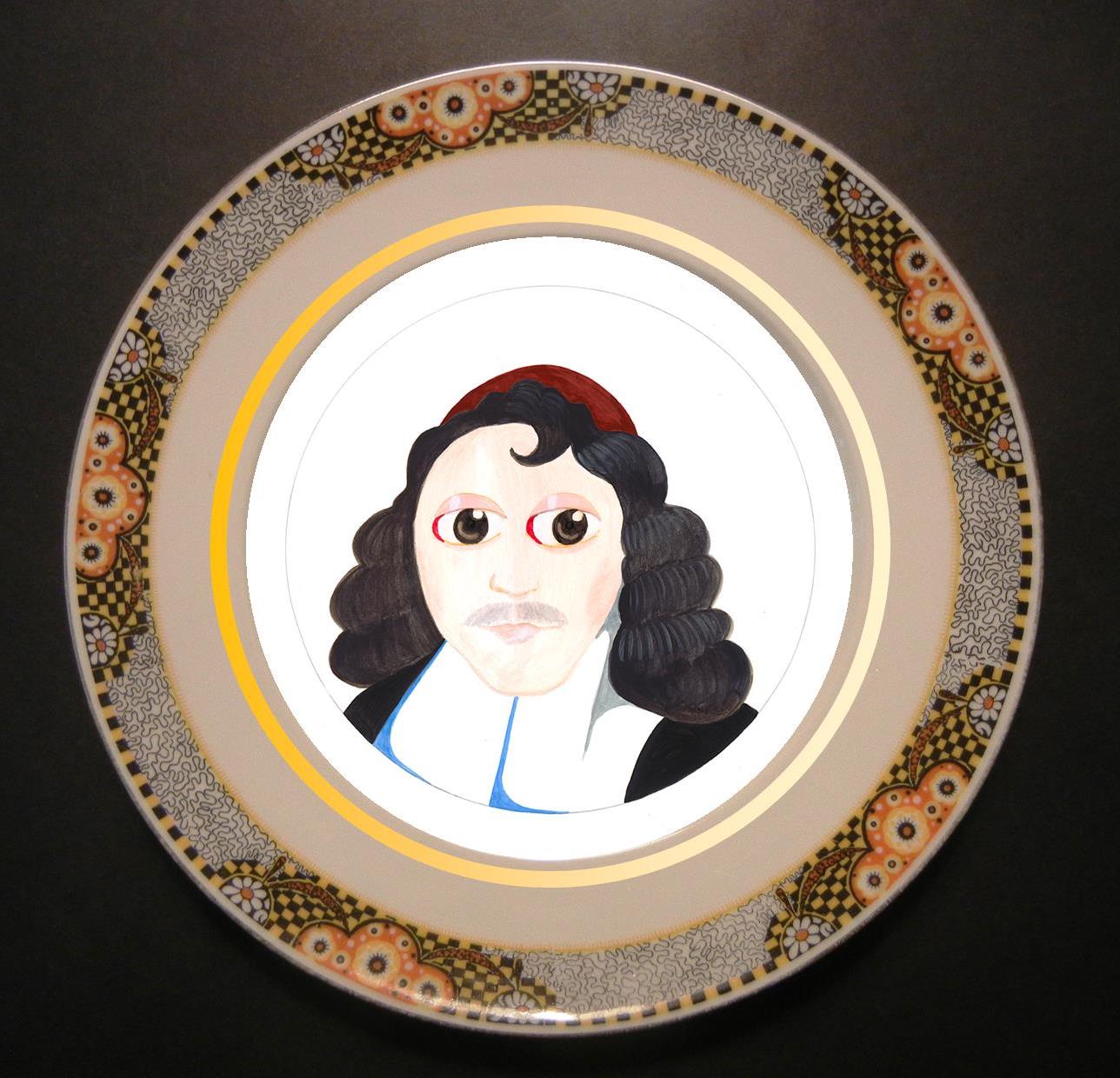
Portrait of Baruch Spinoza
קריאת המציאות באמנות של בוקובזה היא ברוח החשיבה הפוסט קולוניאלית, כלומר התבוננות ביקורתית על תבניות החשיבה אודות מוצא ותרבות. המונח חלל שלישי ( Third space) בו משתמש הומי ק. באבא Homi K. Bhabha בספרו The Location of Culture[2] מתייחס למקום, לרגע, בו כובש ונכבש יכולים להידבר משוחררים מהכיבוש, כשווים. בהשאלה אפשר לחשוב על היחסים של יהודים מאזורים גיאוגרפיים שונים שבוקובזה מציע ב UNITED COLORS OF JUDAICA. ליד שולחן הסדר- שבת, באילנות היוחסין, בחגים ובמעגל החיים היהודי “כל ישראל חברים”.
בוקובזה אינו מצועף עיניים ואינו מצייר תמונה של אחדות מדומה. שם התערוכה מכיל את האירוניה הבלתי מוסתרת שלה, לצד תקווה, אולי מסויגת, לשינוי ולכרסום בדפוסים סטריאוטיפיים. UNITED COLORS OF JUDAICA הוא ספק כמיהה אוטופיסטית, ספק הערה סאטירית. טמונים בו האוטופיה המודרנית של האומות המאוחדות The United Nations, הארגון שקם בעקבות מלחמת העולם השנייה להבטיח שלום בעולם, והפרודיה השיווקית, הפוסט מודרנית, בפרסום חברת האופנה האיטלקית Benetton, המשווקת תחת הסיסמה United Colors of Benetton מאז ראשית שנות ה90. הבניה של מערך בו דבר והפרודיה שלו, מצויים זה לצד זה, או הופכים לאחד, מאפיינת את התערוכה.
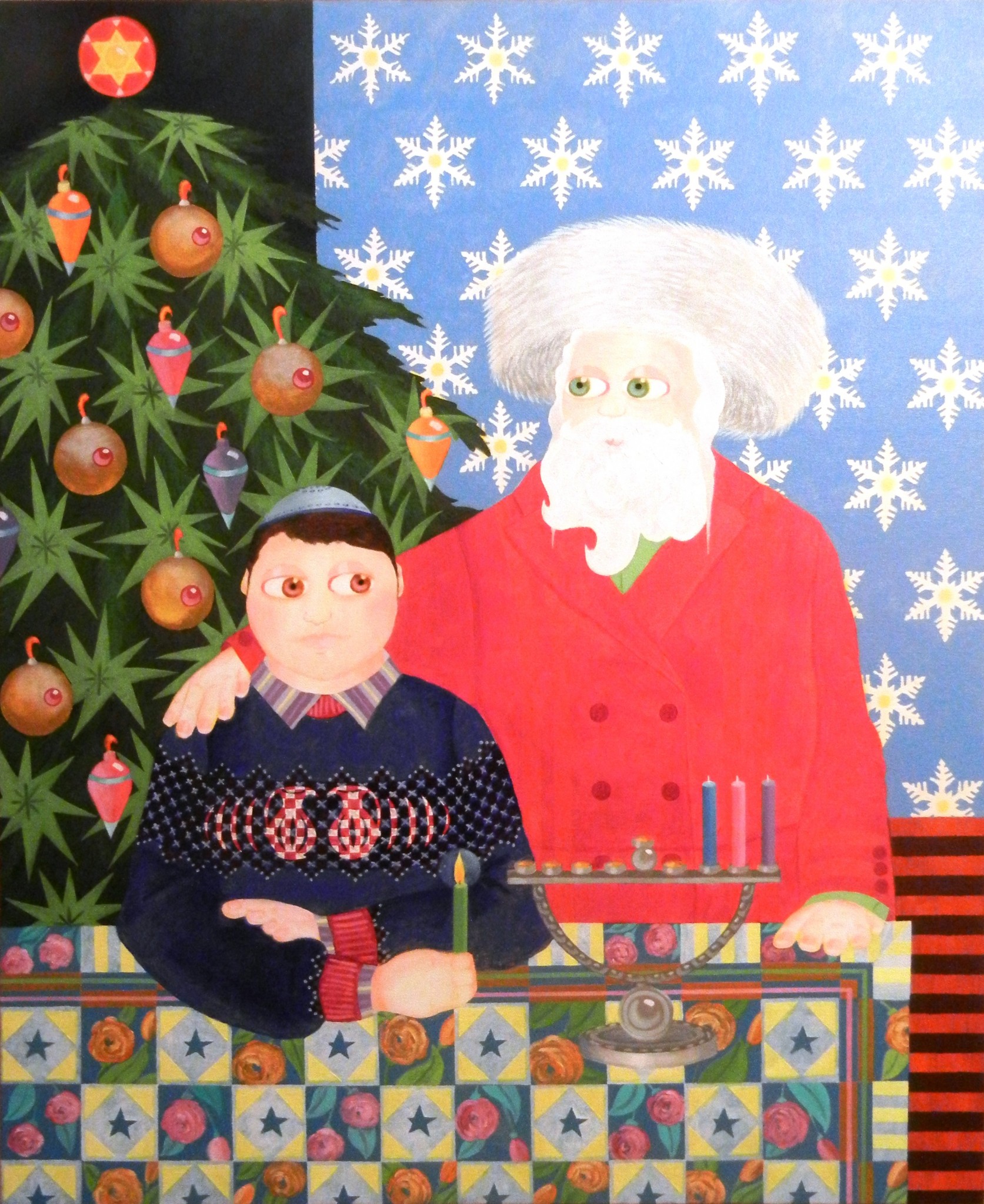
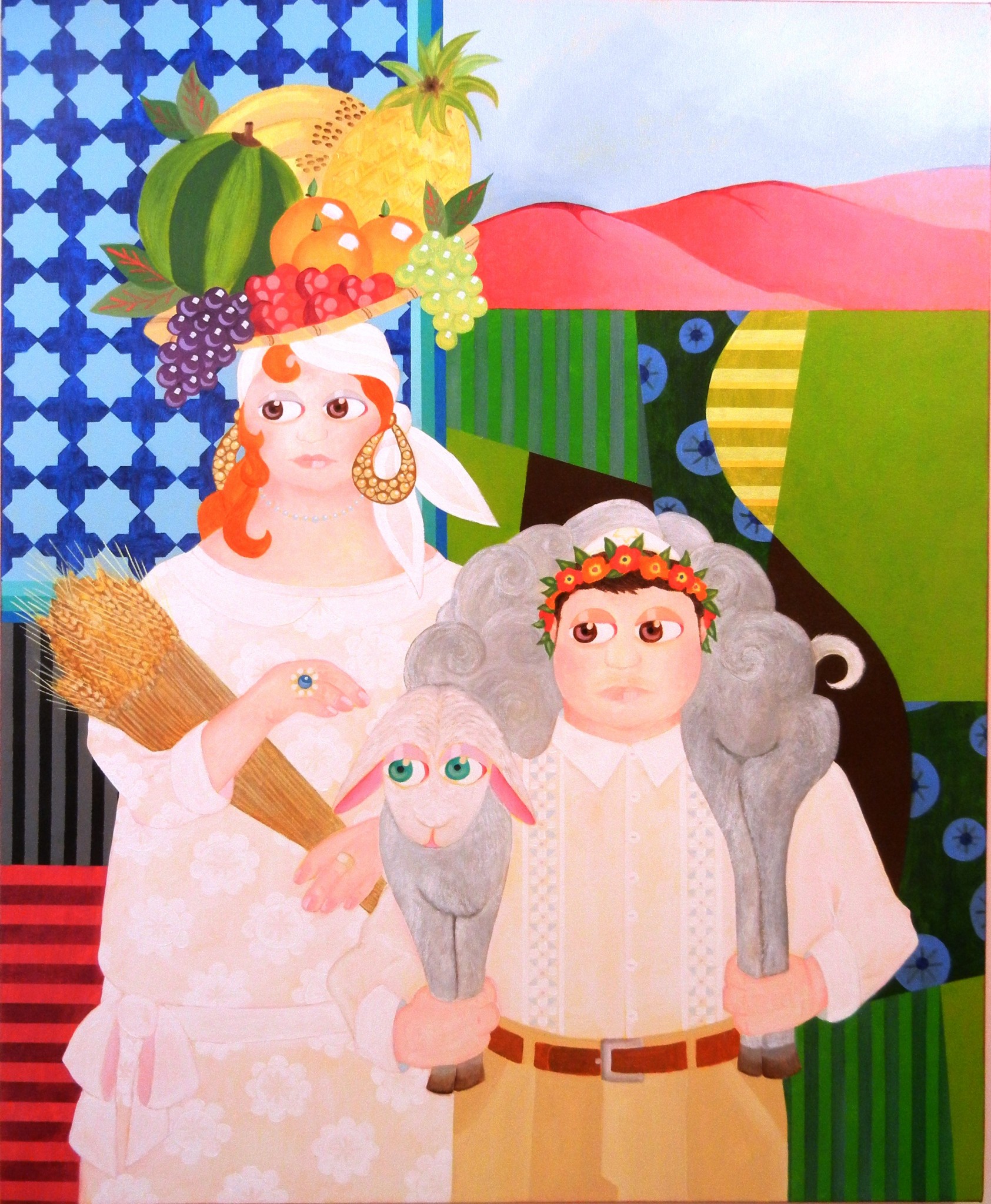
המיצב פמיליה היבריד סגנוני, בנוי מצירוף אובייקטים ממקורות שונים. היברידיות מאפיינת גם דמויות ואתרים בסדרת החגים כך סב המדליק נרות חנוכה לבוש לבן –אדום כמו סנטה קלאוס או ט”ו בשבט המתואר עם פריחת דובדבן במקום שקדייה.
היברידיות טוען באבא, היא תוצר של הקולוניאליזם[3]. בהקשר היהודי מדובר על קהילות שחוו השפעה קולוניאלית במדינות המוצא,למשל הקהילות היהודיות בצפון אפריקה שהושפעו מתרבות צרפת, והיו גם בשיח מתמיד עם התרבות המוסלמית בה חיו.
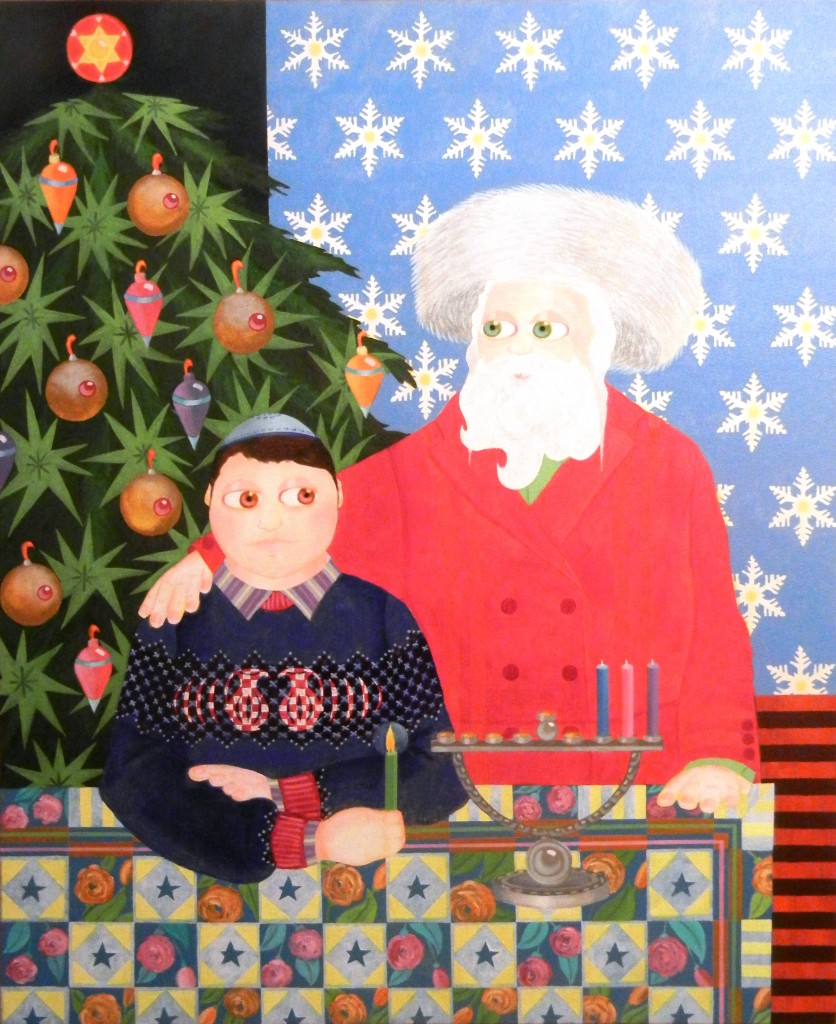
Hannukah,
קלסתר פנים קבוע חוזר בכל הדיוקנאות של גברים ונשים, מערביים ומזרחיים, דתיים וחילוניים יהודים ולא יהודים. באילנות היוחסין בוקובזה מציע משפחות מורכבות של דמויות מומצאות והיסטוריות ובוחן את קווי המתאר המורכבים של המונח “משפחה”.
הבחירה בדמויות ההיסטוריות טעונה: שפינוזה ואל ג’ולסון, שני יהודים שמשפחותיהם נדדו והם יצרו, באופנים שונים מאד, מפגשים חדשים בין זהות יהודית לתרבות שונה.
הפילוסוף ברוך שְׂפִּינוֹזָה (1632-1677), בן למשפחת אנוסים ספרדיים ששבו ליהדות באמסטרדם, נחשב ליהודי חילוני למרות שהמושג לא היה קיים בזמנו. החרמתו על ידי הקהילה היהודית, והחרמת כתביו בידי יהודים, קתולים ופרוטסטנטים כאחד הם מהפרשיות ההיסטוריות שנחרטו בזיכרון הקולקטיבי כמסמנות חשש מחשיבה חופשית.
ג’ולסון, יליד ליטא שהיגר לארה”ב, נולד כאסא יואלסון. בשנות העשרים של המאה הקודמת הפך לכוכב אמריקאי מן השורה הראשונה. מקומו ההיסטורי התקבע בזכות תפקידו בסרט “זמר הגאז”, הסרט המדבר הראשון ב 1927. בסרט, ובמופעים רבים, נהג ג’ולסון להופיע מאופר כאדם שחור, במסורת ה Blackface [4] כלומר אימץ זהות של מי שהיו מופלים אף יותר מהיהודים.המוטיבים של מעבר זהות, החלפת זהות והתחפשות, שזורים לאורך התערוכה ומתקשרים לאמביוולנטיות,ליכולת לשרוד ולהסתגל שמאפיינית חברות מהגרים.
UNITED COLORS OF JUDAICA ממשיכה את הדיון של בוקובזה בזהות שהחל כבר ב” פלזיר אוריינטל” תערוכת היחיד הראשונה שערך בשנת 2000 ונוכח בכל תערוכותיו מאז.
תהייה על זהות מזרחית מלווה את החברה הישראלית כבר מתקופת הישוב עם פרשיות כאובות כמו היחס ליוצאי תימני בפרשות כמו זו המכונה “פרשת תימני כנרת”[5] ולאורך שנות המדינה, מהמחאה בוואדי סאליב בחיפה בשנות ה 50 ועד הסערה סביב האמירה של יאיר גרבוז על “מנשקי קמעות” בעצרת השמאל שקדמה לבחירות 2015.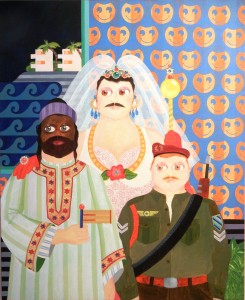
הייצוג של זהות מזרחית באמנות עבר שינוי מייצוג בעיקר על ידי אמנים יוצאי אירופה ( בהקשר זה אפשר לחשוב על האמנים הארץ ישראלים – ראובן, גוטמן ליטוונובסקי ורבים נוספים) לייצוג של המזרחי על ידי יוצאי ארצות ערב. בוקובזה נמנה על גל האמנים שיצר מאז תחילת המילניום התייחסויות רבות לנושא (בעבר היו התייחסות ספורדית גם אם חשובות כמו למשל התערוכה “אקספרסיוניזם עיראקי ” של מאירה שמש 1996).
ב 2000, השנה בה הציג את “פליזיר אורינטל” בגלריה נלי אמן בתל אביב הוצגה בבית האמנים בירושלים התערוכה “אחותי: אמניות מזרחיות בישראל”, הראשון משורת פרויקטים שעסקו בזהות מזרחית בכלים של אמנות חזותית.
בוקובזה אימץ כאסטרטגיה אמנותית את כסוי הגלולה המרה בסוכר: יצירה של עבודות יפות, צבעוניות, מאופיינות תדיר כנאיביות ודקורטיביות שמעלות שאלות נוקבות ומביעות עמדות שרחוקות מלהיות בקונסנזוס. בציור “חלוץ” הוצג גבר במה שמזכיר סד עינויים מימי הביניים. ב”דגל” נפער חור בדגל הלאום, במקום אמור להיות מגן דוד, ומתוכו יוצאת יד הנושאת דגל שעליו שורות שורות של עיניים (נגד עין הרע? ההשגחה? או עיניים מאשימות) .
ב”צייר-תייר”,שנתיים מאוחר יותר, התחדדה המורכבות של מזרח מערב בעבודה ” Come To Palestine” שנעשתה כהיפוך לכרזה מוכרת של זאב רבן “בוא וראה את הארץ” מ 1929: בעוד בכרזה המקורית קולוניאליסט בכובע שעם מצביע לפלשתינה מכיוון הים הרי בציור של בוקובזה, גבר מזרחי הופך לפרודיה מגוחכת של הקולוניאליסט האלגנטי ומצביע בכיוון ההפוך, מן המזרח למערב. בעבודה אחרת באותה תערוכה צייר את עצמו, כילד, על חמור בגני הטווילרי בפריז ובסיטואציה הבורגנית צרפתית זיקה לדימויים ארץ ישראלים, אם באסוציאציה תנכ”ית ואם לילדי ההתיישבות הציונית החדשה.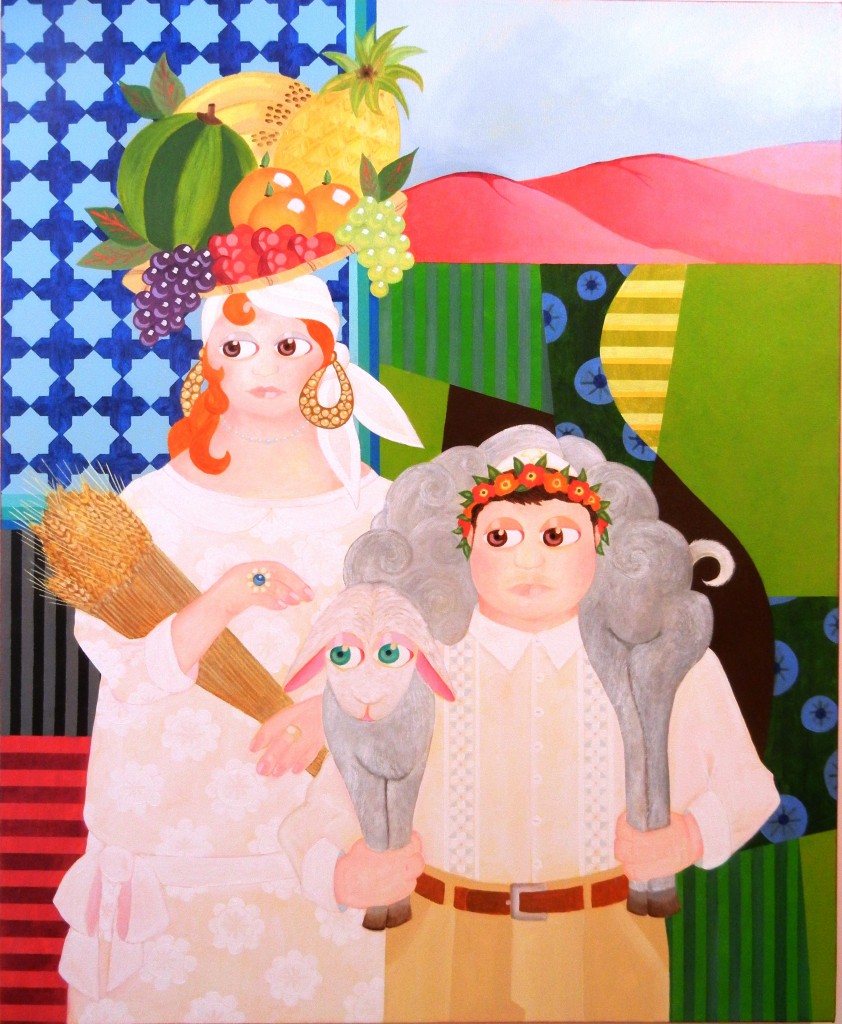
ב”בצלאל גרסה ב” ב 2006 ערך בוקובזה מאין מחקר ומחווה לחביב ששון,חיים מחבוב,רחמים עזרא,יהודה נחמיאס ,יעקב מזרחי ודוד סרי, אמנים ממוצא מזרחי שלמדו בבצלאל של ש”ץ (טרם סגירתו ב 1928). בוקובזה דן במה שניתן לתאר כיחסים הספירליים בין מזרח ומערב: בצלאל, צמחה כשחזונה להיות אקדמיה אירופאית, ככזו הייתה שותפה להקסמות מהמזרח.
באו בה לידי ביטוי זרמים ואופנות מעיצוב ואמנות שהושפעו באופנים שונים מהמזרח כמו האר נובו וציור האוריינטליסטי. ההעדפה של החזון המערבי על מזרחיות גרמה לכך שש”ץ העדיף לסווג אמנים מזרחים כאומנים ומבחן ההיסטוריה מלמד שמקומם בזיכרון האמנותי הקולקטיבי נפקד. בוקובזה בנה סיפור ומקום לכל אמן כאשר הוא מתייחס לעצמו כמי שלו חי מאה שנה מוקדם יותר, היה במקומם.
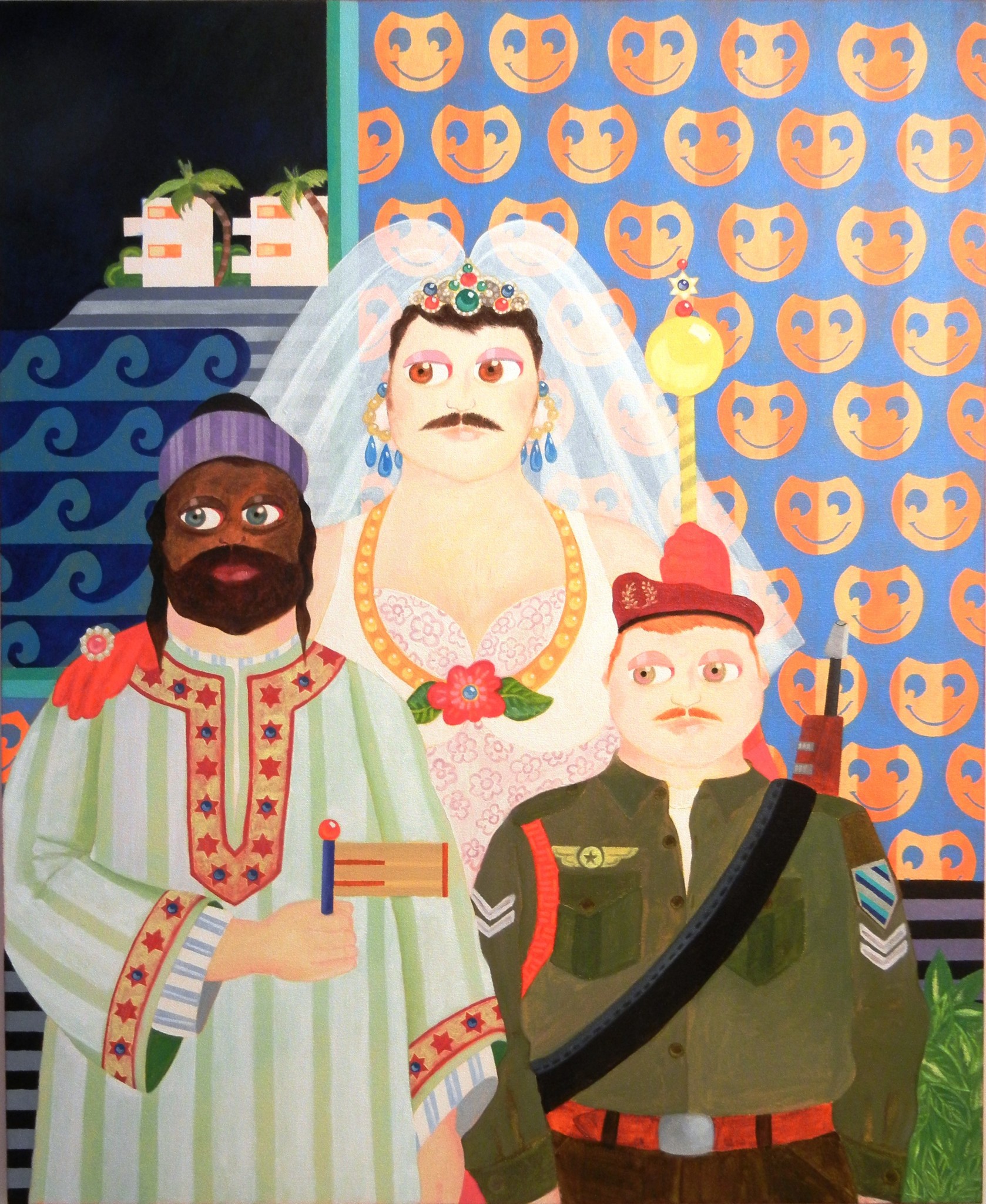
השאלת הזהויות, כאשר צד ששיך לתרבות ההגמונית מאמץ כמשחק זהות של קבוצת שוליים מעסיקה את בוקובזה לאורך שנות יצירתו. ב UNITED COLORS OF JUDAICAמשחק זה מופיע במספר עבודות כמו בדיוקן אל ג’ולסון מאופר כ Blackface , ובציור המתייחס לפורים כאשר דמות בהירה עוטה מסכה של יהודי ממוצא תימני.
בעבודה “פטריארך 1″ שהוצגה ב”צייר-תייר” דמות שהיא ספק שייח, ספק רב, ספק מערבי מחופש למזרחי.
בתערוכה “במקום הזה” שנערכה במוזיאון בר – דוד בקיבוץ ברעם אימוץ הזהות על ידי הקבוצה ההגמונית היא של ערבים והטיפול בה נוגע לשאלת ההיסטוריה הבעייתית של אדמות הקיבוץ שהוקם בחלקו על אדמות הכפר בירעם. בוקובזה צייר מצילומי ארכיון הקיבוץ המתעדים חברות קיבוץ המתחפשות לערביות ולצידן צייר רוכב על חמור מצילום אחר, שזהותו אינה ידועה, כך שיתכן והוא יהודי המחופש לערבי.בתערוכה אימוץ הזהויות הוא אפוא, חד ופוליטי.
מפגשים בין תרבויות רחוקות חוזרים תדיר ב UNITED COLORS OF JUDAICA. בוקובזה עסק במפגשים כאלו בתערוכה “צבאות” בבית האמנים בתל-אביב (2013) בסידרה המציינת את מלחמות ישראל כאפודים צבאיים המצוירים בסגנון יפני.[6]
UNITED COLORS OF JUDAICA היא בבחינת ריכוז המבט על תופעות של מפגשים תרבותיים, של משחקי הגמוניה ושל היברידים בתוך העם היהודי. היהודים נתפסו כ”אחר” אולטימטיבי לפני שהמושג הומצא וזהותם פוצלה בין היהדות לזיקה לתרבויות במקום מושבם הגיאוגרפי.
***
כמה חודשים לפני בר המצווה של אריק אליהו בוקובזה, נסעו הוריו ברחובות נווה צדק. שמחתם הייתה עצומה כשהבחינו, ברחוב כי”ח (כל ישראל חברים), בדמותו של חכם שמחון הלל אותו חיפשו ללא הצלחה לאורך כל השנים. והקשר חודש ונמשך עד מותו ב 1992.חכם שמחון הלל היה אורח כבוד בבר המצווה, בה הופיעו רקדנית בטן וזמר ג’אז מקהילת העבריים בדימונה.
כל ישראל חברים .
הרשמה לניוזלטר הפירסומי השבועי של “החלון” בנושאי אמנות, אירועים ותערוכות חדשות – www.smadarsheffi.com/?p=925 (הרישום נפרד מהרישום לבלוג )
A look at multiple Jewish identities and new perspectives:
United Colors of Judaica: Eric Eliahou Bokobza: Multiple Jewish Identities and New Perspectives
Bokobza’s exhibition is closing at the end of this week after being on view for seven months. During this time, issues of Jewish culture and Judaism as culture, pluralism and tolerance, have been constantly on the public agenda. I do not usually consider relevance as a major criteria in reading art, but it seems to me, as the exhibition curator, that current events are echoing the exhibition: from “La Familia,” the name of the notorious Beitar Jerusalem fan club, to the name of the main installation in this exhibition, “Famiglia,” through the issue of same-sex marriage to the uglyendeavors of the “hilltop youth.”
Bokobzahas recently been awarded the Zionism Prize after he submitted his application in a brilliant move. He succeeded in initiating discussion on the way that Zionism has been expropriated by right-wing extremists, as if it is impossible to simultaneously love Israel and realize that controlling millions of Palestinians creates a malignant evil.
To mark the exhibition closing, I am posting my essay from the catalog.It is a concise presentation of thoughts and incipient thoughts, some of which I am already developing, following numerous, long, fascinating and pleasurable conversations held with Eric.
Free admission this Friday, January 29 , from 11 a.m.-1 p.m. Hope to see you there !
Kol Israel Haverim – Bifurcated Identities in the Work of Eric Bokobza Dr.Smadar Sheffi
In 1962, Sylvie and Gilbert Bokobza traveled to Israel. Sylvie, an actress and opera singer, and Gilbert, a jurist and member of the communist party, came from Tunis to visit the tombs of Jewish saints in hope that after five years of marriage, they would finally have a child. At Elijah’s Cave on Mount Carmel they met an elderly rabbi who offered to accompany them on their trip to Mount Meron and Tiberias. As they parted, after visiting the holy tombs, the rabbi, Chacham Simchon Hillel, told them that the following year Sylvie would give birth to a son, whose name would be Eliahou. Sylvie explained that the child, it if were indeed to be born, would be named after her deceased father, Moshe, but Chacham Simchon insisted: Eliahou.
When the couple inquired where he lived and where they could find him when the time came to announce the good news, he answered briefly: “Kol Yisrael haverim” (All Jews are friends).
A year later, Eliahou Eric Bokobza was born in Paris, to which his parents had immigrated, and where Gilbert was pursuing his doctorate studies in law at the Sorbonne. When the couple returned to visit Israel with their newborn, they searched for Chacham Simchon Hillel, but to no avail. Two photographs, one in which he appears standing by Sylvie and another in which he appears by Gilbert, were the only proof of this fateful encounter, which they perceived as a kind of miracle.
***
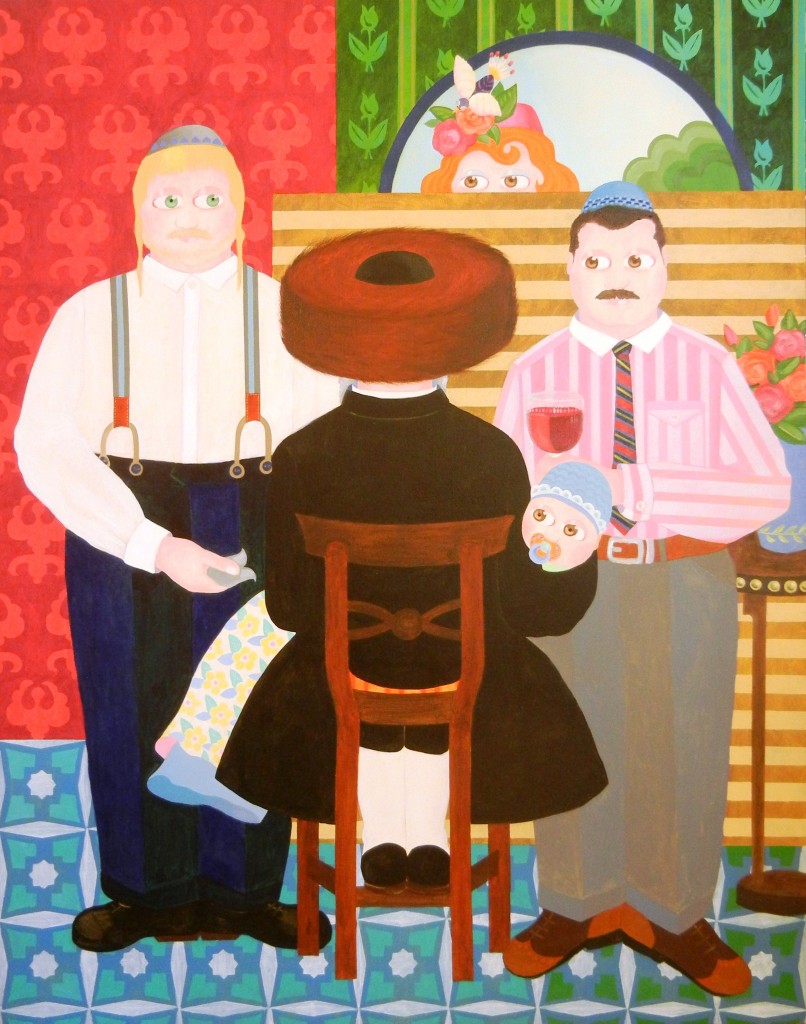
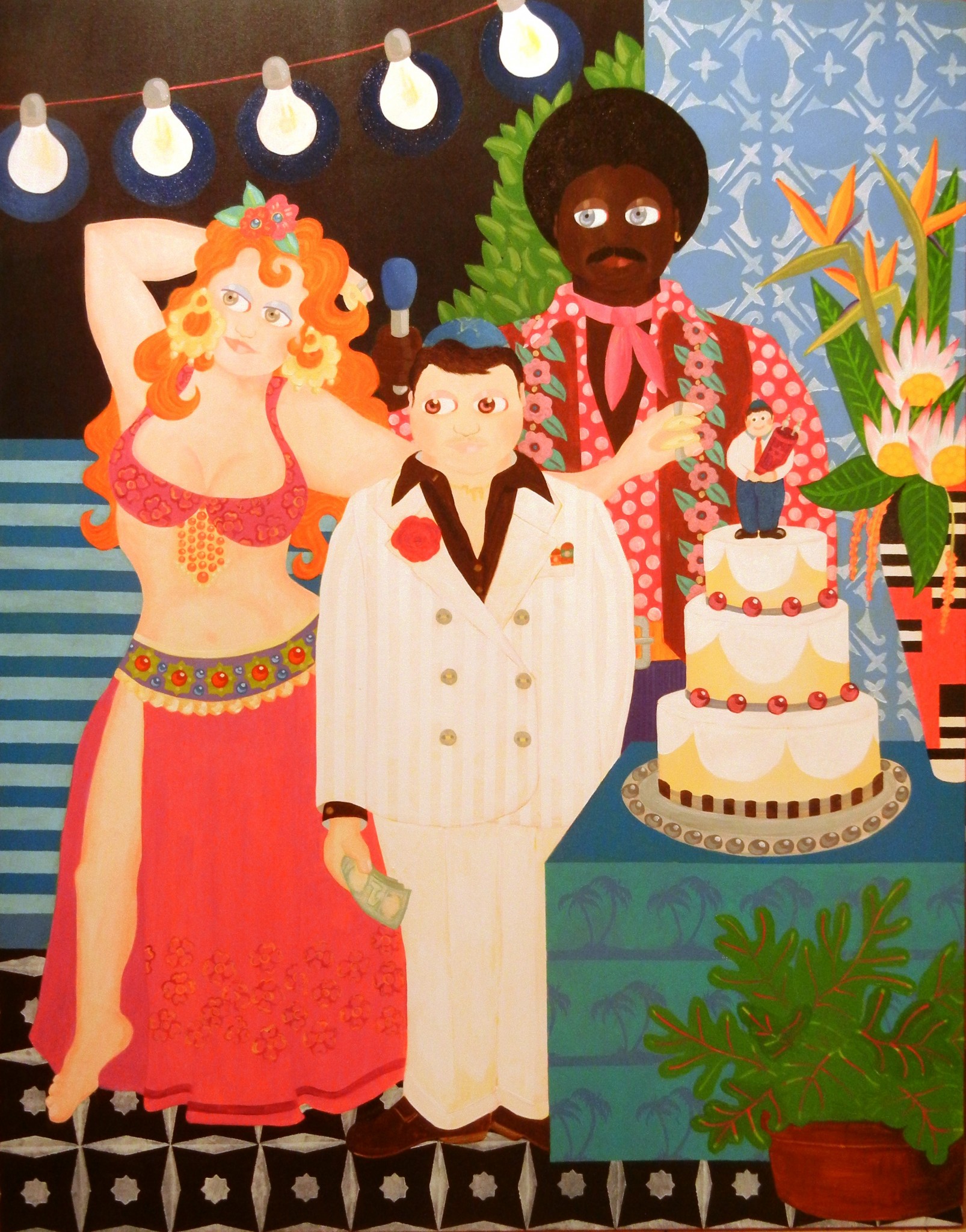
circumcision (brit milah)
In the exhibition UNITED COLORS OF JUDAICA, Bokobza delineates the complex and unraveled contours of Jewish existence in the second decade of the current millennium.The exhibition follows a familiar thematic model in Judaica exhibitions: a representation of the Jewish holidays and of what is known as “the Jewish life cycle,” which largely centers on events in the life of Jewish men, from circumcision to death.
Bokobza explores contemporary Jewish identity through a fictive family and his alter ego, the child “Eliahou,” who appears throughout his oeuvre. He ponders attempts to reconcile East and West, secular and religious, tradition and modernity. The utopian motto of Jewish unity, “Kol Yisrael haverim” is revealed as fragile, if not as an empty vessel.
“Eliahou,” Bokobza’s alter ego, is not only a recurrent figure in the works, but also an active “speaker.” As such, he reflects Bokobza’s observations as a secular Israeli Jew of Tunisian origin. Yet the questions raised do not, of course, relate only to Bokobza himself. They touch upon the life of every person whose cultural life draws on numerous sources – that is, upon the life of almost every Jew in our time.
Although the works in the exhibition are autonomous, UNITED COLORS OF JUDAICA constitutes a single statement and unit of meaning –almost, one could say, a single installation.
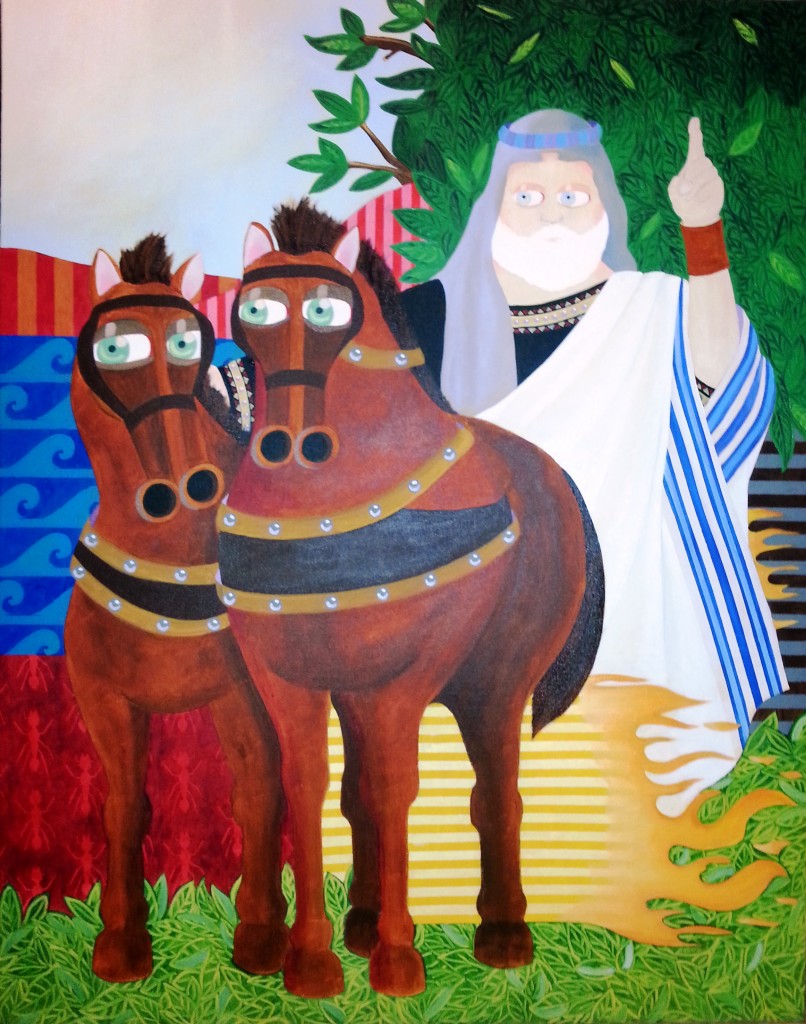
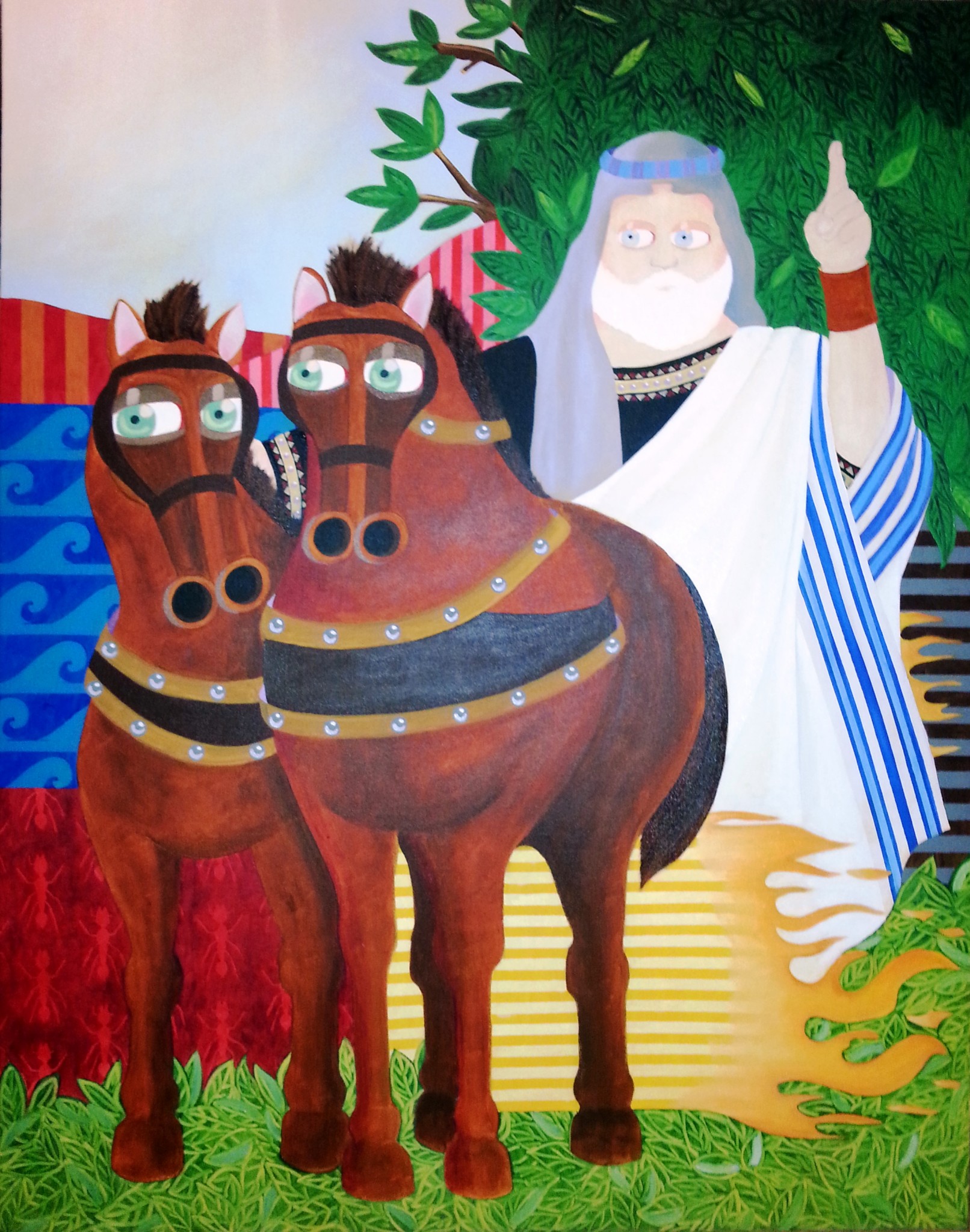
Death -the Prophet Elijah ascending to heaven
The temporal axes, events, personages, national timeline, and religious holidays presented in the exhibition are conceptually crystallized in Famiglia – a table that binds the Passover Seder and the Sabbath meal, and is located at the center of the exhibition. In this installation, Bokobza distills various components of identity and national and personal layers of meaning: The table is surrounded by chairs in British colonial style that belonged to Thérèse Taieb, the artist’s maternal grandmother. The porcelain plates and ceremonial objects on it belonged to Elise Bokobza, the artist’s paternal grandmother.
These Western objects tell a story of, appropriation, and cultural fusion characteristic of Tunis (as well as of Egypt and other areas around the Mediterranean basin during the first half of the twentieth century).
The table in Famiglia, the very core of the exhibition, represents an earlier and no less fateful and meaningful turning point: the dramatic transition of Judaism from a religion whose practice centered on sacrifices to one centered on prayer, based on the decree of Yohanan ben Zakkai and the sages of Yavneh following the destruction of the Second Temple; from a religion whose existence was bound to the temple site to a religion whose existence revolves around time – the time of prayer and the time of the holidays. As the Talmud states, “When the Temple was in existence, the altar atoned for man, and now that it no longer exists, man’s table atones for him” (Tractate Minchot, 97A). The transition from altar to table, which is pregnant with significance, allowed for the persistence of Judaism as a “mobile” religion, capable of existing far from its geographical birthplace.
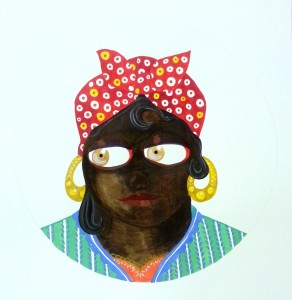
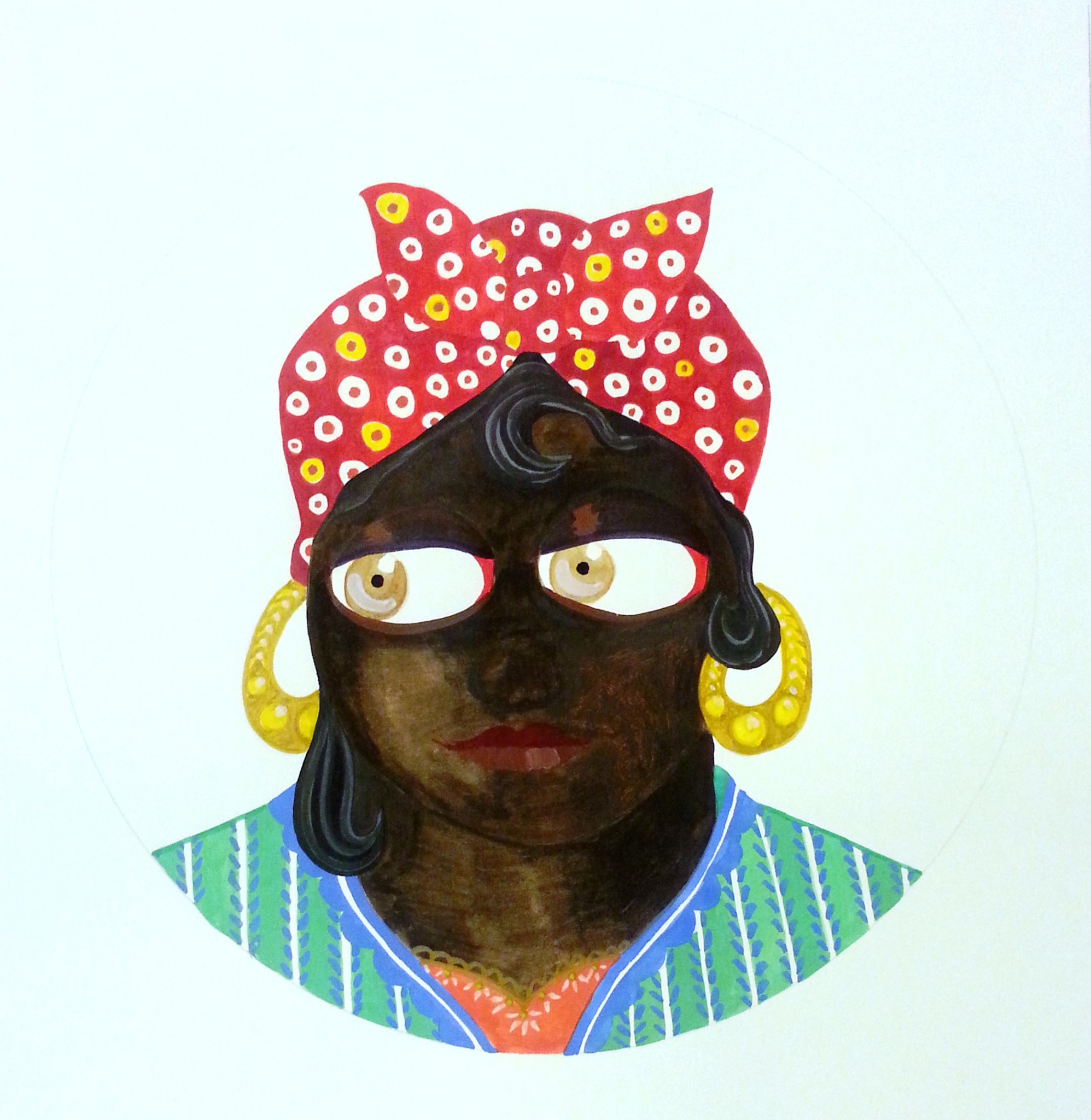
Mammy
Bokobza thus sheds light on the metaphorical meanings of the table, positioning it at the intersection of time and place, memory and identity. Those “seated” at the table are represented by portraits stamped onto the plates (a fusion of personas and ceremonial dishes). These figures originate from the full geographical and chronological Jewish spectrum – from the Jews of Spain prior to their expulsion to twentieth-century American Jewry; a human community whose members are bound by religion and tradition yet separated by time and space, and often also by their worldviews.
Bokobza is not a dewy-eyed optimist, and does not paint a semblance of unity. The exhibition’s name is imbued with explicit irony, as well as what may be interpreted as reserved hope for change and for the gradual erosion of stereotypical patterns. The title UNITED COLORS OF JUDAICA may be taken to bespeak a utopian yearning, as well as a satirical comment. It echoes the modern utopia of the United Nations, the organization founded in the aftermath of the Second World War in order to ensure world peace, as well as the postmodern marketing parody advertised by the Italian fashion label Benetton, which has been using the marketing slogan “United Colors of Benetton” since the early 1990s. The creation of a framework in which a thing and its parody appear together, or become one, is characteristic of the exhibition.
The installation Famiglia is a stylistic hybrid based on the combination of objects from different sources. Hybridity is also characteristic of the figures and sites in the holiday series, such as the grandfather lighting the Hanukkah candles while dressed in the white-and-red attire of Santa Claus, or the description of Tu Bishvat that includes a blooming cherry tree rather than an almond tree. Hybridity, according to the cultural critic Homi K. Bhabha, is a product of colonialism. In a Jewish context, such hybridity is evident in communities that experienced colonial influences in their countries of origin – such as the Jewish communities of North Africa, which were influenced by French culture while entertaining a constant dialogue with their Muslim environment.
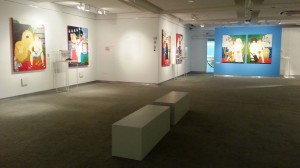
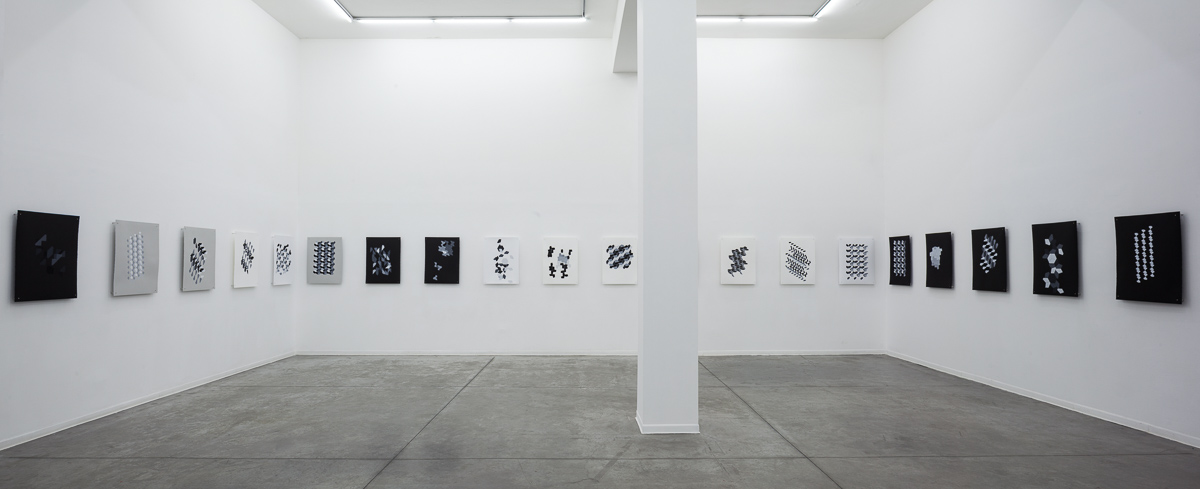
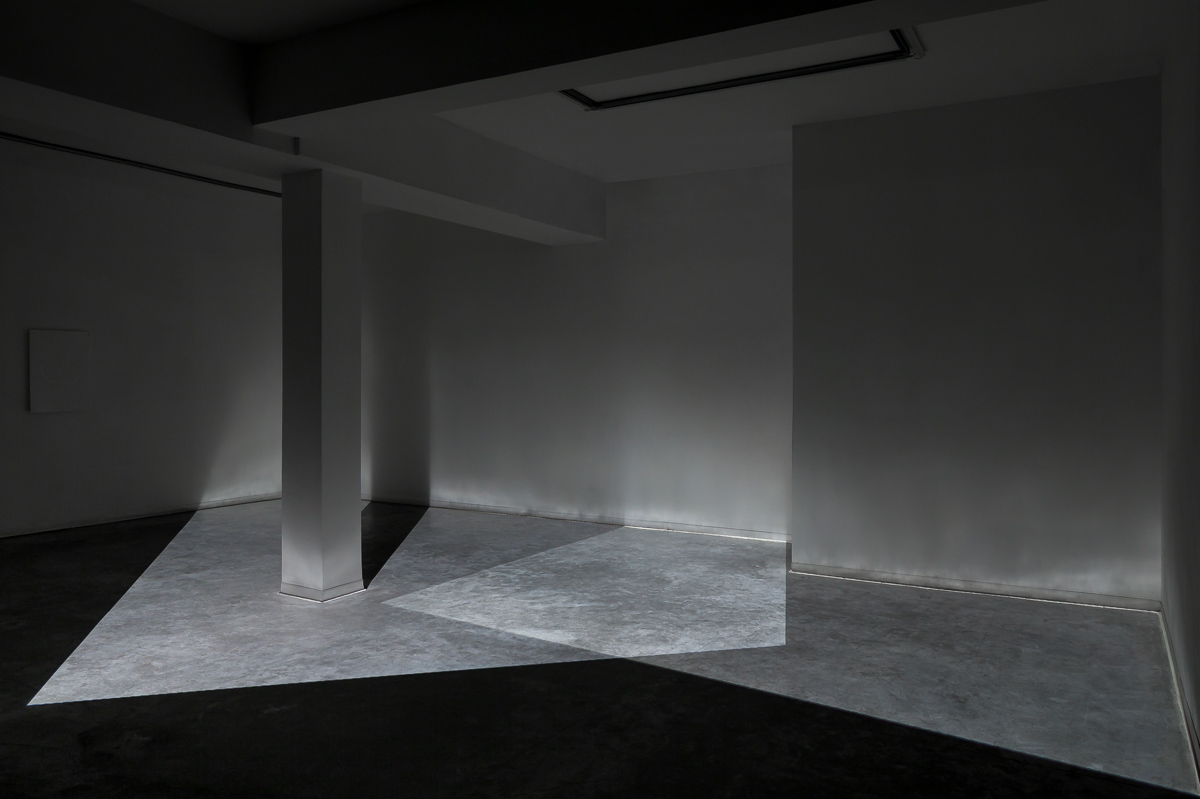
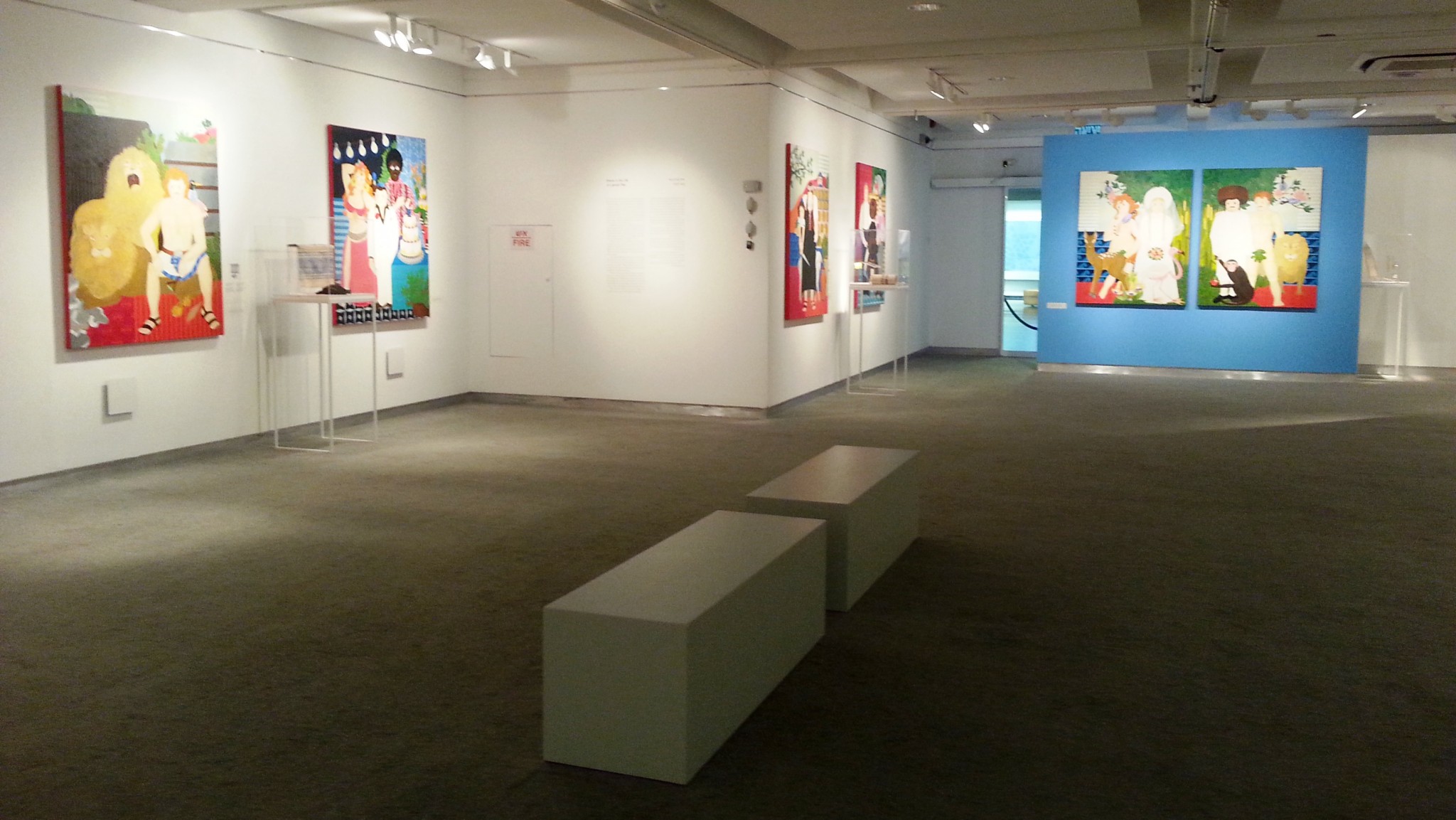
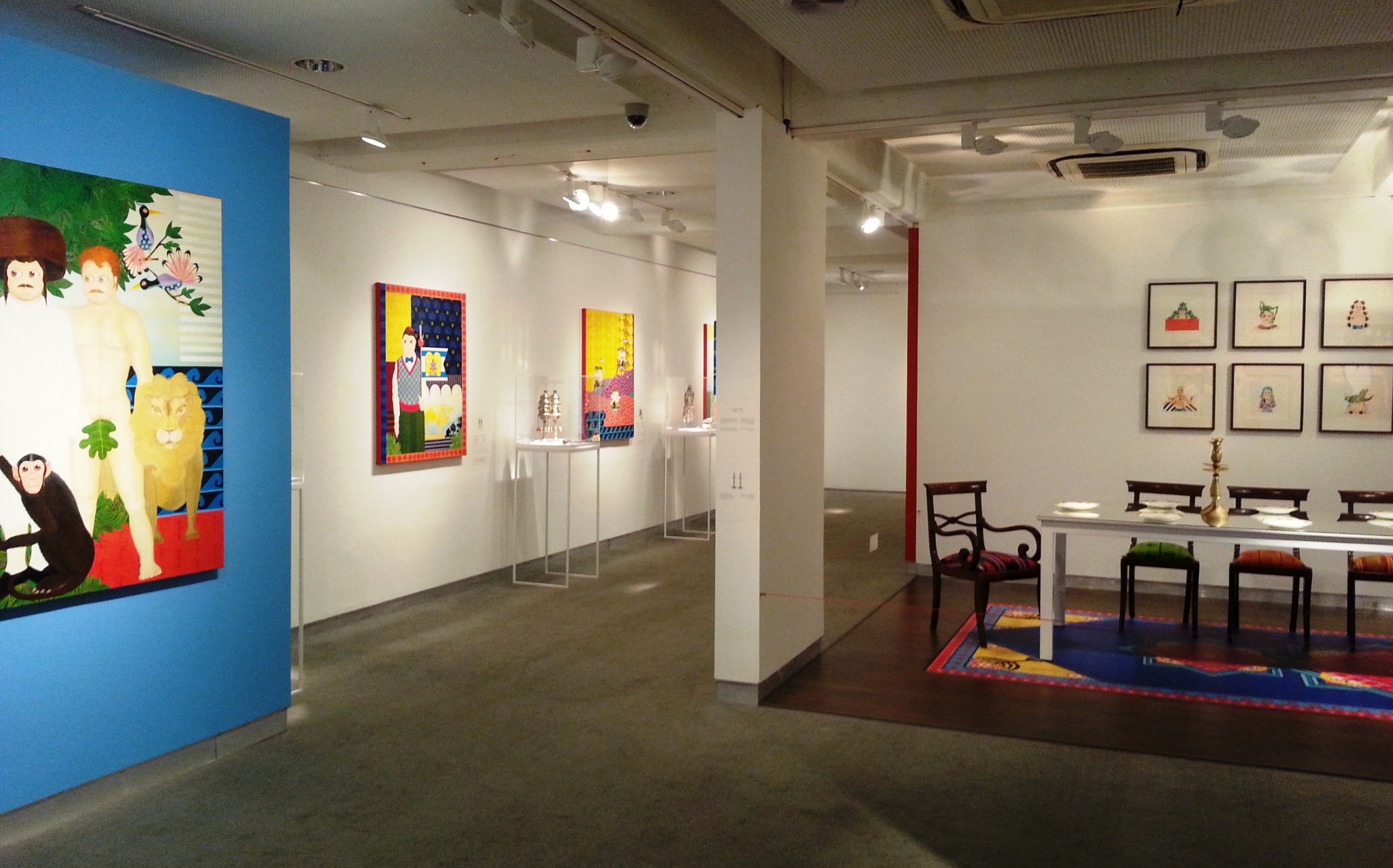
Exhibiton space
A connection between East and West and a conflation of identities is one of the most prominent characteristics of the fictive family in Bokobza’s Famiglia: a family composed of invented and historical figures, bringing together men and women, eastern and western individuals, religious and secular figures, Jews and non-Jews.
Two of these family members are pivotal historical figures: Spinoza and Al Jolson, two Jews whose families migrated from one country to another and whothemselves created, albeit in very different ways, new encounters between Jewish identity and a different culture.
The philosopher Baruch Spinoza (1632–1677) was born into a Sephardic family that had been forced to convert to Christianity and returned to Judaism in Amsterdam. In recent decades, Spinoza has been perceived as a secular Jew – although this term was not yet in use in his time. His excommunication by the Jewish community and the unanimous boycotting of his writings by Jews, Catholics, and Protestants,have come to represent fear of free thinking.
Jolson, who was born in Lithuania as Asa Yoelson, immigrated to the United States. During the 1920s, he became a first-class American star, garnering fame for his role in “The Jazz Singer” (1927), the first sound film. In the film, Jolson also appeared in blackface (as he did in many of his performances) – adopting the identity of those who suffered discrimination even more severe than the Jews.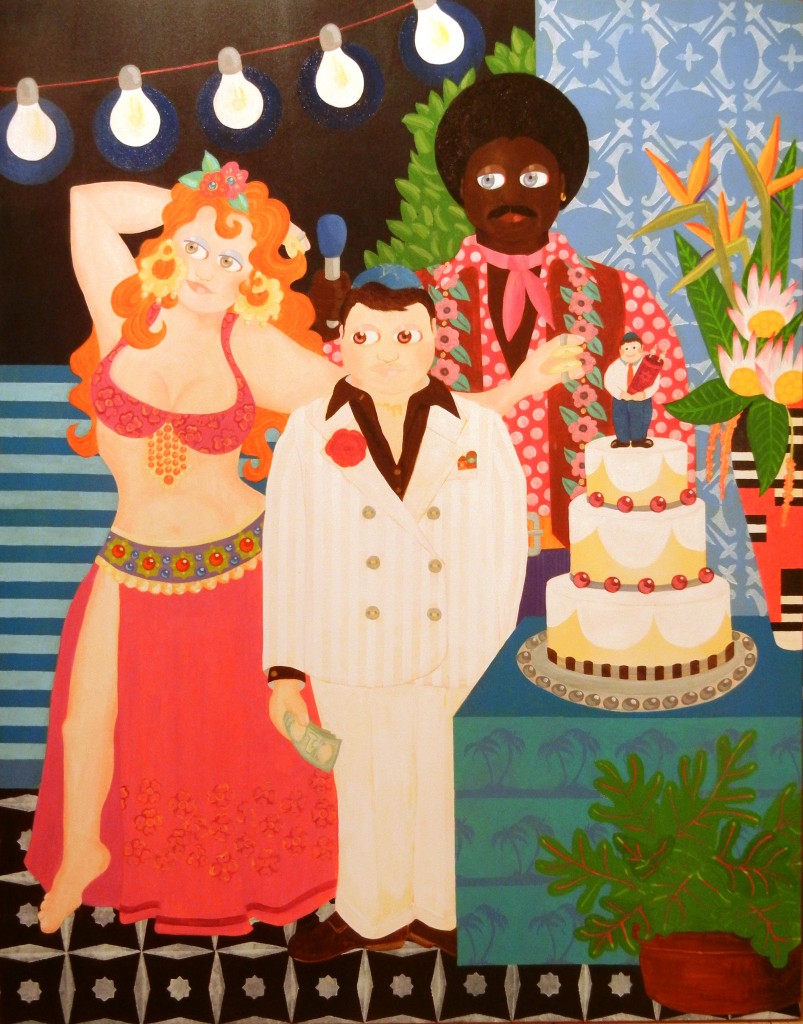
The themes of shifting and changing identities and of masquerading reoccur throughout the exhibition, and are related to the ambivalence and capacities to survive and adjust characteristic of immigrant societies.
Bokobza’s exploration of identity politics in UNITED COLORS OF JUDAICA continues his ongoing observation of the subject, as was initially expressed in Plaisir Oriental, his first solo exhibition in 2000, and has been present in all of his subsequent exhibitions.
Bokobza addresses universal issues of identity, yet his point of departure is autobiographical, and his primary concern is with Mizrachi identity (that of Jews from Arabic speaking countries). Issues of discrimination surfaced in Israeli society since the pre-state period, as manifested in the shameful episode known as “The Kinneret Yemenite Affair,” and continued after the founding of the state with the riots in Wadi Salib in Haifa during the 1950s, and up to the uproar concerning Yair Gabuz’s statement about “talisman kissers” at a left-wing rally prior to the 2015 elections.
In early Israeli visual art, images of Mizrachi Jews were mostly created by European-born artists (Rubin, Gutman, Litvinovsky, and many other Eretz Israel artists ). Since the turn of the twenty-first century artists of eastern origin, Bokobza among them, are revisiting and changing conventions of the Mizrachi image. In 2000, the year Bokobza exhibited Plaisir Oriental at Nelly Aman Gallery in Tel Aviv, the Jerusalem Artists House hosted the exhibition Sister: Mizrachi Women Artists in Israel, the first of a series of projects that examined Mizrachi identity through visual art (earlier examples, which were sporadic yet important, include, for instance, Meira Shemesh’s 1996 exhibition Iraqi Expressionism).
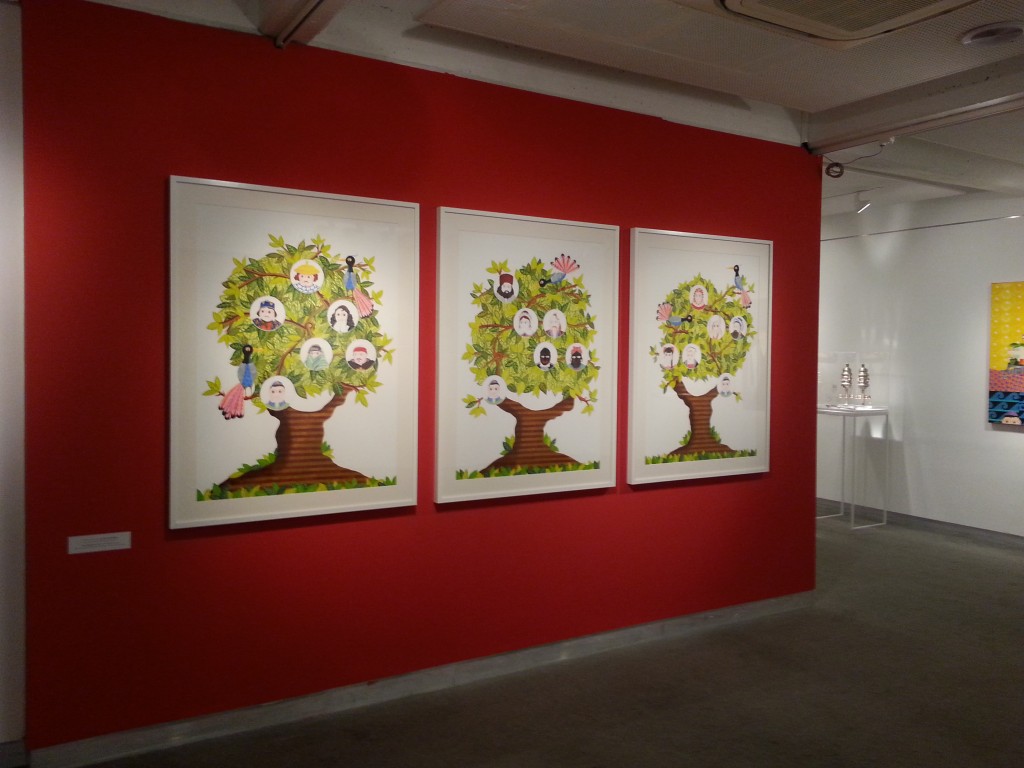
family trees
The artistic strategy used by Bokobza to examine these challenging issues is to sugarcoat the bitter pill. He creates beautiful, colorful works that are often considered naïve and decorative, while raising profound questions and expressing opinions that are far from consensual. Plaisir Oriental, for instance, included the painting Halutz (Pioneer), in which a man is positioned in a manner reminiscent of a medieval pillory. In Flag, a hole replaces the Star of David at the center of the national flag, revealing a hand carrying a flag lined with eyes (which may be read as directed against the evil eye, as a form of surveillance, or as accusatory eyes).
Two years later, in the exhibition Tzayar-Tayar (Painter-Tourist), Bokobza’s engagement with the complex East-West relations became even clearer in the work Come to Palestine, which quotes and subverts Ze’ev Raban’s familiar poster Come and See Erez Israel (1929): whereas the original poster featured a colonialist figure in a cork hat pointing at Palestine from the sea, Bokobza’s painting transforms a Mizrachi man into a ridiculous parody of the elegant colonialist figure, and has him pointing in the opposite direction, from east to west. In another work in the same exhibition, Bokobza portrayed himself as a child riding a donkey in the Tuileries Gardens in Paris – a typical French bourgeois scene that, in Bokobza’s painting, calls to mind biblical images of the land of Israel or Zionist images of children.
Bokobza’s 2006 exhibition Bezalel – Version B presented research about and a homage to Haviv Sasson, Haim Mahbob, Rahamim Ezra, Yehuda Nachmias, Yaakov Mizrahi and David Seri – Mizrachi artists who studied at the Bezalel Art School (founded and directed by Boris Schatz) before it closed down in 1928. Bokobza examined what might be described as the spiral relations between East and West: Bezalel, with Schatz at its head, sought to become a European academy, and cast an Orientalizing gaze at the East while being an actual part of it. It endorsed stylistic trends and fashions influenced in different ways by the East, such as art nouveau and Orientalist painting, perceiving the East through Western eyes and classifying Mizrachi artists as mere artisans. As the trial of history reveals, these artist remain absent from collective Israeli artistic memory. In Bezalel – Version B, Bokobza created a history for each of these artists, based on the understanding that if he himself had been born a century earlier, he would most likely have found himself in a similar position.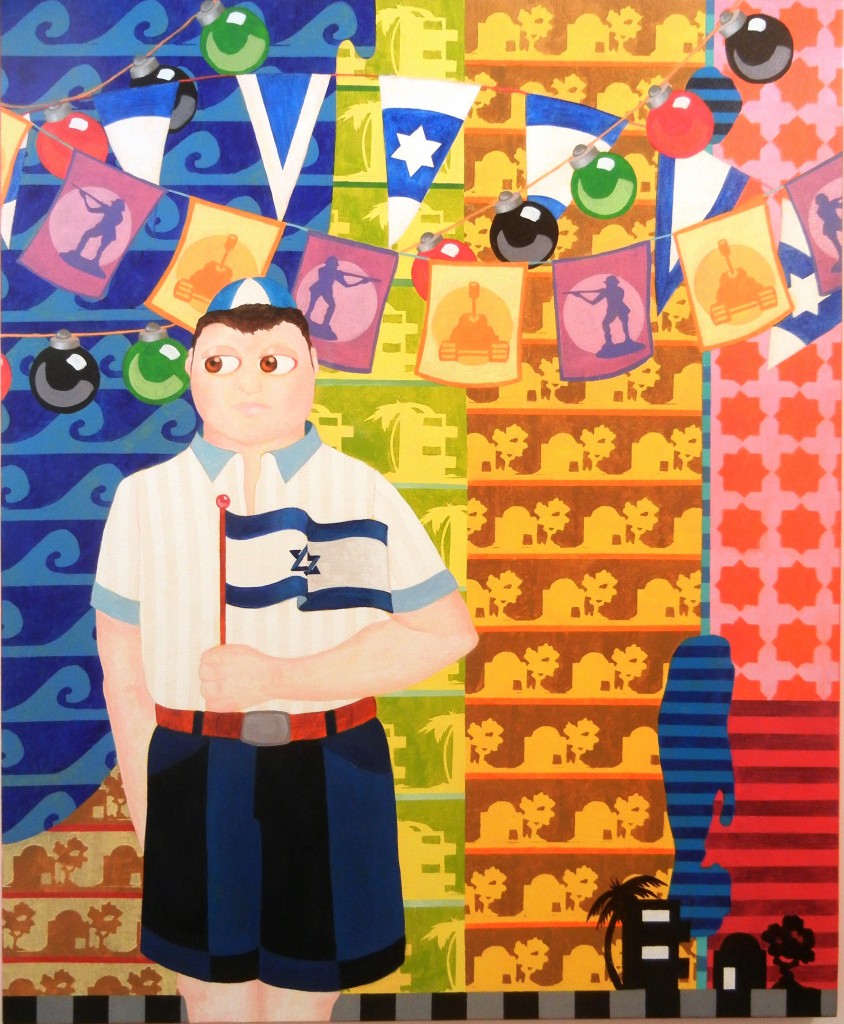
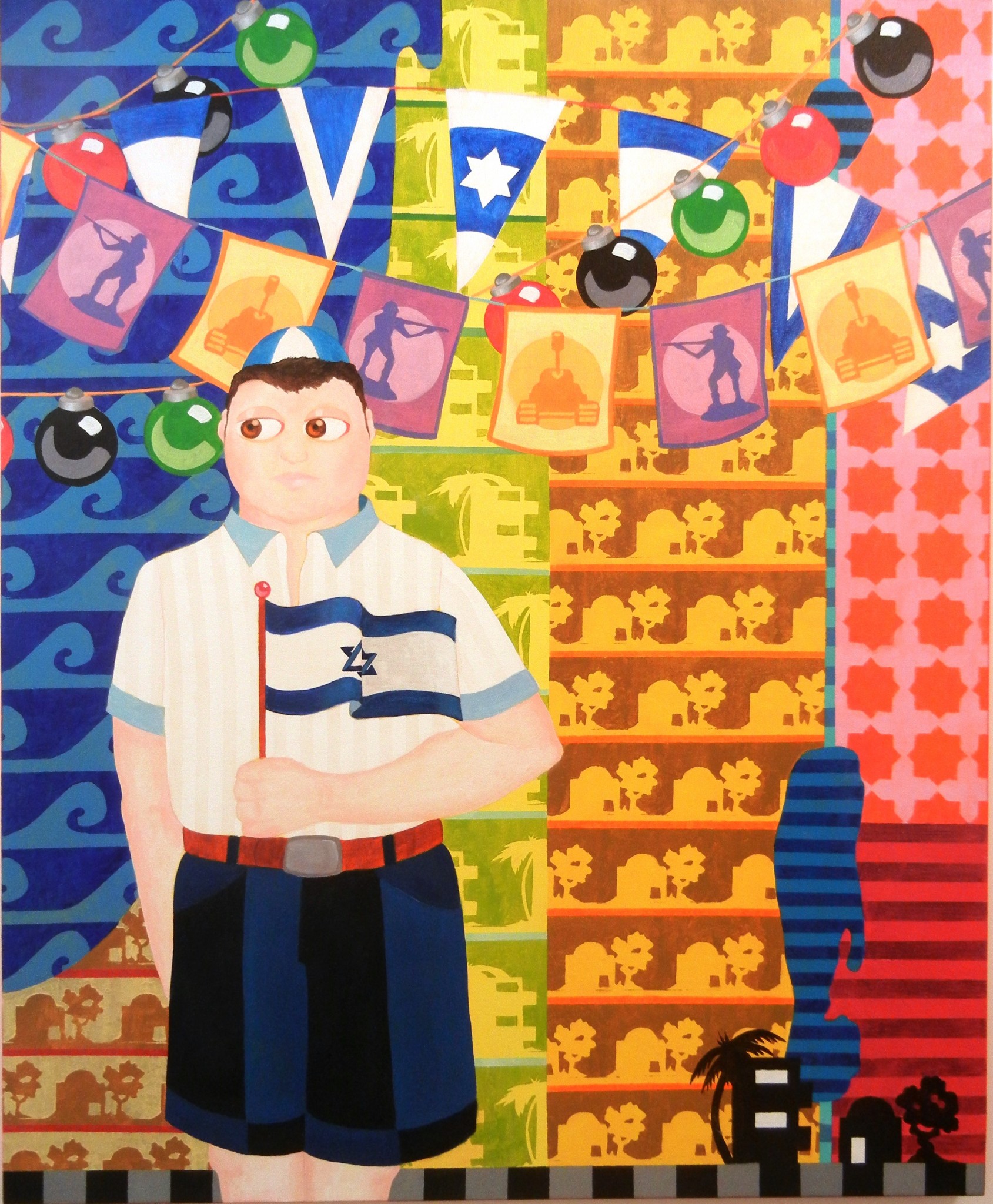
Another topic that has preoccupied Bokobza throughout his artistic career is that of borrowed identities, and the playful adaptation of marginal identities by members of the cultural hegemony. In UNITED COLORS OF JUDAICA, this game is evident in several works, including the portrait of Al Jolson in blackface and the painting Purim, in which a fair-skinned figure wears the mask of a Yemenite Jew. An early preoccupation with politics of identity and its ambivalent reading can be found in the work Patriarch 1 (from the exhibition Tzayar-Tayar, 2002), which portrays a figure that may be identified as a sheikh, a rabbi, or a westerner disguised as a Mizrachi man. In the exhibition This Place, at the Bar-David Museum on Kibbutz Baram, 2012, the identity adopted by the hegemonic Jewish group is Arab identity – an act related to the problematic history of the land belonging to the kibbutz, which was partially built on the land of the Arab village Biram. The works in this exhibition were based on photographs from the kibbutz archive, which documented female kibbutz members masquerading as Arab women.
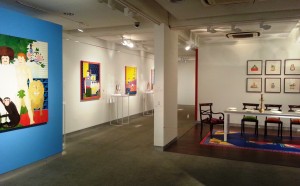
Exhibiton space
UNITED COLORS OF JUDAICA is an observation and contemplation of the phenomenon of cultural encounters and the power game of hegemonic forces and hybridity within the Jewish people. Jews were considered as the ultimate “other” long before the use this term – due, among other things, to the bifurcation of Jewish identity between Judaism and various local cultures.
***
Several months before Eric Eliahou Bokobza’s bar mitzvah, his parents were driving through the streets of Neve Tzedek. They were overjoyed when they recognized Chacham Simchon Hillel, whom they sought unsuccessfully for so many years, at the corner of the street Kol Israel Haverim. The connection was reestablished, and a close friendship continued until Chacham Simchon Hillel’s death in 1992.Chacham Simchon Hillel was a guest of honor at Bokobza’s bar mitzvah celebration, which included a performance by a belly dancer and a jazz singer from the community of Black Hebrews in Dimona.
Kol Israel Haverim.
Join the mailing list for Window’s weekly informational advertising newsletter –
www.smadarsheffi.com/?p=925
Comments – please write to thewindowartsite@gmail.com
[1] הלבנט הוא התגלמות הסינתזה ותמציתה. היפוכו של כל ייחוד בוטה וצעקני. הוא-הוא הפלוראליזם עיוור-הצבעים באשר לגזע, למוצא אתני, לדת. הלבנט כמעט שאינו נולך לשום מקום: כולם באים אליו, והשמש העזה מהקצעת ומעצבת את הכל.
שולמית הר-אבן , ימים רבים – אוטוביוגרפיה, 2001
[2] Bhabha, Homi K. (2004). The Location of Culture. Abingdon: Routledge. p. 55
[3] Signs Taken for Wonders: Questions of Ambivalence and Authority under a Tree outside Delhi, May 1817,Homi K. Bhabha, Critical Inquiry Vol. 12, No. 1, “Race,” Writing, and Difference (Autumn, 1985), pp. 144-165 ,The University of Chicago Press
[4] מסורת של שחקנים ובדרנים לבנים המתחפשים לשחורים שצמחה בארה”ב והתפשטה גם מחוצה לה. מסורת זו שימשה לחיזוק ובניית סטראוטיפים והמשיכה להיות פופולרית עד לשנות ה 60 בארה”ב ועד סוף המאה ה 20 במקומות אחרים . כיום היא משמשת , לעיתים רחוקות, כסאטירה .
[5] יהודה ניני, ההיית או חלמתי חלום, תימני כנרת – פרשת התיישבותם ועקירתם – 1912-1930, עם עובד, 1996
[6] פרויקט סוקג’אן 2012-2013 .
סוקג’אן הם אפודים צבאיים מעודפי צבא אמריקאיים שהפכו לאופנת רחוב פופולרית ביפן , כאשר הם מעוטרים במסורת יפנית והופכים לבגד היברידי תרבותית .
![IMG_4431[1]](http://old.smadarsheffi.com/wp-content/uploads/2016/02/IMG_44311.jpg)