בגלל שהלילה מופע ברכבת שדים |“Because the night…”: On a ghost train

English Follows Hebrew 

בגלל שהלילה מופע ברכבת שדים
“בגלל שהלילה”  הוא מופע שמהלך בין המיסטי והאלגורי, בין מדע בדיוני לזיכרונות קולקטיבים. יש בו משהו מהפראות האפלה שמקננת בקרקסים, באגדות ומיתוסים ומתגלה לעיתים בם  בחיי היומיום. התחושה העיקרית שנשארת אחרי הצפייה היא תהייה, ערות מחודדת למציאות שמחוץ לחלל המופע.
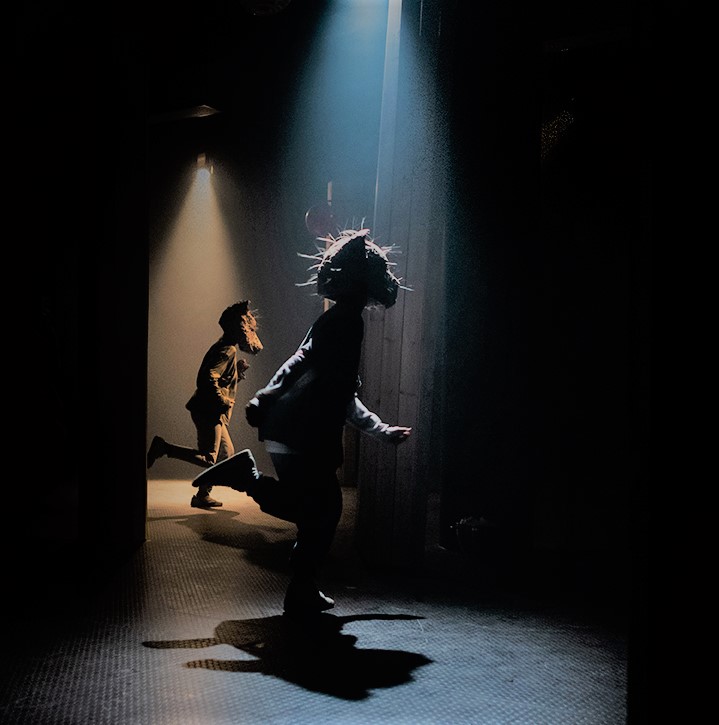
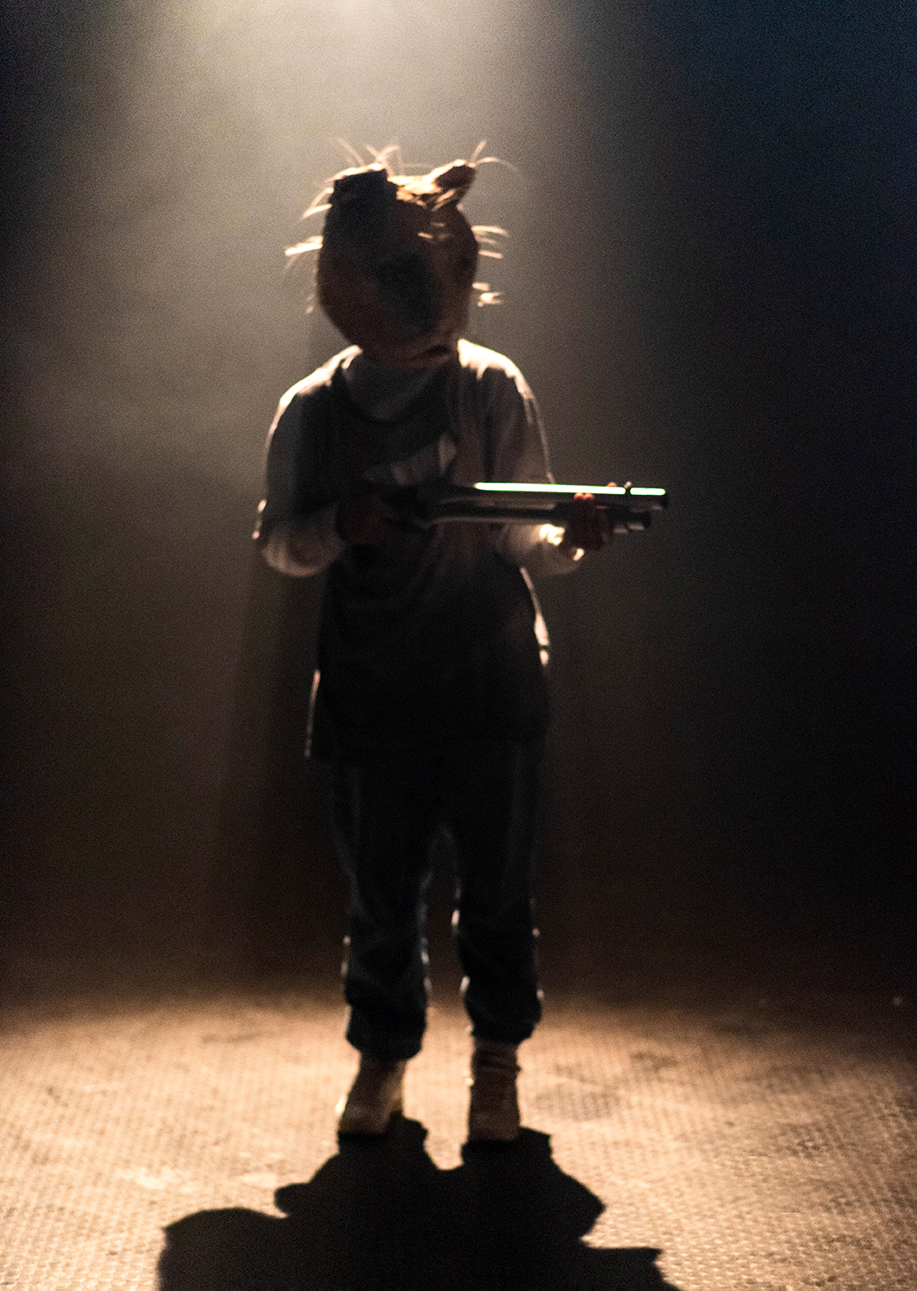
שליטה, כוח ואלימות סמויה וגלויה הם נושאים  חוזרים. הצפייה נעשית בישיבה ברכבת עשויה קרונות – כסאות  מוגבהים ומחוברים הנעים  על מסילה בתוך חלל מחולק שני אולמות ונהוגה בידי מייצגנית במסכה חיתית.  לא ניתן לרדת בזמן הנסיעה והכנסת מכשירים סלולריים אסורה מה שמשפיע על הריכוז ובמידה רבה גם על אופן הצפייה (ההופך לחלוטין בלתי מתווך). הקהל הוא אכן, למשך קצת פחות משעה, קהל שבוי.
Because the night.
Photo Yair Meyohas

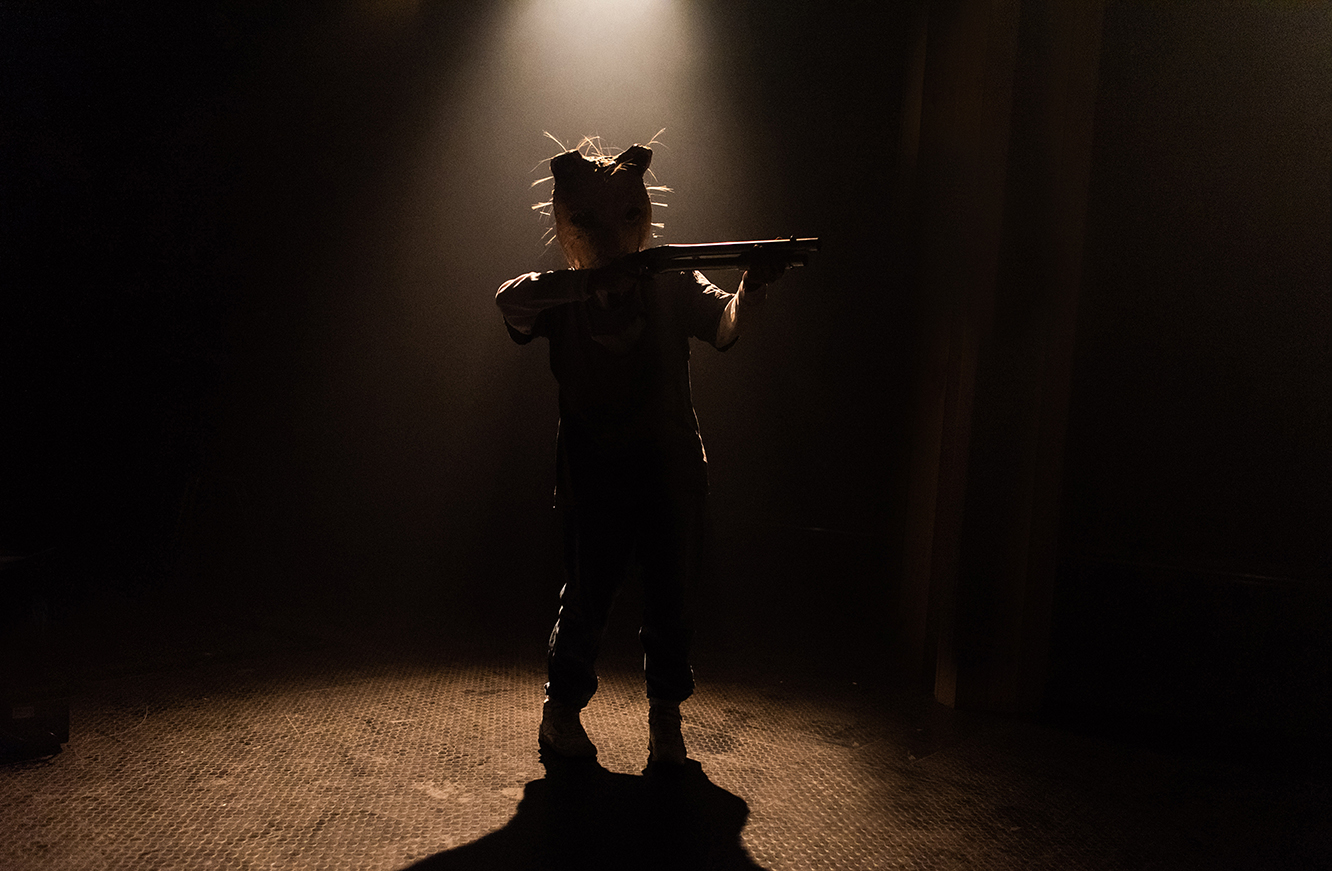
לפרוט את “בגלל שהלילה” לחלקיו אינו עושה אתו צדק משום, שכמו אופרה, מדובר בעבודת אמנות שלמה, כמו במונח הגרמני Gesamtkunstwerk המזוהה עם התפיסות האסטטיות של ואגנר. גיבורי הסיפור שמתגלה בנסיעה הלוך ושוב בין החללים הן דמויות ינשוף, דב, וזאב שלאורך כל המופע אינו מדברות. המקום לא מקום בו הן פועלות הוא יער ערפילי או חדר עירום ובין לבין רואים הצופים גם דמות של מעין אסטרונאוט ופסלים בהיגיון שנע בין היגיון אגדות לסיוט באופן המאיר עד כמה דק הקו ביניהם . ב”בגלל הלילה”  האיטצלה של תום שיש פעמים רבות לסיפורי שהם משליי חיות איננה מן הרגע הראשון . העיצוב של המיצב/תפאורה נעשה בידי גבי קריכלי  ויש בו את אותה איכות של אמנות הנוגעת בריטואלי שהולכת ומאפיינת את עבודותיו שהוצגו בשנה החולפת . במיצב “שבעה חוקים לחיים” במוזיאון פתח תקווה (אצרה אירנה גורדון),  במיוחד בחלק שכונה “גולגולתא” בה יצק כ־400 גולגולות והציב אותן כמו שדה קבורה של דת לא ידועה, ובמשתמע את צליבת ישוע. ב”חד גדיא”  בבית האמנים בירושלים (אצרה צופיה דקל כספי) הציג פסל נחש חתוך ומדמם מעין, אוּרוֹבוֹרוֹס (נחש או דרקון הבולע את זנבו) . ב”בגלל הלילה” החיות המואנשות עוברות תהליכי הרס, ואולי, כליה אפוקליפטית עם דרקון המופיע בסוף המופע כמו החיה בחזון יוחנן.
Because the night.
Photo Yair Meyohas

קריכלי יצר רגעים יפיפיים בחלל ההופך להיות יקום עם גלקסיות מסתובבות, כדורי זכוכית צבעוניים שמתוך הלילה והערפל העוטף את המופע עונים על הרעב  הנבנה במהלך המופע לצבע נקי.  “לילה וערפל ” סרטו של אלן רנה  מ 1955  בו הראה תעוד נרחב של אושוויץ ומיידנק הנטושים עולה על הדעת במופע שמעורר זיכרון קולקטיבי עם בגלל התניות – חשיבה על רכבת ובעיקר כזו שאין בה ברירית עלייה או ירידה, הכהות של לילה ובעיקר המטמורפוזה מתמימות – חיות יער חביבות – לזוועה והתחושה של אין מוצא של דין שנגזר שיוצרת המלחמה ההולכת ומתפתחת בין הדמויות. אין למסע ברכבת השדים רגע קתרטי – המסע נפסק אך האלימות והעזובה הנפשית שהוא מתאר אינן מסתלקות.

במאי גיא גוטמן.
 גבי קריכלי  אשר על כל הצד החזותי במופע.
קבוצת אנסמבל 209 . הכישור 6, יפו

הדרכה והכנה עם ד”ר סמדר שפי

למטיילות/ים עצמאיו/ים לביאנלה בוונציה, 2022

הביאנלה היא אירוע האמנות הבינלאומי החשוב ביותר. השנה מציגות 80 מדינות בביתנים לאומיים ובתערוכה הבינלאומית מציגים 213  אמניות ואמנים.לצד הביאנלה מוצגות  עוד עשרות  תערוכות חשובות .
במפגש תקבלו  רקע והכנה כידי שתנצלו באופן מרבי את הזמן שהחלטתם להקדיש  לביאנלה  – ותתמקדו בחלקים המעניינים ביותר עבורכן/ם.  
ההדרכה עם מצגת ומפות .הביאנלה ננעלת בסוף נובמבר 2022

לפרטים ותאום אנא כתבו מייל ל thewindowartsite@gmail.com
או שלחו הודעת   WhatsApp ל 0507431106 
Because the night.
Photo Yair Meyohas


Because the night…”: On a ghost train

“Because the night” is a performance that oscillates between mysticism and allegory, science fiction and collective memories. It has some of the darkness lurking in circuses, legends, and myths, which sometimes reveals itself in daily life. The primary sensation after the performance is wonder and heightened awareness of the reality outside of the performance space.

Because the night.
Photo Yair Meyohas

Covert and overt control, power, and violence are the recurring motifs.  Viewers sit in a “train” made of raised seats joined together, moving on a track inside of a space divided into two halls, driven by a performer in an animal mask. The audience cannot disembark from the “train” during the performance, and cellular phones are prohibited, impacting the concentration as well as the viewing: it becomes absolutely unmediated.  Those attending the performance, that lasts less than an hour, are truly a captive audience.
A detailed analysis of every detail of the performance does not do it justice because, like an opera, the work is an integral whole, as in the concept “Gesamtkunstwerk” most identified with Wagnerian aesthetics. The wordless protagonists of the story revealed during the travel back and forth between the two spaces are Owl, Bear, and Wolf. Their sphere of action is a dark wood or naked room. Here and there viewers catch a glimpse  of a figure of a kind of astronaut or sculptures in the inconsistent logic of fairy tales and nightmares, illuminating just how narrow their dividing line is. In “Because the Night,” the innocence that frequently cloaks animal parables is absent, from the outset. The visual design is by Gabi Kricheli, evoking ritual that has characterized his works exhibited over the past year. In his installation “Seven Rules for Life” (curated by Irena Gordon) at the Petach Tikva Museum of Art – especially the section titled “Golgotha” with its 400 cast skulls placed like a burial area of an unknown religion, resonating the Crucifixion. In “Had Gadya: The Horror Cycle” (curated by Sofia Dekel Caspi) at the Jerusalem Artists’ House, Kricheli exhibited a large cut snake, a kind of Oroboros (image of a snake or dragon swallowing its own tail). In “Because the night,” the personified animals undergo destruction processes, perhaps apocalyptic annihilation, with a dragon appearing at the finale like the creature in Revelations.
Kricheli has created beautiful moments in a space transformed into a universe with revolving galaxies, colorful glass spheres which respond to the increasing hunger for pure color in contrast to the dark night and enveloping fog during the performance. The film by Alain Resnais, Night and Fog (1955), which documented the abandoned concentration camps of Auschwitz and Majdanek camps, comes to mind in this performance which arouses collective memory, perhaps because of conditioned stimuli – thinking about trains, especially when one has no choice of embarking or disembarking, or the dark feelings leading to the war developing between the characters. There is no catharsis on this train journey – the journey ends but the violence and mental negligence it depicts remain.

Director: Guy Gutman
Visual design: Gabi Kricheli
Ensemble 209, 6 HaKishor, Yafo

Because the night.
Photo Yair Meyohas


Posted in מייצג | Tagged , , , | Comments Off on בגלל שהלילה מופע ברכבת שדים |“Because the night…”: On a ghost train

תערוכת האוסף “אפורה כל שיטה, רק עץ החיים ירוק לעד” ו”שעון שמש” מעיין אליקים |Exhibition of TLV Museum’s Collection \ “All Theory is Gray, but the Tree of Life Springs Ever Green” | Maayan Elyakim \ “Sun, Dial”

English follows Hebrew

תערוכת האוסף “אפורה כל שיטה, רק עץ החיים ירוק לעד” ו”שעון שמש” תערוכת יחיד של מעיין אליקים —יפות מאד. יש להן צדדים רבים נוספים, אך מעל לכל הן יפות ובדרכן חופשיות, ללא מוסרות של דיון, זעקה מחקר או תזה אותו הן מתוות או, כמו שקורה לא פעם, מרצות.  בשתי התערוכות היופי אינו קישוט  אלא יוצר זמן להתבוננות, לעצירה, לשקט שמופקע מרעשי רקע. כשהן מוצגות לצד התערוכה “לצלם ולשכוח: רן טל אחרי מיכה בר־עם” והתערוכה “איורים: דוד פולונסקי”, שתי תערוכות משובחות שתכנים נרטיביים היסטוריים עומדים בליבן הדבר בולט במיוחד. את “אפורה כל שיטה, רק עץ החיים ירוק לעד” ו”שעון שמש”  אצר דורון רבינא והן טובות, לאין ערוך, מהתערוכות שאצר בעת ששימש אוצר ראשי של המוזיאון.

Maayan Elyakim: Sun, Dial (View of the installation)

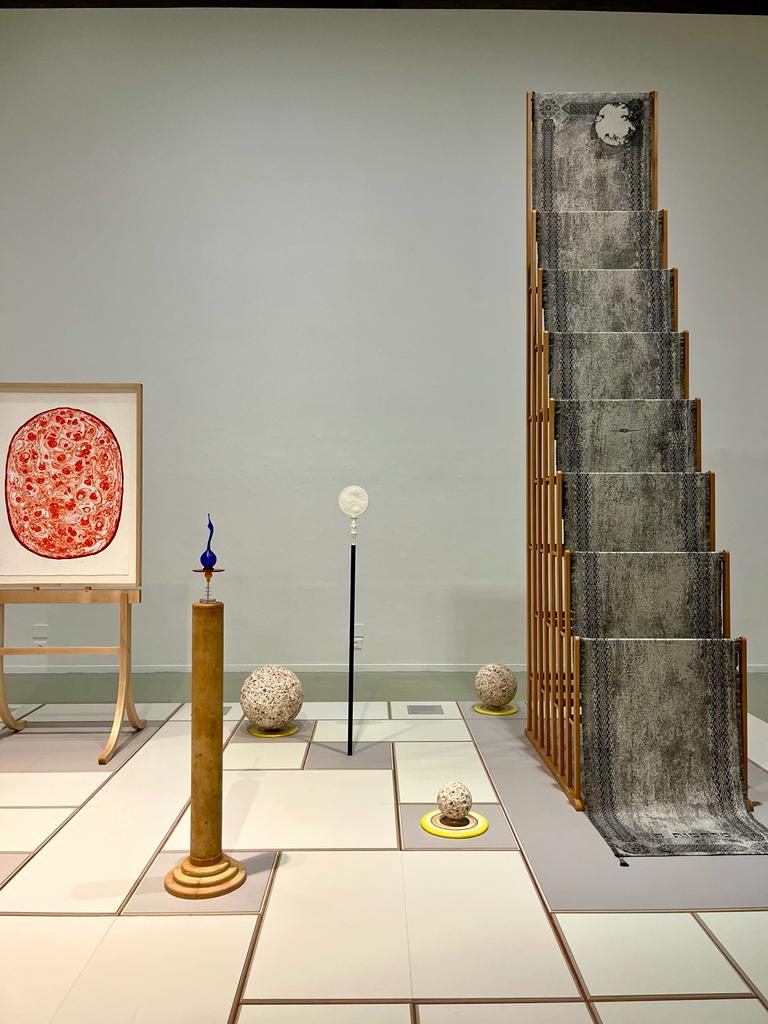
על התערוכה של אליקים אפשר לחשוב כעל מיצב שחלוקת החלל האקסטרווגנטית מאפיינת: מרבית החלל ריק למעט שלושה מוקדים: עבודת קיר ענקית עשויה תבליט נייר וקרטון  ושתי במות עליהן, בגריד מסודר, אובייקטים. המסע אליו לוקח מעיין את הצופה הוא לתפר הזמן של סוף  המאה ה  19 וראשית המאה ה 20  והמקום התרבותי  הוא של מערביות מוקסמת מ”מזרח” מדומיין שכרוכה בחיבוטי לאומיות. במערך המורכב הזה אליקים יוצר חפצים מעודנים, עשירים, חוגג אנינות וצופן בתוכה חרדת קץ.

Maayan Elyakim: Sun, Dial

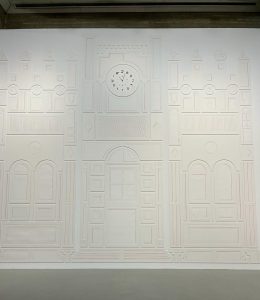
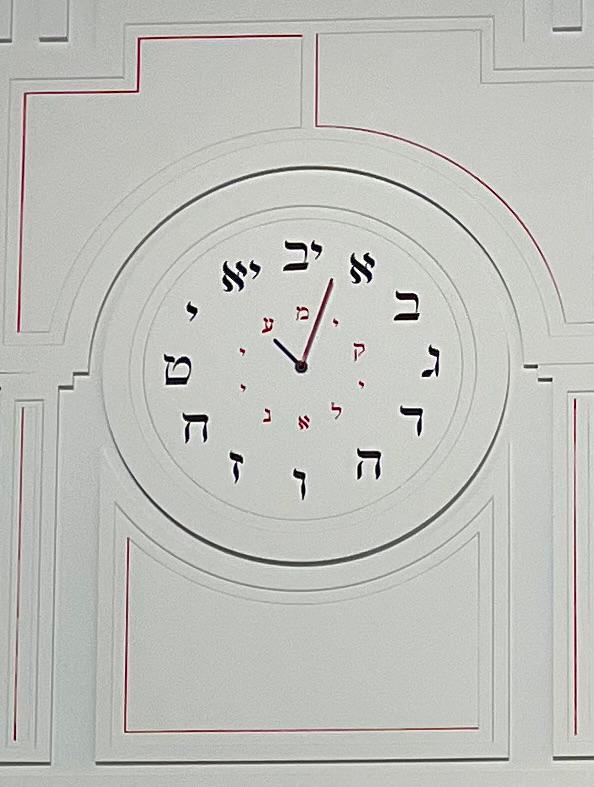
 עבודת הקיר, בלבן בוהק עם קוים אדומים מעטים שנראים כאילו מבצבצים נימי דם היא חזית  בניין אקלקטי שנראה מוכר למרות שאינו בניין ספציפי . בסגנון שהיה נפוץ בתל אביב בשני העשורים הראשונים לקיומה הפגיש אדריכלות אירופאית שנשענה על אדריכלות קלאסית עם הדי אר – נובו ואר- דקו ואדריכלות מחלקים נוספים בעולם, .  שילוב מערך שילוב תרבותי דומה לזה שמופיע בבמות.  בראש המבנה אליקים נותן לצופה מפתח לקריאת התערוכה דרך שעון שאותיות עבריות מחליפות בו את הספרות מ א עד י”ב ובתוכו  מעגל פנימי בו כתוב שם האמן  שנקרא הפוך מכיוון השעון . מעגלי הזמן והזהות מסוכסכים ואליקים, כמו אמן רנסנס מנכיח את עצמו , את חתימתו במוקד.

Maayan Elyakim: Sun, Dial

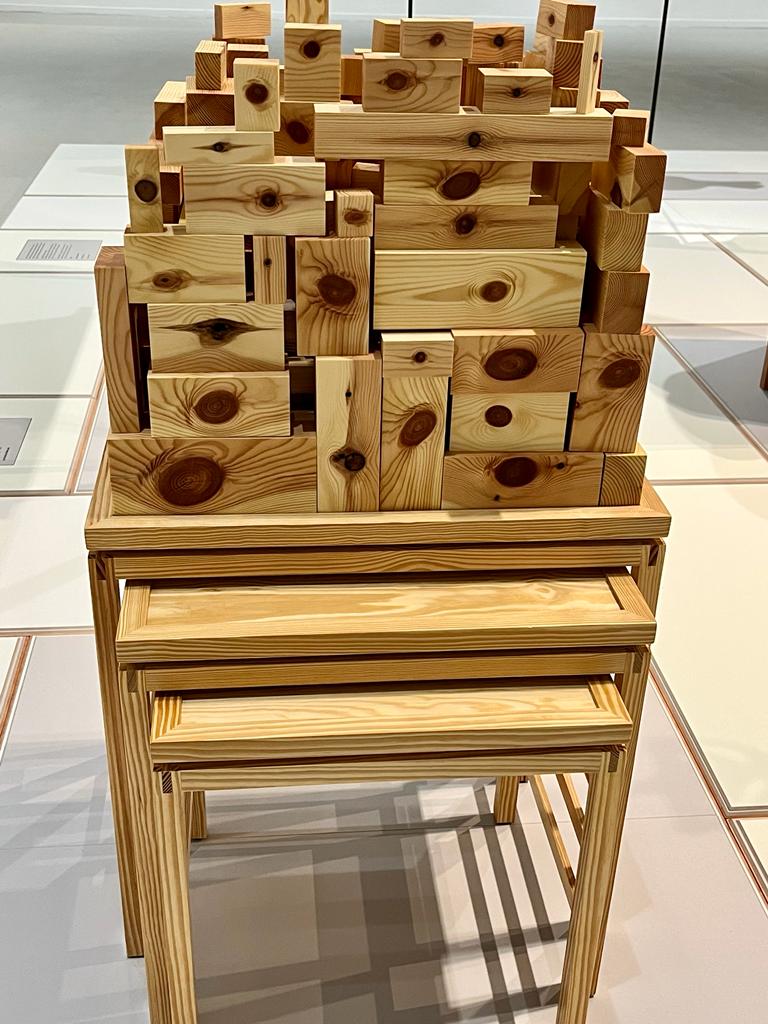
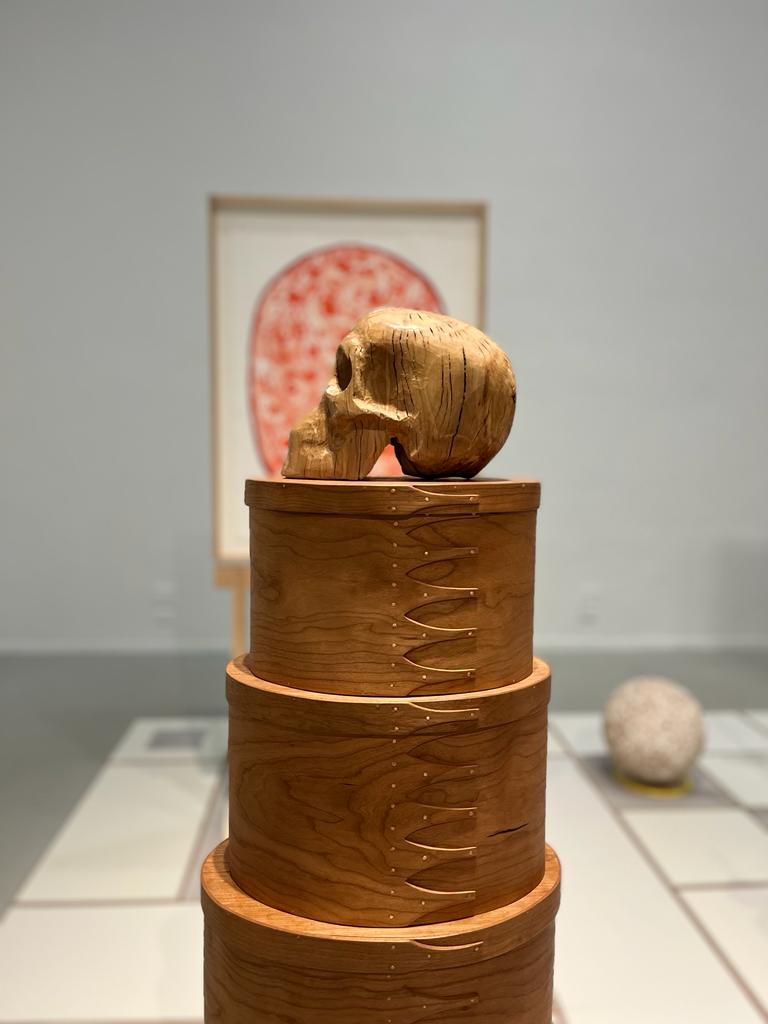
בין האובייקטים  קשרים סמויים וגלויים של נראות ומשמעות .  מספר כדורים שהם קונגלומרט של צדפים מוצגים על הבמות. הכדורים מזכירים את כדורי השלדים של דיוויד פלקנר  וגם כדורי החרקים של צדוק בן דוד . את כדורי הצדפים, חומר עתיק שמעיד על מות היצורים שחיו בו הוא מעמיד על צלחות מבית מלאכה איטלקי המשתמש בזיגוג ששימש בעבר אמנים פוטוריסטים. המבט על זמן, על אי הלימה בסיסית בין התחושות והפרשנות שלנו כלפיו וחוסר ביכולת שלנו להסכין לטיראניות  הזמן חוזרת שוב ושוב . על שולחנות קינון (שולחנות בגדלים שונים הנכנסים זה תחת זה) מעץ אורן הציב ערמת קוביות שבולטים בהם “עיניים” בעץ ,סימני זמן והתפתחות. השולחן המרוסן, אובייקט שפרשנות שלו בידי ג’וזף אלברס הפכה אחד הרהיטים המזוהים של הבאוהאוס. נפגש בקוביות הגדולות שנשמר בהן זיכרון טבע שכמו הצדפים נדרס באלימות להוות צורה רגולרית.  דף ראשון של ספר “מלחמות ה'”  עמוד כותרת , ספק מומצא ספק אמיתי נארג לאריג ארוך ותלוי על סולם – משוכות,  גולגולת מוצבת על ארגזי מסע , ורקמה שמזכירה ציורים של הילמה אף קלימט ממוסגרת במה שנראה כלוחות ברית.

Maayan Elyakim: Sun, Dial

הדיון הפנימי בין זמנים וסגנונות, הזיקה של האמנות ל”חדר פלאות” קולוניאליים  שתמימות, דורסנות ותחושת אדנות הופיעו בהם במידות כמעט שוות  מתקשר לתערוכה מאוספי המוזיאון “אפורה כל שיטה, רק עץ החיים ירוק לעד” שמוצגת

All Theory is Gray, but the Tree of Life Springs Ever Green

באולם הפתוח וממשיך את האולם בו מוצגת התערוכה של אליקים. הקישורים בין עבודות המקובצות יחד אסוציאטיביים, צורניים, לפעמים גחמניים  אך החוט המקשר בדרך בולט. ההיגיון הפנימי אנרכיסטי למדי .אנדי וורהול ג’ואל שפירו, ג’וזף אלברס ויהושוע נוישטיין מספרים מודרניזם, אמנים לא מוכרים ליד מוכרים. מחסני המוזיאון כלונה פארק , מגרש משחקים אינסופי, נוף מתעתע.

אוצר: דורון רבינא
מוזיאון תל אביב לאמנות 
שד׳ שאול המלך 27, תל אביב  

כל הצילומים: סמדר שפי

הדרכה והכנה עם ד”ר סמדר שפי

למטיילות/ים עצמאיו/ים לביאנלה בוונציה, 2022

הביאנלה היא אירוע האמנות הבינלאומי החשוב ביותר. השנה מציגות 80 מדינות בביתנים לאומיים ובתערוכה הבינלאומית מציגים 213  אמניות ואמנים.לצד הביאנלה מוצגות  עוד עשרות  תערוכות חשובות .
במפגש תקבלו  רקע והכנה כידי שתנצלו באופן מרבי את הזמן שהחלטתם להקדיש  לביאנלה  – ותתמקדו בחלקים המעניינים ביותר עבורכן/ם.  
ההדרכה עם מצגת ומפות .הביאנלה ננעלת ב נובמבר 2022

לפרטים ותאום אנא כתבו מייל ל thewindowartsite@gmail.com
או שלחו הודעת   WhatsApp ל 0507431106 

Joel Shapiro , 1991


Exhibition of TLV Museum’s Collection \ “All Theory is Gray, but the Tree of Life Springs Ever Green” | Maayan Elyakim \ “Sun, Dial”

Both the Tel Aviv Museum’s exhibition, “All Theory is Gray, but the Tree of Life Springs Ever Green,” and Maayan Elyakim’s  solo exhibition, “Sun, Dial,” are enrapturing. They have additional aspects, but beauty reigns, liberating the exhibition from the strictures of discussion, protest, research, agenda, or as so frequently seen, a desire to please. In both beauty is not decoration but an element facilitating observation, a pause to contemplate, quiet extracted from background noise. When they are displayed alongside of two other good exhibitions, “The Last Photograph: Ran Tal after Micha Bar-Am” and “Illustrations: David Polonsky,” with historical narratives at their core, it stands out more clearly. Doron Rabina curated both exhibitions, which are much than the ones he curated in his capacity as the Museum’s Chief Curator.


Maayan Elyakim: Sun, Dial (View of the installation)

Elyakim’s exhibition can be seen as an installation whose extravagant division of space is its main characteristic: most is empty except for three focal points: a huge wall piece – a paper and cardboard relief, and two platforms on which objects are arranged in an orderly grid. Maayan takes his viewers on a time travel journey to the seamline between the 19th century and the early 20th. The cultural site is a West enchanted by an imagined “Orient” undergoing pangs of nationalism. Relating to this complex system, Elyakim creates refined, rich objects, celebrating connoisseurship predicting the anxiety of an Apocalypse.
The wall piece, with its shiny white and few red lines seeming to glisten like capillaries, simulates the façade of a seemingly-familiar eclectic building, without being specific. The style, which was common in 1920s Tel Aviv, was an encounter between European architecture leaning on Classicism with shades of Art Nouveau, Art Deco, and additional styles. This was a cultural eclecticism similar to the spirit of the objects on the two platforms. At the top of the façade, Elyakim provides a key to its reading the exhibition. In the clock in which Hebrew letters replace numerals, and the inner dial is surrounded counterclockwise by the Hebrew letters of his name, reality and identity are in conflict, as Elyakim, like a Renaissance artist, makes himself present with his “signature” at the center.

Maayan Elyakim: Sun, Dial


Covert and overt ties of visibility and meaning exist between the objects. The spheres made of conglomerates of shells, on the platforms, are reminiscent of David Falconer’s skeleton balls as well as Zadok Ben-David’s insect balls. The spheres of shells, made of the ancient material testifying to the death of living creatures, are placed on Italian-made plates glazed in the same technique as the ones produced by some Futurist artists. The observation of Time, with the basic incompatibility between our feelings and our interpretation, and our refusal to succumb to its tyranny, reoccurs. A pile of oak cubes with knots like eyes which are signs of time and development are placed on oak nesting tables. Nesting tables, as interpreted by Josef Albers, became one of the pieces of furniture most identified with the Bauhaus, here encounter the cubes which resonate memory of nature. Like the shells, they have been violently transformed into a regular shape. The title page of the book “Wars of the Lord,” a book whose origin is invented or perhaps real, was woven into a long fabric and hung on a ladder made of hurdles. A skull is placed on a steamer trunk, while embroidery reminiscent of Hilma af Klint’s works are displayed in a frame like the tablets of the Ten Commandments.

All Theory is Gray, but the Tree of Life Springs Ever Green

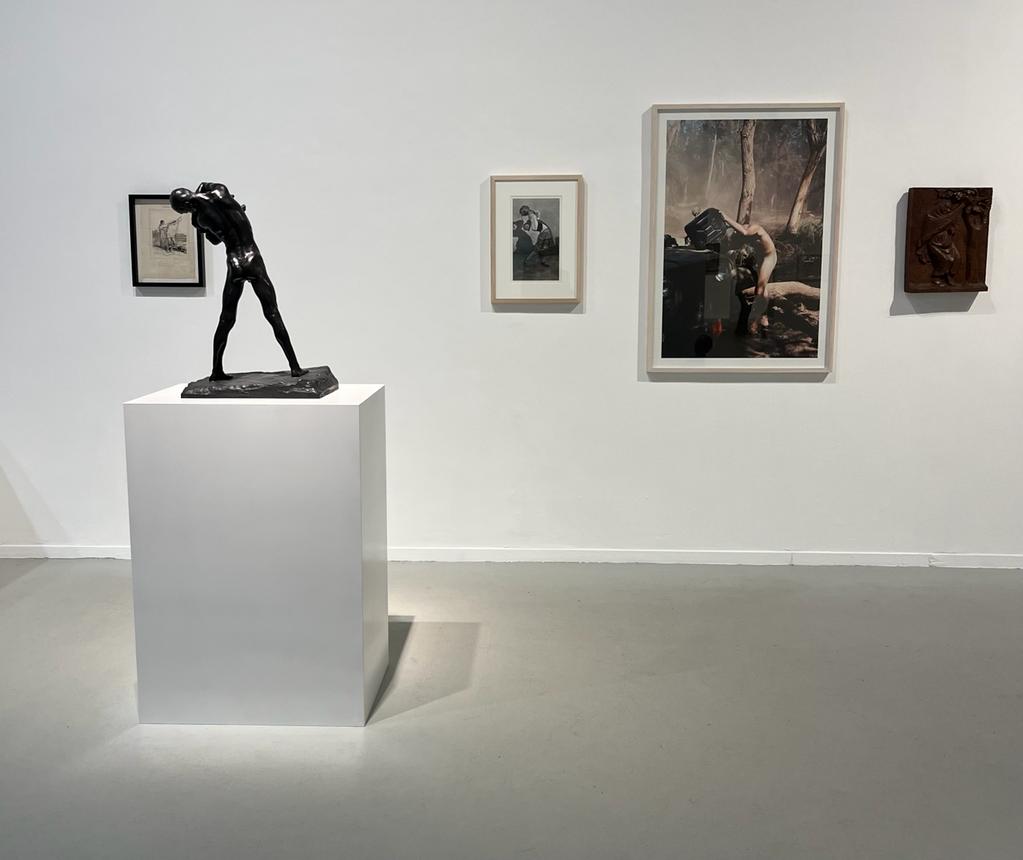
The internal dialogue between times and styles, the association of the art to colonial “cabinets of wonders” equally embodying innocence, hegemony, and entitlement, is linked to the exhibition from the Museum’s collection on view in the open hall, continuing to Elyakim’s exhibition. The links between the grouped works are associative, formal, and sometimes whimsical, but there is an evident common thread. The internal logic is overly anarchistic. Andy Warhol and Joel Shapiro, Josef Albers and Joshua Neustein speak of Modernism, and there are works by lesser known artists next to the well-known. The Museum’s storerooms have become an amusement park, an infinite playing field, an illusory landscape.

Curator: Doron Rabina

Tel Aviv Museum of Art, 27 Shaul Hamelech, Tel Aviv

All photographs by the author.

Posted in פיסול ומיצב, ציור, צילום | Tagged , , , , , , , , | Comments Off on תערוכת האוסף “אפורה כל שיטה, רק עץ החיים ירוק לעד” ו”שעון שמש” מעיין אליקים |Exhibition of TLV Museum’s Collection \ “All Theory is Gray, but the Tree of Life Springs Ever Green” | Maayan Elyakim \ “Sun, Dial”

העבר אינו מפסיק להשתנות // מרב שין בן-אלון : The past does not stop changing // Merav Shinn Ben-Alon

English follows Hebrew

העבר אינו מפסיק להשתנות // מרב שין בן-אלון

תרגום של חוסר שקט למקצב תלייה, עבודות  שנדמות לרגעים כאילו נחשפו תחת  שכבה שהסתירה אותם  לצד  ציורים   שנוכחותם חריפה הופכים את המיצב הציורי  “העבר אינו מפסיק להשתנות” של  מרב שין בן-אלון ליצירה שלמה,  קשה שטווה סיפור הנשאר בלתי מפוענח עד תום ושוקע כזיכרון.

Merav Shinn Ben-Alon

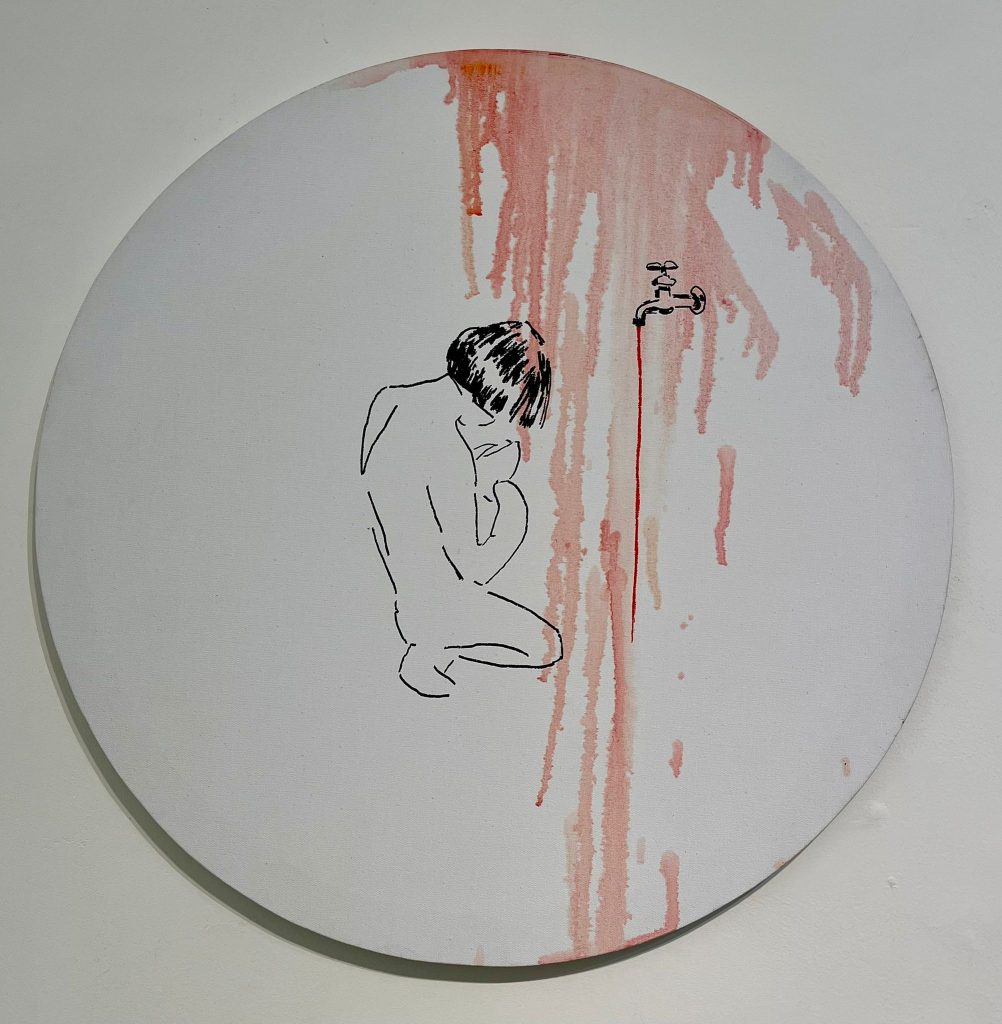
שין בן – אלון גיבשה לאורך השנים רישום ולעיתים ציור  שנדמה שהוא ממריא לקראת אנימציה אך יש כוח רב בהקפאה, בעצירה של הצורות.  אשה עירומה שרועה על גבה וקווקווים אדומים  כדם על רגליה מצוירת על נייר לבן המודבק כענן מרחף על הקיר. אין לה , כפי שאין לאף דמות אחרת בתערוכה (ובמרבית היצירה של שין בן אלון) תווי פנים . גם אשה ילדה הכורעת ליד ברז מים , ואשה שחוחה שמבטה קבור בקרקע שאינה מצוירת נמצאות במצב תלישות.  העבודות הן משנים שונות , המוקדמות מראשית שנות האלפיים והמאוחרות נעשו בשנה החולפת בכל אחת מהן תנועה מרוסנת ותחושה של חשש גדול. כתמים גדולים של אדום מתמשכים לתוך נזילות שמדגישות משך ואת הכבדות הבלתי נסבלת של כוח משיכה שמכניע את מה שהוא לכאורה עבודות אווריריות . הצבעוניות שחור לבן אדום מקפלת זיכרון עיצוב תדמית של משטרים טוטליטריים ושל חברות ששווקו בעבר כמייצגות חופש קפיטליסטי.

Merav Shinn Ben-Alon

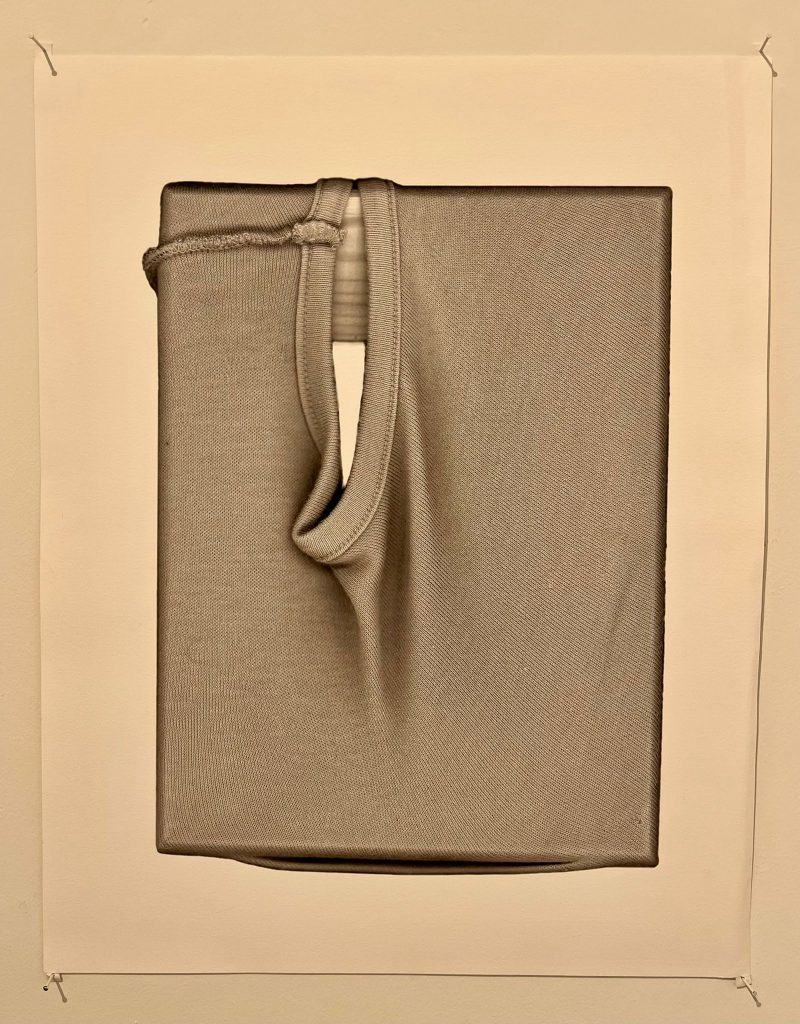
העבודות , על הריק והאימה מתקשרות לעבודת הדפס לא גדולה של חולצה המקופלת כך שהצווארון יוצר צורת חריץ וכפל , כמעין צורה וגינלית כפולה. חריץ,  סדק, אולי עלי של פרח  חוזר גם בעבודות אבסטרקטיות לכאורה. וניכרת התבוננות בג’ורגיה אוקיף, וגם עבודות של פונטנה עולות על הדעת  בעבודות האלו שכולן מוקדמות. על  הקיר המרכזי בחלל  תלוי “יער לטבי”, עבודה מ  2016 ובה דמות מוכפלת מתבוננות בנוף הזרוע סימוני אלימות החל מסכין תקועה בעץ וטיפות דם ועד דמויות שרועות . העבודה המתייחסת ישירות לזיכרון שואה מקבלת כאן משמעויות נוספות בעננה המצטברת , המסתברת מהעבודות המתעתעות בקלילות קווים צנומים.

אוצרת: חנוש מורג
הגלריה בקיבוץ גבעת חיים איחוד
צילומים :סמדר שפי

הדרכה והכנה עם ד”ר סמדר שפי

למטיילות/ים עצמאיו/ים לביאנלה בוונציה, 2022

הביאנלה היא אירוע האמנות הבינלאומי החשוב ביותר. השנה מציגות 80 מדינות בביתנים לאומיים ובתערוכה הבינלאומית מציגים 213  אמניות ואמנים.לצד הביאנלה מוצגות  עוד עשרות  תערוכות חשובות .
במפגש תקבלו  רקע והכנה כידי שתנצלו באופן מרבי את הזמן שהחלטתם להקדיש  לביאנלה  – ותתמקדו בחלקים המעניינים ביותר עבורכן/ם.  
ההדרכה עם מצגת ומפות .הביאנלה ננעלת ב נובמבר 2022

לפרטים ותאום אנא כתבו מייל ל thewindowartsite@gmail.com
או שלחו הודעת   WhatsApp ל 0507431106 

Merav Shinn Ben-Alon

The past does not stop changing // Merav Shinn Ben-Alon

Unrest translated into rhythmic spacing, works that seem as if they surfaced from under a concealing layer, juxtaposed with paintings of intense presence make  The past does not stop changing into a unified , difficult work that weaves an undecoded narrative as it sinks like a memory.

Merav Shinn Ben-Alon

Throughout years of work, Shinn Ben-Alon has formed a body of drawings and sometimes paintings that seem to move towards animation but are powerful in their frozen motion. A nude woman reclining on her back with broken, blood-red lines on her legs is painted on white paper pasted like a floating cloud hovering on the wall. She has no facial features, as is the situation of the other figures in the exhibition (and in most of Shinn, the way that no other figure in the exhibition has (and in most of Shinn Ben-Alon’s works) any facial features. Also the girl-woman kneeling near the faucet, and a bent-over woman whose gaze is buried in the unpainted ground is in a state of rootlessness. The works are from different years, the earliest from the turn of the millennium, and the later ones over the past year. Each of the pieces has restrained movement and a sensation of great fear. Large swaths of red continue into drips that emphasize the unbearable heaviness of the gravity that overcomes what seems on the surface to be airy. The white and black color scheme embodies the memory of the shaping of the image of totalitarian regimes and companies that in the past were marketed as representing capitalist freedom.

The works have an emptiness and terror, associated with a small print of a folded shirt in which the folded collar created a shape with a slit and a fold like a double vaginal shape with a crack or a leaf on a flower, a shape that also recurs in her seemingly abstract works. Observation of Georgia O’Keefe’s oeuvre is evident, as well as works by Fontana come to mind in these early works. On the central wall of the space is a 2016 work, Lithuaien  Forest in which a doubled figure observes a landscape strewn with signs of violence from a knife stuck in a tree and drops of blood through other reclining figures. This artwork, which directly refers to Holocaust memory, takes on additional meanings in the cumulative cloud coming together from works that are illusory in the lightness of their slender lines.

Curator: Chanush Morag
Kibbutz Givat Haim Ihud Gallery

Photographs: Smadar Sheffi

Merav Shinn Ben-Alon

Posted in Uncategorized | Comments Off on העבר אינו מפסיק להשתנות // מרב שין בן-אלון : The past does not stop changing // Merav Shinn Ben-Alon

סמדר שפי, החלון, אומנות ישראלית, אמנות ישראלית, Smadar Sheffi, The Window, Israeli Art