דניאל סילבר: מקהלה והשולחנות המהלכים| Daniel Silver: Chorus and the Walking Tables

בניסוח פשוט השאלה היא מדוע השלם עולה בהרבה על חלקיו  בתערוכה “דניאל סילבר: מקהלה והשולחנות המהלכים”. מדוע תערוכה שהדימויים בה נשענים בכבדות על תקדימים, מוכרים מאד, מצליחה להותיר רושם שהולך עם הצופה זמן רב אחרי היציאה מהגלריה.
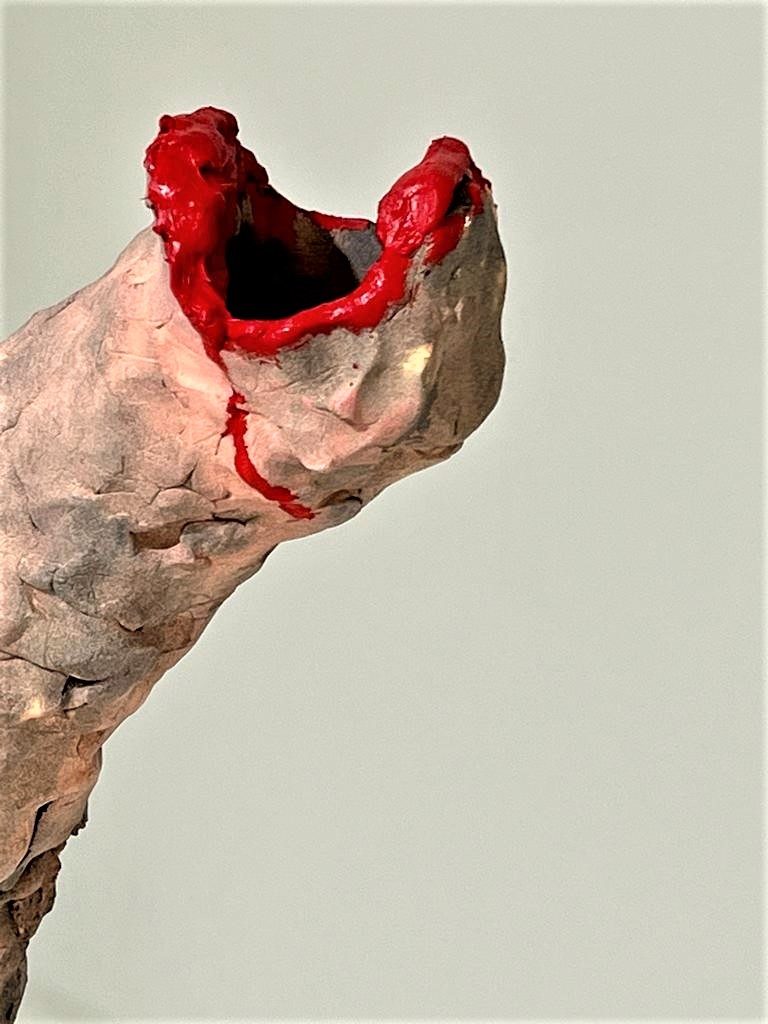
Daniel Silver: Chorus and the Walking Tables 2022
(detail)

העבודה המרכזית היא מקהלת דמויות חימר צבועות בצבעי שמן עזים עומדת שורות שורות בקצה האולם בקומת הקרקע. האולם הפך כולו לקובייה לבנה – דימוי וקונספט שקשה לחשוב על קלישאה גדולה ממנו בחלל אמנות עכשוית (מודרנית ליתר דיוק). חבל שכאן נתלו שלושה ציורי ראשים (דיוקנאות?) צבעונים וחלשים שנראים כמו מחשבה שנייה של גלריסט שחש שחייב להיות משהו שיהיה קל למכור, שלקוחות יוכלו לדמיין כיצד יראה על קיר סלון בבית.
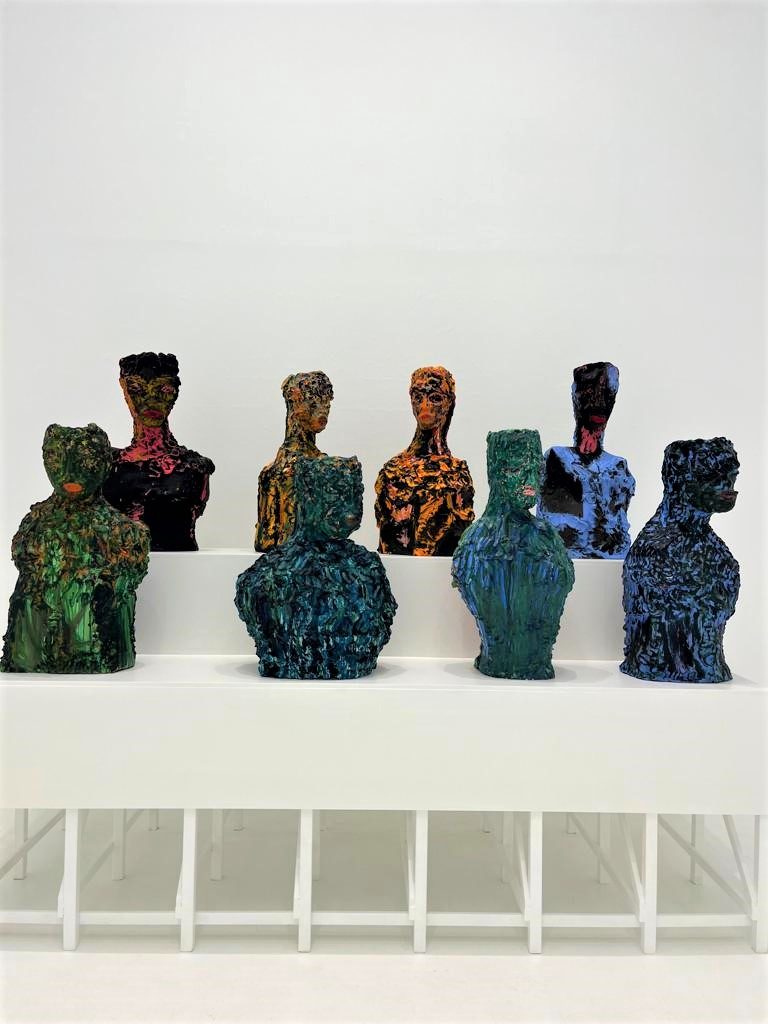
Daniel Silver: Chorus and the Walking Tables 2022

הטיפול של סילבר  בחימר נע על הציר שבין מדרדו רוסו Medardo Rosso , דגה ועד לטוני קרייג Tony Cragg וקיקי סמית , כלומר עמוק בתוך הזרם המרכזי. בקומה השנייה , בחלל בוהק בלובנו לא פחות מונחות עבודות חימר ציבעוניות על לוחות לבנים כשרגלי השולחנות שחורות וגדולות כמו מגפי חיילים – קלגסים ועשויות באותו עיבוד של חימר מרצד בנגיעות אצבעות .האסוציאציה המיידית שלי הייתה לביטוי “רגלי חימר”.  מטבע הלשון שנפוץ באנגלית ובשפות אירופאיות רבות, לקוח מפרק ב’ של ספר דניאל (וכן, מדובר בשם האמן ).  מסופר על חלום שחלם נבוכדנצר מלך בבל, ובו ראה פסל ממתכות יקרות שרגליו מחרס. דניאל קרא את  החלום כנבואה על נפילת האימפריה הבבלית, שעם כל פארה, יסודותיה רעועים.
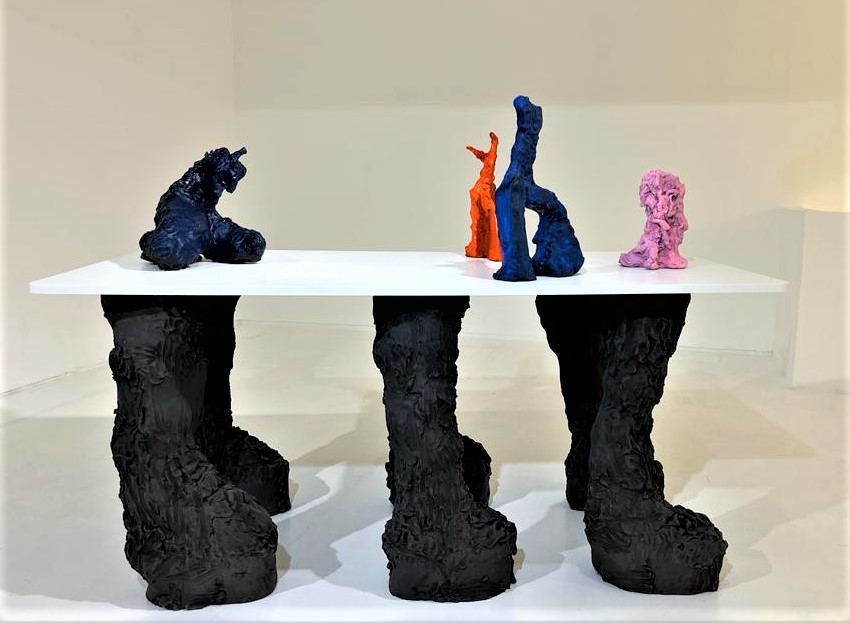
Daniel Silver: Chorus and the Walking Tables 2022

הפסלים הקטנים, על הלוחות  – שולחנות, אובייקטים שסועים של כאב, מזכירים כמו המקהלה בקומה התחתונה, עבודות  מוכרות מאד כך שהמהלך האמנותי נע על הקו הלא תמיד מאובחן, שבין ציטוט, לחיקוי ולקיטש.  עבודה ספציפית העולה על הדעת היא ‘Three Studies for Figures at the Base of a Crucifixion’ האייקוני של  פרנסיס בייקון, מ 1944 , אבל אפשר לנקוב בשמות עבודות רבות של דאלי , מירו, פיקסו, אנדריי מסון ורבים נוספים.
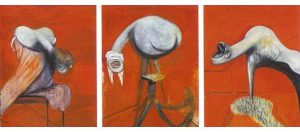
Francis Bacon. Three Studies for Figures at the Base of a Crucifixion, 1944
94 × 74 cm (ea), Tate Britain, London

מה שיכול היה בקלות להצטבר לאוסף אזכורים הופך לשלם, להיבריד מטריד של גופים ואובייקטים. המקהלה האילמת והאקספרסיבית, ושיירת השולחנות, על רגליהן הכבדות הנטועות בריק החלל הלבן, שופעות חיות, כגולם שזיק אלוהי או מכני יכול לעורר (אסוציאציה נוספת לדמויות החימר). ההרגשה היא כשל אנימציה העומדת להתעורר, מצעד של קושי, ריקוד קבצנים בו גסות וחן מתערבבים למקסים והמפחיד.  בכל זאת, למרות המרכיב התיאטרלי, אין תחושה של תפאורה (אם אתעלם מהציורים בקומת הקרקע). הקסם של אמנות שלא תמיד מתרחש – צלח.

אוצר ניקולה טרצי
CCA תל אביב-יפו


Daniel Silver: Chorus and the Walking Tables

Why is the whole much greater than the sum of its parts in Daniel Silver’s exhibition “Chorus and the Walking Tables”? Why does an exhibition whose images lean heavily on very familiar precedents succeed in leaving an impression lingering with visitors after leaving the gallery?
The main piece is a chorus of clay figures in rows, painted in bold oil colors, installed at the end of the ground floor exhibition hall. The entire hall became a “white cube” – an image and concept which is perhaps the greatest cliché in contemporary art (or more precisely, modern art). Too bad three paintings of heads (portraits?) were hung here as well. The colorful, weak paintings seem to be there as a gallerist’s second thoughts, thinking that there should be something something that clients could imagine on their own living room wall.
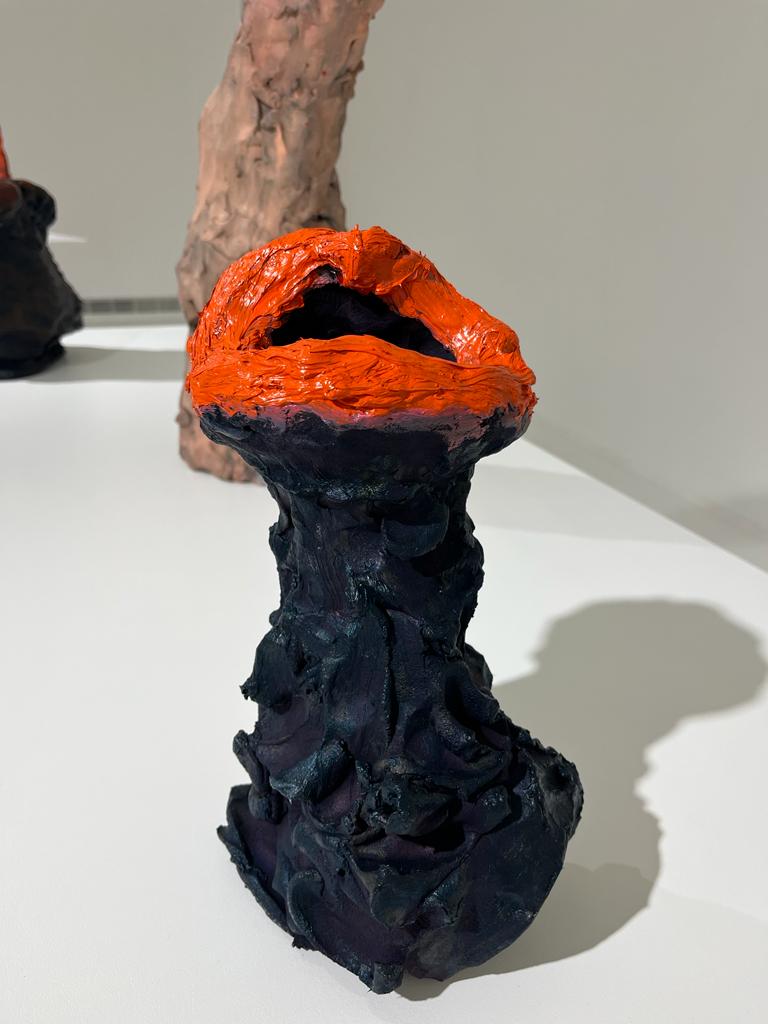
Daniel Silver: Chorus and the Walking Tables 2022
(detail)

Silver’s handling of clay brings to mind works by artists such as  Medardo Rosso, Degas, through Tony Cragg and Kiki Smith, deep in the mainstream. On the second floor, in a space of glistening white no less glaring than the ground floor, colorful clay pieces are installed on white table surfaces. The tables’ legs are large and black , like soldiers or storm troopers’ boots, made  in the same manner of textured clay vibrating with the imprints of fingers. My immediate association was to the expression “feet of clay,” a concept existing in English and many European languages, taken from the Book of Daniel, Chapter 2 (the artist’s namesake). Nebuchadnezzar, King of Babylon, had a dream in which he saw a statue of precious metals with feet of clay. Daniel prophesized that this meant that the Babylonian Empire, despite its glory, would fall, since its foundations were unstable.
The small sculptures on the boards/tables, objects torn in pain, evoke the memory of major works from art history, as does the “Chorus” on the lower level. In this way, the process moves on an axis between quotation to imitation to kitsch. A specific work that comes to mind is Bacon’s iconic work of 1944, “Three Studies for Figures at the Base of a Crucifixion,” but there are many other works that could be named by Dali, Miró, Picasso, André Masson and others.
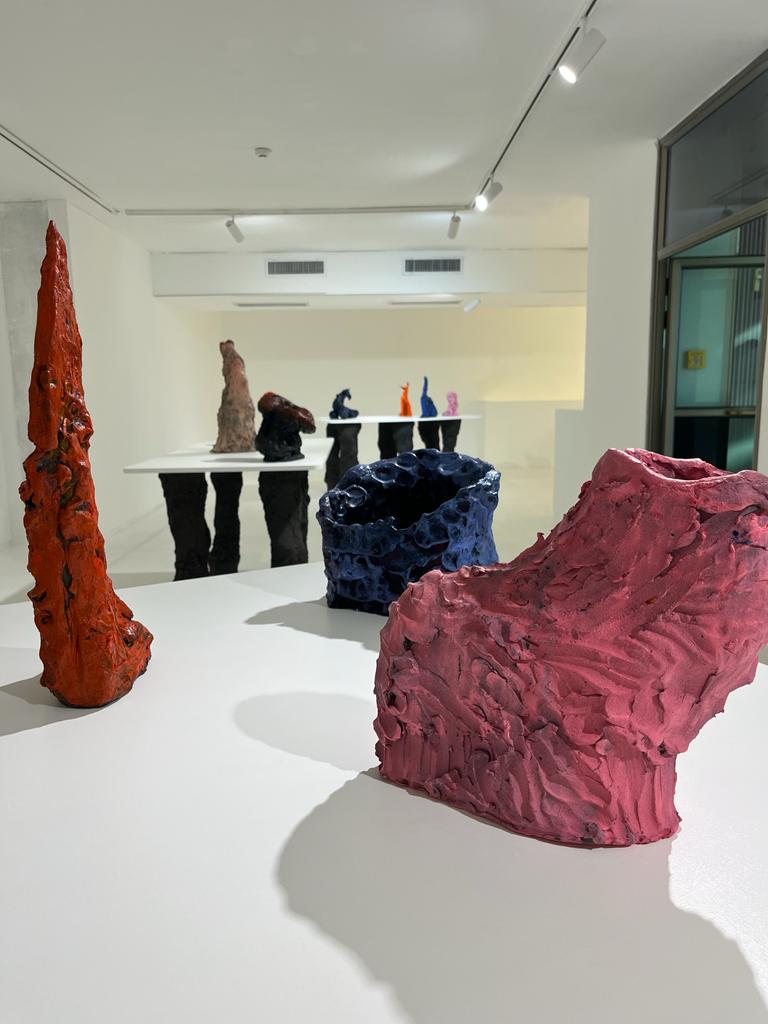
Daniel Silver: Chorus and the Walking Tables 2022

But , what could have easily come together as a collection of mentions has crystalized to a whole, a disturbing hybrid of bodies and objects. The expressive, mute chorus and caravan of tables with their heavy feet planted in the white void is bursting with vitality like a golem able to come to life with a divine spark or mechanical means (another association to clay figures). The feeling is of animation waiting to wake up, a parade of difficulty, a beggars’ dance in which crudity and charm blend into something enchanting and frightening. Despite the theatrical component, the  sensationis much more than that  of a stage set (if I ignore the paintings on the ground floor).
The magic of art–something that does not always take place – worked.

Curator: Nicola Terzi
CCA, Tel Aviv-Yafo
 

Posted in פיסול ומיצב | Tagged , , , | Comments Off on דניאל סילבר: מקהלה והשולחנות המהלכים| Daniel Silver: Chorus and the Walking Tables

סיגלית לנדאו: הים הבוער | Sigalit Landau: The Burning Sea

English Follows Hebrew

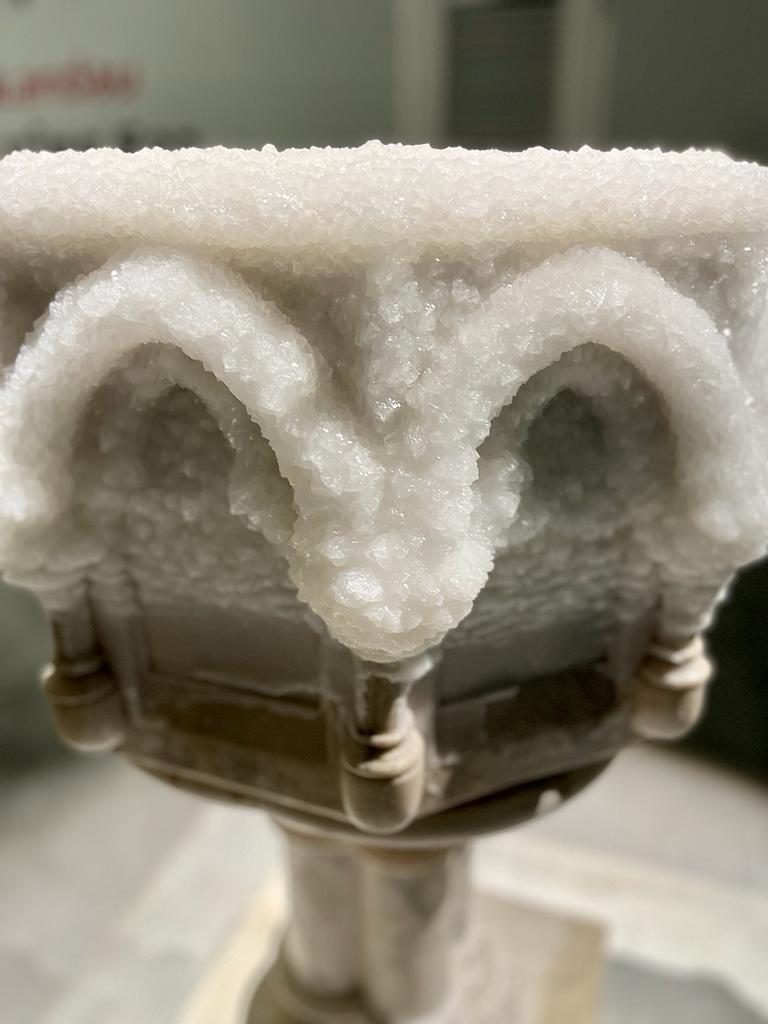
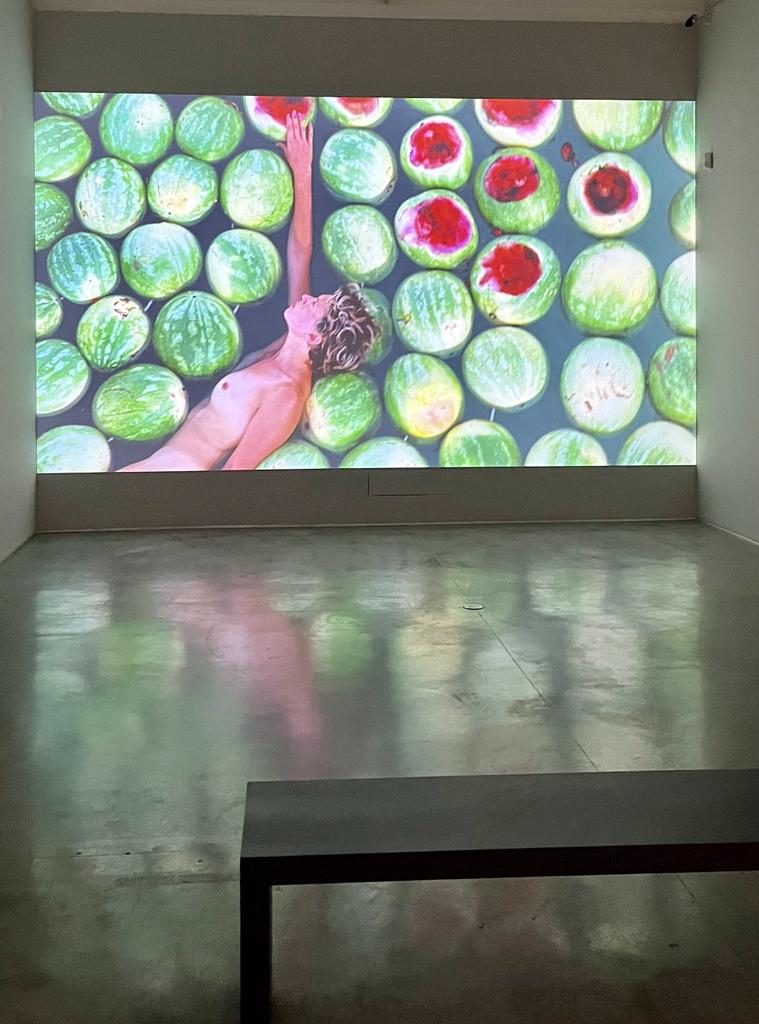
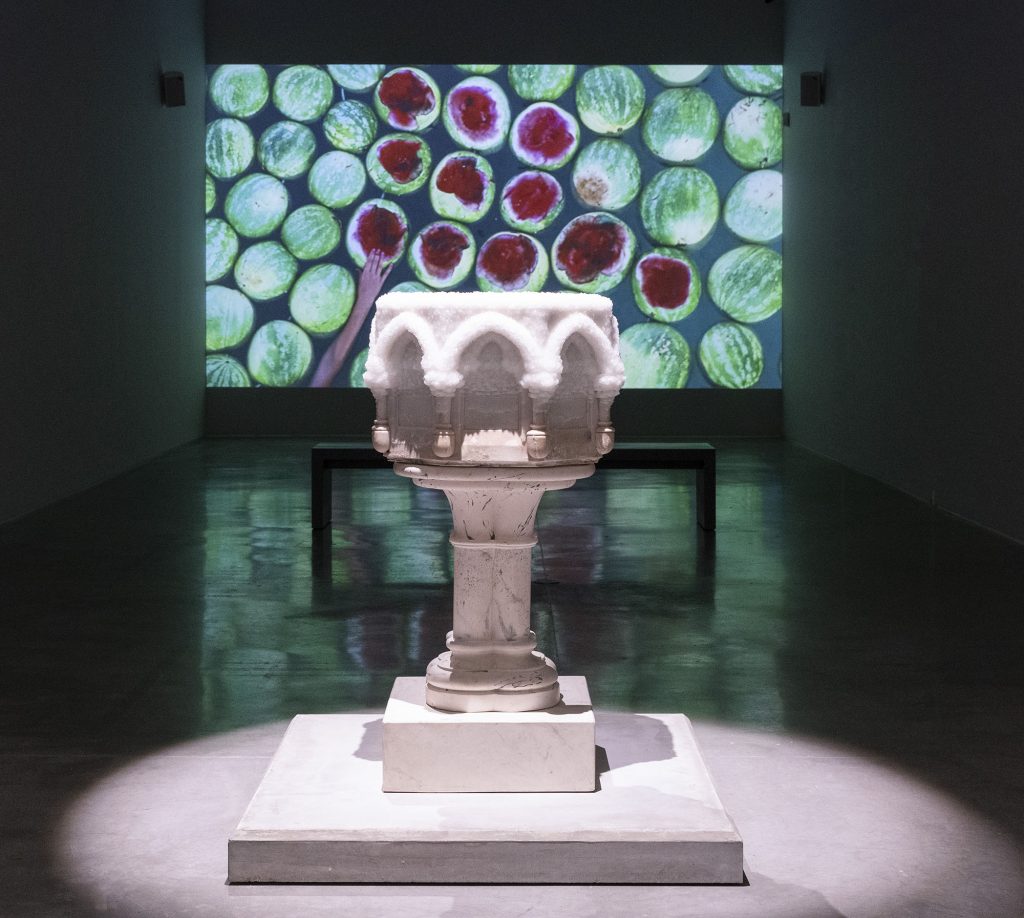
בכניסה לתערוכה “הים הבוער” ניצב אגן טבילה משיש מול הקרנת הווידיאו 2005 ,DeadSee , אחת העבודות המזוהות ביותר עם יצירתה של לנדאו ואמנות ישראלית עכשווית בכלל. ההצבה מסמנת מרחב זמן ותרבות, והיא כמצפן לקריאת התערוכה.
היחס שנוצר בין אגן הטבילה, אובייקט שנושא זיכרון של מורשת אסטטית נוצרית, (כותרת משותפת לאינספור זרמים וסגנונות), לבין הווידיאו מרתק. המתח ביניהם מובנה: החומרי מול הדימוי המוקרן, עבודה תלוית זמן מול פיסול שיש שההתכוונות שלו על זמנית.  גם היחס בין האמנות לגוף הצופה שונה: מעל אגן הטבילה ניתן להתכופף ולהתקרב והוא קטן יחסית למרבית המתבוננים . עבודת הוידאו המוקרנת על קיר שלם גדולה מהצופה ובמיוחד כשיושבים בספסל שהוצב מולה ספסל שמפריד בין שתי העבודות כמו גדר נמוכה.

Sigalit Landau: The Burning Sea.
(Photo Zohar Shemesh)

אגן הטבילה נעשה במיוחד לתערוכה ואינו מבוסס על אגן ספציפי . זהו אפוא דימוי גנרי, שמזכיר אגנים עתיקים. חלקו העליון מתומן, צורה החוזרת תדיר באגנים ומבני טבילה לצד כנסיות (כמו הבפטיסטריום בפירנצה). מייחסים את השימוש הנפוץ במתומן לכך שהטבילה מחליפה את טקס ברית המילה היהודי שנערך כשהתינוק בן שמונה ימים ומהווה את ההצטרפות לקהילה היהודית.
חלקו העליון של הפסל מכוסה שכבה עבה של גבישי מלח שהופכים אותו נוצץ וקשה ולא פונקציונלי:  הקערה מכוסת המלח לא תוכל להכיל מים וודאי שלא ניתן להחזיק בה תינוק או תינוקת רכים. השכבה הזו מספרת על הטבילה של האובייקט עצמו בים המלח, מעין היפוך תפקידים כשאגן הטבילה הופך להיות מוטבל ולמעשה מאבד את קדושתו והופך ליפה “בלבד”.  השאלה של יופי כמקפיא, כחונט  חוזרת שוב ושוב בתערוכה שמתמקדת בעבודות המלח והעיסוק הממושך של לנדאו בים המלח כזירה אפשרית להגשמת חזון של שיתוף פעולה אזורי.

Sigalit Landau: The Burning Sea. (detail) Photo : Smadar Sheffi

ההצבה של האגן מול DeadSee היא כמו הרהור בעבודה שנעשתה לפני קרוב לשני עשורים. על הגוף של האמנית שצף בתוך ים המלח אפשר לחשוב כאל גוף העובר טבילה, כניסה, הצטרפות והתוודעות למקום שימלא תפקיד מרכזי בחייה בשנים מאז.  הספירלה, שרשרת האבטיחים הכרוכה בתוך עצמה וסביב הגוף של האמנית מקבלת משמעות כמעין גלקסיה,

Sigalit Landau: The Burning Sea. DeadSee (2005) Photo : Smadar Sheffi

שרשרת עולמות המקיפה אותה. השהיה במים יוצרת שרשת אסוציאציות לכל סוגי ההיטהרות במים מהמקווה היהודי, טבילה בגנגס בהודו , שטיפת הרגליים באיסלם ועוד רבים אחרים. אגן הטבילה שטבילתו שלו בים כילתה את האפשרות לעשות בו מהלך היטהרות ומעבר ניצב אפוא כמצבה לאפשרות לשינוי ומעבר. אפשר לחשוב אליו כחפץ פצוע, כמו

Sigalit Landau: The Burning Sea. (detail) Photo : Smadar Sheffi

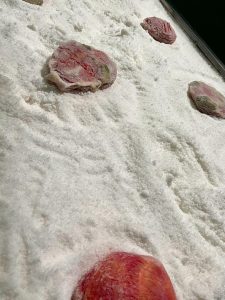
האבטיחים הפצועים ב DeadSee, או שנים עשר אבטיחים משומרים במלח המופיעים על שולחן (סעודה אחרונה, שנים עשר שבטים, שנים עשר חודשים) הלקוחים ממיצב  שיצרה לנדאו ב 2007 והוצג בברלין.העיסוק של לנדאו במוות, קינה ואפשרות של גאולה, או לידה מחדש מתגלם בחלל שיש לקרוא כמיצב אחד. אגן הטבילה שאיבד את יכולתו להוות מקום טבילה משמר יופי מרתק , בעבודת הווידיאו ספירלת אבטיחים תתלכד ותיפרם שוב ושוב סביב האמנית כלואה בזמן ומקום שמשומר על ידי המבט של מצלמה וזיכרון. המיצב שמדבר על מכנים משותפים תרבותיים אוניברסליים הופך מרחב שהצופה השוהה בו מול עבודת הוידאו מצויה בתווך בין זמנים ותרבויות.

אוצר: ד”ר אמיתי מנדלסון. מוזיאון ישראל.

Sigalit Landau: The Burning Sea

At the entrance to the exhibition “The Burning Sea” a marble baptismal basin stands opposite the video DeadSee. The video is one of the works most identified with Landau’s oeuvre and with contemporary Israeli art in general. The installation  delineates a space of time and culture, acting as the compass for reading the exhibition.

Sigalit Landau: The Burning Sea.
(Photo Zohar Shemesh)

The relationship formed between the basin, an object bearing the memory of aesthetic Christian legacy (a title shared by innumerable movements and styles) and between the video in multi layered. There is a built-in tension between the two artworks: the material in contrast to the screened image which is a time-specific work vis a vis a marble sculpture intended to be atemporal. There is a different accidence between each artwork and the body of the viewer: above the font, it is possible to bend down and come closer, as it is relatively smaller than most visitors. The video screened on the entire large wall encompasses the viewer, especially when seated on the bench separating the two artworks like a low fence.
The font, made for the exhibition, is not based on a specific basin, but is a generic image reminiscent of ancient basins. The upper section is octagonal, a form frequently seen in fonts and baptismal structures near churches (as in the Baptistery in Florence). The frequent use of the octagon is attributed to Christian baptism having replaced the Jewish ritual of the circumcision held when the baby is eight days old to signify the infant joining the Jewish People

The upper section of the sculpture is covered with a thick layer of salt crystals sparkling and hard, making it non-functional: the bowl covered with salt cannot hold water, and certainly cannot be used to hold an infant. Instead, the salt layer tells about the baptism of the object itself in the Dead Sea, a kind of role reversal with the baptismal font being immersed, losing its sanctity  and becoming “only” beautiful. The issue of beauty as something that freezes and mummifies recurs repeatedly in the exhibition focusing on the salt works and Landau’s longstanding engagement in the Dead Sea as a possible arena for the realization of the vision of regional cooperation.
about the contemplation of an artwork made nearly two decades ago. The body of the artist floating in the Dead Sea can be considered as a body undergoing immersion, entering a community, and  am initiation ritual to the  site that would fulfill a major role in her life since that time. The spiral, formed of a spiral of watermelons around the artist’s body, takes on the significance of a sort of galaxy or a chain of worlds that surrounds Landau.
Landau creates a chain of associations to all types of self-purification in water, from the Jewish mikveh [ritual bath], immersion in the Ganges in India, washing the feet in Islam, and many other rituals. The baptismal font’s immersion in the Dead Sea destroyed any possibility of it being used for purification; on the other hand, it stands as a monument to the possibility of change and transition. It can be thought of as a wounded object, like the wounded watermelons in DeadSee, or the 12 watermelons preserved in salt appearing on the table (the Last Supper, the Twelve Tribes, the 12 months of the year) taken from the installation Landau made in 2007, exhibited in Berlin. Landau’s engagement in death, dirges, and the possibility of Redemption or rebirth is embodied in the space that can be read as a single installation.
The baptismal font that lost its capacity to become a baptismal site preserves a fascinating beauty. In the video, the spiral of watermelons will again and again come together and be unraveled repeatedly around the artist entrapped in time and place, preserved by the camera’s gaze and by memory. The installation, which speaks about universal cultural common denominators, leaves a space in which the viewer is a time/place limbo.

Curator: Dr. Amitai Mendelsohn, Israel Museum

Sigalit Landau: The Burning Sea. (detail) Photo : smadar Sheffi

Posted in Video, וידיאו, פיסול ומיצב | Tagged , , , , , | Comments Off on סיגלית לנדאו: הים הבוער | Sigalit Landau: The Burning Sea

הביאנלה  באיסטנבול 2022 | The Istanbul Biennial 2022

English follows Hebrew

הביאנלה  באיסטנבול 2022

מעניינת ומאכזבת. האג’נדה של הביאנלה ה 17 באיסטנבול צפויה: נשים, פליטים ומהגרים ההדרדרות המסוכנת במצב כדור הארץ, וקורי הכוח והכסף המחברים בין נושאים אלו.

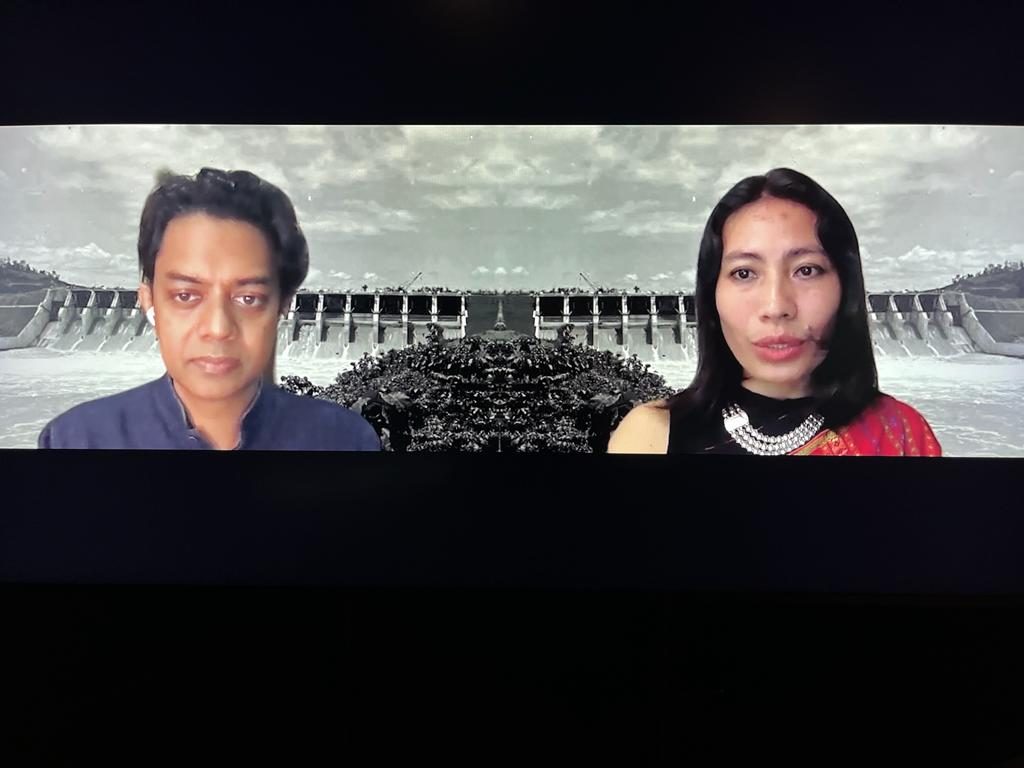
              במהלך  הביקור באתרים הפזורים ברחבי העיר תמונת המציאות  הופכת מעיקה יותר, מקבלת שכבות נוספות של עוולות שלא היו מוכרות לי . כך  ב Barın Han , מרכז תרבות שנפתח במה שהיה סדנת אמן קליגרפיה מוצגת עבודה בנושא גירוש ה  chakra עם שחי בגבעות בנגלדש,  ובא 1962 בעת בניית סכר להפקת חשמל הוטבע אזור מגוריו, כפרים וגם ארמון השליט. אנשיו איבדו זהות ותרבות ונושלו מזכויותיהם. המיצב של Pathshala South Asian Media Institute, קבוצה הפועלת בדאקה בבנגלדש מרשים. כמו פרויקטים רבים בביאנלה הוא בעיקר מוביל לקריאה.

Carlos Casas , 2022 Yaklaşım Tüneli Taksim

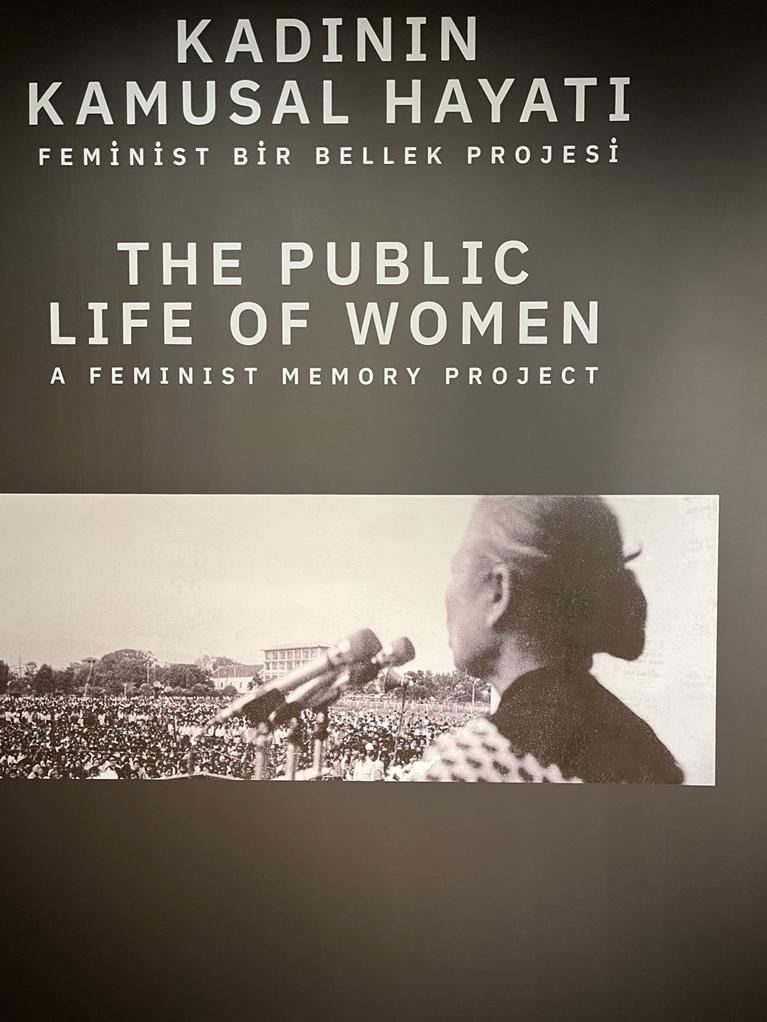
האוצרים , Ute Meta Bauer, Amar Kanwar ו David Teh הפועלים בשנים האחרונות בעיקר במזרח אסיה ואזור האוקיאנוס השקט אצרו תערוכה הנותנת קול ונוכחות ולבעיות ולהידרדרות האזורים תרבותית ופיזית ששורשיה נעוצים בתקופה הקולוניאלית והוא מואצת בעשורים האחרונים בקצב מבעית. הביאנלה מציגה פרויקט מחקר אחרי פרויקט מחקר, כשגם ההצבות, רובן מרשימות, אינן הופכות לחוויה ריגשית.

        הדיון על מקום החוויה הרגשית באמנות, במיוחד באירועים הבינלאומיים הגדולים מבעבע כבר מאז סוף שנות ה 90 עם אירועים כמו דוקומנטה 1997 שאצרה קתרין דוד כנקודות ציון בהסטת המשקל להצגה בעיקר של חומר דוקומנטרי וכתוב.  (דוד היא יועצת במרכז המחקר בסינגפור בראשו עומדת Meta Bauer). בדוקומנטה של השנה, שאלת מקום או חיוניות החוויה האמנותית עלתה ביתר שאת שהרי מלבד בעיתיות השימוש  בסטראוטיפים גזעניים הייתה תחושה שתכנים קהילתיים- חברתיים למעשה דחקו את האמנות .

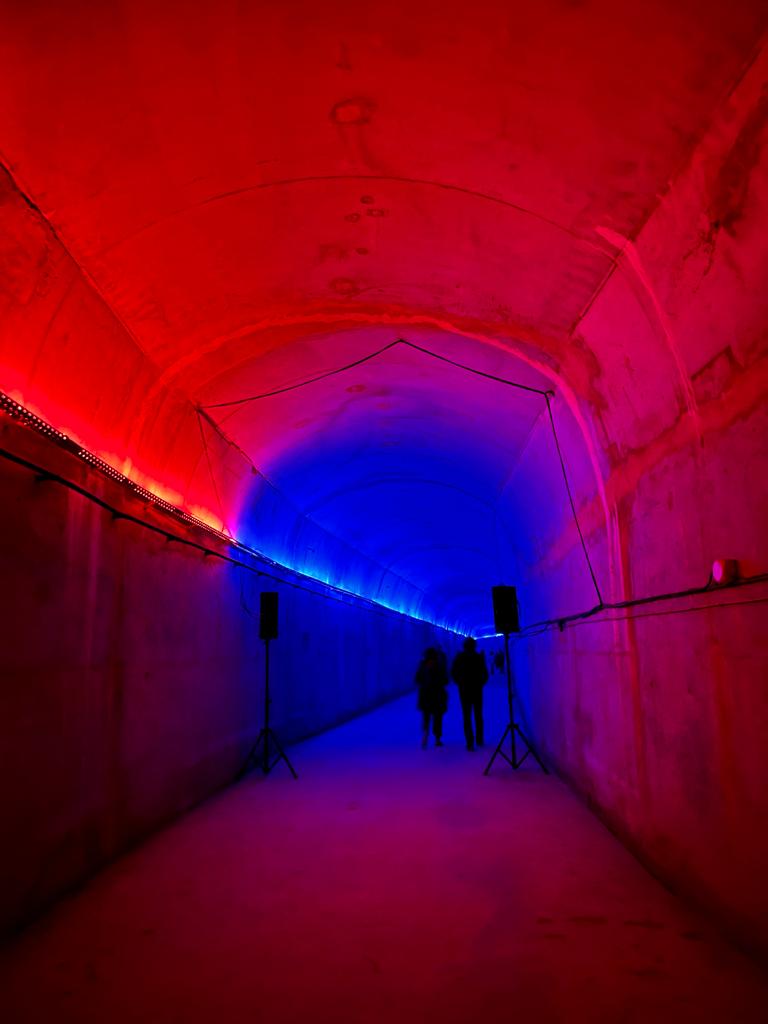
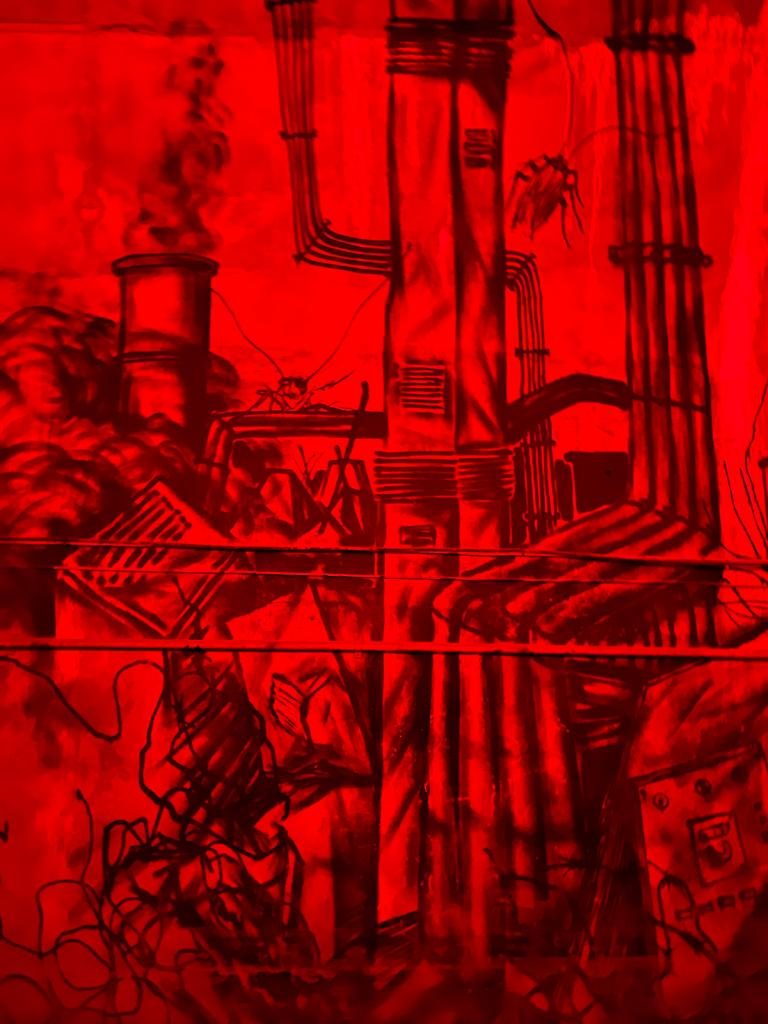
בביאנלה הנוכחית באיסטנבול הגישה הדוקומנטרית המכוונת אידאולוגית אינה מספיקה, למרות הסימפטיה לרעיונית ואף שיש גם מספר עבודות שרושמן נשאר עם הצופה אחרי הצפייה. העבודה החזקה ביותר  היא “קיקלופ” מיצב קול ואור שיצר קרלוס קסאס Carlos Casas במנהרה הצמודה לפארק גזי, היוצא מכיכר טקסים. המנהרה נבנתה ב 1992 בעת בניית קו הרכבת התחתית העובר באזור. הצופים נכנסים למנהרה שעוצמת הקול בה בלתי נעימה (מומלץ להשתמש באטמי אוזניים) ועוברים בין אור כחול ואדום, לעבר לא נודע. המנהרה הופכת  לאינפרנו, מסע בשאול בנוסח דאנטה, והאסוציאציות למלחמות, הסתתרות והימלטות הולמות בצופים. סמוך לקצה מתגלים ציורי קיר שחורים גדולים, בהם חורבות מיבנים תעשייתים שכאילו נמסו או קרסו לתוך עצמם. קסאס יוצר איזון ומתח בין היופי המפתה של האור (שמזכיר מועדונים) ללחץ ההולך וגובר של הצלילים הצורמים הנעים בין צלילי ירי למוסיקת טכנו. החוויה מקיפה ומעיקה כששמה יוצר את ההקשר למיתוסים של כוח ופראות (הענקים בעלי העין האחת שחוזרים במיתולוגיה היוונית) והקשריה העכשווים אינם זקוקים לפרשנות. הקרבה לפארק גזי , שעמד במוקד המחאות ששטפו את טורקיה ב 2013 ודוכאו ביד קשה בידי ארדואן (אז ראש ממשלה) יוצר את אחד ההקשרים הביקורתיים הישירים הבודדים לממשל הטורקי בביאנלה זו.

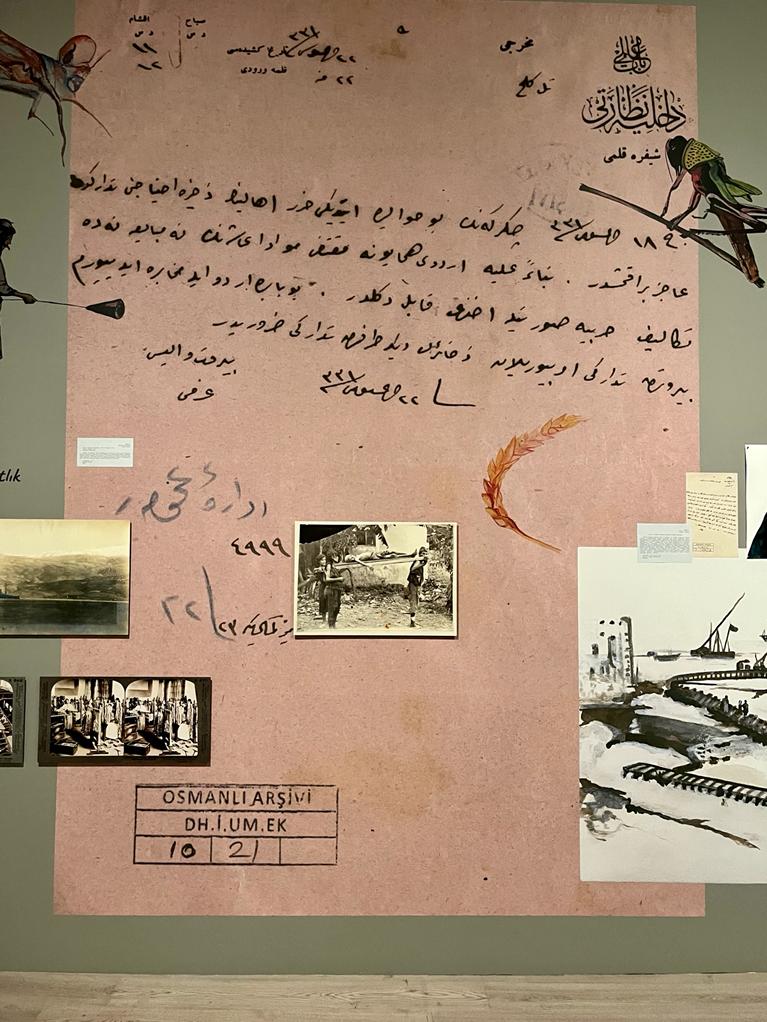
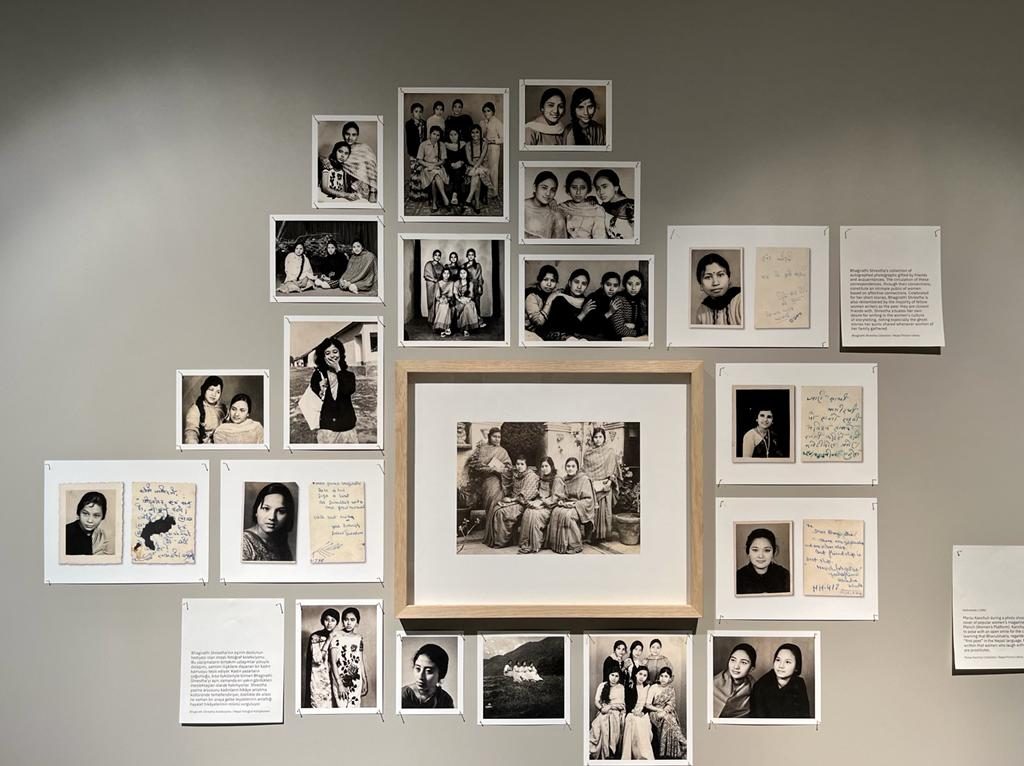
הקבץ העבודות במוזיאון פרה Pera Museum, אתר שבביאנלות קודמות היה בדרך כלל בבחינת תיבת אוצרות של ממש, מצטיין בהצבה משובחת של עבודות שיכלו להיקרא כמאמרים והפיכתם להיגד חזותי נראית מאולצת . מזכויות נשים בנפאל, ועד המלחמות והמהלכים של המעצמות הקולוניאליות שעיצבו את לבנון של ההווה התחושה שעדיף לקרוא מאשר להתבונן במערכים חזותיים של חומר דוקומנטרי.

Nepal Picture Library (NPL) (estd. 2011, Kathmandu, Nepal), Pera Museum

לעיתים מבליחה התרגשות כמו בעבודה של Sim Chi Yin העוסקת במלחמת הגורילה במלזיה נגד הקולוניאליזם הבריטי והסריטה לוחמים קשישים השרים בדבקות, ללא צל של אירוניה את האינטרנציונל בשפתם. תקוות שהתבדו.

Lamia Joreige 2022 ,

מאכזבת העבודה של Gülsün Karamustafa, אמנית טורקית מעולה שמציגה ווידיאו של זכוכית מתנפצת, דימוי שרמת השחיקה החזותית רעיונית סימבולית שלו הופכת אותו לדימוי ריק.

התחושה של מסע תיקון עוולות, חשוב ביותר אך לאו דווקא זקוק לאמנות כקביים ,נמשכת גם בקומפלקס היפה  של Müze Gazhane , אזור שהיה תחנת כוח והוסב למרכז תרבות ובו חללי עבודה, ושמכון מחקר העוסק באיכות סביבה. גם במרכז Barın Han, שנפתח בבית קליגרף טורקי מוביל  ב 2019, מעטות העבודות שמצליחות להפוך להט רעיוני ליותר מדיווח חזותי. המטרה של הכרת העיר, מטרה מוצהרת של הביאנלה בהחלט מצליחה. ביקור  arthereistanbul מרכז תרבות שיצרו פליטים סוריים ב 2014 הוא מסע לחלקים פחות מוכרים וודאי של תיירי תרבות. במרכז עצמו, צירוף של ספריה חדר עבודה והמוני חתולים, מוצג “הבית הלבן” ווידאו של לידה עבדול,  אמנית אפגנית אמריקאית. בווידאו המר , המתריס, היא נראית צובעת קירות בית הרוס בלבן  וגם את גבו של גבר המגיע למקום.

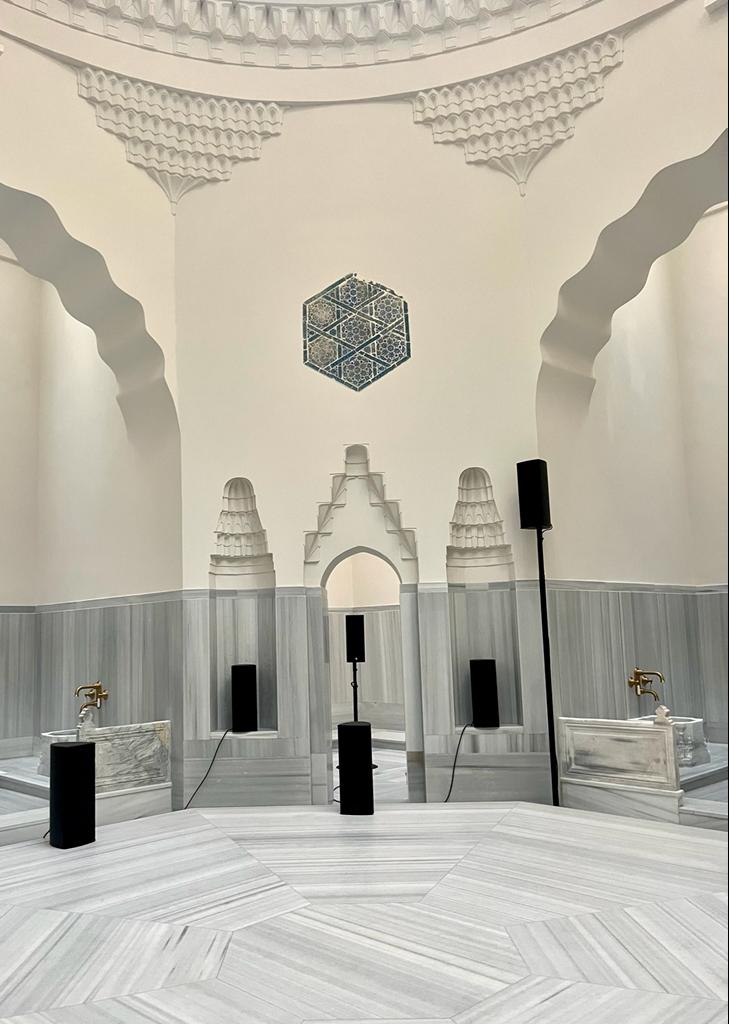
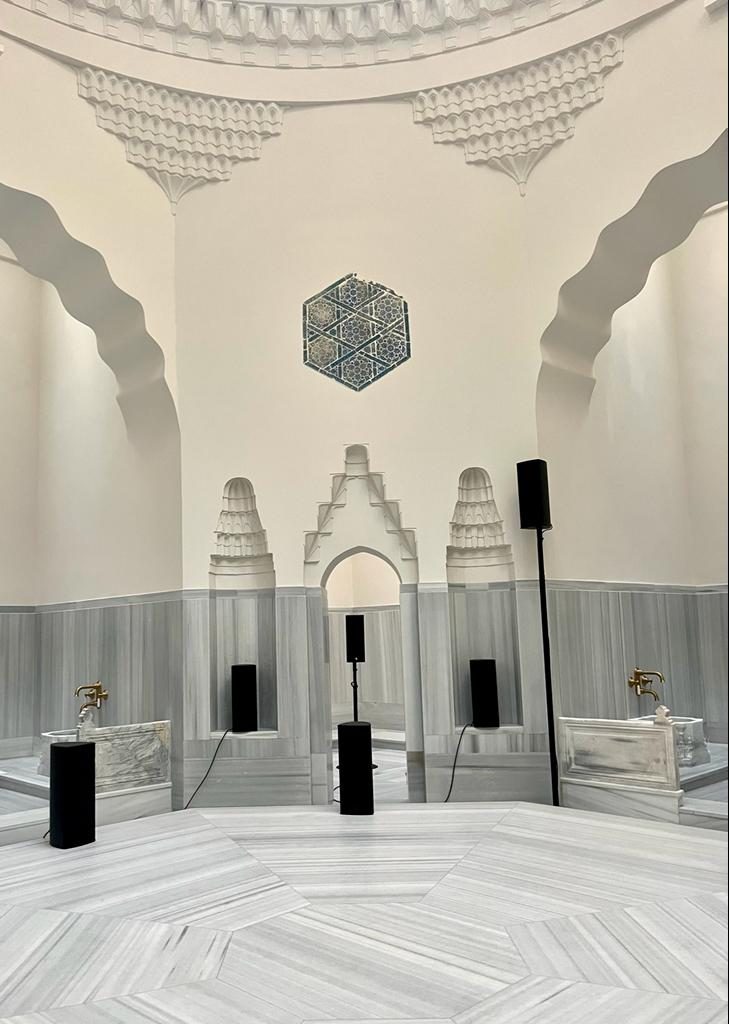
בשני מבני חמאם Mustafa Paşa Hammam , Çinili Hamam האדריכלות יוצרת רגעים אסתטיים מרגשים.  בין העבודות בולטת  זו של Renato Leotta המוצגת ב Çinili Hamam (תכנן  האדריכל העות’מאני הדגול מימאר סינאן). במיצב סאונד , מדיטציה על יחסי ים – אדמה -שמיים נוצר חלל להתבוננות פנימית והאמנות משוחררת מכל ניסיון לייצג או לספר.

חלל כזה נדיר, במיוחד בביאנלה המתמקדת במבט ביקורתי למציאות  ולהיסטוריה. דומה שלהט הצדק  (שרק קו דק מפריד בינו לבין צדקנות,) שמפעם  בתערוכה השכיחה מליבה את  הצופה.

Renato Leotta ,2022

The Istanbul Biennial 2022

Both interesting and disappointing, the 17th Istanbul Biennial displays a predictable agenda focused on women, immigrants and refugees, the dangerous deterioration of the state of the planet, and the strands of power and money connecting these issues.

Naeem Mohaiemen 2022
a piece on the displacement and deportation of the Chakma people .

During my visit to the different venues throughout the city, the picture of the current state of affairs grew ever more distressing as it accumulated more and more cases of injustice with which I was unfamiliar. Thus at Barın Han, a cultural center opened in a former calligraphic artist’s workshop, a piece on the displacement and deportation of the Chakma people that used to live on the Bangladesh hilltops. In 1962 while constructing a dam for the production of electricity, their living area was flooded, including villages and the palace of the local ruler. The Chakmas lost their identity and culture, and were deprived of all rights. The installation by the Pathshala South Asian Media Institute, a group active in Dhaka, Bangladesh, is impressive, and as many projects in this year’s Biennial, primarily leads to further reading.

Carlos Casas, 2022, Yaklaşım Tüneli Taksim


Curators Amar Kanwar, Ute Meta Bauer, and David The, who have recently been active mainly in Eastern Asia and the Pacific, curated an exhibit providing a voice and presence to the problems and accelerated deterioration of the cultural and physical zones whose roots lie deep in the colonial era. The Biennial displays research project after research project, with most of the installations well mounted but do not deliver an emotional experience.
The discourse on the place of the emotional experience in art, especially in large international events, has been on the public agenda since the late 1990s with events such as the 1997 Documenta curated by Catherine David as a milestone in the balance shifting to mainly exhibiting documentary and written materials (David is a consultant in the research center in Singapore headed by Meta Bauer). In this year’s Documenta, the issue of the place or necessity of the art experience was present to an extreme degree, since beyond the use of racist stereotypes, there was a feeling that social and community contents have, in practice, have relegated art to second place.In the current Istanbul Biennial, the documentary-ideological approach is insufficient despite my empathy towards its goals. As in any big exhibition, there were some works whose impression remained. My favorite work was “Cyclops,” a sonic and visual installation by Carlos Casas in the tunnel adjacent to Gezi Park on the edge of Taksim Square. The tunnel was built in 1992 during construction of the subway line for the region. Viewers enter the tunnel, whose volume of sound is aggressive (earplugs recommended), and move between blue and red lights towards the unknown. The tunnel becomes an inferno, a journey through a Dante-esque underworld, and associations to wars, concealment, and escape strike the viewers. Near the end, large black murals can be seen of ruined industrial buildings that look as if they have collapsed on themselves. Casas balances the tension between seductive beauty of the light (reminiscent of nightclubs) and between the increasing dissonant sounds moving between sounds of shooting to techno music. The experience is immersive and stressful, and its name evokes a context of myths of power and wildness (the one-eyed giants who recur in Greek mythology) and its contemporary contexts are in no need of interpretation. The proximity to Gezi Park, focus of the protests that swept Turkey in 2013 and were crushed by then Prime Minister Erdogan creates one of the few contexts critical of the Turkish regime in this Biennial.

Nepal Picture Library (NPL) (c. 2011, Kathmandu, Nepal), Pera Museum

The roster of works in the Pera Museum, which in previous Biennials was usually an artistic treasure trove, excel in being well-mounted works on important subjects, but whose transformation into visual statements is lacking. From the rights of women in Nepal through the wars and actions by colonial powers that shape present-day Lebanon, the displays gave the feeling that it would be preferable to read than look at the visual systems of documentary material.

There is a work with emotional impact: Sim Chi Yin’s film depicts aged former guerillas who fought in Malaysia against the British colonialism singing the Internationale in their own language, without the slightest tinge of irony. Lost hopes.

The work by prominent Turkish artist Gülsün Karamustafa is disappointing. Her video of glass shattering uses an image whose level of visual conceptual symbolic burnout nullifies its impact.
The symbolic journey of rectification of injustices is most important but does not necessarily need art as a crutch. The journey continues in the beautiful complex of the Müze Gazhane, a former power station that was made into a cultural center with workspaces and an environmental research institute. At the Barın Han center, as well, very few of the works succeed in transforming a conceptual enthusiasm into something more than a visual report. The goal of exploring Istanbul, a declared aim of the Biennial, has definitely been successful. A visit to the arthereistanbul cultural center founded by Syrian refugees in 2014 is a journey into sections less familiar to art tourists.  At the center, a combination of a library, work hub, and lots and lots of cats, White House, a video by Afghan American artist Lida Abdul, is being screened. The bitter, subversive video shows the artist painting walls of a destroyed house white, as well as the back of a man who arrives at the site.
In two Turkish bath buildings (hammam), the Mustafa Paşa Hammam and Çinili Hamam, the architecture creates exciting aesthetic moments. Among the works on view, Renato Leotta’s piece displayed in the Çinili Hamam (designed by the great Ottoman architect Mimar Sinan). In the sound installation, a meditation on the relationship between sea, land, and sky, forms a space for internal contemplation, liberating art from all attempts at representation or narration.
Such a space is so rare, especially in a Biennial focusing on a critical look at current reality and history, and it seems that the enthusiasm for justice (separated by a thin line from self-righteousness) made it forget the viewer.

Renato Leotta , The Çinili Hamam


Posted in Evants, Video, וידיאו | Tagged , , , , , , | Comments Off on הביאנלה  באיסטנבול 2022 | The Istanbul Biennial 2022

סמדר שפי, החלון, אומנות ישראלית, אמנות ישראלית, Smadar Sheffi, The Window, Israeli Art