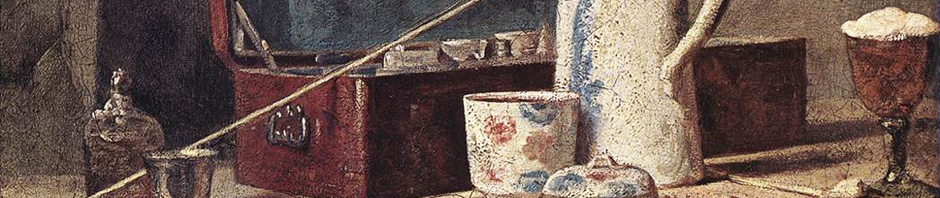
אפוס, הפסטיבל הבינלאומי לסרטי תרבות ואמנות יפתח מחר במוזיאון תל אביב ובמסגרתו יקרנו בהקרנות בכורה בישראל כחמישים סרטים ישראלים והבינלאומיים חדשים.
***
האמנות שהיטלר שנא, הוא אחד הסרטים הבולטים בפסטיבל. הסרט שאורכו קרוב לשעתיים וחצי (בשני חלקים) עוסק בפרשת מצבור האמנות העצום, קרוב ל 1500 יצירות, שנמצא ב 2012 בדירתו של קורניליוס גורליט, במינכן. שווין הכולל של היצירות, ביניהן של מאטיס, מונה, שאגאל, ופיקאסו נאמד כבמיליארד יורו. הסרט שהופק שנתיים אחרי שהאוסף התגלה לרשויות החוק הגרמניות, ורק כשנה אחרי שהדבר פורסם בעיתונות בכל רחבי העולם. הוא מעביר היטב את התחושה שרב הנסתר על הגלוי בטיפול באמנות שנבזזה ידי הנאצים – לא רק בהיסטוריה אלא גם בהווה.
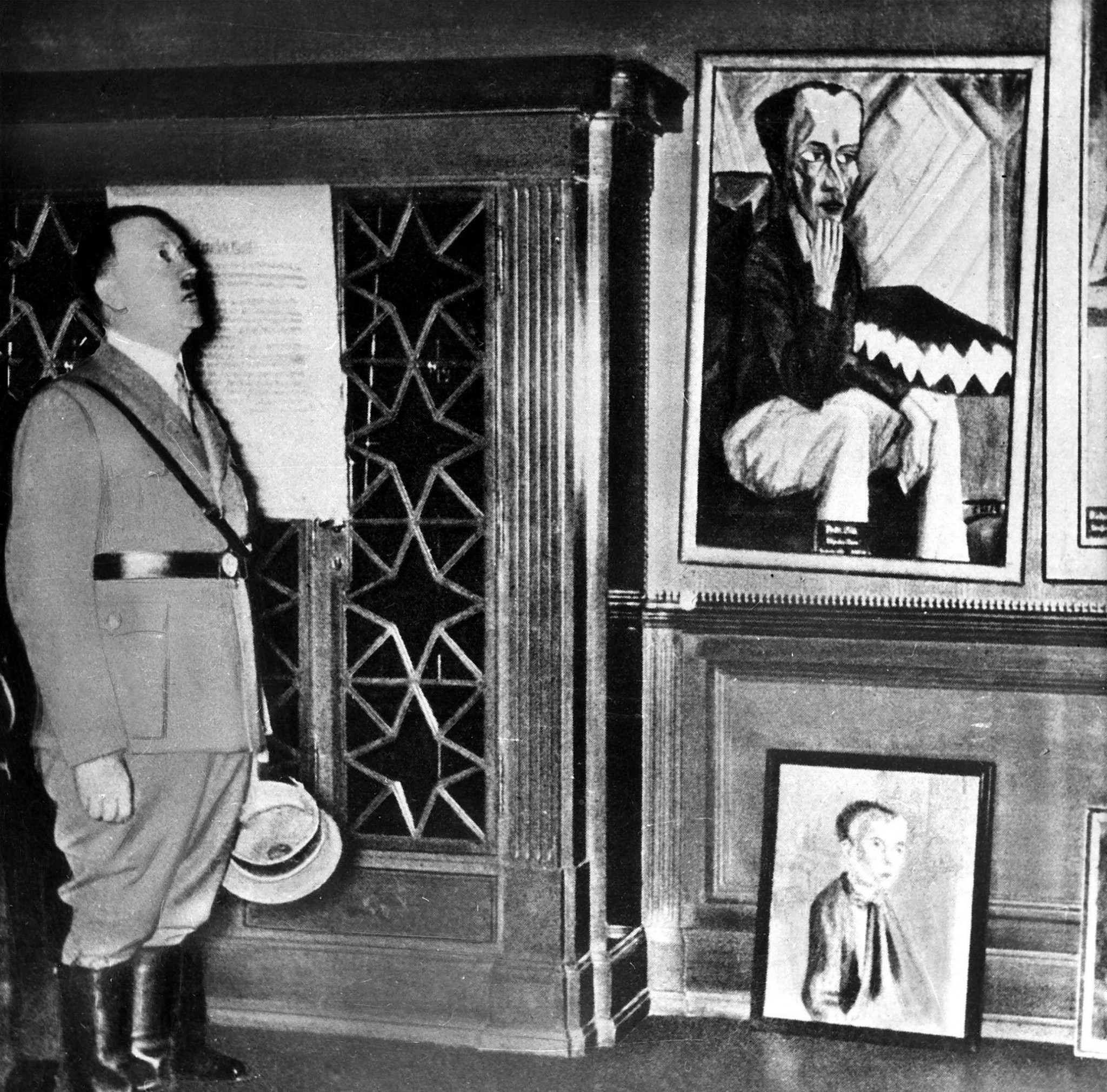
היטלר בתערוכת האמנות המנוונת 1937
קורניליוס גורליט, שמת ב 2014, היה בנו של הילדברנד גורליט סוחר והיסטוריון אמנות שעבד בשרות הנאצים. מצבור האמנות אותו הסתיר מעל חמישים שנה בדירה צנועה למדי הורכב מעבודות שבמקרה הטוב נרכשו במכירה כפויה ובמרבית המקרים הוחרם או נבזז מאספנים שהיו קורבנות הנאצים, רובם המכריע יהודים.
השאלה המרכזית מדוע משרד התובע הגרמני באוגסבורג, בבוואריה לא פרסם את גילוי האוסף במשך החודשים שחלפו מפברואר 2012 ועד נובמבר 2013 נשארת ללא מענה. הגילוי נודע רק לאחר הדלפה של עובד ממשרד התובע למגזין “פוקוס ” בגרמניה.
שאלת זמן הפרסום קריטית: בעלי האמנות ששרדו, שהיו ילדים בזמן המלחמה, וגם יורשיהם המיידים, מבוגרים מאד והדור הולך ופוחת במהירות. אי הפרסום הוא המשך למדיניות המחפירה של מדינות אירופה להימנע מלהשיב אמנות. וזאת למרות שכבר שני עשורים פועלים ארגונים שונים להשבת אמנות (רבים גם בזירה האינטרנטית כמו למשל האתר http://www.lootedart.com/) . נראה שממשלות אירופאיות, מוזיאונים ומוסדות תרבות משלמים מס שפתיים בדבר הצורך למצוא את היורשים החוקיים לבעלים אך בפועל מעדיפים לקבע את המצב הנוכחי.
חלקו הראשון של הסרט עוקב אחרי הטיוח. סדר העדיפויות של הממסד הגרמני אחרי המלחמה היה ברור – לשמר את אוצרות התרבות בידיים גרמניות. שאלת הצדק לא נידונה כלל, וודאי לא מוסר. בשנות ה 50 וה 60, באופן לא רשמי, היו רבים בגרמניה שסברו שיש עזות מצח בתביעה לקבל חזרה אמנות במקום שהאספנים ויורשיהם יהיו אסירי תודה על כך שנותרו בחיים. שוד האמנות היה ממוסד, בגרמניה של אחרי המלחמה, גרמניה האחרת, לא פחות מבגרמניה הנאצית. התמונות מהקוקטילים האלגנטיים במוזיאונים ובתי המכירות הגרמנים בשנות ה 50, כשעל הקירות תלויות עבודות שבעליהן החוקיים תבעו באותן שנים מצמררות. המרחק בין אהבת אמנות למוסר מודגש שוב ושוב ,ממאיר ומורכב.
סיפורם של גורליט האב והבן מסופר בחלק השני של הסרט. שוב עולה תחושת מיאוס למול האהבה היוקדת לאמנות (גורליט הבן טען שכל רצונו בחיים היה לחיות לצד העבודות הנערצות אליו) ולאופורטוניזם,לאספנות תוך שוויון נפש לסבלם של אחרים.
קורנליוס גורליט,שהסתיר את העבודות, היה קרוי ע”ש סבו שהיה היסטוריון אמנות (נפטר ב 1938) . אביו, הילדברנט גורליט, היסטוריון וסוחר האמנות ופוטר במהלך שנות השלטון הראשונות הנאצים משתי משרות במוזיאונים. הפיטורים היו משום שהציג אמנות שלא תאמה את הרוח הנאצית וגם משום שהיה רבע יהודי (גילוי שלא גרם לגירוש מידי). למרות זאת גבלס בחר בו למשימה של מכירת אמנות מוחרמת מחוץ לגבולות גרמניה לשם גיוס מטבע זר וגם למשימות רכישה מיוחדות לבכירי המפלגה. הילדברנד גורליט עסק בכך לאורך שנות המלחמה בהצלחה רבה תוך שהוא מעשיר את שולחיו הנאציים ואת עצמו. בסוף המלחמה מילט את משפחתו וחלק מאוספו הפרטי. הוא נתפס בידי האמריקאים אבל לחוקרים של בעלות הברית שיקר וטען שאוספו האישי הושמד בהפצצות בעלות הברית על דרזדן. עיקר החקירה שלו התמקדה בעבודות שרכש בפריז עבור המוזיאון העתידי שהיטלר התכוון להקים בלינץ. תיעוד חקירתו מובא בסרט ונקרא, לאור כל הידוע היום כמסמך מופרך מיסודו. הוא נהרג בתאונת דרכים ב 1953 לאחר שהספיק להתבסס היטב בשוק מסחר האמנות הער של גרמניה המערבית.
בנו, קורנליוס גורליט, חי כאמור עם האוסף לאורך כל חייו. קשריו האישים היו מועטים ביותר, הוא לא עבד וכפי הנראה מכר מידי פעם עבודה כידי להתקיים. וודאי שלא חש שיש להשיב את האמנות הגנובה.
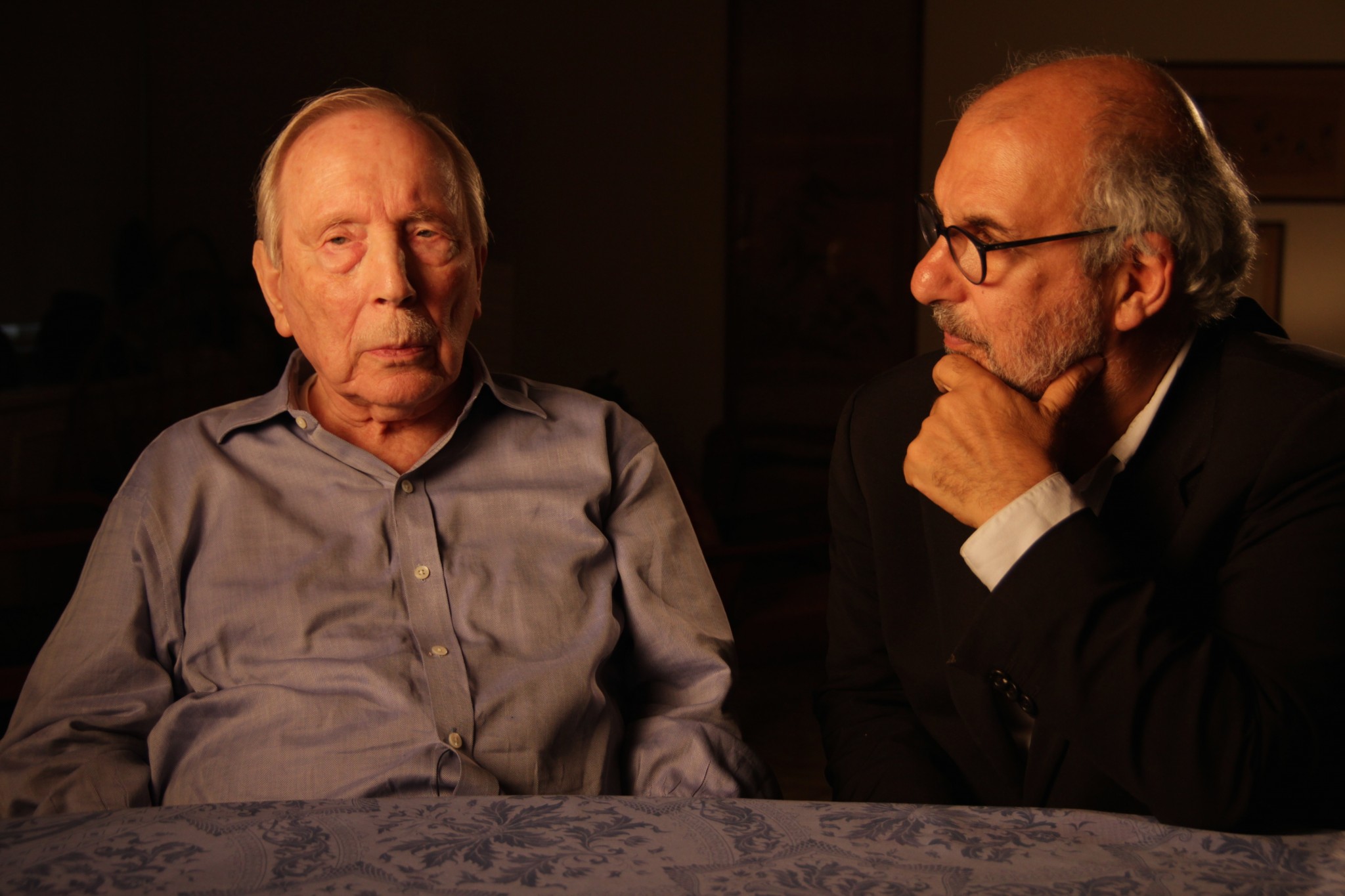
ראיון עם דיויד תורן יורש העבודה של מקס ליברמן
מתוך הסרט האמנות שהיטלר שנא
הסרט עוקב אחר סיפורן של כמה עבודות שהיו ברשותו ושייכותן לקורבנות הנאציזם מתועדת היטב (אך למרות זאת טרם הושבו). יש בסרט שיחות מרגשות עם דיוויד תורן, בן 89, שלמשפחתו היה שייך הציור “שני רוכבים על החוף” של מקס ליברמן. תורן מולט מגרמניה ב”קינדרטרנספורט” ומעולם לא ראה שוב את הוריו. כשהסתבר שהעבודה נמצאה, קיבל טורו שתעוור בשנים האחרונות, גרסה תלת ממדית של העבודה מאדם התומך במאבקו. תמונות האיש המבוגר, ממשש את הגרסה של מה שאינו מצליח לקבל חזרה מצמררות. הוא זוכר את התמונה היטב, לפרטי פרטים, כי הייתה אהובה עליו ותלויה בבית דודו.הפעם האחרונה שראה אותה היה בליל הבדולח.
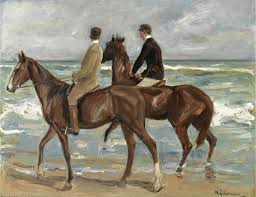
Max Liebermann “Two Riders on the Beach”‘ 1901
יוצרי הסרט ביקרו גם את יורשותיה של סופי ליסצקי- קופרס, היסטוריונית ואספנית גרמנית, לא יהודיה, שנישואיה השניים היו לאמן היהודי רוסי אל ליסצקי. היא חיה איתו בברה”מ עד מותו ב 1941 ואז גורשה לסיביר . גורליט מכר חלקים מאוסף האמנות שלה עבור הנאצים אבל מסתבר שגם שמר ממנו פריטים גם לאוספו הפרטי. העבודות מאוסף זה , כמו עבודות רבות באוסף של גורליט היו חלק ממה שהנאצים כינו אמנות מנוונת , כלומר אמנות של אמנים מודרניים מזרמים שונים. אם להוסיף מורכבות למורכבויות שהסרט מעלה הרי חשוב לזכור שאמנים כמו אמיל נולדה ,ארנס לוודיג קירשנר ואמנים לא יהודים אחרים לא הוציאו מכלל חשבון עבודה עם המנגנון הנאצי לאחר עלייתו לשלטון והבינו שהם מוקעים רק לאחר שנכללו ברשימת “האמנות המנוונת” אמנות שהוצאה מאוספים פומביים והצגה באופן מבזה בתערוכת ענק נודדת תחת שנפתחה לראשונה במינכן ב1937. למרות קו המפלגה הרשמי היו אספנים נאצים שבאופן חשאי אספו אמנות מודרנית, וכך עשה גם הילדברנד גורליט.
הסרט מוכיח עד כמה לא תמה פרשית השבת העבודות ועד כמה לא נחקר כלל המנגנון שהרוויח, רווח של הנאה מאמנות ורווח כספי עצום, מההתעלמות מתביעות להחזרה ומההתעמרות במשפחות .
גורליט הוריש את כל האוסף שהיה שייך לו למוזיאון בברן בשוויץ (שלא היסס לקבל את התרומה). השאלה היא כעת אם חלק מהאוסף היה אכן שלו, מה היה שדוד ,והאם ההתעללות הביורוקרטית הממושכת בבעלים החוקיים תימשך כפי שמסמנת העובדה שהפרשה הוסתרה במכוון מידיעת הציבור כשנתיים אחר גילויי עבודות האמנות.
הסרט אינו אופטימי.
“האמנות שהיטלר שנא” 2014, בריטניה. במאי ג’יל ניקולס: צילום דניאל מאיירס, ריצ’רד נומרוף:עריכה אלן צ’רלטון
הרשמה לניוזלטר הפירסומי השבועי של “החלון” בנושאי אמנות, אירועים ותערוכות חדשות – www.smadarsheffi.com/?p=925 (הרישום נפרד מהרישום לבלוג )
הערות/הארות אנא כיתבו ל thewindowartsite@gmail.com
The Art Hitler Hated featured at the 6th EPOS Film Festival
EPOS, the International Art Film Festival opens tomorrow at the Tel Aviv Museum of Art, featuring the first screening of about 50 new Israeli and international films.
****
The Art that Hitler Hated is one of the most outstanding films showing at the Festival. Almost 2.5 hours long (in two parts), the film is about the huge cache of nearly 1,500 artworks found in 2012 in Munich in Cornelius Gurlitt’s apartment. The estimated worth of the collection, which included works by Matisse, Monet, Chagall and Picasso, is about one billion euros. The film was made two years after the cache was revealed to German authorities, and only about a year after the world press covered the story. The feeling is that more is unknown than known about the handling of Nazi-looted art.
Hitler at the exhibition of “degenerate art,” 1937
Cornelius Gurlitt, who passed away in 2014, was the son of Hildebrand Gurlitt, a Nazi-era art dealer and historian. Cornelius Gurlitt hid the works for over 50 years in his modest apartment, works purchased at forced sales or looted from victims of the Nazis, the majority of whom were Jews. The main unanswered question is why the German authorities in Bavaria failed to publish the discovery of the looted art from February 2012 to November 2013, when the information was “leaked” to the German magazine Focus.
Time is the critical factor, since the heirs, who were children during the war, and their immediate heirs, are now old and dying off. Failure to publicize the artworks which were found continues the shameful handling of the issue of restitution of looted art, and their avoidance of restoring the art to the rightful heirs. Although various organizations have been working for over two decades to locate and return looted art (e.g., http://www.lootedart.com) its seems that European museums and cultural institutions prefer the status quo.
Part I of the film deals with the cover-up. After the war, the German establishment strove to keep cultural treasures in German hands, and did not engage in issues of justice or morality. During the 1950s and 60s, many Germans thought that anyone suing to repossess their paintings had outrageous nerve, and should be grateful to be alive. Looting art was a regular practice in the “new” postwar Germany as much as in Nazi Germany. Photographs from elegant museum openings and leading auction houses from the 1950s often featured works which were even then the subject of lawsuits. The short distance and complex relations between love of art and morality are emphasized repeatedly throughout the film.
Part II: The Sins of the Fathers relates the story of the Gurlitts, father and son, arousing feelings of disgust, depicting a burning love of art, opportunism, and apathy to the sufferings of others. Cornelius Gurlitt was named for his grandfather, an art historian (d. 1938). Cornelius’s father, Hildebrand Gurlitt was at first fired by the Nazis from two museum posts for exhibiting works the Nazis disliked, and for being one-quarter Jewish. Nevertheless, Goebbels appointed him to be in charge of selling confiscated art abroad to raise foreign currency and charged him to make special purchases for party higher-ups. The elder Gurlitt did so very successfully throughout the war, enriching his Nazi masters and himself. At the end of the war, he fled with his family and part of his collection. Captured by the Americans, he lied to his Allied interrogators, stating that his personal collection had been destroyed in the bombing of Dresden. The documentation of the interrogation (shown in the film) reveals that the interrogators concentrated on the works he purchased in Paris for the museum Hitler planned for Linz. He was killed in a car accident in 1953 after a very successful career in the lively art market of West Germany.
Max Liebermann “Two Riders on the Beach”‘ 1901
His son Cornelius lived with the paintings his entire life. He was a loner who did not hold down a job, and apparently sold works piece by piece to live on, with no thought of restitution of the stolen art.
The film follows the story of several works in Cornelius’s possession which belong to victims of Nazism who have full documentation of their claims, which have not yet been honored. In a very moving interview, David Toren, now 89 and blind, describes his memory of “Two Riders on the Beach” by Max Liebermann hanging in his uncle’s home. Toren survived by being sent out of Germany on the Kindertransport, never to see his parents again. When Toren heard that the painting was found, he received a 3-dimensional version of the artwork from a person who supports his claim for restitution. The clip of the elderly man touching and feeling the version of the painting he has not yet succeeded in obtaining is chilling. The last time he saw it was on Kristallnacht.
Interview with David Toren, heir of the painting by Max Liebermann. From the film,
The Art that Hitler Hated (2014)
The filmmakers also visited the heirs of Sophie Lissitzky-Küppers, a German art historian and collector whose second marriage was to Russian-Jewish artist El Lissitzky. She lived with him in the Soviet Union until he died in 1941, whereupon she was exiled to Siberia. Gurlitt sold part of her art collection for the Nazis, but it turned out he also kept some items for his own private hoard. Many of the works found in his home were by modern artists from different movements, which the Nazis called “degenerate art.” The film shows many very complex facets of the issues: we must remember that artists such as Nolde, Kirschner and other non-Jewish artists did not balk at working with the Nazis at first, and only later realized they were classified as “degenerates,” included in an exhibition first opened in Munich in 1937. And yet, despite the official party line, many Nazi collectors secretly collected modern art, as did Hildebrand Gurlitt.
The film proves that the issue of restitution of Nazi-looted art in no way is over, with much research not yet conducted on who benefited from the art and from ignoring and emotionally abusing the families involved in lawsuits for their property.
Gurlitt bequeathed his entire collection to the Bern Museum, Switzerland (which eagerly accepted the gift). The question now is which pieces actually belonged to Gurlitt, which were stolen, and whether the bureaucratic “games” will continue, in similar manner to the deliberate concealing of the find for two years.
The Art that Hitler Hated (2014, UK). Director: Jill Nicholls. Cinematography: Daniel Meyers, Richard Numeroff. Editor: Allen Charlton