עדי עוז-ארי – אפידרמיס | Adi Oz-Ari  E P I D E R M I S

 היצירה  של עדי עוז-ארי חומקת מהגדרה, מסרבת להתמיין לקטגוריות כלשהן. היא מנהלת דיאלוג עם צילום מסורתי, עם שירה, ציור, עבודת גוף, מבררת את  מהות הטבעת הדימוי. בעבודותיה חוזר עיסוק אינטנסיבי בשאלות שליטה ואקראיות, בהליכה המתמדת, המוכחשת, שלנו על פי תהום. היא חוקרת תהליכים, עורכת הכנות מדוקדקות, ומותירה מקום לאלת המזל.
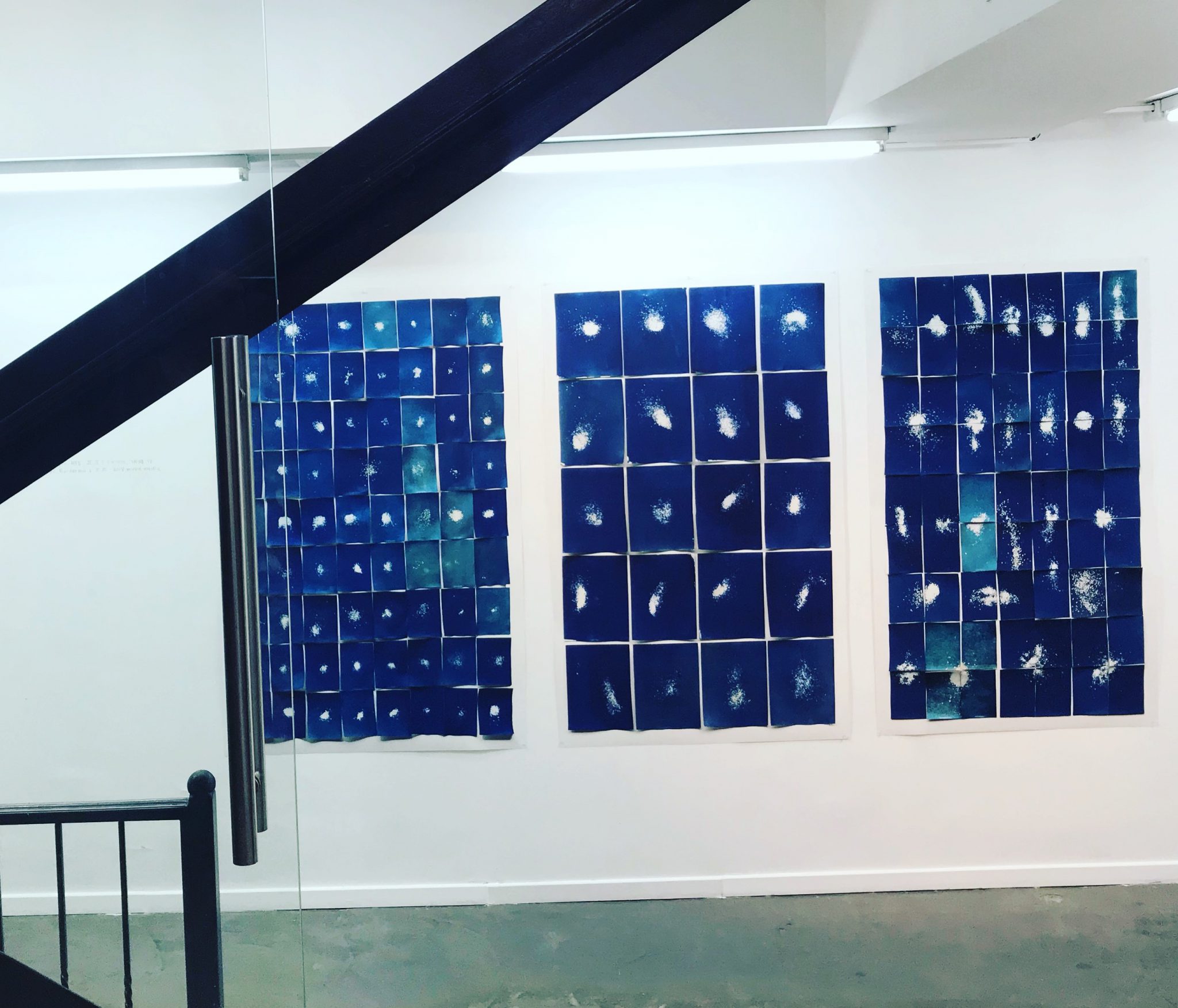
Adi Oz-Ari, Epidermis I, II, III 2017, mixed media.
(exhibition view)

גלדים של פצעים, פצעיה שלה, משמשים אותה בטריפטיך אפידרמיס, בסדרה Like  a Moon ובעבודות בהן היא מתרגמת שירים של אגי משעול לאמנות גוף, לכתב גלדים. עוז-ארי צוללת למקומות בהם השפה, הדיבור, האותיות הן החומר, והקווים בין חומרי ללא חומרי מיטשטשים.
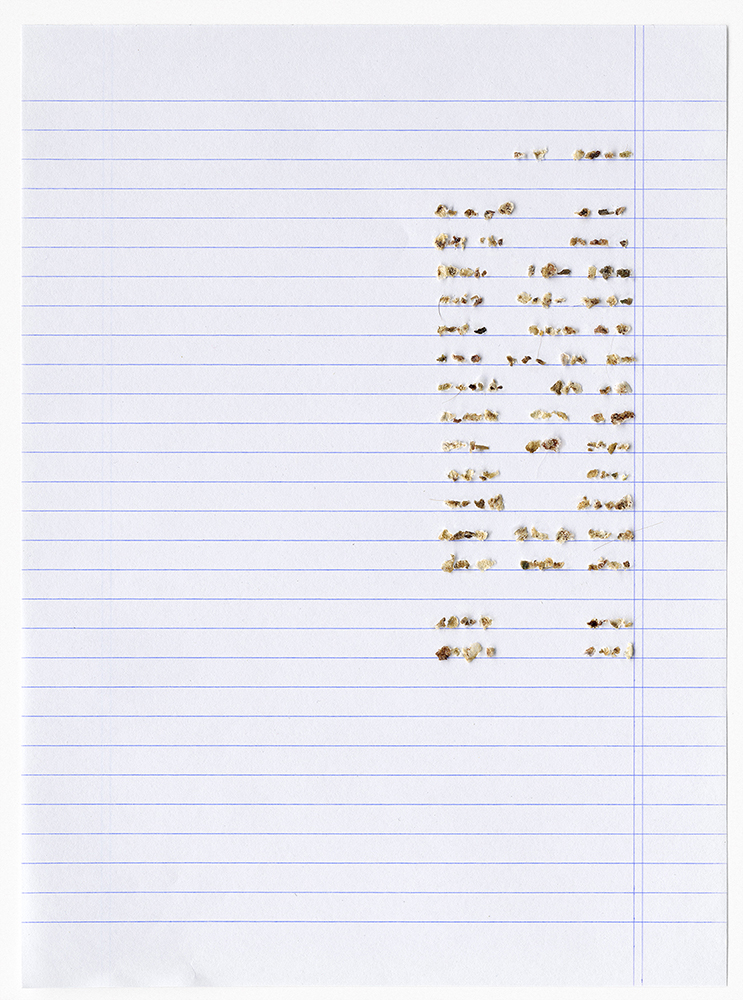
Adi Oz-Ari, Homage to Agi Mishol’s poem ‘Position of the Dead,’ 2018, mixed media.

אפידרמיס בנוי מיחידות המתעדות זמן, ממסגרות אותו לזיכרון. כל אחד מחלקי הטריפטיך מכיל קבוצת  ניירות ציאנוטייפ, נייר רגיש לאור, המכחיל ככל שהוא נחשף לשמש.  על כל נייר פוזרו גלדים, כמו אבקת קסמים בסיפורי אגדות, כמו סוכר שבוזקים על עוגה, וכשהם הוסרו מהניירות נותר על כל הנייר מה שנראה כקבוצת כוכבים, גלקסיות לא מוכרות. עוז-ארי סורקת את הקבוצות ויוצרת  הצעות למרחב המחבר כאב ושמים. בהקשר של טריפטיך (המבנה השכיח ביותר של ציור דתי נוצרי) החיפוש אחר היטהרות שיש בחשיפה לשמש יחד עם הכחול השמימי יוצרים רגע מזוכך, תיאור של ניסיון לגעת במהות .
בLike  a Moon  עשרים ושניים ניירות, כמספר אותיות האלף-בית העברי עוז-ארי הפכה ניירות המיועדים לציור בצבעי מים לנייר רגיש לאור על ידי משיחתם בנוזל ציאנוטייפ. הניירות העבים, הרווים חומר השתנו בשמש למשטחי כחול מרהיב, שיוצרים ציקלוס המזכיר  מולד ירח. אפשר לקרוא את הניירות , ואת סימני הגלדים שעליהם, כפי שמפענחים נייר לקמוס, לפרש גוונים ובני גוונים למנעד רגשות . אפשר לחשוב על סדרה זו  כדקונסטרוקציה של אפידרמיס: עוז-ארי משתמשת בכל חומר ששימש אותה שם בנפרד: ב Like  a Moon היא מושחת בעצמה את הנייר בציאנוטייפ  והיא אינה סורקת את התוצאה אלא הופכת כל אות, כל זיכרון גלדים, לאובייקט בעולם. האותיות -לא -אותיות, האזכור המעקב אחר מולד הירח, מתייחסים שניהם לניסיון למצוא סדר בכאוס, המוטיבציה הבסיסית ביותר לעשיית אמנות.
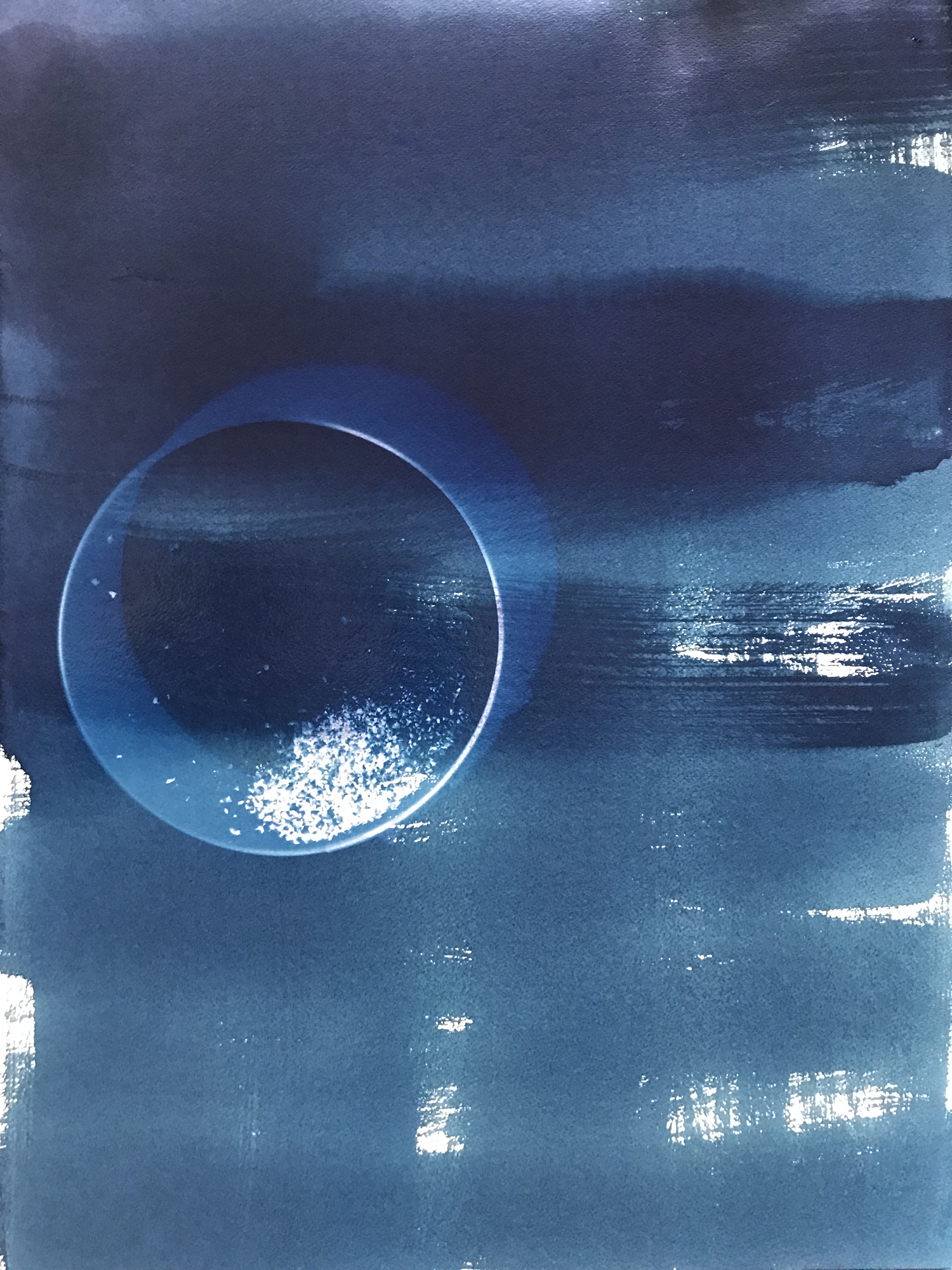
Adi Oz-Ari, Like a Moon, 2018, from a series of 22 units, papers coated with cyanotype emulsion

תרגומי שירה לגלדים, לשפה של גוף, מרהיבה בטוטאליות בה מולחמות שפות נפרדות לדימוי אחד. עוז-ארי מציגה שלושה שירים של אגי משעול אותם סרקה והגדילה: גלד עבור אות, כך שתבנית המילים והשורות נשארת זהה לזו של השיר בעברית והמודעות לשיר כיחידה חזותית מתחדדת בעוד היכולת לקרוא, לשמוע צליל, נאלמת. במחווה לשיר “תנוחת המת” של אגי משעול, למשל, שומרת  עוז-ארי על הצורה המלבנית המושלמת, הצורה שמעלה על הדעת ארון מתים או קבר, וזו כתובה גלדים על דף שורות- סופיות על קוויים אינסופיים.
שליטה ואקראיות התבוננות במקום בה אחיזה מתפוגגת לכאוס  היא גם נושא  שלוש עבודות ווידאו המוצגות בתערוכה . All of us are full of evil היא קולאז’ של שיחות עם נידונים למוות, כלומר מאיר רגע של הפעלת מנגנון השליטה, החוק.  עוז-ארי בחרה בשיחות בהן, באופן מצמרר יש הבנה, הסכמה והשלמה של הנידונים הפעלת גזר דינם ויחד עם זאת הם מעוררים תחושה של אמפטיה אינה נוחה לנו כצופים. ב Photoland II  וב Photoland III  עוז-ארי עוקבת אחר פעולת סורק, אחר עין אובייקטיבית, נטולת פניות שבפעולתה החוזרת ונשנית נוצר אבסטרקט, מקום נטול מקום, דימוי נטול דימוי.
מחר היא סידרה של רישומים בעיפרון על נייר שמוצגת באפידרמיס כמיצב רישומי. זו סידרה שגדלה ומתפתחת ומעלה על הדעת, שורשים, סדקים בקירות או שרשראות DNA.  כאן היא מתפרשת על החלל, מתכתבת עם העבודות האחרות, ביחס שאפשר לחשוב עליו כדומה לזה בין הרמוניה למלודיה במוסיקה .
מחר מצוירת על דפים מחולקים לגריד משושים שבקצה כל אחד מהם קו ורוד דקיק. עוז-ארי מנכיחה בה קו מחשבה, מבט מתחבט, ספק משחקי ומתעמקת בדקויות מעודנות בתוך כל משושה קטן. היא מסמנת בקווקוו אזורים שמופקעים  מהשדה הבהיר, ובתנועות עיפרון מרוסנות, קצובות, היא בונה מערכות אור וצל עשירות, הופכת כל משושה ליחיד, מגששת אחר כיוונים בדף. החיפוש בסדרה זו ממשיך את החקירה והחיפוש שמאפיינות סדרות נוספות של עוז-ארי  מהשנים האחרונות.

אוצרת : סמדר שפי
גלריה המעבדה לצילום , דרך מנחם בגין 19 תל אביב


להרשמה לניוזלטר הפרסומי השבועי של “החלון” בנושאי אמנות, אירועים ותערוכות חדשות
www.smadarsheffi.com/?p=925 (הרישום נפרד מהרישום לבלוג)

לפרטים על סיור עומק עם דר’ סמדר שפי במוזיאון ישראל  בתערוכות
הניצחון על השמש: גלגולו של האוונגרד הרוסי / יוליאן רוזפלדט: מניפסטו / אריה ארוך – צורת הדבר

יום שישי, 8 פברואר 2019, 11:00 – 13:30

שלחו Whatsapp ל 0507431106
או כיתבו לכתובת:thewindowartsite@gmail.com
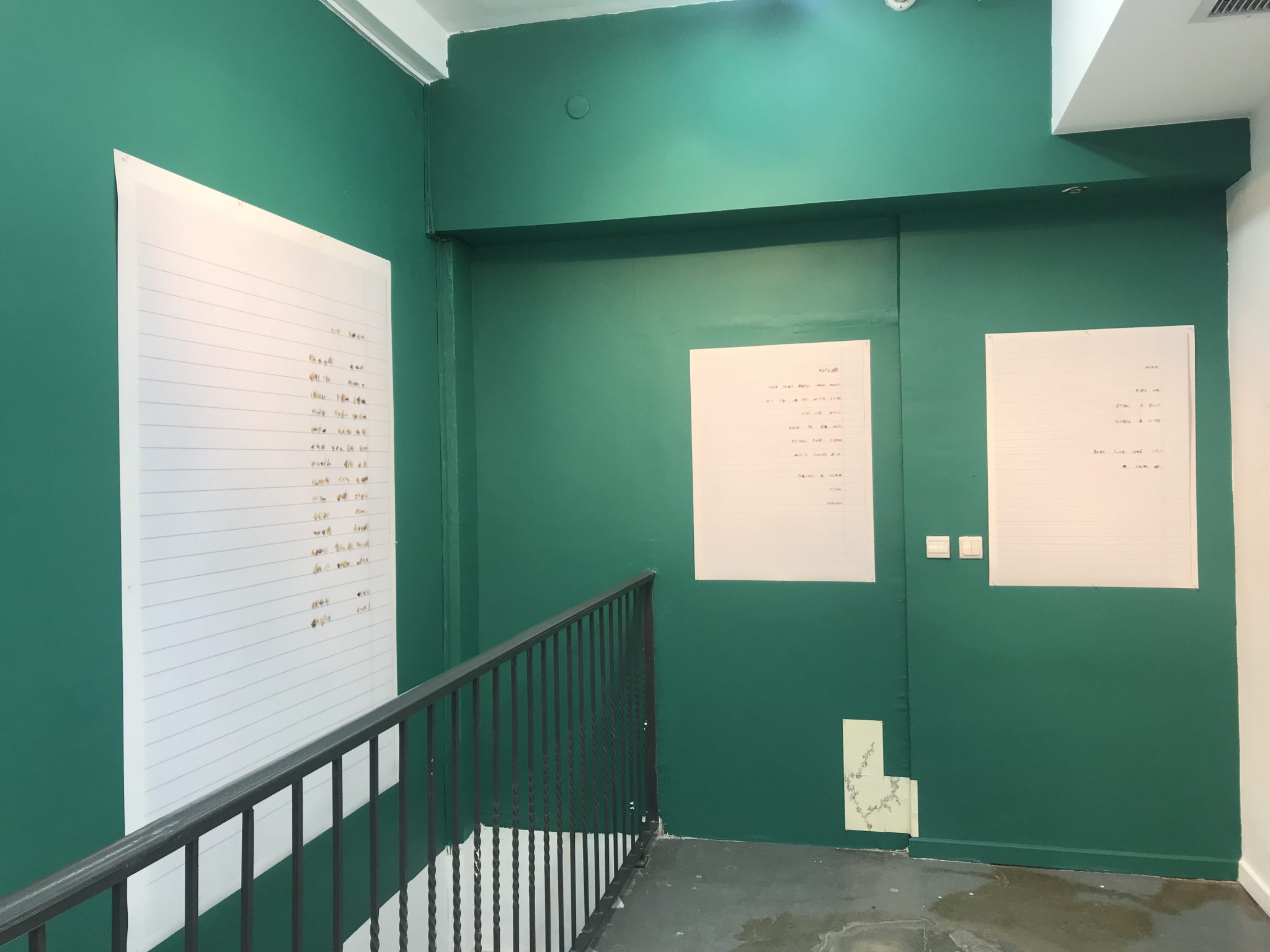
                               

Adi Oz-Ari, Epidermis
(exhibition view)


Adi Oz-Ari  E P I D E R M I S

Adi Oz-Ari’s works defy definition, elude categorization. She is in constant dialogue with traditional photography, poetry, painting, body art, investigating the fundamentals of imprinting images. Her works revolve around issues of control and randomness, with our continuous denying of the fact that we are on the edge of the abyss.  Although she engages in processes, prepares with precision, she leaves room for the goddess of fortune.
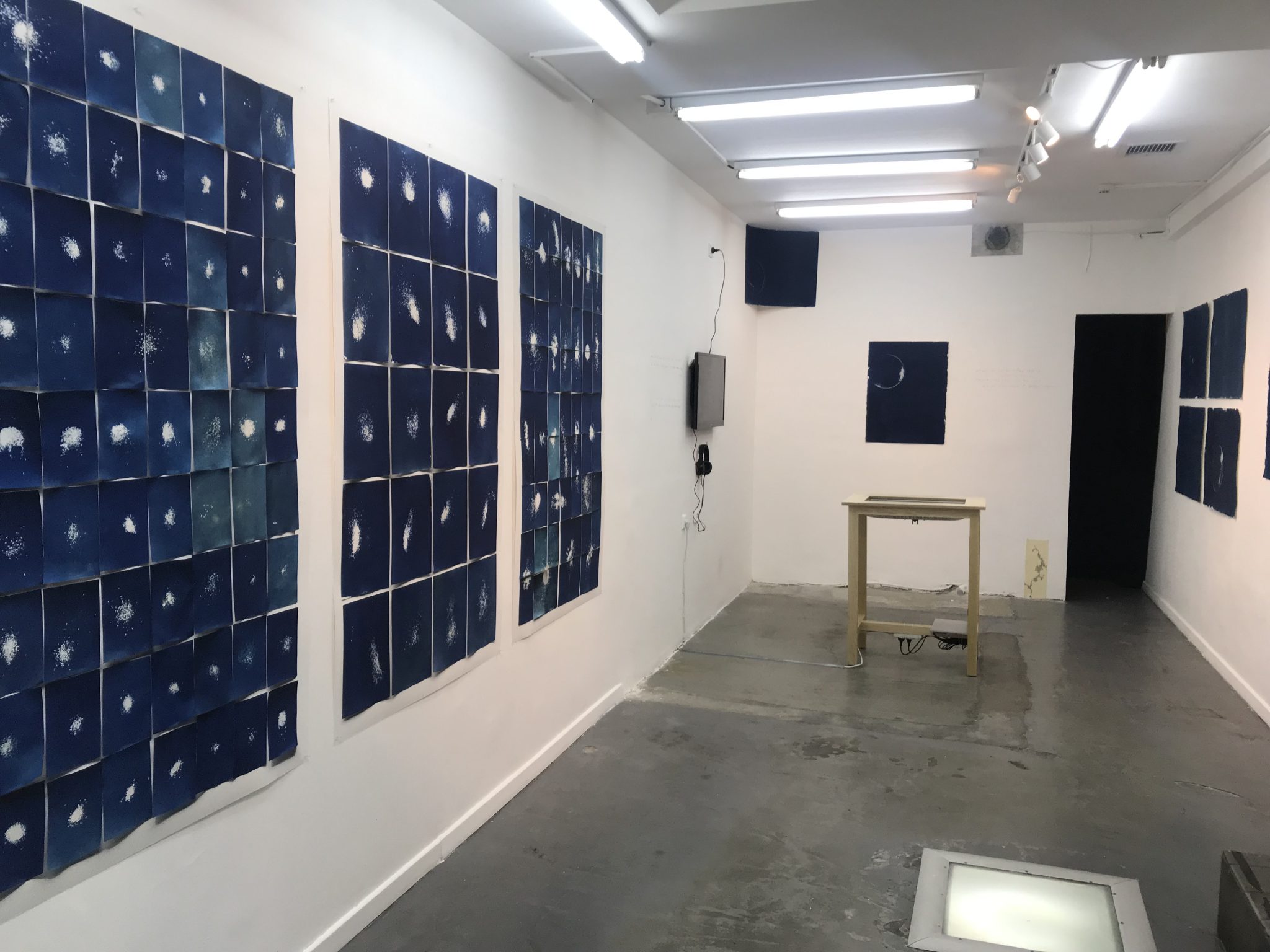
Scabs from her own wounds are used in the triptych Epidermis, the series Like a Moon, and in works in which the artist translates poems by Agi Mishol into body art, in an alphabet of scabs.  Oz-Ari delves into places in which language, speech, and letters become material, blurring the lines between the material and non-material.

Epidermis is made up of units documenting time, framing it into memory. Each section of the triptych comprises a group of cyanotypes – light sensitive paper which turns blue when exposed to sunlight. Oz-Ari dispersed scabs on the papers, like the fairy dust of legends or sparkling sugar for cake frosting. After exposure to sunlight, when the scabs are removed, the images’ imprints look like constellations in unfamiliar galaxies. Oz-Ari then scans the groups and proposes options for a space shared by pain and the heavens. In the context of a triptych, the recurring structure of Christian religious painting, the search for purification through exposure to the sun, along with the heavenly azure, creates a distilled moment in time, depicting an attempt to touch an essence.

Like a Moon is a series comprised of 22 units, equal to the number of letters of the Hebrew alphabet. Oz-Ari treats the high quality watercolor papers with emulsion, then places them in sunlight, metamorphosing them into intense blue surfaces creating a cycle reminiscent of new moons. We can read the papers and the areas marked by the scabs as we decipher litmus paper, interpreting the gradation of shades into a range of emotions.  The series can also be construed as a deconstruction of the series Epidermis, with Oz-Ari using each material she used in the former series, used separately in Like a Moon. The artist coats the paper with emulsion by herself and does not scan the results, but turns each letter, each memory of scabs, into an object existing in the world. Both the non-letter letters and the reminders of following the moon cycle, refer to the attempt to find order in chaos, the most basic motivation for making art.

Translating poetry into scabs, an invented body language, is breathtaking in the absolute merging of the separate languages into a single image. Oz-Ari is exhibiting three works which are an homage to poems by Agi Mishol. Oz-Ari scanned and enlarged three poems, replacing letters and words with scabs, preserving the format of the poem, adhering to the shape of the poem in Hebrew, intensifying the awareness of the poem as a visual image.  The ability to read it aloud, to hear the sound, is silenced. An example is “Position of the Dead,” in which Oz-Ari maintains Mishol’s perfect rectangular shape, bringing to mind a coffin or grave, written in scabs on a lined page – a finite verse on infinite lines.
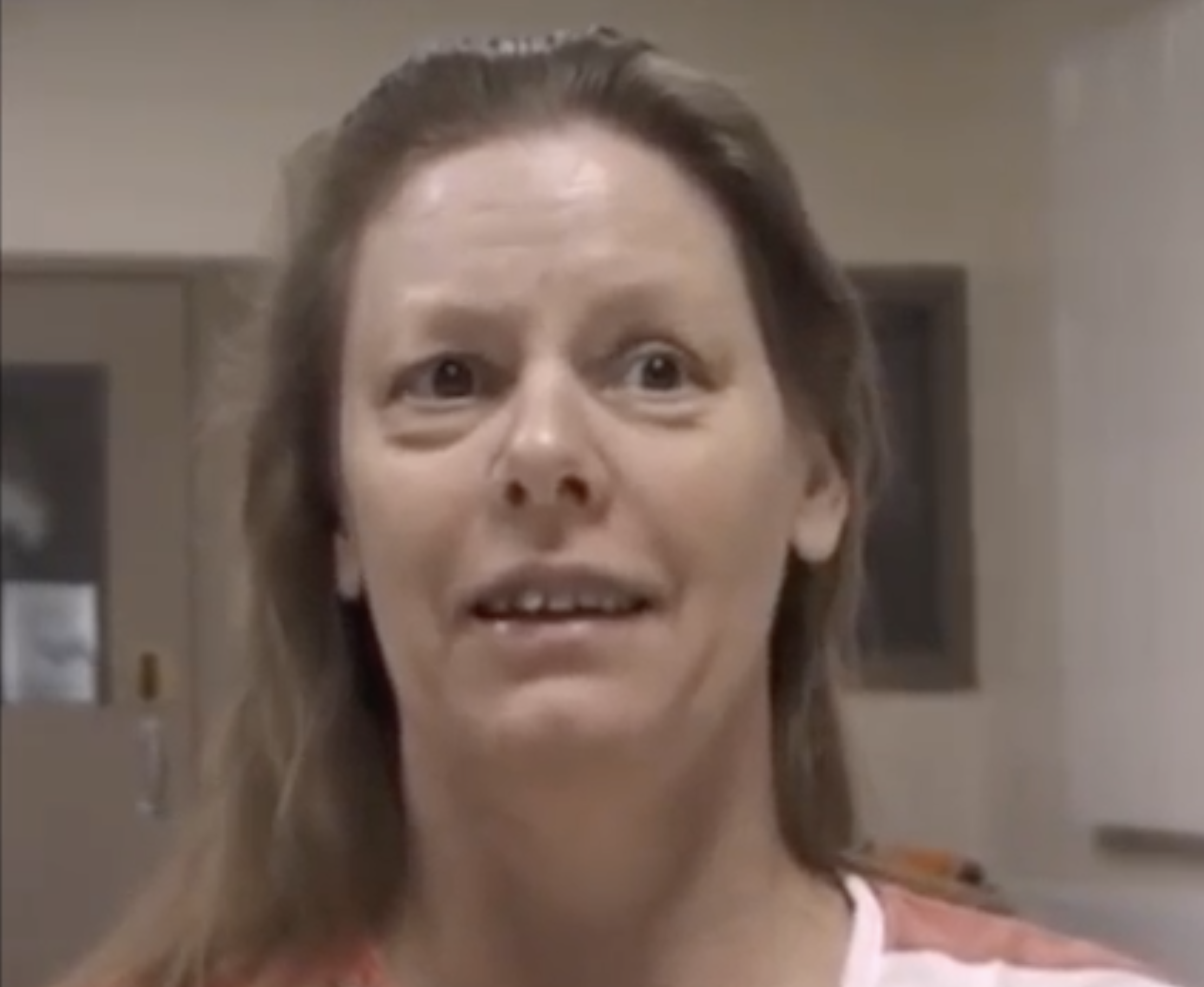
Adi Oz-Ari, All of us are full of evil, 2018, single channel video

In three video works on view, Oz-Ari uses other means to explore control and chance, observing the places in which certainty dissolves into chaos. All of us are full of evil is a collage of conversations with prisoners on Death Row, illuminating a moment of activating the law as the ultimate mechanism of control. Oz-Ari selected chilling conversations in which there is understanding, agreement, and acceptance by the condemned to have the death penalty carried out; they simultaneously arouse a feeling of empathy, uncomfortable to viewers. In Photoland II and Photoland III, Oz-Ari follows the action of a scanner –an objective, impartial eye – whose repetitive motions create an abstraction, a place which is a non-place, an imageless image.

Tomorrow is a series which has been developing organically and exhibited as a drawing installation. It is a series of pencil drawings on paper, bringing to mind roots, cracks in walls, or DNA chains. In the gallery, it spreads out into space, corresponding with the other works, in a relationship similar to the correlation between harmony and melody in music.

Each picture is drawn on a page divided into a grid of hexagons, with a very thin pink line at the edge of each page. Oz-Ari makes present in the series a line of thought, as her somewhat playful gaze puzzles things out, delving deeply into refined variations within each small hexagon. Broken lines shade the areas requisitioned from the clear field, and with restrained, rhythmic pencil strokes, Oz-Ari builds rich arrangements of darks and lights turning each hexagon into an individual searching for its direction on the page. The search in this series continues the exploration and investigation characteristic of additional series by the artist over the past two years.

Curator Dr. Smadar Sheffi
Photo lab Gallery Tel Aviv 


להרשמה לניוזלטר הפרסומי השבועי של “החלון” בנושאי אמנות, אירועים ותערוכות חדשות
www.smadarsheffi.com/?p=925 (הרישום נפרד מהרישום לבלוג)

לפרטים על סיור עומק עם דר’ סמדר שפי במוזיאון ישראל  בתערוכות
הניצחון על השמש: גלגולו של האוונגרד הרוסי / יוליאן רוזפלדט: מניפסטו / אריה ארוך – צורת הדבר

יום שישי, 8 פברואר 2019, 11:00 – 13:30

שלחו Whatsapp ל 0507431106
או כיתבו לכתובת:thewindowartsite@gmail.com
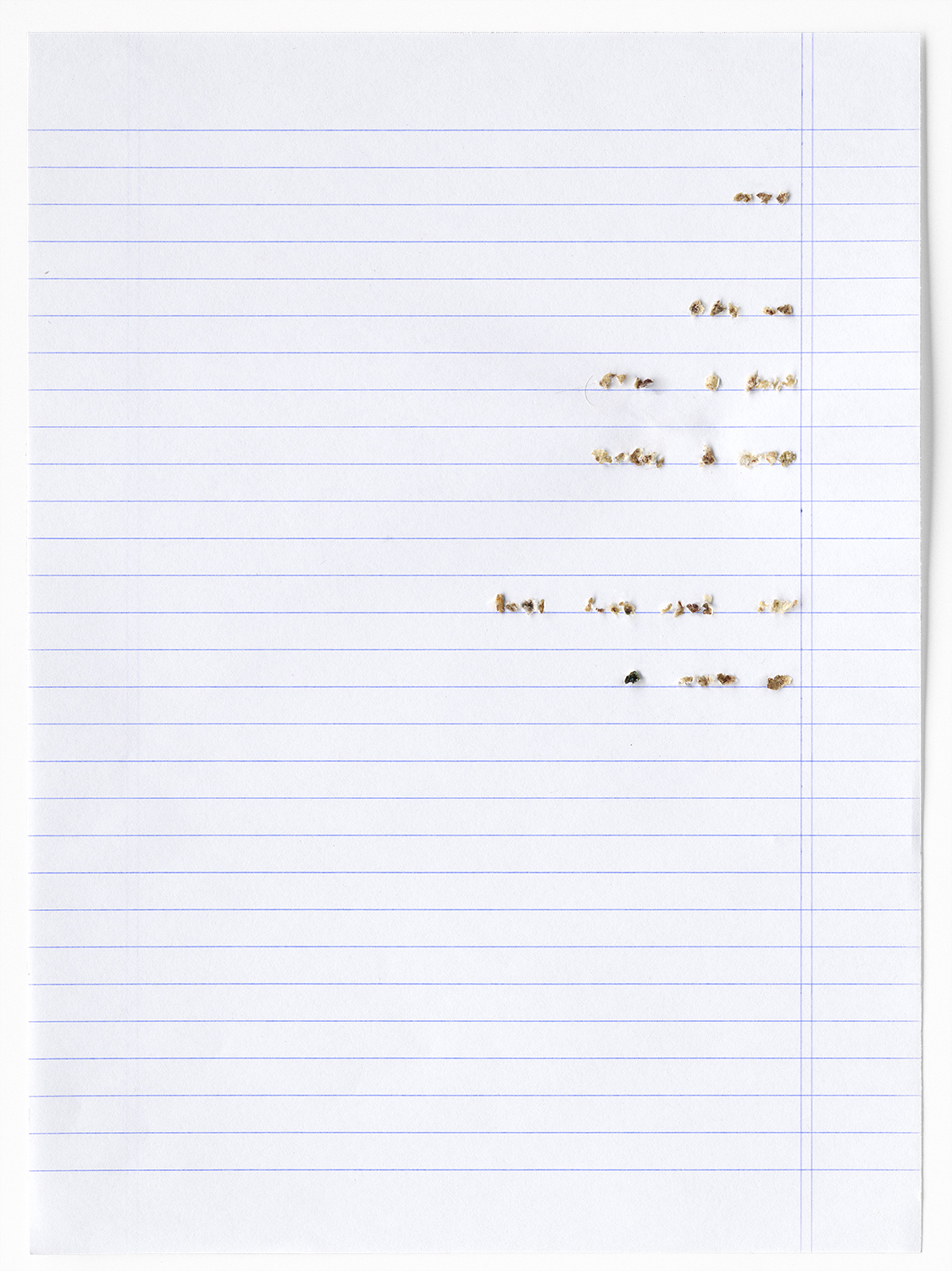
Adi Oz-Ari, Homage to Agi Mishol’s poem ‘Scab,’ 2018, mixed media.
         

Posted in Uncategorized | Comments Off on עדי עוז-ארי – אפידרמיס | Adi Oz-Ari  E P I D E R M I S

אני ואתה – על איזונים ובלמים בעקבות השיר “נדנדה”  של  ח.נ. ביאליק| “Me and you” – inspired by H.N. Bialik’s poem “See Saw”


 נַדְנֵדָה

   נַד, נֵד, נַד, נֵד
רֵד, עֲלֵה, עֲלֵה וָרֵד!
מַה לְמַעְלָה?
מַה לְמָטָּה? –
רַק אֲנִי,
אֲנִי וָאָתָּה;
שְׁנֵינוּ שְׁקוּלִים
בַּמֹּאזְנָיִם
בֵּין הָאָרֶץ
לַשָּׁמַיִם.

שיר הילדים “נדנדה”  הוא מהשירים החביבים על הורים וילדים ומושר לדורות מאז פורסם ב1933[1] והולחן בידי  דניאל סמבורסקי (1909 – 1977). השיר הוא גרסה שניה לשיר קצר יותר שפורסם כבר ב 1906 באודסה[2] . בגרסה המוכרת הוסיף ביאליק את השורות

מַה לְמַעְלָה?
מַה לְמָטָּה? –
רַק אֲנִי,
אֲנִי וָאָתָּה;
שְׁנֵינוּ שְׁקוּלִים
בַּמֹּאזְנָיִם

בשש שורות אלו העניק  ביאליק לשיר משמעות הומניסטית עמוקה בהרבה מהחביבות הקלילה שאופפת אותו .
ביאליק מתייחס לאיסורים שהמדרש מטיל על חשיבה ומשיב להם. במסכת חגיגה, פרק ב  נכתב ” אין דורשין … במרכבה ביחיד אלא אם כן היה חכם ….בארבעה דברים רתוי לו כאילו לא בא לעולם מה למעלה מה למטה מה לפנים ומה לאחור וכל שלא חס על כבוד קונו רתוי לו שלא בא לעולם...” כלומר שאלות על מה שהיה לפני בריאת העולם ועל מה שנמצא בשמים ובשאול אינן צריכות להישאל. ביאליק משיב ב “אני ואתה”, אנו בני האנוש, הדהוד ל”אני ואתה”, חיבורו החשוב (Ich und Du) של מרטין בובר מ  1923. בובר דיבר על משמעות יחסים הנעים בין קרבה להזרה  כשקרבה מובילה להתפתחות רוחנית.

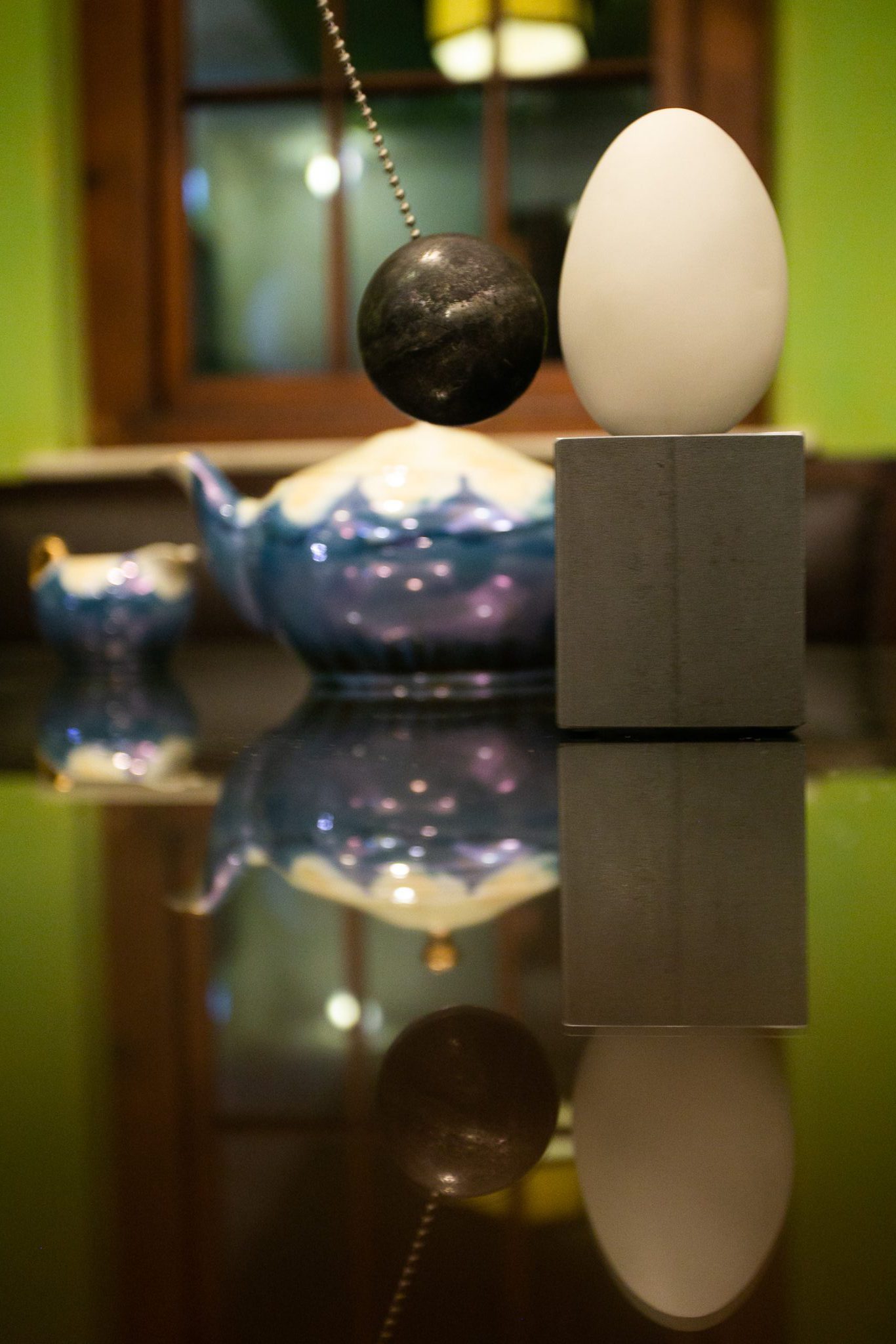
ליטל רובינשטיין ,, Between 2018. טכניקה מעורבת, מטוטלת,*50*20*80
Lital Rubinstein, Between, 2018. Mixed media, pendulum, 80x20x50cm

ביאליק הוסיף לשירו את השורה ” שְׁנֵינוּ שְׁקוּלִים בַּמֹּאזְנָיִם” – היחס, לכל ברייה, כאל שווה. את המסר, שגם היום אינו מושרש  עטף במתיקות של שיר ילדים.
העבודות של רפאת חטאב, גבי קריכלי, וליטל רובינשטיין עוסקות באיזון, שוויון והחיפוש המתמיד אחר ערכים אלו .
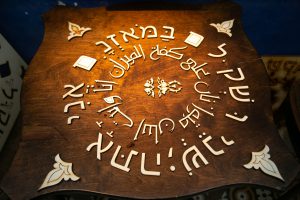
חטאב תרגם לערבית את השורות  “אֲנִי וָאָתָּה / שְׁנֵינוּ שְׁקוּלִים / בַּמֹּאזְנָיִם”  ומשתמש בהן, כתובות כתב ערבי קליגרפי, במשחק הרכבה מעץ ובו מוזמנים הצופים לשחק.  ב”העץ של אודין – בין הארץ לשמיים”, עבודת טקסטיל ומתכת, חטאב מדבר על מקום בתווך, בו יכול להתקיים שווין שספק אם יכול להיות במקום אחר  חטאב מתייחס לדמותו של אודין, אל נורדי עתיק שהוא אל המלחמה אך גם אל השירה והחכמה, ומתוך הניגודים, במקום שהוא בין הארץ לשמיים, צומחת יצירה.

Raafat Hattab Me and You A game for two 2018. Mixed media

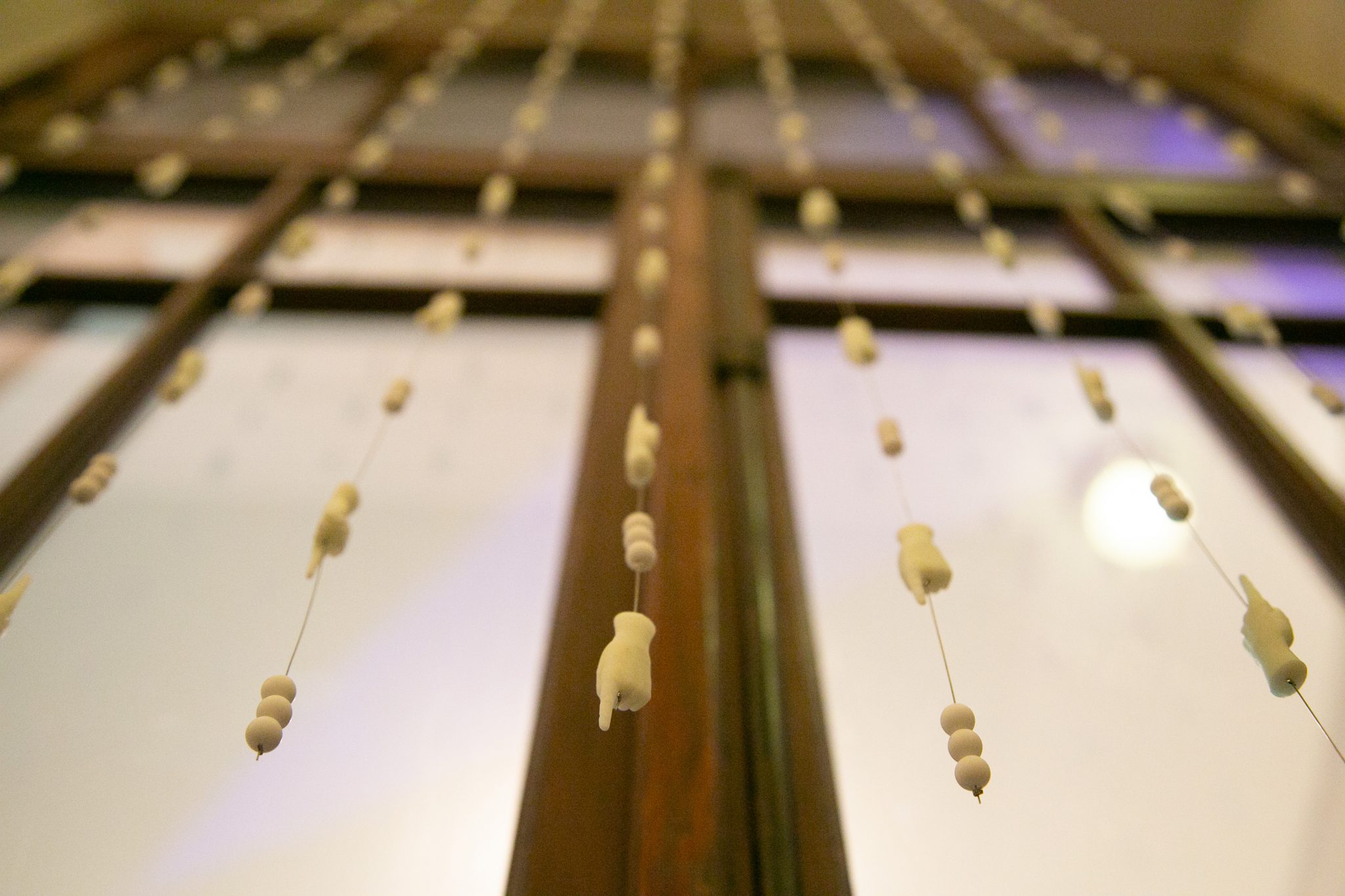
ליטל רובינשטיין, יוצרת עבודות קינטיות או כאלו שפוטנציאל התנועה בהן בולט. בעבודות , “ואלס” , “Meme”  ו” מה למטה- מה למעלה” היא משתמשת בצבע ורוד תמים ומתבוננת במתח המתמיד המלווה יחסים.
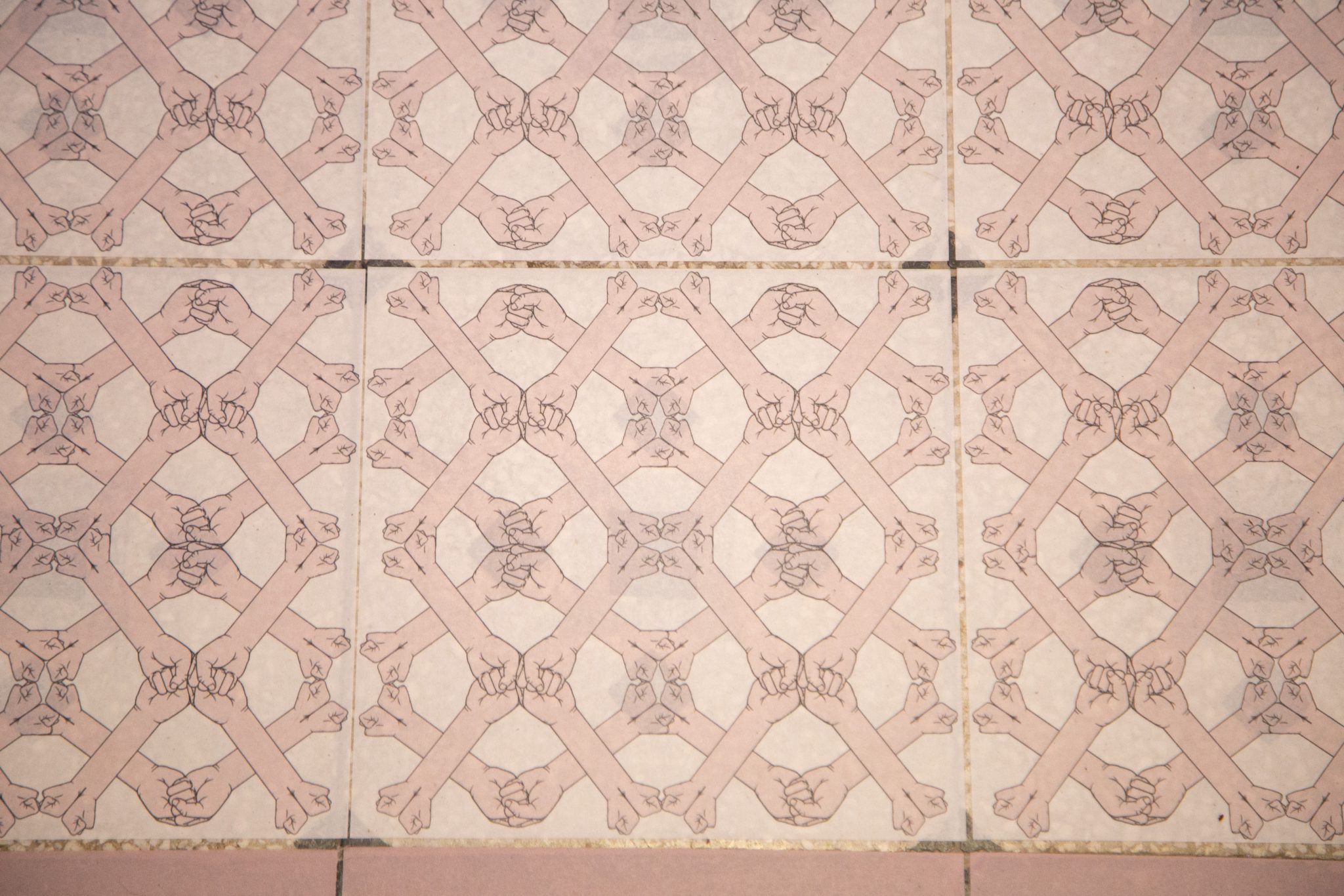
מערך זרועות אחוזות – מתנגשות יוצרות דגם חוזר ב”ואלס “– עבודת רצפה, (הדפסה דיגיטלית) בדיאלוג עם מסורת שטיחי האריחים שאפיינה בתים רבים בתל אביב ומצויה גם במרפסת בית ביאליק. הדגם אמביוולנטי: זרועות אחוזות זו בזו ספק בתמיכה ספק באגרסיביות. רובינשטיין יצרה דגם שמדבר על יחסי קרבה – הזרה. הזיקה לעבודות הטפטים של אי ויוי , מהאמנים הבינלאומיים הבולטים מודעת. אי ויוי, אמן פוליטי מובהק, מדבר על ניכור מוחלט, רובינשטיין מותירה מקום לספק ואולי חזרה לקרבה.
בעבודה הקינטית Meme (תופעה התנהגותית תרבותיות שמתפשטת דרך חיקוי) יצרה מעגל זרועות של בובות הסובבות זו אחר זו, תרות  אחר קשר ונגיעה.
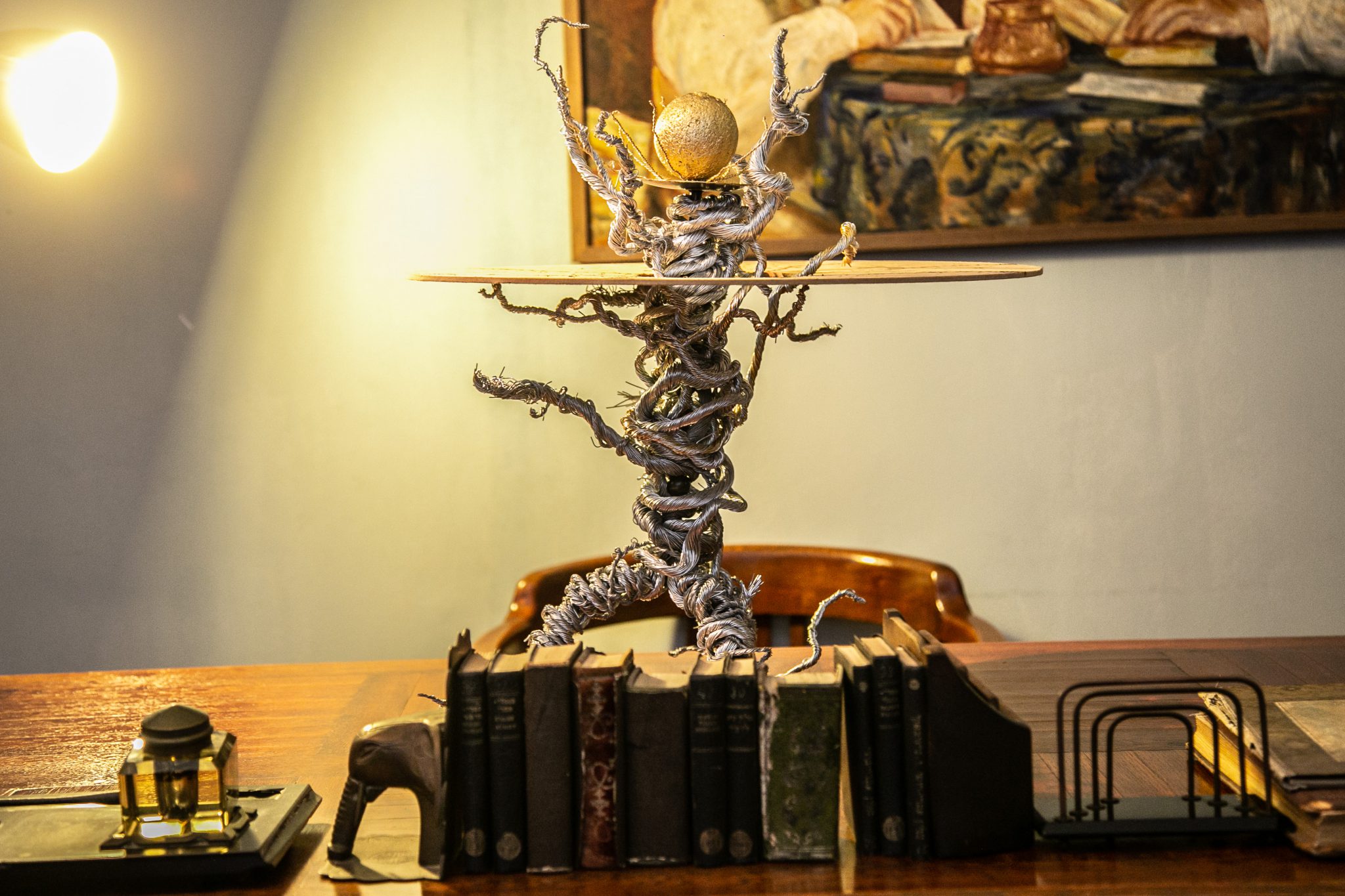
Between היא מטוטלת שרובינשטיין בנתה לפי עקרון “מטוטלת פוקו”, בעזרתה הוכיח המדען הצרפתי לאון פוקו שכדור הארץ מסתובב סביב צירו.  המטוטלת מנסה לשמר  כיוון תנועה קבוע במרחב, אך סיבוב הארץ יוצר מסלול תנועה משתנה. רובינשטיין יצרה היסט בתנועת המטוטלת כאשר כדור מסתובב ואמור לפגוע בביצה אך בשל מגנט לעולם לא יפגע בה, כלומר היא מנציחה מצב בינים.
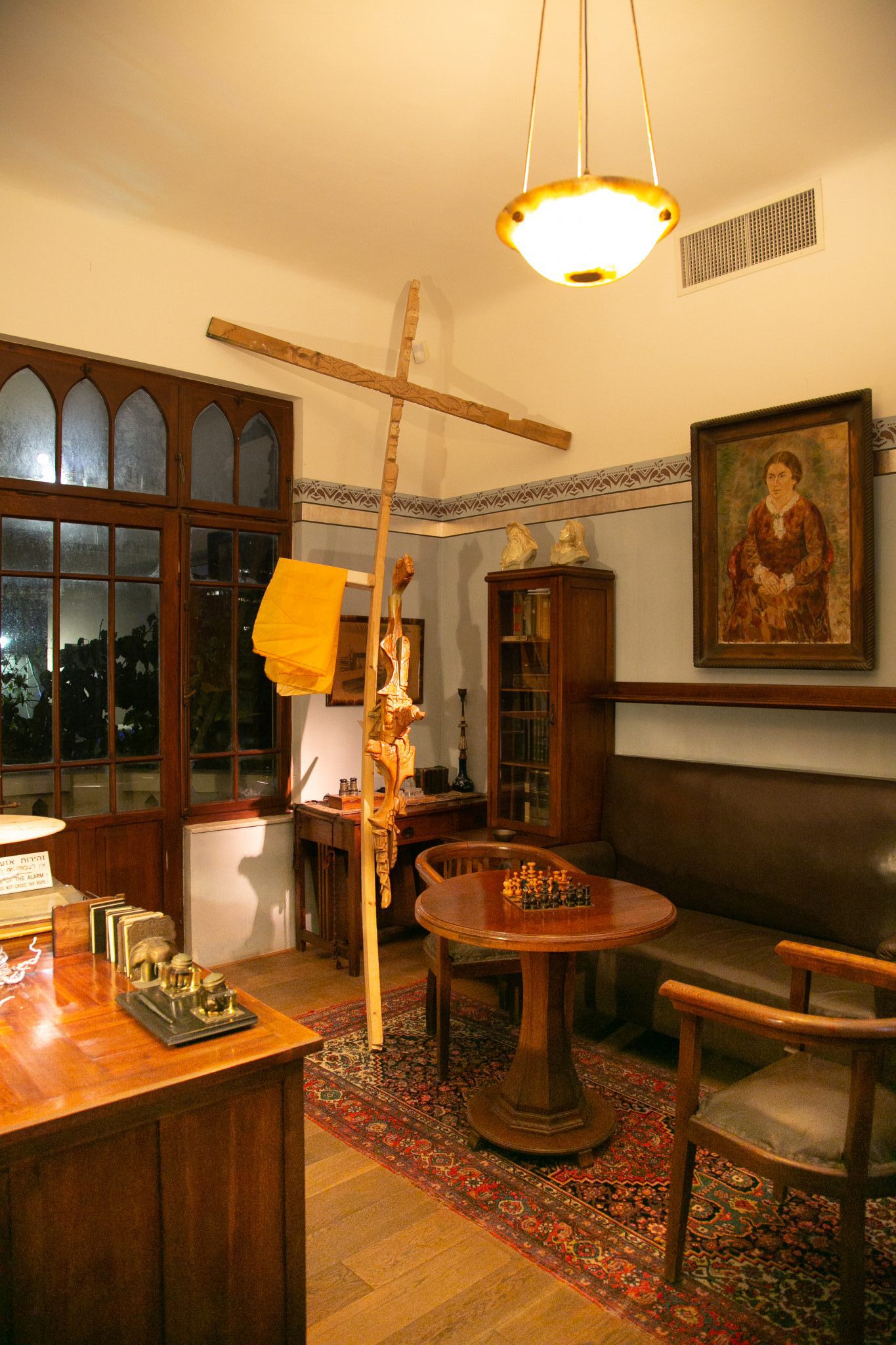
      העבודות של גבי קריכלי נעות על ציר שבין הסיפורי, לאבסורדי ולמשחקי בכניסה לבית ביאליק, לצד המראה ניצבים כשומרים, כרוביות: האחת מפוליאוריטן והשנייה מבטון, יציקות זהות שהאחת קלה מאד, בצבע כשל כרובית והשנייה אפורה וכבדה. למרות הדמיון, שני האובייקטים אינם שקולים.
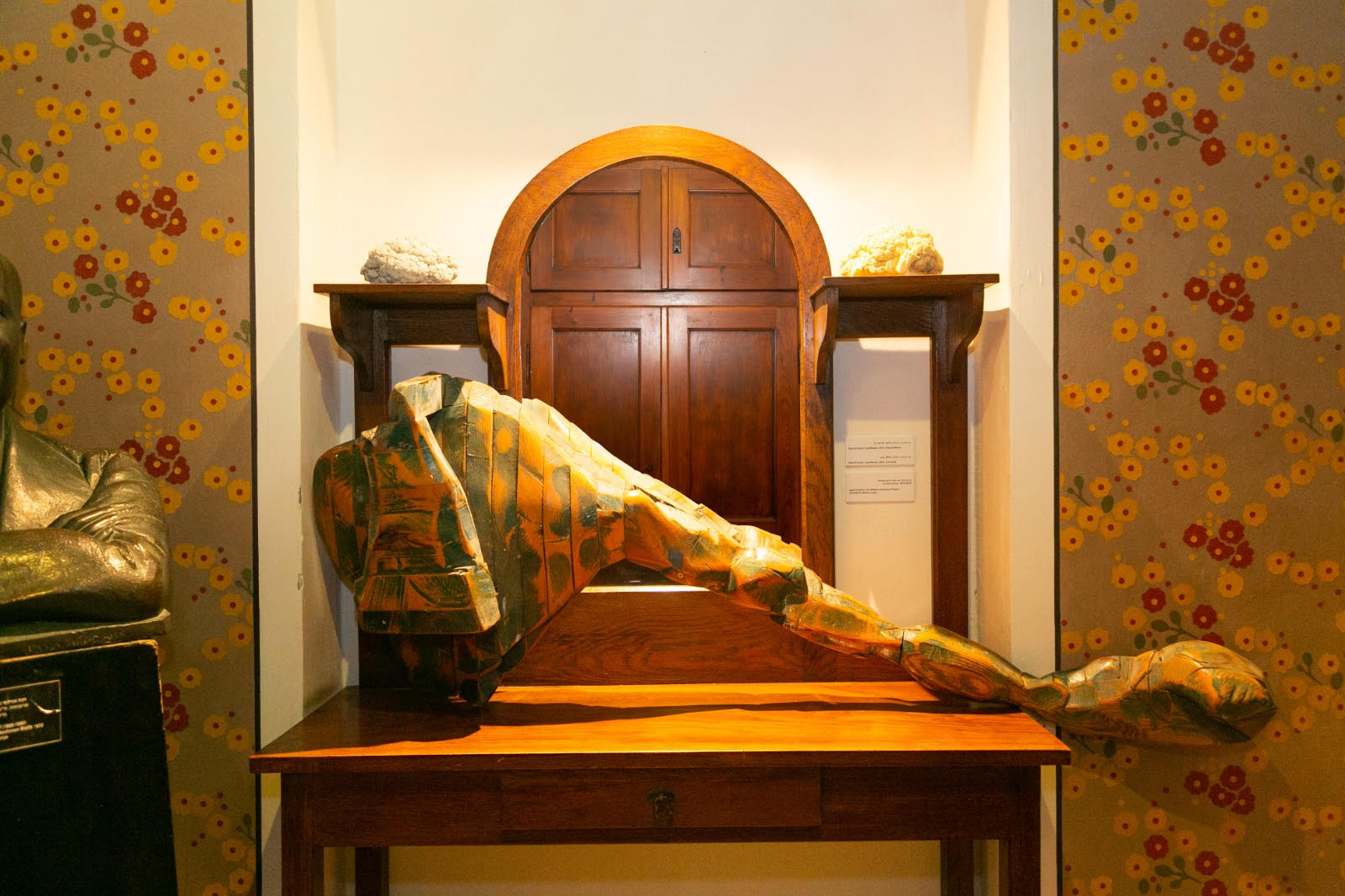
Majority Decision, היא דימוי ספינה שנישא על קשת גדולה הניצבת על רצפה ונשענת על הקיר כמו ספינת מפרשים ויקינגית שעלתה על שרטון, כששריד מפרש כתום מקופל על אחד התרנים שנטה על צדו. איבוד השליטה, האיזון מקבל תצורה יפה, והמבנה הקשתי נחת על חוף מבטחים תחת עיניהם הבוחנות של שני פסלים של בוריס ש”ץ, יהודית ומתיתיהו, מאוסף בית ביאליק .
יש מי שרואים בתורן העבודה צלב. קריאה זו, אף שלא הייתה כוונת העבודה, אפשרית ומעניינת ויש בה גם תוספת לחוט השני האוניברסלי, ההומניסטי שהתערוכה מאירה. לא זו בלבד אלא שמרטין בובר,  מחשובי הפילוסופים  היהודים במאה העשרים , שספרו “אני ואתה” השפיע, כך נראה על ביאליק להוסיף שורות לשירו נדנדה, עסק רבות, במידה של הערכה והזדהות עם דמותו של ישוע.
ביאליק התייחס לישוע, כמו כותבים עבריים אחרים בני זמנו (לרבות טשרניחובסקי ואהרן אברהם קבק) במידה של הזדהות. התרבות האירופאית, אותה תרבות השכלה שביאליק שילב עם יהדותו המובהקת היא, ככלות הכל, תרבות נוצרית.
בין ההתייחסויות היותר מוכרות של ביאליק לנצרות ולישע אמירתו בעת ראיון על האוניברסיטה העברית ב 1923 בה  כרך יהדות ונצרות:

פרצה לה היהדות – ההלניסמוס היהודי או היהדות ההלניסטית ואח”כ ע”י צנורות אחרים דרך וחדרה לתוך העולם העתיק, הכביר ביצירות, במפעלים, בפוליטיקה, בגבורות ובחטאים.  לתוך עולם כביר זה חדר עם קטן ודל, רועי צאן, סוחרים, בעלי מלאכה (ישו היה, כידוע, בן נגר ).  באותו הזמן יצאו היהודים אל מרחבי העולם.  ומה היה לבסוף? חלקים גדולים של היהדות הורכבו בתרבויות העולם של אותו הזמן והתערבו ביסודות האליליים ונולדה הנצרות,

בשירו ” אַלְמְנוּת” על אמו, הוא השווה, את סבלו כיתום לסבל הצלוב

…. אָכֵן רָחֲקוּ מֶנִּי הַיָּמִים הָהֵם, אַךְ עוֹד אֵימֵיהֶם
חֲדָשִׁים לְנֶגְדִּי תָמִיד, וּכְמוּקָע אֶל צְלוּבוֹ
בְּמַסְמְרִים נִצְמַדְתִּי לִדְמוּת אַלְמְנוּתֵךְ הַשּׁוֹמֵמָה,
אִמִּי, עֲנִיָּה סֹעֲרָה, לֹא נֻחָמָה וְלֹא רֻחָמָה!

ביאליק, הומניסט ומשכיל השתמש בצלב כדימוי, לא צמצם אותו לסמל של רדיפות ונגישות בלבד. ביאליק שכתב “שנינו שקולים במאזניים” – אמירה אוניברסלית, היה רחוק מקנאות ולאומנות חשוכה.
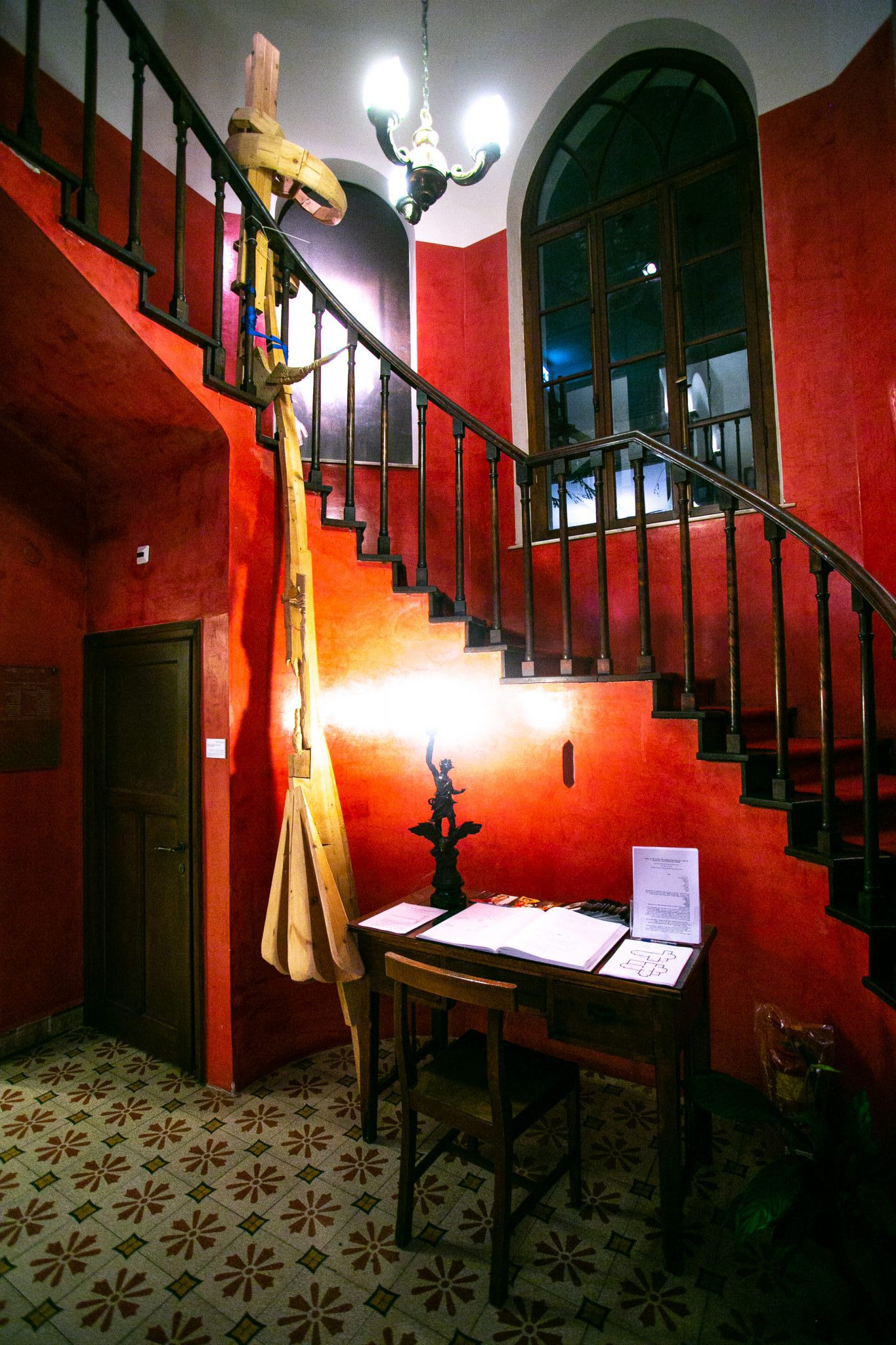
לצד גרם המדרגות, פסל עץ גדול, המטפס מקומת הקרקע לקומה העליונה. מדובר בהיבריד כהכלאה בין מכשיר חפירה לבין סירה, שמתכתב עם קו המדרגות המתעגל, מדגיש את החיבור בין הקומות העליונה והתחתונה. בפיסול העץ של קריכלי פרטים שכמו מחשבות אסוציאטיביות שייכות לא שייכות לגוף העבודה המרכזי, אתרים קטנים של יופי שיגלה רק המתבונן מקרוב.

פסל עץ של קריכלי, הנראה כאסטרולאב, מאלו דרכם ניסו לפענח את סודות היקום, שכוב על האח בחדר ההסבה.

                                מַה לְמַעְלָה? / מַה לְמָטָּה? /…בֵּין הָאָרֶץ / לַשָּׁמַיִם.

                                                                                                       ד”ר סמדר שפי

[1] חיים נחמן ביאליק, שירים ופזמונות לילדים, הוצאת דביר, 1933

[2]ברגמן, חיים פנחס “הנדנדת” שפת ילדים ספר לימוד לקריאה ולכתיבה עם ציורים  1906

תערוכה מסדרת לְהַבִּיט נִכְחוֹ – אמנות עכשווית בבית ביאליק
אוצרת: דר’ סמדר שפי
אוצרת ראשית ומנהלת של מתחם ביאליק:  איילת ביתן שלונסקי
צילום : תום פורת

עד ה 18.3.2019

להרשמה לניוזלטר הפרסומי השבועי של “החלון” בנושאי אמנות, אירועים ותערוכות חדשות
www.smadarsheffi.com/?p=925 (הרישום נפרד מהרישום לבלוג)

לפרטים על סיור עומק עם דר’ סמדר שפי בתערוכה
“זמנים מודרניים” – יצירות מופת ממוזיאון פילדלפיה במוזיאון תל אביב–
יום שלישי, 8 ינואר 2019, 18:30- 20:30

שלחו Whatsapp ל 0507431106
או כיתבו לכתובת:thewindowartsite@gmail.com

ליטל רובינשטיין , מה למעלה מה למטה, 2018. וילון, חרוזים, טכניקה מעורבת, 210*80
Lital Rubinstein, What is above, what is below, 2018. Curtain, beads, mixed media, 210x80cm

Art Intervention VI – Contemporary Art in Beit Bialik
Curator: Dr. Smadar Sheffi
“Me and you” – On checks and balances inspired by H.N. Bialik’s poem “See Saw”

See saw, see saw,
Go up, go down!
What is above?
What is below? –
Only me,
me and you,
both of us balanced
on the scale
between heaven
and earth.

The beloved children’s poem by Haim Nahman Bialik published in 1933 was set to music by the composer Daniel Sambursky. It is the second version of a poem published in Odessa in 1906, to which Bialik added the last six lines.
With these six lines, Bialik supplemented the poem with a humanistic menaing that went deeper than its light and pleasant tone. He refers to the Sages’ prohibitions on thought and responds to the Midrash on Tractate Hagiga (Chapter 2, Mishna 1): “…A person who tries to know …what is above and what is beneath, what was before [Creation], and what will be after [all is destroyed]…it were better for him had he not been born…”

גבי קריכלי, פולקה, 2006 . עץ
הכוונה לאמן זיגמר פולקה (1941-2010)
Gabi Kricheli, Polke, 2006. Wood
Refers to the artist Sigmund Polke (1941-2010)

Bialik’s response to questions that should not be asked is “me and you”: We are all human beings, resonating with Martin Buber’s influential book I and Thou (Ich und Du) (1923). Bialik was in contact with Buber at the time, working together on the project of collecting Hasidic tales. “Both of us balanced / on the scale” refers to each human being as equal. The message, which today has not yet taken root, was sugar-coated by a children’s song.
The artworks by Raafat Hattab, Gabi Kricheli, and Lital Rubinstein address equilibrium, equality, and the ongoing search for these values.
Hattab’s translation of “You and me / both of us balanced / on the scale” into Arabic calligraphy forms a laser-cut wood puzzle inviting visitors to play with it. Odin’s Tree – Between Heaven and Earth, made of textile and metal, refers to an in-between place in which equality can exist, since it is doubtful it can exist anywhere else. He refers to the figure of the ancient Norse god Odin, god of war, poetry and wisdom. Creativity grows from polarities.

Raafat Hattab, Odin’s Tree – Between Heaven and Earth, 2018. Mixed media.

Lital Rubinstein’s works are kinetic or potentially kinetic. She employs pink, the color of innocence, contemplating the constant tension intrinsic to relationships. In the floor piece Waltz, the pattern of severed arms grasping each other or clashing is in dialogue with the typical floors of Tel Aviv homes and the Bialik House. The image is ambivalent: the clasped arms can be read as either supportive or aggressive, close or alienated. The association to the floor pieces by Ai Wei Wei, one of the most outstanding contemporary international artists, is conscious. While Ai Wei Wei refers to absolute alienation and subordination, Rubinstein leaves room for doubt and perhaps a return to closeness.
Meme (a cultural behavioral phenomenon disseminated through mimesis) is a kinetic circle of dolls’ arms striving for contact and relationship. Between was built on the principle of the Foucault pendulum (named for the 19th century French physicist Léon Foucault who demonstrated the earth’s rotation), but Rubinstein has diverted its movement to perpetuate a limbo state.

Liat Rubinstein, Waltz (Floor Piece), 2018 002

Gabi Kricheli’s works move between narrative, absurd, and playfulness. His Cauliflowers are placed at the entrance to the Bialik House Museum, at the side of the mirror, like guards or cherubs, one from polyurethane and the other from concrete. The two objects are similar but not equal: although they look identical, the whitish one is lightweight, and the grey one is heavy.The mixed media piece Majority Decision is the image of a ship borne on a large bow, standing on the floor, leaning on the wall, like a Viking sailing vessel aground on a reef. The remnant of an orange sail lies on a mast, to the side. The loss of control and balance is depicted in a beautiful configuration, with the arched structure resting in a safe harbor, under the watchful eyes of two sculptures by Boris Schatz, Judith and Mattathias, from the Beit Bialik Museum Collection.
Some viewers read the mast as a cross. Although not deliberately intended by the artist, is a possible and interesting view, adding a layer to the universal, humanistic threads of meaning reflected in the exhibition. Martin Buber, one of the prominent Jewish philosophers of the 20th century, whose book Ich und Du (I and Thou) apparently impacted Bialik, inspiring him to add to the poem “See Saw.” Both Buber and Bialik had high regard for the figure of Jesus.
Like many of his literary contemporaries (including Tchernichowsky and Aharon Abraham Kabak), Bialik integrated European culture and intellectual life with his strong Jewish heritage. Western culture is almost synonymous with Christian culture. In an interview in 1923, speaking about the Hebrew University, Bialik referred to Christianity as a daughter religion of Judaism:
In the poem “Widowhood,” concerning his mother’s pitiful state as a widow he compared his suffering as an orphan, to the crucified Jesus.
Bialik, humanist and intellectual, used the Cross as a literary image, not in its narrow sense of a symbol of the persecution of Jews. Bialik, the poet who wrote “Both of us / balanced / on the scale,” a universal statement, avoided religious extremism and benighted nationalism.
A large wood sculpture spirals up the staircase from the ground floor, like a hybrid between a digger and ship. Corresponding with the circular line of the staircase, it emphasizes the connection between upper and lower floors. The wood bears details of fine carving, which, like associative thoughts, may or may not belong to the main body of work. These small sites of beauty are revealed only to those who look closely. A wooden “astrolabe,” like the instruments used to probe the secrets of the universe, is displayed on the mantelpiece in the living room, thus demonstrating the vital importance of monitoring where we stand.

What is above? / What is below? /…between heaven / and earth.

Dr. Smadar Sheffi

Director and Chief Curator of the Bialik Complex: Ayelet Bitan Shlonsky

להרשמה לניוזלטר הפרסומי השבועי של “החלון” בנושאי אמנות, אירועים ותערוכות חדשות
www.smadarsheffi.com/?p=925 (הרישום נפרד מהרישום לבלוג)

לפרטים על סיור עומק עם דר’ סמדר שפי בתערוכה
“זמנים מודרניים” – יצירות מופת ממוזיאון פילדלפיה במוזיאון תל אביב–
יום שלישי, 8 ינואר 2019, 18:30- 20:30

שלחו Whatsapp ל 0507431106
או כיתבו לכתובת:thewindowartsite@gmail.com

Gabi Kricheli The William Ashbless Project 2010 2018 Mixed media

Posted in Uncategorized | Comments Off on אני ואתה – על איזונים ובלמים בעקבות השיר “נדנדה”  של  ח.נ. ביאליק| “Me and you” – inspired by H.N. Bialik’s poem “See Saw”

גלריה הקיבוץ אינה מוסד מגניב|The Kibbutz Gallery is not “cool” institution.

גלריה הקיבוץ אינה (לא הייתה) מוסד מגניב. אחרי כל ההסברים על קיצוץ תקציבי שנגזר על ידי התנועה הקיבוצית, רעיונות בכנס כוונות טובות על גיוס מימון פרטי, וחודשיים של מסיבת סיום שהתארכה והתארכה, נראה שגלריה הקיבוץ נענשה בסגירה על  חטא בל יכופר – לא להיות מגניבה.

המקום בו עמד שלט גלריה הקיבוץ ברחוב דב- הוז

גלריה מגשימה בדרכה האפרורית רבות מה Buzz words   שנזרקות היום לאוויר ומשמשות להתנאות, לשיווק, למירוק מצפון – קהילתיות , ללא כוונת רווח, חברתית. בעבר הייתה מקום לדיון פוליטי פתוח, לפעמים אפילו נועז.  העמדה הפוליטית השמאלית שנשבה בה הפכה בארץ לעמדת מיעוט והגלריה לא השכילה להפוך את התפיסות הסוציאליות שהיו אבני יסוד שלה, מעצם צמיחתה בתנועה הקיבוצית , לדגל.


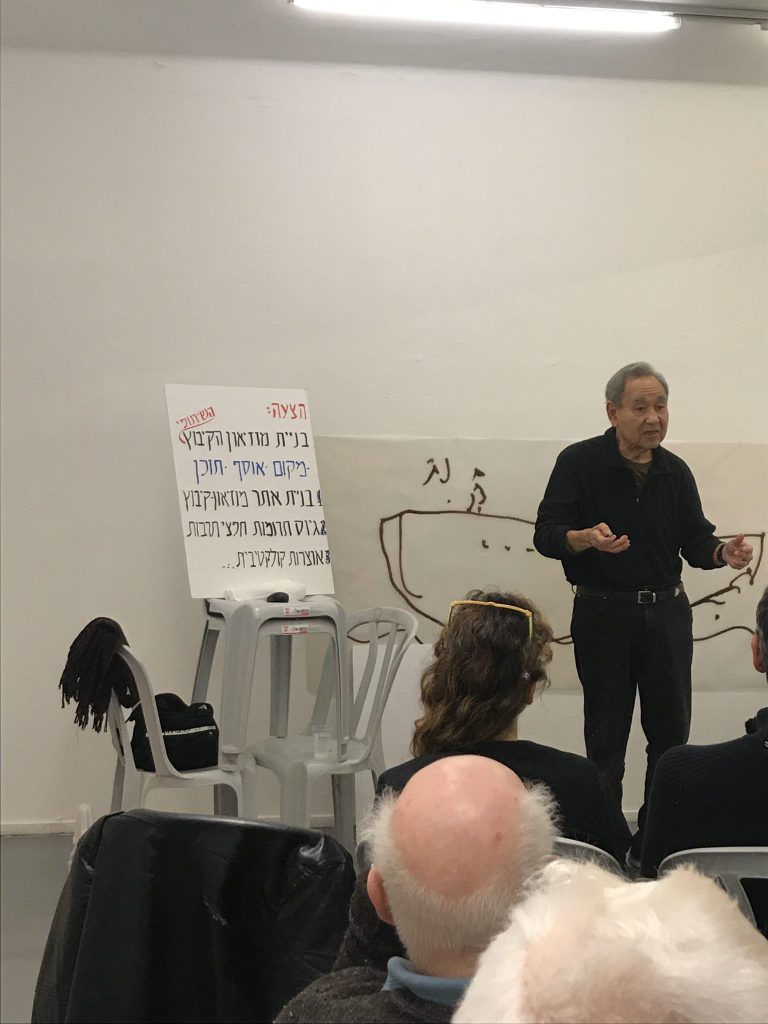
שיח גלריה בתערוכה “אפילוג, מה יהיה בסופה? “ניצן סט, בהשתתפות אמנים ואדריכלים

עצוב לחשוב על כך שדווקא בתקופה בה המושגים  “ועד עובדים” , “התאגדות” , “הסכם קיבוצי” ואפילו “הסתדרות” נוערו מאבק של עשורים הגלריה שהציעה לכל הפחות חלל ותמיכה מוסרית לאמנות נסגרת,  לא נאצל עליה מזוהר הרטרו  שהצליחו גופים ורעיונות אחרים לקבל .
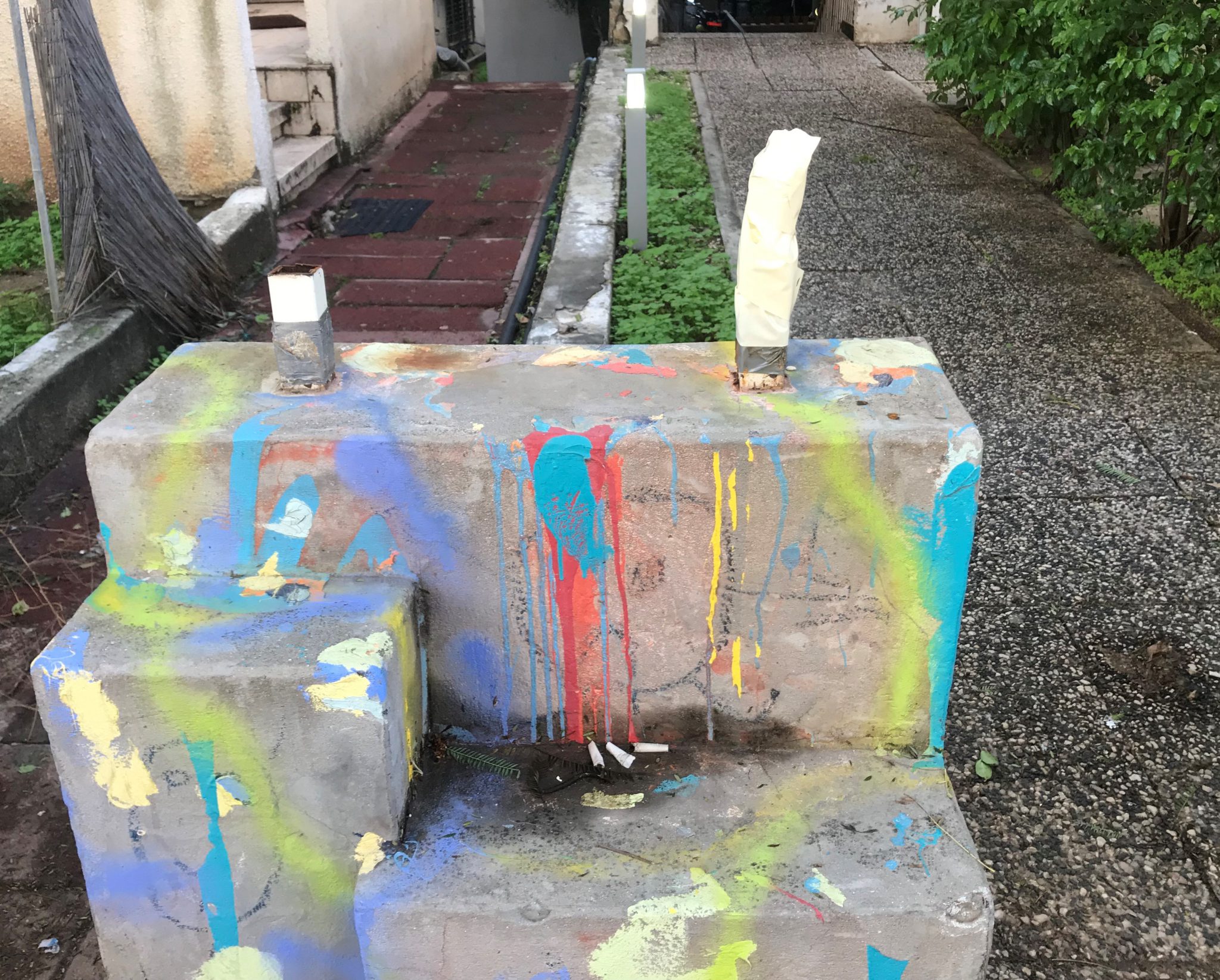
את שלט הגלריה שניצב ברחוב דב – הוז כבר הורידו. במקומו יש שני גדמי מתכת מעוררי רחמים, חבושים  בשכבות מסקינג טייפ, תחבושת על לב הגלריה לא פחות מאשר הגנה למי שעלול להיפצע ממתכת חדה.
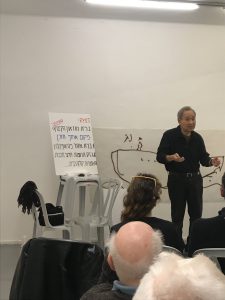
הייתי רק בחלקו הראשון של שיח הגלריה בתערוכה האחרונה “אפילוג, מה יהיה בסופה? ניצן סט, בהשתתפות אמנים ואדריכלים”. שישי בצהרים ( 21.12), כסאות פלסטיק, קהל סימפטי  שכלל רק  אנשי אמנות ספורים, הקשיב לפוסט מורטום, מהוסס שביכה את המהלך הנאו ליברלי שמהווה הסגירה, את הוויתור על ערכים.

אוכל,קפה,קהילה

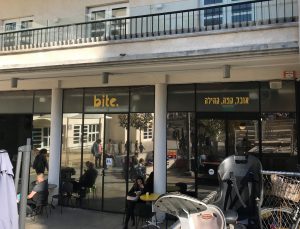
כמעט ממול, המתה החצר של המרכז קהילתי דב הוז, המטופח והעדכני, במבנה שהוקם בשנות השלושים כ”בית צעירות המזרחי” ונועד לקליטת חלוצות.  בית הקפה במקום משווק “קהילה” כעוד מוצר צריכה בלוגו שלו ” אוכל, קפה, קהילה”.
תחושת החמצה מתלווה לסגירה של מקום שהיה, בדרכו, מקום קהילתי אמיתי, שאולי יכול היה להתחבר לתהליכים נרחבים, אבל לא הצליח להיות מגניב.

להרשמה לניוזלטר הפרסומי השבועי של “החלון” בנושאי אמנות, אירועים ותערוכות חדשות
www.smadarsheffi.com/?p=925 (הרישום נפרד מהרישום לבלוג)

לפרטים על סיור עומק עם דר’ סמדר שפי בתערוכה
“זמנים מודרניים” – יצירות מופת ממוזיאון פילדלפיה במוזיאון תל אביב–
יום שלישי, 8 ינואר 2019, 18:30- 20:30

שלחו Whatsapp ל 0507431106
או כיתבו לכתובת:thewindowartsite@gmail.com

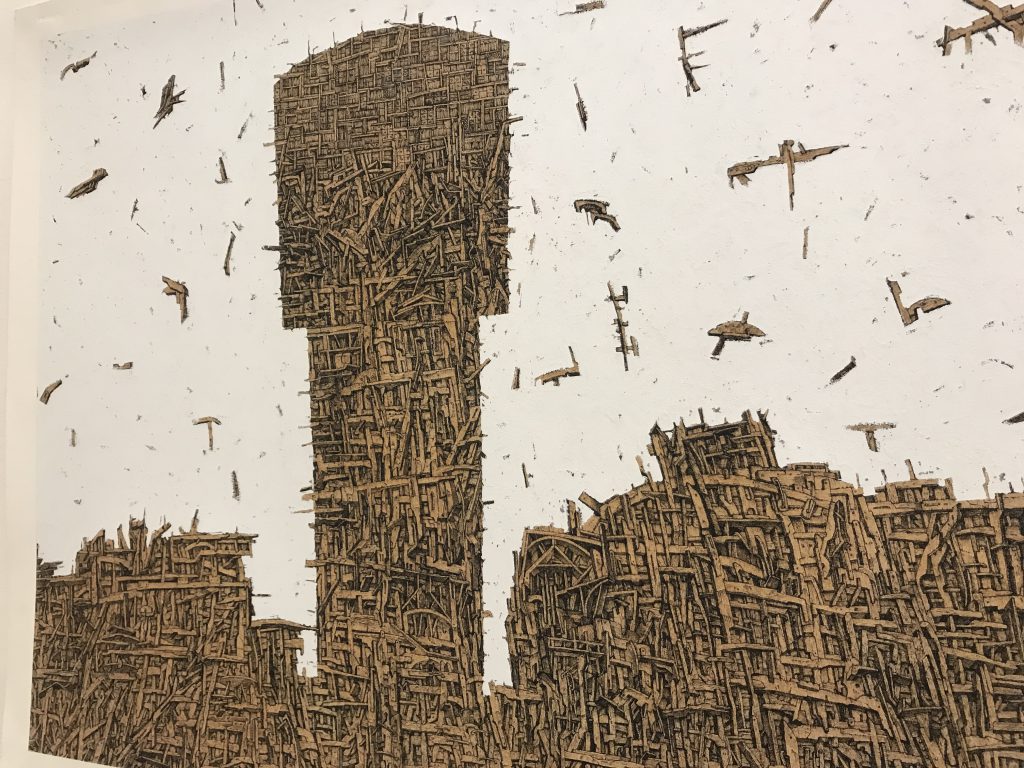
ניצן סט.
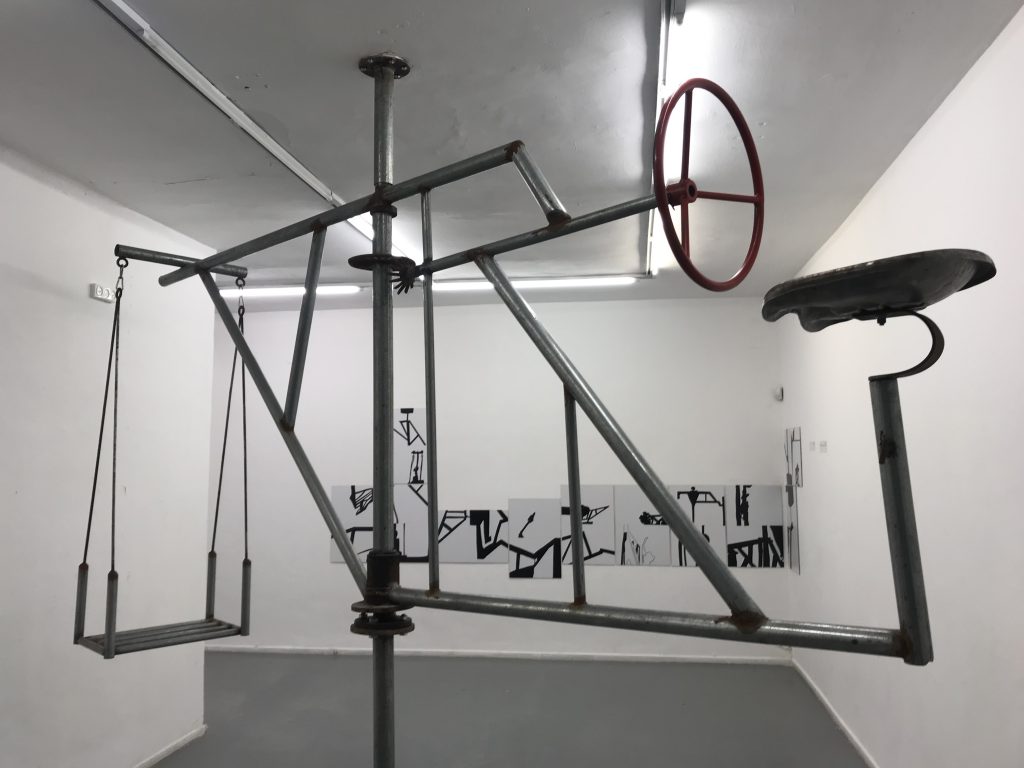
קרוסלה ,בהשראת מתקן משחקים שנבנה בידי גצק שטיין בשנות הארבעים בקיבוץ נגבה


The Kibbutz Gallery is not “cool” institution.

The Kibbutz Gallery is not (and never was) a “cool” institution. After all of the excuses of essential budget curtailing by the kibbutz movement, a conference of good intentions on how to raise private financing, and two months of a too-long farewell party, when all is said and done, the Kibbutz Gallery was closed for the unforgivable sin of not being “cool.”

These days, when terms such as community/nonprofit/ social action have become buzzwords, serving for marketing, the Kibbutz Gallery was indeed implementing them. It was a site for open – even daring – political discussion about the contemporary Israeli art scene. At present, the Gallery’s Leftist political stance has regrettably become a minority outlook, and the Gallery failed to raise socialist reform as its banner, despite having been founded and funded by the kibbutz movement.

Gallery talk, “Epilogue: What will happen at the end?” Nitzan Satt, with the participation of artists and architects

It is a pity that just when concepts such as “unionization,” “collective bargaining” and even “Histadrut”  have been embraced again, the Gallery is closing without enjoying any of the retro glamor attached to these terms – despite its past of providing a space and moral support for art.

The Gallery sign on Dov Hoz Street has already been removed, with only two pathetic-looking metal stumps remaining, covered with layers of masking tape, looking more like bandages on the Gallery’s heart than  protection from injury on the sharp metal edges.

I attended the first part of the Gallery talk at the final exhibit, “Epilogue: What will happen at the end? Nitzan Satt with artists and architects.”  It was Friday afternoon. A sympathetic crowd, on plastic chairs, among them only a few artists, listened to a hesitant postmortem lamenting the neoliberal closure and the giving up on values.

Almost directly opposite the Gallery, the trendy Dov Hoz Community Center is bustling.  Originally built in the 1930s as the Mizrachi House for Halutzot – for the absorption of young women new immigrants. its café logo now states, “Food, Coffee, Community.”

The Gallery’s closure carries with it a feeling of failure. The place was a genuine community site that could have connected to broader processes but was not “cool” enough to be recognized as such.

להרשמה לניוזלטר הפרסומי השבועי של “החלון” בנושאי אמנות, אירועים ותערוכות חדשות
www.smadarsheffi.com/?p=925 (הרישום נפרד מהרישום לבלוג)

לפרטים על סיור עומק עם דר’ סמדר שפי בתערוכה
“זמנים מודרניים” – יצירות מופת ממוזיאון פילדלפיה במוזיאון תל אביב–
יום שלישי, 8 ינואר 2019, 18:30- 20:30

שלחו Whatsapp ל 0507431106
או כיתבו לכתובת:thewindowartsite@gmail.com

יוסי וסיד , מתוך מהלך אמנותי רעיוני שמבקש לאתגר את מגמות הצמיחה של הקיבוץ המתחדש

Posted in Uncategorized | Comments Off on גלריה הקיבוץ אינה מוסד מגניב|The Kibbutz Gallery is not “cool” institution.

סמדר שפי, החלון, אומנות ישראלית, אמנות ישראלית, Smadar Sheffi, The Window, Israeli Art