הביאנלה בוונציה 2019 – הביתן האמריקאי והביתן רוסי

הביתן האמריקאי והביתן הרוסי, היו הבולטים והמעניינים  מהביתנים הלאומיים שביקרתי ביום הראשון של ימי הצפייה המקצועיים בביאנלה ה 58 בוונציה. עם מטען סימבולי עצום (שקורא לניתוח נפרד) ושוני שכאילו נכתב לפי קווי קלישאות לאומיות, קשה לחשוב על הנגדה גדולה יותר.
בביתן האמריקאי מרטין פוריור  , אמן אפרו אמריקאי משובח (וכדאי לזכור שגם מארק ברדפורד , הנציג ב 2017 היה אפרו אמריקאי) מציג תחת הכותרת “Liberty/Libertà” תערוכת פיסול חכמה שכולה התייחסות להיסטוריית
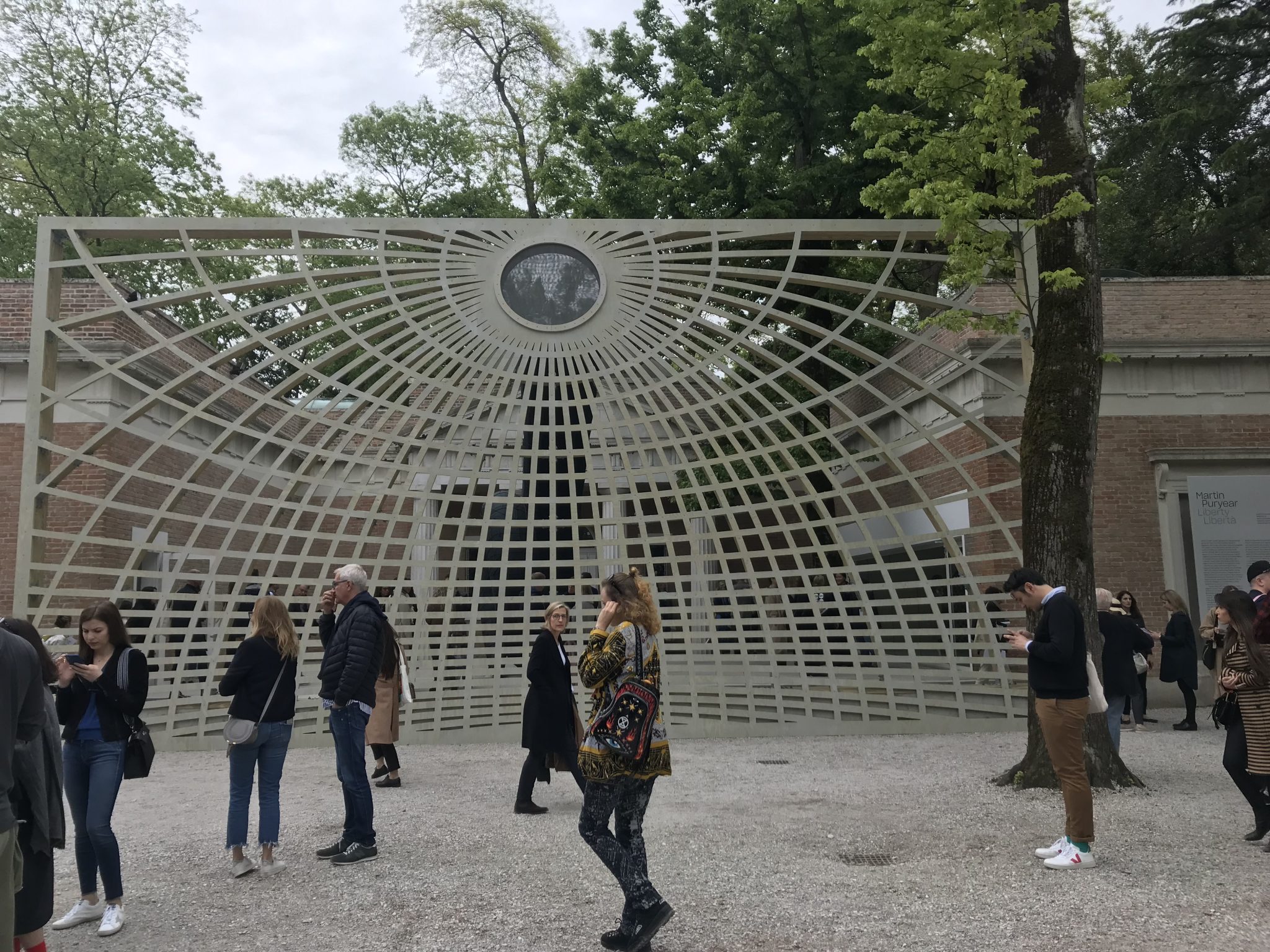
Martin Puryear’s Swallowed Sun (Monstrance and Volute) (2019) US Pavilion in Venice,

השחורים בארה”ב ובאמריקה . הוא כמעט מסתיר את חזית בניין הביתן המעוצב בדומה לביתו של תומס ג’פרסון , נשיא אמריקאי וסוחר עבדים ומציב בחצר מה שנראה כמו קרן יער או ספירלה , התייחסות לקריאה לחופש ופתלתלות ההיסטוריה . בפנים פסל המוקדש לזכרה של Sally Hemings ,שפחה שהפכה לפילגשו של ג’פרסון, פסל לפי כובע
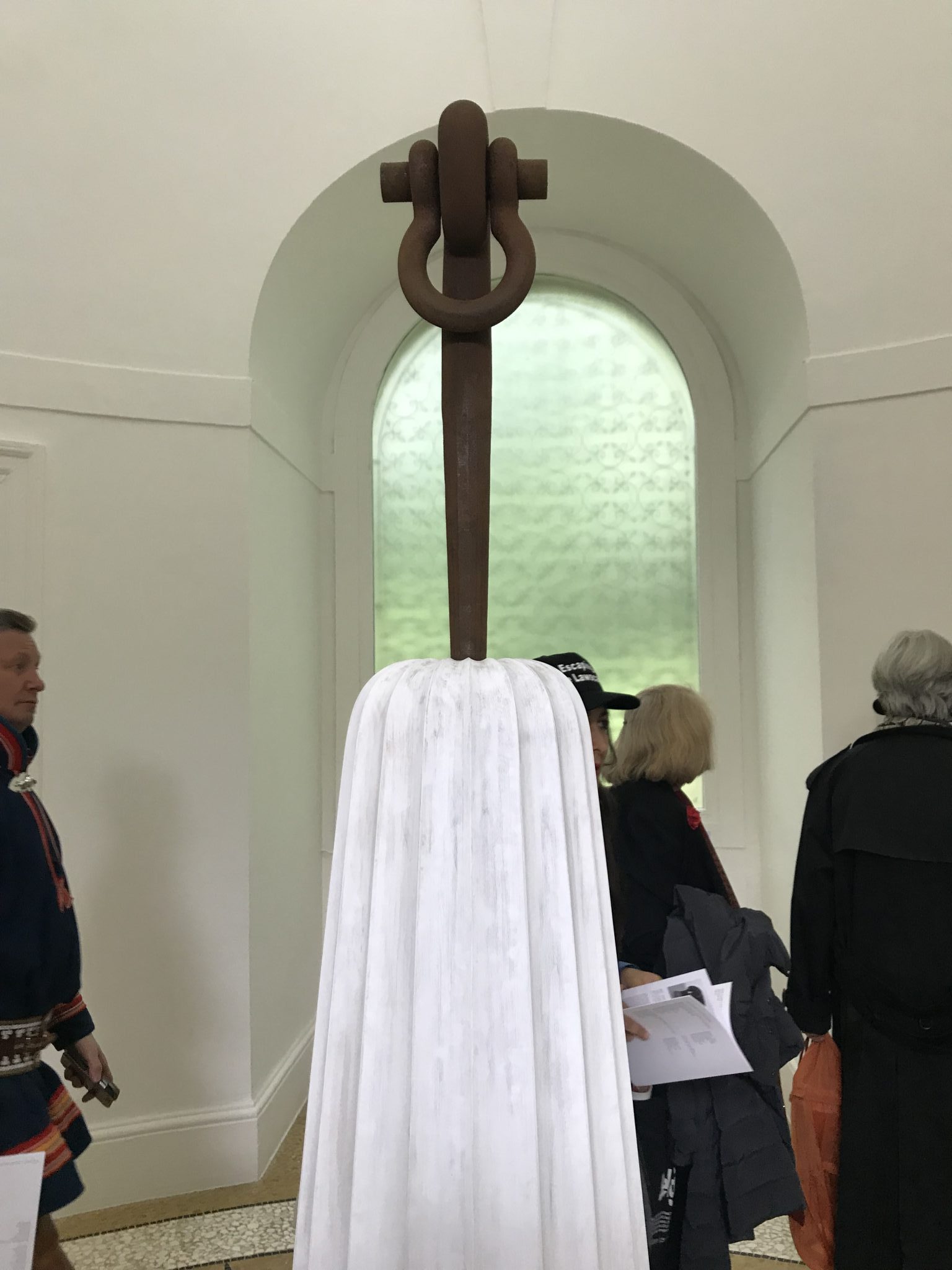
Martin Puryear,A Column for Sally Hemings

חיילים ממלחמת האזרחים האמריקאית , כרכרה של חלוצים – כובשים אמריקאים ועוד משרטטים תמונה של התבוננות היסטורית. פורייר שפועל בתקופה בה הגזענות מרימה ראש וארה”ב של טראמפ דורסת ערכים ליברלים יצר ביתן מורכב. שפתו האמנותית יפיפייה , צרוף מלוטש של מינימליזם, דה קונסטרוקטיביזם ואימוץ שפה קלאסית שמהדהדת את וונציה עצמה.
הביתן הרוסי סוחף, מרשים, בארוקי, מיצב שערכו הכולל עולה בהרבה על סך חלקיו – הקומה התחתונה חלשה בהרבה מהקומה העליונה- ועדיין מדובר בביתן אינטליגנטי, אניגמטי, ומרגש.
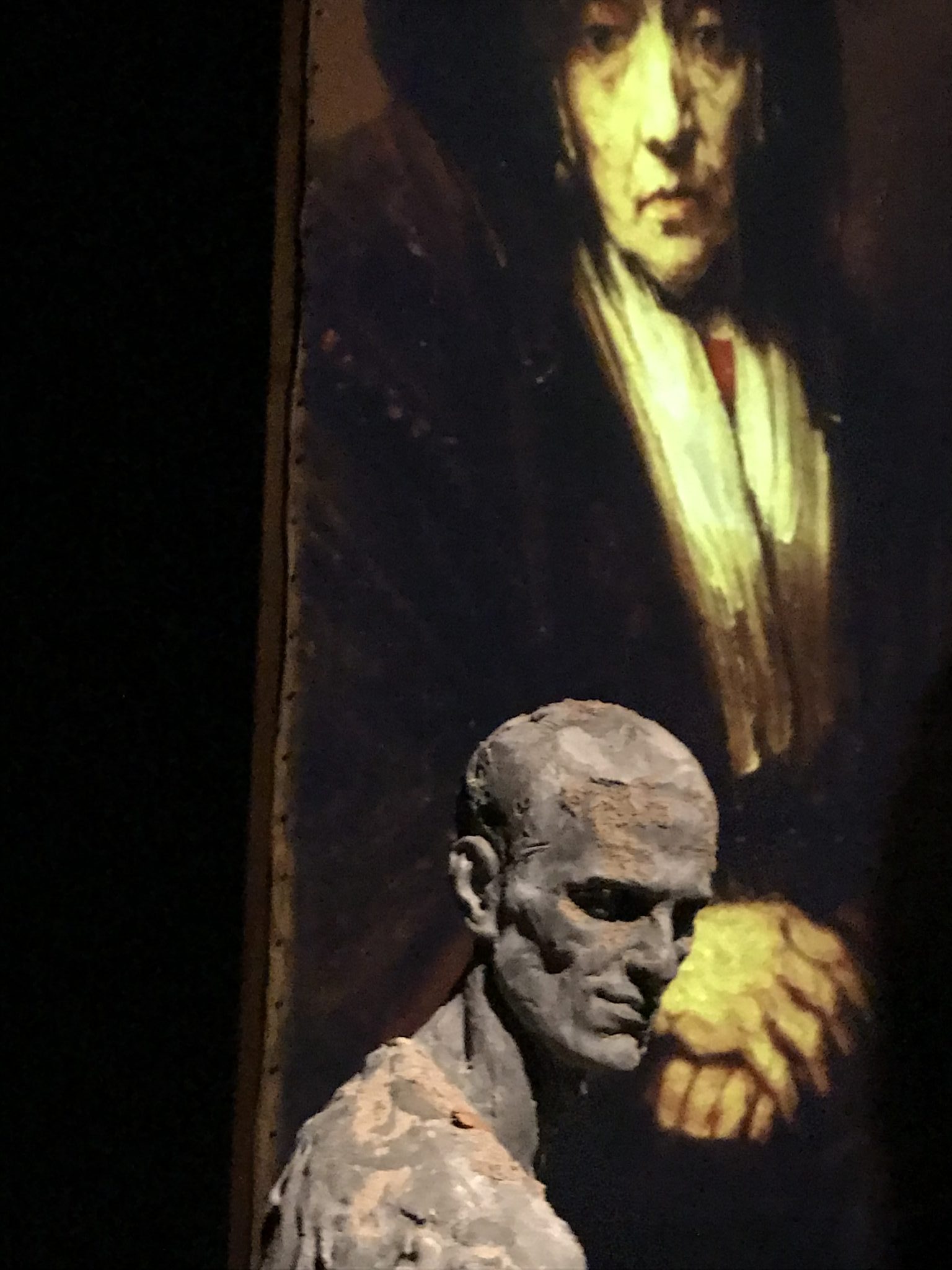
Lc. 15: 11-32 – detail of installation Alexander Sokurov

אלכסנדר סוקרוב Alexander Sokurov  הבמאי של “תיבה רוסית” סרט היסטורי ניסיוני מ 2002 שצולם כולו ב בארמון החורף של מוזיאון ההרמיטאז’ הממלכתי בסן פטרסבורג , חוזר ועוסק באותו מקום . שם התערוכה Lc. 15: 11-32 הוא פיסקה מהברית החדשה המספרת את משל הבן האובד, נושא ציור של רמברנדט בשם זה הנחשב לאחד מיצירות המופת החשובות בהרמיטאז. סוקרוב  מציב פסלים שהם רפרודוקציות של פסלים מההרמיטאז , סטודיו של אמן רנסנס מדומיין וסרטי ווידיאו העוסקים בסיוט מלחמות עכשווי יחד . החוויה הטוטאלית אופראית באופייה ובסדר הגודל. עם פיסול משובח , משחקי תאורה ומראות ועבודות סאונד מתקבלת חוויה חזקה שמהלכת על סף הקיטש, סף ההגזמה , חוצה אותו לא פעם ,ומצליחה להיות מפעימה . דומה שכל המורשת הרוסית המודרנית מגוגול ועד בולגקוב דרך רודשנקו , מאיקובסקי ואחמטובה, רחמנינוף, ורימסקי קורסקוב   וסרגיי איזנשטיין נפגשת כאן עם רוחות הרנסנס והבארוק ומתבוננות, מרוחקות, בהווה.

הרשמה לניוזלטר הפרסומי השבועי של “החלון” בנושאי אמנות, אירועים ותערוכות חדשות www.smadarsheffi.com/?p=925 (הרישום נפרד מהרישום לבלוג)
סיור ספטמבר לביאנלה באיסטנבול – SOLD OUT
סיור ערב בתל – אביב עם דר’ סמדר שפי
ביקור בתערוכת בוגרי התואר השני לאמנות בבצלאל
וביקור בסטודיו גבי קריכלי
יום רביעי, 22 מאי 2019 , 20:30 – 18:00
להרשמה שילחו Whatsapp ל 0507431106 עם כתובת אימייל שלכן/ם

הדרכות פרטיות לנוסעים עצמאיים לוונציה – התאמת מסלול אישי כך שתוציאו את המיטב מהשפע האדיר המוצג בוונציה . ההדרכה עם מצגת ומפות . לתיאום תתקשרו או שילחו Whatsapp ל 0507431106 

עקבו אחרי באינסטגרם https://www.instagram.com/smadarsheffi/

At the Venice Biennale 2019 – The American Pavilion and the Russian Pavilion

The American and Russian pavilions were the most outstanding and interesting national pavilions I visited on my first day of viewing the 58th Biennale di Venezia. It is difficult to imagine a greater contrast than the two pavilions, each with a tremendous symbolic weight (calling out for a separate analysis) and differences seemingly scripted to national clichés.
Martin Puryear, a superb African American artist, is representing the USA with an excellent sculpture exhibition, “Liberty/Libertà.” (Let’s remember that the American pavilion in 2017 also featured an African American artist – Mark Bradford). Puryear’s exhibit focuses on the history of African Americans.
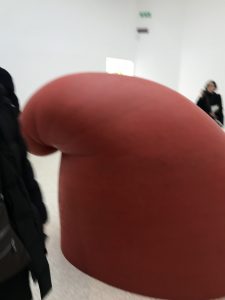
Martin Puryear,

He created a piece almost entirely concealing the entrance to the pavilion in the shape of Monticello, home of US President Thomas Jefferson, who was also a slaveholder. Puryear installed what seems like a French horn or a spiral, referring to the freedom of reading history and its tortuous windings. Inside is a statue dedicated to Sally Hemmings, the slave who became Jefferson’s mistress; a sculpture based on soldiers’ hats in the Civil War; a pioneer wagon (pioneers as the American occupiers), and other sculptures, delineating a picture of the observation of history.
Puryear, working in the Trump era when racism is rearing its head and liberal values are being trampled, has created a complex pavilion. His beautiful artistic language is a polished combination of minimalism, deconstructivism, and adopted classical language resonating with Venice itself.
The Russian pavilion is sweeping, impressive, and baroque, with the whole greater than the sum of its parts. Although the lower level is much weaker than the upper level, this is still an intelligent, enigmatic, and exciting exhibition.
Alexander Sokurov, director of the experimental historical film Russian Ark, filmed entirely in the State Hermitage Museum in St. Petersburg, returns to engage in the same place. The title of the exhibition, Lc. 15:11-32, refers to the parable of the prodigal son from the New Testament. Rembrandt’s painting of this name is considered one of the masterpieces in the Hermitage. Sokurov’s installation brings together reproductions of the sculptures from the Hermitage, an imagined Renaissance artist’s studio, and videos on nightmarish of contemporary wars. The totality of the experience is operatic in character and scale. With its superb sculptures, play of lights and mirrors and sound, an intense experience ensues, bordering on kitsch yet managing to avoid it, succeeds in being very exciting. It seems that the entire heritage of modern Russia, from Gogol to Bulgakov through Rodchekno, Mayakovsky and Akhmatova, Rachmaninoff and Rimsky-Korsakov and Eisenstein encounter the spirits of the Renaissance and Baroque, as they observe the present from a distance.
Posted in Evants | Tagged , , , , , , , , , | Comments Off on הביאנלה בוונציה 2019 – הביתן האמריקאי והביתן רוסי

ex-sisto – משה רואס|Moshe Roas / Ex-Sisto

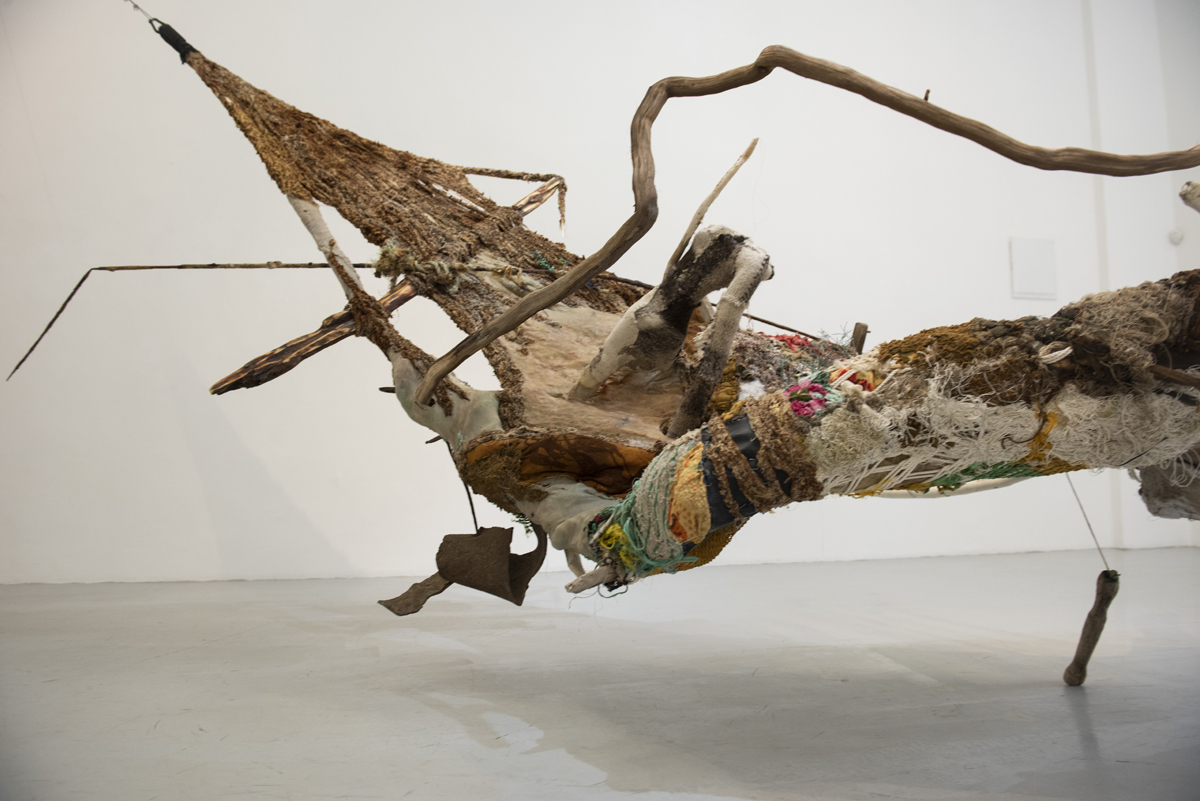
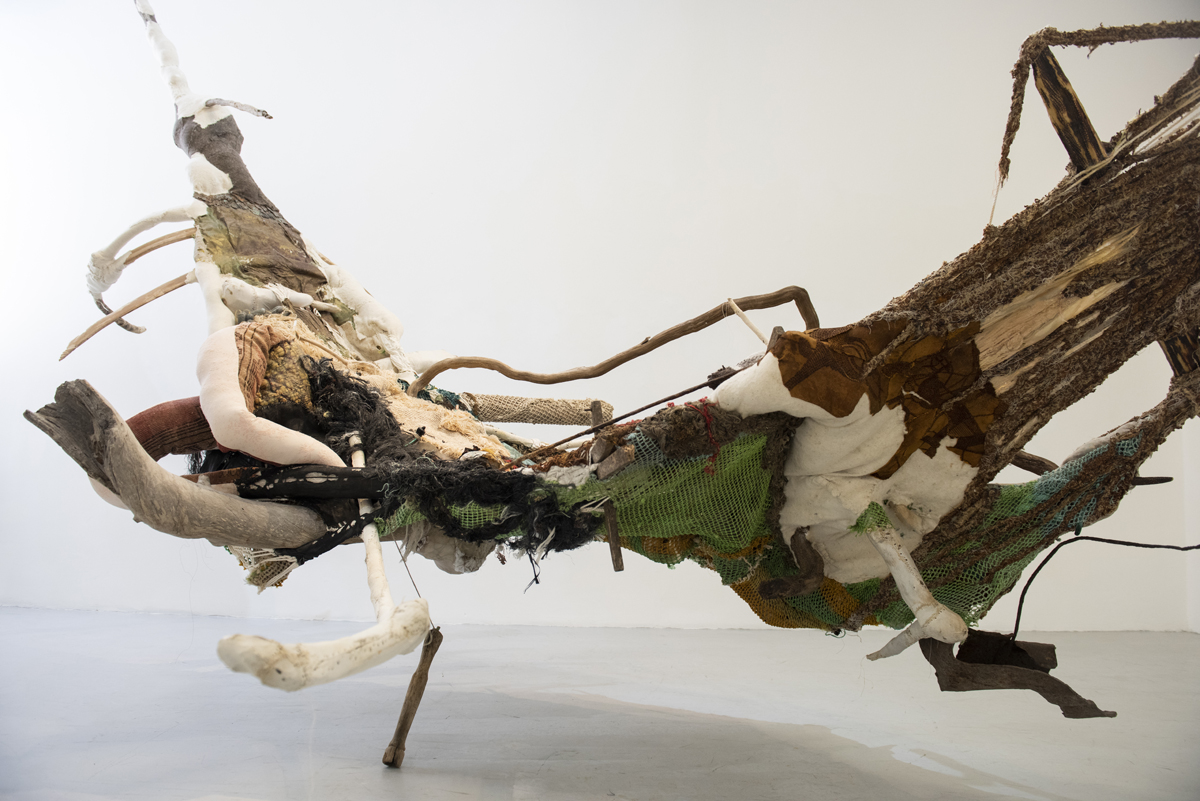
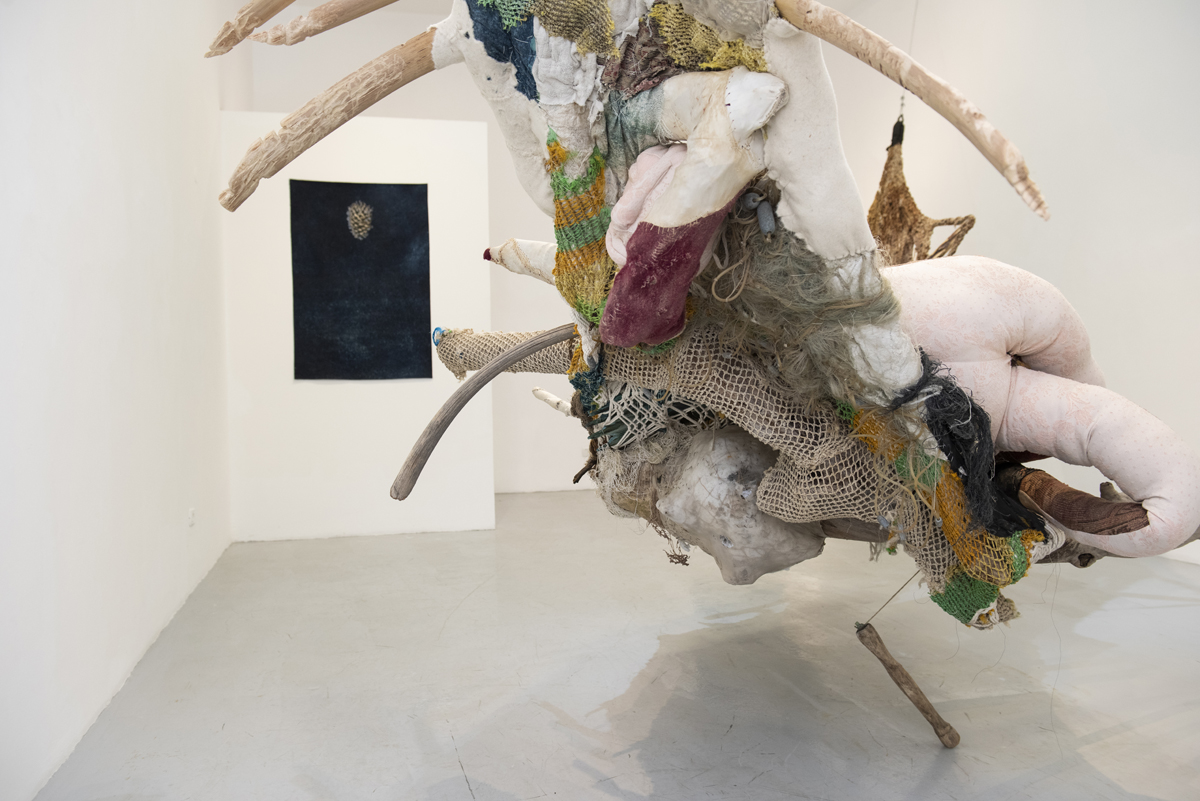
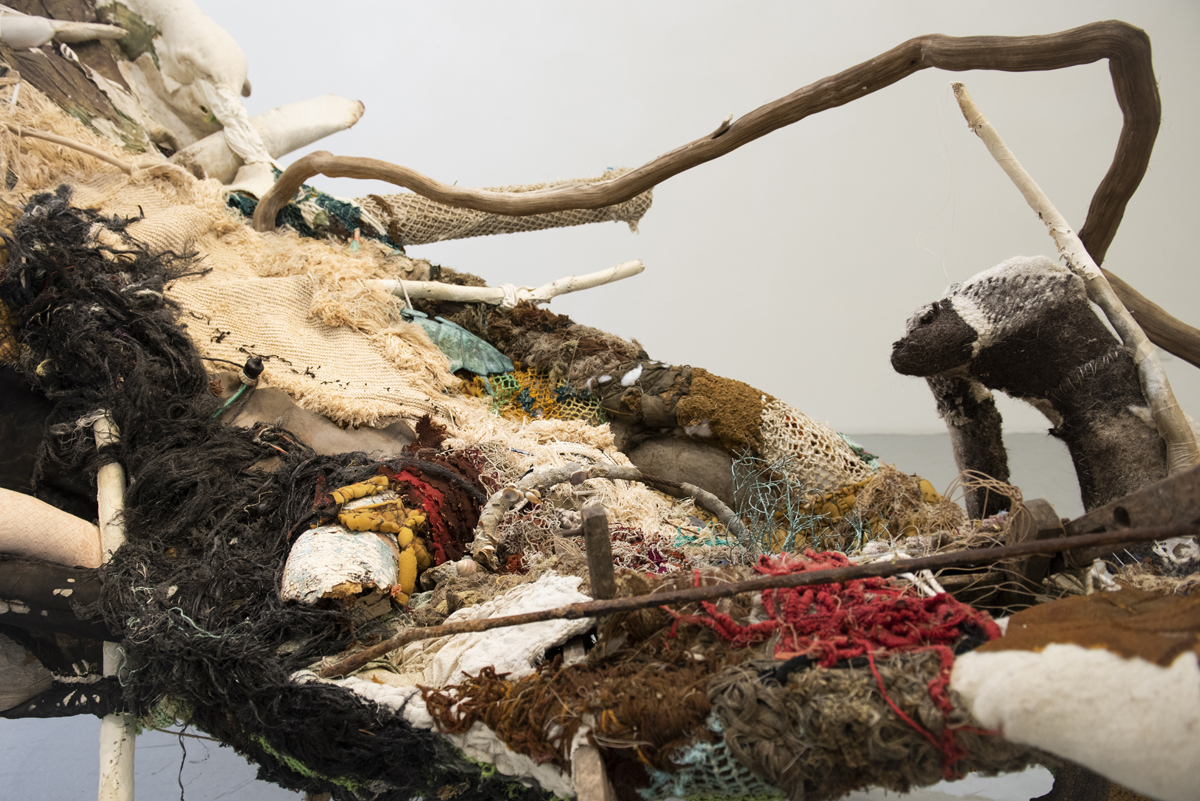
כמו סירה טרופה, הערסל  הגדול התלוי בתערוכתו של משה רואס. קונגלומרט של זיכרונות, כאב, אגדות, אמונות, תקוות וגעגוע שעלו על שרטון המציאות. הנדנוד העדין, הקשרי הערסול, והרחם שעולים מהתנועה והצורה המעוגלת נדמים כניסיונות, מהוססים, להקהות את העוקץ, להמתיק את הגלולה של סוף.

Moshe Roas Ex-Sisto 2019
(photo: Carmit Hassine)

רואס ממשיך בתערוכה את המהלך שהציג בתערוכת בוגרי לימודי ההמשך במדרשה בקיץ  2018 . The Window  במיוחד ממשיך הסירה-ערסל עבודה תלויה שגם בה צבר החומרים יצר  קשר גורדי שאינו ניתן להתרה. כאן, רואס מפתח את השפה ומדגיש את המרכיב הקינטי, ואתו את ממד הזמן המחזורי.
התנועה, כמו חומריות העבודה, צומחת מגו, ממחווה מכוון או מקרי, ולא ממקור מכני. טקסטיל, וצמחים ,פיסות עץ ומתכת ושאריות גוף חי כמו שריון צב  או מה שנראה כחלקי גוף של בובות מסמרטוטים יוצרים את מה שנראה כמפה טופוגרפית של נפש פצועה.
הקשרי תולדות האמנות העולים מהעבודה, הם באופן מעניין, בעיקר מודרניים: הפופ של רוברט ראשונברג, האקלקטיות של פרנץ ווסט, וארנסטו נטו שהשפעותיהם ניכרו כבר בפיסול שהציג בקיץ שעבר, וגם פיסול הטקסטיל של לואיז בורזואה ומייק קלי, במיוחד חיות הצעצוע המרוטשות. באסוציאציה רחוקה יתר מהדהדת  בעבודה רפסודת המדוזה (Le Radeau de la Méduse) של  תאודור ז’ריקו, מ 1818. הציור, מהמוכרים ביותר מהמאה ה 19, אמנם מתייחס להיסטוריה הפרטיקולרית של ניצולי סירה שעלתה על שרטון והופקרו לגורלם ב ,1816 אך נקרא כתיאור מצב קיצוני של היזקקות, ייאוש ומוות.

Moshe Roas Ex-Sisto 2019
(photo: Carmit Hassine)

מעניין לחשוב על העבודות של רואס במקביל לעבודות עבודות של דוד בן-הרא”ש, חלק מהעבודות של עדן בנט ושל תכלת רם  ואמנים נוספים שהוצגו בשנתיים האחרונות. במבט כולל נראה שמתנסחת כעת שפה של פיסול ששונה מהותית ממה שזוהה בעבר כפיסול מקומי.

אוצר: ניר הרמט
‘מקום לאמנות’ בקרית המלאכה,  שביל המרץ 6 תל אביב, 03.6725124
שעות פתיחה: ב’ – ה’ 18:00 – 11:00, ו’ – ש’ 14:00 – 10:00 או בתיאום מראש.

הרשמה לניוזלטר הפרסומי השבועי של “החלון” בנושאי אמנות, אירועים ותערוכות חדשות www.smadarsheffi.com/?p=925 (הרישום נפרד מהרישום לבלוג)

סיור ספטמבר  לביאנלה באיסטנבול – SOLD OUT 

סיור ערב בתל – אביב עם דר’ סמדר שפי
ביקור בתערוכת בוגרי התואר השני לאמנות בבצלאל
וביקור בסטודיו גבי קריכלי
יום רביעי, 22 מאי 2019 , 20:30 – 18:00
 להרשמה שילחו Whatsapp ל 0507431106 עם כתובת אימייל שלכן/ם 

 עקבו אחרי באינסטגרם- החל מיום רביעי פוסטים וסטורי מהביאנלה בוונציה   https://www.instagram.com/smadarsheffi/


Moshe Roas Ex-Sisto 2019
(photo: Carmit Hassine)


Moshe Roas / Ex-Sisto

Like a ship gone aground, Moshe Roas’s large hammock, is a conglomerate of memories, pain, legends, beliefs, hopes and yearning wrecked on the reef of reality. The gentle rocking, the contexts of cradling and the womb arising from the movement and rounded form seem experimental, hesitant, dulling the sharp edges and sweetening the pill of the End.

Moshe Roas Ex-Sisto 2019
(photo: Carmit Hassine)

The movement, like the work’s materiality, is an outgrowth of the body, from a deliberate or chance gesture, and not from a mechanical source. Textile, plants, pieces of wood and metal with remnants of a living body like a tortoise shell or what seem to be rag puppets create a topography of a wounded soul. Art historical contexts arising from the work are, interestingly, mainly modern: Robert Rauschenberg’s Pop Art, Franz West’s eclecticism, Ernesto Neto’s influence (already evident in last summer’s sculptures by Roas) as well as Mike Kelley and Louise Bourgeois’s textile sculptures, especially the ripped stuffed animal installations. A more distant association resonates with Géricault’s The Raft of the Medusa (1818). Although the painting, one of the most famous of the 19th century, refers to the particular story of the survivors of a shipwreck in 1816 who were left to their fate, it was read as the description of an extreme situation of need, despair, and death.

Curator: Nir Harmat

ים ותערוכות חדשות www.smadarsheffi.com/?p=925 (הרישום נפרד מהרישום לבלוג)

סיור ספטמבר  לביאנלה באיסטנבול – SOLD OUT 

סיור ערב בתל – אביב עם דר’ סמדר שפי
ביקור בתערוכת בוגרי התואר השני לאמנות בבצלאל
וביקור בסטודיו גבי קריכלי
יום רביעי, 22 מאי 2019 , 20:30 – 18:00
 להרשמה שילחו Whatsapp ל 0507431106 עם כתובת אימייל שלכן/ם 

 עקבו אחרי באינסטגרם- החל מיום רביעי פוסטים וסטורי מהביאנלה בוונציה   https://www.instagram.com/smadarsheffi/

Posted in Video | Tagged , , , , , , , , , , , , | Comments Off on ex-sisto – משה רואס|Moshe Roas / Ex-Sisto

תומר ספיר – קִיקָלוֹן בית ביאליק. הקומה השנייה |Tomer Sapir – Kikalon Bialik House Museum

קיקלון . את שם התערוכה צריך להגות. לחוש, כמעט לטעום, את הכאב והשיברון העולה ממנו.

                                                ***

תומר ספיר יצר מיצב הסובב סביב המילה “קיקלון”. המילה מופיעה בכתבי ביאליק פעמיים בלבד: בשיר “אבי” ובשיר “על סף בית המדרש”. כך החייה מילה המופיעה במקורות בספר הנביא חבקוק, (“תִסוב עָלֶיךָ כּוס ימין ה’ וקיקָלון על כּבודֶךָ “פרק ב, 16). המיצב מתייחס למילה כפי שהיא מופיעה ב”אבי”, שיר ממחזור שירי “יתמות” של ביאליק, המגולל את חיי אביו שמת כשהיה בן שש, כפי שנתפסו בעיניו. האב שהיה בעלים של בית מרזח (מקצוע  אליו נדחקו יהודים מחוסר הזדמנויות תעסוקה אחרות) מתואר כמי שסבל מהסביבה הגסה בה עבד ונפשו יצאה לטוהר החיים הרוחניים. חייו במרחב הציבורי היו שונים בתכלית מחייו במרחב הביתי.

Tomer Sapir – Kikalon
Bialik House Museum. The Second Floor.
Dr. Smadar Sheffi – Exhibition Curator
(photo Tom Porat)

יוֹם יוֹם – עֲלוֹת לְגַרְדֹּם, יוֹם יוֹם – הֻשְׁלֵךְ לְגֹב אֲרָיוֹת.

וּבְשׁוּבוֹ  לְעֶת-עֶרֶב הַחֶדְרָה כֻּלּוֹ שׁוֹתֵת קִיקָלוֹן,

נִתְעָב וְנֶאֱלָח עַל נַפְשׁוֹ, כְּמָשׁוּי מִמְּצוּלַת סֶחִי,

שִׁוַּע לִבִּי לֶעֱנוּתוֹ, אֵלֶם יְגוֹנוֹ הִכְרִיעָנִי.

הקיקלון, מילה שהיא צרוף של “קיא” ו”קלון”, שמהדהד בה גם “כיליון” מקבלת בשיר הקשר של חומר אורגני, “שותת קיקלון” כמו שותת דם, הסחי והמיאוס כחומר פיזי.

                                                               ***

כבר מעל עשור שתומר ספיר מתאפיין כאמן חוקר המתבונן במתודות מדעיות של קטלוג, השוואה ושימור ויוצר גוף עבודות בו פנטזיה ומציאות מתחככות ומאפשרות, תוך הרחקת עדות, לגעת בצפונות  הנפש. ב ״מחקר לקראת האינדקס הקריפטו־טקסידרמי המלא״, הציע קטלוג, בלתי אפשרי של בעלי חיים שאינם נמצאים באינדקס הזואולוגי הרשמי  וב״אם החיטה״ (אצרה טלי תמיר במוזיאון פתח תקוה), פיתח, בדיאלוג עם המחלקה לחקר הצמח במכון ויצמן, אופציות חדשות, דמיוניות לחיטה. במסגרת “אמנות בקומה השנייה בבית ביאליק”  פרויקט אמנותי-מחקרי, העמיק ספיר בגוף העבודה של ביאליק וחקר בארכיון בעזרת שמואל אבנרי, מנהל הארכיב ומומחה ליצירת ביאליק.

Tomer Sapir – Kikalon
Bialik House Museum. The Second Floor.
Dr. Smadar Sheffi – Exhibition Curator
(photo Tom Porat)

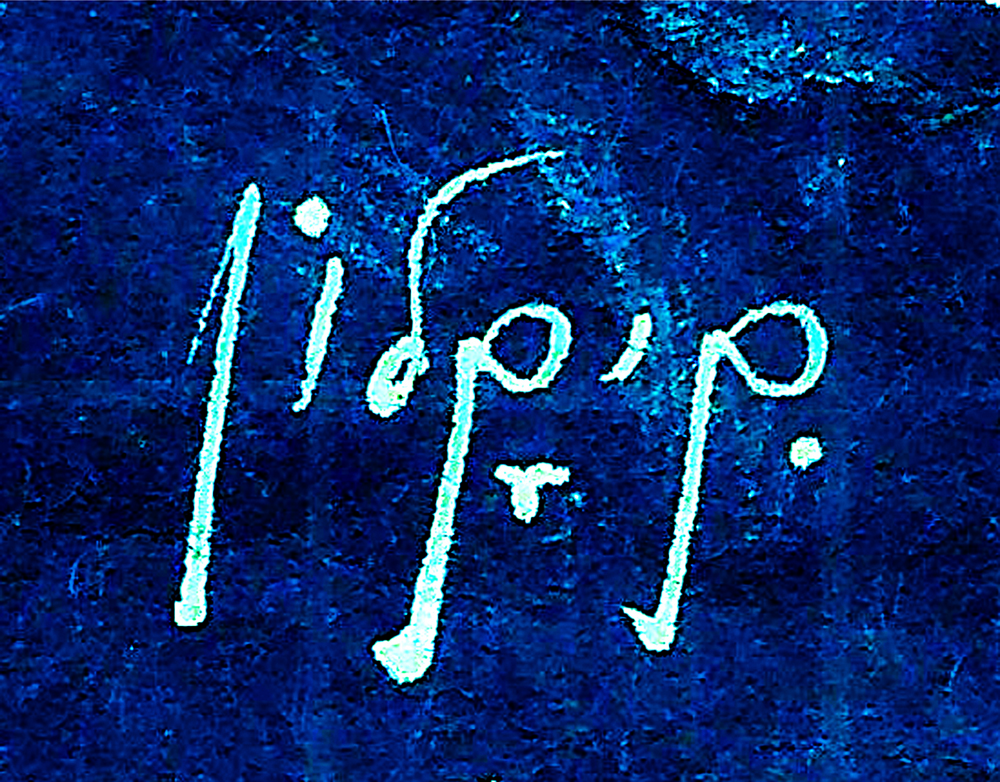
במיצב ספיר מתדיין עם המילה “קיקלון”, ונוגע במורכבות של יחסי טקסט – דימוי בכללם. הדימוי אינו איור לטקסט, אינו ממחיש אותו ואינו מתרגם אותו אך הוא מתייחס אליו, מקביל לו, לעיתים צומח מתוכו. מחד ספיר נצמד למקור הביאליקאי – אחת העבודות היא הגדלה של המילה בכתב ידו של ביאליק, ומאידך הוא מפקיע את “קיקלון” מההקשר ספציפי, מחבר אותה לרבדי אסוציאציות היסטוריות שונות ונוגע באינטנסיביות, במעיין הייאוש והזעם שהיא מביעה.
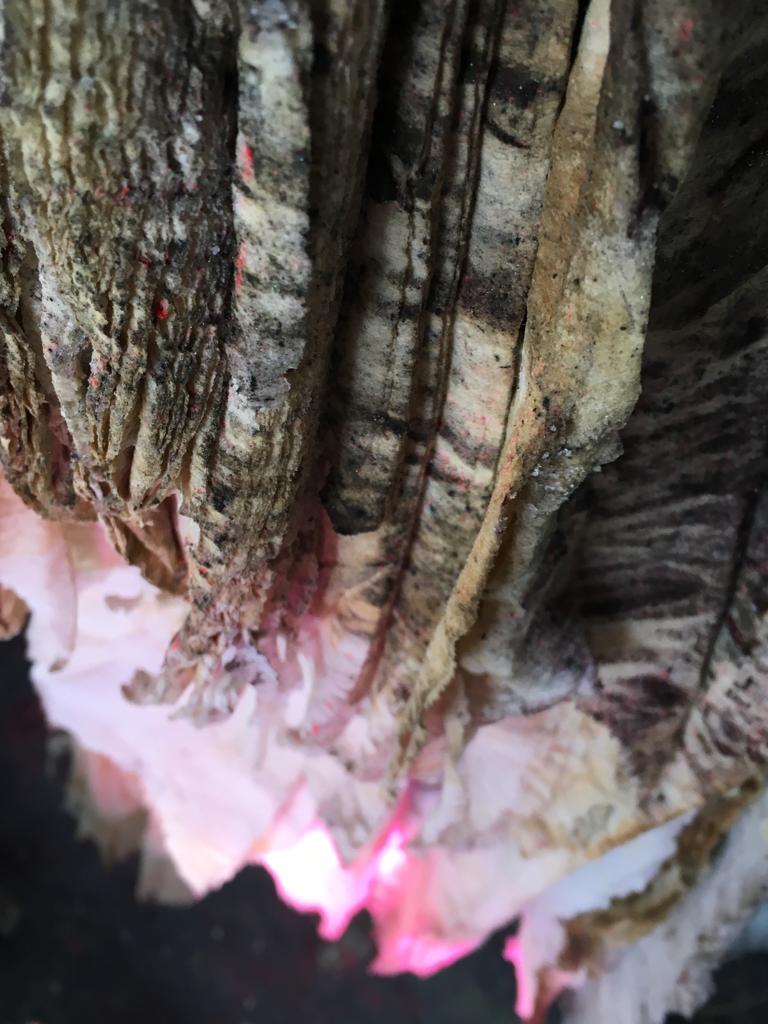
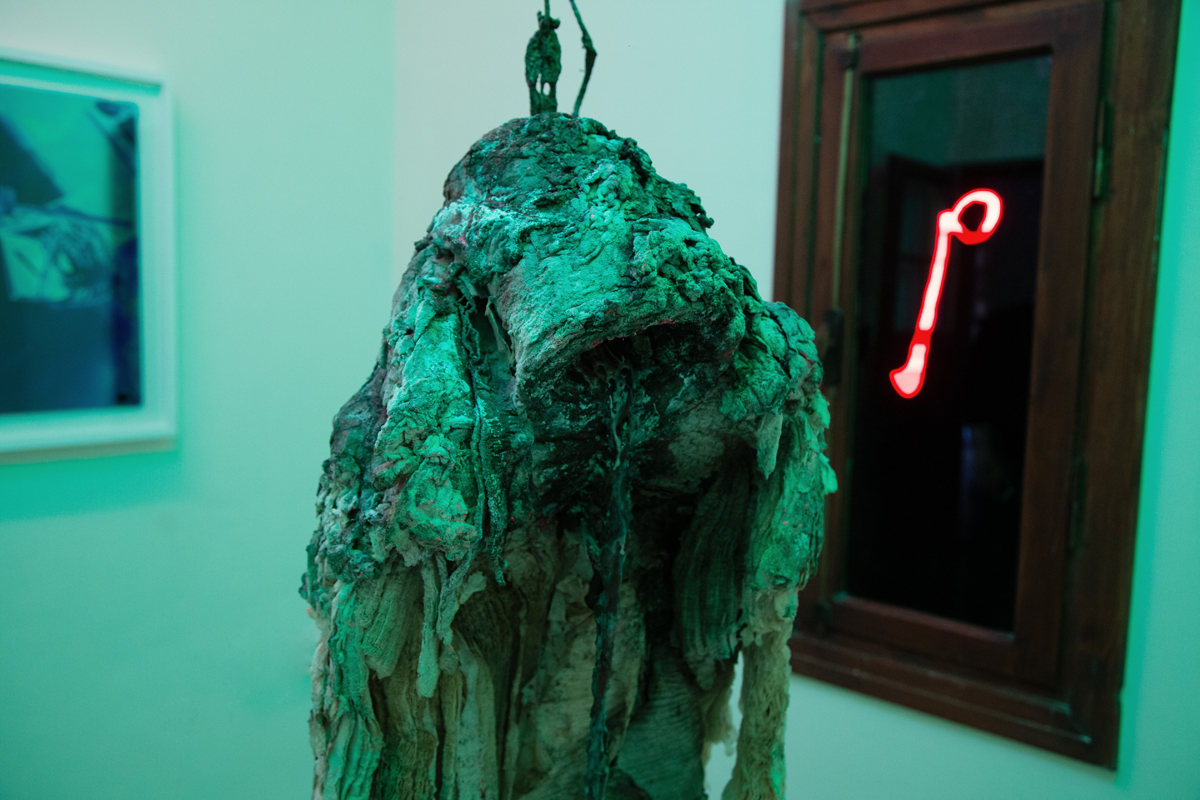
במרכז החלל הקטן, הרבוע, תלוי אובייקט א-מורפי העשוי שכבות נייר, מלט, מלח, גבס ופיגמנטים בצבע אדום זוהר וירוק מטאלי. אפשר לחשוב על עור שהופשט, או גווייה של חיה, במיוחד על הציור “שור שחוט” של רמברנדט מ-1655 (וציור המחווה של חיים סוטין לעבודה זו מ-1925). התחושה של חיים שנעלמו, של אובדן, נמצאת במרכז החלל כמו גוש בגרון הצופים.

העיסוק בגוף, בסופיותו וחולשתו, פותח את תיאורו של ביאליק את אביו:

נִגְלָה עָלַי רֹאשׁ אָבִי,  גֻּלְגֹּלֶת קָדוֹשׁ מְעֻנֶּה,

כַּעֲרוּפָה מֵעַל כְּתֵפֶיהָ צָפָה בְעַנְנֵי עָשָׁן,

פָּנִים דָּוִים מִצַּעַר וְעֵינַיִם זֹלְגוֹת דָּם;

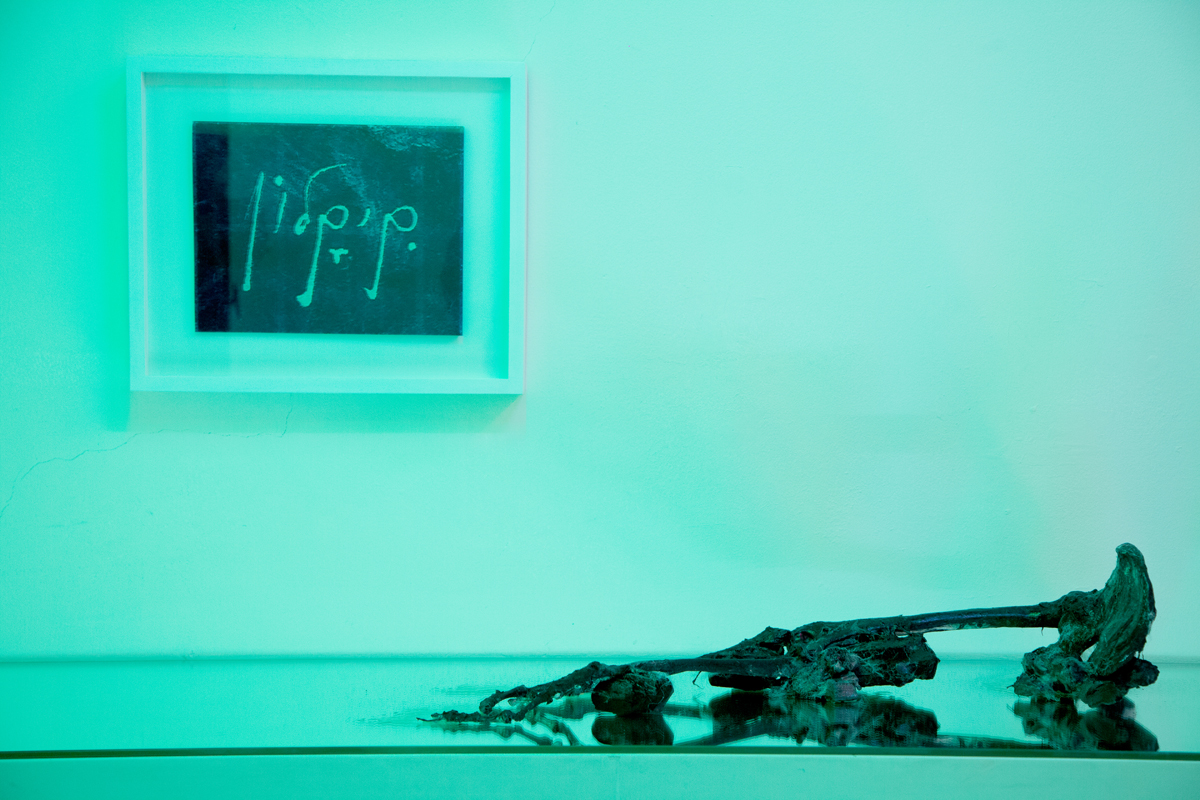
להתבוננות הבלתי מייפה, למודעות המלאה לשבריריות הקיום, יש הד במה שנראה כשרידי שלד, שבונה ספיר, על מראה המונחת על גבי שידה בצד החדר. התחושה הסטרילית שיוצרת המראה, הופכת את האובייקטים למרוחקים, אבל בתוכה – גם אנו הצופים הרכונים מעל האובייקטים – משתקפים והופכים לנוכחים בסביבה מורבידית.
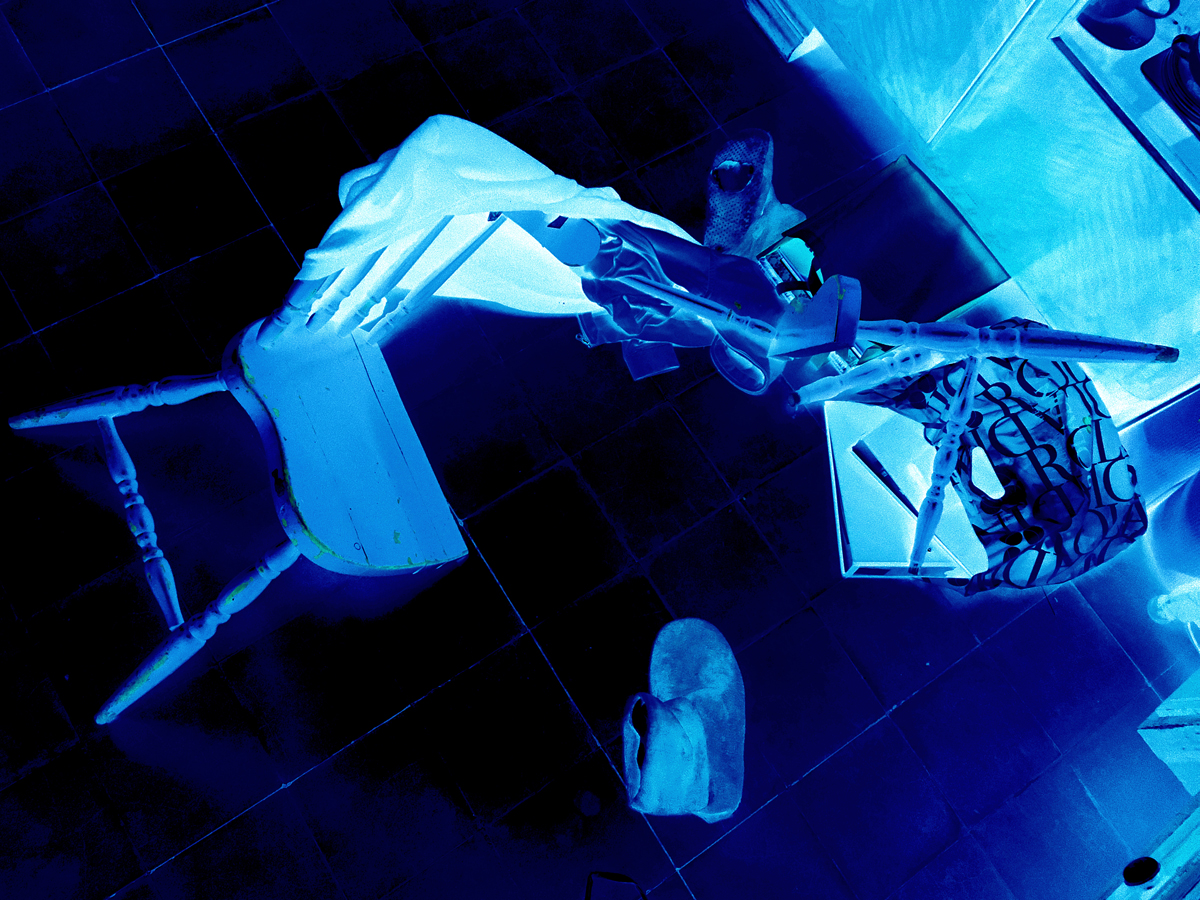
לעומת האמורפיות של האובייקט הפיסולי, מציג ספיר את המילה בכתב היד של ביאליק כתובה על רקע כחול שמימי המתקבלת כעין הולוגרמה. השימוש בכתב היד, מתקשר לשימוש במונח באמנות חזותית, תחום שרבות מדובר בו, בהשאלה, על “כתב היד של האמן”. כאן משתמש ספיר קונקרטית בכתב היד של ביאליק ומטפורית מצטרף למסע בחוויה הטראומטית שמעבירה המילה “קיקלון”. אפשר לחשוב על כך גם כשכפול, או מחווה לפעולה הספרותית של ביאליק: ביאליק החייה מילה נשכחת וספיר מעיר אותה לחיים, מנכיח אותה במרחב ההווה. באותן צבעים  עשוי גם דימוי נוסף של כיסא שבור באנדרלמוסיית חפצים -תמצות של קריסה.

Tomer Sapir – Kikalon
Bialik House Museum. The Second Floor.
Dr. Smadar Sheffi – Exhibition Curator

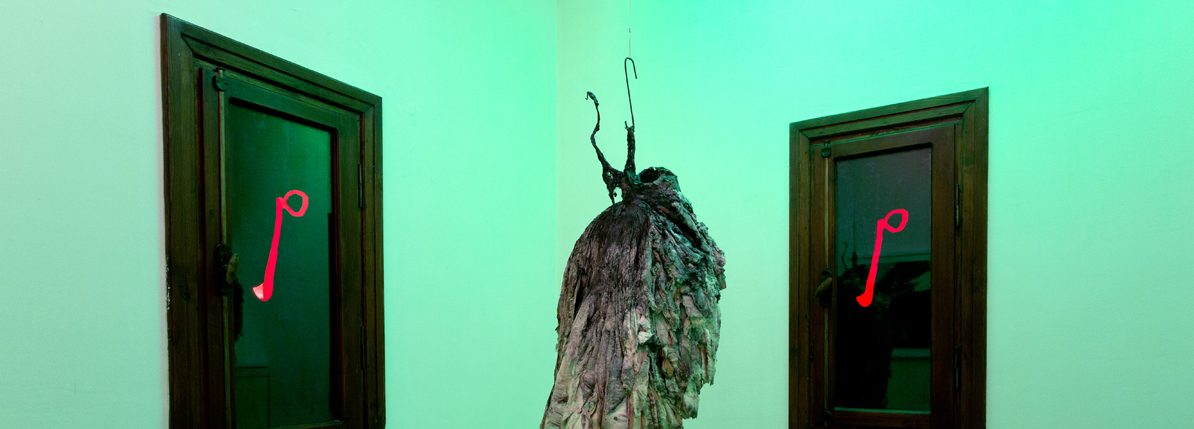
האות קוף, בקליגרפיה מיוחדת לביאליק, מבודדת, זוהרת באדום חתוכה בשכבת פרספקס שחורה בוהקת. הפרספקס מוצמד לחלון והאות הטעונה – הנקראת כאות קין – תזהר בדומה לחלונות צבעוניים בכנסיות, ותחדיר אור שמהדהדות בו מיתולוגיות של כוח ולא סליחה. אות קין מאזכרת את הרגע המיתי בו קבלה האלימות פנים ושם. האות שהושם על קין כדי להגן עליו, הפך לסימן מובהק לקלונו, מקרה מובהק של נזילות בקריאת דימויים . בבחירת הצבעים מרמז לטוטליטריות פוליטית וכלכלית (אדום ושחור מקדמים שיווק של אין סוף מוצרים).
המבט הישיר של ביאליק הבוגר לילדותו בה התוודע לאופן בו היבטים קוטביים של נשגב וגס משתרגים – מפוכח ועגום.

מוּזָר הָיָה אֹרַח חַיַּי וּפְלִיאָה נְתִיבָתָם,

בֵּין שַׁעֲרֵי הַטָּהֳרָה וְהַטֻּמְאָה נָעוּ מַעְגְּלוֹתָם יָחַד,

הִתְפַּלֵּשׁ הַקֹּדֶשׁ בַּחֹל וְהַנִּשְׂגָּב בַּנִּתְעָב הִתְבּוֹסֵס.

ב” קיקלון ” מולך הצער, וכמו הילד שהיה ביאליק – נשתומם עליו.

                                                                                             ד”ר סמדר שפי                                                                                         

אוצרת התערוכה: דר’ סמדר שפי
אוצרת ראשית ומנהלת מתחם ביאליק : איילת ביתן שלונסקי

שיחה על  התערוכה והקשריה למורשת ח.נ ביאליקי

בשיחה שתערך בספריתו של ביאליק ישתתפו  שמואל אבנרי, ארכיון בית ביאליק, , האמן  תומר ספיר ואוצרת התערוכה דר’ סמדר שפי . הקהל מוזמן לקחת חלק בשיחה.
יום שישי  3 במאי 2019 בשעה 11:30 .

הרשמה לניוזלטר הפרסומי השבועי של “החלון” בנושאי אמנות, אירועים ותערוכות חדשות www.smadarsheffi.com/?p=925 (הרישום נפרד מהרישום לבלוג)

סיור ספטמבר  לביאנלה באיסטנבול – SOLD OUT 

סיור אמנות  ערב בתל – אביב סיור עומק עם דר’ סמדר שפי
יערך  ביום רביעי,  22 מאי  2019 פרטים בקרוב .שילחו Whatsapp ל 0507431106 עם כתובת אימייל שלכן/ם להצטרפות לרשימת התפוצה.

 עקבו אחרי באינסטגרם https://www.instagram.com/smadarsheffi/

Tomer Sapir – Kikalon
Bialik House Museum. The Second Floor.
Dr. Smadar Sheffi – Exhibition Curator
Detail

Tomer Sapir – Kikalon
Bialik House Museum. The Second Floor.

The title of the exhibition must be articulated so as to almost taste the pain and heartache arising from it: Kikalon.

***

Tomer Sapir’s installation was inspired by the word kikalon. It appears twice in Bialik’s writings: in the poems “My Father,” and “On the Threshold of the House of Study.” Thus Bialik revived a word appearing only once in the Bible, in Habbakuk 2:16 (“The cup in the right hand of the Lord shall come around to you and disgrace upon your glory”). The installation refers to the word as it appears in the poem about Bialik’s father, part of the cycle “Orphanhood,” narrating the poet’s view of his father’s life, and his death when Bialik was six years old. The father, who owned a tavern (one of the professions available to Jews in Eastern Europe) suffered from the crude environment in which he worked, while yearning for a life of spirituality. Bialik’s father’s life in the public sphere was totally different from his life in the domestic sphere.

Day by day – going to the gallows – day by day thrown to the lions.

And when he returned at nightfall to the room all bleeding with shame,

debased, corrupted to his soul, like one dredged from the depths of filth,

my heart cried for his pain, the silent sorrow brought me to my knees.

Tomer Sapir – Kikalon
Bialik House Museum. The Second Floor.
Dr. Smadar Sheffi – Exhibition Curator
(photo Tom Porat)

The word kikalon, a combination of ki – vomit, and kalon – disgrace, resonates also with the word khilion – annihilation. In the poem, Bialik places the word in a context of organic material. The image of “bleeding with shame” echoes the Hebrew word for blood oozing out of a wound, but here it refers to metaphorical disgust and filth.

***

For more than a decade, Tomer Sapir has been implementing scientific methodologies of taxonomy, cataloging, and preservation in his art, resulting in a corpus in which fantasy and reality meet. The friction between the two spheres makes it possible to touch upon the hidden layers of the soul. In his installation Research for the Full Crypto-Taxidermical Index he proposed an impossible catalog of creatures that are absent from the official zoological index. In Mother of All Wheat (Petach Tikva Museum of Art, Curator: Tali Tamir), Sapir developed new imaginary options for wheat in a dialog with the Weizmann Institute of Science Department of Plant Research. As part of the art research project, “Bialik House Museum. The Second Floor,” Sapir delved into Bialik’s oeuvre and conducted archival research with the assistance of Shmuel Avneri, Director of the Bialik Archive and expert on his writings.

Sapir’s installation conducts a dialog with the word kikalon, touching upon the complexity of the text-image relationship. The image does not illustrate the text, is not it concrete realization, nor its translation: the image refers to the text as a parallel, sometimes developing from the text. Sapir adheres to Bialik’s handwriting, enlarging the word kikalon as originally written, extracting the word from its specific context. He connects it to various associative historical layers, and a wellspring of rage and despair embodied in the word.
An amorphous object hangs at the center of the small square space on the Second Floor. It is made of layers of paper, cement, salt, plaster and fluorescent red and metallic green pigments. The object brings to mind flayed skin or an animal hide, especially Rembrandt’s Slaughtered Ox (1655) (and Chaim Soutine’s homage of 1925). The sensation of a life that disappeared, a feeling of loss, is located at the center of the space like a lump in one’s throat.
Bialik opens his description of his father with the engagement in the body, its finite nature and its weakness.

My father’s face appeared to me, his martyr’s skull tortured

as though lopped off his shoulders, floating in the clouds of smoke;

face twisted with sorrow and his eyes running blood;

His observation does not prettify existence, but is fully aware of the fragility of life, echoed in what looks like the remains of a skeleton that Sapir constructed on a mirror. The cold reflection transforms the objects into distant items and makes viewers present inside the morbid environment.
In contrast to the amorphous nature of the sculptural object, Sapir presents the word as written by Bialik’s own hand on a sky-blue background looking like a kind of hologram. The use of the handwriting alludes to “the artist’s handwriting,” a term used frequently in the visual arts. Here Sapir makes concrete use of Bialik’s actual and metaphorical handwriting, joining it to the trauma evoked by the word kikalon. We can think of it as a replication, or homage to Bialik’s literary activity. Bialik resuscitated a forgotten word and Sapir revives it, makes it present in the space of the present. The artist uses the same colors for an additional image of a broken chair in a confused heap of objects – the essence of collapse.
Bialik’s handwritten letter kof is isolated, shining in red, cut into a layer of glistening black Plexiglas installed in the window. The letter charged with meaning, said to be the Mark of Cain, is illuminated like colorful stained-glass church windows, penetrated by light resonating with mythologies of power – not forgiveness. The Mark of Cain reminds us of the primordial moment in which violence took on a face and a name. The mark placed on Cain to protect him became a sign of his disgrace (kalon), an obvious case of fluidity in the reading of images. The selection of colors hints at the territory of politics and economics (red and black promote the sale of numerous consumer goods).
The direct gaze of the adult Bialik at his childhood, during which he became aware of how the polarities of sublime and crude intertwine, is a sober and gloomy gaze.

My way of life was strange and its paths wondrous

among the gates of purity and baseness its trails led

at once sacred trod profane and the exalted rolled itself in dirt.

In Kikalon, the distress is at the forefront, and, like the young Bialik, we wonder at it.

Smadar Sheffi, PhD  Curator


Ayelet Bitan Shlonsky – Chief Curator and Director of the Bialik Complex


הרשמה לניוזלטר הפרסומי השבועי של “החלון” בנושאי אמנות, אירועים ותערוכות חדשות www.smadarsheffi.com/?p=925 (הרישום נפרד מהרישום לבלוג)

סיור ספטמבר  לביאנלה באיסטנבול – SOLD OUT 

סיור אמנות  ערב בתל – אביב סיור עומק עם דר’ סמדר שפי
יערך  ביום רביעי,  22 מאי  2019 פרטים בקרוב .שילחו Whatsapp ל 0507431106 עם כתובת אימייל שלכן/ם להצטרפות לרשימת התפוצה.

 עקבו אחרי באינסטגרם https://www.instagram.com/smadarsheffi/

Tomer Sapir – Kikalon
Bialik House Museum. The Second Floor.
Dr. Smadar Sheffi – Exhibition Curator

Posted in פיסול ומיצב | Tagged , , , , , , , , , , , | Comments Off on תומר ספיר – קִיקָלוֹן בית ביאליק. הקומה השנייה |Tomer Sapir – Kikalon Bialik House Museum

סמדר שפי, החלון, אומנות ישראלית, אמנות ישראלית, Smadar Sheffi, The Window, Israeli Art