מאחורי העיר שלומית פוגל | יהודה ארמוני – Behind the City Shlomit Fogel | Yehuda Armoni

מאחורי העיר  שלומית פוגל | יהודה ארמוני

שלומית פוגל ויהודה ארמוני מהרהרים בעיר: העיר הספציפית רמלה, והעיר כמושג. בשני העשורים החולפים, בארץ ובעולם, ערים פיתחו תודעה וגאווה חדשה כמרכזי תרבות ולא פעם גם כמעוזי ליברליות וקידמה. הגורמים לפריחה האורבנית רבים, חברתיים וכלכליים, ולא פחות מכך, ככל שעולה המודעות לתחום, גם אקולוגיים. רמלה נמצאת בעיצומו של תהליך התחדשות עירונית נרחב. ב”מאחורי העיר” המבט מופנה להווה הנזיל, המשתנה במהירות, מתוך זיכרונות ועולמות אסוציאטיביים שונים.

Yehuda Armoni
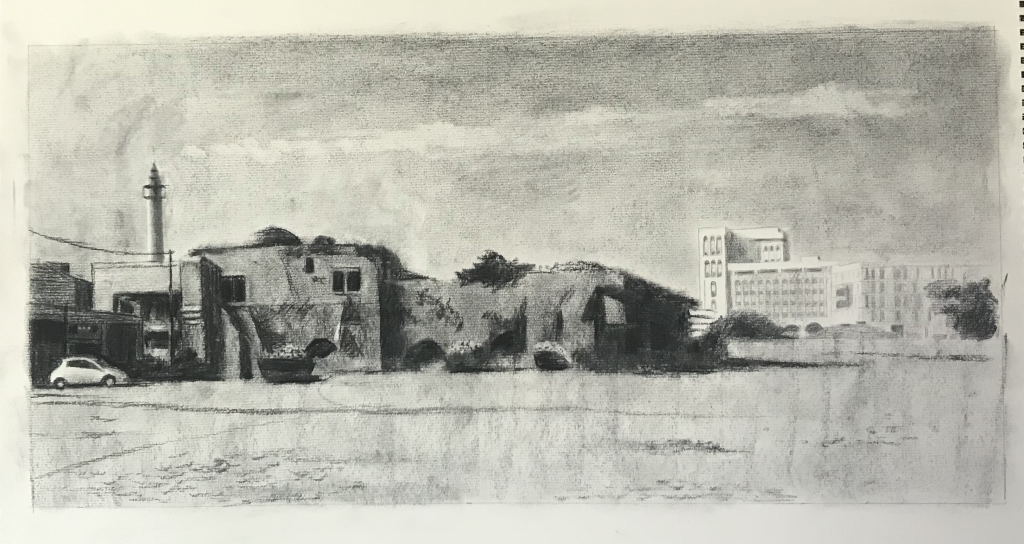
New facing old, 2019
Charcoal and pencil on paper, 122 x 244 cm.

יהודה ארמוני
במשך מספר חודשים תר יהודה ארמוני את רמלה. לאורך שנים הכיר את העיר כשפקד אותה מדי פעם, אך בעת הכנת התערוכה התבונן בה. בצבעוניות המצומצמת של שחור ולבן הוא בונה דימויים סגורים, קטעי נוף עירוני. הפרויקט של ציור עיר, יחד עם הצבעוניות, מעלים על הדעת סדרות של תחריטים, ואח”כ צילומים של ארץ הקודש שעשו אמנים עולי רגל, בעיקר נוצרים ויהודים שביקשו להפיץ את המראות בקרב קהלים שנפשם כמהה לארץ רחוקה, לדימוי שבדרך כלל היה שונה במידה רבה מהמציאות. ארמוני יצר רמלה שכמו התעלתה על יום קטנות . אפילו “צפרדעי האשפה”, אותם מיכלי ענק עמוסי פסולת שהולכי רגל מנסים להימנע מללכת לידם, הופכים לעוד פרט מרוכך. מבנים שחלקם מתפורר כמו הסכינו עם מצבם והם חורבות רומנטיות. מדרגות חשופות, ללא מעקה, נדמות כמעלות המובילות להבטחה, ומונמנט היסטורי כמו המגדל הלבן חבוק בקווים הישרים כשהוא נראה מבעד לקיר זכוכית במתנ”ס.
רישום גדול מאד, “ישן מול חדש” (2019), מושך את תשומת הלב בכניסה לחלל. ארמוני רשם שורת מבנים הניצבים בסמוך למתחם המוזיאון, צריח המסגד מאחוריהם מצד אחד, ובצד השני, ברישום בקווים דקים, בניין קריית ממשלה – בניין שנבנה לפני שנים אחדות ומעוצב עם רמיזה למגדל הלבן שהוקם בעיר במאה ה-14. העבודה המנציחה את האזור שליד רחוב הרצל ערב השינוי שעומד להתחולל בו, מציגה אותו בשעה שנוכחות אנושית רק נרמזת: מכונית חונה, תילי אשפה, ושקט גדול משוך על סמלי הדת והשלטון וכל הכאוס העירוני שביניהם.
Yehuda Armoni , Ben Shemen Forest, 2019

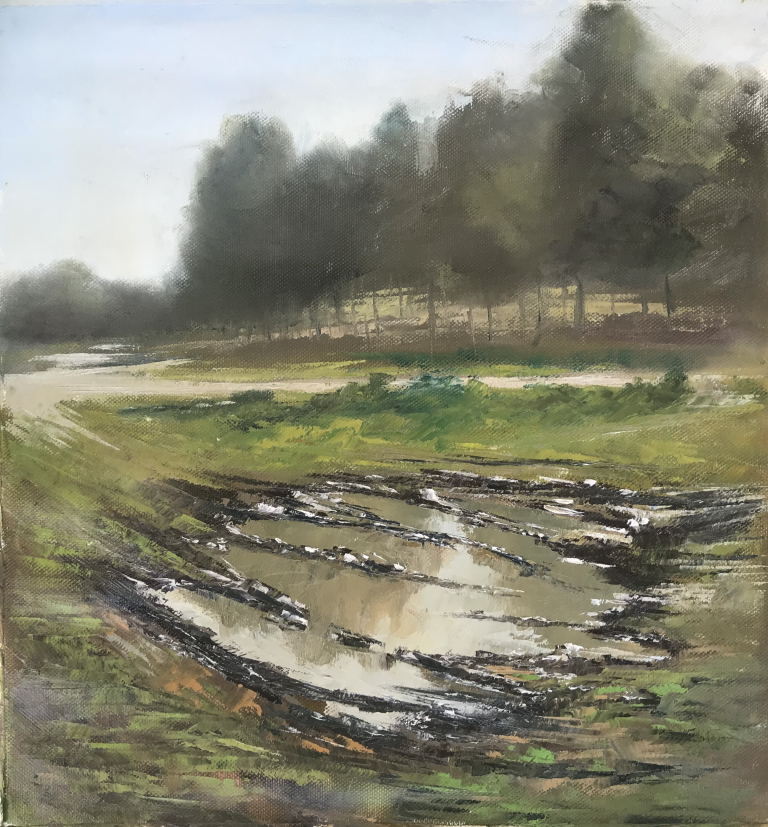
ציורי הנוף של ארמוני, מצוירים ברובם במסורת ה-En plein air, ציור שנעשה בטבע, בדרך כלל בביקור אחד במקום מסוים. הציורים מיער בן שמן, ענבה, תל חדיד ואתרים נוספים בשפלה חוקרים את המוכר, מפרקים לצורות וליחסים ביניהן, ומגלים את אותה שכבה שבה הנוף הופך כל פעם שער למסע פנימי.

   שלומית פוגל : צל, אור ונופים מתפוררים

לנופים בעבודתה של שלומית פוגל אין אופק. רצועות שיכונים אופקיות וגדרות אנכיות, ממלאות את המסך בשתי העבודות. האדריכלות סוגרת, חוסמת, תוחמת תנועה וחלומות. הדמויות בעבודות מעטות – ילדים קטנים, קשיש ודמות מסתורית, ספק קוסם ספק פושע, החוצה גבולות וקירות, אך רק בתוך מבוך השיכונים.
האנימציה של פוגל מורכבת ועשויה בטכניקות של אנימציה קלאסית, סטופ מושן, העתקה של וידיאו לצילום ושימוש בציורים שלה, גזורים ומפורקים. הריבוי מהדהד את הפרגמנטריות, הטלאים שהיא מתארת: השיכונים של פוגל הם אתרי מרי מובס כנגד האחידות. שורשיה של החזרתיות, האיפיון המרכזי של בנייני הרכבת נעוצים בחיפוש אלגנטיות (אפשר לחשוב על יחידת מגורים Unité d’Habitation שתכנן לה-קורבוזיה במרסיי ב‑1947) שהפכה עד מהרה לדכאנית. פוגל מדגישה באנימציה סגירות של מרפסות רעועות, כבלי תקשורת פיראטיים, מזגנים כעורים, ריצופים שקרסו, גינות שיבשו ,התקוממויות קטנות, מחאות, שדעכו והותירו את הלאות המשוכה על גיבורי עבודות האנימציה.
ההשפעה של ויליאם קנטרידג’, מהאמנים הבינלאומיים המובילים בעשורים האחרונים, בולטת. קנטרידג’ השתמש באנימציה בעיסוק הנרחב שלו בגזענות ואפליה, בעיקר בהקשר הדרום אפריקאי, ובתהייה על האופי האנושי בכללותו. פוגל מספרת סיפור ישראלי של שיכונים ודייריהם שכמו נזנחו בצד הדרך להצלחה ונותרו חלשים, מוחלשים ומנותקים. בלי לרכך את הביקורת העולה מדיוקן העזובה, נמהלים בה חום אנושי, סלחנות ואולי געגוע.
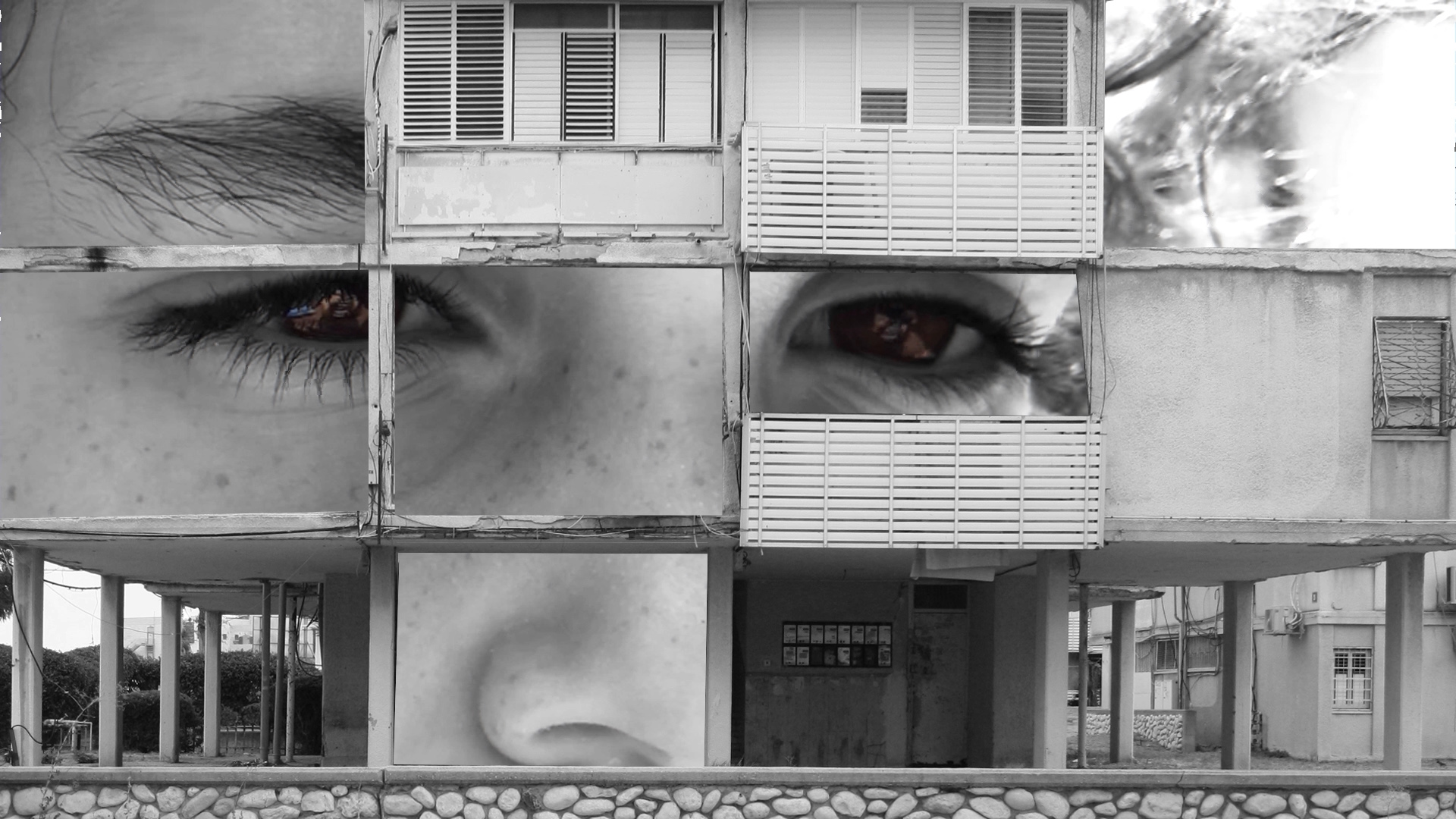
Shlomit Fogel, Dissolving Landscapes, 2018. Stop-motion and rotoscope animation, 01:50 min.

                                    ההצבה הסמוכה של הרישומים של ארמוני והאנימציה של פוגל יוצרת אפשרות להרהר על העבודה עם קו וכתם, תנועה ועצירה. באנימציה של פוגל וברישומים וציורי הטבע של ארמוני (כולם מאתרים בשפלה), העיר והשכונה מקבלות ממד נוסף. צעיף דקיק של אפשרויות נוספות, פואטיות שקטה, מבצבץ מהיומיום, משיכון אנונימי, מסימטה או משלולית בוץ.

   אוצרת: ד”ר סמדר שפי
המרכז לאמנות עכשווית רמלה מתחם מוזיאון רמלה, רח’ הרצל 112, רמלה
שעות פתיחה א –ה 11:00 – 15:30 .בימי ו בתיאום מראש

דצמבר –  שני סיורי עומק חד פעמיים עם ד”ר סמדר שפי   SAVE THE DATE 

PHOTO IS:RAEL פסטיבל הצילום הבינלאומי ה-7 2019    תל – אביב
יום שלישי, 3 דצמבר 2019, 20:00 –  17:30
הביאנלה הארצית השביעית לרישום רשמים VII – קו פעולה    ירושלים
יום שישי, 6 דצמבר 2019, 10:00 – 13:00
לפרטים והרשמה שלחו הודעת וואטסאפ עם כתובת אימייל לסמדר 0507431106 

Behind the City  Shlomit Fogel | Yehuda Armoni

Shlomit Fogel and Yehuda Armoni contemplate the concept of “city” and the city of Ramla specifically. Over the past two decades, in Israel and throughout the world, cities have developed an awareness and new sense of pride as cultural centers, as well as frequently viewing themselves as strongholds of liberalism and progress. The numerous factors leading to the flourishing of urban centers are social, economic, and increasingly ecological. Ramla is in the midst of an extensive process of urban renewal. In “Behind the City,” the artists address the rapidly-changing present, based on memories and associations.
Yehuda Armoni has been rediscovering Ramla over a period of several months. Over the years, he visited the city from time to time, and became familiar with it, but while preparing for the exhibition, Armoni observed it more closely. Limiting himself to black and white, he constructs closed images of the urban landscape. The project brings to mind series of early engravings and photographs of the Holy Land made by pilgrims, mostly Christians and Jews, who sought to disseminate views to audiences who longed for the distant Land. Such images were often far removed from the reality. Armoni depicts a Ramla seeming to rise above the minutiae of everyday life. The huge garbage containers that pedestrians try to avoid have become one more toned-down detail. Partially crumbling structures seem to be romantic ruins, bare stairways without handrails like promising ascents, and an historical monument such as the White Tower is embraced by straight lines as seen through the glass wall of the community center.
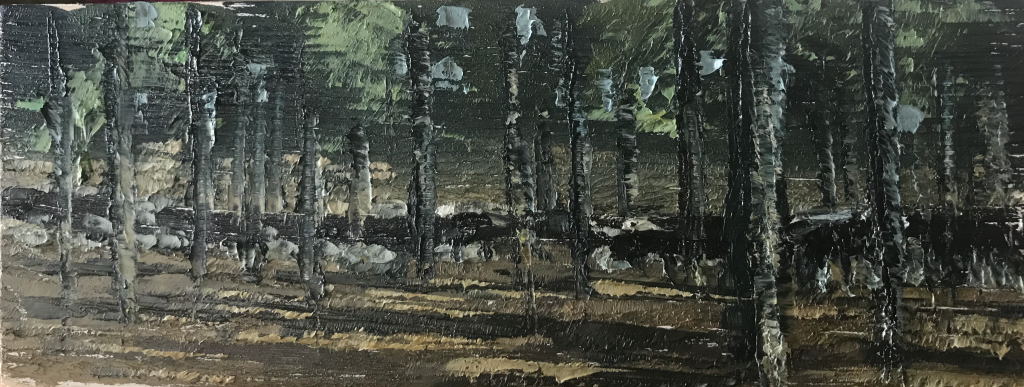
Yehuda Armoni Ben Shemen Forest I, 2018

The large-scale drawing New facing old (2019) draws visitors’ attention upon entering the gallery. Armoni drew the buildings adjacent to the Museum complex – the mosque tower behind it on one side, and the government building on the other. The latter, built a few years ago, pays homage to the city’s 14th century White Tower in its design. The drawing captures the Herzl Street area which is about to undergo complete change, depicting it with only hints of a human presence: a parked car, garbage heaps, and an overwhelming quiet drawn over the symbols of religion and government, with all of the urban chaos between them.
Armoni’s landscapes are in the plein air tradition, made outdoors, usually in a single session. The paintings from the Ben Shemen Forest, Anava, Tel Hadid and other sites in the Judean Lowlands study the familiar, deconstruct it into forms and interrelationships, and reveal in each picture the layer in which landscape becomes a gateway to an inner journey.
Shlomit Fogel | Shadow, light, and dissolving landscapes
The landscapes in Shlomit Fogel’s video works have no horizon. Strips of horizontal housing blocks and vertical fences fill the screen in both animation works. The architecture encloses, blocks and seals movement and dreams. The figures are few and far between – some young children, an elderly person, and a mysterious figure, perhaps a magician, perhaps a criminal trespassing, but only within the labyrinth of the blocks.
Fogel’s complex animation comprises classical technique, stop-motion, stills, and cut-outs from her deconstructed paintings. The multiplicity resonates fragmentary nature and the patches she depicts: the housing blocks are the sites of defeated rebellions against uniformity. The roots of repetitiveness, the major characteristic of the railroad flats, lie deep in the search for elegance, such as in Le Corbusier’s Unité d’Habitation designed for Marseille in 1947, that quickly turned into a depressing environment. Fogel’s animation emphasizes makeshift balcony enclosures, communication and pirate TV cables, misshaped air-conditioners, collapsed sidewalks, dried-up gardens, all small uprisings against an enforced aesthetic. This large group of protests died down, leaving scars in the urban landscape, and blanketing the protagonists in fatigue.
The influence of William Kentridge, one of the leading international artists of the past few decades, is clear. Kentridge employs animation to address racism and discrimination, especially in the context of South Africa, and in his contemplation of human nature in general. Fogel’s story is an Israeli narrative of mass housing and its residents who seem to have been abandoned by the wayside as others trod the road to success, leaving the weak and alienated behind. Without softening her critique arising from the portrait of abandonment, Fogel blends in human warmth, forgiveness, and, perhaps, yearning.
Installing Armoni’s drawings adjacent to Fogel’s videos provides the opportunity to think about line and stains, movement and the cessation of motion. In Fogel’s videos and Armoni’s nature studies (all from the Judean Foothills) the city and the neighborhood take on a new dimension. A thin veil of additional options, of quiet poetics, peeks through from the mundane, anonymous housing blocks, from a side street or a mud puddle.

Curator: Dr. Smadar Sheffi
Posted in Uncategorized | Comments Off on מאחורי העיר שלומית פוגל | יהודה ארמוני – Behind the City Shlomit Fogel | Yehuda Armoni

סופה להתקיים – רגישויות משותפות|Human Nature: Shared Sensitivities

אוצרת ד”ר סמדר שפי

משתתפים: מיכה אולמן, ורדי בוברוב,דוד בן הרא”ש ,פסי גירש, אבנר שר

חמשת המיצבים בתערוכה ‘סופה להתקיים – רגישויות משותפות‘ הם זירות  חציבה אחר גלעין פנימי, חיפוש נקודת המגוז של המציאות. כותרת הביאנלה השנה, ‘לשם שמים’, לקוחה מהמשנה: “כל מחלוקת שהיא לשם שמים סופה להתקיים” (אבות ה, יז). העבודות נוגעות בשסוע, בנתון במחלוקת, כמצב שהוא אולי בלתי פתיר, אך ההימצאות בו יכולה להיות מעשירה. קוּרים של משמעות מקשרים בין העבודות: בכולן יש עיסוק באזורים לימינליים, בגמישות ובקיבעון, כמו גם בתהייה על המקום שבו הדרכים נפרדות לכדי מחלוקת ומתקרבות לכדי פיוס.

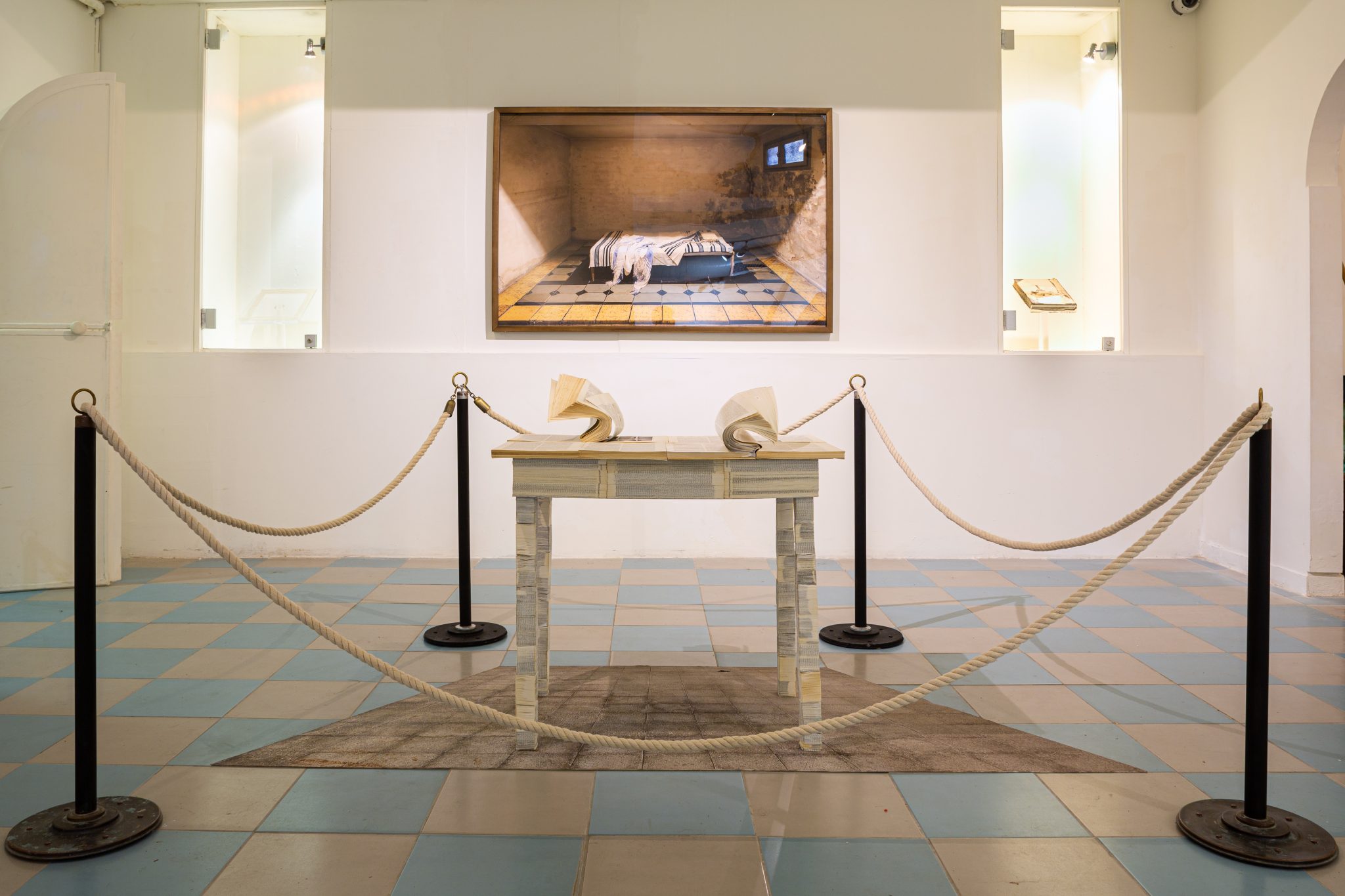
Pesi Girsch, Window and the Shadow of Books (detail ) 2019
Courtesy of: The Jerusalem Biennale
Photo: Daniel Rachamim

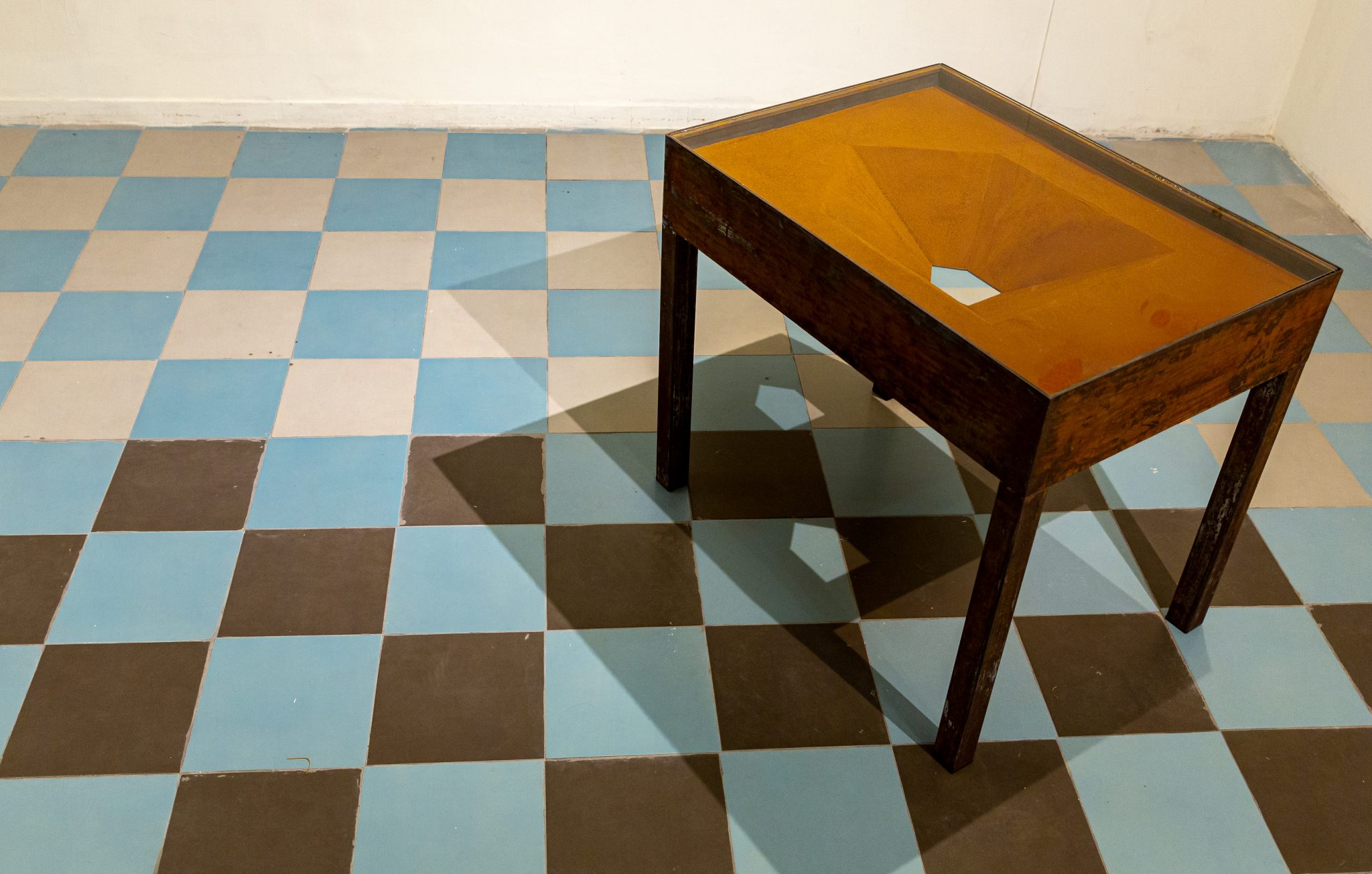
עבודתו של מיכה אולמן, ‘שולחן חול’, ממשיכה את שולחנות החול שהעסיקו אותו מראשית דרכו האמנותית בשנות השבעים. בתיבת ברזל מכוסה זכוכית סידר אולמן חול סביב פתח שצורתו כקווי מתאר של בית סכמטי: גג מחודד ודפנות ישרות. במידה מסוימת הדימוי אבסורדי: שולחן שמכיל בית שתוכנו מאיים להינגר מתוכו, ואף על פי כן, באופן כמעט הרואי, הוא נותר יציב וקווי המתאר נותרים שלמים. על הרצפה התאורה מתווה צל כפול – בית מחולק.כפול ההשולחן, כדימוי, מכיל הקשרי פעילות יומיומית של אכילה ושיחה; בהקשר היהודי יש לו משמעות מטאפיזית כתחליף למזבח; ובהקשר הצבאי הוא מזכיר את שולחנות החול הצבאיים שבהם נקבעים מהלכים אסטרטגיים קרי מסעות הרג. פקעת המשמעויות המורכבת הזאת מעיבה על הקריאה האופטימית, החד ממדית, של השולחן כמקום של יישוב מחלוקות בדרכי שלום.

Micha Ullman, Sand Table , 2019
Courtesy of the Jerusalem Biennale, Photo Daniel Rachamim

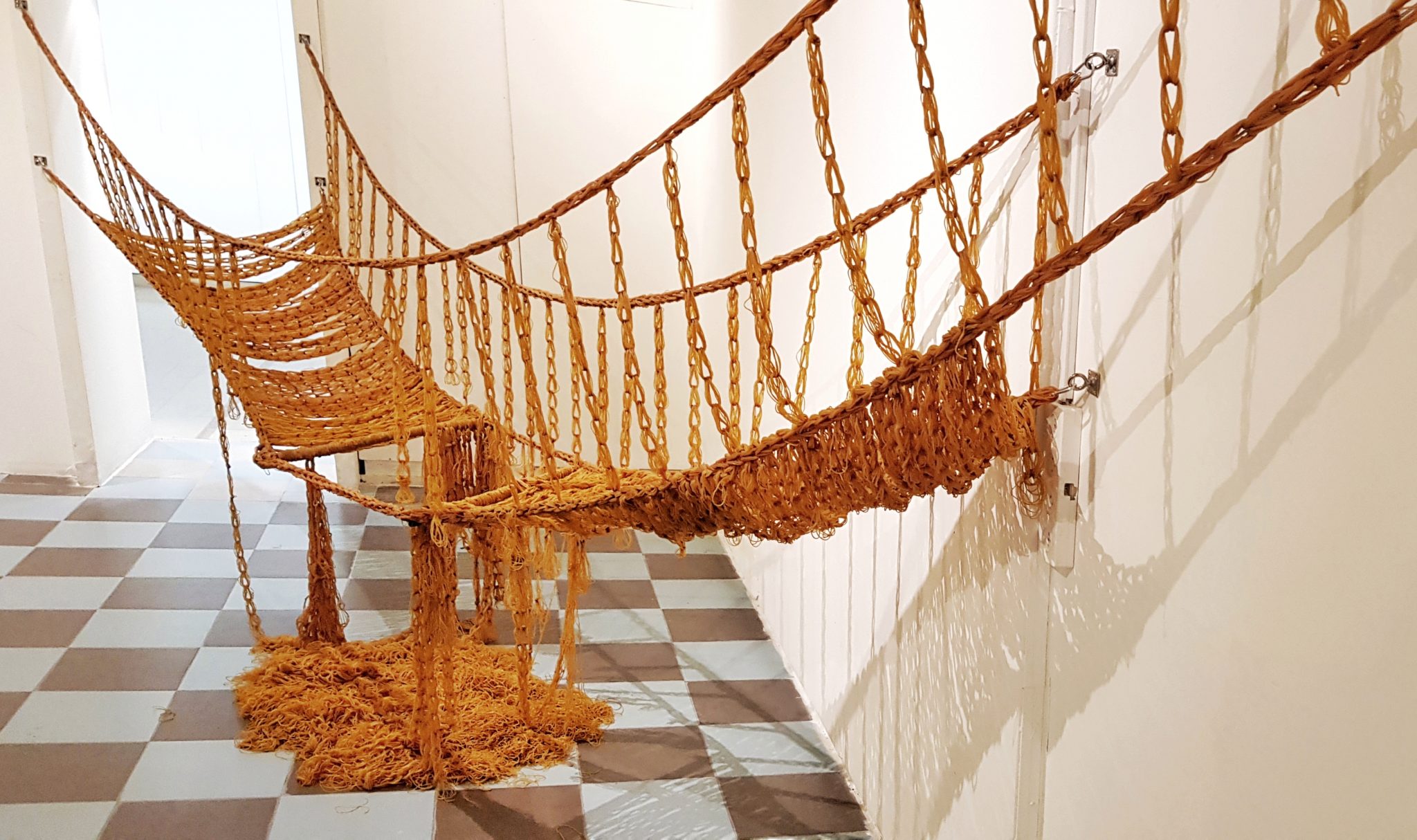
גומיות משרד הן חומר הגלם ל’הנפילה’ – המיצב של ורדי בוברוב. החפץ הטריוויאלי מתקשר לפרוצדורות, אדמיניסטרציה וביורוקרטיה, ודבקה בו מידה של קטנוניות וצייקנות. בוברוב מתבוננת באלסטיות של הגומיות כבתכונה אנושית. היא בוחנת את המקום בו הגמישות פוקעת והגומי הכנוע הופך למצליף. בספרו של אלבר קאמי, ‘הנפילה’ (1956) נוכח המתח התמידי בין הרצון לחיות לאור אידאליים מוסריים, לבין הצורך להתפשר. צבע הגומיות המזכיר עור אנושי מחזק את הזיקה האסוסיאטיבית, והופך אותן למסמנות פשרה, אולי תבוסה מוסרית, תחת מעטה הביורוקרטיה והסדר הטוב.

Vardi Bobrow. , Fall. 2019
Courtesy of: The Jerusalem Biennale
Photo: Daniel Rachamim

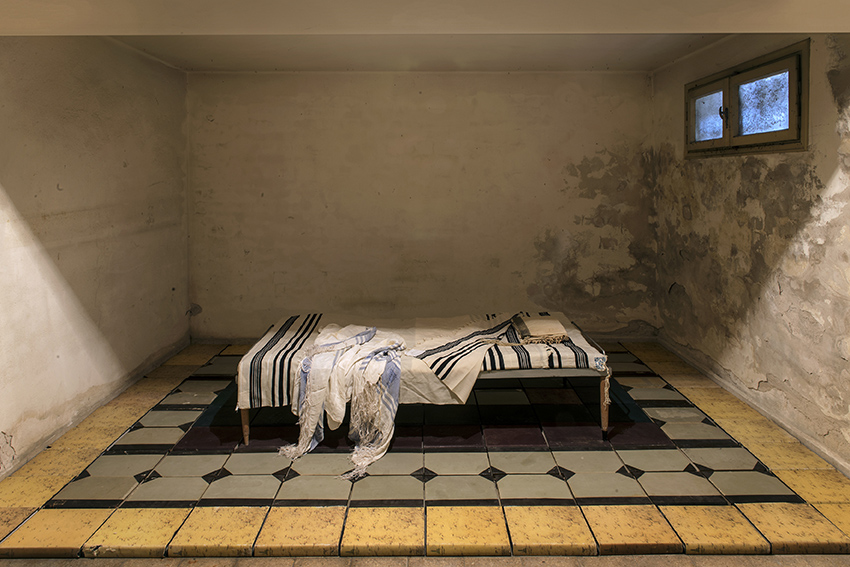
חיכוך של זמן ומרחב, אובייקטים וזיכרון מקבל צורה מוחשית במיצב של פסי גירש, ‘חלון וצל ספרים’. גירש יצרה מיצב תלת ממדי, המורכב ממאות כרכי האנציקלופדיה העברית, לצד צילומים. הצילומים , כולם מצולמים באותו חלל, ובהם ספרים ופריטי ריהוט מעוצבים כמיזנסצנות, כבימת תיאטרון, רגעים קפואים של יופי וכאב מופקעים ממהלך הזמן. באנציקלופדיה מהדהד כישלונה של אופטימיות כפולה: זו של עידן ההארה, של האמונה שניתן להקיף את הידע ושיסודותיו בלתי משתנים; וזו של ימי ראשית המדינה, בהם הוצאה האנציקלופדיה העברית הראשונה כמימוש הצרוף של אוצר התרבות הכללי והיהודי. הכרכים המושלכים כעת ללא חפץ, הופכים בידי גירש לחומר המסמן מפגש בין זיכרונות אישים, כמיהה לזמן ספציפי ועבר נוסטלגי, מודרניזם מרוסק. צילומי האנציקלופדיה ליד הכרכים עצמם יוצרים מפגש פיזי עם תרבות כתב וספר, קשב ודממה שכמעט נכחדו.

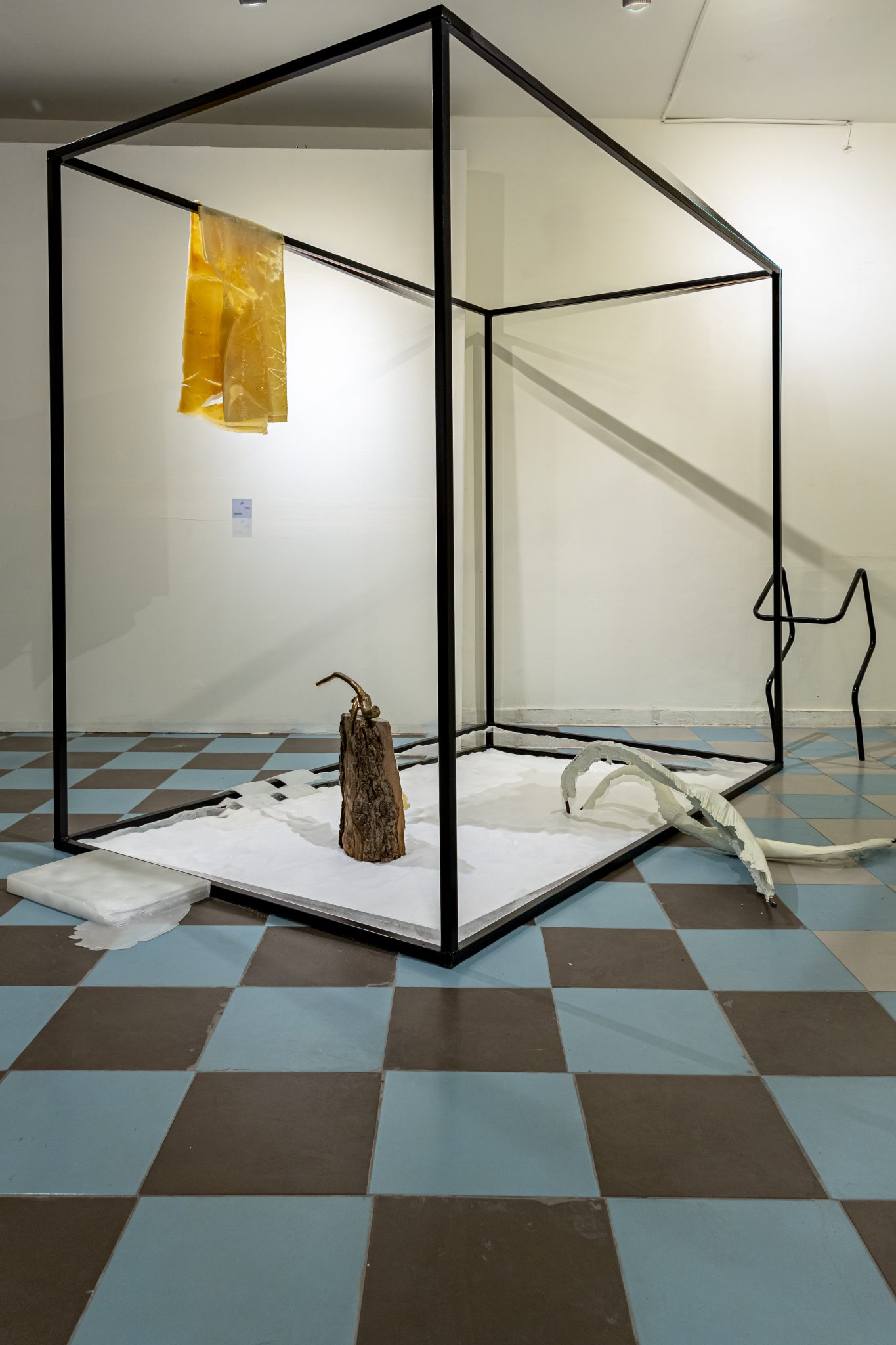
דוד בן הרא”ש מגדיר חלל, ממסגר אותו במתכת ויוצר בתוכו שיח מרהיב בין חומר וצורה. הוא מתדיין עם האמנות כמהות, כווקטור בעל כיוון פנימי שפעולת האמן מתנהלת מולו ואיתו, כשגם אקראיות ממלאת תפקיד. בן הרא”ש משתמש במלח – חומר מחטא ומרפא, משמר וגם ממית – עץ ושעווה, לצד חומרים מלאכותיים כמו סיליקון וניילון, ויוצר דיאלוגים דיאלקטיים ביניהם, כשאופני עיבוד כמו חום יוצרים בהם שינויים בלתי צפויים. בתוך המרחב שסומן, מוכלת ואפילו נחגגת מידה של אי-ודאות, מחלוקת שניתן לשהות בה. שם העבודה Negative Capability הוא מונח שטבע המשורר הרומנטי ג’ון קיטס, ליכולת להיות באי-ודאות וספק, ולהעדפת היופי על פני הידיעה.

David Benarroch,Negative Capability ,2019 Courtesy of the Jerusalem Biennale, Photo Daniel Rachamim

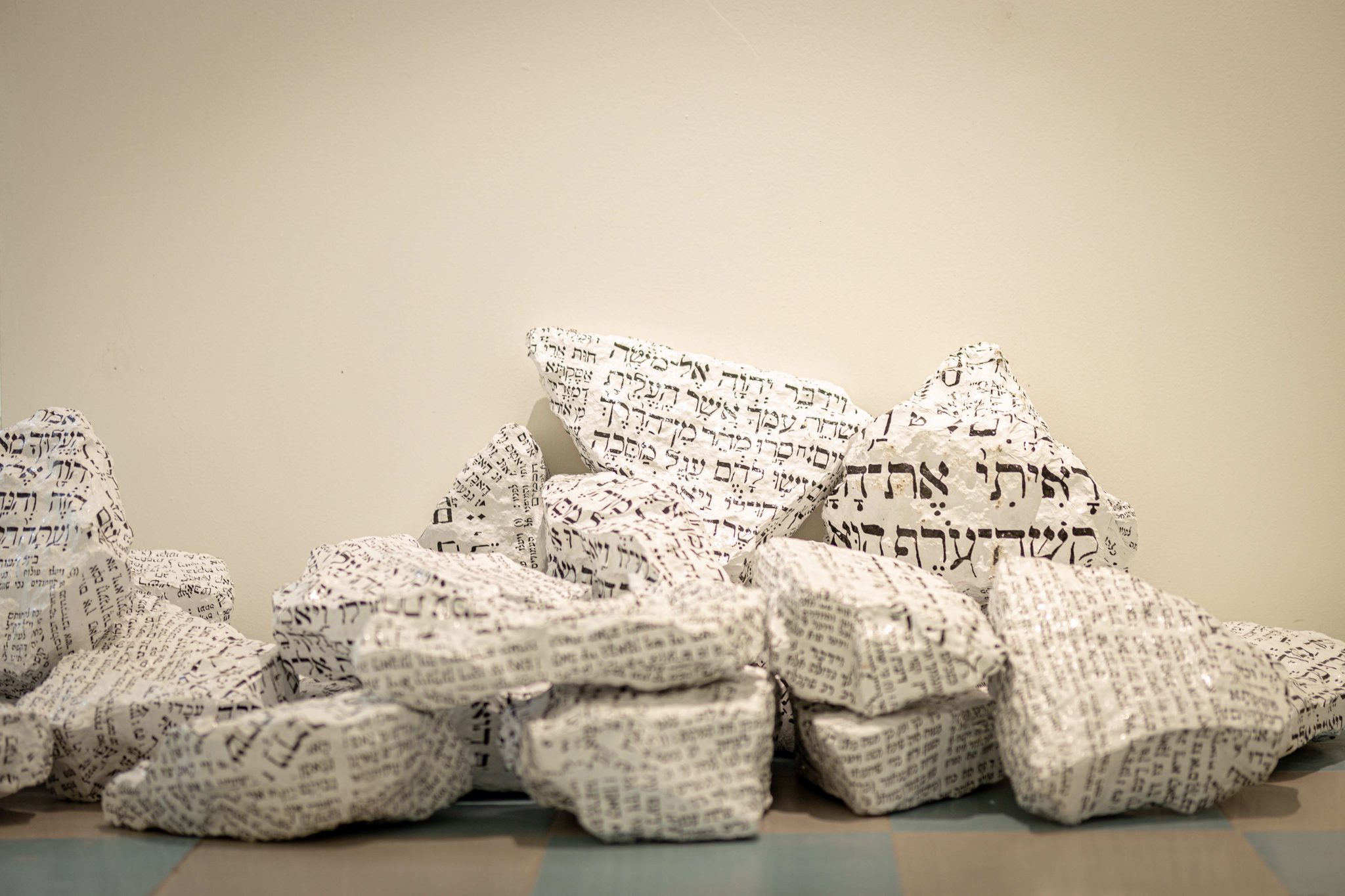
אבנים ועליהן טקסט (טכניקה מעורבת) יוצרות דימוי  בו מולחמות יחד תרבות ואלימות. ב’כראשנים’ אבנר שר מתייחס לרגע הדרמטי של ניפוץ לוחות הברית כאשר משה יורד מההר ומגלה שהעם עובד את עגל הזהב. דומה שההכרעה בין הרוחני והחומרי נעשתה והעם פנה לגשמי, לנמוך ולמידי. שר משכפל שוב ושוב את הפסוקים המספרים כיצד אלוהים מבשר למשה שהעם לא חיכה לו, וחזר לעבודת האלילים. האבנים מסמנות אלימות, בימינו בעיקר פוליטית, מאזכרות סקילה, וגם את המנהג היהודי של הנחת אבן על קבר.

Avner Sher Like the First, 2019
Courtesy of the Jerusalem Biennale, Photo Daniel Rachamim

במקום הנוגה שבין זיכרון לבנייה מחודשת של עבר; בין היכולת לראות באי-הסכמה ראשית הדיון ולהכיר ביופיו של המעורפל – שם נמצאות רגישויות משותפות, ואלו סופן להתקיים.

במסגרת  הביאנלה של  ירושלים  2019  . מוזיאון וולפסון לאמנות יהודית , קינג גורג 58 , ירושלים .
עד 28 נובמבר 2019 .

                  הביאנלה לאמנות, ירושלים 
                 סיור עומק עם ד”ר סמדר שפי
יום רביעי,  23   אוקטובר 2019,  10:00 – 12:30
לפרטים והרשמה שלחו Whatsapp   לסמדר  0507431106  או אימייל ל
  thewindowartsite@gmail.com

Pesi Girsch, Angel 2015

The five installations in Human Nature: Shared Sensitivities delve into themselves, searching for a core, a point at which reality converges. “For Heaven’s sake,” the theme of the 2019 Jerusalem Biennale, comes from the Mishna: “Every dispute that is for the sake of Heaven will in the end endure” (Ethics of the Fathers 5:17). The works touch on the fracture found in every dispute, a situation that is, perhaps, unsolvable, but whose ideas may enrich. Webs of meaning connect the works: all relate to liminal areas, to flexibility and obsession, as well as meditation on the point where paths in a dispute separate and converge in reconciliation.


The work by Micha Ullman, Sand Table, continues his sand tables from the early 1970s. In a glass-covered iron box, Ullman arranges sand around an opening shaped as an outline of a house with a pointed roof and straight walls. The image is somewhat absurd: the image of the house within the box-table whose contents, sand, threaten to spill out. Yet, in an almost heroic fashion the sand remains stable and its outline remains unblemished.  The table contains the meaning of everyday activities like eating and conversation; in a Jewish context it holds metaphysical meaning as the substitute for an altar; finally, in the military context, it recalls the sand tables used to determine military operations. This complex skein of meaning darkens the optimistic, one-dimensional understanding of the table as a setting for the peaceful settlement of disputes.

Rubber bands are the raw material in Fall, the installation by Vardi Bobrow. The trivial object connects with paperwork and bureaucracy and exudes a degree of pettiness and parsimony. Bobrow sees the elasticity of the rubber bands as a personality trait. She explores the limits of flexibility and at what point the submissive rubber becomes a whip. In The Fall (1956) by Albert Camus, constant tension exists between the yearning to live according to high ideals and the need to compromise. The color of the rubber bands, reminiscent of human skin, reinforces the connotations and transforms them into a sign of compromise, or maybe moral defeat, in homage to bureaucracy and order.

Friction between time and space, and objects and memory, becomes tangible in the installation by Pesi Girsch, Window and the Shadow of Books. Girsch created a three-dimensional installation consisting of volumes of the Encyclopedia Hebraica and photographs. The photographs were all shot in the same space and show books and furniture designed as a mise-en-scène, like frozen moments of beauty and pain seized from the passage of time. The encyclopedia echoes the failure of twofold optimism: the belief from the Age of Enlightenment that knowledge can be encompassed and that its foundations are unchanging; and the early days of the State of Israel, when the first Encyclopedia Hebraica was published and signified the culmination of general and Jewish culture.  The now discarded volumes are transformed by Girsch into a material that signifies a meeting of personal memories, the longing for a specific time and a nostalgic past, and a crushed Modernism. The photographs of the encyclopedia alongside the volumes themselves create a physical encounter with written culture and books, an attentiveness and silence that have almost disappeared.

David Benarroch defines a space, frames it in metal and creates a spectacular dialogue between material and form. He approaches art as an essence with an internally directed vector, with and against which the artistic act evolves, but where randomness also plays a role. Benarroch uses salt, a material that disinfectants, heal, preserves and even kills, wood, and wax, along with synthetic materials like silicone and nylon. He creates dialectical dialogues between the materials that processing methods, such as heat, change in unexpected ways.

A degree of uncertainty is contained, even celebrated within the delineated space: a dispute in which one can spend time. Negative Capability, the title of the work, was a term coined by the Romantic poet John Keats to describe the ability to remain uncertain and doubtful, and to value artistic beauty over understanding.

Stones marked with text create an image that weld together culture and violence. In the mixed-media installation, Like the First, Avner Sher refers to the dramatic moment when Moses smashes the Tablets of the Covenant after descending Mount Sinai and discovering that the Israelites are worshipping the Golden Calf. When forced to choose between the spiritual and the corporeal, the people turned to the corporeal, the base and the instantaneous. Sher repeatedly replicates the verses describing how God reports to Moses that the people have returned to idolatry. In contemporary imagery, stones symbolize violence, especially political violence, as well as execution by stoning and the Jewish custom of placing a stone on a grave to mark one’s visit.

In the melancholy space between memory and rebuilding of a past, and between the ability to first find a discussion in disagreement and to recognize the beauty of ambiguity – this is where we find shared sensitivities. These are what will endure

Posted in פיסול ומיצב, צילום | Tagged , , , , , | Comments Off on סופה להתקיים – רגישויות משותפות|Human Nature: Shared Sensitivities

היבשת השביעית – הביאנלה ה 16 באיסטנבול

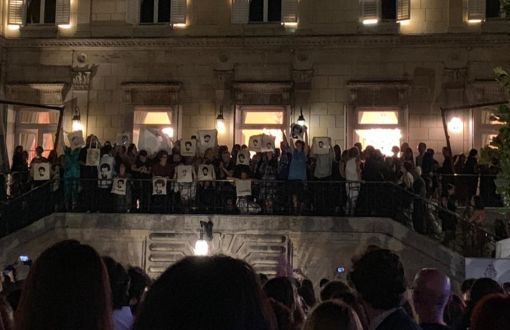
הביאנלה ה 16 באיסטנבול היא תערוכה מהודקת, ברורה ומרתקת . כותרתה, “היבשת השביעית” הכינוי שניתן לשבעה מיליון טון הפלסטיק המשיטים באוקיאנוסים ממקמת אתה בדיון אקולוגיה – חברה – פוליטיקה שהופך, ככל ששינויי האקלים ניכרים יותר, למגדיר המרכזי של קוי החלוקה בין אוכלוסיות חזקות לחלשות במלחמת הישרדות בלתי מוכרת. במקביל, בהקשר המידי והממשי של טורקיה 2019 מדובר בהצהרה פוליטית. עצם קיומו של ארוע סובלני, חילוני, חוקר ושואל ועותר כנגד עוולות היא אמירה. לכך נוספה מחאה ספציפית כשלארוע הפתיחה החגיגי הגיעו רבים בחולצה לבנה עליה הודפס דיוקנו של ,Osman Kavala איש עסקים ותומך אמנות מרכזי שעצור מאז 2017 ללא משפט.
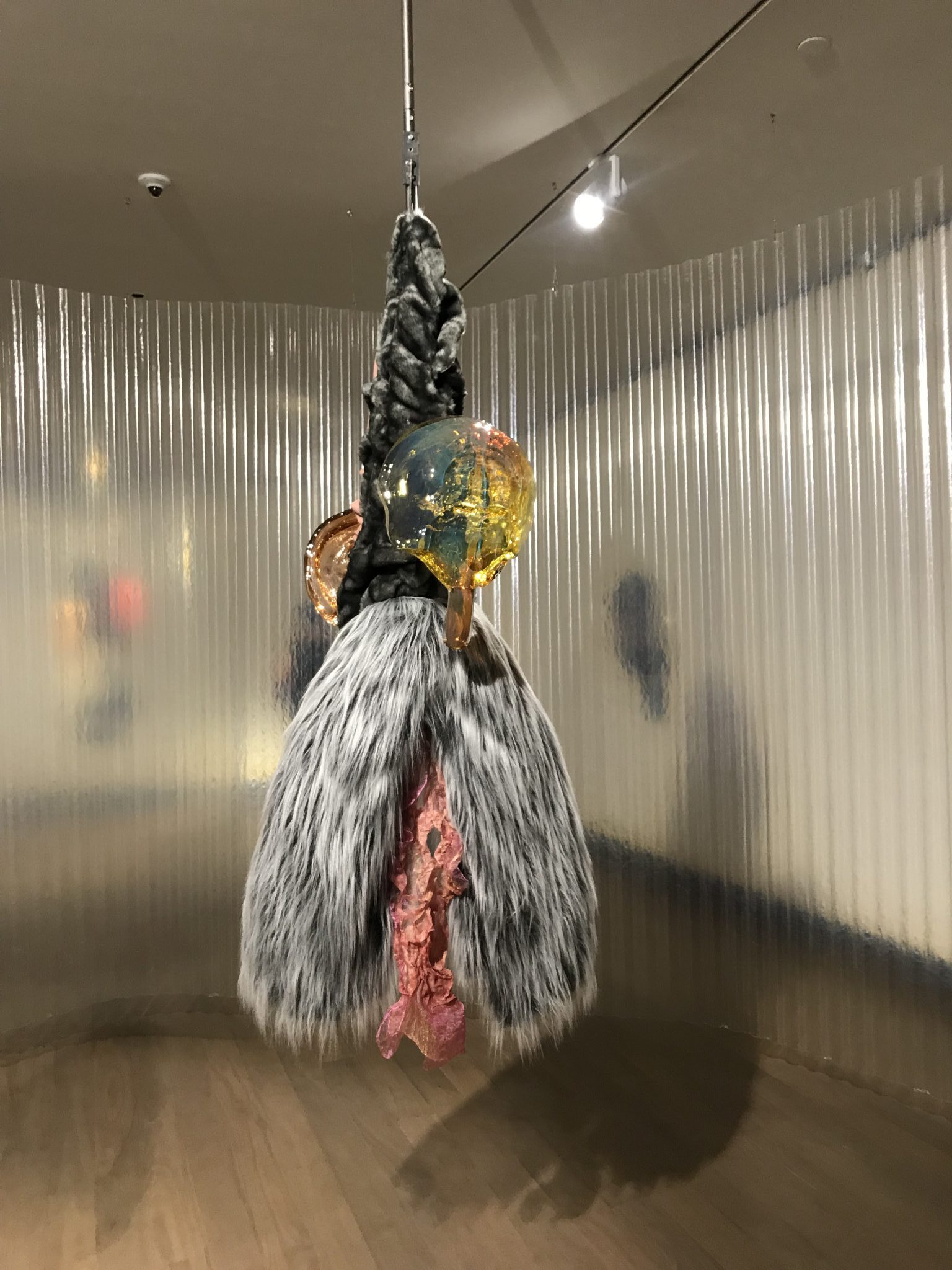
Pakui Hardware, Neringa Černiauskaitė and Ugnius Gelguda ,Extrakorporal 2019

לצד מספר גבוה יחסית של אמנים טורקיים ניכר בביאנלה העדר כמעט מוחלט של אמנים ממדינות שכנות לטורקיה כמו סוריה, עירק, ארמניה, גאורגיה או אזרביג’אן. ההעדר, שמהדהד את המצב הפוליטי, בולט משום שבעבר היתה הביאנלה באיסטנבול במה החשובה ביותר להכרת עולם האמנות העכשווי בחלק זה של העולם. גם כך “היבשת השביעית” מרתקת בשורת האמנים הפחות מוכרים המוצגים בה ומתייחדת בכך שאינה עוד תחנה בינלאומית במה שנדמה לעיתים כמסע הופעות של להקת כוכבי אמנות בינלאומית קבועה למדי.

Protest at the opening of the 16th Istanbul Biennial

אוצר הביאנלה ניקולא בוריו Nicolas Bourriaud , ממייסדי Palais de Tokyo בפריס ומי שיעמוד בראש המרכז החדש לאמנות במונטפלייה הצליח להפוך אותה לרגע של רפלקציה. הוא מתווה לצופים מסע לתוך ההווה המוגדר,יותר ויותר כעידן הAnthropocene ,העידן שבו,לראשונה, האנושות היא גורם מכריע בשאלות סביבה. הגירה ואקלים, פרימת רקמות חברתית בשל זיהום והכחדה של שרשראות מזון ושינוי מהותי של מה שנתפס בעבר כ”טבע” מהוות את הציר הקונצפטואלי המרכזי בביאנלה. Extrakorporal (2019), אחת העבודות הבולטות הנוגעות בכך היא של צמד האמנים Pakui Hardware (Neringa Cerniauskaite and Ugnius Gelguda) הפועלים בווילנה וברלין . הם ייצרו חלקי גוף ,בשר,בטכנולוגיות רפואיות המשמשות ליצירת “חלפים” לחלקי גוף ומגדירות ומאתגרות את ההפרדה בין טיבעי למלאכותי.
בוריו משתתף בשיח הפנימי בין ביאנלות שאני מבחינה בו שוב ושוב בשני העשורים האחרונים כגורם מעצב של שיח האמנות. כמו בביאנלות של ג’וני Massimiliano Gioni ושל Okwui Enwezor 2015 , בוונציה שתי ביאנלות שיצרו אדוות רעיוניות משמעותיות (בניגוד לזו ב 2017) יש ב”יבשת השביעית” אמנים מהעבר ואמנות המרחיבה את תפיסת המציאות לתפיסות לא רציונליסטיות – מדעיות כשהיסטוריה אלטרנטיבית, ממוצאת, הלחמה של מיתוסים מהווה, אם נרצה כלי לבירור הווה ואקסטרפולציה לעתיד. לצד אלו הוא יוצר מקום לאמנים המשתמשים בכלים מחקריים מדעיים לשרטט את התמונה הרחבה של התרחשויות אקולוגיות בעשור האחרון. Armin Linke, אמן העוסק בעיקר בקולנוע וצילום מציג מיצב גדול, למעשה תערוכת יחיד לכל דבר, בה הוא מתבונן בפקעת האינטרסים הכלכלים,המיתוסים, ההיקסמות הנצלנות, האדנות והרוע המרכיבים את יחס העולם לאוקינוסים. הוא מראיין מומחים שחלקם מציירים תמונות אפוקליפטיות, משווה מידע, פועל ספק כמדען ,ספק כמרגל, ויוצר תמונה מרהיבה ומפחידה של השפעות עידן ה Anthropocene .
הקבץ העבודות של Glenn Ligon,מוצגות ב Mizzi Mansion, בית מידות ישן ורעוע בחלקו בביוקדה, הגדול שבאיי הנסיכים. כמו Armin Linke , זו למעשה תערוכת יחיד. Ligon אמן אמריקאי מצוין עוסק לאורך שנים בפוליטיקת הזהויות האמריקאית, בגזענות, באפליה ובכאב.

Glenn Ligon,
AMERICA 2019

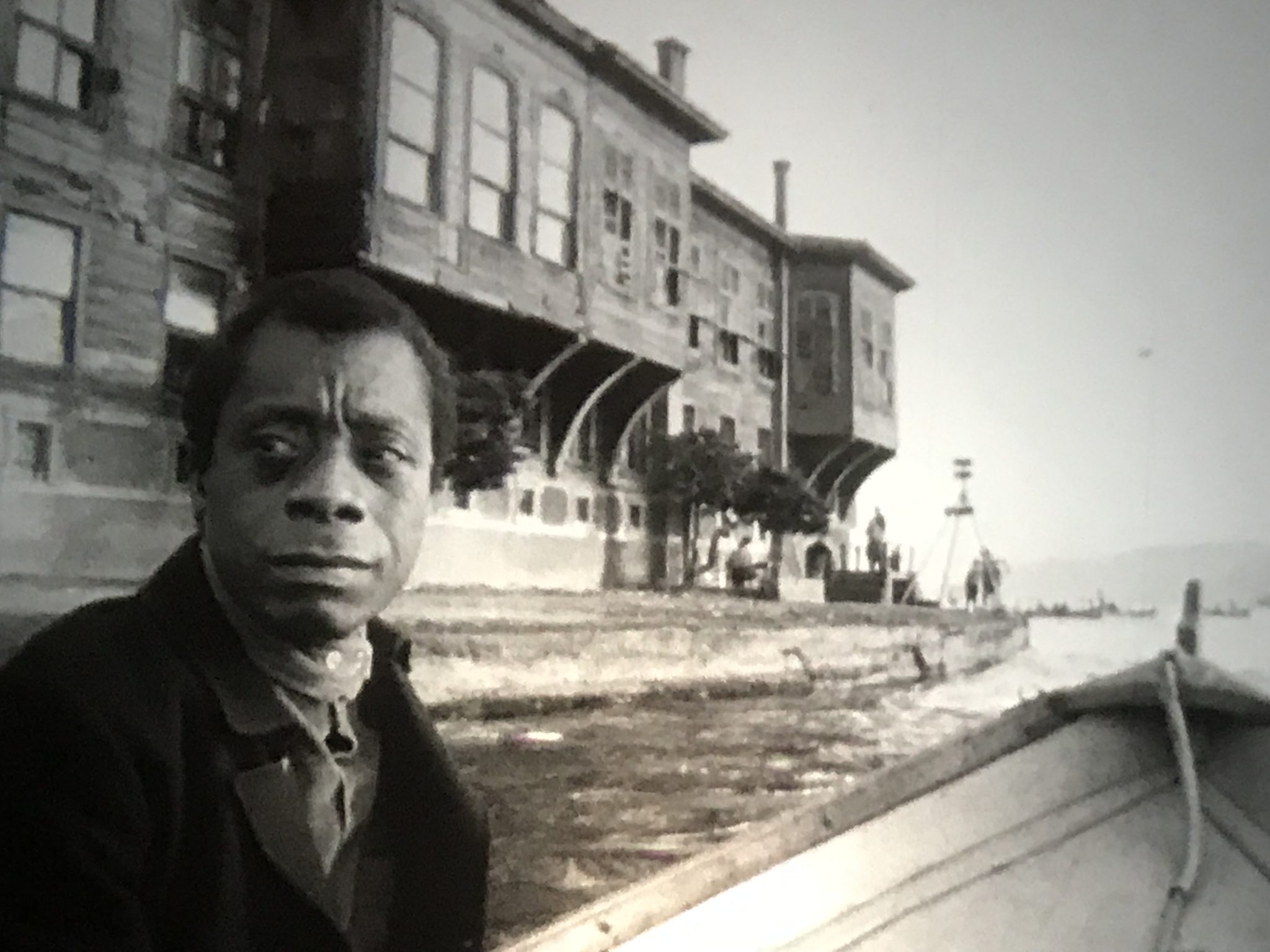
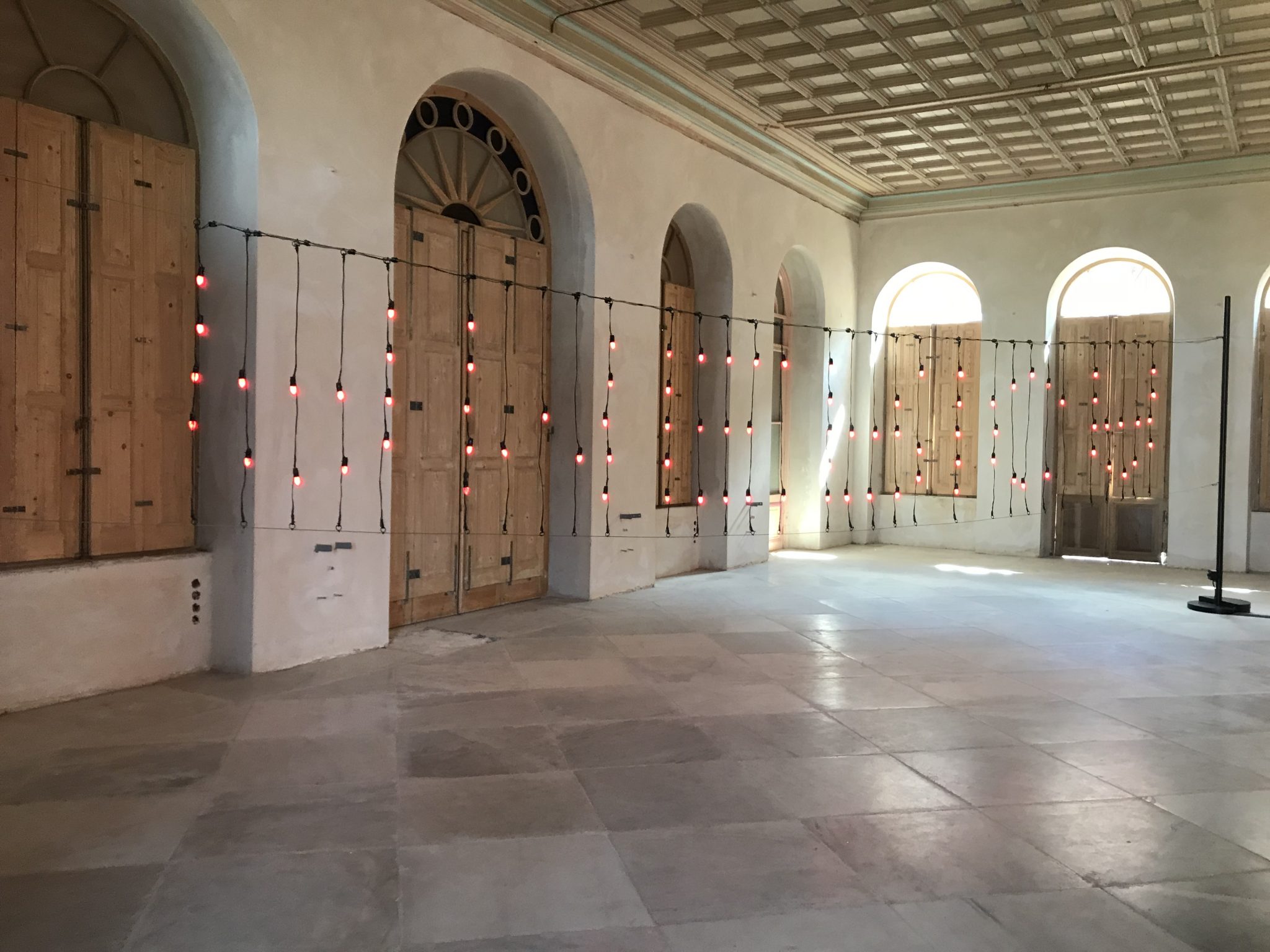
כאן הוא ממשיך סידרת שלטי ניאון של המילה AMRICA אך הפעם בשרשרת אורות המשמשת במיסגדים באיסטנבול. הוא מדבר על הגירה יוצאת דופן ומקרין סרט אודות חייו של גיימס בולדווין , הסופר, המחזאי והאקטיביסט האפרו אמריקאי ההומוסקסואל שחי באיסטנבול לאורך שנות ה 60 ותחילת ה 70. הסרט, של Sedat Pakay , מראה את בולדווין באתרים היסטוריים באיסטנבול, בביתו, ואגב כך טורף את הרעיונות שלנו על מגדלורים של חופש מול משטרים אפלים , מערער סטריאוטיפים המוטבעים בנו עמוק לגבי סובלנות ומונח ה”בית”. בשני פסלי ניאון Ligon מבקר את ההווה הטורקי באחד כתוב 29 אוקטובר , , 202המועד העתידי לחגיגות ה 100 למדינה הטורקית שיסד אתא טורק , ובשני 31 מרץ 2019 ,מועד הבחירות המקומיות האחרונות בהן מפלגתו של ארדואן איבדה את כוחה באיסטנבול. העבודות מוצבות בחללי הבית היפיפה באופן שיוצר נרטיב סובטילי. במרכז הבית גרם מדרגות מואר, וריק ואצילי, כמו שרטוט חלל הכאב ששום מחאה, או קבלה מאוחרת לא תוכל לרפא.

Glenn Ligon ,
Pakay, From Another Place(1973),2019

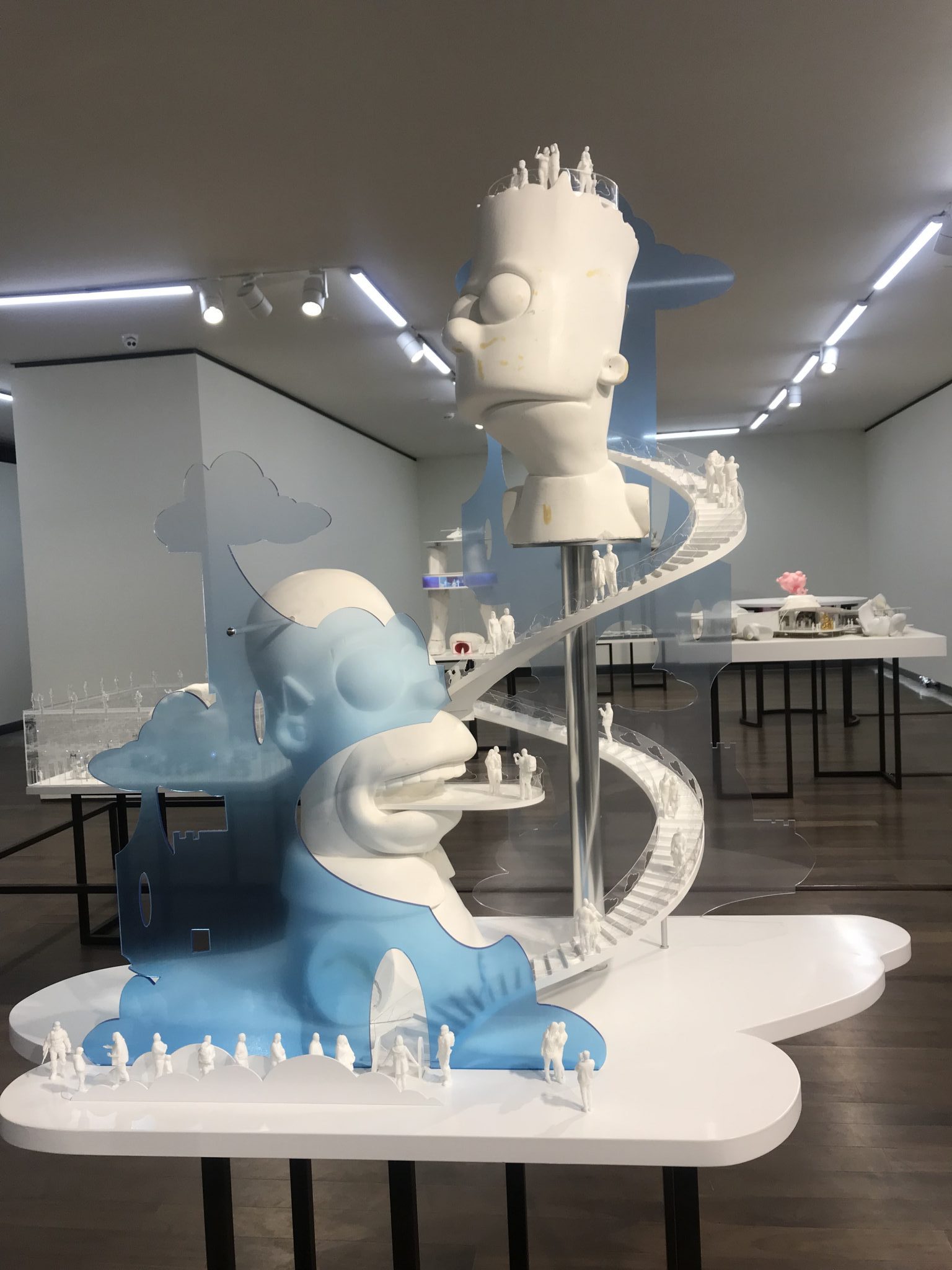
על תפיסות עולם מקובעות, הטעיה וצרכנות, על הצרוף של שמרנות וכוחנות והעוצמה של מנגנוני שיווק קפיטליסטים בשימור הקיים מדבר Simon Fujiwara (המציג לעיתים קרובות בארץ) במיצב It’s a Small World. השיר המתקתק, המוכר מדיסני וורלד, ומהלל את עולמנו הקטן והחביב הוא מוסיקת רקע לגן מיניאטורות מאיימות וסרקטיות בהם גם מיני יריד אמנות.
הביאנלה של ניקולא בוריו ביקרותית, מענינת ופוליטית, ובהקשר בו היא מוצגת, בהחלט נועזת.

הדרכה עם ד”ר סמדר שפי למטיילים עצמאיים לביאנלה באיסטנבול. 

 לפרטים מחיר ותאום אנא כתבו מייל ל thewindowartsite@gmail.com
או שלחו הודעת WhatsApp ל 0507431106

ההרשמה לקבוצת סיורי הבוטיק בארץ נמשכת (מחיר מוזל להרשמה מוקדמת עד 1 באוקטובר)

The Seventh Continent – the 16th Istanbul Biennial


The 16th Istanbul Biennial is a coherent, clear, and fascinating exhibition. Its title “The Seventh Continent,” refers to the 7 million tons of plastic floating in the world’s oceans, locating the Biennial in the contemporary eco-socio-political discourse. As climate change is becoming more visible, the discourse is becoming the major factor defining the developed from developing countries in the global war of survival. At the same time, in the immediate, concrete context of 2019 Turkey, this is a political statement. The very existence of a tolerant, secular event that digs deep to inquire and protest against injustice is a declaration. A specific demonstration did take place when numerous protesters showed up at the festive opening event, all wearing white t-shirts emblazoned with the portrait of arts supporter businessman Osman Kavala, detained without trial since 2017.

Along with a considerably high proportion of Turkish artists, there is an almost total absence of artists from neighboring countries, such as Syria, Iraq, Armenia, Georgia or Azerbaijan. Their absence is glaring, since in the past the Istanbul Biennial was the most important platform for becoming acquainted with contemporary art in this part of the world. “The Seventh Continent” is still fascinating, showing less well-known artists; its uniqueness lies in being not just one more spot along what sometimes seems like a world tour of almost the same “art superstars.”

Curator Nicolas Bourriaud, one of the founders of Palais de Tokyo in Paris, who will soon be heading the new art center in Montpelier, has succeeded in turning the Biennial into a moment for reflection. He designed a pathway for viewers into the present era increasingly defined as the Anthropocene in which humankind is, for the first time, the decisive factor impacting the environment. Immigration and climate, unraveling social fabric because of pollution and the extinction of food chains, the fundamental change in what was perceived in the past as “nature” is also the conceptual axis of the Biennale. One of the most outstanding works on this subject is by the artist duo of Neringa Cerniauskaite and Ugnius Gelguda, exhibiting under the name Pakui Hardware, active in Vilnius and Berlin. They created a piece with medical technological body “replacement parts” challenging the separation between natural and artificial.

Bourriaud is participating in an internal dialog with previous biennials, which I have noticed have been shaping the art conversation the past two decades. Similar to Massimiliano Gioni’s and Okwui Enwezor’s curatorial projects in Venice, which created significant ripples (in contrast to the 2017 Venice Bienniale). “The Seventh Continent” includes artists from the past and art that expands the perception of reality into the irrational or scientific. Instead, artists present an alternative, invented mythical history as a tool to clarify the present and extrapolate into the future. The curator has also created a opportunity for artists using scientific methodology to depict an expansion of ecological events of the past decade.

Filmmaker and photographer Armin Linke’s large-scale installation – practically a solo show – explores the tight web of economic interests and the world’s evil sense of ownership of the oceans. He interviews experts, some of whom predict an apocalypse, cross-matches data like a scientist or a spy to create a breathtaking, frightening picture of the impact of the Anthropocene.

American artist Glenn Ligon’s works are installed in the Mizzi Palace, a 19th century mansion on Büyükada Island in what is essentially a one-person exhibition. An excellent artist, Ligon has been engaged for years in the politics of American identity, racism, discrimination, and pain.

Here he continues his series of works with the word “America” in neon, but this time with a string of lights used in Istanbul mosques. He addresses immigration from an unusual point of view, screening a film on author James Baldwin (1924-1987), African American and homosexual, who lived in Istanbul during the 1960s to about ’71. The film by Sedat Pakay shows Baldwin in historic sites in Istanbul, at home (which, by the way, destroys any ideas one may have had about refuges of freedom in dark regimes, and shakes up deep-seated stereotypes about tolerance and the concept of ‘home’). In two neon sculptures, Ligon criticizes current times in Turkey with one sculpture inscribed “29 October 2020,” which will mark the centennial of the republic founded b Atatürk, and the second, “31 March 2019,” the date of the local elections when Erdogan’s party lost power in Istanbul. The works are installed in the lovely mansion to create a subtle narrative. At the center of the building is an illuminated stairwell, empty and noble, seeming to delineate a space of pain that no protest or late acceptance can heal.

In his installation It’s a Small World, Simon Fujiwara (who often exhibits in Israel), touches upon fixed worldviews, deceit and consumerism and the combination of conservatism with aggressive and powerful capitalistic marketing means to maintain the status quo. The saccharine song from Disney World praising our small, cute world is the background music to a threatening and sarcastic garden of miniatures comprising a mini art fair.

Nicolas Bourriaud’s Biennale is critical, interesting, and political, and, in the context in which is it presented, is definitely daring.

Simon Fujiwara, It’s a Small World,2019

Posted in Uncategorized | Comments Off on היבשת השביעית – הביאנלה ה 16 באיסטנבול

סמדר שפי, החלון, אומנות ישראלית, אמנות ישראלית, Smadar Sheffi, The Window, Israeli Art