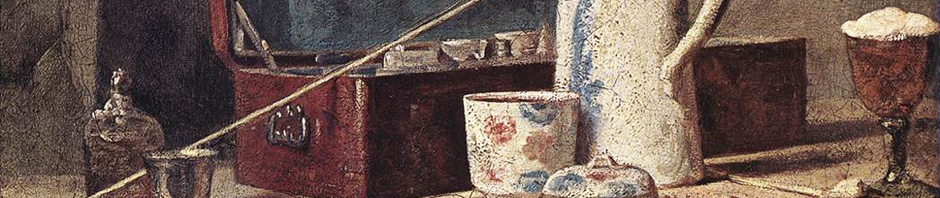
ציבי גבע: ארץ לשניים | Tsibi Geva / Land of Two

English follows Hebrew

העבודות של ציבי גבע  מתאפיינות כנרטיביות, לעיתים קרובות פיגורטיביות לצד השמירה העקבית של התהלכות על התפר של אבסטרקט (במידה רבה המשך האנומליה ישראלית של “אבסטרקט לירי”). עבודות של גבע, נוחות למלל לקטלג, ולהסביר.
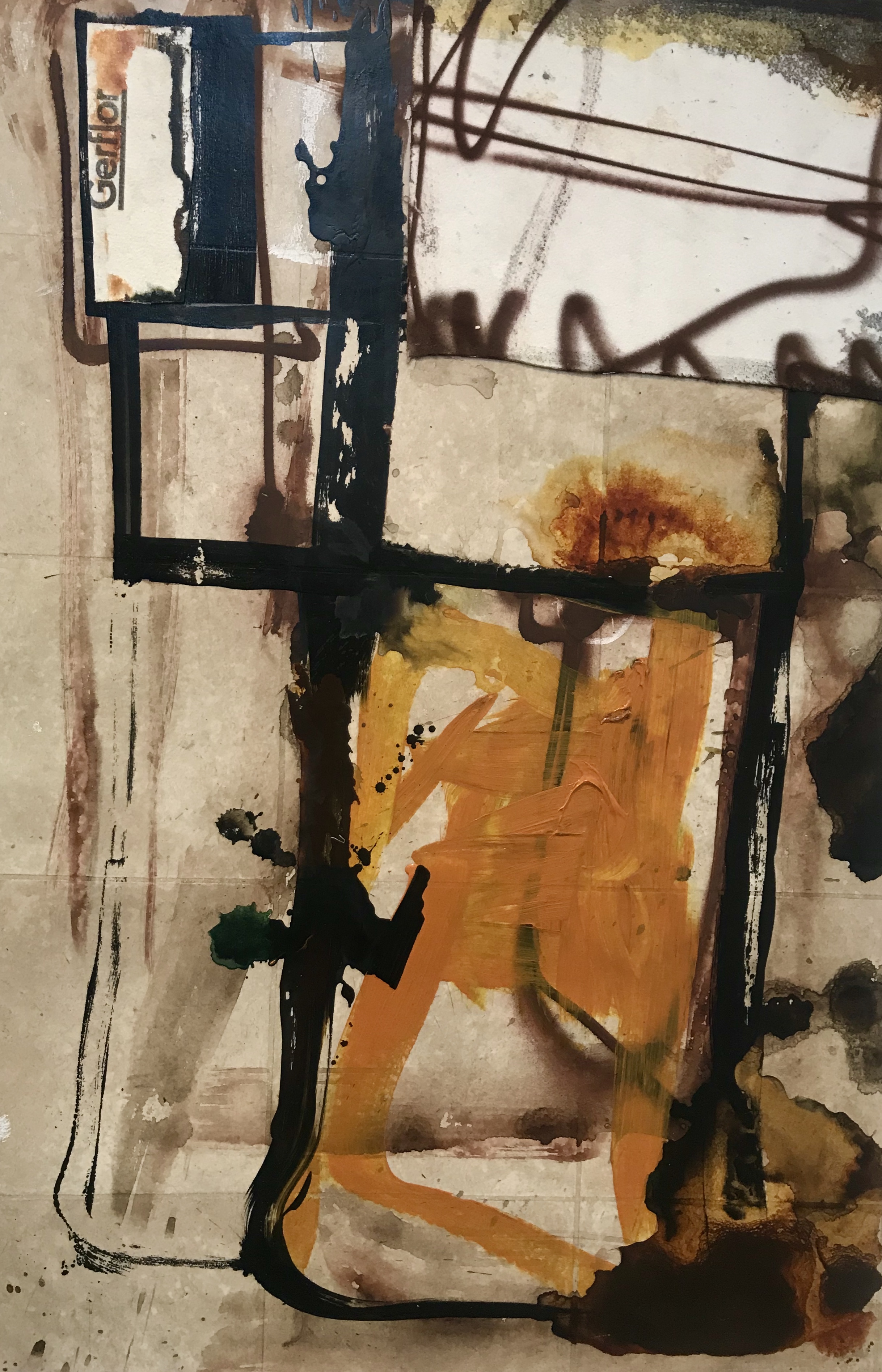

Tsibi Geva, Land of Two #5 , 2020

התערוכה ‘ארץ לשניים’  ממשיכה את הדיבור על הפוליטי, על הדיכוטומי והאמביוולנטי עם ההפניה הישירה של הצופים לכותרת הלקוחה מספרו של מרטין בובר. בובר, מאנשי “ברית שלום” הנשכח,  קרא לדיאלוג בין העמים  מתוך הכרה שעתיד טוב ידרוש פשרות. בעבר סוג כזה של אמירה פוליטית היה נתפס בעיני כפייסני מאד, אך באווירה של היום בה כל אמירה שאינה ימינית במובהק מסווגת כשמאלנית יש בה אפילו אומץ מסוים.
הכותרת מתווה קריאה של כל קו בעבודה של גבע  כגבול, וכל בחירת צבע כייצוג נוף . מפגש עם העבודות כעת – בימים בהן מעטות התערוכות הפתוחות, והביקור בהן מתוק – יוצר רצון לחרוג מהתניית הקריאה שהתקבעה.
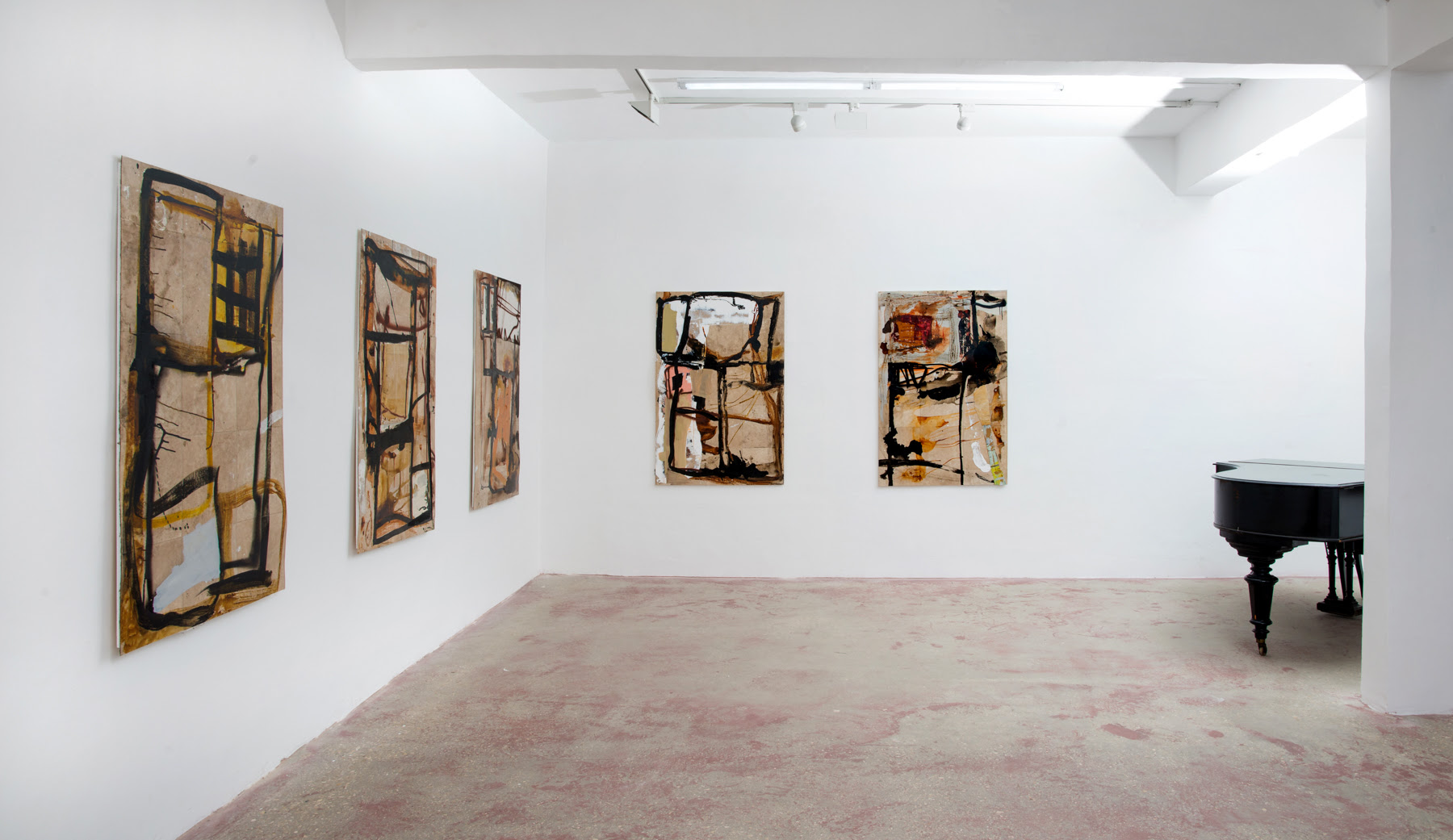

Tsibi Geva, Land of Two , 2020

סדרת העבודות הנוכחית, 8 עבודות בגודל אחיד של מטר על מטר וחצי נעשו על גליל לינוליאום לכיסוי משטחי ריצפה. הגליל הודפס בדגם המדמה אריחי אבן.  הצבע נדחה על ידי הלינולאום, נותר שכבה זרה, כתם שנשפך, התחושה הזו היא חוזקתן של העבודות ומה שמדיל אותן מחלק ניכר של עבודות קודמות של גבע . האימפסטו של הצבע נראה לעיתים כמאיים להתנתק והמקומות האלו , אורגניות לא מתפקדת הם המעניינים.  הגודל האחיד של העבודות מחזק את הזיקה לדימוי ציור- חלון שחקוק בתת מודע של התבוננות בציור כך הקווים השחורים מעלים על הדעת קווי בדיל בחלון זכוכית והברק הצבעים מחזק זאת. כמו בעבר גבע מתכתב על האבסטרקט האקספרסיוניסטי האמריקאי (והשפעותיו הרבות בארץ) . הוא משאיר מילה כתובה מודפסת ב’ארץ לשני עמים 5 ‘ ובעבודות אחרות מדביק חתיכות לינולאום למשטח.   תחושת השיבוש שהעבודות מעבירות אינה אקוטית, אלא  אי נוחות. נדמה שאפשר לנגב את רצפת הלינולאום, לגרוף את הצבע ודי בקלות להשיב את המלאכותיות הסדורה  של החומר עצמו. כדיבור פוליטי הן מרוחקות, מבוקרות, כמעט מאולפות. ועדיין כאמור, לדבר ולצייר “ארץ לשניים”, בימים אלו של “שמלאני טוב שמלאני מת”,  אינה דבר של מה בכך.

אוצר מאיר לושי Loushy Art & Projects,
מעבר יבוק 5 תל אביב 

האקדמיה של החלון – הרצאות ד”ר סמדר שפי ב ZOOM
ספריות וספרים כמטאפורה ואתר אמנות
(אדמונד דה ואל, רייצ’ל וויטרד, מיכה אולמן,ורבים/ת נוספים)
26 אוקטובר  2020, יום שני –  20:00   

על ספריות באמנות. הספרייה, כמקום ורעיון עובר שינויים מפליגים בעשור האחרון . זהו אתר שמכיל עולמות  ופותח אפשריות שיטוט, בחינה הכרות וחשיבה. הן דיוקן תרבותי וגם מסך והצהרת כוונות, אופציה לאידאליזציה . הן אתרי נוסטלגיה געגוע וזיכרון שמקסימים אמניות ואמנים.
נראה עבודות של אדמונד דה ואל, רייצ’ל וויטרד, מיכה אולמן, יאנקה שוניברי ורבים נוספים
לינק להרשמה ולתשלום. https://forms.gle/epJQf2rpUpurvjEt6
במקרה הצורך בעזרה או הבהרה שלחו הודעה ל WhatsApp     0507431106
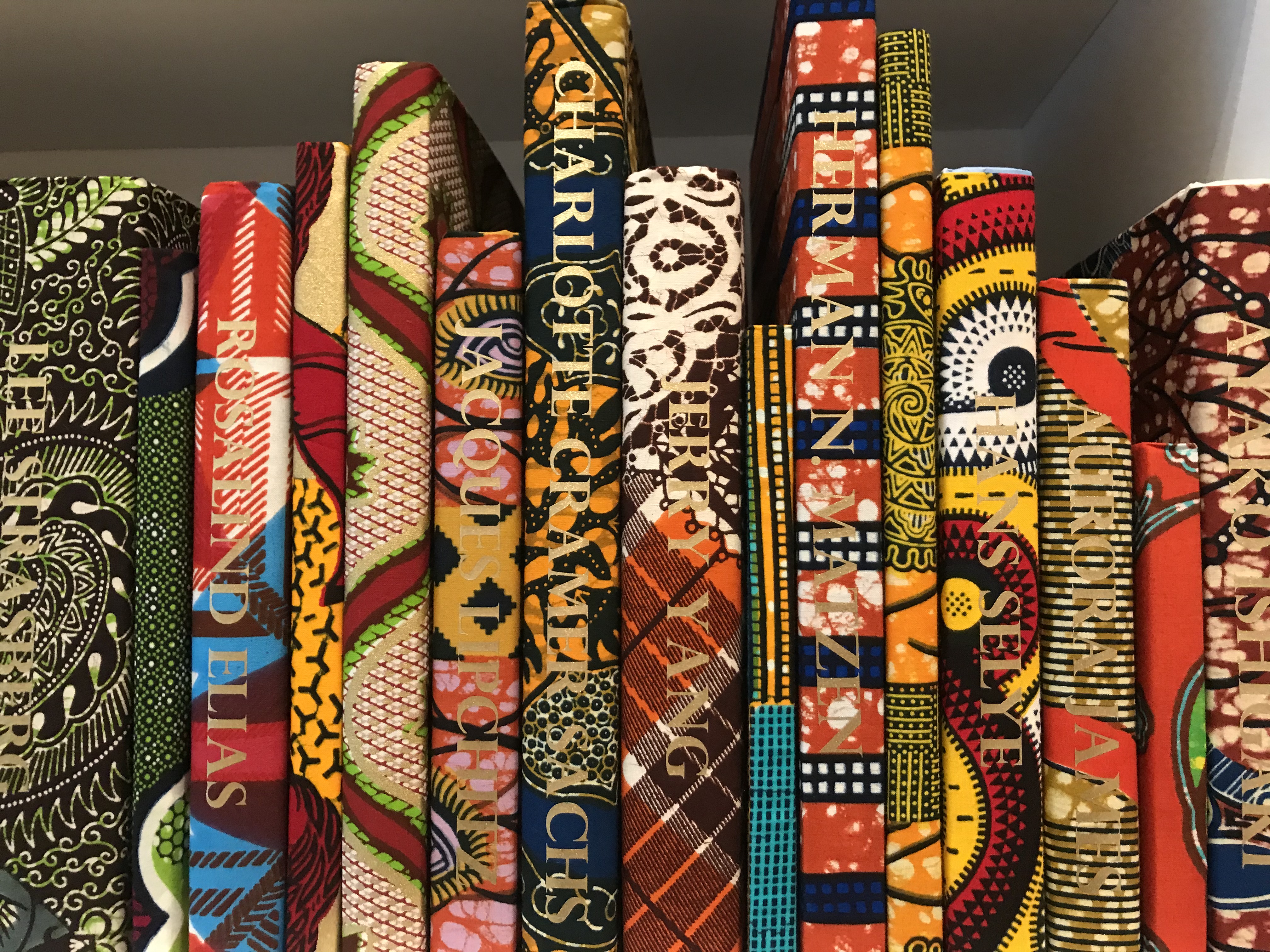
Yinka Shonibare, Library , 2019
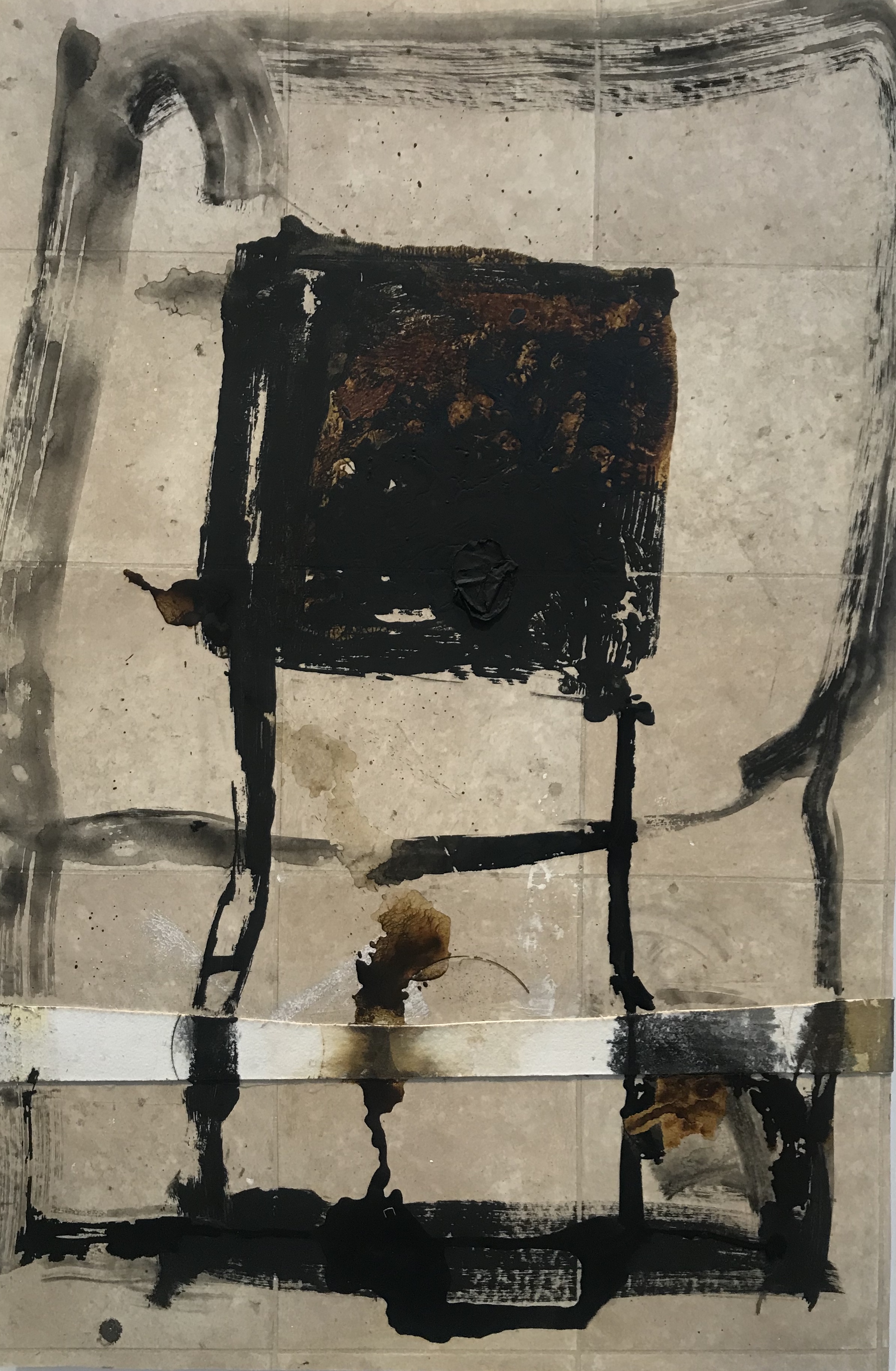
Tsibi Geva, Land of Two #2 , 2020

Tsibi Geva Land of Two

Tsibi Geva’s works are narrative, often figurative, and flirting with abstraction (which to a great extent continues the Israeli anomaly of “lyrical abstraction”). Geva’s works lend themselves to be verbalized, catalogued, and explained.
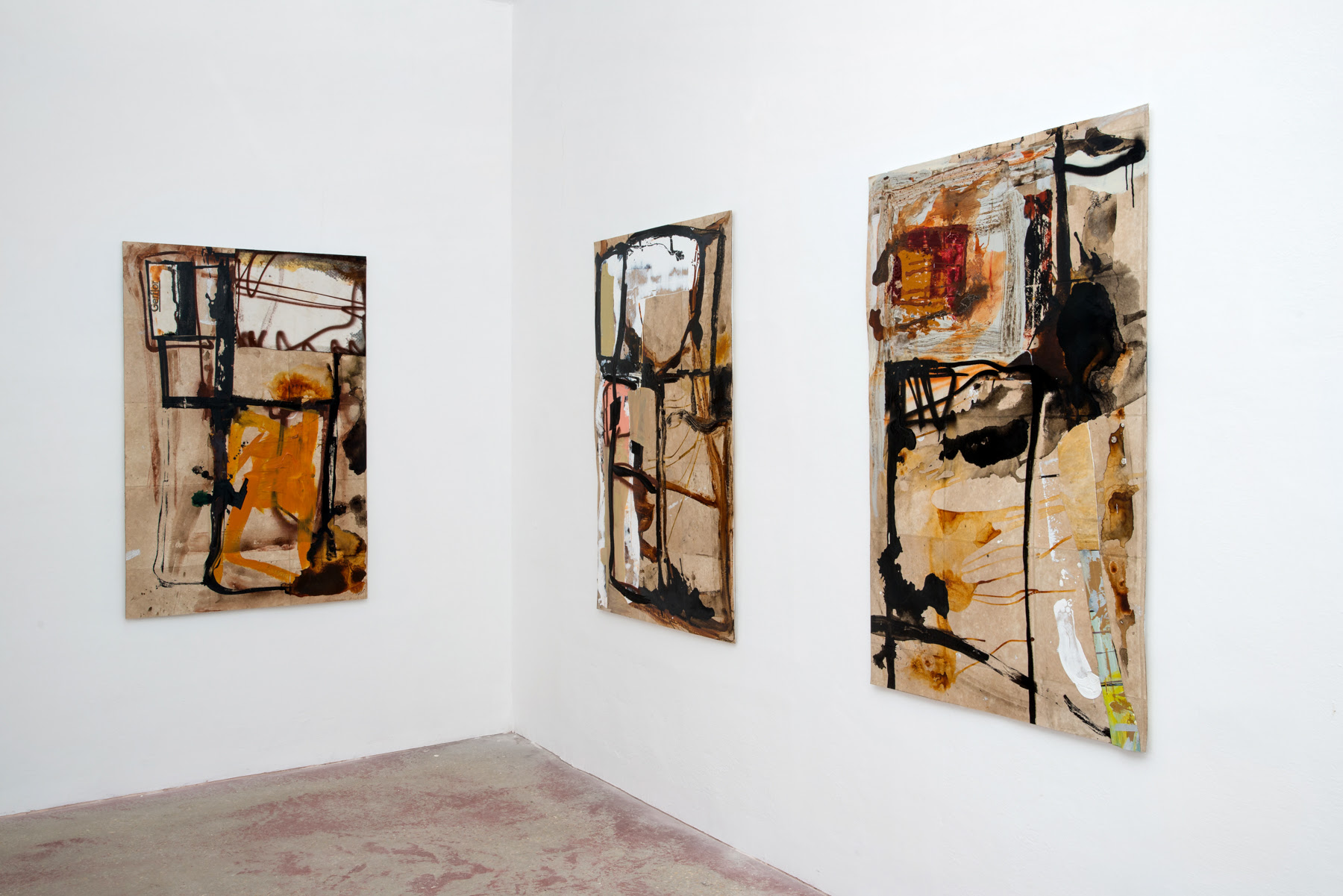
Tsibi Geva, Land of Two , 2020

The exhibition “Land of Two” continues his remarks on politics, dichotomy, and ambivalence with his direct appeal to viewers with a title taken from Martin Buber’s writings. Buber, as a member of the forgotten Brit Shalom movement which called for dialogue between the two peoples based on the recognition of the need for compromise to ensure a good future. In the past, such political statements were perceived as extremely conciliatory, but in today’s atmosphere in which statements that are not clearly Rightist are categorized as Leftist, it has a certain courage.

The title of the exhibition directs the reading of each line in each artwork as a borderline, and every choice of color as the representation of a landscape. The direct meeting with the artworks at present during times when very few exhibitions are open makes the visit all the sweeter, creating the desire to escape the conditioned response predetermined by the title.
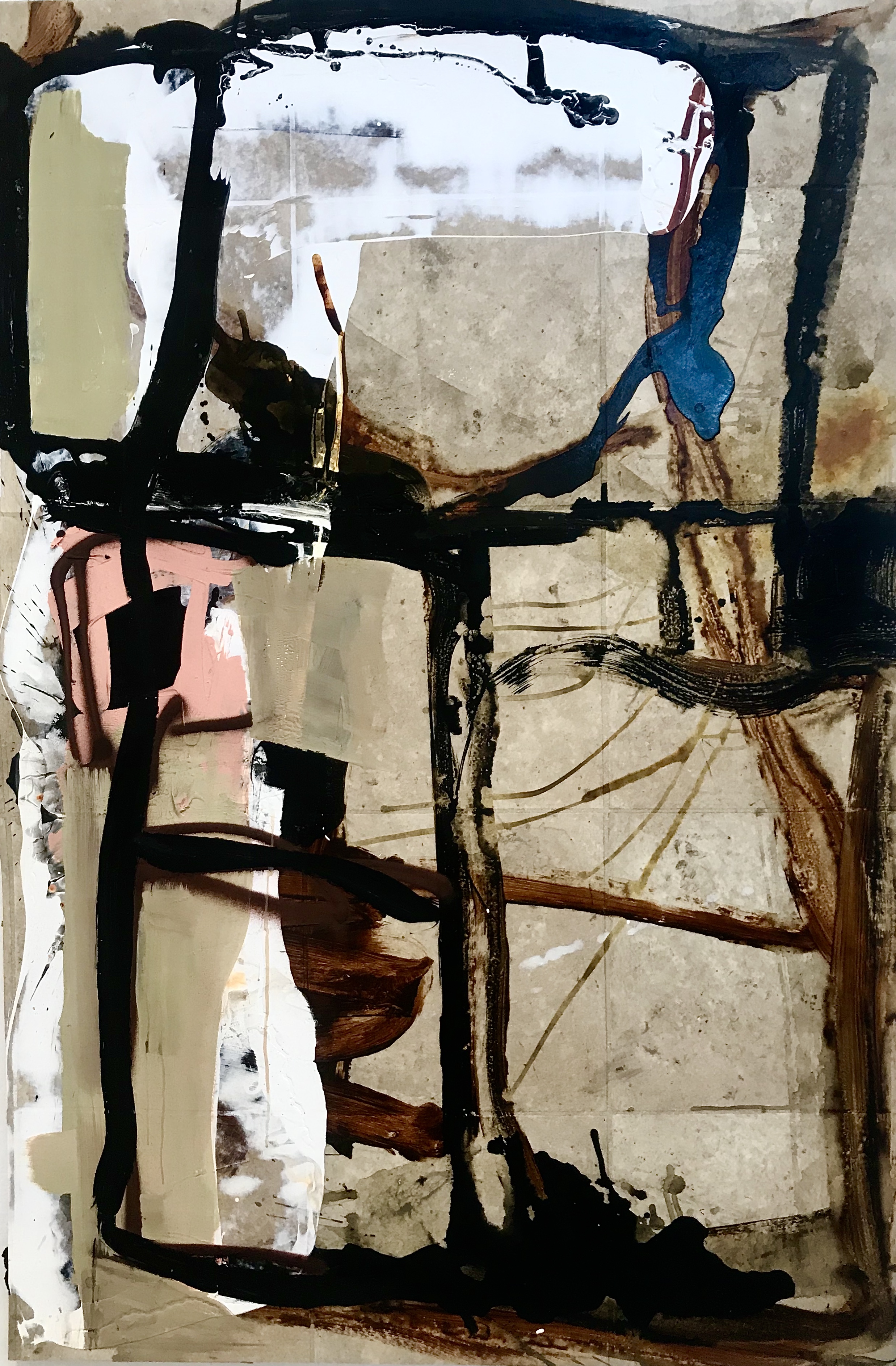
Tsibi Geva, Land of Two #6 , 2020

The series of eight works on view are a uniform 1×1.5m made on a roll of linoleum printed with a faux marble pattern. The material rejects the paint, leaving a foreign layer, looking like the stain of a spill, a feeling that is both the strength of the works and what differentiates them from a large portion of Geva’s previous works. At times, the impasto looks as if it is about to separate from the surface: these non-functional organic places are the interesting ones. The uniform size of the works reinforces the links to the image of paintings-as-windows imprinted in the subconscious of painting from observation, while the black lines bring to mind leading of windowpanes, an image reinforced by the shininess of the paint.

As in the past, Geva corresponds with American Abstract Expressionism (and its multiple impact on Israeli art). He leaves a printed written word in Land of Two #5 (2020), while in others, he pastes pieces of linoleum on to the linoleum surface. The feel of disruption conveyed in the pieces is uncomfortable, generating a sensation that one should wipe the linoleum floor, scrape off the paint, and easily restore the orderly artificial look of the material. As a political statement, they embody distance and control, seemingly almost tamed. And yet, as we said, to talk about and paint a “Land of Two” is no small matter.

 Loushy Art & Projects, Ma’avar Yabok 5, Tel Aviv-Yafo
Posted in ציור | Tagged , , , | Comments Off on ציבי גבע: ארץ לשניים | Tsibi Geva / Land of Two

תחנות דלק – מחשבות על מסעות באמנות|Gas stations – Thoughts on travels in art

English follows Hebrew 

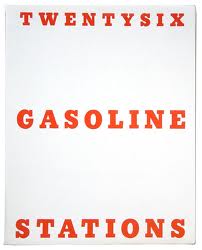
פרויקט “תחנות הדלק” של אד רושה  (  Twentysix Gasoline Stations 1963 Edward Ruscha) ריתק אותי מאז התוודעתי אליו. בתקופה של הקורונה נתקלתי, לראשונה באופן אישי, במגבלת תנועה. באפשרות שיהיה מחסום בו אצטרך לתת סיבה להימצאות במרחב אליו חשבתי, במובן מטאפורי כהרחבה של ביתי, מקום בו זכות התנועה שלי מובנת מאליה. התחושות האלו, שמיליוני אנשים שגרים בשטחים הכבושים חשים מאז 1967, גרמו לעיון בייצוגי מסעות שונים וגם בעבודה הקטנה והמהדהדת של רושה.

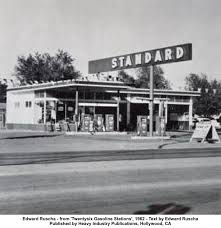
Ed Ruscha, ‘Standard Station, Amarillo, Texas’, 1963

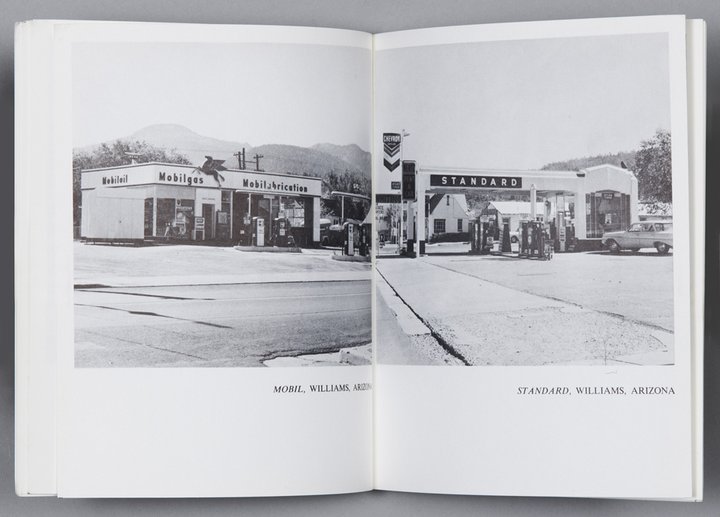
הספר הקטן( Twentysix Gasoline Stations (18 X 14   הורכב מצילומי שחור לבן של תחנות הדלק בין ביתו של רושה בלוס אנגלס לבית הוריו באוקלהומה, דרך שעשה אינספור פעמים כסטודנט. הסדר הגאוגרפי לא נשמר באדיקות כך שיש בספרון תחושה של תעתוע  זיכרון . בדימויים מתומצת מפגש בין  הפונקציונליות האמריקאית , המודרניסטית, למהות אבסטרקטית של הלך רוח , לתחושה של מסע שעמוק בבנאליות שלו טמון חיפוש.

Edward Ruscha ‘Twentysix Gasoline Stations’ 1963

ב- 1963, כשספרו של רושה ראה אור, פרח הפופ משני צידי האוקיאנוס האטלנטי ובחן שאלות של צרכנות באופן ביקורתי.   ה  snap shots של רושה הדגישו את החספוס, את היותן ביטוי מזוקק של תרבות המכוניות האמריקאית. מהדורה ראשונה של הספר (400 במהדורה ממוספרת) הופקה באמצעי הדפסה משרדיים פשוטים והנכיחה, כאובייקט פיזי,  את הטריטוריה שבין הדוקומנטרי לאמנותי.
הדימויים בספר, שבשל גודלם הגוף שלנו תמיד גדול מהם, מאפיל עליהם וכמו מכיל אותם, נראים מוכרים כל כך למר ות כמעט שישים השנים שחלפו מאז צולמו . כשהם מוצגים מבודדים וממוסגרים או בדפדוף בספר ,שמהדורות חוזרות שלו הודפסו כבר כמה פעמים, יש בדימויים  מקצב של אינספור סרטי מסע וזיכרונות אישים שמתערבלים לדרך . התחנות הסתמיות הופכות לשערים, לאפשריות , לנקודות יציאה בהם הנוסע/ת המדומיין/ת יכול לפגוש

Detail from Edward Ruscha ‘Twentysix Gasoline Stations’ 1963

באנשים , לגעת במציאות שמחוץ לעצמה. הן מאין נווה מדבר (שעה שהן מזהמות מדבר וכל אזור אחר)  לנוח ולהתמלא באנרגיה – לתדלק מכונית ולספק לנוודים  צרכים בסיסים של משקה מאכל ומנוחה.  והן מעוצבות כהבטחות בסככות בוהקות, במנורות ככוכבים.
באותה שנה,  צייר רושה את Standard Station, Amarillo, Texas, עבודה שרוחבה מעל 3 מטרים, שהפכה לאחת העבודות האייקונית של פופ אמריקאי . תחנות הדלק הופקעו ממציאות לעולם הזוהר של הגרפיקה המדויקת, המהוקצעת והמבריקה דווקא דרך ציור . רושה הפנה את המבט לתאגידי הענק, לכוחות מרכזים המניעים את החברה האמריקאית וכיום המבט בהם כולל ביקורת כפולה – על המהלך הקפיטליסטי ועל הרס איכות הסביבה.

Detail from Edward Ruscha ‘Twentysix Gasoline Stations’ 1963

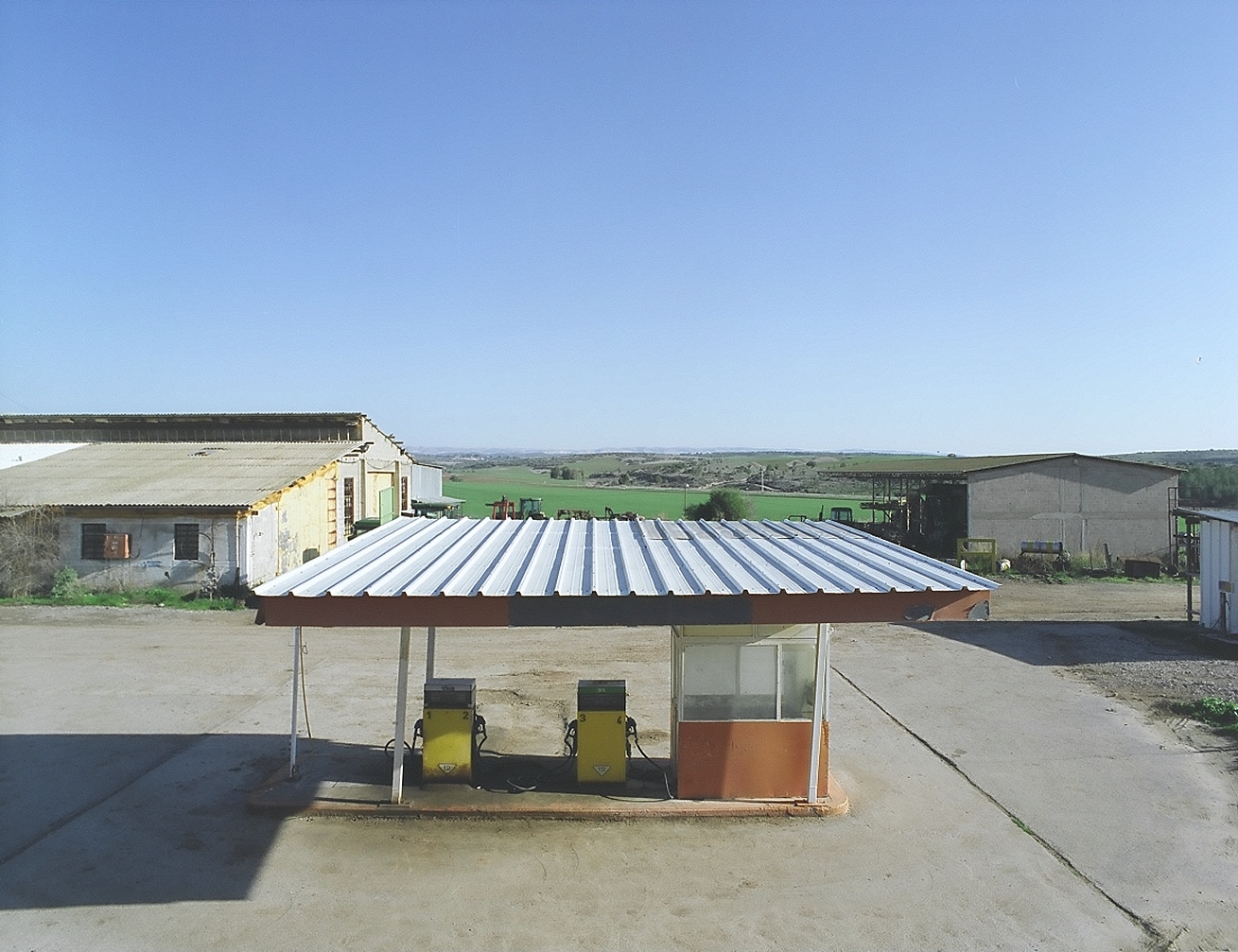
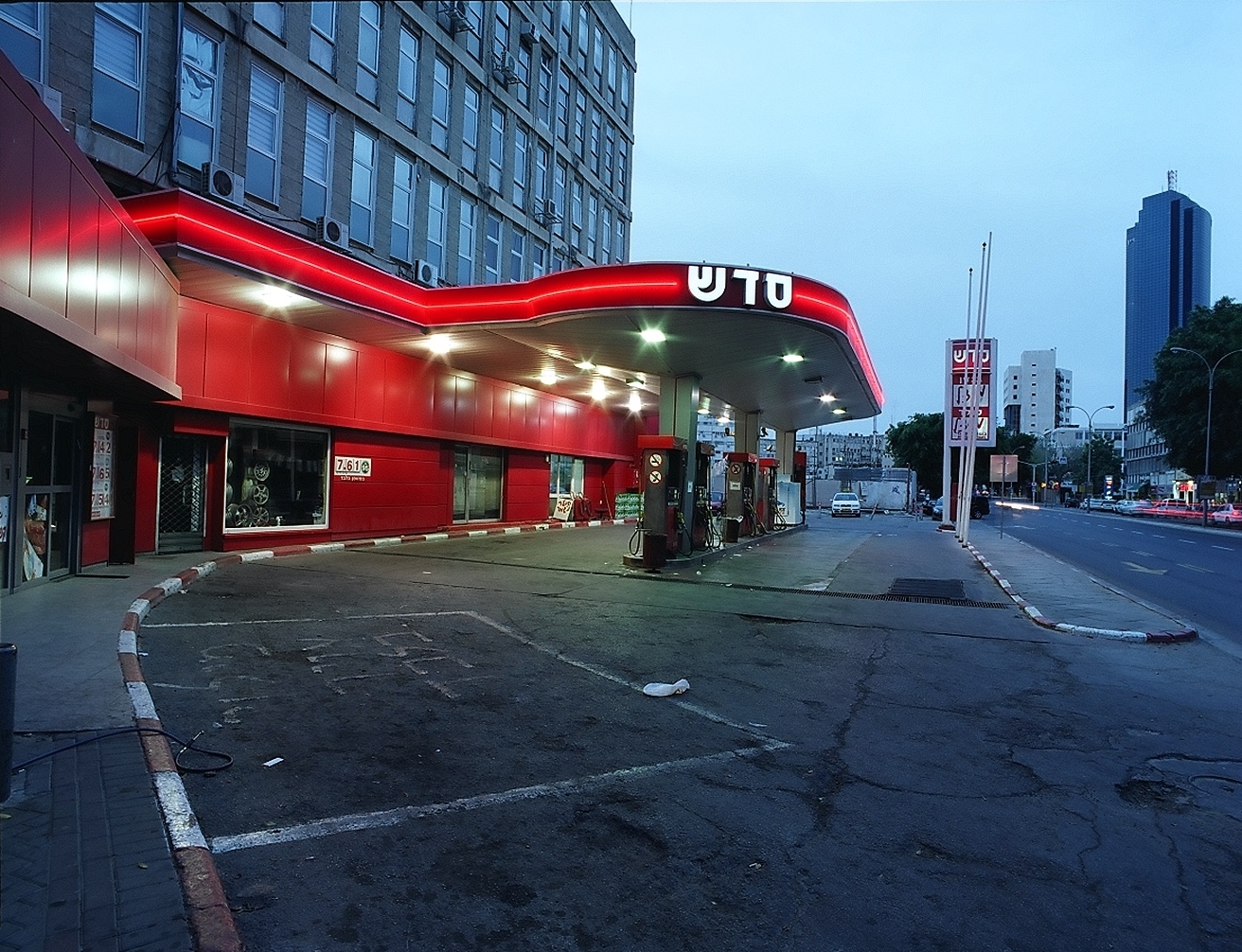
ב 2014 הוצגה ENLIGHTENMENT (Gas stations)   תערוכה של שי שאול, אמן צילום  מצוין שממעט להציג, בבית האדריכל ביפו (הטקסט לתערוכה נכתב על ידי) . שאול יצר דימויים של שמונה תחנות דלק  ברחבי הארץ במקומות מגוונים בהם אפיקים, עילבון, ותל-אביב.

Shai Saul ,Enlightenment (Gas Stations) Paz Gal-On (2012)

ללא נוכחות אנושית, כמעט ללא מכוניות, הדימויים של מבליעים  ממדים פוליטיים בהתייחסות לדרכים וגבולות, ממדים כלכלים ,סביבתיים ותרבותיים. שאול מדגיש את המודל הפיזי החוזר: משאבות הדלק, גג מגן משמש קופחת וגשם, מקומות חניה. תבנית בסיסית יעילה, מודרניסטית של תרבות הרכב, התנועה, שזוהתה בעבר כמגלמת חופש.
שאול צילם את מרבית התחנות בלילה ספינות אור שייעלמו ויבלעו  בחשכה, כלומר דימוי שנוצר ומת במהירות. הצילום של רושה ושל שאול, יובל אחריו,  מקפיא את הזיכרון, את הרגע הקצר בו מתבונן בהן הנוסע- נווד, אלא אם יעצור בהן.
כותרת הסדרה, Enlightenment   מפנה לתקוות עידן ההארה, לחברה רציונאלית שוחרת טוב. הדימויים  של שאול, מלוטשים לאיכות צילום והדפסה ללא דופי, מעמידים סימני שאלה מרהיבים, מחשבות ותהיות על הבטחות, על אשליות ועל קליפות.
מסעות הם מהות, ולעיתים קרובות גם נושא, באמנות. המהלך שינוי ממצב, ממקום, מתודעה אחת למצב, למקום לתודעה אחרת היא המהלך שמחוללת אמנות, במיטבה, במתבוננים, כמסע לעומק פנימיותם .

                  מחר, 5 אוקטובר 2020, יום שני ב 20:00
                                  מסעות באמנות
האקדמיה של החלון – הרצאות ד”ר סמדר שפי ב ‪ZOOM‬
לפרטים ותשלום    0507431106 שלחו‪ .WhatsApp  ‬   
מסעות הם נושא, ולא פחות מכך מהות של אמנות. נעסוק בעבודות של אמנים עכשווים בהם אד רושה, אייזק גוליאן, מתי אלמליח, ורבים נוספים.

Shai Saul ,Enlightenment (Gas Stations) Sadash Karlibach Tel Aviv (2012)

Gas stations – Thoughts on travels in art

Ed Ruscha’s Twentysix Gasoline Stations (1963) has intrigued me ever since I first saw the project. During this current pandemic, I personally experienced the limitation on my travel for the first time. If I were to be stopped at a roadblock, I would have to come up with a good reason why I am driving in the public space – the metaphorical expansion of my home space in which I have obvious right to move in freely. These sensations, experienced daily since1967 by the millions of people in the Occupied Territories, led me to study the visual representations of various travels, and return to  Ruscha’s resonant little work.

Edward Ruscha ‘Twentysix Gasoline Stations’ 1963

The small artist’s book (18×14”) is comprised of black and white photos of gas stations on the route between Ruscha’s home in Los Angeles and his parents’ house in Oklahoma which he traveled many times as a student. The geographical order was not strictly preserved, so the booklet has a feeling of the illusion of memory. The images embody the essence of the encounter between American modernist functionality and an abstracting of mood and the sensation of a seemingly banal journey which hides a quest.
When Ruscha published his book in 1963, Pop was flourishing on both sides of the Atlantic, with its critical examination of issues of consumerism. Ruscha’s snapshots emphasized the ruggedness of the distilled reflection of the American car culture.

Detail from Edward Ruscha ‘Twentysix Gasoline Stations’ 1963

The first edition of 400 numbered copies was produced on simple office copiers, manifesting the territory between the documentary and the artistic as a physical object.
Our body size, larger than the images in the books, seems to overshadow and even contain them, making the gas stations look so familiar despite the ensuing 60 or so years since they were shot. Whether the photographs are displayed singly in frames or perused in a book (reprinted several times), the images bear the rhythm of innumerable road movies and individual memories mingling with the trip. The simple gas stations become gateways, possibilities, and starting points at which the imaginary traveler can encounter others and touch the reality outside of oneself. They are like oases (although they are polluting deserts and other environments), acting as rest stops to refuel the vehicle with gas and food, water, and rest for the travelers. They are designed as promises under a glistening overhang with star-like lights.

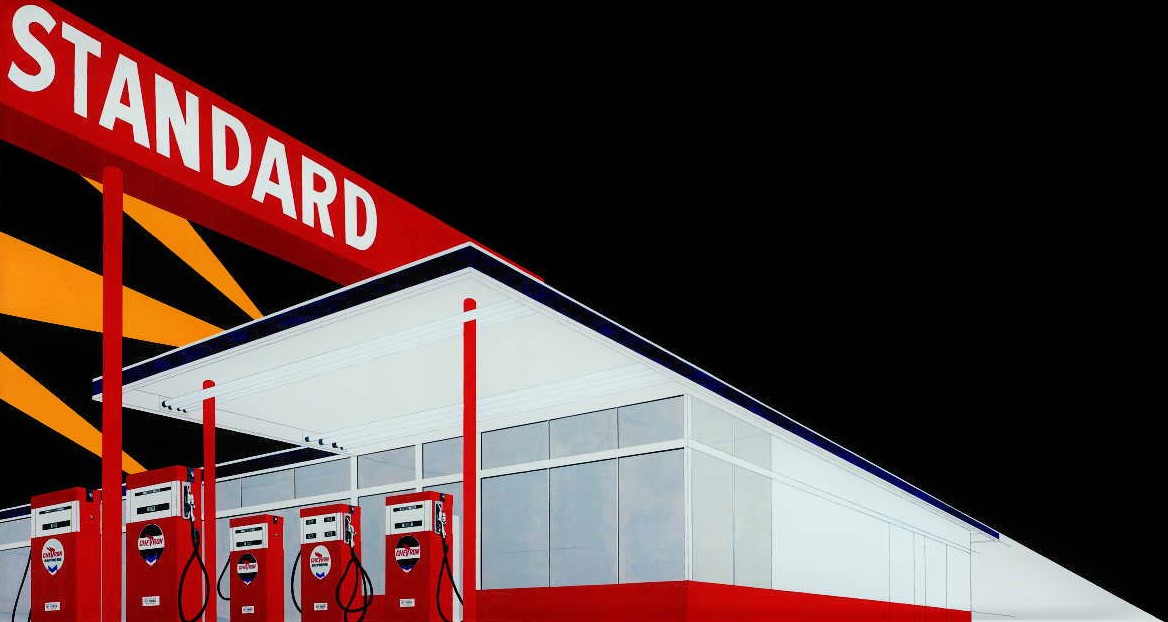
Ed Ruscha, ‘Standard Station, Amarillo, Texas’, 1963

That same year (1963), Ruscha painted Standard Station, Amarillo, Texas, which is more than 3m. wide; it became one of the iconic works of American Pop Art. The gas stations were expropriated from reality into the glamorous world of precise, polished, and shiny graphics through painting. Ruscha turned the viewer’s gaze to the huge corporations, the major forces motivating American society, which, in today’s doubly critical look, is a criticism of capitalism and the destruction of the environment.
In 2014, Shai Shaul, an excellent art photographer who rarely exhibits, exhibited the series Enlightenment (Gas stations),at the gallery of the Architects’ Association in Jaffa (text by this writer). Shaul photographed eight gas stations throughout Israel in a variety of locations, including Afikim, Eilaboun, and Tel Aviv, without people present and with hardly a car in sight. The images express political contents in referring to roads and borders, with their economic, environmental, and cultural aspects. Shaul emphasizes the recurring physical model of pumps, the overhang protecting from the burning sun and rain, and parking places. This is the basic efficient, modernist paradigm of car culture and movement identified in the past with freedom.

Shai Saul ,Enlightenment (Gas Stations) Paz Gal-On (2012)

Shaul photographed most of the stations at night, with its lights disappearing and being swallowed up in the dark, i.e., an image formed and dying rapidly. The photographs by Ruscha, and by Shaul half a century after the former, freeze the memory of the short moment in which the wanderer/traveler observes the gas station, unless he makes a stop.
The title of the series, Enlightenment, alludes to the hopes of the Age of Enlightenment, of a rational society seeking the good. Shaul’s images, with their perfect finish and printing, pose breathtaking questions, thoughts about promises, illusions, and outer shells.
Journeys are the essence of art, and often also the subject. The change from one position, location, or state of consciousness into another is the change generated by the best kind of art, a change in the observers as a journey into the depths of their inner selves.

Shai Saul ,Enlightenment (Gas Stations) Sadash Karlibach Tel Aviv (2012)


Posted in אירועים, ציור, צילום | Tagged , , , , , , | Comments Off on תחנות דלק – מחשבות על מסעות באמנות|Gas stations – Thoughts on travels in art

Palestinian and Arab artists pledge to boycott art institutions in the UAE|עצומת אמנים פלשתינאים וערבים על מוסדות האמנות באיחוד האמירויות הערביות

עצומת אמנים  נגד נרמול היחסים של איחוד האמירויות הערביות עם ישראל תפסה תאוצה ניכרת ומעלה שוב את השאלות המורכבות על האופן בו אמנות ואמנים יכולים להביע עמדה במצבי סכסוך  ומשבר מוסרי.

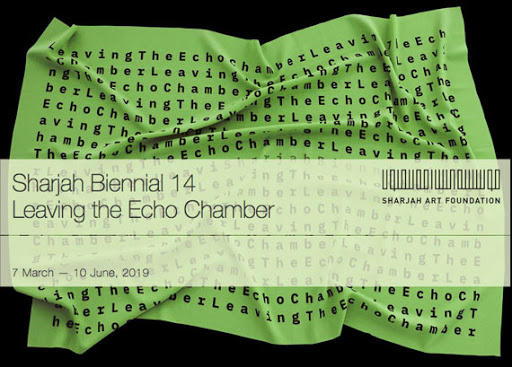
Sharjah Biennial 14 2019

על עצומה שאירגן ה BDS לפני כשבוע (טקסט מלא , כפי שהוא מופיע באתר הארגון מובא למטה) חתמו כבר מעל שמונים אמנים וארגונים . הם מתחייבים להחרים כל שיתוף פעולה עם מוסדות האמנות של  איחוד האמירויות הערביות עד ביטול הסכמי הנורמליזציה עם ישראל.  ניצני שיתוף תרבותי כבר החלו עם החתימה לפני ימים אחדים על הסכם שיתוף פעולה בין בית הספר לקולנוע סם שפיגל ופסטיבל הסרטים של אבו דאבי.

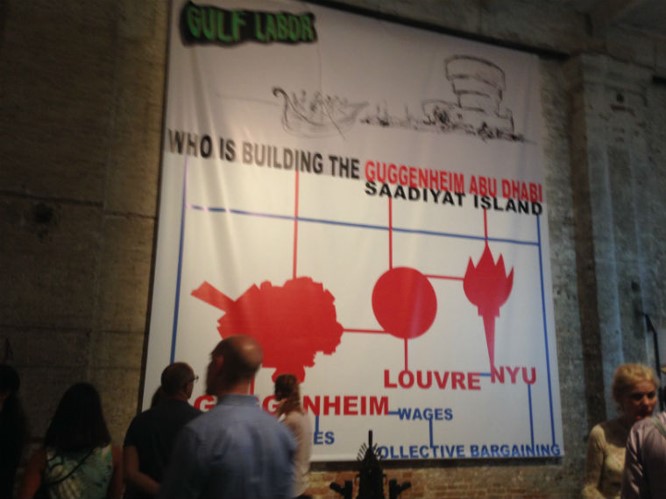
Gulf Labor Coalition 2015 Venice Biennale

בין החותמים, לצד אנשים מכל תחומי התרבות , אמנים חזותיים מוכרים לשדה התרבות הישראלי כמו סולימן מנצור (בוגר בצלאל שהציג בארץ רבות בעיקר לפני האינתיפאדה  השנייה ב 2000), נביל ענני שגם הוא הציג בארץ וסמיה חלבי , אמנית ילידת יפו שחיה מאז 1951 בארה”ב אך היא קול בולט בתמיכה בעמדה הפלשתינית. הקריאה לחרם אמיצה לאור העובדה  שאיחוד האמירויות הערביות הם המדינה הבולטת ביותר באזורינו בתחום האמנות החזותית מבחינת מוסדות, חללים ותמיכה ממסדית. התנופה ממנה נהנה התחום בעשרים השנים האחרונות כלל יסוד סניפי מוזאונים בינלאומיים כמו הלובר , הקמת קרן אמנות מצוינת Sharjah Art Foundation העורכת מידי שנתיים ביאנלה שנחשבת למשובחת וצמיחת שדרת גלריות מרשימה. בנוסף יש ירידים מסחריים חשובים, כתבי עת , כנסים ועוד.
השאלה האם אקטיביזם של אמנות צריך להתבטא בחרם היא לעולם מורכבת. טיעון מרכזי נגד המחאה הלא אלימה הזו הוא בשדרך כלל  חרם והדרה פוגעים  בכוחות הפרוגרסיביים ושוחרי השלום במדינות עליהן הוא מופנה. במקרה של החרם נגד האמירויות הרי שאי-אפשר שלא להזכיר שאמנים רבים מהחתומים לא השתתפו במחאה , וודאי שלא השתמשו בכלי החרם,  נגד הפרות בוטות של זכויות אדם שנעשו שם לאורך השנים בהקשר אמנות ומוזכרות בחטף בסוף העצומה נגד נרמול היחסים עם ישראל. אמנם גוף בשם Gulf Labour Coalition  הוקם בארה”ב כבר ב 2011 במטרה להילחם בהפרת זכויות עובדים הבונים את היכלי האמנות באיחוד האמירויות אך התגייסות אמנים פלשתינאים למאבק הייתה שולית ורבים המשיכו להציג במוזאונים גלריות ויריד באמירויות עד לימים אלו .
השאלה האם החרם יצבור תאוצה או יגווע ישפיע על אופי הנרמול. במצרים, או ירדן,  בהן חלקים נרחבים מעולם התרבות מתנגדים לקשר עם ישראל  השלום הוא מה שמכונה שלום קר.

העצומה :

As artists in/from the Arab [1] region, including Palestinians, engaged in our environments through the creation of art, we are committed to justice and progressive social change in line with our values. We therefore support the Palestinian struggle for liberation, self-determination and the return of refugees.

In harmony with the statement issued by leading parties, trade unions, women’s associations, as well as human rights and other organizations across the Arab region against the UAE regime’s normalization agreement with Israel’s regime of occupation and apartheid, and understanding that the people of the UAE had no say in the agreement and could hardly express public opposition to it:

We pledge not to participate in any event sponsored by the UAE regime or by any company or institution that is complicit in the implementation of the normalization agreement, until the UAE ends its normalization with Israel and ends its grave violations of human rights.

צילום מחפש אמת – על הצילום המבוים  
 האקדמיה של החלון – הרצאות ד”ר סמדר שפי ב ZOOM   
יום ג  29 ספטמבר  20:00    


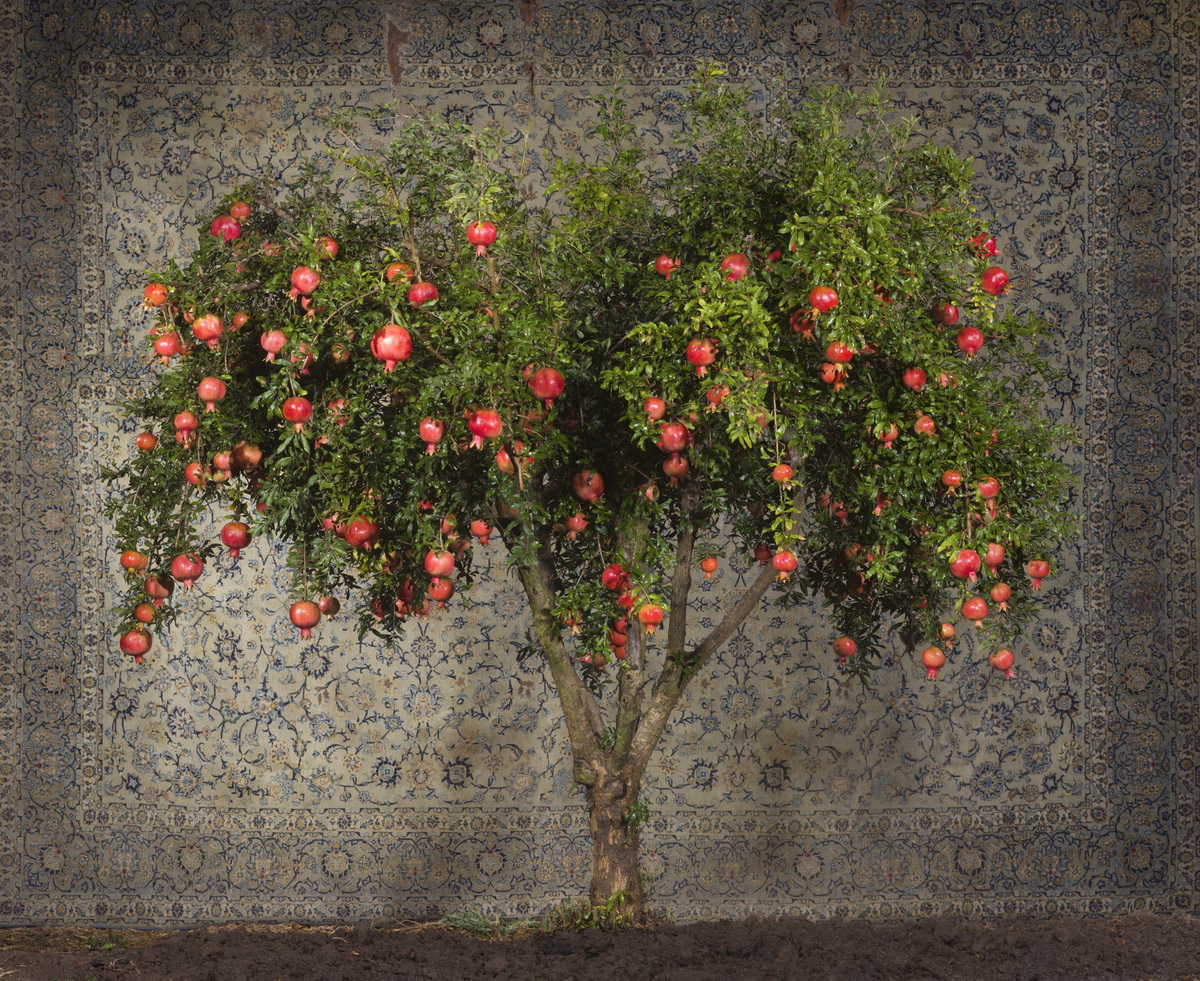
צילום נתפס בעבר כמספר אמת, כעדות, כראיה שאינה ניתנת לערעור. היום כשכמעט כל אחת/ד יכול ליצור בדיה מצולמת במכשיר הסלולרי צריך להתבונן מחדש בקריאה של דימויים בחיפוש שלנו אחר משמעות ועוגני מציאות בתוכם. נראה עבודות של טל שוחט, גרגורי קרודסון, פסי גירש ואמנים/יות נוספים/ות .
לפרטים  שלחו הודעה ל   0507431106    ב   WhatsApp

Tal Schohat , Pomegranate, 2016


Palestinian and Arab artists pledge to boycott art institutions in the UAE

 The pledge by artists against the Emirates’ normalization with Israel has gained wide publicity, once again raising complex questions about the way in which artists and art can express a position in times of conflict and moral crisis.

Gulf Labor Coalition 2015 Venice Biennale

The petition, organized by the BDS movement about a week ago (the full text as taken from their website appears below), has been signed by over 80 artists and art organizations. They committed themselves to boycott any collaborative project with art institutions of the Arab Emirates until the normalization agreements with Israel are cancelled. The tiny beginnings of cultural collaborations had already started with the signing a few days ago of an agreement between the Sam Spiegel Film and Television School, Jerusalem, with the Abu Dhabi Film Festival.

Among the signatories, hailing from diverse cultural fields, are visual artists well-known in Israel, such as Suleiman Mansour (a Bezalel graduate who exhibited widely in Israel, mainly prior to the Second Intifada in 2000); Nabil Anani, who also exhibited in Israel; and Samia Halaby, a visual artist born in Jaffa living in the USA since 1951, yet is still an outstanding voice supporting the Palestinian position. The call for a boycott is a brave one in light of the UAE being the Middle Eastern country with the strongest support for the arts in terms of institutions, spaces, and governmental funding. The momentum from the arts it experienced over the past two decades includes the establishment of branches of leading art museums such as the Louvre, founding of the excellent Sharjah Art Foundation which holds a superb biennale, and the flourishing of an impressive “gallery row.” Furthermore, the UAE hosts important commercial art fairs, journals, conferences, and more.

Sharjah Biennial 14 2019

The issue of whether art activism should be expressed in a boycott remains a complex one. The major argument against such types of nonviolent protest is that such a boycott and exclusion injure the progressive and peace-seeking forces in the countries at which it is directed. In the case of the boycott of the Emirates, the inescapable fact is that many artists from different fields did not participate, and surely did not use the boycott tool against the obvious breaches of human rights in those same countries within the context of the arts, mentioned briefly at the end of the petition against normalization with Israel. Although the Gulf Labour Coalition, founded in the USA as far back as 2011 to fight for the rights of the workers who were building the large art institutions in the UAE also recruited Palestinian artists to the struggle, it remained marginal, and many artists continued to exhibit in the Emirates’ galleries and art fairs, and still do.

The question remains as to whether the boycott will gather momentum or die and how it will impact the nature of the normalization. In Egypt or Jordan, in which broad sections of the cultural scene are opposed to relations with Israel, the situation is best described as a “cold peace.”

The petition (as taken from the internet):

As artists in/from the Arab [1] region, including Palestinians, engaged in our environments through the creation of art, we are committed to justice and progressive social change in line with our values. We therefore support the Palestinian struggle for liberation, self-determination and the return of refugees.

In harmony with the statement issued by leading parties, trade unions, women’s associations, as well as human rights and other organizations across the Arab region against the UAE regime’s normalization agreement with Israel’s regime of occupation and apartheid, and understanding that the people of the UAE had no say in the agreement and could hardly express public opposition to it:

We pledge not to participate in any event sponsored by the UAE regime or by any company or institution that is complicit in the implementation of the normalization agreement, until the UAE ends its normalization with Israel and ends its grave violations of human rights.

Posted in Uncategorized | Tagged , , , , , | Comments Off on Palestinian and Arab artists pledge to boycott art institutions in the UAE|עצומת אמנים פלשתינאים וערבים על מוסדות האמנות באיחוד האמירויות הערביות

סמדר שפי, החלון, אומנות ישראלית, אמנות ישראלית, Smadar Sheffi, The Window, Israeli Art