על “הילוך אחורי” גל וינשטיין ושתי המלצות :אבי סבח וסמאח שחאדה

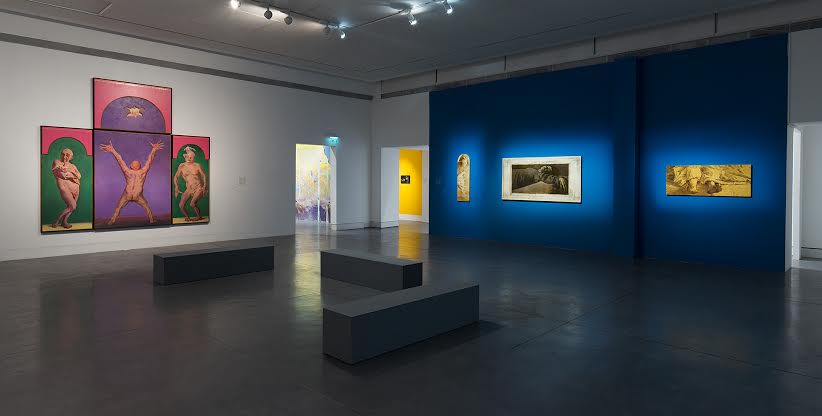
“הילוך אחורי” התערוכה המצוינת  של גל וינשטיין נעה לאורך שני שבילים עיקריים :ביקורת המודרניזם בהקשרו הישראלי והרהור,כמעט התפלשות, בשאלת האמנות כסחורה. מתהווה בה מבט אירוני על העבר יחד עם רפלקציה אישית של מי שבנה את אחת הקרירות האמנות המזהירות בשדה הישראלי.
Gal Weinstein // Backwards

Gal Weinstein // Backwards

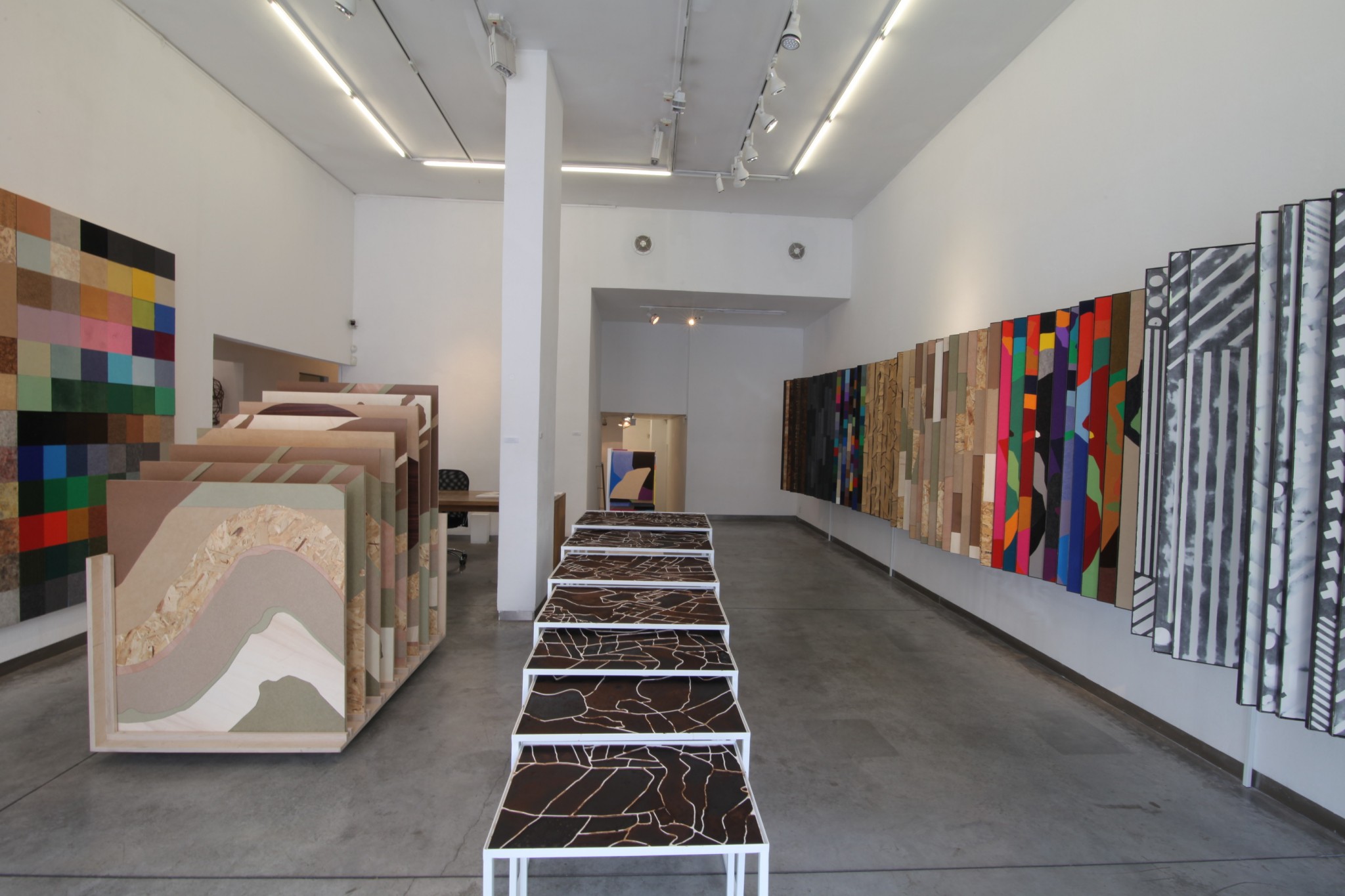
שלוש קומות גלריה גורדון מהדהדים חנויות לעיצוב הבית: חנות  לטפטים ולפרקטים, תצוגת מטבחים ןחנות שטיחים; דגמים דגמים לבחירה שיוצרים תחושה של שליטה בעיצוב הסביבה הפרטית, העולם הפנימי וזאת למרות שדווקא שם, ביתר שאת, מולכות אופנות, מוסכמות, מוכתב  טעם.
הפיכת  חלל אמנות  לדמוי חנות  נעשה פעמים רבות בעולם ובארץ  מאז שנות ה 60.  דוגמא בולטת מהעבר היא  החנות של קלאס אולדנברג אותה פתח ב 1961 בלואר איסט סייד במנהטן   (Claes Oldenburg  the store in the Lower East Side of Manhattan) ומכר בה מוצרים דמויי מוצרי צריכה. בעשור האחרון  בלטו ה”חנויות” של   Rirkrit Tiravanija  שפתח כמה תערוכות – חנויות והפרויקט של קואפרטיב האמנות הקנדי   BGL—the art collective Jasmin Bilodeau, Sébastien Giguère and Nicolas Laverdière  , שהפך את הביתן הקנדי בביאנלה ה 56 בונציה ב2015 לחנות נוחות . כל אלו דנים במה שנוסח על ידי  מרקס ב”קפיטל”   (ראה אור לראשונה ב 1867) כשאלת האמנות כסחורה, ,מקומו של האוביקט האמנותי כחלק מפטישזם של סחורות.img_3076
וינשטיין פועל בתוך המסורת הזו . ב”מהלך אחורי” הוא משנה את הקריאה של החלק הארי מעבודותו בעשרים השנה האחרונות לפרויקט אחד, אינדיוסינקרטי, המטפל במהלך המודרני של עיצוב הכפפה וביות הסביבה ; בהמרה של ערכים רעיוניים בחומרניים – צרכניים, בעיקר בהקשר הישראלי.
השימוש של ויינטשיין בחומרים מרשים: צמר פלדה מוחלד בקוקה קולה, דיו ,תרופות הומאופתיות, שטחים קיר לקיר וקפה הם אחדים מהחומרים המשמשים אותו בעבודותיו. בקומת הכניסה לגלריה – חנות  לטפטים ולפרקטים הוא משתמש בקפה שחור כעוגיית המדלן שלו . קפה שחור שהולך ומתייבש ממלא את מה שנראה כקווי מיתאר של דגם אבסטרקטי או טופוגרפיה על משטחי שולחנות. השולחנות ממתכת נכנסים זה מתחת לזה (nesting tables). שולחנות כאלו איפינו ריהוט מודרני,פונקציונלי בעיקר החל משנות ה 20 כשמעניין ובאלו של  ויינשטיין זיקה מובהקת  לשולחנות שעיצב מרסל  ברויר ב 1925.
כמו טעם העוגייה שמניעה את עלילת “בעקבות הזמן האבוד” של פרוסט כך ריח הקפה שנקשר לישראליות שורשית, לצווארון כחול של פועלים,  אנשי מילואים וכמובן לקהילות הערביות בארץ, מפעיל את החלל כולו, מכניס היבט לא צפוי שמעיב אליו כמו עננה, זיכרון בלתי רצוי שסודק את הבטחת העיצוב הזהיר שמכוון מקום אחר ( ארצות מכונות הקפה, האספרסו והקפוצינו). הריח הוא גם מה שלא יעבור בצילום, שלא ישאר. הקפה , שנשפך סמיך ונוזלי למשטחי השולחנות המחולקים יתיבש, יתפקע ויעלה עובש במהלך התערוכה.
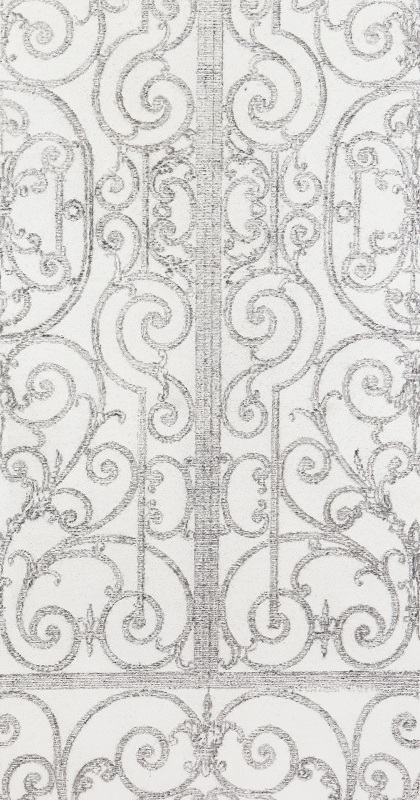
40128, Untitled, 2016, wool and steel wool on plywood, 150x80 cm

40128, Untitled, 2016, wool and steel wool on plywood, 150×80 cm

מעבר לריח הרי “הדגמים” שמוצגים על הקירות לצפייה או דיפדוף , החל מאלו מצמר פלדה עשוי כברזל מפורזל בדגמים צימחיים (כשל שערים אירופאיים ) ועד לפסי שטיחים  משרדיים (כציור אבסטרקטי) , מאפשרים חלום על תרבות אחרת שתצמח מעיצוב שונה, כלומר מהחלטה של רוכש, של בעלים.
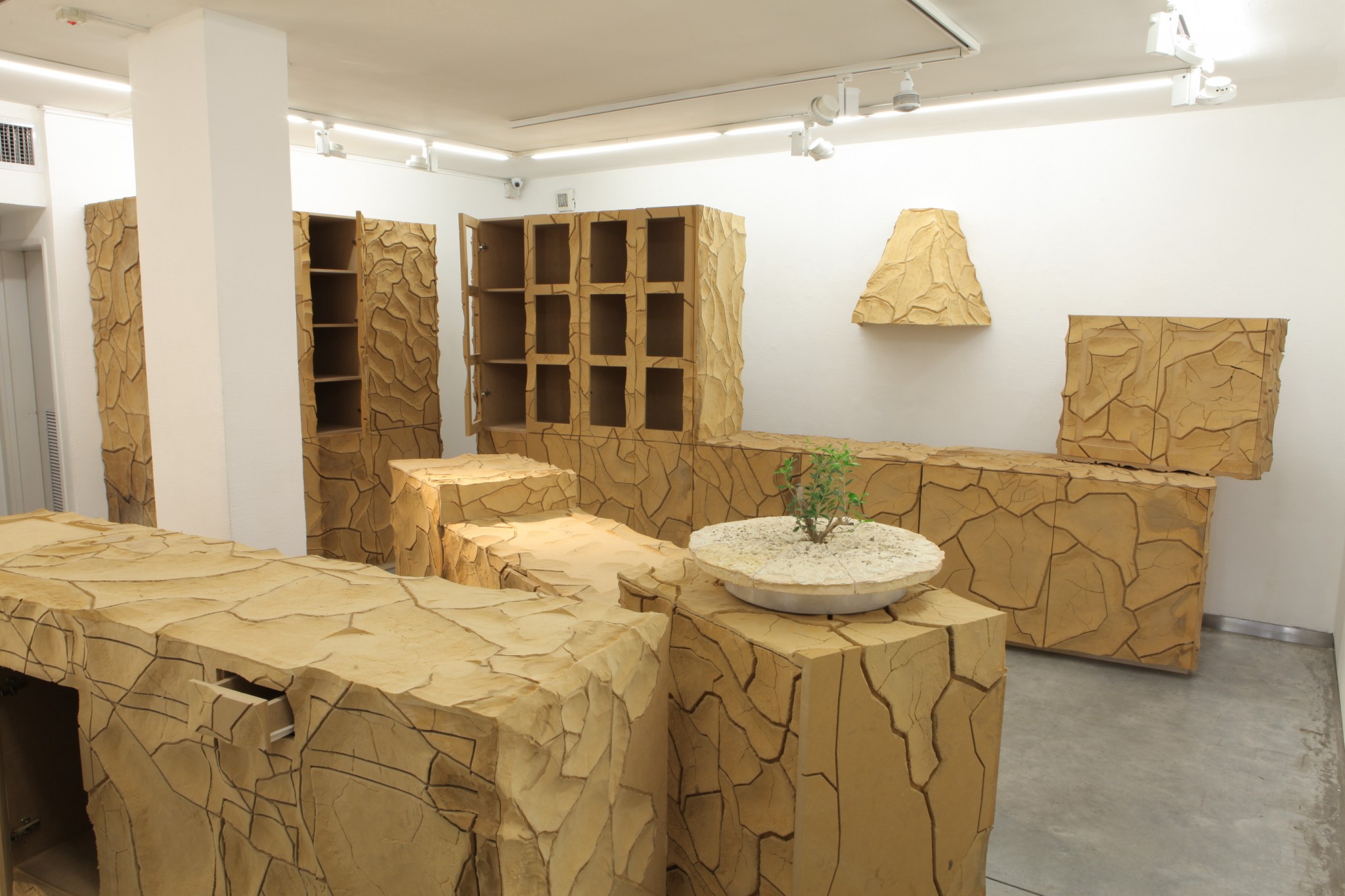
התבקעות הקפה מהדהדת בארונות המטבח בקומת הבינים. אלו עשויים לוחות ה MDF ששימשו רצפה במיצב  “עמק החולה” שויינשטיין יצר ב 2005 בביתן הלנה רובינשטיין. המיצב התיחס לייבוש עמק החולה, המפעל הציוני מודרני המובהק של שנות ה 50 שהתברר ככישלון קטסטרופלי כל כך שהעמק הוצף מחדש בשנות ה 90 ( כיום כאתר טבע חשוב במיוחד) .  מלוחות ה MDF   שדימה אדמה מבוקעת, הידוע כרעיל, וינשטיין מנסח אמירה מרה על הפיכת מרכיב מעבודת אמנות, יצירה רוחנית,  לרהיט אך גם על הצטמצות אופק החלום לטוב ולרע : לא שינוי סדרי בראשית אלא בניית מטבח (מעוצב כמובן ).
Gal Weinstein // Backwards

Gal Weinstein // Backwards

כמו ריח הקפה שיוצר בתערוכה רגע שיהיה רק בה, שמשמר בה את הילת האמנות החד פעמית שכולה כאילו חותרת תחתיו כך גם בקומה התחתונה של הגלריה, אם נרצה המרתף והתת מודע המטאפורי,  נוצר רגע. על קיר תלויה מראה (עבודה של וינשטיין מתחילת שנות ה 2000 ) שמסגרת העץ שלה הניראית כעשויה בסגנון “מסורתי” היא עשויה סמלי יחדות
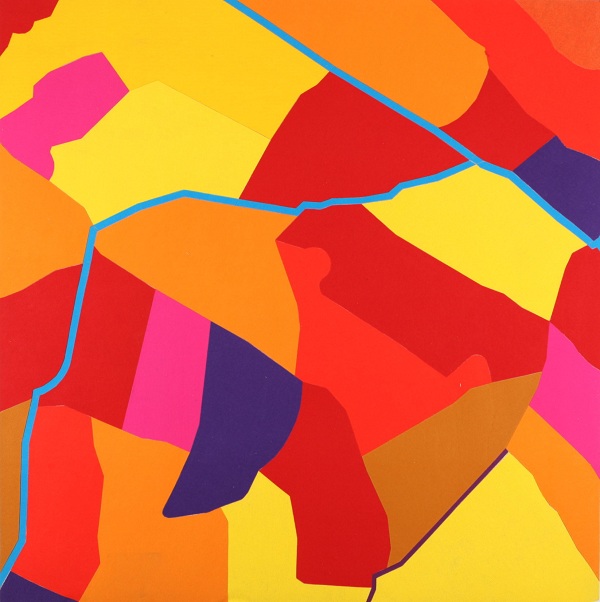
40158, Untitled, 2016, wall to wall carpet, 198x198 cm

40158, Untitled, 2016, wall to wall carpet, 198×198 cm

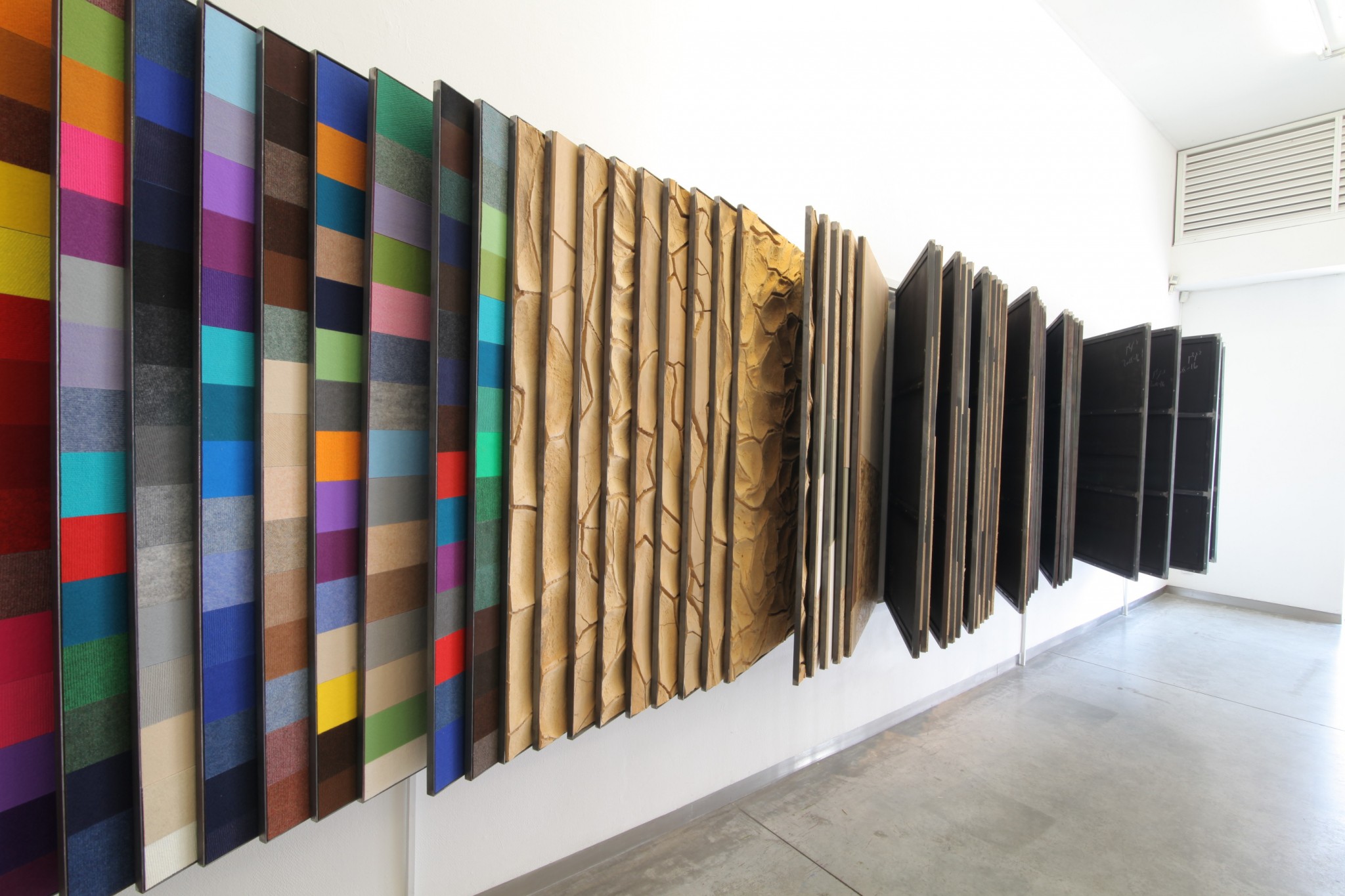
צהל”יות. בתוכה משתקף, קיר “לבנים ” עשוי צמר סלעים חלוד אדמדם- חום עכור.  קיר “הלבנים” אורב כמו רעל, כמו זיכרון קירות מבני מחנות ריכוז, השואה שנוכחת בקצה התודעה הישראלית. בחדר ניצבים ,מגולגלים וממוסגרים להזזה כמו דיפדוף, שטיחים עשויים ממאגר השטיחים שהרכיבו את “עמק יזרעאל”  (2002) ואת “”נהלל” (2005), מיצב ועבודה של וינשטיין שהתיחסו ישירות לנוף ,לזיכרון ומיתוס הציונות שהושטחו במהלך השנים, וכמו שטיחים זולים קיר לקיר, צפויים לבלאי כעור.

                                                           ***

“מהלך אחורי”, על הליכי המיחזור הפרקטיים והליכי הריקבון והתסיסה האידאולגיים המטאפורים, הולמת בצופים באסופת תקוות מנופצות. לא “קידמה” מודרנית משורטטת בה אלא “מהלך אחורי”: חרטה, קמילה הצטמצמות של אופק רעיוני.
כתערוכה המקדימה את התערוכה שיציג וינשטיין בביתן הישראלי בביאנלה בונציה 2017 היא מציבה רף גבוה ביותר.

גלריה גורדון רחוב בן יהודה 95 בתל אביב
צילומים: אביתר הרשטיק.

המלצות:
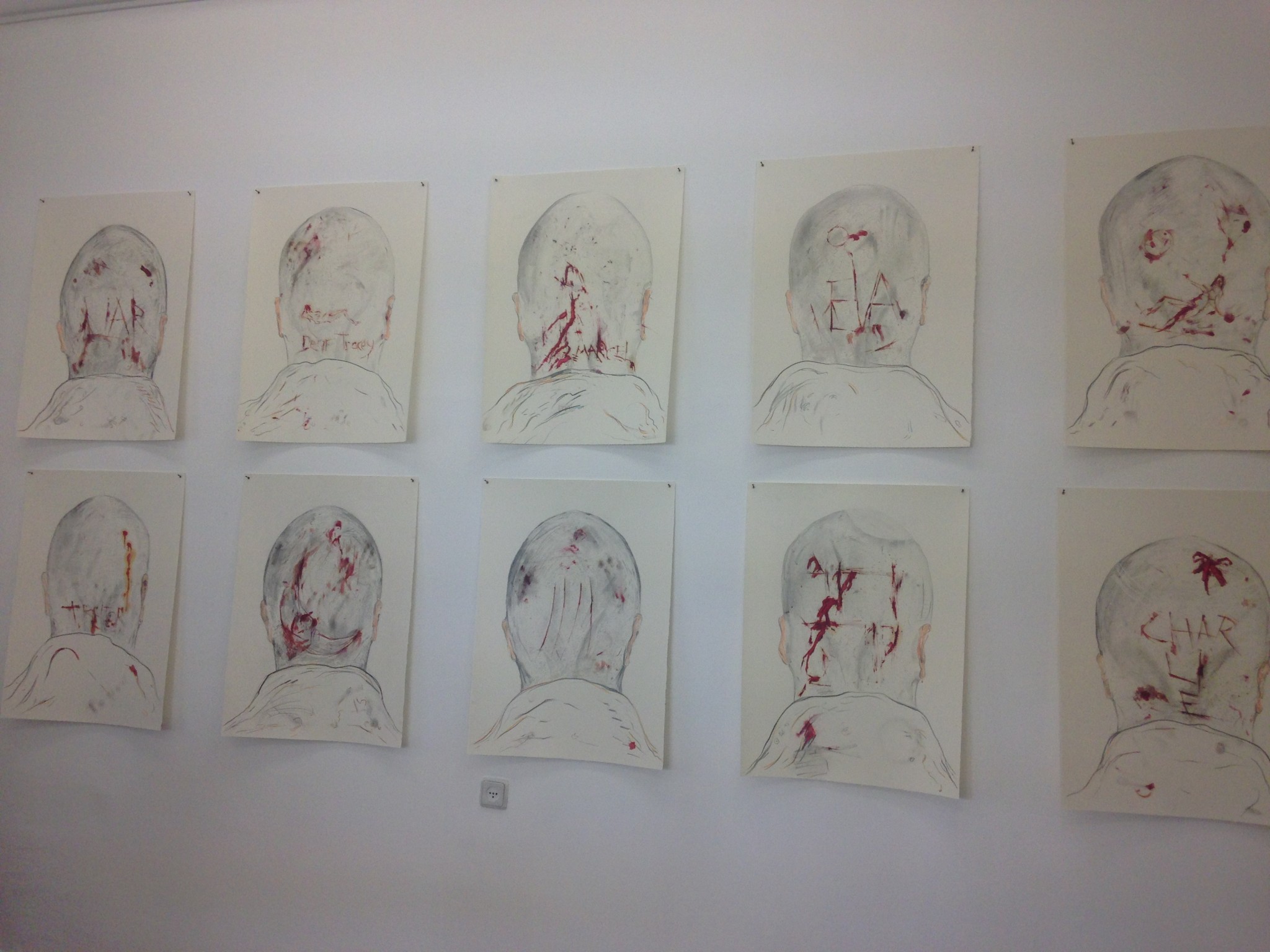
 Avi Sabah ,  Nape of the neck 2016

Avi Sabah , Nape of the neck 2016

אבי סבח “עורף” בחלל החדש הביתי של עודד שתיל : סבח מתבונן בתופעות של אלימות, הדרה בשפת רישום ההולכת ומעמיקה, במערך אסוסיאטיבי מסדרות טלויזיה ועד תולדות אמנות מגויה לטרייסי אמין .

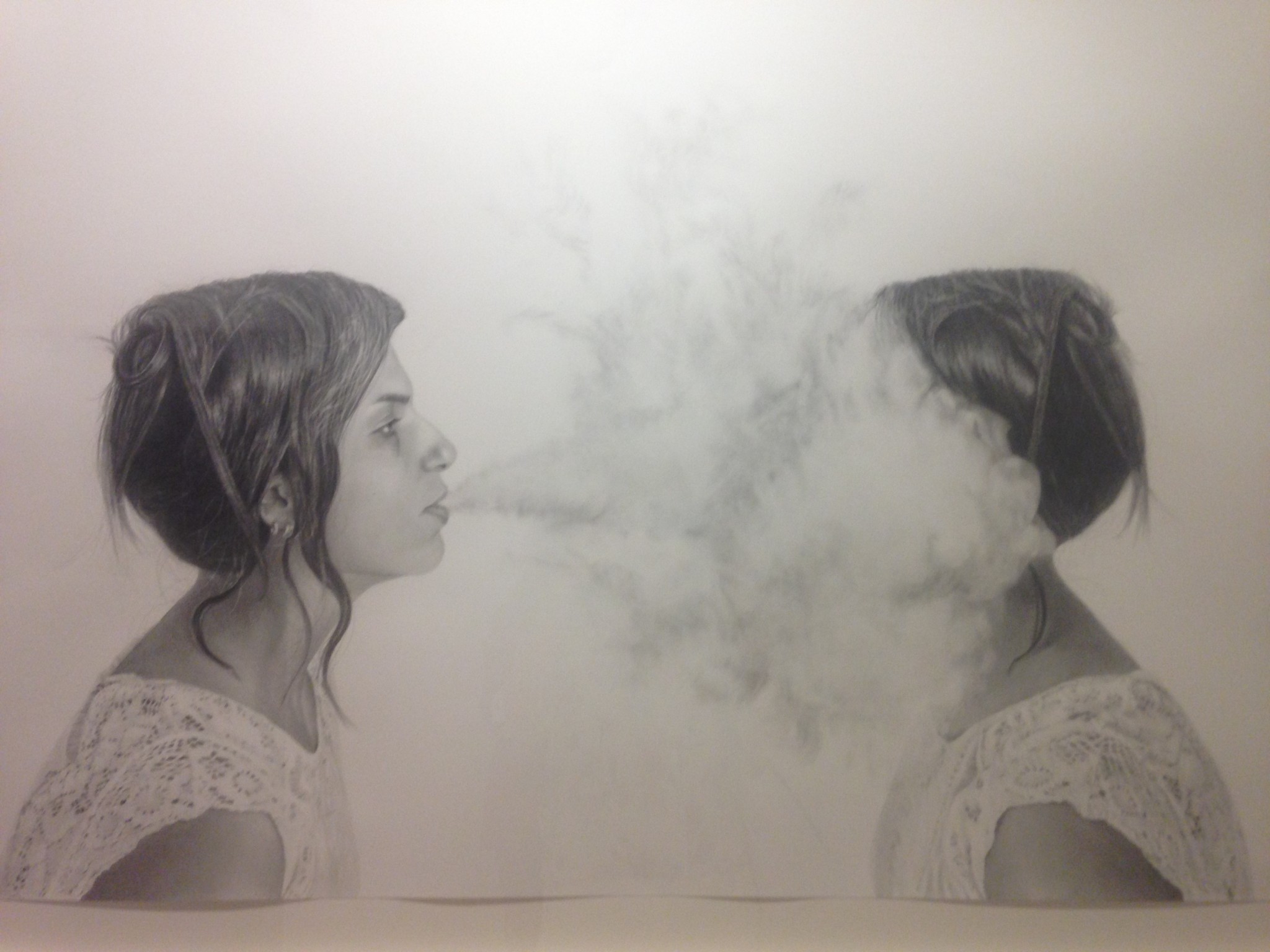
בתערוכת הזוכים במוזיאון הרצליה אפשר להתוודא לרישום הוירטואוזי, החכם של סמאח שחאדה, שורת עבודות שגורמות להעצר ולהשתהות מולן, לספוג את מלוא המשקל של נועזות הדימויים.
Samah Shihadi

Samah Shihadi

לקבלת הודעות לגבי סיורי אמנות מיוחדים עם ד”ר סמדר שפי  אנא כיתבו לכתובת  thewindowartsite@gmail.com 

הרשמה לניוזלטר הפירסומי השבועי של “החלון” בנושאי אמנות, אירועים ותערוכות חדשות –    www.smadarsheffi.com/?p=925 (הרישום נפרד מהרישום לבלוג )

Backwards, Gal Weinstein

Backwards, Gal Weinstein’s excellent exhibition, moves along two major pathways: the critique of modernism in its Israeli context, and the issue of art as commodity. It forms an ironic gaze on the past together alongside of the reflection of his oeuvre as an Israeli artist who is one of the most successful artists in the country. The three floors of the Gordon Gallery echoes décor shops: carpets and parquets, kitchens and rugs. The discussion is of what Marx called Das Kapital – the fetishism of commodities.

Gal Weinstein // Backwards

Gal Weinstein // Backwards

In Backwards, Weinstein illuminates the reading of the majority of his works over the past two decades through one idiosyncratic project addressing the modern process and the transformation of philosophical consumer values.On the gallery’s entrance level, Turkish coffee serves as his Proustian madeleine, with the black grounds filling in what seem to be contours of an abstract or topographical pattern on surfaces of metal tables so characteristic of modern, functional furniture, such as the Breuer chair of 1925.Like the madeleine, the scent of the coffee associated with deep-rooted “Israeli-ness” and local Arab communities, the entire space introduces an unexpected dark cloud, an unwanted memory forming cracks in the promise of good design.The cracking surface of the coffee grounds resonates in the kitchen cabinets on the mezzanine. In the kitchen furnishings, Weinstein employed panels of MDF, which he used in his Huleh Valley installation, (2005, in the Helena Rubinstein Pavilion). The cracks allude to the greatest failure of the modern Zionist enterprise of the 1950s: the draining of the Huleh swamp which was so catastrophic a failure that the area was re-flooded in the 1990s (and is now an important nature reserve)img_2964.
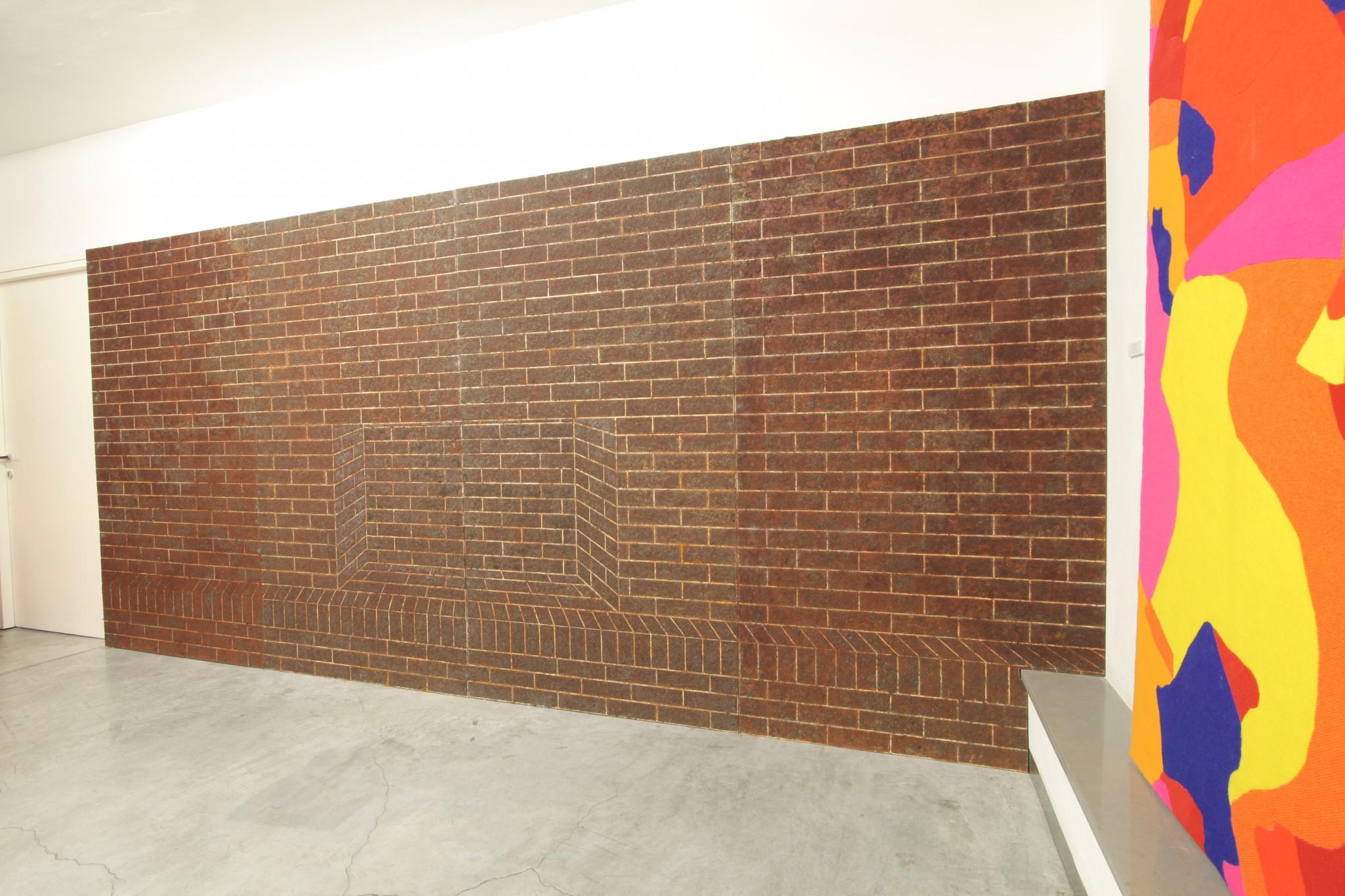
Like the scent of the coffee which creates the aura of a one-time moment of art while undermining it, the works on the lower floor – the basement, the metaphorical subconscious – create a similar one-time occurrence.  “Carpets” from the artist’s storeroom of elements from his installations which directly addressed landscape, memory, and the Zionist myth  (Jezreel Valley, 2002, and Nahalal , 2005) are rolled up, framed, or installed on vertical surfaces so one can “leaf” through them. The ideologies have been “flattened” over ensuing decades, and like cheap wall-to-wall carpeting, are expected to deteriorate.Backwards, with its references to practical recycling processes and metaphorical rotting and fermenting of ideologies, overwhelms visitors with its collection of disappointed hopes. It is not modern “progress” depicted here, but a “backwards” process of regret, shriveling, and shrinking of the philosophical horizon.

Gal Weinstein has raised the bar high in this exhibition, preliminary to his exhibition at the Israeli Pavilion in the Venice Biennale 2017.

Two recommendations:

Avi Sabah is presenting Nape of the Neck at Oded Shatil’s new home gallery space. Sabah observes phenomena of violence and exclusion, using an ever-deepening language of drawing, in an associative series of images from television series through art history, from Goya to Tracy Emin.

At the exhibition of the winners of the Ministry of Culture and Sport Awards for Visual Artists at the Herzliya Museum of Contemporary Israeli Art, Samah Shihadi is showing virtuoso drawings, causing the viewer to stop short in wonder, to absorb the full weight of the boldness of the images.

Samah Shihadi

Samah Shihadi


Join the mailing list for Window’s weekly informational advertising newsletter – 
www.smadarsheffi.com/?p=925

For information about Art tours    – please write to thewindowartsite@gmail.com


Posted in פיסול ומיצב, ציור | Comments Off on על “הילוך אחורי” גל וינשטיין ושתי המלצות :אבי סבח וסמאח שחאדה

מחשבות ורשמים על ” שלום המלכות” של רעיה ברוקנטל,הביאנלה ה 8 לקרמיקה וראיון על “מארג”

רעיה ברוקנטל “שלום המלכות”

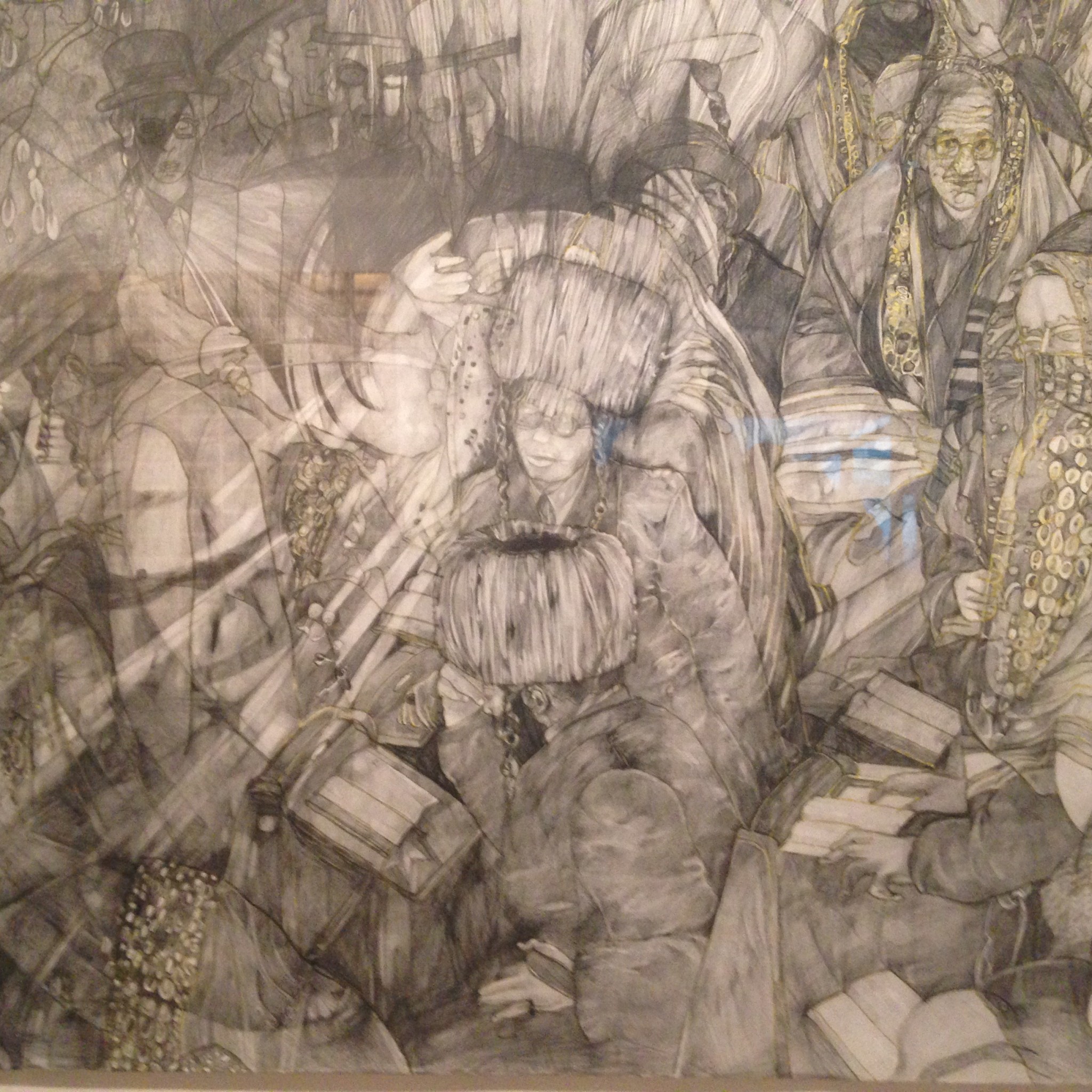
רעיה ברוקנטל מנסחת אלטרנטיבה כבר למעלה מעשור באמנות שלה. היא מסרבת להכנס לקטגוריות הדיכוטומיות של החברה הישראלית זו שבין דתי לחילוני , “ערכי” ו”חומרני” . היא  טורפת את הקלפים של משחקי התפקידים שכל צד נכנס עליו ומציעה זווית שבוחנת אמונה וזיכרון שואה  לצד שאלות אוניברסליות  על טקסים ותפקידם , על דבקות ועל האופן בו אנו מייצרים זיכרון ועבר .

Welfare of the Monarchy Raya Bruckenthal

Welfare of the Monarchy
Raya Bruckenthal

הפעם היא  בוחנת את היחס של קבוצה , חסידות בעלז ,לשפה חזותית, לאמנות אם נרצה , מפגש של  הפשטה כדרך החשיבה היהודית (ישות אלוהית שהיא חסרת דמות) לבין ההצמדות לנוסחאות סיגנון מסורתיות-עשירות בדקורטיביות החרדית.

Welfare of the Monarchy Raya Bruckenthal

Welfare of the Monarchy
Raya Bruckenthal

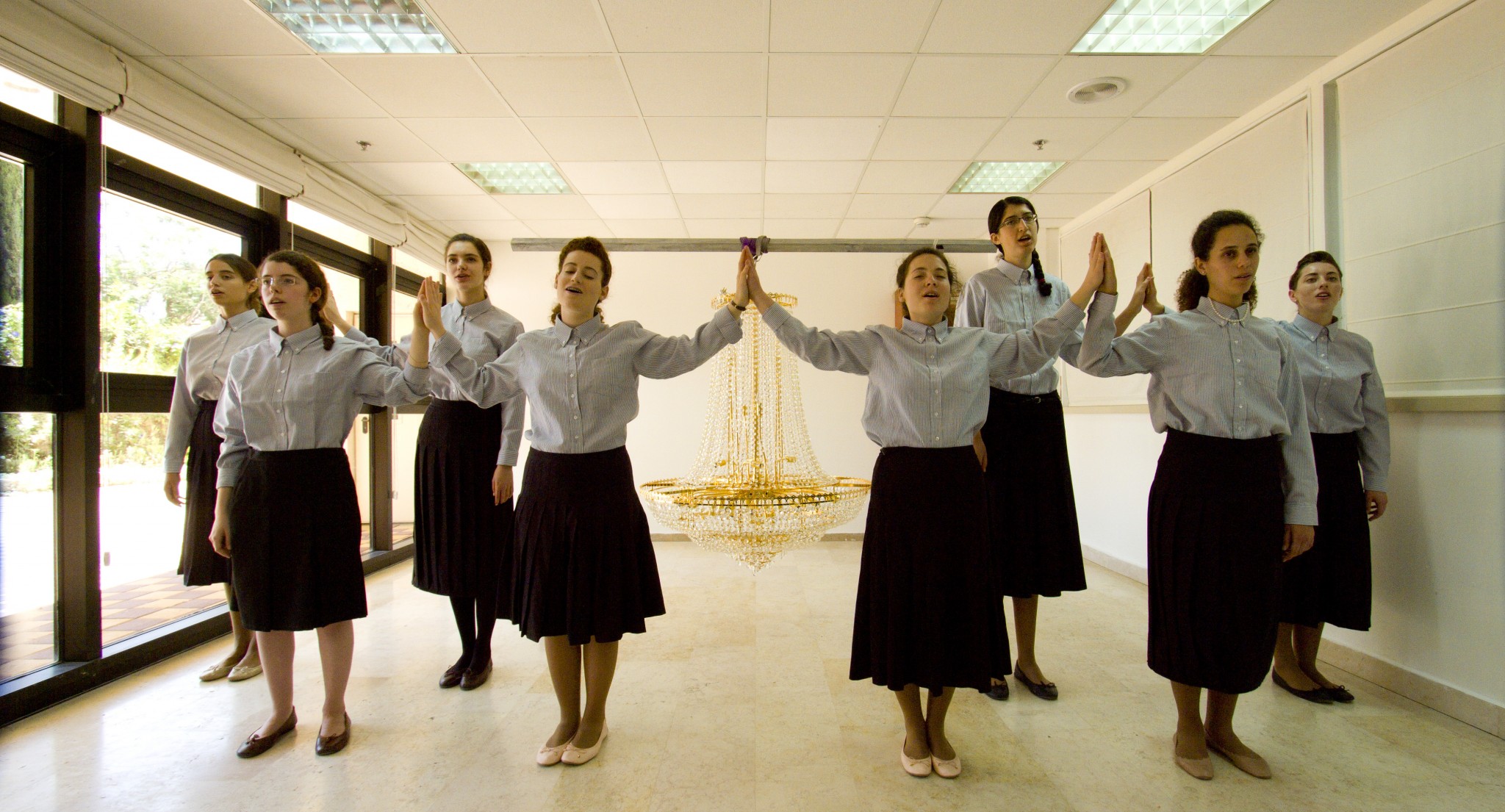
  עם וידיאו מצויין של בנות אולפנה המרכיבות נברשת, גירסה פרטית ללוחות תורמים והרישומים הנהדרים שלה (ברוקנטל היא מהרשמים המעולים שפועלים כאן) היא  מעירה ותוהה על הבניית זהות , על איזרוח מסורות בצל השואה (“ליל הבדולח” שאינו מניח לנברשת להיות פשוט נברשת) . ברוקנטל יוצרת עבודות יפות, חכמות והמעקב אחר עבודתה מוביל להכרה שגוף העבודה שיצרה בעבר , והתערוכה ממשיכה, הוא מהמענינים שהולכים ומתגבשים כאן .

אצרה סאלי הפטל נוה מוצגת בגלריה הת(ע)שיה ובסטודיו של האמנית בירושלים.

                                                                              ***

הביאנלה  ה 8 לקרמיקה במוזיאון ארץ ישראל

Anna Carmi  Aimimg at a cermic body

Anna Carmi
Aimimg at a cermic body

ערן ארליך אצר את “רטוב/שרוף”  תערוכה מצוינת עם כשבעים  משתתפים  (הייתי מוותרת על לא יותר משלושה).  יותר מאשר להתוות תזה, ארליך סימן שבילים מסקרנים לחשיבה. מכנים משותפים לא עולים מהעבודות  אבל יש חוט שני של איכות ופנטזיה ויחס לחומר . הרגעים  האמביוולנטים, כתמיד, הם המענינים ביותר.

העבודה של אנה כרמי”לכוון לגוף קרמי” מורכבת מכלים ומעבודת וידיאו . היא יוצרת כלים יפים חושניים, כמעט בארוקים בחימר  רטוב ואז יורה בהם בטקס /מטווח שהיא מתלבשת – מתחפשת לכבודו. עבודה מצוינת עם רפרנטים מכריס ברדן  שב 1971 ביקש שירו בכתפו כמיצג ועד  לעיסוק האינטנסיבי באמנות נוצרית לסיפור תומס המפקפק  שתוחב את אצבעו לפצע בצלעותיו של ישו שקם לתחיה . עבודה שארצה להמשיך ולהפוך בה, ובוודאי לעקוב אחרי היוצרת .
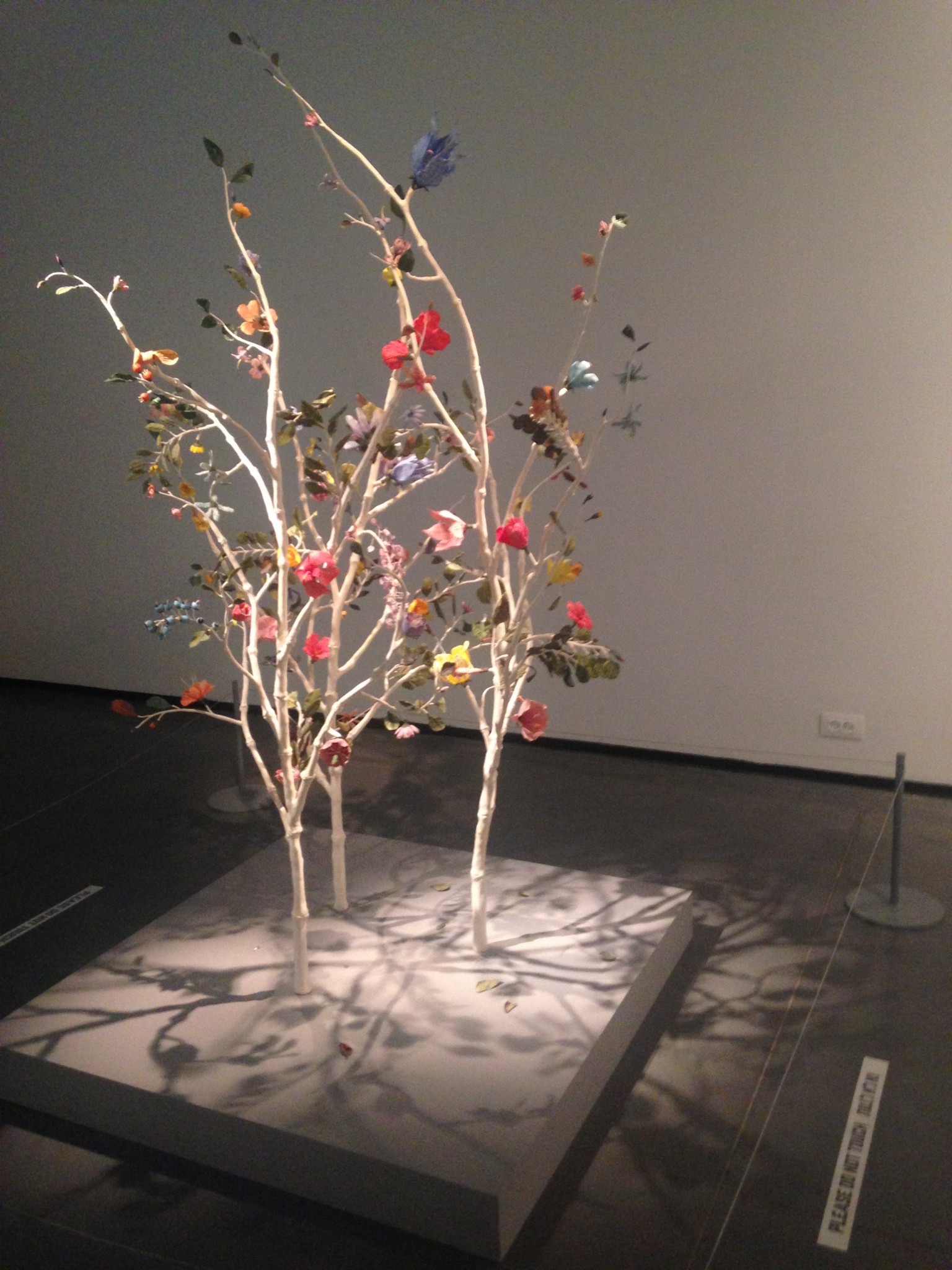
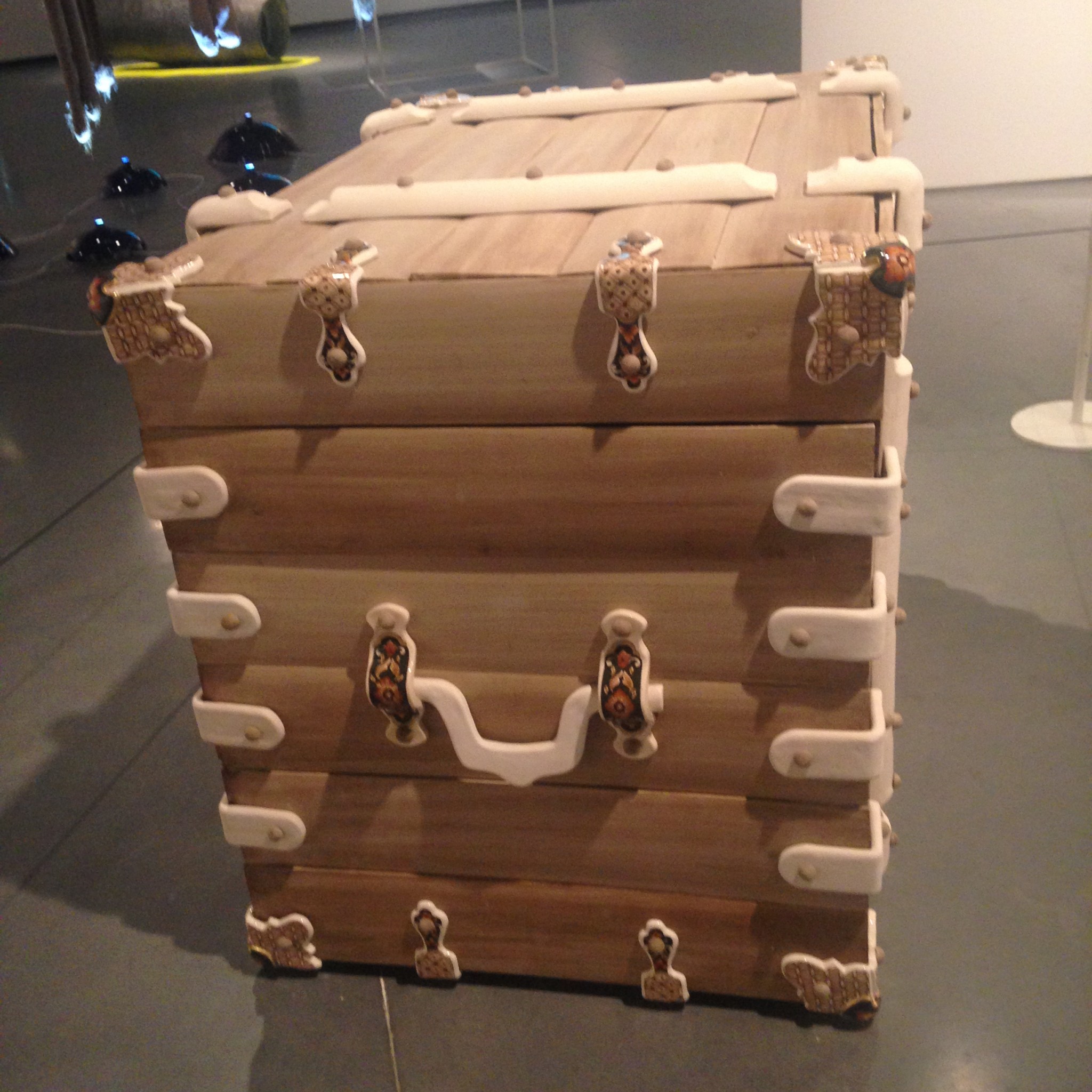
ארגז מסעות של איריס מורג מספר ביופי רב את הסיפור של קולניאליזם והכשרתו דרך אסטטיזציה , והפרחים הנהדרים של אביטל אשד אביטל “אל תיגעו בי”  כואבים במלאכותיות המופגנת הקפואה, בתזכורת שהם יוצרים לפער בין פריחה לחניטה.

Avital Esed Avital Dont touch me

Avital Esed Avital
Dont touch me

                                                                             ***                                                                                                                                                                                                                                                            ראיון שנערך איתי בתוכנית שישי בשש – תרבות עם שירי לב ארי וענת שרון בלייס ברשת ב  על היבט בתערוכה “מארג: זיקות למסורות באמנות המערב בציור עכשווי בישראל ”  שאצרתי במוזיאון פתח תקווה .  (הראיון מתחיל בדקה ה 23:30 לתוכנית ) http://www.iba.org.il/program.aspx?scode=2049035

Detail from Intricate Affinities: Recollections of Western Tradition in Local Contemporary Art, curator Dr Smadar Sheffi ' at the Petach Tikva Museum of Art

Detail from Intricate Affinities: Recollections of Western Tradition in Local Contemporary Art, curator Dr Smadar Sheffi ‘ at the Petach Tikva Museum of Art

לקבלת הודעות לגבי סיורי אמנות מיוחדים עם ד”ר סמדר שפי  אנא כיתבו לכתובת  thewindowartsite@gmail.com 

הרשמה לניוזלטר הפירסומי השבועי של “החלון” בנושאי אמנות, אירועים ותערוכות חדשות –    www.smadarsheffi.com/?p=925 (הרישום נפרד מהרישום לבלוג )

Notes on two recent exhibitions

Raya Bruckenthal / Welfare of the Monarchy

Bruckenthal refuses the dichotomous Israeli labels of religious/secular or value-based/materialistic. Instead, she offers a viewpoint examining faith and Shoah memory alongside of universal issues of rituals, religious belief, and the formation of memory.
In the current exhibition, Bruckenthal examines Belz hassidism’s attitude to visual language, one might say to art, and the encounter between abstraction as Jewish thought (God is incorporeal) and adherence to Baroque-like stylistic formulae overladen with decorative elements.

Welfare of the Monarchy Raya Bruckenthal

Welfare of the Monarchy
Raya Bruckenthal

With her excellent video film of young women seminary students assembling a chandelier, a private version of a donor plaques wall, and her wonderful drawings, Raya Bruckenthal studies the restructuring of identity and traditions in the shadow of the Holocaust (after Kristallnacht a chandelier is not just a chandelier). Her oeuvre is one of the most interesting in Israel.

Curated by Sally Haftel Naveh, the exhibition is on view in the Art Cube Gallery at the Artists’ Studios, Talpiot, Jerusalem, and in Bruckenthal’s studio at the same venue.

                                                                              ***

The 8th Biennale of Israeli Ceramics 

Eran Erlich is the curator of Wet-Fired, an outstanding exhibition with about 70 participants (I would have left out no more than three). Rather than exhibiting a thesis, Erlich laid down some intriguing pathways for thought.

Anna Carmi  Aimimg at a cermic body

Anna Carmi
Aimimg at a cermic body

Anna Carmi’s Aiming at a Ceramic Body comprises vessels and a video film. Carmel has formed beautiful, sensuous, ornate vases, using wet clay, which she then shot as a ritual in a firing range, having dressed up for the occasion. This fine work bears references from Chris Burden, who in 1971 asked to be shot in the shoulder as a performance, to the intensive engagement in Christian art in the story of Doubting Thomas.
Iris Morag’s arresting Baggage Trunk narrates the story of colonialism and its “whitewashing”  through aestheticization, while Avital Eshed Avital’s lovely flowers in Touch Me Not are painful in their frozen artificiality, reminding us of the gap between blooming and mummification.

Iris Morag  Travel Crate

Iris Morag
Travel Crate

Curator: Dr. Eran Erlich At the Eretz Israel Museum through  November 12, 2016

Translation: J. Appleton


Join the mailing list for Window’s weekly informational advertising newsletter – 
www.smadarsheffi.com/?p=925

For information about Art tours    – please write to thewindowartsite@gmail.com
Posted in וידיאו, מייצג, ציור | Comments Off on מחשבות ורשמים על ” שלום המלכות” של רעיה ברוקנטל,הביאנלה ה 8 לקרמיקה וראיון על “מארג”

|”מחול השותלים” פרסקו של מידד אליהו ב”מארג: זיקות למסורות באמנות המערב בציור עכשווי בישראל”

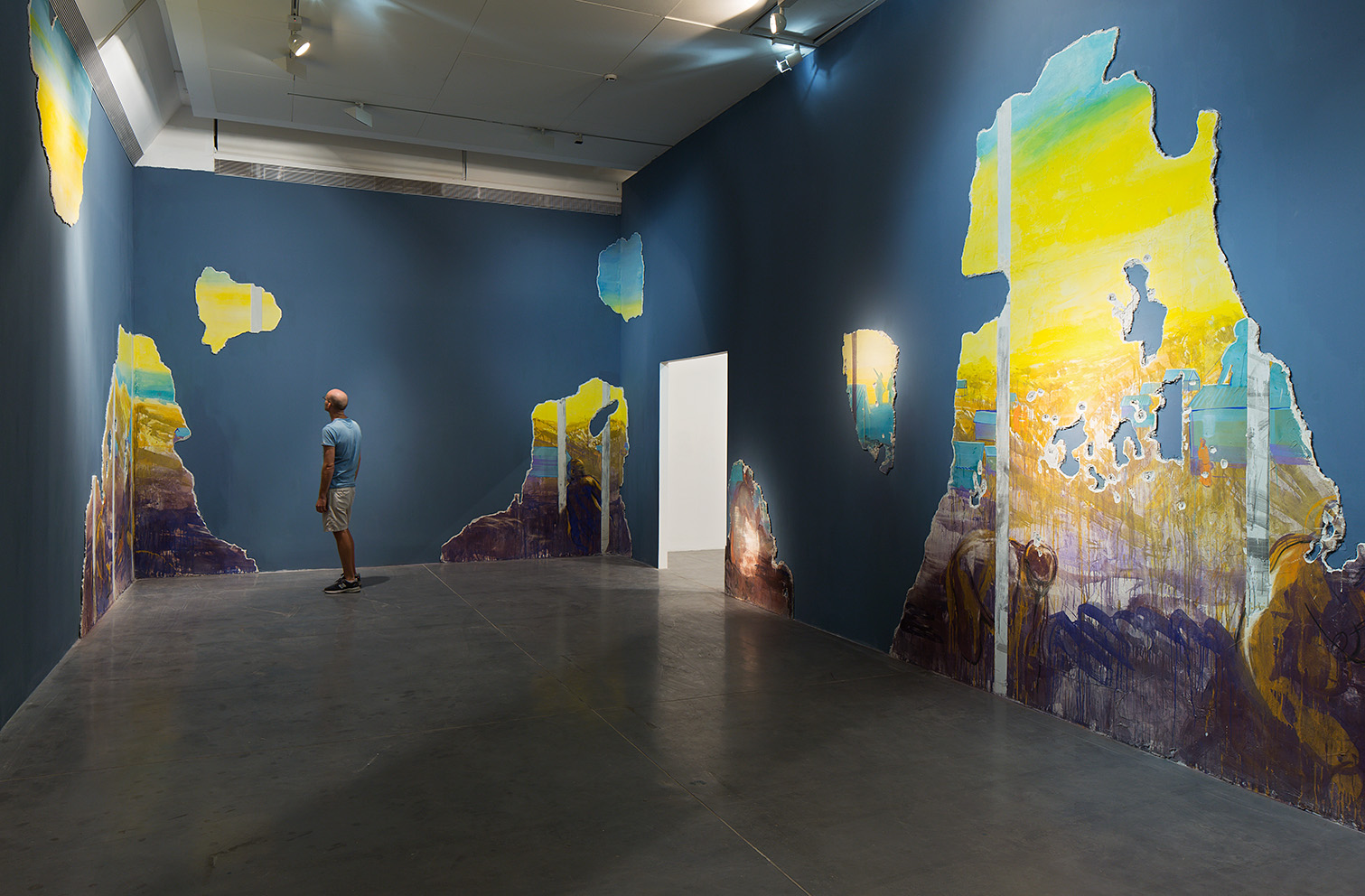
“מחול השותלים” פרסקו של מידד אליהו פותח את התערוכה “מארג: זיקות למסורות באמנות המערב בציור עכשווי בישראל” שאצרתי במוזיאון פתח תקווה לאמנות. בעבודה היפיפיה הזו, המורכבת והמרגשת יש את כל נושאי העל של התערוכה: את היחס לעבר הקרוב והרחוק, השיח עם תולדות האמנות והתחושה החדה, המשוננת, של הווה.

Meydad Eliyahu  Public Works, Jerusalem Hills  Photo :Elad Sarig

Meydad Eliyahu
Public Works, Jerusalem Hills
Photo :Elad Sarig

ב”מחול השותלים”, אליהו מתכתב עם היסטוריות שונות של פרסקאות: זו של הרנסנס, בעיקר האיטלקי (ג’וטו, מזאצ’ו וכמובן – מיכלאנג’לו), וזו של המאה ה-20, שבה בלטו אמני פרסקו דרום-אמריקניים (חוסה קלמנטה אורוסקו, דייגו ריוורה ודוד אלפרו סיקיירוס). אמנים אלו השתמשו בפרסקו כשופר לקידום רעיונות סוציאליסטיים. באמנות המקומית מדובר במדיום שנותר מִשני, כמעין בן חורג בקאנון הישראלי. ציורי הקיר של יוחנן סימון, של שלום סבא ושל אברהם אופק, למשל, זכו להכרה מוגבלת בלבד.

Photo: Sefi Porat

Meydad Eliyahu Photo: Sefi Porat

אליהו עוסק בהיסטוריה הישראלית, בכאב שהודחק ומסרב לשכוך במושבים, שאליהם הובאו עולים כמגשימי חזון ההתיישבות, אך לא זכו להכרה כחלוצים. הוא מטפל באופן ספציפי בשבר שחוותה קהילת יהודי קוצ’ין, שיושבו במושב מסילת ציון – למורת רוחם של מקימיו יוצאי תימן, שעזבוהו במחאה– באמצעות דמויות מיתיות, בעיקר של גברים חסונים

Meydad Eliyahu  Public Works, Jerusalem Hills  Photo: Sefi Porat

Meydad Eliyahu
Public Works, Jerusalem Hills
Photo: Sefi Porat

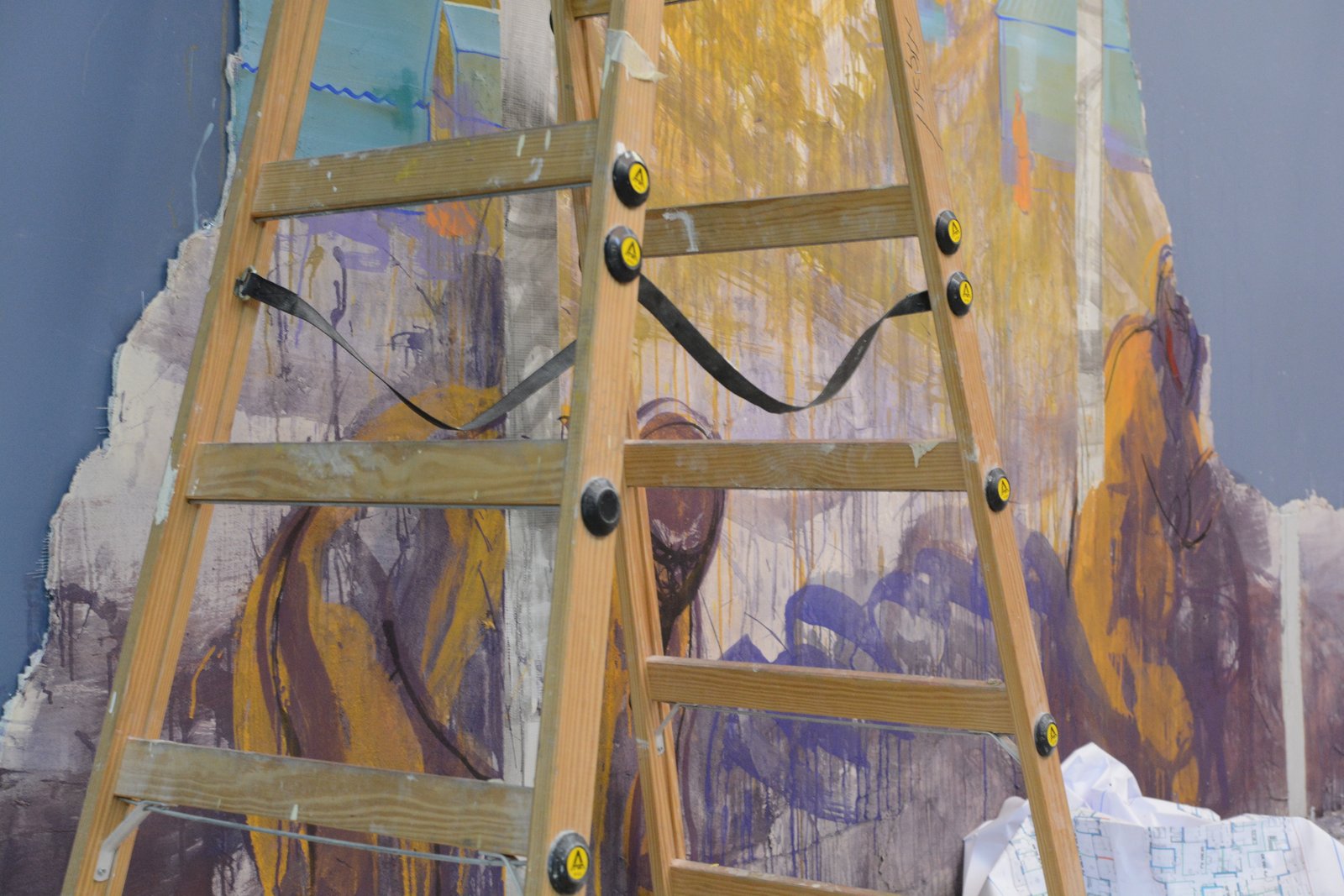
הנראים כמי שהוכרעו על ידי המציאות. הדמויות הגדולות הן כעין הפכים לדמויות שבפרסקו באולם הענקים, שתכנן ג’וליו רומנו בפלאצו דל טה במנטובה (Palazzo del Té, Mantua, 1524–34), שם מתואר הרגע, שבו נענשים הענקים על ידי האלים האולימפיים שבהם ביקשו למרוד, והסצנה מלאת תכונה. בעבודתו של אליהו, הפסיביות של הדמויות מעיקה יותר מכל בוקה ומבולקה בתיאור הענקים של רומנו. העבודה כוללת גם אזכורים למאבק האנושי בשממה שנחשב למאבק של “קִדמה”, עד שהובן ההרס האקולוגי הצפוּן בו.

Meydad Eliyahu  Public Works, Jerusalem Hills  Photo: Sefi Porat

Meydad Eliyahu
Public Works, Jerusalem Hills
Photo: Sefi Porat

שם העבודה לקוח משיר פרי עטו של יואל אלעזר שתיל משנת 1953, המהלל את מלאכת השתילה. לדידם של אנשי מסילת ציון, שתילה הייתה מזוהה עם עבודות הדחק, שהיו מקור התעסוקה הכמעט בלעדי האפשרי לאנשי המושב, לכל הפחות עד לשנות ה-60. בחינת העבר של מושבי העולים מקוצ’ין, לרבות המושב שבו מתגוררת משפחת האמן, מתרחשת בתוך המוזיאון ב”אם המושבות”, בלב האתוס הישראלי. בתודעה הפנימית של “מחול השותלים” מפעמת הידיעה, כי העבודה תפורק עם תום התערוכה.

***

תודעת הזמניות, וההכרה בכך שפרויקטים מאין אלו אינם שכיחים הובילה אותי לבקש מספי פורת לתעד את תהליך העבודה לכל אורכו (מעל שבועיים). התצלומים והסרטון המצוינים נעשו על ידו בהתנדבות  – תודה ממידד וממני.

מארג– זיקות למסורות באמנות המערב בציור עכשווי בישראל אוצרת: ד”ר סמדר שפי
15/09/2016 – 15.12.2016


ולקבלת הודעות לגבי סיורי אמנות מיוחדים עם ד”ר סמדר שפי  אנא כיתבו לכתובת  thewindowartsite@gmail.com 

הרשמה לניוזלטר הפירסומי השבועי של “החלון” בנושאי אמנות, אירועים ותערוכות חדשות – www.smadarsheffi.com/?p=925 (הרישום נפרד מהרישום לבלוג )

Meydad Eliyahu Public Works, Jerusalem Hills  in Intricate Affinities: Recollection of Western Tradition in Local Contemporary Art

Meydad Eliyahu‘s mural Public Works, Jerusalem Hills (“Planters’ Dance” in Hebrew) portrays structures, scenery, and people which spawn a deconstructed place, like a fragmentary memory or a reality that resists coherence.

Meydad Eliyahu  Public Works, Jerusalem Hills  Photo: Sefi Porat

Meydad Eliyahu
Public Works, Jerusalem Hills
Photo: Sefi Porat

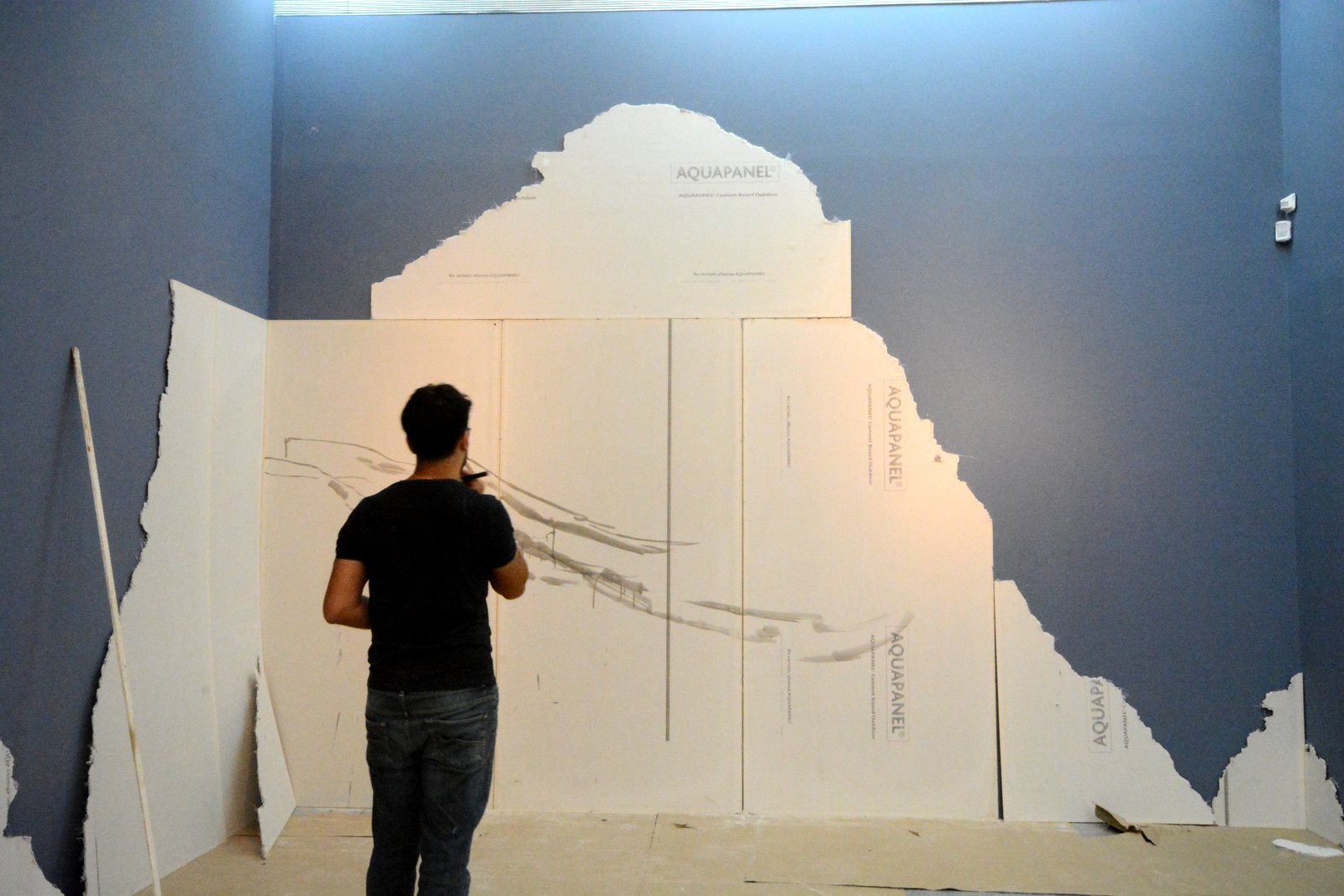
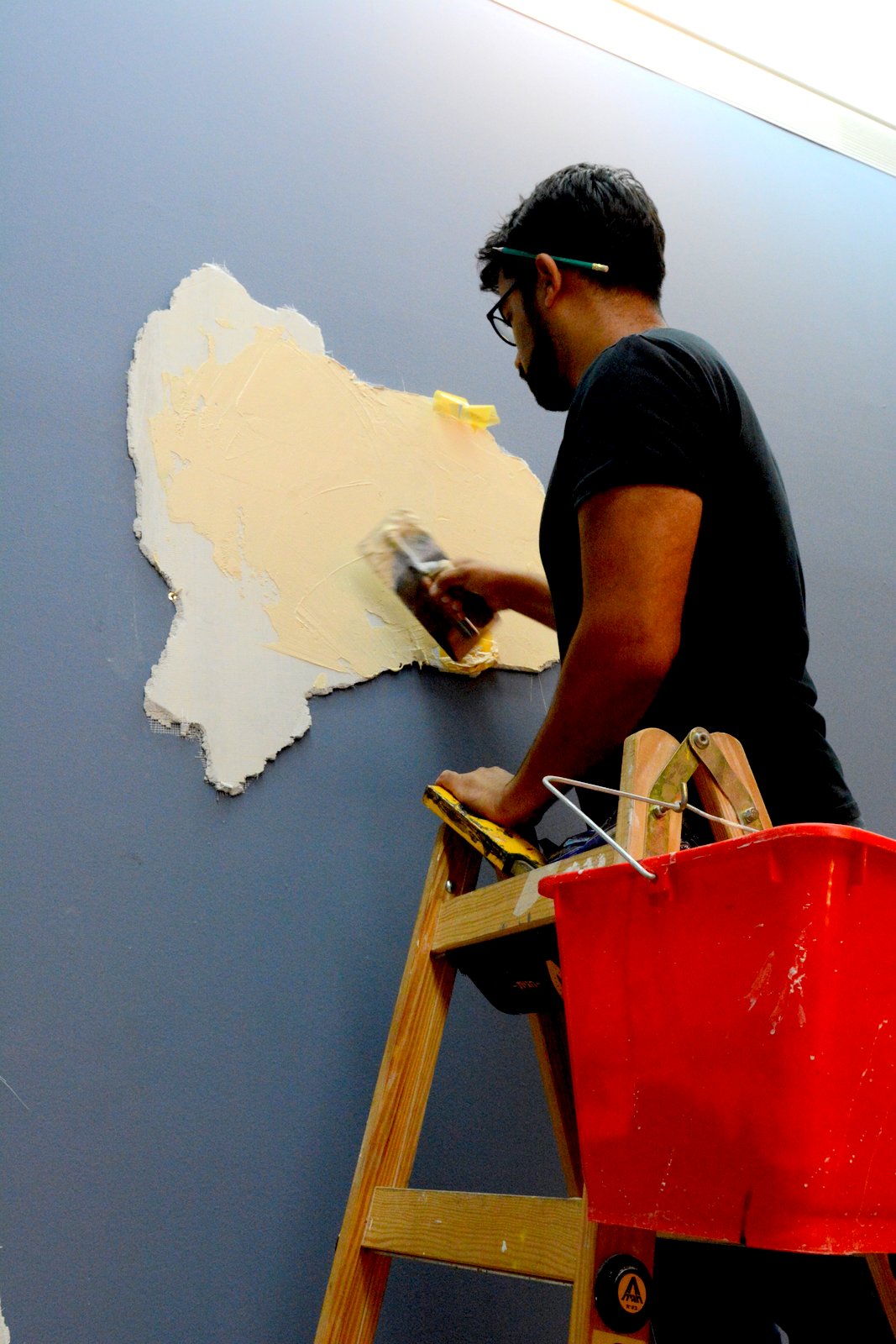
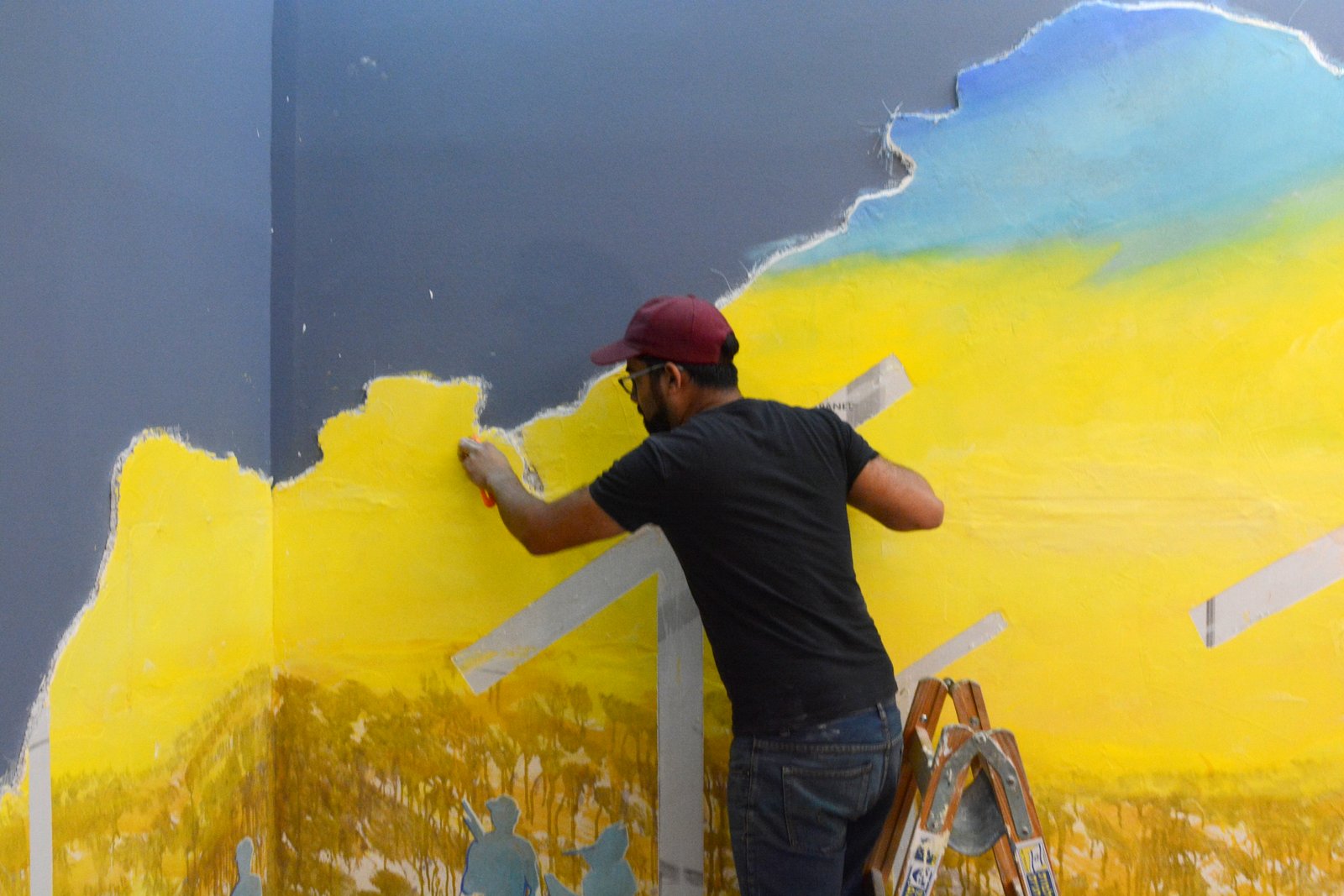
In terms of medium, it is a traditional fresco: wet plaster freshly applied on the wall, on which the artist paints with color (pigment blended with water), the time at his disposal dictated by the material’s drying rate. Paint and plaster become one. Eliyahu alludes to different histories of fresco: that of the Renaissance, mainly Italian (Giotto, Masaccio, and obviously Michelangelo), and that of the 20th century, in which Latin American muralists stood out (José Clemente Orozco, Diego Rivera, and David Alfaro Siqueiros), who used fresco as a mouthpiece to promote socialist ideas.dsc_7086 Eliyahu addresses Israeli history; the repressed pain which refuses to die in the moshavim (agricultural settlements) to which new immigrants were brought to realize the vision of settlement, yet were not recognized as pioneers. Specifically, he touches upon the rift experienced by the community of Malabar (Cochin) Jews, who were settled in Moshav Mesilat Zion—to the great dismay of its Yemenite founders, who left in protest7—by means of mythical figures, mainly those of robust men who look as though they have been vanquished by reality. The monumental figures here seem antithetical to the figures in the Chamber of Giants fresco designed by Giulio Romano in Palazzo del Té, Mantua (1524–34); a hectic scene depicting the moment in which the giants are punished by the Olympian gods following their mutiny. In Eliyahu’s work, the passivity of the figures is more disconcerting than any commotion in Romano’s portrayal of the giants. The work also refers to the human struggle with the wilderness considers as “progress,” before the ecological destruction involved was fully comprehended. The Hebrew title of the work was borrowed from a 1953 poem by Yoel Elazar Shatil exalting the act of planting. For the people of Mesilat Zion, planting was identified with the public works which were their almost exclusive source of livelihood, at least until the 1960s. This perusal of the past of the Cochin Jews’ agricultural settlements, including the moshav in which the artist’s family resides, occurs in a museum in Petach Tikva, the “Mother of Settlements,” at the very heart of the Israeli ethos.

***

The project was documented by Sefi Porat – its exciting stages would not have been recorded without his generous contribution of talent time and good will .

Intricate Affinities: Recollections of Western Tradition in Local Contemporary Art

Curator: Smadar Sheffi

15/09/2016 – 15.12.2016

Join the mailing list for Window’s weekly informational advertising newsletter – 
www.smadarsheffi.com/?p=925

For information about Art tours    – please write to thewindowartsite@gmail.com
Posted in Uncategorized, פיסול ומיצב, ציור | Comments Off on |”מחול השותלים” פרסקו של מידד אליהו ב”מארג: זיקות למסורות באמנות המערב בציור עכשווי בישראל”

סמדר שפי, החלון, אומנות ישראלית, אמנות ישראלית, Smadar Sheffi, The Window, Israeli Art