איך נקרא אף ללא גוף, אין יודע / גבי קריכלי | Gabi Kricheli- how to name a nose without a body, nobody knows

בתערוכת יחיד מדויקת גבי קירכלי  לקח את הצופים למסע כפול :פנימי למחוזות האבסורד, וחיצוני להתבוננות על המציאות כמכלול סוראליסטי . שמות העבודות הם המפתחות שנתן  בתערוכה לכאורה אניגמטית בה הסיע את הצופים  ברכבת שדים תרבותית מהברית החדשה ו”האף” של גוגול לחנויות הנוחות בתחנות דלק וגיבורי תרבות האוכל העכשווית.
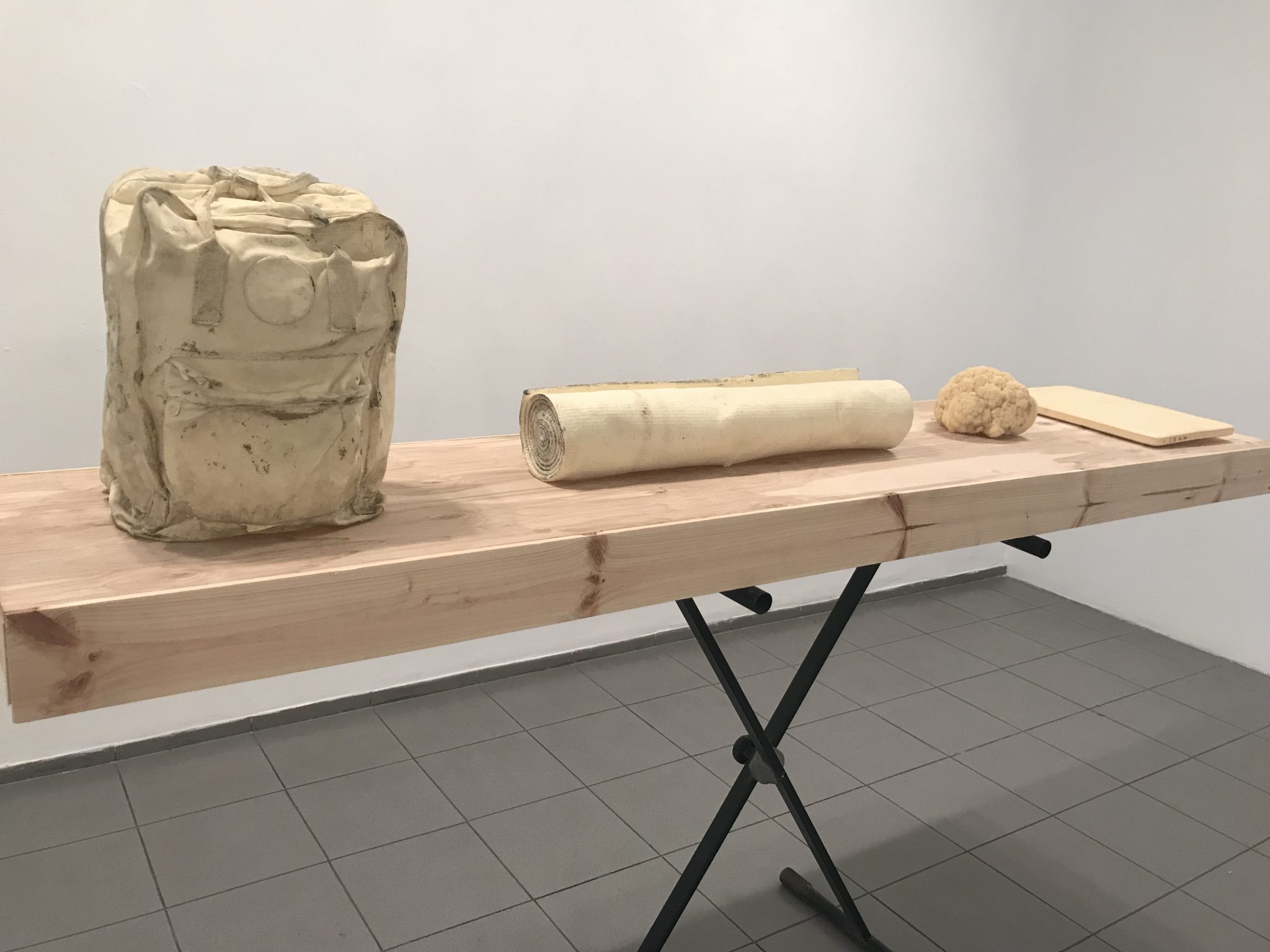
Gabi Kricheli ,The Four Horsemen of the Apocalypse (Detail)

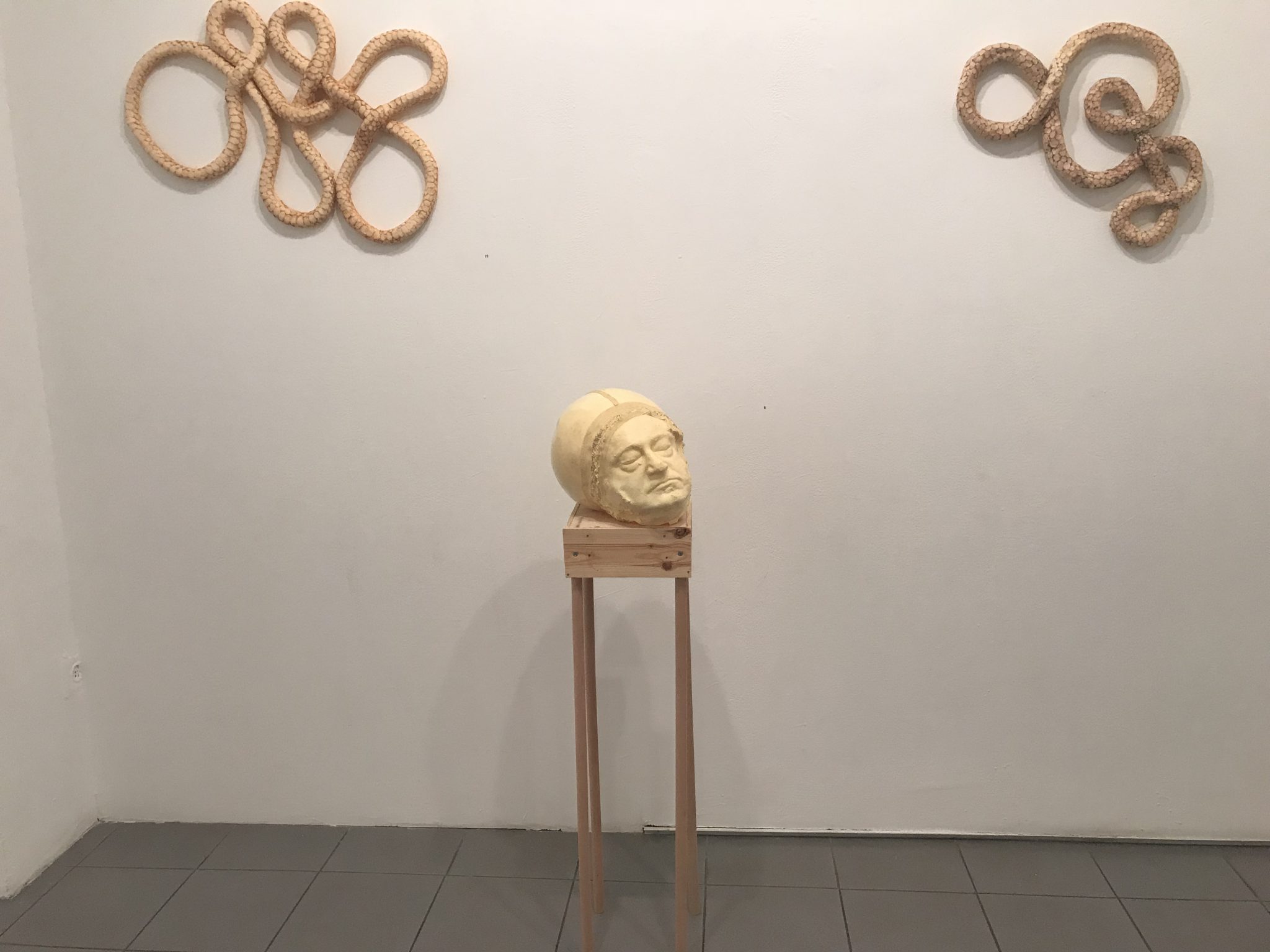
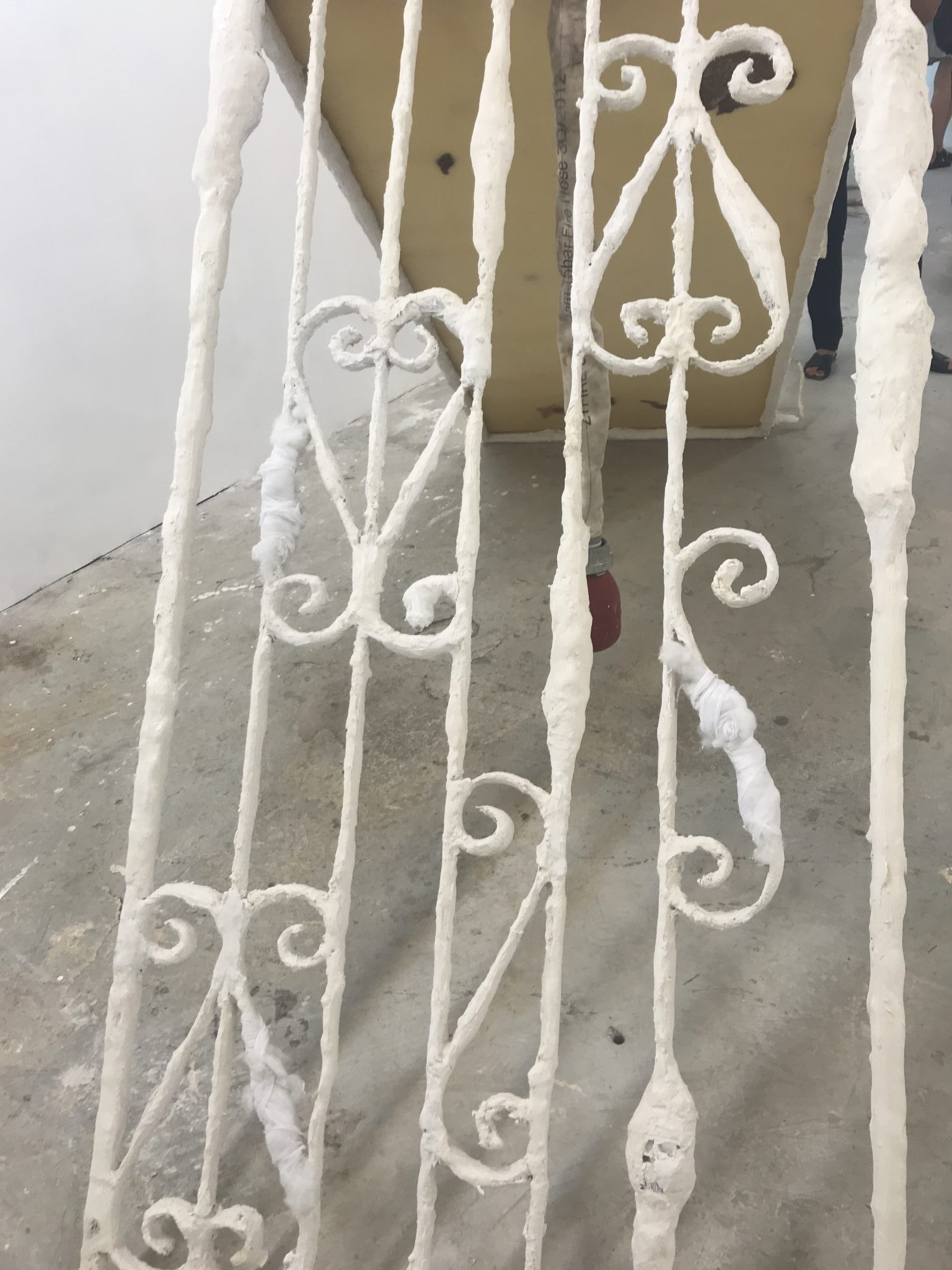
המיצב ארבעת פרשי האפוקליפסה היא פדסטל/מדף  עץ חשוף ופשוט קוים עליו נחים ארבע יציקות פוליאוריטן :מזרן יוגה מגולגל, כרובית ומחשב של אפל ותיק גב תוצרת החברה השבדית  KanKen, דיוקן מתומצת של ההיפסטריות בגרסתה המקומית (למרות שהכרובית של אייל שני כבר הצמיחה כנפיים בינלאומיות) , ומולו פסל עץ גדול שנראה כמו דמות הולכת שתומצתה לצעד ענק בלבד כשאת ראשה מחליף דלי פלסטיק כחול הפוך. ארבעה הפרשים המופיעים בחזון האפוקליפסה של יוחנן :מלחמה, רעב, מגפה, ומוות , הם דמויות שמשקלם באיקונוגרפיה התרבותית המערבית עצומה (הם נסמכים על חזון זכריה המופיע בתנ”ך ולטהר את העולם) . הפרשים באים להעניש את האנושות החוטאת, זורעים הרס ומוות.
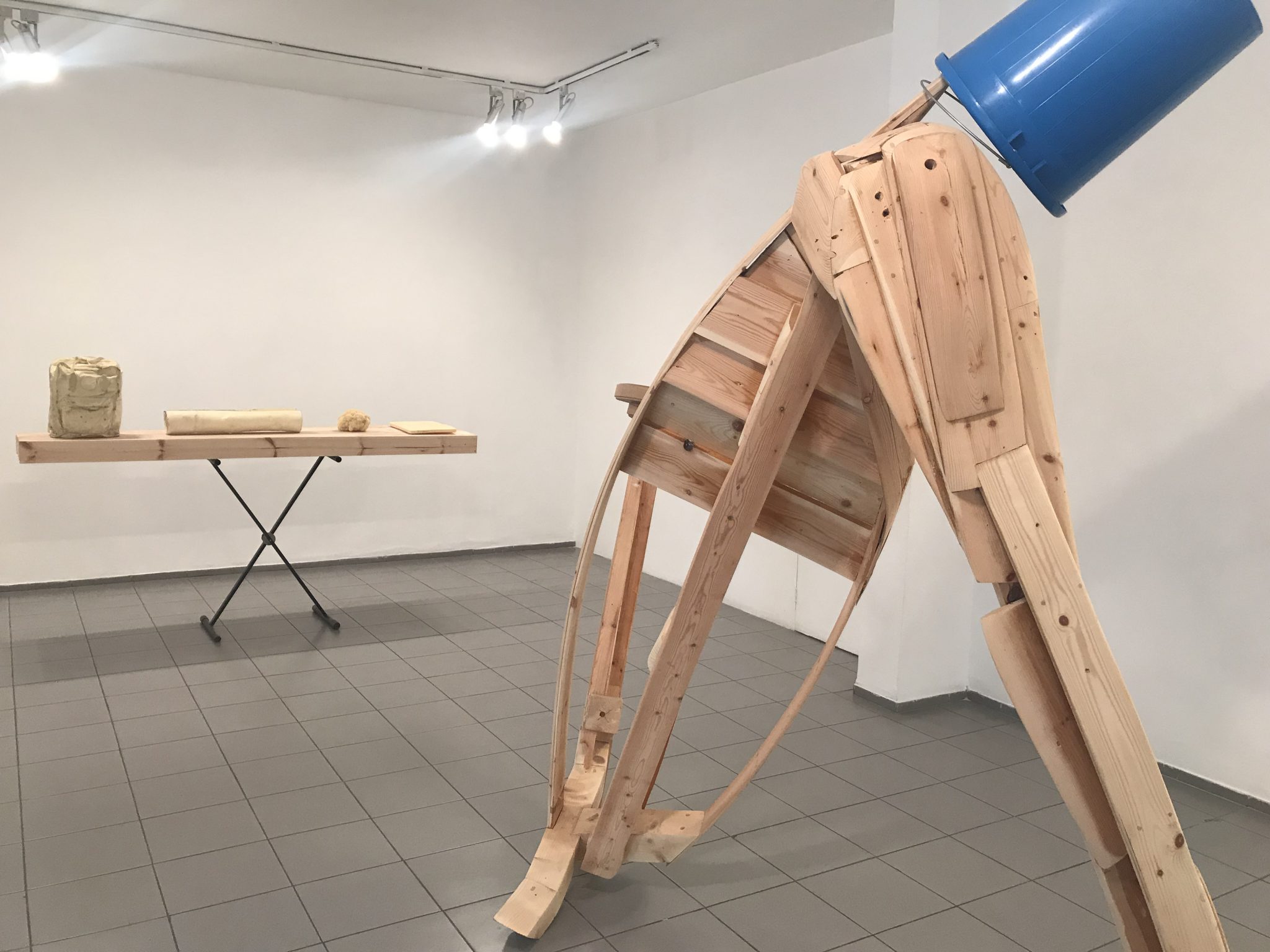
Gabi Kricheli ,The Four Horsemen of the Apocalypse
installation view

האנושות, החברה המידית של האמן,  מתומצתת  לסימנים של שובע שברירי המתפקדים כאותות אזהרה, כקריאה כמעט פצועה להתבוננות. טכניקת היציקות של קריכלי, מחומר מזיק לסביבה ורעיל לעובדים בו, הופך את הצרוף של אובייקטים מפוליאורטין מול עץ חשוף לאמירה ואת המיצב כולו עבודה לטורד, למטיפה אפילו. המשמעות  בה הוא נטען בקריאה קשובה חריפה בהרבה מתפיסתו כפופ מאוחר , כדיבור על צרכנות אגרנית.
ההד לעבודה הזו מצוי קומה עליונה ב”פיגוע” ארבע יציקות של אוטובוסים מתפוצצים מיניאטוריים,  בצבעי לבן לשחור, אדום והצבע המקורי , הצהבהב  של החומר. האנאלוגיה בין הדימוי הנרמז בשם העבודה בקומת המסד לבין בהירות הדימוי עצמו בקומה העליונה ברור ומדבר על הווה  שענני אפוקליפסה מתאבכים בשמיו.
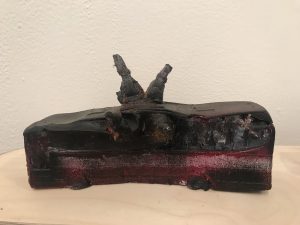
Gabi Kricheli ,Terrorist Attack (detail)

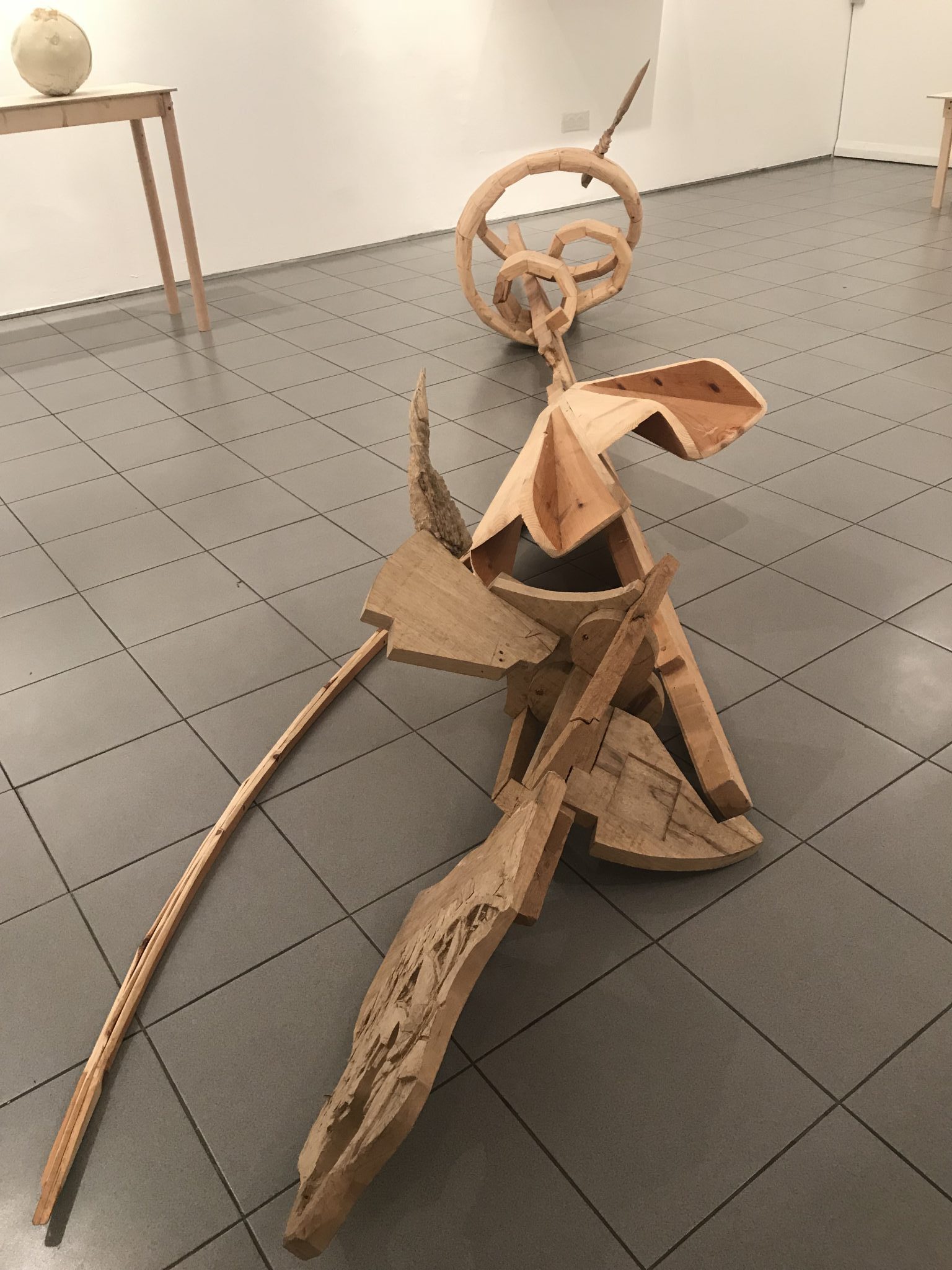
במרכז החלל העליון פסל עץ גדול מונח על הרצפה ,נראה כמו הכלאה בין העתק בעץ של מכשיר חפירה לבין סירה ומכל מקום אובייקטים שמתרחקים כך או אחרת מקרקע, בחלקי העבודה מעובדים הצורות שונות של חריטה ושל עיבוד .מדובר בהיבריד המסרב להתפרק לחלקים נפרדים בדמיון הצופה , וכך מתכתב עם נחשי הפוליאוריטן התלויים בחלל העשויים כאין קשר גורדי  באותה שפה צבעונית של “פיגוע”.
בין חלל המסד לקומה העליונה תלויה עבודת כתב עם המילה  תם באותיות שחורות גדולות ופשוטות. זוהי תזכורת לאחים מההגדה של פסח, טקסט המתייחס לגאולה ושחרור האולטימטיבי בתרבות היודו-כריסטיאנית ואחד המוכרים ביותר לכל יהודי. המילה גם מתייחסת לקץ, לסוף, למה שלא ישוב.
Gabi Kricheli Untitled

בתערוכה בהירה, קונספטואלית, אפילו מחויייכת  קריכלי  מדבר על תחושת האבסורד האופפת אותנו כשהתחושה שדברים השתבשו עמוקות כמו אותו פקיד של גוגול המתעורר ומגלה שאפו נעלם מפניו ומתהלך בעולם כבירוקרט רם דרג .
את התערוכה ראיתי ביומה האחרון. חלק מהעבודות המוצגות בה הן עבודות שגרסאות קודמות שלהן הוצגו בעבר ואובייקטים אחדים, בהן הכרובית כמובן, הם חלק מהשפה הקריכלית ההולכת ונרקמת בעשור האחרון, דיאלקט פרטי ומובחן בשפת העברית – אמנותית  שכבר קיימת כמערך איקונוגרפי מקומי.

להרשמה לניוזלטר הפרסומי השבועי של “החלון” בנושאי אמנות, אירועים ותערוכות חדשות
www.smadarsheffi.com/?p=925 (הרישום נפרד מהרישום לבלוג)

לפרטים על סיורי אמנות והצטרפות לקבוצה הקבועה כיתבו 

thewindowartsite@gmail.com 

 smadarsheffi עיקבו אחרי  באינסטגרם

Gabi Kricheli Untitled

Gabi Kricheli /how to name a nose without a body, nobody knows

Gabi Kricheli takes viewers on a double journey in this precise one-person exhibition: internally to the realms of the absurd, and externally, to an observation of reality as surrealist. The titles of the works are the keys to the seemingly enigmatic exhibition in which Kricheli takes visitors on a cultural rollercoaster ride from the New Testament and Gogol’s Nose to convenience stores in gas stations and the culinary superstars of the contemporary “foodie” scene.
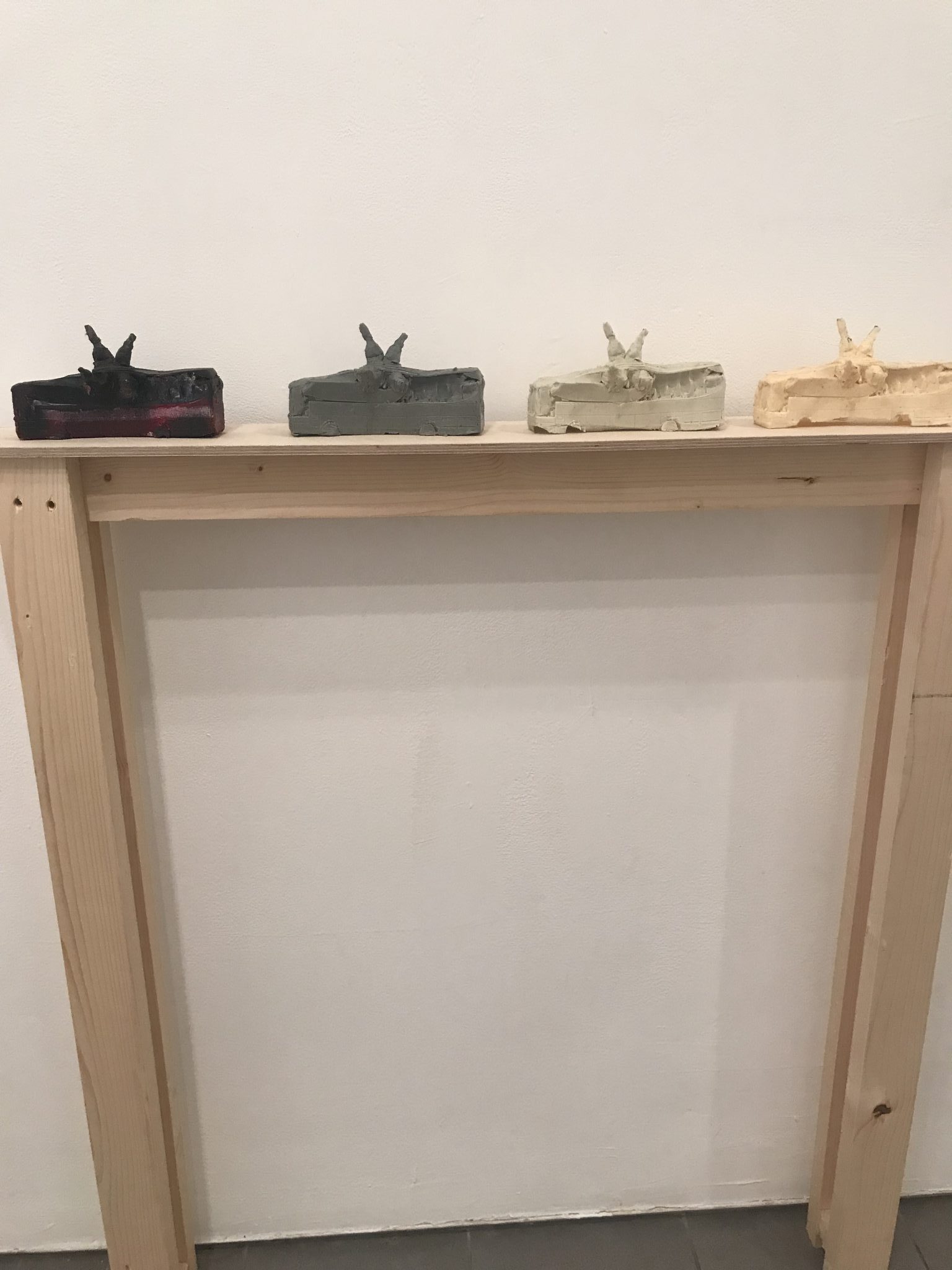
Gabi Kricheli ,Terrorist Attack

The Four Horsemen of the Apocalypse is a bare wood shelf/pedestal with clean lines bearing four items cast from polyurethane foam: a rolled-up yoga mat, a cauliflower, an old Apple computer, and a Swedish-made Kanken backpack. They form a concise portrait of the local hipster, placed facing a large wooden sculpture that looks like a walking figure distilled into one giant step, its head replaced by an overturned blue plastic bucket. The “four horsemen” from John’s apocalyptic vision in the Book of Revelations are war, famine, plague, and death.
Gabi Kricheli Untitled detail

Humanity is represented here by marks of fragile satiety functioning as warning signals, as a call to stop and observe, from a wounded place. Kricheli’s casting technique, using non-degradable material toxic to the artist and the environment transforms the combination of the foam elements facing the exposed wood into a statement, making the entire installation very troubling. Its meaning is charged through an attentive reading much sharper than a simple view of it as Late Pop about hoarding and overconsumption.

The echo of this work is on the gallery’s upper floor in the work Explosion [terrorist attack] with its four miniature exploded casts of buses in black and white, red, and the original yellowish color of the material. The analogy between the hinted-at image in the title on the ground floor and the clarity of the image itself on the upper floor is clear, speaking about our present clouded with threats of a new apocalypse.

At the center of the upper space a large wood sculpture stands on the floor, like a hybrid of a wooden replica of a digger and a boat. The elements are distanced from the floor in various ways, while in other sections of the work, various forms are processed by machining, turning and other means. This hybrid refuses to deconstruct itself into separate elements in the viewer’s imagination, thus corresponding with the polyurethane foam snakes expressing terrorist attack in his colorful language.

In a clear, conceptual, one might say humorous exhibition, Kricheli alludes to the absurdity enveloping us, the feeling that things are profoundly wrong, like Gogol’s clerk who discovers upon awakening that his nose has disappeared from his face, yet continues to conduct himself as a high-ranking bureaucrat.

Join the mailing list for Window’s weekly informational advertising newsletter – 
www.smadarsheffi.com/?p=925
For information about Art tours    – please write
thewindowartsite@gmail.com

Follow me on Instagram: smadarsheffi
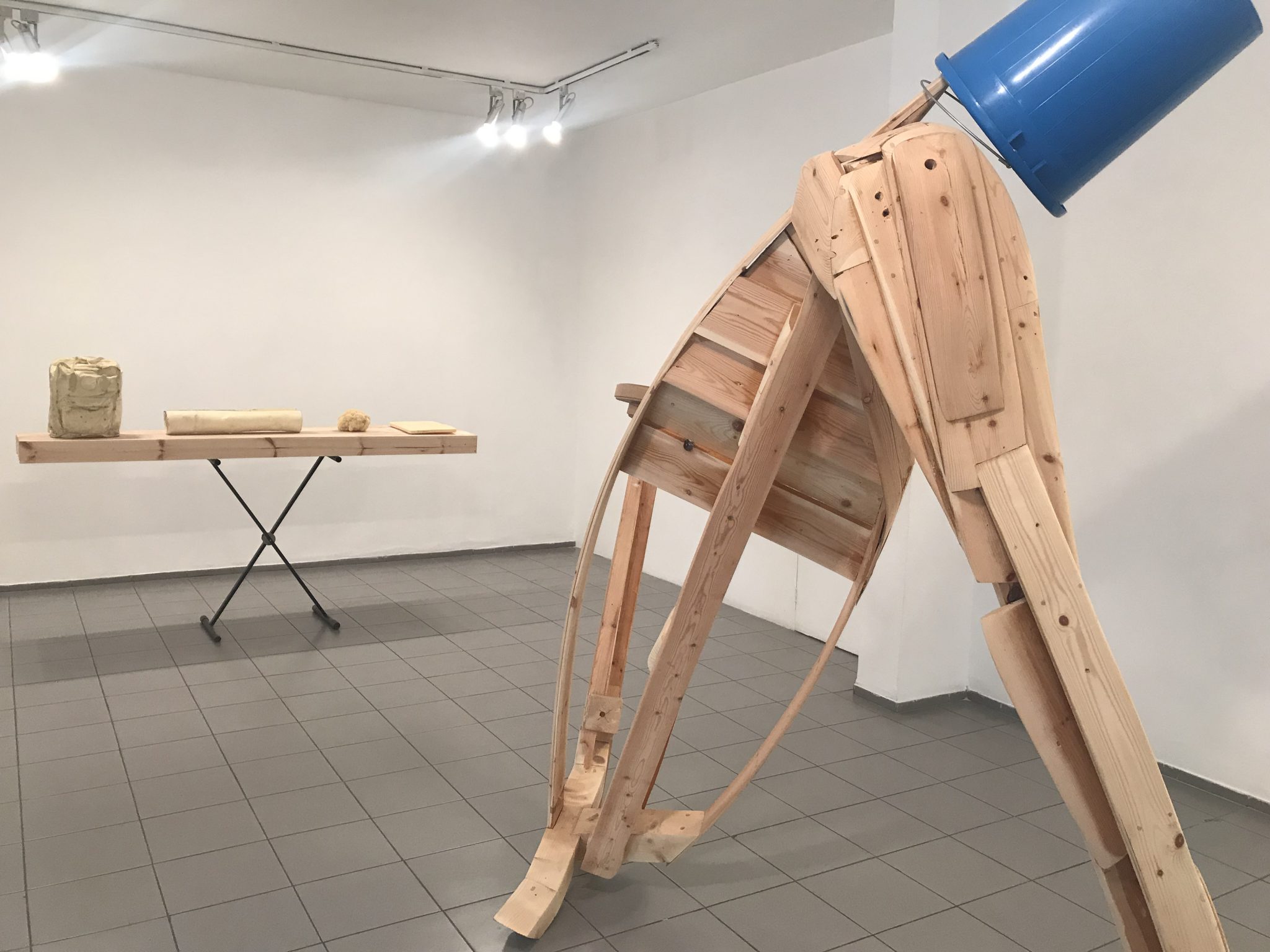
Gabi Kricheli ,The Four Horsemen of the Apocalypse
installation view
Posted in Uncategorized | Comments Off on איך נקרא אף ללא גוף, אין יודע / גבי קריכלי | Gabi Kricheli- how to name a nose without a body, nobody knows

תערוכות בוגרי בצלאל 2018 |Bezalel BFA Graduates’ Exhibition, 2018

 בתערוכת בוגרי התואר הראשון בבצלאל יש כמה עבודות מבטיחות. במבט כולל במחלקות הקרמיקה, האמנות והצילום התחושה היא ששולט קונפורמיזם מסוים מה שאינו בהכרח רע. מי שימשיכו להתפתח אחרי הלימודים, ולא רבים ממאות הבוגרים של בתי הספר השונים ממשיכים במסלול האמנות , יהיה  די זמן ,ואולי גם יותר עומק, לבחון כיוונים נוספים.

Shani Reches
In between Bodies

במחלקה לקרמיקה, מחלקה שלא פעם בעבר הייתה המעניינת ביותר יש עיסוק נרחב בזכוכית, חומר בו הגיעו הסטודנטים להישגים ואובייקטים שהזכירו חנויות מפוארות לקהל שמרני.
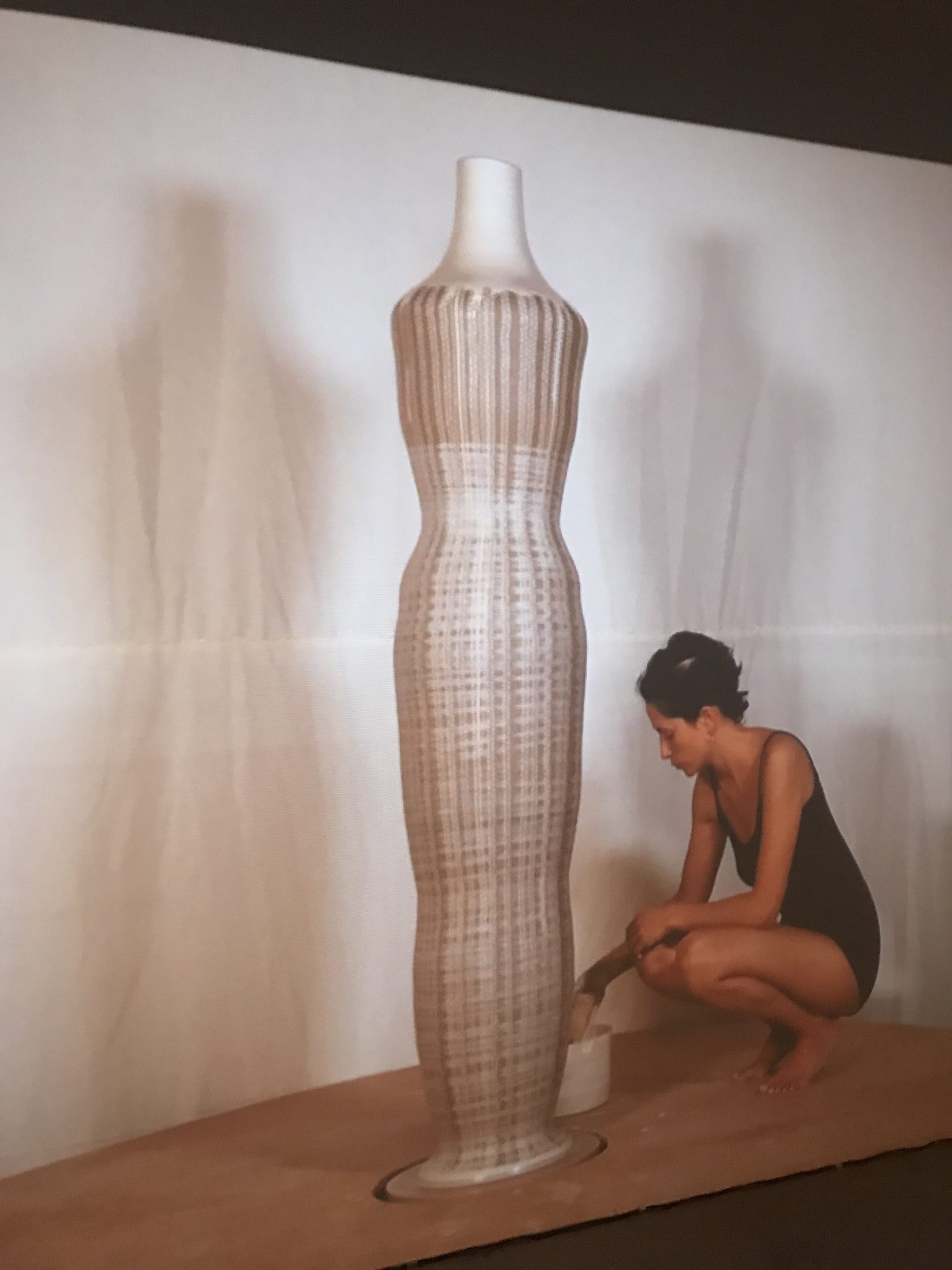
שני רכס יצרה מיצב מצוין שכלל וידיאו וכדי קרמיקה . היא עוסקת ביחס גוף לכד וכך מתקשרת למסורות ומיתולוגיות הנוגעות לאדם כעשוי חומר (עפר), הגוף כמיכל, לרבות הקשר הנשי של כדים ומכלים. בפרשנות הפרופרמטיבית היא משרטטת מעין הדדיות בין הכד ליוצרת , כשנושאים של קבלה ועיצוב העצמי  עולים מהאנלוגיה.
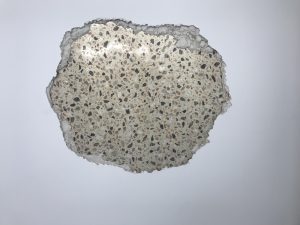
שתי אמניות מעניינות במחלקה לאמנות הן של אלישבע גייקובס ואור שולמן שאחרי שתיהן יהיה מסקרן לעקוב . גייקובס מטפלת בחלל על ידי שתילת חומרים או העתקים של חומרים  כמו צילום של רצפת טרצו שצצה בקיר, או אלמנט קינטי

Elisheva Jacobs

צהוב הנע בתוך קיר או עטיפת מעקה במסקינגטייפ. היא יוצרת תחביר מפורק , מערערת את הקוהרנטיות של חלל סתמי ומרמזת לאפשריות נוספות לקרוא אותו .
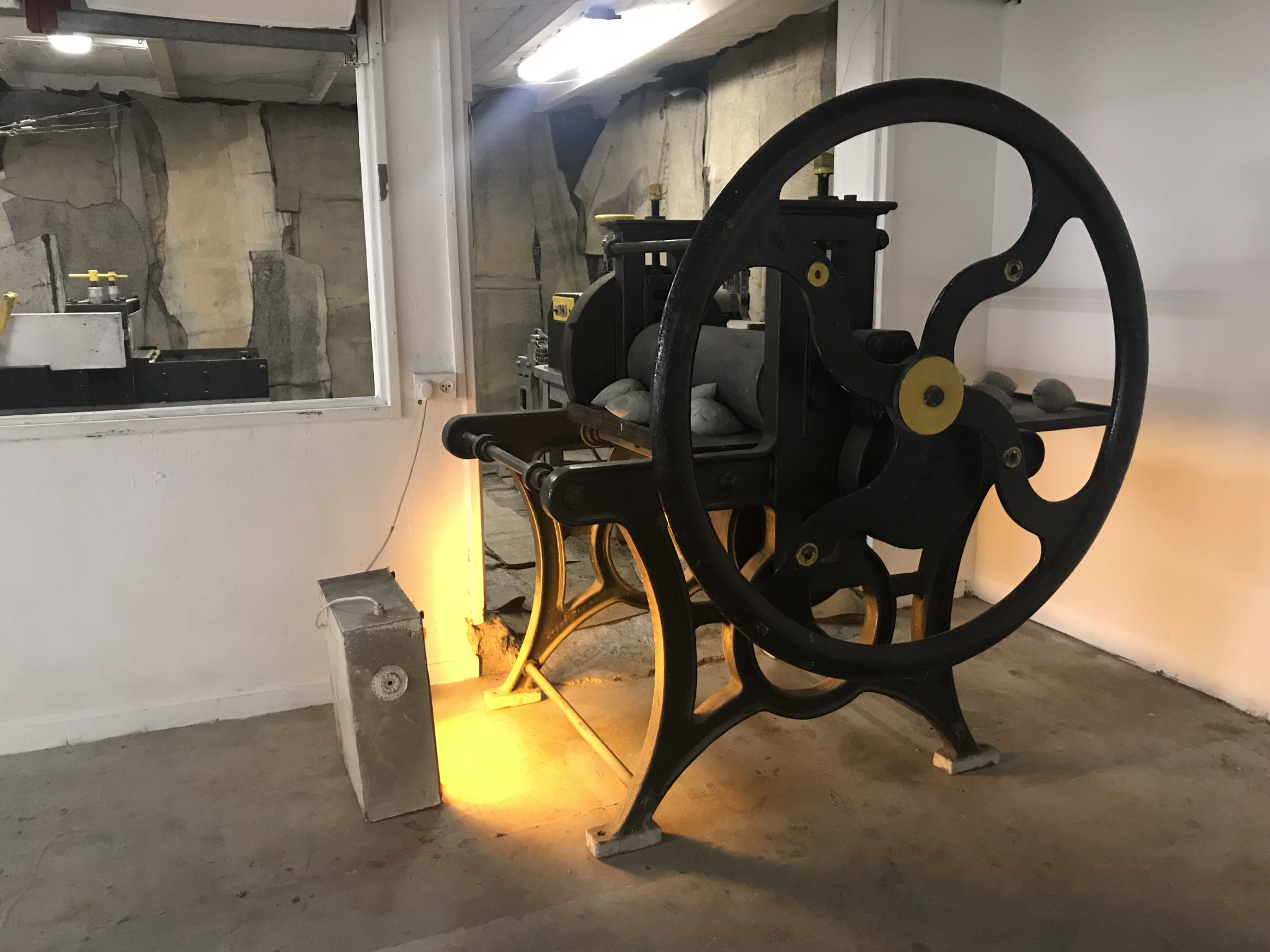
אור שולמן יצרה מיצב בתוך חללים המשמשים להדפס. היא הוסיפה אובייקטים הנראים כדמעות בטון, מין גידול מכושף שצמח והשבית מלאכה, יריעות חומרים שונים כמו גליונות איטום המכסים קירות ותקרות כך שהחלל נדמה שהוקפא. למרות שאין סיפור הרי ההפקעה מחוץ למקום ולזמן מצמררת ויוצרת שרשרת אסוציאציות משואה עד שואה גרעינית.

Or Shloman

במחלקה לצילום יש מספר עבודות בולטות כמו זו של נועם בייטנר “אחד, שניים”, עבודה מרשימה שמנסה לדבר על סימנים אישים במרחב היסטורי  והולכת מציור פלמי ועד פורצלן סיני( לא יכולתי שלא לתהות היכן מנחיו ומדוע הניחו לו להציב במיצב עבודות פיסול הנראות כהעתקה ,לא ציטוט ולא השראה, מיצחק גולומבק); צילום נוף של  טל אורי ; “טרילוגיה של סופי שבוע”, עבודה פואטית של אלבומי תצלומים המונחים לדפדוף בחלל כשל כתה ,שיצרה ליהיא בנימין,  ופרויקט של מיכאל שבדרון בשם “10דק’ ממשגב שלום” המתעד מרוצי סוסים ומתכתב עם הייצוג של סוסים בתולדות האמנות ומשמעותם בתרבות מקומית .

Idit Gilad

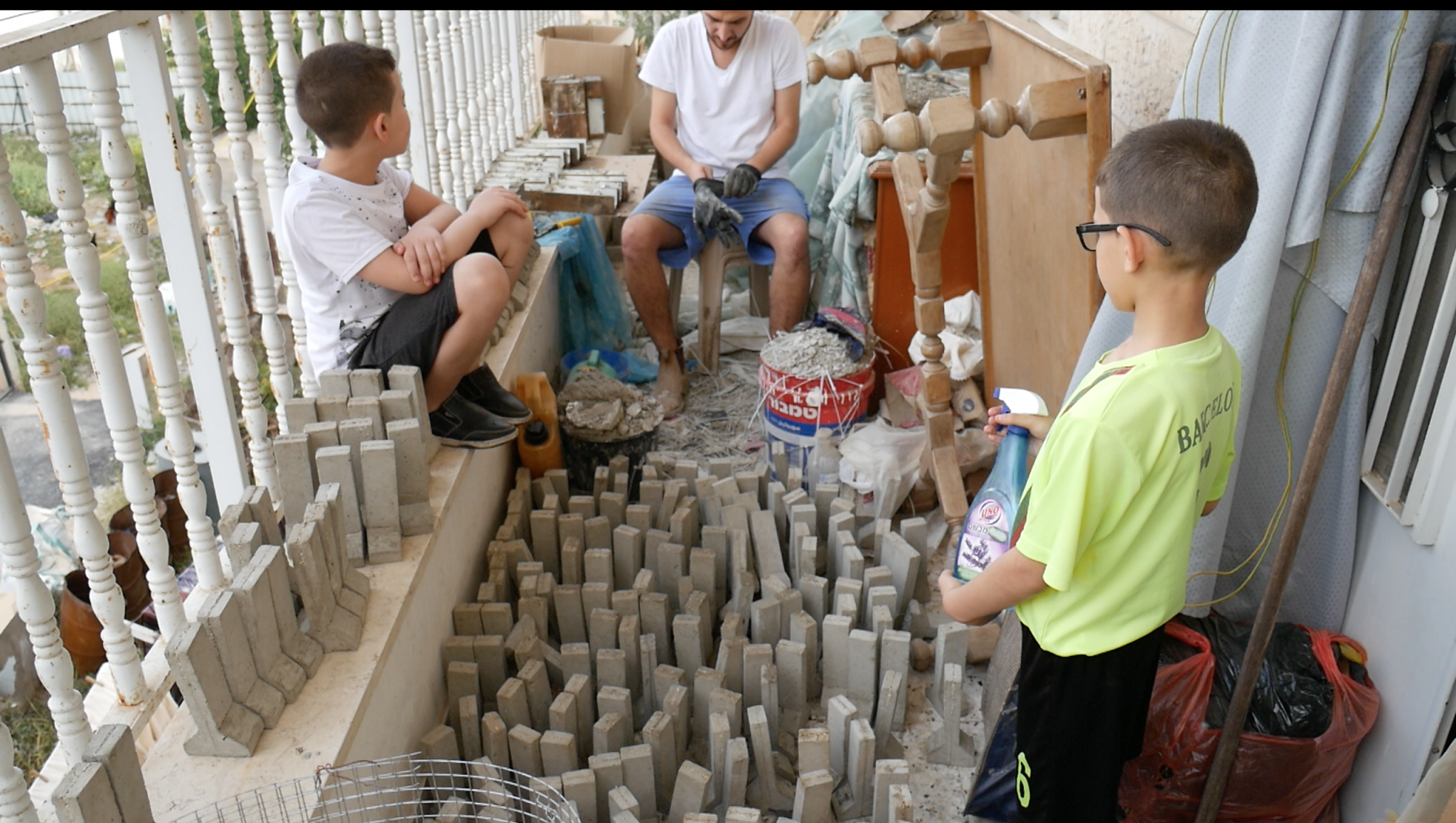
עוד בולטים בצילום ובאמנות הסרט המעוצב היטב של שי דרור  שיש בו דמיון רב (מידי)  לפעולות ועיצוב התנועה של “תנועה ציבורית”.    עבודת הווידאו עבד אל-רחמן גולני    The Wall Inside Me בה הוא מציב דגם מוקטן של חומת ההפרדה במרפסת ביתו בשועפט ומדבר על החלחול של האלימות לממד הפרטי ועל אופן בו היא ממארת , צומחת כגידול בתוך בית .; רישומים של מאי ספז ופיסול מצוין של עידית גלעד , ובמיוחד מיטה שפורקה ומזרונה נצרב וראש המיטה כוסה כמו איבר חי מגובס, מוגבל בתנועה , מרותק למיטה.

להרשמה לניוזלטר הפרסומי השבועי של “החלון” בנושאי אמנות, אירועים ותערוכות חדשות
www.smadarsheffi.com/?p=925 (הרישום נפרד מהרישום לבלוג)

לפרטים על סיורי אמנות והצטרפות לקבוצה הקבועה כיתבו 

thewindowartsite@gmail.com 

 smadarsheffi עיקבו אחרי  באינסטגרם

Abed al-Rahman Julani
The Wall Inside Me

Bezalel BFA Graduates’ Exhibition, 2018

This year’s graduates’ exhibition has several promising works. An overview of the departments of ceramic and glass, fine arts, and photography gives the feeling of a certain overall conformism, which is not necessarily a bad thing. Those who continue to develop their art after graduation (and let us remember that not many continue as artists over the years) will have plenty of time to explore more directions.

The Ceramics and Glass Department, which in the past has frequently been the most interesting, is showing an extensive engagement with glass, with the students having achieved objects and a level reminiscent of luxury goods for a conservative audience. Shani Reches created an excellent installation comprising video and ceramics, engaging in the relationship between the body and a vase, associated with the traditions and mythologies of humans as made of clay/earth (and returning to earth), the body as container, and the feminine associations of the vase as container. In her performative interpretation, Reches delineates a mutuality between the vase and the artist as containing and shaping the self, obtaining from the analogy.

Idit Gilad

Two artists to watch from the Fine Arts Department who piqued my interest are Elisheva Jacobs and Or Shloman. Jacobs intervenes in space, placing materials or replicated materials such as photographs of terrazzo floor in the wall, a kinetic yellow element moving within the wall, or wrapping a handrail with masking tape. She creates a deconstructed context while challenging the coherence of a neutral space, hinting at its additional possible readings.

Or Shloman’s installation is located in the printing areas. She added concrete objects looking like tears, a sort of magical crop that grew up and stopped the printing works, with sheets of various materials such as sealant sheets covering walls and ceilings, “freezing” the space. Despite the lack of narrative, the displacement outside of time and place is chilling, giving rise to a chain of associations from the Shoah to a nuclear holocaust.

The Photography Department section has several outstanding works, such as Noam Baitner’s One, Two, an impressive work attempting to speak about personal signs in an historical space, from Flemish painting to Chinese porcelain (which made me wonder where his advisors were, and why they let him install sculptures that look like replicas instead of quotations or inspiration from Yitzhak Golombek). Weekend Trilogy, a poetic work by Lihi Binyamin with photo albums open to perusal, as if in a classroom, and Michael Shvadron’s documentary project on horseracing, 10 min. from Misgav Shalom, corresponding with the representation of horses in art history and their meaning in local culture.

Join the mailing list for Window’s weekly informational advertising newsletter – 
www.smadarsheffi.com/?p=925
For information about Art tours    – please write
thewindowartsite@gmail.com

Follow me on Instagram: smadarsheffi

Posted in וידיאו, ציור, צילום | Comments Off on תערוכות בוגרי בצלאל 2018 |Bezalel BFA Graduates’ Exhibition, 2018

(מ)ציירות נוף | Women Painting Landscape

“(מ)ציירות נוף” היא במידה רבה ראשיתו של פרויקט הרבה יותר מכפי שהיא סיכומו. האוצרות רות מרקוס ורותי חינסקי-אמיתי מתייחסות למספר סוגיות: האחת היא שאלת מקומו של ציור הנוף הפתוח בשפה החזותית בתולדות האמנות המקומית מראשית המאה הקודמת, מדוע הפך ממרכזי לזניח וחזר שוב להיות שכיח. בתוך סוגת הציור הספציפית הן מתייחסות לציור של נשים: מי ציירה? כיצד? והאם ציוריה הוצגו או נשארו בבחינת שירים למגירה. נוף מהווה כבר כמה שנים נקודות מוצא לדיון.

Hadar Gad, Jezreel Valley 2012 (Detail)

בעוד ההיבט הפוליטי הצר של ציור נוף נידון בארץ משנות ה 90 , בעיקר התעלמות חלק מציור הנוף הישראלי משרידי קיום פלשתיני, הרי הדיון במבט המגדרי  בראשיתו. מרקוס וחינסקי אמיתי  בוחנות היבט זה  ומתוות שבילים למחקר עתידי בתערוכה שיש בה כמה פנינים של ממש.  בכך הן ממשיכות לעסוק אג’נדה של העמותה לחקר אמנות נשים ומגדר בישראל   כפי שהועלתה ב”הסיפור שלה”, תערוכה שהוצגה באותו מקום ב 2016  ובמרכזה תיקון  דחיקת אמניות לשולי התודעה התרבותית.

Hanah Livnat Merzer , Safed

“(מ)ציירות נוף”  מאירה עבודת אמניות שהיגרו לארץ ומפגשן עם  הנוף מבליע התרשמות האסטטית כחלק מעמדה אידאולוגית, ציונית. יתכן ושיקולי ביוגרפיה של האמניות ואולי רצון להביא מנעד רחב הביא להבדלים גדולים למדי באיכות העבודות, במיוחד המוקדמות.
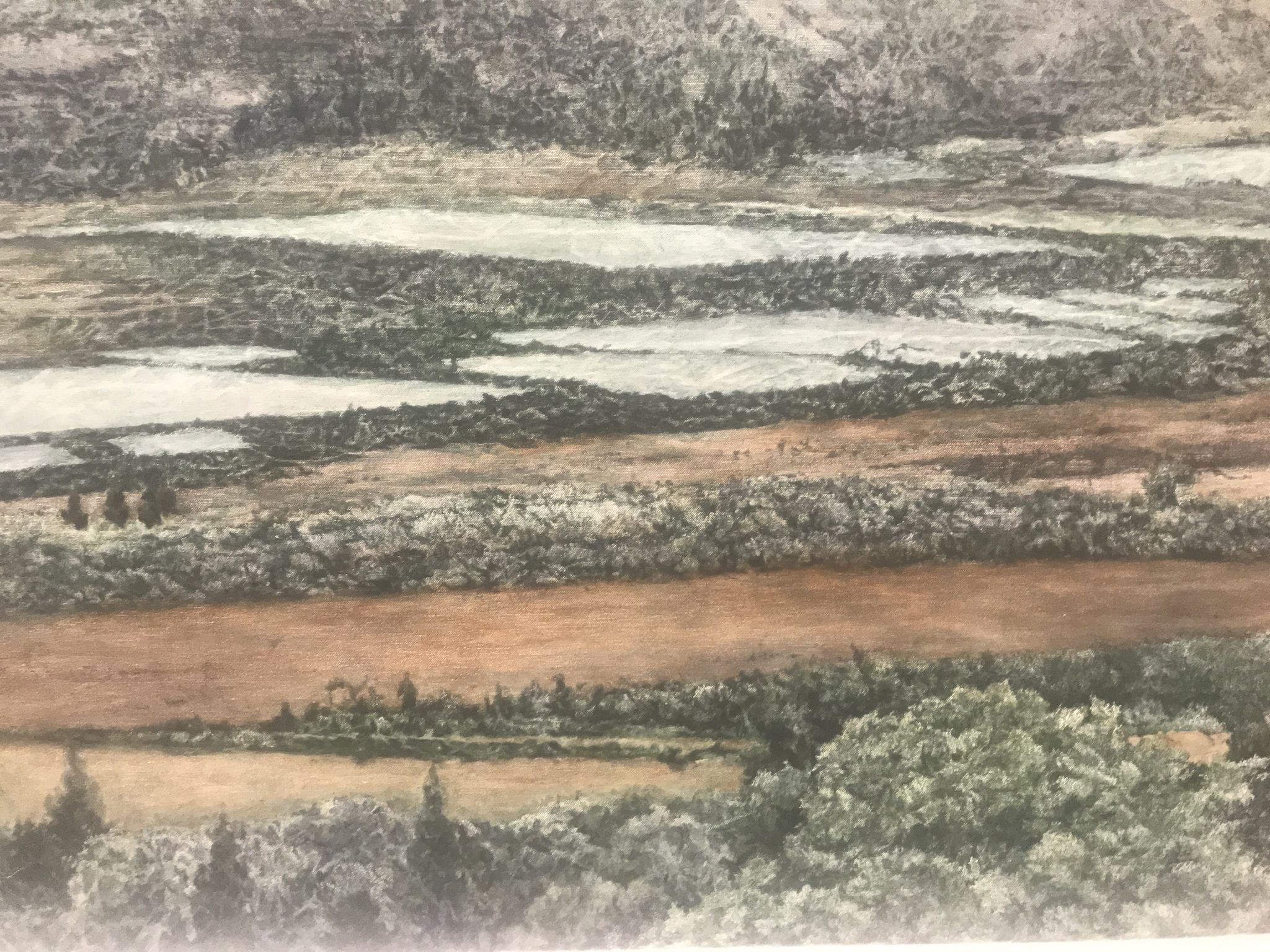
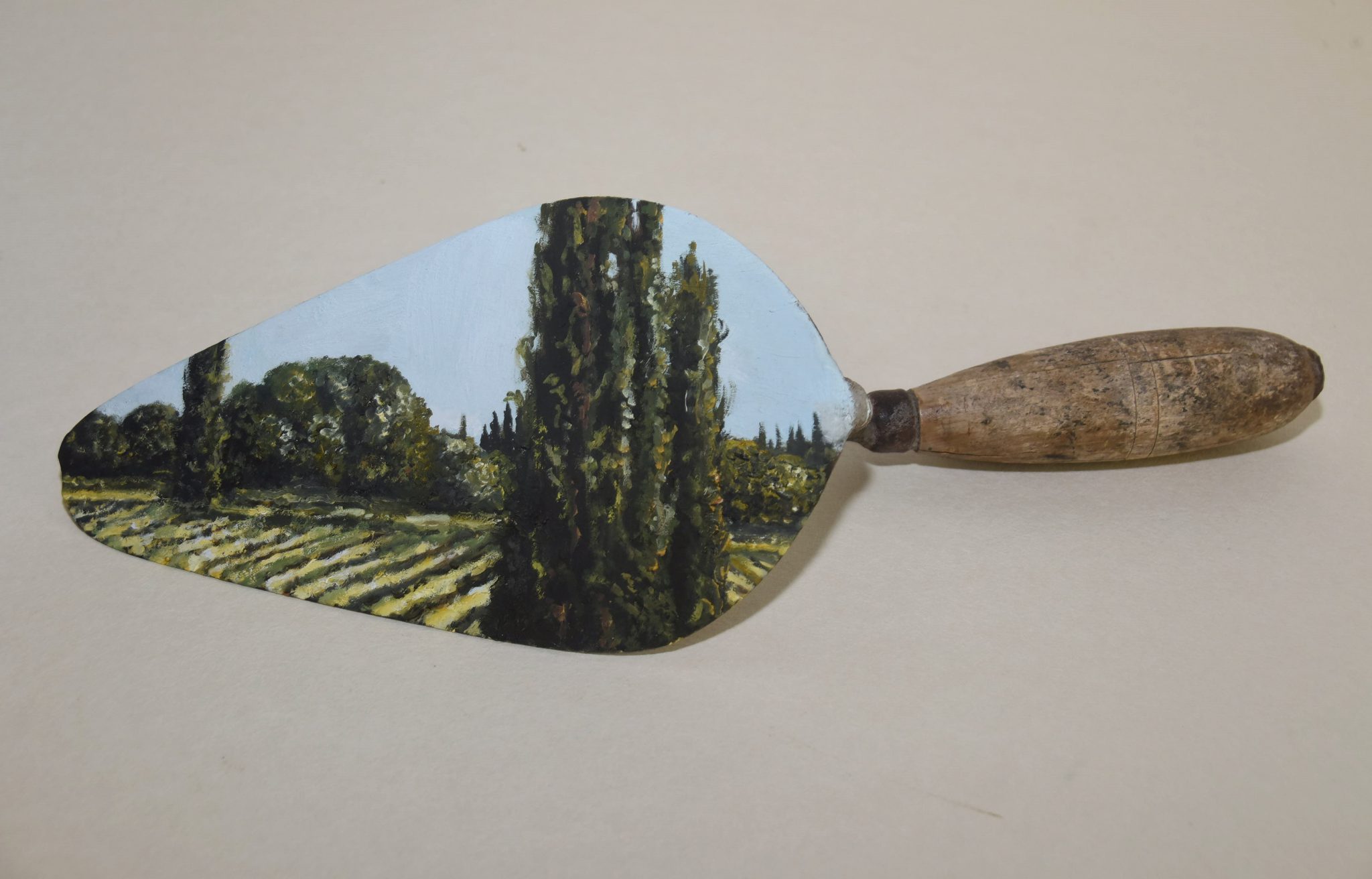
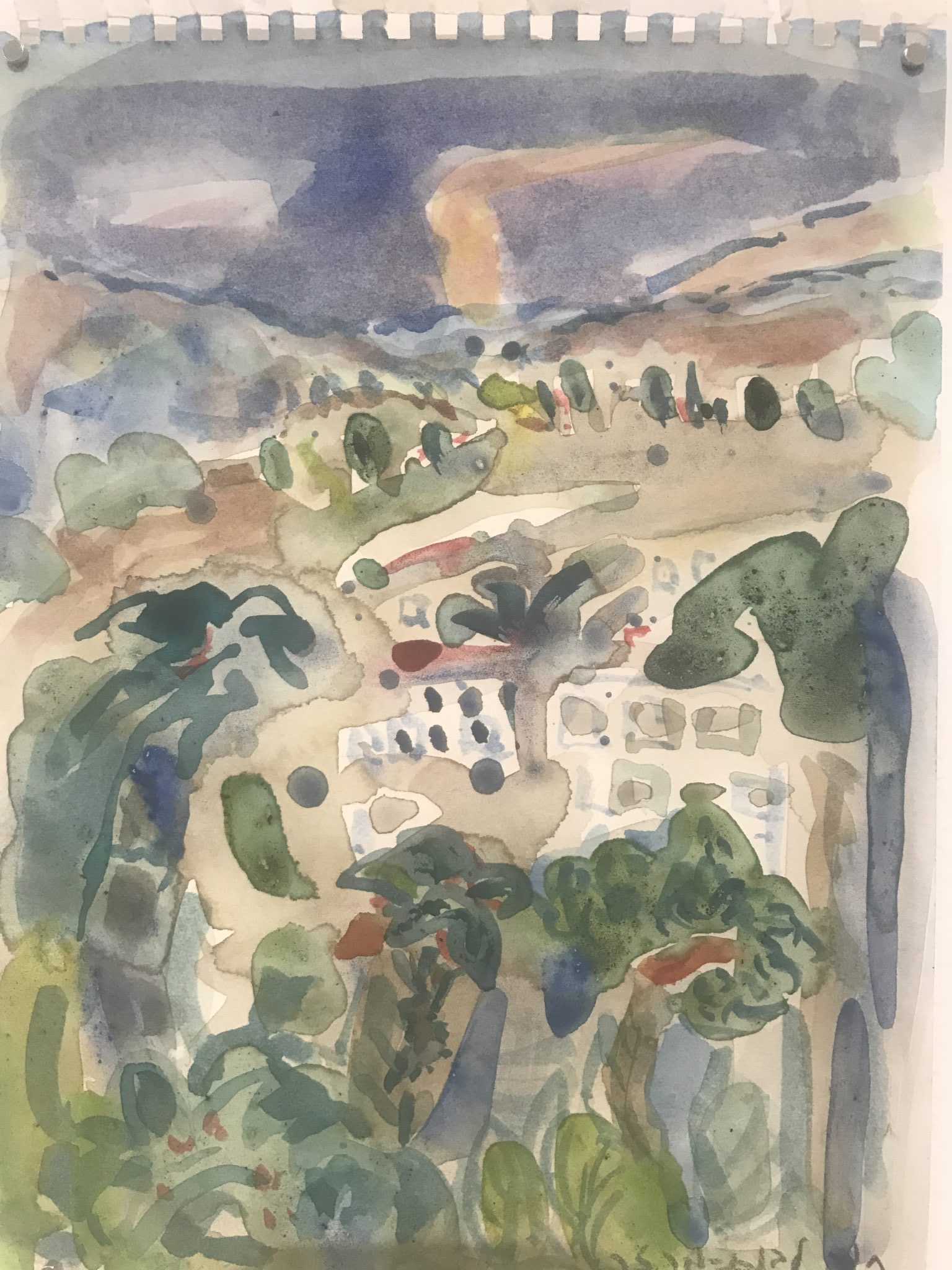
בין העבודות בולטות עבודות אקוורל ,טכניקה שאינה מוערכת דיה, של מיוריאל בנטוויץ משנות ה 40, של חוה לבנת מרזר  שציירה את נופי צפון הארץ (עבודתה המתוארכת היא משנות ה 80) ועבודות כהות ומעניינות של מרגו גראן  שנראות  כרישומי דיו . חנה נוה מוצגת עם עבודות שמן אפלות שמציעות פרשנות פחות שכיחה של נוף . חיה גרץ רן מציגה שתי  עבודות יפות  המצוירות על אובייקטים  :”נוף העמק ” 2017 על כף טייחים  ו”ערכת הנוף” 2014   העשויה בקופסת מעבדה ביולוגית שהשתמרו בה רשימות. “נוף עמק יזרעאל”, 2012  של הדר גד, היא עבודה מרשימה, והיחידה בתערוכה שתופסת את האיכות העוצרת נשימה  שיש בנוף, את הרגע בו הוא משרה ענווה אצל העומדים מולו . הציור של גד, גם בזכות גודלו וגם בשל המקומות בהם הוא נפרד מתיאור מציאות, מתכתב עם ההיסטוריה של ציור נוף רומנטי של המאה ה19, במיוחד האמריקאי כמו של תומס קול הבריטי- אמריקאי.
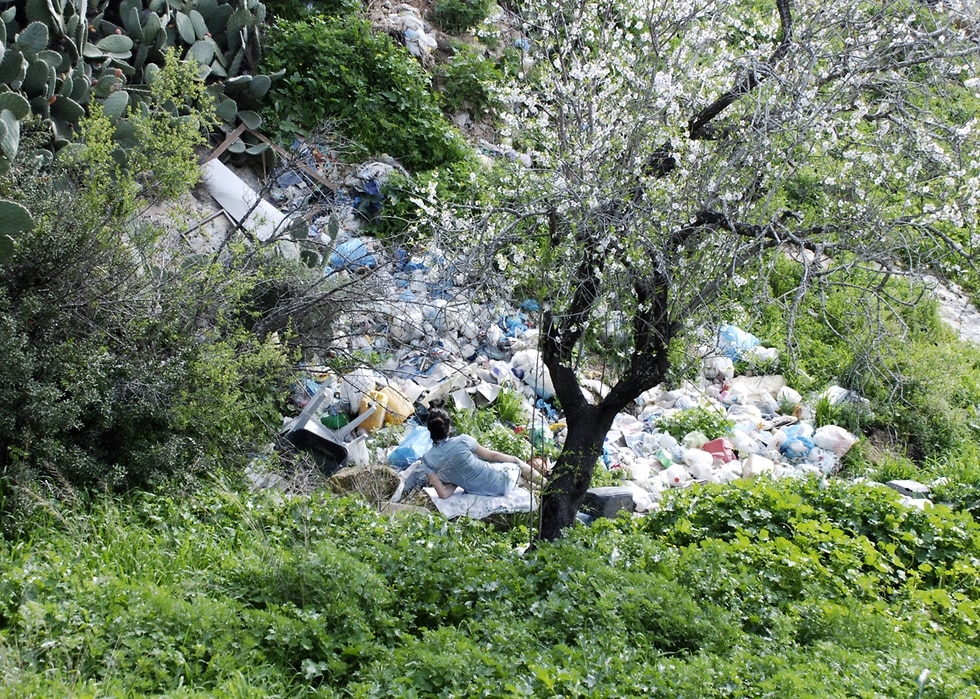
בתערוכה שני תצלומים. האחד, של אמירה זיאן, אמנית דרוזית והשני, של אסתי עלמו וקסלר , אמנית ממוצא אתיופי, כך שתי העבודות היוצאות דופן מבחינת המדיה בתערוכה הן של אמניות השייכות לקבוצות מיעוט , וכאלו שההפליה נגדן לא פעם כפולה ומשולשת. בעבודה  היפה של זיאן ניראה מפגש בין שקד פורח וגל אשפה כשבתווך אישה שוכבת בגבה למצלמה,. ההתייחסות לדימוי האודליסק, האישה המזרחית בדמיון האירופאי האוריינטליסטי אירוני וברור. העבודה של עלמו וקסלר היא קטע עזוב ושומם בים המלח הד להלך רוח מלנכולי. הצילומים מצביעים על היבט נוסף שהדיון בנושא נשים ונוף יכול ללבן, ויש לקוות שכך יקרה. בטקסט הנלווה לעבודתה של עלמו וקסלר מאירות האוצרות הסללה נושאית שהופעלה כלפיה כאשר מוריה חשבו שעדיף שתעסוק בנושאי האפליה כלפי הקהילה יוצאת אתיופיה ולא בנוף.

  ***

 “(מ)ציירות נוף ” המוצגת באולם המרכזי בבית האמנים  היא כאמור התערוכה השנייה של העמותה לאמנות נשים ומגדר בישראל . לצידה מוצגות בבית האמנים עוד שתי תערוכות יחיד קטנות (דבורה וסרמן   ורות זינגר ) גם הן בחסות העמותה כך שהיא הולכת ומסתמנת כגוף שצובר  משקל ונפח פעילות.

(מ)ציירות נוף, אוצרות: רות מרקוס ורותי חינסקי-אמיתי
בית האמנים ע”ש זריצקי, תל-אביב

להרשמה לניוזלטר הפרסומי השבועי של “החלון” בנושאי אמנות, אירועים ותערוכות חדשות
www.smadarsheffi.com/?p=925 (הרישום נפרד מהרישום לבלוג)

לפרטים על סיורי אמנות והצטרפות לקבוצה הקבועה כיתבו 

thewindowartsite@gmail.com 

 smadarsheffi עיקבו אחרי  באינסטגרם

Amira Sian

[Women] Painting Landscape

To a great extent, this exhibition marks the possibilities for further exploration. Curators Ruth Markus and Ruty Chinsky-Amitay refer to several issues: one is the place of landscape painting in the history of local art, and within this specific genre, they refer to paintings by women. Landscape has been the focus of much discussion. While the political aspect has been discussed in Israel since the 1990s, especially ignoring the remnants of Palestinian habitation, the discourse on gender in landscape painting is at its inception.

Hanah Livnat Merzer , Safed

The works in the exhibition are extremely diverse in quality. Some of the works that stand out are watercolors by Muriel Bentwich from the 1940s, and Chava Livnat Merzer’s landscapes of northern Israel (one is dated 1980). Margot Gran’s interesting paintings look like ink drawings. Haya Graetz Ran is exhibiting two lovely works painted on objects, while Hadar Gad’s Jezreel Valley (2012) is an impressive work, the only one capturing the breathtaking quality of landscape and the moment in which one feels overwhelmed standing before a view. Gad’s work, whether due to its size or the places in which she ceases to describe reality, correspond with the history of the Romantic landscape of the 19th century, especially American painters such as Thomas Cole.

Hadar Gad, Jezreel Valley 2012 (Detail)

The two works in another medium – photography – are by two artists from minority communities, one photograph is by artist Amira Ziyan, a Druse, the other is by Esti Almo Wexler, from the Ethiopian community. Ziyan’s beautiful work depicts an encounter between a flowering almond tree and a refuse heap with a woman in the center, her back to the camera. The reference to the image of the Odalisque – the Eastern woman as imagined by the Orientalist European- is ironic and clear.

[Women] Painting Landscape

Curators: Ruth Markus and Ruty Chinsky-Amitay
Tel Aviv Artists’ House, Alharizi 9, Tel Aviv

Join the mailing list for Window’s weekly informational advertising newsletter – 
www.smadarsheffi.com/?p=925
For information about Art tours    – please write
thewindowartsite@gmail.com

Follow me on Instagram: smadarsheffi

Haya Graetz-Ran


Posted in ציור | Comments Off on (מ)ציירות נוף | Women Painting Landscape

סמדר שפי, החלון, אומנות ישראלית, אמנות ישראלית, Smadar Sheffi, The Window, Israeli Art