עריסתו של ניוטון | ליטל רובינשטיין|Lital Rubinstein, Newton’s Cradle, 2021

English follows Hebrew

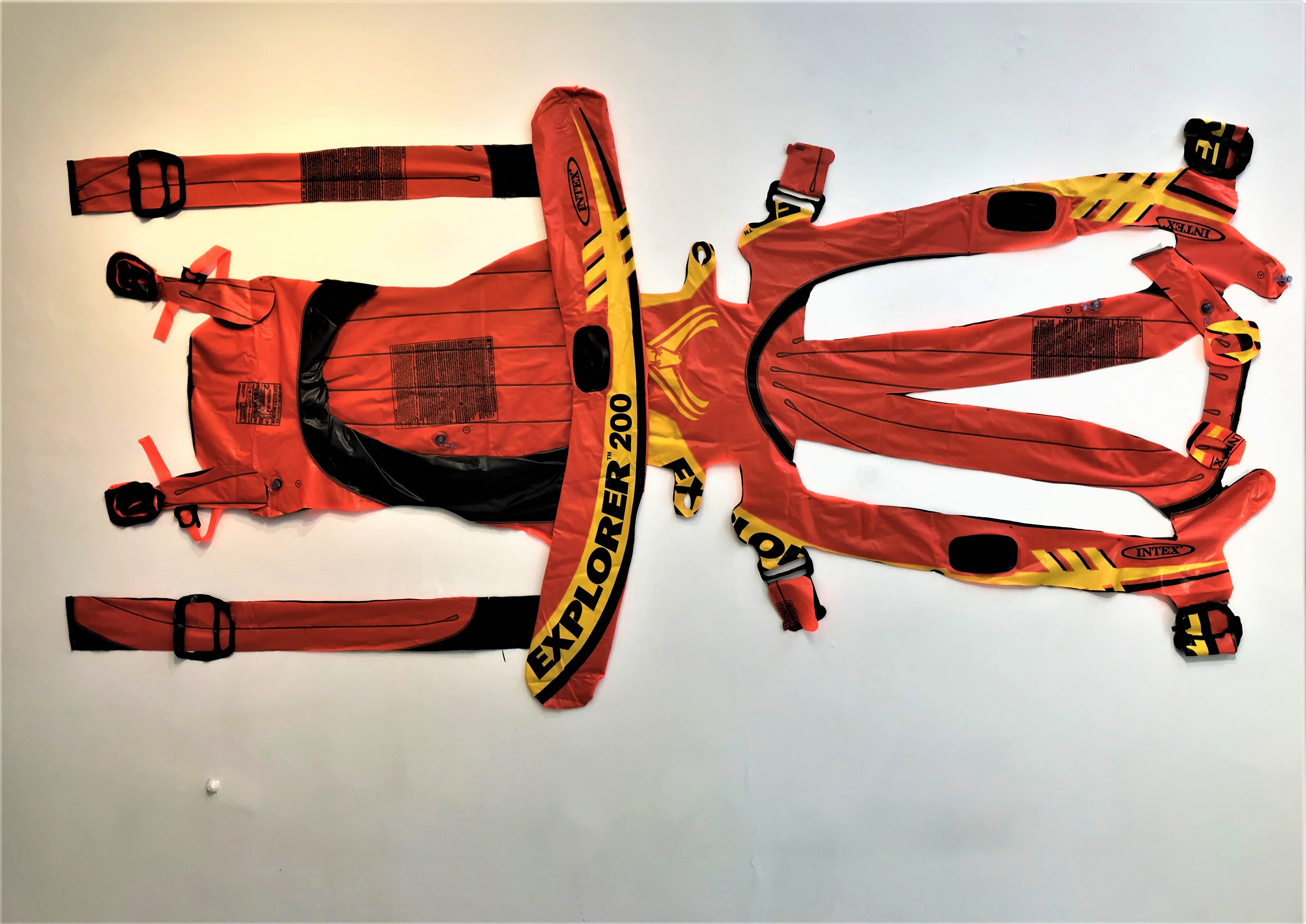
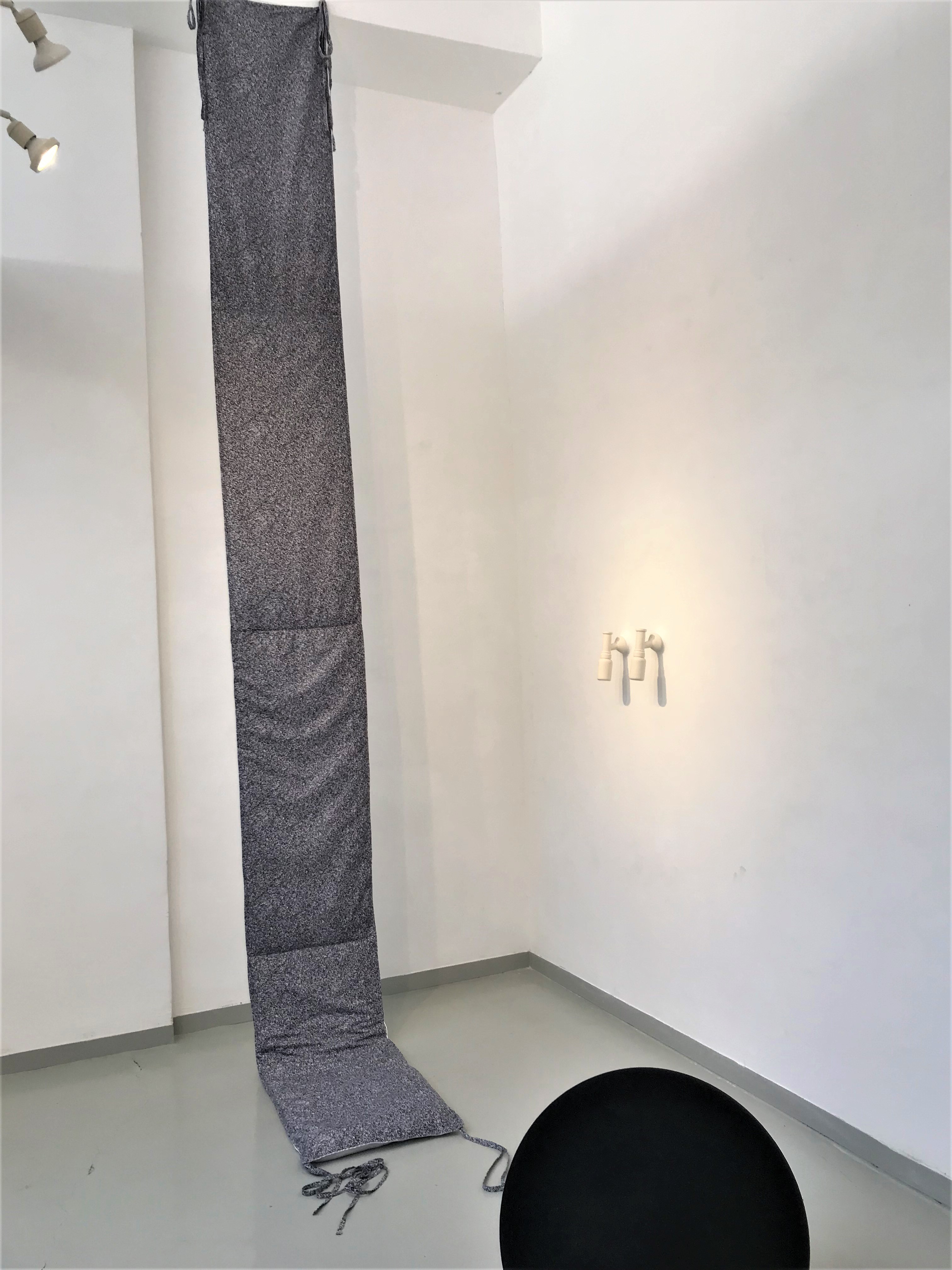
סירות הצלה שנגזרה מהן צורת מנשא תינוקות ענקית ומגן מיטה שנמתח לאורך כחמישה מטרים מהרצפה לתקרה  מוצבים זה מול זה כממסגרים את “עריסתו של ניוטון”, המיצב -תערוכה של ליטל רובינשטיין.
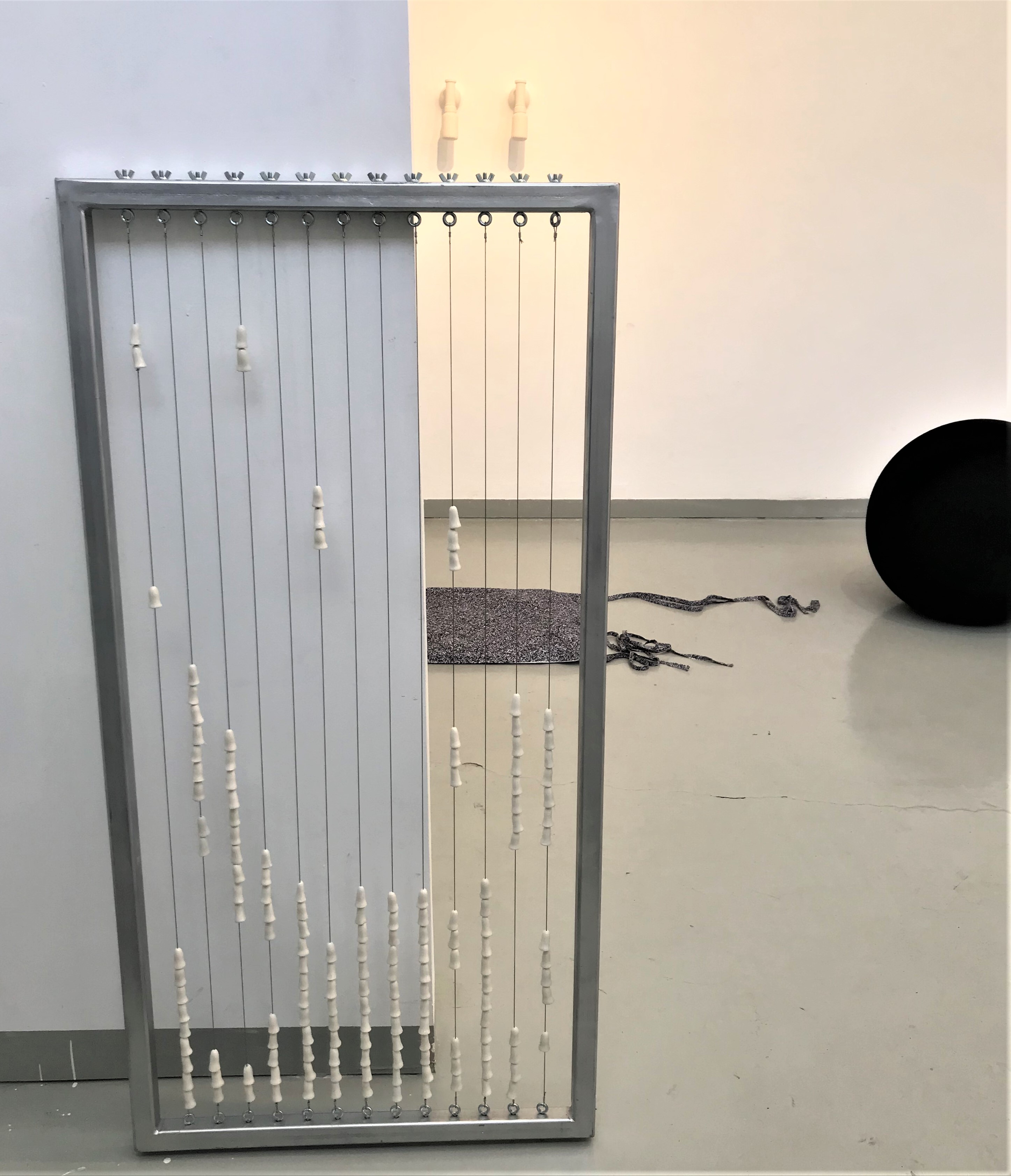
להזרה של חפצים על ידי הגדלתם  מסורת ארוכה באמנות עכשווית, החל מעבודות של קלאס אולדנברג ועד לפומפיות  ועריסת התינוקות ומיטת מעוררות החלחלה של מונה חאטום. רובינשטיין יוצרת במסורת הזו אביזרים לתינוקות שחרדות, סיוטים ופגיעות מילאו והגדילו אותם לממדים כמעט מפלצתיים. ביניהם , בגודלו הרגיל, מתגלגל כדור להתעמלות   fitness ball מושחר כולו ועל הקיר, מקרמיקה, שתי משאבות חלב הנראות ספק כפמוטים ספק אביזר תעשייתי. המערך כולו מדבר על שיבוש, קיטוע ומכניות.
Lital Rubinstein , Newton’s Cradle, 2021

מנשא התינוקות מספינות הצלה פרוס על הקיר כמו עור חיה שהופשט. גזירי הפלסטיק הכתום שחור עם הטקסטים המודפסים עליהם נראים תלושים, חלשים, וודאי לא החומר בתוכו יפקידו הורים את ילדיהם. המערבולת של אסוציאציות שהוא מעורר סוערת כמו הים הנעדר: הסירות כתיבות הצלה  מקיפות הקשרים מתיבת משה המצילה אותו מהרג הבנים היהודים במצרים ועד לספינות שהן התקווה הנואשת, הקלושה למילוני פליטים בדרכם לחיים טובים יותר. רובינשטיין יוצרת אובייקט שאין בינו לבין הדימוי לפיו נעשה ולא כלום וכולו מכורסם ספקות: את מי תפקידו, המטאפורי, של המנשא לשאת – ילדים או הוריהם? ומאיזה ים וסערה להושיעם?
מגן המיטה רך, כפי שמגינים כאלו במציאות אך במקום להקיף מיטה, לרכך מגע, הוא תלוי, רופס . על המגן מודפסת דוגמא של “שלג” כמסך טלוויזיה שהקליטה בו השתבשה. הרעש שנלווה לדימוי מתקשר לסוג הרעש הלבן הצלילים שיוצרים באמצעים שונים כידי להרגיע תינוקות, רחשים שמדמים צלילים ברחם (מקום שכנראה אינו שקט כלל) . רובינשטיין משאירה את הרעש כדימוי חזותי בלבד, מעוקר, כמו המגן כולו מפונקציה.
כדור ההתעמלות הכהה, ניגוד מוחלט לצבעים העליזים של כדורים כאלו הוא חפץ ממגנט. הטקסטורה קטיפתית, אוצרת סוד אבל הקסם טורד כשהדמיון לכדור תותח עולה על הדעת, או לכוכב שחזר למצב היולי.
Lital Rubinstein , Newton’s Cradle, 2021

לידה וגידול ילדים, חוויה אוניברסלית’ היא בעלת ייצוג מוגבל ביותר גם היום. הכניסה לאזורי החששות והחרדות שבאות על לידת ילד; השינוי של קנה מידה במובנים הקשורים לשינוי של הגוף הגדל בהריון ומתגלה כאלסטי , וגם לתפיסות סדר עדיפות עלולים לגלוש בקלות לרגשנות. ללא פאתוס, בתערוכה הקטנה והמדויקת רובינשטיין מדברת על המעגל של לידה וראשית וסוף. דרך שתי משאבות החלב היא מעירה על הסכנה שהמקום של האם עלול להיות מצומצם לתפקיד מכני וכך בחשבונייה שפטמות מחליפות בה חרוזים. מעניין לחשוב על התערוכה בהקשר לעבודות כמו המעקב של מרי קלי בשנים  1973-1979 אחרי התפתחות בנה , וגם לחזור לעריסה שיצרה מונה חאטום ב 1993 ושמה   Incommunicado חוסר תקשורת.  קלי אספה ותיעדה תהליך, של הכרות, גדילה, תהליך היפרדות דרך חפצי היומיום ויצרה יומן/דיוקן של תקופה והלך רוח.  העריסה של חאטום איבדה את האפיונים של  עריסה כמגינה, מעין תחליף רחם, והפכה למכשיר סדיסטי עם חוטי מתכת במקום מזרון. שם התערוכה, ” עריסתו של ניוטון” היא כשם משחק מנהלים הפועל על עקרון פיזיקלי של שימור תנועה ואנרגיה קינטית. הכדורים בדרך כלל תלויים בין מסגרות מתכת, זזים אך כלואים במעגל אינסופי. רובינשטיין מחווה כלפי המבנה הזה בהצבה בחלל, וגם בכדור השחור אך מעבר לכך , כמו המשחק הנושא הוא תהליך חוזר, הנדמה כאין סופי, של אימהות, על מורכבויותיה.

עריסתו של ניוטון | ליטל רובינשטיין
אוצרת: דניאל צדקה כהן.
מקום לאמנות

Takashi Murakami – הרבה יותר מתיקי לואי ויטון

האקדמיה של החלון – הרצאות ד”ר סמדר שפי ב ZOOM
יום  ב,  7 יוני 2021, ב 20:00
לינק לרישום ותשלום
https://forms.gle/KytY2LeCRADw2d9c9

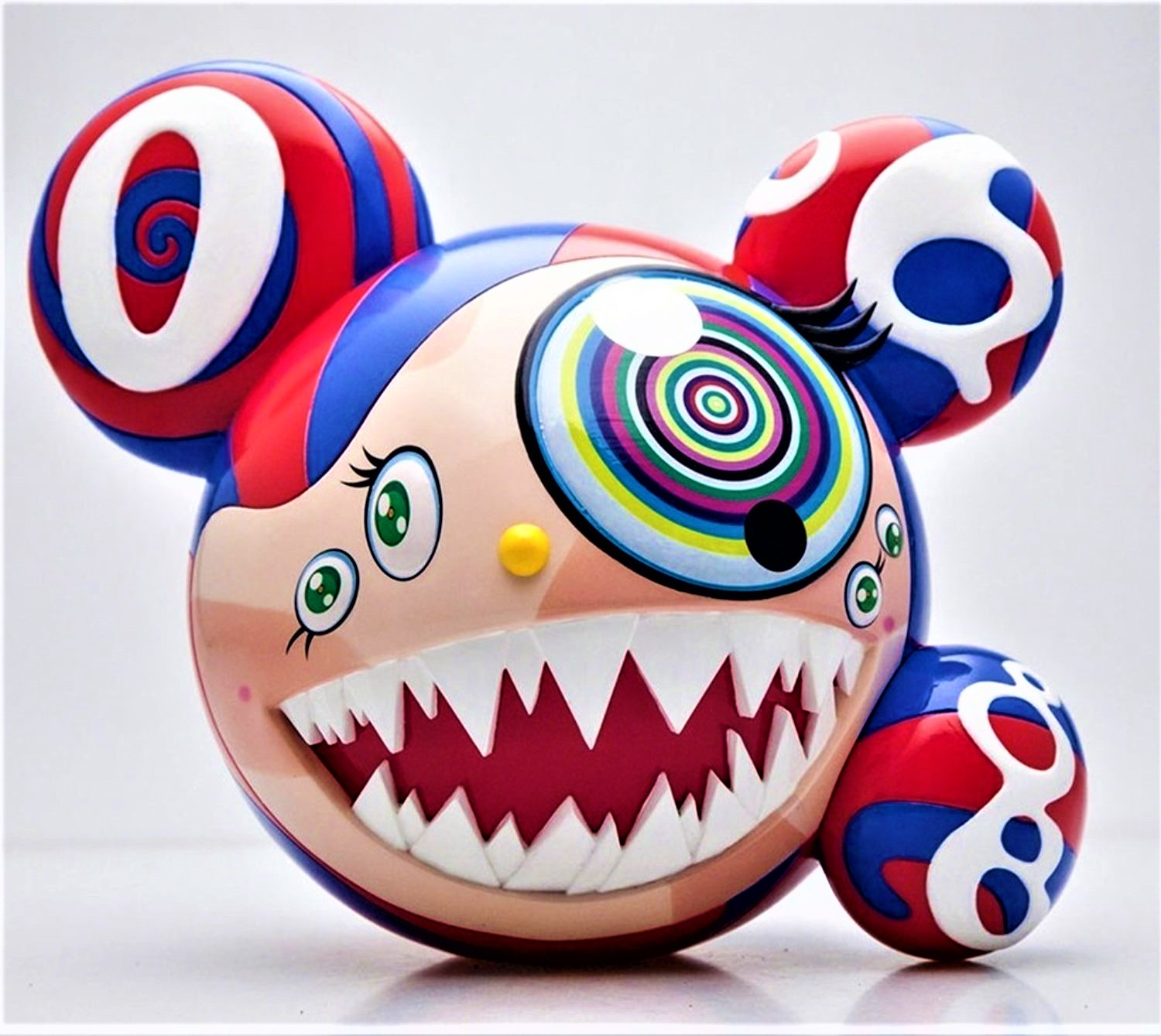
עד לפני שנים אחדות היה מורקאמי מזוהה  עם שיתוף הפעולה הארוך והמוצלח שלו עם חברת מוצרי היוקרה לואי ויטון.  כיום הוא אחד האמנים הבינלאומיים המובילים ועומד בראש Kaikai Kiki שניתן לתאר אותו כסטודיו ליצירת אמנות, לקידום רעיונות וגם לניהול ובניית קריירה עבור אמנים צעירים. העבודות הצבעוניות צוהלות של מוראקמי צופנות סודות וזיכרונות, שואבות מאמנות יפנית מסורתית, מאמנות רחוב יפנית עכשווית, ומאמנות מערבית מתקופות שונות . עבודותיו מאתגרות כל קטגוריזציה. השיח בין גבוה לנמוך, רוחני וצרכני, חמוד ואפל מרתק. 
Lital Rubinstein , Newton’s Cradle, 2021


Lital Rubinstein, Newton’s Cradle, 2021

Rubber life rafts from which a huge baby carrier was cut out and put together, and a huge protective crib liner stretched out about 5 meters from the floor to the ceiling are installed facing each other in Lital Rubinstein’s exhibition. Newton’s Cradle. There is a long tradition in contemporary art of using enlargement of everyday objects, magnifying them as a defamiliarization technique, from Claes Oldenburg’s objects to Mona Hatoum’s chilling grater and cradle.

Lital Rubinstein , Newton’s Cradle, 2021

Rubinstein uses this tradition to create baby accessories filled with anxieties, nightmares and vulnerability, enlarged to a monstrous size. A normal-sized, blackened fitness ball, rolls through the space, while two ceramic breast pumps attached to the wall look like candlesticks or perhaps some industrial object. The entire installation speaks of disruption, severance, and mechanicalness.


The baby carrier made from the life raft is mounted on the wall like a trapper’s animal hide. The pieces cut from the orange and black plastic with the printed texts on them look weak and alien, certainly not the material in which parents would place their children. The whirlpool of associations aroused by the piece are as stormy as the sea which is missing: boats as life rafts comprise contexts from Baby Moses on the Nile, saved from the genocide of the Hebrew babies in Egypt, through the boats that are the last hope of millions of refugees striving to escape to a better life. Rubinstein has created an object that has nothing whatsoever in common with the image it is intended to evoke; instead it emanates doubt: what is the metaphorical function of the baby carrier – should it bear children or their parents? From which storm will it save them?

Lital Rubinstein , Newton’s Cradle, 2021

The crib liner in the gallery, which is as soft as a “normal” crib liner, instead here is hanging limply. The printed pattern of “snow” like a TV screen gone wrong, with its “white noise” like the sounds meant to calm down babies, similar to sounds heard in the womb (which apparently is not a quiet place). Rubinstein leaves the sound as a visual element only, as sterile as the  crib liner without a function.

The dark fitness ball, its color total contrast to the lively, bright colors of balls in a gym, is an object that “magnetizes” the gaze. The velvety texture conceals a secret, but its charm is troubling when one thinks about how similar it is to a cannon ball or a planet that returned to its original state.

The universal experience of giving birth and raising children has limited scope of representation today, as well. Entering the area of fears and doubts that come with the birth of a child, the change in scale in terms of the body changing shape in pregnancy and exhibiting elasticity, as well as the changing order of priorities can easily slip into emotionalism. In this small, precise exhibition, Rubinstein succeeds in speaking about the circle of birth, beginning and end of life, without any pathos. Through the breast pumps, the artist notes the danger of the mother becoming limited to a mechanical function, as suggested in the abacus with little nipples instead of beads.

There is an interesting association to Mary Kelly’s works from 1973-1979 as she traced her son’s development, and as mentioned, Mona Hatoum’s 1993 work Incommunicado, a word meaning lack of communication. Kelly collected and documented the process of recognition, growth, separation through transitional objects, and created a journal which was the portrait of an era and mood. Hatoum’s cradle lost the protective qualities of the cradle as a womb substitute, and became a sadistic instrument with metal wires instead of a mattress. The exhibition title, “Newton’s Cradle,” is the name of an executive’s desktop game operating on the physical principles of the conservation of momentum and kinetic energy. The balls are usually hung between metal frames; they move but are imprisoned in an infinite circle. Rubinstein pays homage to the structure through her placement in the space as well as with the black ball, but beyond these elements, motherhood, with all its complexity, like the game is a repetitive process seemingly without end.

Lital Rubinstein , Newton’s Cradle, 2021
Posted in Uncategorized | Tagged , , , , | Comments Off on עריסתו של ניוטון | ליטל רובינשטיין|Lital Rubinstein, Newton’s Cradle, 2021

Take 02 : From Hommage to Homage

English follows Hebrew

Take 02 : From Hommage to Homage (האיות במקור) היא תערוכה של אמנות קונצפטואלית מצוינת. מעבר לעבודות עצמן, רובן טובות, היא עוסקת בשיח ער עם התערוכה שקדמה לה באותו החלל Take 01: Sol LeWitt Drawings ובה נעשו, לפי הוראות הצמודות* להן  7 עבודות של לוויט שהלך לעולמו ב 2007 . כעת, על חלק מהעבודות מוצגות עבודות של אמניות ואמנים ישראלים ונוצר דיון שחלקו מרתק.

Ronny Carney, 2019

דרש מבט משועשע, ומידה של  שביעות רצון עצמית לתלות עבודה על עבודה של לויט ואכן ל”התחיה” יש תחושה של התבשמות, כמו חתימה של שמנת על שפם חתול.
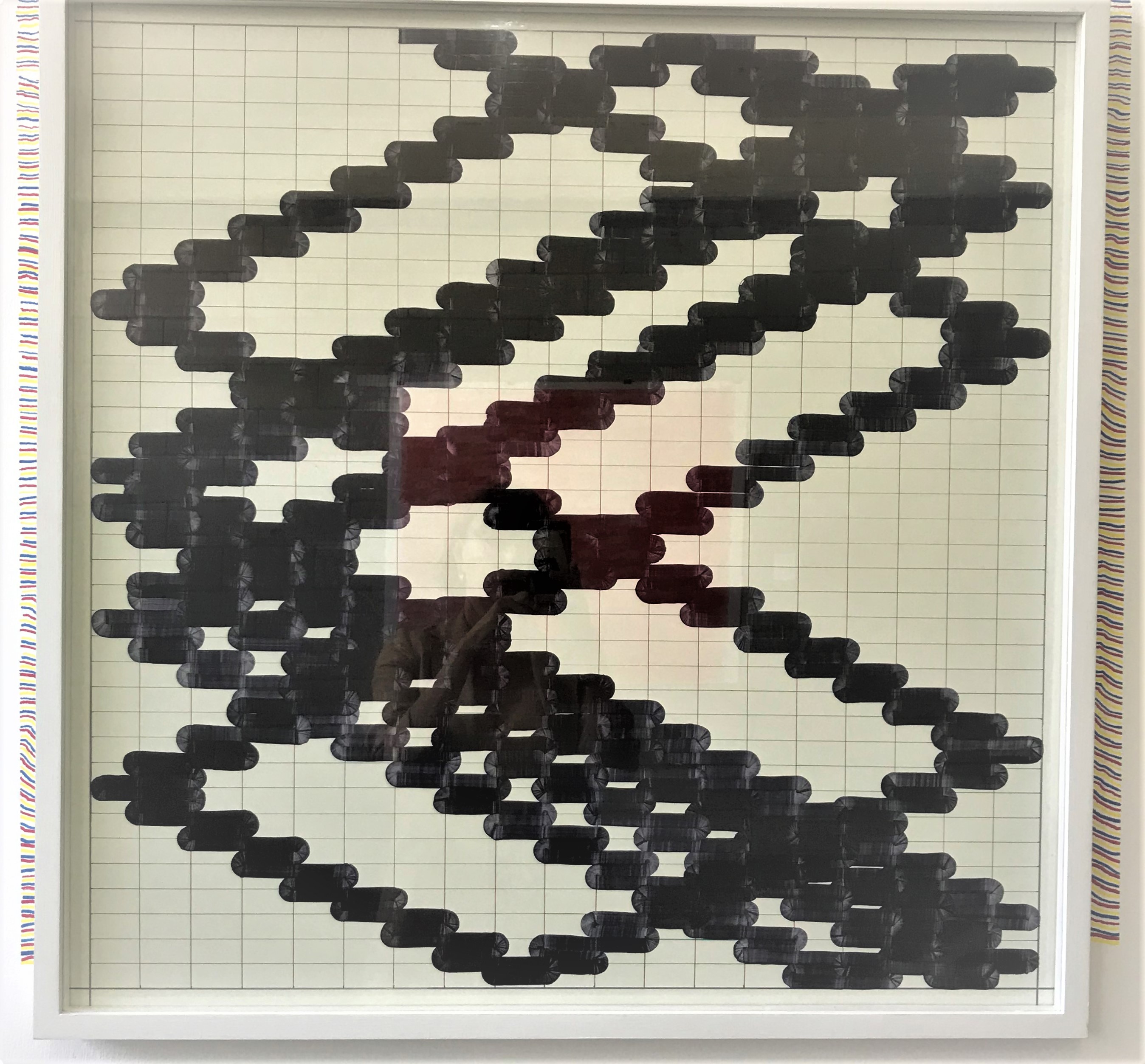
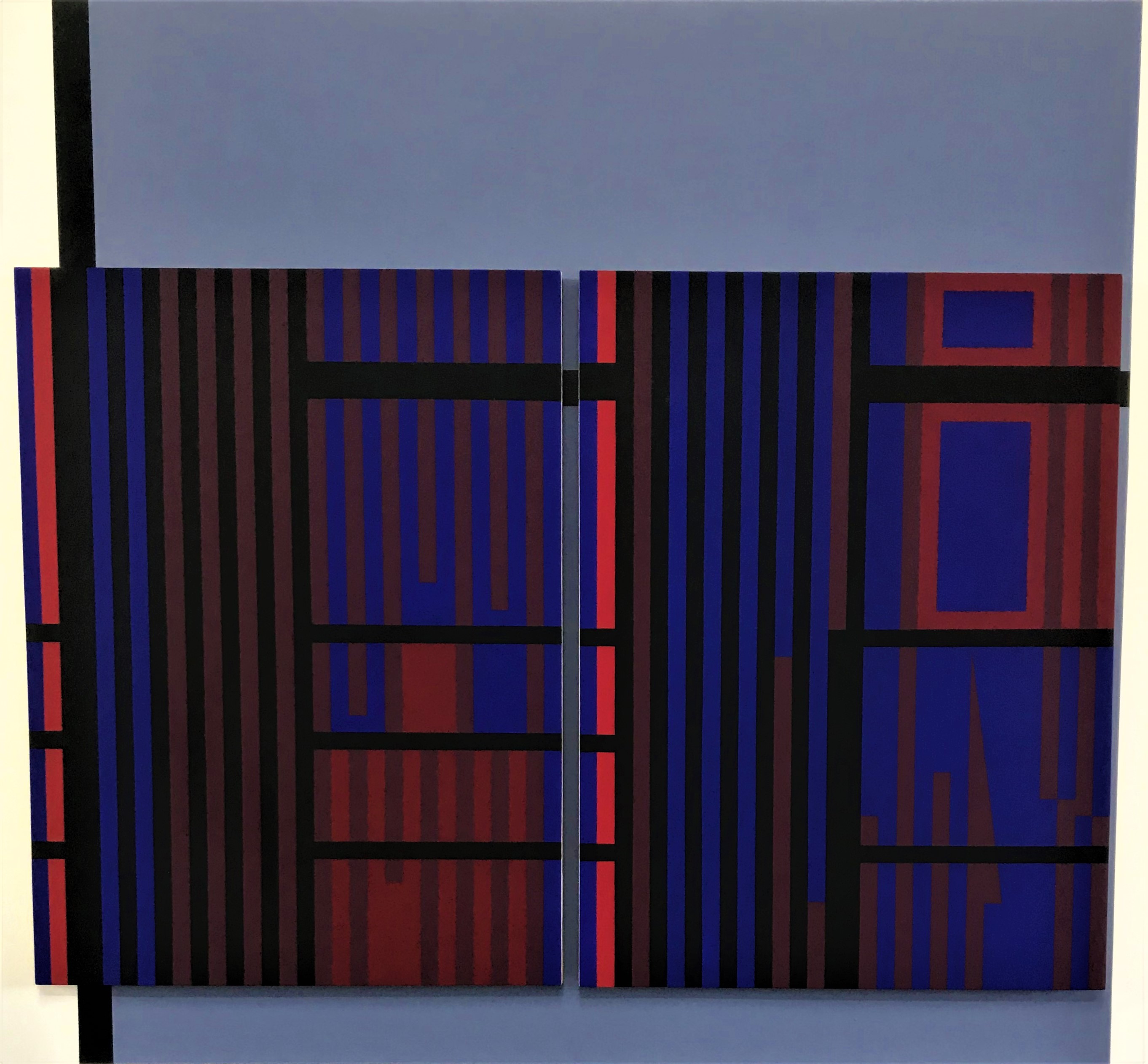
בולטת במיוחד עבודה של רוני קרני בצבעי כחול- שחור -בורדו עמוקים . העבודות של קרני מסקרנות כבר שנים אחדות  והיא אחת היוצרות המעניינות שחוקרות איזון וגריד. העבודה הזו אינטנסיבית, כמעט יונקת את המבט פנימה לתהומות ואם זאת יש בה גם מידה של מוסיקליות. אפשר לחשוב על מפגש בלתי אפשרי בין פיטר היילי האמריקאי ומונדריאן של שנות ה 40 כהשראה.

Hadas Hassid 2018

העבודה של הדס חסיד “צעד אחד קדימה שני צעדים אחורה” עשויה כמו תיעוד תנועה  בחלל , מפגש של ההתעגלות והקצביות של הצורות  האליפטיות שהיא יוצרת עם החלוקה הקבועה של המשטח . העבודה תלויה כך שעבודת קיר של לוויט המציצה מאחוריה מוסיפה כמו הילה צבעונית (או סיומת כמו שטיח).
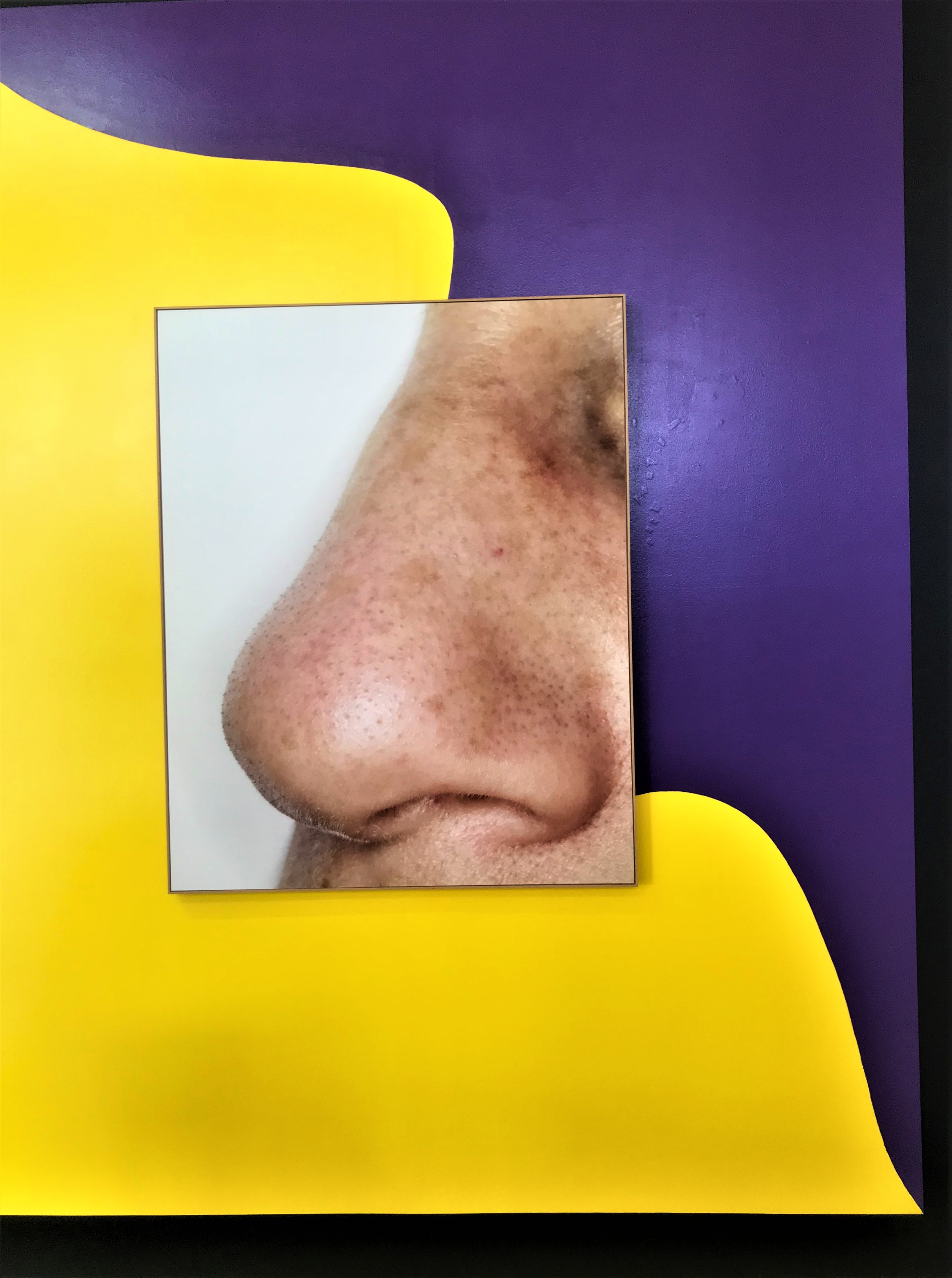
העבודה של אורן הופמן מכניסה ליטרליות, צילום אף , על  Wall Drawing 852 עבודה של לויט מ 1998. לויט חילק קיר למשטח סגול ומשטח צהוב שנפגשים בקו גלי ,שיכול להיקרא כפרופיל. הופמן הציב צילום אף גדול עם עור בעיתי , כאילו נלקח מצילום “לפני” של פרסום קוסמטי. האף הופך ישות עצמאית, חיה מאד, פגיעה ומרתיעה כאחת והאסוציאציה ל”אף ” של גוגול מתבקשת.
התערוכה היא תמיהה על  היחס בין העבודות  האוטונומיות המוצגות בה לבין עבודות הקיר של לויט  על האופי הדמוקרטי המובהק שלהן. מעבר לכך זו הזדמנות לראות קבוצה טובה של יצירות אבסטרקטיות, ישראליות, מהשנים האחרונות.

(התערוכות ב”תחיה ” הן למשך שני סופ”ש בלבד – התערוכה תסגר ביום ראשון  29 מאי 2021)

*לא מדובר בשחזור – עבודות של לוויט, ואמנים רבים נוספים החל מג’ני הולצר ועד לורנס ויינר מוקמות לפי הוראות בחללים ברחבי העולם.

  Peter Doig
האקדמיה של החלון – הרצאות ד”ר סמדר שפי ב ZOOM
יום  ב,   31 מאי 2021, ב 20:00
לינק לרישום ותשלום
https://forms.gle/ah736tLU1HeL5wmYA

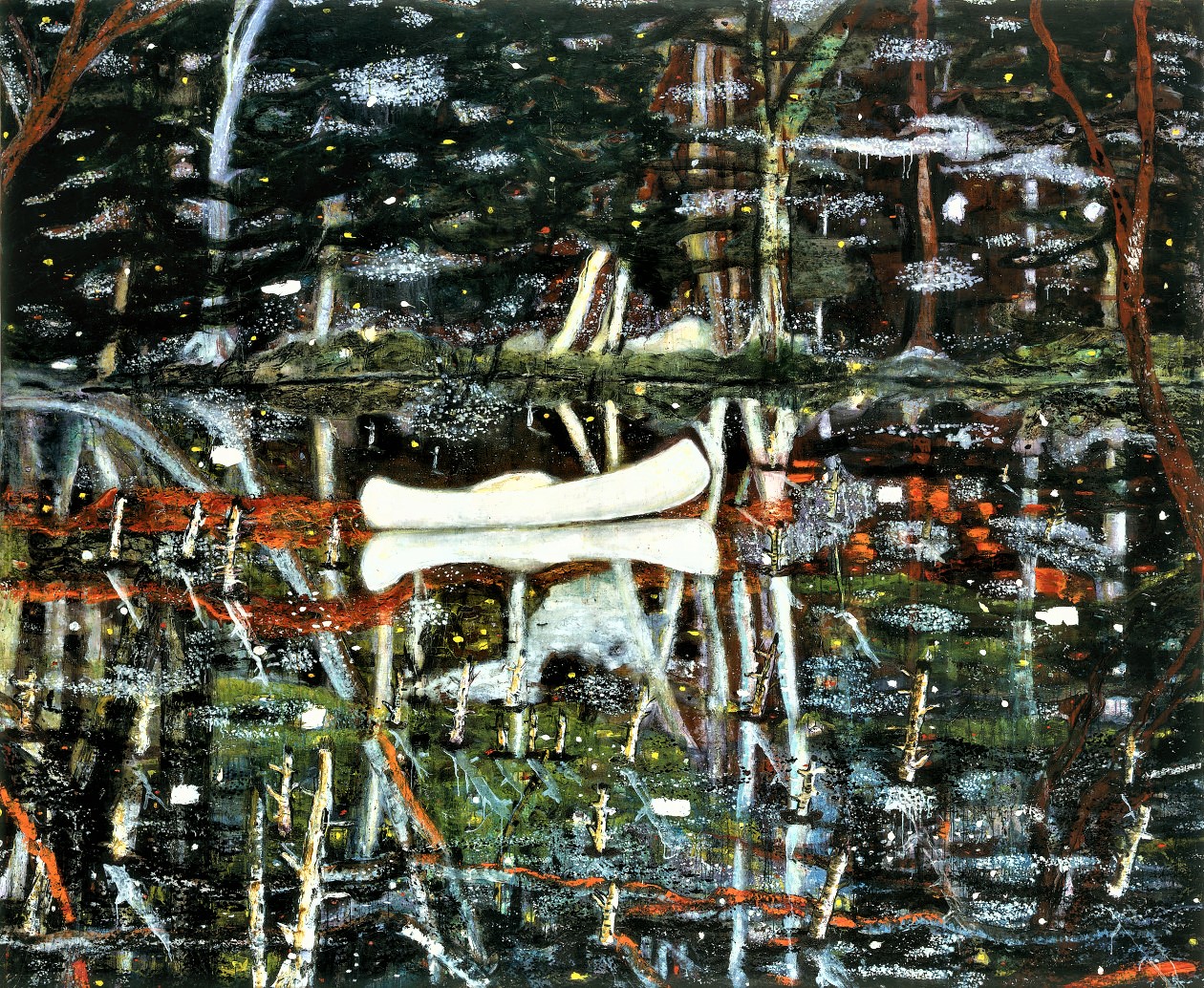
פיטר דויג נחשב לאחד האמנים הבינלאומיים המובילים בעולם. עיסוקו בציור פיגורטיבי המבוסס על צילום, סרטים, וקטעי עיתונות מפתיע בדגשי התבוננות בלתי שגרתיים, במהילה של תיאור והמצאה.

זהו ציור מרגש, לגמרי בן הזמן ובכל זאת מתכתב, לצד אמנים בני זמננו גם עם אמני עבר בולטים. מאז 2002 הוא חי בטרינידד (קאריביים) וההשוואות לגוגן מתבקשות וגם עולות. ההשפעה שלו על סצנת הציור הבינלאומי והישראלי רבה. בהרצאה נתבונן על עבודותיו ודרכן הציור הפיגורטיבי הבינלאומי מהעבר וההווה.

White Canoe’, 1990-91


Oran Hoffmann, 2010

Take 02: From Hommage to Homage (no, this is not a spelling error) is an excellent exhibition of conceptual art. More than the artworks themselves – most of which are good – its strength lies in its discourse with the exhibition that preceded it in the same space. In Take 01: Sol LeWitt Drawings, seven artworks were executed* according to instructions left by the artist who passed away in 2007. In the current exhibition, works by Israeli artists are exhibited on top of some of them, creating an interesting juxtaposition.

Audacity and self-satisfaction are required to hang one’s work over Sol LeWitt’s, and indeed, the new Hathiya Art Space has the smugness of a cat who’s got into the cream. Ronny Carney’s work from 2019 stands out, with its blue-black-burgundy tones. Carney’s oeuvre is intriguing, as she is one of the more interesting artists who are exploring balance and the grid. The work on view is intensive, drawing the gaze inwards to the depths with a great degree of musicality, as well. It is the meeting between American artist Peter Hailey and 1940s Mondrian as inspiration.

Hadas Hassid 2018

Hadas Hassid’s One step forward, two steps backward, evokes documentation of movement through space, with its encounters of rhythmic elliptical forms becoming rounder, placed on the regular divisions of the surface. It hangs in such a way that LeWitt’s wall drawing peers out from behind it, adding a colorful “halo” to it (or an edge like a carpet).

The piece by Oran Hoffmann literally introduces the photograph of a nose over LeWitt’s Wall Drawing 852 (1998). LeWitt divided a wall into a purple surface and a yellow surface which meet in a wavy line, which can be read as a profile. The large nose in the photograph has problematic skin, as if it were the “before” picture in a cosmetics advertisement. The nose has become an independent entity, vulnerable, and intimidating, evoking Gogol’s The Nose.

Oran Hoffmann, 2010

The exhibition is a meditation on the relationship between autonomous works on view and Sol LeWitt’s wall drawings with their clear democratic character. This creates an opportunity to view some abstract Israeli artworks from recent years.

                                                                                  ***

The exhibition in Hathiya Art Space are displayed for two weekends. The current exhibition closes on Sunday, May 29, 2021.

* This is not a reconstruction: works by LeWitt and other artists, from Jenny Holzer to Lawrence Weiner, are executed according to instructions by the artist in various venues across the world.

Posted in פיסול ומיצב, ציור, צילום | Tagged , , , , , | Comments Off on Take 02 : From Hommage to Homage

אשקלון, רחוב הצופים 3 – על צילום של נתן דביר |Ashkelon, 3 Hatzofim Street: On Natan Dvir’s photograph

English follows Hebrew

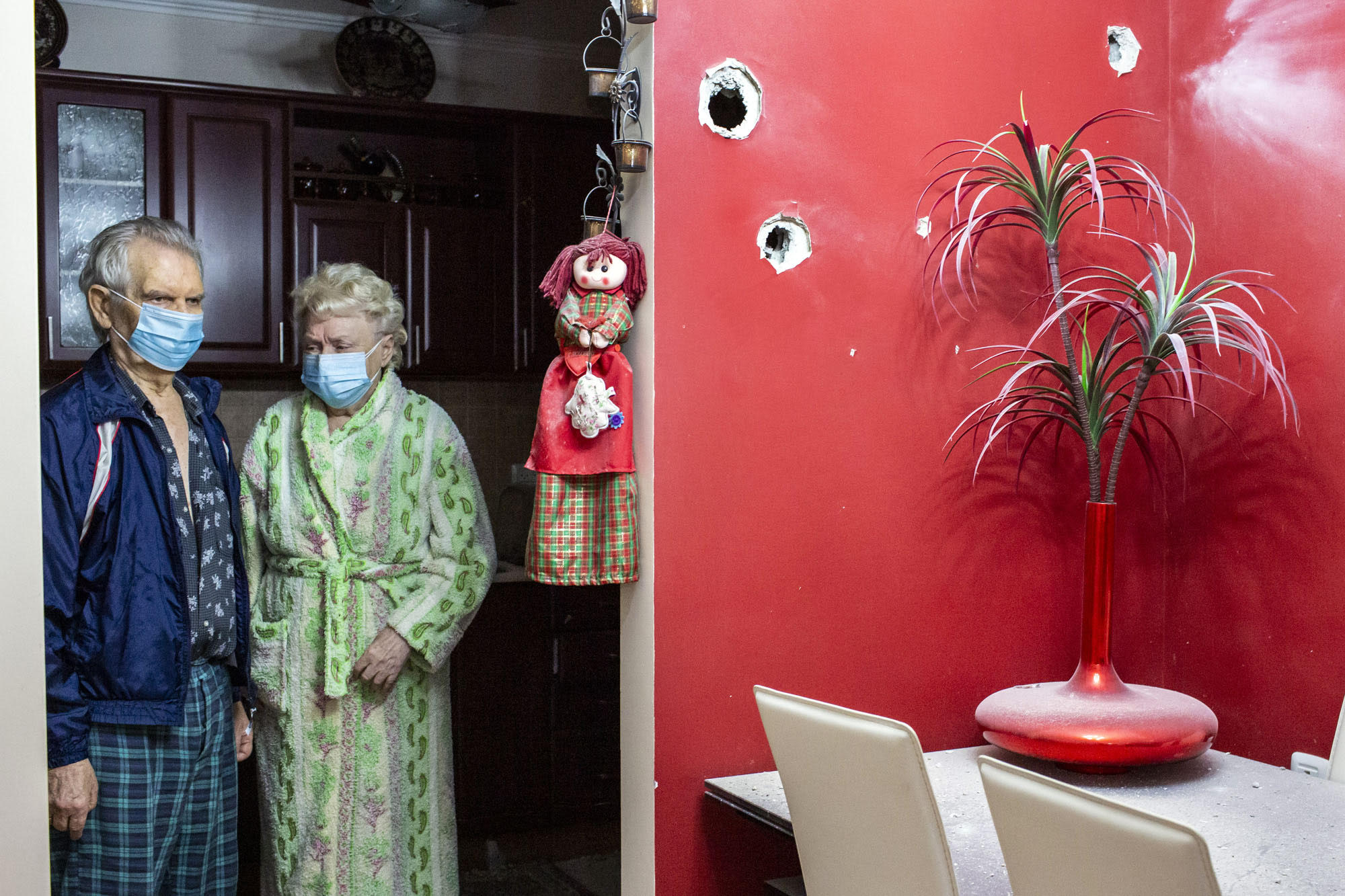
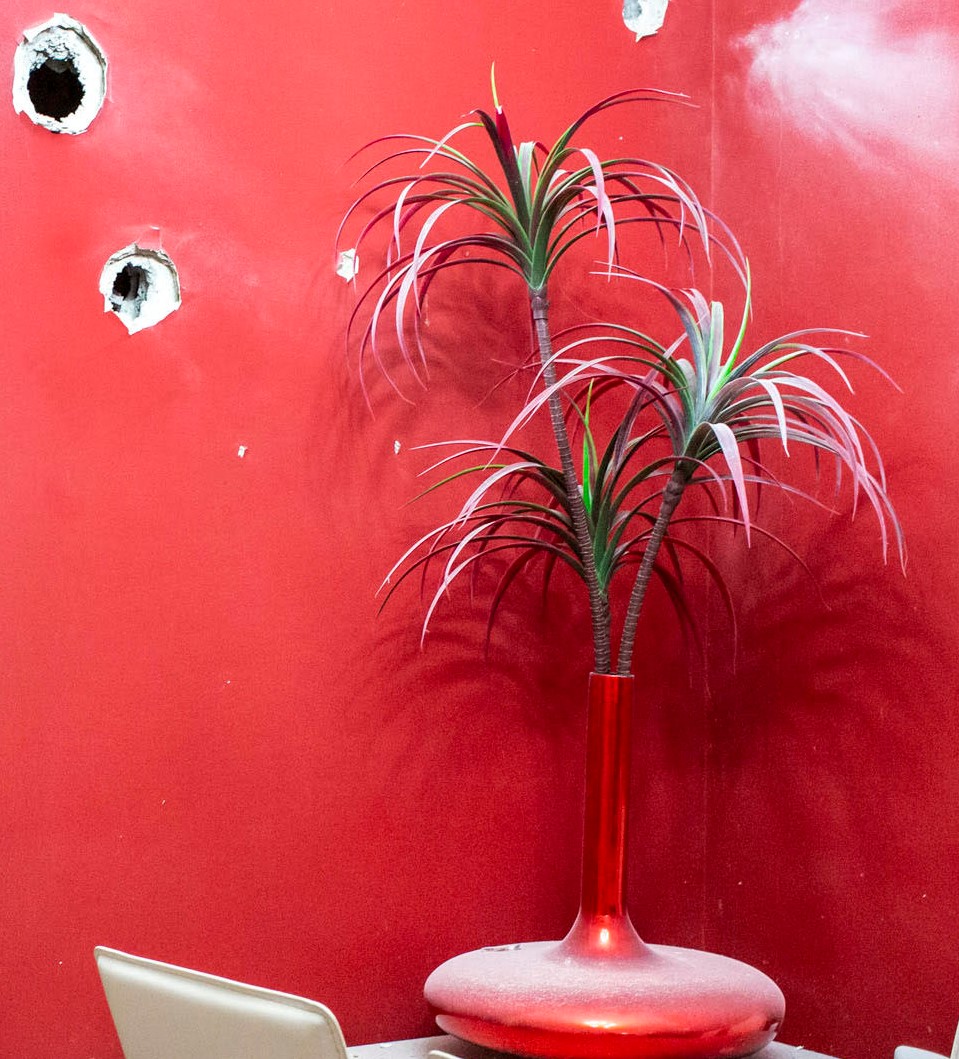
הקיר האדום פצוע. חורים נפערו בו ופרורי הטיח נשרו וזרקו שיבה על האגרטל האדום על השולחן .

May 13, 2021 – Ashkelon, Israel: Faina and Yitzhak Halamayze in their apartment in  a building in North Ashkelon that suffered a direct hit by a missile fired from Gaza strip.  (Natan Dvir / Polaris Images)

אשקלון, רחוב הצופים 3. פאינה ויצחק האלאמייזה בדירתם בבניין שספג פגיעה ישירה ואחד מדייריו נפצע קשה.  בצילום המאופק, המדויק כל כך נתן דביר מעביר הוויה שלמה שעברה טלטלה. מפגש של אדום אלמדובר, אדום קולנועי,  עם מלחמה בה הקשרי האש, המוות, והדם פסקו מלהיות דימויים אמנותיים והם ממשות, כאב שנספג בכל חלקיק ותא . יסודות הבניה הזהירה, האוהבת, של החלל הביתי עם הבובה החייכנית התלויה שמחזיקה חמסה, הכיסאות הלבנים וארונות המטבח הכהים הזדעזעו  עד היסוד. הכאב ניבט מעיני בני הזוג שפניהם מכוסות מסכות, להגנה מהקורונה, הגנה ממגפה בעת מלחמה. סחרחורת קריסה.

Julieta 2016 written and directed by Pedro Almodóvar

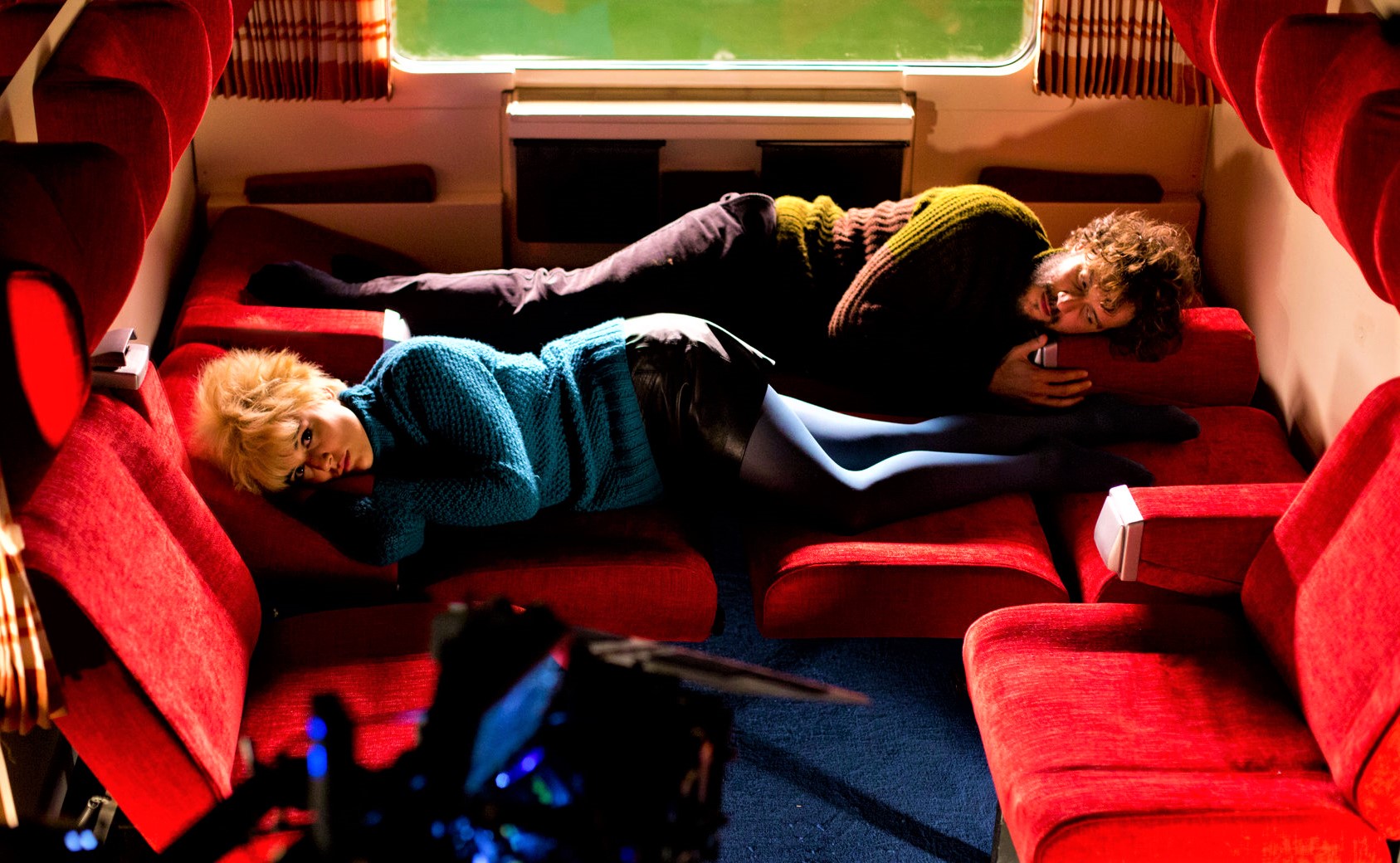
אדום. השימוש בו כצבע קיר ביתי בישראל נדיר. הוא מקפל געגועים, למקום אחר, תרבות שתשוקה נפגשת בה בדבקות רליגיוזית ואלימות עטופה בסובלימציות. צבע אדום הוא האות לכניסה למרחבים מוגנים, צבע הפריחה שאומצה לשיווק התיירותי המוצלח של האזור  כדרום אדום. בסרטיו של פדרו אלמדובר, אחד היוצרים האהובים אלי, האדום הוא שחקן נוסף בסרטים כמו עקבים גבוהים (1991), דרך הכל אודות אמא (1999), חולייטה (2016) אם לחשוב על אחדים. אדום בחלל דירה באשקלון היא הצהרה, חלום, שהצילום הזה , מרוסן כל כך למרות הצבע, מראה את הערעור שלו באופן שמחלחל לתודעה כשהעין עוברת מבני הזוג השקועים בצערם ואצילים גם בבגדי הבית, לכתם השחור בתקרה ולחורים בקיר .

El Greco , Saint Jerome as a Scholar, ca. 1610

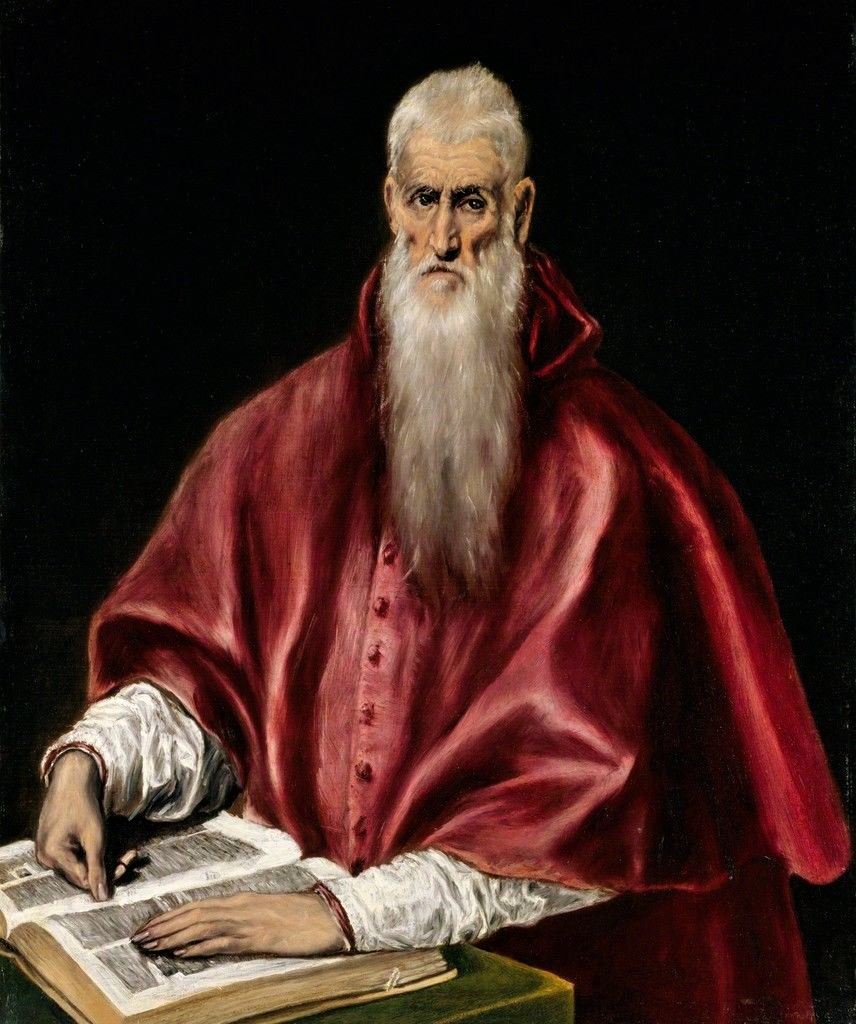
אדום דם, ואדום הקיר כזה, מתקשר לדמו של ישוע, לדמם של קדושים, לבריתות דמים, לקורבן ולישועה וגם לדם מטמא, כמו דם נידה. החורים  -פצעים מעלים על הדעת את ציורי תומא המפקפק, תלמידו של ישוע שנגע בבשר פצע הצליבה של ישוע כידי להאמין, שאכן, קם ישוע מהמתים. באגרטל על השולחן צמח פלסטי שמזכיר עלי דקל וכך ההקשר האיקונוגרפי הנוצרי מתעבה, עם מחשבות על הדקל שנחשב לסמל ניצחון הרוח על החומר, סמל של מרטירים.

הצילום בנוי כדיפטיך משמאל, בני הזוג ומימין החלל האדום כשהבובה בתווך, מגשרת בין חלל אקספרסיבי, ייצוגי  למטבח, הגשמי. האור מגיע ממחוץ לצילום  האם מחלון ( או פתח שנפער?). הוא משתקף בדלת הזכוכיות של הארון ומאיר ברוך את  הזוג בסצנה של שבר צורב , לוהב באדום.

 Peter Doig
האקדמיה של החלון – הרצאות ד”ר סמדר שפי ב ZOOM
יום  ב,   31 מאי 2021, ב 20:00
לינק לרישום ותשלום
https://forms.gle/ah736tLU1HeL5wmYA

פיטר דויג נחשב לאחד האמנים הבינלאומיים המובילים בעולם. עיסוקו בציור פיגורטיבי המבוסס על צילום, סרטים, וקטעי עיתונות מפתיע בדגשי התבוננות בלתי שגרתיים, במהילה של תיאור והמצאה.

זהו ציור מרגש, לגמרי בן הזמן ובכל זאת מתכתב, לצד אמנים בני זמננו גם עם אמני עבר בולטים. מאז 2002 הוא חי בטרינידד (קאריביים) וההשוואות לגוגן מתבקשות וגם עולות. ההשפעה שלו על סצנת הציור הבינלאומי והישראלי רבה. בהרצאה נתבונן על עבודותיו ודרכן הציור הפיגורטיבי הבינלאומי מהעבר וההווה.

White Canoe’, 1990-91

Ashkelon, 3 Hatzofim Street: On Natan Dvir’s photograph

The red wall is wounded. It has holes, fragments of plaster have fallen off, powdering the red vase with white.
Ashkelon. 3 Hatzofim Street. Faina and Yitzhak Halamayze in their apartment in a building that suffered a direct hit by a missile, which severely wounded one of the building’s residents. In the photograph, restrained and precise, Natan Dvir transmits an experience that shocked them to their very core. This is a visual encounter of Almodóvarian red, cinematic crimson, and war, in which contexts of fire, death, and blood cease to be artistic images and become concrete, generating pain absorbed in every bodily cell. The foundations of the careful, lovingly construction of the domestic space with its smiling hanging doll holding a hamsa good luck trinket, white chairs and dark kitchen cabinets, were irrevocably shaken up. The pain looking out from the couple’s eyes, their faces half covered by medical masks to protect them from the pandemic, during war, portrays their shattered world.

May 13, 2021 – Ashkelon, Israel: Yitzhak Halamayze (84) and his wife Faina (82) review the damage to their apartment at a building in North Ashkelon that suffered a direct hit by a missile fired from Gaza strip. One man, Alexander Hadurski (55) was severely injured and many apartments suffered substantial damage. (Natan Dvir / Polaris Images) Detail

Israeli homes seldom have red walls. In this case, it embodies longing for a different place, for a culture in which passion and desire are mingled religious devotion and sublimated violence. The alarm “Color Red” is the warning signal to enter protective spaces as well as the color of the blooming flowers chosen as the brand for the tourism campaign “Red South.”

Julieta 2016 written and directed by Pedro Almodóvar

Pedro Almodóvar, one of my favorite filmmakers, treats red is one more actor in films such as High Heels (1991), through All about my mother  (1999) to Julieta (2016), to name but a few. Red in the apartment in Ashkelon is a statement, a dream, which the photograph – so restrained despite the color – shows its subversive aspect in a way that filters into the viewer’s consciousness, from the grieving, noble couple in their nightclothes, to the patch of black on the ceiling and the holes in the wall.
Blood red, and the red of the wall in the photo is associated with the blood of Jesus and of martyrs, with blood covenants, sacrifice and salvation as well as contaminating blood, such as menstrual blood. The holes as wounds bring to mind the paintings of Doubting Thomas, one of Jesus’s disciples, who had to touch Jesus’s wound from the crucifixion in order to believe in the resurrection. The plastic flower in the vase on the table, reminiscent of the palm, is Christian iconography, connotes the victory of spirit over matter, the symbol of martyrdom.

El Greco , Saint Jerome as a Scholar, ca. 1610

The photograph is structured as a diptych, with the couple on the left, the red space to the right, and the doll in the center as mediating between the space of the kitchen, representative of the material world. The light comes from outside of the photograph, whether from the window (or an opening?) or as a reflection of the cabinet’s glass door, gently illuminating the couple in the scene of harsh disaster, flaming in red.

Posted in צילום | Tagged , , , , , , , , | Comments Off on אשקלון, רחוב הצופים 3 – על צילום של נתן דביר |Ashkelon, 3 Hatzofim Street: On Natan Dvir’s photograph

סמדר שפי, החלון, אומנות ישראלית, אמנות ישראלית, Smadar Sheffi, The Window, Israeli Art