מורן אסרף -מכתב שחרור |Moran Asraf – A release form

English follows Hebrew 

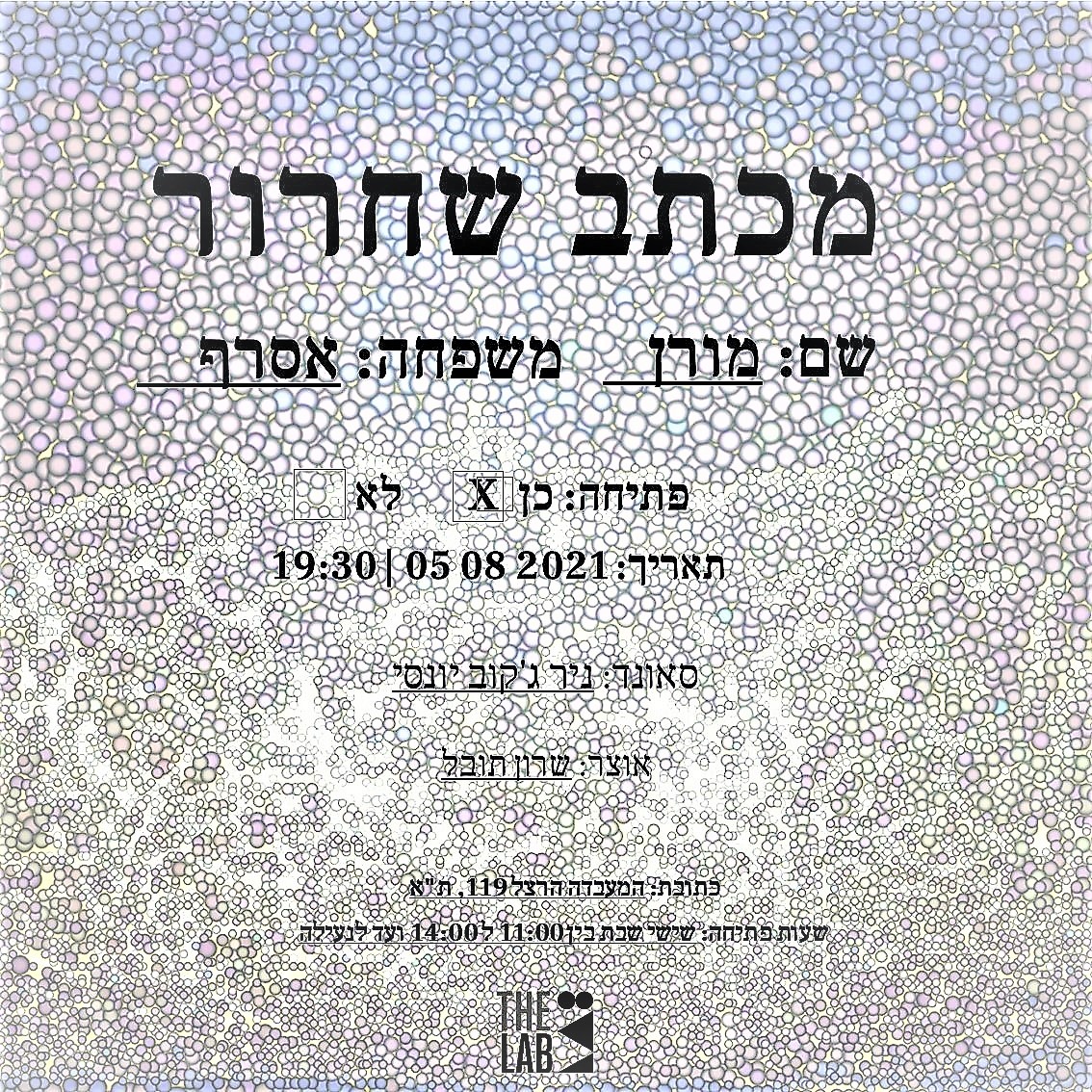
מורן אסרף רוקנה את החלל של “המעבדה” ומילאה אותו בכאב. המיצב “מכתב שחרור”-  ניירות רפואיים המתעדים את מצבה אחרי תקיפה שחוותה, דימוי הנראה כצילום משטרתי שלה עצמה במצב בו נמצאה ועבודת וידיאו סאונד לפי הלמות ליבה (בולטנסקי עולה מיד על הדעת). במיצב המאופק יש איכות של נגיעה, חיכוך עם העולם שהיא מעבר לשאלה עם כל חלק בו מוצלח או מצודק.  זו עבודה אוטוביוגרפית בלי להפוך פרט זה קרדום לחפור בו אך עם עוצמה כנות שלא ניתן לטעות בה.
Moran Asraf, A Release Form, 2021

 אלימות כלפי נשים קיבלה בשנים האחרונות, סוף סוף, מידה (לא מספקת) של תשומת לב ציבורית. באמנות כבר הספיקה להפוך  למיתלה ללא מעט אמנות בינונית, חסינה כמעט לביקורת אם בשל סיפור אישי או איצטלה חברתית.כוחו של
Moran Asraf, A Release Form, 2021

“מכתב שחרור” ביובש בו אסרף מספרת את סיפורה, בונה את הריחוק הדרוש לאמנות. החיץ מהרגשי – רגשני מאפשר מרחב התבוננות בו הפרטיקולרי מתחלף באמירה על תופעה וחוזר חלילה. הוא בעיקר מונע את הנחמה שיש בסיפורי העצמה וסוף טוב. הכאב אולי קהה אך הוא מצוי, חי, לא חלף. “מכתב שחרור” אינו סיפור של גאולה.
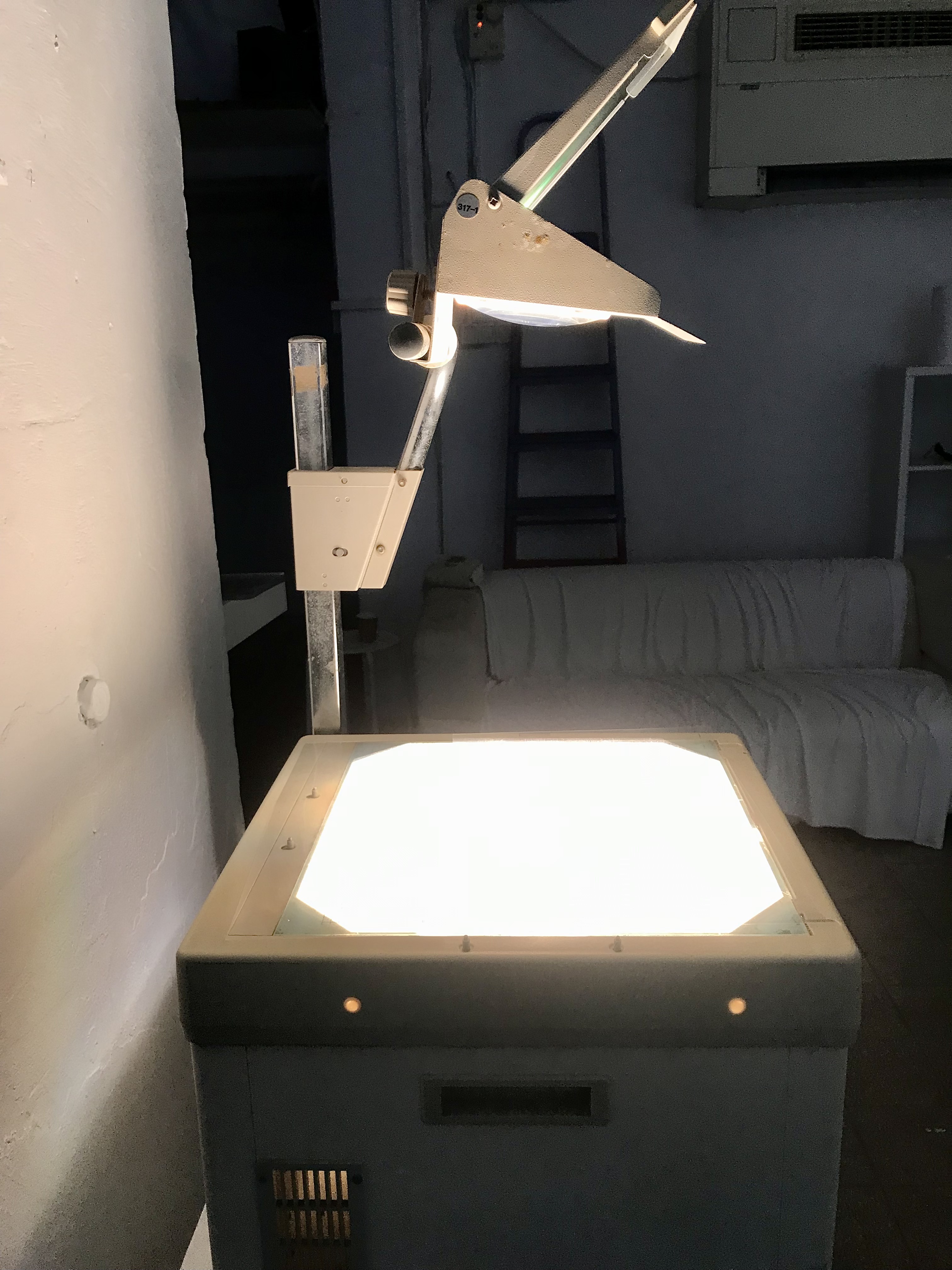
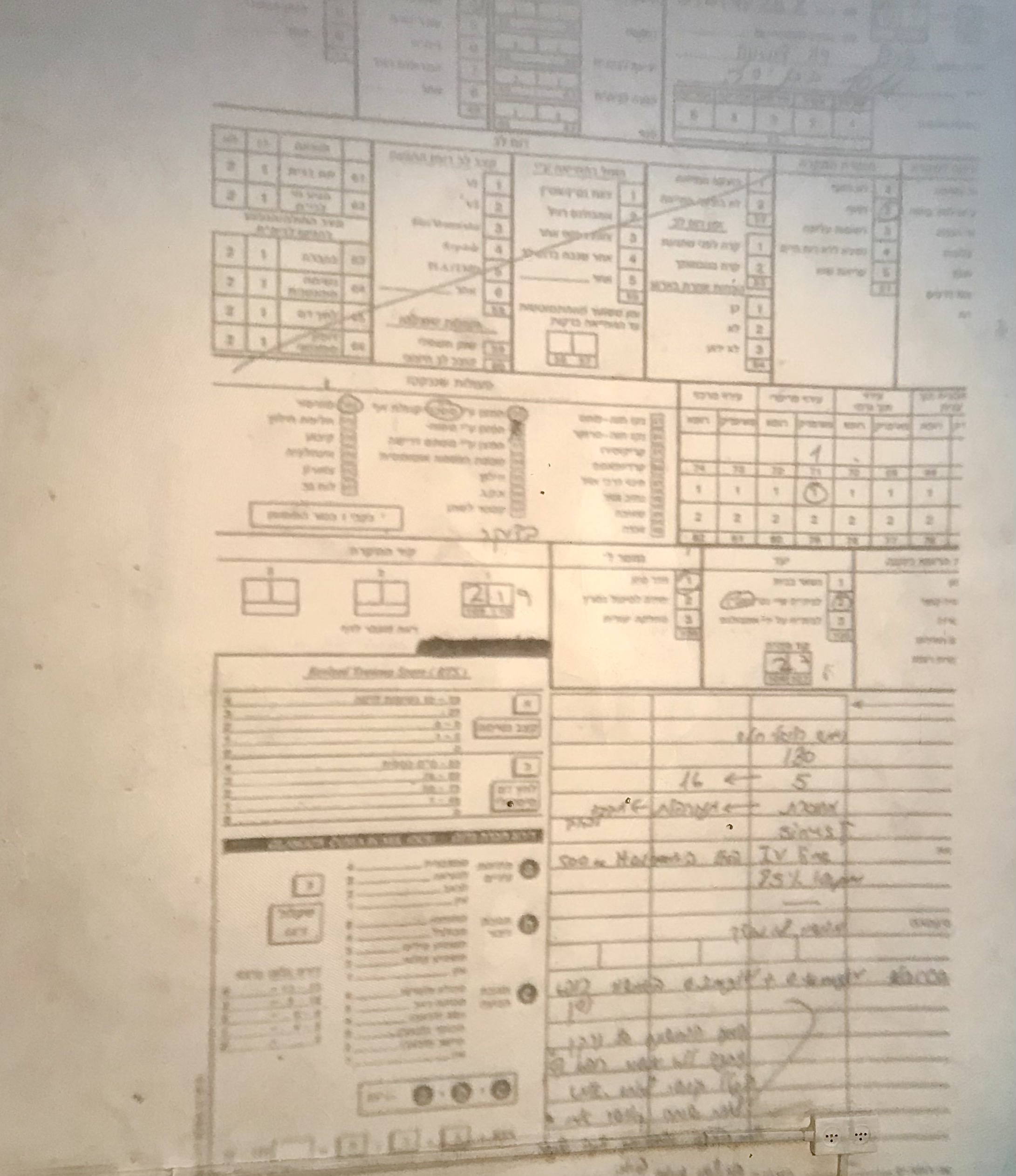
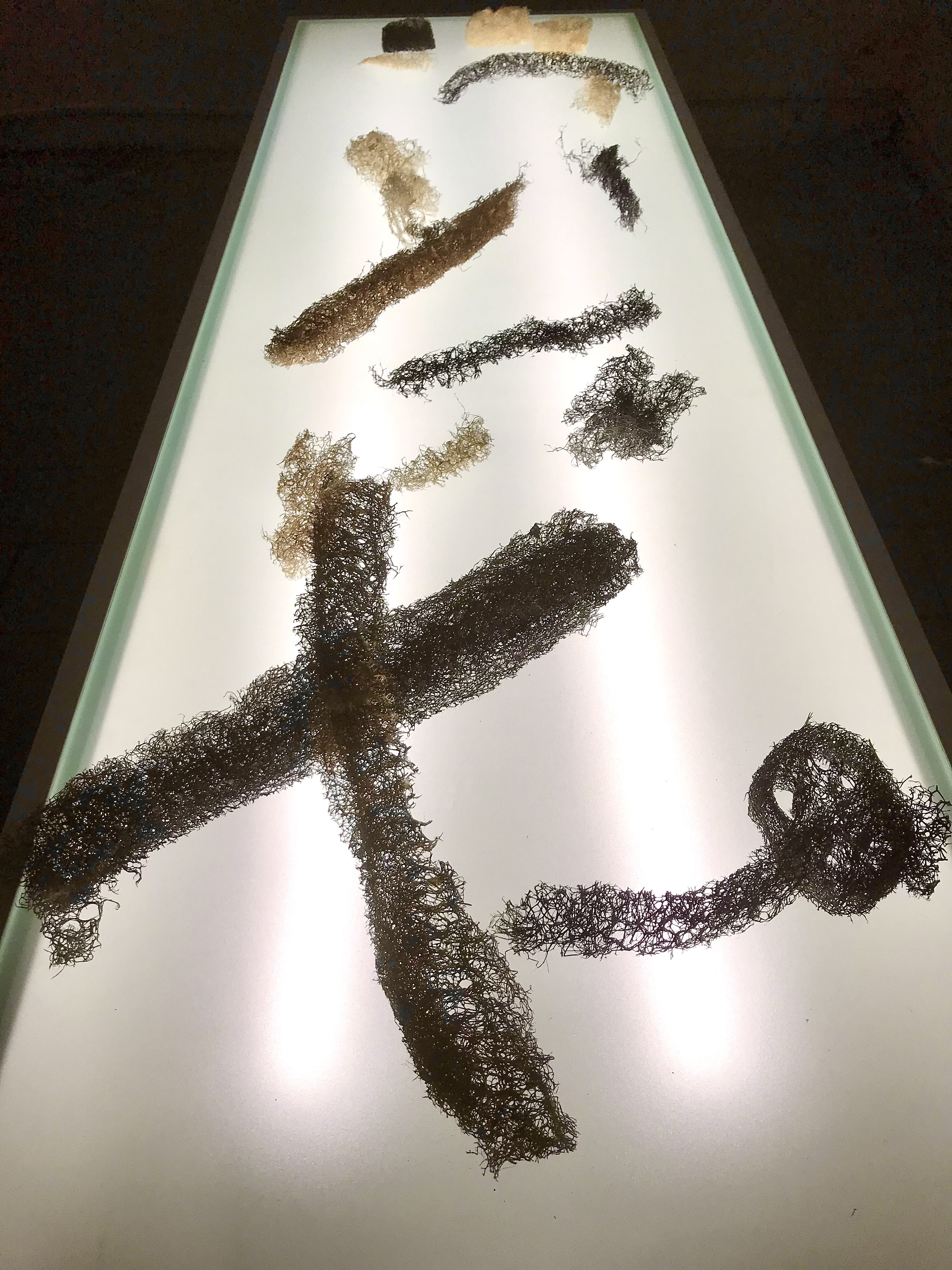
אסרף משתמשת במטול, מכשיר מיושן למדי המשמש בהדרכה והוראה להגדלת שקפים . ליד המטול יש את שרטוטי הא.ק.ג  שלה בימים אחרי הפציעה וחלק מהמסמכים הרפואיים. הצופות.ים יכולות.ים להקרין אותם לפי איזה סדר שיבחרו או לקרוא בהם מקרוב. הסיפור הפרטי המוקרן על הקיר הופך לנתון שיכול להעלם עם כיבוי המכשיר. השבריריות וחשיפת קרבי העבודה מאפיינים גם את שולחן האור ועליו פיסול בליפה. זהו המשך מובהק לעבודתה של אסרף בעבר. חומרי ניקוי, במיוחד צמר פלדה וספוגי ניקוי, שימשו את אסרף בעבר כשהם מחליפים אובייקטים ביתיים מעוגות ועד שטיחים ובעבודת וידיאו השתמשה בצמר פלדה כתחליף טקסטיל לבג .  כאן הליפה המרוקנת נראית כמו שרידי עצמות שנמצאו ומוארות באור יקרות של מוזיאון ארכאולוגי מנותקות מבודדות מהטראומות שחוו מי שנלקחו ממנו.

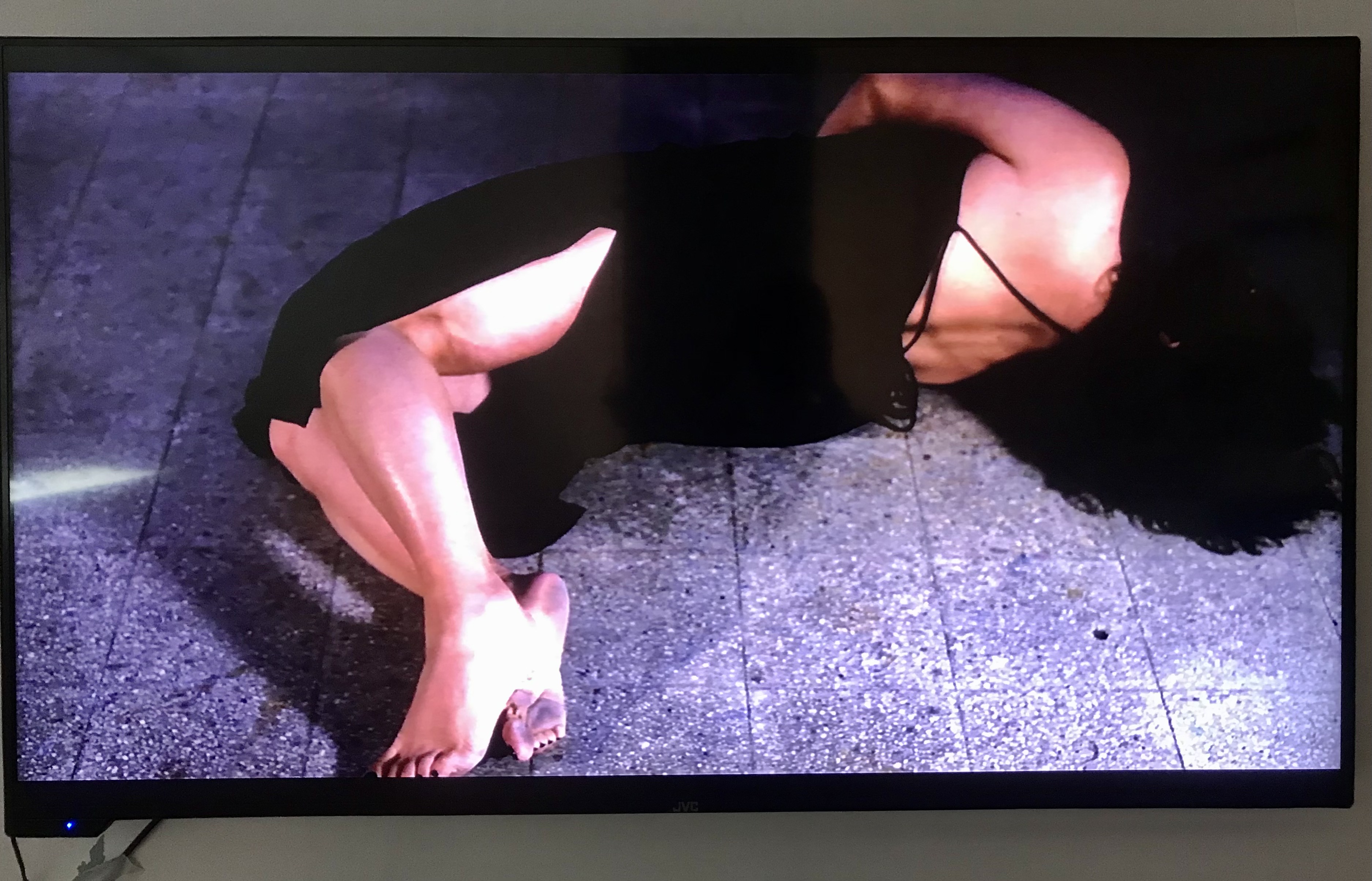
עבודות הסאונד הפסיכדלית (סאונד: ניר ג’קוב יונסי ) נשארת מנותקת ולא הכרחית למיצב. הקשר בין הדימוי בסגול כחול, כמו שטפי דם על עור  למטול, לעצמות הליפה היבשות, נשאר בלתי פתור. הדימוי של אסרף המוטלת על הארץ, שיש בו מידה של השראה מסינדי שירמן אפקטיבי וכך גם קבוצה קטנה של צילומים, דימויים של חלקי גוף.
Hala Abu Kishek,179, 2020

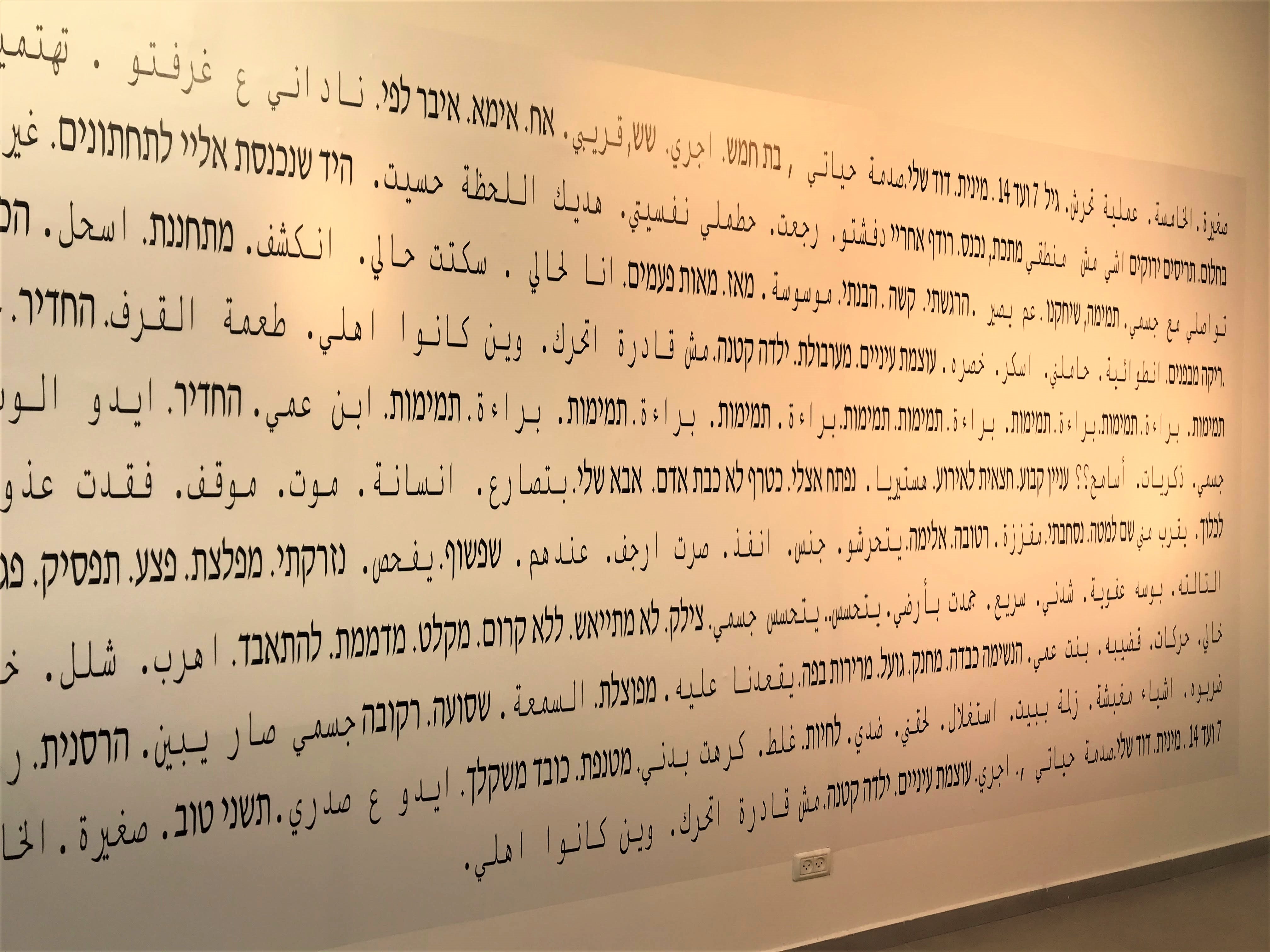
עבודת טקסט של אסרף ממשיכה את הטיפול המרוחק בסיטואציה טראומתית. שוב ושוב, בפונט ורווחים קבועים חוזרות המילים “מעורפלת” “מגיבה לכאב” “מחוסרת”. העבודה הקטנה מזכירה מאד את העבודה של האלה אבו קישק שהוצגה לפני מספר חודשים בתערוכה “מאות פעמים” שאצרתי במרכז לאמנות עכשווית ברמלה. שם בעבודת ענק (ברוחב חמישה מטרים) כתבה אבו קישק, בעברית וערבית, מילים שחזרו שוב ושוב תיאורים של נשים שחוו אלימות וניצול מיני. אסרף הייתה אמורה לערוך מייצג בתערוכה ולדאבוני הדבר לא הסתייע בשל דחיות ומגבלות הקורונה.
בשנים האחרונות עקבתי אחר העבודה של אסרף בעניין. העשייה שלה הולכת ומשתכללת. “מכתב שחרור”  מסמן שלב חדש ומבטיח.

אוצר :שרון תובל
המעבדה בהרצל 119 ,תל-אביב

האקדמיה של החלון – הקלטות הרצאות  ד”ר סמדר שפי 
                                          אמנות מודרנית ועכשווית 

 סדרת הרצאות עומק על מבחר נושאים אמניות, אמנים וזרמים. בכל הרצאה מבט מקיף, בחינה לא קונבציונלית של   המוכר ולא מעט עידכונים ממחקר וקריאות חדשות  לרשימה מלאה היכנסו לעמודה  –     http://old.smadarsheffi.com/?page_id=13571
 

n 

Moran Asraf, A Release Form, 2021

Moran Asraf / A Release Form

Moran Asraf emptied The Lab Art Space and filled it with pain. The installation A Release Form, comprises medical documents on her condition after she was assaulted, a photograph looking like a police photo of herself recreating the state in which she was found, and a video whose soundtrack is in the rhythm of her heartbeat (Boltanski comes to mind). The installation is restrained, with the quality of touching and coming into friction with the world, over and above the question of whether each component is successful or justified. This is an autobiographical work, with the power of sincerity that is unmistakable.

Moran Asraf, A Release Form, 2021

In recent years, the issue of violence against women has finally been receiving some (but not enough) public attention. In the art world, the subject has already become a “hook” for quite a bit of mediocre art, nearly impervious to criticism, whether because of a personal story or social image.  The power of Release Form lies in the dry tone in which Asraf relates her story, building the requisite distancing required for art. The barrier against the emotional facilitates a space for contemplation in which the particular is replaced by a statement about a phenomenon, and vice versa, preventing the consolation of empowerment stories and the “happy end.” Perhaps the pain dulled, but it is still there, alive, and unchanging. A Release Form is not a story of redemption.
Asraf uses an out dated overhead projector to enlarge and project transparencies, with the EKG charts from the days after her attack and some of the medical documents near it. Visitors can project them in any order they wish or hold them up to read.

Moran Asraf, A Release Form, 2021

Her story projected on the wall becomes a datum that can disappear when the projector is turned off. The qualities of fragility and exposure of the innards of the works sculpted from luffa (loofah) on a light table are a clear continuation of Asraf’s past work. Cleaning materials, especially steel wool and scouring pads, have been used by her in the past to stand in for household objects from cakes to carpets, and in her video she used steel wool as a replacement for clothing fabric. Here, the emptied luffa looks like the remains of excavated bones illuminated by display lighting as in an archaeological museum, removed and isolated from the traumas experienced by the one from whom they were taken.
The psychedelic video (sound by Nir Jacob Younessi) remains unassociated to the rest and is unnecessary to the installation. The connection between the purplish-blue image which  looking like hemorrhaging on skin, to the projector and the dry luffa “bones” remains unresolved. The image of Asraf thrown onto the ground, with evident inspiration from Cindy Sherman, is effective, as is a small group of photographic images of parts of the body.
Asraf’s text piece continues her distanced treatment of the trauma. In the same font at regular intervals, the words “clouded,” “responds to pain,” “un-” [conscious] reappear. This small work is very reminiscent of Hala Abu Kishek’s text piece exhibited several months ago at the exhibition “100s of times” at the CACR-Contemporary Art Center, Ramla which I curated. The five-meter wide wall text in Arabic and Hebrew is made up of words and phrases from statements by women who underwent sexual violence. Asraf was supposed to have given a performance at the exhibition but regretfully it could not take place due to the Corona restrictions and postponements.
Over recent years, I have followed Asraf’s work. Her art is becoming increasingly more sophisticated, and A Release Form marks a new and promising stage in her oeuvre.

Curator: Sharon Toval
The Lab – Art Space at 119 Herzl Street, Tel Aviv

Posted in Video, פיסול ומיצב | Tagged , , , , , , , , , , | Comments Off on מורן אסרף -מכתב שחרור |Moran Asraf – A release form

דב הלר – נירים | Dov Heller – Nirim

English follows Hebrew

בורות שחורים בנשמה, כנראה, לעולם לא מתמלאים. אפשר לבנות סביבם גדר, לסכור את המים שמאיימים לפרוץ מתוכם אך לא ניתן, כנראה, למלא אותם. דב הלר, יליד 1937 חי עם בור שכזה, כמו רבים מבני דורו, גם חשף והפך בו באמצעות האמנות שיצר, כמחפש תשובה.

Dov Heller | Nirim
(1979)

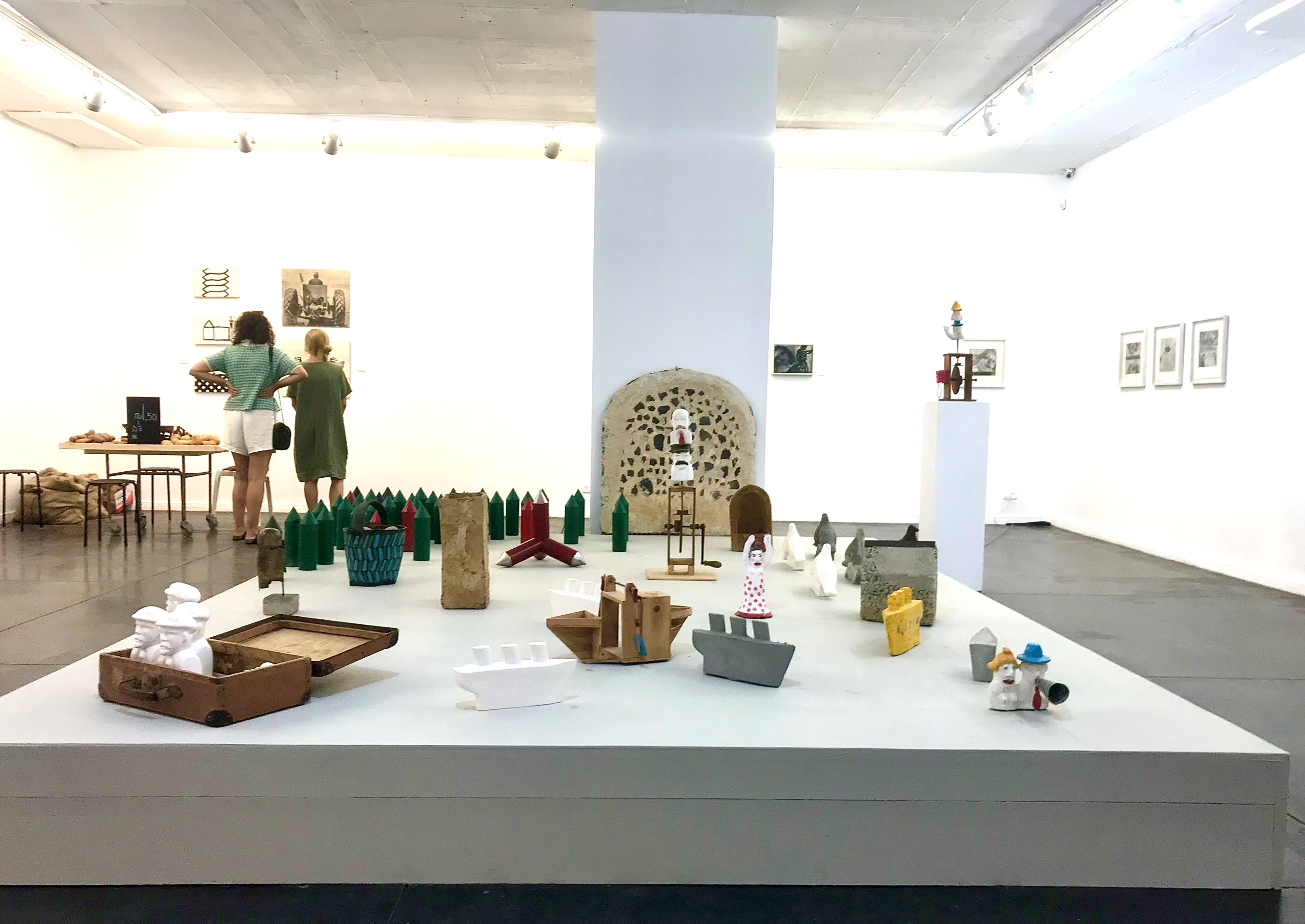
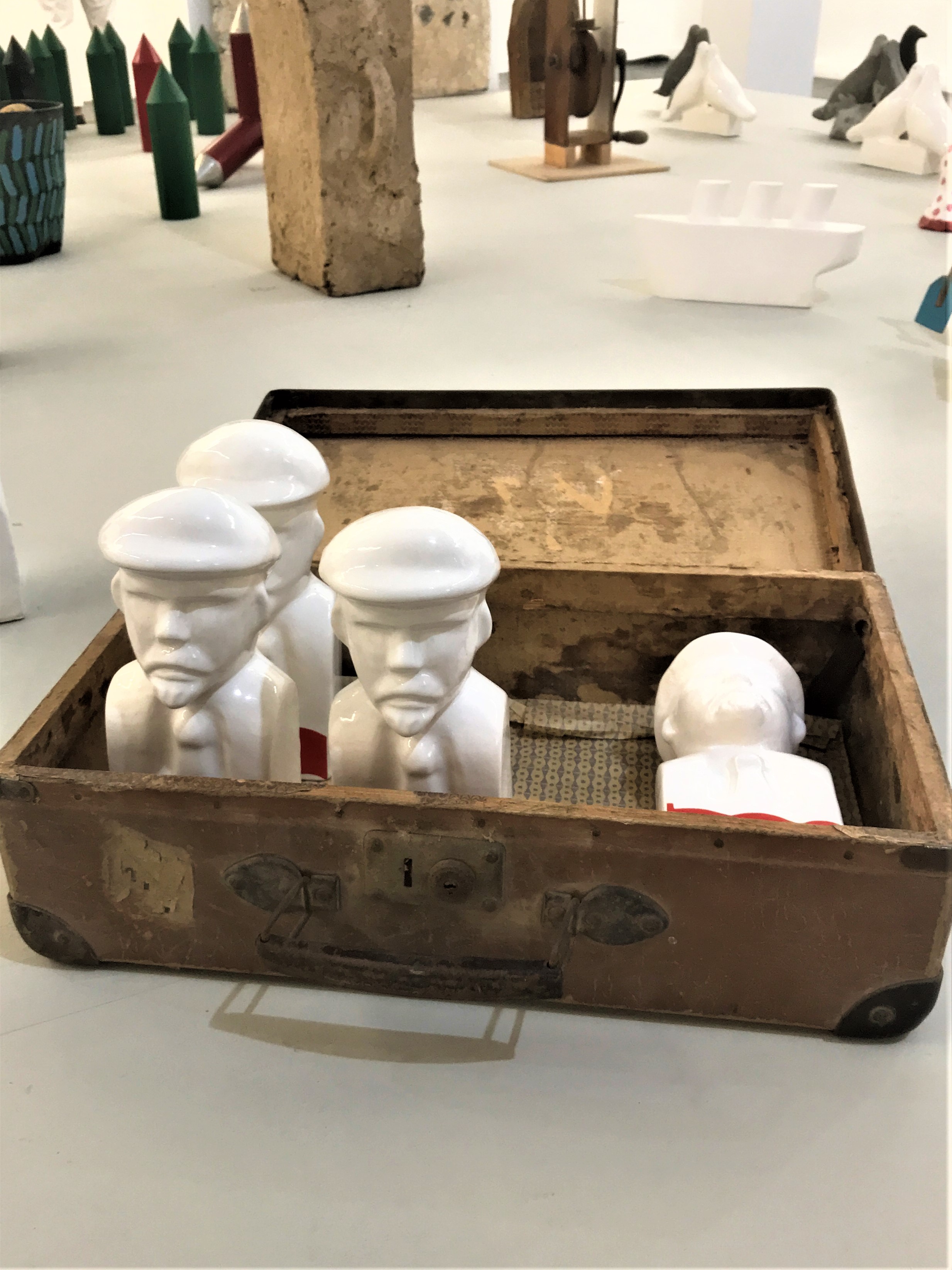
                                                                                                          דימויי מנהיגים וסמלי אידאולוגיה- תחליפי הורים, ממלאים את עבודותיו שלצד נימה אירונית נמהלים בה אהבה וביקורת במידה שווה.  ב”נירים” שאצרה מאיה במברגר בגלריה Rawart   , משתרעת במרכז החלל במה נמוכה כמו רפסודה שעל סיפונה אובייקטים – פליטים בים  געגועים: דמויות לנין במזוודה ויוני שלום היוצרות צורת לב לצד פסלי אוניות, דמויות, ובתים חבולים. באמצעות  QR ניתן להתחבר ולשמוע את הלר מספר את סיפור חייו לפי סדר כרונולוגי, בקול עמוק ומחוספס כמעט סטראוטיפי לאיש קיבוץ. האישי והקבוצתי מחוברים ללא הפרד ואת האמירה הזו, המובנית מאליה והכל כך מכוננת, התערוכה נושאת בגאון כמו את הדגל האדום המוצב בפתחה (ליד דלת הגלריה האדומה כבר שנים).

Dov Heller | Nirim

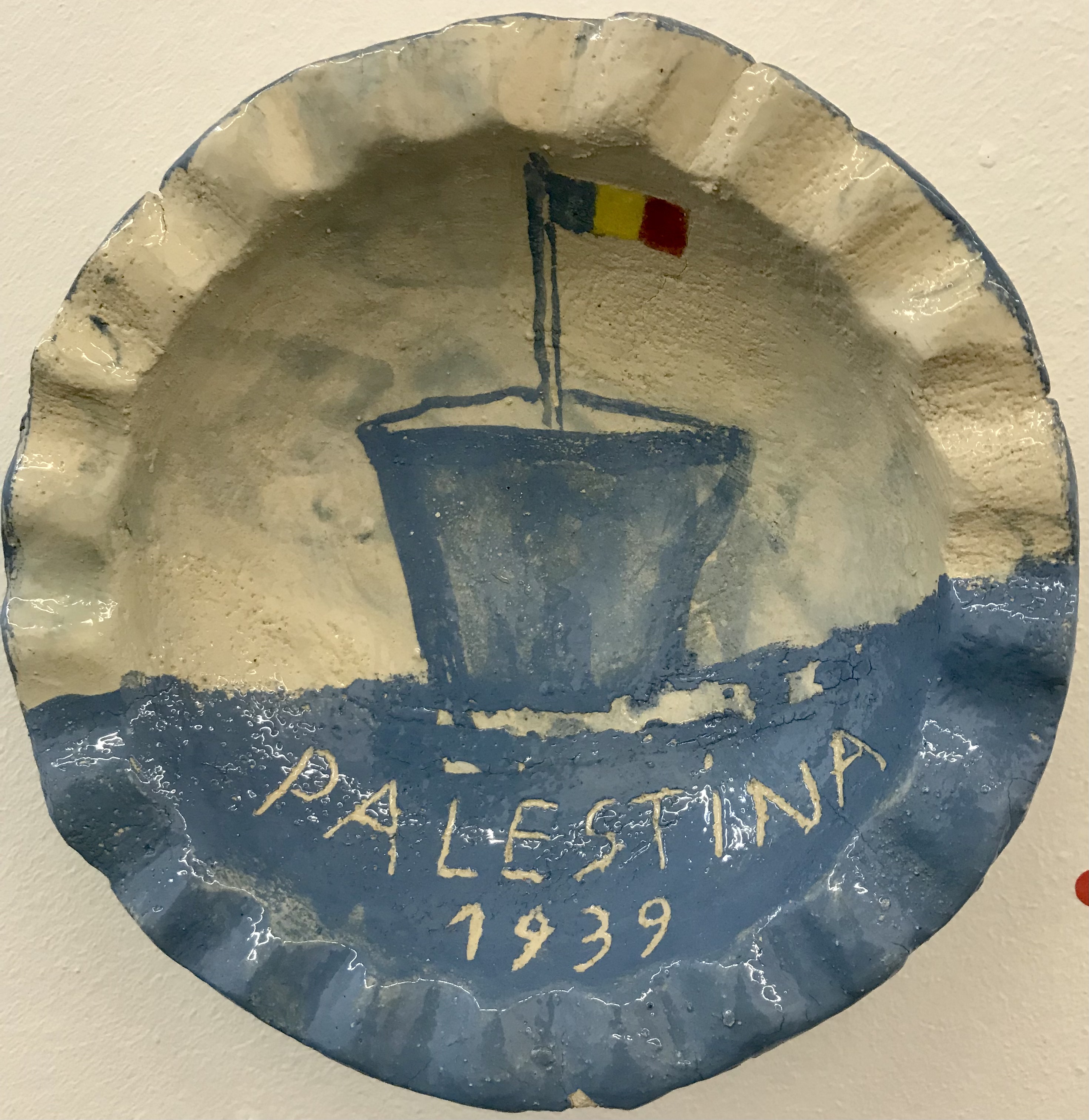
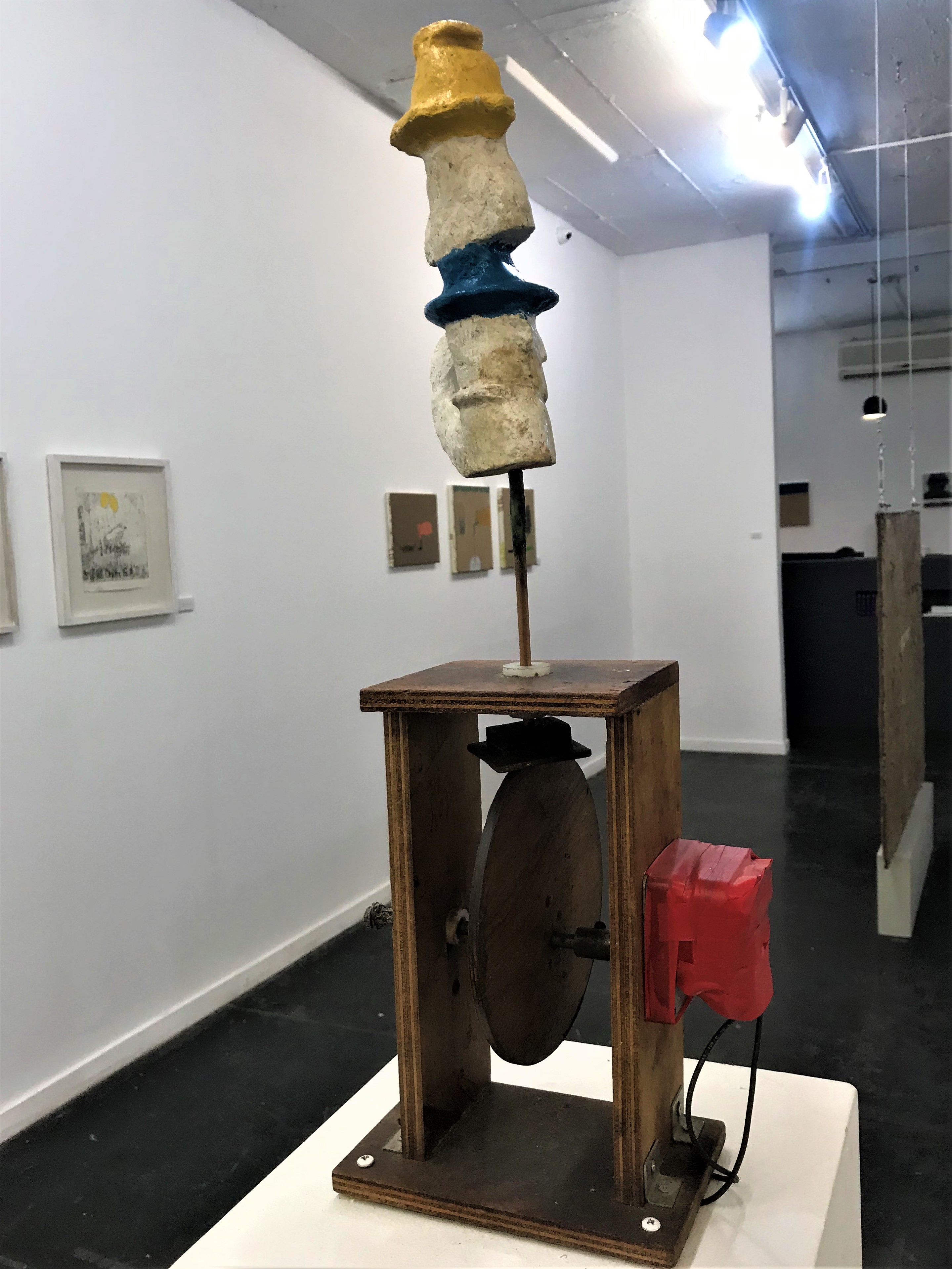
העבודה הקינטית “אבא ואמא נסעו לפלשתינה” פשוטה, כמעט גסה, מעלה על הדעת אמנות תיאטרון בובות מזרח אירופאית, ואפילו בובות ואסמבלז’ים של תדאוש קנטור Tadeusz Kantor ,היוצר הפולני המשובח (במיוחד משנות ה 70).  הוריו של הלר עלו לארץ ב 1939,  כשהיה בן שנתיים, והשאירו אותו עם דודיו ברומניה. לאחר שעבר את תלאות המלחמה עם דודיו האהובים נאלץ לעזוב אותם כשהיה בין 12 ולהצטרף להוריו בארץ. כאן עבר מסלול קונבנציונלי לתקופה של תנועת נוער, נח”ל וקיבוץ ופרע את השורה עם היציאה ללימודי אמנות.  בעבודתו משמשים ספקנות ואמונה באידאלים, במערכת בה חי, והיא מורכבת ומפוכחת ועשירה באופני עשייה.
ב”אבא ואמא נסעו לפלשתינה” הוא יוצר תמונה סוראליסטית של זיכרון פרידה שקרוב לוודאי שלא זכר. דמות אשה וגבר מחוברים, הגבר במגבעת ועניבה ויד מורמת בנפנוף שקפא, מעליו האשה שערה בלונדיני וחזה מזדקר. משופדים הם נידונים להסתובב  על צירם, מקובעים, לא נוסעים לשום מקום אך לעולם מרוחקים.
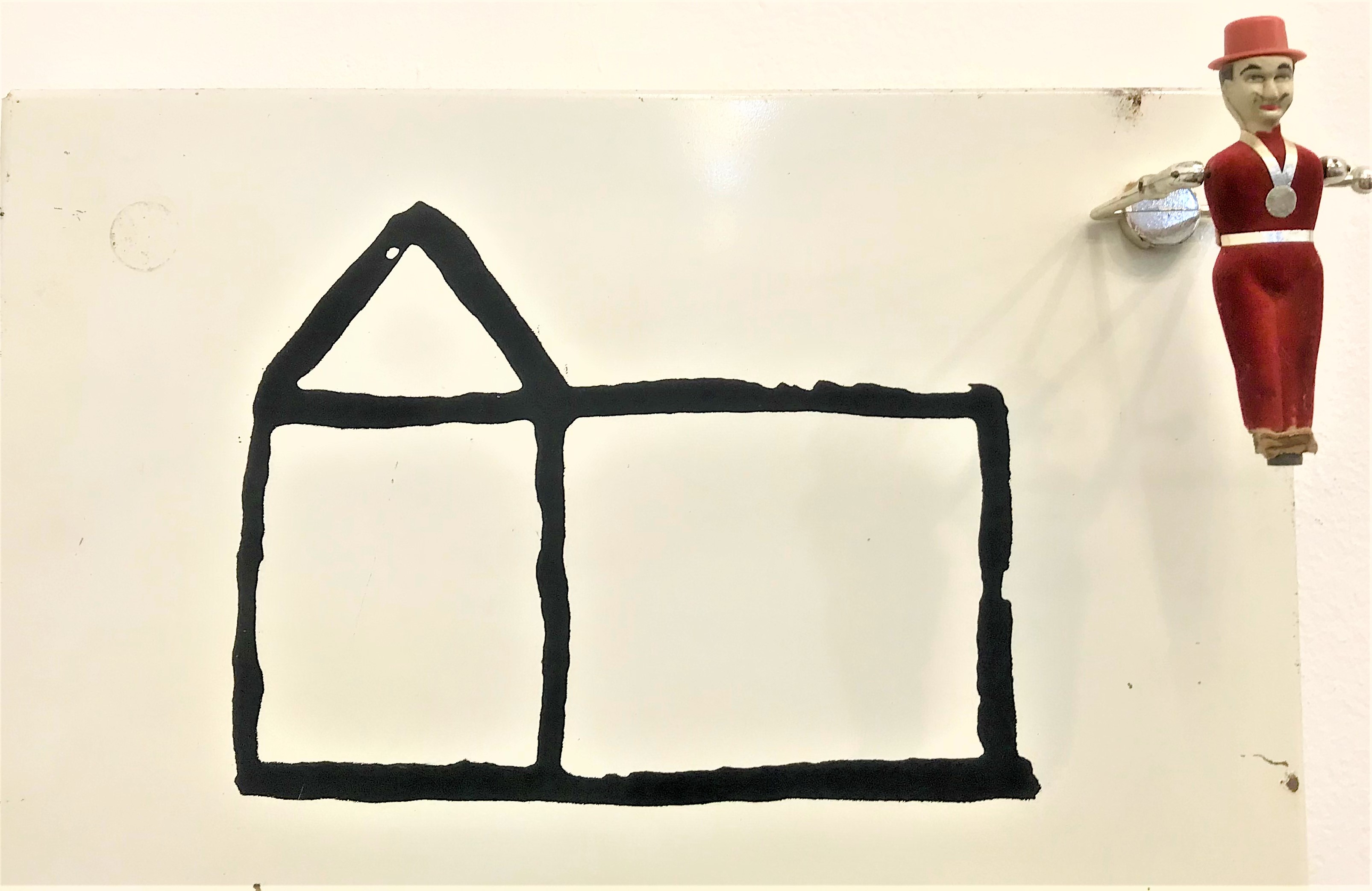
היחס בין בובה, בית, חלל ותנועה ומקום חוזרים בכמה עבודות כמו הרישום הקטן הסכמטי של בית  פצוע, חלק מגגו חסר, ומחוץ לו מחוברת בובות מתעמל בקרקס, מקובע ודומם ותלוי לנצח באוויר.
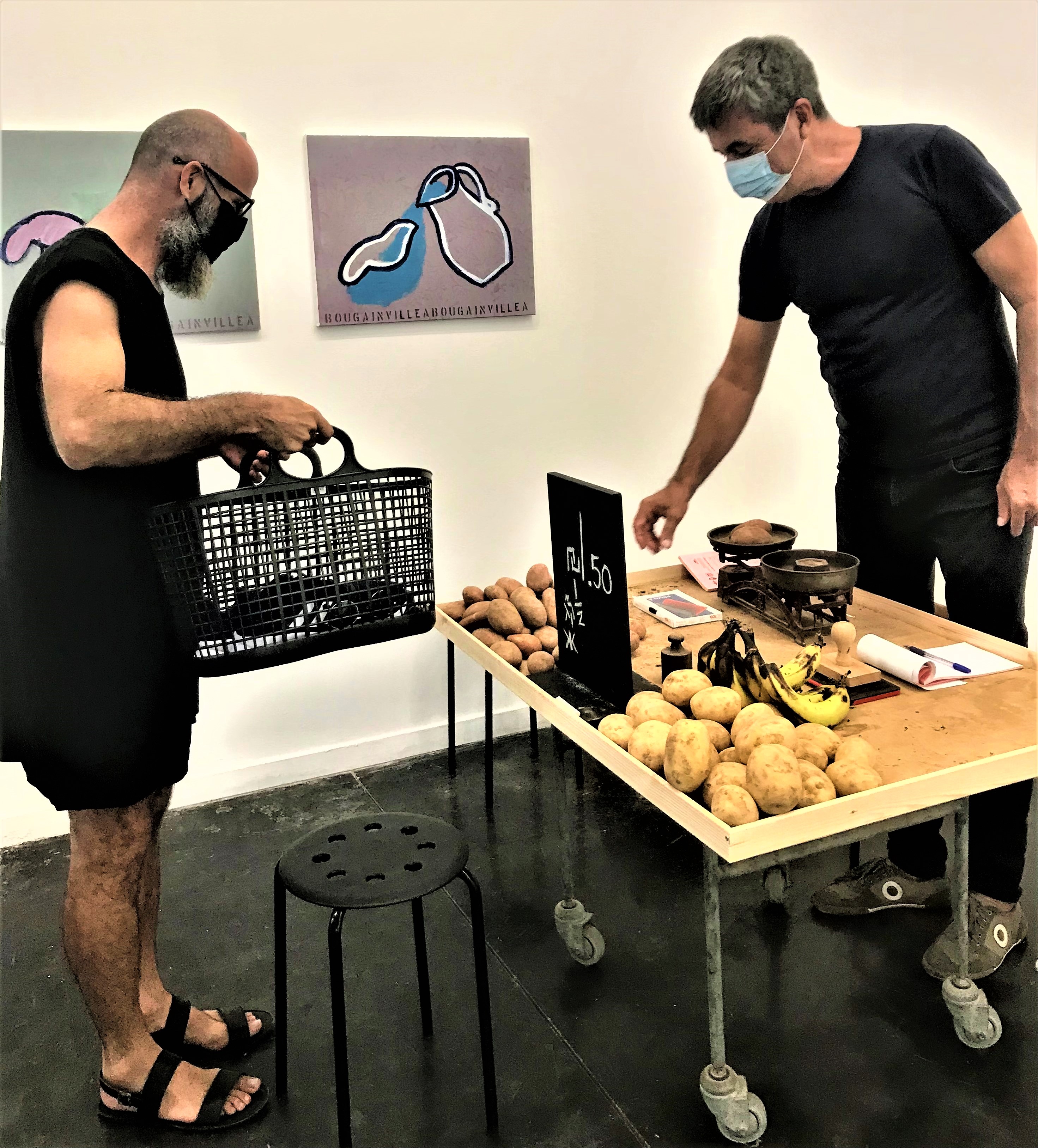
שחזור,  reenactment של העבודה תפוחי אדמה, שהציג הלר בסדנה פתוחה במוזיאון ישראל ב 1975 (אצר יונה פישר וסרז’ שפיצר) היא מהלך חשוב. הלר הביא תפוחי אדמה שגידל עם חברי קיבוץ נירים  ומכר אותם במחיר עלות. הוא מצוטט כאומר ‘רציתי שאנשים יצאו מהמוזיאון לא רק עם ׳רוח׳ אלא גם עם חומר. ביקשתי למנוע פערי-תיווך. מכרתי לפועלי המוזיאון את תפוחי האדמה במחיר המגדל”.  הגלריה שיחזרה את הפעולה כשבמקום שקיות ניילון משמשות הפעם שקיות נייר והמוכר ביום שביקרתי היה שמעון בן – שבת הגלריסט.

הפעולה נעשתה מתוך מודעות למערך הכלכלה הקפיטליסטי – הן שיטת התיווך וייקור סחורה והן לגבי היות עובדי המוזיאון מעמד הפרולטריון של האמנות. בשיח הישראלי הנוכחי בהן רפורמות תמחור סחורה חקלאית מצויות על הפרק ושאלת ההצלחה או הכישלון של המחאה החברתית של 2011 נידונה בהרחבה המונחים בהם השתמש הלר אקטואליים לחלוטין. הבחירה בתפוחי אדמה שוודאי נבעה מנסיבות בכל זאת מקפלת בתוכה את ההיסטוריה של המוצר : מחלת תפוחי האדמה באירלנד של אמצע המאה ה 19 הובילה לרעב בו מתו מעל מיליון אירים וההגירה מאירלנד באותן שנים לארה”ב הייתה בעלת השפעה מרחיקת לכת על ארה”ב כפי שאני מכירים היום. תוצאות הקטסטרופה היו כאלו שבסוף המאה ה 20 טוני בלייר הציע התנצלות רישמית על התנהלות בריטניה כלפי אירלנד בה שלטה בשנות המשבר. בהקשר התערוכה של הלר בלתי נמנע לחשוב על תפוחי האדמה והשואה ומלחמת העולם השנייה בהן מיליוני יהודים יכלו רק לייחל לקליפות. ריבוי המשמעיות הוא בנוסף לעצם דגם הפעולה : חומר מתכלה, משתנה, בתוך התערוכה ויצירת אינטראקציה בין קהל למציג (האמן או נציגו ) שמדמה פעולה יומיומית אך התרחשותה בתוך חלל אמנות מטעינה אותה במשמעות נוספת, הופכת אותה לטקס חליפין.
שמיכה דקה של מלנכוליה מכסה על התערוכה של הלר,  שבנה את חייו האישים והחברתיים והמקצועיים בהצלחה  רבה ובכל זאת תחושת הנטישה והעקירה והניתוק מחלחלת ככל שמעמיק המבט.

אוצרת :מאיה במברגר
גלריה RAWART
צילומים: סמדר שפי

     האקדמיה של החלון – הקלטות הרצאות  ד”ר סמדר שפי 
                                          אמנות מודרנית ועכשווית 

 סדרת הרצאות עומק על מבחר נושאים אמניות, אמנים וזרמים. בכל הרצאה מבט מקיף, בחינה לא קונבציונלית של   המוכר ולא מעט עידכונים ממחקר וקריאות חדשות  לרשימה מלאה היכנסו לעמודה  –     http://old.smadarsheffi.com/?page_id=13571
Dov Heller | Nirim

Dov Heller – Nirim

 Black holes in one’s soul apparently can never be filled. They can be barricaded but never repaired. Dov Heller, born in 1937, lived with such a void, and, like many of his generation, exposed and studied it relentlessly through art, seeking an answer.
Images of political leaders and symbols of ideologies – parental substitutes – fill his artworks, which along with an ironic tone, possess equal measures of love and criticism. In “Nirim,” the exhibition curated by Maya Bamberger at RawArt Gallery, a low platform in the center of the gallery is like a raft bearing refugee-objects in a sea of longing: images of Lenin in a suitcase, “peace doves” creating the shape of a heart, sculptures of ships, figures, and bruised houses. Scanning a QR code allows the visitor to connect to a recording of Heller telling his life story in chronological order, his deep, rough voice almost the stereotype of the kibbutznik. The individual and the collective are inseparable; this foundational statement is built into the exhibition, which it proudly proclaims as does the red flag placed at the gallery entrance door (which has been red for years).

Dov Heller | Nirim

The kinetic sculpture, Mother and Father go to Palestine (2003) is simple, even crude, bringing to mind the puppet theatres of Eastern Europe, and the dolls and assemblages made by Tadeusz Kantor, the superb Polish artist (especially his works from the ‘70s). Heller’s parents left for Mandatory Palestine in 1939, leaving two-year-old Dov with his aunt and uncle in Romania. After undergoing the horrors of war with his beloved relatives, he was forced at age 12 to join his parents in Israel. Here he followed the conventional track of that period, of youth movement, service in the Nahal Unit of the IDF, followed by settling on a kibbutz. He “broke the mold” by studying art. His artwork, suffused with both skepticism and belief in the system in which he lived, is complex and sober-eyed, rich in his multiple modes of making art.

Dov Heller | Nirim
Mother and Father go to Palestine (2003)

In Mother and Father go to Palestine, Heller created a surrealistic picture of separation that he most probably did not remember. The figure of a man and a woman are connected, the man in a broad-brimmed hat and tie has an arm raised in a frozen wave. Above him is the figure of a blonde woman with an imposing chest. Connected and pierced with a rod, they are doomed to turn on their hinge in a fixed position, not going anywhere but forever distant.
The relationship between doll, house, space, movement, and place reappear in several of the pieces, such as in the small, schematic drawing of a wounded house. Its roof is partially missing, while a circus acrobat doll is attached to the outside, hanging eternally in the air.
The reenactment of Heller’s installation/performance Potatoes, presented in the Open Workshop at the Israel Museum, Jerusalem in 1975, (curated by Yona Fischer and Serge Spitzer) is an important statement. Heller brought potatoes grown by him and fellow kibbutzniks from Nirim and sold them at cost at the Museum. He was quoted as saying, “I wanted people to leave the museum not merely with ‘spirit’ but also with matter. I sought to eliminate the middleman’s profits. I sold the potatoes to the museum employees at the grower’s price.” The Gallery replaced the plastic bags that were in the original piece with paper bags; on the day I visited, the seller was gallerist Shimon Ben Shabbat.
The art action was based on the awareness of the capitalist economic system with middlemen raising the consumer price and the awareness that the museum employees are the “proletariat of the art world.” In the current Israeli discourse in which reforms in pricing on agriculture is on the agenda, and the issue of whether the social protest of the Summer of 2011 succeeded or failed is discussed at length, the concepts which Heller used are absolutely timely. Although his choice of potatoes probably arose from circumstances, the item embodies history: the Irish potato famine in the mid-19th century caused the death of over a million people, while the immigration wave from Ireland to North America had a long-term impact in shaping the USA of today. Tony Blair offered an official apology at the end of the 20th century for Great Britain’s conduct towards Ireland during the crisis.
In the context of Heller’s exhibition, it is inevitable that thoughts arise about potatoes in the Holocaust and during World War II when millions of Jews could hope only for the peelings. Multiple meanings are layered over the model of the art action: disposable, changing material used in an exhibition, and the creation of interaction between the audience and the performer (the artist or the artist’s representative), simulating an act from daily life, but as it takes place in an art space, it gains new meaning and transforms into an ersatz ritual.

The reenactment of Heller’s installation/performance Potatoes, presented in the Open Workshop at the Israel Museum, Jerusalem in 1975.

Posted in מייצג, פיסול ומיצב, ציור, צילום | Tagged , , , , , , , | Comments Off on דב הלר – נירים | Dov Heller – Nirim

איך למות יפה – חן כהן | How to die beautiful / Chen Cohen

English follows Hebrew 

את כותרת – תערוכתה של חן כהן יש לפרק: איך למות? שואלת כהן שמשתפת בטקסט התערוכה שהיא חולה במחלה ניוונית כרונית, ומהו המהות של “יפה”. בשאלה הראשונה מובלעת ההנחה שיש שליטה על איך למות, שיש בחירה. יפה – כאן נתקל בדיון על מודל יופי נשי, על תפיסת היפה כטוב, כאצילי.
בתערוכה הקשה והכנה הזו נוכחת שאלת הזמן, השאלה מתי נמות שנעדרת מהכותרת. המתי קשור בעבותות לתפיסת היפה: מוות של צעירים מצוין, באמנות ובחיים, בדיבור על יופיים, מרומיאו ויוליה השייקספיריים ועד יפי הבלורית והתואר של חיים גורי. כהן, במודעות מחודדת לזמן הנוקף, מתעדת את עצמה בעיקר בצילום ווידיאו (גם בשורת מונפרינטים.) בעירום מלא או חלקי.

Notre -dame 2018 Chen Cohen: How to Die Beautiful

דרך העירום כהן מתייחסת להצגה הנרחבת של נשים בעירום כאידאל יופי אך גם להצגה של מרטירים, עבודת מפתח כמו ישוע של הולביין ועד  לשימוש בעירום בקרב אמני מיצג  בהם ויטו אקוננצי ומרינה אברמוביק (במיצגים המוקדמים משנות ה 60 וה 70 ). היות ורבות מהעבודות עוסקות בתיעוד רצף תנועתי אסוציאציה מרכזית לעבודות היא מחקרי התנועה של מויברידג  (Eadweard Muybridge ) משנות ה 70 וה 80 של המאה ה 19. תנועה היא מסימני החיים המובהקים ביותר. במקרה של כהן, העוקבת אחרי השינויים הניכרים בגוף מחמת המחלה רצף תנועה הוא בבחינת גרף הידרדרות.
התערוכה אינה גדולה  ועדיין יכלה לצאת נשכרת מוויתור על עבודות אחדות. במיוחד אמור הדבר ב”המטפלות”,  שהיא מעין tableau vivant,תיועד מפעולת וידיאו בה כהן שוכבת במיטה, הקלישאה של אשה במיטת חוליה מוקפת מטפלות עירומות. אין בעבודה התיאטרלית במופגן את הדחיפות, העוצמה שיש בעבודות אחרות.

Chen Cohen: How to Die Beautiful

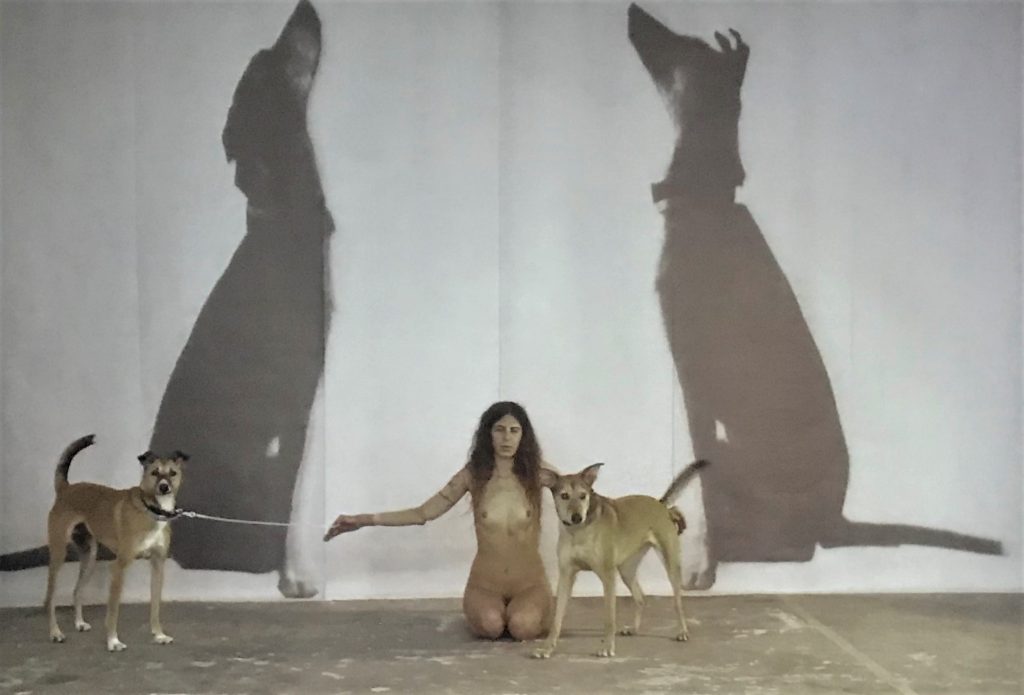
כשכהן נוגעת בטקסיות, מפקיעה את הגופני מהיומיומי, היא במיטבה.  בעבודת וידיאו היא יושבת על במה (או מזבח?) ידיה פרושות לצדדים כצלובה וכאורנט ובכל יד היא אוחזת כלב על רצועה. מאחוריה מתנשא ציור שני כלבים גדולים, כמו שני אריות שומרים בפתח מקדש קדום. כהן מציבה את עצמה כמי שעלולה להיגרר בכל רגע, גופה הדקיק להיקרע עם ימשכו אותה הכלבים. פקעת מיתולוגיות פרטית של צליבה וקורבן וגם כלבים מתקשרים לקרברוס, כלב מרובה ראשים  השומרים את ממלכות השאול במיתולוגיה היוונית. הוא אינו מתיר למבקשים לצאת משם ללכת. במקום בין השאול לגולגלתא בין קורבן לעונש כהן בוחנת את קיומה, בוראת הסבר ותוכן למצבה.
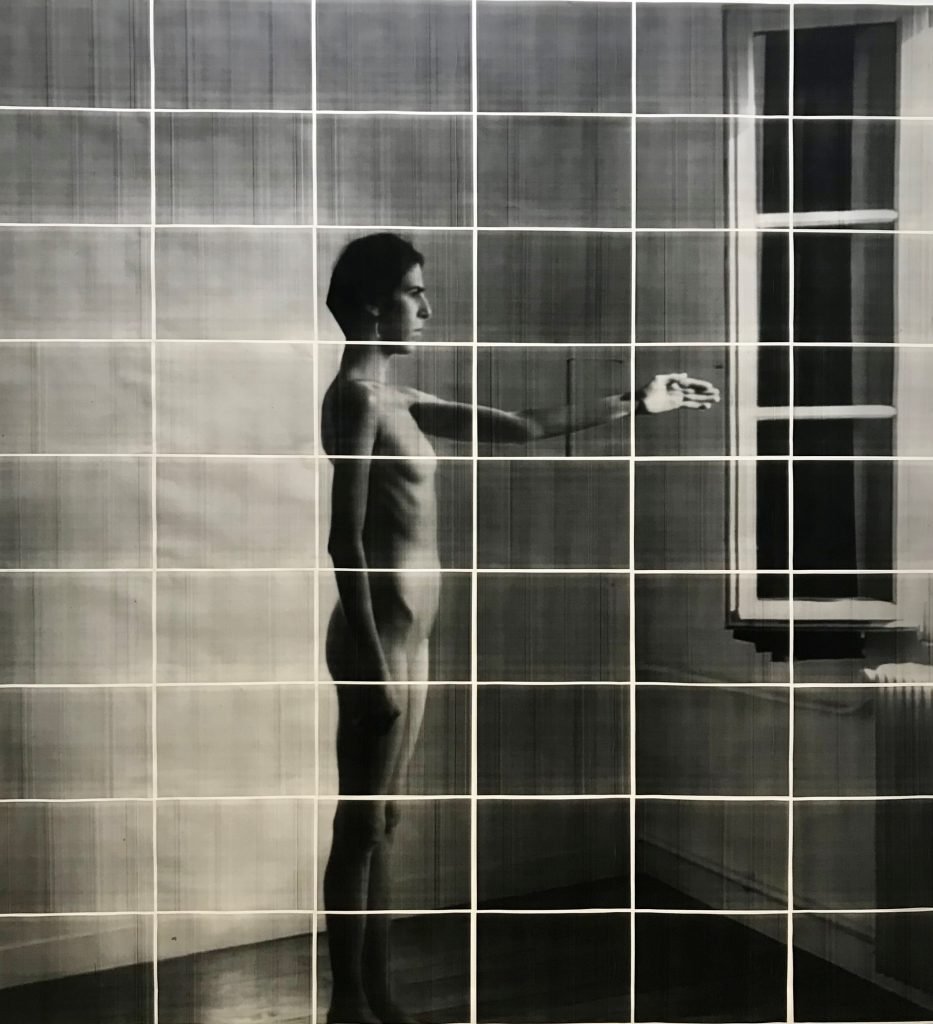
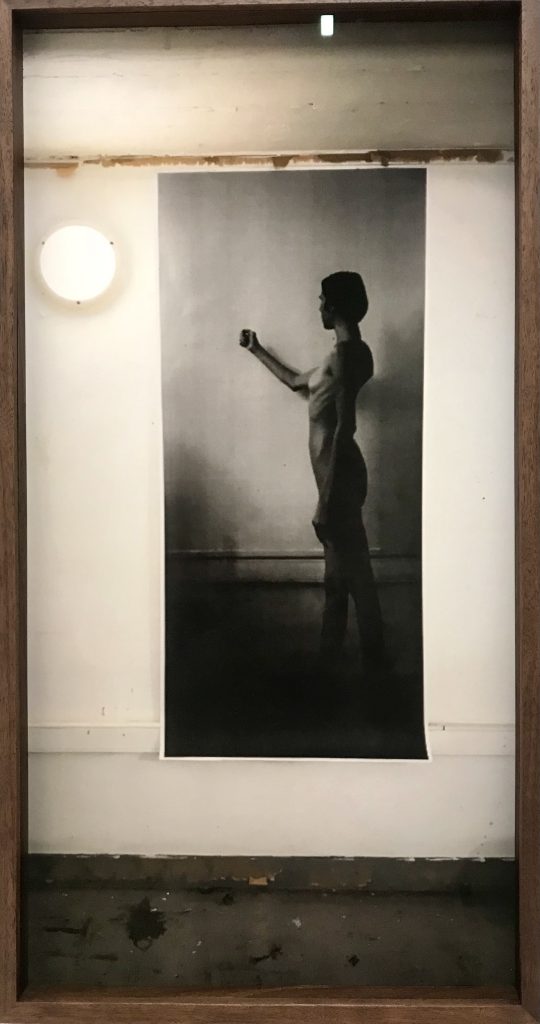
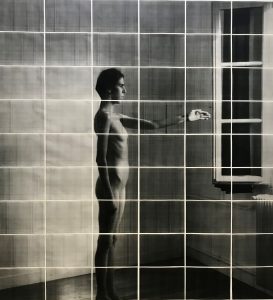
“נוטרדאם” היא עבודה אפוקליפטית ופואטית מצוינת. כהן צילמה עצמה עומדת מול חלון, ידה מושטת קדימה ופניה נשואות החוצה בהבעה מרוכזת. בשיח גלריה צוין שהעבודה נעשתה בעת שהות אמנית בפריס בימים בהם בערה קתדרלת נוטרדאם באפריל 2019. האור שמאיר את הקיר מאחורי  האמנית הוא אור השרפה שהייתה רגע טראומטי עבור רבים. הגוף הצנום, הזקוף, מזכיר את הפיסול הגוטי מראשית המאה ה 13 המעטר את הקתדרלה. האבסטרקציה המסוגננת של גוף ארכני השואף מעלה המאפיין את הגוטיקה  הופך מוחשי בגוף של כהן. העמידה עם היד המושטת קדימה נוראית ואמביוולנטית: האם היא מחווה כלפי השרפה  או מחוללת אותה? האמנות נרמז כאן היא כוח מחולל, יוצר פעולה בעולם כאילו היה כאן לא רק תיעוד עמידה אלא מיצג. כהן מתחברת לאמן כמו ג’יימס לי באיירס ביומרה- אמונה בכוחה של אמנות.
“נוטרדאם” מחולקת לעשרות דפים של צילומי זירוקס בגודל A4,פאזל שיכול בקלות להתפרק, רשת דקה שאוחזת את הדימוי יחד אך בקושי, על חוט השערה. נדמה שעל צילומים המגורענים התפזר אפר פחמי שחור מהשרפה, שכבה דקה של אבק זמן שמכסה ומפרידה אותו מההווה.

אוצר ד”ר נעם גל
CCA תל אביב

                     האקדמיה של החלון – הקלטות הרצאות  ד”ר סמדר שפי 
                                          אמנות מודרנית ועכשווית 

 סדרת הרצאות עומק על מבחר נושאים אמניות, אמנים וזרמים. בכל הרצאה מבט מקיף, בחינה לא קונבציונלית של   המוכר ולא מעט עידכונים ממחקר וקריאות חדשות  לרשימה מלאה היכנסו לעמודה  –     http://old.smadarsheffi.com/?page_id=13571

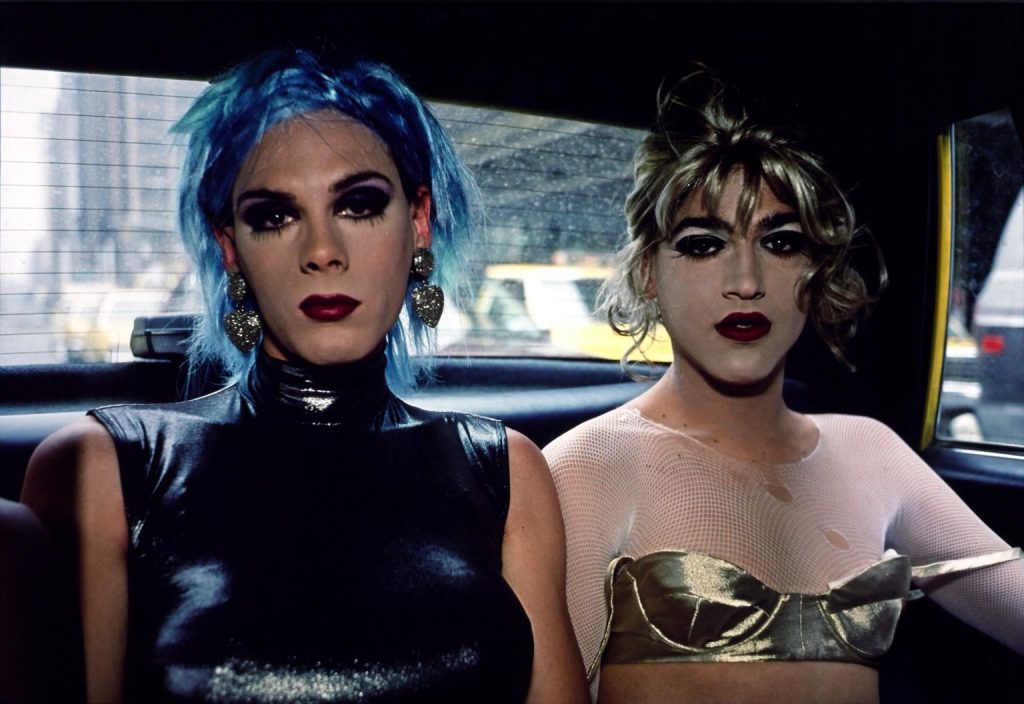
Nan Goldinת Misty and Jimmy Paulette in a taxi, NYC 1991


How to die beautiful / Chen Cohen

The title of Chen Cohen’s exhibition should be read in two parts, as Cohen asks “How to die?” and shares in the text that she is ill with a chronic degenerative disease. She further queries, “What is the essence of the beautiful’? The first question embodies the assumption that one can control how one dies, positing a choice. As for the beautiful, here she enters into the discussion of the model of female beauty and the perception of the beautiful as good, as noble.
In this challenging, sincere exhibition, the issue of Time is present, the question of when we die absent from the title. Mortality is closely associated with the perception of the beautiful: the death of young people is noted in art and in life with mentions of their beauty, from Shakespeare’s Romeo and Juliet to the Palmahniks with their “beautiful lock of hair and handsome countenance,” as written by Haim Gouri. Cohen, with awareness sharpened by passing time, documents herself mainly in photographs and on video (as well as in a series of monoprints) fully or partially nude.

Chen Cohen: How to Die Beautiful

Through her nudity, Cohen refers to the extensive presentation of nude women as the ideal of beauty as well as to the depiction of martyrs, and in the body of the dead Christ in the masterpiece by Holbeinrpiece of Jesus by Holbein, through the use of nudity in performances by artists such as Vito Acconci and Marina Abramovic (in her early works of the 1960s and ‘70s). Since many of the works engage in the documentation of a sequence of movements, a major association to her works is Eadweard Muybridge’s motion studies. Movement is one of the prominent signs of life. In Cohen’s case, as she follows the evident physical changes due to her illness, the sequence of movements is a kind of graph of decline.
The exhibit is not a large one, but could still benefit from winnowing out a few works, especially The Caregivers, which is a kind of tableau vivant, documentation from a video action in which Cohen lies in bed in a cliché of a woman in her sickbed. Here she is surrounded by nude caregivers. This demonstrably theatrical work lacks the urgency and power in the other works on view.
When Cohen touches upon ceremony, expropriates the physical out of the daily, she is at her best. In the video in which she is on a stage (or is it an altar?) her hands outstretched as if crucified or as an orant, a dog leash in each hand, a dog on each side. Behind her is a picture of two dogs like two lions guarding an ancient temple’s gate. Cohen places herself in a position as if the dogs could drag her away any second, her thin body likely to be torn if the dogs pull in different directions. In her private version of mythology of crucifixion and sacrifice, the dogs may be linked to Cerberus, the dog with the multiple heads guarding the entrance to Hades in Greek mythology. No one can leave. Between Hades and Golgotha, between sacrifice and punishment, Cohen examines her existence and creates an explanation and content for her state.

Chen Cohen: How to Die Beautiful

Notre-Dame is an apocalyptic, poetic work. Cohen photographed herself standing in front of a window, her arm stretched forward and looking outside in a concentrated gaze. In the gallery talk, she noted that the work was made during an artist’s residency in Paris when the Notre Dame Cathedral burned down in April 2019. The light illuminating the wall behind her is the fire, a traumatic occurrence for many.  Her erect slender body is

Notre -dame 2018 Chen Cohen: How to Die Beautiful

reminiscent of the 13th century Gothic sculptures decorating the cathedral. The stylized abstraction of the arcane body striving upwards characterizing the Gothic, becomes concrete in Cohen’s body. Her stance with the arm stretched forward is arresting and ambivalent: is she gesturing towards the fire, or dancing with it? There is a suggestion here that art is a generative power, creating an act in the world, as if it were not only a documentation of a stance but a performance. Cohen associates herself here with artists such as James Lee Byars in her suggestive belief in the power of art.
Notre-Dame is divided into dozens of Xeroxed pages on A4 size, a puzzle that can easily break down, a thin network holding the image together –but barely. It seems that the grainy pictures have dark coal colored ashes spread over them from the fire, a thin layer of the dust of Time that covers and perhaps isolates the present.


Curator: Dr. Noam Gal
CCA-Center for Contemporary Art, Tel Aviv


Posted in וידיאו, מייצג, צילום | Tagged , , , , , , | Comments Off on איך למות יפה – חן כהן | How to die beautiful / Chen Cohen

סמדר שפי, החלון, אומנות ישראלית, אמנות ישראלית, Smadar Sheffi, The Window, Israeli Art