על יריעה זו, שכֻּלָּהּ תכלת רקיע וִירַק דשא, רקומים עתה לפָנַי כל מראות עולמי של הימים הראשונים ההם, מראות פלאים מראות שאננים וקלים כערפלי טֹהַר, חֶצְיָם חידות וחציָם חלומות – וּבכל זֹאת אין בהירים וּברורים כמוהם ואין מציאות כמציאותם.– חיים נחמן ביאליק, סָפִיחַ,פרק 1
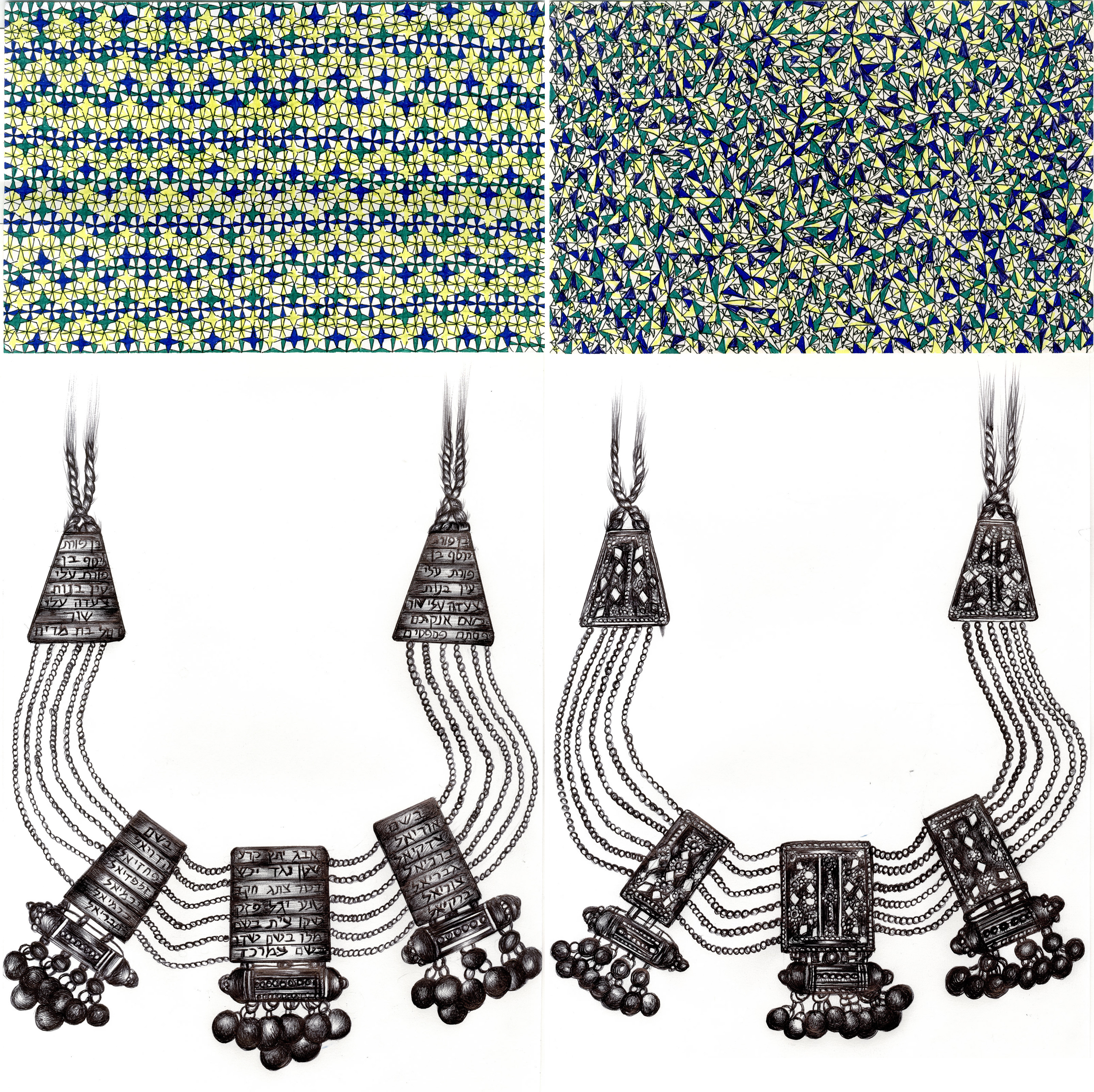
דרכי קריאה ופיענוח של שפה, חזותית וכתובה, עומדים במרכז התערוכה “וחציים חלומות”. אסתר כהן יצרה במסגרת סדרת התערוכות המחקריות ב”קומה השנייה” בבית ביאליק סדרת עבודות המתייחסת ל”ספיח”, יצירתו האוטוביוגרפית של חיים נחמן ביאליק שפורסמו בהמשכים (1908-1934).
“Half dream…”Ruth Cohen and Esther Cohen, 2021
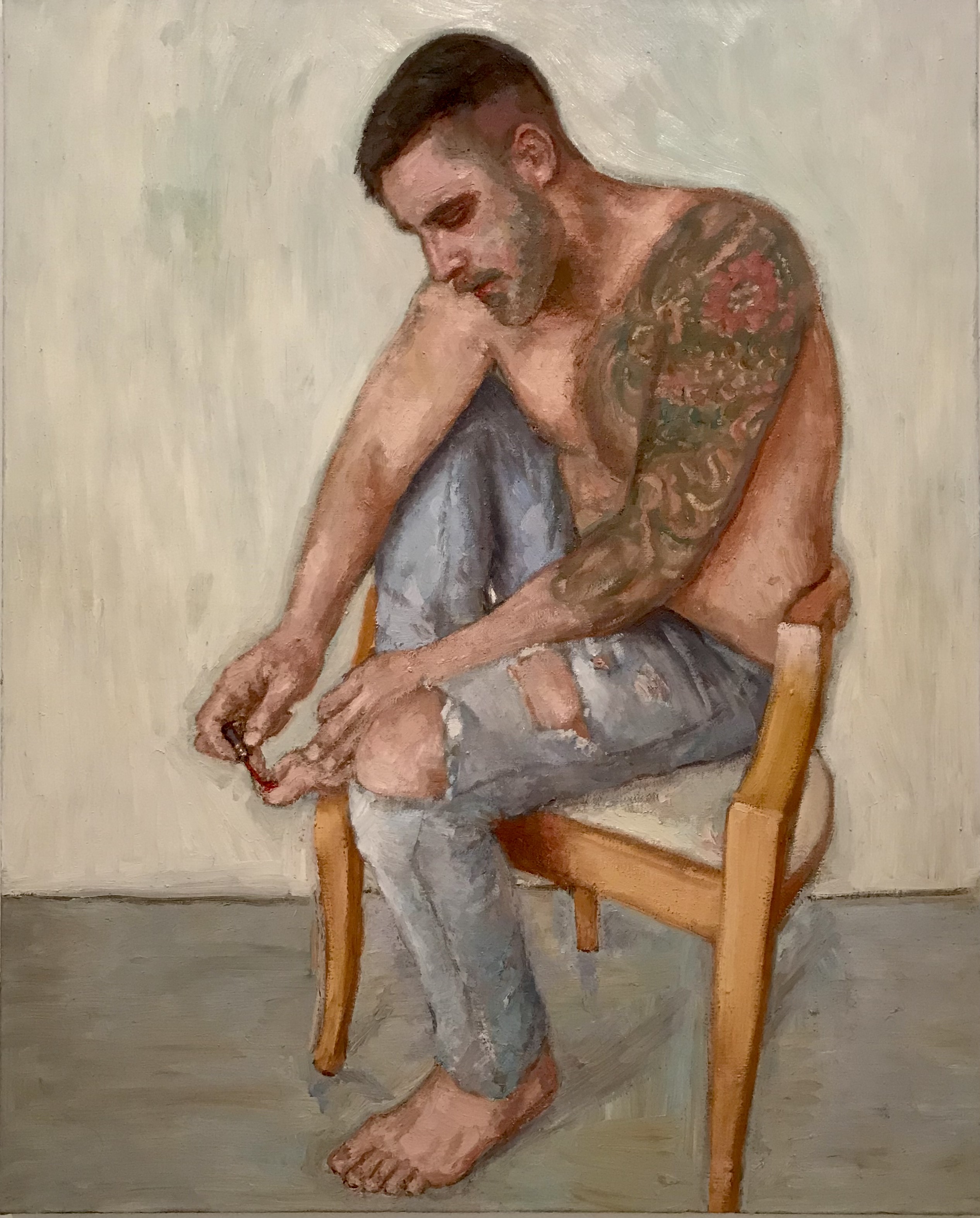
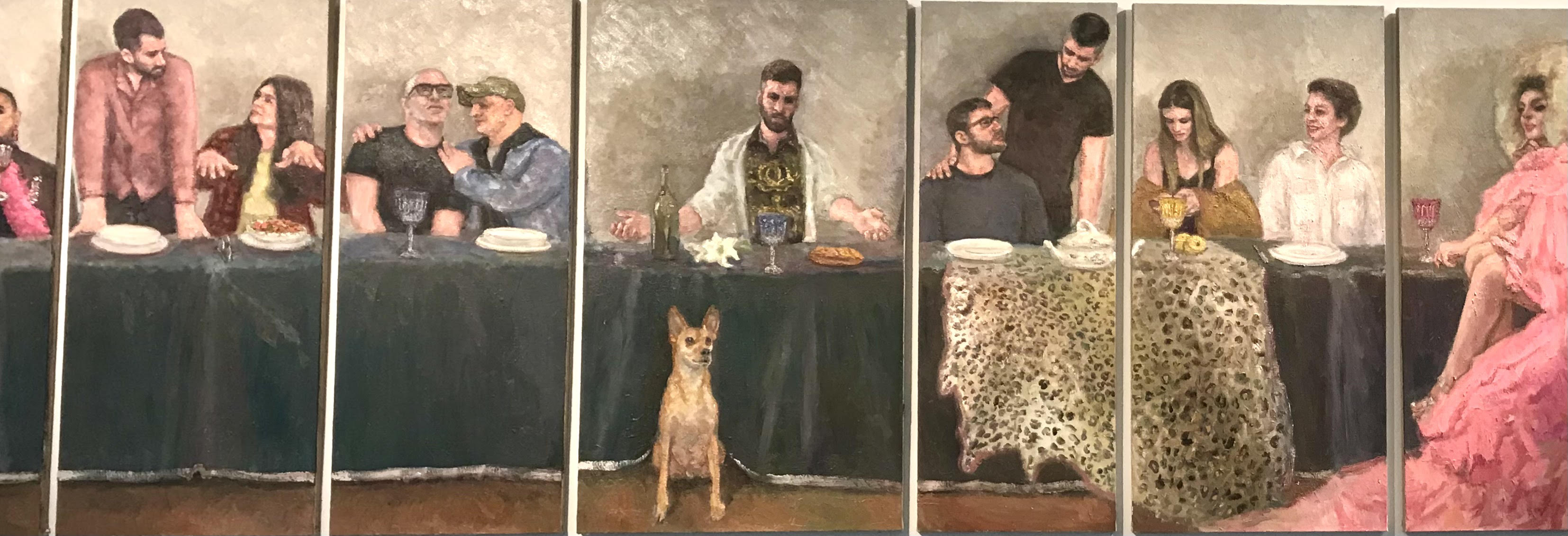
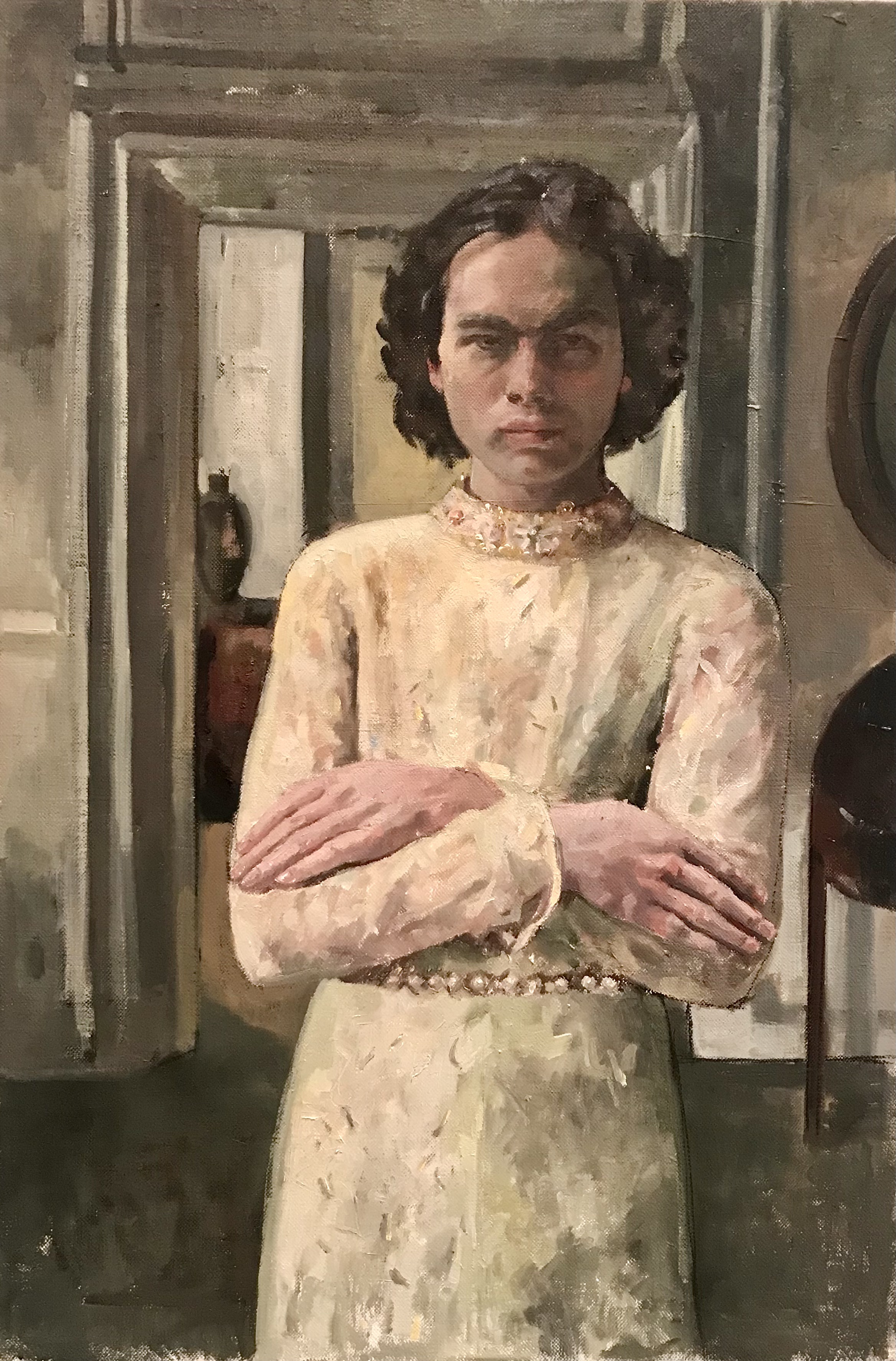
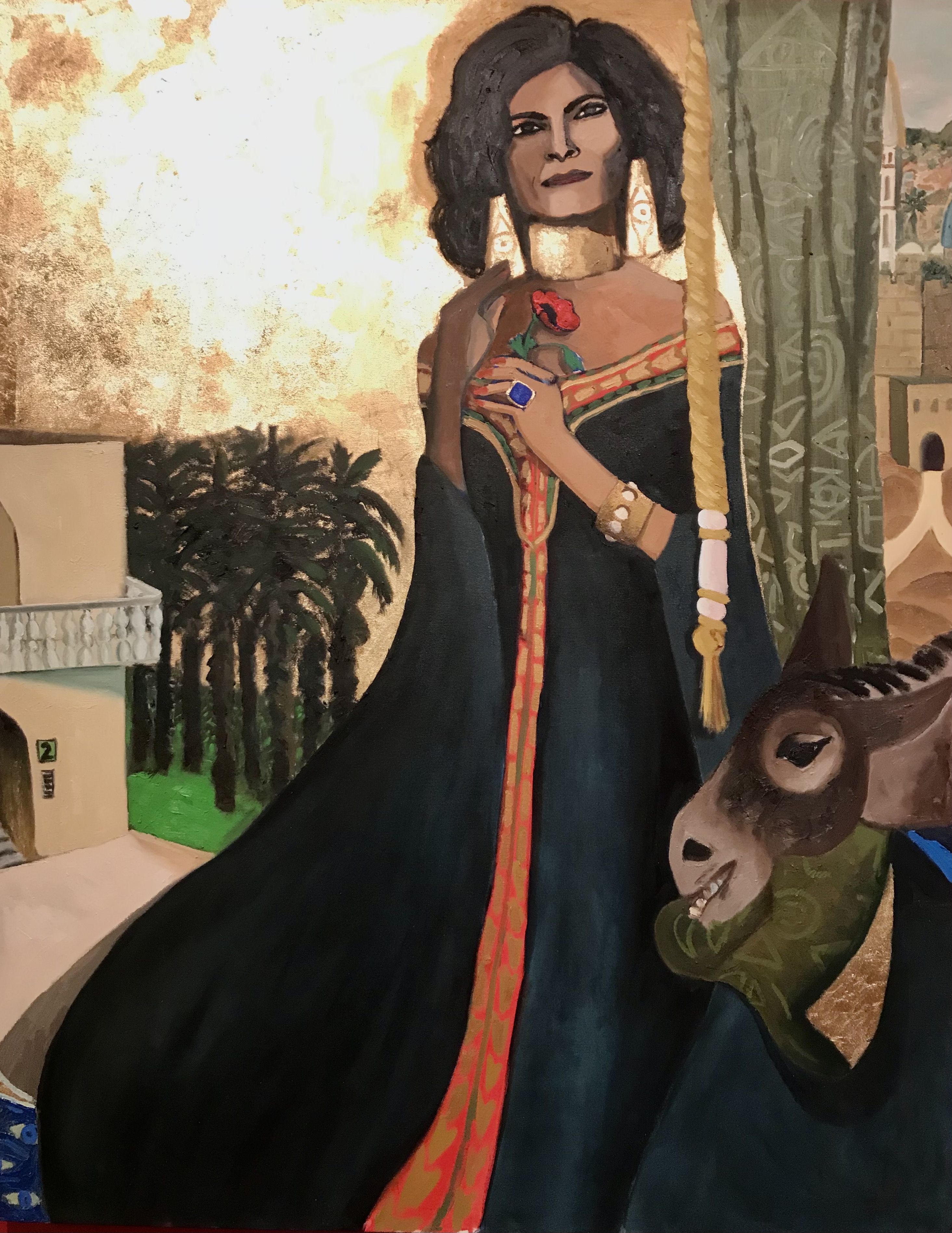
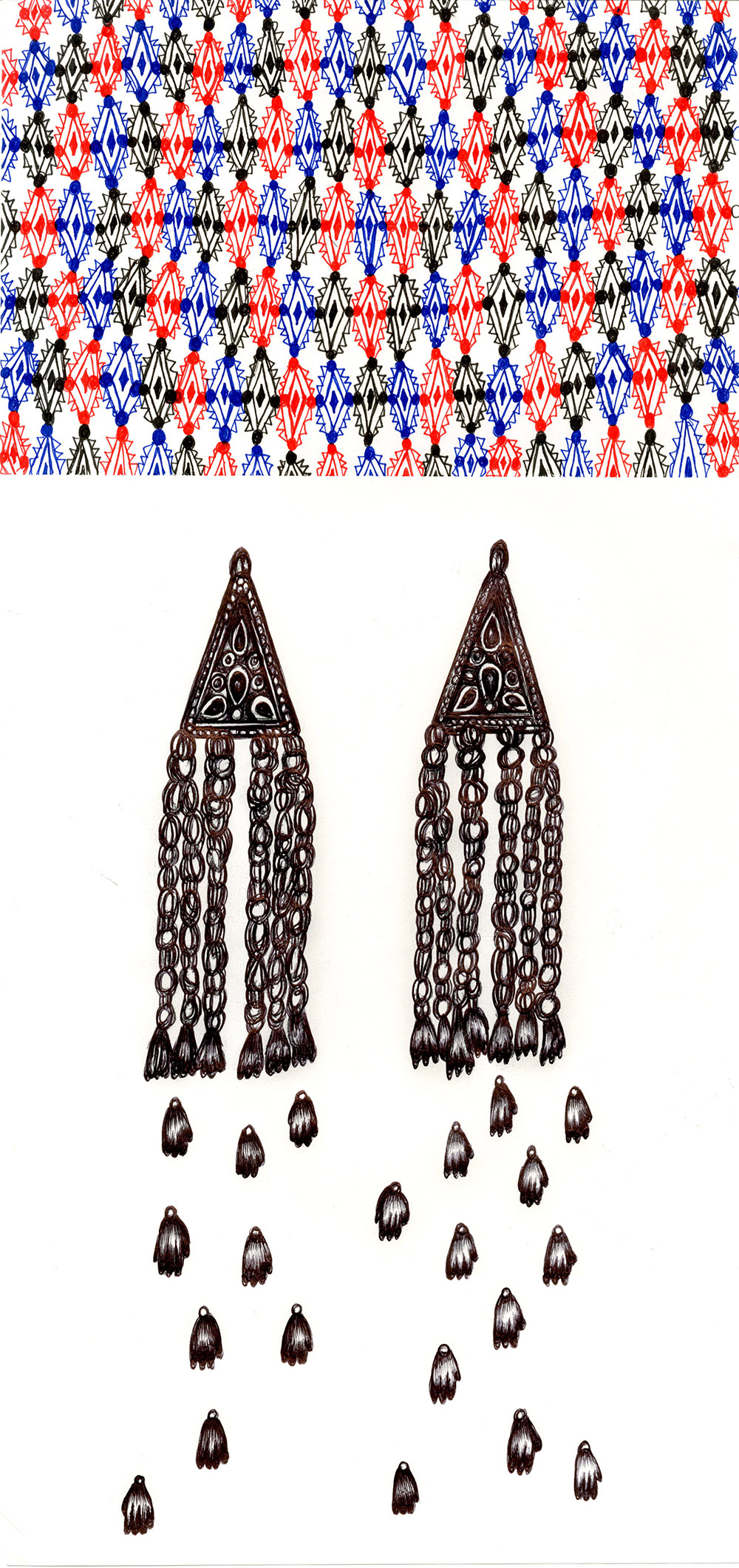
אסתר כהן עורכת מסע לתוך המורשת איתה גדלה. זיכרונות אישים וקולקטיביים, מעגלים של משפחה, קהילה, זיכרון, מסורת ודת, תולדות אמנות ישראלית, תימנית ואירופאית. היא משתפת במסע ההתבוננות הזו את הוריה: אמה, רות כהן, מציגה לראשונה עבודות דגמים שהיא יוצרת כמעט מידי יום בשלושים השנים האחרונות. אביה השתתף בהכנת מעין מילון מילים בארמית, שפת אימו, ושאותן ציירה אסתר בסדרת ציורי אלף-בית. בנוסף לסדרה זו אסתר ציירה תכשיטים וקמעות של יהדות תימן לצד צמחים ופרטים של טבע או צורפות.
זמן, כחומר, מצב ותודעה, ומעברים בין דוריים ובין מקומות הם השתי וערב של “וחציים חלומות”. הקריאה של העבודות היא בתנועה מתמדת קדימה ואחורה עד שהתצרף הופך, כמאמרו של ביאליק, “בהירים וּברורים כמוהם ואין מציאות כמציאותם”.
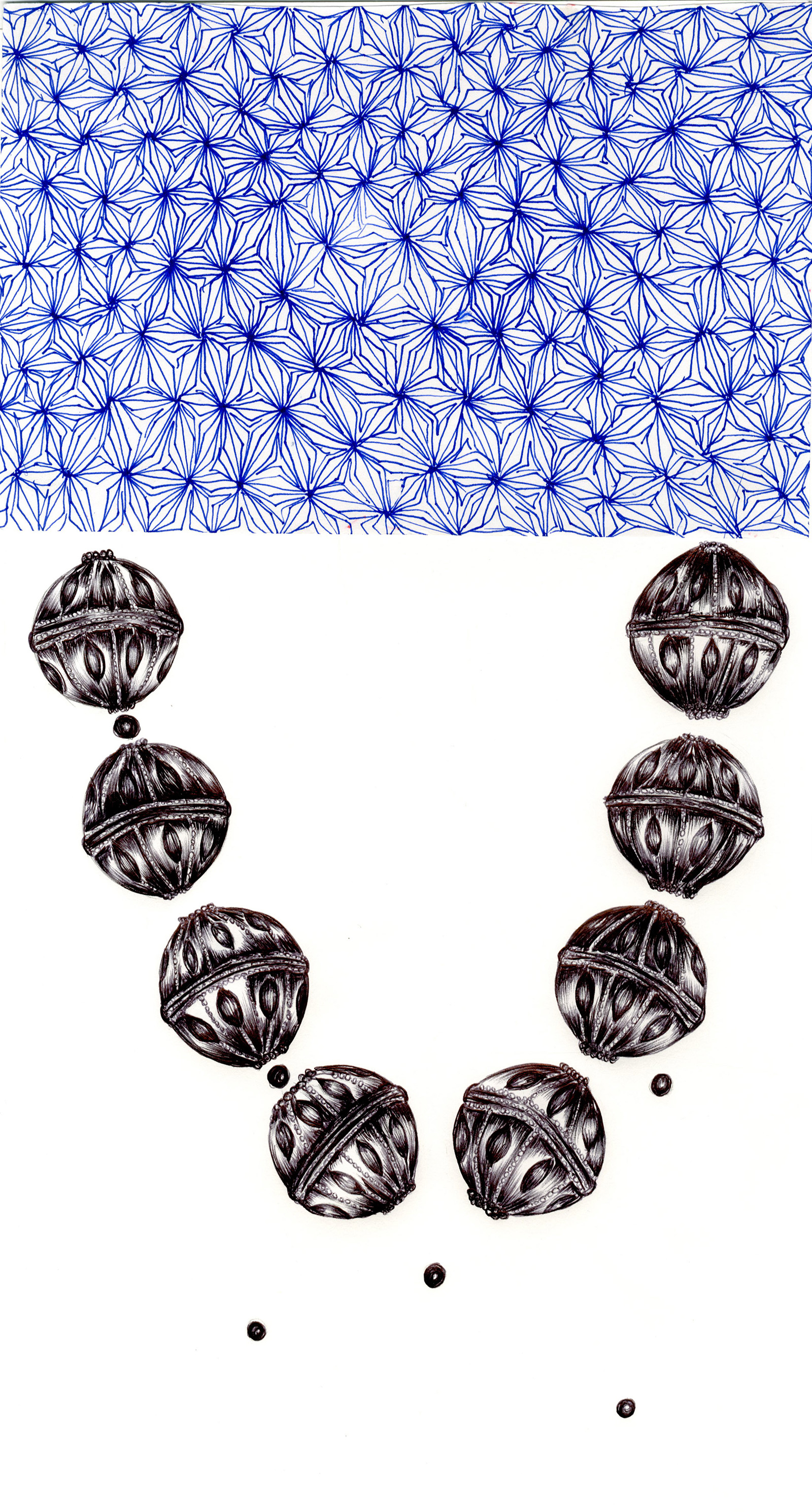
“Half dream…”Ruth Cohen and Esther Cohen, 2021
הזמן נספר ונוכח בצורות שונות: רות כהן יוצרת, כמעט מידי יום, ציורים מלבניים קטנים ועליהם דגמים צבעוניים חוזרים, מדויקים, צפופים. בצד האחורי של הדפים היא מציינת אירוע, אישי או ציבורי, שקרה ביום בו יצרה את העבודה, כך שמדובר במעין יומן שהחל בשנות ה 90 ונמשך עד היום. העבודות נעשו על שאריות דפים שנחתכו במכונת דפוס בהוצאת הספרים “יבנה” בה עבדה שנים רבות. כך רובד שפת הדגמים נעשה כשזיכרון ספרים, ממלכת המילים, היא שכבה נסתרת בתוכה, וכל ציור הוא זיכרון של יום.
משפחת סאלם, משפחתה של רות כהן, הגיעה לתל אביב מעדן ב-1924. רות נולדה וגדלה בכרם התימנים, ואסתר זוכרת, כילדה, ביקורים בשכונה אצל קרובים וחברים. העבודות הקטנות של רות מורכבות, צפופות ואינטנסיביות כרקמה תימנית או בגדי כלה מסורתיים. מעניין לחשוב עליהם בהקשר של העבודות של עפיה זכריה (שהלכה לעולמה ב-2002), האמנית ילידת תימן שהפכה דירת שיכון בשלומי למיצב אמנות תלוי אתר. ההבדלים אמנם גדולים אך הזיקה האסתטית ניכרת.
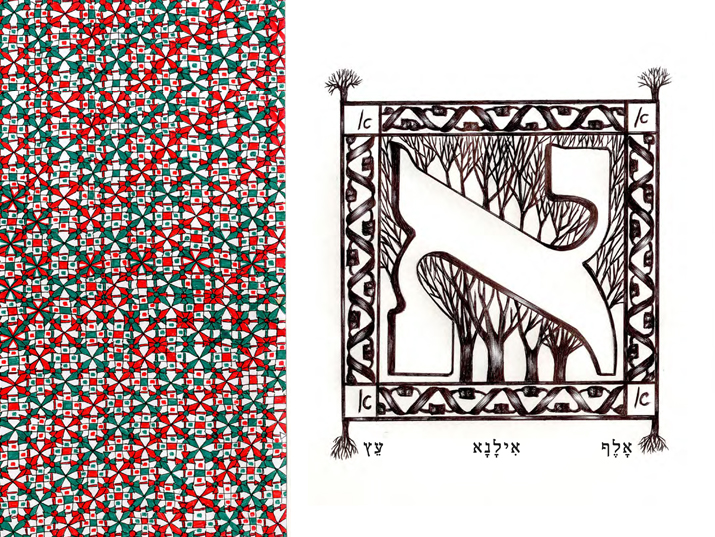
דני כהן הוא בן הקהילה היהודית הכורדית דוברת הארמית (נאש דידן). לבקשתה של אסתר כתב את המילים הזכורות לו בארמית לפי סדר האלף-בית. אסתר ציירה כל אות ומתחתיה כתבה את שם האות, מילה בארמית ואת תרגומה לעברית. דגם האותיות שיצרה הוא מחווה לאלף-בית שצייר זאב רבן בספר לימוד לקריאת עברית לילדים (עם חרוזים של לוין קיפניס) שראה אור בברלין ב 1923*. האותיות של רבן בהירות צבעוניות, ורוויות מסרים ממלכתיים (מ’ היא מנורה; מ’ סופית מאזניים – מאזני צדק, וכן הלאה). אסתר כהן יוצרת בתבנית בהשראת רבן עבודות דחוסות, אקספרסיביות, שסערות מעבר ועקירה, תשוקה, מאבק ותקווה ניכרות בהן. באות ד׳ המילה שזכר דני כהן היא “דרגושתא” שפירושה עריסה; ובאות נ׳ המילה היא “נוּרא” שפירושה אור/אש. העריסה מצוירת ריקה, דחוסה במשטח האות הקטן ומתלווה לה תחושת סכנה; באות נ’ השלהבות נראות כנרות זיכרון. כל אות מספרת את גלגול העברית העתיקה לארמית הנשכחת, שהיא, בתורה, נוכחת בזיכרון העברית העכשווית. התרגום יוצר מעין דיסוננס, כי המילה בעברית בדרך כלל לא מתחילה באות המצוירת. המעגל אפוא, לא שלם, והניתוק בין סימנים ותכנים אינו נותן מנוח. לצד כל ציור אות – עבודה של רות כהן, כמו טקסט נוסף שהקריאה בו אינה בבחינת קריאת פשט אלא רמז, קריאה אלגורית של הצורות והצבעים.
בספיח, הסיפור האוטוביוגרפי, מתאר ביאליק את זיכרון לימוד הקריאה שלו כילד כמפגש בין האות כסימן מוסכם לאות כצורה, לאות כמפתח לזרם אסוציאטיבי:
…הראה לי הסגן צורת א ואמר: “רואה אתה אֵסֶל וזוג דליים? …”
“אמת, בחיי ראשי, אסל וזוג דליים …”
“הרי זו אל”ף”, מעיד הסגן.
“הרי זו אל”ף”, שונה אני אחריו.
“מה זאת?” שואל שוב הסגן.
“אסל וּשני דליים”, אומר אני ונהנה הנאה גדולה על שהזמין לי הקדוש-ברוך-הוא כאן כלים נאים אלו.
“לא, אמור: אל”ף!” חוזר הסגן ואומר, “זכור: אל”ף, אל“ף”.
“אל”ף, אל“ף …”
וּכשירדתי מלפניו פרחה לה מיד האל”ף מלבי וּבמקומה באה מַארוּסיָא, זו השִקצה שואבת המים. כל היום לא זזה מנגד עיני. ראיתיה כמו שהיא: בכרעיה היחפות, במחלפותיה העבות וּבאסל והדלָיַיִם שעל כּתֵפָהּ. והִנֵּה גם הבּאֵר עם השוקת בּצִדָּהּ וּבני האַוָּזים שבשלולית הסמוכה וגנו של ר’ אלתר קוּקוּ …
“מה זאת?”, שואלני הסגן ממחרת וּמראה על האל”ף.
“אוי, מארוסיא! …” שָׂמֵחַ אני על המציאה.
(חיים נחמן ביאליק, ספיח, פרק 3)
תכשיטים, קמעות וכלי קודש של יהדות תימן מצוירים בעבודות של אסתר כהן בעט כדורי ובדיו. מאפיינת אותן אווריריות, תיאוריות, בדרך כלל מונוכרומטיות, היפוך כמעט מושלם לעבודות אמה. אסתר כהן רושמת-חוקרת וביצירותיה מסמנת את נקודת המפגש בין הסימלי, המאגי, האמוני והיומיומי. תכשיטים לטקסי מעבר וקמעות לצד הצמחים שהיוו השראה לצורות הקישוטיות, כהנכחה של תנועת מטוטלת בין טבע וייצוג ורמיזה לכך שמסתתר באמנות הפוטנציאל להתפרק, לשוב למה שסימנה וריסנה ועידנה לכדי צורה.
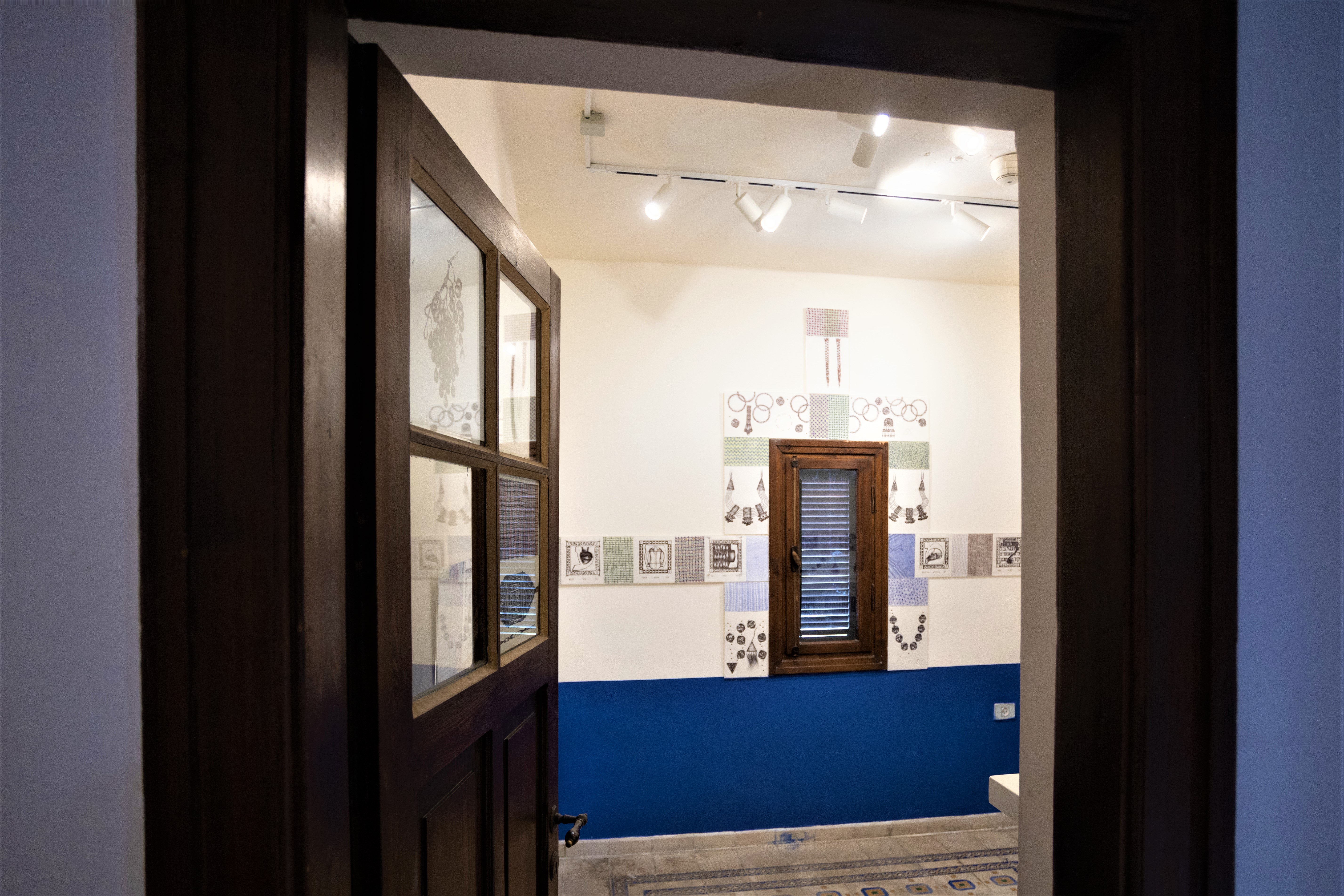
“Half dream…”Ruth Cohen and Esther Cohen, 2021
הרישומים של רות כהן, לצד הציורים והאותיות של אסתר הופכים למעין מקהלה הממשיכה לספר נרטיב, ולספור את הזמן במכלול המהווה את “וחציים חלומות”. המכלול מאתגר סטראוטיפים שדבקו בתפיסה של אסתטיקה מזרחית בכלל ותימנית בפרט. רות ביצירה אבסטרקטית ואסתר בעבודה שנעה בין פיגורציה מדויקת להכלאות סוראליסטיות של אובייקט וצומח, ממוססות את הדיכוטומיות מזרח/מערב. העבודות מתייחסות לאמנות בעבר ובהווה מחלקים נרחבים בעולם. היצירה המשותפת יוצרת גשר בין דורי ופורעת קונבנציות של מרד ומחיקה לטובת אופציה חדשה שבוחנת מרחב פיזי ורעיוני חדש.
לשֵמע אֹזן שמעתי, שגדֵלים בחורשה גם לוזים ואגסי כל-נדרי. ויש מעידים, שמצאו שם גם תפוחי ארץ-ישראל. המאמין יאמין. אני לא זכיתי לפי-שעה לראותם במו עיני. בשעת הכושר כדאי להפליג ביער ולהכנס בּעָביוֹ. ראוּי לְבָדְקוֹ. מי יודע את המוכן לי שם? רבות מחשבות בלבי על היער. (חיים נחמן ביאליק, ספיח, פרק 12)
בספיח – הכתיבה נעה בין פרוזה לשירה, ממואר ומסה. עבודות האם והבת כהן, ומילות האב נוצרות ממציאות וזיכרון, מותירות מקום ל “…וחציים חלומות…”.
ד”ר סמדר שפי
*זאב רבן (1890-1970) הוא מעצב אריחי הקרמיקה היפיפיים שבחדר ההסבה בבית ביאליק: העמודים, שעל האחד שנים עשר השבטים ועל השני שנים עשר חודשי השנה, וכן האח. הם בוצעו על ידי המחלקה לקרמיקה ב”בצלאל” (בראשות יעקב אייזנברג). רבן גם אייר בצבעי-מים את האגדות “שלמה ואשמדאי” ו”אגדת שלושה וארבעה” שחיבר ביאליק.
אוצרת התערוכה ד”ר סמדר שפי
איילת ביתן שלונסקי – אוצרת ראשית ומנהלת מתחם ביאליק
בית ביאליק, רחוב ביאליק 22 תל אביב
האקדמיה של החלון – הרצאות ד”ר סמדר שפי בזום.
חלב החלומות – לקראת הביאנלה בוונציה 2022
יום ב, 1 בנובמבר 2021, ב 19:30
לינק לרישום ופרטי תשלום
htthttps://forms.gle/U2aUQjqHVgbngaz78ps://forms.gle/U2aUQjqHVgbngaz78
סדרת ההרצאות החדשה תיפתח ב 1 בנובמבר בהרצאה לקראת הביאנלה הקרובה בוונציה באפריל 2022. הביאנלה שנדחתה בשל הקורונה חרטה על דגלה להיות ביאנלה אופטימית. נדבר על התכוונויות, שינויים, הביתנים הלאומיים המבטיחים- והחשיבה האידיאולוגית שמאחוריהם.
(אנא-הקפידו לכתוב כתובת אימייל נכונה ולשלוח אישור תשלום)
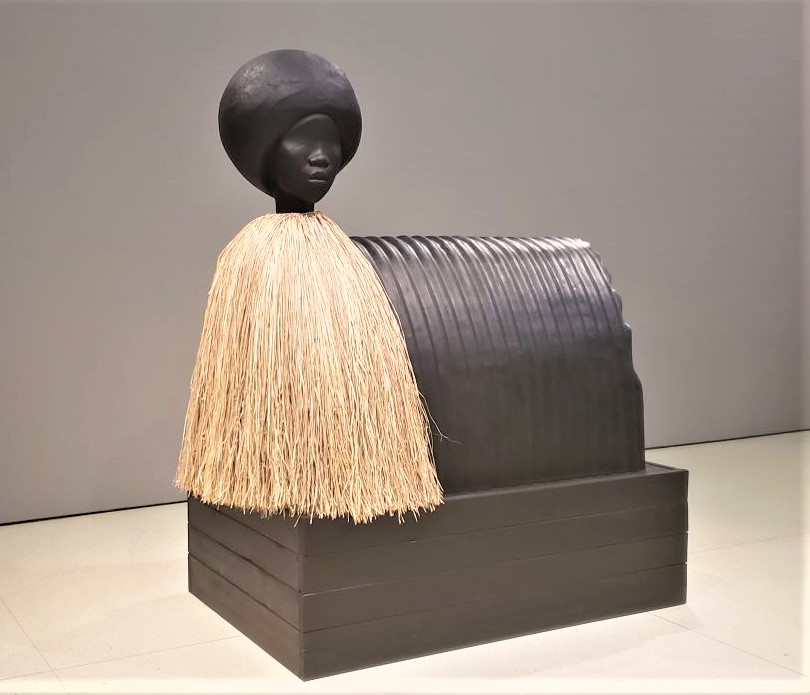
Simone Leigh, Sentinel, 2019, bronze and raffia, edition 13.
“Half of them dreams…” | Ruth Cohen and Esther Cohen
On this tapestry, all of it blue of firmament and green of grass, are now woven the sights of my world in those early days, sights placid and tenuous as wisps of clear curling mist, half riddle-me-ree and half dream; yet there is naught so bright and vivid as they, nothing so real as their reality.
— Bialik, Aftergrowth, Chapter I, p. 42*
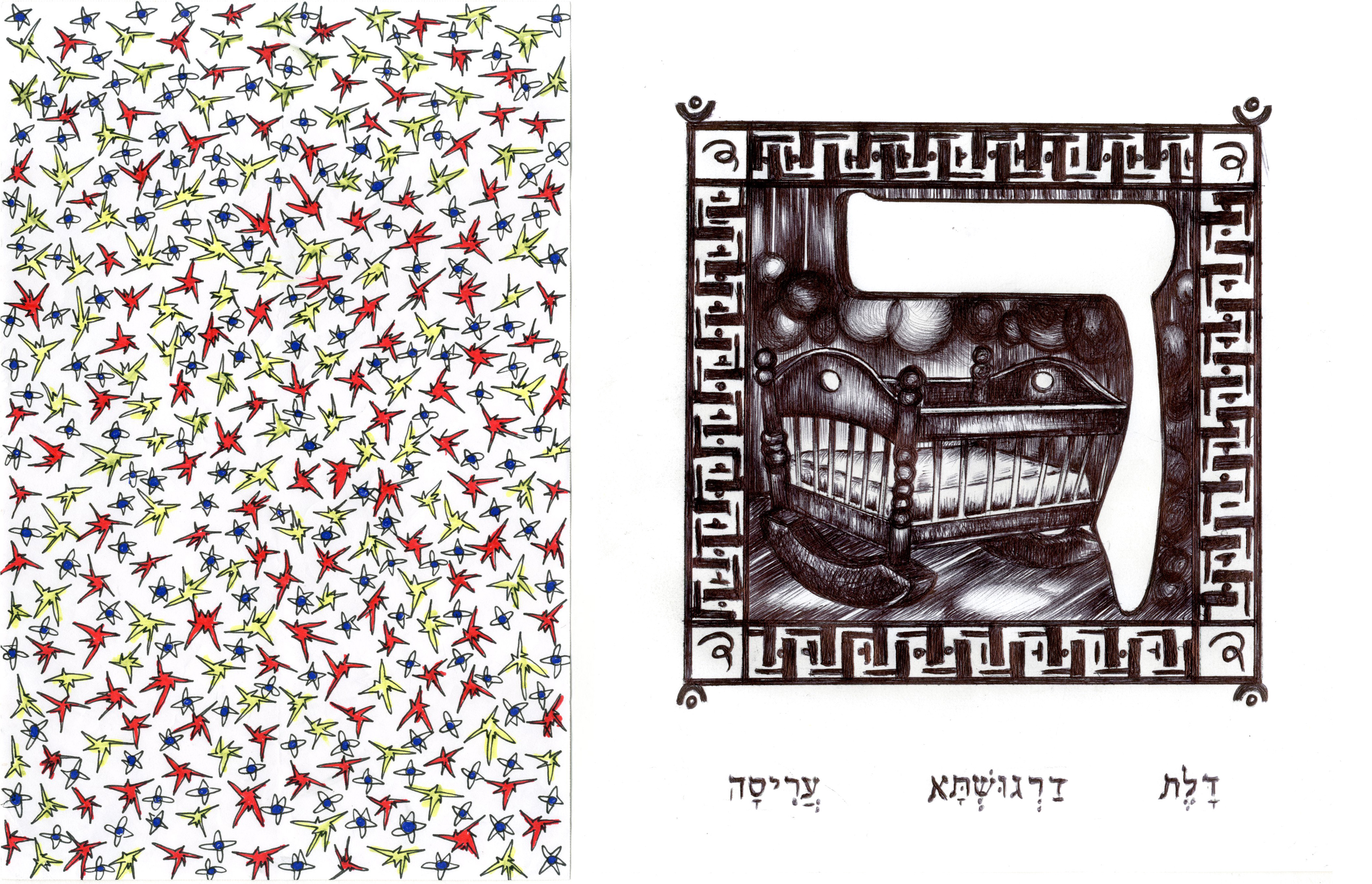
“Half dream…”Ruth Cohen and Esther Cohen, 2021
Modes of reading and decoding visual and written language are the focus of the exhibition “Half of them dreams…” Esther Cohen has made a series of works referring to Haim Nachman Bialik’s poetic autobiographical novella, Safiah (“Aftergrowth”) as part of the series of research-based contemporary art exhibitions at the Bialik House Museum – The Second Floor. Aftergrowth was published serially in Hebrew from 1908-1934.
Esther Cohen embarks on an artistic journey through her heritage, traversing personal and collective memories from circles of family, community, tradition, religion, and history of Israeli, Yemenite, and European art. She shared the journey is shared with her parents: her mother, Ruth Cohen is exhibiting for the first time. She has been creating her color pattern paintings on an almost daily basis for the past 30 years. Esther’s father, Danny Cohen, participates through his contribution of a lexicon of Aramaic, his mother tongue, as an alphabet book drawn by Esther. Other works by Esther in the exhibition are drawings of jewelry, Yemenite Jewish amulets, plants, and details of nature and of fine metalwork.
Time, as material, state of consciousness, and transitions between generations and places, forms the “tapestry” of the exhibition. The works may be read in constant motion forward and backward, until the enigma becomes, as in Bialik’s words, “bright and vivid as they, nothing so real as their reality.”
“Half dream…”Ruth Cohen and Esther Cohen, 2021
Time is marked and present in different forms: almost every day, Ruth Cohen creates small rectangular paintings with repetitive, precise, dense, and colorful patterns. On the reverse of each page, she notes a personal or public event of the day, forming a kind of diary that began in the 1990s and continues to the present. The paintings were made on off-cuts of paper from the Yavne Publishing House where she worked for many years. Thus, the layer of the language of patterns was made as a memory of the books, the realm of words concealed within, as each painting becomes the memory of a single day.
The Salem Family arrived in Tel Aviv in 1924. Ruth was born and raised in the neighborhood of Kerem Hateimanim [lit., the “Yemenites’ vineyard”]. Esther remembers childhood visits to friends and relatives there. Ruth’s small works are as dense and intense as Yemenite fabric or traditional bridal dress. It is interesting to think of her works in context of Afia Zecharia, the Yemenite artist who turned her entire Shlomi apartment into a site-specific total art installation (d. 2002). Despite differences between the two, the aesthetic link is evident.
Danny Cohen belongs to the Nash Didan [lit.,“our people”] the Kurdish Jewish community of Aramaic speakers. At his daughter’s request, he listed the Aramaic words he recalled, in alphabetical order. Esther drew each letter of the alphabet, wrote its name underneath, with a word in Aramaic and its translation into Hebrew. Her lettering is an homage to the Hebrew alphabet painted by Zeev Raban for children, with rhymes by Levin Kipnis,(Berlin, 1923).**
Raban’s letters are clear, colorful images bearing morals (Hebrew mem is for menorah; final mem is for moznayim, Scales of Justice, and so on and so forth). Esther Cohen took inspiration from Raban, but her expressive shapes comprise storms, transitions, uprooting, passion, struggle, and hope. For the Hebrew letter dalet, the Aramaic word that Danny Cohen recalled is dargushTA (cradle); a nun in flames is for nurA (light, fire).The cradle is painted empty, densely drawn within its frame, emitting a sense of danger; the flames of the nurA look like a memorial candle. Each letter tells a story of transition of ancient Hebrew into forgotten Aramaic, which, in turn, is present in the memory of contemporary Hebrew. The translation creates a dissonance, because the Hebrew equivalent of the Aramaic word does not necessarily begin with the same letter (for example, “cradle” in Hebrew – ‘arisah – begins with an ‘ayin, not a dalet). The circle is therefore not complete, the disconnect between sign and content generates a feeling of unrest. Juxtaposed with each letter painting is a piece by Ruth Cohen, forming an additional visual text whose reading does not remain on the surface level of pshat but should be read on the level of remez – an allegorical reading of the shapes and colors.
In Safiah (Aftergrowth), his autobiographical story, Bialik describes the memory of learning to read as a child as an encounter between the letter as a consensual sign and the letter as form, the sign as a key to an associative flow.
…the assistant showed me the form of an aleph and asked me:
“Can you see the yoke and pair of pails?”
“That’s true, upon my soul, a yoke and a pair of pail!”
“Well, that’s an aleph,” testified the assistant.
“Well, that’s an aleph,” I repeated after him.
“What’s this?” the assistant asked again.
“A yoke and a pair of pails,” I replied, highly delighted that the Holy and Blest One had sent me such fine utensils.
“No. Say aleph!” repeated the assistant, and went on, ”Remember: aleph, aleph.”“Aleph, aleph…”
And the minute I went down the aleph flew away and was replaced by Marusya, the gentile girl who drew water. She never budged all day long. I saw her just as she was, with her bare shanks, her thick plaits, and the yoke and pails on her shoulders. And there was the well with the trough at its side, and the ducks in the pool nearby, and the garden of Reb Alter Kuku.
“What’s this?” the assistant asked me next day, showing me the aleph.
“Oh, Marusya,” quoth I, happy to find her.” (Chapter III, p. 62)
The images of jewelry, amulets, and Jewish Yemenite ritual objects in Esther Cohen’s works, rendered in ballpoint pen and ink, are characterized by their lightness and openness, descriptive qualities, the opposite of her mother’s works. Esther Cohen’s research-based drawings mark points of encounter between symbolic, magical, faith, and daily life. Jewelry for rites of passage and amulets are alongside plants that inspired the decorative forms, making present a pendulum-like movement between nature and its representation, hinting at art that embodies its own deconstructive potential.
Ruth Cohen’s drawings placed near Esther’s words and paintings become a kind of chorus continuing to retell the narrative, marking time in the group of works that constitute “Half dream…” The overall picture challenges the stereotypical perception of Mizrahi aesthetics and Yemenite tradition in particular. Ruth and Esther together dissipate the East-West dichotomy, the former with her abstract works, and the latter with an oeuvre moving between precise figuration and surrealist hybridizations of objects/vegetation. Their works refer to art from the past and the present, from far apart locations. Their joint exhibition forms an intergenerational bridge, disrupting conventions of rebellion and erasure in favor of a new option that examines a fresh physical and philosophical space.
I also heard say that in the wood there were hazelnuts growing and Kol-Nidre pears. Some people testified that they had also found Palestine apples there. Let him who wishes to believe go on believing. So far I have not had the merit of seeing them with my own eyes. When the right time comes it may be worthwhile to venture forth into the forest and penetrate its recesses. It ought to be examined. Who knows what may be waiting for me there?
Many were the thoughts in my heart regarding this forest. (Chapter XII, p. 108)
Bialik’s writing in Aftergrowth moves between prose and poetry, memoir and essay. The exhibition integrates artworks in different modes – visual works by the Cohen mother and daughter with words by the father – into a place that is an outgrowth of reality and memory, but remains “Half dream…”
Dr. Smadar Sheffi
* English quotations from Hayyim Nahman Bialik, Aftergrowth and other Stories. Translated from the Hebrew by J.M. Lask, (Philadelphia: Jewish Publication Society of America, 1939).
** Zeev Raban (1890-1970) designed the beautiful ceramic tiles in the living room in Beit Bialik: the pillars, one with the 12 tribes and the second with 12 months of the year, as well as the fireplace. They were executed by the ceramics department of the Bezalel Schooll (headed by Jacob Eisenberg). Raban also illustrated Bialik’s retelling of King Solomon and Ashmedai and his Legend of Three and Four.
A duo exhibition at The Bialik House Museum | The Second Floor
Dr. Smadar Sheffi – Exhibition Curator
Ayelet Bitan Shlonsky – Chief Curator and Director of the Bialik House Complex
“Half dream…”Ruth Cohen and Esther Cohen, 2021