מחשבות בעקבות האירוע השנתי הראשון של איגוד האוצרות.ים

כבר קיומו של האירוע השנתי הראשון של איגוד האוצרות.ים היה ראוי להיחשב כהישג. הערב המוצלח, המעניין, היצירתי ובעיקר האווירה הקולגיאלית בה נערך אתמול (29 מרץ) הופכים אותו למקור לתקווה שההשלכות שלה הן מעבר לשאלות מקצועיות גרידא. המארגנות.ים הצליחו ליצור מסגרת מפגש נעימה, מקום לשיח, אמנם קצר ובלתי מחייב, לאחת מקבוצות האנשים  הביקורתיות, האינדיווידואליסטיות ואולי הציניות ביותר.
עבודה באוצרות אינה מוערכת כראוי כבר שנים. במבט רחב, הקמת הארגון נובעת משינוי מתמשך והבנה מחודשת של חשיבותם של ערכים סוציאליים, שינוי שבארץ אפשר למקד בקיץ המחאה 2011, שגעש כעשור אחר גאיית גל הפרטות הענק בשנות ה 90. הכוונה להפרטות שהובילו ליצירת (או חיזוק ) שכבת האוליגרכים המקומית וכיום מתחילים להיחשף יסודות השחיתות עליהם נבנתה. בתרבות הופרטו מוסדות כמו “אמנות לעם” שבמבט לאחור אפשר לראות שלמרות חזותו המאובקת עשו עבודה חשובה. קרנה של התרבות בארץ ירדה במקביל לירידה קרנם של מדעי הרוח שהתרסקו בעידן  ה”start up nation”.
המעגל שנוצר בתחום זה, אי שם משנות ה 80 או ה 90 היה סחרחרות הידרדרות שהארגון יהיה , אולי בבחינת הילד שמכניס אצבע בסכר המתרוקן. לצד מידה רבה של סטגנציה באוצרות במוסדות הגדולים צמח שדה אמנות עצמאי שבו היו כמה וכמה אוצרות.ים בולטים. אלו נהנו לא פעם מהכרה, אך לזו לא התלוותה תמורה כספית שאפשרה יצירה איכותית לאורך שנים.
IMG-8379

במהלך שנות ה 2000 בהן תחום האמנות הפך למגרש משחקים למגה עשירים, ובלמי האיכות שפעלו בעבר נשחקו (לא במקרה גיבורת “להמציא את אנה”  סדרת המציאות של נטפליקס שואפת להקים מועדון/גלריה פרטי) אוצרות עברה תהלכים מקבילים: מחד הפיכה למוצר זול – כאשר א.נשים בעלי השכלה נרחבת,ו יכולות מוכחות קיבלו שכר מעליב, לא פעם תחת התרוץ של קבלת “חשיפה”, ומאידך הפכה אוצרות, כמו עשיית אמנות, למין תחביב להתנאות בו, קישוט עם ניחוח אינטלקטואלי שעם שימוש  בז’רגון עכשווי, מוסיף הילה. בשני התהליכים יש חשיבות עליונה לכך שמדובר במקצוע שהפך למקצוע נשי במובהק –  להערכתי כיום מעל 90% מהעוסקים בתחום הן עוסקות. כמו תחומים אחרים שהפכו למזוהים כבעלי רוב נשי,  היוקרה והשכר צללו.
באופן כמעט טרגי-קומי, תרומה משמעותית  להידרדרות מקצוע האוצרות הייתה לעולם האמנות עצמו שבמרוץ הכלכלי הבלתי נסבל אליו נקלע מיהר לייסד תוכניות הוראה לאוצרות. אלו מעניקות מספר רב של תעודת אוצר.ת.  בוגרי.ו התוכניות (שאיכותן המגוונת נעה ממצוינות ועד,  ובמקרה הרע לכאלו שגובלות בשרלטנות) ישמחו, לא פעם  לעבוד בחינם. היות ואין מדד ברור לאיכות העבודה, זו לעיתים קרובות תימדד בקשרי האוצר.ת חברתיים/עסקיים/משפחתיים למכור את האמנות שיציג.
מוסדות, ממשרדי עריכת דין עתירי ממון ועד אוספים פרטיים וארגוני צדקה מתייחסים לאוצרות כאין התנדבות חביבה שדורשת (אולי) כיסוי הוצאות.
ארגון האוצרות.ים נמצא מבחינות רבות בשלב ירח הדבש: קשה לא להסכים לכך ששכר האוצרות.ים, גם בחלק ניכר מהמוסדות, אינו מתקבל על הדעת. סטטיסטיקה של הארגון מעלה שהשכר השנתי החציוני הוא 30,000 אלף ₪, כלומר כמחצית שכר המינימום. גם על הצורך לבסס תרבות של עבודה עם חוזים מוגדרים אין חולק  וכך גם לגבי הזכאות המלאה של אוצרות.ים לקבל קרדיט מלא.
מקימות.י הארגון ומפעילות.יו בשנתיים האחרונות,  בראש אלפא חיימוב, ביקשו גם לייסד תרבות של שיח וקולגיאליות והחלו בכך, הלכה למעשה, במפגש אתמול בו נערכו דיוני ‘שולחן עגול’ במבחר נושאים. מעניין לראות שבמקביל לאיגוד העצמאי של האוצרות.ים חלה גם עלייה דרמטית בפעילות של סניף ICOM הישראלי בפעילות בנושאים שחלקם דומים. אפשר לקוות ש’קנאת סופרים’ תרבה חכמה.
האתגרים המורכבים של ארגון האוצרות.ים עוד לפניו. שאלות של הגדרת אוצרות ואיכות אוצרות ידרשו התבוננות. המושג שהפך מילה נרדפת לכל בחירה (וליקוט במקרה הרע ) בכל תחום מאוכל, ריהוט ועד אופנה סופג חבטות מכל צד. יש חוסר אבחנה  מוחלט בין ארגון תערוכה – כמו איסוף עבודות מאמנים למכירת צדקה  – לבין אוצרות המנסחת היגד על העולם.
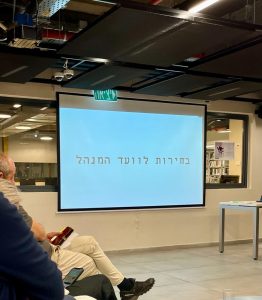
בארוע נמסר שבחירות  פתוחות ודמוקרטיות  לועד המנהל יערכו בקרוב כך שמבחן הארגון קרב. אם יצליח, ואקווה שכך יהיה, המשקל של תרומתו לתרבות הישראלית יכול להיות מעבר למשקל הסגולי של התארגנות עובדים.

                                                                            ***

רשימת העושות.ים במלאכה בארגון האוצרות.ים כפי שהתקבלה מאלפא חיימוב, מתפרסמת כאן במלואה:
קבוצת ההיגוי: אלפא חיימוב, הדסה כהן, אלעד ירון, גליה בר אור, לאה אביר, ניצה פרי, רולא חורי, טלי בן נון, נועה רוזנברג. ועדת תוכן: (הדסה כהן), בר ירושלמי, טלי קיים, מאיה במברגר, דביר שקד, חגית ורנר ושחר בן נון. ועדת גלריות עירוניות: (ניצה פרי), אפי גן, שירלי משולם, קרן וייסהאוז, רוני ראובן, גבי יאיר , עדי אנג’ל, ועדת מחירון בבנייה: סאלי הפטל נווה, מעין שלף, אבי לובין. יעוץ במחירון: שרי גולן, הגר רבן.: אירוח פגישת ועדת היגוי : קרני ברזילי. ארגון ואירוח במפגש צפון: רות אופנהיים
*גילוי נאות – לימדתי בתוכניות אוצרות שונות.

Thoughts on the first annual event of the Curators’ Union

The very fact that the Curators’ Union held its first annual event should be considered an achievement. The interesting, successful, creative evening, and especially its collegial atmosphere made it into the source of hope with ramifications that go beyond professional issues. The organizers created a pleasant framework for meeting, a place for discussion between some of the most critical, individualistic, and perhaps cynical people.

For years, the curator’s work has been under appreciated and underpaid. From a broad perspective, the Union was established against the backdrop of continuous change and re-evaluation of social values. We can date this change to the “Summer of Protest” of 2011, an upheaval that followed the huge wave of privatization a decade earlier. I am referring to the agreements that led to the creation (or strengthening) of a stratum of local oligarchs; at present, their corrupt foundations are beginning to be revealed. In the culture field, institutions such as Omanut La’am were privatized. A retrospective look shows that despite it drab look they accomplished a great deal. The value of culture in Israel declined along with the depreciation of humanities studies in the era of the hi-tech “start-up nation.”

A vicious circle of decline arose in the field somewhere back in the 1980s or ‘90s, against which the Union would be like the boy and the dike. The stagnation in curating practices in large institutions gave rise to independent curators, several of whom were outstanding. They were frequently appreciated but received no monetary compensation that facilitated long-term high quality practices.

Since the millennium, as art became the playground of the ultra-rich, the “brakes” on quality control in the past became worn out. (It is no coincidence that the main character in “Inventing Anna,” Netflix’s reality series, strives to establish a club/private gallery). Curators experienced parallel processes: on one hand, curating became a cheap commodity, as curators with a broad education and proven abilities received a paltry salary, frequently with the excuse that the curator would receive exposure; on the other hand, curating, like making art, became a kind of hobby, decoration with a touch of the intellectual, with an aura added by contemporary jargon. I must note that the profession has become clearly feminine with an estimated over 90% in the field are women. As in other professions that became identified as “women’s jobs,” its prestige and salary plummeted.

In an almost tragicomic way, the art world itself contributed to the decline of the profession of the curator. During the unbearable economic race, there was a rush to establish programs of curatorial studies, with a certificate at the end of the course. The quality of these programs varied (in the worst case scenario bordering on charlatanism) with many graduates happy to work for free. Since there is no clear index to measure the quality of the work, the result will always be assessed by the curator’s social/business/family ties to sell the art that is on display. Institutions, from law offices with plenty of money through private collectors and charitable organizations refer to curating as a kind of “nice” volunteer work that (perhaps) requires expenses to be covered.

The Curators’ Union is still in its “honeymoon phase” in many aspects. It is hard to disagree with the statement that at present, the majority of institutions offer a fee for curating that is unacceptable. The Union’s statistics show that the median annual salary of a curator in Israel is NIS 30,000, i.e., approximately half the minimum wage. Furthermore, there is no disagreement on the need to establish a work culture based on defined contracts and the right of the curator to receive full credit.

The founders of the Union and those who have been running it over the past two years, headed by Alfa Haimov, have been striving to establish a culture of discourse and collegiality and began to do so in practice at last night’s meeting in which there were round table discussions on a variety of subjects. It is interesting to see that parallel to the independent curators’ union there has also been a dramatic rise in the activities of the Israeli branch of ICOM referring to similar issues, with some in common. We can only hope that competition will drive more productivity.

The Union is still facing complex challenges. Questions of the definition of the curator’s work and quality guidelines require further examination. The concept that became a synonym for choice (and in the worst case – gathering), in every field from food, to furniture, through fashion, is suffering blows from all sides. There is currently an absolute lack of distinction between organizing an exhibition, such as gathering artworks for a benefit sale – and between etween the organization of an exhibition – such as collecting works from artists for a benefit sale – and between the work of a curator who is formulating a statement to the world.

At the event, we were informed that open and democratic voting for the Executive Committee will be held soon, so that the test of the organization is drawing closer. If it succeeds – and I do hope it does – the weight of its contribution to Israeli culture will go far beyond it being a labor union.

***

Attached is a list of those working in the Union, as I received in full from Alfa Haimov. Steering Committee: Alfa Haimov, Hadassa Cohen, Elad Yaron, Galia Bar Or, Leah Abir, Nitza Perry, Rula Huri, Tali Ben-Nun, Noa Rosenberg. Content Committee: (Hadassa Cohen), Bar Yerushalmi, Tali Kayam, Maya Bamberger, Dveer Shaked, Hagit Werner and Shahar Ben Nun. Municipal Galleries Committee: (Nitza Perry), Effi Gen, Shirley Meshulam, Keren Weisshaus, Roni Reuven, Gabi Yair, Adi Angel. Pricing (in progress): Sally Haftel Naveh, Maayan Sheleff, Avi Lubin. Consultants to the Pricing Committee: Sari Golan, Hagar Raban. Hospitality for the Steering Committee: Karni Barzilay. Organization and hospitality for the meeting in the north: Ruth Oppenheim.

Full disclosure: I have taught in curatorial studies programs.
Posted in Uncategorized | Comments Off on מחשבות בעקבות האירוע השנתי הראשון של איגוד האוצרות.ים

רעות אסימיני: מיה ואני

אוקטובר 25- רעות אסימיני

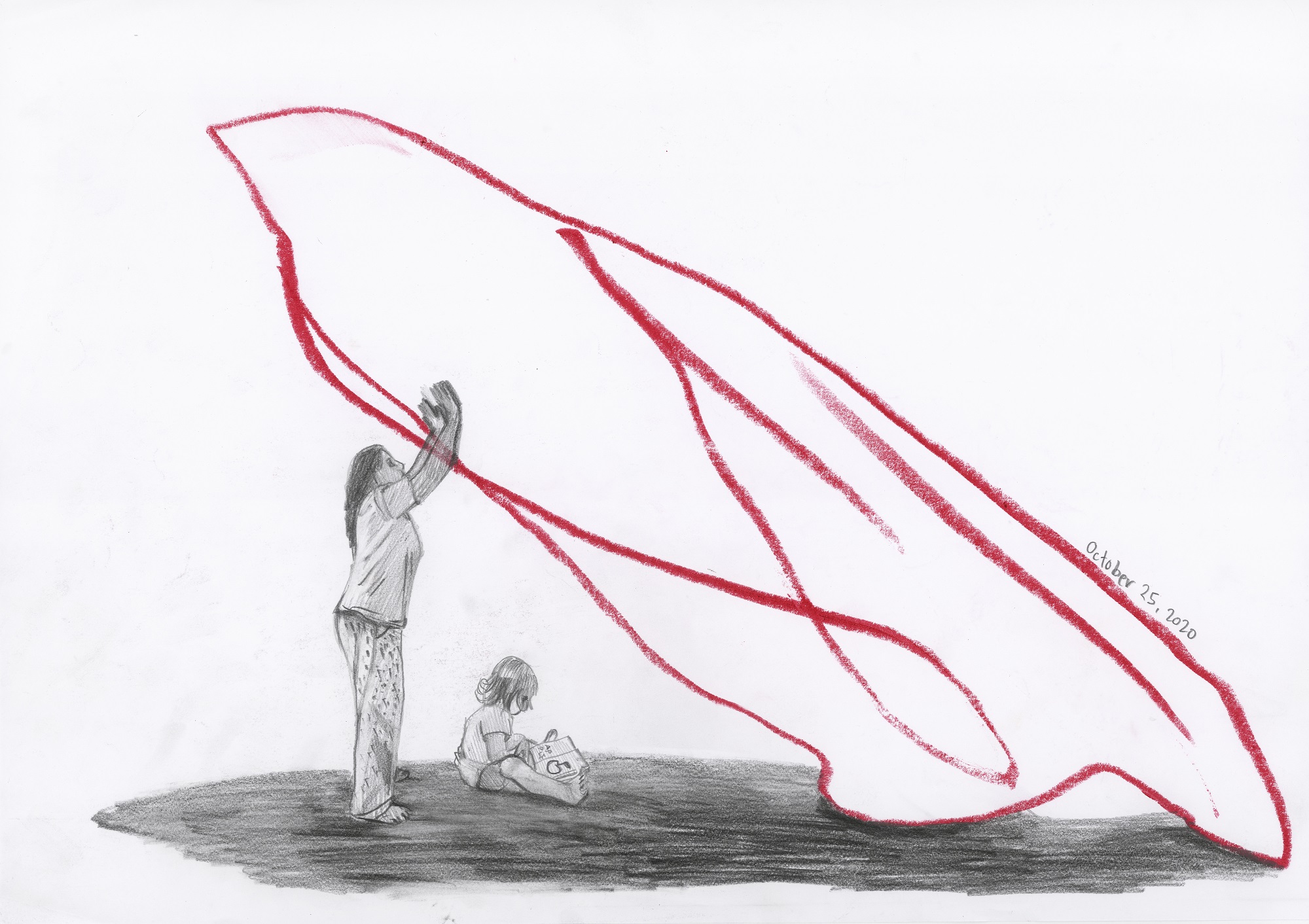
 את “מיה ואני” , סדרת הרישומים של רעות אסימיני ראיתי לראשונה כספר. הספר מעביר את התחושה החמימה, המופלאה, של להחזיק יד של ילדה אהובה בתוך ידך. רכות אין סופית, ואולי נגיעת התוגה של המודעות לזמן החולף, לרגע שללא הפרד, ישנו וחולף.
אסימני עוסקת בחוויית האימהות, בקשר אם -ילדה, באופן ישיר, נוגעת במיתרי הזיכרון הפרטיים של המתבוננת ולא  בפנטזיה.
במתכוון אדבר כאן על אימהות, ולא הורות. לאורך דורות חווית האימהות הייתה נושא שנחשב לסנטימנטלי מידי מכדי להיות אמנות גבוהה וכמעט נעדרה לחלוטין ממה שנחשב לכזו. הנוכחות באמנות המערב של אין ספור מדונות עם ילד, מריה עם ישוע התינוק, מיסכה זאת. דימויים אלו  נותרו תמיד, גם בהצגות הריאליסטיות ביותר, חלק מעולם אידיאלי. העולם ב”מיה ואני” הוא כאן, עכשיו, וכדרכה של אמנות טובה הוא גם מעבר לכך.
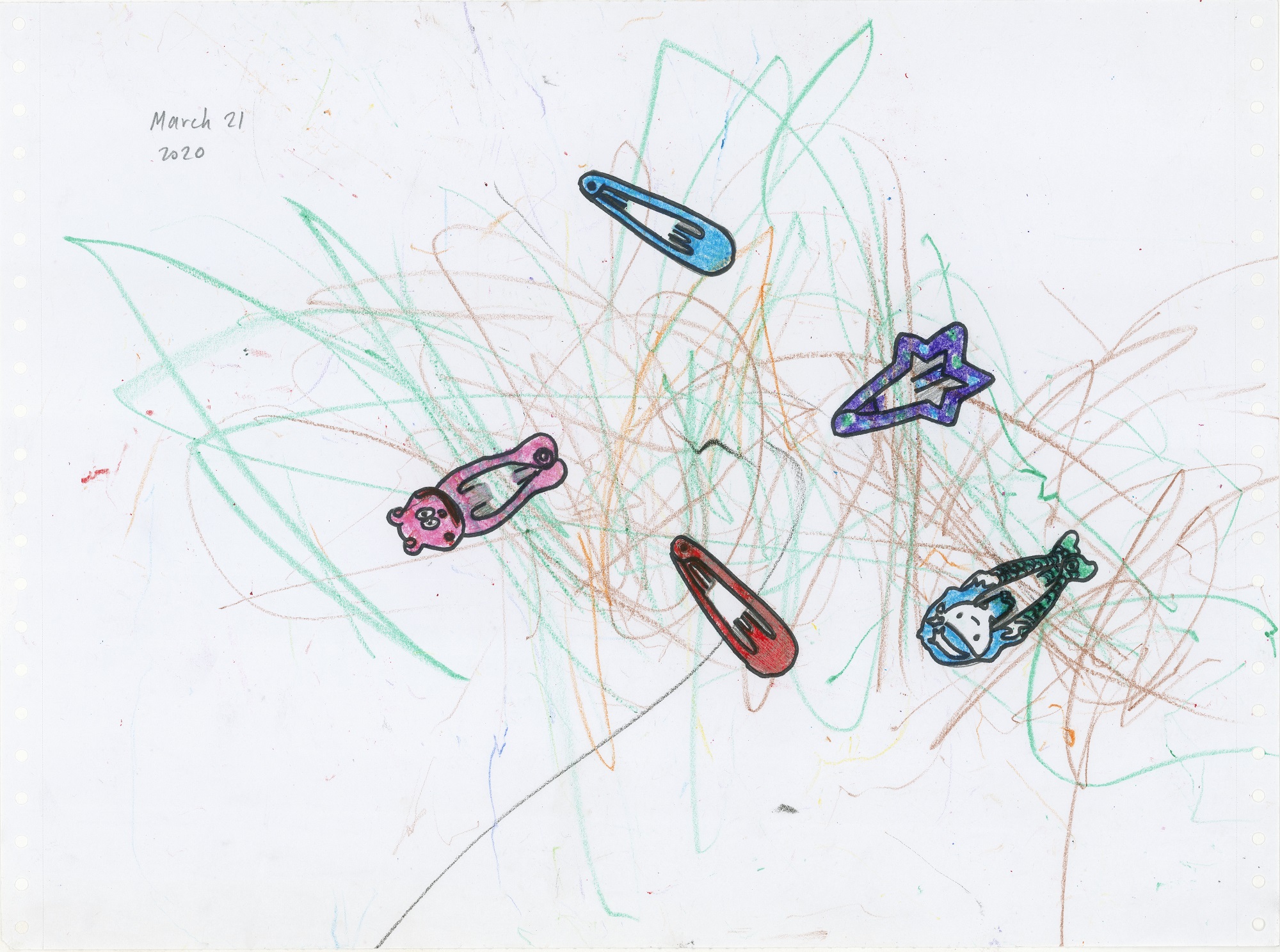
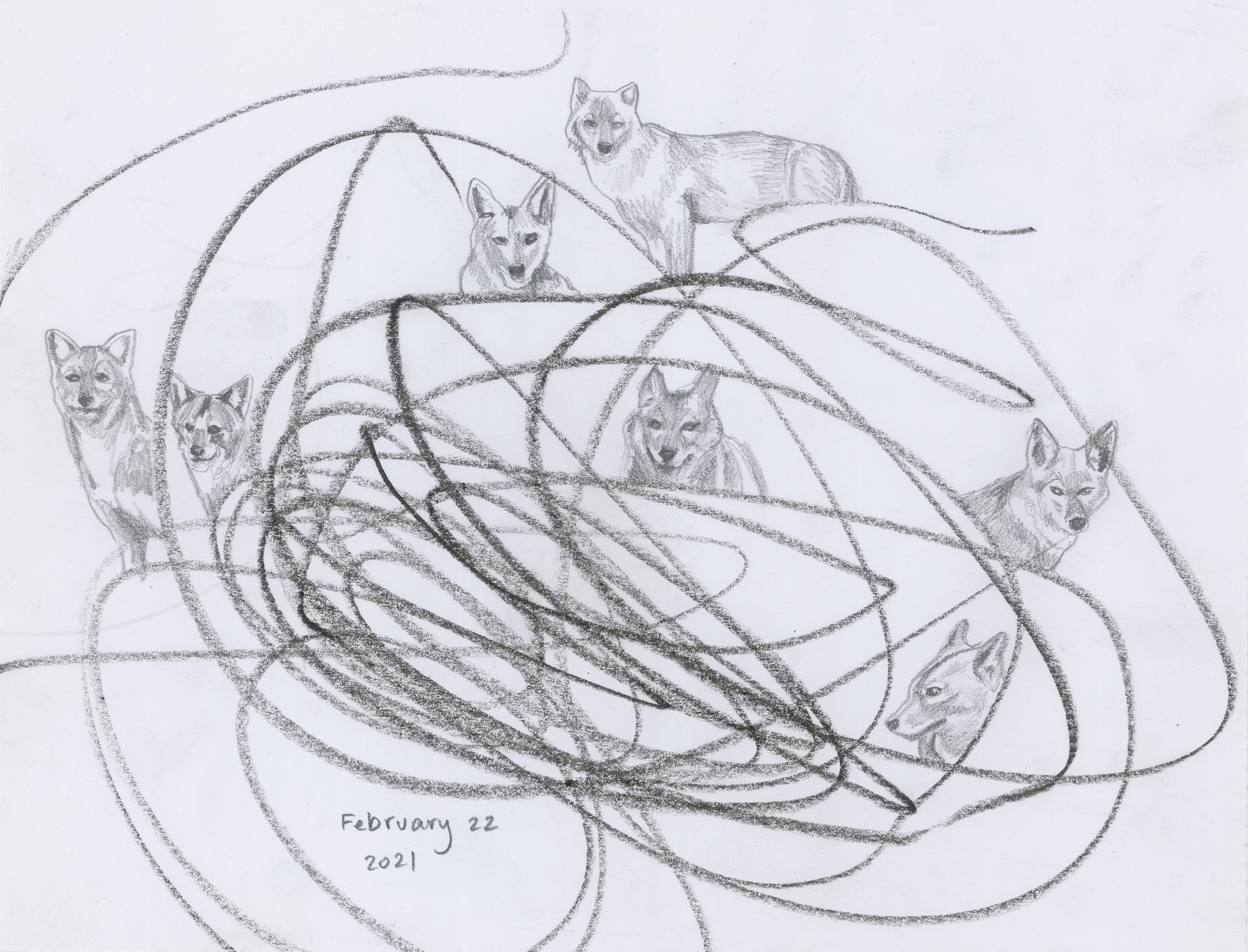
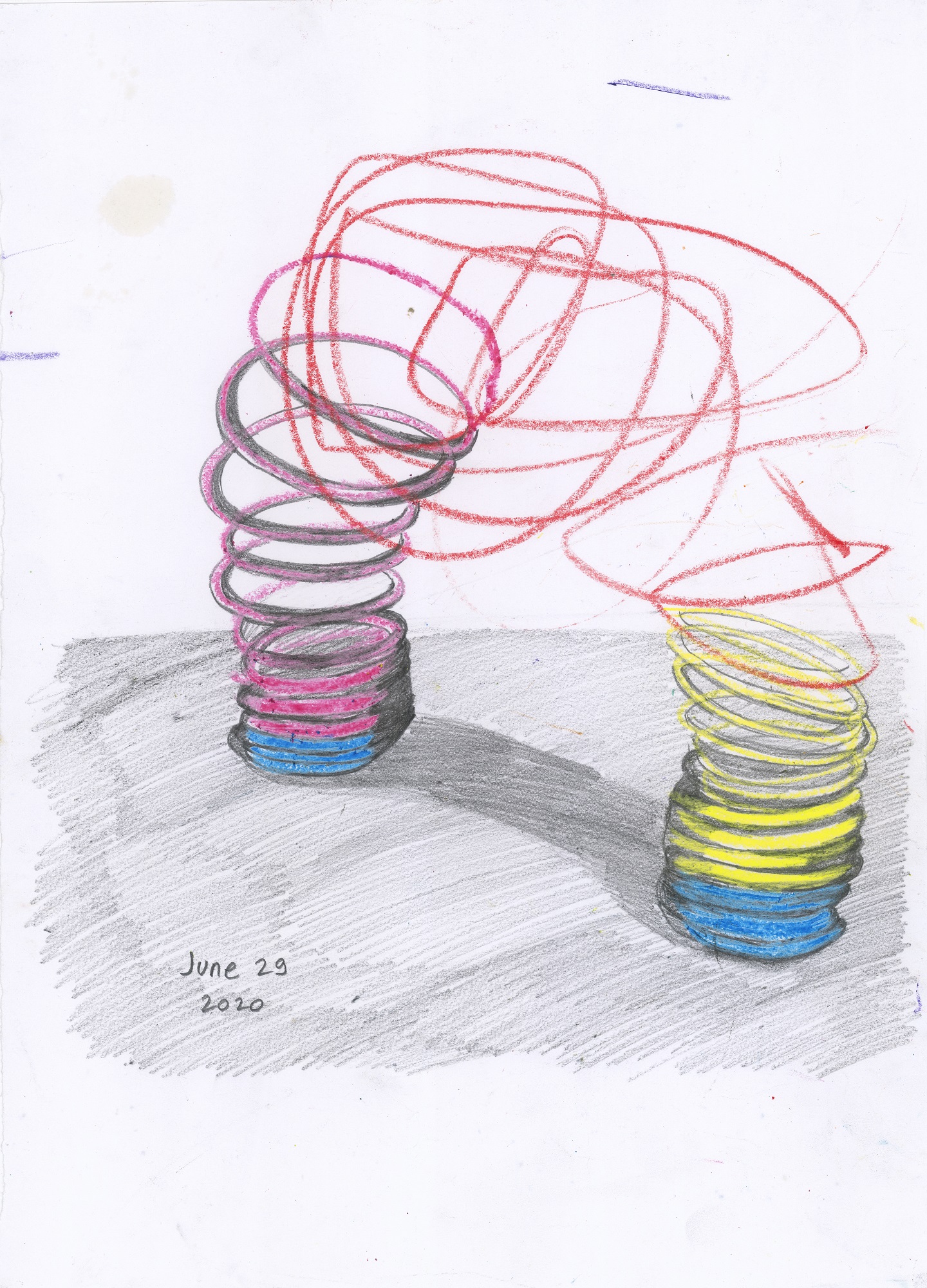
המפגש עם העבודות של אסמיני  בתערוכה יוצר הזדמנות להתבונן בהן באופן שונה. בתערוכה הן מקבלות חריפות, שההתבוננות בהם כנרטיב מתמשך, בדפדוף מרכך. אסמיני ציירה את העבודות החל מפרוץ הקורונה באביב 2020. אלו הם בעיקר רישומים בעיפרון, חלקם לצד שרבוטים של בתה. המפגש של הרישום והשרבוט יוצר רגעים יפים תרגום לקו של הגדילה המשותפת , התהליך של אם ובת בתנאים הבלתי רגילים, האינטנסיביים במיוחד, שנוצרו בתקופה זו. השילוב עם הטקסטים לא תמיד הכרחי, לפעמים פרשני מידי.
סדרת העבודות של אסמיני ולא פחות מכך ההחלטה להציג אותה במוזיאון מסמנת תזוזה בפתיחות לנושאים שהיא עוסקת בהם . באמנות ישראלית אהבו לדבר על “התיילדות” ( בגופי עבודות של אריה ארוך  או  רפי לביא  למשל) אבל לא על ילדים. אחת הדרכים המעטות היתה, בהקשר פוליטי מובהק,  דרך הפריזמה של העקדה, של הילד כקורבן, בהקשרים פוליטיים שונים. במקרה של גרטה וולף קרקואר די היה בכך שיוסף זריצקי, בכובעו כמבקר אמנות,  כתב עליה ב 1927  שהיא בעלת קו וכתם נהדרים אבל “ציירת ילדים” כידי לדחוק אותה לשולי הזרם המרכזי.
למעשה עד שלהי המאה העשרים, נתפסו “אמנית” ו“אם” כדיכוטומיה.  לינדה נוכלין, במאמרה “Morisot’s wet nurse”, עמדה על התפיסה שלפיה כל אחד מתפקידים אלו יכול להתקיים בשלום רק באקסקלוסיביות, כלומר על המצב שבו היותה של אישה אם ואמנית גוזר עליה זהות מסוכסכת.[1]
תיעוד ציורי עקבי של יחסי ילד/ה  עם אם-אמנית אינו שכיח למרות שמדובר באחת החוויות וביחסים החשובים ביותר בחיי רבות . מעניין לחשוב על המעקב, הכמעט תיעוד של הקשר האינטנסיבי שהועצם על ידי הנסיבות של אסמיני ובתה לפרויקט פורץ הדרך של מרי קלי (ילידת 1941), שיצרה בשנים 1973–1979 את Post-Partum Document, עבודה קונספטואלית שעסקה בהבניית הקשר בין אם לילד.
קלי יצרה פרויקט ממושך בו תיעדה וניתחה את כל הסובב גידול ילד – מהפרוזאי ביותר, כגון חיתולים צואיים ולוחות האכלה, ועד למחשבות על חפצי מעבר והתנהגות של פעוט. העבודה, שהוצגה לראשונה ב-1979 ב-ICA בלונדון, עוררה הדים רבים, חלק גדול מהם שליליים ובעיקר מגמדים. בסוף שנות ה-70 נראה היה כי  חוויה שהיא אולי המשמעותית ביותר בחיי ילד ובחיי האם, היא עניין שולי לעומת נושאים “גדולים”. ספר הפרויקט ראה אור ב-1999, עשרים שנה אחר הצגתו לראשונה והתקבל בעניין , אך עדיין במידה התבוננות אליו כמין אקזוטיקה ריגשית , גחמה.
אירנה גורדון מציגה את הרישומים על קירות אפורים שכמו מרסנים את געש שיש בעבודות, אולי לשמור מקריאה משובשת, מקטינה, שיושמה כל הרבה פעמים על עבודות נשים אמניות שנגעו באימהות, וזאת  בשל העיוורון לעומק הדרמה של אושר וקושי המתחוללת בהם.

[1]:

Linda Nochlin, “Morisot’s wet nurse: The construction of work and leisure in Impressionist painting,” in her Art, Women and Power and Other Essays, New York: Harper & Row, 1988, p.44.

אוצרת: אירנה גורדון
מוזיאון פתח תקווה לאמנות

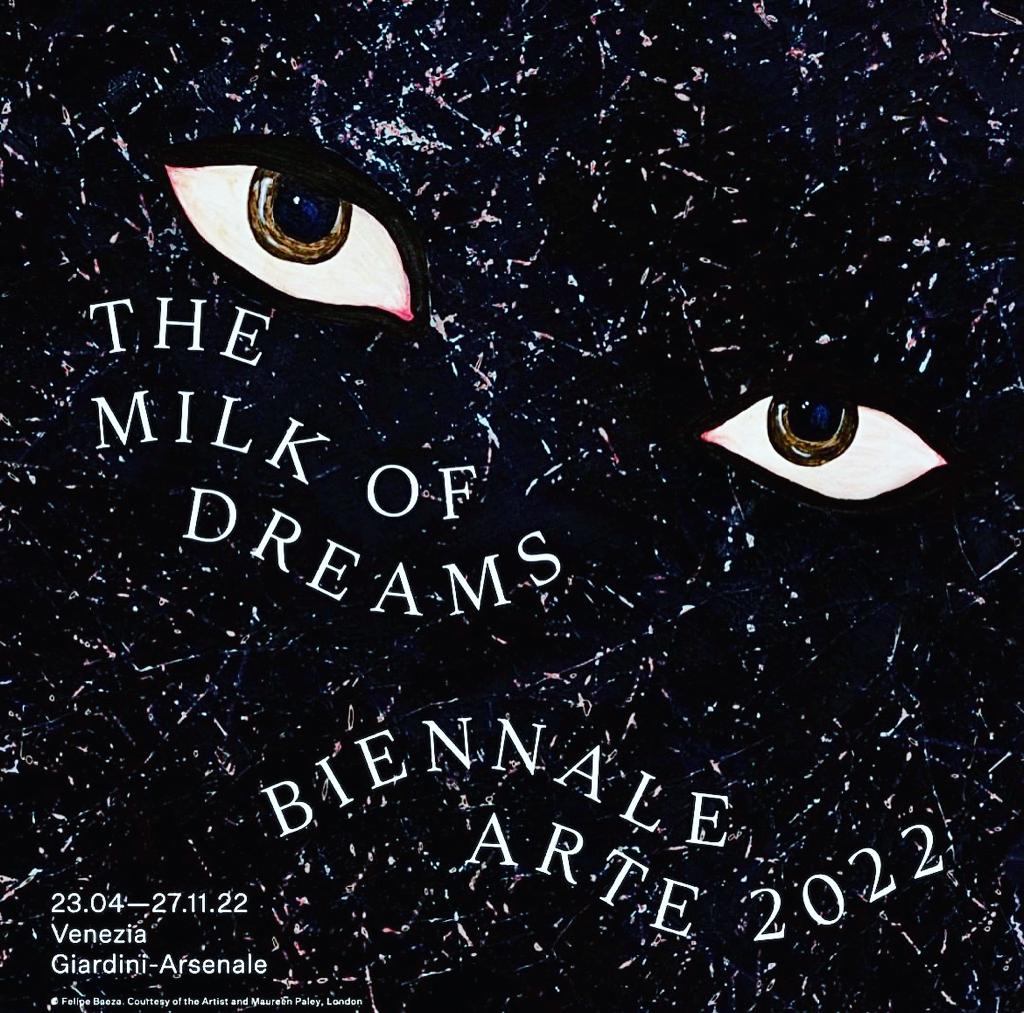
סיור  לביאנלה בוונציה 18-22 מאי 2022
 בהדרכת ד”ר סמדר שפי

בואו להבין את הביאנלה הקרובה בוונציה, להתבונן בה לעומק. בסיור בוטיק איכותי תקבלו את הרקע ההיסטורי – אינטלקטואלי שדרוש כדי להפיק את המיטב מהביאנלה השאפתנית והחשובה של אחרי השינויים שחוללה הקורונה. יהיה מרתק !

פרטים והרשמה:

 קרן: מייל keren@extrmile.com  טלפון נייד: 054-4519518

דניאלה: מייל Daniela@extrmile.com טלפון:054-7040517

Reut Asimini / Mia and I

I first saw Reut Asimini’s series of drawings, “Mia and I,” as a book. It conveyed the warm, wonderful feeling of holding a beloved little girl by the hand, a sensation of infinite softness, and perhaps a touch of the melancholy awareness of passing time and the ephemeral nature of the present moment.

Asimini engages directly in the experience of motherhood and the mother-daughter relationship, evoking private memory from observation and not fantasy.

I am speaking specifically about motherhood and not parenthood. For generations, the experience of motherhood was a theme considered too sentimental for “high art” and is almost completely absent from works considered as such. Innumerable Madonna and Child paintings in Western art, of Mary with Baby Jesus, have masked this absence. Even in the most realistic depictions, such images have always remained part of an ideal world. The world of “Mia and I” is here and now, and, as good art, also goes beyond.

The exhibition offers an opportunity to encounter Asimini’s works differently from in the book. Observation of the hanging pictures has them take on the sharper aspect of a continuous narrative which is less edgy in the book. Asimini made these works from the beginning of the pandemic in Spring of 2020, mainly pencil on paper, some alongside scribbles by her daughter. The encounter between drawing and scribble creates some beautiful moments, a translation of the shared growth into line, the process of a mother and daughter experiencing unusual circumstances under especially intensive conditions created during Covid. The combination of text is not always necessary and sometimes too interpretive.

The series signifies movement towards more willingness to include the subject in the art discourse – and no less significant is the decision to have her show these works in a museum exhibition. There was much critical talk about Israeli art having the elements of the “childlike,” (for example, Arieh Aroch or Raffi Lavie), but this is not about being parented, but many times refers to the motif of the Binding of Isaac in various political contexts. In the case of Grete Wolf Krakauer, Zaritzky’s remarks about her in 1927, in his capacity of art critic, that “she had wonderful lines and color patches, but she was a ‘painter of children,’ were sufficient to marginalize her from the art world.
Until the late 20th century, “artist” and “mother” were considered dichotomous. Linda Nochlin wrote about the perception of exclusivity of the two roles in her article, “Morisot’s wet nurse,” stating that such a mother/artist was doomed to have a split personality.[1]

A consistent documentation of the artist/mother-child relationship is uncommon despite it being one of the most important experiences and relationships in the life of many women. It is important to think about the nearly consistent tracing of this intensive bond (made more intense by circumstances for Asimini and her daughter) presented in Mary Kelly’s (b. 1941) breakthrough conceptual project Post-Partum Document (1973-1979) engaged in the construction of the mother-child bond.

Kelly’s six-year project documented and analyzed everything about raising a child, from the most prosaic, such as dirty diapers and plates, through transitional objects and toddler behavior. First shown in 1979 at the ICA in London, it aroused many reactions, many of them negative but mostly dismissive. In the late ‘70s, it seemed that what might be the most significant experience in the life of a mother as well as a child is a minor matter when compared to “important” issues. The project was published in a book in 1999, twenty years after it was first exhibited, but was still seen as somewhat emotionally exotic, as a whim.

Curator Irena Gordon decided on a middle-grey wall that seems to rein in the volcanic emotion of the works, perhaps to safeguard them from a diminishing reading. Such a disrupted reading is applied so many times to women artists’ works engaged in motherhood, due to blindness at the depth of the drama of happiness mixed with difficulty in the mother-child relationship.

[1]:

Linda Nochlin, “Morisot’s wet nurse: The construction of work and leisure in Impressionist painting,” in her Art, Women and Power and Other Essays, New York: Harper & Row, 1988, p.44.

Curator: Irena Gordon 
Petach Tikva Museum of Art

Through 28/05/2022

Reut Asimini / Mia and I

Posted in ציור | Tagged , , , , , | Comments Off on רעות אסימיני: מיה ואני

גלגול, חוט, בית. מאיה דיקשטיין | אניעם דרעי. המרכז לאמנות עכשווית, רמלה.|Metamorphosis, Cord, Home Maya Dikstein | Aniam Dery CACR

                                                   גלגול, חוט, בית

מאיה דיקשטיין | אניעם דרעי
אוצרת: ד”ר סמדר שפי

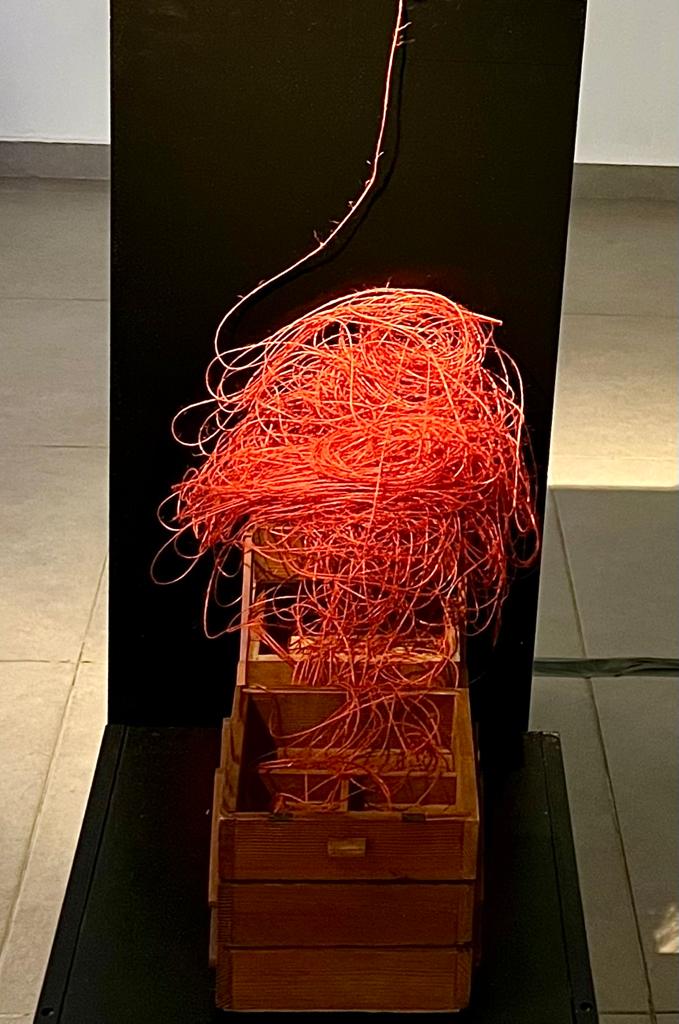
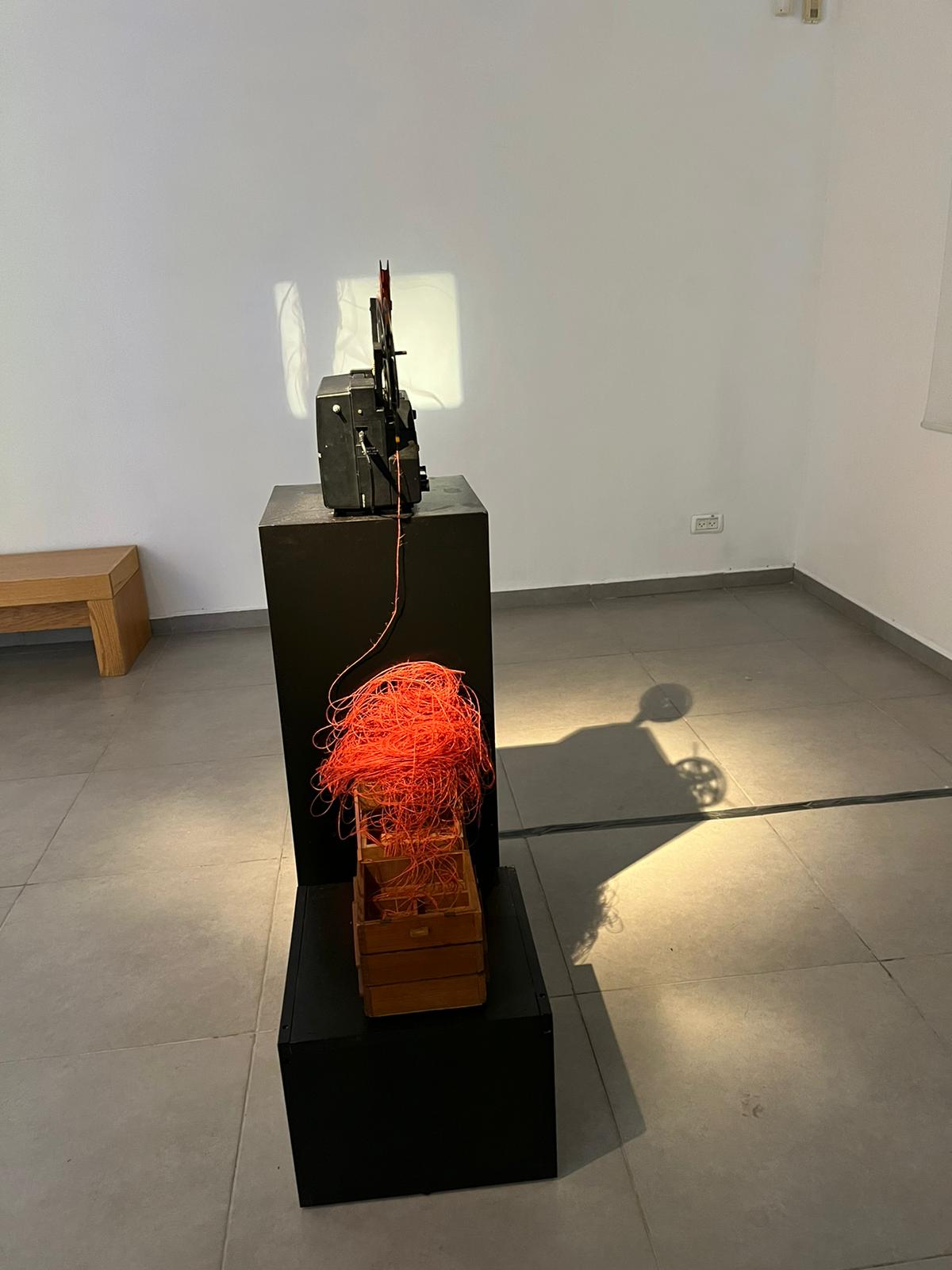
מאיה דיקשטיין מקרינה על הקיר חוט אדמדם העובר בגלגל מסרטה סופר 8. בעבודה  Fata החוט מוגדל, וכך תנועת כל סיב וסיב מודגשת. ברקע הצליל המתכתי המתמשך החורק של המסרטה. החוט מתגלגל במקום שבו בדרך כלל מתגלגל סרט הצלולואיד שעליו שרשרת דימויים היוצרת תמונה נעה. החוט המוקרן הוא אפוא דימוי נע קונקרטי לחלוטין, אך גם כמעט אבסטרקטי, ולכאורה ללא התחלה וסוף. על הקיר ממוסגרים זמן ותנועה בלופ מהפנט. החוט היוצא מהמסרטה נערם לערמה אקראית, שונה מהותית מהאופן שבו הוא מלופף כדי להיכנס למסרטה. הסדר אם נרצה מוליד כאוס.
החוט האדמדם מפעיל שרשרת אסוציאציות מורכבת: חוט החיים; ורידים וכלי דם; וחוט אדום הנקשר על פרק היד למזל הם אחדים מהן. הדמיון החזותי בין מכונת ההסרטה לכישור, הצליל והפעולה ההמשכית, מאזכרים מלאכת טווייה. אך בעוד סיבוב הכישור הוא חלק מייצור החוט, כאן המסרטה מייצרת דימוי.
במיתולוגיה היוונית קובעות את הגורל שלוש המוירות, הגורלות. המוירות, שלוש אחיות, טוו את חוט החיים והחליטו על אורכו ועל המועד שבו נגזר. במיתולוגיה הרומית הן כונו Fata  (מילה העומדת בשורש המיליםFate  ו-Fairy באנגלית וגם המונח “פאטה מורגנה”). העבודה של דיקשטיין נוגעת בשאלות של גורל ודימוי באופן שהם כרוכים יחד, שבו הדימוי נתפס כקסם, כפי שמהדהד במונח היפה פנס קסם בלטינית: Laterna magica. העבודה מופעלת בכל פעם שדמות נכנסת לחלל, כך שבאופן אירוני, ככל שבחלל יותר תנועה, קרי חיים, כך יתקצר הזמן עד שיאזל החוט, וכל דמות הופכת שותפה וצופה בפעולה הסימבולית של הגורל: פתיל חיים מתגלגל הנפסק באופן בלתי צפוי.
טווייה (וגם אריגה) זוהתה מאז העת העתיקה כמלאכה נשית משום שנעשתה, בדרך כלל, בספֵרה הביתית. הצטיינות בטווייה סימנה חריצות, צניעות ומסירות, תכונות שנחשבו הולמות לנשים. הפלך והכישור אכן סימנו נוכחות ותנועה בתוך הבית, ועל אף היותם אמצעי ייצור אפשר לחשוב אליהם , כפסל קינטי.

Maya Dikstein, Fata, 2022

הקשר בין טווייה, דימוי, קסם וגורל, שאת מקורותיו ואזכוריו ניתן למצוא במיתולוגיות שונות, כלומר בזיכרון התרבותי האנושי הקולקטיבי, מקבל ב-Fata מורכבות נוספת: הרי ההקרנה של חוט גורל על הקיר במכשיר מופעל חשמל מכניסה גם את הטכנולוגיה למשוואה חיים – גורל, משוואה של כוחות הגוזרים גורלות
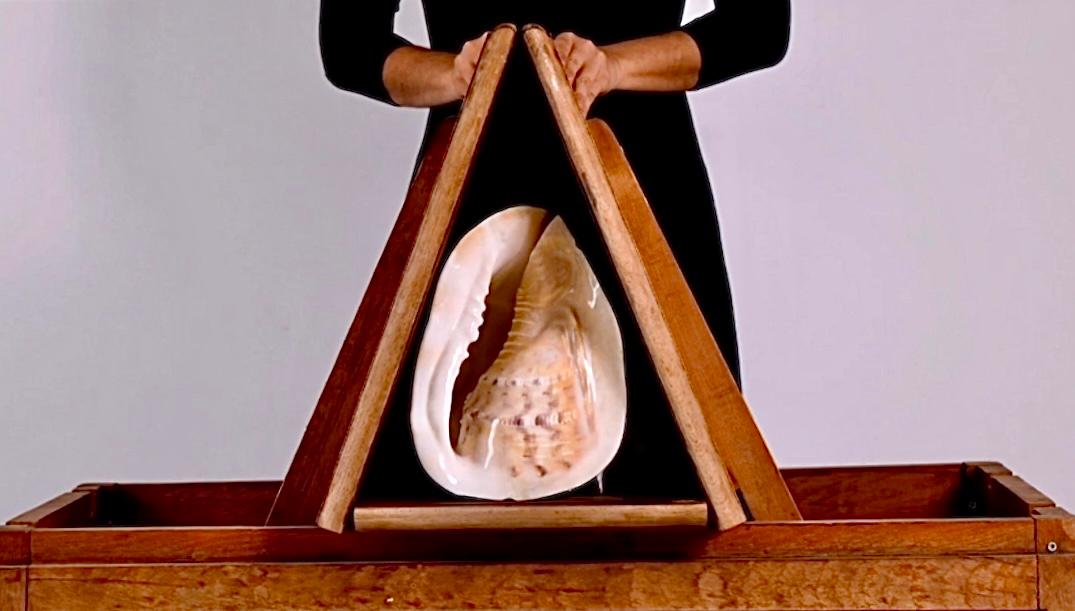
בTable investigation-  (מחקר שולחן) אניעם דרעי יוצרת כוריאוגרפיה לאישה, ריהוט ביתי וקונכיית צדף. האישה היא שרת הטקס, הקוסמת, הפסלת אך גם כלואה בשדה פעולה קטן, ערום וסגור. המהלך בעבודת הווידאו הוא משולחן מכוסה במפה לפירמידת רהיטים שבראשה הקונכייה, אובייקט מהטבע, מהחוץ, שגלומים בו זיכרונות וגעגועים למה שמעבר לספירה הביתית. המהלך של פירוק וחיבור הוא כתהייה, כמחקר של האובייקטים: מפה, שולחן, כיסאות וקונכייה. המפה שמכסה ומגלה מזכירה מעשי קוסמות, בעוד השולחן המפורק לחלקי ההארכות המוטמנות בו הופך לפסל מינימליסטי. שוב ושוב מתעוררת השאלה האם יש היגיון במהלכים שמפירים בזה אחר זה את הסדר המוכר: משטח שולחן הופך לפירמידה, כיסאות לרגלי שולחן והקונכייה היא כמו מרכז כוח מאגי.

Aniam Leah Dery Investigations Table, 2021

דרעי מפרקת את השולחן, בודקת את חלקיו ומדגישה את הוורסטיליות שבשולחן פשוט עם הארכות מובנות המוטמנות תחת המשטח העליון. פעולה דומה היא עם הכיסאות והמפה, שעוברים גלגולים שונים מבלי לשנות צורה, אך עם שינוי בפונקציה הממשית או המטאפורית. מעניין לחשוב עליו בהקשר היהודי של הכפילות שולחן/מזבח: “ר’ יוחנן ור’ אלעזר דאמרי תרוייהו: בזמן שבית המקדש קיים, מזבח מכפר על אדם, ועכשיו שאין בית המקדש קיים – שולחנו של אדם מכפר עליו” (מנחות צז ע”א). המעבר החד בין מזבח במקדש לשולחן הביתי והקניית הכוח ליומיומי לשמש כלי שרת לפעולה הדתית הנעלה של כפרה על חטאים הוא קונספט מרהיב.
השולחן והקשריו כאובייקט המכפר על חטאים מתקשרים גם לחקירה שעברה משפחתה של דרעי, אחייניתו של אריה דרעי. דרעי גדלה בצילן המתמיד של חקירות והרשעה. לאחרונה הגיעה לסיומה פרשייה נוספת בהסדר טיעון. החקירה כפולה: חקר האמת וחקר ההשפעה המשבשת של מצב דברים שכזה על הבית שהשולחן והכיסאות מסמלים. קונכייה היא בטבע שריון, שכבת מגן ומקלט מפני טורפים עבור בעלי חיים כמו חלזונות המתגוררים בתוכה, וכאן היא בבחינת בית סמלי וגם מקום לקול אחר, מעבר לחלל הדחוס של בית שרהיטיו מאבדים את הרציונל של הווייתם. דרעי מעלה את הקונכייה לגובה האוזן, כמו הזמנה לשמוע ים. ובד בבד, צליל הים כמו האמנות הוא אשליה בלבד, רעשי רקע בתדר נמוך המוגברים בשל מבנה הקונכייה.

רחוב הרצל 112 רמלה (הכניסה מגן הנשיא) שעות פתיחה א’-ה’: 10:00 – 15:30,
ימי ו’ וערבי חג בתיאום מראש. 
להגעה עם WAZE כתבו המרכז לאמנות עכשווית רמלה CACR

האקדמיה של החלון – הרצאות ד”ר סמדר שפי בזום.
 2022 שנתו של צ’רלס ריי
יום  ב, 7 פברואר 2022, ב 19:30
לינק לרישום     https://forms.gle/M62mmXYNtw15gyCW8

צרלס ריי הוא אמן  מוערך, מצליח מאד, אך לא מפורסם. יתכן שארבע תערוכות יחיד המתרחשות כעת ישנו את התמונה. ריי מוצג בימים אלו במוזיאון המטרופוליטן בניו יורק  ובמוזיאון  Glenstone מחוץ לוושינגטון . באמצע פברואר יפתחו תערוכות יחיד שלו, במקביל, במרכז פומפידו ובמוזיאון “בורס דה קומרס” החדש, שניהם בפריז. בנוסף, מיצב חדש של ריי יהווה את אחד העוגנים של הביאנלה במוזאון הוויטני בניו יורק שתפתח באפריל.
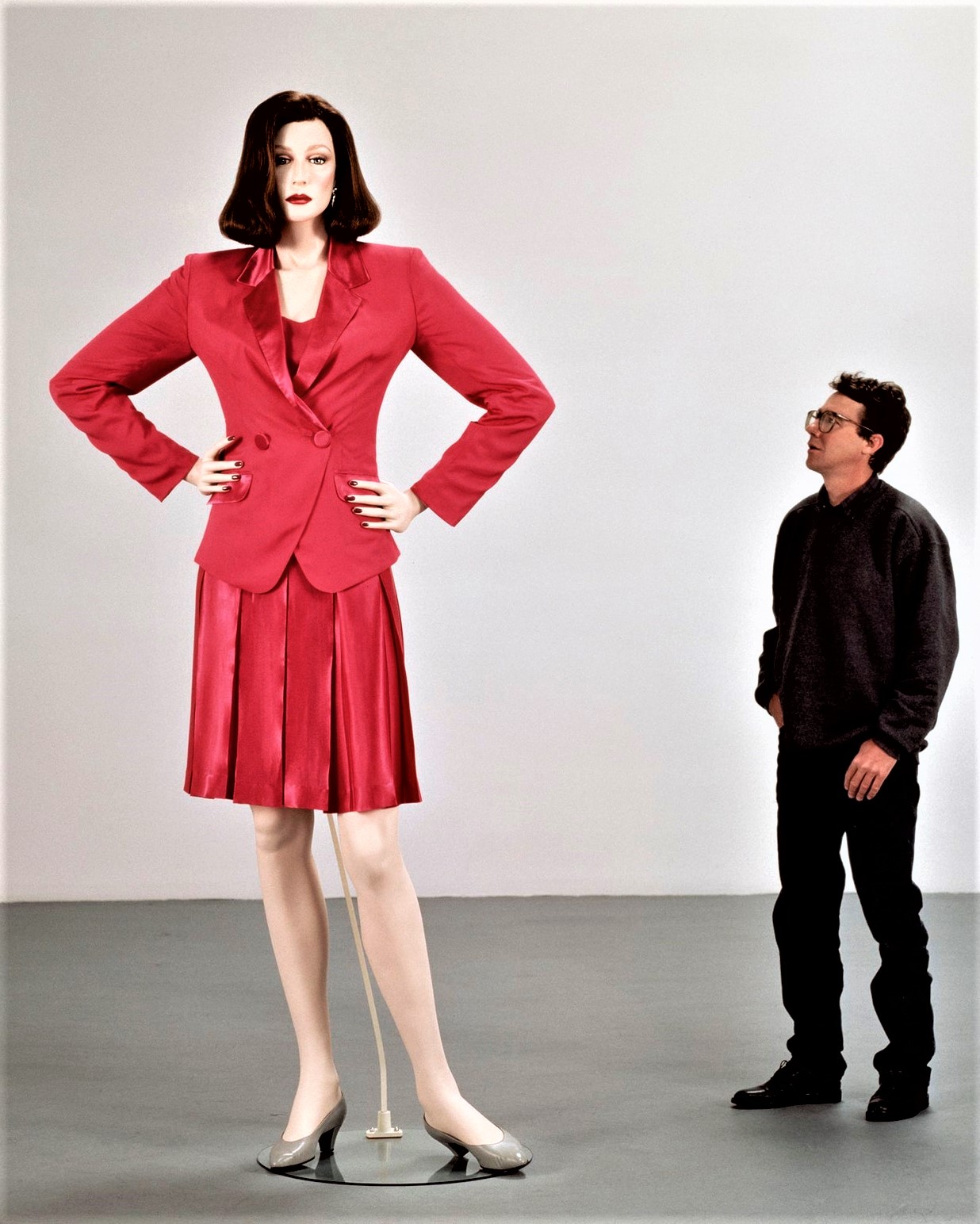
לצד עבודות מוכרות שננתח כמו את “רומן משפחתי”, פסל הורים וילדים בעירום מלא וגודל זהה, שיצר בתחילת שנות ה90 או ,”אישה גדולה” , נתבונן בעבודות החדשות שהן דיון ער על חיינו בהווה ומסע והיאחזות באיכויות חומריות.

Metamorphosis, Cord, Home   
Maya Dikstein | Aniam Dery
Curator: Dr. Smadar Sheffi

Maya Dikstein’s Fata is a wall projection of an image. A reddish cord moves along a wheel on a Super 8 projector. The cord is wound on the wheel that usually holds the celluloid film bearing the sequence of images that create a moving picture. Time and movement are framed on the wall in a hypnotic loop. The cord exiting the projector piles up in a random heap, fundamentally different from the way it was carefully wound onto the project. Order, as it were, births chaos.

Maya Dikstein, Fata, 2022

The reddish cord generates a complex chain of associations: cord of life, veins and blood vessels, and the red cord tied on the wrist for good luck are only some of them.
Greek mythology places fate in the hands of the three Moirai¸ the Fates. The Three Sisters spin the cord of life, decide on its length and the time at which it is severed. In Roman mythology, the Fates were called Fata, (root of the English words fate and fairy, and the Latin Fata Morgana). Dikstein’s artwork touches upon the question of fate and image, linking them so that the image is magical, resonating the Latin Laterna magica.

In Investigations Table, Aniam Leah Dery creates a piece choreographed for a woman, domestic furniture, and a conch shell. The protagonist is the mistress of ceremonies, magician, and sculptor but is also imprisoned in a small field of action. The video embodies memories and yearnings beyond the domestic sphere. The question arises repeatedly as to whether there is logic in the steps that disrupt familiar order one at a time: the surface of the table becomes a pyramid, chairs as table legs, and the conch shell like the center of magical power.
Dery dismantles the table, examines its parts, and emphasizes the versatility of the simple table.. It is interesting to think about it in the Jewish context of the duality of table/altar: “Rabbi Yohanan and Rabbi Elazar both say the following interpretation: When the Temple is standing, the altar effects atonement for the transgressions of a person, but now that the Temple is not standing, a person’s table effects atonement for his transgressions” (Talmud Bavli, Menachot 97a). The sharp transition between the consecrated altar to the domestic table is breathtaking. The mundane table is charged with the power to serve as a consecrated vessel for atonement.
The table and its religious context as an object atoning for sins are also associated to investigations that Dery’s family underwent (Aniam is Aryeh Deri’s niece). The artist grew up in the shadow of constant interrogations and convictions.This is a double investigation by the artist into the truth and into the disrupting impact of circumstances on a home symbolized by table and chairs. The conch shell is the natural armor protecting the sea-snail from predators. In the work, the shell is a symbolic home as well as a place for another voice, a transition to the cramped space of a home whose furnishings lose their rationale. Dery raises the conch to ear level as if to hear the sea. The sound of the sea is an illusion like art, a low frequency background resulting from the structure of the conch.

112 Herzl Street (entrance from Gan Hanassi)
Open Sun.-Thurs., 10 a.m.-3:30 p.m.; Fri and holiday eve by appointment
For Waze, write CACR-Contemporary Art Center, Ramla


Posted in Video, מייצג, פיסול ומיצב | Tagged , , , , , , , , , | Comments Off on גלגול, חוט, בית. מאיה דיקשטיין | אניעם דרעי. המרכז לאמנות עכשווית, רמלה.|Metamorphosis, Cord, Home Maya Dikstein | Aniam Dery CACR

סמדר שפי, החלון, אומנות ישראלית, אמנות ישראלית, Smadar Sheffi, The Window, Israeli Art